A new economy car used to be the obvious sensible choice: fresh warranty, low running costs, and no previous owner to worry about. That calculation has become less automatic in Canada’s higher-priced vehicle market. With average new-vehicle prices still elevated and some three- to five-year-old luxury models falling into the same payment range as mainstream compacts and crossovers, the comparison feels more realistic than it once did. Across 12 reasons, the appeal comes down to price gaps, depreciation, comfort, warranty options, financing pressure, insurance realities, and the emotional pull of getting more car for the money.
The Price Gap Makes the Comparison Feel Real
For many Canadians, the idea starts with a simple search filter. A shopper looking at a new compact crossover may also see a three or four-year-old luxury sedan or SUV listed nearby in the same broad price range. That overlap has grown more noticeable because new vehicles remain expensive, even when headline prices ease slightly.
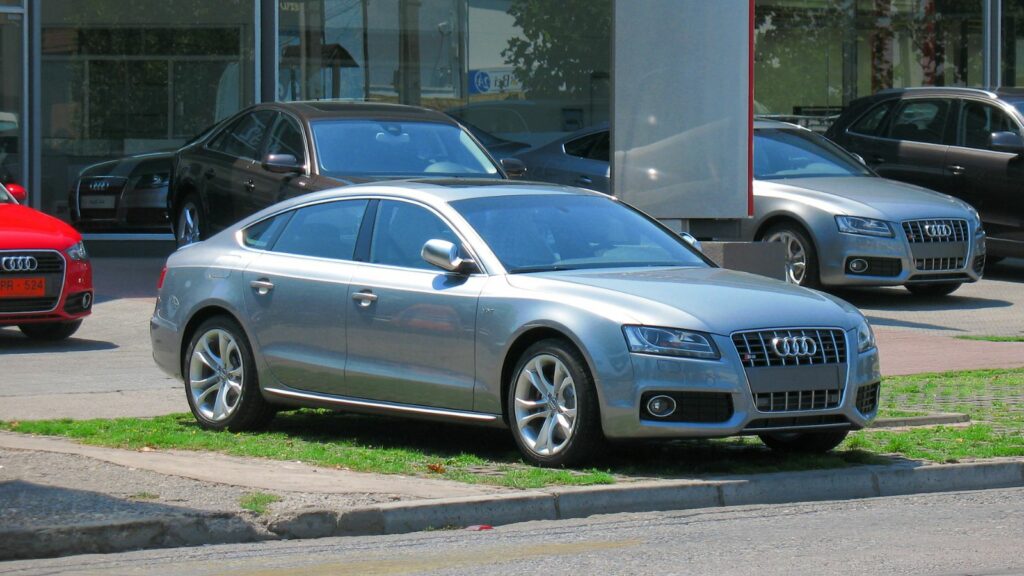
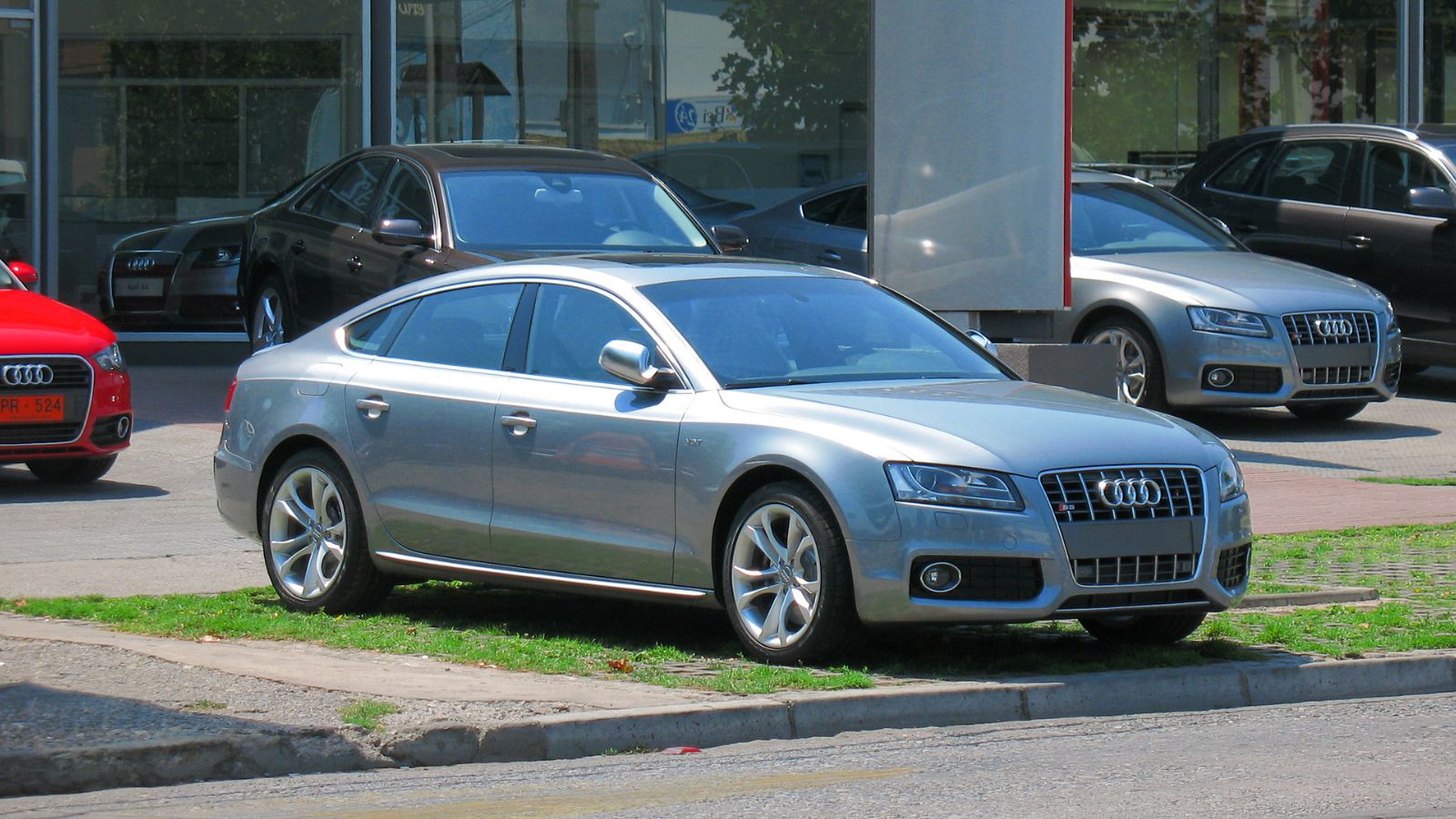
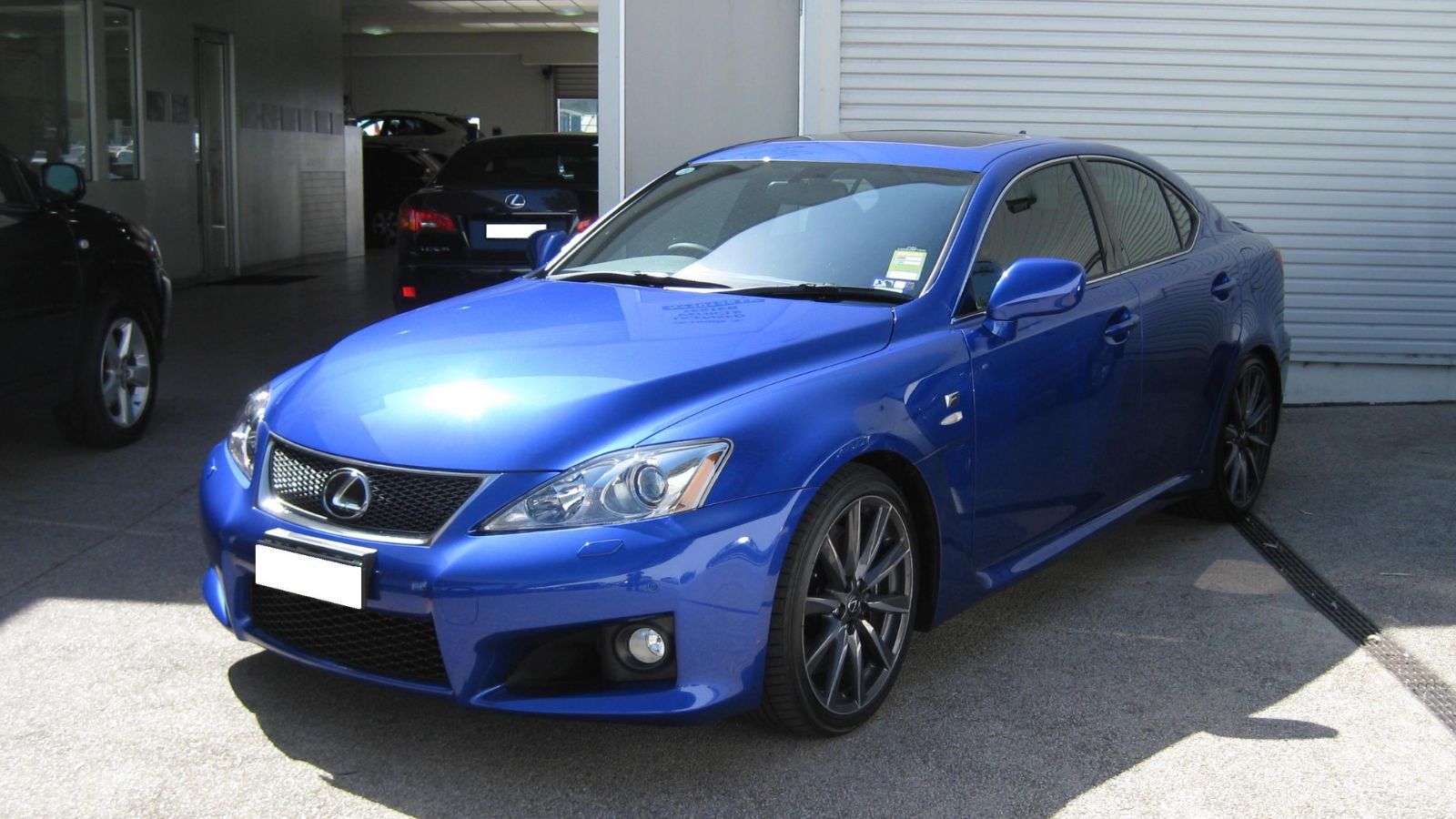
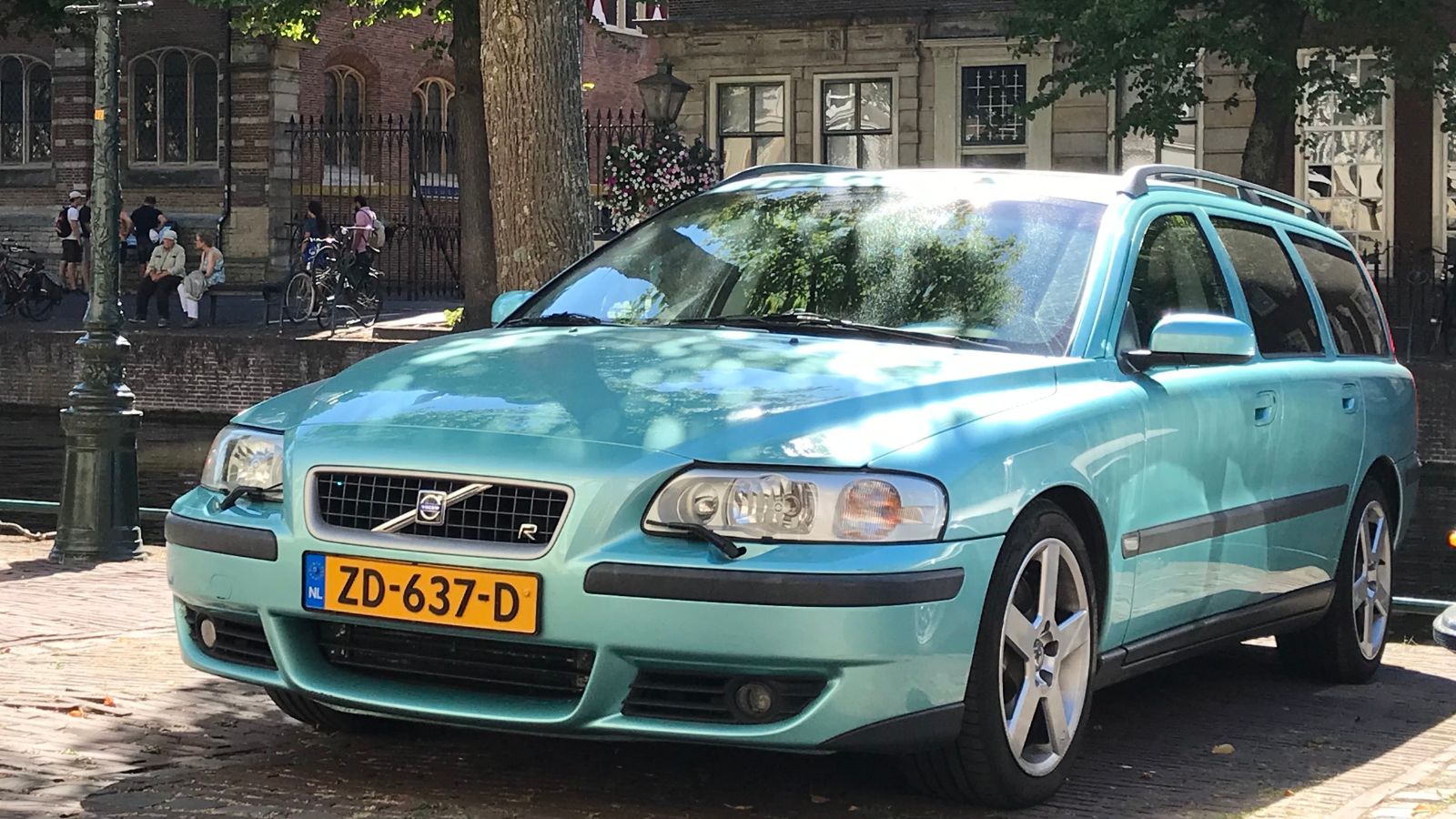
AutoTrader reported that Canadian new vehicles ended 2025 at an average price above $63,000, while used vehicles averaged just over $35,000. That does not mean every used luxury car is affordable, but it explains why a lightly used Audi, Lexus, Volvo, Acura, BMW, or Mercedes-Benz can enter the conversation. For a household trying to balance payments, taxes, winter tires, insurance, and fuel, the used premium badge may no longer look wildly unrealistic.
Luxury Depreciation Has Already Done Some Damage
Luxury cars often lose value quickly in their first few years, which can make them painful for the first owner and tempting for the second. The steepest drop usually happens early, when the vehicle moves from “new” to “used” and the original warranty period begins to shrink.
Canadian Black Book and Fitch Ratings found that overall vehicle depreciation averaged 15.5% in 2024, with luxury and prestige segments seeing some of the steepest declines. AutoTrader also reported that used luxury vehicle prices fell more sharply year over year than mainstream used vehicles in early 2025. That can create a practical opening: instead of absorbing the first major value drop on a new economy model, some buyers prefer a luxury vehicle after someone else has taken the biggest depreciation hit.
Premium Features Arrive at Economy-Car Money
Luxury vehicles often receive comfort and technology features before they become common in mainstream trims. Ventilated seats, high-end audio, adaptive headlights, head-up displays, panoramic cameras, power-adjustable seating, and quieter cabins can make a used luxury vehicle feel more special than a brand-new base model.
That matters in daily life. A commuter in the Greater Toronto Area or Metro Vancouver may care less about the badge than the heated steering wheel, seat comfort, blind-spot monitoring, or smooth highway ride. Many newer economy cars offer strong safety and infotainment packages, but premium vehicles tend to bundle richer materials and convenience features together. For shoppers who spend hours each week in traffic or on winter highways, those small comforts can make the used luxury choice feel less indulgent and more like a quality-of-life upgrade.
Used Luxury Can Feel Better on the Road
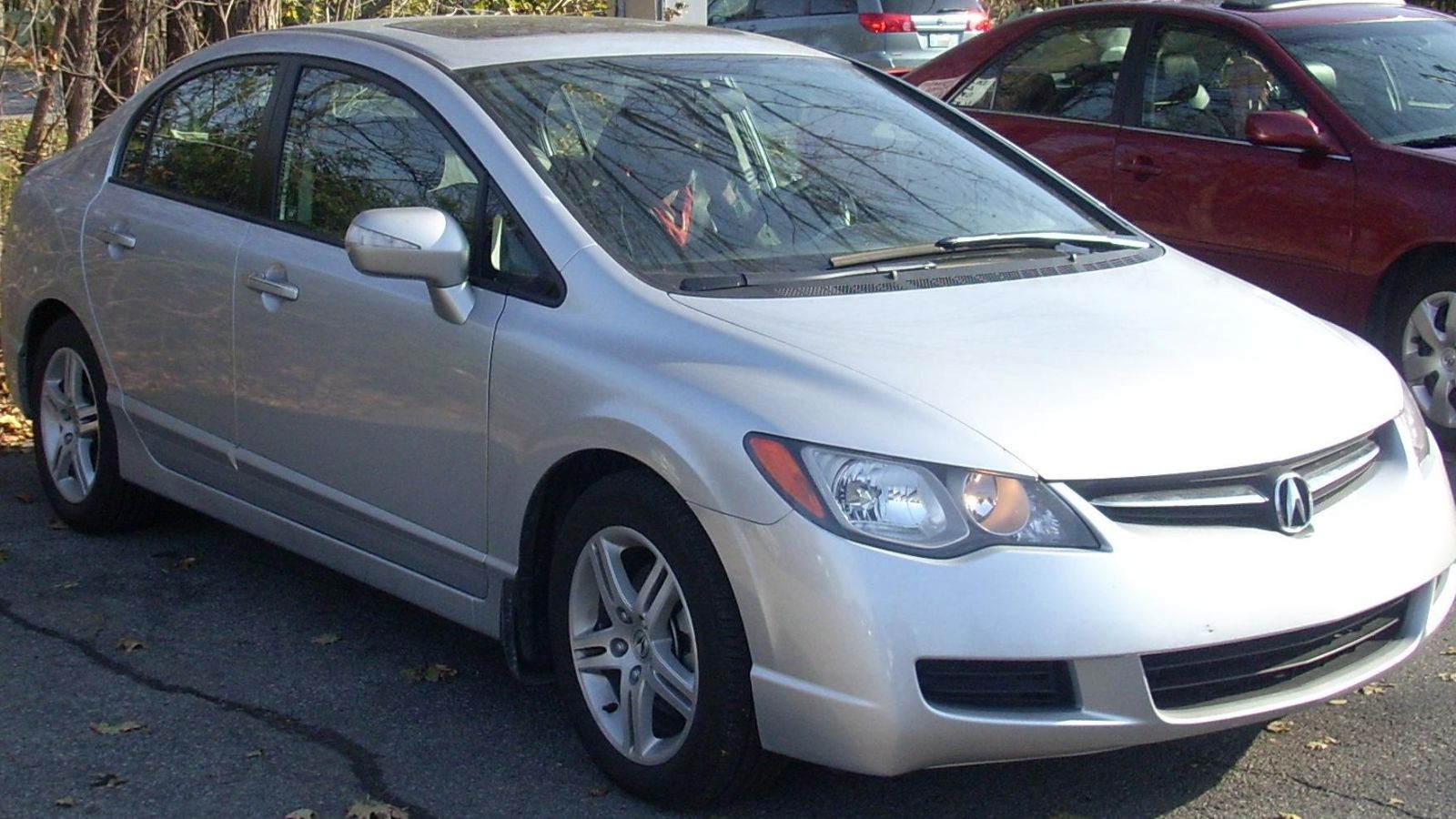
Some buyers are drawn to how luxury vehicles drive. Even when used, many premium models offer stronger engines, better sound insulation, more composed suspension tuning, and more supportive seats than entry-level economy cars. That difference can be obvious during long highway trips, rough winter commutes, or quick merges onto busy roads.
A new economy car may be more rational on paper, especially for maintenance and warranty coverage. Still, a three-year-old luxury SUV or sedan can feel more refined from the first test drive. The doors close with more weight, the cabin stays quieter, and the steering may feel more settled. For Canadians replacing an older vehicle, that jump in comfort and performance can be persuasive, especially when the monthly payment looks close to a newer mainstream alternative.
New Economy Cars No Longer Feel Cheap
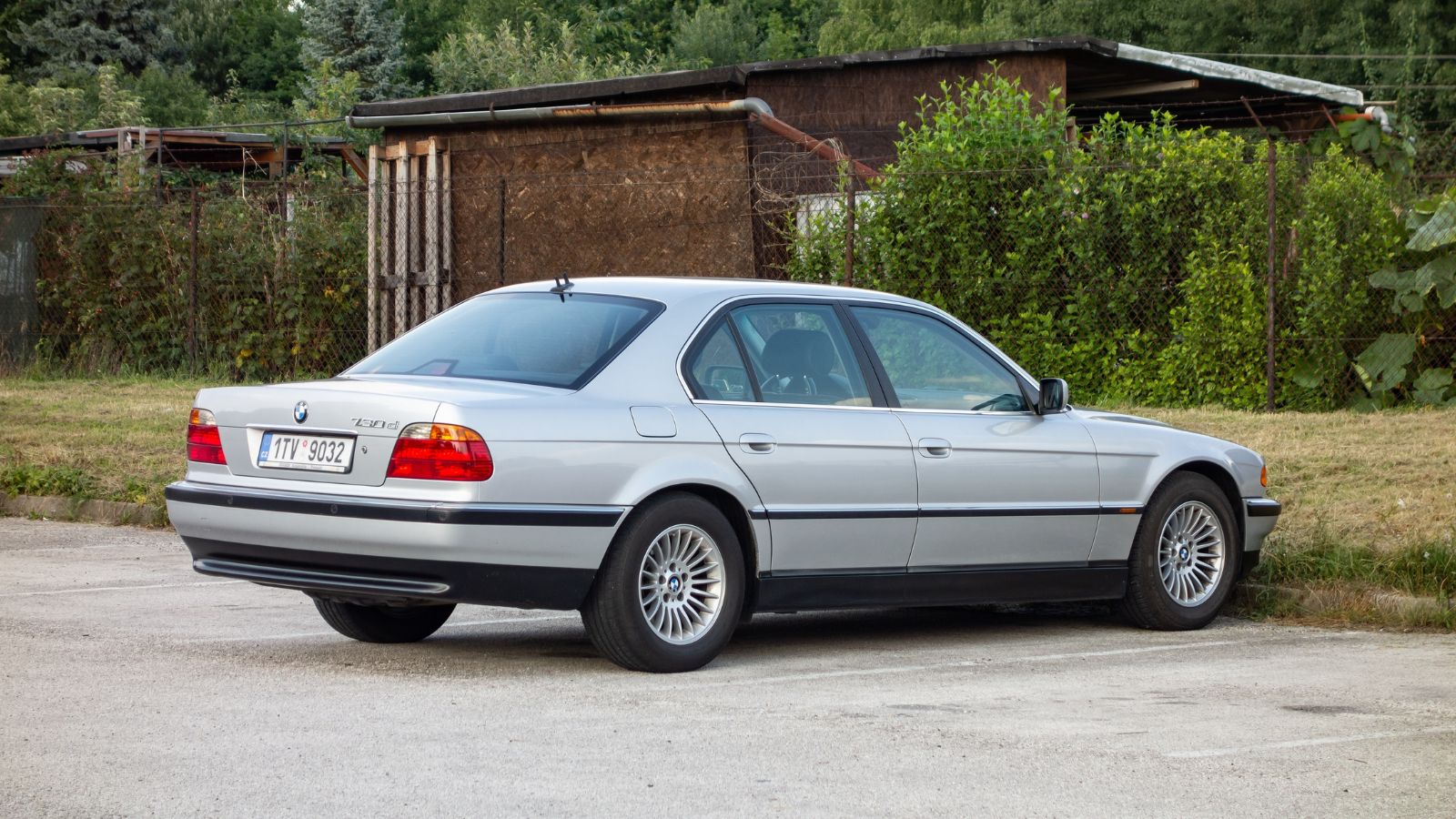
The word “economy” does not carry the same price meaning it once did. Many affordable Canadian models have disappeared, while small cars have lost ground to crossovers and trucks. Even mainstream vehicles now commonly include advanced safety systems, larger screens, hybrid options, and higher trim packages that push transaction prices upward.
Statistics Canada reported a sharp year-over-year decline in new passenger-car sales in December 2025, while trucks fell less dramatically. That reflects a market where inexpensive small cars are not as dominant as they once were. When a new economy model climbs into the high-$20,000s, $30,000s, or beyond after freight, taxes, and finance costs, a used luxury car with more equipment can look surprisingly competitive. The comparison is no longer “cheap new car versus expensive luxury car”; it is often “new mainstream payment versus used premium payment.”
Certified Pre-Owned Programs Add Reassurance
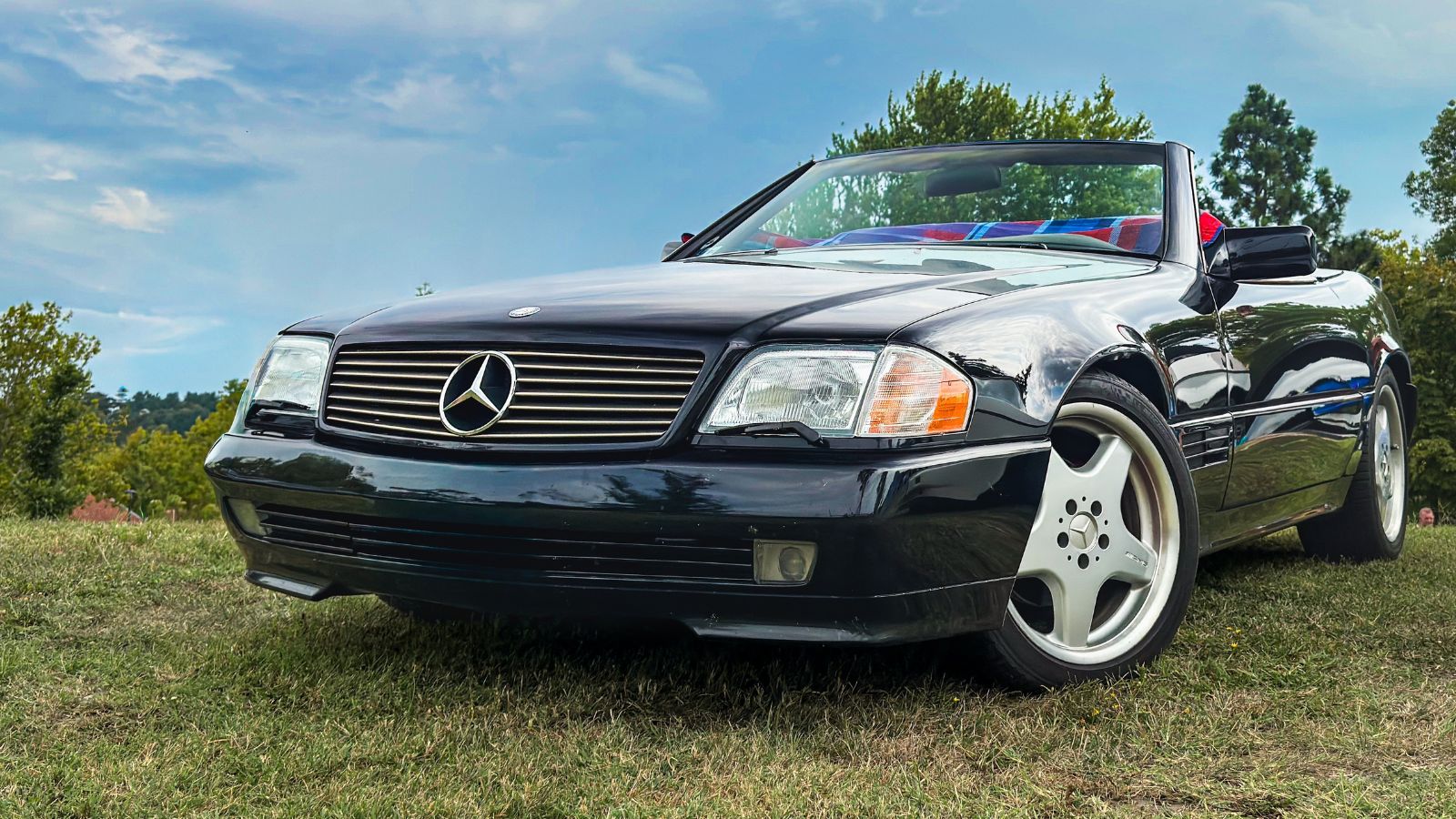
A major reason some Canadians hesitate on used luxury cars is fear of repair bills. Certified pre-owned programs try to soften that concern by adding inspections, reconditioning, roadside assistance, and manufacturer-backed warranty coverage. For shoppers nervous about buying someone else’s complex vehicle, that support can make a difference.
Luxury brands lean heavily on this structure. BMW Canada promotes certified vehicles with warranty coverage, Lexus highlights detailed inspections for certified pre-owned candidates, and Land Rover Canada lists extended certified pre-owned coverage for qualifying models. The reassurance is not perfect, and independent advice still matters because certification standards and dealer execution can vary. Still, a certified used luxury model may feel safer than an ordinary used listing, especially when the buyer wants premium features without giving up all warranty protection.
Lower Sticker Prices Can Offset Financing Pressure
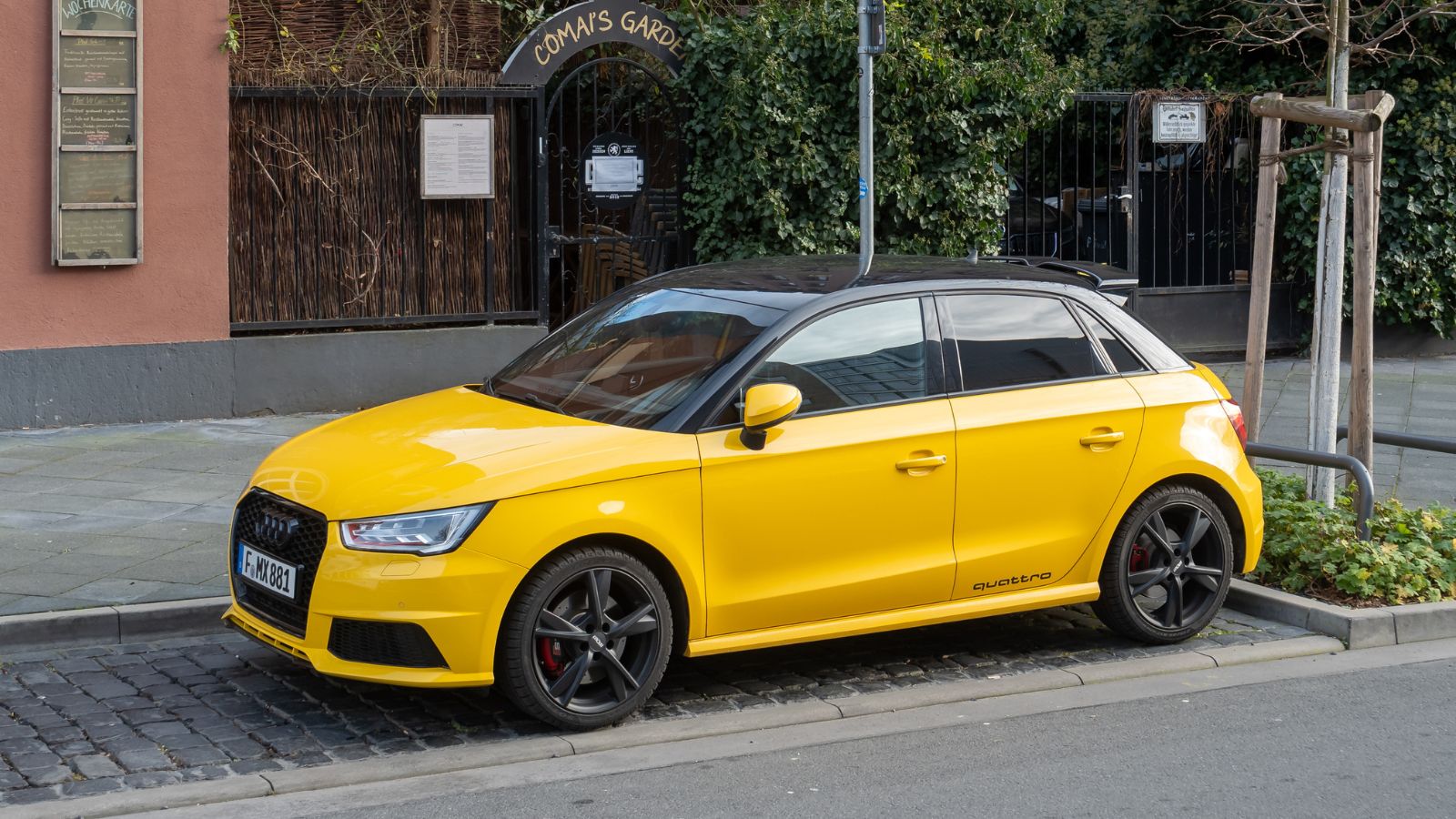
Financing changes the decision. New vehicles sometimes qualify for promotional rates that used vehicles do not, while used-car loans can carry higher borrowing costs depending on credit, lender, term, and vehicle age. That means the cheaper sticker price does not always guarantee a cheaper total cost.
Still, a lower purchase price can give buyers more flexibility. A $35,000 used luxury vehicle financed at a higher rate may still compete against a $45,000 or $50,000 new mainstream vehicle once taxes and fees are included. The smarter comparison is not just monthly payment, but total interest, loan term, down payment, warranty coverage, and expected repair costs. Canadians who arrive with bank pre-approval or compare dealer financing against their own institution may find that the used luxury option fits without stretching into an overly long loan.
Research Tools Make the Gamble Feel Smaller
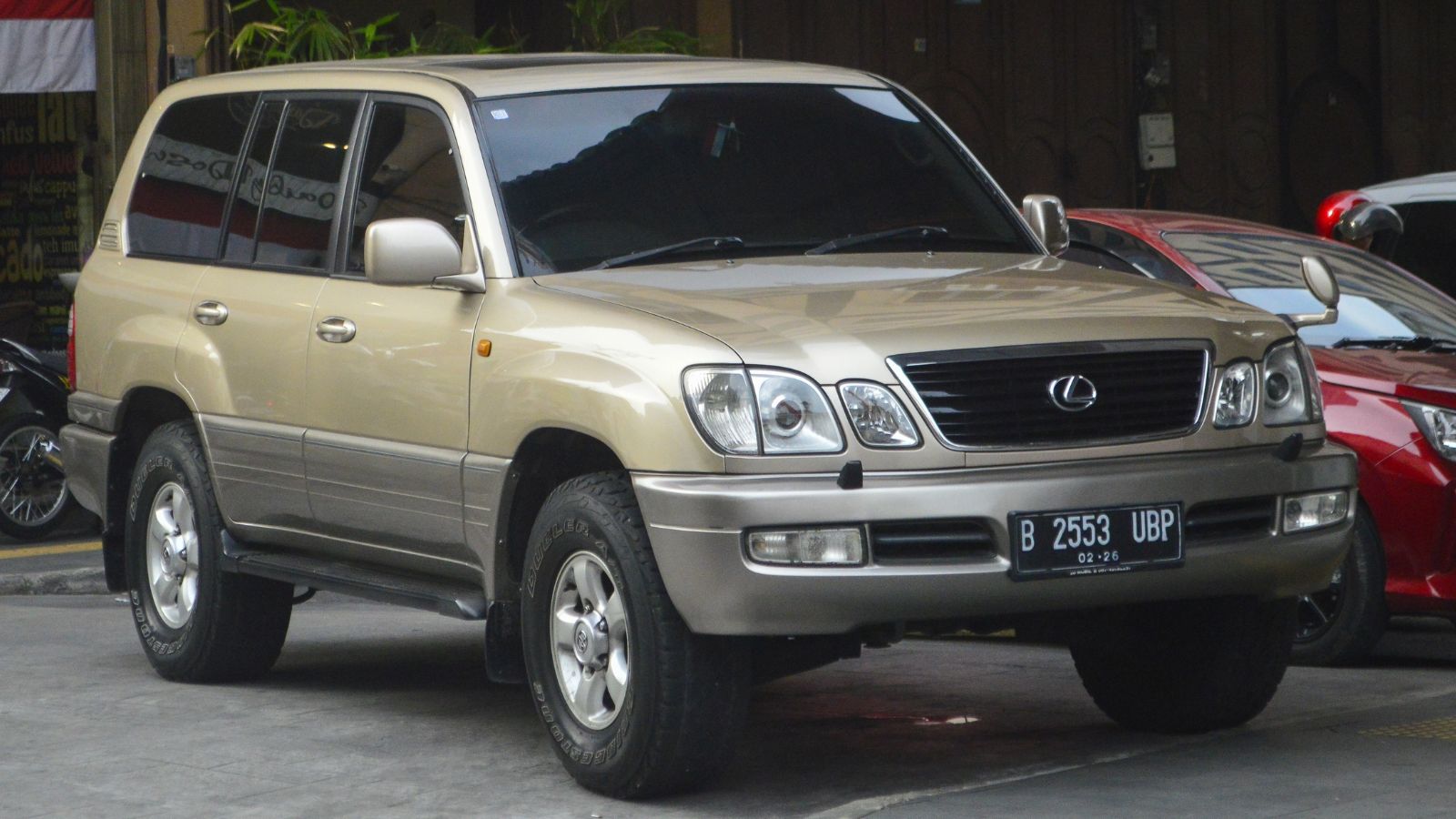
Used luxury buying used to feel like guesswork. Today, shoppers can compare market prices, check accident history, review reliability data, calculate driving costs, and search insurance claim records before visiting a dealer. That access makes a used premium vehicle feel less mysterious than it once did.
Canadian resources have improved the homework process. CAA’s driving cost tools help estimate ownership expenses beyond the purchase price, while Insurance Bureau of Canada’s “How Cars Measure Up” uses national claims data for models from 1997 through 2025. A buyer comparing two vehicles can look beyond leather seats and horsepower to theft frequency, collision claims, fuel costs, and maintenance exposure. The process is not foolproof, but it gives cautious shoppers a way to separate a smart luxury buy from a budget-draining mistake.
Insurance Is Expensive, but Not Always a Deal Breaker
Pandora Pictures/Shutterstock.
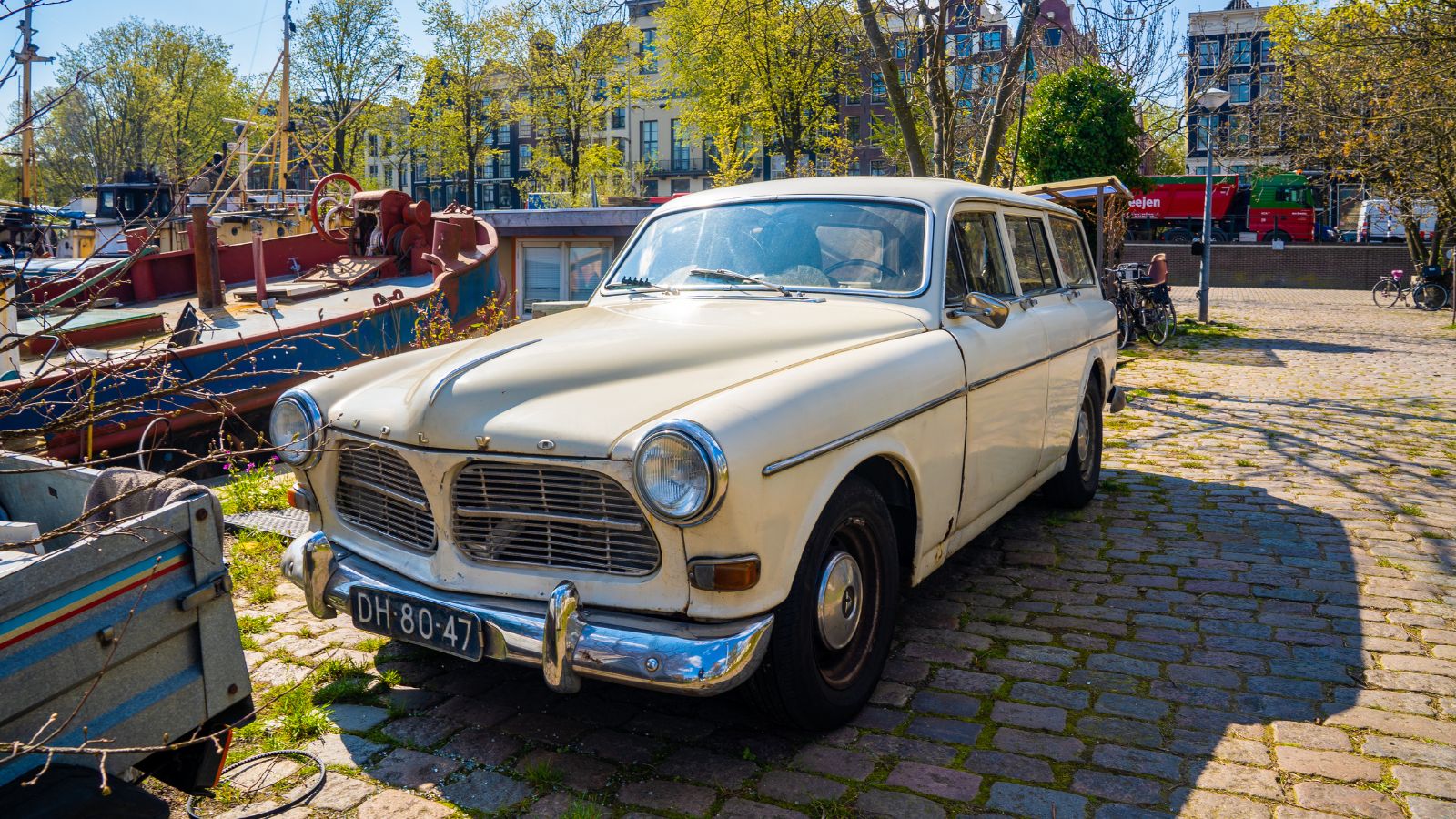
Insurance can quickly change the math on a luxury vehicle. Higher repair costs, theft risk, parts prices, body-shop labour, and model-specific claims history can raise premiums. In British Columbia, ICBC specifically identifies certain high-value luxury vehicles that face higher basic insurance premiums or extra coverage requirements.
At the same time, not every used luxury vehicle is treated the same way. A modest Acura or Volvo may produce a very different quote from a high-powered European performance model. Some Canadians discover that the insurance increase is manageable if the vehicle is older, less theft-prone, driven fewer kilometres, or insured with higher deductibles. That is why smart shoppers price insurance before signing. A used luxury car can still make sense, but only when the premium fits the household budget as clearly as the payment does.
Some Buyers Accept Higher Running Costs Up Front
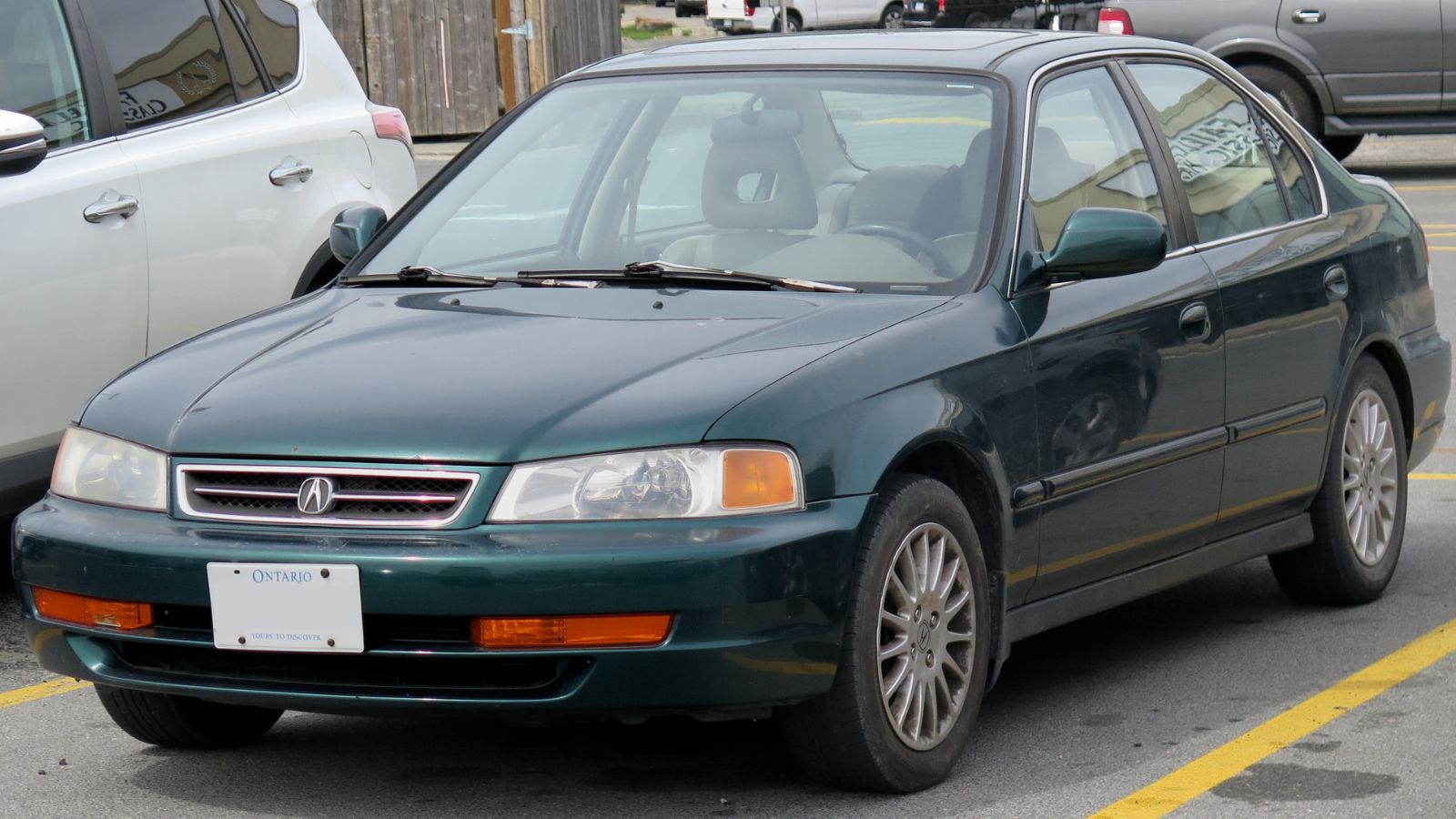
Used luxury ownership requires a more honest budget. Premium tires, larger brakes, synthetic fluids, dealership diagnostics, complex electronics, and imported parts can cost more than equivalent economy-car items. Some engines also call for premium fuel, which can add up for long-distance commuters.
This is where the choice divides practical buyers from dream buyers. A shopper who buys a used luxury SUV only because the monthly payment looks attractive may be surprised later by a brake job, adaptive suspension fault, or winter tire quote. Others go in prepared, setting aside a repair fund and choosing models with stronger reliability records. For them, higher running costs are not a shock; they are the trade-off for better materials, stronger performance, and a more refined driving experience.
Technology and Safety Features Still Feel Current
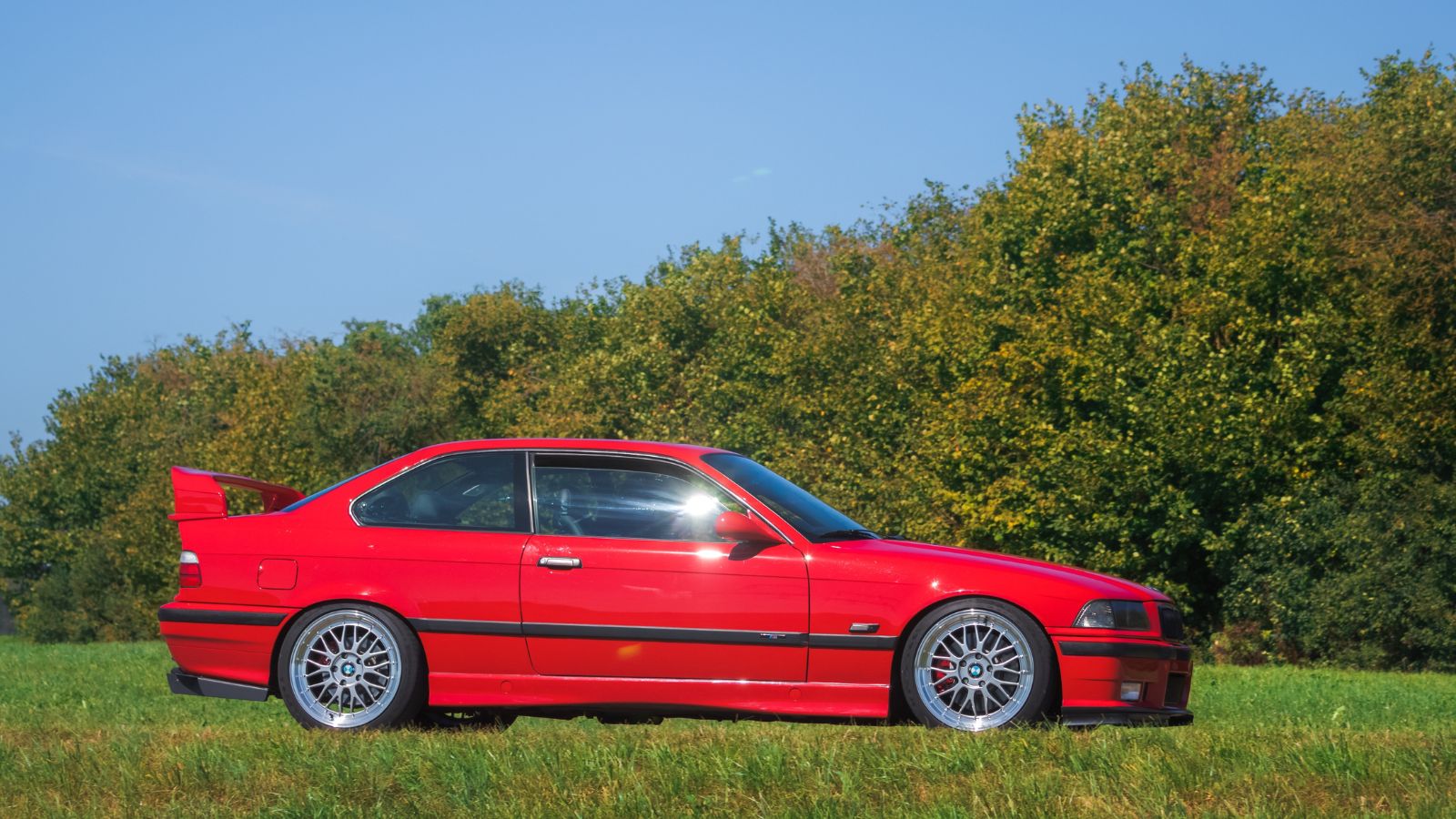
A three-year-old luxury vehicle can still feel modern because many premium models received advanced systems early. Features such as adaptive cruise control, automatic emergency braking, surround-view cameras, night-vision aids, and head-up displays may appear on used luxury trims while remaining optional or unavailable on some mainstream versions.
Safety technology adds to the appeal, but it also adds complexity. Transport Canada describes driver-assistance systems as tools that can help with steering, braking, visibility, and surroundings, while safety research has shown benefits from systems such as automatic emergency braking and electronic stability control. The catch is repair cost. Sensors, cameras, radar units, and calibration work can make even minor collision repairs expensive. That makes the used luxury decision more balanced: the technology may be valuable, but it should be inspected carefully before purchase.
The Decision Is Emotional as Much as Financial
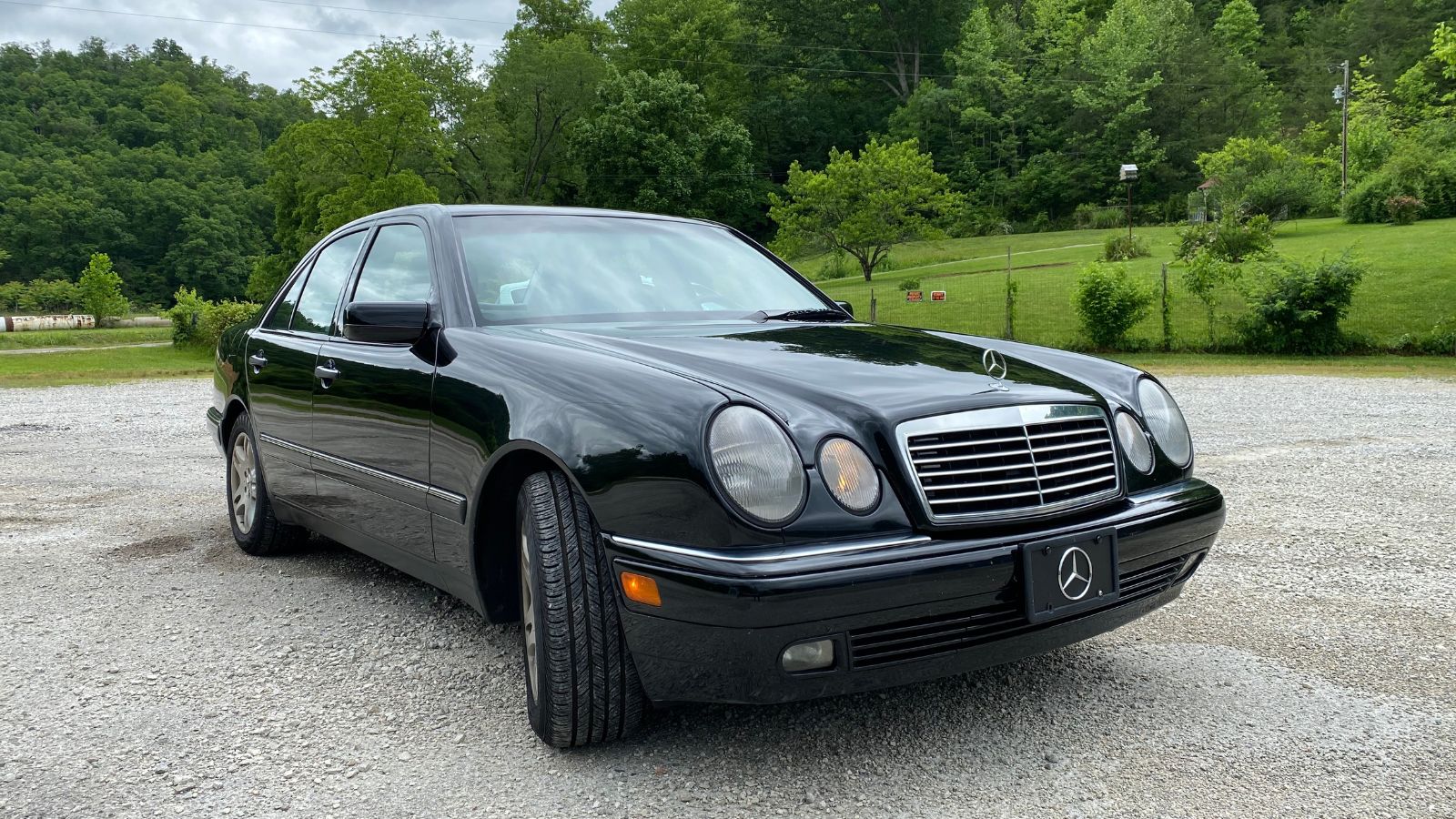
Cars are not bought on spreadsheets alone. For some Canadians, a used luxury vehicle represents a long-delayed reward: a quieter cabin after years of noisy commutes, a badge once considered out of reach, or a car that makes winter errands and highway drives feel less tiring. That emotional value is real, even when it is difficult to calculate.
The important shift is that the emotional choice now has a financial argument beside it. Used luxury prices, depreciation patterns, better research tools, and certified programs have made the option more credible for certain buyers. It is not the right choice for everyone. A new economy car still wins on simplicity, warranty length, fuel costs, and predictable maintenance. But for shoppers who understand the trade-offs, a carefully chosen used luxury car can feel like more vehicle for the same money.
22 Things Canadians Do to Their Cars in Spring That Mechanics Hate

Spring brings relief to many Canadian drivers after months of snow, freezing temperatures, and icy roads that put serious strain on vehicles. As temperatures rise across the country, drivers begin washing cars, switching tires, and preparing vehicles for warmer weather and upcoming road trips. However, mechanics across Canada notice the same mistakes every spring when drivers attempt to recover from winter damage. Road salt, potholes, and harsh winter driving conditions often leave vehicles with hidden problems that drivers ignore. Some spring habits even create new mechanical issues that could have been avoided with proper maintenance. Here are 22 things Canadians do to their cars in spring that mechanics hate.

Alanna Rosen is an experienced content writer that focuses on many EV and educational content. Her articles are regularly published on Get CyberTrucked and syndicated on large publications.