
Buying a first car can feel like a rite of passage, but in Canada it often comes with costs and paperwork that are easy to underestimate. A good-looking vehicle can become stressful once insurance quotes, taxes, fuel, maintenance, winter tires, financing, and registration all land at once. For new buyers, the challenge is not only finding a car that fits a budget, but understanding the full commitment behind the keys. These 22 mistakes highlight the most common ways first-time Canadian car buyers misjudge affordability, overlook risks, or miss important protections before signing.
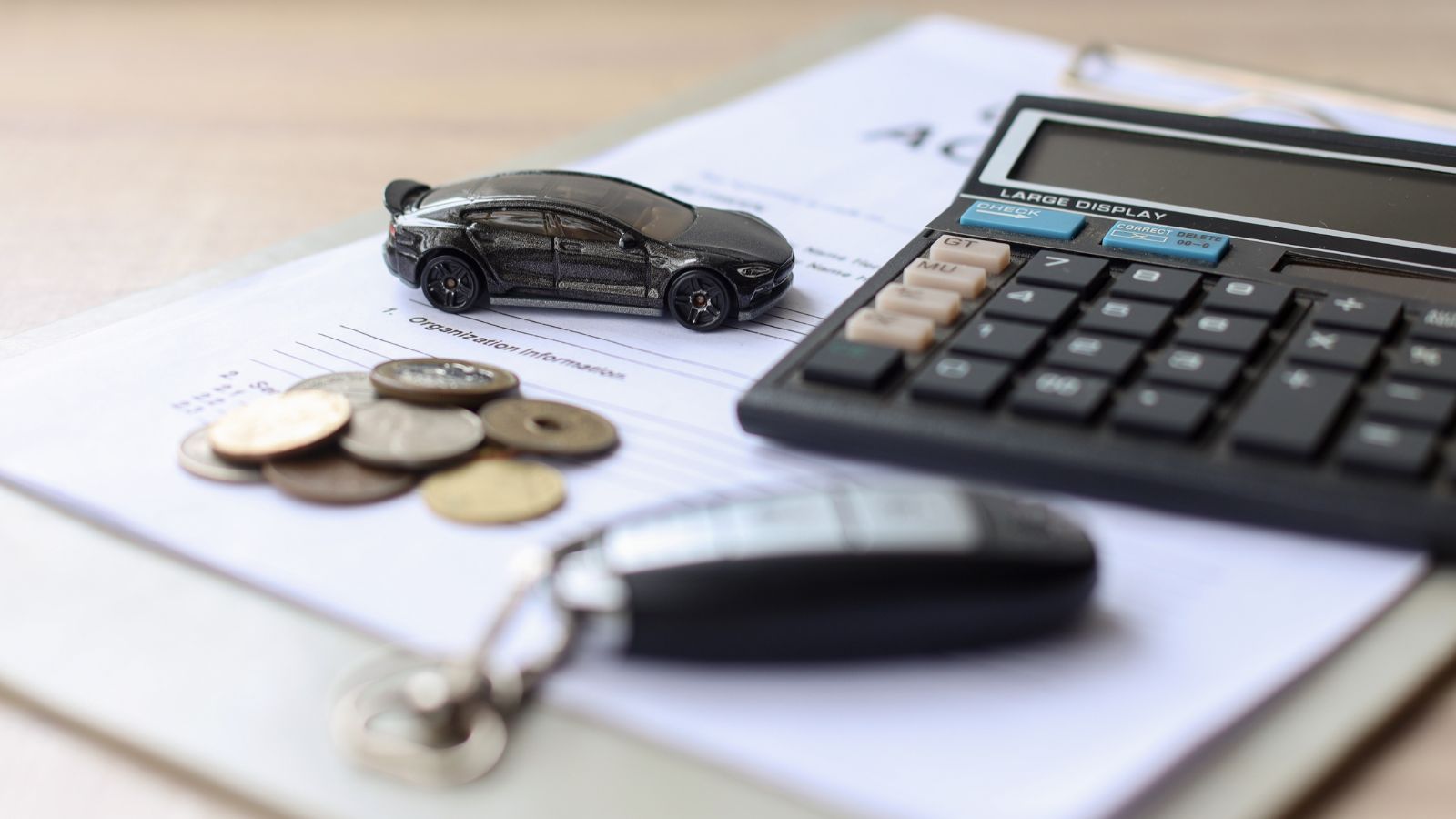
Shopping by Monthly Payment Instead of Total Cost

One of the easiest traps is treating the monthly payment as the real price of the car. A payment that looks manageable can hide a longer loan term, a higher interest rate, dealer add-ons, taxes, and extra borrowing costs. A buyer who focuses only on whether the payment fits payday may miss how much the vehicle will actually cost over five, six, or seven years.
Transportation is already one of the largest household expenses in Canada, and the price of owning a vehicle goes far beyond the sticker. Insurance, fuel, maintenance, parking, licence fees, tires, and depreciation all matter. A first car should be judged like a household bill, not just a purchase. The better question is whether the full annual cost still leaves room for rent, food, savings, emergencies, and other debt.
Skipping Insurance Quotes Before Choosing a Car
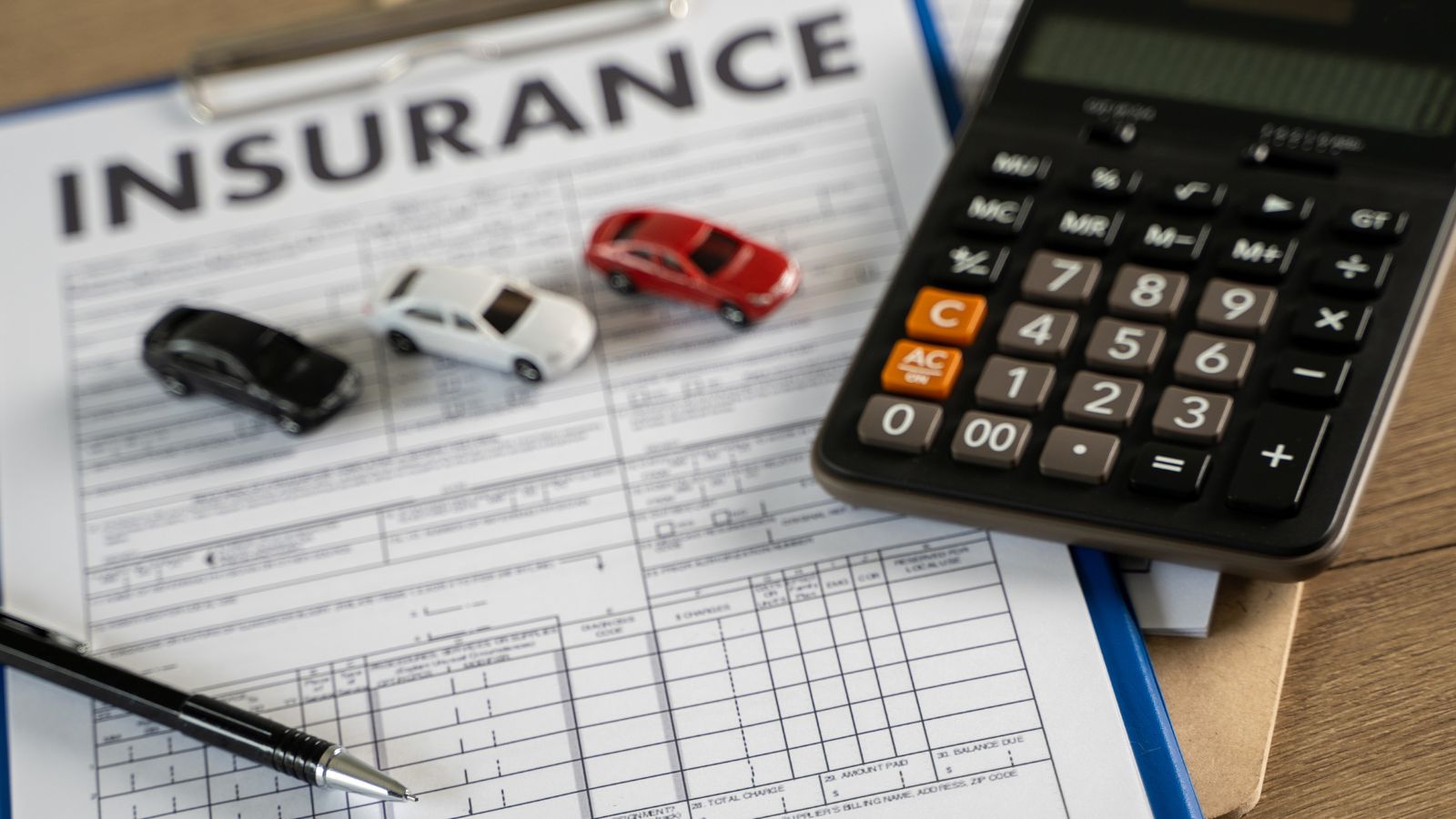
Many first-time buyers fall in love with a model before checking what it costs to insure. That can be a shock, especially for younger or newly licensed drivers. Insurance premiums can vary widely depending on the vehicle, location, driving record, licence history, coverage, deductible, and claims patterns tied to that specific model.
A compact car, older sedan, small SUV, or sportier trim can each produce a very different quote. A buyer in Brampton, Calgary, Vancouver, or Halifax may also see different pricing pressures because insurers consider local risk factors. Running quotes before making an offer can prevent a painful surprise at registration time. A car that is $2,000 cheaper to buy may not be cheaper to own if insurance erases the savings within the first year.
Forgetting Taxes, Registration, and Transfer Costs
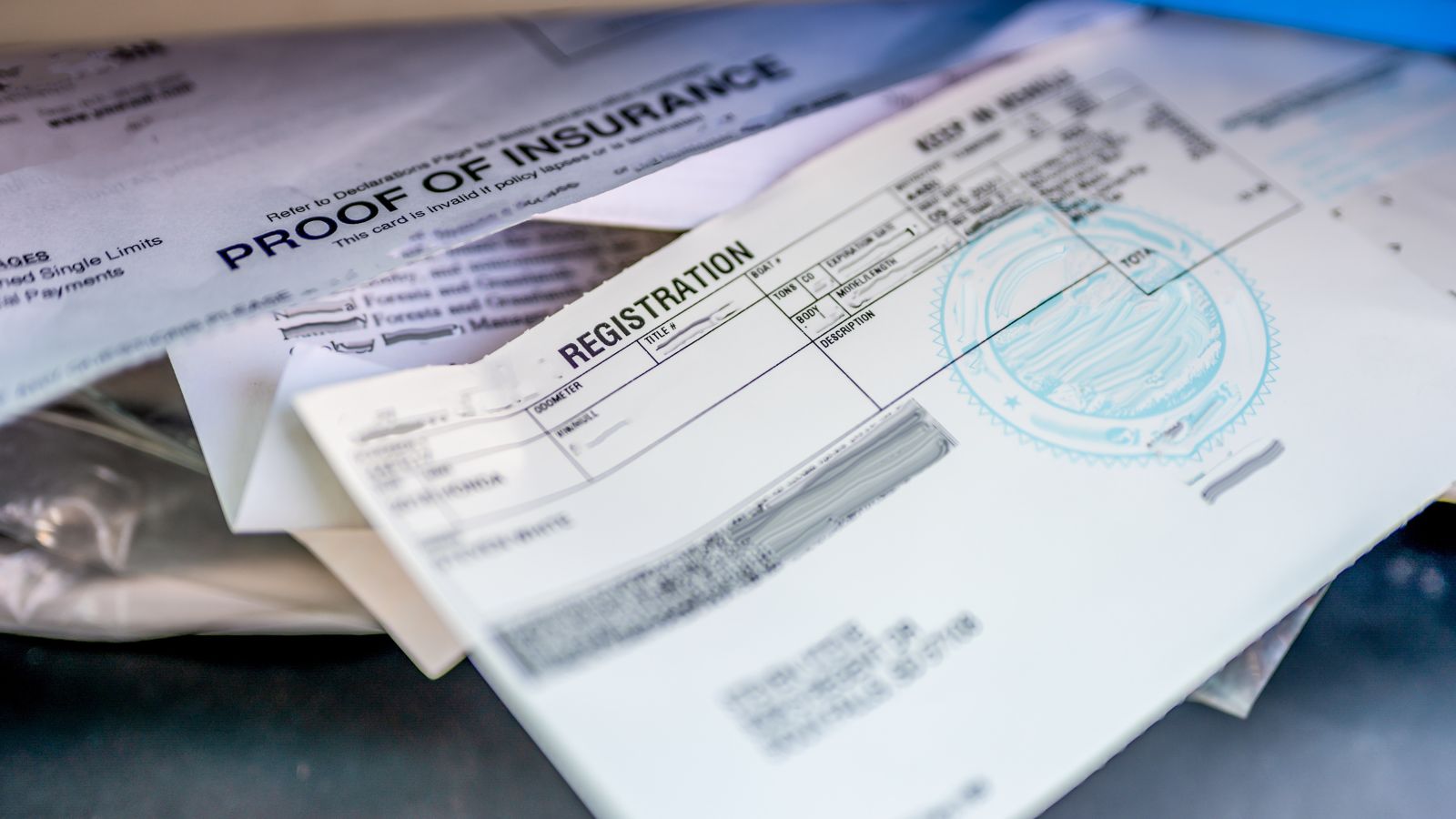
The agreed price is rarely the final amount needed to put the car on the road. First-time buyers often budget for the vehicle and forget the government costs that arrive at registration. In Ontario, for example, private used-vehicle purchases can trigger 13 percent Retail Sales Tax, while provincial rules across Canada vary on registration, inspection, plates, and transfer requirements.
This mistake often shows up when a buyer brings a bank draft for the car but has little left for the next steps. A $12,000 private-sale vehicle can require hundreds or even thousands more once taxes, insurance activation, inspection, and registration are included. Setting aside a separate “drive-away” fund makes the purchase less fragile and reduces the temptation to skip important checks just to close the deal.
Not Comparing Financing Options

Dealer financing can be convenient, but convenience should not replace comparison shopping. Some first-time buyers accept the first approval because they are relieved to qualify at all. That approval may not be the best available rate, and even a small difference in interest can matter over a long auto loan.
Banks, credit unions, manufacturer finance arms, and dealership-arranged lenders may all offer different terms. The key is to compare the annual interest rate, total cost of borrowing, payment frequency, term length, penalties, and optional products being financed. A buyer who arrives with outside financing or a realistic preapproval has a better sense of affordability before sitting across from a salesperson. Approval is not the same thing as affordability.
Choosing the Longest Loan Just to Lower Payments

Longer car loans can make a more expensive vehicle look reachable, which is why they are especially tempting for first-time buyers. The lower payment feels helpful in the moment, but the trade-off is often more interest and a longer period of financial obligation. A car can start needing bigger repairs while payments are still continuing.
This matters because a vehicle loses value over time while the loan balance declines gradually. If the term is stretched too far, the owner may owe more than the car is worth for longer than expected. That becomes a problem after an accident, job loss, move, or early trade-in. A shorter affordable loan on a simpler vehicle can be less exciting, but it often creates a safer financial landing.
Making Too Small a Down Payment

A small or zero down payment can feel like a win, especially when cash is tight. The problem is that it leaves little cushion between the loan balance and the car’s market value. Depreciation starts immediately, while taxes, fees, and add-ons may be folded into the loan from day one.
For a first-time buyer, that can create negative equity quickly. If the car is written off, traded in, or sold earlier than planned, the remaining loan may be higher than the payout or resale value. A down payment is not just a way to lower monthly payments; it is a buffer against becoming trapped. Even a modest down payment can help keep the purchase closer to the car’s real value.
Buying More Vehicle Than Daily Life Requires
A first car often gets chosen for imagined adventures instead of ordinary routines. A pickup, large SUV, or performance trim may seem practical for camping, moving furniture, winter roads, or long highway trips. In daily life, that same vehicle may mostly sit in traffic, squeeze into tight parking, and burn more fuel than expected.
Canadian buyers also face climate and geography differences, but “bigger” is not automatically safer or smarter. A student commuting across town, a new worker parking downtown, or a small household driving mostly short trips may be better served by something efficient and easy to maintain. Matching the car to real weekly use can save money every month without sacrificing the occasional road trip.
Ignoring Fuel Consumption Ratings
Fuel economy is easy to underestimate during a test drive because the tank is already full and the route is short. Over a year, however, the difference between two vehicles can be significant. Natural Resources Canada publishes fuel consumption ratings that allow buyers to compare models using standardized information rather than relying on a seller’s estimate.
This is especially important when choosing between gasoline, hybrid, plug-in hybrid, and electric vehicles. A car that costs slightly more upfront may be cheaper to fuel, while a thirsty bargain can become expensive with a long commute. First-time buyers should also consider real driving conditions. Cold weather, short trips, roof racks, heavy cargo, and aggressive acceleration can all push real-world fuel use above the official rating.
Skipping an Independent Pre-Purchase Inspection
A clean exterior and smooth sales pitch cannot replace a mechanic’s inspection. First-time buyers may skip this step because they do not want to spend more money before buying, or because the seller says another person is ready to purchase. That pressure is exactly why the inspection matters.
A pre-purchase inspection can reveal leaks, worn brakes, suspension issues, rust, accident repairs, tire problems, warning lights, or maintenance that is coming due. Even if the car still seems worth buying, the findings can support negotiation or help set a repair budget. A buyer who spends a little upfront may avoid a much larger bill weeks later. Refusing an inspection is also a useful warning sign.
Relying Too Much on a Vehicle History Report

A vehicle history report is valuable, but it is not a magic shield. It may show registration history, accident records, lien information, odometer readings, or branding, depending on the data available. But not every repair, private accident, driveway fix, or maintenance event makes it into a database.
The mistake is treating a clean report as proof that the car is clean. A better approach is to use the report alongside a physical inspection, test drive, service records, seller identification, and a VIN check. If a report shows gaps, repeated ownership changes, accident claims, rebuilt status, or mileage inconsistencies, those details deserve attention. If the report is clean but the body panels, paint, or paperwork look wrong, the car still deserves caution.
Failing to Check for Open Recalls

Open recalls are easy to overlook because they do not always show up during a casual inspection. A car can start, drive, and look fine while still having an unresolved safety defect. Transport Canada provides recall information, and buyers can search by vehicle identification number where manufacturer tools are available.
For first-time buyers, this step is especially important with used vehicles. Some recall repairs may be free through the manufacturer, but the buyer still needs to know whether the issue exists and whether the repair has been completed. Airbags, brakes, steering, fuel systems, electrical faults, and child-seat anchors are not small details. Checking recalls before purchase is a simple step that can protect both safety and bargaining power.
Missing a Lien Check
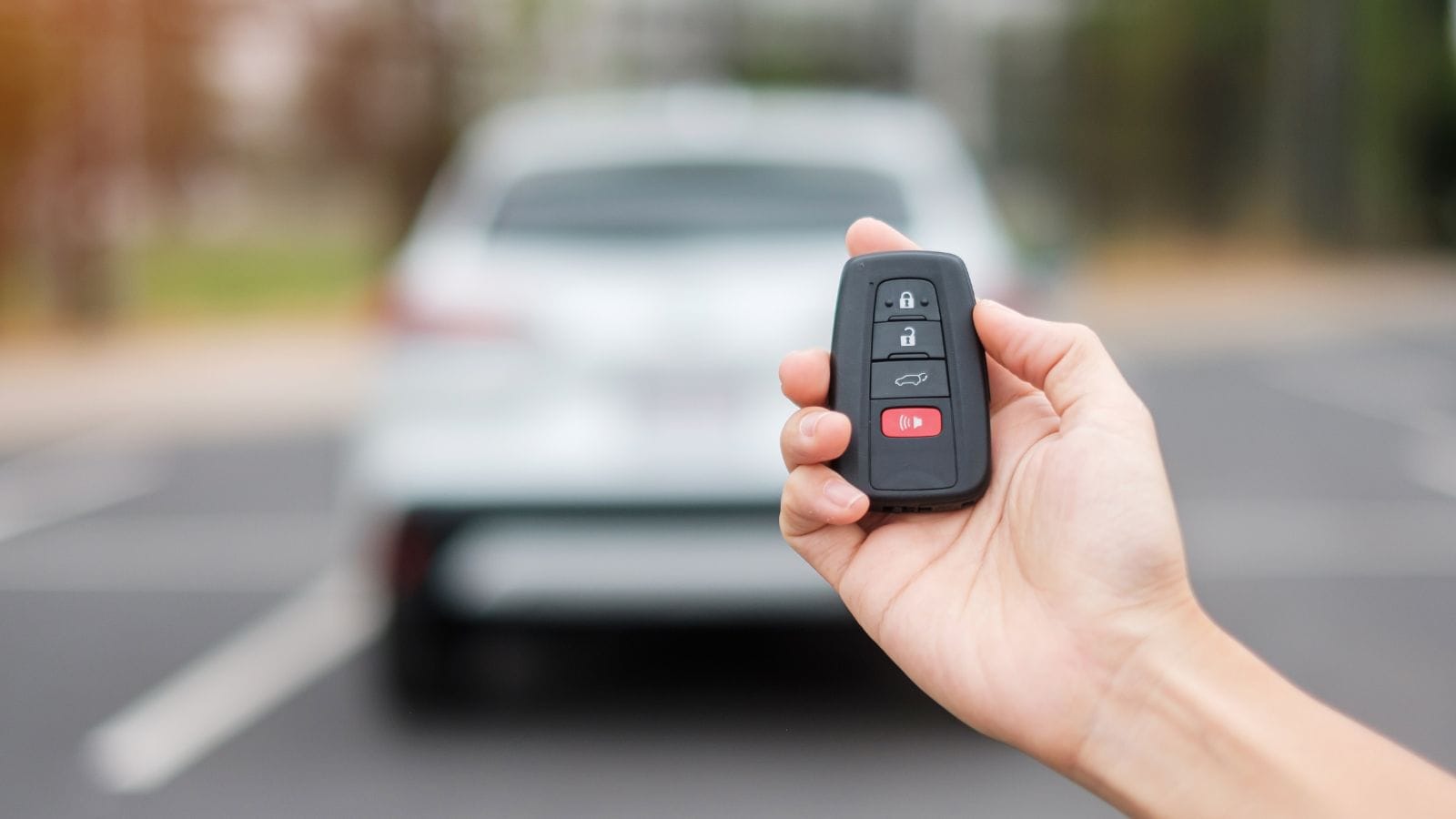
A lien means someone else may have a financial claim against the vehicle. First-time buyers sometimes assume that if the seller has the keys and registration, the car must be clear. That assumption can be risky in a private sale because an unpaid loan may follow the vehicle, not just the seller.
Federal consumer guidance warns buyers to make sure there is no lien before purchasing a used car. In Ontario, a Used Vehicle Information Package can help identify debt or money owing, and other provinces have their own registry or search systems. A lien does not always kill a deal, but it must be resolved properly with documentation. Buying first and sorting it out later can become an expensive lesson.
Trusting Every Private Seller Too Quickly

Private sales can offer good prices, but they also come with fewer built-in protections than buying from a registered dealer. Some illegal sellers, often called curbsiders, pose as private owners while flipping vehicles for profit. They may use multiple ads, avoid paperwork, hide defects, or sell vehicles with accident history, odometer problems, liens, or rebuilt status.
A real private seller should be able to show identification, ownership documents, service records, and a consistent story about the vehicle. The name on the registration should match the seller, and the VIN should match the car, paperwork, and history report. A bargain that depends on meeting in a parking lot, rushing payment, or skipping documentation is not really a bargain. It is a risk transfer.
Not Understanding Dealer All-In Pricing Rules

Dealer advertisements can be confusing, especially when a first-time buyer sees one price online and another price on the bill of sale. In Ontario, dealers must follow all-in price advertising rules, meaning advertised prices must include fees the dealer intends to collect, except HST and licensing. Other provinces have their own consumer protection frameworks.
The mistake is assuming every added charge is automatically unavoidable. Administration fees, protection packages, nitrogen, anti-theft products, tire warranties, and appearance add-ons should be questioned if they were not clearly disclosed or genuinely wanted. A buyer should compare the advertised price, sales agreement, financing contract, and optional-product forms before signing. The final number matters more than the sales label attached to each fee.
Taking a Test Drive That Is Too Short

A five-minute loop around the dealership is rarely enough. First-time buyers may be nervous, unfamiliar with the area, or too excited to listen closely. A proper test drive should include city streets, braking, turns, parking, reversing, highway speeds if possible, and enough time to notice noise, vibration, steering pull, warning lights, visibility, seat comfort, and blind spots.
The test drive should also match real life. A commuter should test stop-and-go traffic. A parent should check car-seat fit. A tall driver should confirm seating position. Someone in a snowy region should think about ground clearance, tire condition, defrosting, and visibility. A car can feel impressive for two blocks and annoying for two years. The test drive is where excitement should slow down.
Underestimating Winter Costs
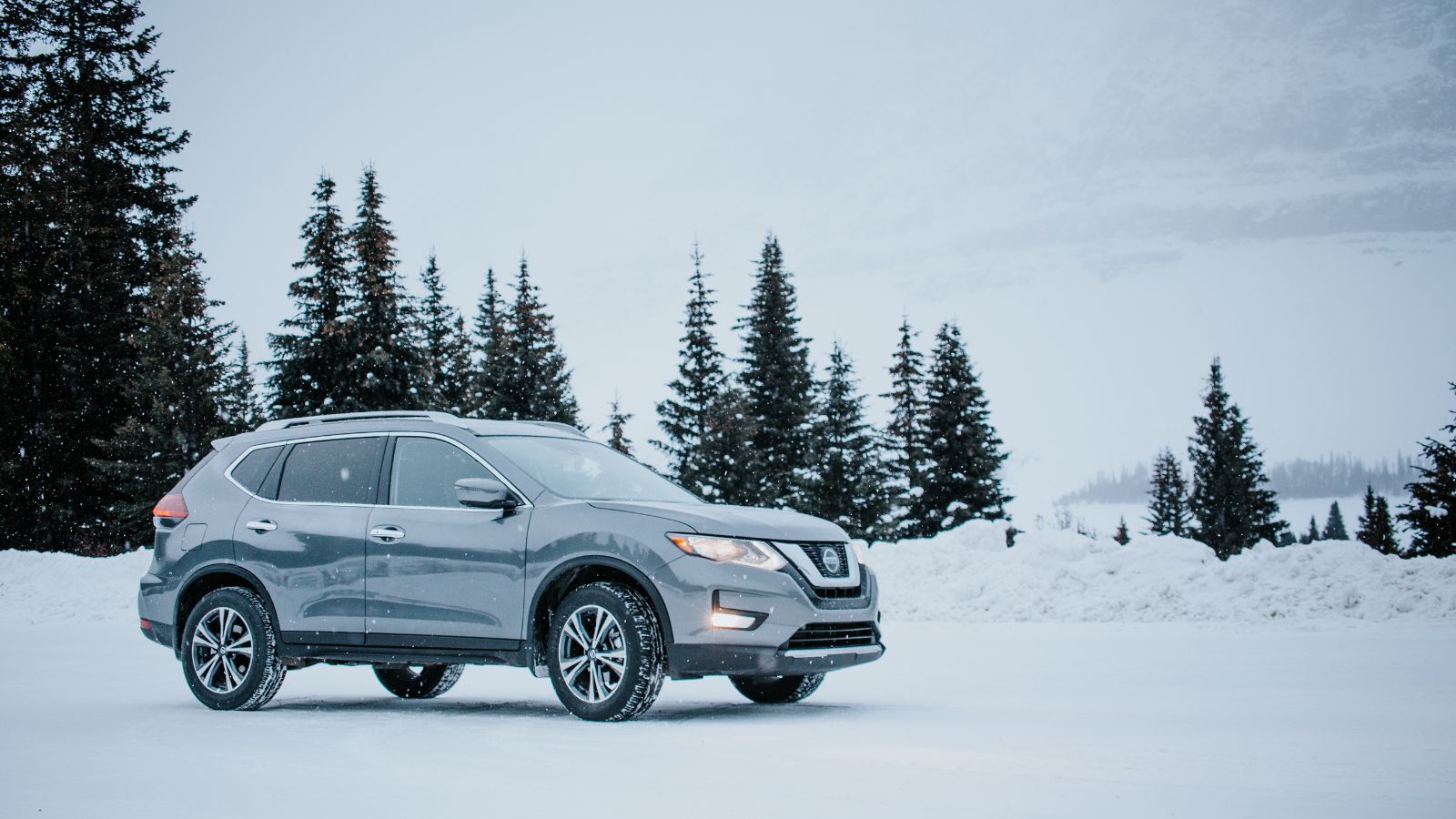
Canadian winter changes the ownership equation. A first-time buyer may focus on the purchase price and forget winter tires, wheels, storage, wiper blades, battery health, washer fluid, rust protection, and emergency supplies. In cold provinces, these costs can arrive soon after purchase and make a “cheap” car feel less affordable.
Transport Canada advises against using winter tires with less than 4 mm of tread depth in snow conditions, and some provinces or routes have winter tire requirements. Insurance discounts may also be available for winter tire use. The practical lesson is simple: a car bought in summer still has to survive February. Checking tire age, tread depth, battery condition, heater performance, and underbody rust before buying can prevent a harsh first winter.
Assuming a Safety Certificate Means the Car Is Trouble-Free

A safety certificate can be necessary for registration or transfer in some provinces, but it should not be mistaken for a full mechanical warranty. In Ontario, a safety standards certificate is valid for 36 calendar days after inspection. It confirms that minimum safety standards were met at the time of inspection, not that the vehicle will be reliable for years.
This distinction matters for first-time buyers who hear “safetied” and relax. A car can pass a safety inspection and still have worn tires near replacement, aging suspension, weak air conditioning, oil leaks, transmission concerns, or expensive maintenance coming soon. The certificate is one document in the process. It should support, not replace, a full inspection, service-record review, and realistic repair budget.
Ignoring Depreciation and Resale Value

Many first-time buyers think resale value is a future problem. It becomes a current problem when the vehicle is financed, traded early, damaged, or no longer fits life needs. Depreciation affects how much equity the owner has, how much insurance may pay after a total loss, and how expensive it is to change vehicles later.
Models do not lose value at the same pace. Brand reputation, reliability, fuel type, mileage, accident history, market demand, colour, trim, and maintenance records can all influence resale. A low price today may reflect weak demand tomorrow. Canadian valuation tools and used-vehicle indexes can help buyers understand whether a model usually holds value or drops quickly. Resale should not be the only factor, but ignoring it can make the first car harder to leave.
Overlooking Maintenance Records
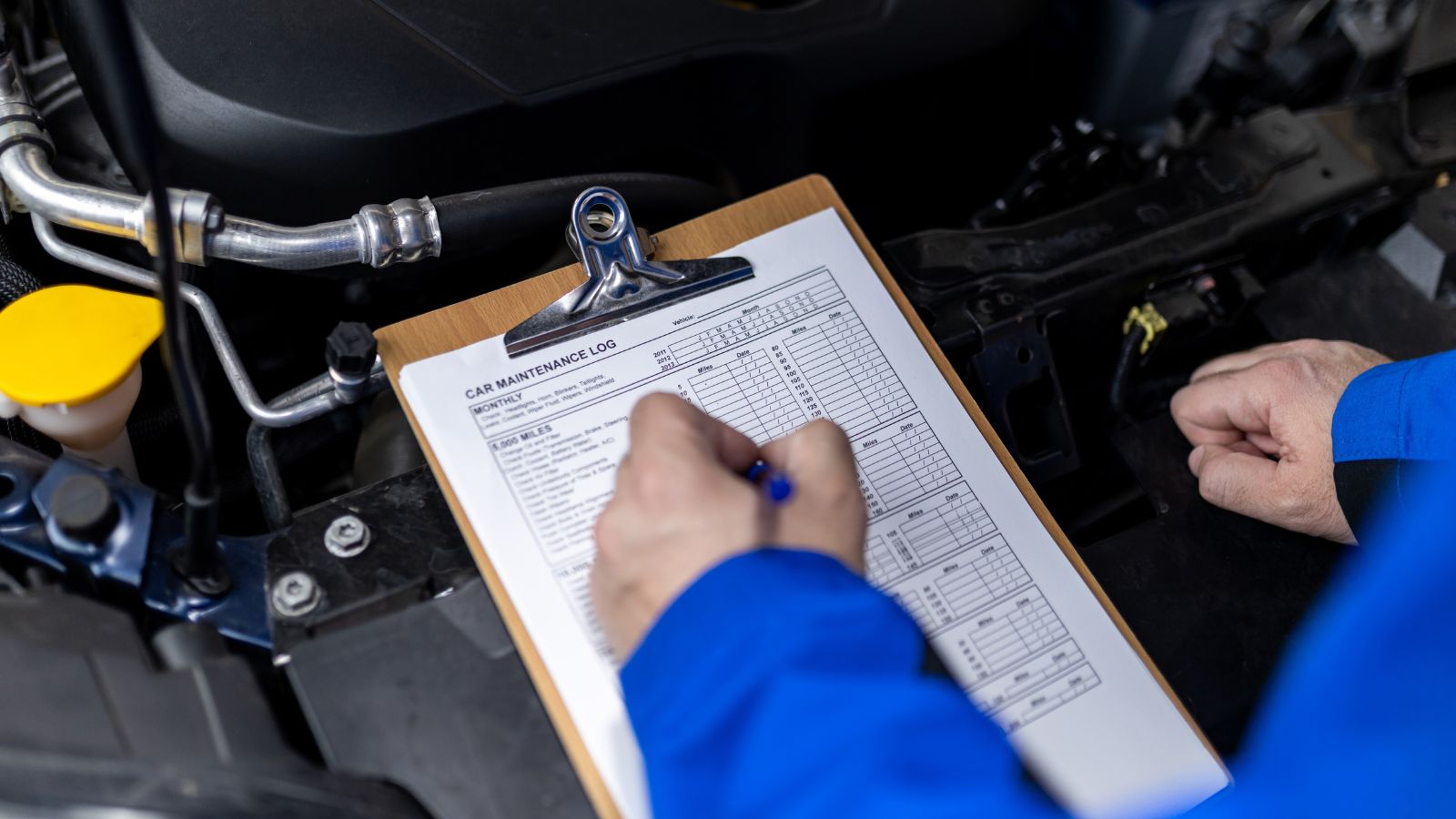
A used car’s maintenance history can be as important as its odometer. Two vehicles with the same mileage may have lived very different lives. One may have regular oil changes, brake service, fluid changes, tire rotations, and documented repairs. The other may have missed intervals, cheap fixes, and no proof of care.
First-time buyers often focus on mileage because it is easy to compare. Records reveal the deeper story. Timing belts, transmission service, brake work, coolant changes, spark plugs, tires, and battery replacement can become expensive if they are overdue. A seller with organized receipts often signals responsible ownership. Missing records do not automatically mean the car is bad, but they should lower confidence and increase the importance of inspection.
Choosing the Cheapest Older Car Without Checking Safety
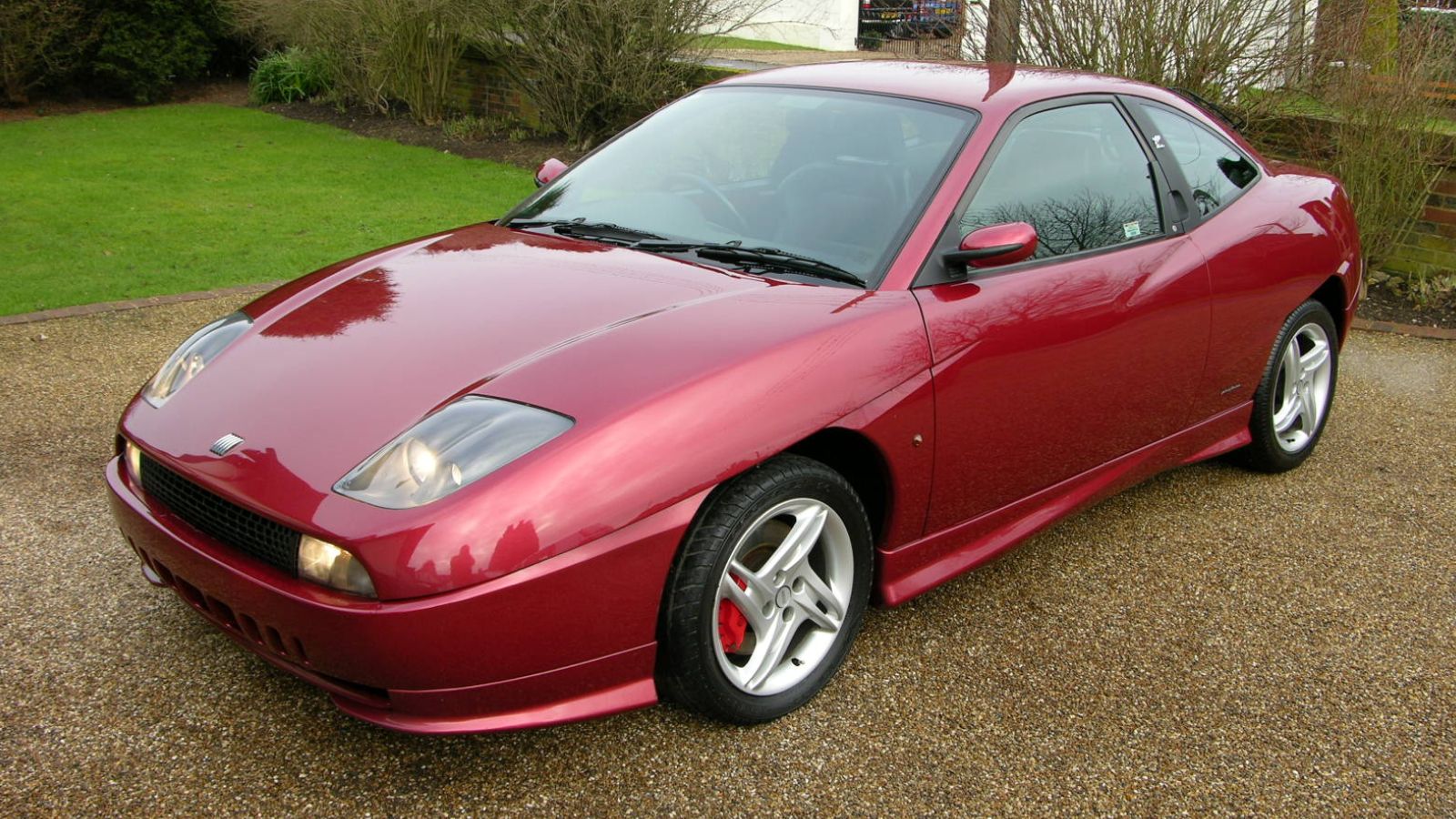
The cheapest car on the market may solve the purchase-price problem while creating a safety and repair problem. Older vehicles can lack modern crash protection, advanced driver assistance, stronger headlights, electronic stability systems, and newer airbag designs. For inexperienced drivers, safety features can matter because judgment and reaction skills are still developing.
Safety organizations publish ratings and recommended used-vehicle lists that can help buyers balance price with protection. The goal is not to buy the newest car possible; it is to avoid a vehicle that saves money only by giving up too much safety. A slightly newer or better-rated model may cost more upfront but provide better crash protection, better headlights, or more useful driver-assistance features.
Misreading Warranty and Add-On Protection
First-time buyers often hear the word “warranty” and assume most problems will be covered. In reality, warranty coverage depends on age, mileage, ownership transfer rules, exclusions, deductibles, maintenance requirements, and whether the provider is the manufacturer, dealer, or a third party. Wear items and routine maintenance are often treated differently from major mechanical failures.
Add-on products can also blur the picture. Extended warranties, tire-and-rim coverage, rust protection, key replacement, appearance packages, and loan protection may be useful in some cases, but they are not automatically good value. The buyer should read what is covered, what is excluded, where repairs must be done, whether claims can be denied, and how cancellation works. Peace of mind should come from the contract, not the sales pitch.
Rushing the Paperwork

The final mistake is rushing once the buyer feels emotionally committed. Paperwork is where price, financing, taxes, fees, warranty terms, trade-in value, VIN, odometer reading, lien status, delivery promises, and conditions should all line up. Small errors or vague promises can become difficult to fix after signatures and payment.
A first-time buyer should slow down at the end, not speed up. The VIN on the agreement should match the vehicle. Optional products should be clearly accepted or declined. Any repairs promised by the seller should be written down. Private sales should include proper ownership transfer documents and a clear bill of sale. Walking away before signing is much easier than unwinding a bad deal after the car is already in the driveway.
22 Things Canadians Do to Their Cars in Spring That Mechanics Hate

Spring brings relief to many Canadian drivers after months of snow, freezing temperatures, and icy roads that put serious strain on vehicles. As temperatures rise across the country, drivers begin washing cars, switching tires, and preparing vehicles for warmer weather and upcoming road trips. However, mechanics across Canada notice the same mistakes every spring when drivers attempt to recover from winter damage. Road salt, potholes, and harsh winter driving conditions often leave vehicles with hidden problems that drivers ignore. Some spring habits even create new mechanical issues that could have been avoided with proper maintenance. Here are 22 things Canadians do to their cars in spring that mechanics hate.

Alanna Rosen is an experienced content writer that focuses on many EV and educational content. Her articles are regularly published on Get CyberTrucked and syndicated on large publications.