
A car’s air conditioning often seems simple until the vents start blowing warm air on a humid afternoon. Behind that cool breeze is a sealed refrigerant loop, an electrical control system, airflow doors, filters, sensors, fans, and moving mechanical parts. When one piece falls out of balance, the whole system can feel as if it failed at once.
There are 19 common reasons a car’s air conditioning may stop working, ranging from low refrigerant and compressor trouble to blocked airflow, electrical faults, and moisture inside the system. Some problems are minor and inexpensive; others can damage major components if ignored.
Low Refrigerant in the System

Refrigerant is the working fluid that allows a car’s air conditioning system to absorb heat from the cabin and release it outside. When the system has too little refrigerant, the evaporator cannot cool the air properly, so the vents may blow lukewarm air even when the fan sounds normal. In many vehicles, low refrigerant can also trigger pressure protection switches that stop the compressor from engaging.
A driver may first notice the problem during a heat wave, when the system still cools slightly in the morning but struggles badly by afternoon. Some service guides note that small refrigerant losses can reduce cooling performance over time, but a sudden loss usually points to a leak. Because refrigerant handling is regulated, accurate diagnosis matters more than simply adding a can and hoping the cold air returns.
A Refrigerant Leak

A leak is one of the most common reasons an air conditioning system loses cooling. The leak may come from rubber hoses, O-rings, compressor shaft seals, the condenser, or the evaporator. Since the condenser sits at the front of the vehicle, road debris and minor front-end impacts can damage it more easily than parts tucked deeper in the engine bay.
Leaks can be frustrating because refrigerant may escape slowly enough that the system works for days or weeks after a recharge. A faint oily residue around fittings can offer a clue because refrigerant oil circulates with the gas. Professional shops often use electronic leak detectors, ultraviolet dye, or pressure testing to find the source. Without fixing the leak, repeated recharging only delays the same warm-air problem.
A Failed Compressor
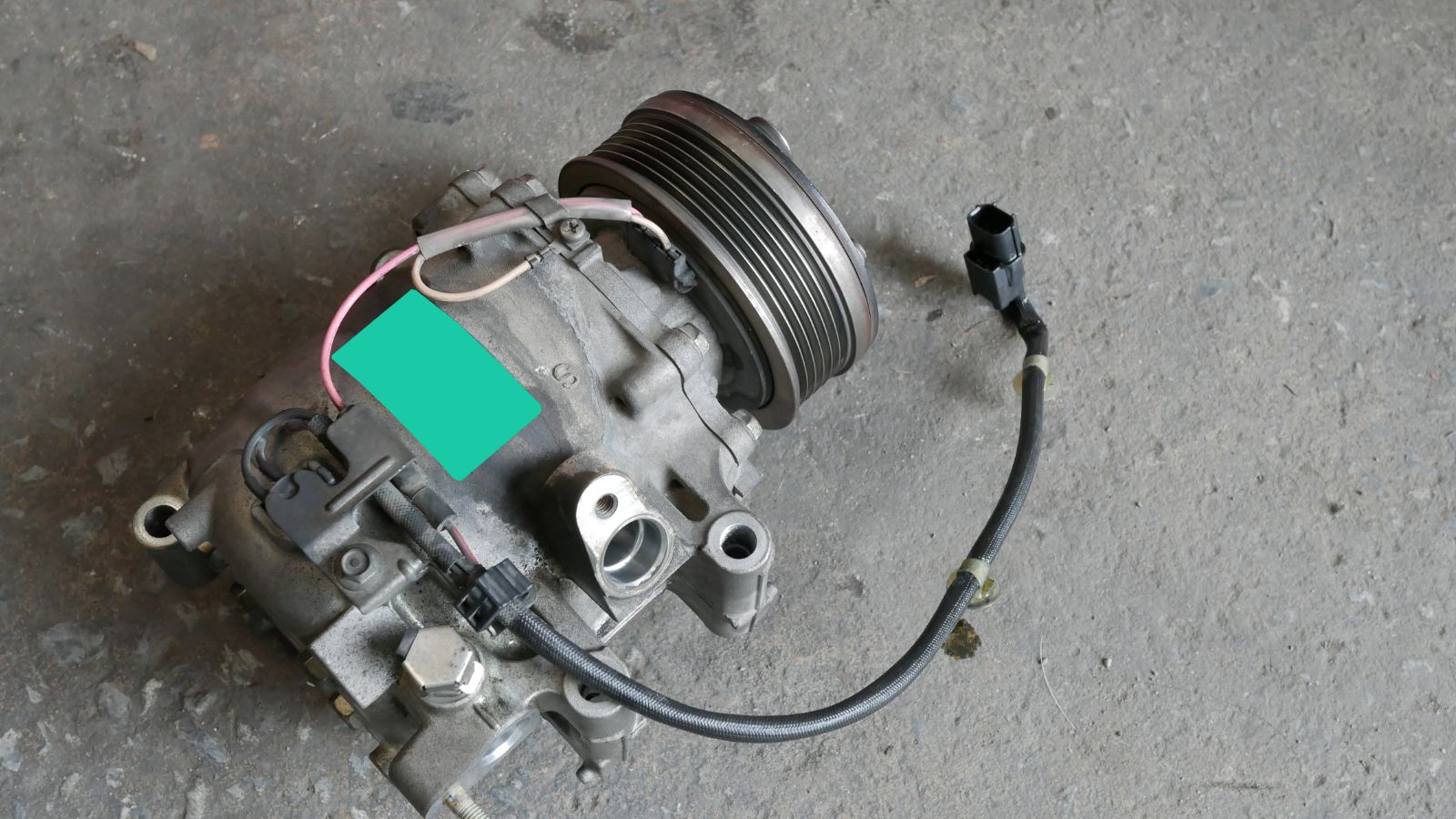
The compressor is the heart of the air conditioning loop. It pressurizes refrigerant and moves it through the condenser, expansion device, and evaporator. If the compressor fails internally, refrigerant no longer circulates properly, so the system may have enough refrigerant but still produce little or no cold air. Warning signs can include warm vents, grinding noises, or a compressor that refuses to engage.
Compressor failure can become expensive because metal particles may spread through the system. In that case, replacing only the compressor may not be enough. Service procedures often call for flushing parts of the circuit and replacing related components such as the receiver-drier, accumulator, expansion valve, or orifice tube. A neglected leak can also starve the compressor of lubrication, turning a small repair into a major one.
A Bad Compressor Clutch
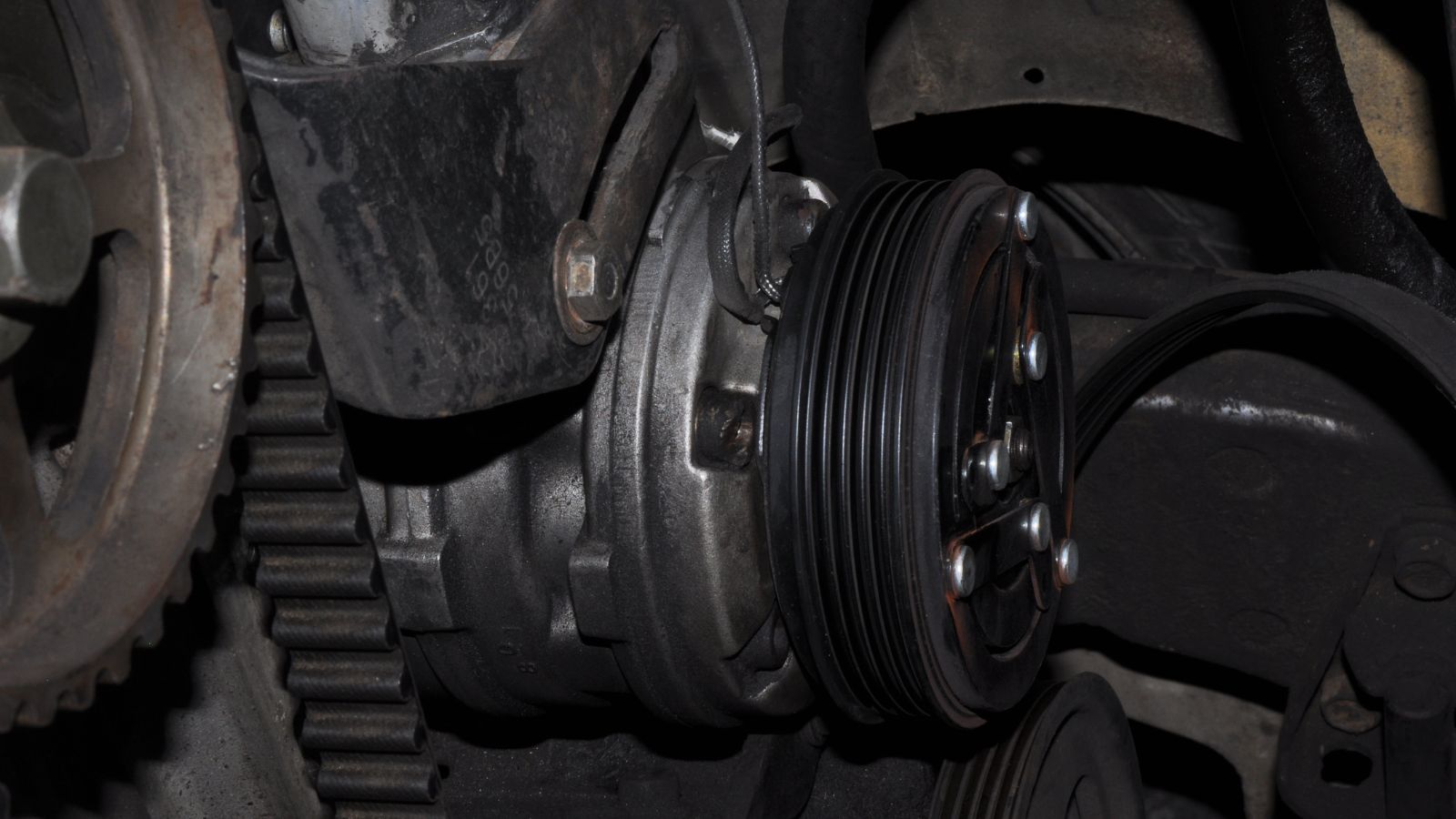
Many belt-driven compressors rely on an electromagnetic clutch. The pulley may spin whenever the engine runs, but the clutch must lock the pulley to the compressor shaft when cooling is requested. If the clutch coil, air gap, relay, wiring, or pulley bearing fails, the compressor may never engage even though the rest of the system is ready to work.
This failure often creates a confusing symptom: the dashboard light comes on, the blower runs, but no cold air arrives. A technician may check whether the clutch receives battery voltage and whether it actually pulls in. Sometimes the problem is a weak clutch; sometimes it is the control circuit feeding it. On newer variable-displacement systems, a control solenoid may replace the classic cycling clutch as the key failure point.
Blown Fuses, Bad Relays, or Wiring Faults

Air conditioning depends on more electrical parts than many drivers expect. Fuses, relays, pressure switches, control modules, sensors, fan circuits, and compressor wiring all have to cooperate. A single blown fuse or corroded connector can stop the compressor clutch, condenser fan, or blower motor from receiving power, making the system feel completely dead.
Electrical issues often appear suddenly. The air conditioning may work on one trip and fail on the next, especially after heavy rain, battery work, or engine bay repairs. A blown fuse can sometimes restore operation temporarily when replaced, but repeated fuse failure usually means the underlying short or overloaded component still exists. This is why proper testing is important before replacing expensive parts that may not be faulty.
A Condenser That Cannot Shed Heat

The condenser sits in front of the radiator and removes heat from high-pressure refrigerant. If its fins are packed with leaves, dirt, insects, road grime, or bent metal, heat transfer drops. The system may still run, but the air from the vents becomes warmer because the refrigerant cannot cool and condense efficiently before reaching the expansion device.
This problem often shows up in stop-and-go traffic or after driving through dusty roads, construction zones, or areas with heavy spring pollen. A condenser can also be damaged by stones or small impacts, creating both airflow problems and leaks. Since it lives low and forward, it sees harsh conditions year-round. Cleaning or inspection can reveal whether the issue is simple debris, fin damage, or a leak that requires replacement.
A Condenser Fan That Does Not Run

Many cars use an electric fan to move air through the condenser when the vehicle is idling or moving slowly. If that fan stops, the air conditioning may cool reasonably well on the highway but turn warm in traffic. This happens because natural airflow at speed partly replaces the fan, while a stationary car depends on the fan to carry heat away.
The cause may be a failed fan motor, bad relay, blown fuse, damaged wiring, or faulty fan control signal. On some vehicles, the same fan also helps engine cooling, so a fan problem can show up as higher engine temperatures. A driver stuck in summer traffic may notice the cabin temperature rising while the fan noise under the hood is missing. That silence can be an important clue.
A Clogged Cabin Air Filter
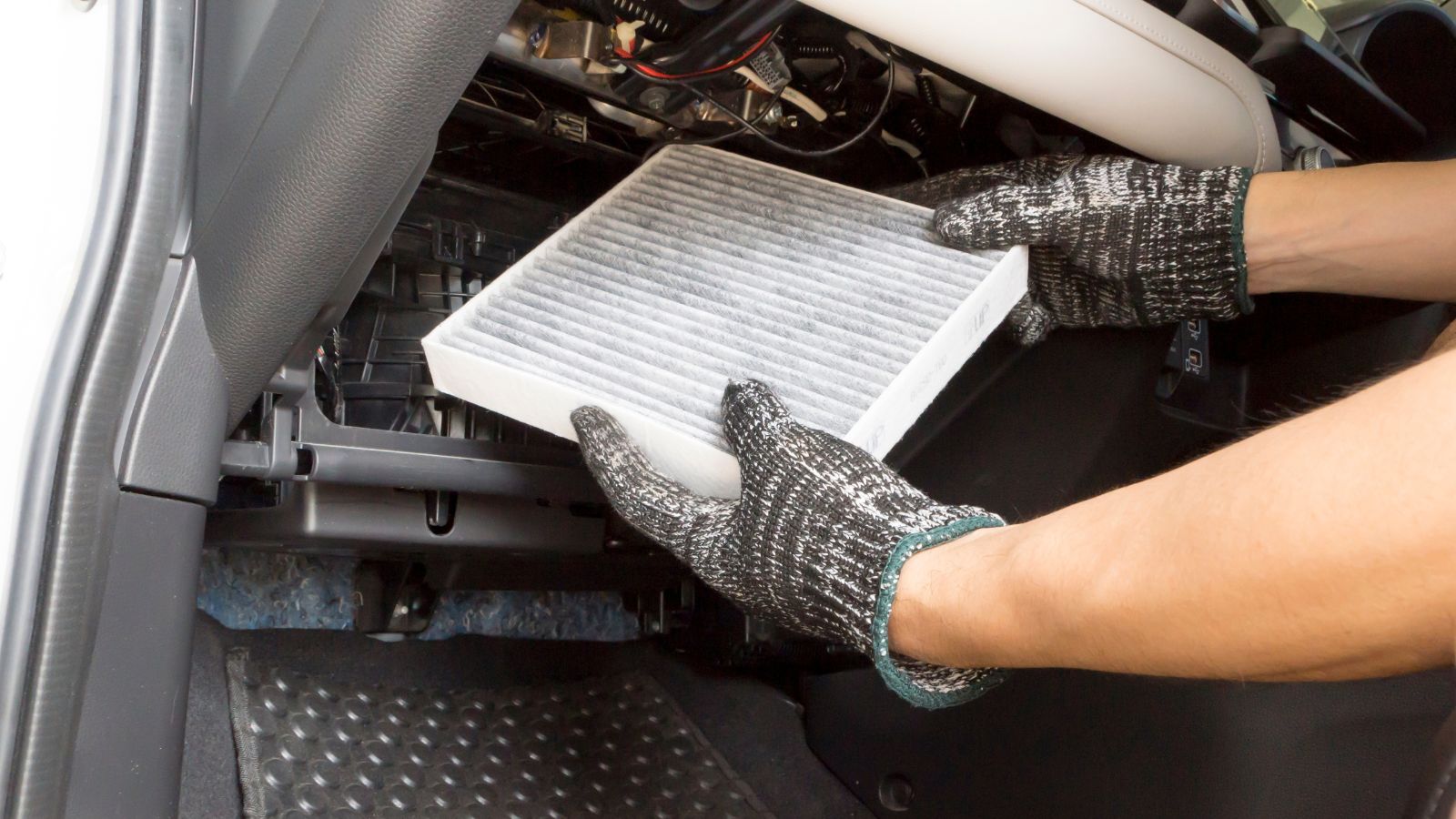
The cabin air filter cleans incoming air before it passes through the heating and air conditioning system. Over time, dust, pollen, leaves, feathers, and road debris can clog the filter. When that happens, the evaporator may still be cold, but not enough air can move through it. The result is weak airflow, slow cabin cooling, and sometimes a noisy blower straining behind the dashboard.
A clogged filter is one of the easier problems to overlook because it does not always produce dramatic symptoms at first. The air may still be cool at the vents, just too weak to cool the cabin quickly. Some manufacturers recommend replacing cabin filters roughly every 15,000 to 20,000 miles, depending on the vehicle and driving conditions. Dusty roads, wildfire smoke, and heavy pollen can shorten that interval.
A Weak or Failed Blower Motor
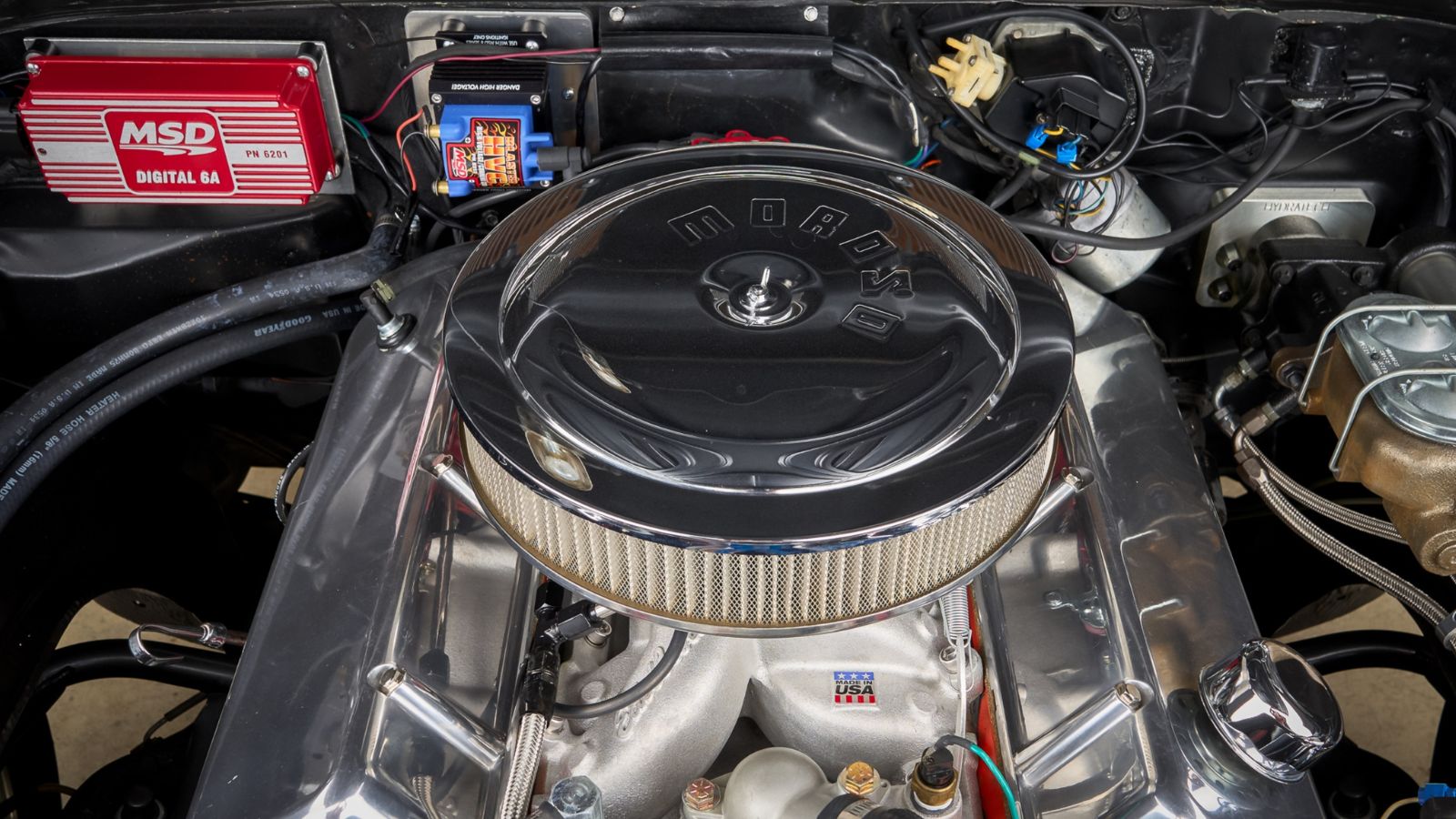
The blower motor is the fan that pushes air through the cabin vents. If it fails, the air conditioning system may still be producing cold air, but little or none reaches the passengers. A weak blower may work only at certain speeds, squeal as it spins, or produce airflow that fades after several minutes of use.
This issue is especially noticeable when the refrigerant system checks out but the cabin never cools down. A driver might hear grinding, rubbing, or chirping from behind the glove box, especially when selecting higher fan speeds. Some vehicles also use blower resistors or electronic speed controllers, which can fail separately from the motor. A dead highest speed, a dead lowest speed, or airflow that cuts in and out can point toward that control circuit.
Stuck Vent Doors or Blend Doors
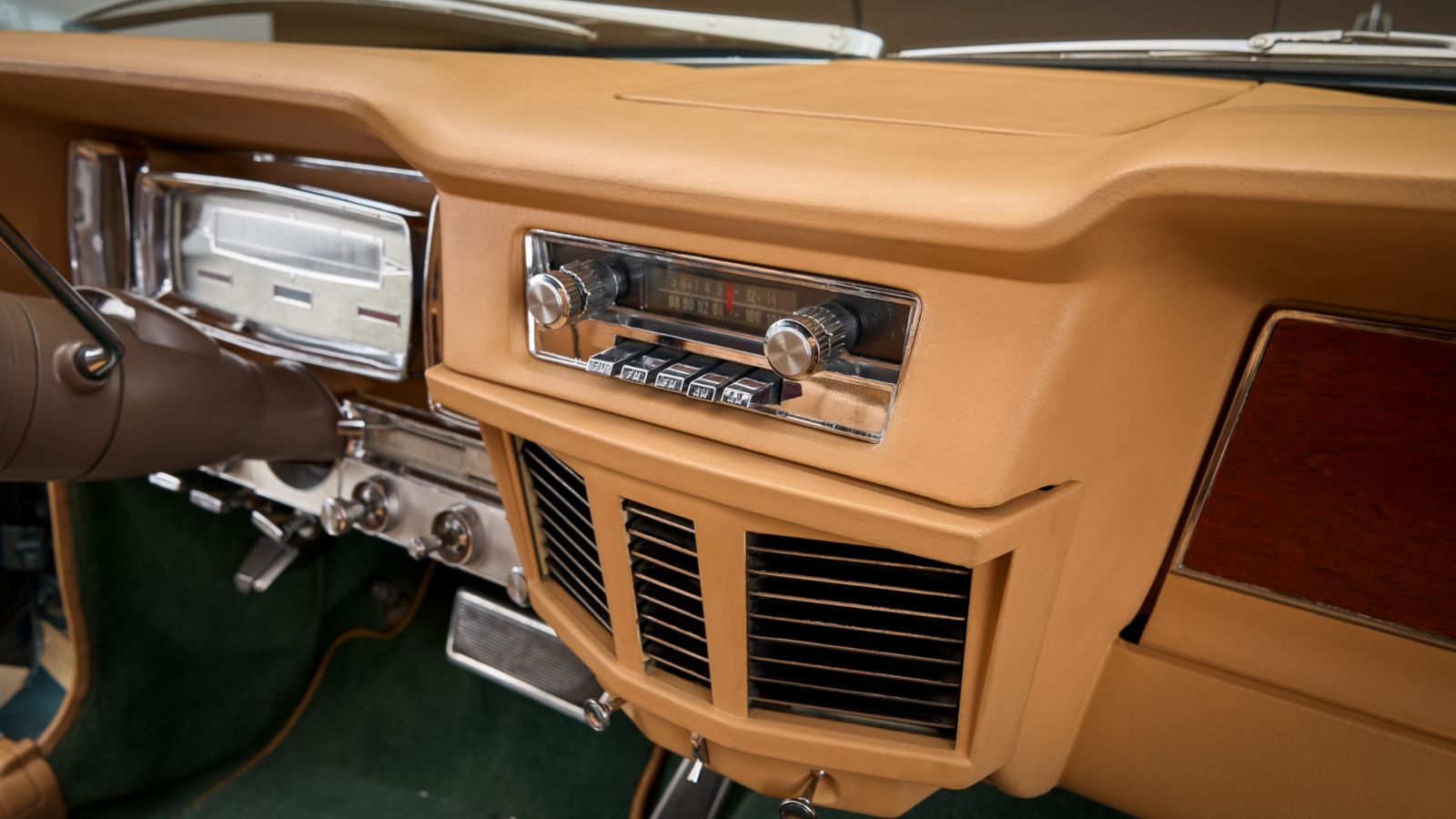
Inside the dashboard, small doors direct air through the heater core, evaporator, floor vents, dash vents, or defroster outlets. If a blend door sticks in the heat position, the air conditioning may be cold at the evaporator but warmed before it reaches the vents. If a mode door sticks, cold air may be trapped behind the dashboard or sent to the wrong outlet.
This problem can feel oddly specific. One side of a dual-zone cabin may blow cold while the other side blows warm, or air may only come from the defroster no matter which button is selected. Older systems may use cables or vacuum controls, while newer ones commonly use electric actuators. Clicking noises behind the dash often suggest an actuator gear struggling to move a stuck door.
A Faulty Expansion Valve or Orifice Tube
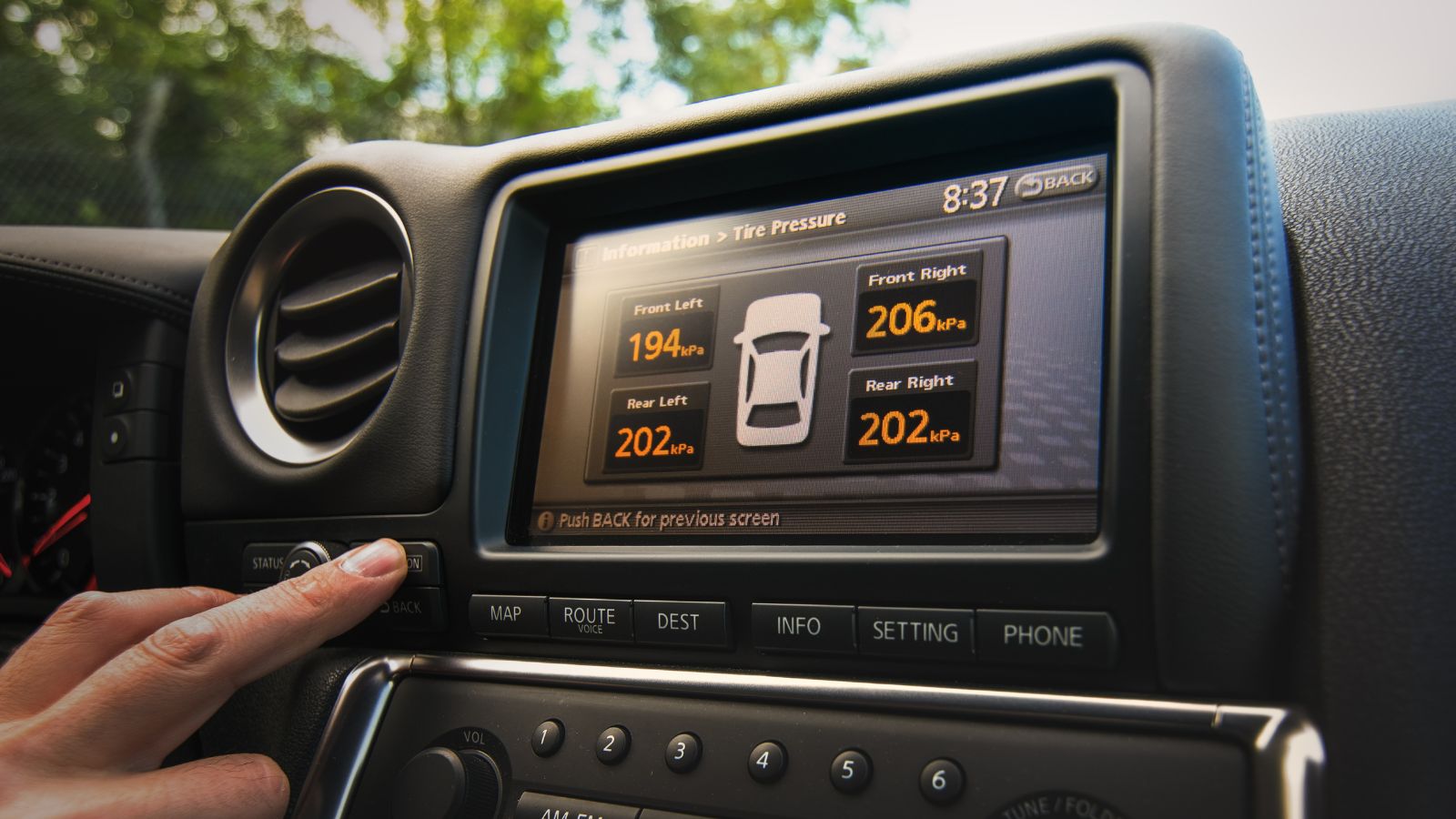
The expansion valve or orifice tube controls how refrigerant enters the evaporator. It reduces pressure so the refrigerant can absorb heat effectively. If it clogs, sticks closed, or meters incorrectly, the evaporator may receive too little refrigerant. If it sticks open, too much refrigerant may flood the evaporator and affect system pressures.
Symptoms can include warm air, inconsistent cooling, frost at the vents, or pressure readings that do not match expected values. A tiny amount of debris can cause trouble because these parts have narrow passages and operate under changing pressure and temperature. When a compressor fails, metal particles can travel downstream and clog the metering device. That is why replacement of related parts is often recommended after severe compressor damage.
Moisture Inside the Refrigerant Circuit
Moisture is a serious enemy inside an air conditioning system. The refrigerant loop is designed to contain refrigerant and oil, not air and water. If the system is opened during repair, damaged in a collision, or left uncapped, humidity can enter. Under certain conditions, that moisture can freeze at the expansion valve or orifice tube and interrupt refrigerant flow.
The symptom may be intermittent cooling: cold air for a while, then warm air, then cold again after the ice melts. Moisture can also promote corrosion and degrade compressor oil. Proper service usually includes evacuating the system before refilling it, which helps remove humidity and air. Skipping that step can leave a repaired system with a hidden problem that returns after a few hot drives.
A Saturated Receiver-Drier or Accumulator
Receiver-driers and accumulators help protect the air conditioning system by storing refrigerant and oil, filtering debris, and trapping moisture. They contain desiccant, a drying material that can absorb only so much water. Once saturated, the component loses its protective function and may allow moisture or particles to circulate.
This part is often replaced whenever the system is opened, especially during compressor or condenser repair. If ignored, a worn drier can contribute to clogs, abnormal pressures, and compressor damage. Some suppliers recommend replacement every two years or whenever the circuit has been opened. It is not a glamorous component, but it acts like insurance for the expensive parts. A small canister hidden in the line can decide whether a new compressor lives a long life.
An Evaporator Leak

The evaporator sits inside the HVAC case under the dashboard. It cools and dehumidifies cabin air as air passes across its fins. Because it is buried deep inside the vehicle, an evaporator leak can be expensive to diagnose and repair. Unlike a damaged condenser, it may not leave obvious evidence on the ground or under the hood.
Drivers may notice weak cooling, repeated refrigerant loss, a sweet or chemical smell, or oily residue from the drain tube area. In humid weather, the evaporator constantly deals with condensation, and over time corrosion or seal failure can create a leak. The labor can be substantial because much of the dashboard may need to be removed. That is why confirming the diagnosis before replacement is especially important.
A Dirty or Iced-Up Evaporator

An evaporator can also cause trouble without leaking. Dust, biological growth, or debris on the fins can reduce airflow and heat exchange. In other cases, the evaporator may ice over because of low airflow, a bad temperature sensor, a faulty expansion valve, or incorrect refrigerant conditions. Once ice blocks the fins, airflow drops sharply and the vents may turn weak or warm.
A common real-world clue is cooling that starts strong, then fades during a longer drive. After the car sits for a while, the system may work again because the ice has melted. Musty odors can also point to moisture and microbial buildup on the evaporator. Regular filter replacement helps protect it, but inspection and cleaning may be needed when airflow and odor problems persist.
Too Much Refrigerant

More refrigerant does not mean colder air. An overcharged system can create excessive pressure, poor cooling, compressor strain, and abnormal temperature readings. This often happens after repeated top-ups without measuring the exact charge or checking for the original cause of poor performance. Modern air conditioning systems are designed around specific refrigerant weight, not guesswork.
Overcharging can make diagnosis harder because symptoms may resemble other failures, including condenser trouble or expansion valve problems. A driver may add refrigerant because the vents are warm, only to make the system worse. Professional service equipment weighs the recovered and charged refrigerant, which is why accurate filling is so important. The correct amount allows the refrigerant to change state at the right points in the loop.
Too Much or Too Little Refrigerant Oil

Refrigerant oil lubricates the compressor and circulates through the air conditioning system. Too little oil can accelerate compressor wear, especially after a leak or improper component replacement. Too much oil can reduce cooling efficiency because it takes up space in the system and can interfere with heat transfer and refrigerant movement.
Oil balance becomes especially important after replacing a compressor, condenser, evaporator, or hose. Service information usually specifies the type and quantity of oil required. Guessing can create a new problem after the original part is fixed. Some technical guides warn that oil quantity and viscosity should be checked against manufacturer specifications before compressor installation. A quiet new compressor still needs the right lubrication to survive.
Faulty Pressure Switches or Temperature Sensors
Pressure switches and temperature sensors protect the system from damaging conditions. If refrigerant pressure is too low, a switch may prevent compressor operation to avoid lubrication damage. If pressure is too high, the system may shut down to protect hoses, seals, and the compressor. Temperature sensors can also affect how modern climate control systems command compressor output.
When these sensors fail or send incorrect information, the system may behave as if there is a real pressure or temperature problem. The compressor may not engage, may cycle too often, or may reduce output when cooling is actually needed. On late-model vehicles, scan tools can read climate control data and help determine whether the control module is receiving believable information. A bad sensor can look like a bad compressor until the data is checked.
A Heater System Mixing in Hot Air

Sometimes the air conditioning is working, but the heater is working against it. If a heater control valve leaks hot coolant into the heater core, or if a blend door stays partly on the warm side, cooled air can be reheated before entering the cabin. The result is air that feels mildly cool, not cold, even though the refrigerant circuit may be functioning.
This can be confusing in vehicles with automatic climate control because the driver may assume the A/C has failed. A clue is air that becomes hotter than outside air even with the temperature set to the coldest setting. Dual-zone systems can make the diagnosis stranger, with one side comfortable and the other warm. The repair may involve a valve, actuator, calibration, or dashboard work rather than refrigerant service.
A Worn Drive Belt or Pulley Problem

On many vehicles, the compressor is driven by the engine through a belt. If the belt is worn, slipping, misaligned, contaminated, or broken, the compressor may not spin properly. A squealing noise when the A/C is turned on can suggest belt slip or a compressor that is difficult to turn. If the belt fails completely, other engine accessories may be affected too.
This issue is easy to miss because the dashboard controls may still light up and the blower may still run. Under the hood, however, the compressor is not being driven as intended. Belt condition matters during compressor replacement as well; some repair guides recommend replacing a worn drive belt when installing a new compressor. A cheap belt problem can imitate a far more expensive air conditioning failure.
22 Things Canadians Do to Their Cars in Spring That Mechanics Hate

Spring brings relief to many Canadian drivers after months of snow, freezing temperatures, and icy roads that put serious strain on vehicles. As temperatures rise across the country, drivers begin washing cars, switching tires, and preparing vehicles for warmer weather and upcoming road trips. However, mechanics across Canada notice the same mistakes every spring when drivers attempt to recover from winter damage. Road salt, potholes, and harsh winter driving conditions often leave vehicles with hidden problems that drivers ignore. Some spring habits even create new mechanical issues that could have been avoided with proper maintenance. Here are 22 things Canadians do to their cars in spring that mechanics hate.

Alanna Rosen is an experienced content writer that focuses on many EV and educational content. Her articles are regularly published on Get CyberTrucked and syndicated on large publications.