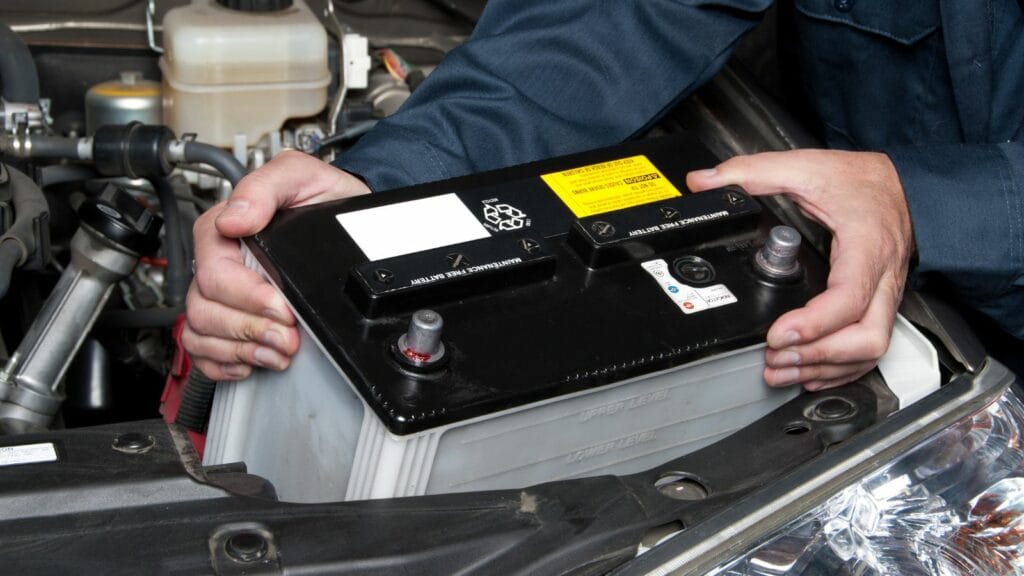
A parked car can seem harmless, almost like it is being preserved by stillness. In reality, inactivity creates its own kind of wear. Modern vehicles rely on moving fluids, charged batteries, flexible rubber, clean air pathways, and regular heat cycles to stay healthy. When those systems sit unused for weeks or months, small problems can quietly turn into expensive repairs.
These 16 things show why a vehicle that has not moved in a long time may need more than a quick jump-start before returning to the road. Some issues are obvious, such as a dead battery or low tires. Others hide in stale fuel, brake parts, seals, wiring, upholstery, and even the air-conditioning system.
Battery Drain Can Leave It Completely Dead
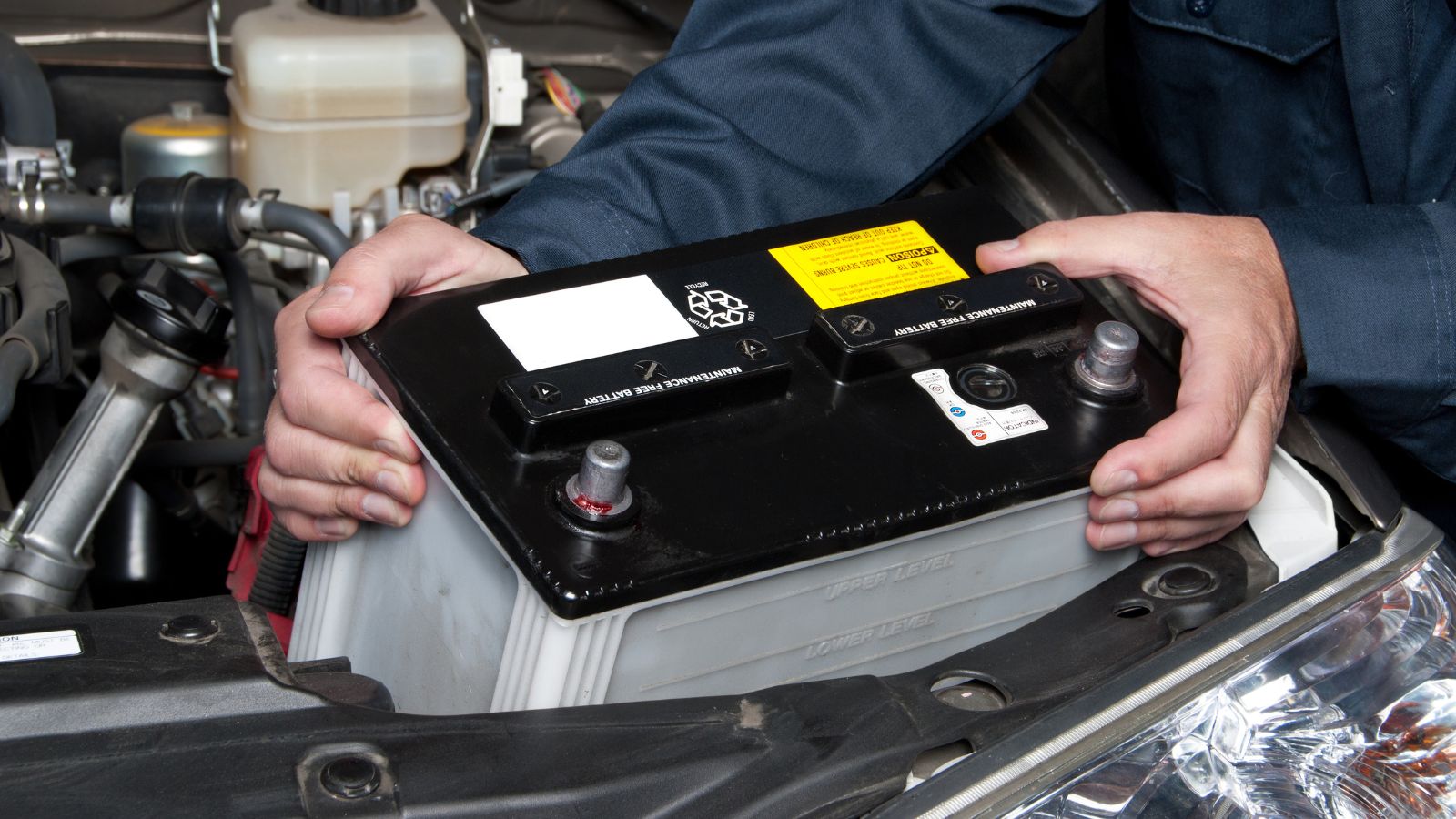
A car battery does not stop working just because the ignition is off. Clocks, alarms, keyless-entry modules, memory settings, and onboard computers can keep drawing small amounts of power while the vehicle sits. Over several weeks, that slow parasitic drain can pull a healthy battery below the point where it can start the engine.
The bigger problem is not just inconvenience. A deeply discharged lead-acid battery can lose capacity if it stays low for too long. A driver returning from a long trip may hear only a faint click, then discover that a jump-start is not enough. In many cases, the battery needs charging, testing, or replacement before the car can be trusted again.
Tires Can Lose Air Without Being Driven
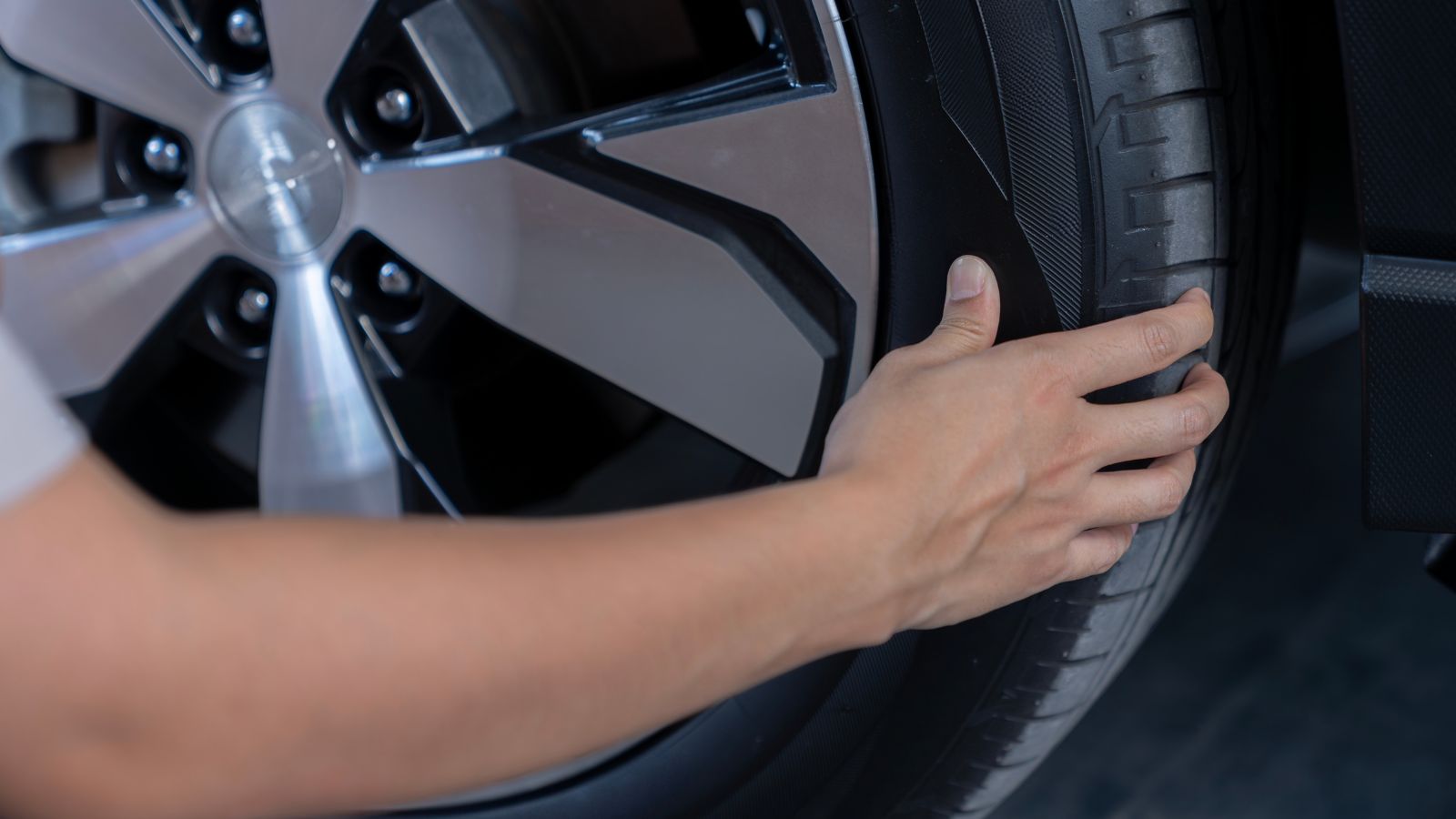
Tires naturally lose pressure over time, even when there is no puncture. A common industry estimate is about 1 PSI per month, and temperature swings can change pressure even more. A parked car can therefore look fine while its tires are quietly becoming underinflated.
That matters because underinflated tires flex more, run hotter, and can affect handling and stopping distance. A car left in a driveway for three months may roll away on tires that are several pounds low before the warning light appears. Before any long drive, the correct pressure should be checked when the tires are cold, using the placard inside the driver’s door rather than the maximum pressure printed on the tire sidewall.
Tires Can Develop Flat Spots
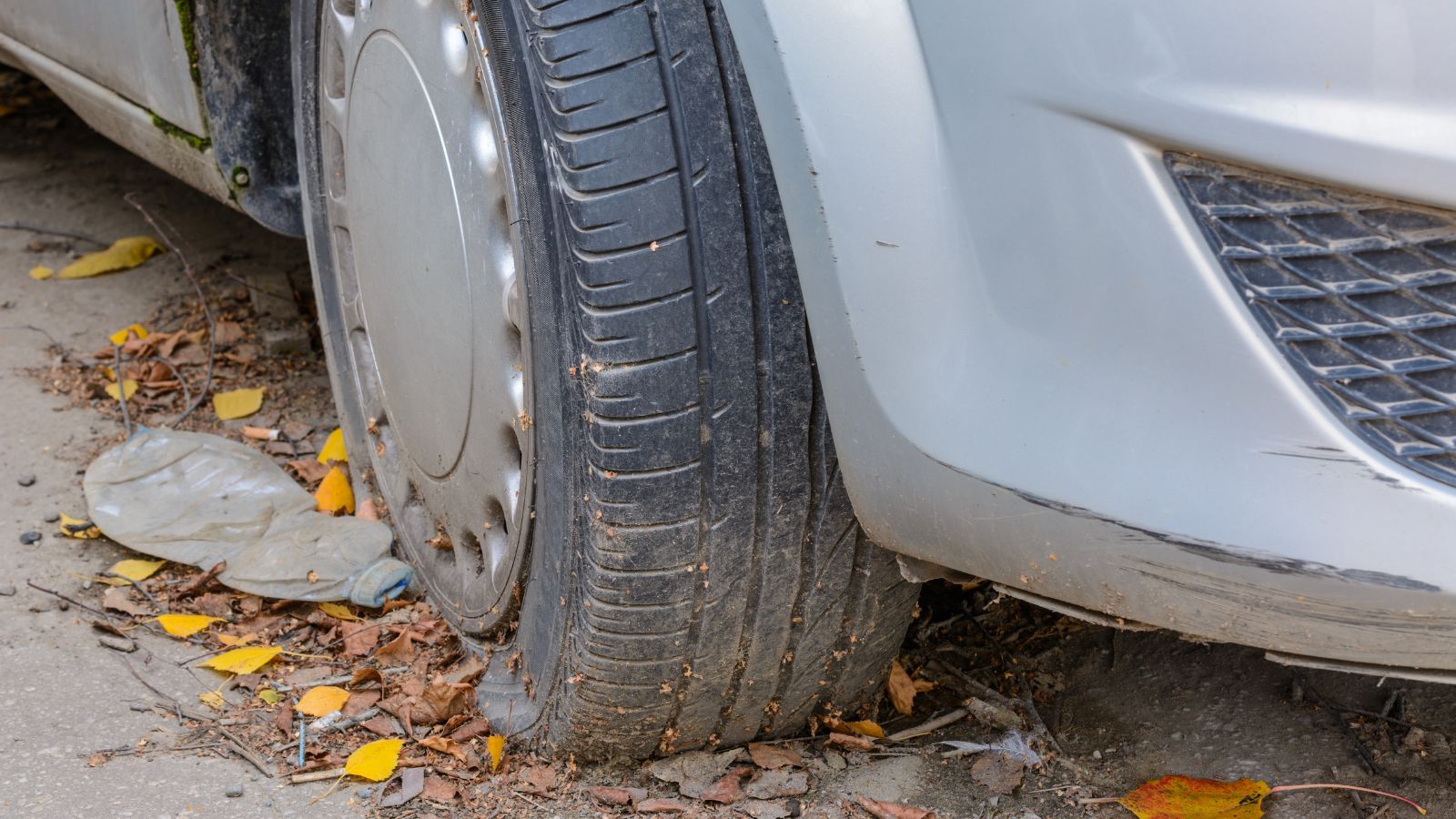
When a tire carries the same load in the same position for too long, the contact patch can flatten where it meets the ground. Short-term flat-spotting may cause vibration for the first few miles, especially after cold weather. In more severe storage conditions, the vibration may not disappear quickly.
This can make a recently revived car feel as if the wheels are out of balance. The steering wheel may tremble, or the cabin may develop a rhythmic thump that was not there before storage. Tire makers note that pressure, temperature, load, and time all affect how serious the flat spot becomes. A car stored for a month or longer deserves a slow first drive and a tire inspection if vibrations remain.
Gasoline Can Go Stale
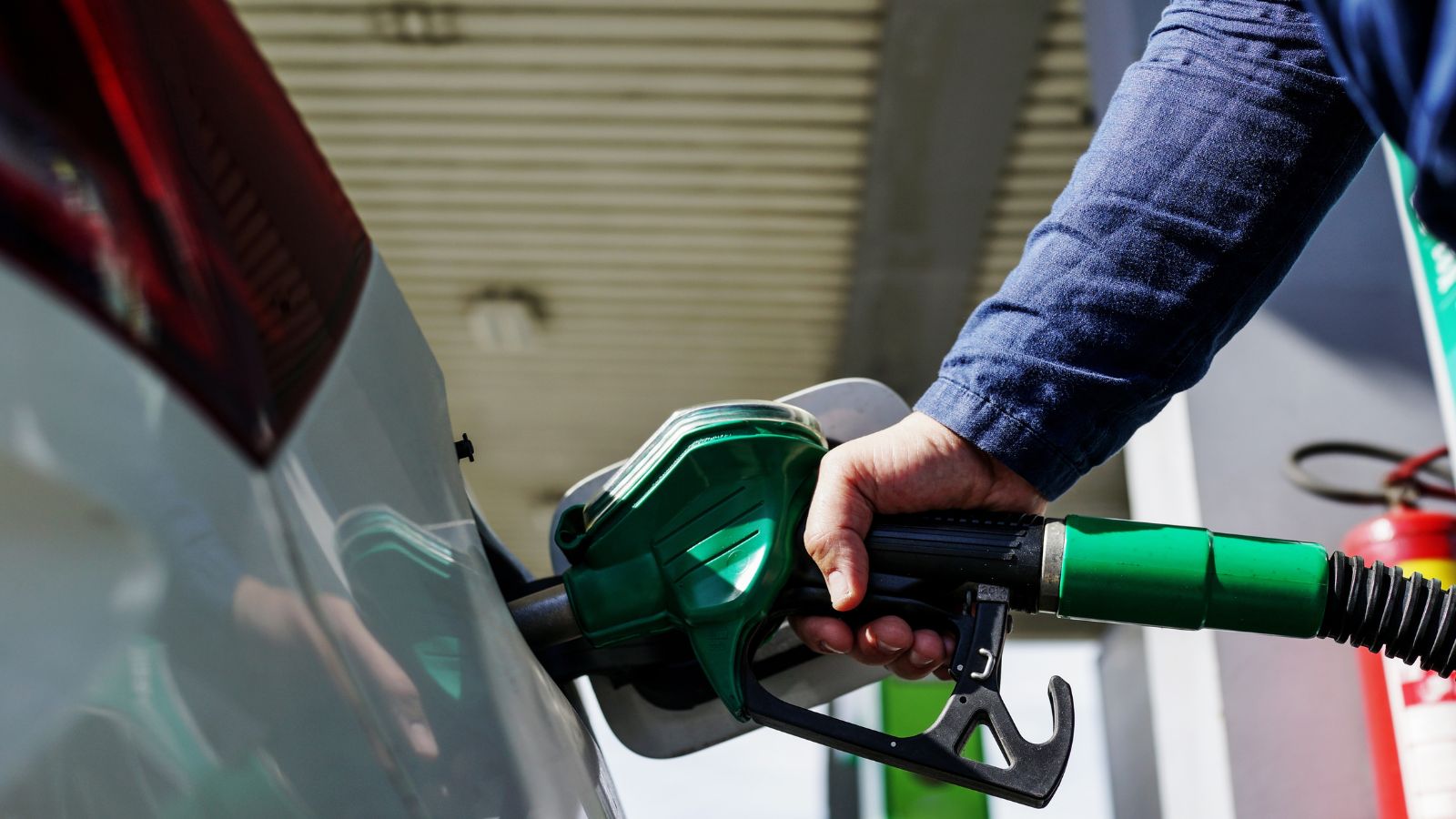
Gasoline is not designed to sit indefinitely in a vehicle tank. Over time, fuel can lose volatility, oxidize, and form compounds that make starting harder. Ethanol-blended fuel also raises concerns about water absorption and phase separation if enough water enters the tank.
The symptoms often appear only when the car is finally started. It may crank longer than usual, idle roughly, hesitate under throttle, or smell unusually sharp at the exhaust. A half-empty tank can also allow more moist air space, which is why long-term storage advice often includes fresh fuel and stabilizer. Once fuel has badly degraded, additives may not reverse the problem, and draining the tank may be safer than forcing the engine to run on old gasoline.
Fuel System Parts Can Get Gummed Up
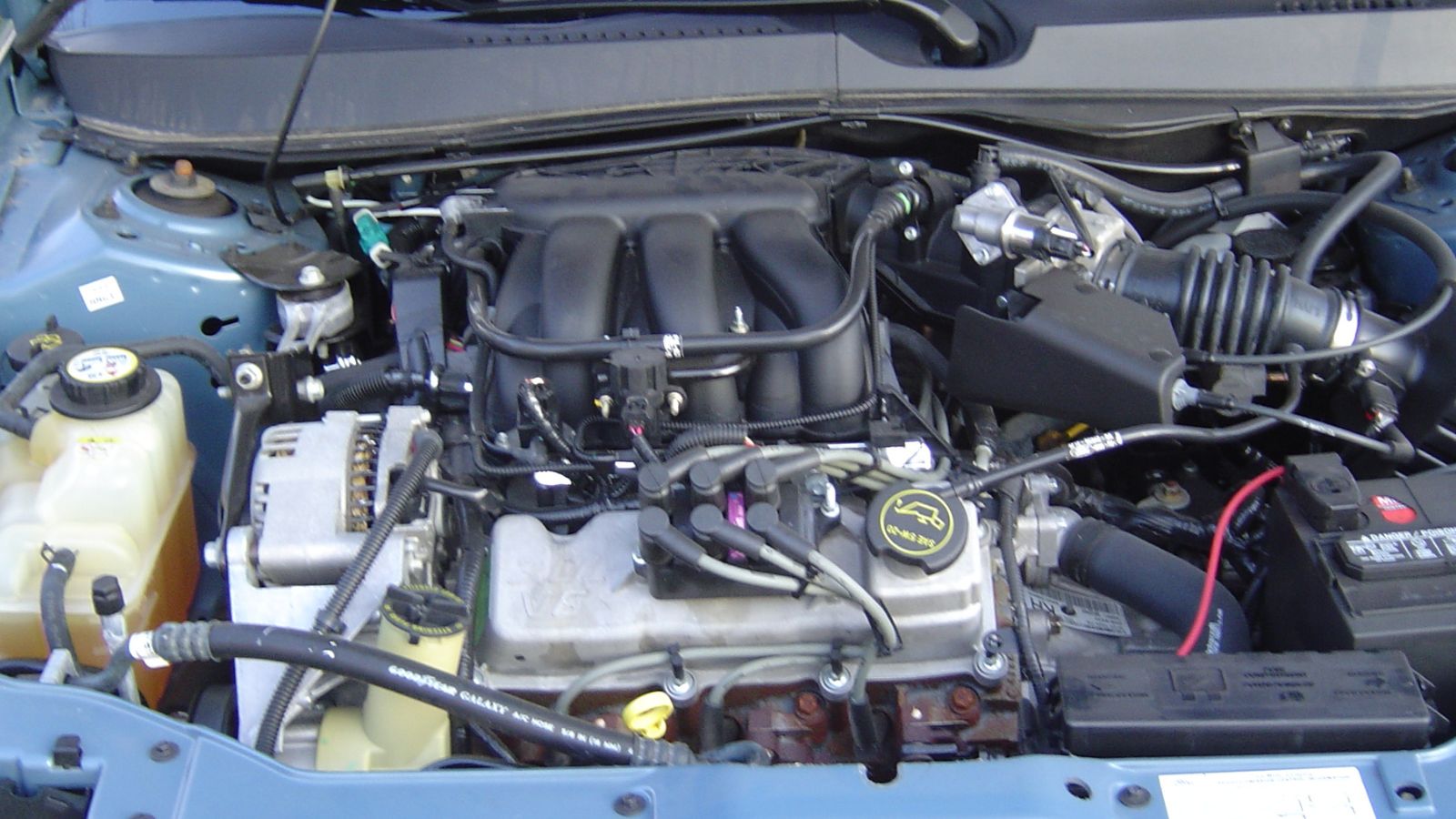
Old fuel can leave gum, varnish, and deposits inside fuel lines, injectors, and carburetors. Modern fuel-injection systems depend on precise spray patterns, so even small deposits can change how smoothly the engine runs. A car that started easily before storage may return with stumbling, surging, or poor throttle response.
Older seasonal cars are especially vulnerable because they often sit with small amounts of fuel left in the system. A classic coupe stored over winter, for example, may need more than a new battery in spring if stale fuel has left residue in the fuel delivery path. Fuel stabilizer is most useful before storage begins; once deposits form, cleaning or professional service may be needed.
Brake Rotors Can Rust
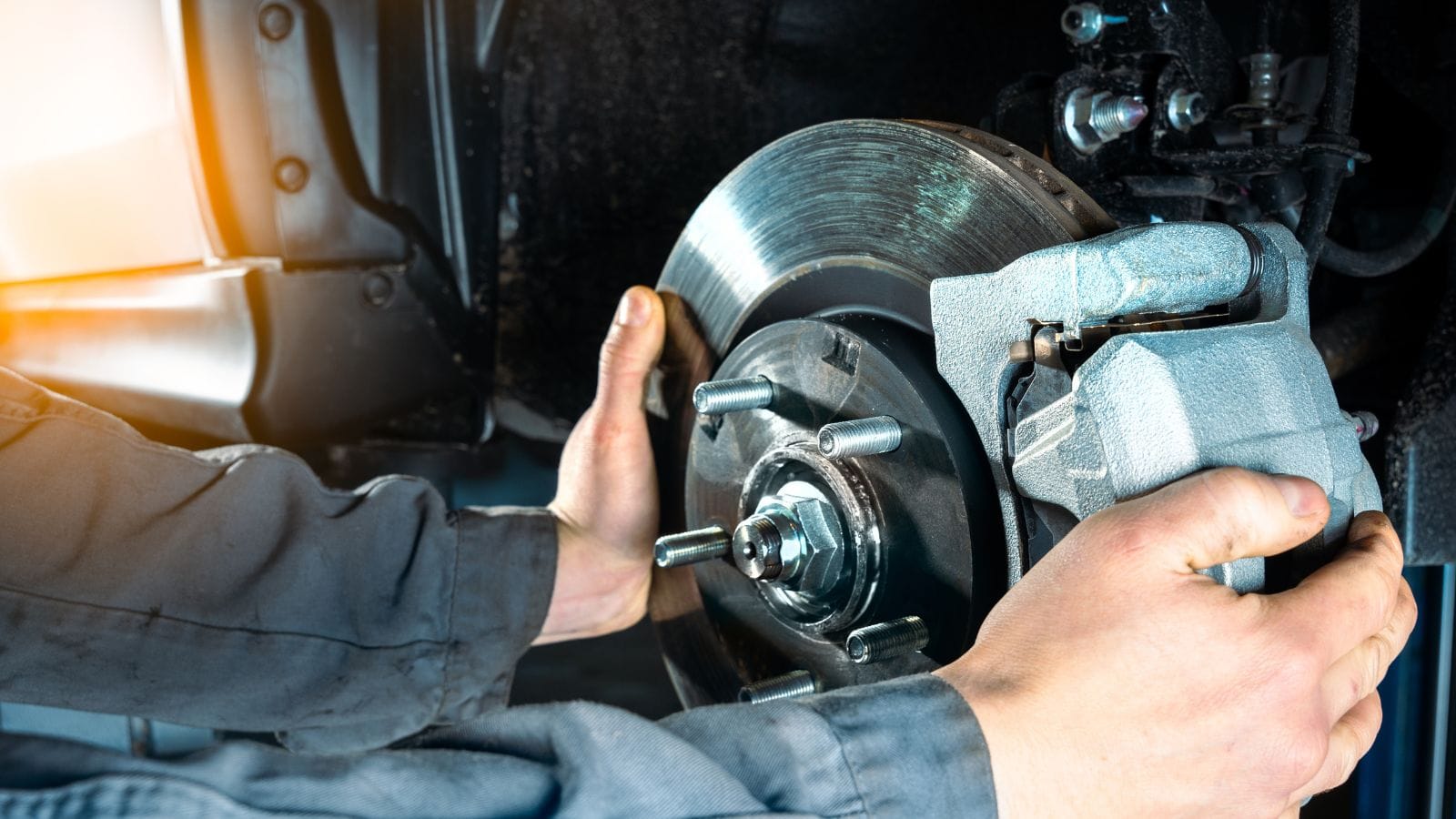
Brake rotors are exposed metal, so surface rust can form quickly when a vehicle sits in damp air or after rain. Light surface rust may scrub away during gentle braking, but heavier corrosion can create grinding, pulsing, or uneven pad contact. The longer the car sits, the more likely the rust becomes a real braking concern.
This often surprises owners because the car may move normally at first. Then the first stop sounds harsh, or the pedal feels rough. A vehicle stored outdoors through wet weather can develop more rotor corrosion than expected, even without high mileage. If the brakes grind, pull, or vibrate after a short cautious drive, inspection is safer than assuming the rust will simply wear off.
The Parking Brake Can Stick

Leaving the parking brake engaged for a long storage period can cause trouble, especially in wet or cold conditions. Cables, shoes, pads, and contact surfaces may corrode or bind. In some vehicles, the parking brake releases at the lever or switch, but the rear brakes still drag.
The result can feel like the car is fighting itself. It may strain to move, smell hot after a short drive, or make a scraping noise from the rear wheels. This is why many storage guides recommend using wheel chocks on level ground instead of relying on the parking brake for months. If the brake is stuck, forcing the vehicle can damage pads, rotors, drums, or cables.
Engine Oil Can Sit With Contaminants
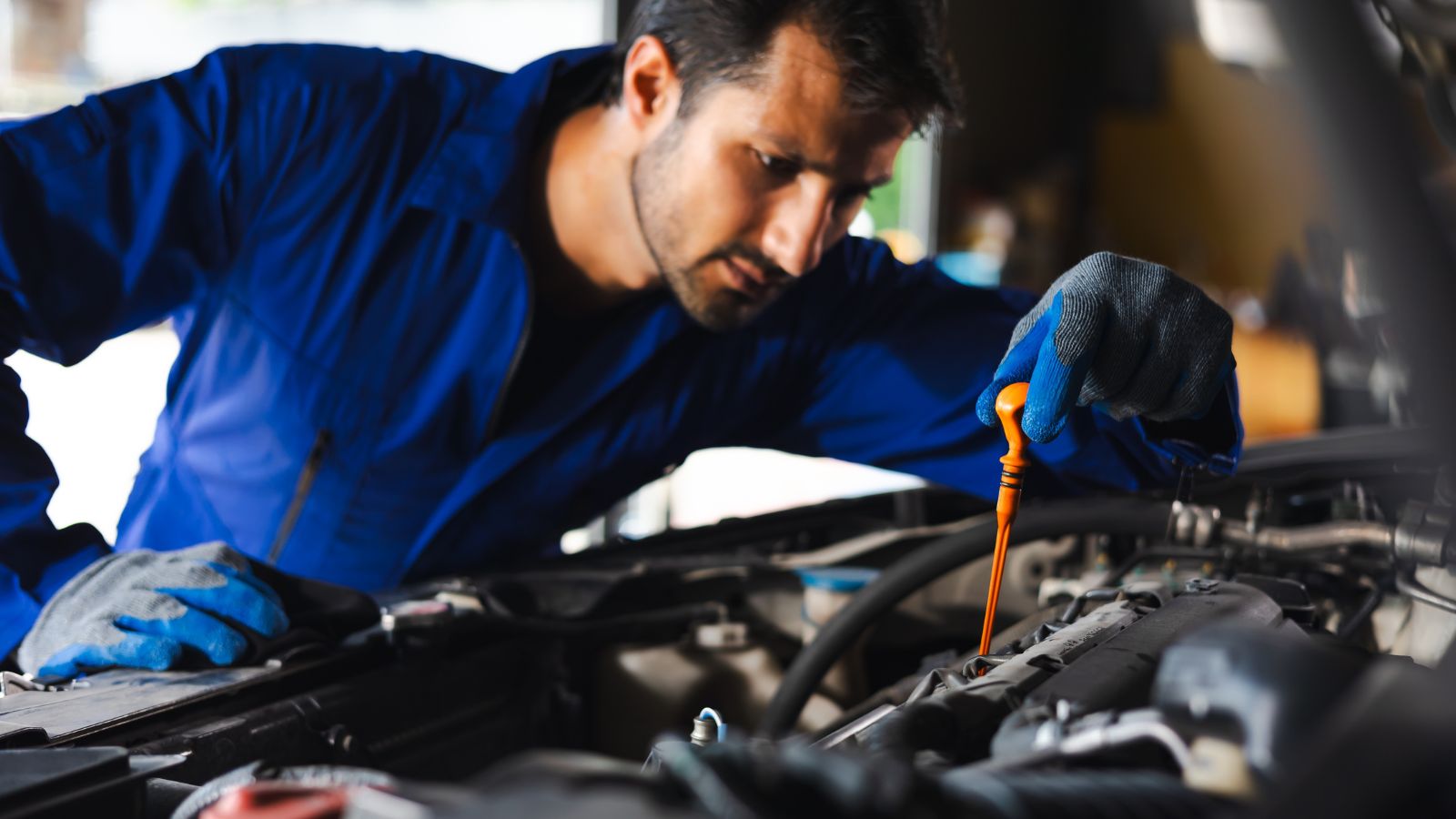
Engine oil protects moving parts, but it also carries contaminants from combustion, moisture, and normal use. When a car sits for a long period, used oil can remain against internal surfaces instead of being circulated and heated long enough to evaporate moisture. That is one reason storage guidance often recommends changing oil before long inactivity.
A neglected engine may still start, but startup is when it needs lubrication most. Oil that has aged in place can be less effective at protecting bearings, camshafts, and other contact surfaces. For a rarely driven car, mileage alone can be misleading. A vehicle that has covered only a few hundred kilometres in a year may still need time-based oil service because calendar age and storage conditions matter too.
Coolant Can Lose Corrosion Protection
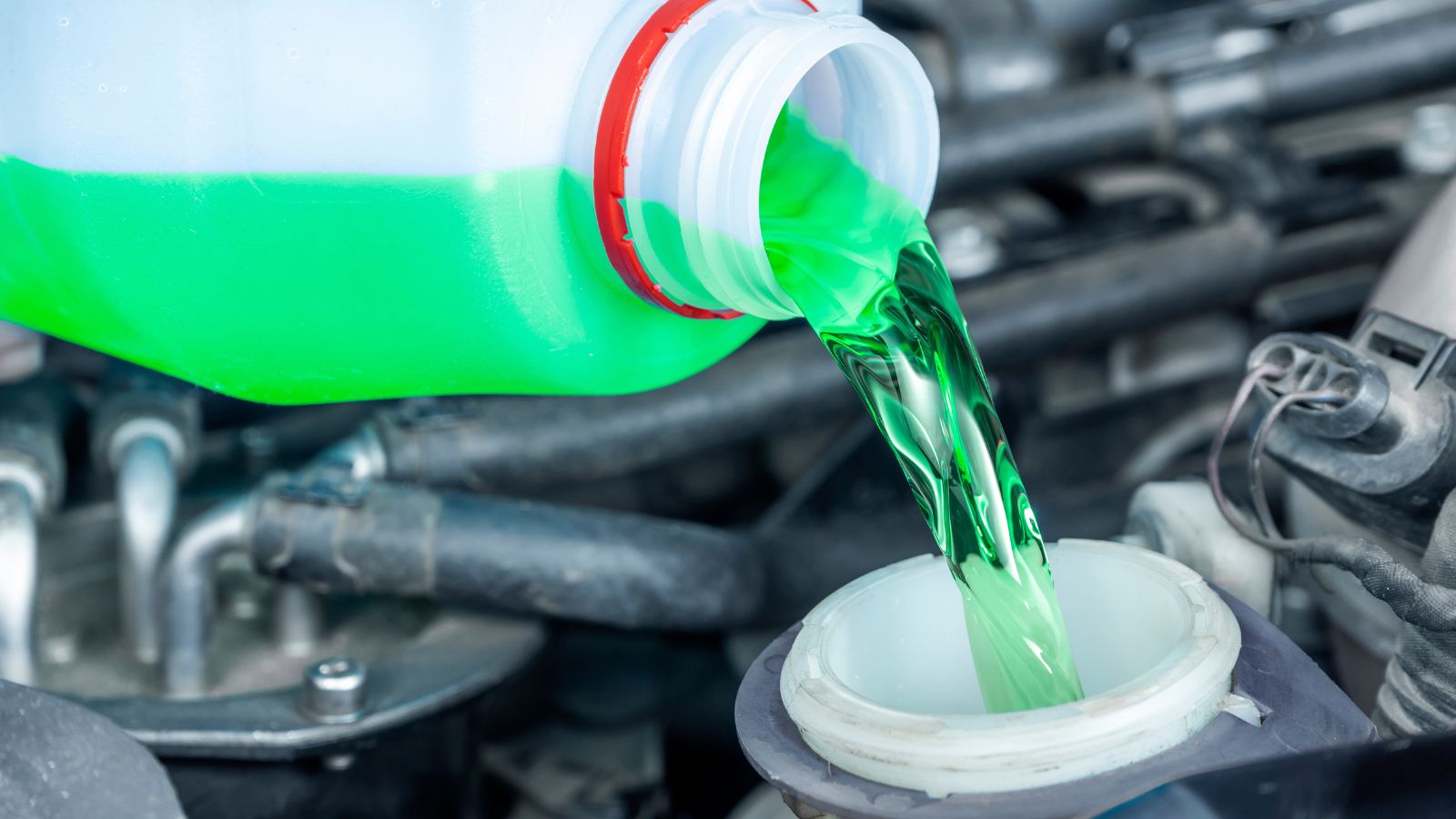
Coolant is more than antifreeze. It also contains corrosion inhibitors that protect radiators, water pumps, heater cores, aluminum engine parts, and seals. Over time, those inhibitors can become depleted, even if the car has not been driven much. When protection weakens, corrosion can quietly begin inside the cooling system.
The warning signs may arrive late. A stored vehicle might return to use with rusty coolant, a weak heater, a crusty radiator neck, or overheating in traffic. Owners sometimes assume coolant is fine as long as the level is correct, but level and condition are different things. A car that has been sitting for months or years should have coolant strength and condition checked before being pushed into hot-weather driving.
Brake Fluid Can Absorb Moisture
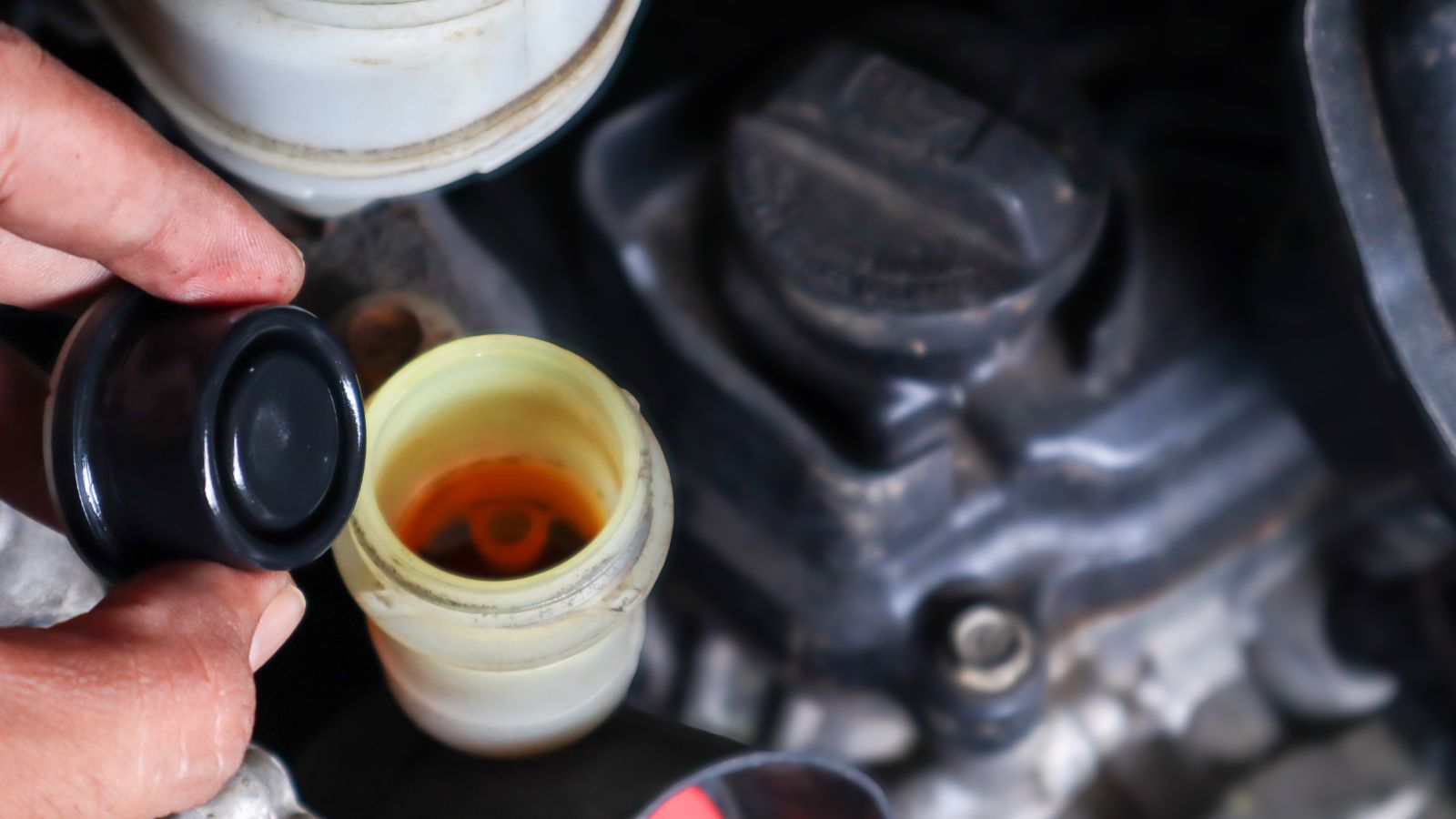
Most common brake fluids are hygroscopic, meaning they absorb moisture over time. Even in a mostly sealed system, moisture can enter through rubber components, vents, or service openings. As water content rises, brake fluid can lose boiling-point performance and contribute to corrosion inside the hydraulic system.
The risk is not always obvious during a slow neighborhood test drive. Under harder braking, heat builds quickly, and contaminated brake fluid may perform worse than expected. Moisture can also affect calipers, wheel cylinders, and brake lines from the inside. A car that has been parked for a long stretch may need a brake-fluid test or flush, especially if the fluid looks dark or the service history is unknown.
Seals and Gaskets Can Start Leaking
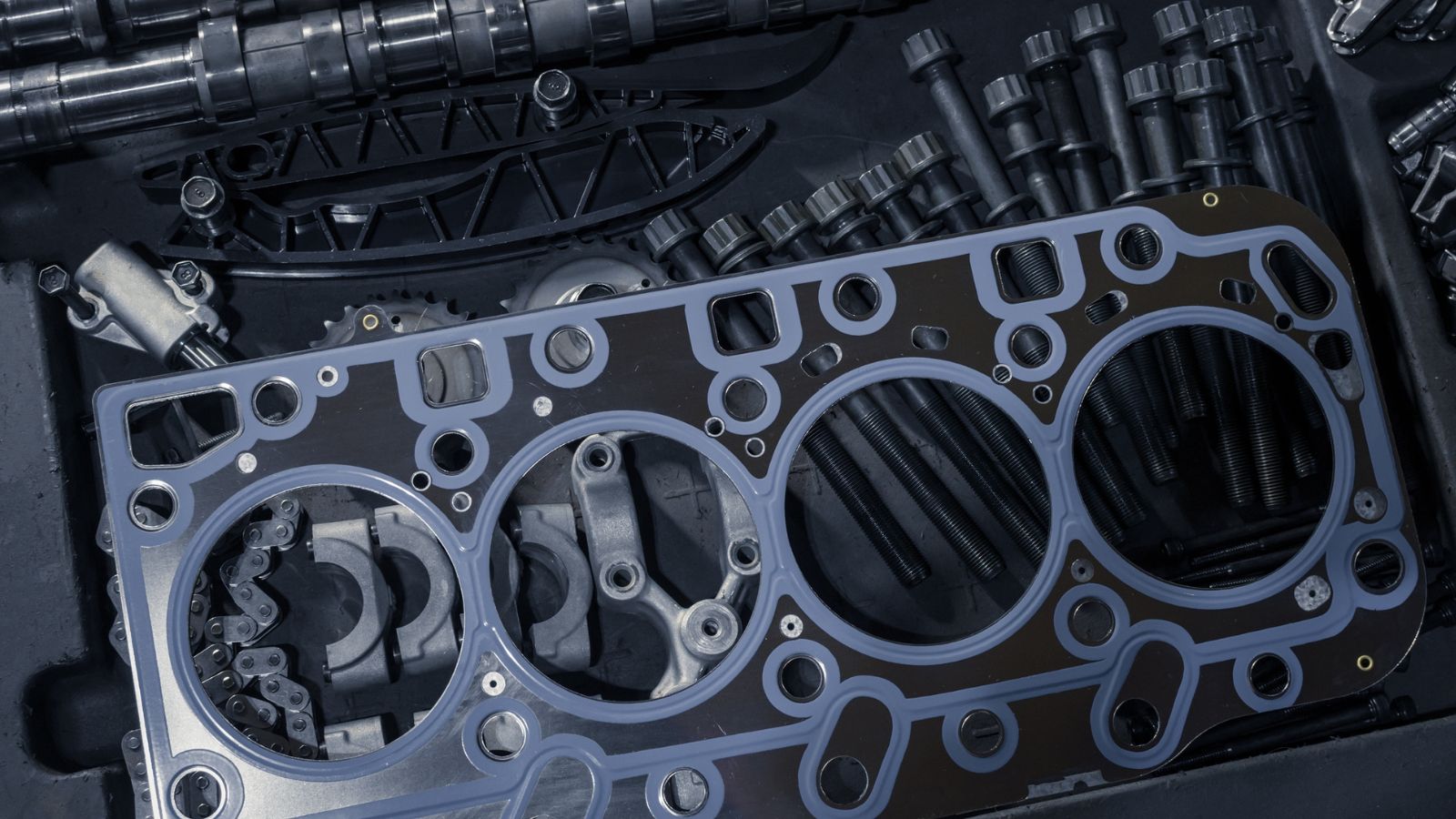
Cars use seals and gaskets to keep oil, coolant, transmission fluid, and refrigerant where they belong. Rubber and sealing materials can age, harden, crack, or shrink, and long inactivity can make leaks appear once the vehicle is started again. A dry garage floor during storage does not guarantee the car will stay leak-free after fluids warm and pressure builds.
This often shows up as a new drip after the first drive. A crankshaft seal, valve-cover gasket, oil-pan gasket, or coolant hose connection may begin weeping after months of silence. Small leaks can become larger if ignored, and some leaks are difficult to see without lifting the car. Checking underneath after the first few drives is a simple way to catch problems early.
Belts and Hoses Can Crack
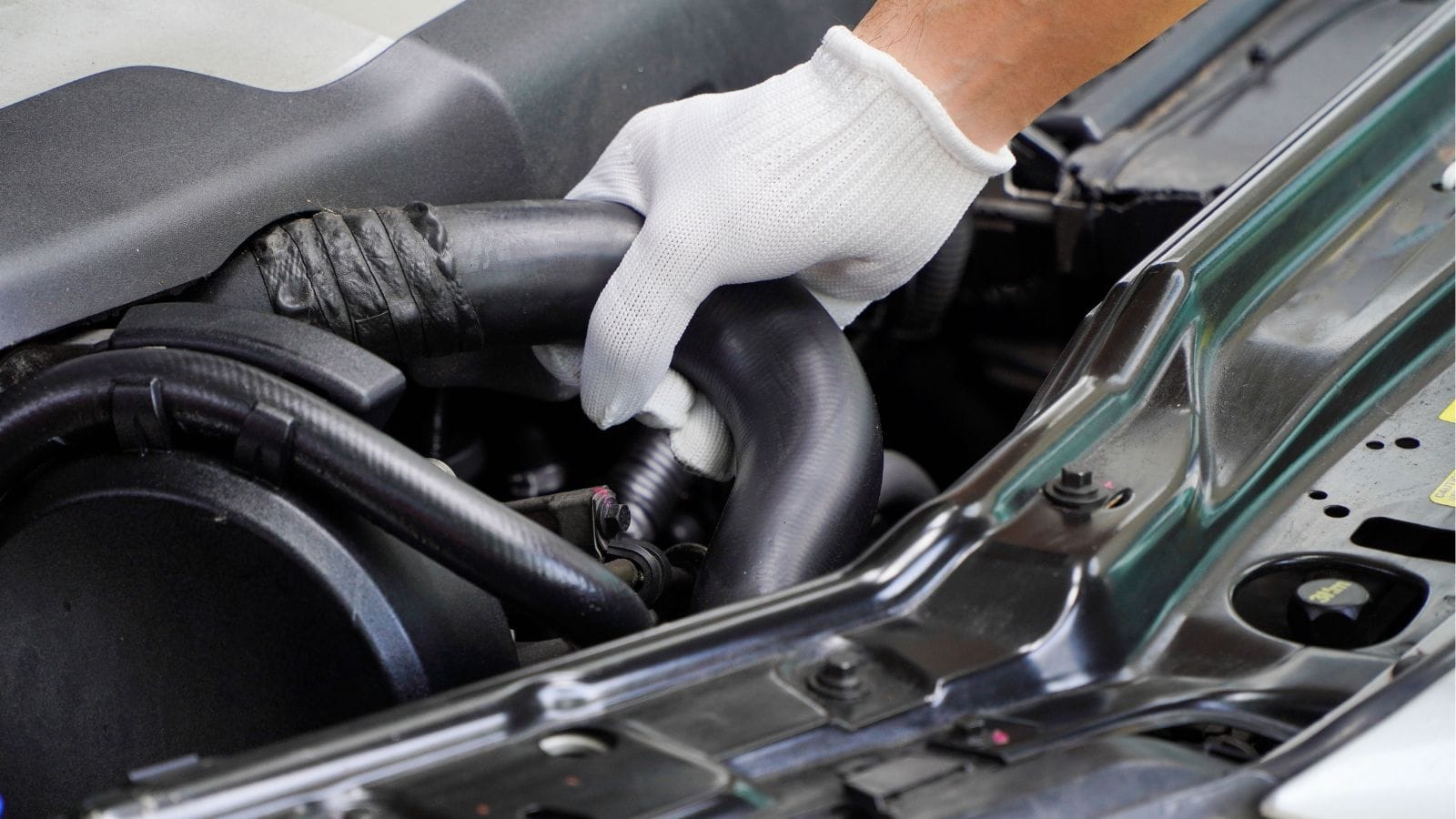
Belts and hoses age even when the odometer barely changes. Heat, ozone, oil contamination, and time can harden rubber and create small cracks. A vehicle that sits for months may look tidy under the hood, but a serpentine belt or coolant hose can still be closer to failure than expected.
The consequences can be immediate. A cracked serpentine belt can stop the alternator from charging and may affect water-pump or power-steering operation, depending on the vehicle. A brittle coolant hose can split once pressure rises. This is why a stored car should not be judged only by how well it starts. A quick inspection for cracks, swelling, softness, glazing, and leaks can prevent a roadside breakdown shortly after the comeback drive.
Rodents Can Move In
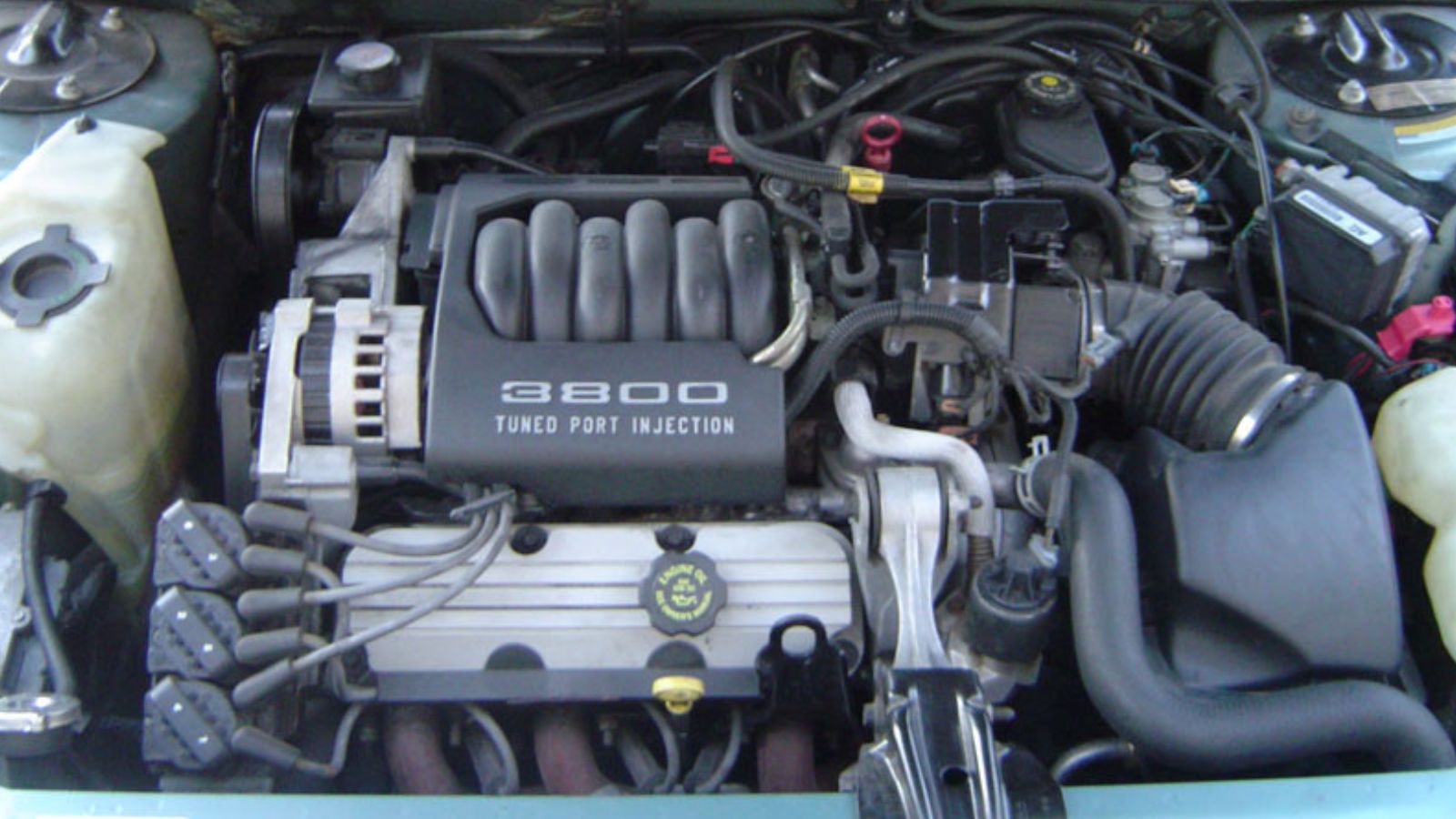
A quiet parked car can look like shelter to mice, rats, or squirrels. Engine bays offer warmth, darkness, and nesting space; interiors may contain food crumbs, tissues, insulation, or paper. Rodents can chew wiring, hoses, belts, filters, and insulation, creating problems that range from bad smells to no-start conditions.
The damage is sometimes dramatic. An owner may open the hood to find acorns in the airbox or a nest near the cabin filter. Another may see warning lights caused by chewed sensor wiring. Repair costs can rise quickly because technicians must first locate the damaged circuit or contaminated area. Cars stored near trash, tall grass, garden supplies, or open garages are especially worth inspecting before startup.
Interior Moisture Can Lead to Mold and Odours
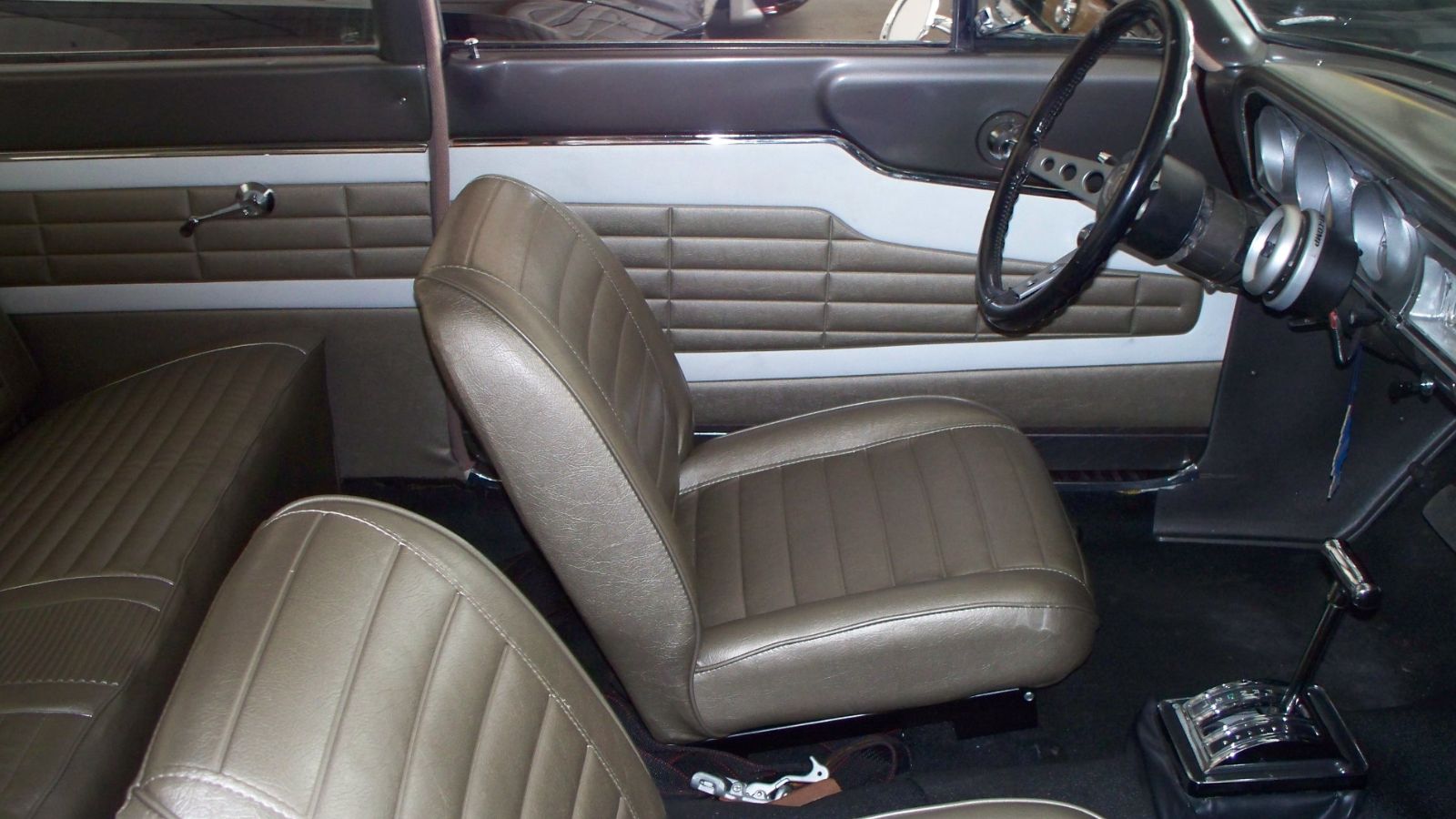
A sealed cabin can trap moisture from leaks, wet carpets, humidity, or condensation. If moisture remains in fabric, carpet, insulation, or dust, mold and mildew can grow. The first clue may be a musty smell when the door opens, followed by visible spotting on seats, belts, floor mats, or the steering wheel.
This is more than a cosmetic problem. Mold cleanup can be difficult because spores and odours settle into porous materials and ventilation ducts. A car stored through a humid season with a small window leak may need deep cleaning, drying, and cabin-filter replacement before it feels usable again. Moisture absorbers, ventilation, and fixing leaks before storage can make a major difference.
Paint and Exterior Trim Can Suffer
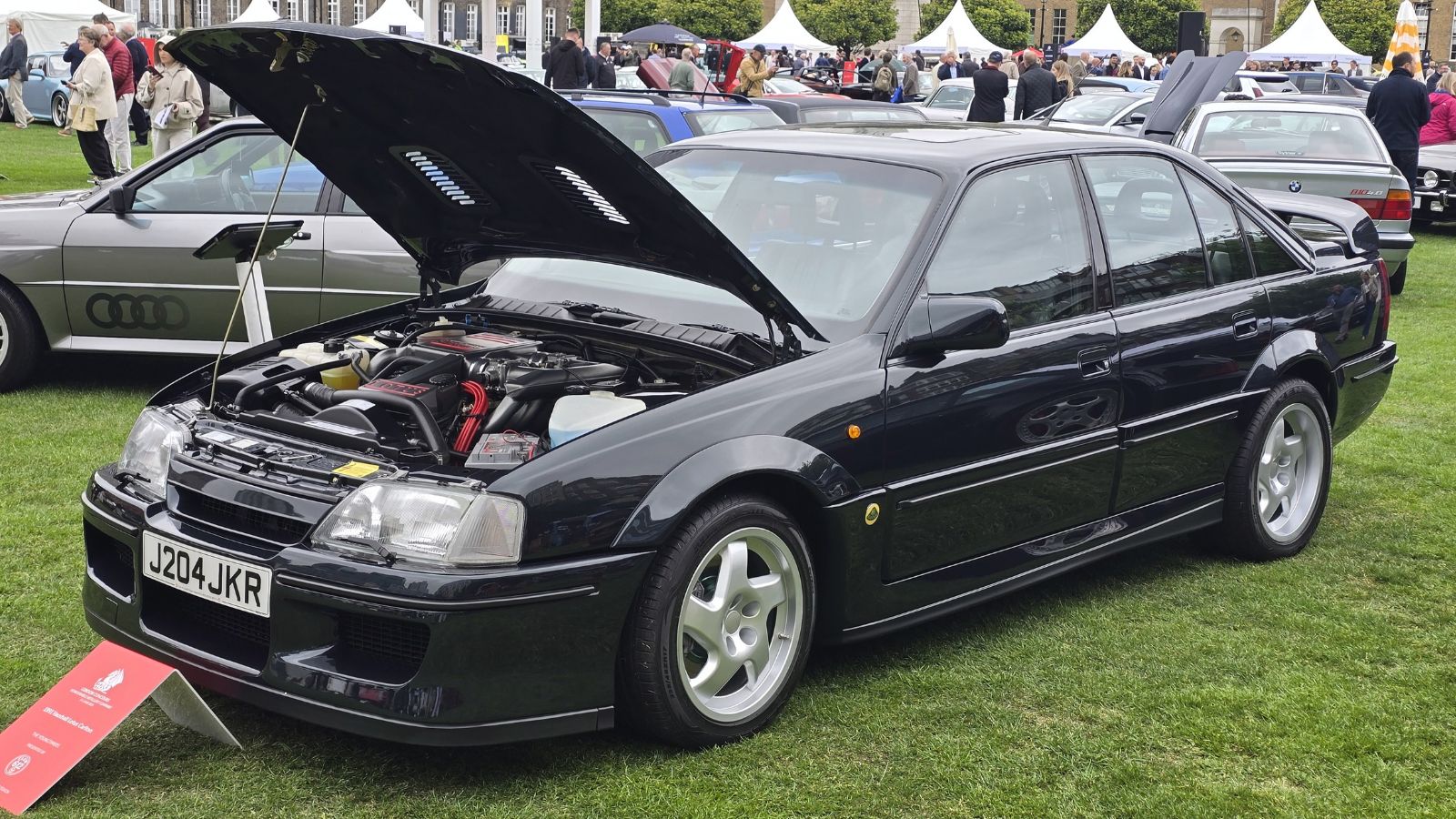
A sitting car faces environmental wear even if it never moves. Bird droppings, tree sap, pollen, industrial fallout, UV exposure, and standing water can damage paint or clear coat. Sunlight can also fade trim and dry out exposed rubber. The longer contaminants sit on the surface, the harder they become to remove safely.
The damage often appears as dull patches, etched spots, chalky paint, or hardened sap that regular washing will not fully remove. A car parked under a tree for shade may actually collect more sap and bird waste than one parked in the open. Storage covers help only when they are clean, breathable, and properly fitted; a poor cover can trap moisture or rub against paint in wind.
The Air Conditioning Can Lose Effectiveness
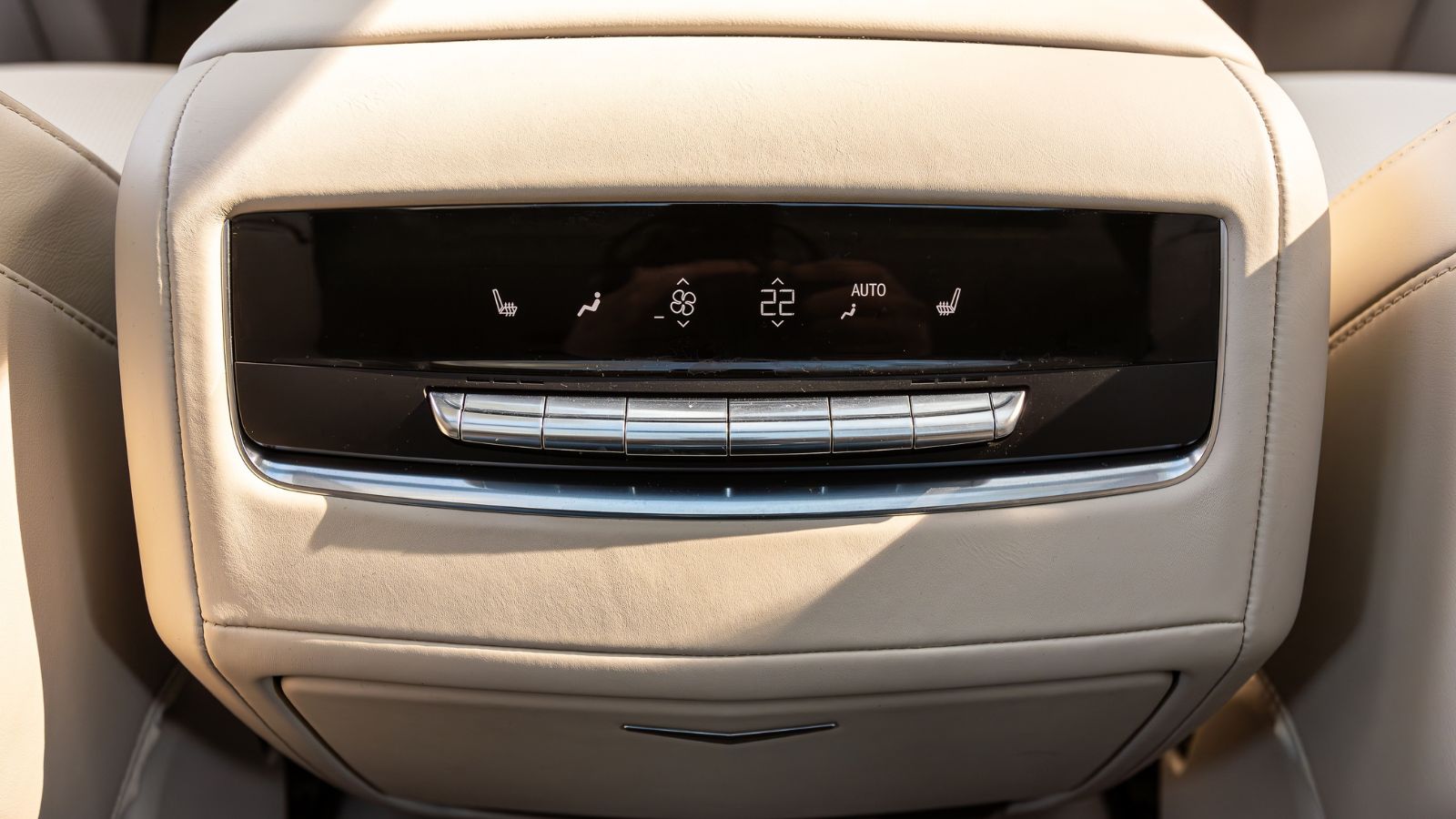
Automotive air-conditioning systems rely on refrigerant and oil circulating through the compressor, hoses, and seals. When a vehicle sits for a long time, seals may not stay lubricated as well, and small refrigerant leaks can become more noticeable. The first hot day after storage may reveal weak cooling or warm air from the vents.
This is especially common in cars used seasonally or parked through cooler months with the A/C rarely switched on. The system may still blow air, but the compressor may short-cycle, or the cabin may never cool properly. Running the A/C periodically during normal use helps circulate oil through the system. After long storage, weak cooling should be checked before assuming it only needs a quick recharge.
22 Things Canadians Do to Their Cars in Spring That Mechanics Hate

Spring brings relief to many Canadian drivers after months of snow, freezing temperatures, and icy roads that put serious strain on vehicles. As temperatures rise across the country, drivers begin washing cars, switching tires, and preparing vehicles for warmer weather and upcoming road trips. However, mechanics across Canada notice the same mistakes every spring when drivers attempt to recover from winter damage. Road salt, potholes, and harsh winter driving conditions often leave vehicles with hidden problems that drivers ignore. Some spring habits even create new mechanical issues that could have been avoided with proper maintenance. Here are 22 things Canadians do to their cars in spring that mechanics hate.

Alanna Rosen is an experienced content writer that focuses on many EV and educational content. Her articles are regularly published on Get CyberTrucked and syndicated on large publications.