Used car pricing can feel surprisingly inconsistent, especially when two vehicles with the same badge and model year appear thousands of dollars apart. The difference is rarely random. A dealership’s price reflects how the vehicle was acquired, how much work it needed, how quickly the store wants it sold, and how local buyers are behaving at that moment. Broader market forces matter too, from wholesale auction trends to financing conditions and the supply of lease returns. These 18 reasons explain why one dealership may advertise a used car as a bargain while another prices a nearly identical model much higher.
Acquisition Costs Start at Different Points
The price a dealership pays for a used car often sets the floor for the final asking price. One dealer may have taken a car in on trade at a favorable number, while another may have won the same type of vehicle at a competitive wholesale auction. In tight markets, auction prices can climb quickly because dozens of dealers may be bidding on the same clean, low-mileage inventory.
That starting cost matters because dealerships still need room for reconditioning, advertising, financing costs, staff commissions, and profit. A compact SUV bought cheaply from a loyal service customer may be priced aggressively. The same SUV bought at auction after a bidding war may arrive on the lot already expensive. To shoppers, both vehicles may look similar online, but the dealership’s cost basis can be completely different.
Trade-Ins Can Be Cheaper Than Auction Cars
A trade-in can give a dealership a pricing advantage because it avoids some costs tied to auctions. The vehicle is already on-site, the store may know its service history, and there may be no transportation bill from another city. A dealer that takes in a well-maintained sedan from a returning customer can sometimes price it below a competitor that sourced a comparable car from wholesale channels.
Auction vehicles are useful because they help dealers fill gaps in inventory, but they often carry extra costs. There may be buyer fees, transport charges, inspection expenses, and more uncertainty about condition. That uncertainty often gets priced into the retail number. A dealership with a strong flow of local trade-ins may therefore look cheaper than one relying heavily on outside inventory, even when both stores are selling the same year, make, and model.
Reconditioning Standards Are Not the Same
Two dealers can buy the same kind of used car and prepare it very differently. One store may replace tires, refinish wheels, repair paint chips, service the brakes, detail the interior, and complete every small maintenance item before listing. Another may do only the minimum needed to make the vehicle presentable and safe for sale. Those different standards can create a visible price gap.
Reconditioning is not just cosmetic. A car needing tires, brakes, fluids, a battery, and minor bodywork can require a substantial investment before it reaches the front line. Buyers often notice the polished result but not the invoice behind it. A higher price may reflect a cleaner, more thoroughly prepared vehicle. A lower price may still be legitimate, but it may leave more work for the next owner to handle soon after purchase.
Mileage and Condition Create Big Valuation Swings
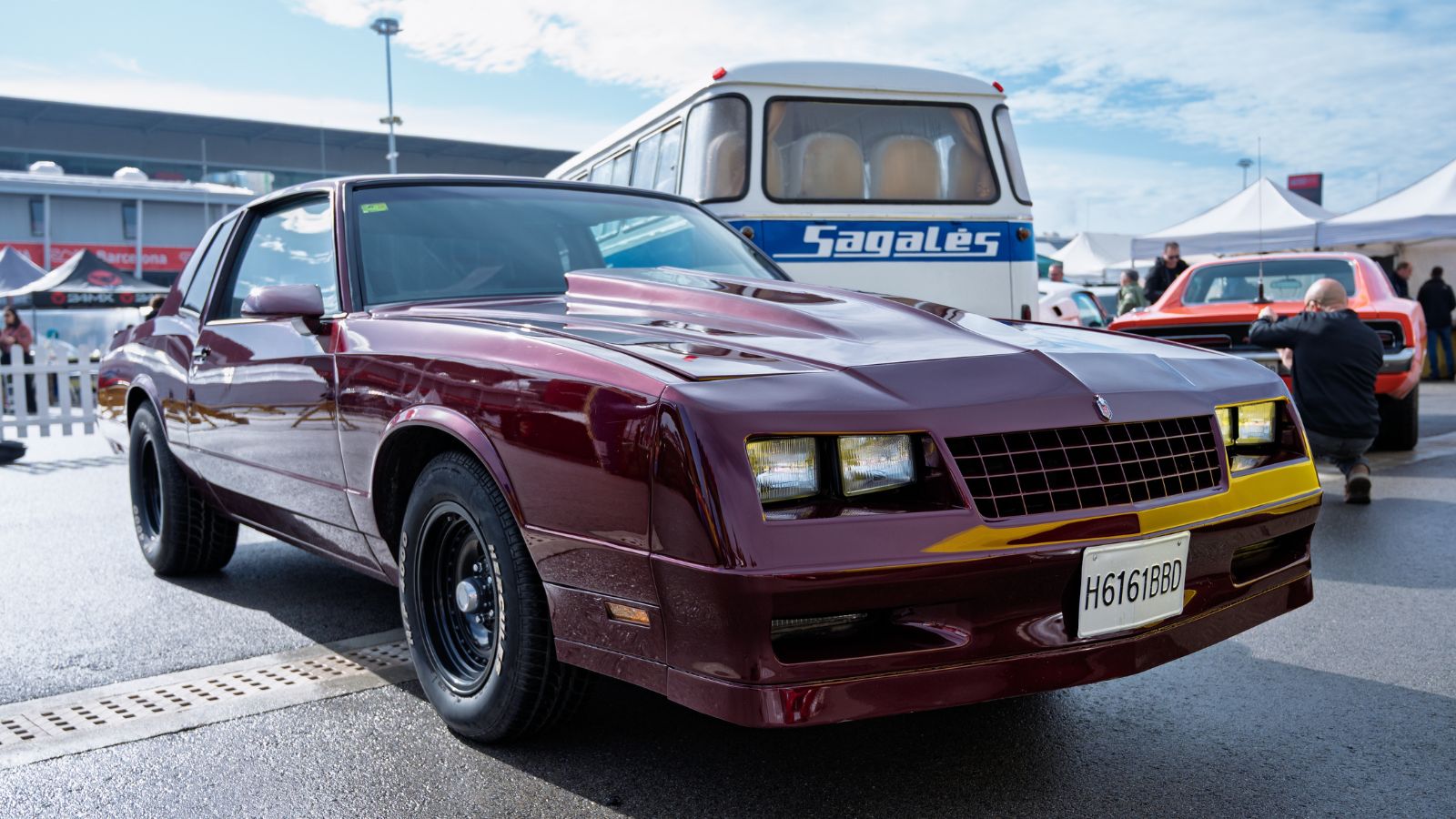
Mileage remains one of the fastest ways two similar used cars separate in value. A 2021 crossover with 35,000 miles is not the same retail product as one with 82,000 miles, even if the paint color and trim look identical in photos. Lower mileage usually suggests less wear on suspension parts, seats, electronics, tires, and powertrain components, though maintenance history still matters.
Condition adds another layer. A vehicle with light highway mileage, clean upholstery, original paint, and complete service records can command more than a cheaper example with stained seats, curb rash, mismatched tires, and visible repaint work. Pricing tools often separate cars by mileage, equipment, location, and condition for this reason. A dealership asking more may simply have the stronger example, while the cheaper one may be priced to reflect visible or hidden compromises.
Vehicle History Can Change the Risk Premium
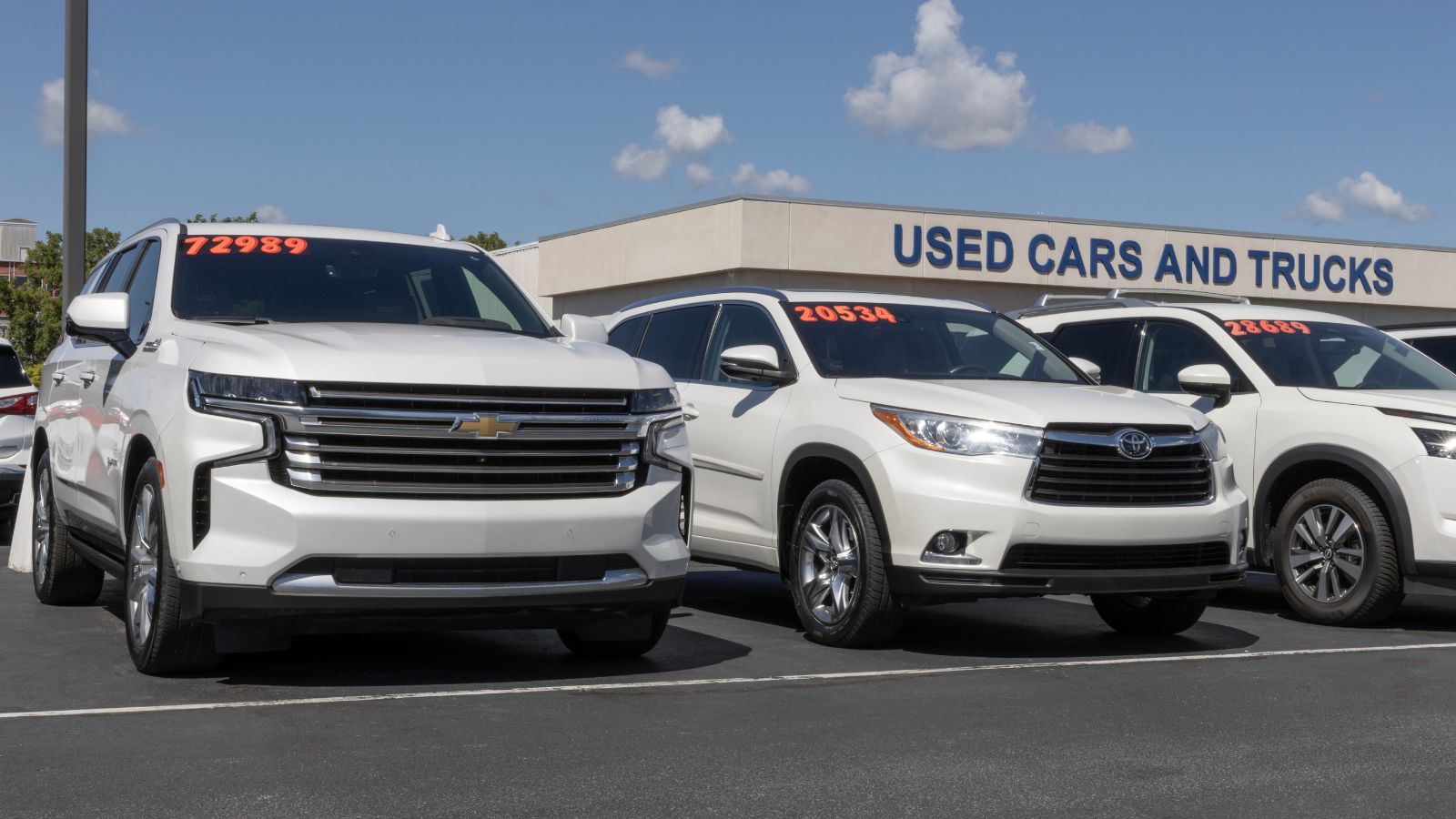
A clean-looking used car can carry a complicated past. Accident history, salvage branding, flood records, odometer inconsistencies, theft history, or multiple rapid ownership changes can all affect price. Dealerships that disclose those issues may list a car lower because the market assigns risk to its history, even if the vehicle drives well during a short test drive.
The reverse also happens. A one-owner vehicle with consistent service records and no reported damage can attract stronger pricing because buyers see less uncertainty. Dealerships know history reports influence confidence, especially on higher-priced used vehicles. A compact pickup with a clean title and documented maintenance may sell quickly at a premium, while a similar truck with structural damage noted in its history may need a much lower price to attract serious interest.
Certification and Warranty Coverage Add Cost
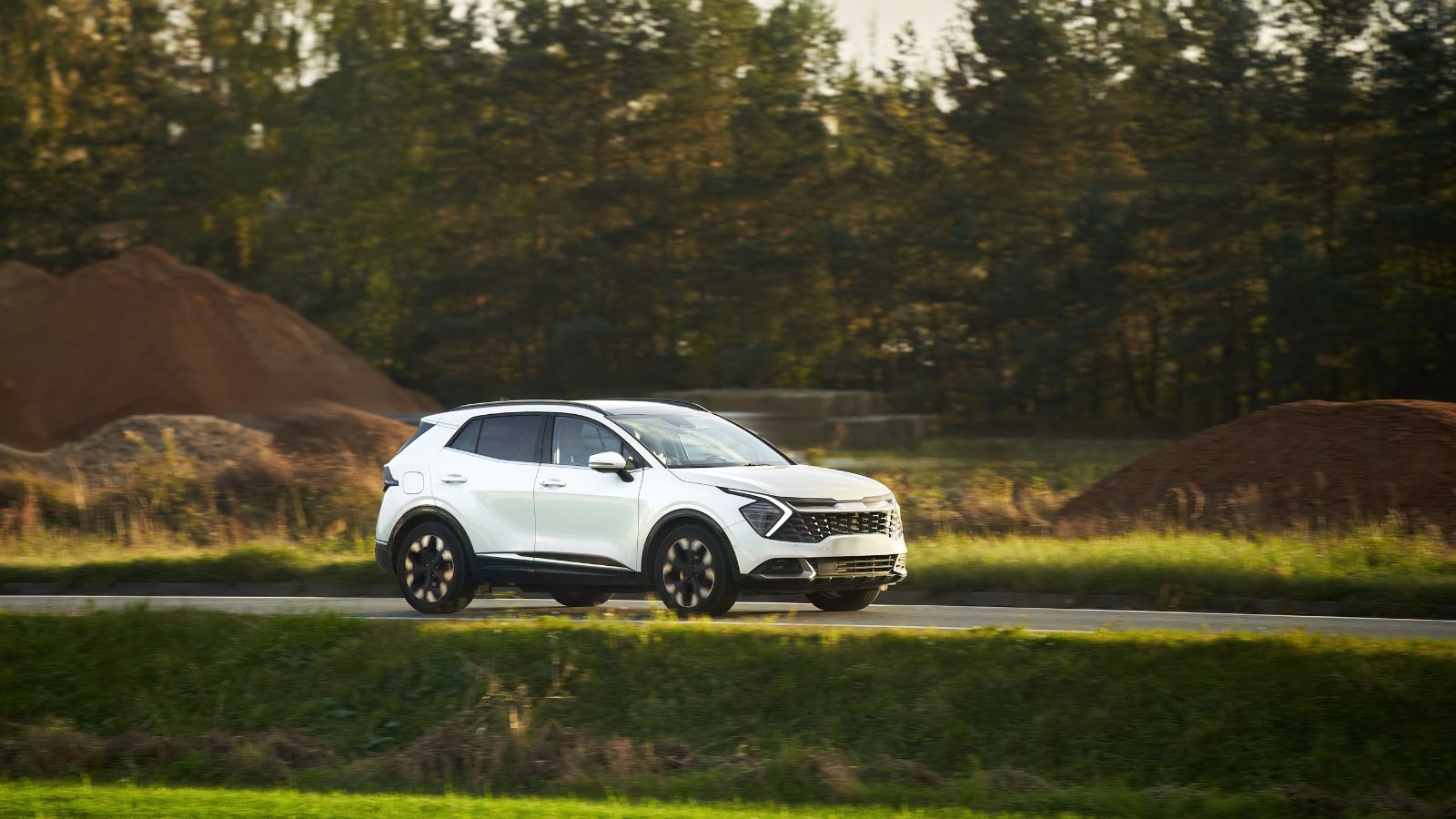
Certified pre-owned vehicles often cost more because they typically include manufacturer-backed inspection standards, warranty coverage, and extra benefits such as roadside assistance. The dealership may also have to pay certification fees and complete required repairs before the vehicle qualifies. A certified version of a three-year-old SUV can therefore sit above a non-certified version even when the mileage looks close.
Not every “certified” label means the same thing. Manufacturer-backed certification generally carries more weight than a dealer’s own in-house inspection package. A regular used car may be cheaper because it is sold with limited warranty coverage or, where allowed, “as is.” That lower price may appeal to budget-focused buyers, but it shifts more repair risk onto the purchaser. Dealerships price those risk differences into the sticker.
Local Demand Can Make the Same Car Worth More
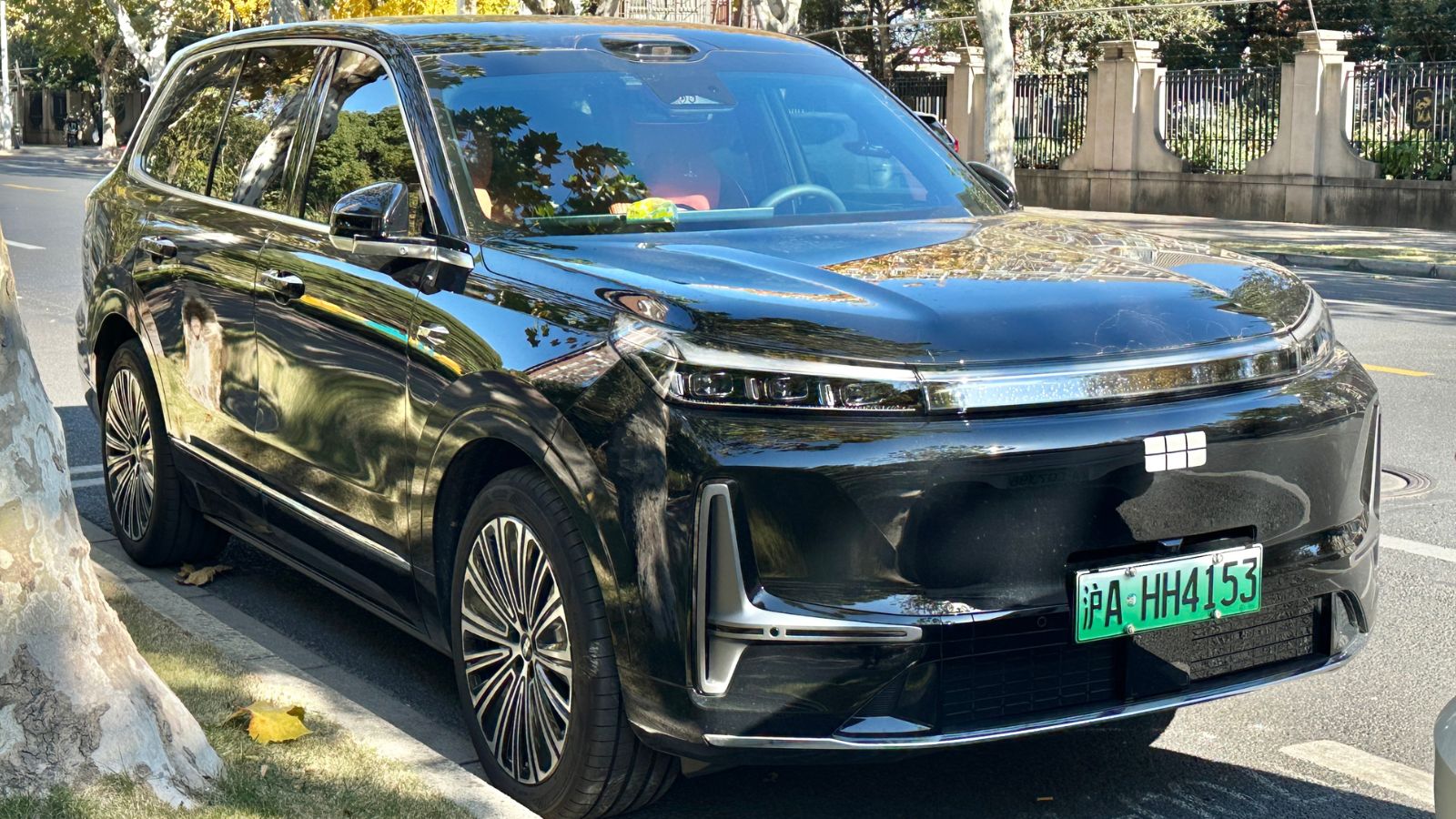
Used car prices are local as well as national. A four-wheel-drive SUV may command a premium in snowy regions, while a small fuel-efficient hatchback may be more desirable in dense urban areas. A pickup truck can be a fast mover in one market and a slow seller in another. Dealers watch nearby demand closely because a vehicle’s value depends partly on how many local buyers want it.
This is why a price that looks high in one city may be normal in another. Valuation platforms often account for geographic differences because local supply and buyer preferences shift the market. A dealership in a region with limited affordable used SUVs may price confidently, while a dealer in a saturated area may discount similar inventory. The same VIN can feel like a hot commodity in one place and ordinary stock somewhere else.
Inventory Age Changes the Dealer’s Urgency
A car that has been sitting for 90 days often gets treated differently from one that arrived last week. Dealerships usually track “days in inventory” because older units tie up capital, occupy space, and risk becoming stale as market prices change. A car that seemed well-priced when purchased may look expensive after several weeks of new competing listings.
That creates timing gaps between dealerships. One store may have just acquired a desirable minivan and price it near the top of the market. Another may have had a similar minivan sitting for months and be ready to reduce the price. The buyer sees two similar vehicles, but the dealer sees two very different business situations. Slow-moving inventory often becomes a candidate for markdowns, bonus incentives, or more flexible negotiation.
Financing Strategy Can Influence Sticker Prices
Dealerships do not all approach vehicle pricing and financing the same way. Some stores prefer a lower advertised price and aim to earn more through financing, service contracts, or protection products. Others price vehicles higher but may offer more straightforward terms or fewer add-on conversations. This can make two advertised prices hard to compare without an out-the-door quote.
Financing conditions also influence what dealers believe shoppers can afford. When used-car loan rates are elevated, monthly payments rise even if the sticker price stays flat. Some dealerships may reduce prices to keep payments manageable, while others hold firm and focus on longer terms or lender approvals. A buyer comparing only the advertised number may miss how much the final deal changes once interest rate, loan term, taxes, and products are included.
Fees and Add-Ons Can Distort the Real Price

A low online price does not always mean the cheapest final deal. Some dealerships advertise aggressively and then add documentation fees, reconditioning charges, anti-theft products, paint protection, nitrogen, VIN etching, or other extras later in the process. Other stores build more costs into the advertised price and present a cleaner out-the-door number. The first dealership may look cheaper until the paperwork appears.
This is one of the most frustrating reasons used car prices vary. A vehicle listed $1,500 below competitors may end up costing the same or more after mandatory extras. The key comparison is not the teaser price but the full purchase price before financing. Dealerships with transparent pricing may appear less competitive online, even though their final number is more honest once unavoidable charges are included.
Franchise and Independent Dealers Operate Differently
Franchise dealerships and independent used car lots often have different inventory sources, overhead structures, customer expectations, and warranty practices. A franchise store may receive late-model trade-ins from new-car buyers, have access to manufacturer certification programs, and operate a larger service department. Those advantages can support higher prices, especially on newer used vehicles from the same brand.
Independent dealers may be more flexible, especially on older or lower-priced vehicles. Some specialize in budget inventory, commercial vehicles, imports, trucks, or rebuilt-title cars. Their lower overhead may allow sharper pricing, but warranty coverage and reconditioning depth can vary widely. Neither model is automatically better. The price difference often reflects what the dealership offers around the vehicle: facilities, inspection depth, financing network, certification access, and after-sale support.
Transportation Costs Can Be Built Into the Price

A used vehicle may travel a long distance before appearing on a dealership lot. Cars bought from auctions, fleet disposals, lease channels, or dealer-to-dealer networks often need shipping. Transport costs vary depending on distance, vehicle size, timing, carrier availability, and whether the dealer moves one unit or several. Those costs can quietly become part of the asking price.
Location also affects sourcing strategy. A dealer in a market short on clean trucks may search several states away to secure the right inventory. By the time that truck arrives, the store may have paid auction fees, shipping, inspection, and reconditioning before a buyer ever sees it. A nearby competitor that acquired a similar truck locally may have less money tied up in the unit and more room to price it lower.
Pricing Data Updates at Different Speeds
Dealerships rely on valuation guides, live market data, auction results, appraisal software, and local competitor listings. Those tools are helpful, but they do not all update in the same way or produce the same number. One platform may emphasize retail asking prices, while another may lean more heavily on recent transactions or wholesale values. That can lead dealers to reach different conclusions.
Human judgment still plays a role. A manager may price above the tool because the car has rare options or unusually strong condition. Another may price below the tool to move inventory quickly. In fast-changing markets, a valuation that looked accurate last week may already be behind current supply and demand. Used car pricing is part data science and part risk management, which is why dealerships rarely land on identical numbers.
Trim, Options, and Color Matter More Than They Seem
/Shutterstock.
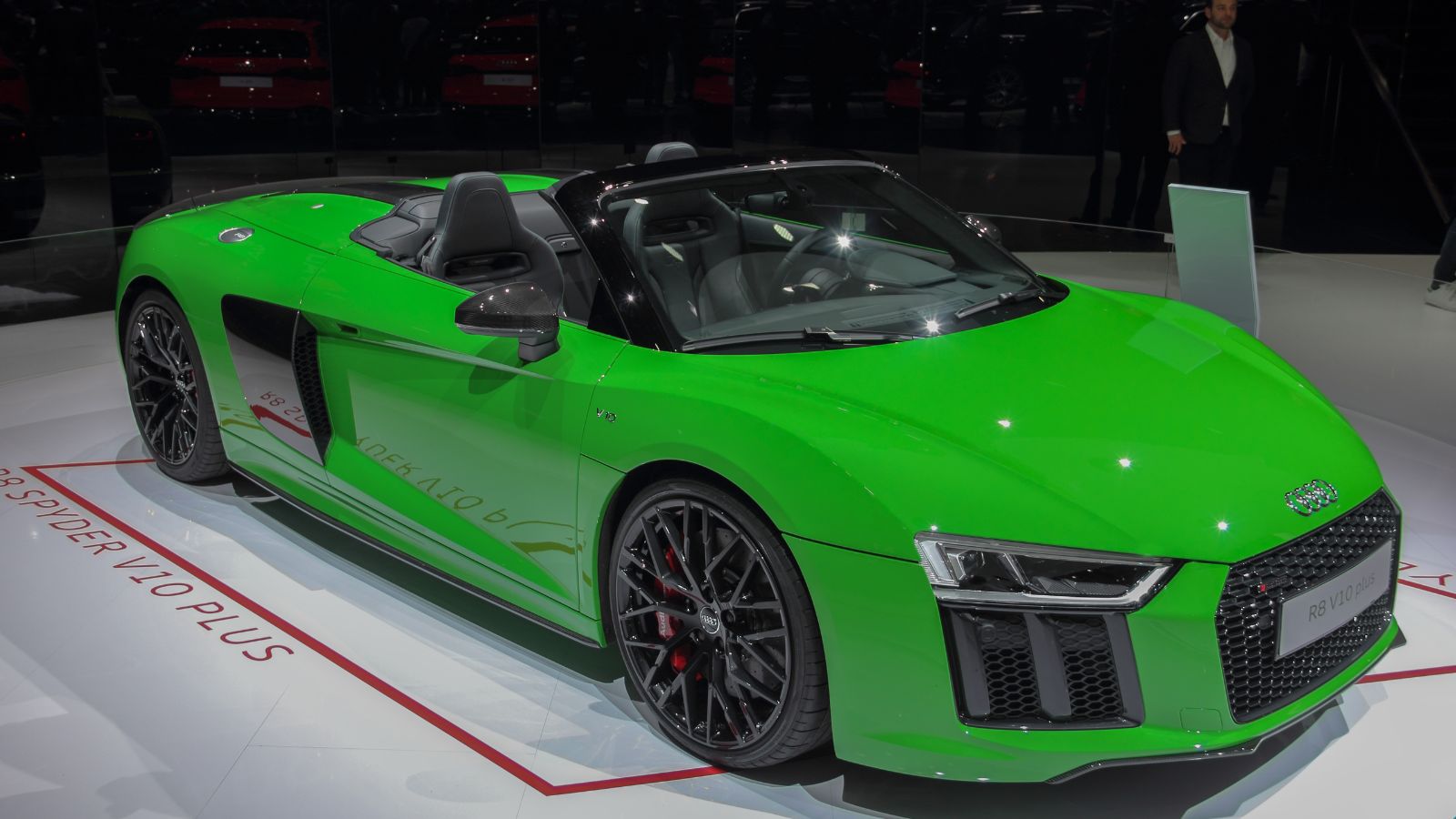
Two used cars with the same model name can be very different products. A base trim with cloth seats, front-wheel drive, and a small screen is not equal to a higher trim with all-wheel drive, advanced safety features, leather, premium audio, and a panoramic roof. Online shoppers sometimes compare the headline model year and mileage but miss thousands of dollars in equipment differences.
Even color and configuration can matter. A neutral exterior on a popular SUV may appeal to more buyers than an unusual shade. A truck with the right cab, bed length, axle ratio, and towing package may command a premium over a similar-looking version without those features. Dealers price based on what buyers in their market actually want. A higher asking price may reflect desirable equipment rather than simple markup.
Open Recalls and Repair Issues Affect Confidence

Open recalls, unresolved service campaigns, and known repair needs can influence dealership pricing. Some recalls are simple software updates, while others involve parts shortages or safety concerns that may take time to fix. A dealership that completes open repairs before sale may price higher than one selling a vehicle with unresolved items disclosed to the buyer.
Repair uncertainty also matters beyond recalls. A vehicle with a pending diagnostic issue, warning light, worn tires, weak air conditioning, or delayed maintenance may be priced lower to reflect the risk. In contrast, a car with fresh service, recall checks, and documented repairs gives buyers more confidence. The difference may not be obvious in online photos, but it can explain why one dealership asks more for what seems like the same car.
Seasonal Demand Creates Timing Gaps
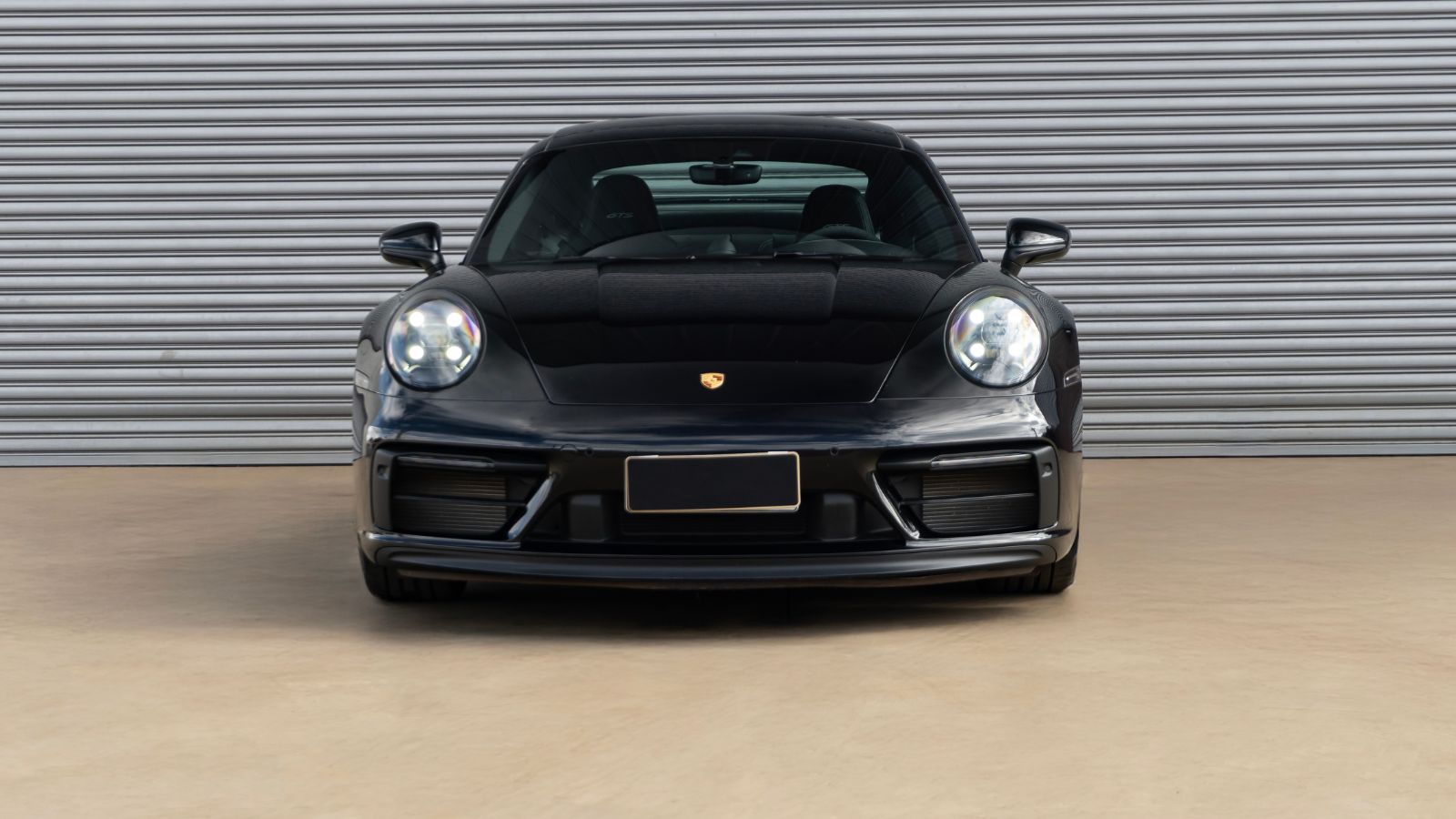
Used car prices can shift with the calendar. Convertibles often attract more attention in warm months, while all-wheel-drive SUVs may become more valuable before winter. Tax refund season, school schedules, fuel prices, and holiday promotions can all affect buyer behavior. Dealerships adjust prices when they expect more or fewer shoppers for a particular type of vehicle.
Timing can make two dealerships look far apart even within the same month. One may have raised prices after seeing strong weekend demand. Another may discount older stock before month-end to hit sales targets or free up cash. Seasonal movement is especially noticeable in tight markets where supply is thin. A family van, small commuter car, or work truck can become more expensive simply because the right buyers are shopping at the same time.
EV and Hybrid Values Move by Different Rules
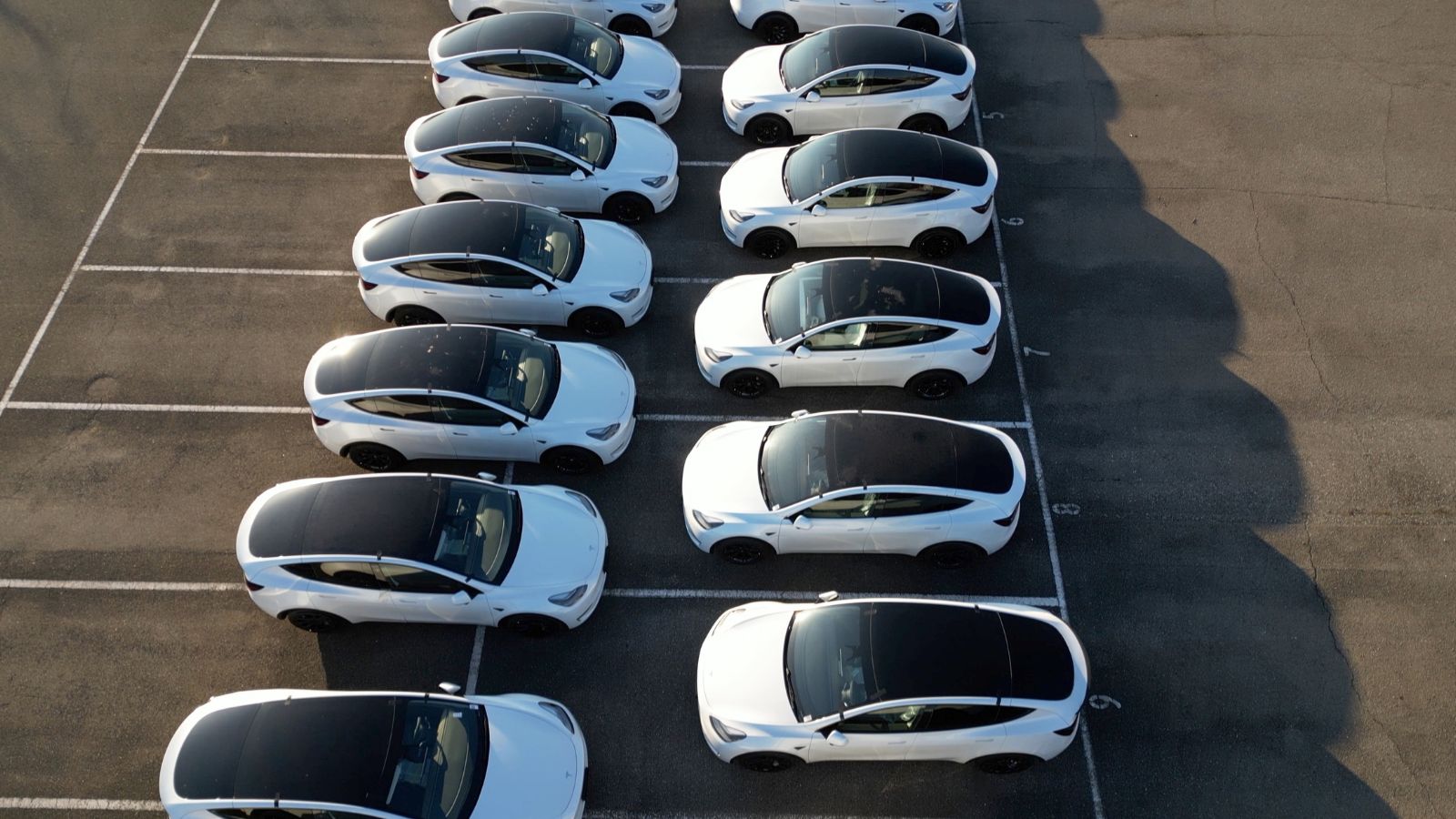
Electric and hybrid vehicles can vary sharply in price because buyers evaluate them differently from gasoline models. Battery health, remaining warranty, charging speed, real-world range, software updates, tax incentives, local charging access, and brand reputation all influence demand. A used EV with documented battery health may command more than a cheaper one with uncertain range performance.
Supply shifts can also move EV prices quickly. Lease returns can bring many similar electric models into the used market at once, putting pressure on prices. Hybrids may move the opposite way when fuel prices rise or shoppers want efficiency without charging concerns. Dealerships that understand these differences may price confidently, while others may discount EVs or hybrids simply because they are harder to appraise using traditional habits.
Negotiation Room Depends on the Dealer’s Philosophy
Some dealerships price vehicles close to their lowest acceptable number and advertise a no-haggle experience. Others leave room for negotiation because their customers expect to bargain. That difference can make one car look expensive at first glance, even though the final selling price may move. A no-haggle store may look less flexible but more predictable.
Pricing philosophy also affects how dealerships respond to competition. One dealer may reduce prices automatically when similar vehicles appear nearby. Another may hold firm because the car is rare, freshly listed, or already getting leads. A shopper comparing only advertised prices sees a snapshot, not the strategy behind it. The real difference may come down to whether the dealer wants speed, margin, simplicity, or negotiation leverage.
22 Things Canadians Do to Their Cars in Spring That Mechanics Hate
Spring brings relief to many Canadian drivers after months of snow, freezing temperatures, and icy roads that put serious strain on vehicles. As temperatures rise across the country, drivers begin washing cars, switching tires, and preparing vehicles for warmer weather and upcoming road trips. However, mechanics across Canada notice the same mistakes every spring when drivers attempt to recover from winter damage. Road salt, potholes, and harsh winter driving conditions often leave vehicles with hidden problems that drivers ignore. Some spring habits even create new mechanical issues that could have been avoided with proper maintenance. Here are 22 things Canadians do to their cars in spring that mechanics hate.

Alanna Rosen is an experienced content writer that focuses on many EV and educational content. Her articles are regularly published on Get CyberTrucked and syndicated on large publications.