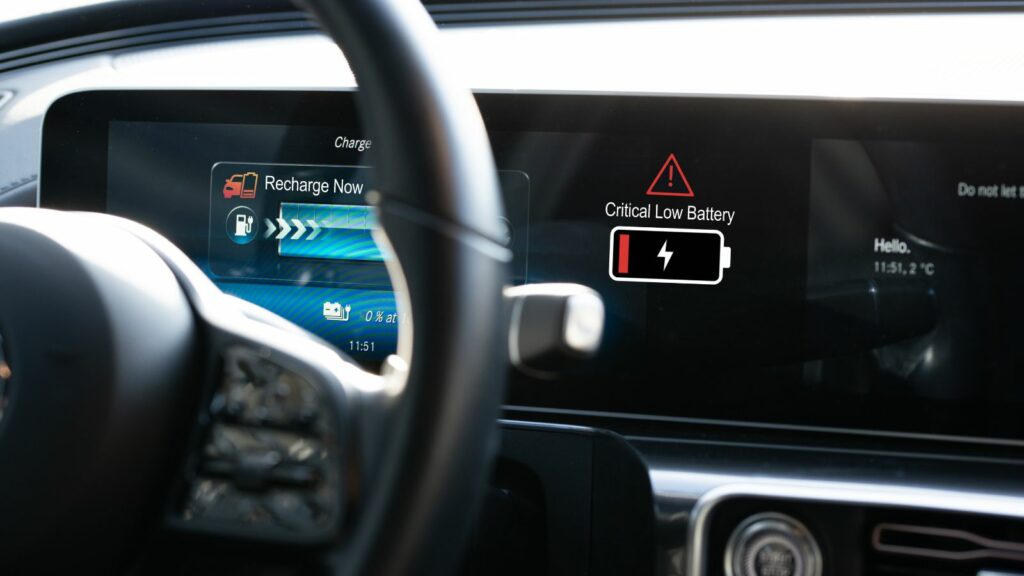
Cold has a way of exposing the weaknesses a vehicle managed to hide all summer. A battery that seemed fine in September can struggle in January, tires can lose pressure overnight, and old rubber parts can suddenly feel brittle and noisy. Winter weather does not create every problem from scratch, but it often turns small maintenance issues into inconvenient, expensive, or unsafe ones.
These 17 car problems tend to become more noticeable when temperatures fall, especially in places where freezing mornings, road salt, snow, slush, and long cold starts are part of daily driving.
Weak Batteries and Slow Starts
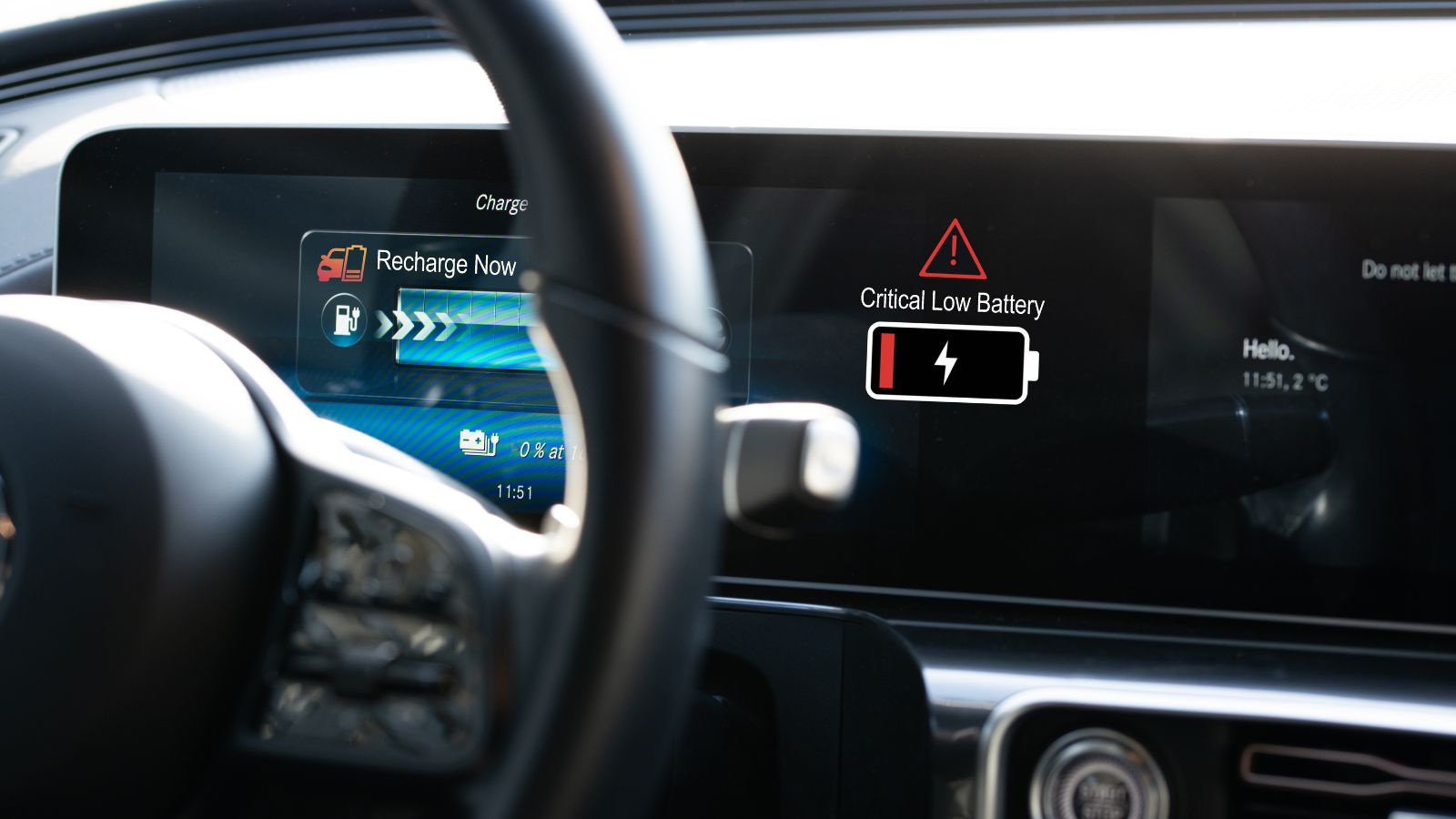
A weak battery is one of the most common cold-weather surprises. Chemical reactions inside a conventional car battery slow down as temperatures drop, reducing available power just when the starter motor needs more of it. That is why a vehicle that started normally after work may only click the next morning after an overnight freeze.
Cold starts also expose batteries that are near the end of their service life. A three- or four-year-old battery may still operate accessories and lights, yet fail when asked to crank a cold engine. The classic example is a car that starts after a boost, runs fine all day, then refuses to start again after sitting outside. Testing the battery and charging system before deep winter often catches the problem before it becomes a roadside call.
Thick Engine Oil and Cold-Start Wear
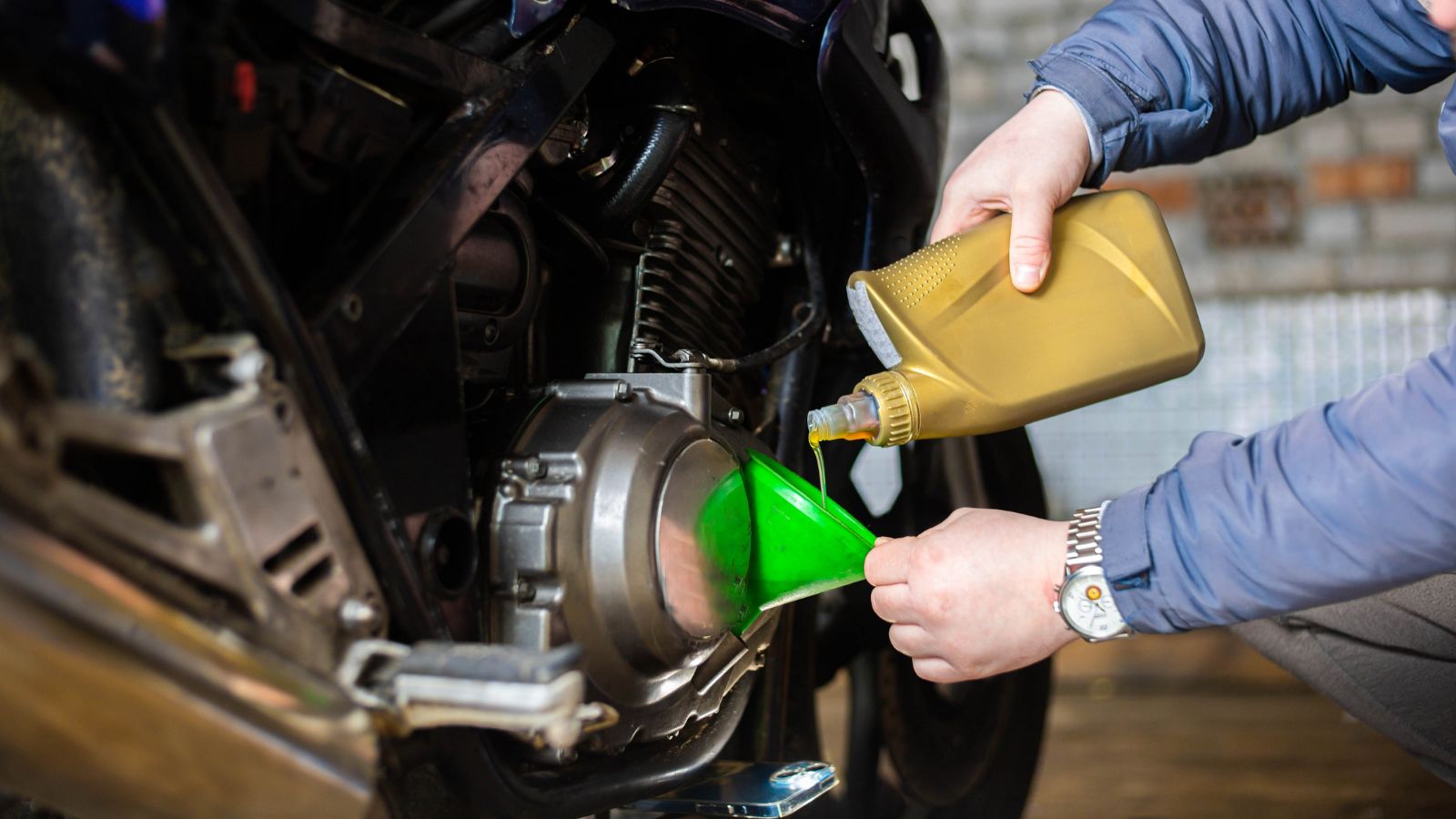
Engine oil becomes less willing to flow when it is cold. During the first seconds after startup, oil must move quickly through narrow passages to protect bearings, camshafts, pistons, and timing components. If the oil is old, too thick for the climate, or contaminated, cold starts can become louder, slower, and harder on the engine.
This is where viscosity ratings matter. The number before the “W” in a multi-grade oil rating relates to low-temperature performance, and modern engines are often designed around specific winter-friendly oil grades. A driver who delays oil changes may notice ticking, rough idle, or sluggish cranking on icy mornings. The damage is rarely dramatic in one start, but repeated cold starts with poor lubrication can accelerate wear over time.
Low Tire Pressure Warnings
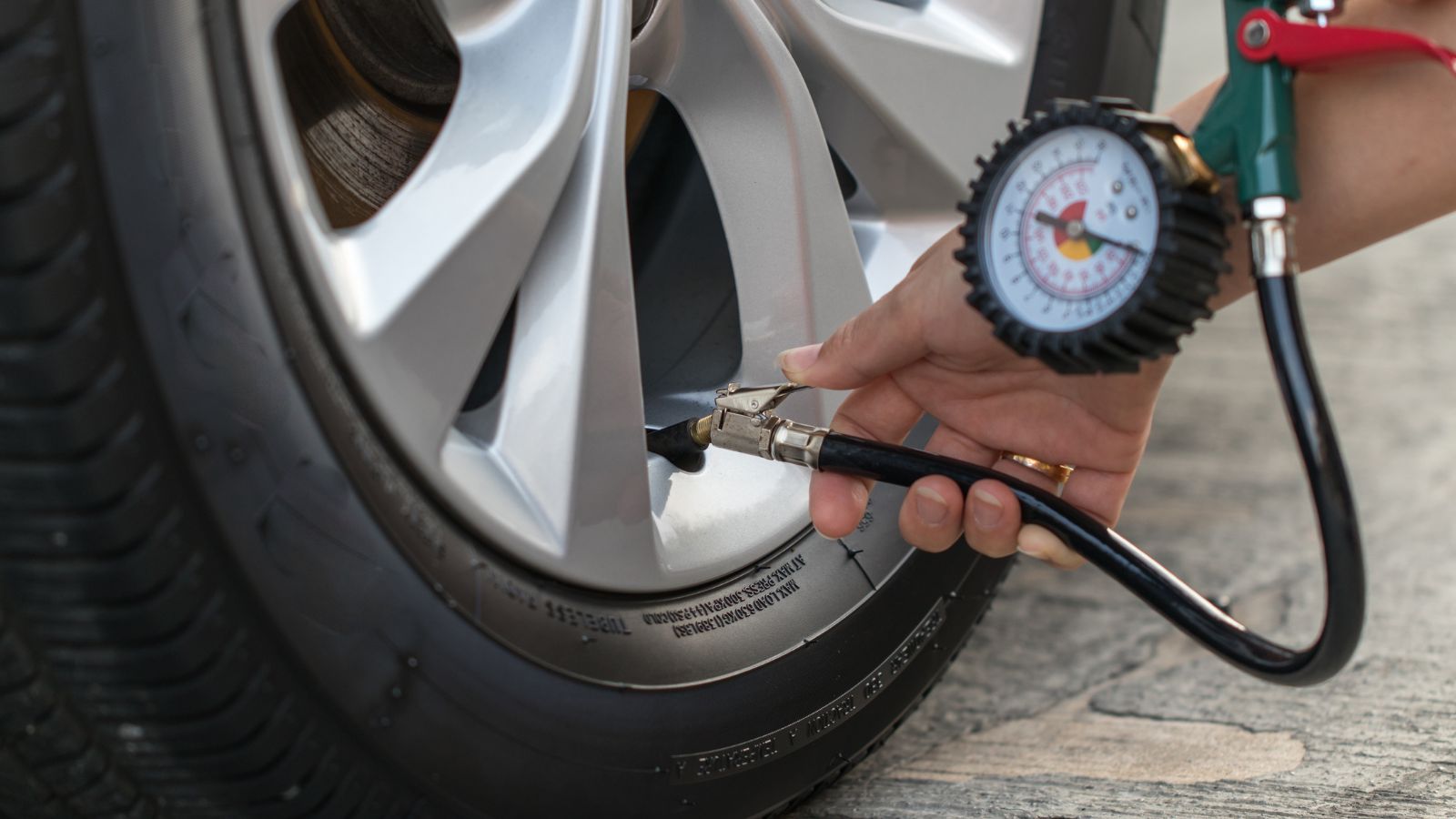
Tire pressure often drops with temperature, which is why dashboard tire-pressure warnings seem to appear after the first serious cold snap. The air inside the tire contracts as it cools, so a tire that looked properly inflated in a warm garage can become underinflated outside in freezing weather.
Low pressure affects more than the warning light. Underinflated tires can wear unevenly, reduce fuel economy, and make steering feel heavier or less precise. In winter, the concern is even bigger because tires already have less grip on cold pavement, slush, and ice. A small pressure loss across all four tires can make the vehicle feel dull and unstable, while one tire losing more than the rest may point to a slow leak or damaged valve stem.
Tires That Lose Grip as Rubber Hardens
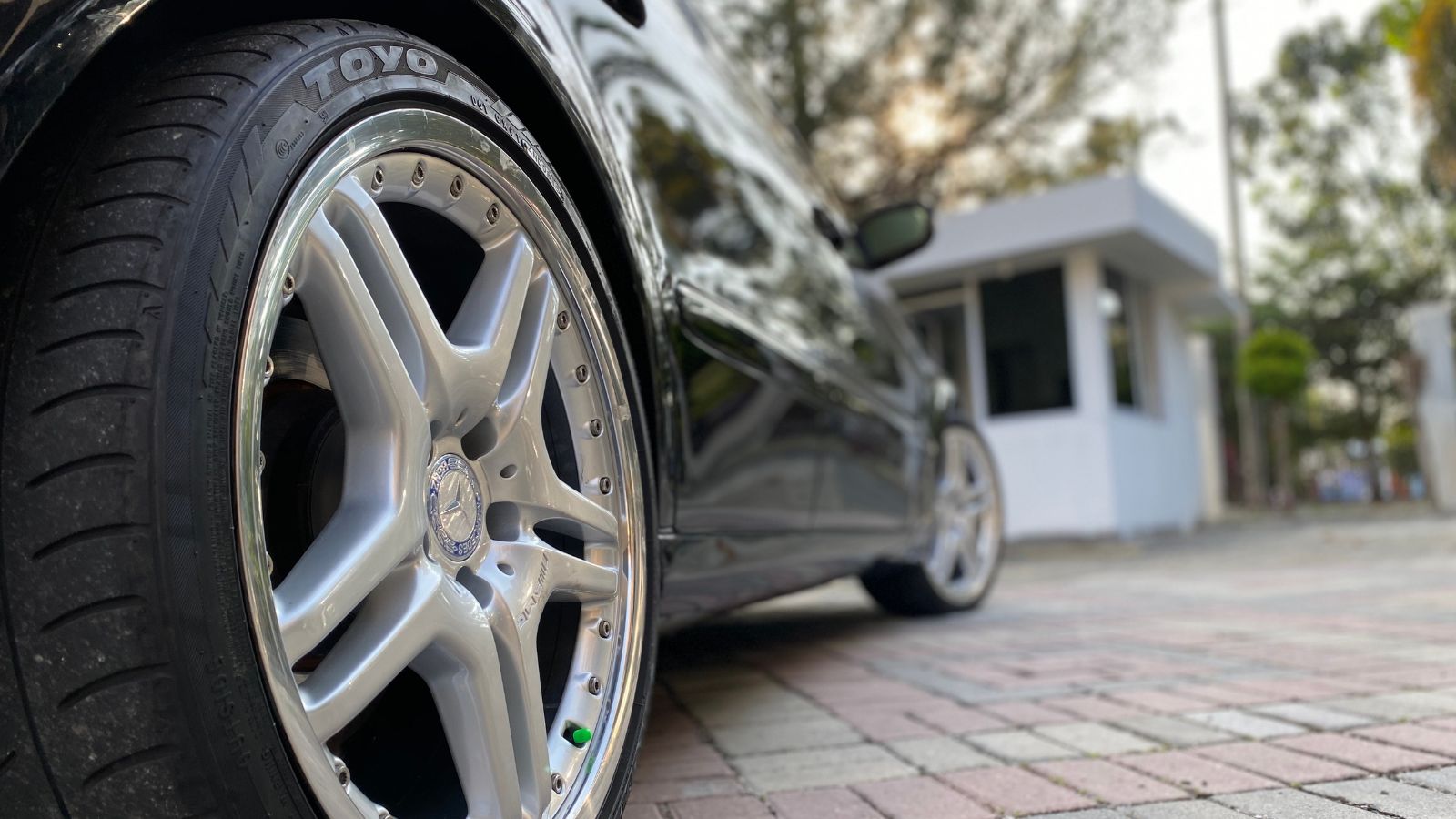
Tires are temperature-sensitive, and not all rubber compounds behave the same way in the cold. All-season tires can become less flexible as temperatures fall, reducing their ability to conform to the road surface. That is one reason a car may feel secure in October rain but nervous on a dry, cold December morning.
Winter tires use softer compounds and tread designs intended for cold pavement, snow, slush, and ice. The difference can be especially noticeable during emergency braking. Many drivers only recognize the gap after a sudden stop at a traffic light or a slow slide while turning into a driveway. Worn tread makes the issue worse because the tire has less ability to move water, slush, and snow away from the contact patch.
Aging Brake Components
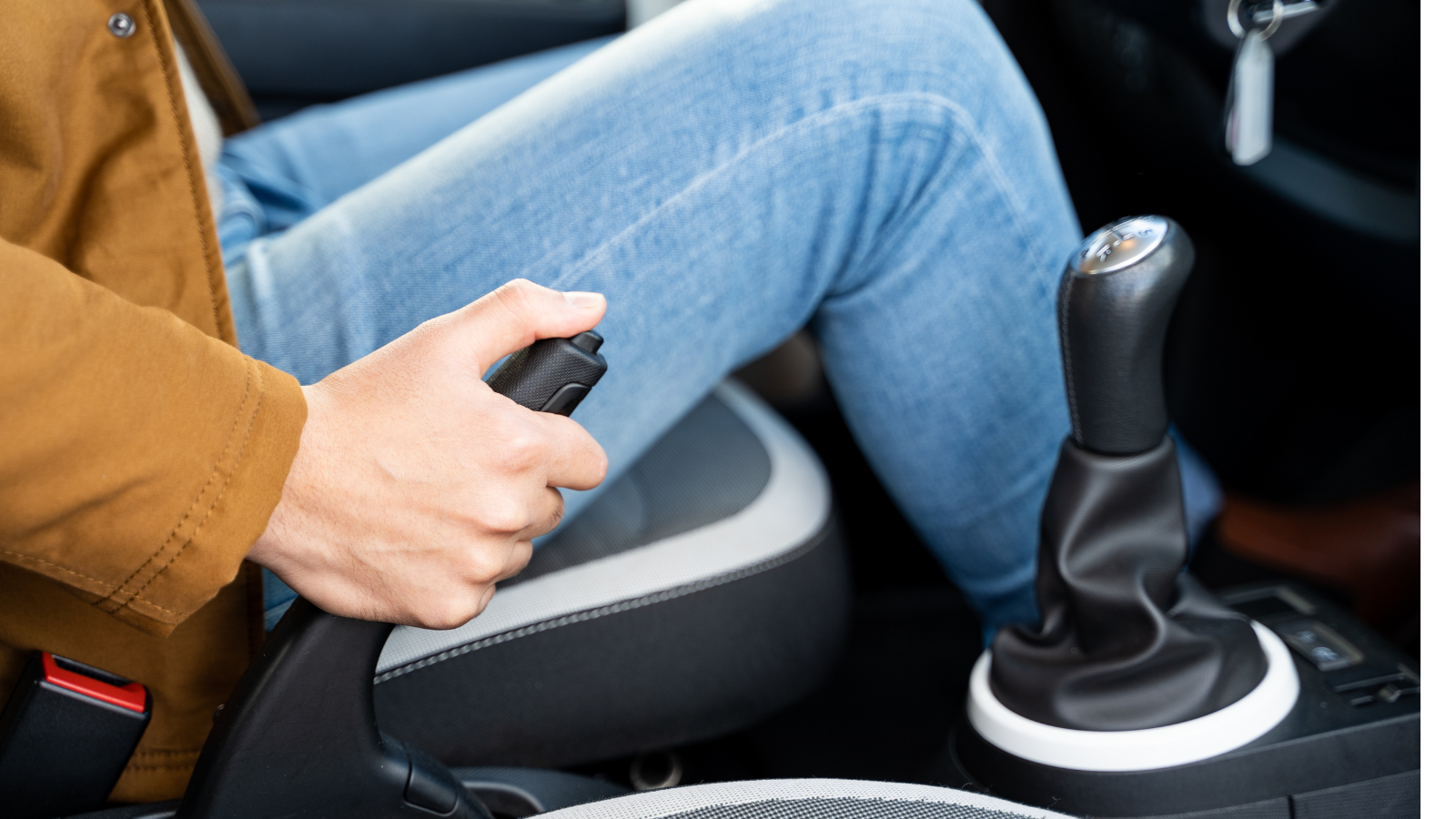
Cold weather does not make brakes useless, but it gives worn brake parts less room for error. Pads, rotors, calipers, brake lines, and fluid condition all matter more when roads are slick and stopping distances are already longer. A minor pulsation or soft pedal that seemed tolerable in summer can feel alarming on icy pavement.
Anti-lock braking systems can help prevent wheel lockup, but they cannot create traction that is not there. Drivers often first notice brake problems during winter because ABS activates more often on slippery roads. Grinding pads, seized caliper slides, rusty rotors, or uneven braking may show up as pulling, vibration, or longer stops. A vehicle that needs brake work before winter can become far more stressful once temperatures drop and road surfaces become unpredictable.
Weak Coolant and Cooling-System Leaks
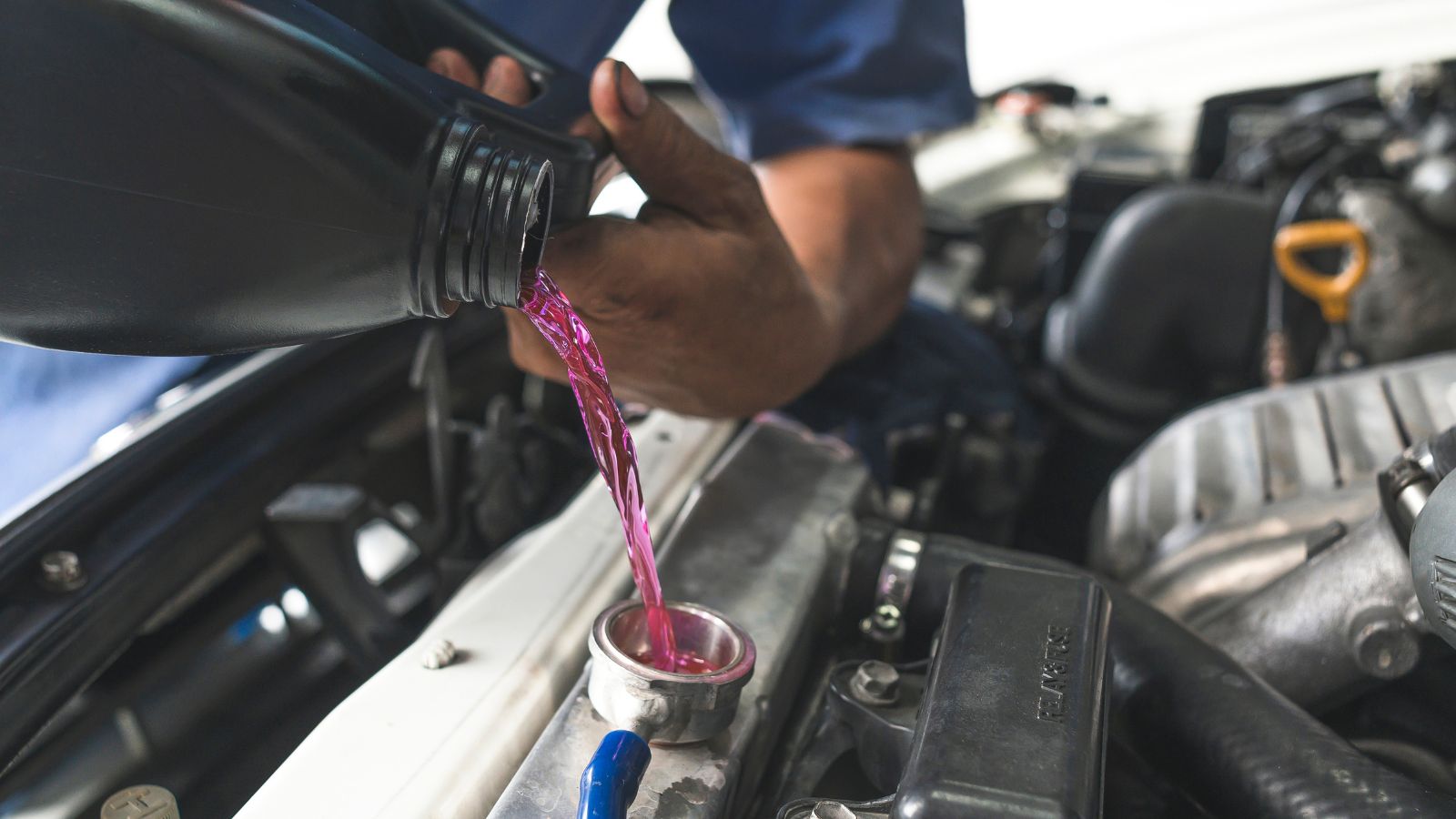
Coolant has two winter jobs: helping prevent freezing and protecting the engine from corrosion and overheating. If the mixture is weak, old, or low, the cooling system may struggle in freezing conditions. A neglected system can allow ice formation, leaks, poor heater performance, or overheating after the engine warms up.
Small leaks often become more visible in cold weather because rubber hoses, seals, and plastic fittings contract and stiffen. A faint sweet smell, low coolant warning, or small puddle under the car should not be ignored. Even during winter, engines can overheat if coolant is low or trapped air prevents proper circulation. Many expensive cooling-system failures begin as a slow leak that was easy to overlook before the first deep freeze.
Frozen Washer Fluid and Worn Wipers
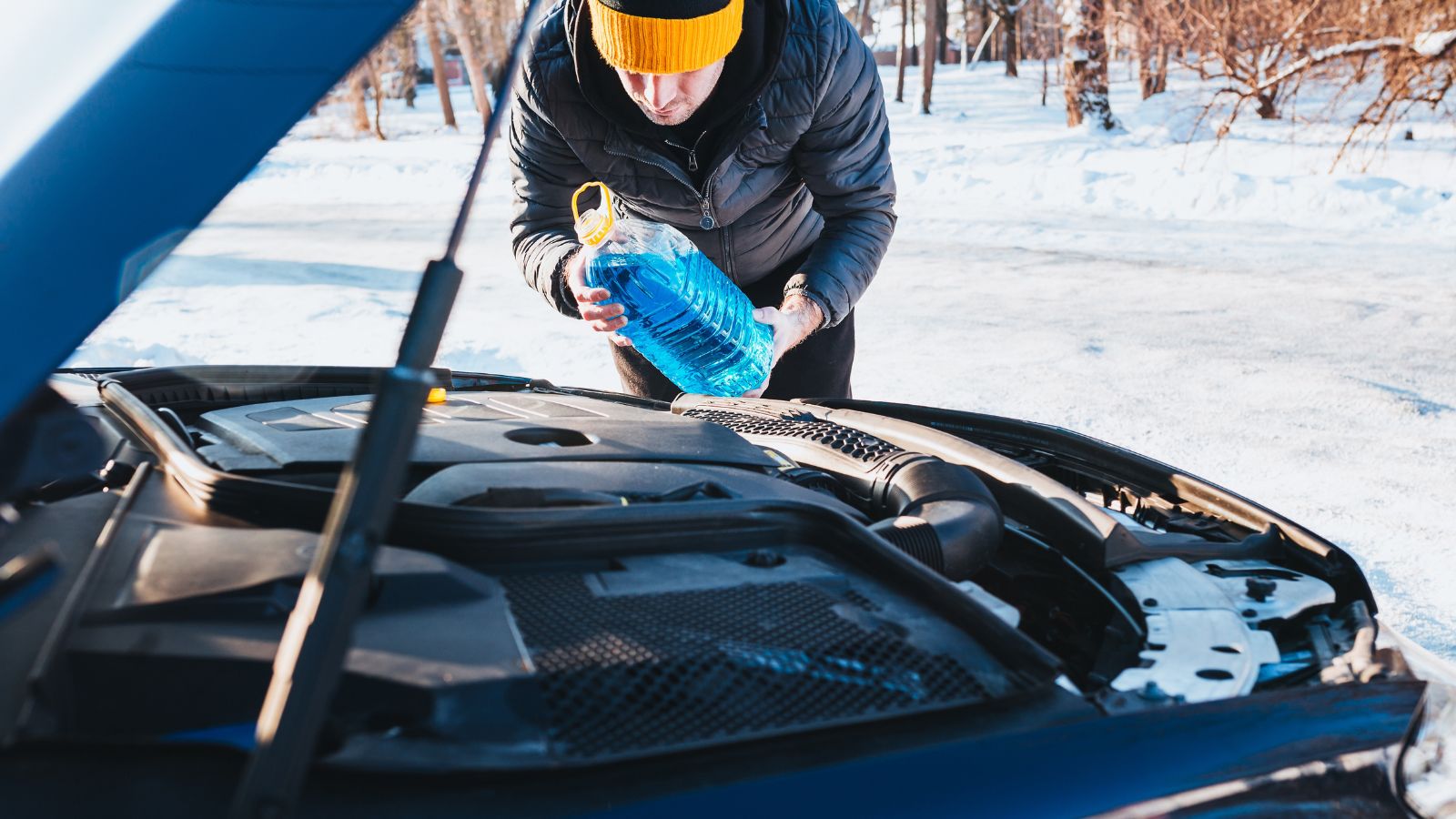
Visibility problems can escalate quickly in winter. Washer fluid that is not rated for freezing temperatures can turn slushy or solid in the reservoir, lines, or nozzles. Once that happens, the windshield may become impossible to clear during a messy drive behind trucks throwing road spray and salt.
Wiper blades also have a harder job in cold weather. Rubber edges can crack, chatter, or freeze to the glass, leaving streaks right in the driver’s line of sight. In a snowstorm, a full washer reservoir can empty faster than expected. The common real-world mistake is topping up with leftover summer fluid in early fall, then discovering during the first freeze that the washer system has stopped working when it is needed most.
Frozen Door Locks, Handles, and Seals
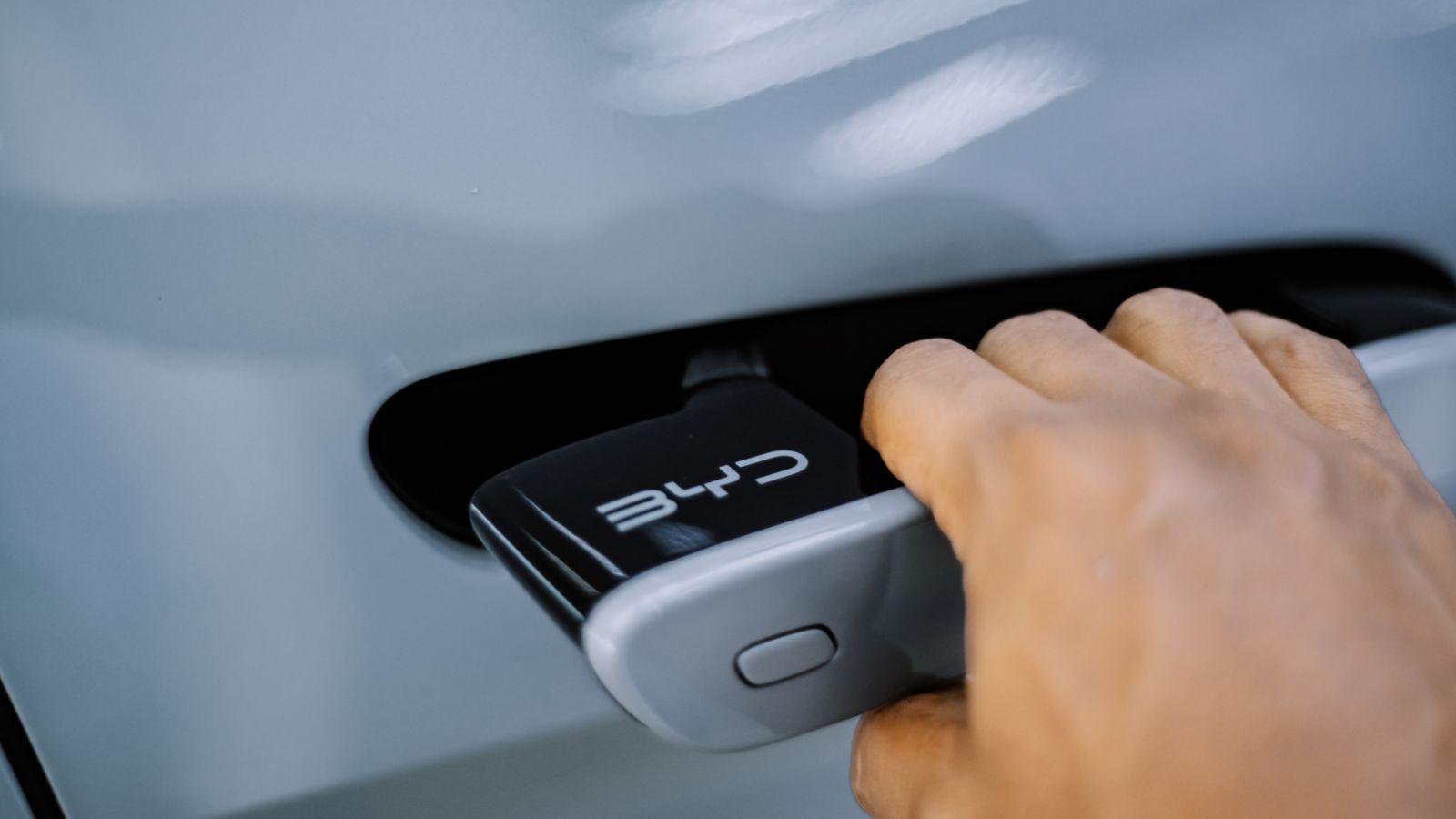
Moisture is the real culprit behind frozen doors and locks. Rain, melting snow, car washes, or humidity can leave water in lock cylinders, latches, handles, and rubber seals. When temperatures fall below freezing, that moisture can bond the door to the frame or jam the lock mechanism.
Forcing a frozen door open can break handles, tear weatherstripping, or damage latch parts. This problem is especially common after a warm daytime thaw followed by a hard overnight freeze. A driver may leave the car in slushy conditions and return the next morning to a door that feels glued shut. Keeping seals clean and dry, using proper lubricants, and avoiding hot water on glass or painted surfaces can prevent a small annoyance from becoming a repair.
Starter and Charging-System Strain
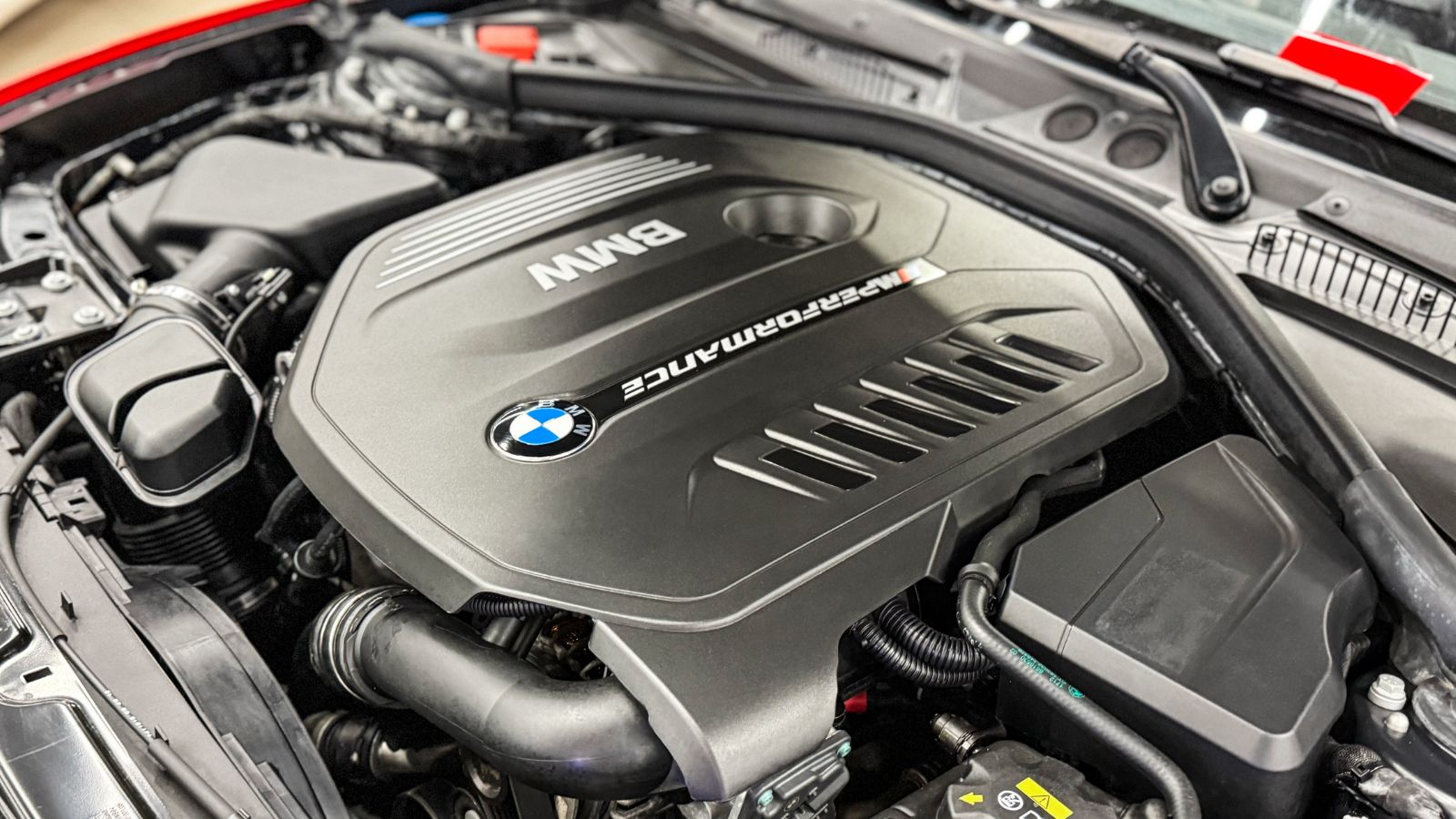
A cold engine takes more effort to turn, and that puts extra strain on the starter motor, battery cables, alternator, and charging system. If the battery is weak, the terminals are corroded, or the alternator is not replenishing charge properly, the first symptom may be a slow crank on a freezing morning.
Modern vehicles add another layer of demand. Heated seats, defrosters, blowers, headlights, rear-window heaters, and electronics all draw power during winter driving. Short trips can make the situation worse because the battery may not fully recharge before the vehicle is shut off again. The result is a cycle of weaker starts, dim lights, warning messages, and eventually a no-start condition that seems sudden but was building for days or weeks.
Brittle Belts and Hoses
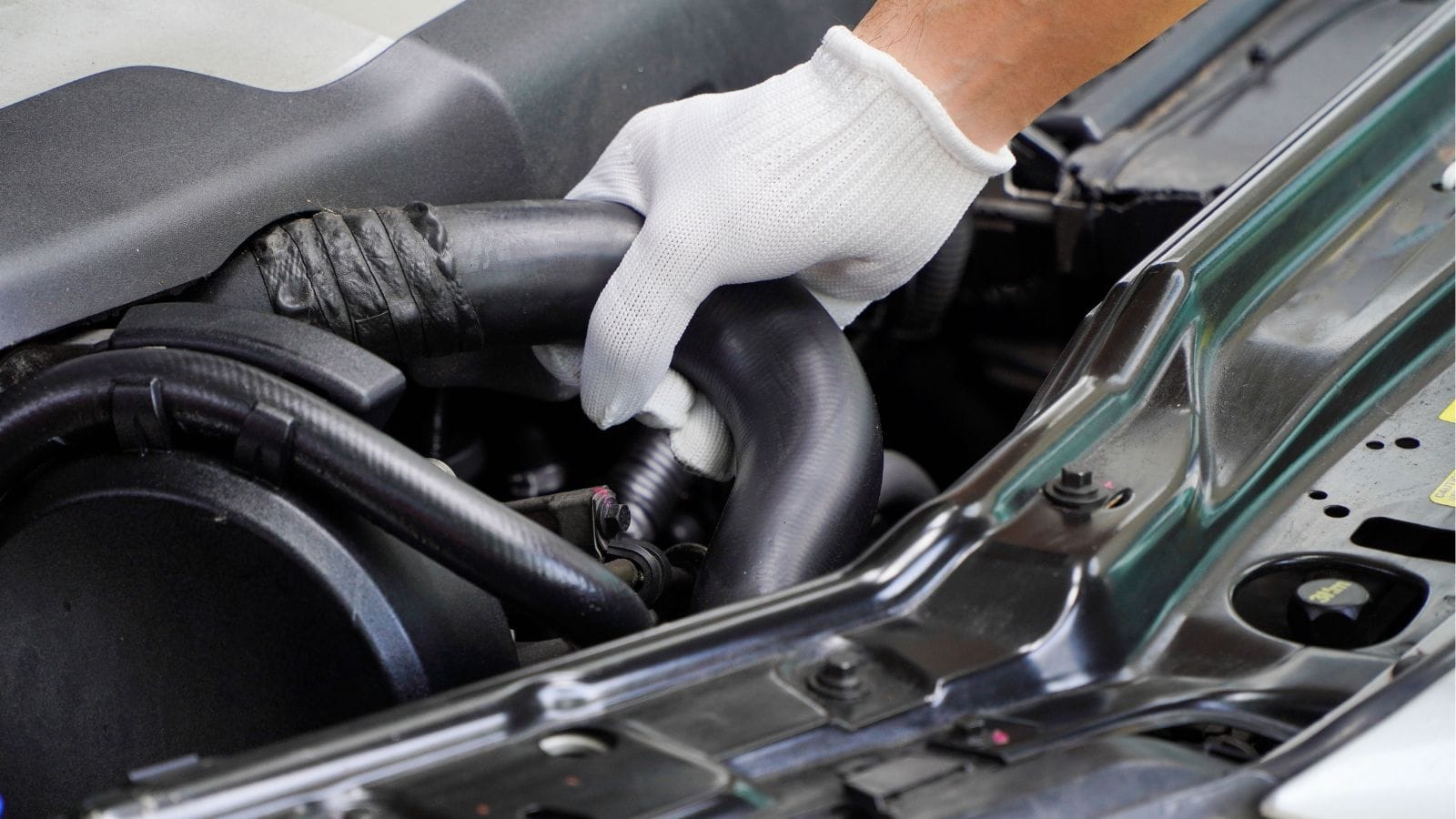
Belts and hoses live in a tough environment, dealing with heat, pressure, vibration, and age. Cold weather can make worn rubber less flexible, so cracks, bulges, soft spots, and frayed edges become more serious. A belt that squealed occasionally in mild weather may slip more often when the engine bay is cold.
A failed serpentine belt can stop the alternator, power steering assist, water pump, or air-conditioning compressor, depending on the vehicle. A burst coolant hose can empty the cooling system fast enough to overheat the engine, even in winter. These failures often happen without much warning because internal deterioration is not always obvious from the outside. Inspecting belts and hoses before winter is less exciting than buying tires, but it can prevent a frozen roadside breakdown.
Blocked Exhaust Pipes and Fume Risks
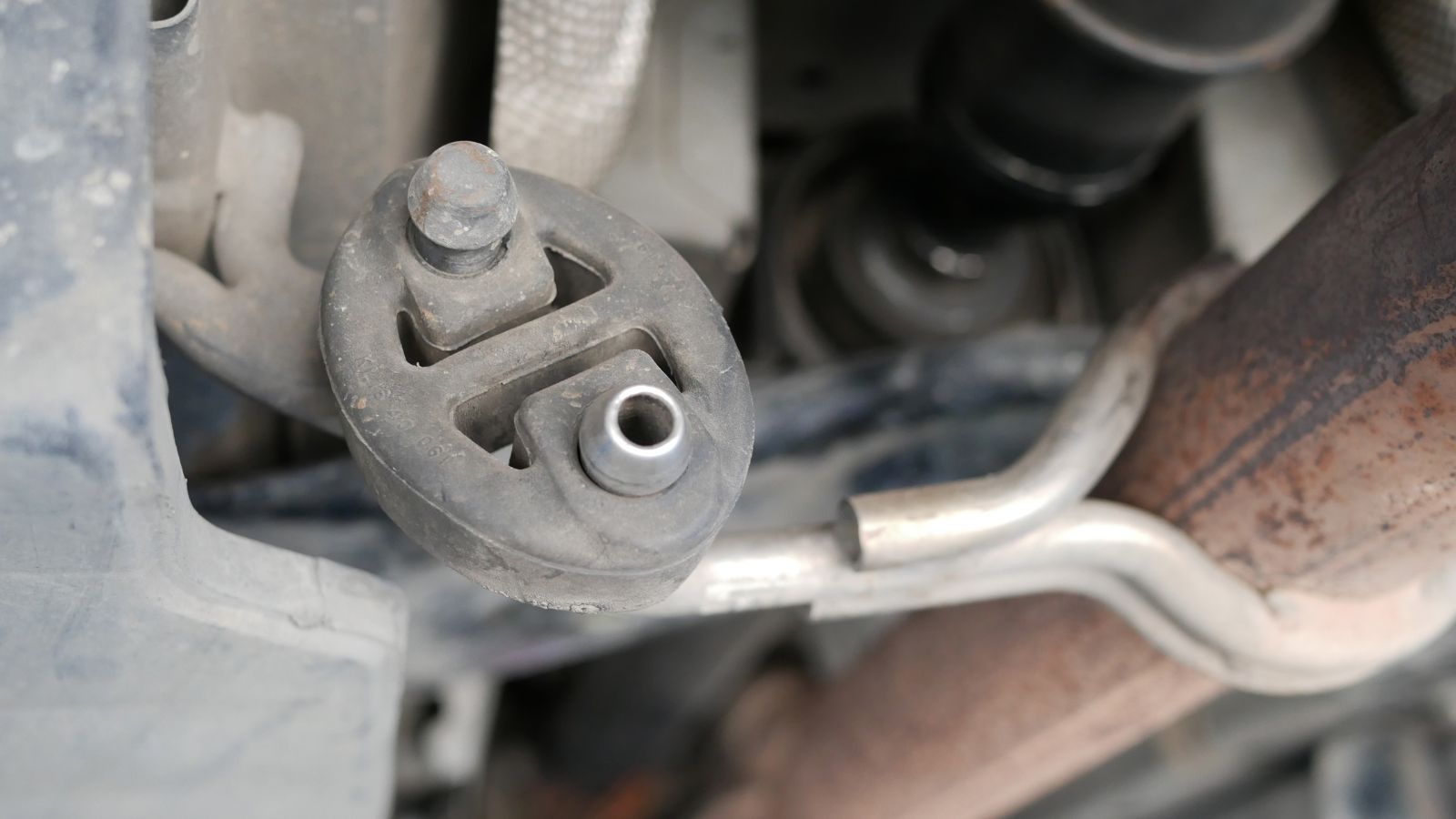
Snow can create a dangerous problem if it blocks the exhaust pipe while the vehicle is idling. Exhaust gases need a clear path away from the vehicle. If snow packs around the tailpipe, fumes can back up beneath or around the car, creating a carbon monoxide risk, especially if the cabin is sealed and the engine runs for warmth.
This risk matters most when a vehicle is stuck, parked after plowing, or idling during snow removal. Carbon monoxide has no useful smell or warning signal, so prevention is the key. Clearing snow from the tailpipe before starting the engine is a small habit with serious safety value. A loud exhaust leak, rotten muffler, or damaged pipe also becomes more concerning in winter because windows are usually closed and ventilation may be limited.
Fuel System Moisture and Low Tank Problems
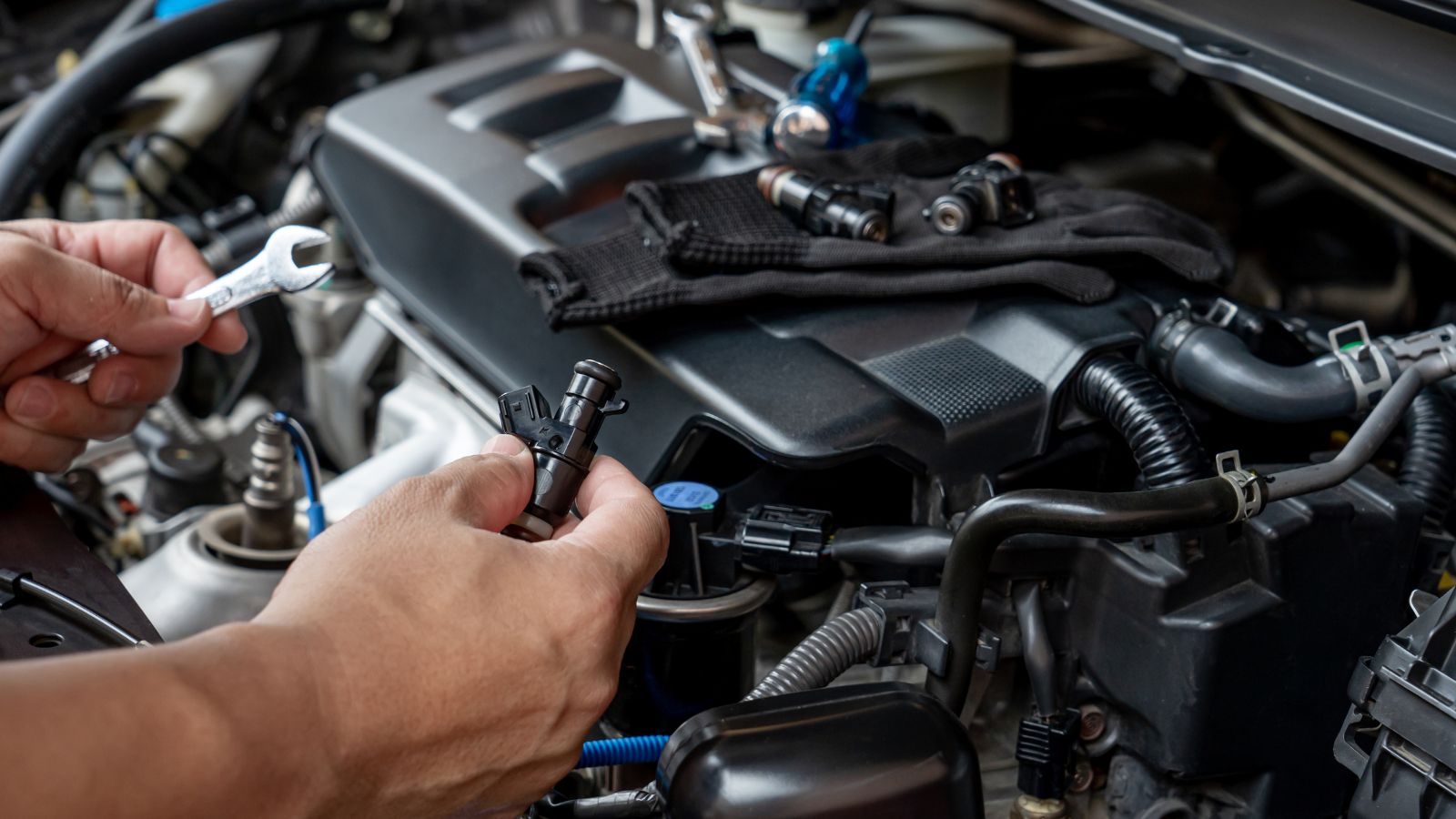
Keeping a low fuel level in winter can create avoidable problems. A nearly empty tank leaves more air space where moisture can condense, especially during temperature swings. In older or poorly sealed systems, water contamination can contribute to rough running, hard starts, or fuel-line issues.
A fuller tank also gives more margin if traffic stops, weather closes roads, or a vehicle becomes stranded and heat is needed intermittently. The fuel pump may also run cooler and more consistently when it stays submerged in fuel. This does not mean every low-tank start will cause damage, but winter is a poor season to gamble on fumes. The practical example is a commuter caught in a long storm delay with the gauge already near empty.
Diesel Fuel Gelling
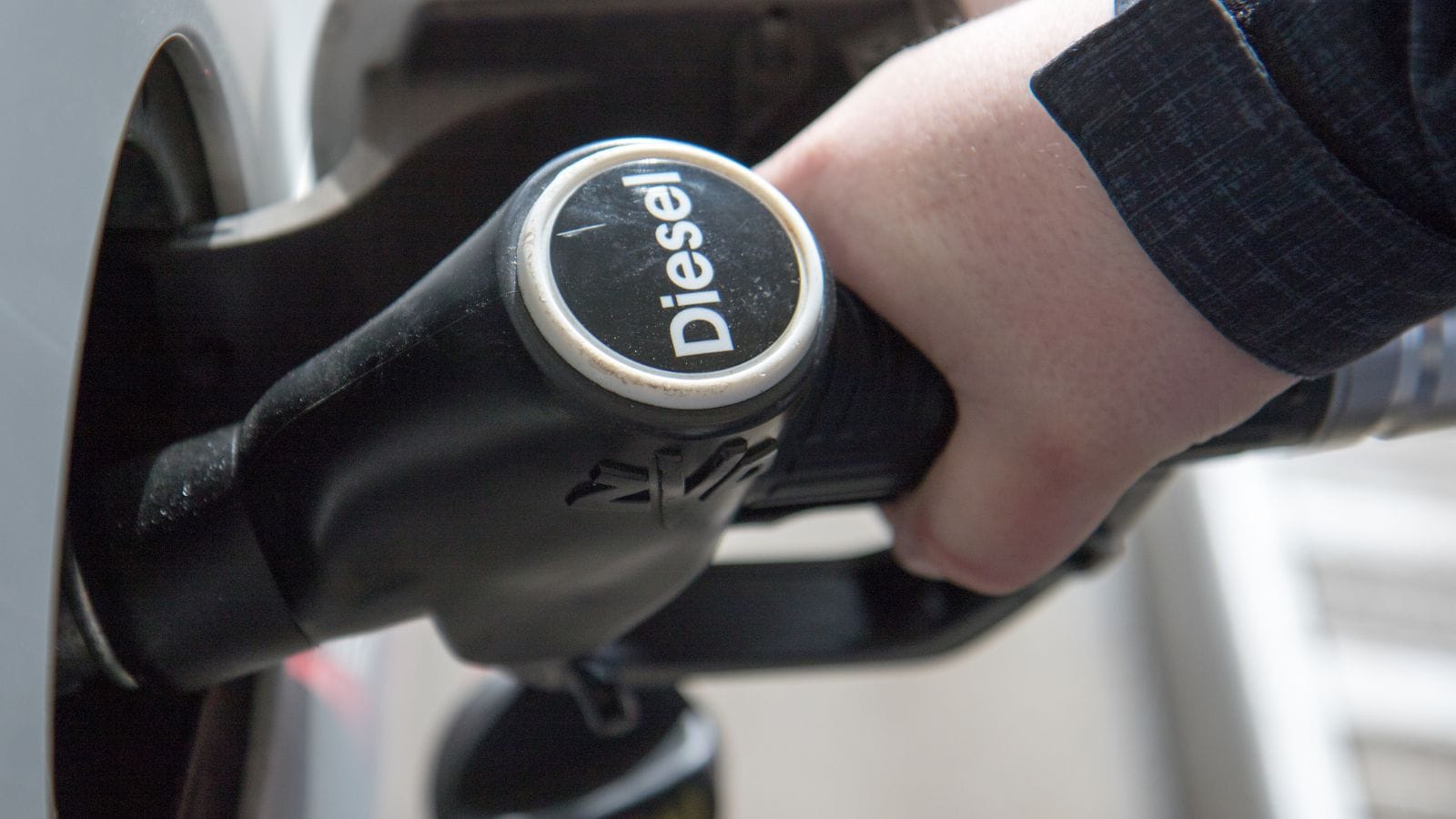
Diesel vehicles face a specific cold-weather concern: fuel gelling. Diesel fuel contains wax components that can crystallize as temperatures drop. When enough wax crystals form, fuel filters can plug and fuel flow can become restricted, causing power loss, stalling, or a no-start condition.
This is why winter diesel blends and anti-gel additives matter in cold regions. A diesel car or truck that runs normally at slightly above freezing may struggle during a sudden plunge, especially if it was filled with fuel not suited for the temperature. Biodiesel blends can have different cold-flow behavior as well, depending on the blend and feedstock. The warning signs may include rough running, loss of power under load, or an engine that cranks but will not fire.
Suspension Clunks and Pothole Damage
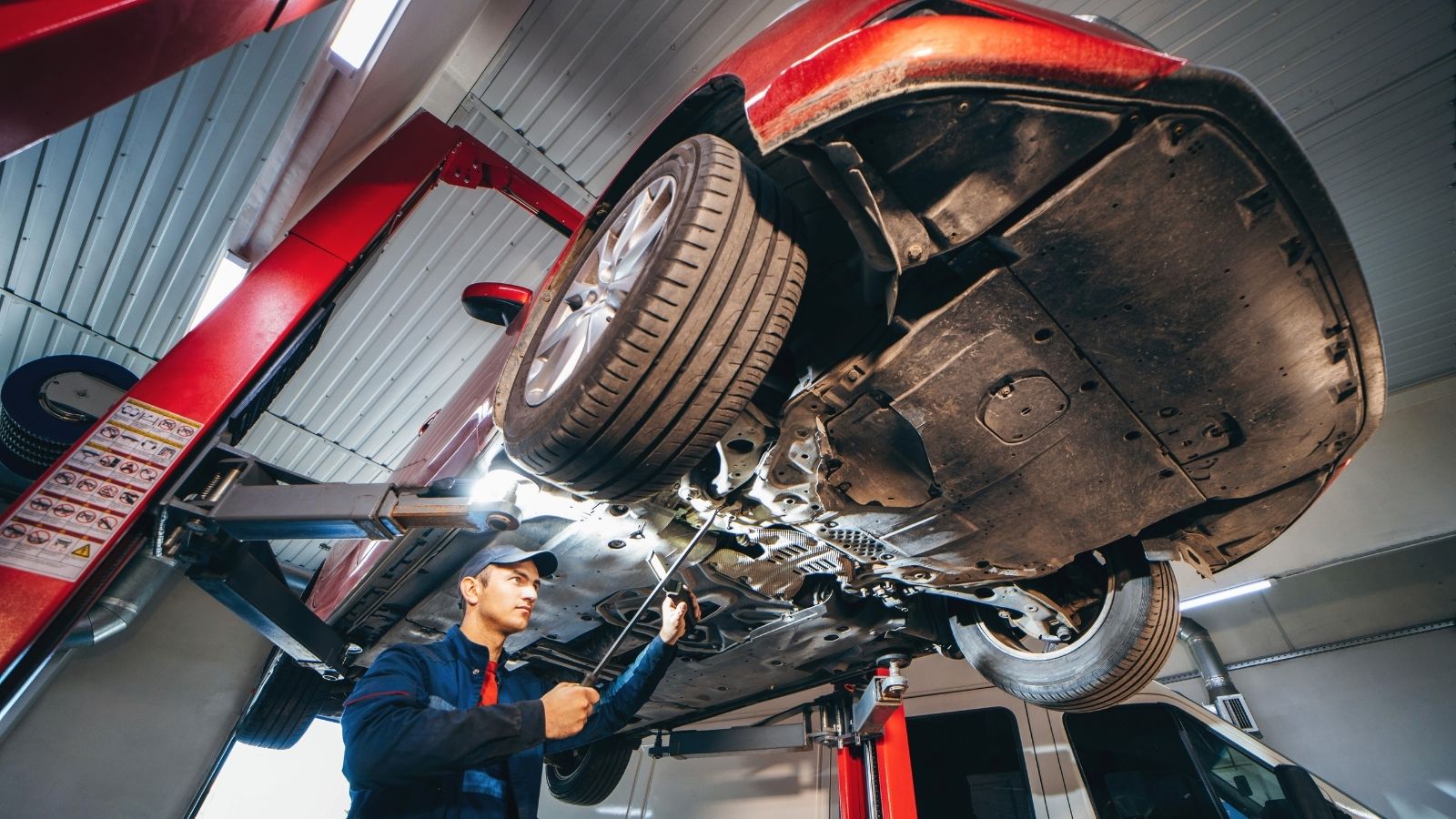
Cold weather can make suspension noises more obvious. Rubber bushings and mounts can stiffen, shock or strut damping can feel harsher, and worn joints may transmit more vibration into the cabin. A faint clunk over speed bumps in fall can become a sharper knock over frozen ruts.
Winter roads also create more impact damage. Freeze-thaw cycles allow moisture to enter pavement cracks, expand, and break the road surface into potholes. Hitting one hard can damage tires, wheels, alignment, shocks, struts, and suspension arms. The costly part is that damage is not always visible immediately. A car may still drive, but later develop a steering pull, vibration, uneven tire wear, or a new metallic noise after repeated pothole hits.
Electric and Hybrid Range Loss
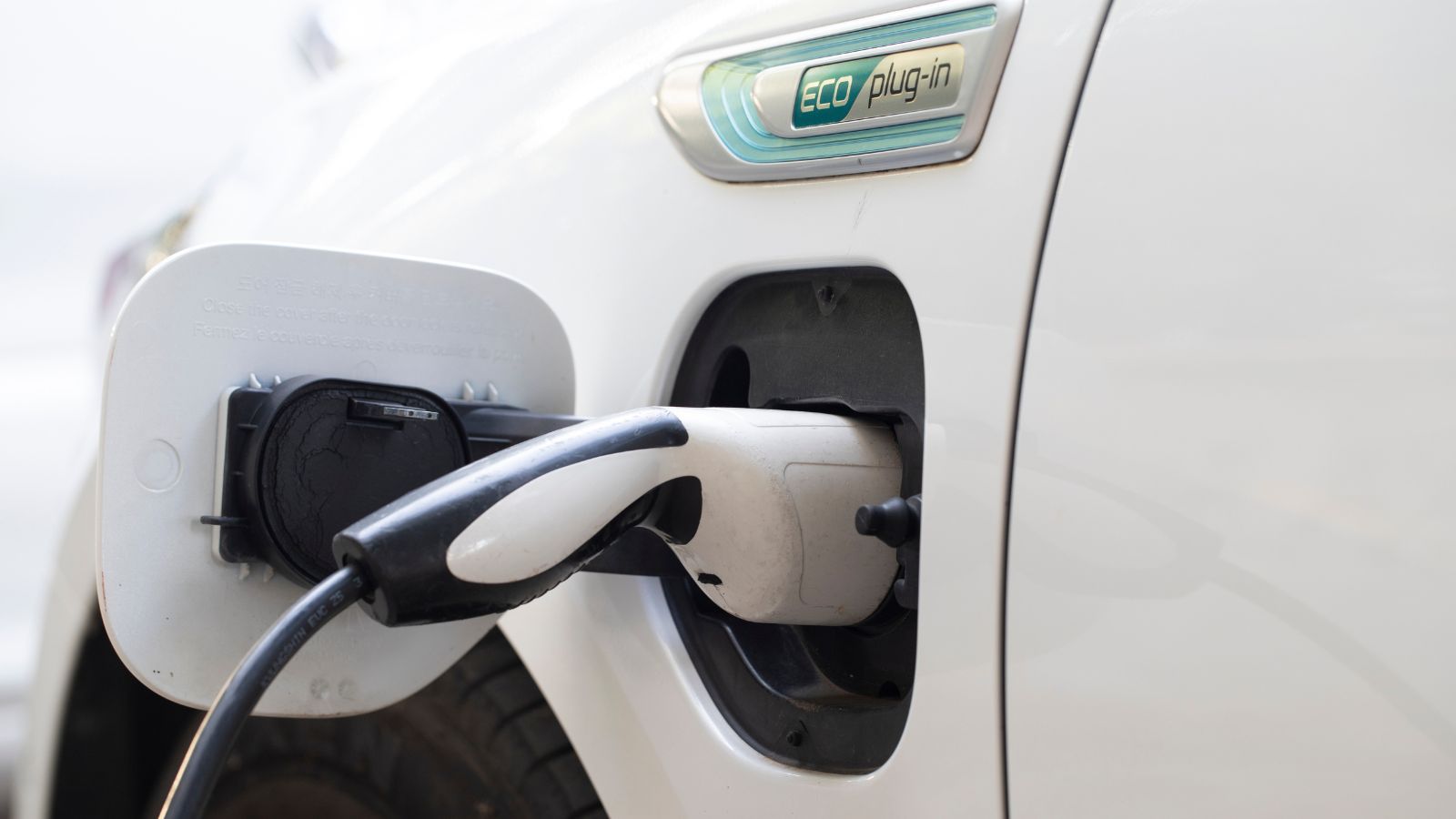
Electric and hybrid vehicles can operate in cold weather, but range and energy use often change. Battery chemistry is less efficient at low temperatures, and cabin heat draws energy that could otherwise move the vehicle. Regenerative braking may also be limited until the battery warms, which can make the vehicle feel slightly different during the first part of a trip.
Preconditioning can reduce the inconvenience by warming the cabin and battery while the vehicle is still plugged in. Drivers who forget to plug in overnight or rely on summer range estimates may be surprised by winter consumption, especially during highway driving with heat, defrost, lights, and wipers running. The issue is not that cold makes EVs unusable; it makes planning, charging habits, tire pressure, and route margins more important.
Blocked Cameras and Driver-Assistance Sensors

Snow, ice, slush, and road grime can interfere with cameras, radar units, parking sensors, and other driver-assistance hardware. A vehicle may display warnings for adaptive cruise control, automatic emergency braking, lane assistance, blind-spot monitoring, or parking systems when sensors are blocked or confused.
This problem can be frustrating because the windshield may look clear while a grille-mounted radar sensor or bumper camera is coated in dirty slush. Some systems shut off gracefully; others may perform with limitations before warning the driver. Winter is a reminder that driver-assistance features are aids, not substitutes for attention. Cleaning sensor areas during fuel stops or charging breaks can restore function, but heavy snow can require repeated checks during one trip.
Rust, Corrosion, and Salt Damage
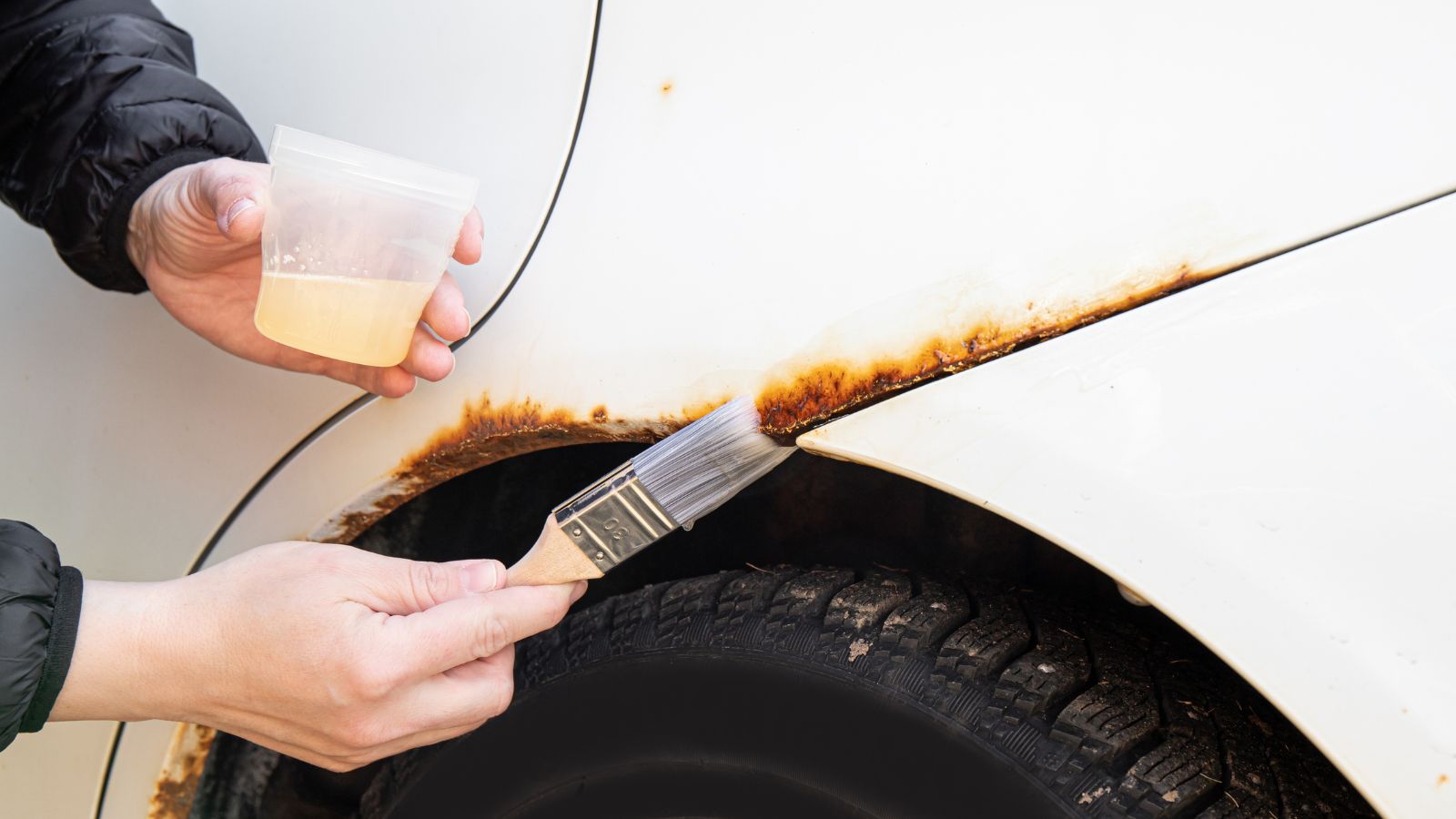
Road salt and chemical de-icers help keep roads passable, but they can accelerate corrosion when they mix with moisture and cling to metal. The most vulnerable areas are often hidden: brake lines, fuel lines, exhaust parts, suspension mounts, fasteners, wheel wells, and underbody seams. By the time rust is visible from a distance, damage may already be advanced underneath.
Cold weather worsens the cycle because vehicles move through slush, then sit as salty water dries on hot components or freezes in packed crevices. Older vehicles in snowy regions are especially vulnerable. Warning signs include a soft brake pedal, fuel smell, louder exhaust, seized fasteners, or flakes of rust near the undercarriage. Regular underbody washing is not cosmetic in winter; it is part of keeping critical components from deteriorating faster than expected.
22 Things Canadians Do to Their Cars in Spring That Mechanics Hate

Spring brings relief to many Canadian drivers after months of snow, freezing temperatures, and icy roads that put serious strain on vehicles. As temperatures rise across the country, drivers begin washing cars, switching tires, and preparing vehicles for warmer weather and upcoming road trips. However, mechanics across Canada notice the same mistakes every spring when drivers attempt to recover from winter damage. Road salt, potholes, and harsh winter driving conditions often leave vehicles with hidden problems that drivers ignore. Some spring habits even create new mechanical issues that could have been avoided with proper maintenance. Here are 22 things Canadians do to their cars in spring that mechanics hate.

Alanna Rosen is an experienced content writer that focuses on many EV and educational content. Her articles are regularly published on Get CyberTrucked and syndicated on large publications.