
Windshield wipers usually fail quietly. One week they glide cleanly; the next, they scrape, chatter, and leave a gray arc exactly where clear sight matters most. The mistake behind much of that early wear is simple: using wipers as a dry-glass cleaning tool instead of waiting for water or washer fluid. This topic covers 12 everyday ways that habit shortens blade life, from gritty dust and baked-on bugs to frozen rubber and neglected washer fluid. The cost of replacement is small compared with many vehicle repairs, but worn blades can turn a sudden downpour into a stressful, blurry drive.
Running the Wipers on Dry Glass

The fastest way to age a wiper blade is also one of the easiest habits to miss: flicking the stalk to clear dust, pollen, misty residue, or a few bugs from a dry windshield. Wiper rubber is designed to glide with moisture between the blade and the glass. Without that thin layer, the blade edge drags across the surface, creating more friction, more heat, and more abrasion at the rubber lip.
Drivers often notice the result a few days later rather than immediately. A blade that once swept quietly begins to squeak, skip, or leave thin lines across the windshield. Automaker manuals warn that dry wiping can damage rubber blades and scratch glass, while some explicitly state that dry use can make blades wear more quickly. A two-second dry wipe seems harmless, but repeated often enough, it turns a flexible edge into a rough, rounded one.
Dust Turns a Quick Wipe Into Sandpaper

A windshield may look only slightly dusty from inside the cabin, especially in morning light. On the glass, however, that dust can include fine road grit, construction particles, pollen, brake dust, and dried splash residue. When the wipers sweep across it without washer fluid, the blade pushes that material across the windshield like a tiny abrasive pad.
That is why a dry wipe after parking near a dusty road can do more damage than a rainy commute. The blade has to carry the dirt while staying pressed against the glass, and the rubber edge can pick up particles that keep scratching with every pass. Over time, dirty blades also stop making clean contact, which creates streaks even after the windshield is wet. A better habit is to use washer fluid first, then let the wipers sweep across a lubricated surface.
Washer Fluid Is Not Just for Cleaning
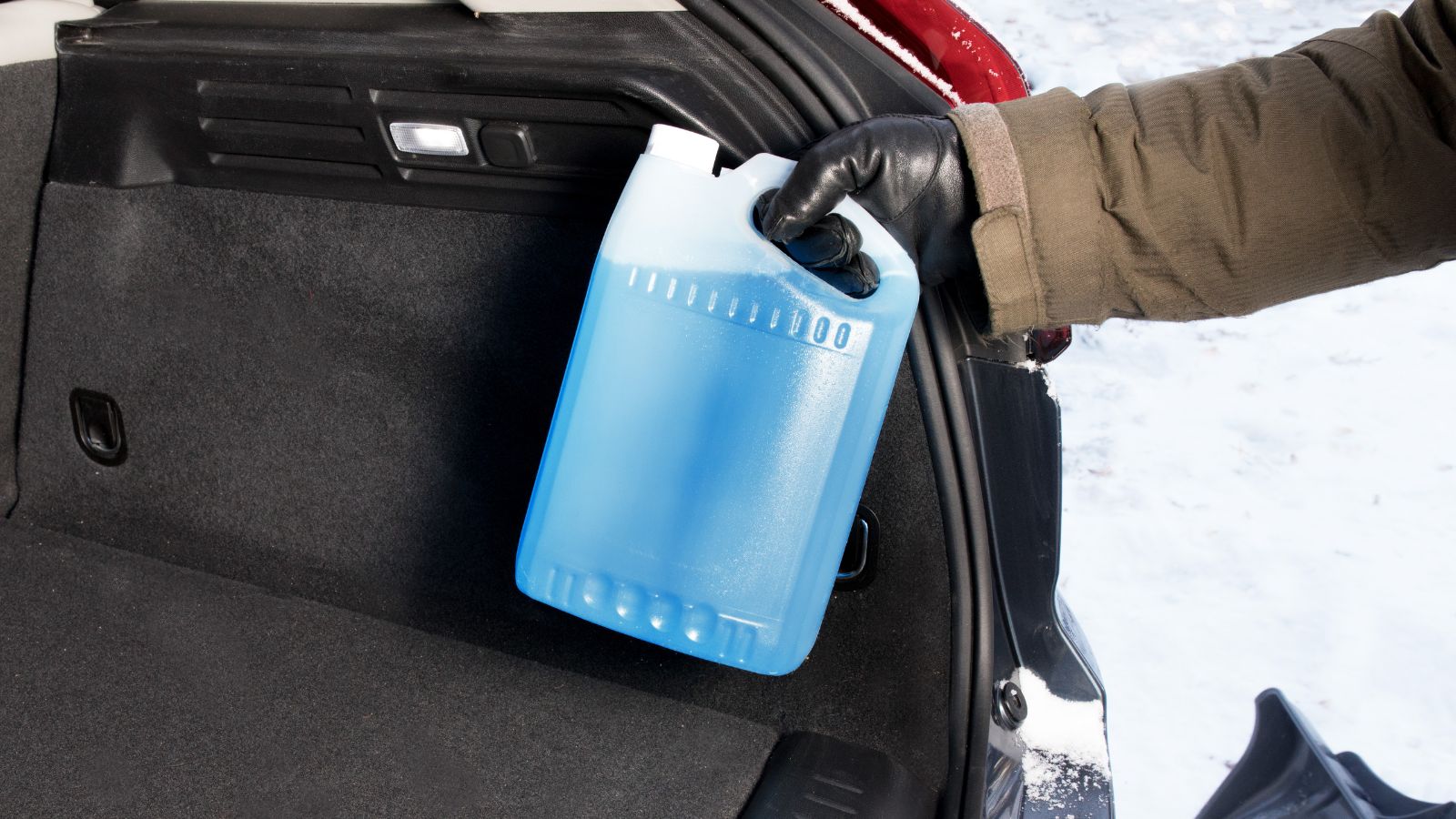
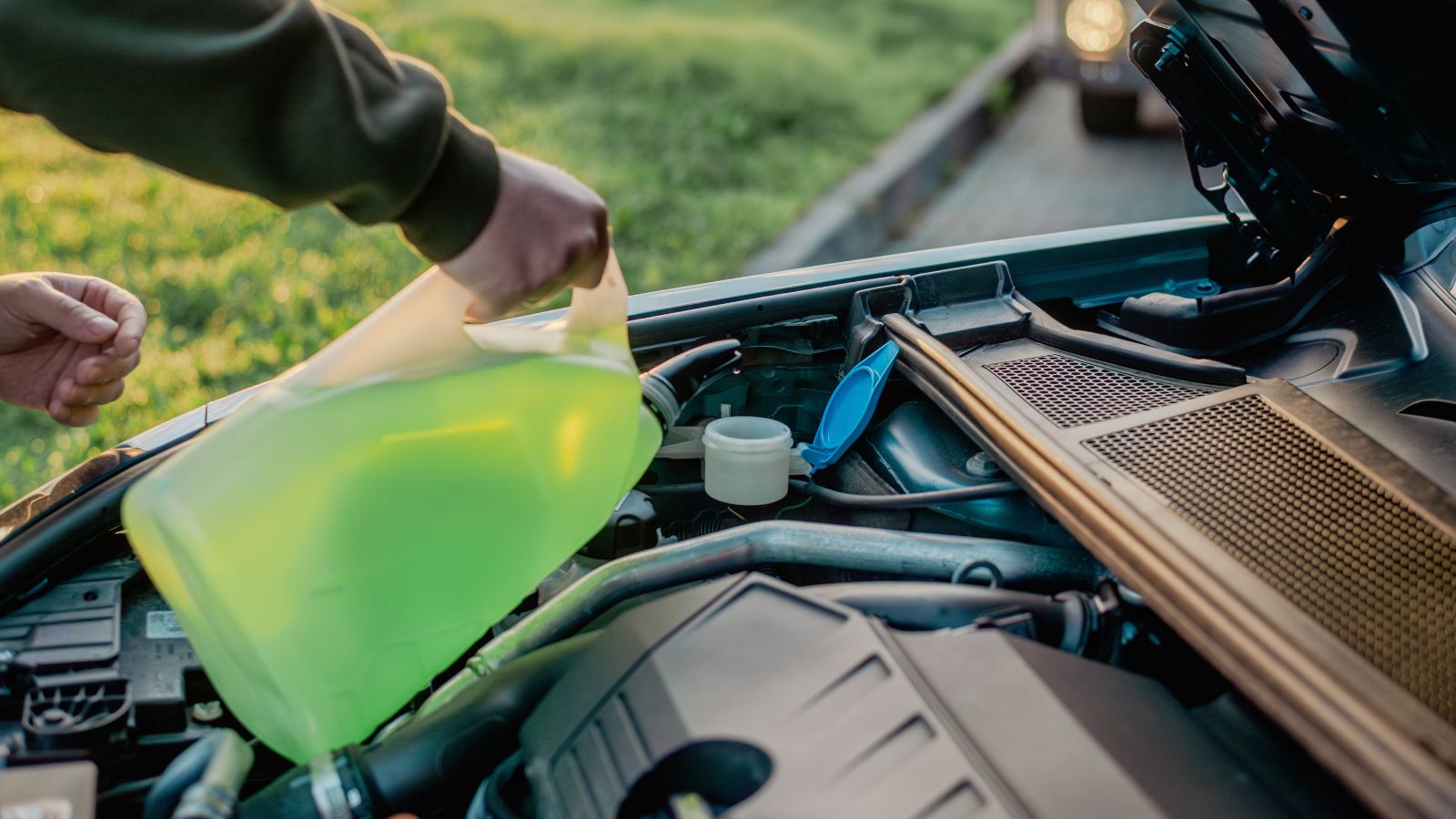
Washer fluid is often treated like a convenience feature, but it protects the wiper edge as much as it cleans the glass. When fluid hits the windshield before the blade moves, it creates a thin working layer that helps lift dirt, salt, insects, and oily film. That moisture reduces the harsh rubber-on-glass drag that causes squeaking and premature wear.
The reservoir matters more during winter and bad weather than many drivers expect. Safety agencies note that a vehicle can use a large amount of washer fluid during a single snowstorm, especially when salt spray keeps coating the windshield. Running the washer pump when the tank is empty can also cause pump damage in some vehicles. A simple refill before the rainy season or winter travel can prevent both poor visibility and unnecessary stress on the wiping system.
Ice and Frost Can Tear the Rubber Edge
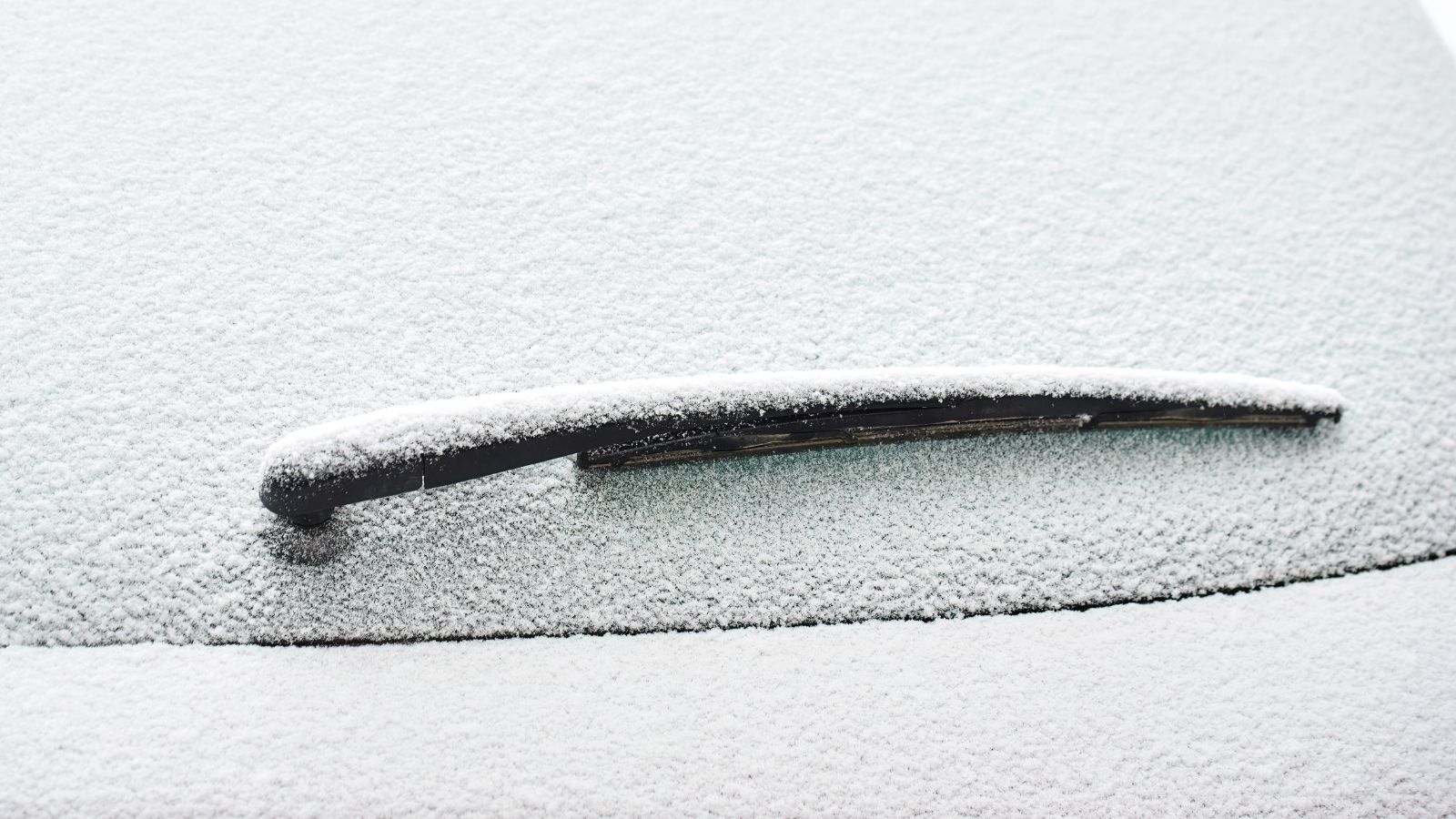
Another version of the same mistake happens on cold mornings: using wipers as a scraper. If the blades are frozen to the windshield, switching them on can tear the rubber edge, strain the arms, or overload the motor. Even if the blade breaks free, the sharp surface of frost can chip away at the wiping edge and leave permanent gaps.
The safer routine is slower but much kinder to the system. Warm the glass with the defroster, clear ice manually with a proper scraper, and confirm the blades are free before turning them on. In regions with frequent freezing rain, winter washer fluid and winter-specific blades can help, but they do not turn wipers into ice tools. A blade that survives one forced sweep over ice may still lose the clean contact that matters in the next storm.
Heavy Snow Can Bend the Wiper Frame
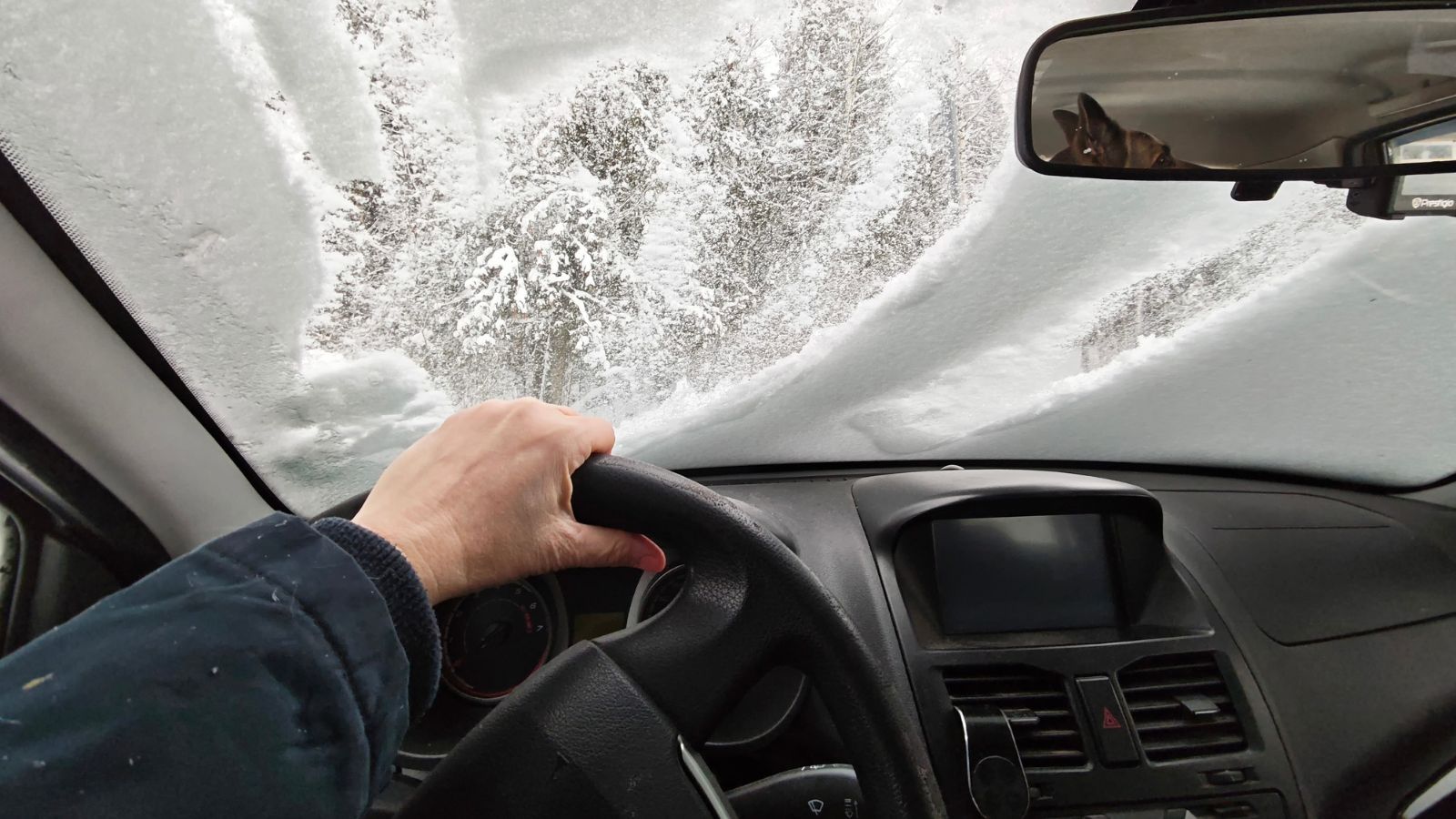
Wiper blades are light components built to press evenly against curved glass, not to plow a windshield covered in wet snow. When snow piles up overnight, the blade frame can bend or the arm can lose proper pressure. Once that happens, the rubber no longer sits flat across the windshield, and even a new blade may leave untouched patches.
A common example appears after a storm: the driver starts the vehicle, the wipers try to move, and a heavy ridge of snow blocks them at the base of the glass. The motor keeps pushing until the wipers stall, skip, or drag unevenly. Clearing the windshield, hood edge, and wiper area first avoids that strain. It also prevents packed snow from jamming the mechanism during the first few minutes of driving, when visibility is already at its worst.
Heat and Sun Make Dry Wiping Worse

Wiper rubber ages even while the car is parked. Heat, ultraviolet exposure, oxygen, and ozone slowly harden and weaken rubber compounds. That is why blades in hot, sunny climates can fail even if they are rarely used. The rubber edge spends hours pressed against hot glass, then gets asked to flex smoothly during the next rainfall.
Dry wiping on sun-baked glass speeds up the decline. A hardened blade has less flexibility, so it cannot flip cleanly at the end of each stroke. Instead, it chatters, smears, or drags. Some blade designs use coatings or synthetic rubber blends to resist heat and reduce friction, but no blade is immune to neglect. Parking in shade, cleaning the glass, and avoiding dry sweeps can help blades last closer to their expected service life.
Letting Blades Sit Unused Can Set the Edge
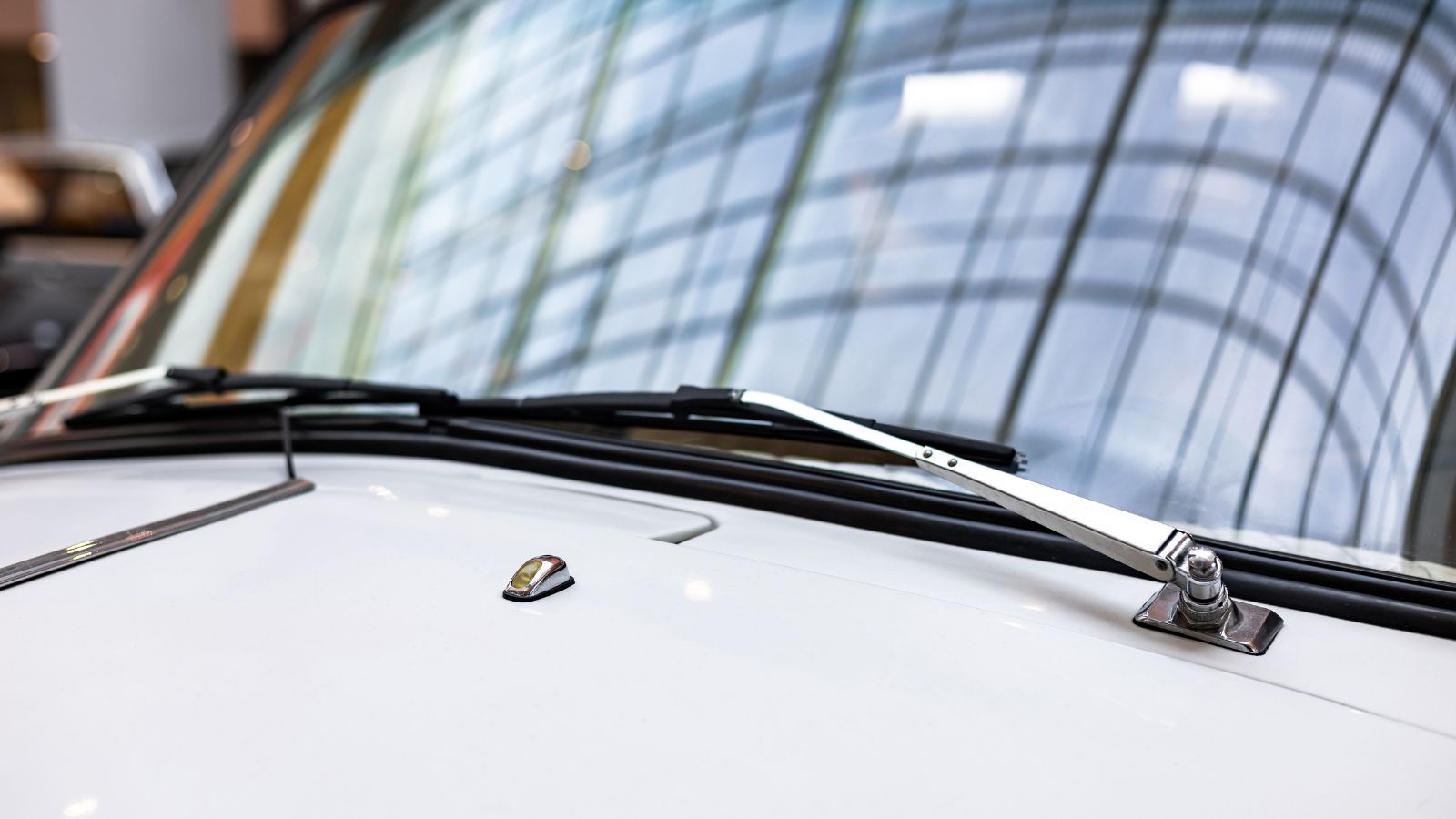
Wipers can wear out from use, but they can also deteriorate from sitting in one position for long periods. Rubber blades rest against the windshield under spring pressure. Over time, especially in heat, the edge can develop a set in one direction. When rain finally arrives, the blade may not flip properly as it changes direction, leading to skipping or noise.
This is one reason vehicles that sit outside for weeks can have disappointing wiper performance even with low mileage. A commuter who drives daily in light rain may notice gradual wear, while a weekend vehicle may surprise its owner with chatter during the first storm of the season. Occasional inspection helps. If the edge looks curled, cracked, or flattened, cleaning may not be enough. The blade may simply have lost the shape needed to sweep evenly.
Dirty Blades Can Ruin a Clean Windshield

A freshly washed windshield can still streak if the wiper blade itself is dirty. The rubber edge collects road film, wax residue, oily spray, pollen, and tiny grit. When that buildup dries, it forms a rough line along the blade. The next time the wipers move, the grime transfers back onto the glass and makes the windshield look hazy.
Cleaning the blade edge is simple but often skipped. Lifting the arm carefully and wiping the rubber with a soft cloth and suitable cleaner can remove residue before it hardens. The key is gentleness: aggressive scrubbing can bend the frame or damage the edge. If streaks disappear after cleaning, the blade may still have life left. If streaks remain after the glass and rubber are clean, the rubber has likely cracked, hardened, or worn out.
Bugs, Wax, and Road Film Create Chatter
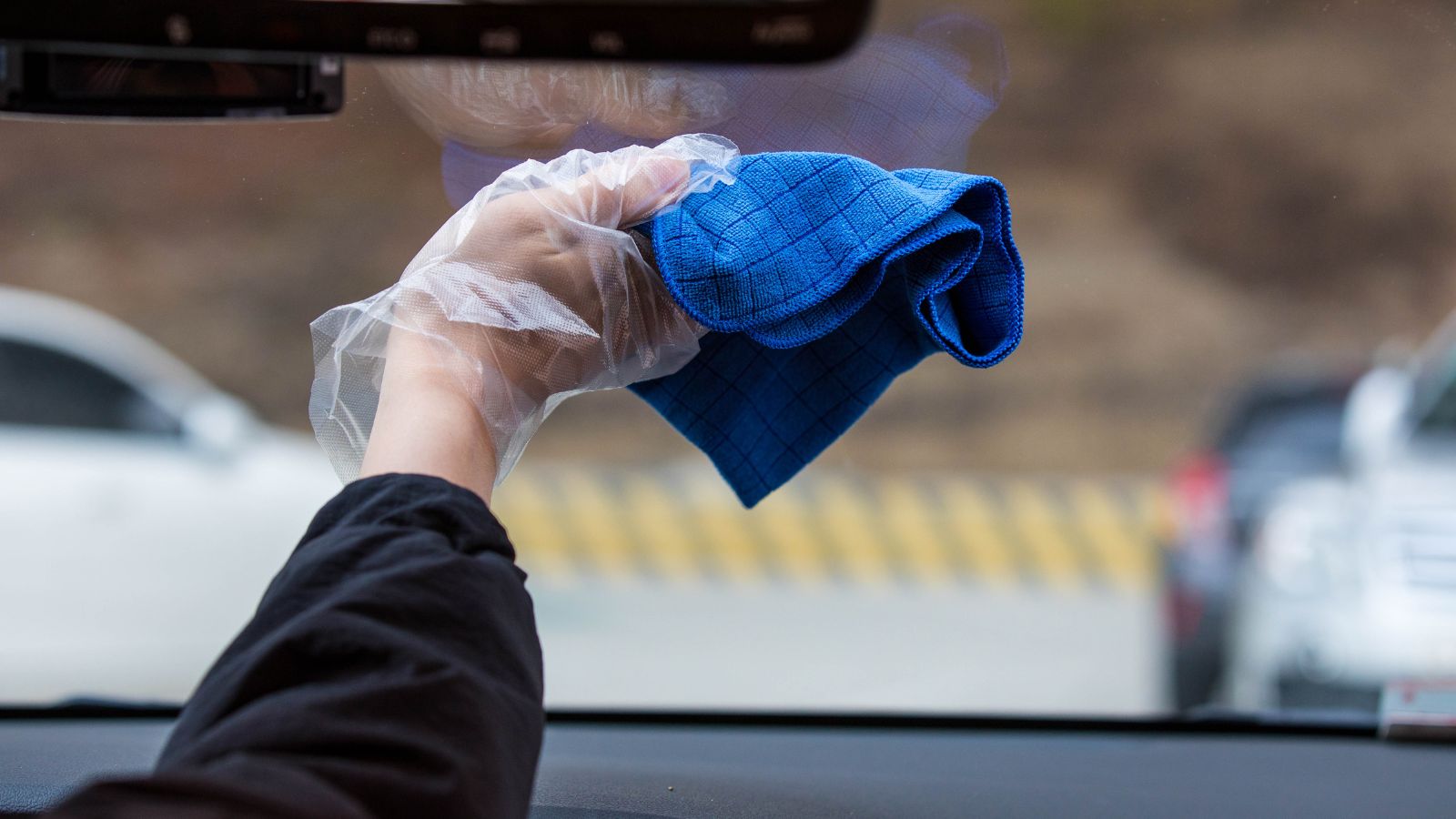
Bugs and tree sap are especially hard on wipers because they stick to the glass instead of rinsing away cleanly. When the blade hits a dried insect mark at speed, it can hop slightly, then land again with a squeak. Wax from car washes and oily road film can create a similar problem by making some parts of the windshield slick and others grabby.
That uneven surface creates chatter, where the blade vibrates instead of gliding. Drivers often blame the blade immediately, but the windshield may be the real culprit. Owner manuals commonly recommend cleaning the windshield and wiper blades when grease, wax, insects, or other material causes jerky operation. A clean surface lets the blade maintain steady contact. Using the wipers to grind through sticky residue, especially without enough washer fluid, only shortens the blade’s useful life.
Automatic Wipers Can Make the Mistake Easier
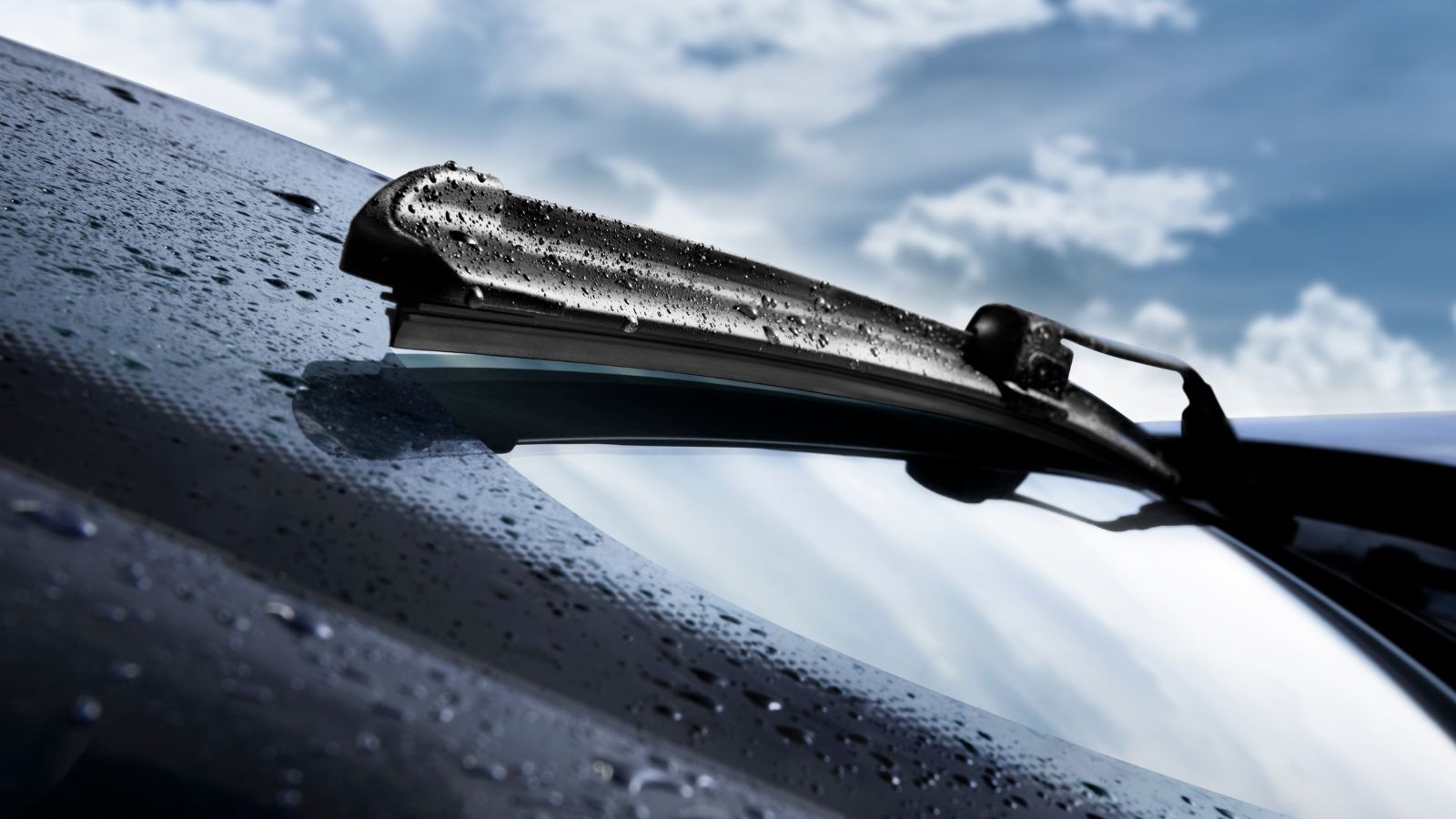
Rain-sensing wipers are convenient, but they can also surprise drivers who forget the system is active. If the sensor detects moisture or the vehicle enters a car wash, the wipers may move when the windshield is not in the right condition for wiping. Some owner guides specifically warn drivers to turn automatic wipers off before washing or cleaning the windshield to avoid system damage.
The same caution applies when a vehicle is parked overnight with automatic mode left on. A light frost, dirty windshield, or half-dry mist can trigger movement at the wrong moment. The feature is not flawed; it simply needs attention. Turning the stalk to off before parking, washing, or scraping the glass prevents unexpected sweeps. Technology can manage rain, but it cannot always tell whether the blade is frozen, gritty, or dragging across a dry patch.
Harsh Chemicals Can Age Rubber Faster
Cleaning products can help wipers last, but the wrong chemicals can do the opposite. Gasoline, paint thinner, benzene, and harsh solvents can deteriorate rubber. These products may seem effective at removing sticky residue, but they can strip or weaken the blade material, leaving it brittle or swollen. Once the rubber edge changes shape, wiping quality usually drops quickly.
A safer approach is to clean the windshield and blade edge with mild, appropriate products and a soft cloth. Some owner manuals recommend washer solution, neutral detergent, or mild abrasive cleaner for the glass while warning against solvents on the blade rubber. The goal is to remove contamination without attacking the blade itself. If a windshield has heavy sap, overspray, or stubborn film, treating the glass carefully before relying on the wipers is better than forcing the blades through chemical residue.
Waiting Until the First Storm Is Too Late
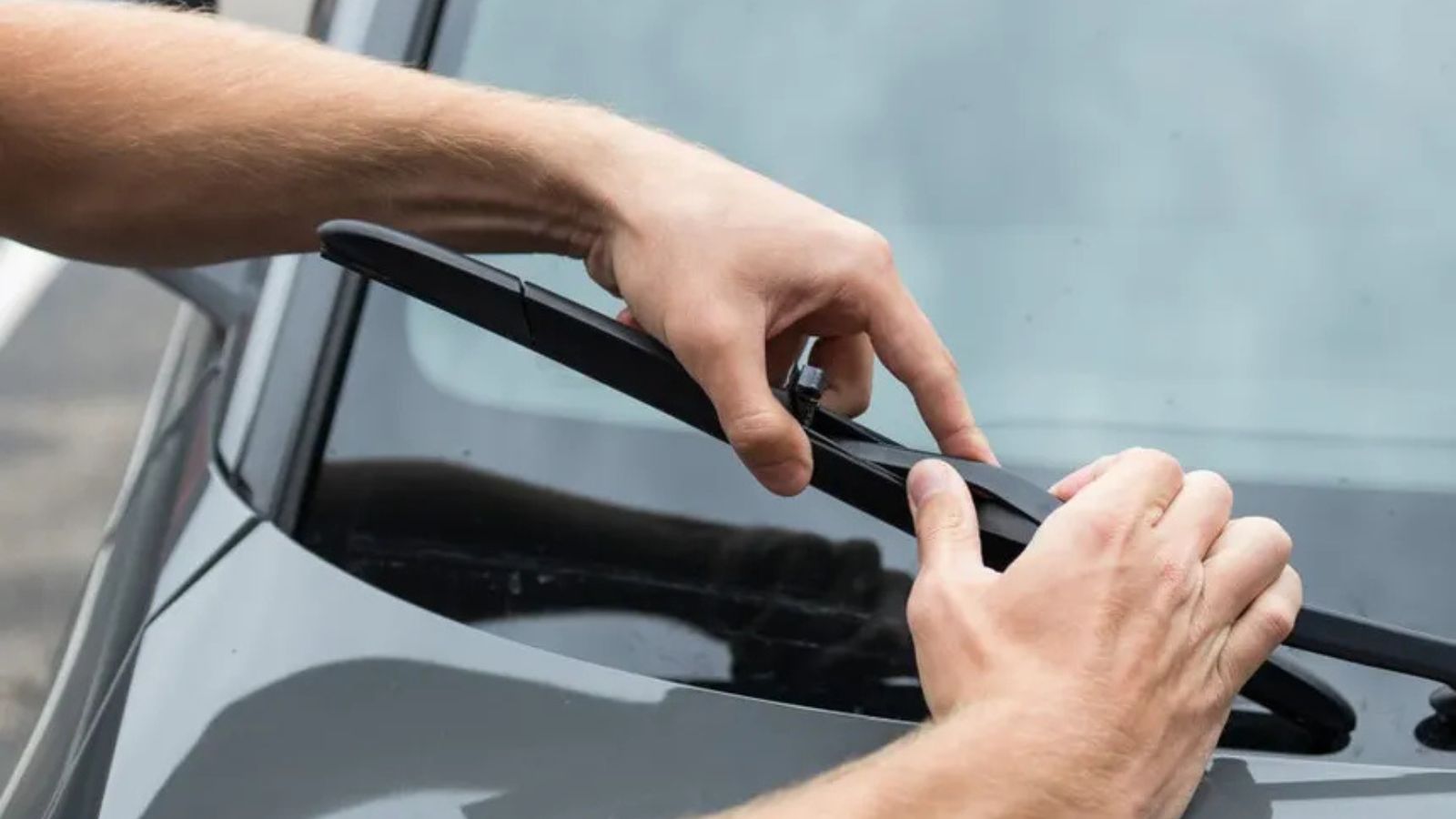
Many drivers replace wipers only after they fail in bad weather. That timing creates a familiar scene: the rain starts, the blades smear, and the driver realizes the rubber has been cracking for months. Wipers usually give warnings before that point, including streaking, skipping, squeaking, splitting, and visible roughness along the edge.
Inspection every few months is more practical than waiting for a storm. Many automotive maintenance sources recommend checking or replacing blades around the six-month mark, though climate and use can change the timeline. Heat, snow, rain, dust, and sunlight all affect blade life. The dry-wiping habit makes that timeline shorter. A quick check while filling fuel, washing the car, or adding washer fluid can prevent the small rubber edge from becoming a visibility problem when the road suddenly disappears behind rain.
22 Things Canadians Do to Their Cars in Spring That Mechanics Hate

Spring brings relief to many Canadian drivers after months of snow, freezing temperatures, and icy roads that put serious strain on vehicles. As temperatures rise across the country, drivers begin washing cars, switching tires, and preparing vehicles for warmer weather and upcoming road trips. However, mechanics across Canada notice the same mistakes every spring when drivers attempt to recover from winter damage. Road salt, potholes, and harsh winter driving conditions often leave vehicles with hidden problems that drivers ignore. Some spring habits even create new mechanical issues that could have been avoided with proper maintenance. Here are 22 things Canadians do to their cars in spring that mechanics hate.

Alanna Rosen is an experienced content writer that focuses on many EV and educational content. Her articles are regularly published on Get CyberTrucked and syndicated on large publications.