
Flush door handles once seemed like the perfect symbol of a modern vehicle: smooth, futuristic, and neatly integrated into the bodywork. The design promised cleaner aerodynamics and a premium look, especially on electric vehicles where every small efficiency gain is marketed as meaningful.
For many owners, though, the charm has started to fade once real life gets involved. Weather, electronics, emergency access, repair bills, and everyday confusion can turn a sleek detail into an unexpected frustration. Twelve reasons stand out for why some drivers now see flush door handles less as a luxury feature and more as a design choice with trade-offs.
Cold Weather Can Turn a Sleek Detail Into a Daily Hassle

Flush handles often depend on movement: they pivot, pop out, retract, or sit in a shaped recess that must stay free of ice. That becomes a problem when snow melts during the day, refreezes overnight, and seals the handle in place by morning. Some manufacturers now give owners specific cold-weather instructions because door handles, windows, mirrors, and other moving parts can freeze in harsh conditions.
The issue is not only about opening the door. A deployable handle that fails to retract can look broken, trigger warnings, or leave owners worried about security even if the lock still works. One service bulletin for a luxury SUV noted that freezing conditions after washing could stop exterior deployable handles from fully returning flush. For drivers in cold regions, the stylish handle becomes another part of winter prep: defrosting, tapping, drying, and waiting before the commute can even begin.
More Moving Parts Mean More Ways to Fail
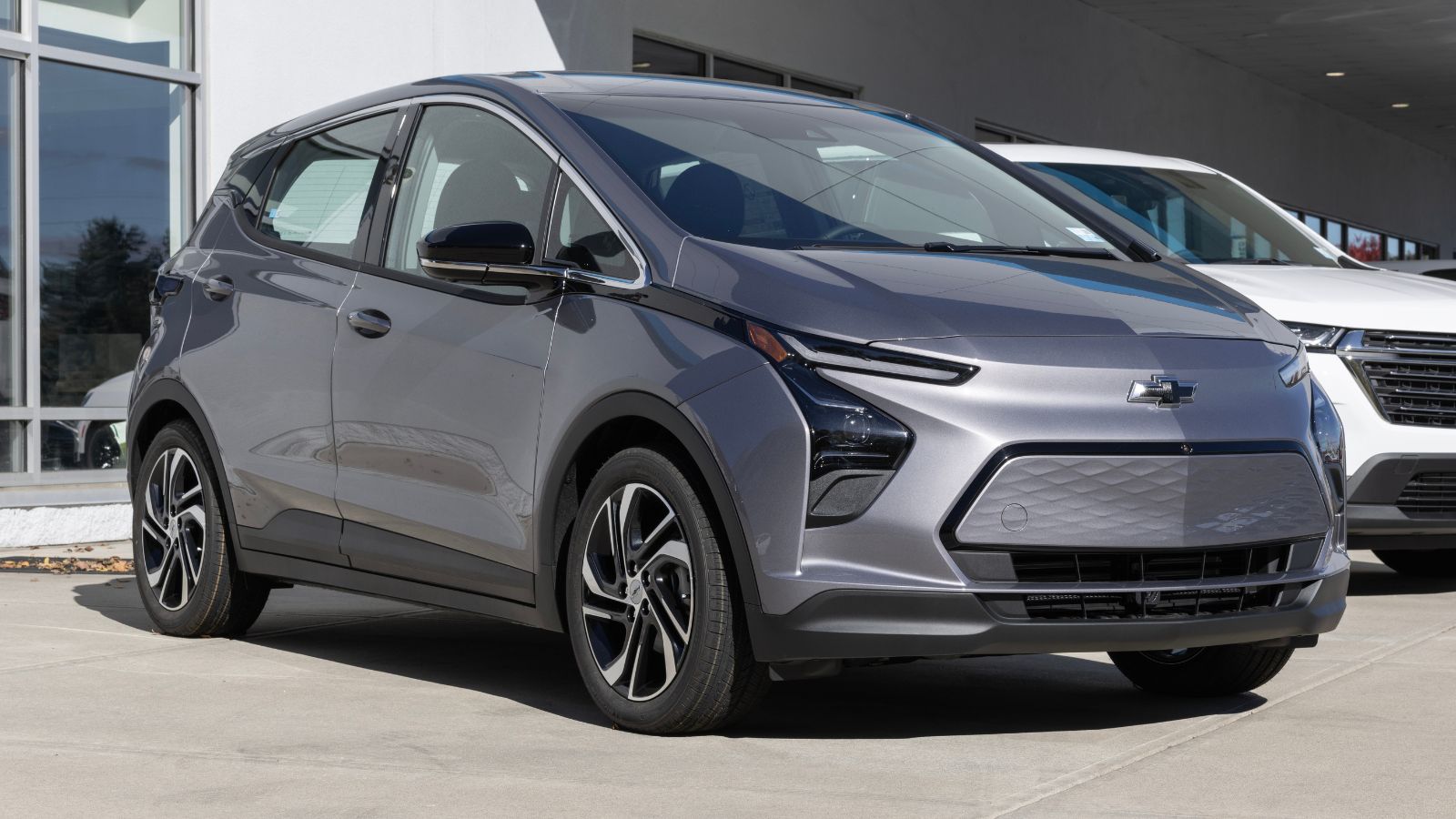
A conventional door handle is easy to understand: grab, pull, and the latch releases. Many flush systems are more complicated. Some use motors, sensors, springs, swing arms, switches, control modules, or electronic locks working together inside a narrow door cavity. That engineering can look impressive in a showroom, but complexity also creates more places for wear, alignment problems, water intrusion, or sensor faults to appear.
Early complaints about retracting handles are not new. Years ago, owner feedback on some premium electric sedans showed exterior door handles becoming one of the most common reliability complaints. That matters because a door handle is not a luxury gadget like ambient lighting. It is the first thing a driver touches and one of the last parts anyone wants to question in an emergency. When a handle needs a technician instead of a quick pull, the design advantage can feel thin very quickly.
A Weak Low-Voltage Battery Can Create a Lockout Problem
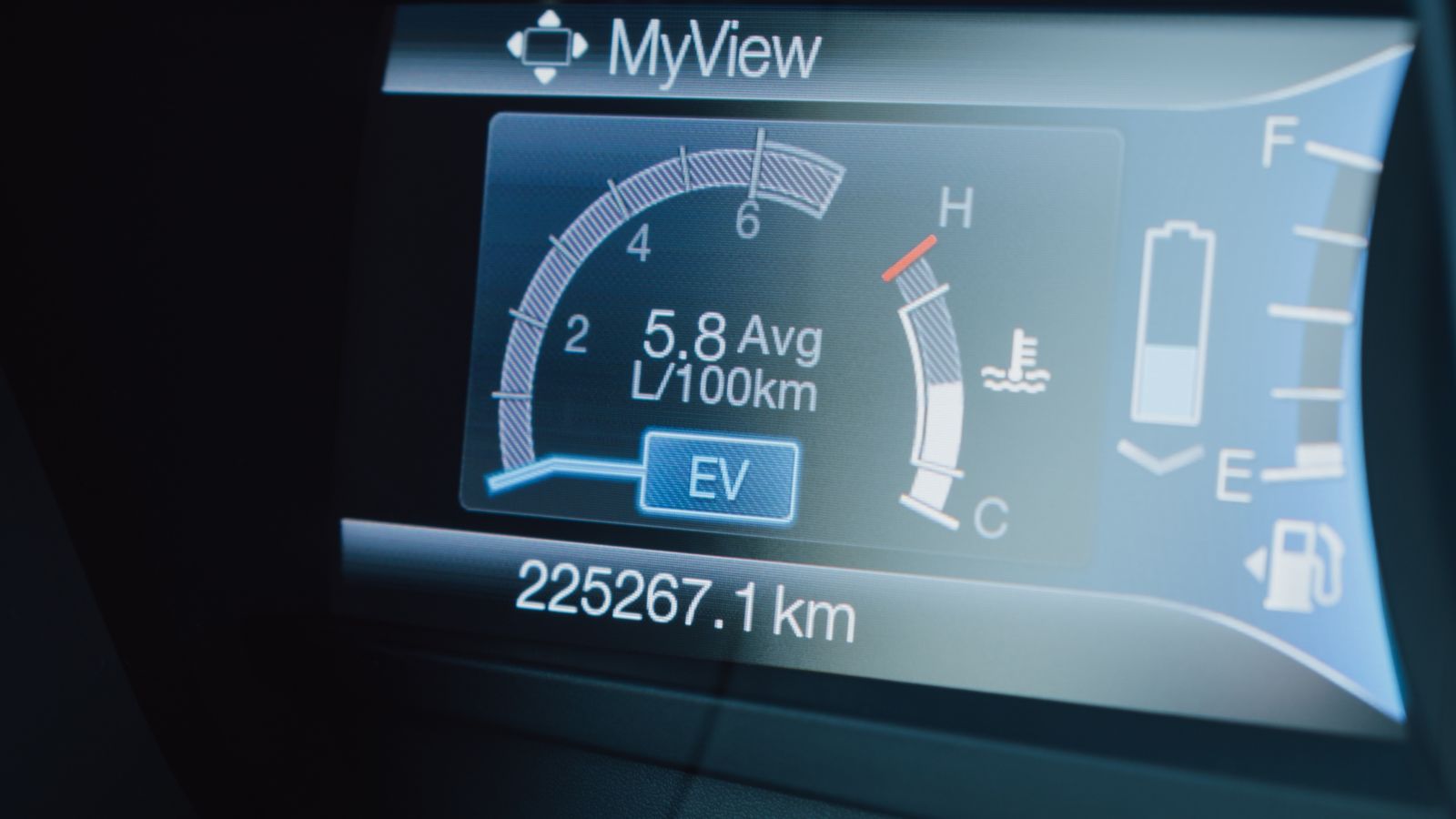
Many modern vehicles, including electric models, rely on low-voltage power to operate locks, electronic latches, and exterior handle functions. That means the large propulsion battery may not be the only battery that matters. If the low-voltage system drops too far, the exterior handle or lock can stop responding even when the vehicle still looks normal from the outside.
A federal safety investigation into certain Model Y vehicles focused on reports of electronic door handles becoming inoperative because of low-voltage battery issues. The cases were especially alarming because some owners said there had been no prior warning before the exterior handles failed. In several reported situations, adults were outside the vehicle while children remained inside, and some owners broke windows to regain access. A dead or weak auxiliary battery is usually a routine repair concern, but with electronic handles it can become an access problem.
Emergency Releases Are Not Always Obvious

Most vehicles with electronic doors include a mechanical backup somewhere, but “somewhere” is the problem. A front-seat manual release may be near the window switches, while a rear-seat release can be hidden behind a cover or inside a door pocket. That may satisfy an owner who has read the manual, but it may not help a passenger, child, rideshare rider, valet, or injured occupant under stress.
This is where regret often comes from. A feature that feels futuristic in normal driving may feel needlessly complicated when power is lost. Federal investigators have looked into complaints that emergency mechanical releases on some vehicles were hidden, unlabeled, or not intuitive enough during emergencies. In daily use, an electronic button feels clean and premium. In a crash, fire, or panic situation, people tend to look for the simplest possible cue: a visible handle that clearly opens the door.
Rescue Access Can Become a Safety Question
Door design is not only about the people inside the car. It also affects the people trying to help from the outside. A conventional handle gives a bystander or first responder an obvious place to pull. A flush electronic handle can be harder to locate, harder to grip, or impossible to deploy if the vehicle loses power. That does not mean every flush-handle vehicle is unsafe, but it does explain why the design is getting more scrutiny.
For decades, door safety rules focused heavily on keeping doors latched during crashes so occupants were not ejected. Modern electronic handles have introduced a different question: can the door still be found and opened quickly after an electrical failure? China has already moved to require mechanical release functions inside and outside most vehicle doors starting in 2027. That kind of rule shows how a styling trend can become a safety policy issue once real-world emergencies expose weak points.
The Efficiency Gain May Feel Too Small for the Trouble

Automakers often defend flush handles as an aerodynamic detail. The logic is sound: protruding handles interrupt airflow, and smoother body sides can reduce drag. That is why flush handles are common on EVs, where range numbers matter and every small efficiency improvement can help. Some luxury brands also promote the design as a way to reduce wind noise and create cleaner body lines.
The problem is that the benefit may not feel meaningful to owners dealing with frozen handles, confusing operation, or repair concerns. Estimates of the aerodynamic gain are often modest, especially compared with major factors such as vehicle shape, tires, speed, weight, and climate control use. A driver may never notice a tiny range benefit on a mixed commute, but they will notice being unable to open a door in freezing rain. That imbalance makes the feature feel more like styling theater than practical engineering.
Repairs Can Cost More Than Owners Expect
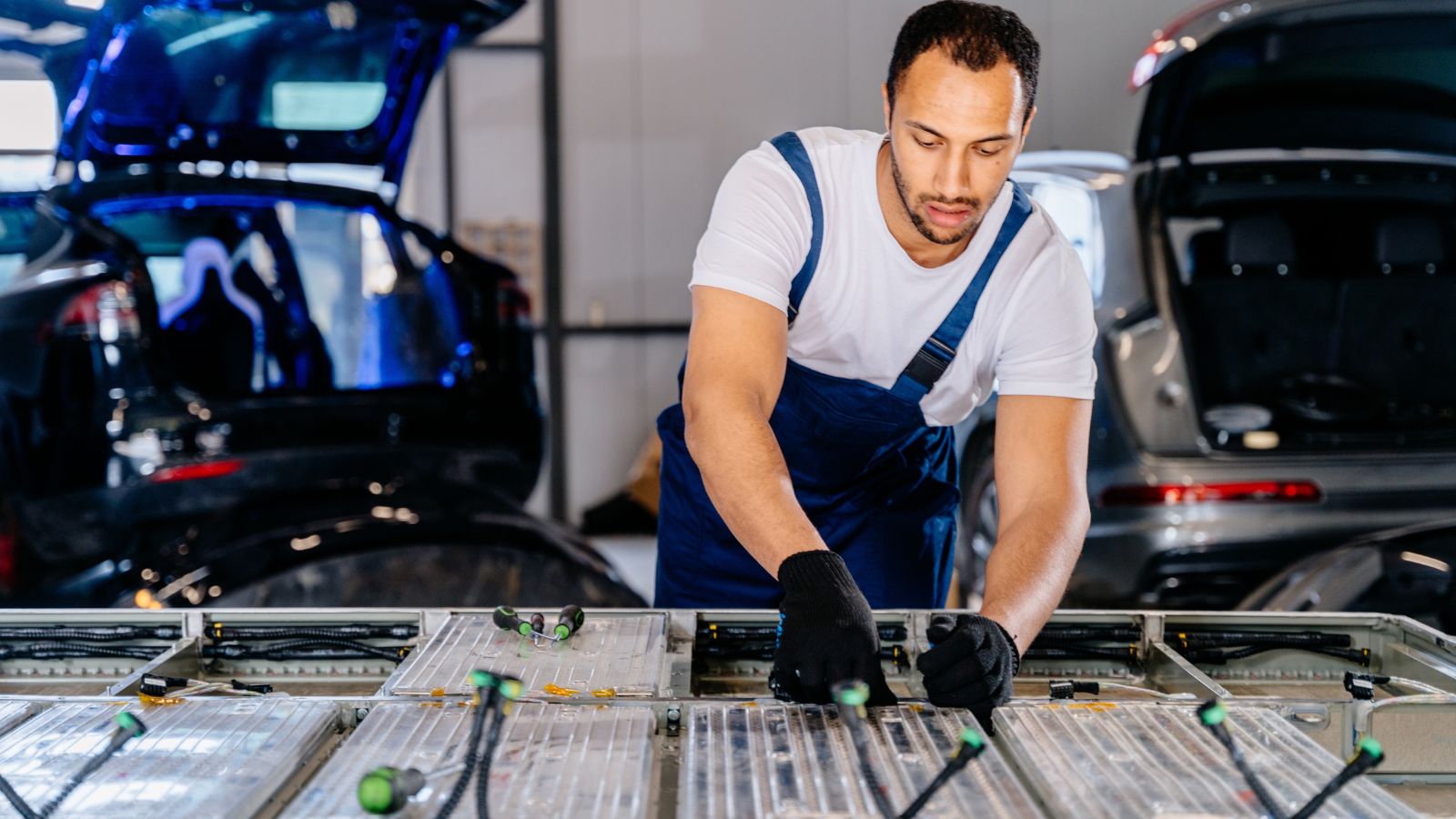
A basic exterior handle repair can already involve labor, door-panel removal, clips, paint matching, and latch adjustment. A flush handle can add electronic actuators, sensors, wiring, seals, alignment steps, and software diagnostics. On premium vehicles, a single door-handle issue can quickly move from a minor annoyance to a repair bill measured in hundreds of dollars, and sometimes more depending on the model and parts availability.
This is especially frustrating because the handle is exposed to constant use, weather, road salt, car washes, and occasional rough handling. A traditional handle can often be replaced as a simpler mechanical part. A deployable handle may require diagnosing whether the fault is mechanical, electrical, software-related, or moisture-related. Owners who bought the vehicle for its clean look may later discover that the clean look depends on a surprisingly complex assembly hidden inside the door.
Car Washes, Water, and Road Grit Add Another Chore

Flush handles live in tight gaps. Those gaps can collect water, soap residue, road salt, grit, and winter slush. A normal wash might seem harmless, but water left around a retractable mechanism can freeze later or interfere with smooth movement. Some service guidance has specifically warned against high-pressure washing around deployable handle areas in cold conditions and recommended wiping excess water away afterward.
That turns an exterior detail into a maintenance habit. Owners who park outside may have to think about whether the handle area is dry before a cold night. Drivers in snowy regions may need to clean around the handle before it retracts properly. Even in warmer climates, dust and grit can make a flush mechanism feel less refined over time. A feature intended to make the vehicle look cleaner can ironically require extra cleaning to keep working cleanly.
Passengers Often Do Not Know How to Use Them
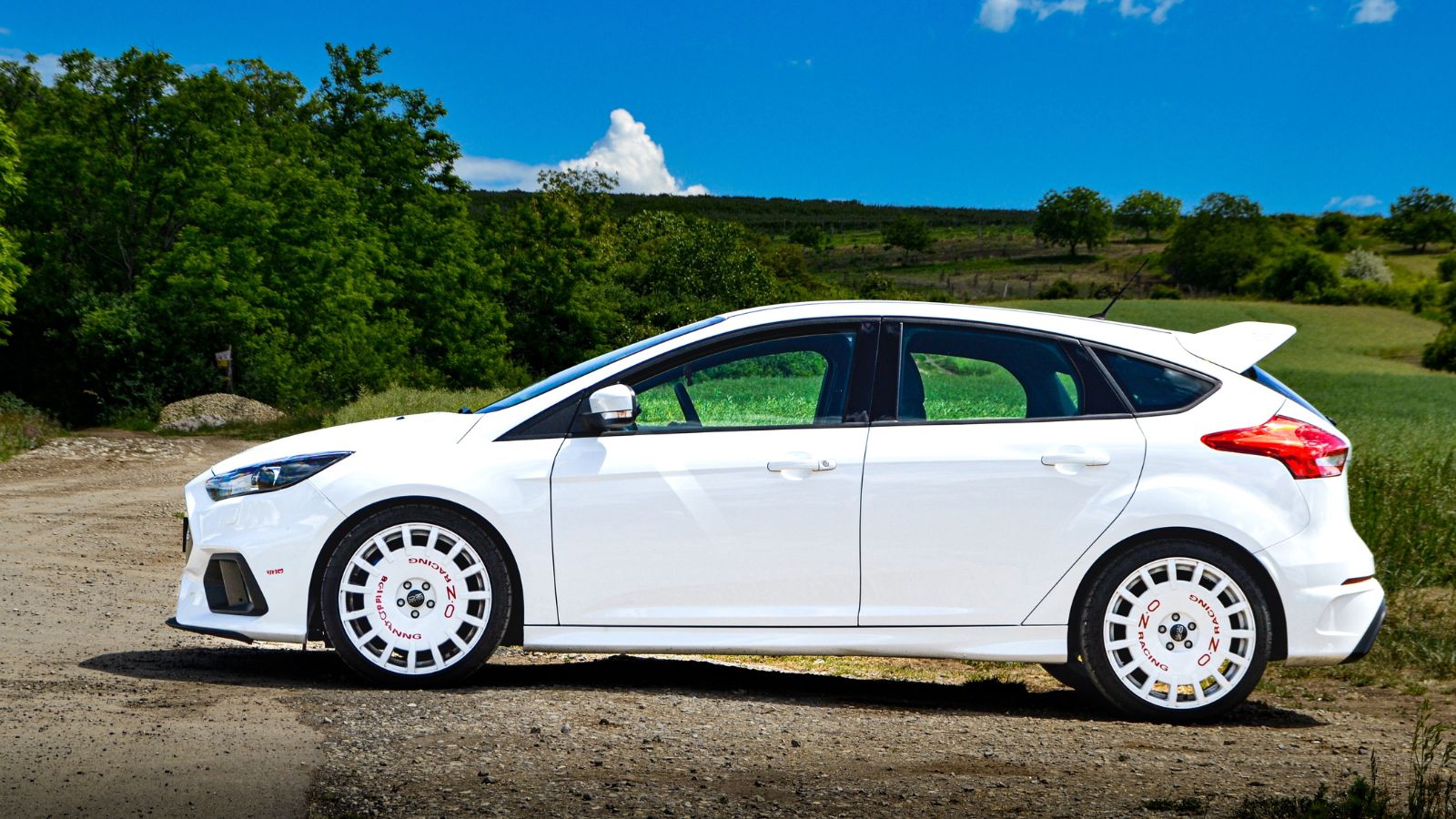
Many flush handles are not obvious to first-time users. Some require pressing one side so the other side pivots out. Others present automatically when the vehicle unlocks. Some sit so flat that a passenger may tap, pull, or push the wrong area before figuring it out. The result is a familiar parking-lot scene: the owner inside the vehicle gestures through the glass while a passenger fumbles at the door.
That confusion sounds minor until it repeats with children, older relatives, rideshare passengers, hotel valets, or emergency helpers. A door handle should not need a tutorial, yet some modern designs do. Owners may accept the learning curve at first because the vehicle feels high-tech. Over time, the small awkward moments add up. A feature that looked sophisticated during the test drive can start to feel like bad human-factors design when nearly every new passenger needs instructions.
Children and Pets Raise the Stakes

Flush handles become more concerning when someone vulnerable is inside the vehicle. Children may not understand a hidden manual release, may not have the strength to operate it, or may be secured in a child seat. Pets cannot operate a release at all. If an adult is outside and the exterior electronic handle fails, the situation can become urgent much faster than a normal lockout.
Vehicle heat risk makes this more serious. Safety agencies have long warned that children trapped in vehicles can face life-threatening heatstroke, and hot-car deaths still occur every year. In reported door-handle incidents under federal review, some parents could not reopen doors to reach children and had to break windows. That is why some drivers now see electronic flush handles differently after becoming parents. The concern is not just convenience; it is whether access remains simple when seconds matter.
Pinched Fingers and Limited Dexterity Matter

Flush handles can create small but real usability problems for people with gloves, long nails, jewelry, arthritis, weak grip, or reduced hand mobility. Some owner manuals warn users to avoid pinching fingers, jewelry, or acrylic nails in the handle mechanism. That warning alone shows the design can create contact points a conventional pull handle does not.
Accessibility guidance for older drivers often emphasizes large door handles, clear labels, support handles, and easy entry and exit. Flush designs can move in the opposite direction by making the handle smaller, flatter, less visible, or dependent on a push-and-pull sequence. A driver with cold hands or stiff joints may not care that the handle improves the side profile. They care whether it can be operated naturally. Good design should make common actions easier, not require extra dexterity for a basic task.
Future Rules Could Make Today’s Design Feel Dated

Regulation is starting to catch up with the trend. China’s new rules will require mechanical release functions for most vehicle doors and are aimed directly at hidden or electronic-only handles. Existing models may have a transition period, but the direction is clear: regulators want doors that remain accessible even during crashes, fires, or electrical failures.
That creates another regret for some buyers. A vehicle purchased as cutting-edge can suddenly look like it belongs to a design era regulators are moving away from. Resale shoppers may ask harder questions about emergency releases, cold-weather reliability, and repair costs. Automakers may redesign future models with simpler, more visible handles, leaving current owners with the version that sparked the backlash. What once seemed futuristic can quickly become a reminder that not every innovation survives contact with everyday use.
22 Things Canadians Do to Their Cars in Spring That Mechanics Hate

Spring brings relief to many Canadian drivers after months of snow, freezing temperatures, and icy roads that put serious strain on vehicles. As temperatures rise across the country, drivers begin washing cars, switching tires, and preparing vehicles for warmer weather and upcoming road trips. However, mechanics across Canada notice the same mistakes every spring when drivers attempt to recover from winter damage. Road salt, potholes, and harsh winter driving conditions often leave vehicles with hidden problems that drivers ignore. Some spring habits even create new mechanical issues that could have been avoided with proper maintenance. Here are 22 things Canadians do to their cars in spring that mechanics hate.

Alanna Rosen is an experienced content writer that focuses on many EV and educational content. Her articles are regularly published on Get CyberTrucked and syndicated on large publications.