
A new car can look flawless under showroom lighting, but delivery day is still the last meaningful chance to catch problems before the vehicle officially becomes part of daily life. Even factory-fresh vehicles can arrive with shipping marks, low tire pressure, software glitches, missing accessories, or paperwork errors that are much easier to fix before signing the final handover forms.
These 22 inspection points cover the details that matter most: safety systems, exterior condition, cabin features, mechanical behavior, documentation, and the small items that often disappear in the excitement of getting the keys. A careful walkaround and short test drive can turn delivery day from a rushed formality into a confident start to ownership.
Exterior Paint and Body Panels
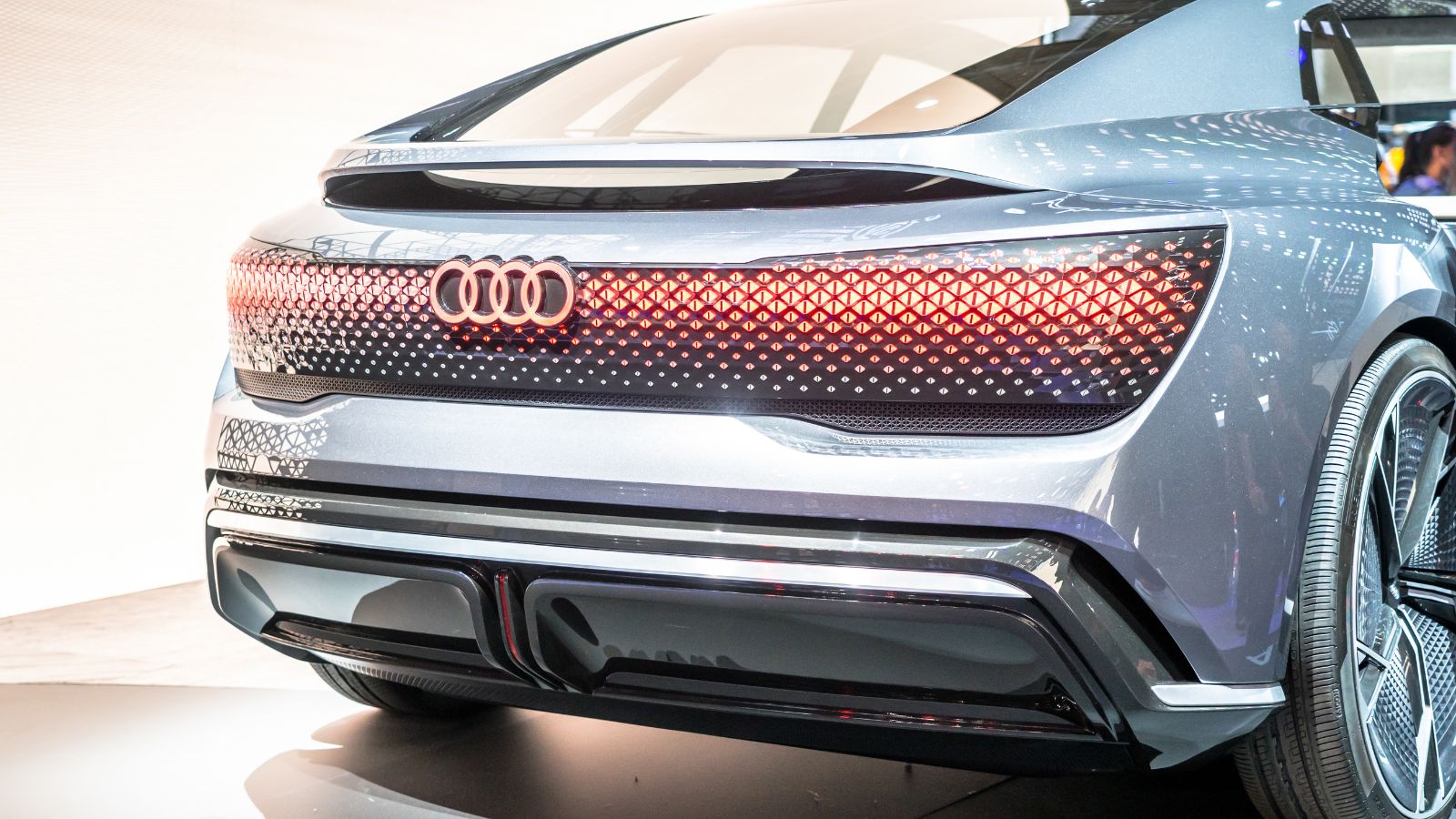
The paint should be checked in natural light whenever possible, not just under bright showroom bulbs. Look for scratches, swirl marks, chips, dull patches, overspray, and mismatched color between panels. New vehicles are transported by rail, truck, ship, and storage lots before reaching a dealership, so minor cosmetic damage can happen long before delivery day. A small chip on the hood may seem harmless, but once road salt, rain, or sun exposure reaches bare metal or primer, the problem can become harder to correct.
A useful method is to walk around the car slowly from several angles rather than staring straight at each panel. Reflections often reveal dents and ripples that are invisible head-on. Door edges, bumpers, mirror caps, rocker panels, and the roof deserve special attention because they are easy to overlook. Any flaw should be photographed and written into the delivery paperwork before acceptance, not discussed casually after the vehicle leaves the lot.
Panel Gaps and Door Fit

Panel alignment says a lot about how carefully the vehicle was assembled and handled. The gaps around the hood, trunk, tailgate, fenders, and doors should look reasonably even from side to side. A new car does not need hand-built perfection, but obvious misalignment, rubbing panels, or a door that sits proud of the body can point to adjustment problems, shipping damage, or a previous repair. Even a slightly misaligned hatch can create wind noise or water leaks later.
Open and close every door, the hood, fuel door, trunk, and tailgate. Each should latch cleanly without slamming, scraping, or needing extra force. On SUVs and hatchbacks, power liftgates should rise fully and stop safely when interrupted. A family discovering a sticky rear door after installing child seats may find the issue far more annoying than it looked at delivery. Small fit problems are often easy for a dealer to adjust, but only if they are documented early.
Glass, Mirrors, and Windshield Clarity
Windshields, side windows, sunroofs, and mirrors should be inspected for chips, scratches, distortion, bubbles, and seal irregularities. Automotive glass is not just cosmetic; it affects visibility, weather sealing, camera performance, and occupant protection. A tiny windshield mark near the edge can spread after temperature changes or road vibration. Laminated glass defects can also create glare at night, which is especially noticeable during the first evening drive home.
Check the windshield from inside and outside, then look through it while seated in the normal driving position. Make sure the rearview mirror is secure, side mirrors adjust correctly, and any auto-dimming, folding, heating, or blind-spot indicators work as promised. If the vehicle has a panoramic roof, inspect the shade, tracks, and rubber seals. Water leaks are among the most frustrating new-car complaints because they may not appear until the first heavy rain.
Windshield Wipers and Washer System
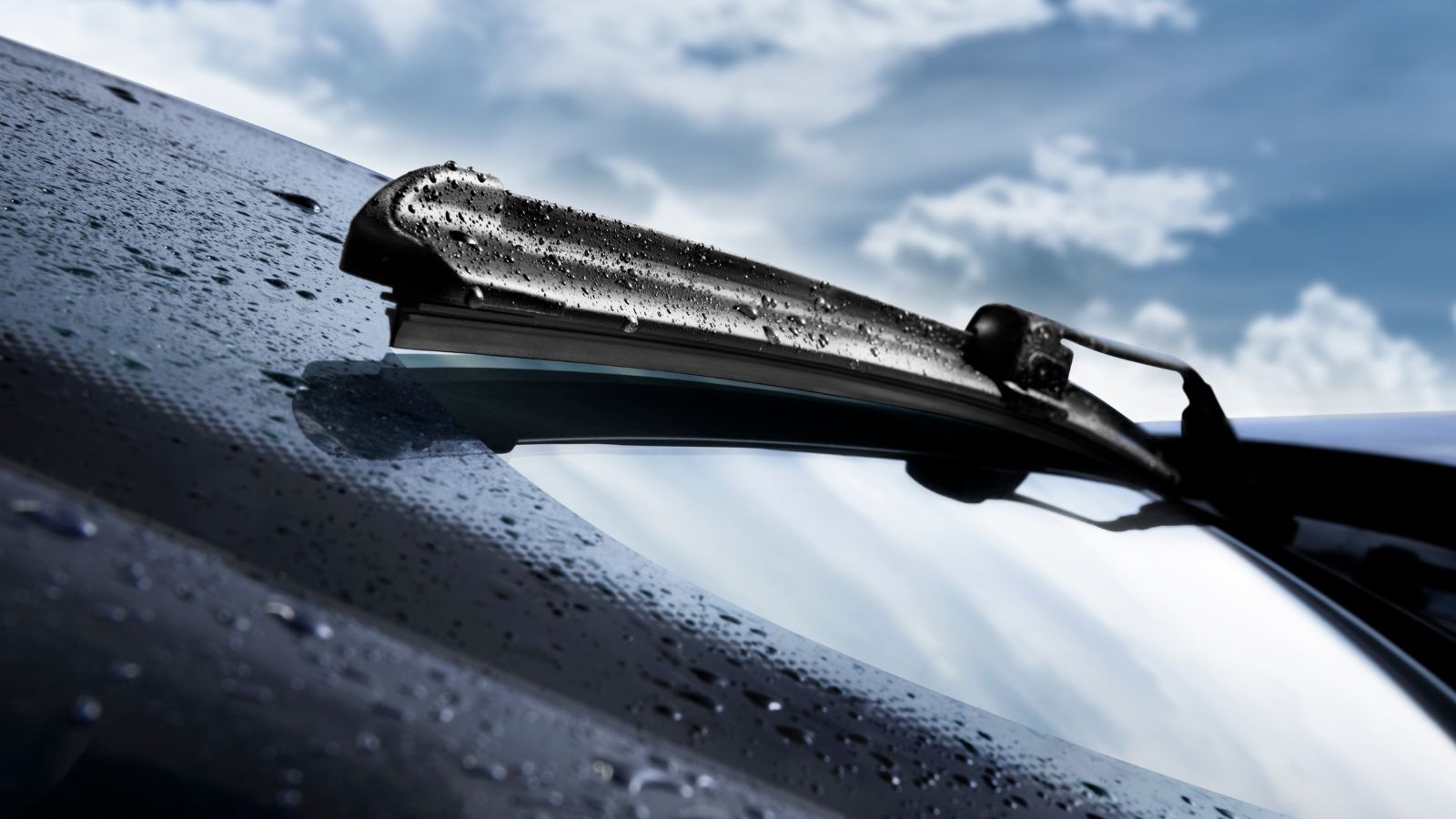
Wipers are easy to forget because they are rarely exciting, but they are essential on the first rainy drive. Test low speed, high speed, intermittent settings, mist wipe, rear wiper, and washer spray. The blades should sweep smoothly without skipping, chattering, smearing, or leaving untouched patches in the driver’s view. Washer jets should hit the glass, not the roof, side window, or hood edge. On some vehicles, shipping film or showroom dust can make new blades streak immediately.
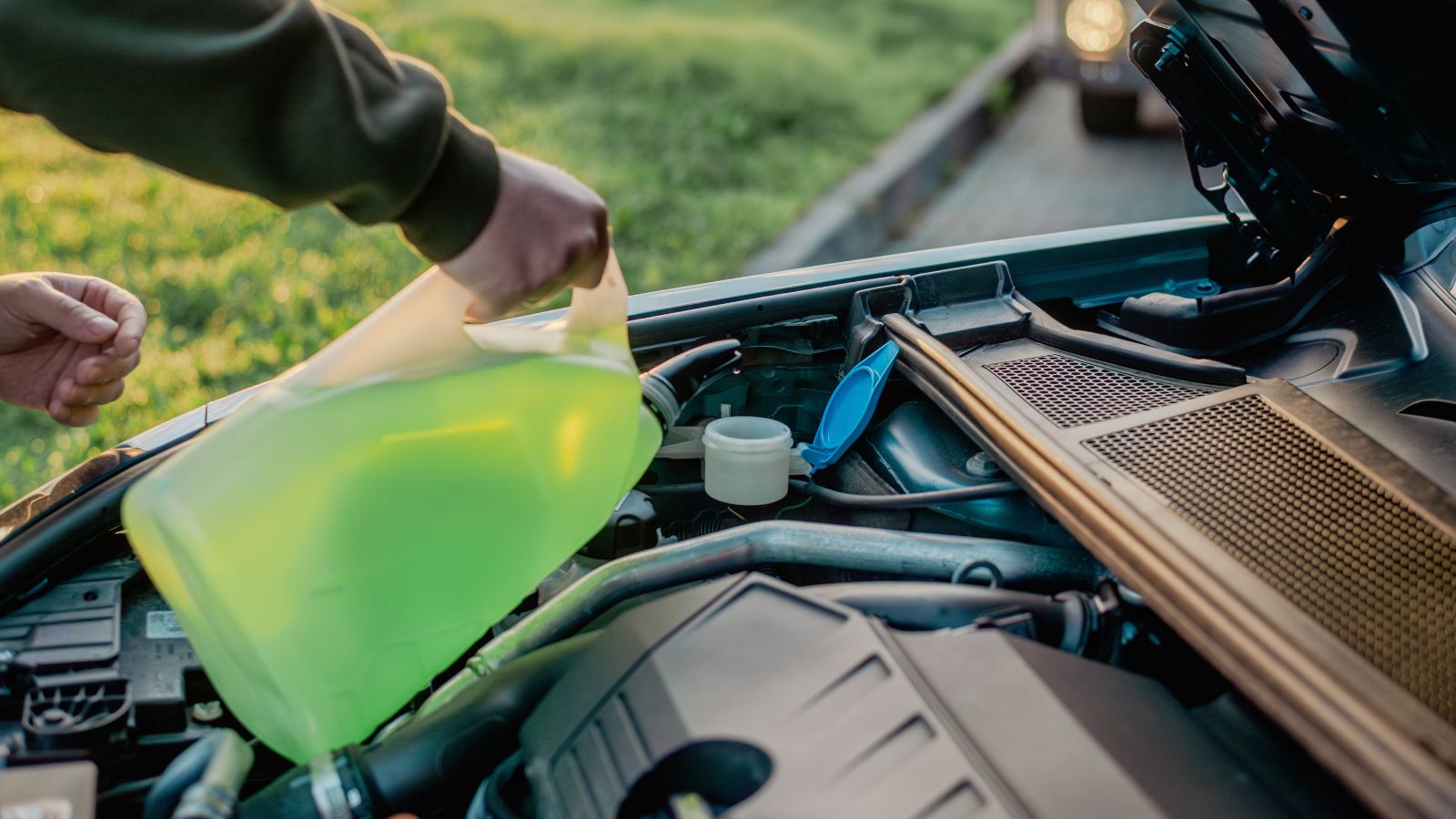
Also check the washer-fluid level and confirm that the cap is closed properly. A new car that sat in inventory for months may have dry blades or a nearly empty reservoir after cleaning and prep work. Wiper systems are covered by detailed safety requirements because clear forward visibility is fundamental. If the blades make noise or leave heavy streaks during delivery, asking for replacement before acceptance is reasonable, especially when the vehicle has never been used in normal weather.
Tires, Pressure, and Tire Age
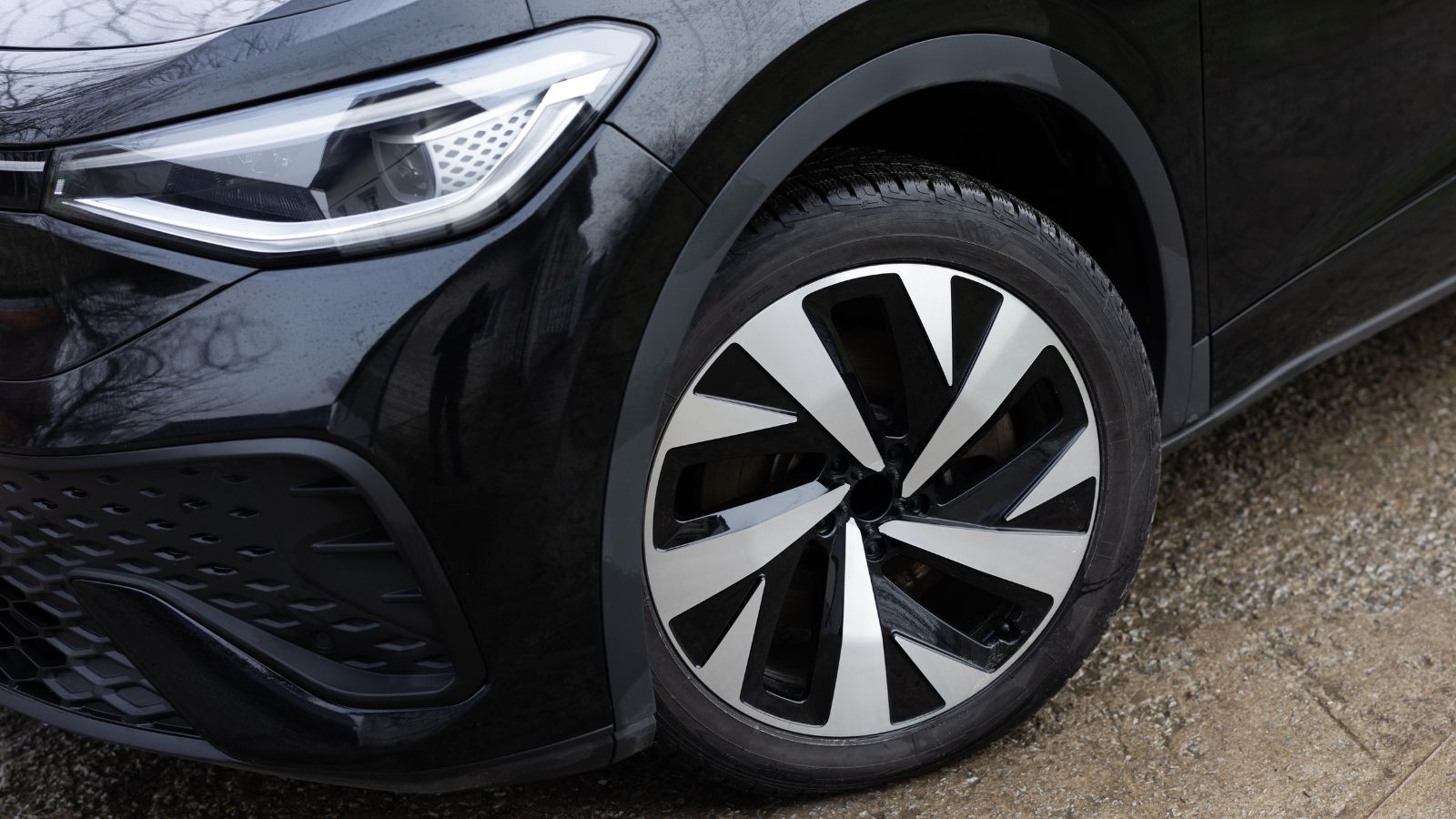
Tires should match the model, size, load rating, and speed rating listed for the vehicle. Check all four tires, and include the spare if one is supplied. Tire pressure should be set according to the door-jamb label, not whatever pressure was used during shipping or dealer storage. Newer vehicles have tire pressure monitoring systems, but those warnings may not activate until pressure is significantly low, so a gauge check is still worthwhile.
Inspect sidewalls for cuts, bubbles, scuffs, flat spots, or cracks. It is also useful to check the DOT tire identification number because the last four digits reveal the week and year of manufacture. A tire made many months before the vehicle was delivered is not automatically defective, but unusually old or mismatched tires deserve questions. Tread depth should be even and full across all tires. A delivery-day tire issue is far easier to address before the first long highway trip.
Wheels, Lug Nuts, and TPMS
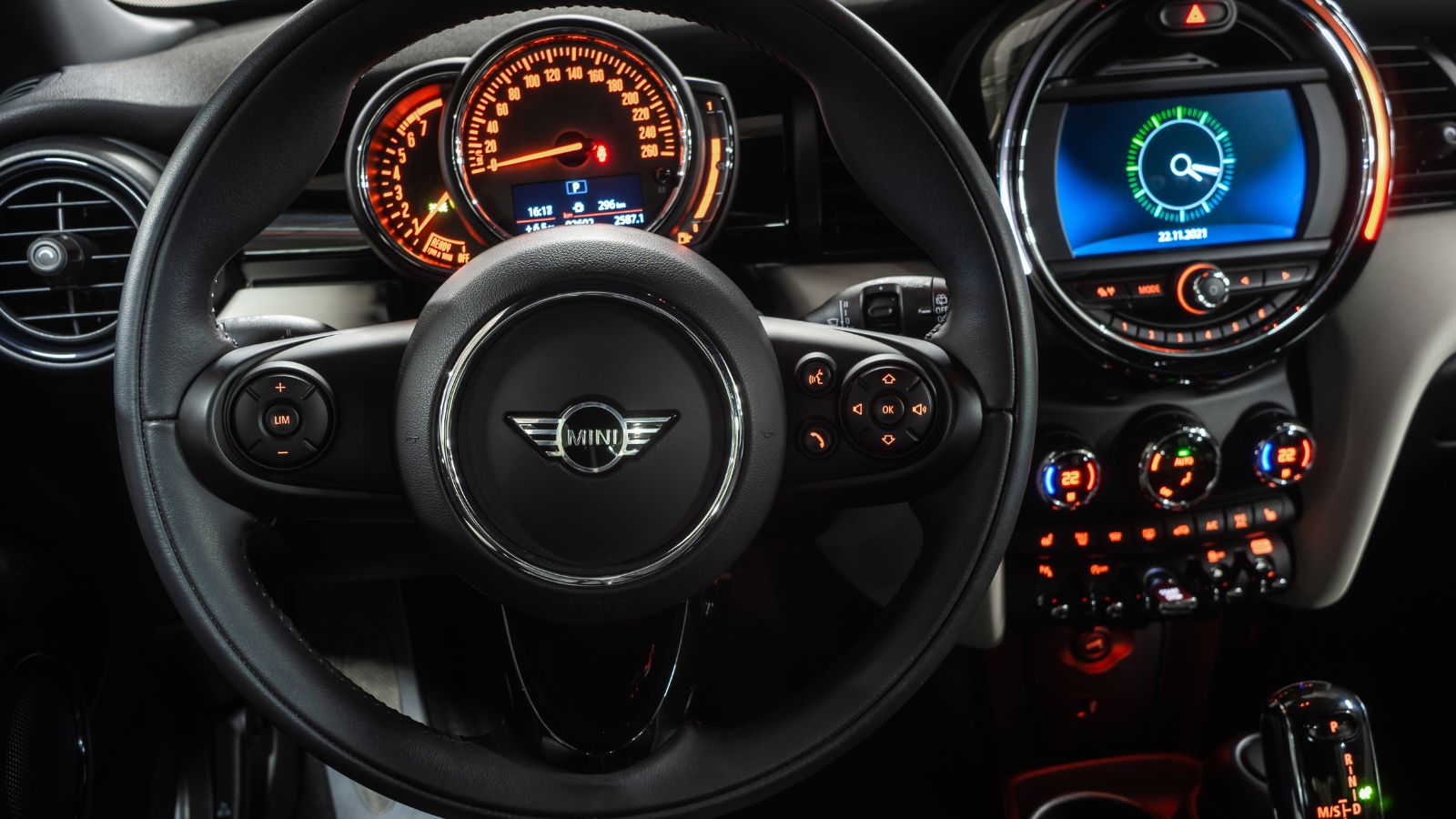
Wheels should be inspected for curb rash, scratches, bent edges, missing center caps, and damaged valve stems. Alloy wheels can be marked during transport, cleaning, or test drives, and small gouges are often dismissed as “minor” once the car leaves the dealership. Look closely around the rim edge and lug nut pockets, where rushed detailing or improper tools may leave marks. On darker wheels, damage can be especially easy to miss in indoor lighting.
During the test drive, watch for vibration, pulling, or tire pressure warnings. The tire pressure monitoring system should show normal readings if the vehicle displays individual tire pressures. A warning light at delivery may mean a low tire, a sensor issue, or a system that was not reset after prep. Lug nuts should not be checked with guesswork in the parking lot, but any missing covers, visibly damaged studs, or uneven wheel fit should be handled by the service department before acceptance.
Fluid Levels and Visible Leaks
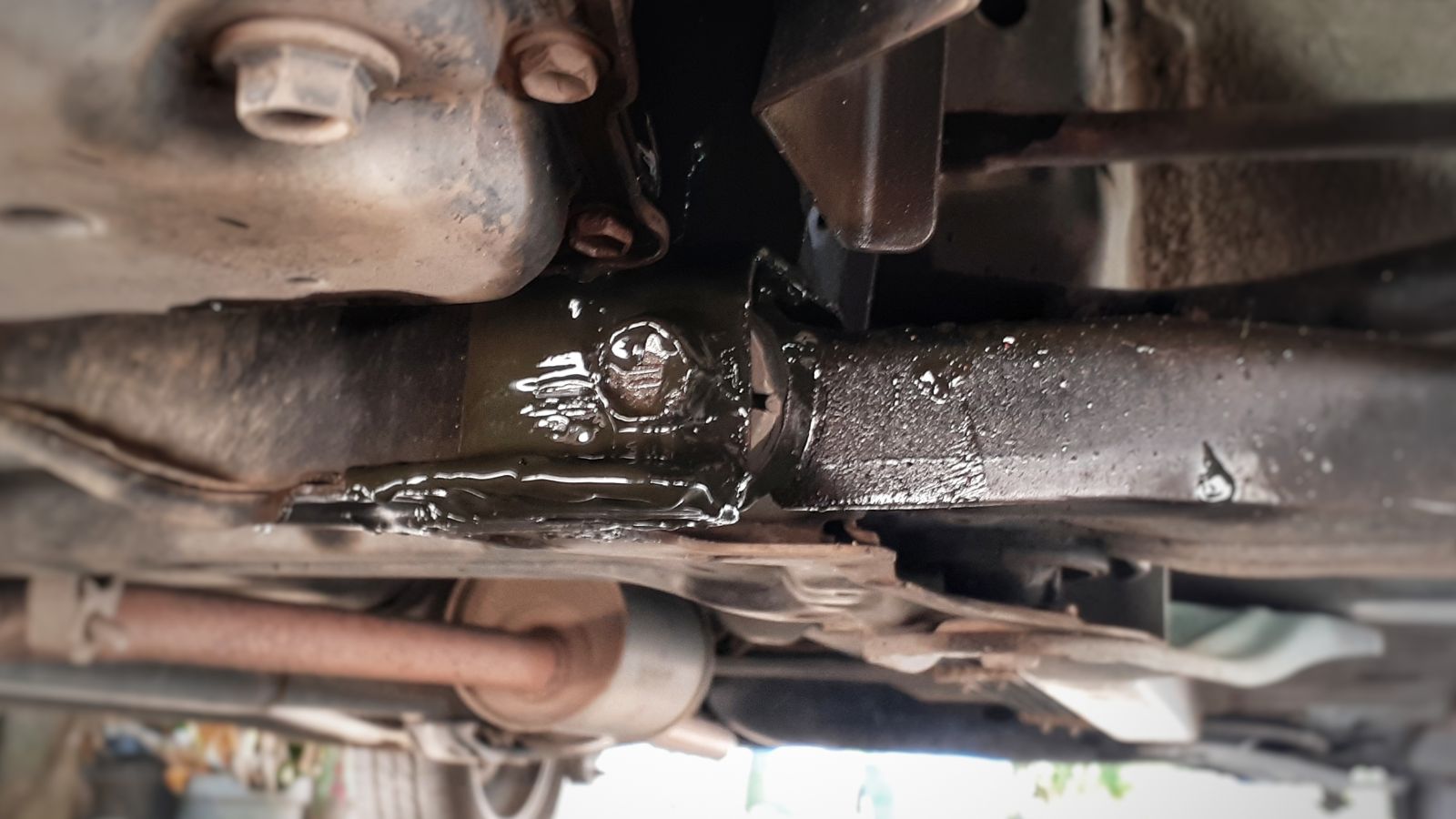
A new car should not leave puddles, stains, or wet trails underneath. Before starting the vehicle, look under the engine bay, transmission area, radiator area, rear differential on applicable models, and around the wheels. A few drops of condensation from air conditioning can be normal, but oily, colorful, sticky, or fuel-smelling fluid is not something to ignore. Shipping, storage, and dealer preparation can reveal loose clamps, overfilled reservoirs, or improperly tightened caps.
Under the hood, check that engine oil, coolant, brake fluid, washer fluid, and other visible reservoirs are at proper levels according to the markings. Hybrid and electric vehicles may have separate coolant circuits, so the owner’s manual matters. Do not remove pressurized caps on a hot vehicle. The goal is not to perform a mechanic’s inspection but to catch obvious issues. A low brake-fluid reservoir or coolant stain on a brand-new vehicle deserves immediate attention before delivery is completed.
Battery Health and Charging System
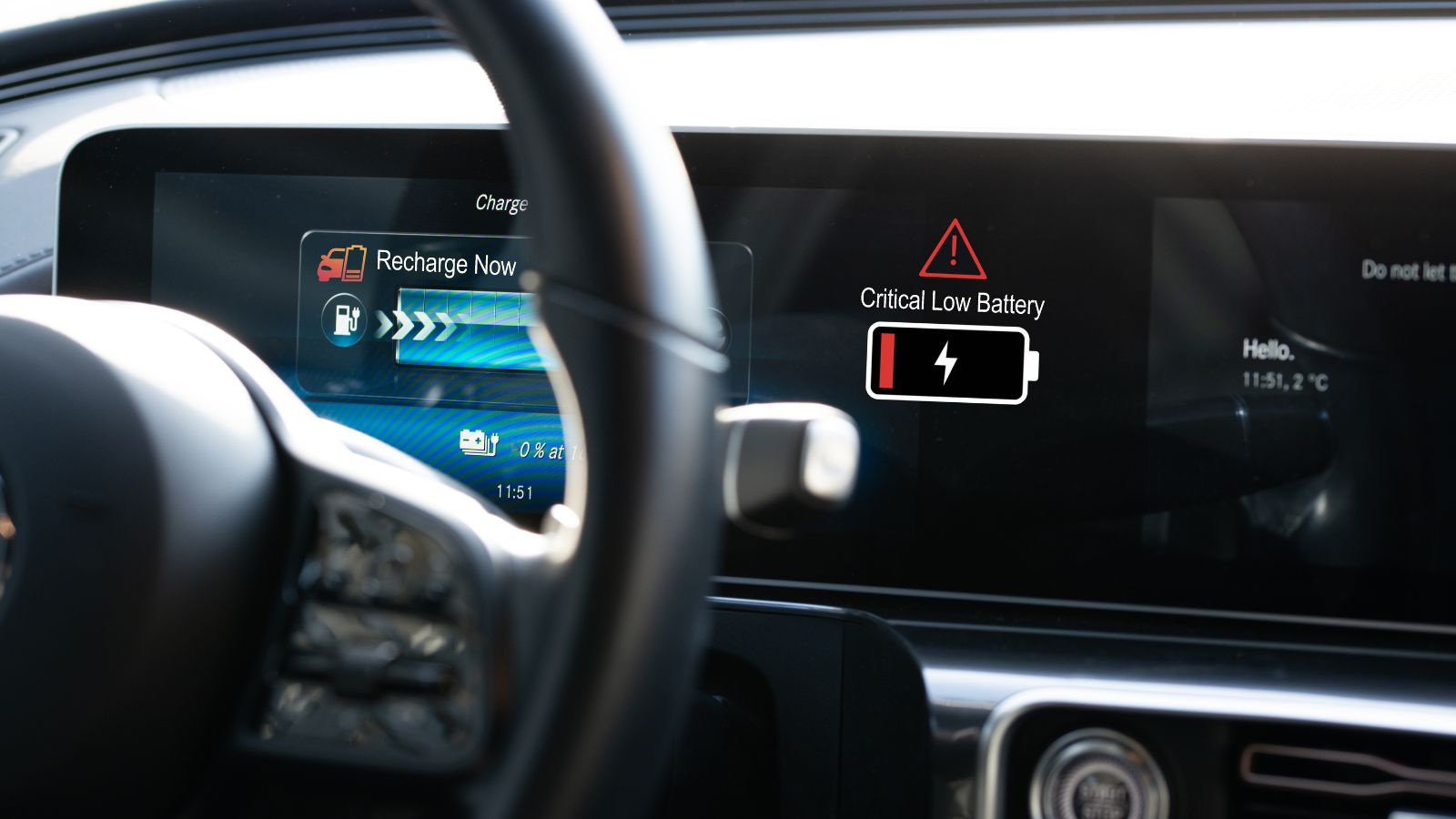
A car can be new and still have a weak 12-volt battery, especially if it spent weeks in storage, moved around the lot repeatedly, or powered accessories during demonstrations. Start the vehicle and notice whether the engine cranks confidently or the electronics wake up cleanly. Flickering displays, slow starts, repeated low-battery messages, or warning lights can suggest a battery that needs charging, testing, or replacement before delivery.
For hybrids and EVs, distinguish between the high-voltage battery and the ordinary 12-volt battery that powers many control systems. A vehicle can show plenty of driving range but still have a weak accessory battery. Ask the dealer to document battery condition if there is any warning. Many pre-delivery inspection procedures include battery state checks because low voltage can create confusing electronic faults. A battery problem discovered in the driveway on day two feels much worse than one corrected in the service bay.
Headlights, Brake Lights, Signals, and Horn

Every exterior light should be tested before the vehicle leaves the lot. This includes low beams, high beams, daytime running lights, fog lights, turn signals, hazard lights, brake lights, reverse lights, license-plate lights, side markers, and any welcome or puddle lamps. Modern lighting units can be expensive, and a small fault may not be obvious from the driver’s seat. A helper, reflective window, or dealership technician can make the check quick.
Lighting is also a communication system. Brake lights warn traffic behind, turn signals show intention, and hazards help during roadside trouble. Check that the horn works and sounds normal, since it is another basic safety feature that rarely gets tested during a sales demonstration. On vehicles with adaptive headlights or automatic high beams, confirm that the menu settings are present and no fault messages appear. A missing signal bulb on a new car is uncommon, but delivery day is exactly when uncommon problems should be caught.
Brakes and Parking Brake Feel

The brake pedal should feel firm, predictable, and consistent. During a careful test drive, listen for grinding, scraping, heavy squeal, pulsing, or clunks. A light surface-rust noise after storage may fade quickly, but harsh grinding or vibration should not be brushed aside. New vehicles can sit outside for weeks, and brake rotors can develop surface rust; the important question is whether the sound clears after gentle stops or suggests something more serious.
Test the parking brake as well, whether it is a pedal, lever, or electronic switch. The dashboard indicator should behave correctly, and the vehicle should not roll when the brake is engaged on a mild incline. Electronic parking brakes should engage and release without error messages. Brakes are among the items commonly included in pre-delivery operation checks for obvious reasons: once the vehicle is accepted, any dispute over whether a noise was present from the start becomes harder to settle.
Steering, Suspension, and Straight-Line Tracking
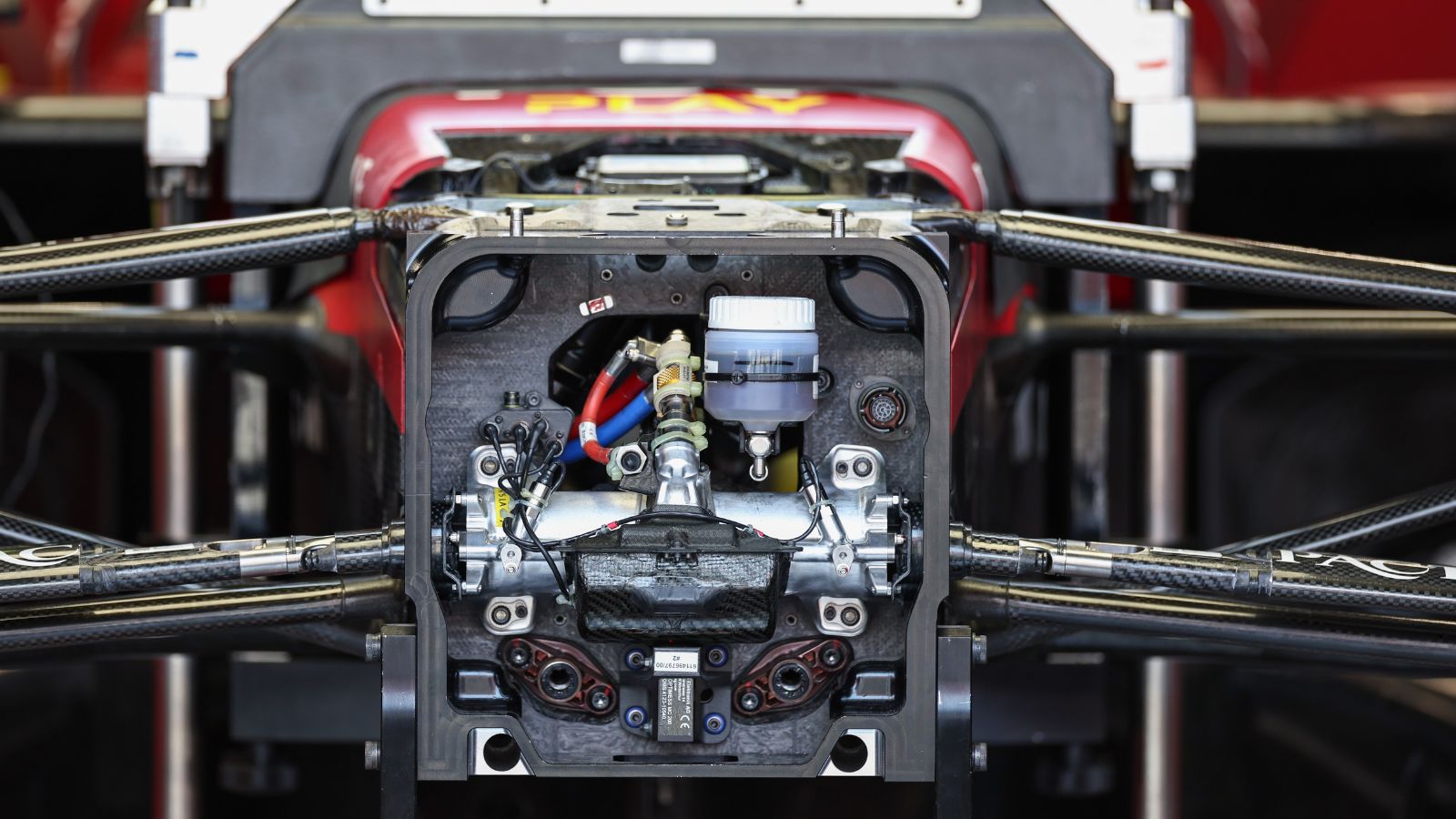
A short road test can reveal issues no showroom walkaround will show. On a smooth, safe road, the vehicle should track straight without constant steering correction. The steering wheel should be centered when driving straight, and the car should not pull sharply left or right. A small crown in the road can affect feel, so try more than one surface if possible. Uneven tire pressure can also mimic an alignment problem.
Listen for suspension knocks, rattles, squeaks, or heavy thumps over small bumps. New vehicles are sometimes shipped with transport settings or protective items that must be removed during dealer preparation. If the ride feels strangely harsh, bouncy, or uneven, it deserves a service-bay check before delivery. Alignment and suspension issues can cause premature tire wear, poor comfort, and frustrating repeat visits. Catching them before acceptance gives the buyer a clearer record that the concern existed from the beginning.
Engine Start-Up, Idle, and Exhaust Behavior

Start the vehicle from cold if possible. The engine should settle into a smooth idle after the normal warm-up period, without heavy shaking, warning lights, strong fuel smells, or unusual knocking. Some direct-injection engines sound slightly tickier than older engines, and hybrids may cycle the gasoline engine on and off, but harsh metallic noises or rough running should not be ignored simply because the odometer is low.
Walk around the rear of the vehicle and check for abnormal exhaust smoke or strong odors. A little condensation vapor can be normal in cool weather, but blue smoke, heavy white smoke after warm-up, or raw-fuel smell needs attention. Also check that the fuel door opens, the cap or capless filler area looks clean, and the fuel level matches the delivery agreement. A calm start-up inspection can prevent the awkward situation of diagnosing a brand-new car in traffic minutes after leaving the dealership.
Transmission, Drive Modes, and Low-Speed Behavior
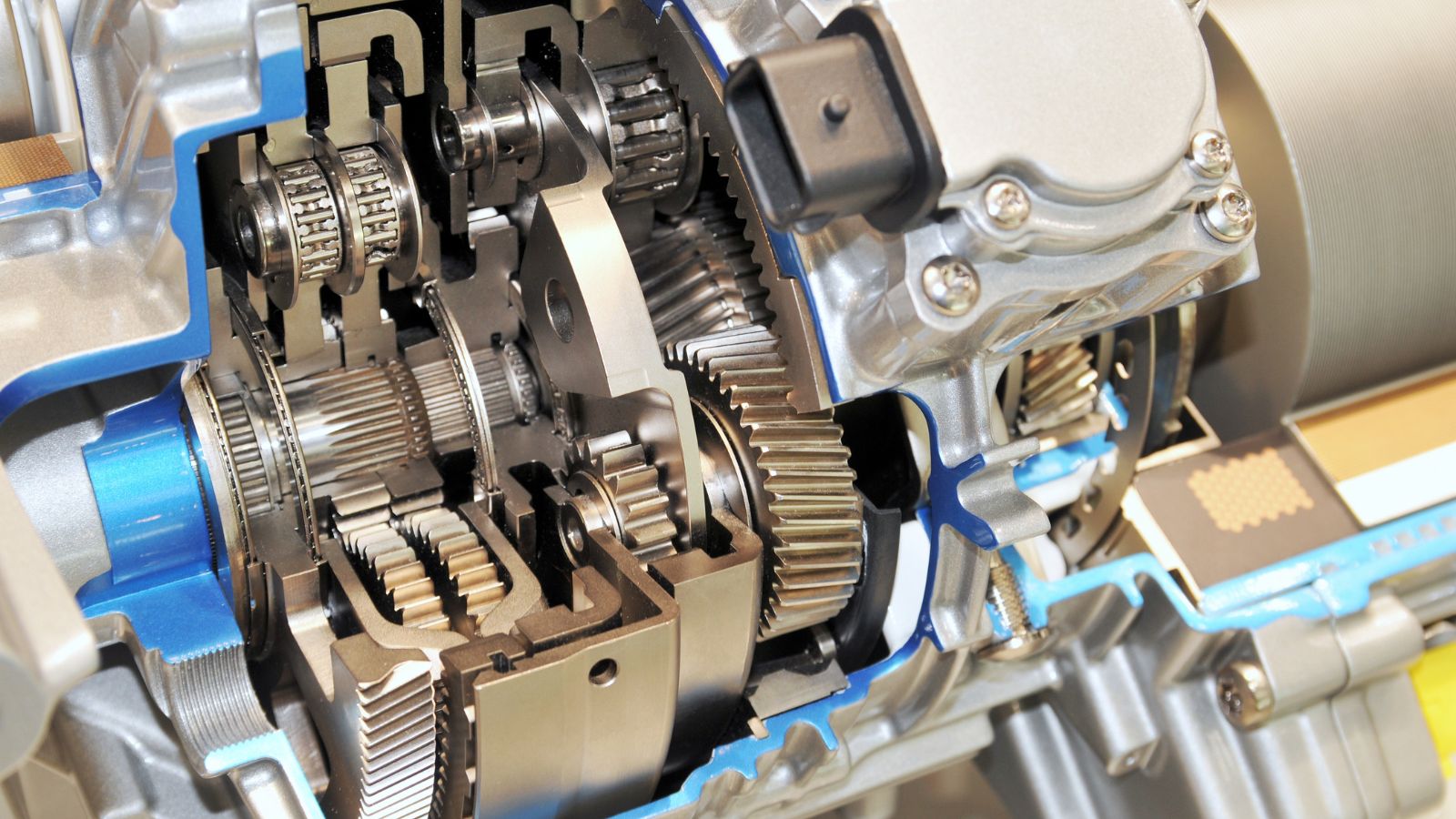
Whether the vehicle has an automatic, manual, dual-clutch, CVT, hybrid transaxle, or EV reduction gear, it should move smoothly and predictably. During a short drive, check engagement from Park to Drive and Reverse, low-speed creeping, gentle acceleration, and braking to a stop. Harsh clunks, delayed engagement, shuddering, or warning messages should be written down and investigated before handover. New does not always mean fully sorted.
Try the available drive modes, such as Eco, Normal, Sport, Snow, Tow, or EV mode, where safe and applicable. The vehicle should acknowledge the change on the display and behave without error messages. Manual shift paddles, hill-hold, brake-hold, and one-pedal driving settings should also be demonstrated if equipped. A buyer who discovers later that a mode cannot be selected may face a software update, sensor issue, or simple setup problem that could have been solved before delivery.
Dashboard Warning Lights and Instruments
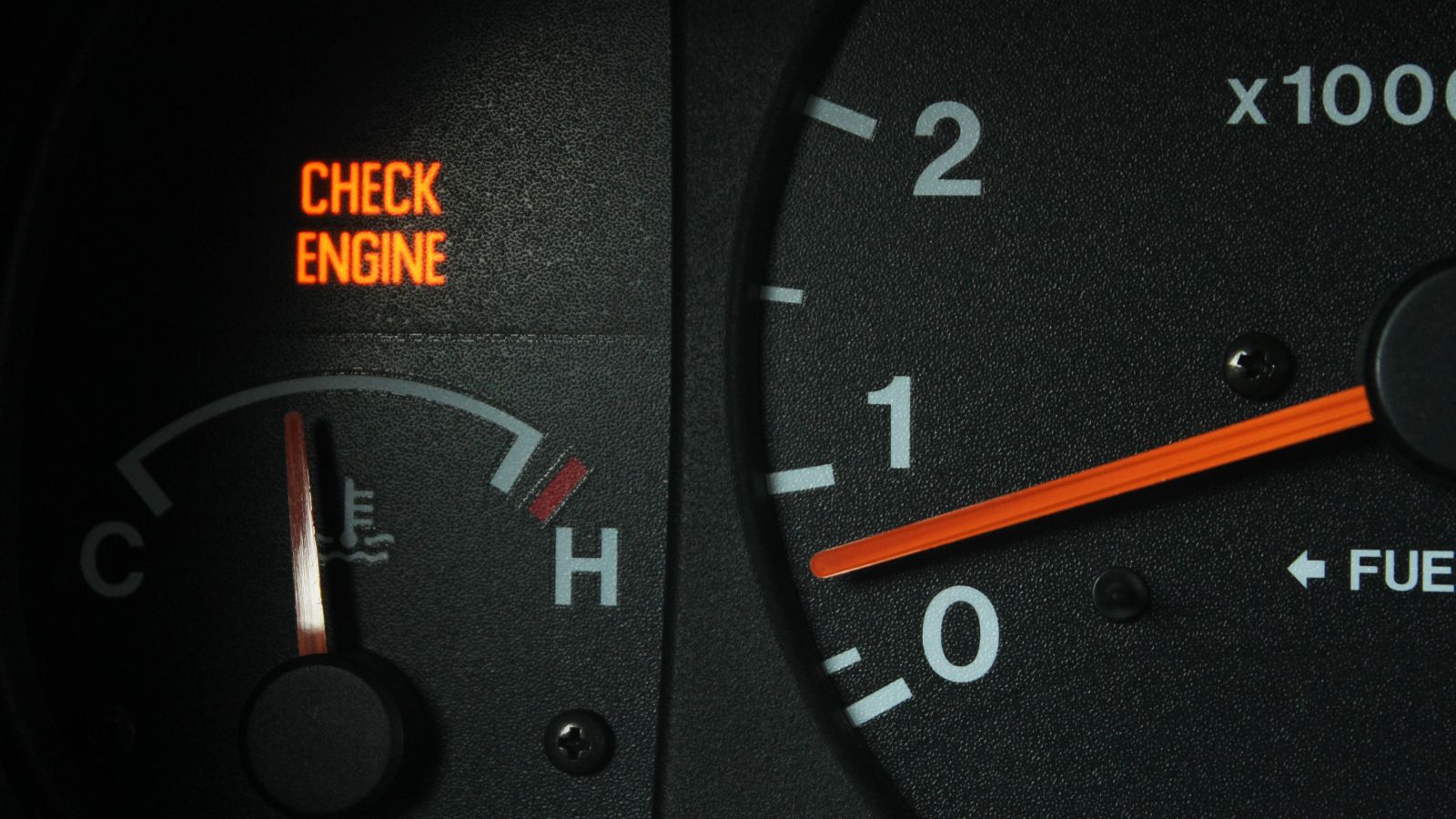
When the ignition is switched on, many warning lights illuminate briefly as part of a self-check, then go out after the vehicle starts. Any persistent warning for brakes, airbags, steering, tire pressure, battery, engine, emissions, stability control, or driver-assistance systems should be treated seriously. A salesperson may say a light only needs a reset, but the reset should happen before acceptance, not after a promise to “come back next week.”
Also verify the fuel gauge, range display, speedometer, tachometer or power meter, temperature display, gear indicator, trip computer, and driver-information menus. Modern instrument clusters often control safety settings, service reminders, and tire-pressure data. A blank section, frozen screen, wrong language, or incorrect units can turn into daily irritation. If the car has a digital cluster, ask whether software updates have been completed. Delivery day is the right time to make sure the vehicle is not still behaving like it just came off the transport truck.
Infotainment, Phone Pairing, and Software Updates

Infotainment problems are among the most common complaints in modern vehicles, so this system deserves more than a quick glance. Pair a phone, test Bluetooth calling, play audio, connect Apple CarPlay or Android Auto if equipped, and check navigation, voice commands, radio reception, USB ports, wireless charging, and steering-wheel controls. A buyer should not have to discover during the first commute that calls echo, maps freeze, or the screen reboots.
Ask whether any software updates, map updates, or dealer campaigns are pending. Some vehicles improve significantly after updates, while others require setup steps that are easy to miss. Check that subscriptions, trial services, connected apps, and emergency-call features are explained clearly. A common delivery-day anecdote involves a customer driving away thrilled, only to spend the evening in the driveway trying to pair a phone. Ten minutes at the dealership can prevent hours of frustration later.
Backup Camera and Parking Sensors
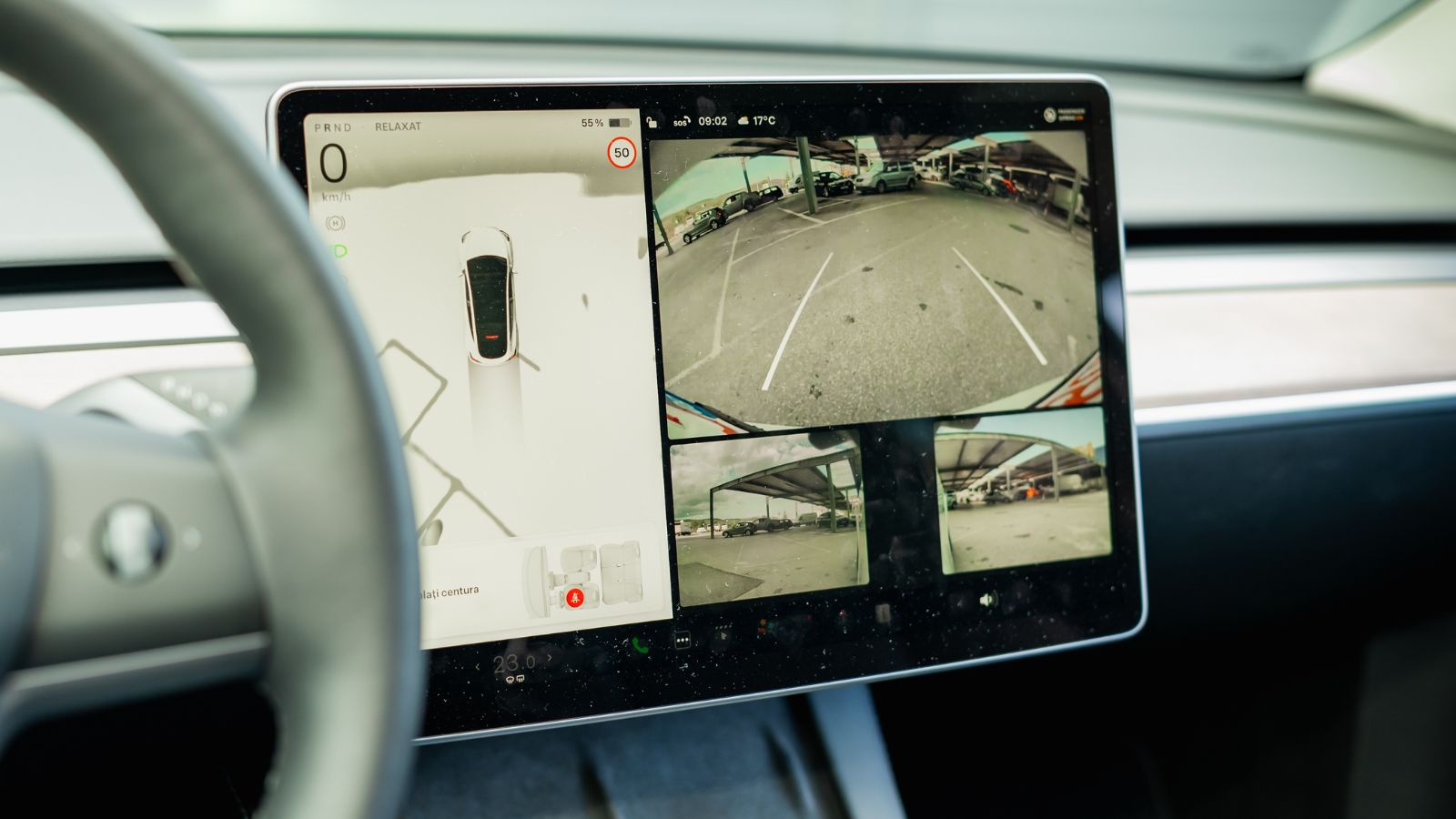
Shift into Reverse and inspect the backup camera image. It should appear quickly, show a clear view, and display guidelines if the vehicle is supposed to have them. The image should not be foggy, upside down, flickering, heavily distorted, or blocked by shipping film. Federal rear-visibility rules made backup cameras standard on many vehicles, but the system still needs to work properly at delivery.
If the car has parking sensors, rear cross-traffic alert, a 360-degree camera, automated parking, or trailer guidance, ask for a demonstration in a safe area. Sensors can be affected by dirt, protective covers, loose trim, bumper damage, or calibration issues. A misaligned camera may seem like a minor nuisance until it makes parking in a tight garage stressful every day. Because these systems are built into expensive bumpers, mirrors, and control modules, delivery-day documentation matters.
Driver-Assistance Features and Safety Alerts

Modern driver-assistance systems can include forward collision warning, automatic emergency braking, blind-spot monitoring, lane keeping assistance, adaptive cruise control, driver-attention alerts, and traffic-sign recognition. Confirm which features are actually included on the exact vehicle, not just shown in marketing material. Then check the dashboard menus to ensure the systems are present, active, and free of fault messages. Missing buttons or unavailable menus can reveal a trim-level misunderstanding.
These technologies assist the driver; they do not make the vehicle self-driving. That distinction matters because many systems depend on cameras, radar sensors, clean windshields, and correct calibration. If a sensor warning appears during delivery, the car should not be accepted on faith. Ask the dealer to explain normal operation, limitations, and warning sounds. A short demonstration can make the first week safer and less confusing, especially for drivers moving from an older vehicle into a tech-heavy model.
Seat Belts, Seats, and Airbag Readiness

Every seat belt should pull out smoothly, latch securely, retract fully, and sit without twisting. Test front and rear belts, including the center rear belt if equipped. Seat-belt warning lights and chimes should behave normally. Seat belts remain one of the most important safety technologies in a vehicle, so a sticky latch or damaged webbing is not a cosmetic concern. Families should also check child-seat anchors and rear-seat access before leaving the dealership.
Adjust every seat through its full range. Power seats, lumbar support, memory settings, heating, ventilation, folding rear seats, and head restraints should all operate correctly. Check that the airbag warning light turns off after start-up and that no supplemental restraint system message remains. Airbags are designed to work with seat belts, not replace them, so both systems matter. A seat that will not lock into place or an airbag warning at delivery requires immediate service attention.
HVAC, Defogger, and Cabin Comfort
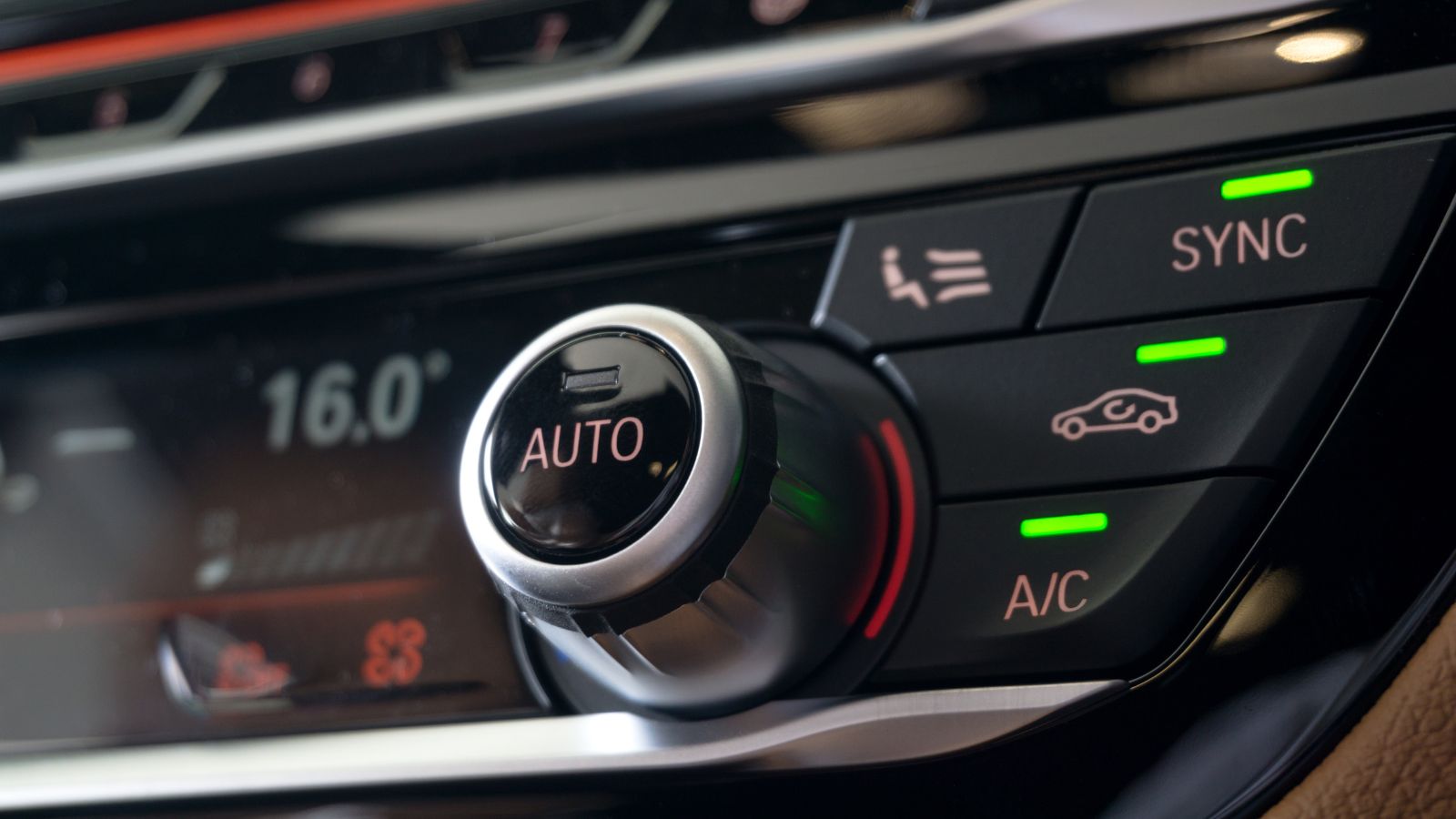
Heating, air conditioning, fan speeds, vents, recirculation, rear climate controls, heated seats, ventilated seats, heated steering wheel, and rear-window defroster should all be tested. Climate-control problems are easy to miss during a quick daytime handover, especially when the weather is mild. A driver may not discover weak heat, poor cooling, or a non-working rear defroster until the first storm, cold morning, or family trip.
The windshield defogger deserves special attention because visibility is a safety issue, not just comfort. Make sure air flows strongly to the windshield when defrost mode is selected. Check that the air changes temperature as commanded and that there are no clicking blend-door noises behind the dashboard. A musty smell on a new car can signal damp carpets, clogged drains, or storage conditions. Cabin comfort issues can quickly sour the ownership experience because they are felt on every drive.
Interior Trim, Controls, and Storage Areas
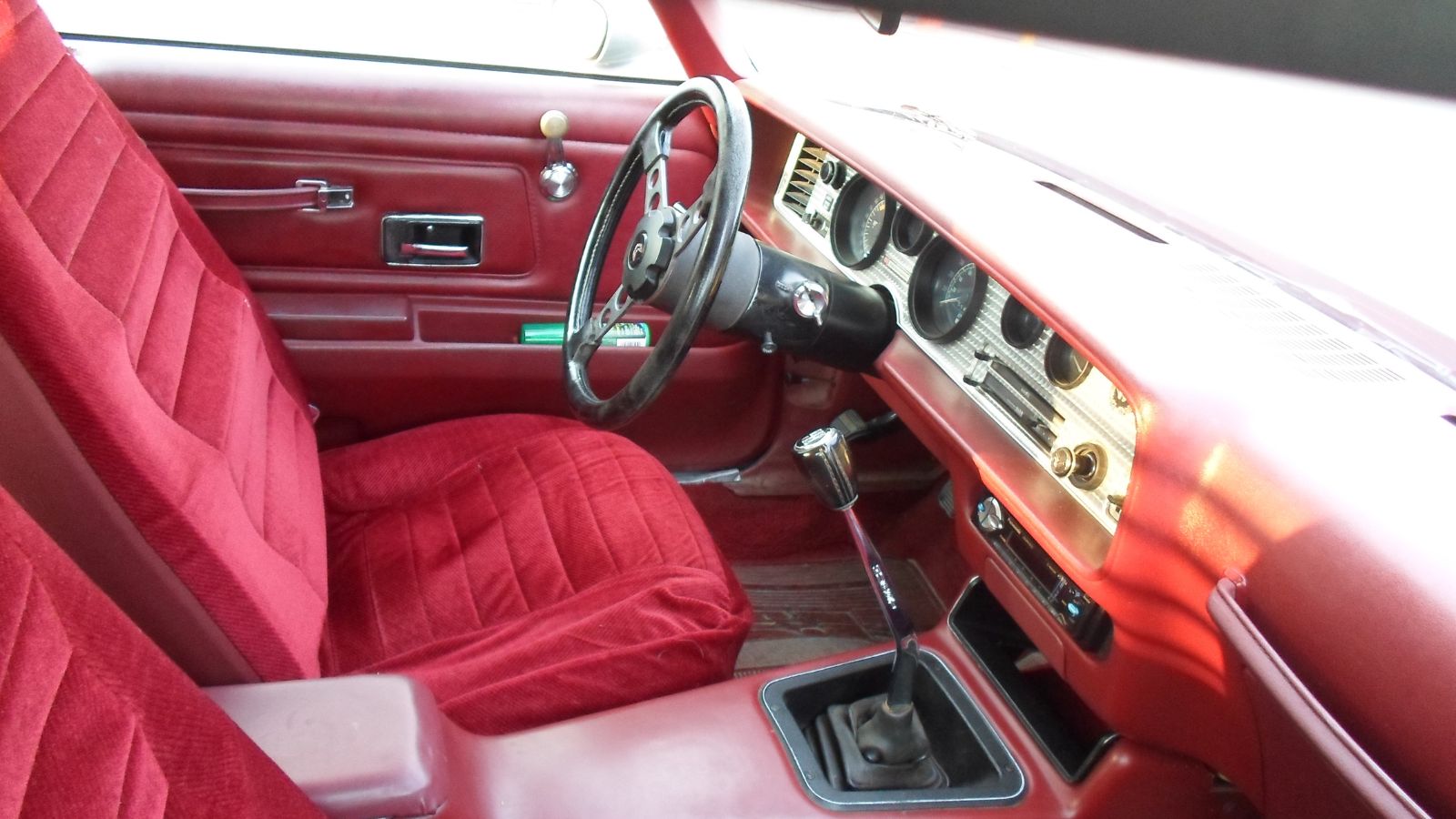
Inspect seats, carpets, headliner, dashboard, console, door panels, stitching, screens, cupholders, and storage bins for stains, scratches, loose trim, dents, or broken clips. New cars often arrive with protective plastic, but that plastic can hide scuffs or adhesive residue. Look closely at piano-black trim, touchscreens, and soft-touch surfaces because they scratch easily during cleanup. A delivery specialist may remove film quickly, but the buyer should still inspect what was underneath.
Press every major switch: windows, locks, mirrors, sunroof, seat controls, drive-mode selectors, steering-wheel buttons, hazard switch, interior lights, and charging ports. Cupholders and storage compartments may sound trivial, yet industry quality studies have shown that even simple usability problems can affect owner satisfaction. A jammed console lid or dead USB port becomes annoying fast. Documenting interior flaws before acceptance prevents later arguments over whether damage happened during ownership.
Cargo Area, Spare Tire, and Included Accessories
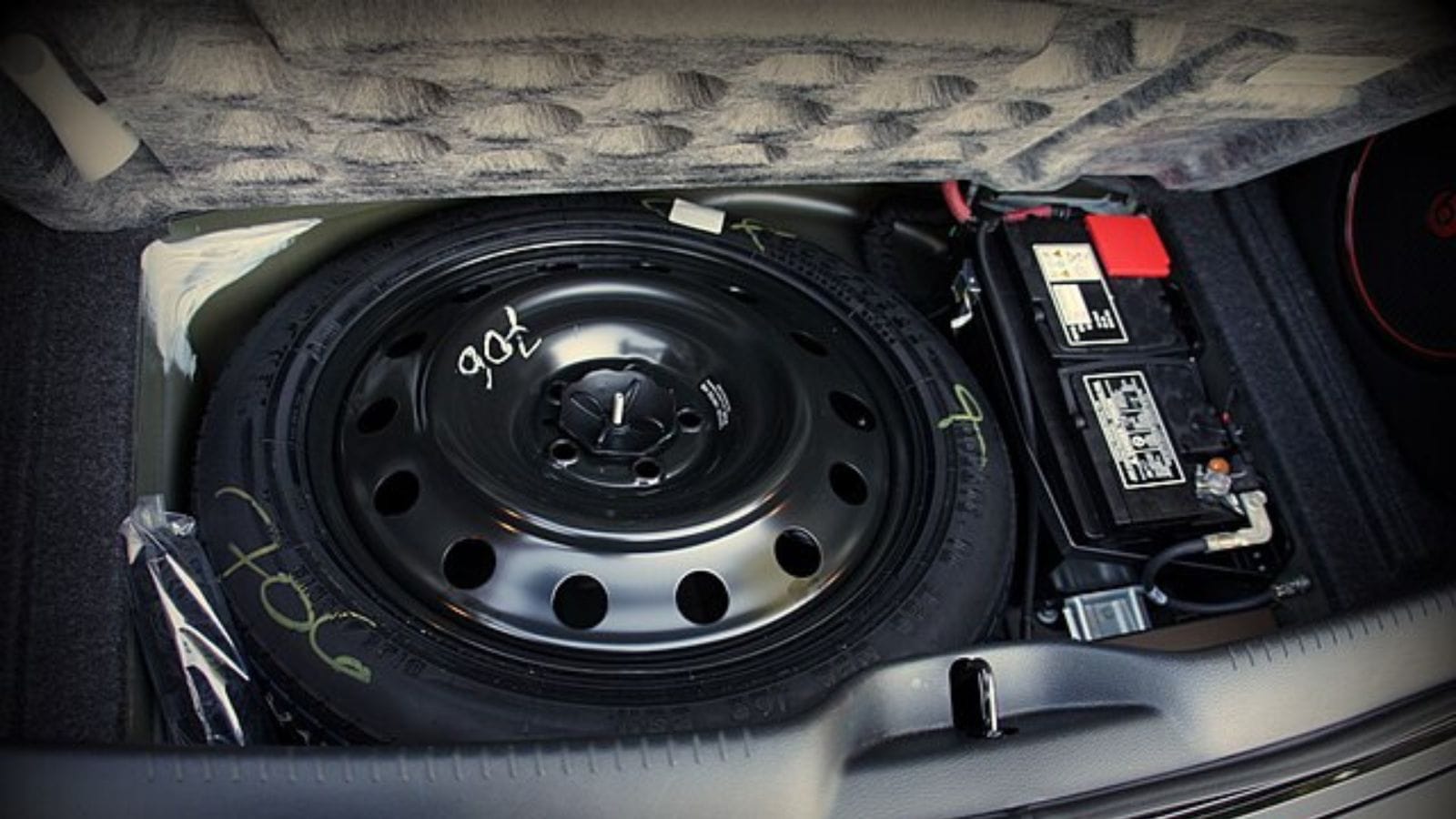
Open the trunk or cargo area and lift the floor panels. Confirm whether the vehicle includes a spare tire, jack, lug wrench, tow hook, tire inflator, sealant kit, cargo cover, floor mats, wheel-lock key, first-aid kit, or charging cable. Some new cars no longer include full-size spares, and some include inflator kits instead. The important point is that the delivered equipment should match the window sticker, purchase agreement, and owner’s manual.
For EVs and plug-in hybrids, inspect the portable charging cable if one is included. The cord, plug, adapter, case, and vehicle charge port should be clean and undamaged. Charging safety guidance emphasizes using approved equipment and avoiding damaged cables or improvised extension-cord setups. Gasoline vehicles deserve similar attention to loose accessories, cargo hooks, tonneau covers, and roof-rack keys. Missing accessories are much easier to replace when they are discovered before the delivery checklist is signed.
VIN, Odometer, and Build Details

Match the Vehicle Identification Number on the dashboard, door label, sales contract, insurance paperwork, financing forms, registration documents, and window sticker. A single wrong digit can create registration, insurance, recall, or warranty confusion. Also check the odometer. A new car may have delivery, test-drive, or transfer mileage, but the number should be reasonable and consistent with the paperwork. If the reading is higher than expected, ask for a written explanation before accepting the vehicle.
The build date, trim, color, engine, drivetrain, options, and packages should match what was ordered. This matters when similar trims look nearly identical but differ in safety features, audio systems, wheels, or towing equipment. Odometer fraud is usually associated with used vehicles, but mileage accuracy still matters on any delivery document. A buyer should leave with confidence that the car being accepted is the exact car that was purchased, financed, insured, and registered.
Warranty, Add-Ons, and Delivery Documents

Before accepting the keys, review the warranty start date, in-service date, maintenance schedule, roadside assistance terms, service contract details, and any dealer promises. New vehicles usually include a manufacturer warranty, while service contracts and many add-ons cost extra and may duplicate existing coverage. If the dealership promised paint repair, a missing accessory, a software update, or a free first service, it should appear in writing with a clear timeline.
Review the final price, taxes, fees, rebates, trade-in value, financing terms, add-ons, and optional products. Dealer add-ons such as protection packages, etching, prepaid maintenance, or service contracts can raise the total cost and may be introduced late in the process. Delivery day excitement should not replace careful reading. The cleanest handover ends with copies of every signed document, a completed inspection note, all keys, manuals, and a written record of anything still owed.
22 Things Canadians Do to Their Cars in Spring That Mechanics Hate

Spring brings relief to many Canadian drivers after months of snow, freezing temperatures, and icy roads that put serious strain on vehicles. As temperatures rise across the country, drivers begin washing cars, switching tires, and preparing vehicles for warmer weather and upcoming road trips. However, mechanics across Canada notice the same mistakes every spring when drivers attempt to recover from winter damage. Road salt, potholes, and harsh winter driving conditions often leave vehicles with hidden problems that drivers ignore. Some spring habits even create new mechanical issues that could have been avoided with proper maintenance. Here are 22 things Canadians do to their cars in spring that mechanics hate.

Alanna Rosen is an experienced content writer that focuses on many EV and educational content. Her articles are regularly published on Get CyberTrucked and syndicated on large publications.