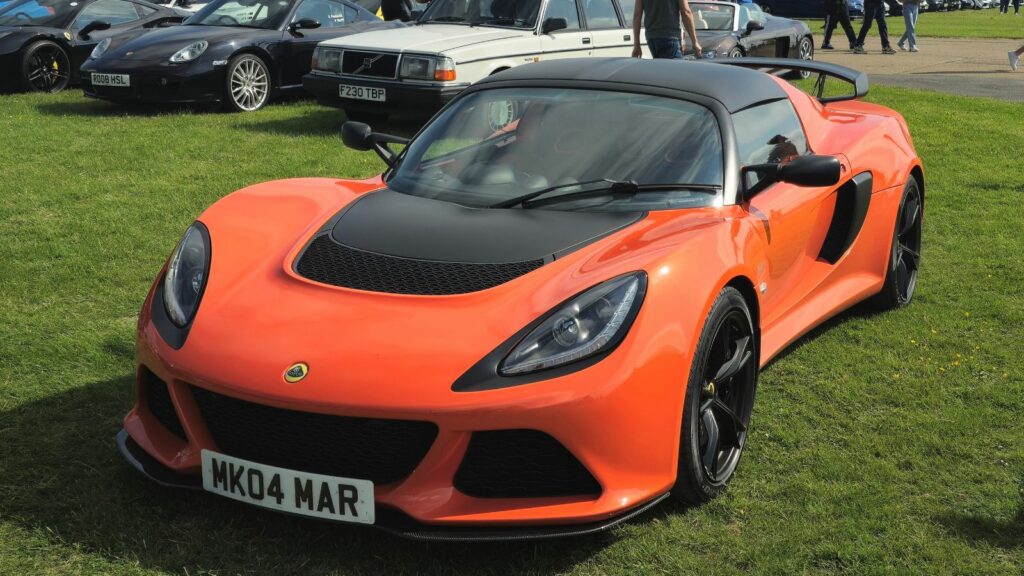
Paint colour often gets treated as a personal flourish, yet the used-vehicle market can turn that preference into real money. A shade that looks safe in a showroom may face heavy competition later, while a rare factory colour can make the same model feel more memorable to buyers. There are 12 resale-value forces at work here, from colour supply and vehicle segment expectations to maintenance, repair costs, and changing fashion. The result is not as simple as “neutral good, bright bad.” Colour interacts with demand, condition, trim, region, and the story buyers think a vehicle tells the moment it appears in a listing.
The Used Market Rewards Scarcity
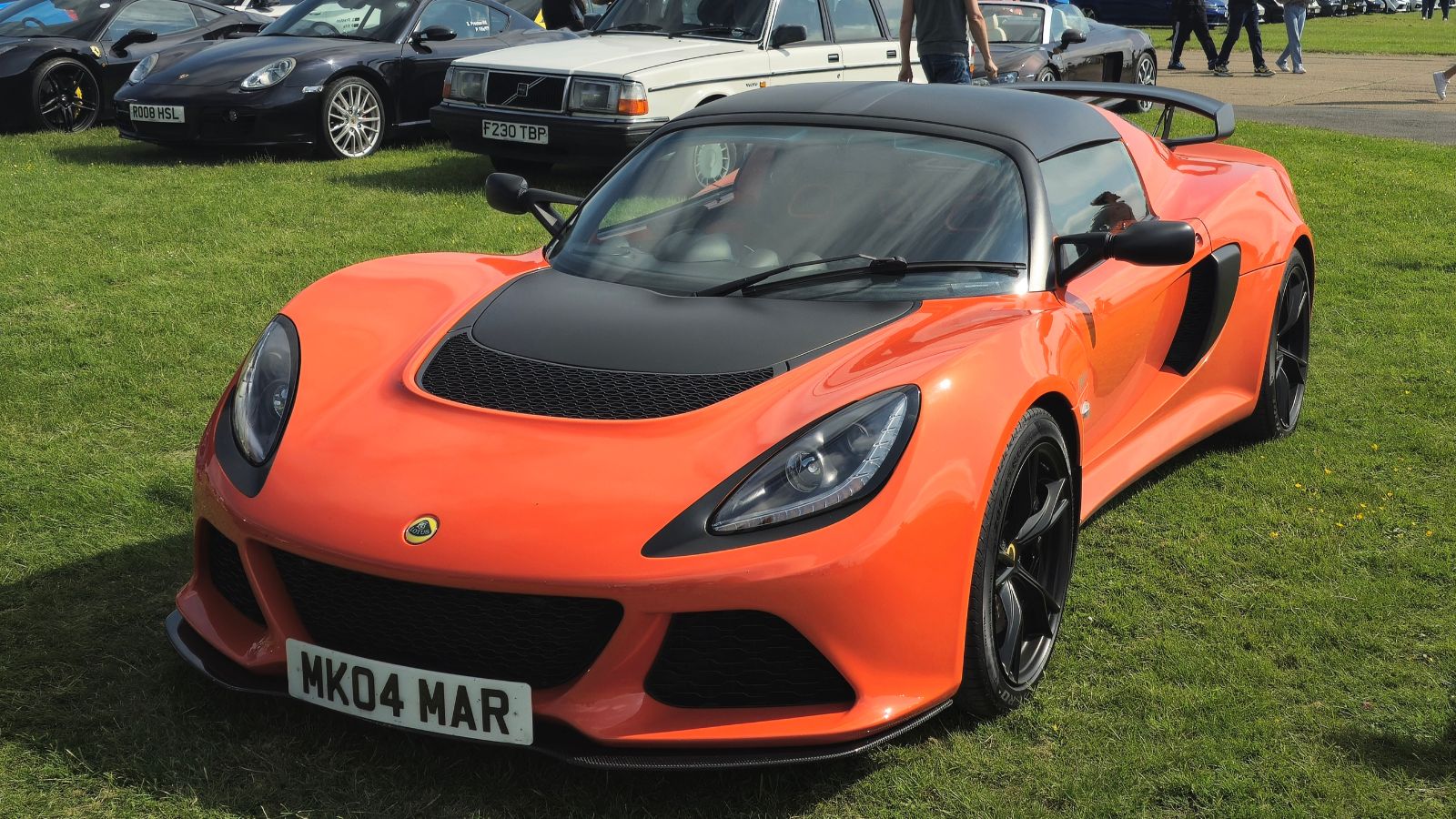
A vehicle’s colour can change how much it depreciates because resale value is partly a supply-and-demand story. When a colour is uncommon but still desirable, buyers have fewer comparable vehicles to choose from. That can give a seller more pricing strength than expected. In recent resale analysis, yellow, orange, and green vehicles performed better than the average three-year depreciation rate, while some familiar colours fell closer to or below the pack.
That does not mean every bright vehicle becomes a gold mine. A yellow sports coupe may attract an eager enthusiast, while the same shade on a conservative commuter sedan may narrow the buyer pool. The important detail is controlled scarcity. A rare factory colour on the right model can feel special, not strange. A buyer scrolling through dozens of similar grey SUVs may pause longer on a tasteful green one, especially if the colour suits the vehicle’s personality and condition.
White and Black Can Become Too Easy to Compare
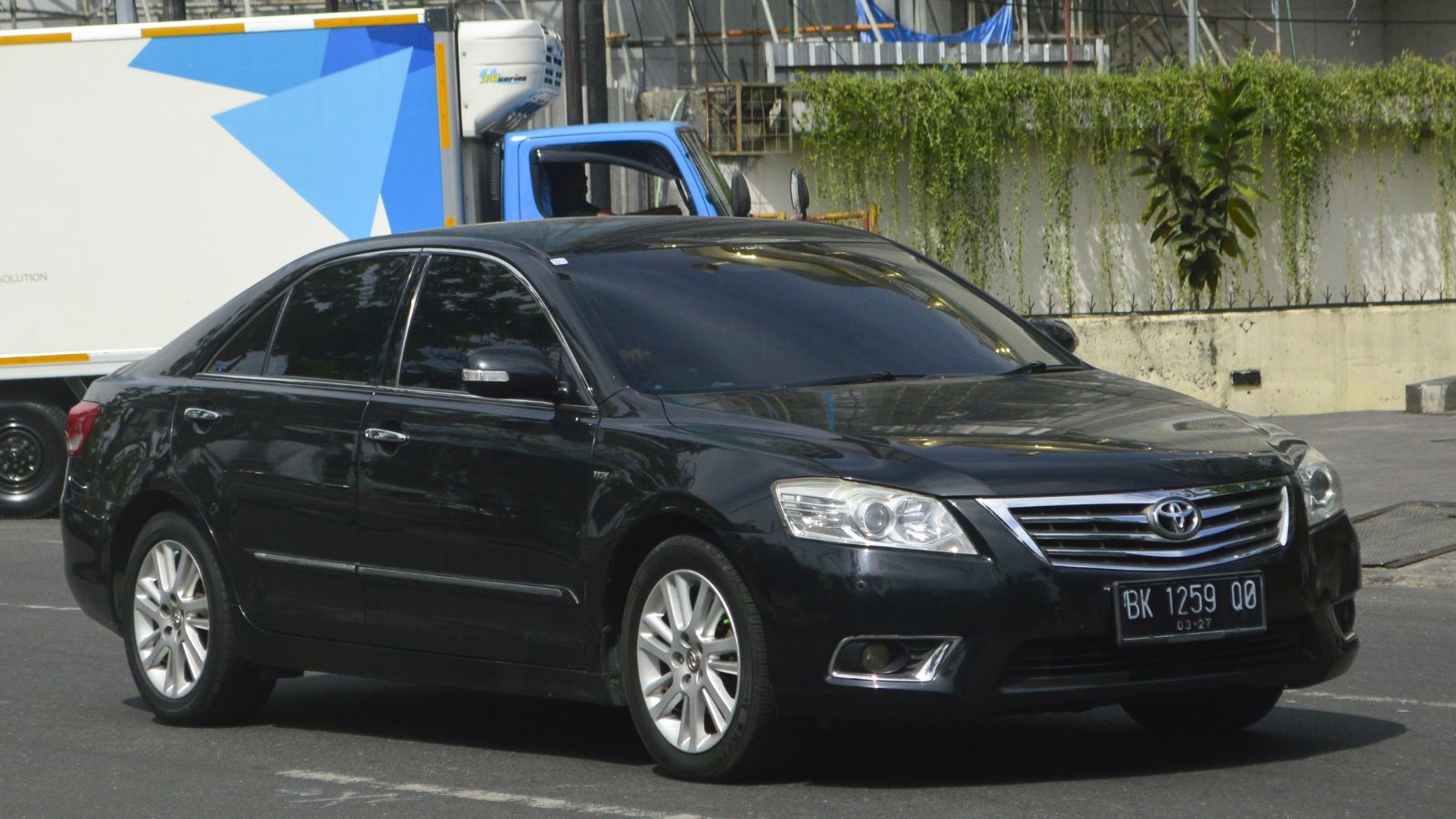
White and black are popular because they look clean, familiar, and broadly acceptable. That broad appeal can help a vehicle attract attention, but it also creates a problem: too many alternatives. When a used buyer searches for a common compact SUV in white or black, the market may offer page after page of near-identical listings. At that point, colour stops being a selling advantage and becomes one more reason for shoppers to compare prices aggressively.
This is why common colours can sometimes depreciate more than expected. They are not undesirable; they are simply easy to replace. A dealer appraising a black sedan can often point to several similar black sedans nearby, which weakens the argument for a premium. The same model in a rarer but tasteful factory shade may have fewer direct competitors. The colour gives the listing a small identity of its own, and in a crowded used market, that difference can matter.
Body Style Changes the Colour Math
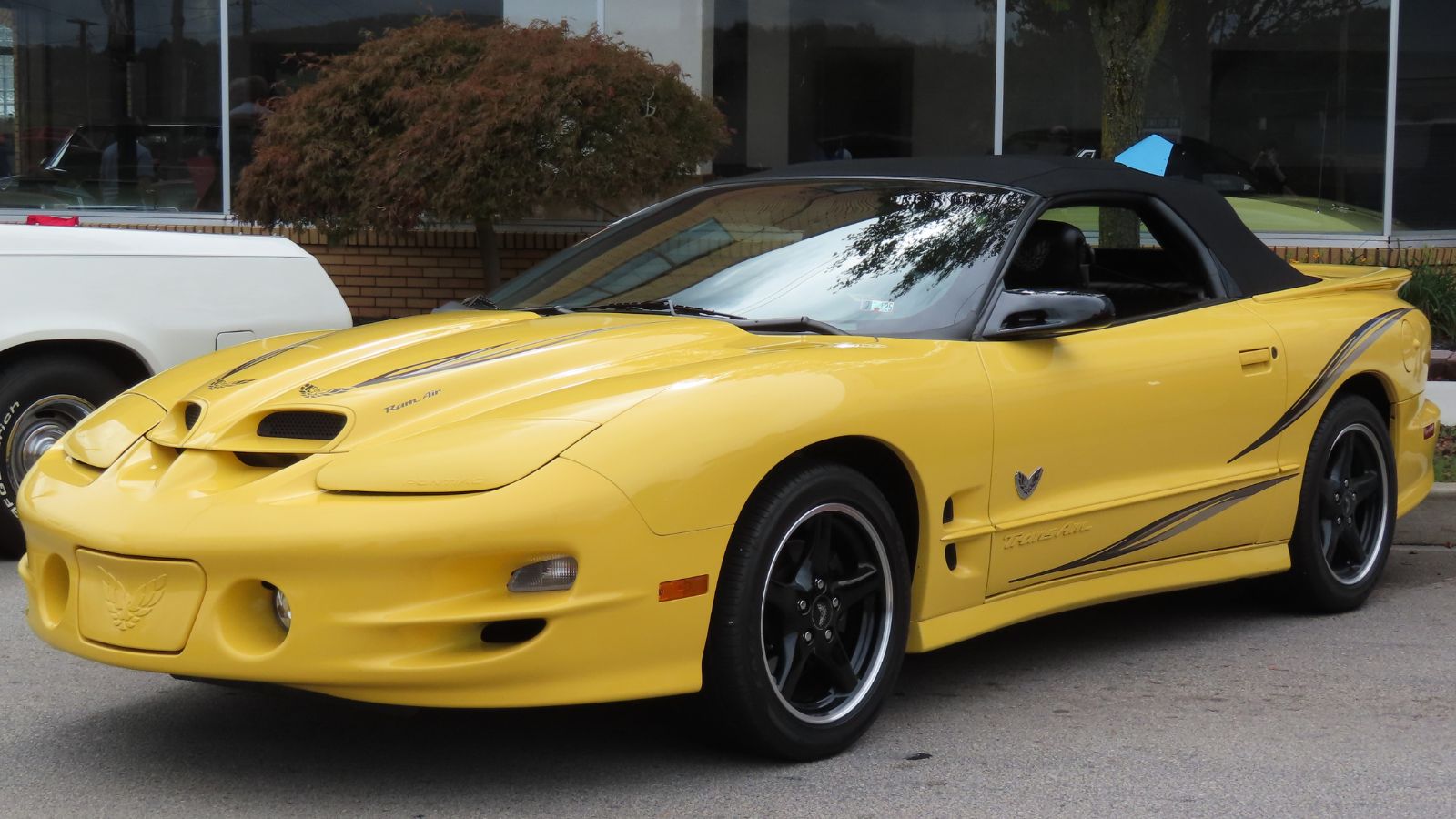
Colour resale value depends heavily on the type of vehicle. Pickup buyers, SUV shoppers, sports-car enthusiasts, and luxury-sedan buyers do not always reward the same palette. A bright orange pickup tied to an off-road or performance trim can feel rugged and intentional. On a large luxury sedan, the same colour may look out of character and reduce the number of interested buyers. The vehicle’s mission changes how the colour is interpreted.
Sports cars remain one of the clearest examples. Buyers in that segment often expect more expressive colours, so blue, yellow, red, purple, and orange can feel appropriate rather than risky. Trucks and SUVs, by contrast, have moved strongly toward grayscale colours, yet certain rare shades still outperform when linked to the right trim or image. The lesson is practical: colour should match the buyer culture around the vehicle. A daring shade works best when the model itself gives buyers permission to want it.
Neutral Colours Are Safer, Not Always Stronger
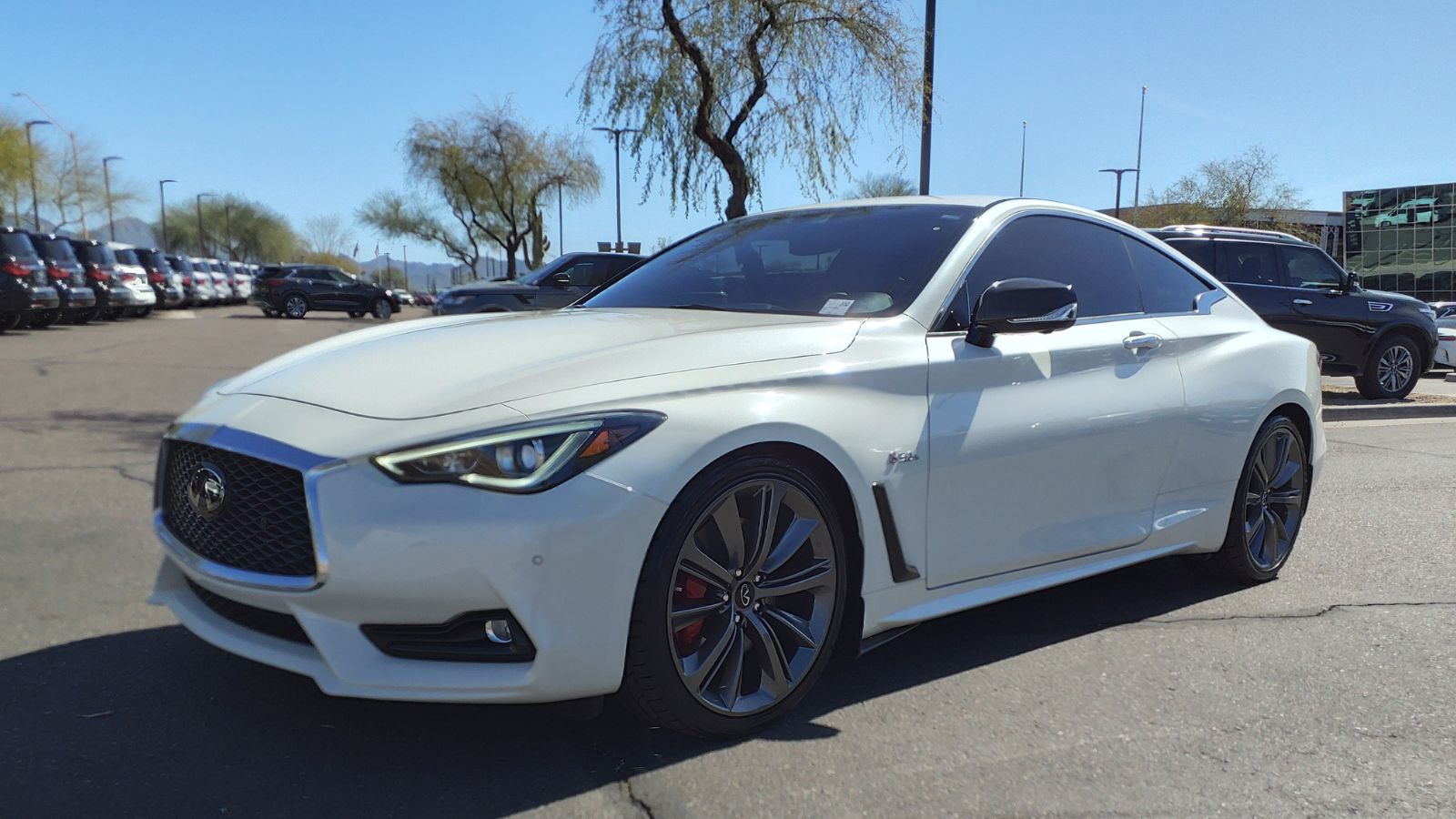
Neutral colours still have real advantages. White, grey, silver, and black are easy for most buyers to imagine owning, which can shorten the sales process. They are also safer choices for people who do not know how long they will keep a vehicle. A family crossover in silver or white rarely shocks anyone, and broad acceptance can make trade-in conversations easier. This is why many buying guides still recommend neutrals for owners who prioritize predictability.
The surprise is that predictable does not always mean highest resale. Neutral colours can protect against a bad mismatch, but they may not create excitement. A grey vehicle might be easy to sell, yet it may also disappear among hundreds of similar listings. A rare factory colour that fits the model can do something neutrals cannot: make the vehicle feel more specific. For resale, the strongest colour is not always the safest colour. It is the colour that makes the right buyer care.
Trends Can Shift Before the Loan Is Paid Off
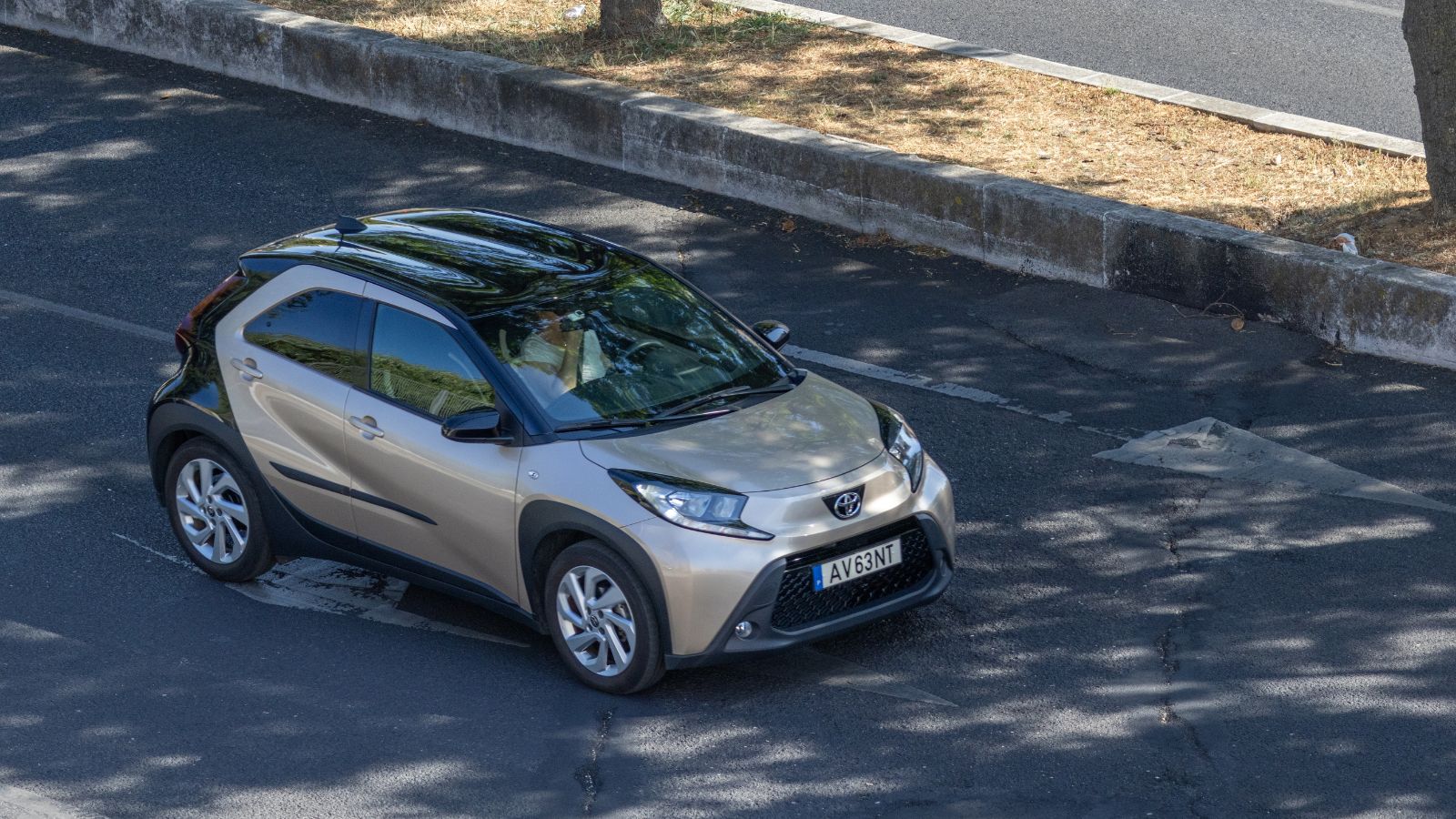
A vehicle bought new today may not be sold for three, five, or seven years. During that time, colour trends can change. Silver once dominated many showroom conversations, then grey gained momentum. Green has recently gained attention in automotive colour reports, especially as buyers show renewed interest in nature-inspired and more individual finishes. A colour that feels trendy at purchase can feel dated at resale if the market moves on quickly.
This is where restraint matters. A subtle sage, deep forest green, or refined bronze may age better than an extreme limited-run shade that depends on a short-lived fashion cycle. Buyers often remember unusual colours, but they also judge whether that colour still feels current. An owner choosing a bold colour should consider whether it has a long-term connection to the brand or model. A heritage colour can remain charming; a trend-only colour can look like yesterday’s marketing campaign.
A Premium Finish Can Be Hard to Recover Later
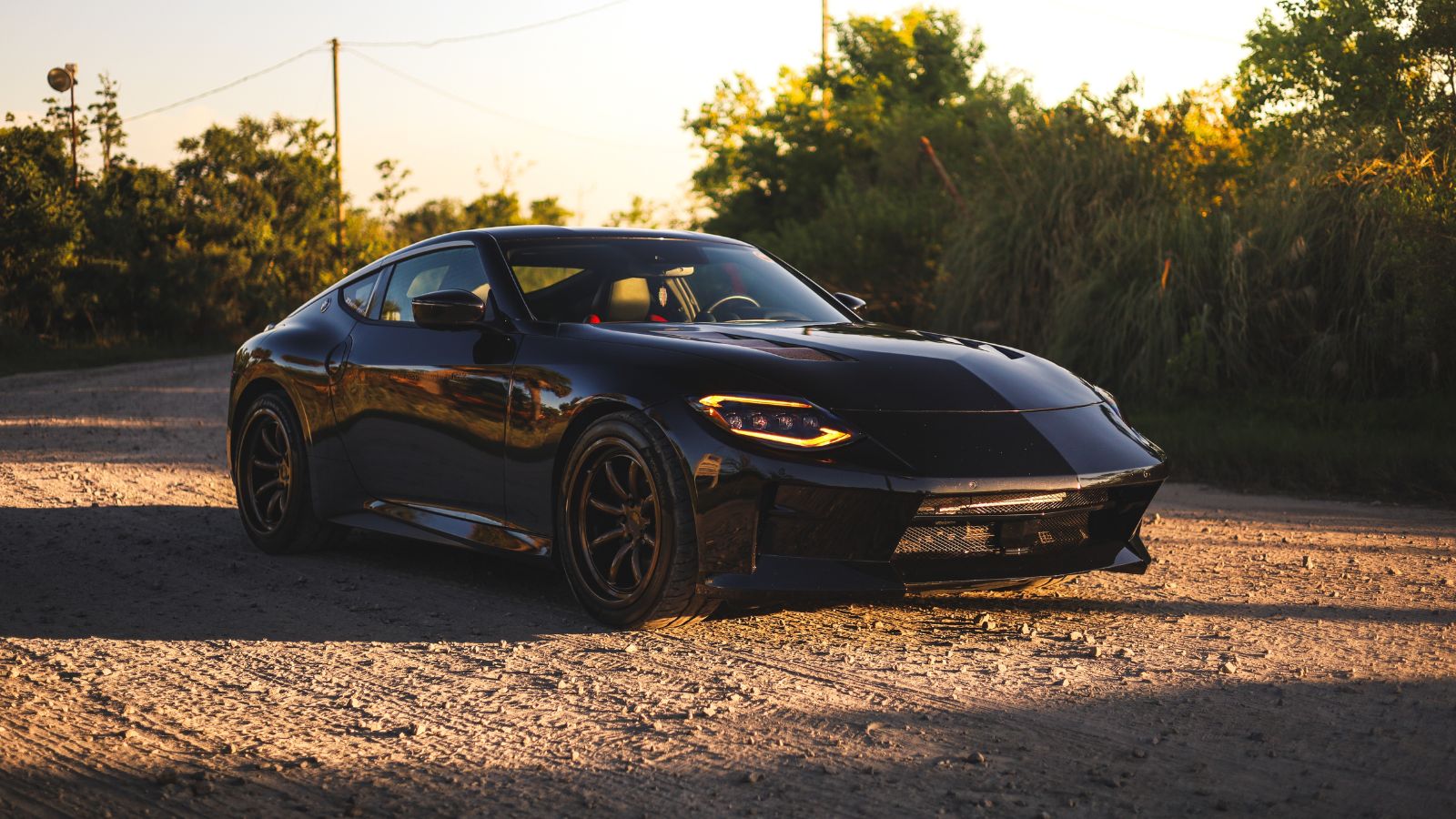
Colour is not only about hue. Finish matters too. Metallic, pearl, tri-coat, matte, and special-order paints can cost extra when new, and that upfront cost is not always recovered at resale. A premium red or pearl white may help a vehicle look upscale in photos, but used buyers usually focus on the total vehicle price, condition, mileage, and comparable listings. The original paint surcharge can become emotionally important to the seller but invisible to the next buyer.
Matte finishes are a good example of this risk. They can look expensive and distinctive, but they require different care and can be difficult to repair cheaply. A small scratch, bird-dropping stain, or mismatched panel may concern buyers who understand the upkeep. When a premium finish is pristine and desirable, it can help the vehicle stand out. When it shows damage or demands special maintenance, the same finish can become a negotiation point against the seller.
Condition Shows Differently Depending on Colour
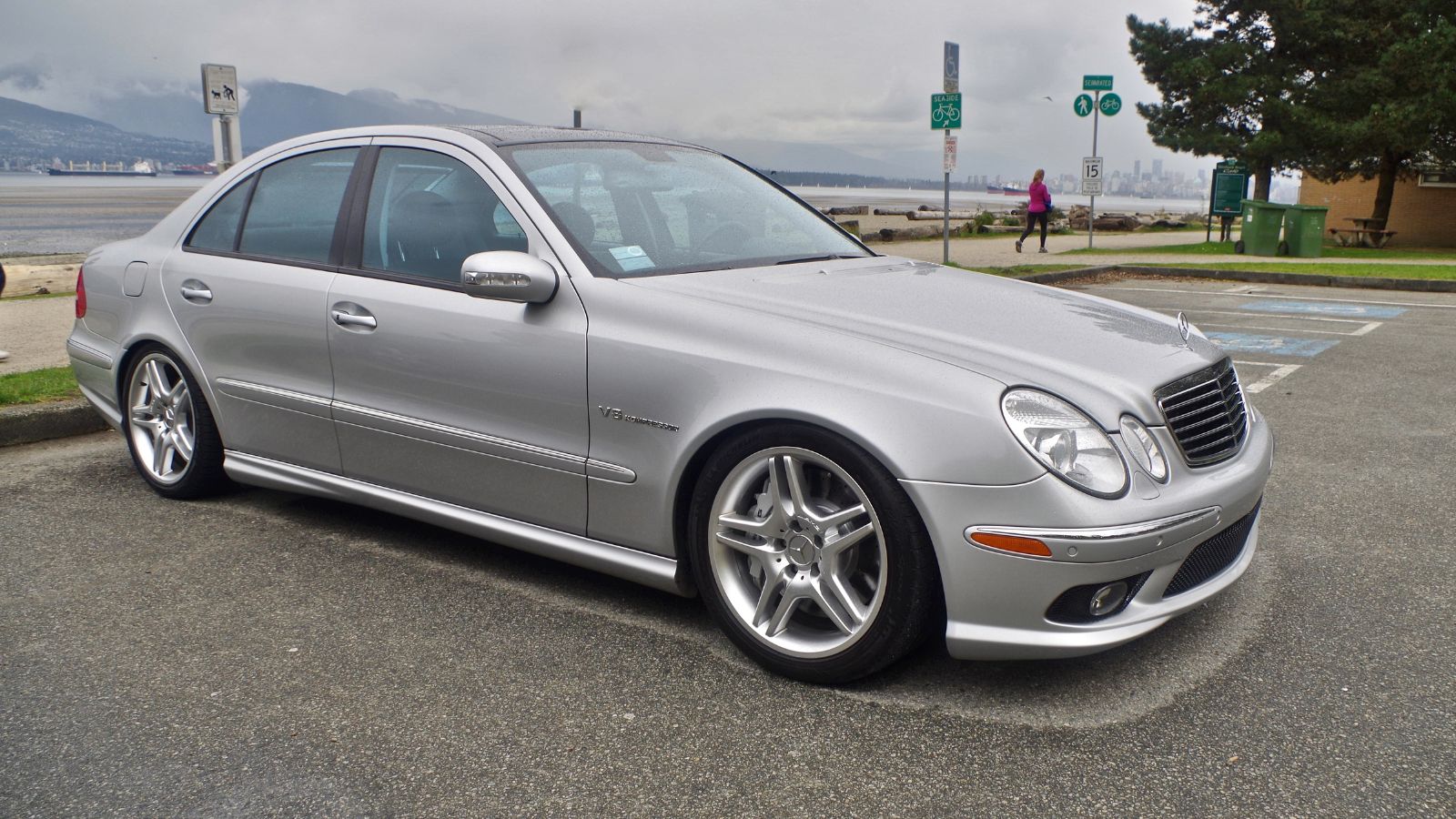
Paint condition strongly affects first impressions, and some colours reveal neglect faster than others. Black can look stunning after a detail, but dust, pollen, swirl marks, water spots, and small scratches tend to stand out. Dark blue often behaves similarly. Grey and silver usually hide dust and light road grime better, which can help a vehicle appear cleaner between washes. White hides many swirl marks but can show mud and lower-body road splash.
This matters because buyers often judge maintenance before they ever read service records. A dark-coloured vehicle with visible swirls may make shoppers wonder whether the owner used automatic washes, skipped proper detailing, or neglected other care. A silver vehicle with the same minor imperfections may look fresher at a glance. Resale value is not only determined by actual condition; it is influenced by perceived condition. The colour that flatters the paint can make a vehicle feel better cared for.
Visibility and Buyer Confidence Still Matter
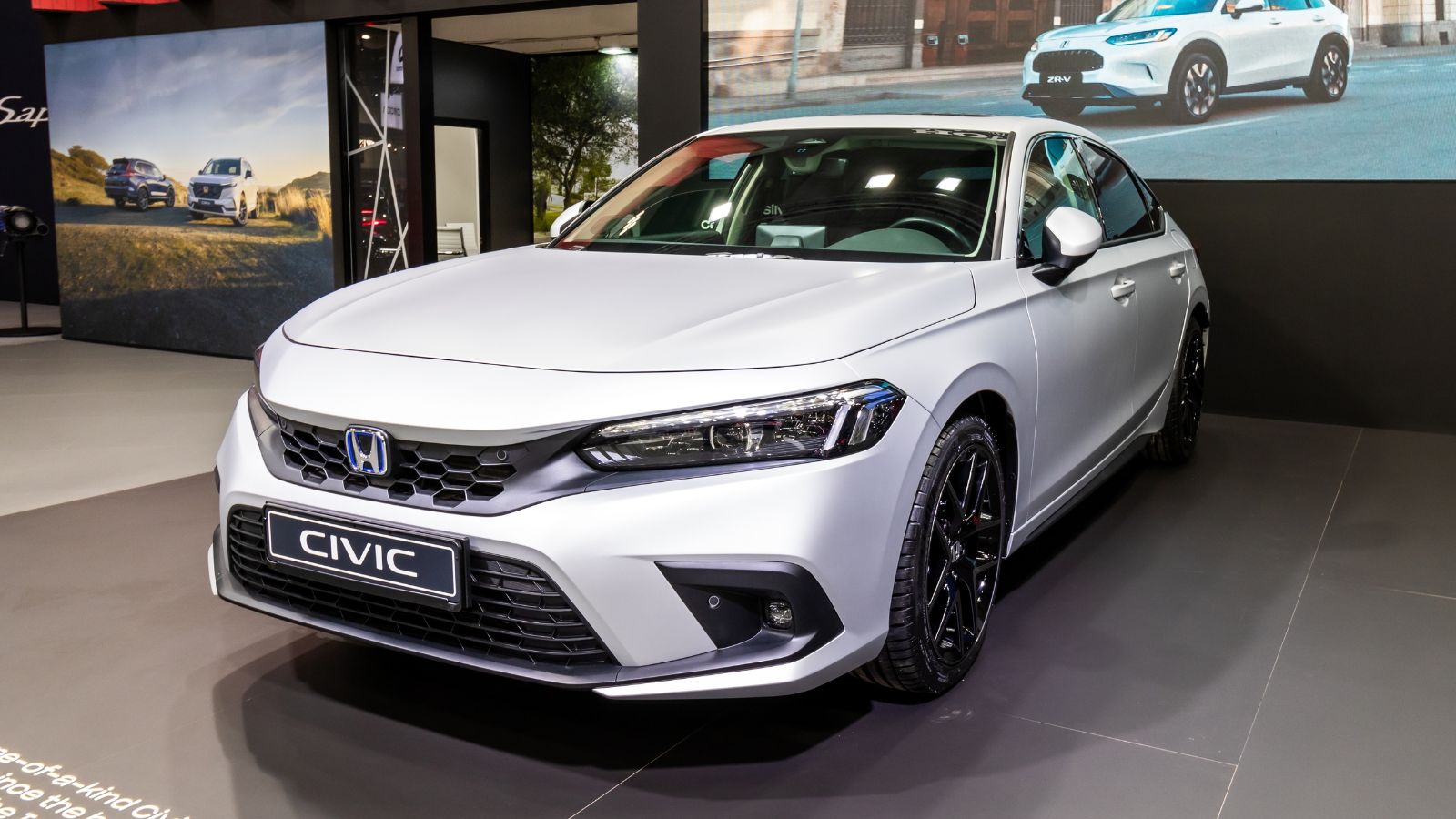
Colour can also shape safety perceptions. Research has linked lower-visibility colours with higher crash risk compared with white vehicles, especially in daylight conditions. Most buyers will not calculate crash-risk odds while shopping, but visibility still influences how a vehicle feels on the road. Parents buying a first car for a teenager, for example, may feel more comfortable with a white, silver, or bright colour than a black compact that blends into rainy evening traffic.
At the same time, colour does not directly raise insurance premiums in the way many people assume. The common belief that red vehicles cost more to insure is a myth; insurers focus on factors such as vehicle type, repair costs, claims history, driver profile, and location. Still, resale can be affected indirectly if buyers associate a colour with easier visibility, cleaner upkeep, or lower perceived risk. Confidence sells, and colour quietly contributes to that confidence.
Colour Shapes the Online Listing First Impression
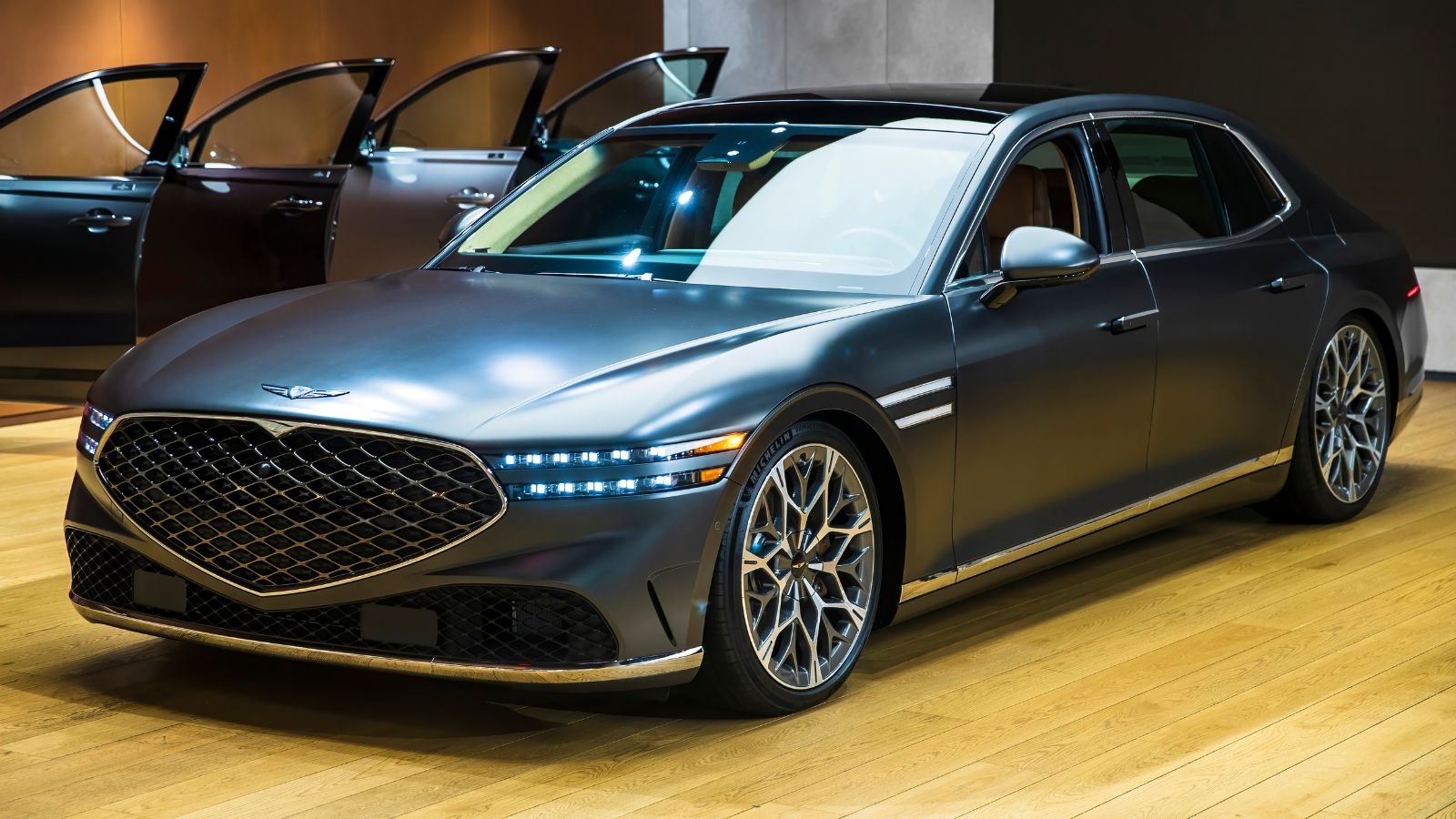
Most used vehicles are first judged on a screen. Before a buyer hears the engine or checks the service history, the exterior photo does the first round of persuasion. Colour affects whether a listing blends into the grid or interrupts the scroll. In a market dominated by white, black, grey, and silver, a tasteful blue, green, orange, or yellow can create instant recognition. That extra pause can translate into more clicks, saves, and inquiries.
The effect is strongest when the colour photographs well and suits the setting. A clean green SUV photographed outdoors can look adventurous. A red coupe in bright daylight can feel energetic. A black vehicle shot poorly in harsh sunlight may reveal every smudge and swirl. Sellers often underestimate how much colour changes digital presentation. The same vehicle can feel ordinary or special depending on whether its colour gives the listing a clear visual identity.
Trade-In Values Follow Comparable Sales
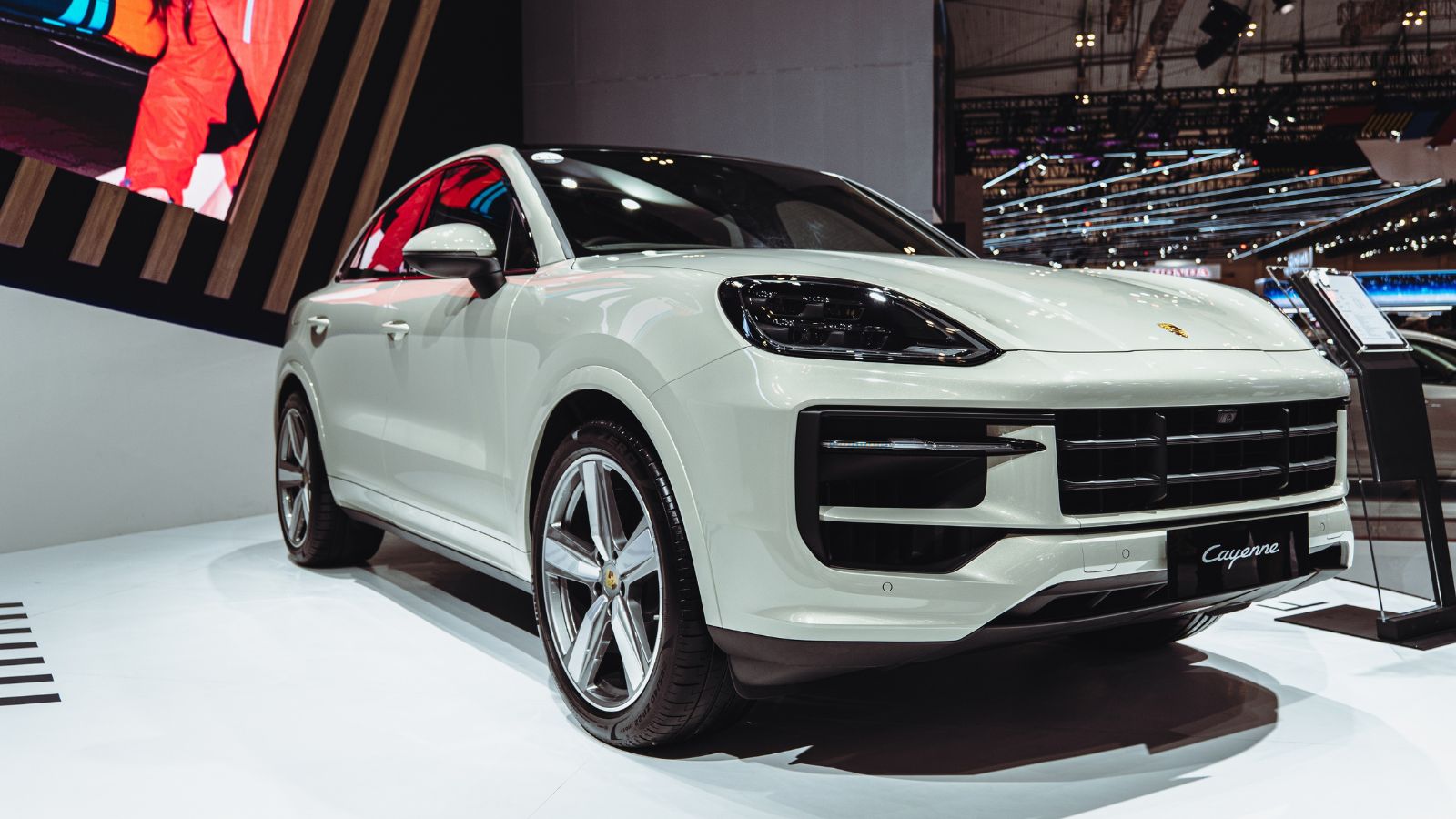
A trade-in appraisal is not a compliment on taste. It is a market calculation. Appraisers look at comparable vehicles, expected resale cost, conditioning needs, regional demand, and how quickly the vehicle might move. If a colour is common, the appraisal may be anchored by many similar units. If the colour is unusual, the appraiser may be more cautious unless there is evidence that buyers want that shade on that model.
This is especially important in Canada, where regional market data and real transaction values can influence pricing tools and dealer decisions. A colour that performs well in one region may not carry the same appeal everywhere. A white truck may be easy to move in a work-oriented market; a bright coupe may need the right urban buyer. Trade-in value depends less on whether a colour is “good” in theory and more on whether recent buyers have paid for similar vehicles in that colour.
Rare Factory Colours Beat Random Custom Work
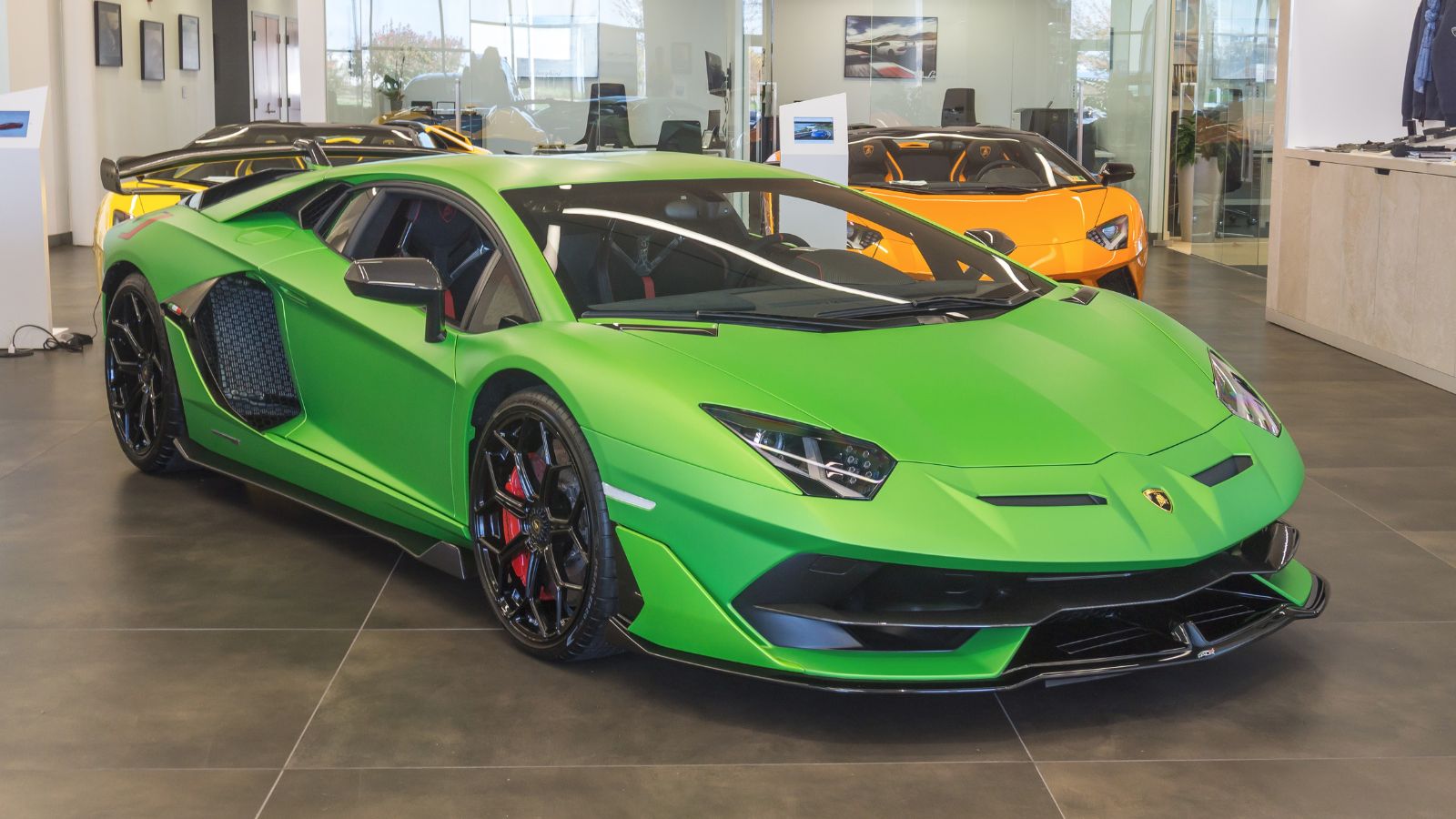
Factory rarity is usually easier to sell than personal customization. A rare original paint colour can be verified, matched to the model’s identity, and understood by enthusiasts. A custom repaint, wrap, or non-original shade often raises more questions. Buyers may wonder whether the colour change was done to hide damage, whether the panels match properly, or whether future paint repair will be difficult. Even a high-quality custom job can narrow the audience.
Documentation helps. Factory paint codes, build sheets, window stickers, and service records can reassure buyers that an unusual colour is original rather than improvised. That distinction matters because originality is part of value for many used vehicles, especially enthusiast models. A limited factory blue on a performance car may add desirability. A homemade colour change in a similar shade may do the opposite. In resale terms, rare is strongest when it is authentic and easy to prove.
The Best Colour Is the One That Fits the Vehicle
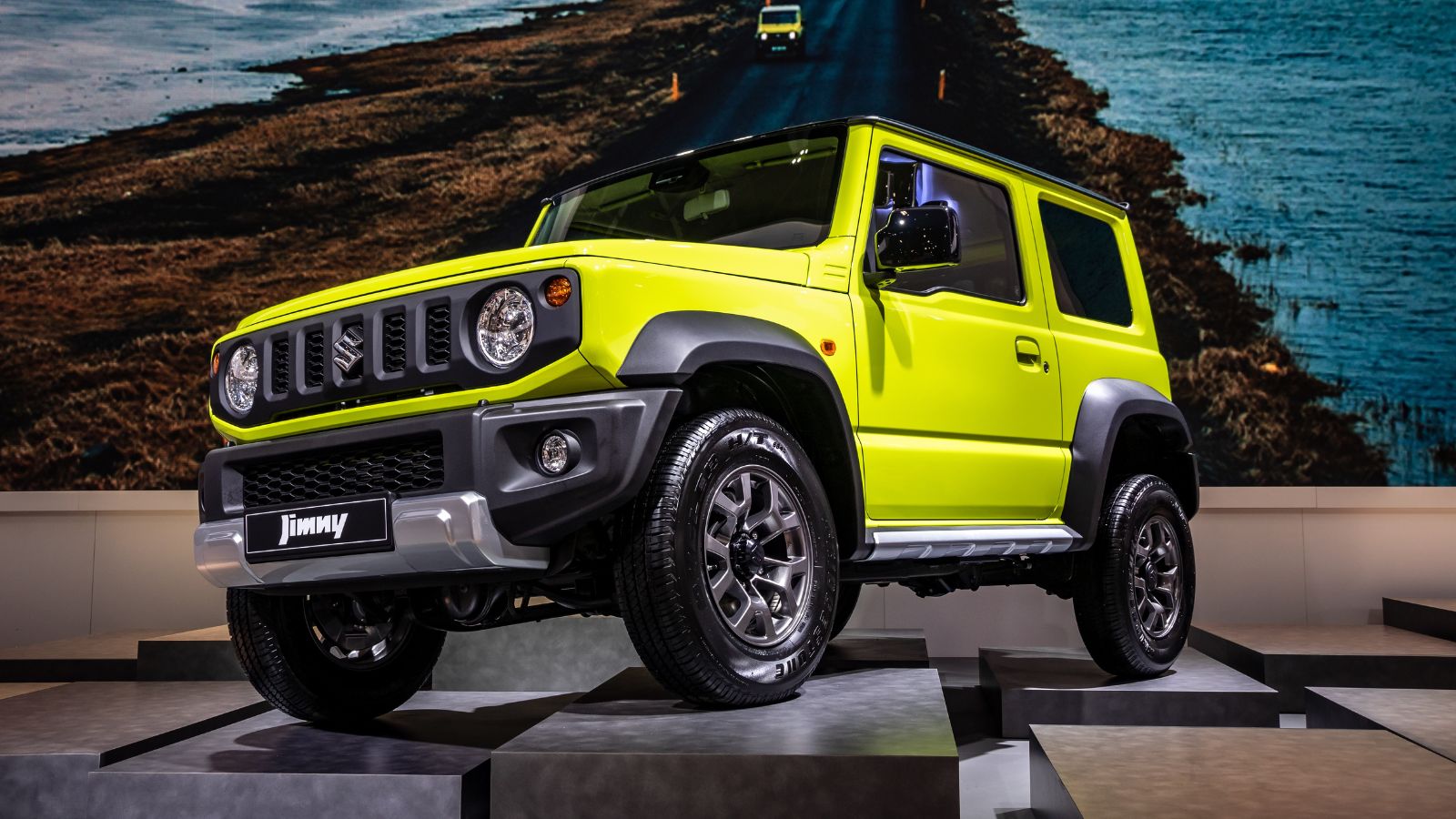
There is no single resale-winning colour for every vehicle. White, grey, silver, and black remain dependable for broad appeal, while yellow, orange, green, and other expressive colours can outperform when supply is low and demand is concentrated. The right answer depends on the vehicle’s segment, brand image, trim level, buyer base, and local market. Colour becomes valuable when it strengthens the vehicle’s story rather than fighting it.
A practical buyer choosing a long-term family vehicle may still be wise to pick a neutral shade that ages calmly and photographs cleanly. An enthusiast buying a sports car may benefit from a bolder factory colour that future buyers actively search for. The mistake is assuming colour is only cosmetic. It is part of market positioning. When purchase day eventually becomes resale day, paint can influence how many buyers notice the vehicle, how they judge it, and how much they are willing to pay.
22 Things Canadians Do to Their Cars in Spring That Mechanics Hate

Spring brings relief to many Canadian drivers after months of snow, freezing temperatures, and icy roads that put serious strain on vehicles. As temperatures rise across the country, drivers begin washing cars, switching tires, and preparing vehicles for warmer weather and upcoming road trips. However, mechanics across Canada notice the same mistakes every spring when drivers attempt to recover from winter damage. Road salt, potholes, and harsh winter driving conditions often leave vehicles with hidden problems that drivers ignore. Some spring habits even create new mechanical issues that could have been avoided with proper maintenance. Here are 22 things Canadians do to their cars in spring that mechanics hate.
22 Things Canadians Do to Their Cars in Spring That Mechanics Hate
Spring brings relief to many Canadian drivers after months of snow, freezing temperatures, and icy roads that put serious strain on vehicles. As temperatures rise across the country, drivers begin washing cars, switching tires, and preparing vehicles for warmer weather and upcoming road trips. However, mechanics across Canada notice the same mistakes every spring when drivers attempt to recover from winter damage. Road salt, potholes, and harsh winter driving conditions often leave vehicles with hidden problems that drivers ignore. Some spring habits even create new mechanical issues that could have been avoided with proper maintenance. Here are 22 things Canadians do to their cars in spring that mechanics hate.

Alanna Rosen is an experienced content writer that focuses on many EV and educational content. Her articles are regularly published on Get CyberTrucked and syndicated on large publications.