A car does not need a crash to suffer expensive damage. Many of the costliest problems begin with ordinary routines: stretching oil changes, driving on weak tires, ignoring warning lights, or treating fuel and brakes as if they can absorb endless abuse. The damage often builds quietly, one commute at a time, until a small habit becomes a repair estimate that feels wildly out of proportion.
Here are 20 ways drivers damage their cars without ever hitting anything, each tied to common maintenance gaps, driving habits, and everyday decisions that can shorten the life of major components.
Skipping Oil Changes Until the Reminder Feels Urgent
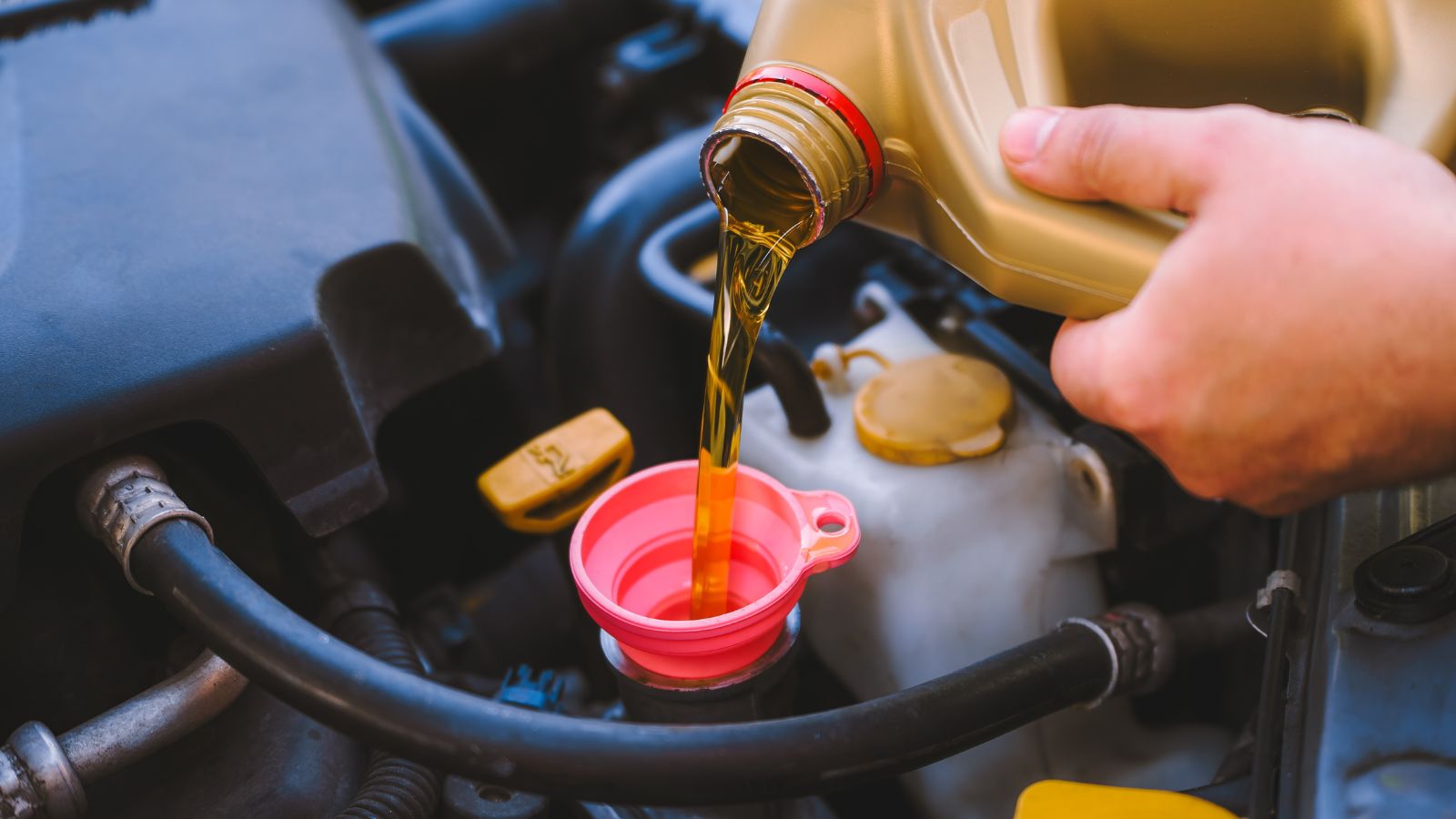
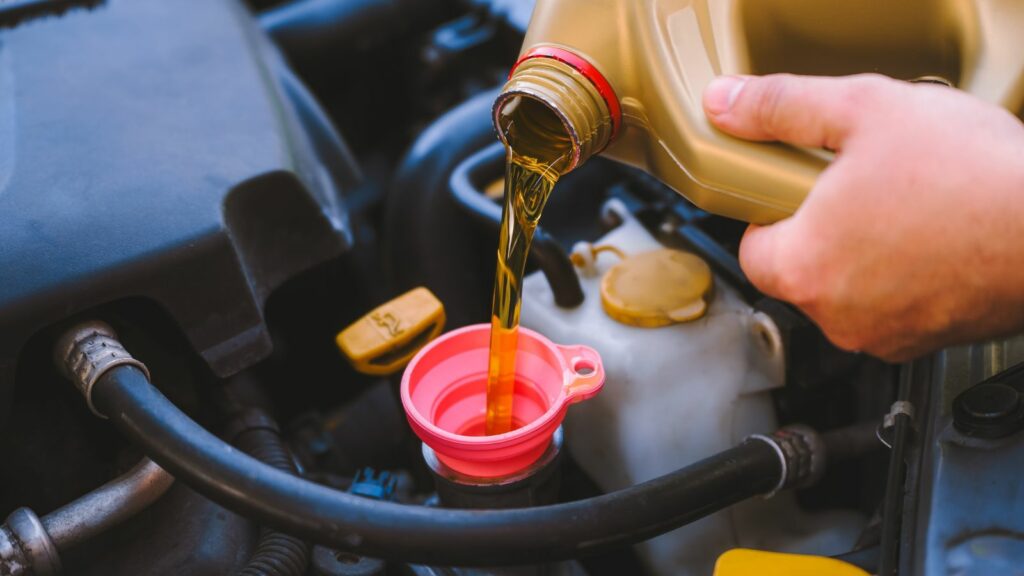
Engine oil is not just a lubricant; it also helps carry heat away, suspend contaminants, and protect metal surfaces that move at high speed. When drivers stretch oil changes too far, the oil gradually loses its ability to protect the engine. Sludge can build up in tight passages, and low oil can leave bearings, camshafts, timing components, and turbochargers exposed to extra friction.
A common mistake is assuming modern oil-change monitors make dipstick checks unnecessary. Some engines can consume oil between scheduled services, especially as they age or operate under heavy loads. A commuter who drives only a few miles at a time may also qualify for “severe service” intervals because the engine may not fully warm up. That modest delay can turn into timing-chain wear, noisy valve gear, or premature engine failure.
Driving With Underinflated Tires
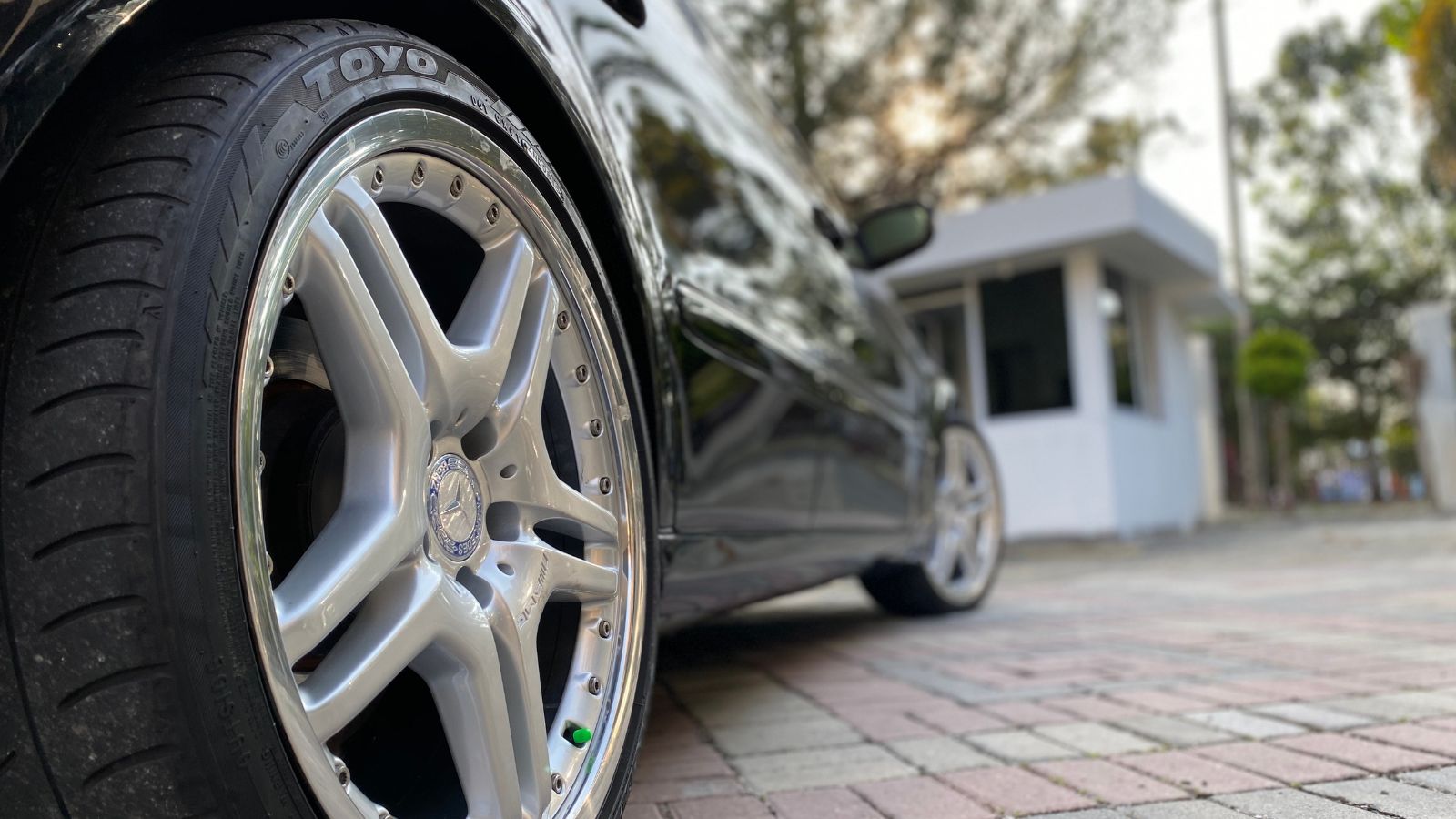
Tires lose pressure naturally over time, and temperature swings can make the problem worse. Underinflated tires flex more than intended, which creates heat inside the tire and increases rolling resistance. That extra flex can reduce fuel economy, shorten tread life, and make the vehicle feel sluggish or unstable during braking, cornering, or quick lane changes.
The damage often hides in plain sight. A tire can be several pounds low without looking flat, especially on modern low-profile designs. The dashboard tire-pressure light usually appears only after pressure drops significantly, so waiting for the warning can mean driving for weeks on tires that are already wearing unevenly. One neglected tire can become a blowout risk; four neglected tires can quietly drain fuel, traction, and safety at the same time.
Riding the Brakes in Traffic or on Long Downhills
Brakes are designed to convert motion into heat, but they still need time to cool. Drivers who keep a foot lightly on the pedal in traffic, coast downhill while constantly braking, or wait until the last moment before every stop put extra heat into the pads and rotors. Over time, that can mean faster pad wear, warped rotors, vibration, and brake fade.
A mountain-road example makes the point clearly. A driver descending a long grade while dragging the brakes may smell a sharp burning odor before noticing the pedal feels less confident. At that point, the brake system is already heat-soaked. Using a lower gear on long descents and looking farther ahead in traffic spreads braking demand over time. That calmer style protects the brake system and often saves fuel as well.
Accelerating Hard Before the Engine Warms Up
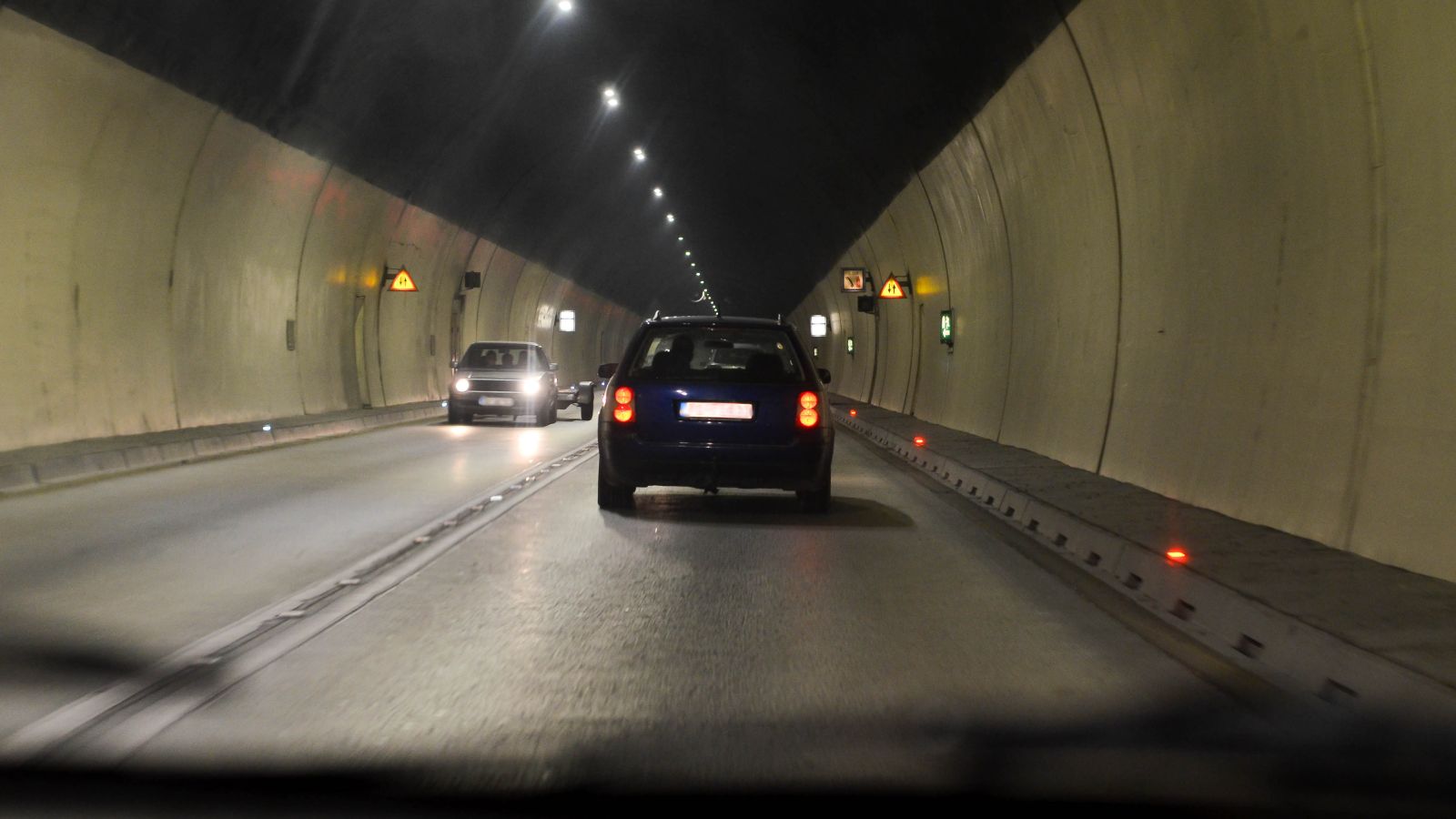
Cold engines need a few minutes of gentle driving before oil reaches ideal operating temperature and circulates fully. Hard acceleration immediately after startup places high demand on parts that are not yet properly warmed. Turbocharged engines can be especially sensitive because turbo bearings spin extremely fast and depend heavily on clean, flowing oil.
This habit is common during rushed mornings. The car starts, the driver pulls onto a busy road, and the accelerator goes deep before the temperature gauge has moved. Once or twice may not destroy an engine, but repeated cold-throttle bursts increase wear over the life of the vehicle. A smoother first few minutes gives oil, coolant, transmission fluid, and tires time to come into a better operating range.
Shifting From Reverse to Drive Before the Car Stops

Automatic transmissions are built to select gears, not to act as brakes. When a driver backs out of a parking space and shifts into Drive while the car is still rolling backward, the transmission absorbs stress that should have been handled by the brake pedal. The same problem happens when shifting into Reverse before the vehicle has stopped moving forward.
The mistake feels harmless because modern transmissions often obey the command smoothly. Inside, though, clutches, bands, mounts, and driveline parts can take unnecessary strain. Delivery drivers, rideshare drivers, and anyone frequently maneuvering in tight lots can repeat this habit dozens of times a week. A full stop takes only a second, but that second can help avoid expensive transmission wear that is far more costly than brake service.
Running the Fuel Tank Near Empty Too Often
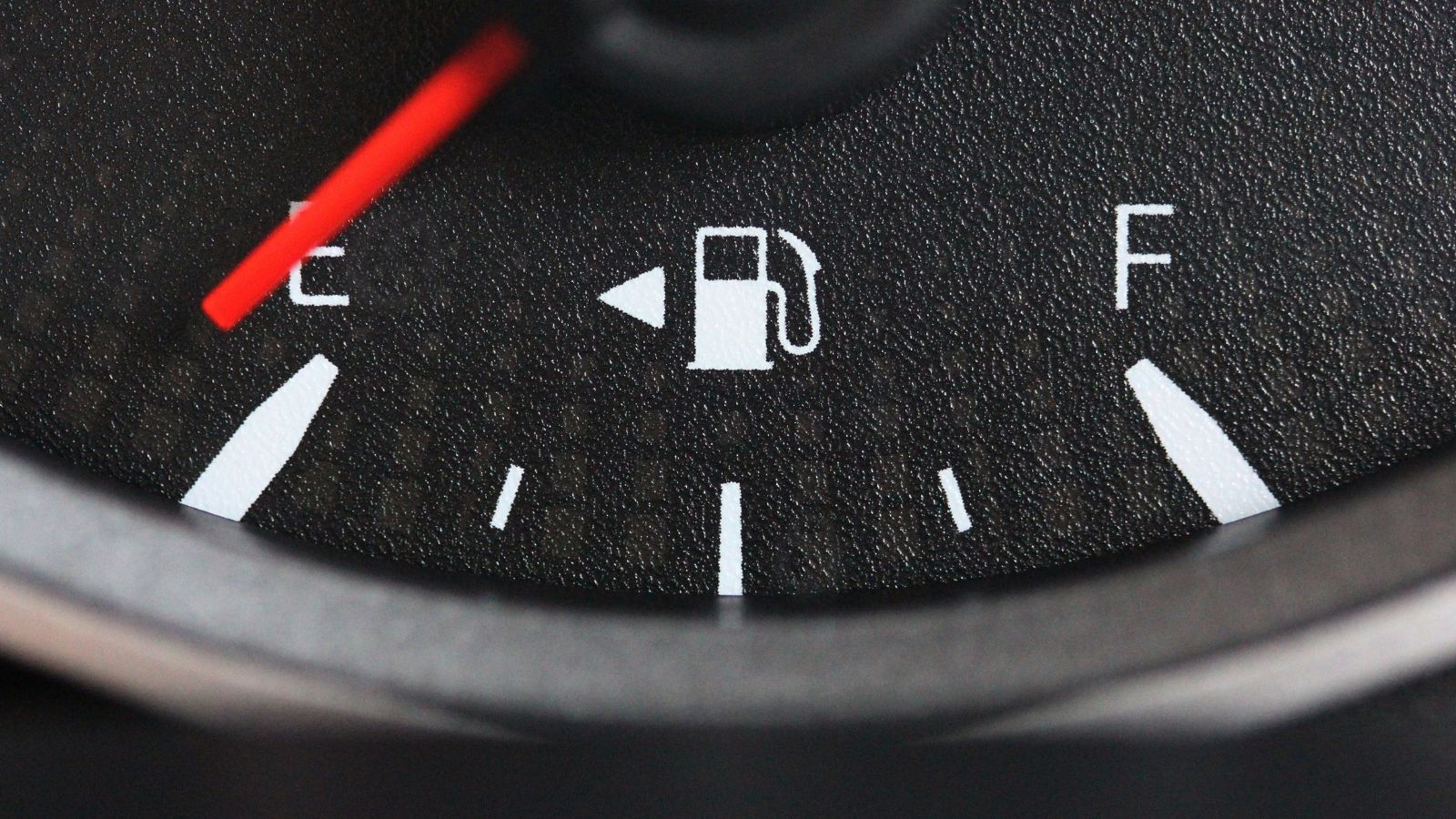
Modern fuel pumps are usually located inside the tank, where fuel helps cool and lubricate them. Regularly driving with the warning light on can expose the pump to more heat and increase the chance that sediment at the bottom of the tank gets pulled toward the filter or pump inlet. The vehicle may still run normally, which makes the habit easy to dismiss.
The risk grows during hot weather, highway trips, and traffic delays. A driver who thinks there are “a few miles left” may not only get stranded but also force the fuel system to work under poor conditions. Keeping a reasonable fuel reserve is not about superstition; it reduces stress on the pump, lowers the chance of fuel starvation, and prevents avoidable emergencies when detours or closed stations appear.
Topping Off After the Pump Clicks
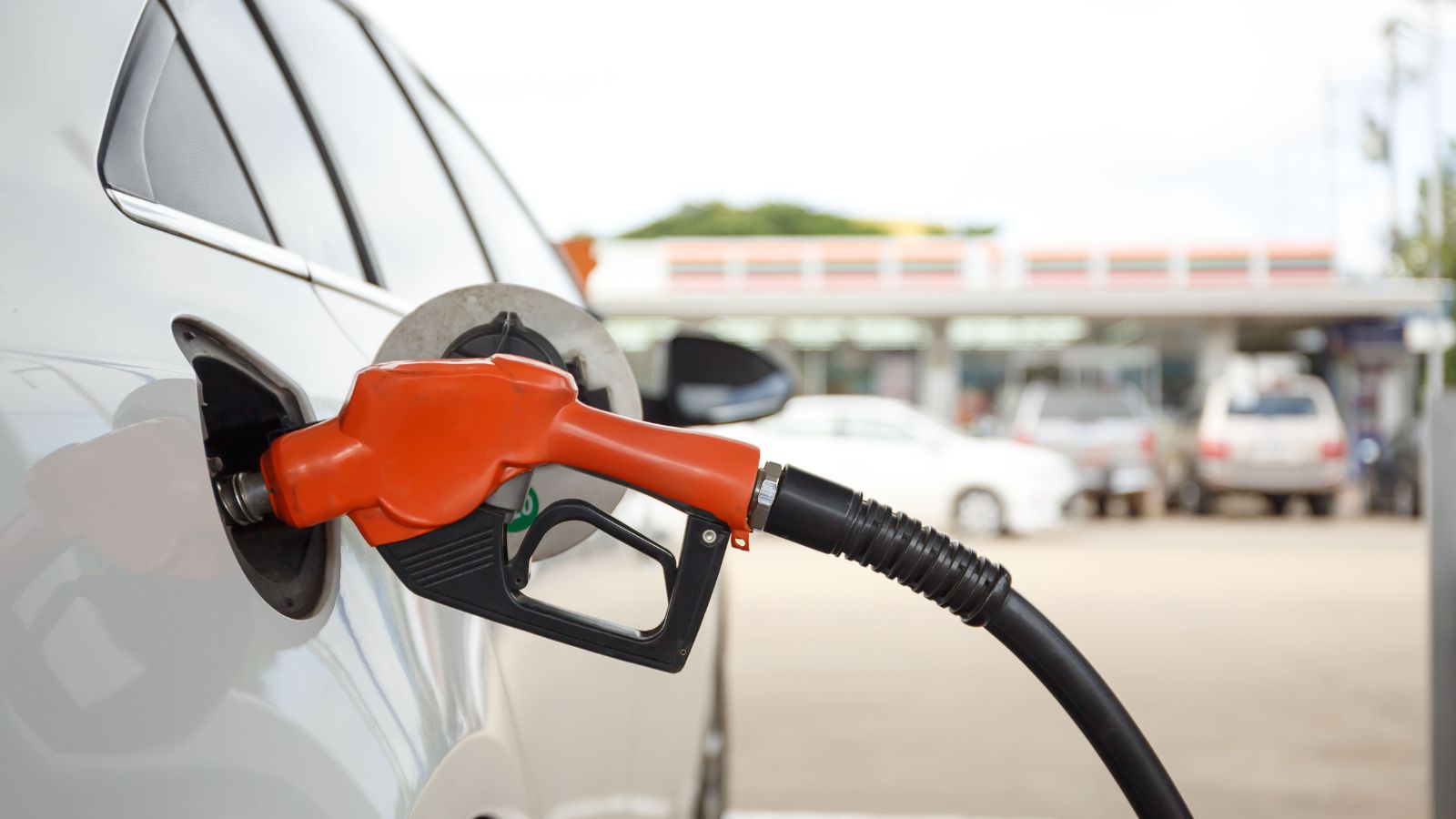
When the fuel nozzle clicks off, the tank has reached its intended fill level. Continuing to squeeze in extra fuel can send liquid gasoline into parts of the evaporative-emissions system that are designed to handle vapor, not liquid. That can damage the charcoal canister, trigger a check-engine light, and cause poor refueling behavior later.
Many drivers top off because they want a round dollar amount or the longest possible range before the next stop. The extra splash of fuel is rarely worth it. Overfilling can also spill fuel or cause vapors to escape, which creates safety and environmental problems. The pump shutoff is not merely a convenience feature; it is a practical limit that protects the vehicle’s vapor-recovery system and avoids paying for fuel that may not stay in the tank.
Ignoring Dashboard Warning Lights
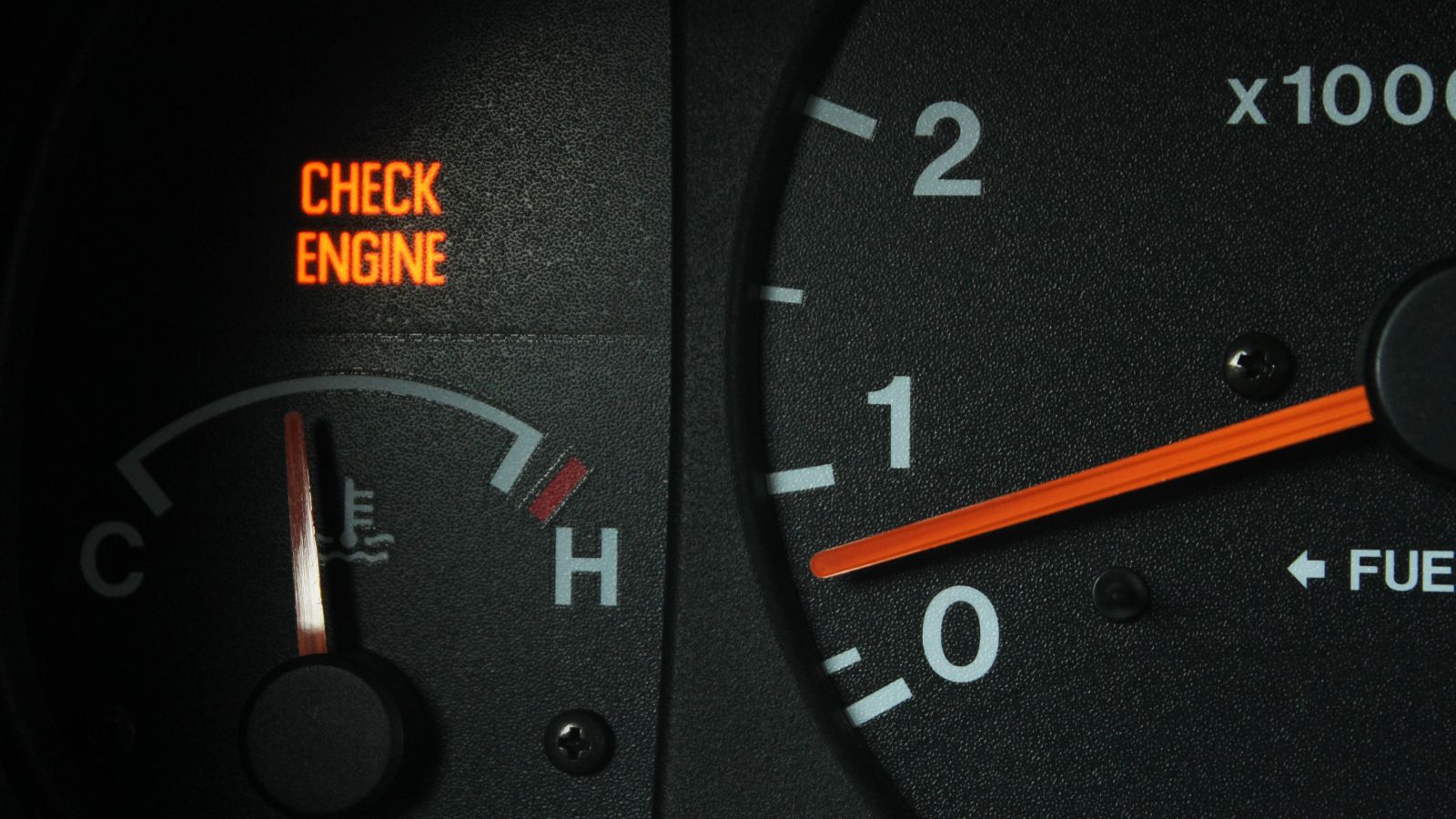
Dashboard lights are easy to rationalize away, especially when the car still drives normally. A steady check-engine light, low oil-pressure warning, coolant-temperature warning, brake-system alert, or battery light can all point to problems that become more expensive when ignored. A small sensor fault is one thing; oil pressure or overheating is another matter entirely.
The difference between a minor repair and a major one often depends on response time. A driver who keeps going with an overheating light may turn a coolant leak into a warped cylinder head. Someone who ignores a flashing check-engine light may damage a catalytic converter. Warning lights are not all equally urgent, but the serious ones deserve immediate attention, not a mental note for next month.
Letting Coolant Problems Slide
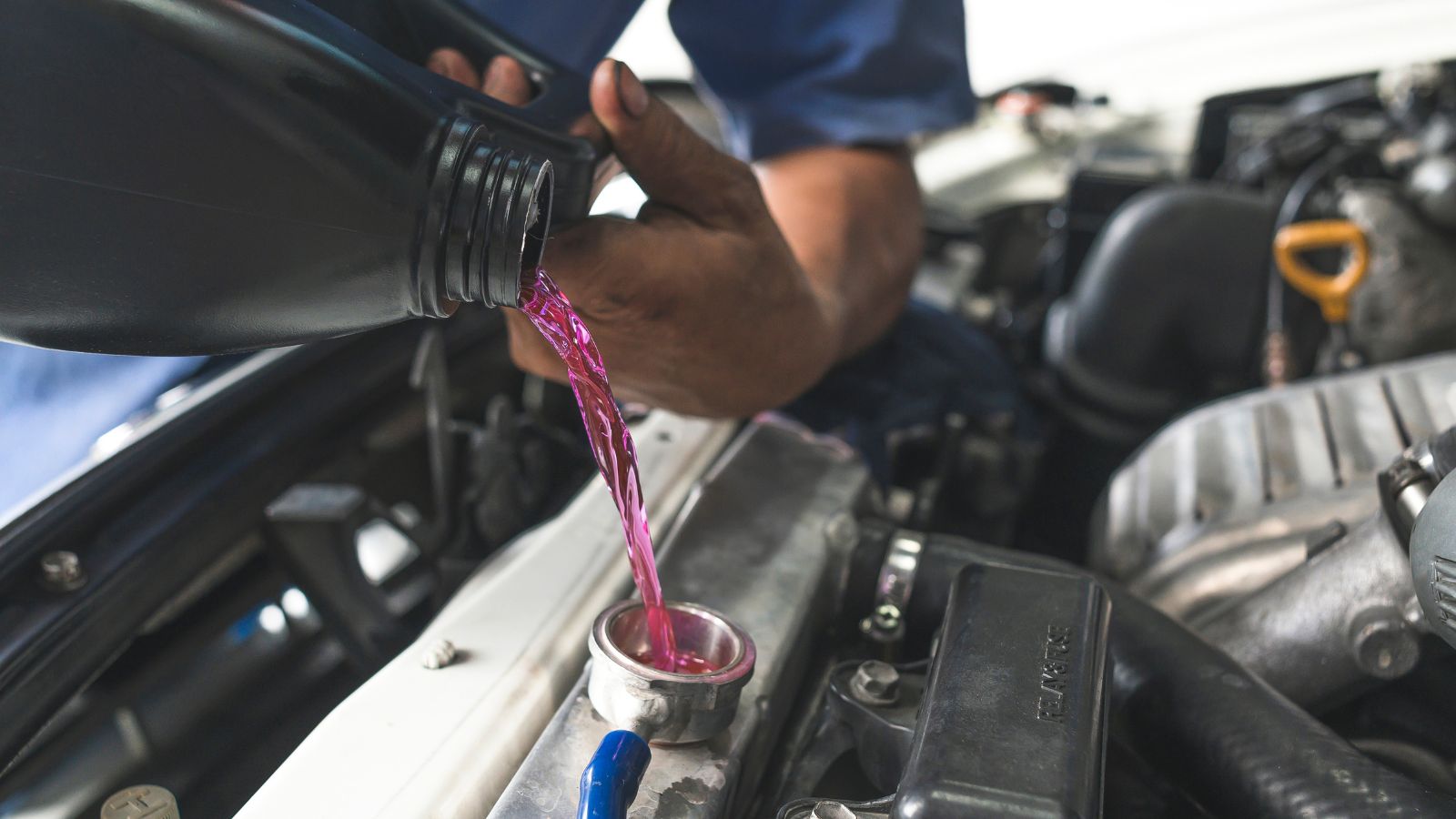
Coolant protects the engine from overheating, freezing, and corrosion inside the cooling system. Low coolant, old coolant, leaking hoses, a weak radiator cap, or a failing water pump can prevent the system from carrying heat away properly. Once the temperature climbs too far, internal engine damage can happen quickly.
The warning signs can be subtle at first: a sweet smell after parking, a small puddle under the front of the car, the temperature gauge creeping higher in traffic, or heat that stops working in winter. Drivers sometimes top up coolant repeatedly without finding the leak, which only delays the repair. A proper cooling-system check can catch weak hoses, contaminated coolant, or pressure loss before the engine overheats on a highway or in summer traffic.
Skipping Tire Rotation and Alignment Checks
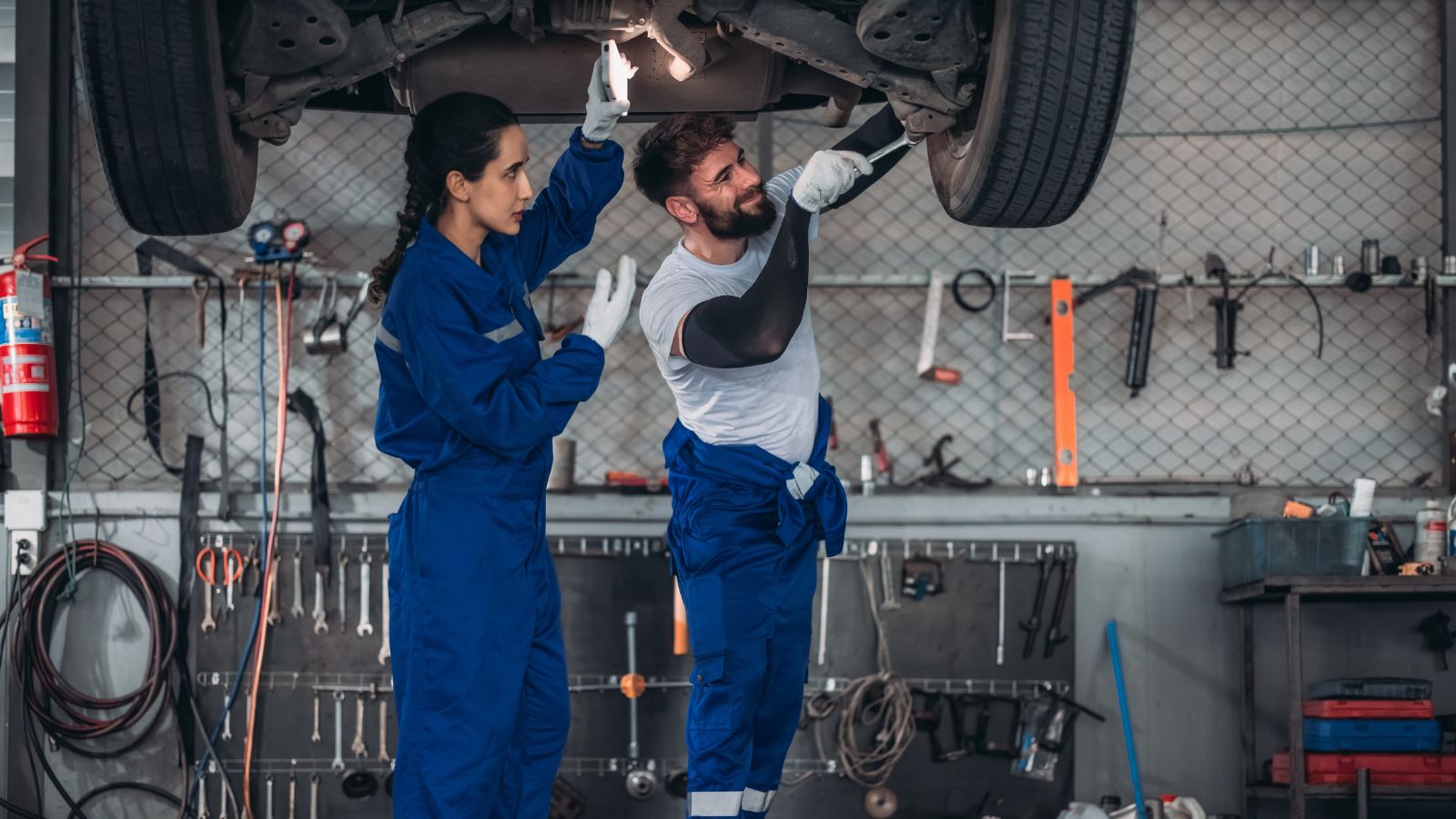
Tires do not wear evenly by accident. Front tires often handle more steering, braking, and weight transfer, while all-wheel-drive systems can be sensitive to uneven tread depths. Rotation helps spread wear across the set, and alignment checks help prevent one edge from disappearing faster than the rest of the tire.
The cost of skipping this maintenance shows up gradually. A driver may notice road noise, steering pull, vibration, or a tire that looks bald on the inner shoulder while the outer tread seems fine. By then, the tire may be beyond saving. Regular rotation can also give technicians a chance to spot punctures, bulges, suspension wear, or brake issues early. That makes tire service both a cost-control habit and a safety habit.
Making Only Short Trips for Weeks at a Time

Short trips are hard on vehicles because the engine, exhaust, oil, and battery may not reach full operating conditions. Moisture can accumulate in the crankcase and exhaust, fuel economy drops, and the battery may not recover the energy used during startup. The car may appear healthy because it starts and moves, but repeated short runs create a demanding pattern.
A typical example is the vehicle used only for school drop-offs, grocery runs, and nearby errands. The odometer barely moves, so owners may assume maintenance can wait. Time still matters, though. Oil ages, batteries discharge, brakes can corrode, and tires can lose pressure. Occasional longer drives and time-based maintenance help prevent low-mileage vehicles from aging faster than expected.
Idling for Long Periods
Idling feels gentle because the car is not moving, but the engine is still burning fuel, producing heat, and accumulating operating time. Long warm-ups, waiting with the engine running, or using the car as a parked climate-control room can waste fuel and add wear without adding useful mileage. In many situations, restarting a warm engine uses very little fuel compared with extended idling.
This habit is especially common in winter or during pickup lines. The cabin stays comfortable, but the engine oil may not get hot enough to burn off moisture, and fuel consumption adds up. Modern engines generally do not need long stationary warm-ups under normal conditions. A short startup period followed by gentle driving is usually better for the vehicle, the wallet, and local air quality.
Carrying Too Much Weight All the Time
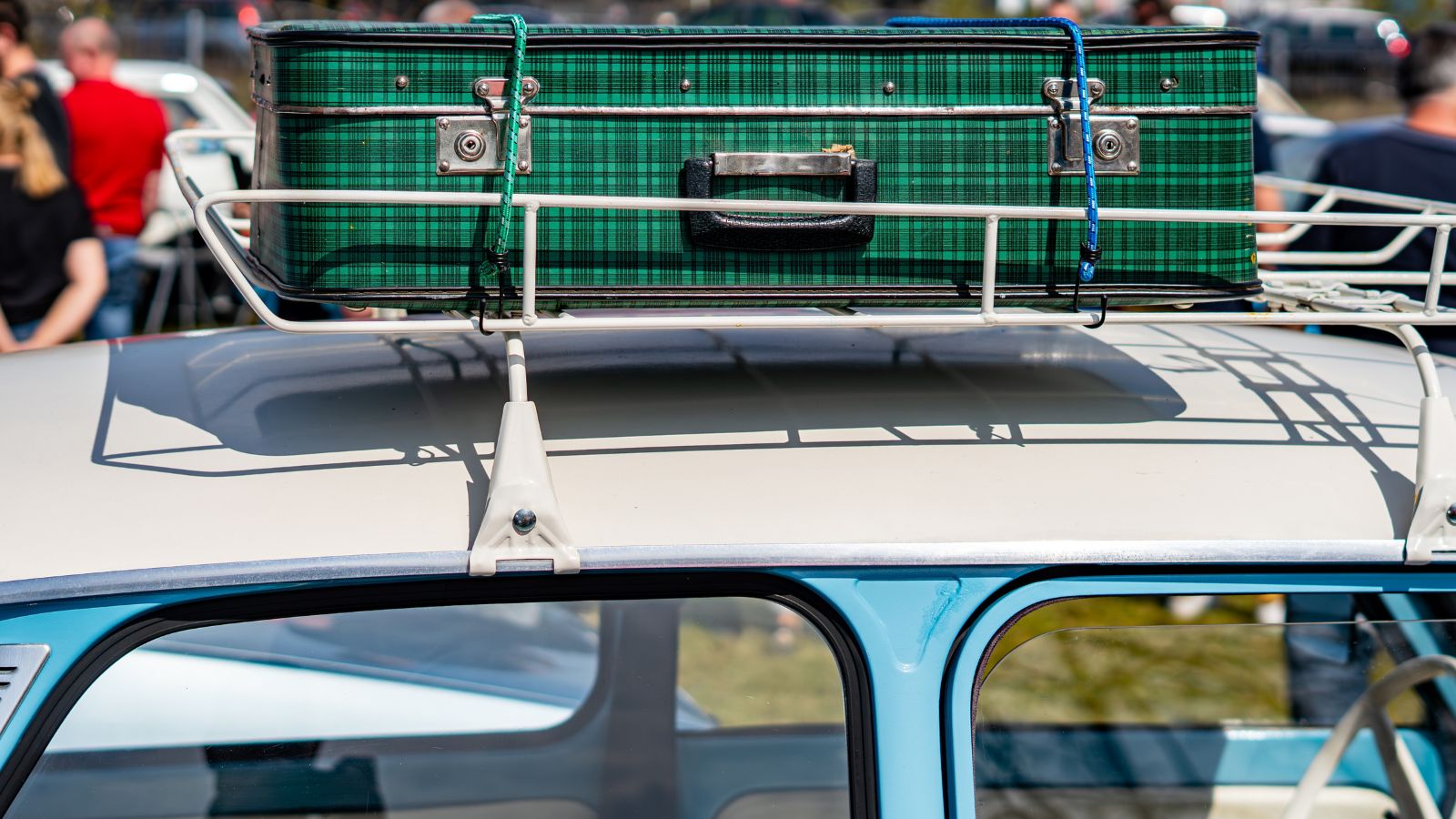
A vehicle’s load limit is not a suggestion. Excess weight strains tires, brakes, suspension, wheel bearings, and driveline components. Even when a vehicle is not technically overloaded, carrying unnecessary cargo every day forces the car to use more energy for acceleration and makes braking systems work harder during every stop.
The damage can be surprisingly ordinary. A trunk full of tools, sports equipment, cases of water, and forgotten household items can become a permanent load. Road-trip packing can push a compact SUV close to its limit once passengers, luggage, roof cargo, and trailer tongue weight are included. The driver may only notice slower acceleration and longer stopping distances, but the vehicle feels the burden in tire heat, brake wear, and suspension fatigue.
Using the Wrong Fuel, Oil, or Fluid
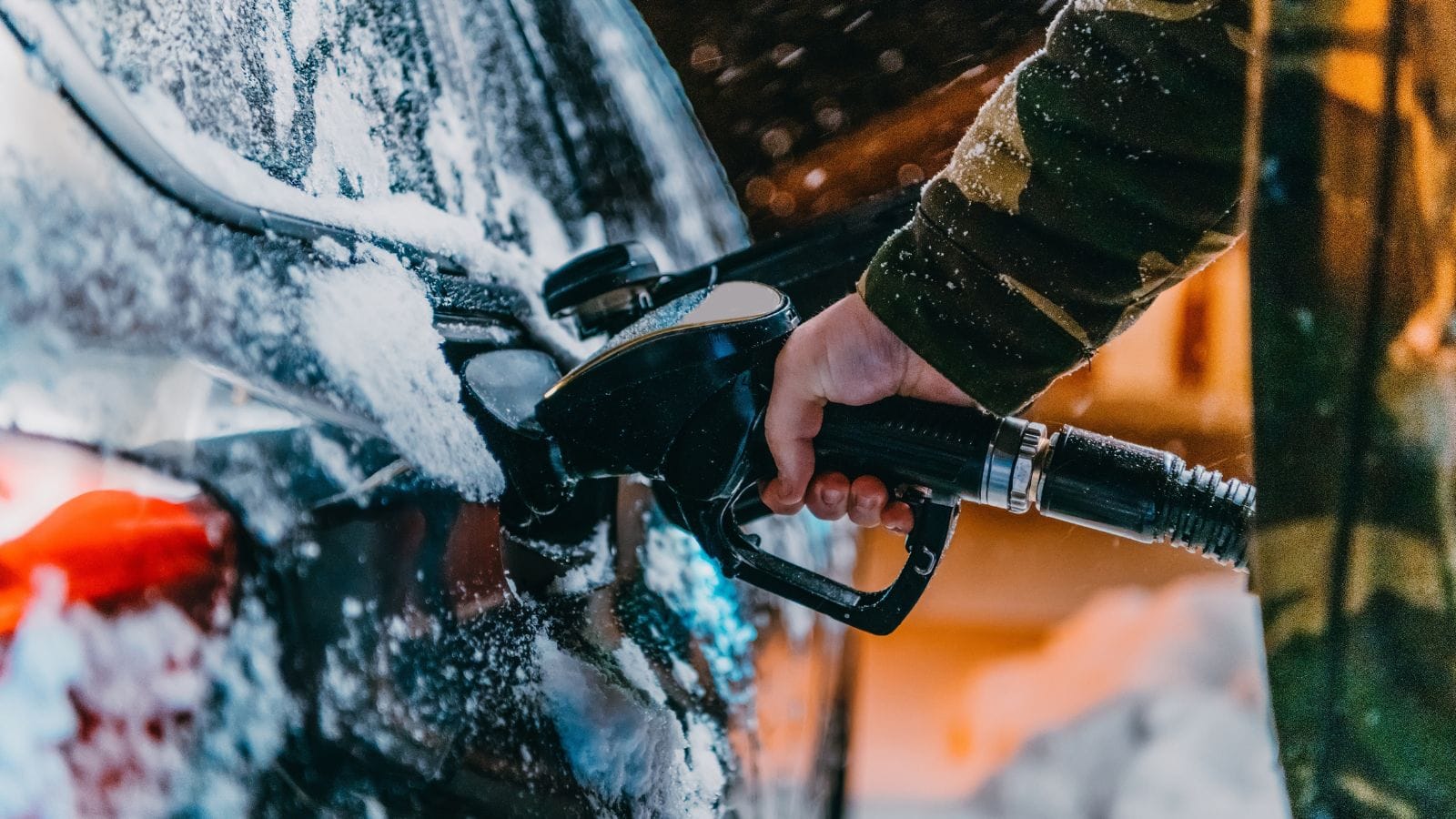
Vehicles are engineered around specific fluids. The wrong fuel can stop an engine or damage the fuel system, while the wrong oil viscosity can reduce protection in hot or cold conditions. Brake fluid, coolant, transmission fluid, and power-steering fluid are not interchangeable, even when the bottles look similar on a garage shelf.
Mistakes often happen during hurried top-ups. A driver grabs the wrong container, assumes premium fuel helps every engine, or uses a “close enough” oil grade without checking the manual. Some errors cause immediate symptoms; others quietly shorten component life. The safest habit is simple: check the owner’s manual, verify the cap label, and pause before pouring anything into the vehicle. A tow and proper drain can be cheaper than forcing a contaminated system to run.
Neglecting the Engine Air Filter
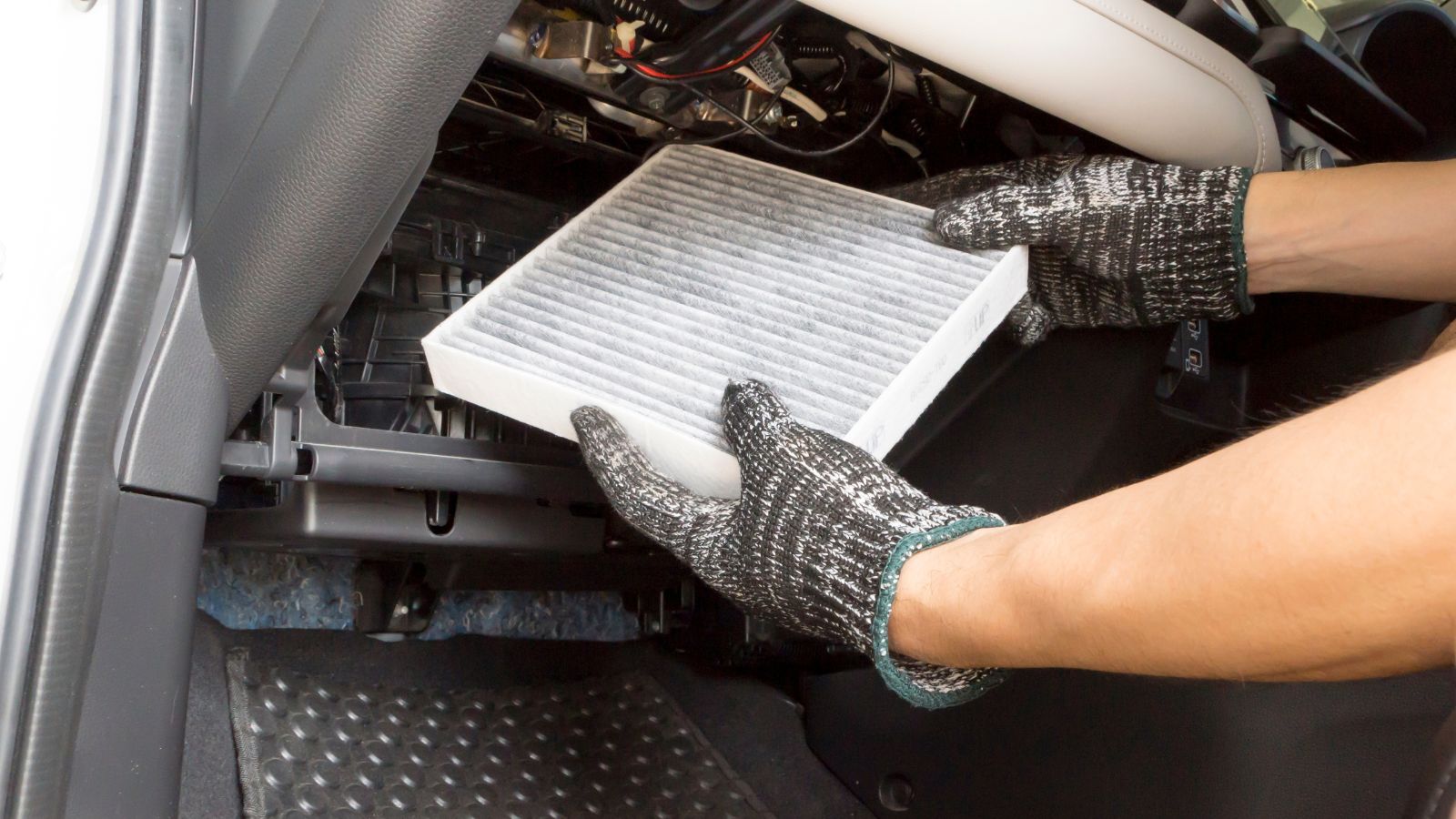
The engine air filter protects the intake system from dust, grit, leaves, and debris. A clogged filter can restrict airflow, reduce performance, and make acceleration feel dull. On many modern fuel-injected gasoline engines, replacing a dirty air filter may not dramatically improve fuel economy, but it can still improve drivability and protect the engine from abrasive particles.
This issue is common on vehicles driven near construction zones, gravel roads, wildfire smoke, or heavy pollen. The filter may look forgotten long before the maintenance schedule says it is due. A driver may notice hesitation while merging or reduced response on hills, then blame the transmission or fuel quality. Checking the filter is inexpensive, quick, and often revealing. Clean airflow helps the engine breathe without inviting damaging debris inside.
Letting Battery Terminals Corrode
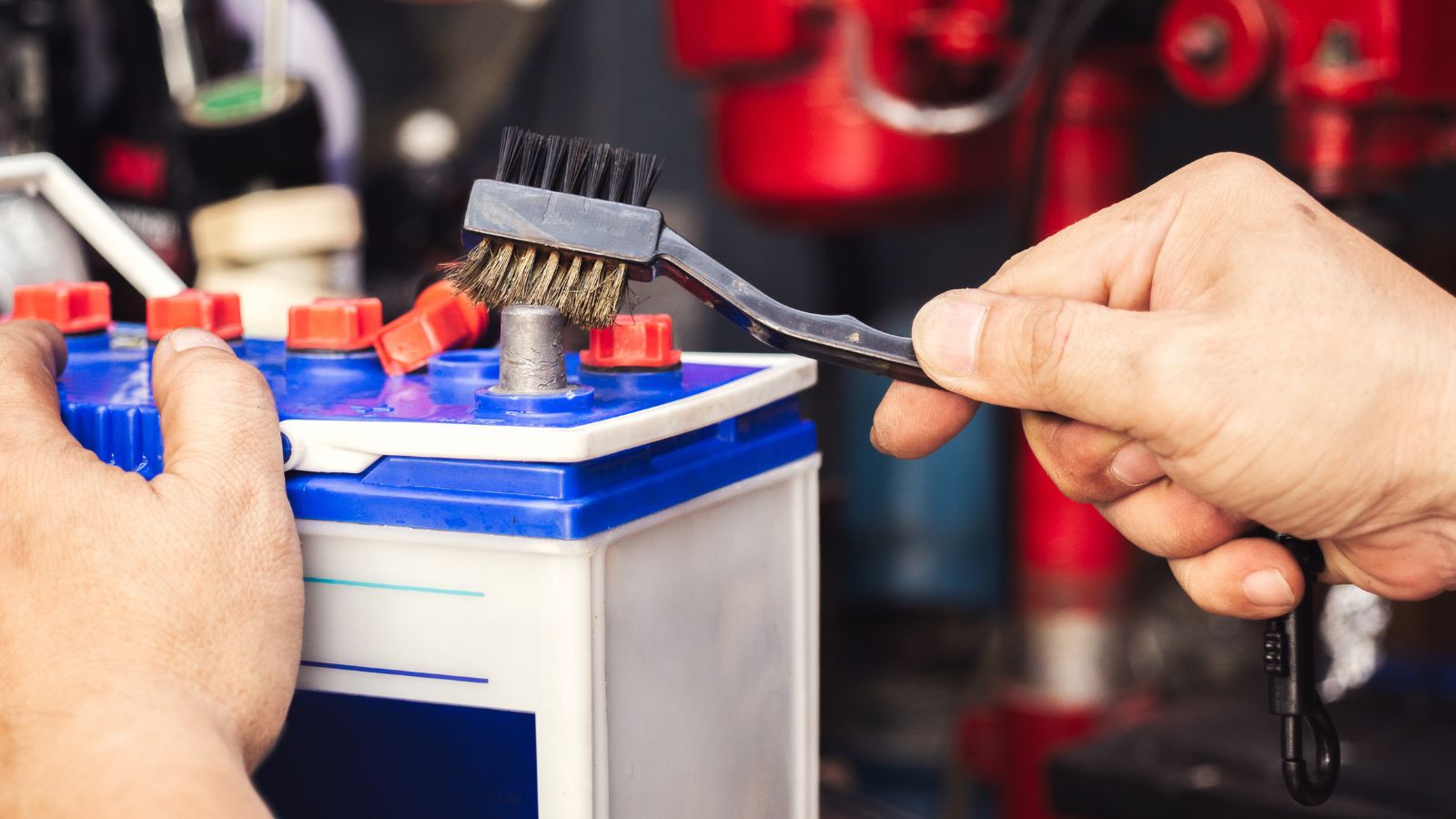
A battery can be healthy and still struggle if its terminals are loose or corroded. Corrosion increases electrical resistance, which can interfere with starting, charging, and accessory operation. Short trips, heat, vibration, and age can all make battery problems show up at the worst possible time.
The early signs are familiar: a slow crank on Monday morning, flickering lights, a random warning message, or a car that starts fine after a jump but fails again days later. Drivers often replace batteries without checking the cables and charging system, which can leave the real problem untouched. Keeping terminals clean and tight, securing the battery properly, and testing the charging system before seasonal extremes can prevent sudden no-start situations.
Washing Too Rarely in Salt, Slush, or Heavy Grime
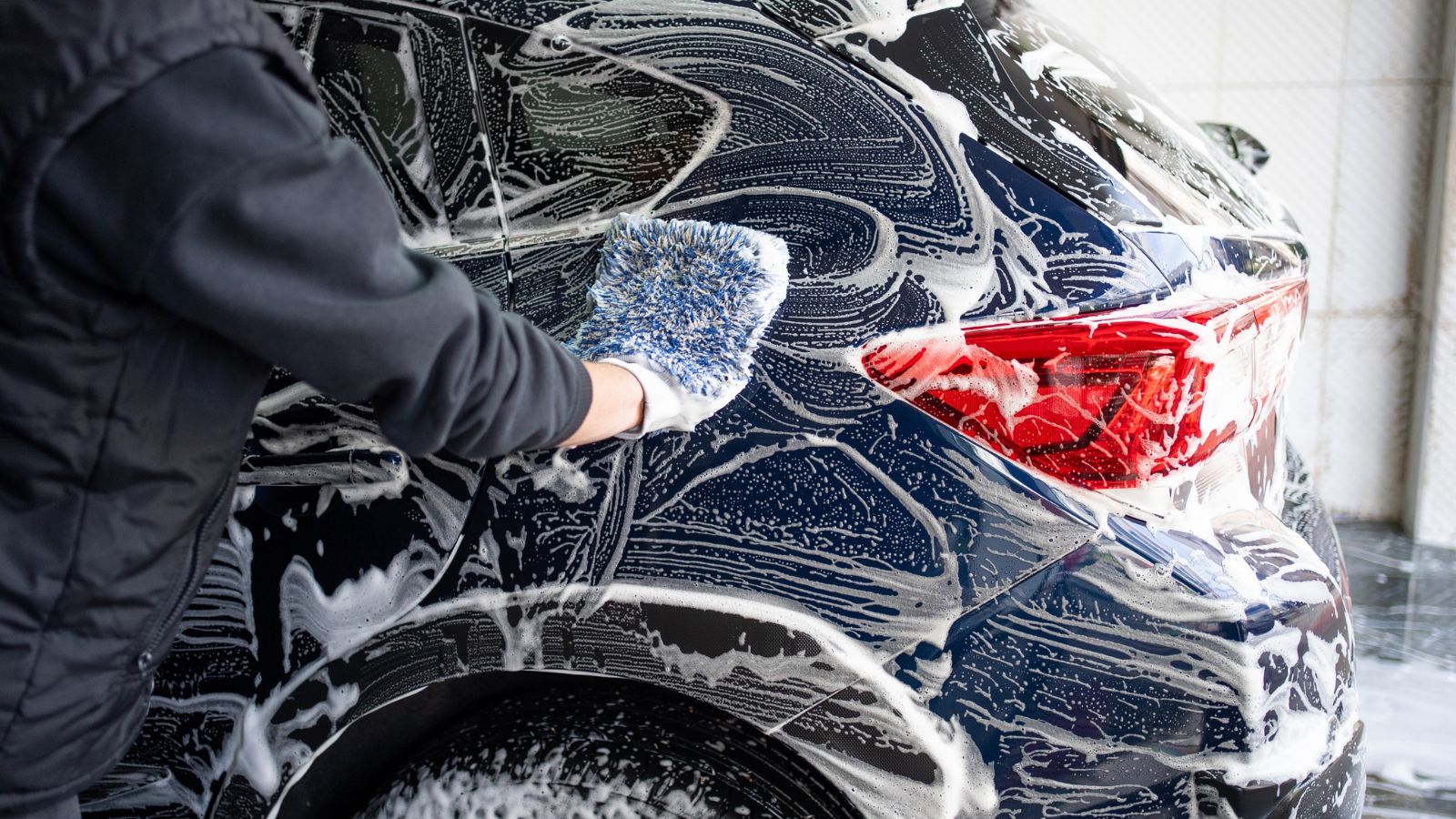
Paint is not the only reason to wash a car. Road salt, brine, mud, and grime collect under the vehicle where brake lines, suspension parts, subframes, fasteners, and exhaust components live. When moisture and salt sit on metal, corrosion can accelerate, especially in winter climates or coastal areas.
A car can look clean from the windows up while its underside is carrying months of residue. That hidden buildup is why undercarriage rinses matter after storms, salted roads, or muddy rural driving. Rust does not usually appear as a single dramatic event; it spreads slowly until a bolt snaps, a brake line weakens, or a suspension part becomes difficult to service. Routine washing is a preservation habit, not just a cosmetic one.
Driving Through Deep Standing Water
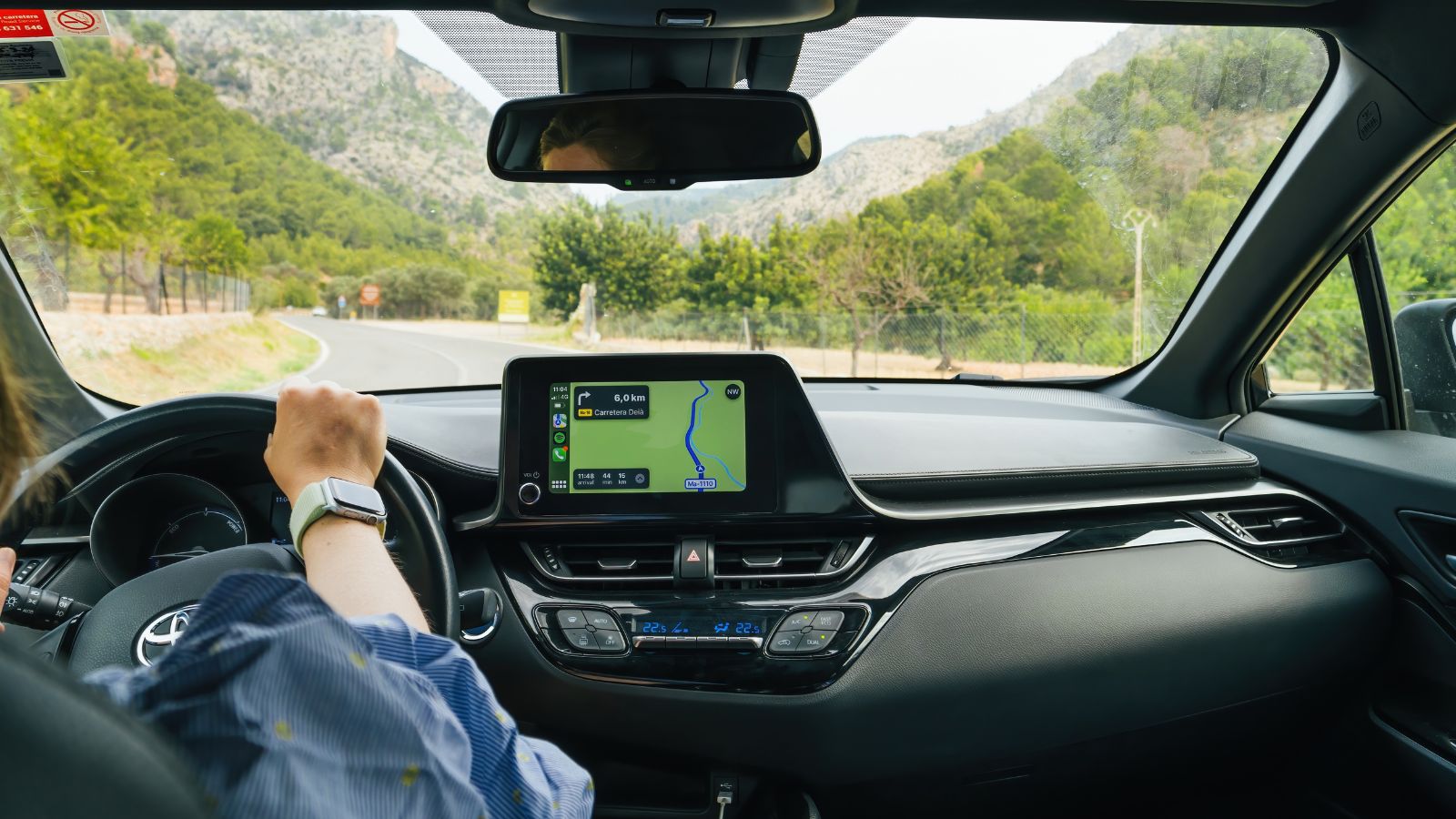
Standing water can be far more damaging than it looks. If water enters the engine intake, it can cause hydrolock because water does not compress like air. Deep water can also damage electrical connectors, wheel bearings, brakes, transmission breathers, interior carpeting, and control modules. The repair bill can climb quickly even if the car keeps moving at first.
The danger is that depth is hard to judge from the driver’s seat. A flooded underpass or road dip may hide a missing surface, a pothole, or a current strong enough to move a vehicle. Splashing through at speed makes the risk worse by pushing water toward the intake and electronics. Turning around may feel inconvenient, but it is often the cheapest and safest decision.
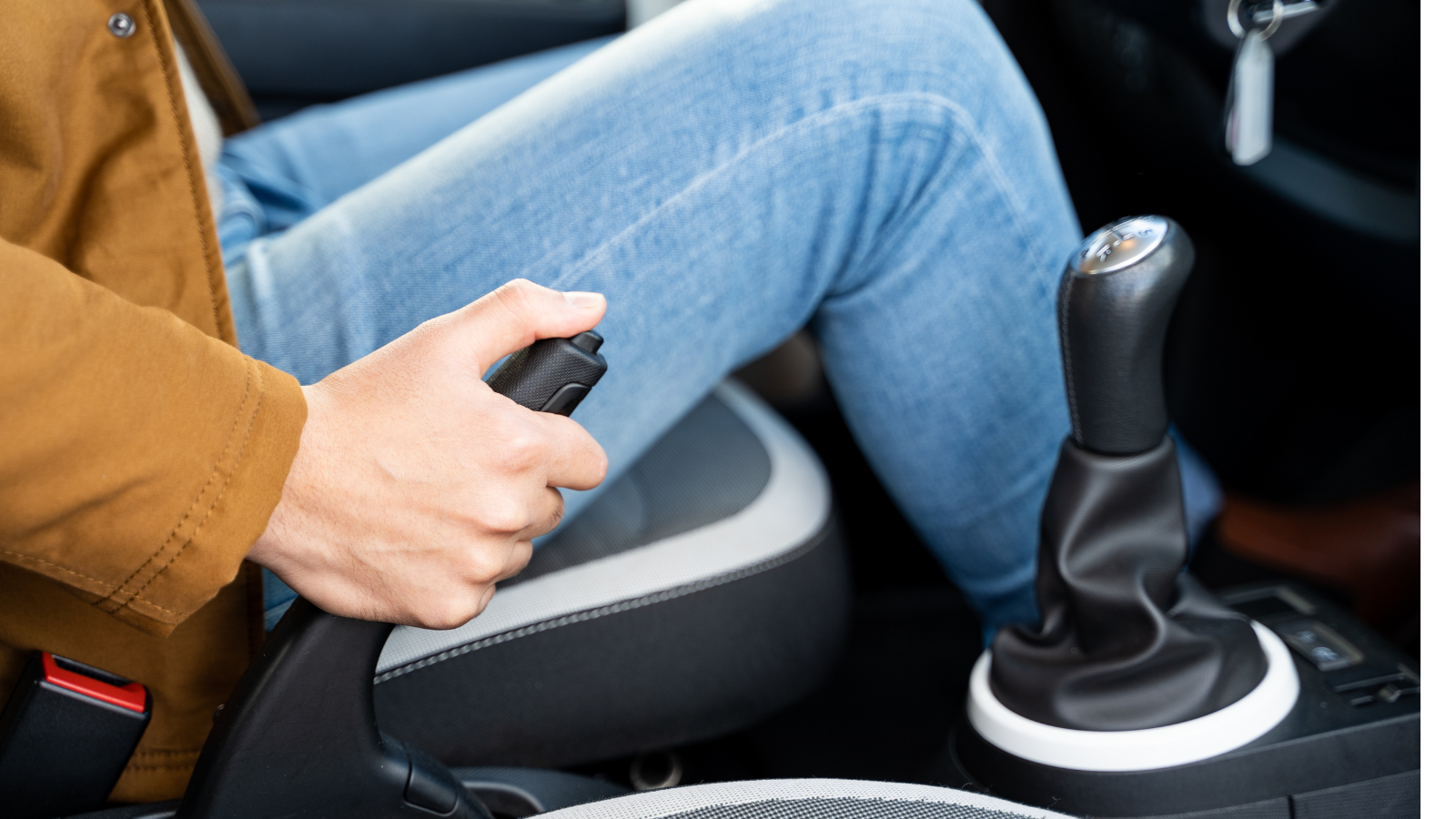
Relying on Park Instead of the Parking Brake
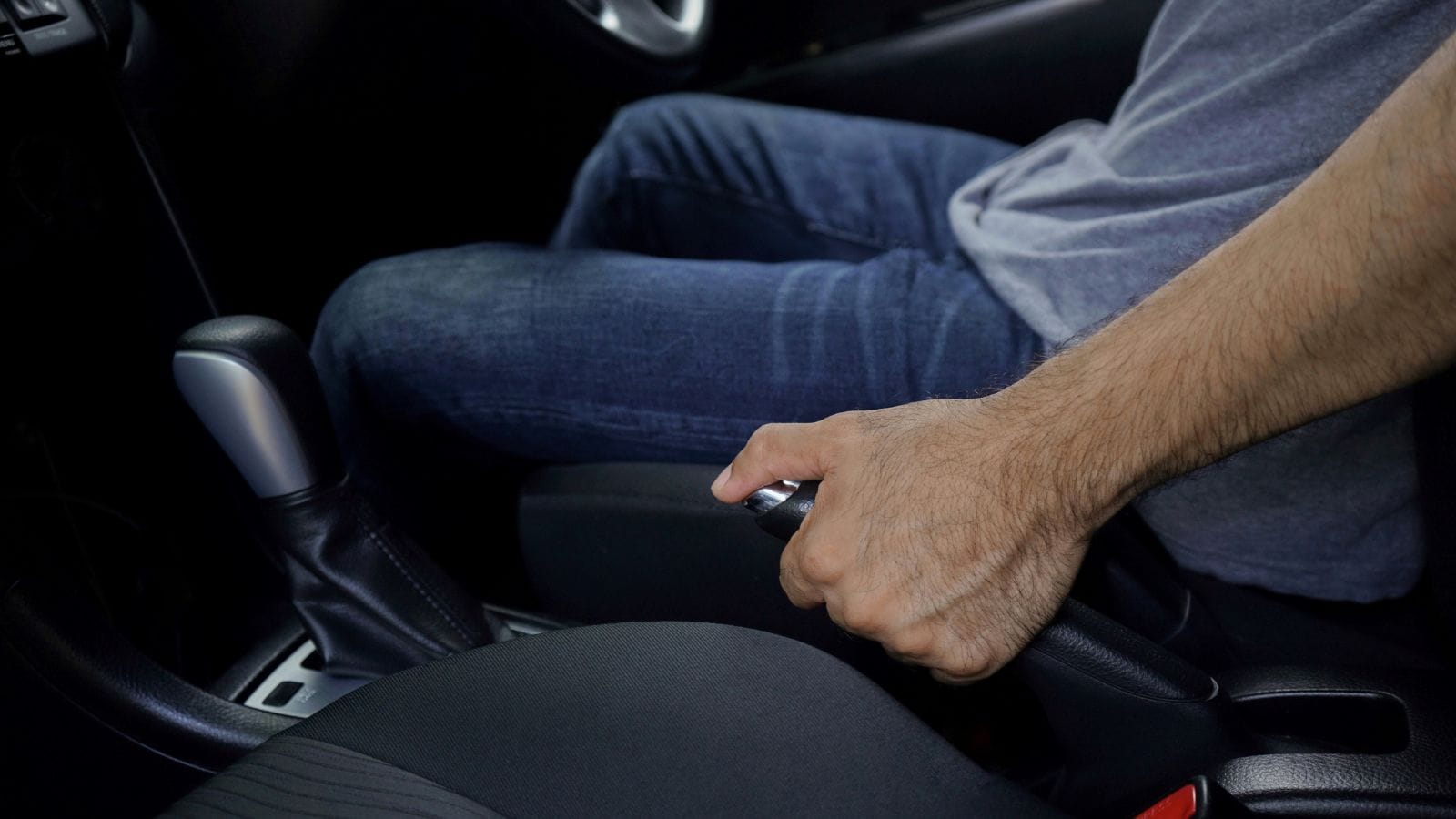
In an automatic transmission, the Park position uses a parking pawl to help hold the vehicle. On an incline, letting the car roll against that pawl before setting the parking brake can place unnecessary load on small transmission parts. The result may be a harsh clunk when shifting out of Park or extra strain over time.
The better sequence is calm and simple: stop fully, keep the foot brake applied, set the parking brake, then shift into Park. This lets the brakes hold the vehicle rather than asking the transmission to do the job alone. The habit matters most on hills, but using the parking brake regularly also helps keep the mechanism from seizing through neglect. A few seconds of routine can protect a costly drivetrain component.
Resting a Foot on the Clutch or a Hand on the Gearstick
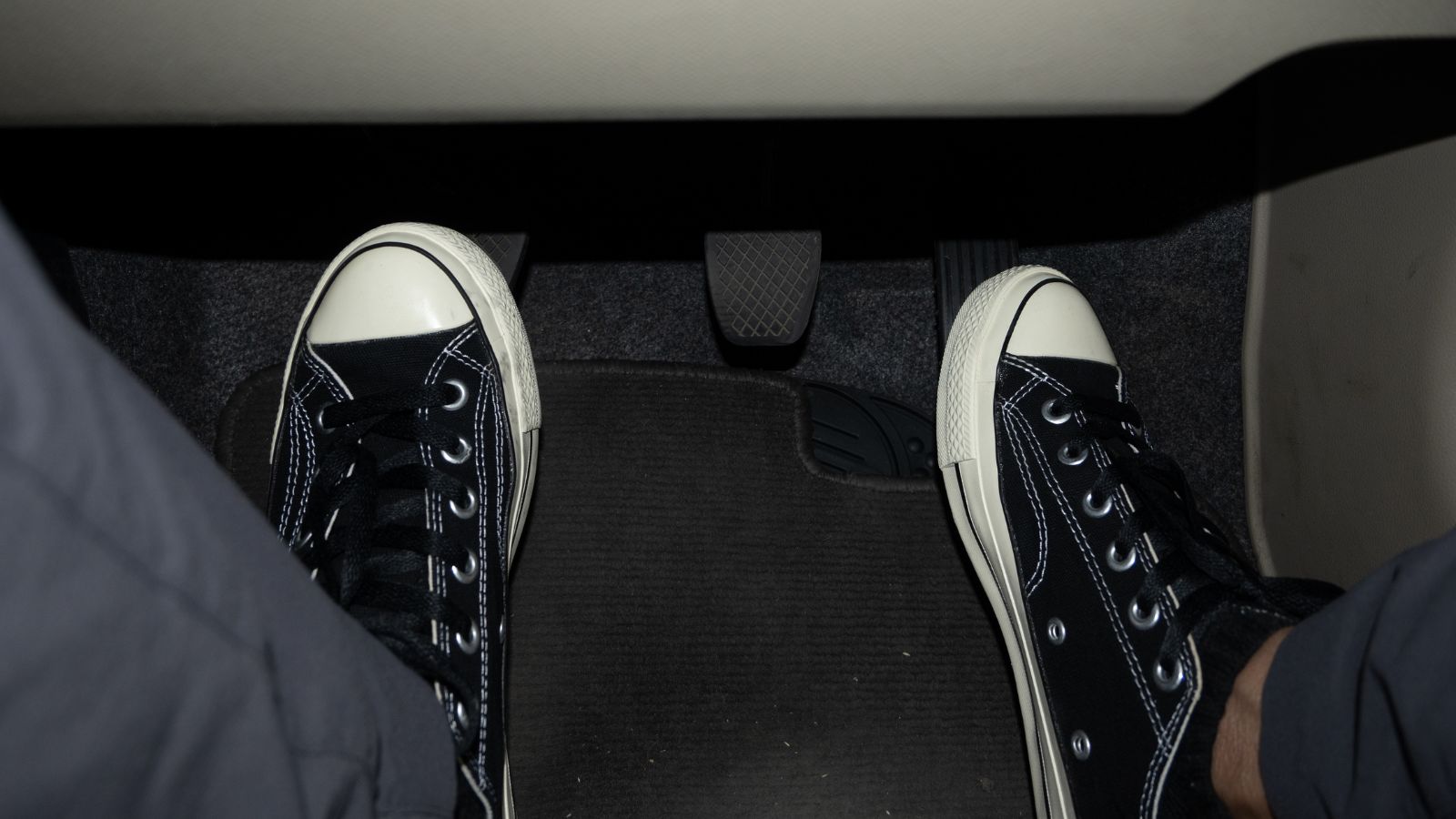
Manual-transmission cars reward smooth control, but small habits can shorten clutch and gearbox life. Resting a foot on the clutch pedal can keep slight pressure on the release mechanism or clutch components. Riding the clutch during slow traffic or hill starts can create heat and wear on a part that is designed to be consumed gradually, not abused constantly.
Resting a hand on the gearstick can also be harmful because it may put pressure on selector components inside the transmission. The driver may not feel anything unusual, but the habit repeats mile after mile. A better routine is to use the clutch decisively, shift cleanly, return the foot to the dead pedal, and keep both hands off the shifter except during gear changes. Smooth technique can add years to manual-transmission components.
22 Things Canadians Do to Their Cars in Spring That Mechanics Hate
Spring brings relief to many Canadian drivers after months of snow, freezing temperatures, and icy roads that put serious strain on vehicles. As temperatures rise across the country, drivers begin washing cars, switching tires, and preparing vehicles for warmer weather and upcoming road trips. However, mechanics across Canada notice the same mistakes every spring when drivers attempt to recover from winter damage. Road salt, potholes, and harsh winter driving conditions often leave vehicles with hidden problems that drivers ignore. Some spring habits even create new mechanical issues that could have been avoided with proper maintenance. Here are 22 things Canadians do to their cars in spring that mechanics hate.

Alanna Rosen is an experienced content writer that focuses on many EV and educational content. Her articles are regularly published on Get CyberTrucked and syndicated on large publications.