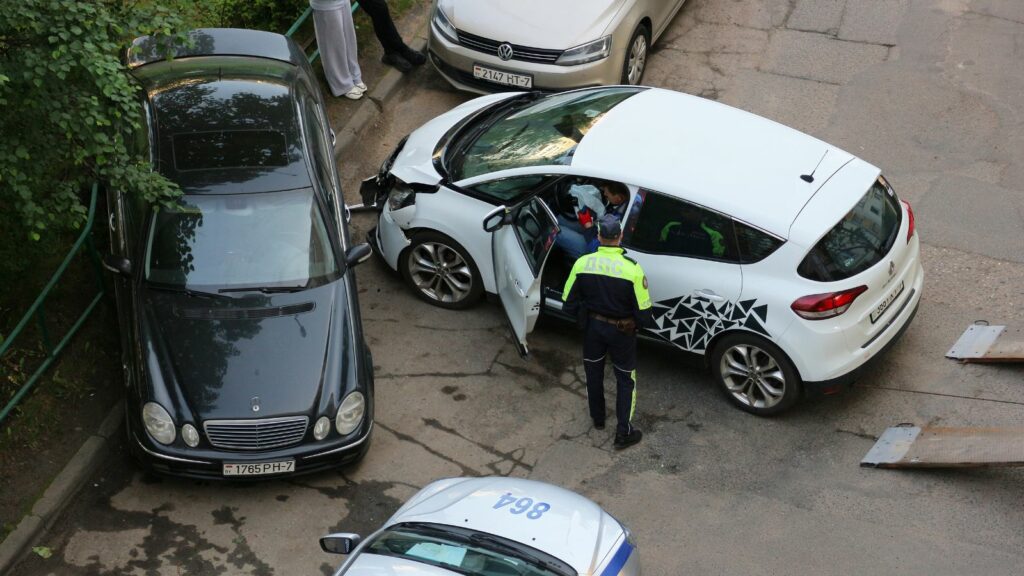
A minor crash can look harmless in the first few minutes: a scraped bumper, a shaken driver, a traffic lane briefly blocked. Yet the aftermath often matters as much as the impact itself. Missed details, rushed decisions, and casual promises can turn a manageable fender-bender into an insurance dispute, medical complication, safety risk, or legal headache.
This guide covers 18 mistakes that can make a small car accident much harder to resolve. Each one highlights a practical moment when calm documentation, clear reporting, and careful follow-through can protect health, finances, and the facts of what happened.
Leaving the Scene Too Quickly
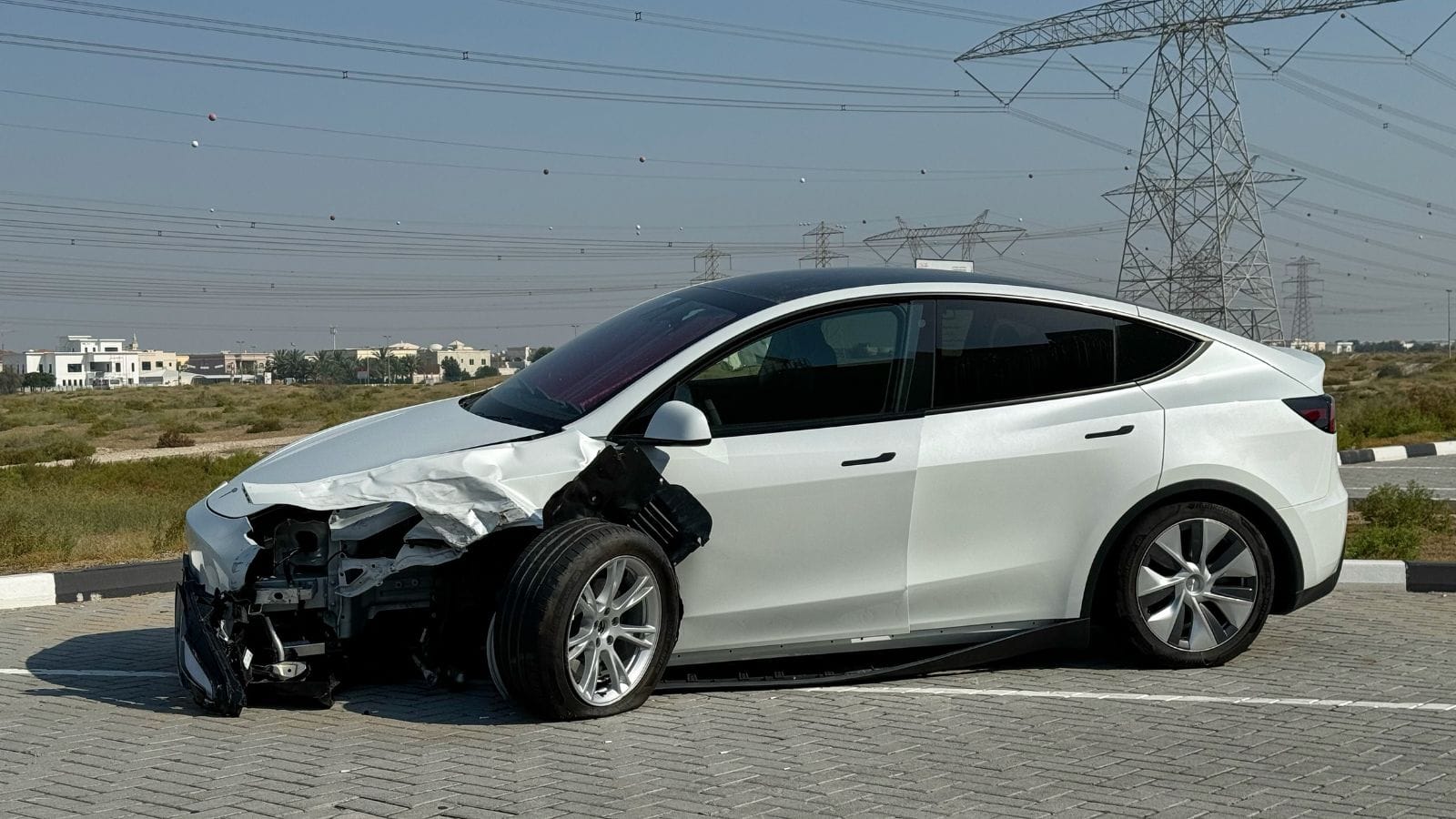
Driving away too soon is one of the fastest ways for a small accident to become serious. Even when damage looks minor, drivers are generally expected to stop, check for injuries, provide assistance, and exchange required information. A driver who leaves because “it was just a tap” may later face a hit-and-run accusation if the other person reports damage, pain, or missing information.
There is also a practical problem: once vehicles leave, the details start to blur. A scratched bumper may hide broken clips, parking sensors, or trunk alignment damage. A driver who leaves without photos, names, insurance details, or a location record may have little to rely on when the story changes later.
Forgetting to Check for Injuries First
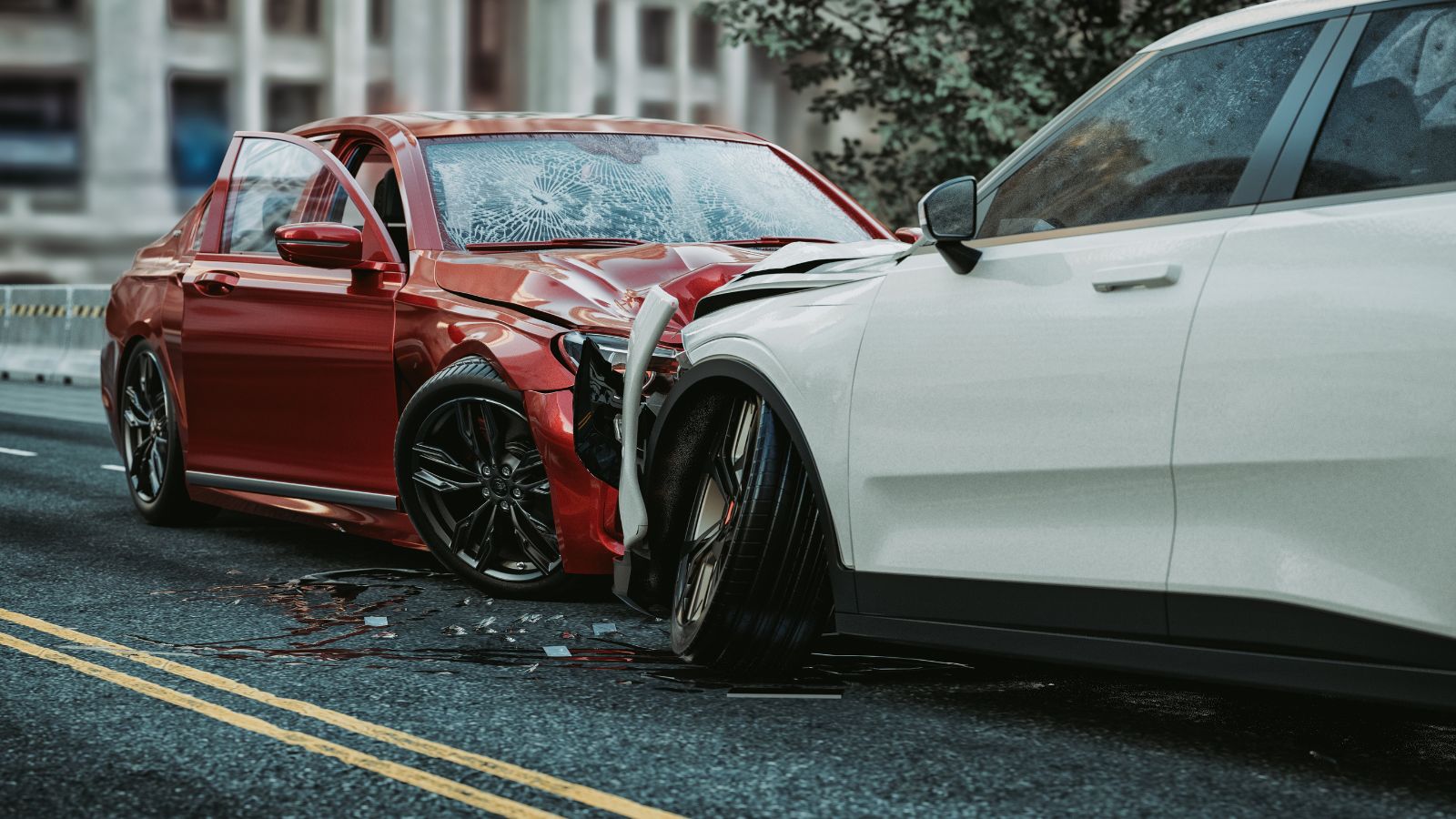
A common mistake after a low-speed crash is focusing on the car before checking on people. Modern vehicles can absorb a surprising amount of impact, but the human body still experiences force. Neck strain, headaches, dizziness, and confusion may not be obvious in the first minute, especially when adrenaline is high and everyone is trying to stay composed.
A small example is the driver who steps out, sees only a cracked taillight, and starts debating payment before asking whether passengers are hurt. If someone later develops symptoms, the lack of early attention can complicate both medical care and the accident record. Safety should always come before damage estimates.
Standing in Traffic While Discussing the Damage
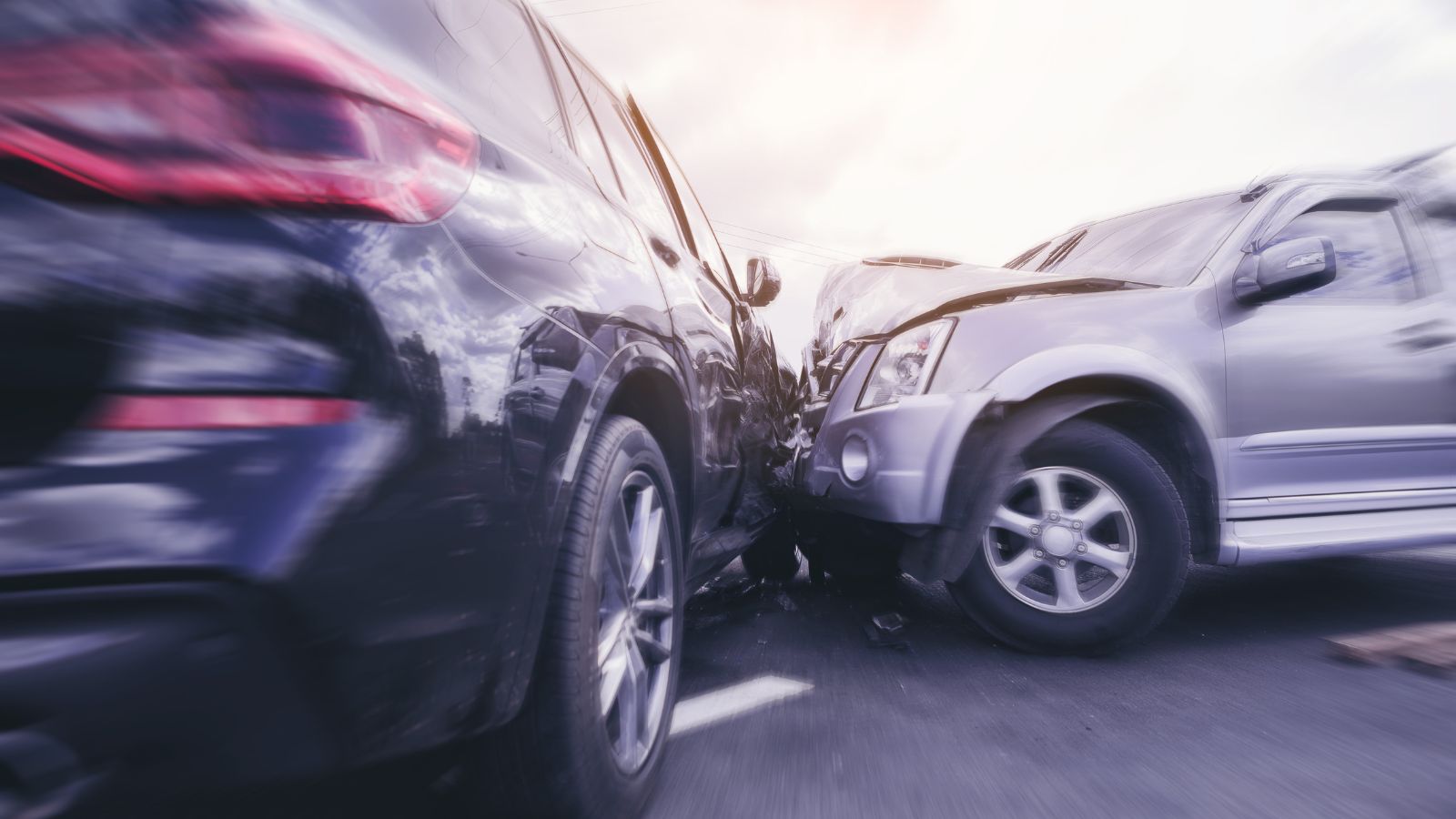
After a crash, people often gather between vehicles to inspect bumpers or argue over what happened. That may feel natural, but it can be dangerous on a busy road. Passing traffic, distracted drivers, broken glass, leaking fluid, and poor visibility can make the scene more hazardous than the original collision.
When vehicles can be moved safely and no one is seriously injured, clearing the lane can prevent a second crash. Even a minor fender-bender can create sudden braking and lane changes behind it. A safer approach is to turn on hazard lights, move to a protected area when possible, and continue the conversation away from moving traffic.
Not Turning On Hazard Lights or Making the Scene Visible

Visibility matters immediately after a crash. Drivers sometimes assume other motorists will notice stopped vehicles, but a damaged car in a lane or shoulder can be hard to judge, especially at night, in rain, or around a curve. Without hazard lights, approaching drivers may not realize that traffic is blocked until they are too close.
A simple action can change the risk level. Hazard lights, reflective triangles, or a safe position away from traffic help warn others that something is wrong. This matters even in a parking lot, where reversing vehicles and distracted pedestrians can add confusion. The goal is not just to document the crash, but to prevent another one.
Skipping the Police Report When It Is Required

d_odin/Shutterstock.
Many drivers avoid calling police because the damage seems too small, traffic is building, or both parties appear cooperative. The problem is that reporting rules vary by location and may depend on injuries, suspected impairment, hit-and-run circumstances, undrivable vehicles, or property damage thresholds. What looks like a private matter can still trigger a reporting requirement.
A police or official collision report can also help later if facts are disputed. It may record the location, drivers, witnesses, weather, road conditions, and whether anyone reported injuries. Without that record, the claim may depend heavily on memory and informal messages, which can become unreliable once repair bills or medical complaints appear.
Admitting Fault Before the Facts Are Clear

Saying “I’m sorry, it was my fault” can feel polite in the moment, but it can create problems before the full picture is known. A crash may involve several factors: speed, lane position, weather, distracted driving, visibility, signal timing, or a vehicle defect. Even a driver who feels responsible may not know what another camera, witness, or inspection will show.
Compassion does not require accepting blame. A better response is to ask whether everyone is okay, exchange information, and describe facts calmly. For example, “I was traveling in the right lane when I felt the impact” is more useful than guessing. Insurance adjusters and authorities are meant to evaluate responsibility based on evidence, not panic.
Making a Cash Deal at the Roadside

A handshake settlement can seem convenient when damage appears tiny. One driver offers cash, the other wants to avoid premiums, and everyone hopes to move on. The risk is that hidden damage, delayed injuries, rental costs, or disputed repairs can appear later. Once money changes hands without documentation, both sides may disagree about what was settled.
This mistake is especially risky when pressure is involved. A driver who insists there is “no need to report anything” may simply want to avoid accountability. If a private payment is considered at all, it should not replace required reporting, proper information exchange, photos, or insurer guidance. A small scratch can still become a larger claim.
Failing to Exchange Complete Information

After a stressful crash, some drivers collect only a phone number and first name. That is rarely enough. Useful information usually includes names, vehicle details, license plate numbers, insurance company and policy details, date and time, crash location, and contact information for drivers and passengers. A photo of the plate and insurance card can prevent transcription errors.
Incomplete information can delay a claim or make the other driver difficult to locate. A common example is discovering later that the phone number was wrong or the driver was not the vehicle owner. Gathering details calmly at the scene is much easier than trying to reconstruct them days later through memory, text messages, or partial photos.
Taking Too Few Photos
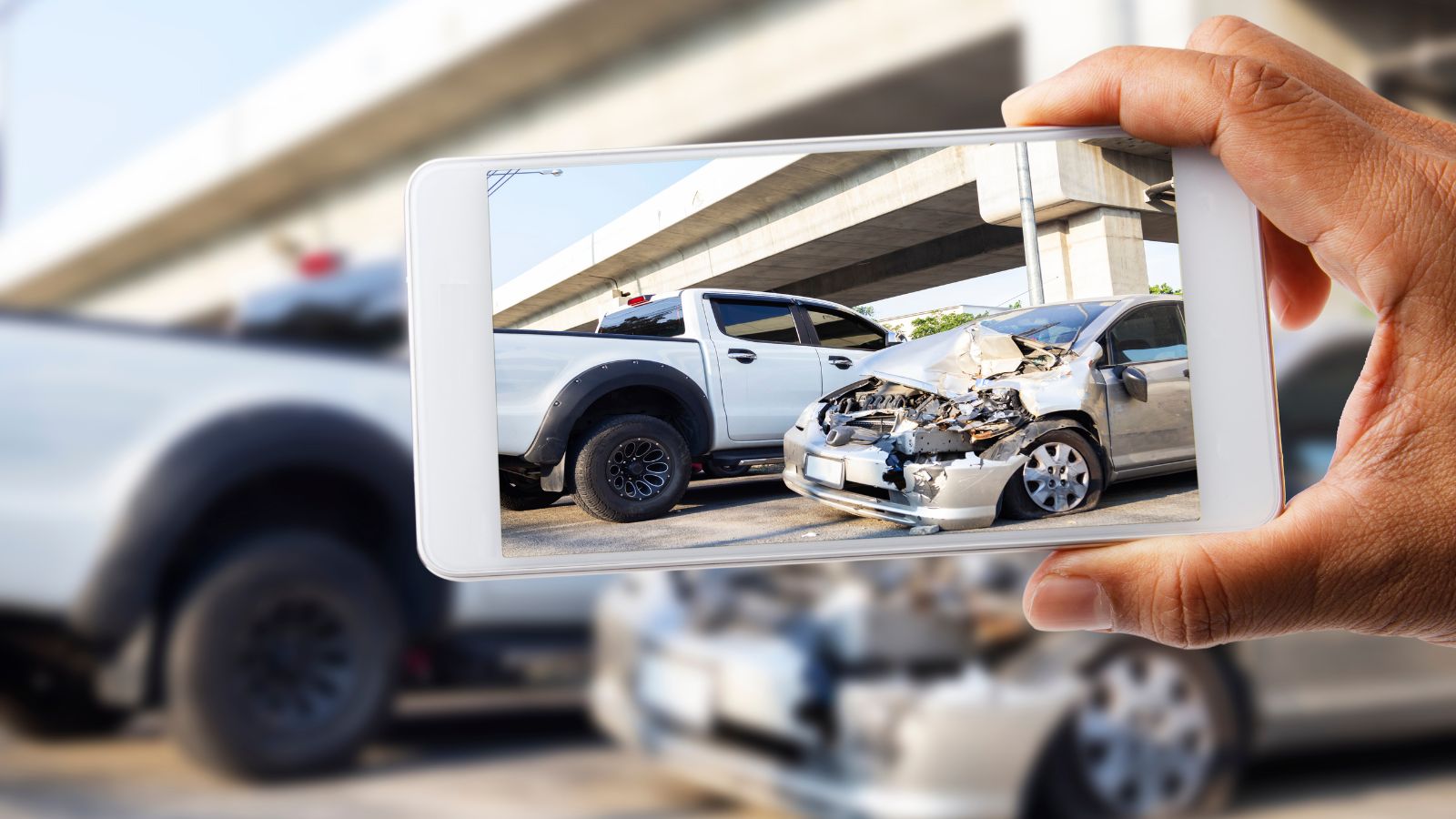
Many drivers take one close-up photo of a dent and assume that is enough. Strong documentation usually requires wide and close views: vehicle positions, license plates, traffic signs, lane markings, skid marks, debris, weather conditions, damage to both vehicles, and nearby landmarks. The wider scene often explains what the close-up cannot.
Photos can become especially important when vehicles are moved for safety. A driver may later claim the impact happened in a different lane or at a different angle. A few extra images can show the road layout, signal placement, shoulder width, or obstruction. Good photos are not about drama; they are about preserving facts before the scene changes.
Ignoring Witnesses Who Are About to Leave
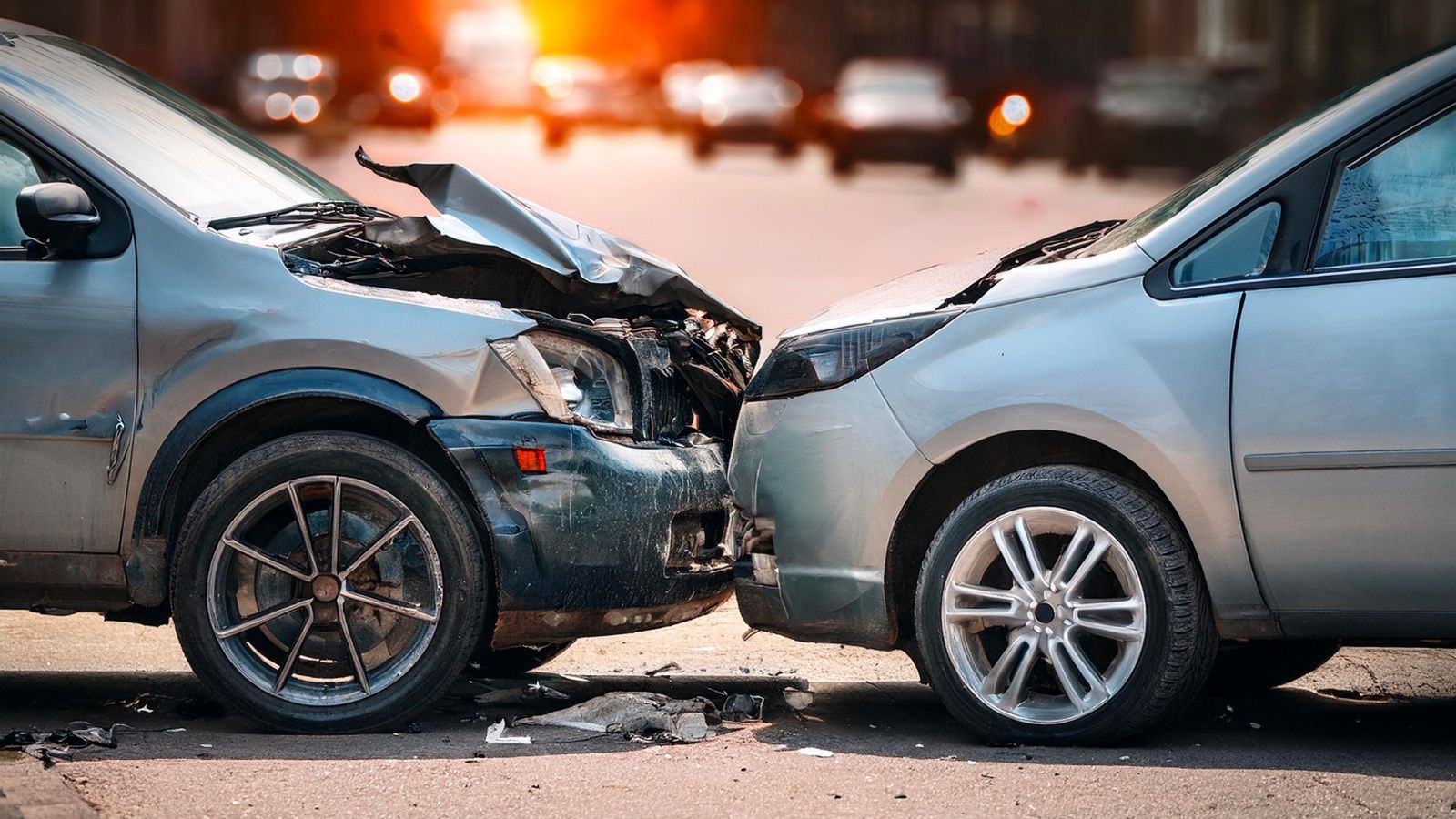
Witnesses often disappear quickly. A pedestrian keeps walking, a delivery driver leaves for the next stop, or another motorist decides not to get involved. Yet a neutral witness can be valuable when drivers remember events differently. Even a name and phone number may help clarify whether a signal was red, a vehicle reversed, or someone changed lanes.
The mistake is assuming witnesses will still be available later. Once the scene clears, it may be nearly impossible to find them. A polite request for contact details can make a major difference. Witness information is especially useful when there is little visible damage, no dashcam footage, or conflicting accounts about who moved first.
Forgetting Weather, Road, and Lighting Details
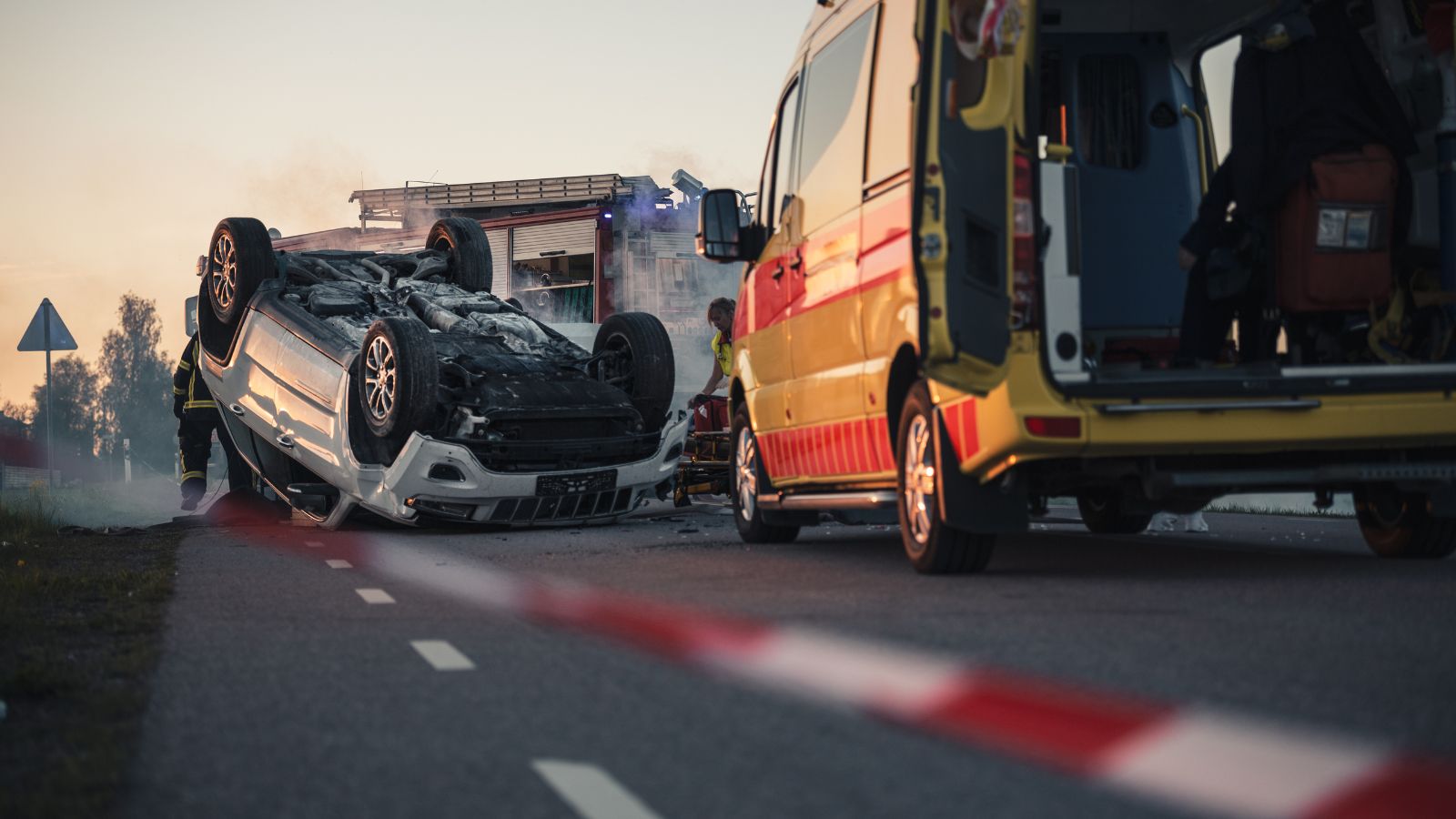
A small accident does not happen in a vacuum. Rain, glare, ice, potholes, poor lighting, construction barriers, blocked signs, or faded lane markings can all shape what happened. Drivers often overlook these details because they seem obvious at the scene, then struggle to describe them later when the weather has changed and the road is clear.
A useful habit is to record the exact location, time, weather, lighting, and road surface conditions. A photo of a wet intersection, a dim parking garage, or a missing stop sign can explain why a seemingly simple crash was harder to avoid. These details may also help insurers assess damage, responsibility, and whether another hazard contributed.
Waiting Too Long to Notify the Insurer
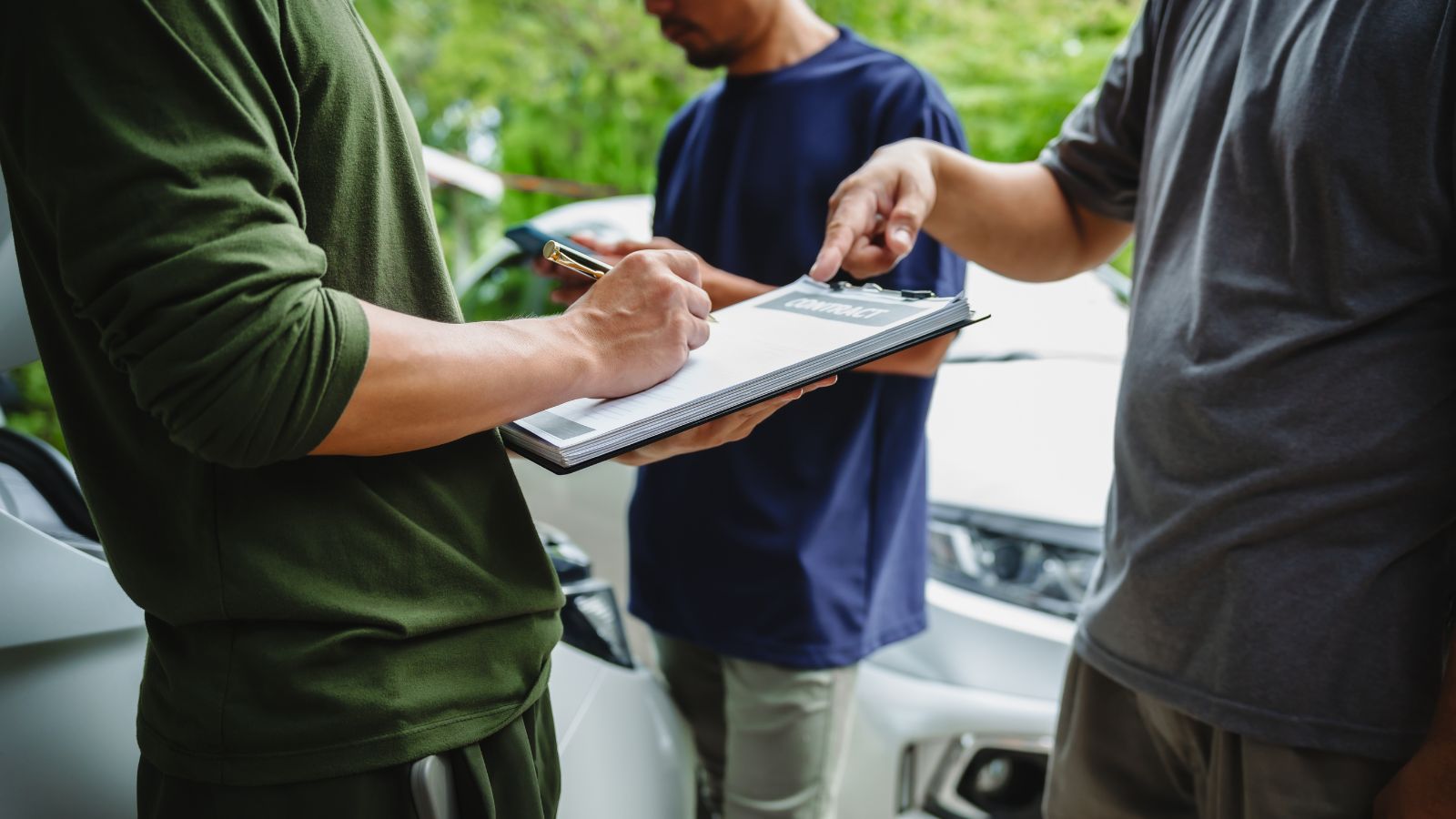
Some drivers delay calling their insurance company because they want to “see how bad it is” first. That can backfire. Insurance policies often require prompt notice, and early reporting helps preserve evidence, document damage, and open a claim before memories fade. Delays can also create suspicion if the damage grows or the other party reports first.
Prompt notice does not always mean a claim will become complicated. It simply gives the insurer a chance to explain coverage, deductibles, repair options, and next steps. A driver who waits two weeks may discover that the other person has already filed a conflicting account. Reporting early helps keep the timeline clear.
Skipping Medical Evaluation After Symptoms Appear

It is common for people to feel “fine” immediately after a crash, then develop neck pain, headaches, dizziness, numbness, or concentration problems later. Whiplash and mild traumatic brain injury symptoms can appear hours or days after an impact. Ignoring those signs can delay treatment and make it harder to connect symptoms with the crash.
This does not mean every bump requires panic, but worsening or persistent symptoms deserve medical attention. A driver who wakes up the next morning unable to turn their neck should not dismiss it because the bumper damage was small. Medical records also create a timeline, which can matter if injury-related costs become part of a claim.
Driving Away in a Damaged Vehicle Without Checking Safety
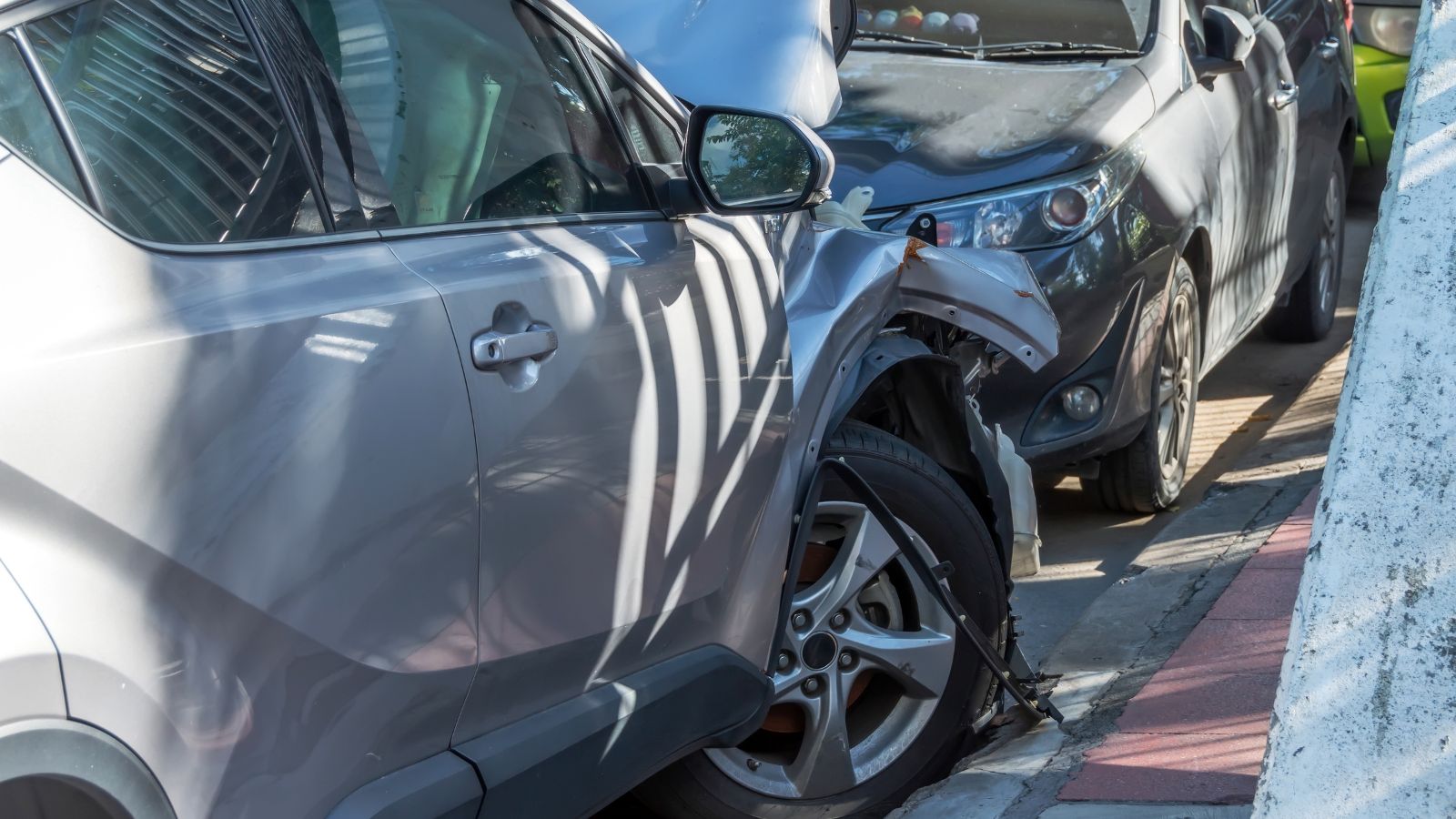
A car that starts after a crash is not automatically safe to drive. Damage to lights, tires, wheels, steering, suspension, cooling systems, brakes, sensors, or airbags can create risk beyond the visible dent. A small front-end hit can damage a radiator support or knock driver-assistance sensors out of alignment.
Warning signs should be taken seriously: leaking fluids, smoke, deployed airbags, rubbing tires, broken lights, steering pull, unusual noises, warning lamps, or a hood that will not latch properly. A tow bill can feel frustrating after a minor crash, but it may be cheaper than causing another accident or worsening mechanical damage by driving an unsafe vehicle.
Repairing the Car Before It Is Properly Documented
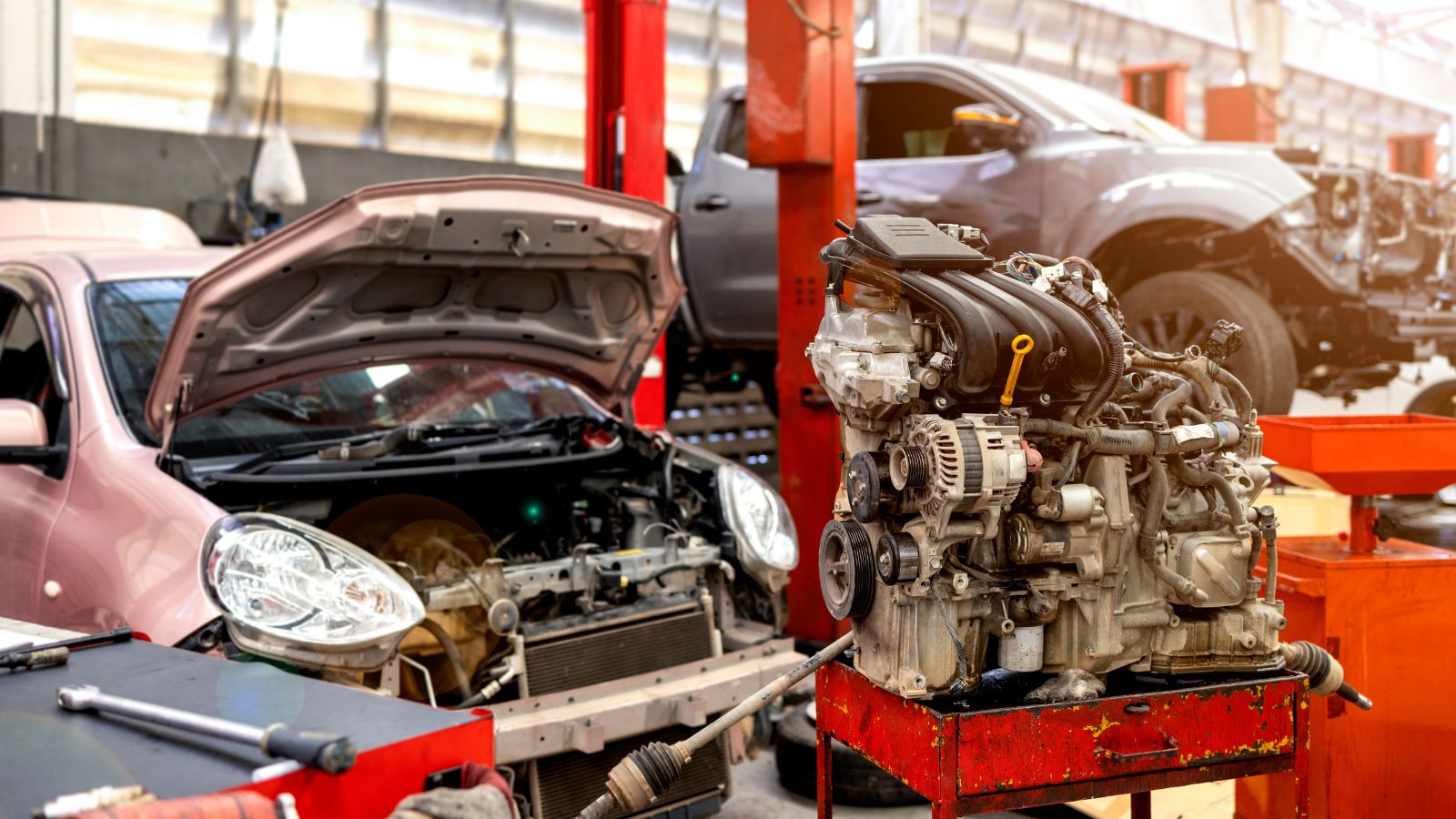
Rushing straight to a repair shop can be understandable, especially when the vehicle is needed for work or family duties. But repairs completed before photos, estimates, or an insurer inspection may create disputes about what damage came from the crash. Once a bumper is replaced or panels are repainted, original evidence is harder to verify.
Documentation should come first whenever possible. That may include photos, a written estimate, invoices, repair orders, and communication with the insurer. If emergency repairs are necessary to make the vehicle safe or prevent further damage, keeping receipts and before-and-after photos is important. The issue is not delaying repairs; it is preserving proof before the proof disappears.
Accepting the First Repair Estimate Without Questions
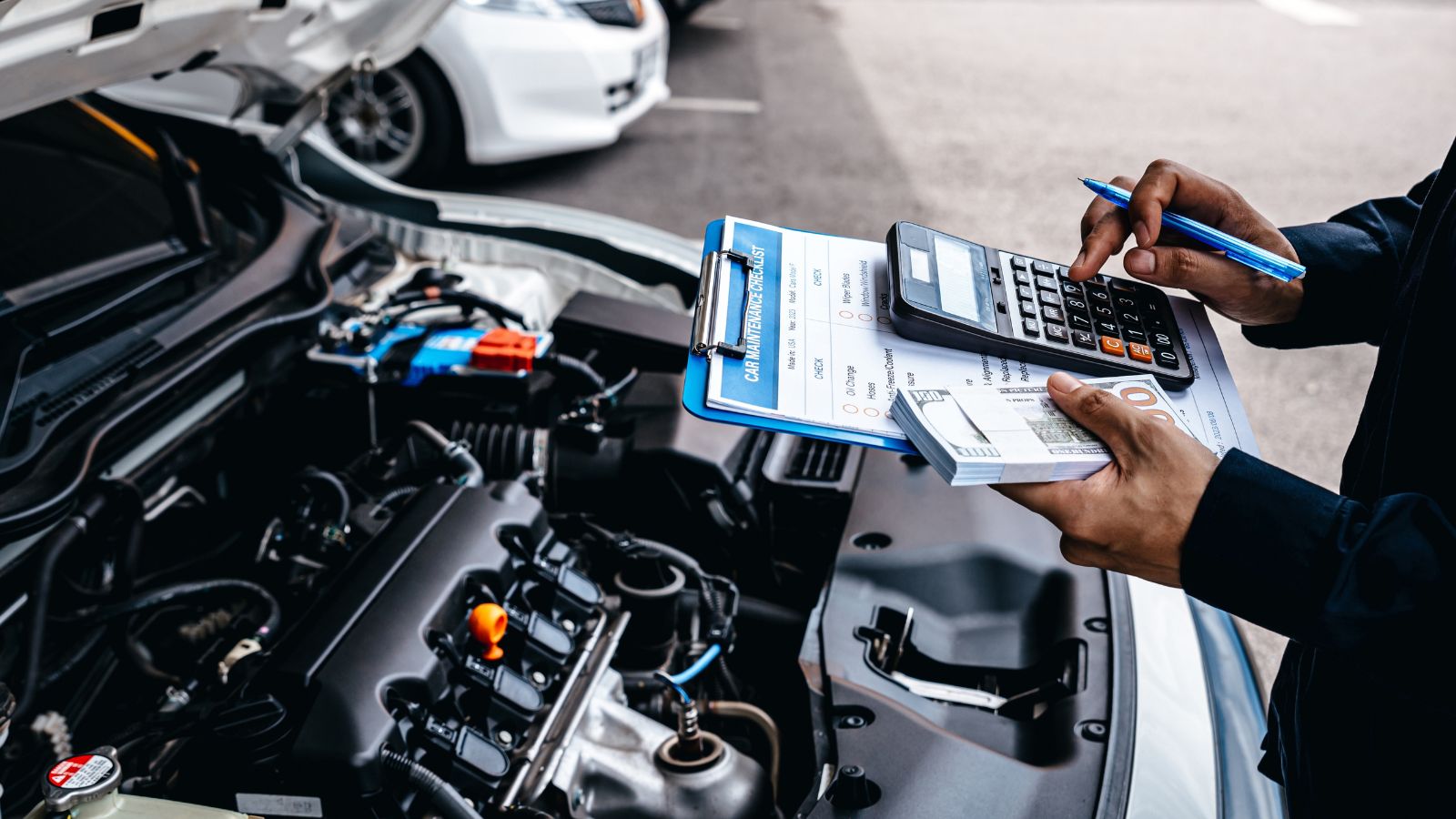
A minor crash can hide complicated repair needs, especially on modern vehicles with cameras, radar sensors, parking sensors, plastic clips, crumple zones, and calibrated safety systems. A low estimate may not include hidden damage discovered after teardown. On the other hand, an unusually high estimate may include unnecessary parts or labor.
Consumers are generally encouraged to get written estimates, understand parts categories, and ask questions before authorizing expensive repairs. A second opinion can be useful when the repair is complex or the recommendation seems unclear. For example, a bumper cover may look cosmetic, but the absorber, brackets, or sensor mounts behind it may determine whether the repair is truly complete.
Overlooking Child Seats, Seat Belts, and Airbags

A small crash can still affect safety equipment. Child seats are designed to protect children during impact, and they may need replacement after moderate or severe crashes even if they look normal. Airbags that deploy must be replaced before the vehicle is driven again, because they can only deploy once. Seat belts should also be checked if they locked, frayed, or failed to retract.
This mistake often happens because attention stays on exterior damage. A parent may focus on a bumper scrape while forgetting the car seat in the back. Safety equipment deserves its own inspection. Hidden stress, deployed restraints, or damaged mounting points can matter far more than a dented panel.
Losing Records After the Claim Starts

The final mistake is treating the accident as finished once the vehicles leave the scene. Claims can take time, and missing records can slow everything down. Photos, police report numbers, repair estimates, receipts, rental car invoices, towing bills, medical notes, names of adjusters, and dates of calls can all become important later.
A simple folder can prevent confusion. One driver might need proof that a repair shop found hidden damage; another might need a receipt for towing or a medical visit. Organized records also help if the first settlement offer seems incomplete. A small accident becomes much easier to manage when every step has a date, document, and clear explanation.
22 Things Canadians Do to Their Cars in Spring That Mechanics Hate

Spring brings relief to many Canadian drivers after months of snow, freezing temperatures, and icy roads that put serious strain on vehicles. As temperatures rise across the country, drivers begin washing cars, switching tires, and preparing vehicles for warmer weather and upcoming road trips. However, mechanics across Canada notice the same mistakes every spring when drivers attempt to recover from winter damage. Road salt, potholes, and harsh winter driving conditions often leave vehicles with hidden problems that drivers ignore. Some spring habits even create new mechanical issues that could have been avoided with proper maintenance. Here are 22 things Canadians do to their cars in spring that mechanics hate.

Alanna Rosen is an experienced content writer that focuses on many EV and educational content. Her articles are regularly published on Get CyberTrucked and syndicated on large publications.