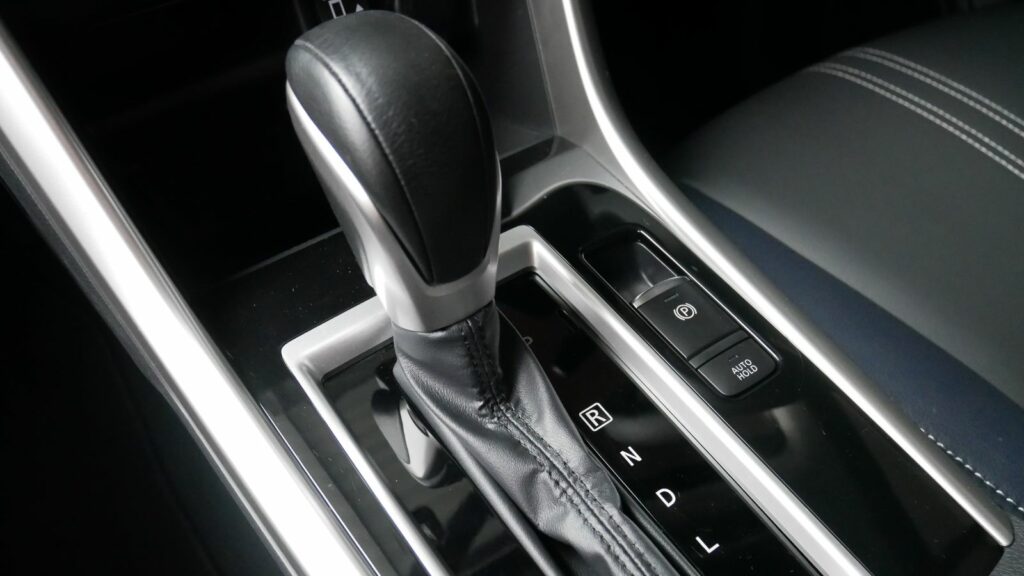
A failing transmission often begins with small changes that are easy to dismiss: a pause before movement, a sharper shift than usual, or a faint burning smell after a long drive. Because the transmission manages the flow of power from the engine to the wheels, even minor symptoms can affect safety, drivability, and repair costs. These 17 signs highlight the warning patterns that often appear before a transmission problem becomes a major breakdown, from fluid leaks and slipping gears to dashboard warnings and unusual noises.
Slipping Gears Under Acceleration

A slipping transmission often feels as if the engine and wheels are no longer fully connected. The tachometer may jump, the engine may rev louder than expected, yet the vehicle does not gain speed in the same smooth way. This can be especially noticeable while merging onto a highway, climbing a hill, or passing another vehicle. In an automatic, slipping can point to low fluid pressure, worn clutch packs, damaged bands, or internal wear.
The human side of this problem is easy to understand: a driver presses the accelerator expecting a predictable response, but the car hesitates or surges instead. That uncertainty can make everyday driving feel stressful. Since modern automatic transmissions are designed to shift almost invisibly, any repeated flare in engine speed without matching acceleration deserves attention before heat and friction create more expensive damage.
Delayed Engagement After Shifting Into Drive or Reverse
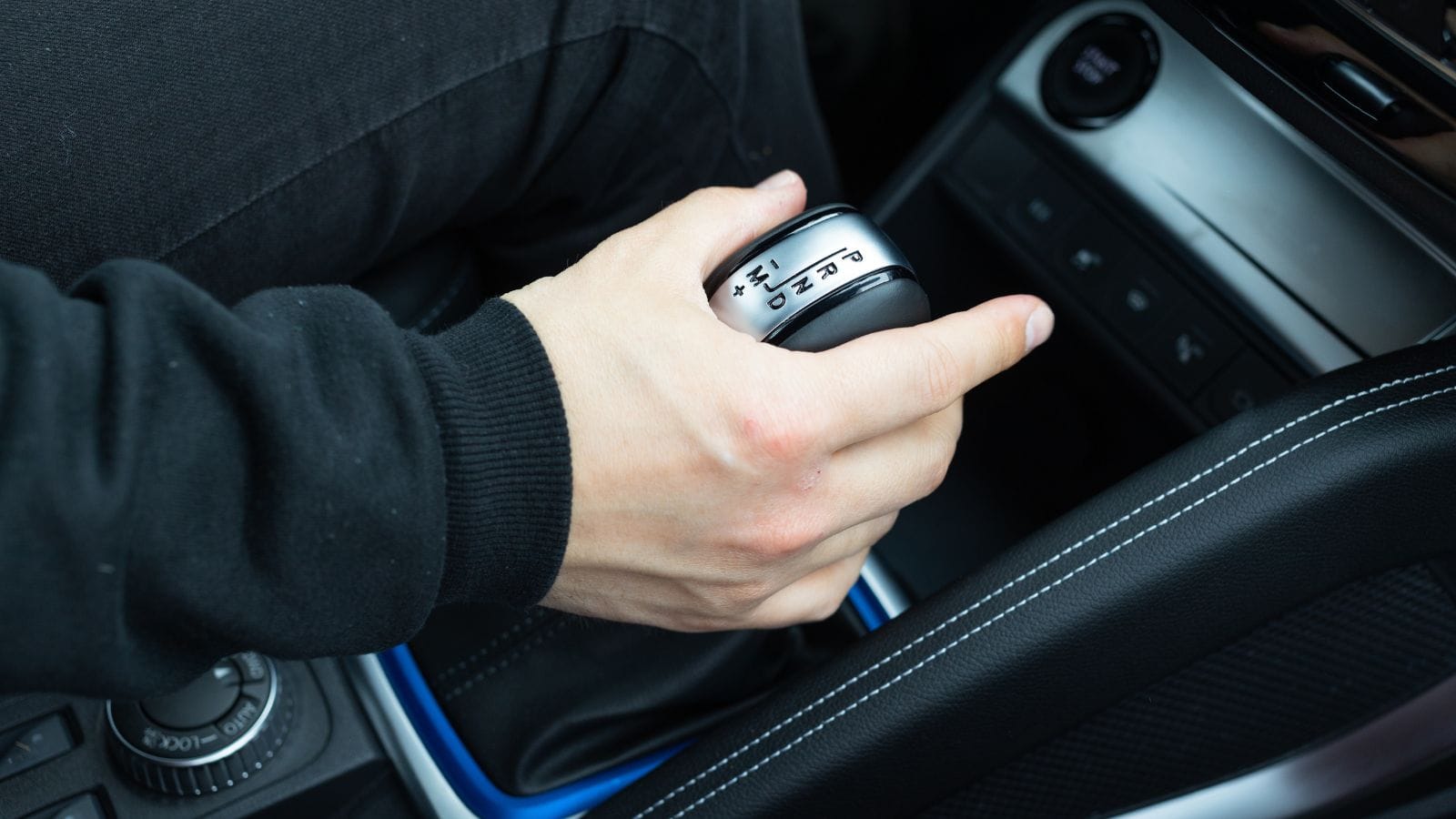
A brief pause after shifting from Park into Drive or Reverse can sometimes happen in cold weather, but a long or worsening delay is different. Delayed engagement means the transmission takes extra time to apply the gear that should move the vehicle. A driver may select Reverse in a driveway, wait, then feel a sudden bump as the gear finally catches. That pause often feels small at first, which is why it is commonly ignored.
Automatic transmissions rely on fluid pressure, seals, valves, solenoids, and control signals to engage properly. If the delay becomes routine, it may point to low fluid, worn internal seals, contaminated fluid, or an electronic control issue. The risk is not just inconvenience. Revving the engine while waiting for engagement can shock internal components when the gear finally applies, turning a mild symptom into a harsher mechanical event.
Harsh Clunks or Jerks Between Gears

A healthy automatic transmission should not feel like it is kicking the vehicle through every gear change. Harsh shifts can show up as a thud when moving from first to second, a jolt during downshifts, or a clunk when selecting Reverse. In stop-and-go traffic, this can make the whole car feel unsettled, as though the drivetrain is being tugged from underneath. The symptom may appear only when the vehicle is hot, cold, or under load.
The cause is not always the same. Harsh shifting can come from dirty fluid, low fluid pressure, failing solenoids, worn mounts, software calibration issues, or internal clutch wear. The important clue is repeatability. One odd shift may not mean disaster, but a pattern of hard engagements suggests the transmission is struggling to manage torque smoothly. Left alone, repeated shock loads can strain mounts, shafts, and internal friction materials.
Missing or Skipped Gear Changes

A transmission that refuses to upshift, downshift, or select a particular gear is sending a stronger warning than a minor hesitation. The vehicle may feel stuck in a low gear, rev too high at city speeds, or fail to settle into its normal cruising gear on the highway. Some drivers describe it as the car “forgetting” what gear should come next. In older vehicles, this may be mechanical; in newer ones, the computer may also be involved.
Skipped or missing shifts can point to low fluid, contaminated fluid, shift solenoid problems, sensor faults, or internal wear. Since automatic transmissions use specific gear ratios to balance acceleration, fuel economy, and engine load, a missing gear changes how the whole vehicle behaves. A car that cannot access its higher gears may run hotter, use more fuel, and place extra stress on the engine as well as the transmission.
Erratic Gear Hunting at Steady Speeds
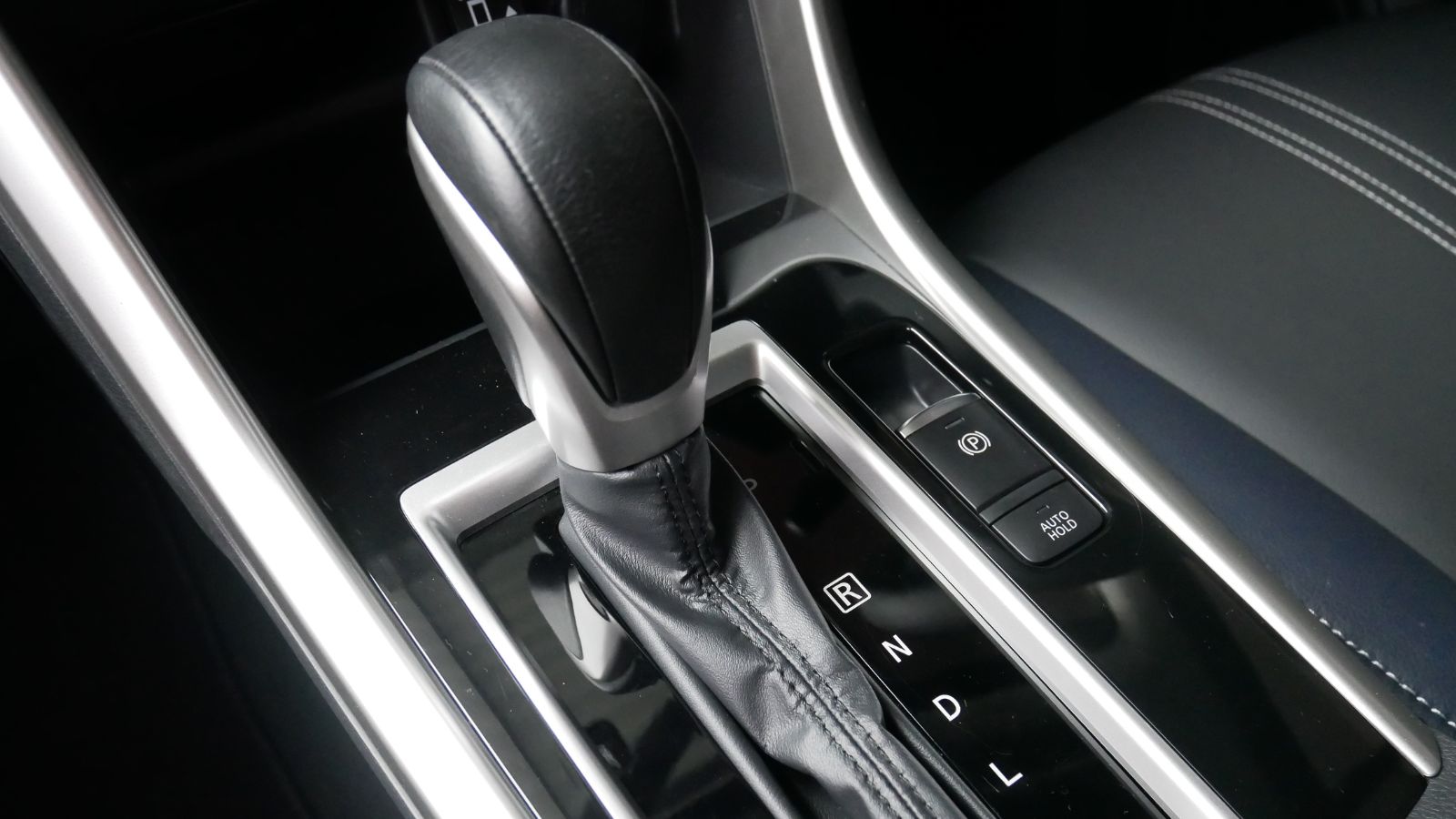
Gear hunting happens when the transmission shifts back and forth when the driving situation has not really changed. On a flat road at a steady speed, the vehicle may move from one gear to another, then back again, creating a faint surging feeling. In a normal drive, a transmission responds to throttle input, road grade, speed, and load. When it becomes erratic, the shifts can feel nervous or poorly timed.
This symptom can be subtle because the car may still drive. A commuter might first notice it during a familiar stretch of road where the vehicle used to cruise calmly. Gear hunting can involve sensor inputs, fluid pressure, valve body issues, torque converter operation, or adaptive shift controls trying to compensate for wear. It becomes more concerning when paired with warning lights, rough shifts, overheating, or slipping under acceleration.
Slow or Weak Reverse Engagement
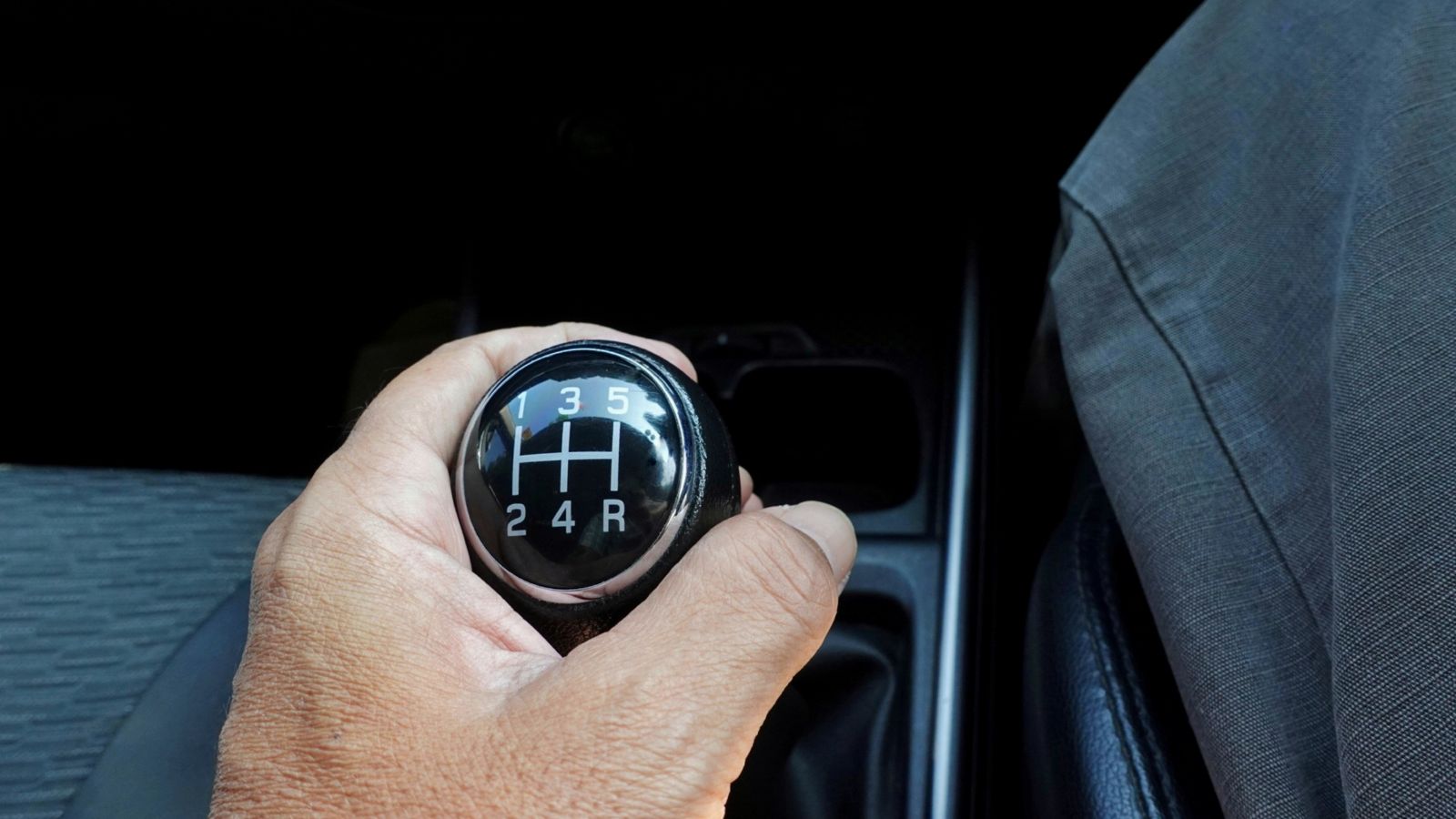
Reverse gear often exposes transmission trouble early because it requires a clean engagement from a standstill. A driver may shift into Reverse, feel a delay, then notice weak movement or a shudder while backing out. In some vehicles, Reverse may work fine when cold but become slow after a long drive. In others, the opposite occurs, with the first morning shift producing the most obvious hesitation.
Weak reverse engagement can point to fluid pressure loss, valve body faults, solenoid issues, worn clutch elements, or software-related concerns. The example is familiar: a car that once backed smoothly into a parking space now needs extra throttle just to move. That extra throttle can worsen the problem if the transmission suddenly catches. Any repeated delay in Reverse should be treated as more than a quirk, especially if Drive is also starting to hesitate.
Red, Brown, or Oily Fluid Under the Vehicle
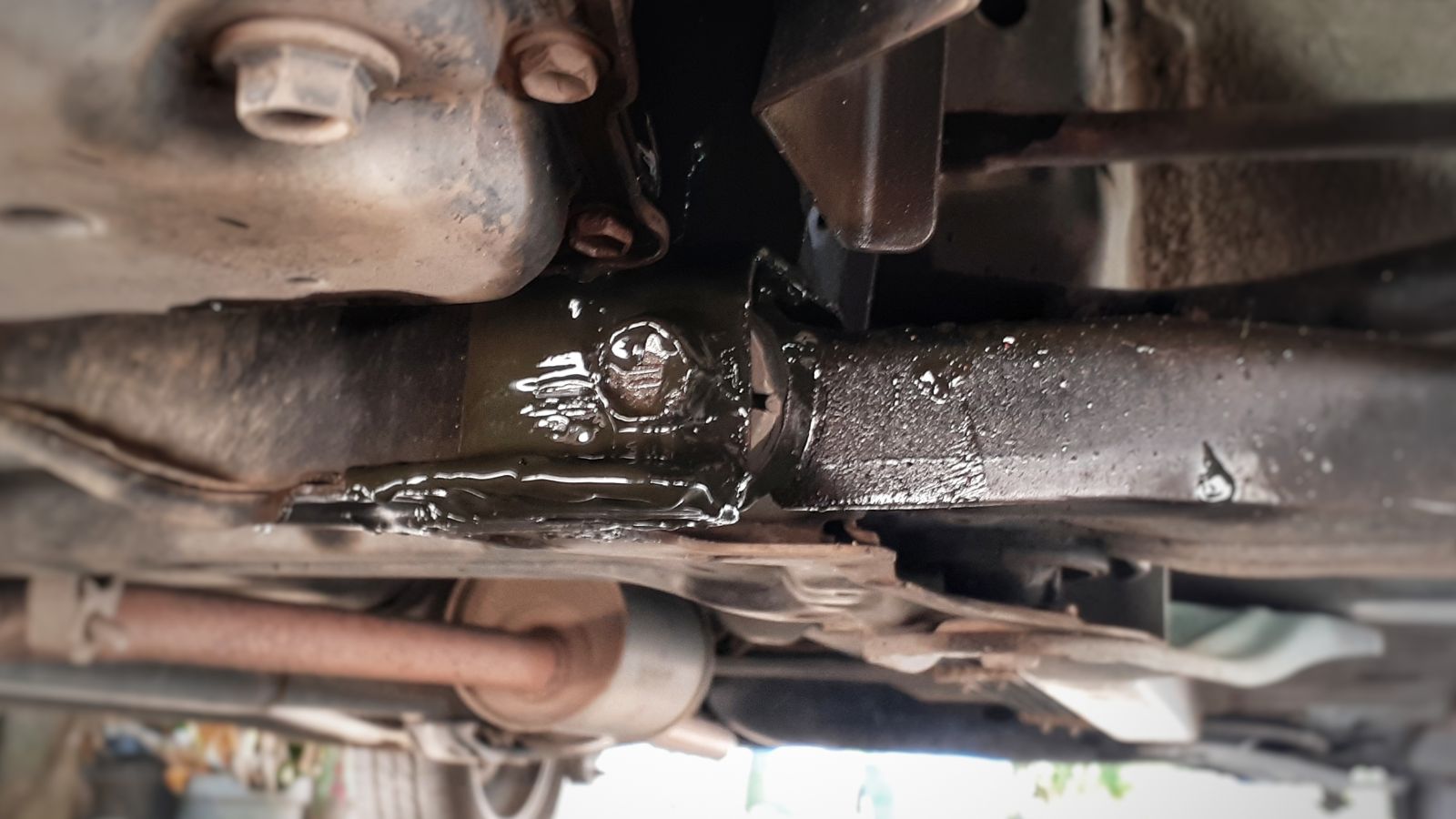
Transmission fluid leaks are often easier to see than to feel. A reddish, brownish, or oily spot under the centre or front half of the vehicle can indicate a leaking pan gasket, cooler line, axle seal, front seal, or other transmission-related seal. Not every transmission fluid is bright red, and some modern vehicles do not have a simple dipstick check, which makes the location and pattern of the leak especially important.
A small leak can become a large problem because automatic transmissions depend on fluid for hydraulic pressure, lubrication, cooling, and shifting action. Unlike engine oil, transmission fluid is not normally consumed during operation, so a falling level usually means it is escaping somewhere. The practical example is a driveway stain that appears only after long trips. That stain may look minor, but once the fluid level drops enough, slipping and overheating can follow quickly.
Burning Smell After Driving

A burning smell after driving should never be dismissed as just “old car smell.” Transmission fluid can overheat when it is low, contaminated, aerated, or unable to cool properly. The odor is often described as acrid, hot, or sharp, and it may appear after climbing hills, towing, sitting in traffic, or driving in high temperatures. Because other vehicle problems can also smell burnt, the context matters: slipping, delayed shifts, or warning lights make a transmission source more likely.
Heat is especially harmful because transmission fluid must protect friction surfaces and moving components while also helping the unit shift smoothly. Once fluid breaks down, it may lose some of its ability to lubricate and cool. A driver might first notice the smell while parking after a long commute. If the same smell keeps returning, especially with darker fluid or harsh shifts, the transmission may already be running hotter than it should.
Buzzing, Humming, Whining, or Clunking Noises
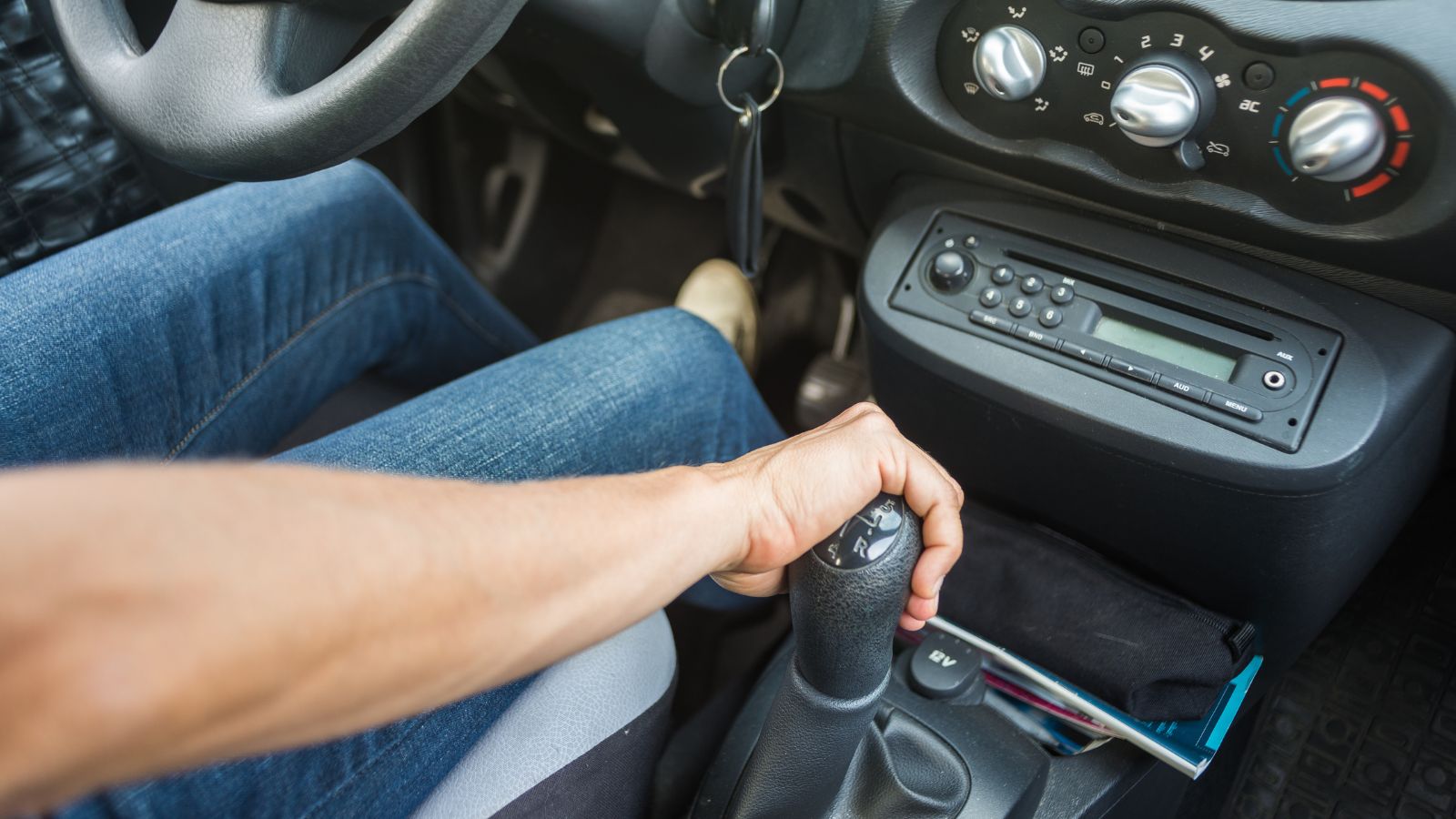
Transmissions can make different noises depending on the failing component. A buzzing or humming sound may point to fluid flow problems, internal sealing issues, or bearing wear. A clunk can suggest a harsh engagement, worn mount, or internal mechanical concern. A whine that rises with speed may feel especially unsettling because it seems to come from beneath the cabin rather than the engine bay.
Noise is useful because it often appears before complete failure. A driver who hears a new hum only in gear, but not in Park, has a clue that the issue may be drivetrain-related. The sound may change with vehicle speed, engine speed, load, or gear selection. Since bearings, planetary gears, seals, pumps, and clutch assemblies can all create different noises, a proper diagnosis matters. Turning up the radio may make the trip quieter, but it does not reduce the mechanical risk.
Shaking During Gear Changes

A vehicle that shakes during shifts may feel as though it is briefly losing balance. The vibration can happen during acceleration, deceleration, or a specific gear change. In some cases, it feels like driving over a rough patch of pavement even when the road is smooth. Since tires, engine mounts, axles, and misfires can also cause vibration, the timing of the shake is the key clue: if it happens right as the transmission changes gears, the transmission deserves attention.
Shaking during shifts can involve worn internal friction materials, fluid problems, torque converter shudder, or control issues. Many drivers notice it first at moderate speeds when the vehicle is lightly accelerating. The example is a car that feels smooth leaving a stop but shudders as it settles into a higher gear. That pattern can help a technician reproduce the concern and separate transmission behavior from wheel balance or suspension problems.
Check Engine or Transmission Warning Lights
A dashboard warning light can turn a vague driving symptom into a diagnostic starting point. Some vehicles use a dedicated transmission warning symbol, while others rely on the check engine light or a text message in the information display. A warning may appear with harsh shifting, overheating, reduced power, or no obvious symptom at all. Modern vehicles monitor many transmission-related sensors and control modules, so stored trouble codes can provide important clues.
A common example is a generic transmission-control code that does not identify one single failed part but confirms the control system has detected a problem. That is why reading codes is only the beginning, not the whole repair. Low fluid, dirty fluid, bad solenoids, sensor faults, wiring issues, valve body problems, and control-module concerns can all be part of the diagnosis. Ignoring the light risks driving through a fault the vehicle is actively trying to report.
Limp Mode or Limited Gear Operation
Limp mode is a protective strategy that may limit power, hold the transmission in one gear, or reduce available gear choices after a fault is detected. To the driver, it can feel like the vehicle suddenly lost strength. The car may accelerate slowly, refuse to shift normally, or display a message telling the driver to seek service. This can happen after overheating, electronic faults, sensor failures, or internal transmission problems.
The purpose is usually to protect the drivetrain from further damage and allow the vehicle to be moved safely, not to continue normal driving indefinitely. A family leaving a campsite with a loaded vehicle might notice the transmission warning, followed by reduced performance on a hill. That is a clear sign to stop, cool down if instructed, and arrange service. Limp mode means the vehicle has already changed its behavior because it has detected a serious enough concern.
Higher RPM Than Usual at Cruising Speed
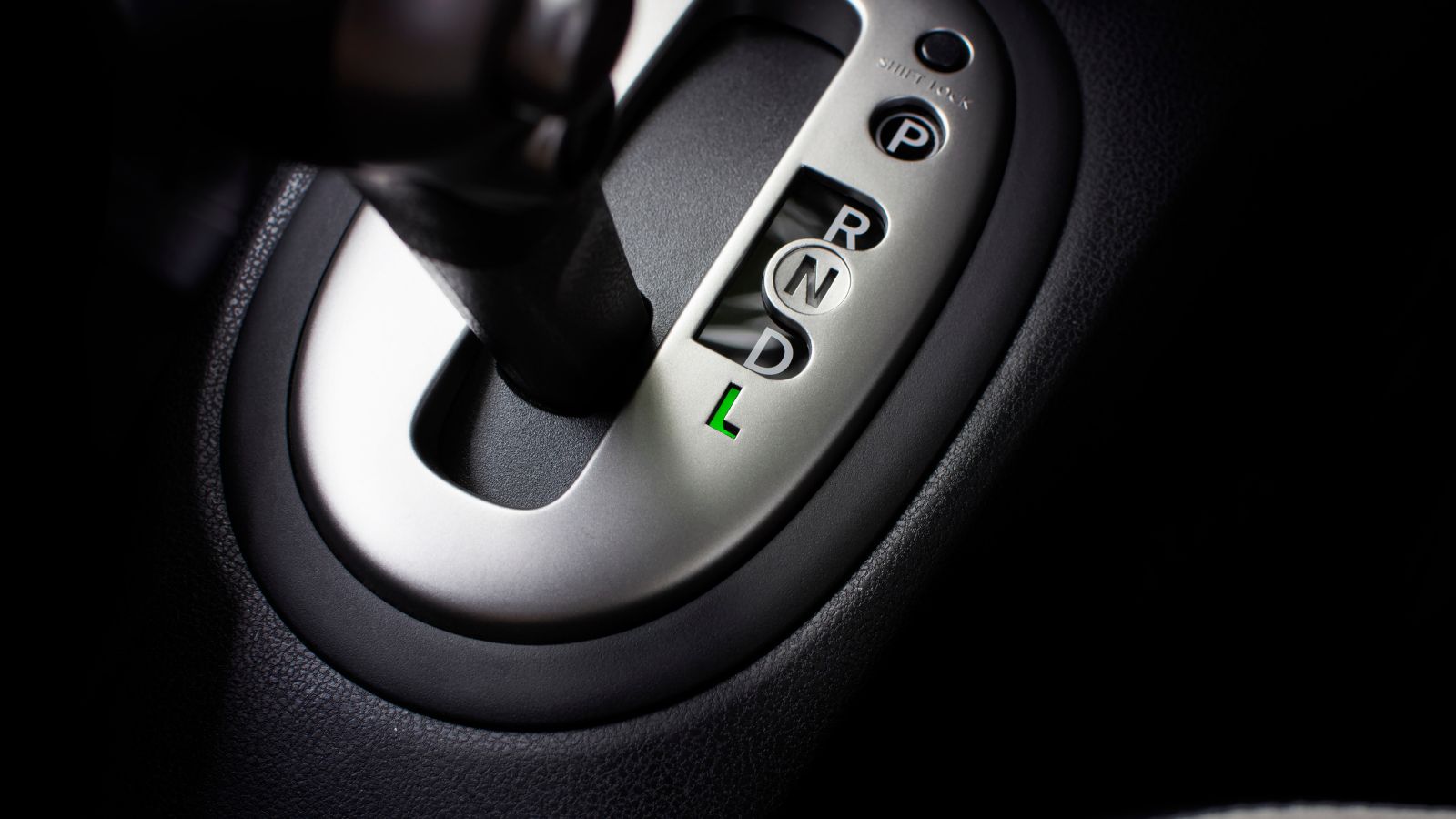
At highway speed, most automatic transmissions settle into a higher gear or overdrive ratio to keep engine speed lower. If the engine suddenly runs several hundred RPM higher than normal on the same route and at the same speed, something may be preventing the transmission from reaching or holding its normal cruising gear. Drivers often notice this through extra engine noise, reduced fuel economy, or a different feel during familiar commutes.
The cause may involve slipping, torque converter clutch problems, missing overdrive, control-module decisions, or sensor inputs. It can also happen when the vehicle intentionally avoids a gear to protect itself after detecting a fault. A practical example is a car that used to cruise quietly at 100 km/h but now sounds busy and strained. That change may seem minor, but extra heat and constant higher engine speed can compound existing transmission stress.
Poor Fuel Economy With Rougher Driving
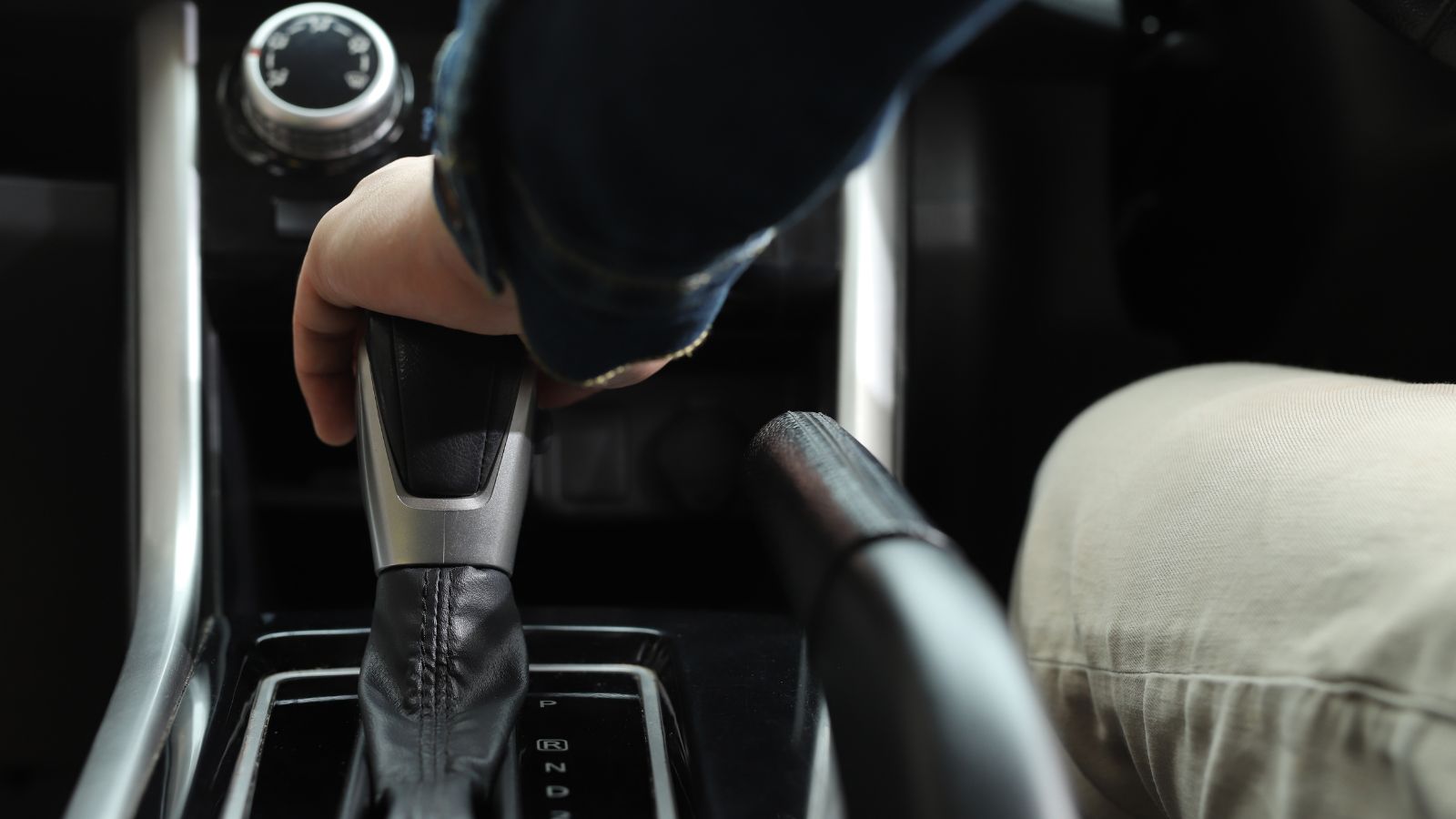
Fuel economy can drop for many reasons, including tire pressure, winter fuel, roof racks, engine problems, or driving habits. But when poorer mileage appears alongside harsh shifts, delayed engagement, slipping, or higher cruising RPM, the transmission becomes a suspect. A transmission that cannot hold the correct gear or lock the torque converter efficiently can make the engine work harder than necessary.
This sign often appears gradually. A driver may not notice one rough shift, but the fuel log or trip computer begins showing fewer kilometres per tank. Modern diagnostics may also reveal transmission-related codes linked to decreased fuel economy or shift problems. The key is combination: poor mileage alone is too broad, but poor mileage plus shifting changes creates a stronger pattern. It is especially worth checking before assuming the engine is the only source of the problem.
Transmission Temperature or Overheating Messages
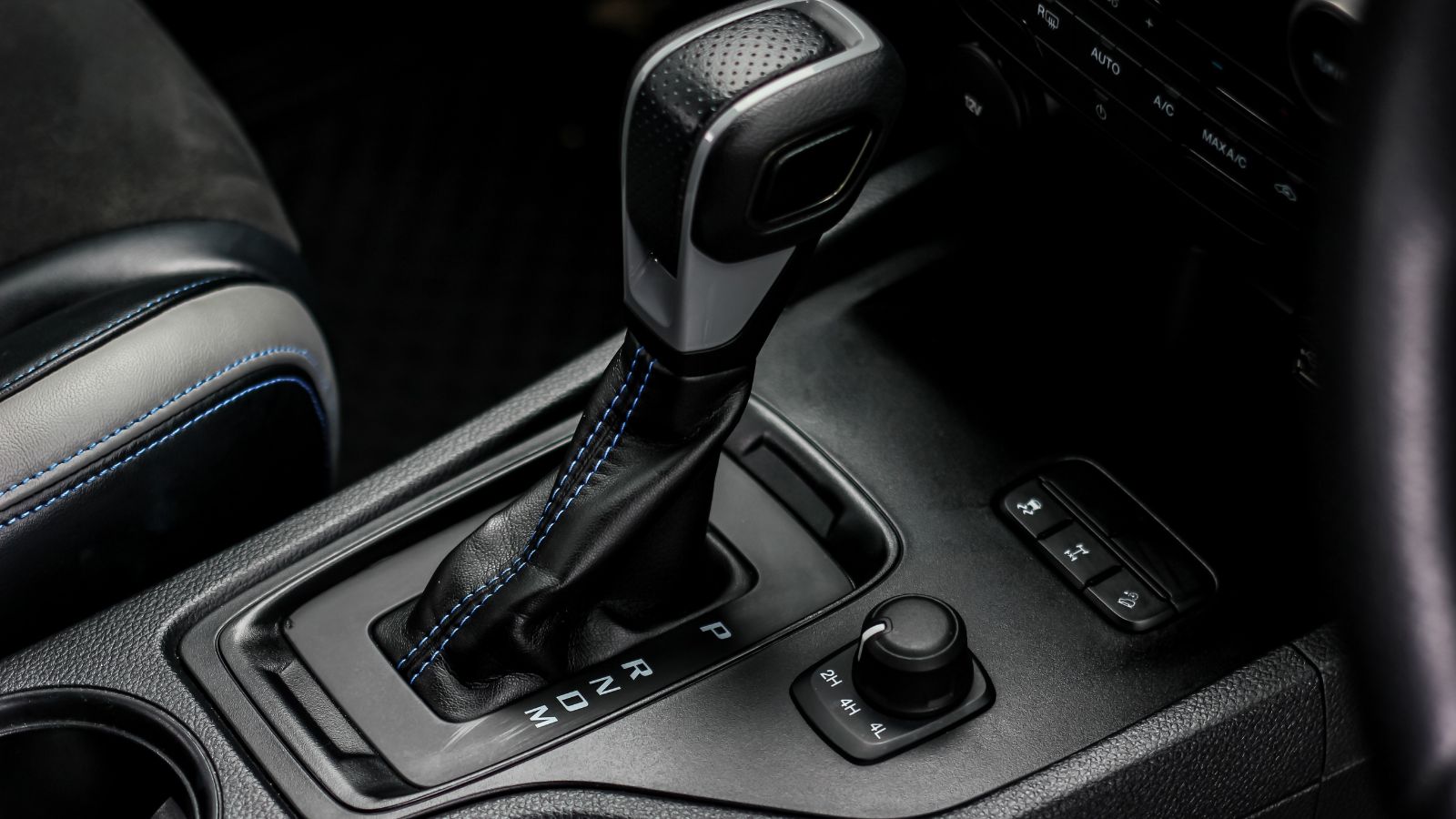
Some vehicles display warnings such as transmission over temperature, transmission too hot, or limited transmission function. These messages should be treated seriously because overheating can damage fluid, seals, clutch materials, and electronic components. Towing, steep grades, heavy loads, blocked cooling systems, low fluid, and internal faults can all raise transmission temperatures. The vehicle may instruct the driver to stop safely and let the transmission cool.
This warning is one of the clearer signs because the vehicle is directly naming the system at risk. For example, a driver towing a small trailer up a long grade may see a temperature message, then feel delayed or limited shifting. Continuing to drive hard can turn a heat problem into internal damage. Letting the vehicle cool is only the first step. If the warning returns, the underlying reason needs diagnosis before the next long trip or heavy-load drive.
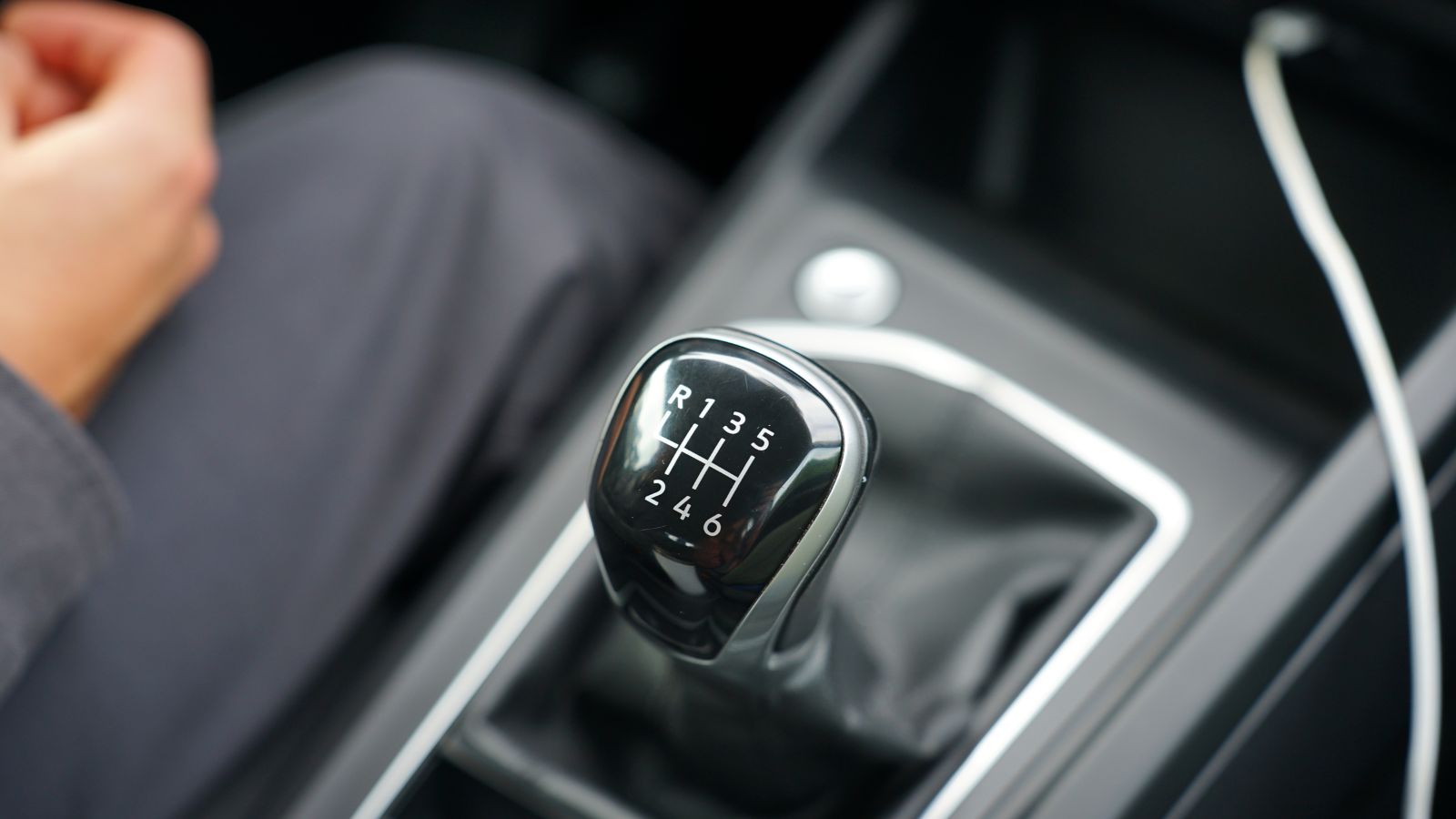
Difficulty Shifting in a Manual Transmission
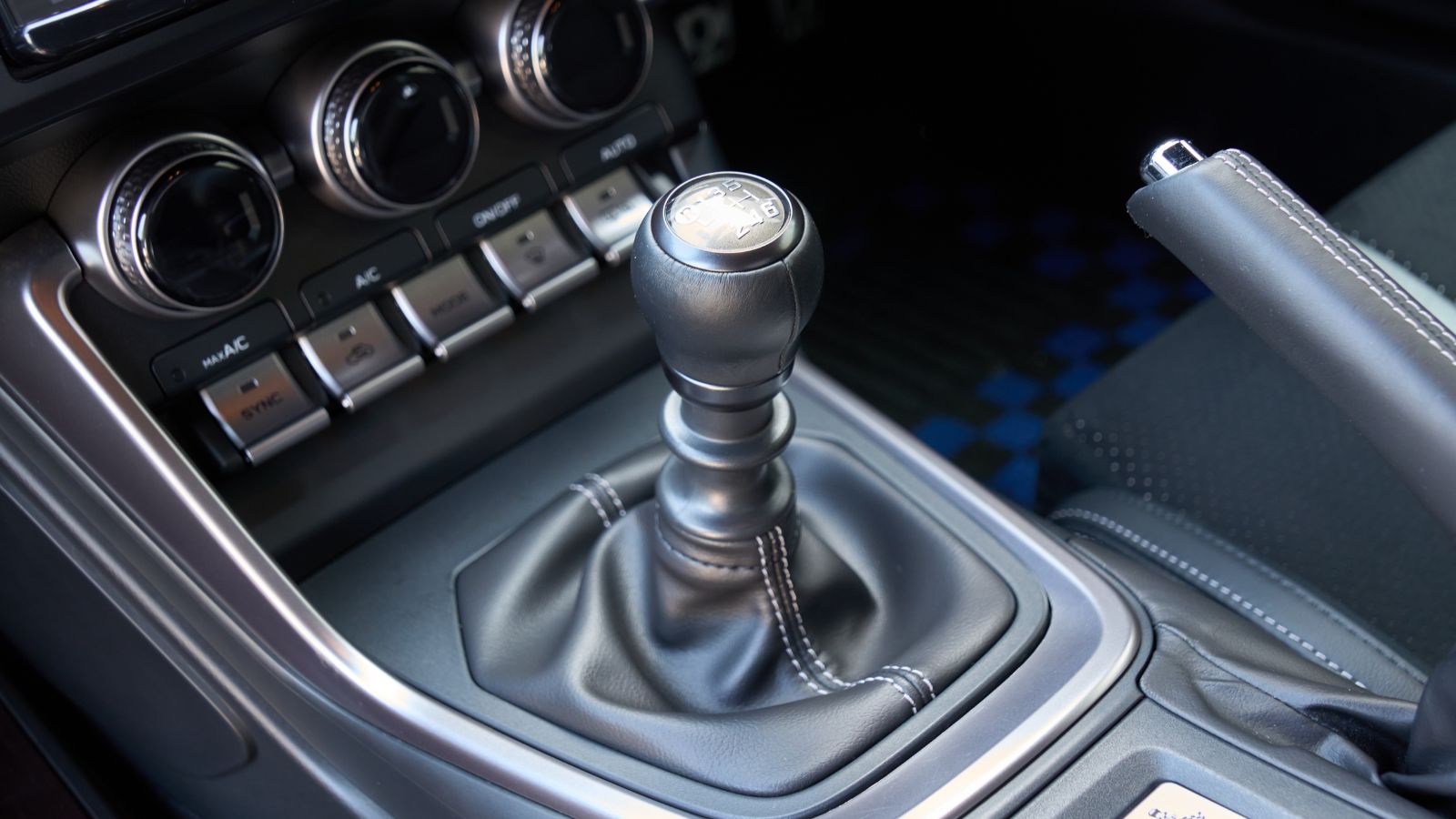
Manual transmissions have their own warning signs. Grinding, gear clash, hard shifting, or refusal to enter a gear can point to clutch drag, synchronizer wear, low gearbox lubricant, linkage issues, or internal damage. A driver may press the clutch fully and still feel the shifter resist first gear or reverse. That is different from a normal notchy feel on a cold morning; it is a repeated failure to disengage or synchronize smoothly.
The example is common in city driving: at a red light, the driver tries to select first gear, but the lever will not slide in cleanly without a second attempt. If grinding appears, the gears and synchronizers may be taking unnecessary wear. Manual cars are simpler in some ways than modern automatics, but they are not immune to expensive gearbox problems. Persistent shifting difficulty should be checked before the driver starts forcing the lever and worsening the damage.
The Vehicle Will Not Move Even Though the Engine Runs
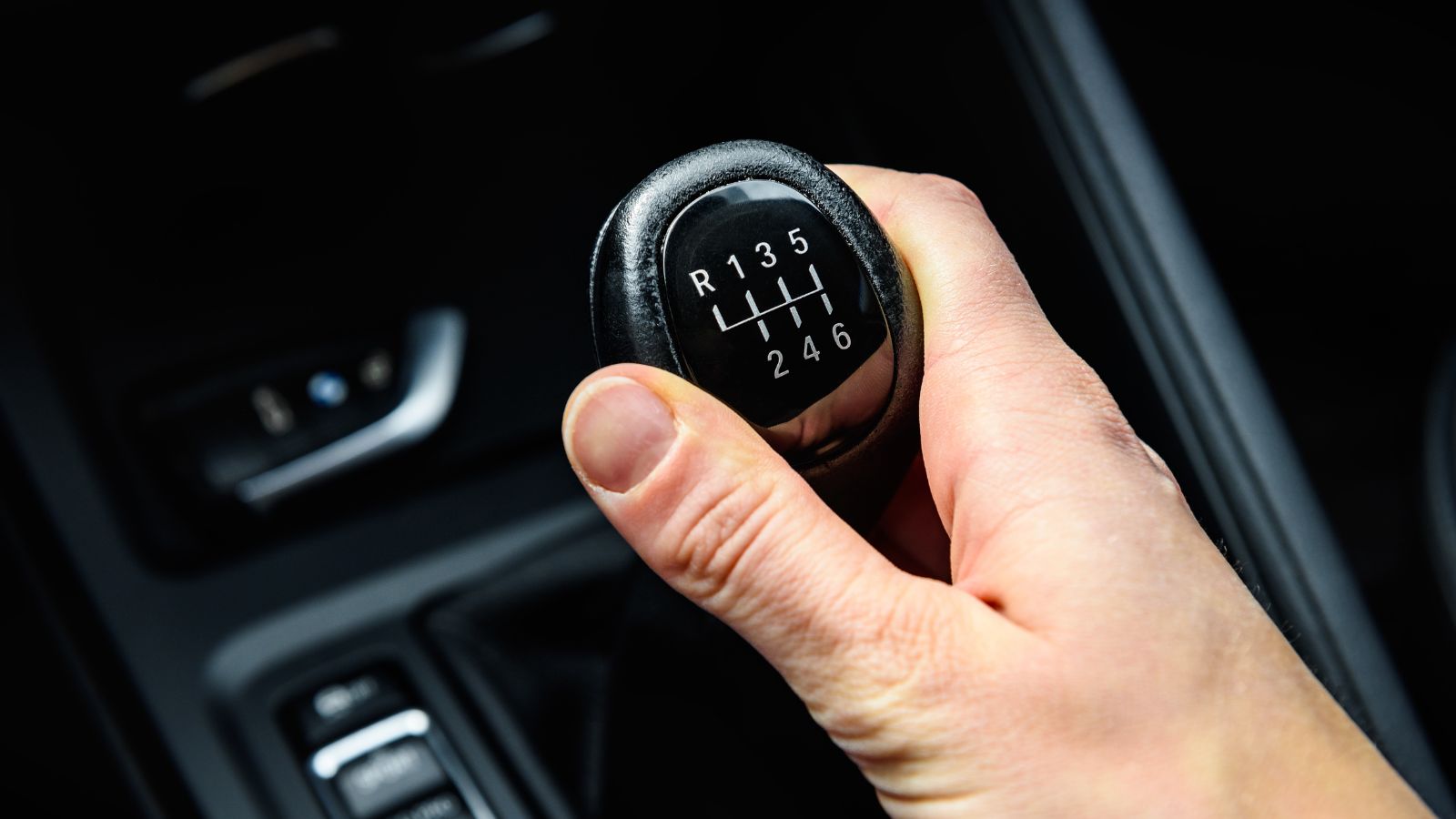
Few signs are as alarming as selecting Drive or Reverse, pressing the accelerator, hearing the engine rev, and going nowhere. This can happen suddenly, but it often follows earlier clues such as low fluid, delayed engagement, slipping, or warning lights. The cause might be transmission-related, but shifter cables, control modules, axles, and other drivetrain parts can also leave a vehicle unable to move.
This symptom deserves immediate caution because adding throttle can make the situation worse if the gear suddenly engages. A driver stuck in a parking lot may instinctively press harder, hoping the vehicle will lurch free. That can create a harsh engagement or further internal damage. Since transmission replacement can cost several thousand dollars, the safer approach is to stop trying to force movement, check for obvious leaks or warnings, and arrange a professional diagnosis.
22 Things Canadians Do to Their Cars in Spring That Mechanics Hate
Spring brings relief to many Canadian drivers after months of snow, freezing temperatures, and icy roads that put serious strain on vehicles. As temperatures rise across the country, drivers begin washing cars, switching tires, and preparing vehicles for warmer weather and upcoming road trips. However, mechanics across Canada notice the same mistakes every spring when drivers attempt to recover from winter damage. Road salt, potholes, and harsh winter driving conditions often leave vehicles with hidden problems that drivers ignore. Some spring habits even create new mechanical issues that could have been avoided with proper maintenance. Here are 22 things Canadians do to their cars in spring that mechanics hate.

Alanna Rosen is an experienced content writer that focuses on many EV and educational content. Her articles are regularly published on Get CyberTrucked and syndicated on large publications.