
A vehicle sitting a few hundred kilometres away can look like a bargain, especially when the same model costs thousands more locally. But crossing a provincial boundary can turn a straightforward purchase into a chain of tax, inspection, registration and insurance complications. Canada does not have one uniform system for transferring used vehicles between provinces, and rules that seem routine in one jurisdiction may work differently in another.
The biggest risk is not necessarily the car itself. It is everything required to make that car legally, safely and economically usable at home. These 12 hidden complications show why an attractive out-of-province price deserves a closer look before money changes hands.
The Sticker Price May Not Be the Real Price

One of the easiest mistakes is comparing advertised prices without calculating the tax that will ultimately apply. Provincial rules differ significantly. Ontario, for example, says a privately purchased specified vehicle brought in from another Canadian province can be subject to 13% Retail Sales Tax. B.C. also applies its provincial sales-tax system to vehicles brought into the province, subject to applicable exemptions and specific rate rules.
That means a buyer who drives several hours because a car appears $3,000 cheaper may discover that the apparent saving is smaller after registration. The seller’s province, whether the seller is a private individual or business, where delivery occurs and the buyer’s home province can all affect the transaction. Québec even provides specific rebate rules for some non-residents who buy a road vehicle there and move it elsewhere. The useful comparison is therefore not asking price versus asking price. It is the complete, registered-at-home cost of each vehicle.
A Safety Inspection From the Seller’s Province May Not Be Enough
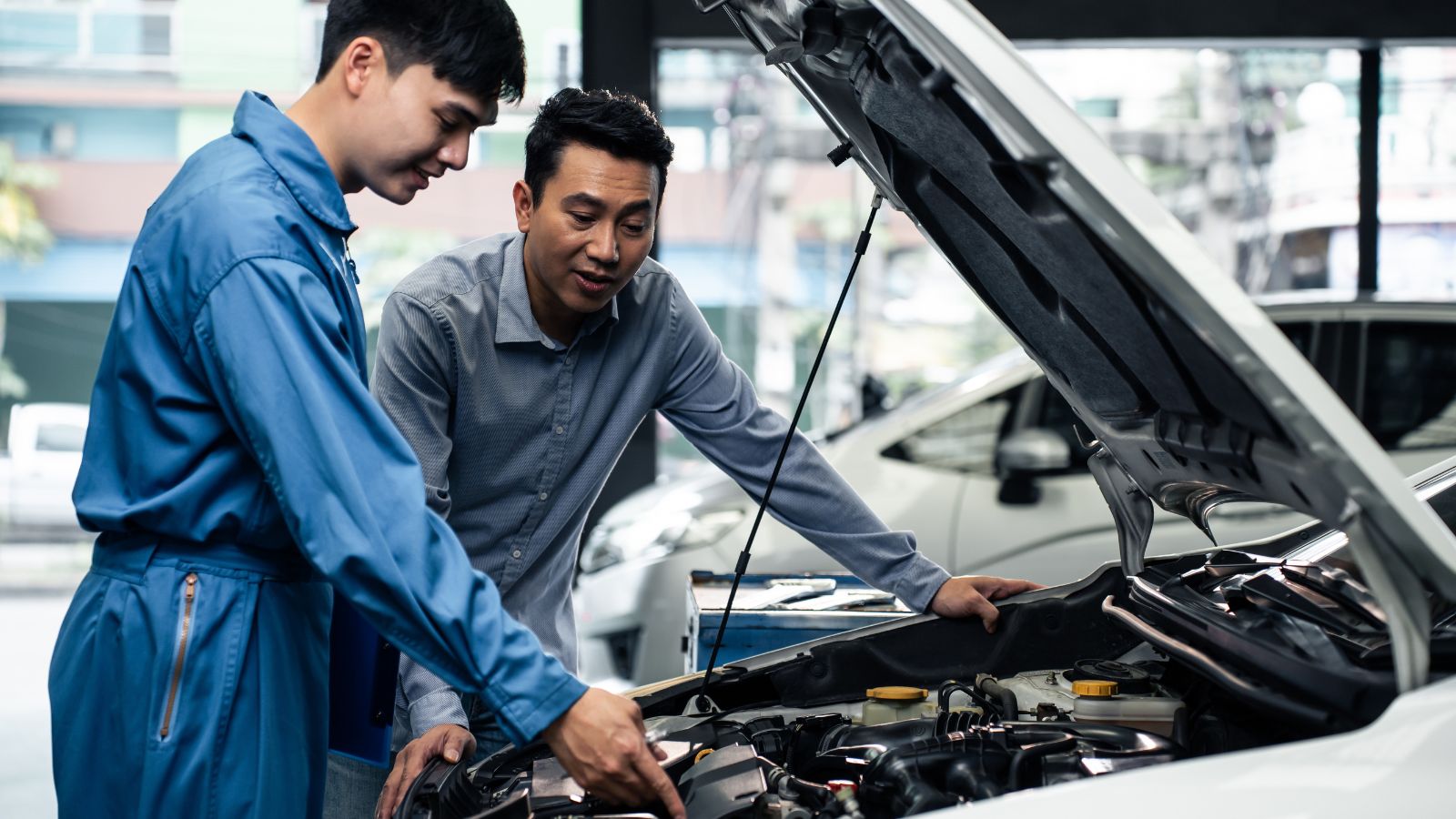
A seller saying that a car is “fully inspected” sounds reassuring, but the buyer’s province may require another inspection. Saskatchewan states that a vehicle recently registered in another jurisdiction generally has to pass a mechanical safety inspection before Saskatchewan registration. Québec similarly requires used vehicles coming from outside the province to undergo a mechanical inspection in circumstances specified by the SAAQ.
British Columbia illustrates why the details matter even more. Vehicles arriving from another province generally face B.C. inspection requirements, although qualifying vehicles from Alberta, Saskatchewan or Manitoba can fall under specific exemptions when conditions are met. Some inspection reports from those provinces are accepted, but ICBC specifies which documents qualify and how recent they must be. A dealership’s inspection, a maintenance report or a certificate with the wrong status may therefore provide mechanical information without satisfying registration rules. The safest approach is to check the destination province’s requirements using the exact year, vehicle type and registration history before committing to the purchase.
Inspection Deadlines Can Create an Expensive Race Against the Clock
Passing an inspection is only part of the process. Some provincial systems attach deadlines to inspection certificates or repairs, creating a problem for buyers who assume the paperwork can sit in a glovebox indefinitely. Alberta provides a particularly clear example. If an out-of-province vehicle fails its inspection, required repairs generally must be completed within 10 days to avoid another full inspection. After the vehicle passes, the inspection certificate must generally be presented to an Alberta registry agent within 14 days.
B.C. has different timing rules. Under one of its out-of-province inspection exemptions involving qualifying vehicles from Alberta, Saskatchewan and Manitoba, certain older vehicles must have passed an accepted provincial safety inspection within the previous 90 days. These deadlines matter when a purchase involves travel, shipping delays, parts orders or repairs. A buyer who purchases first and works out registration later may find that a perfectly valid document has aged out. The inconvenience can mean another inspection, another fee and possibly another round of repairs before plates are issued.
Missing Paperwork Can Leave a Paid-For Car Sitting in the Driveway
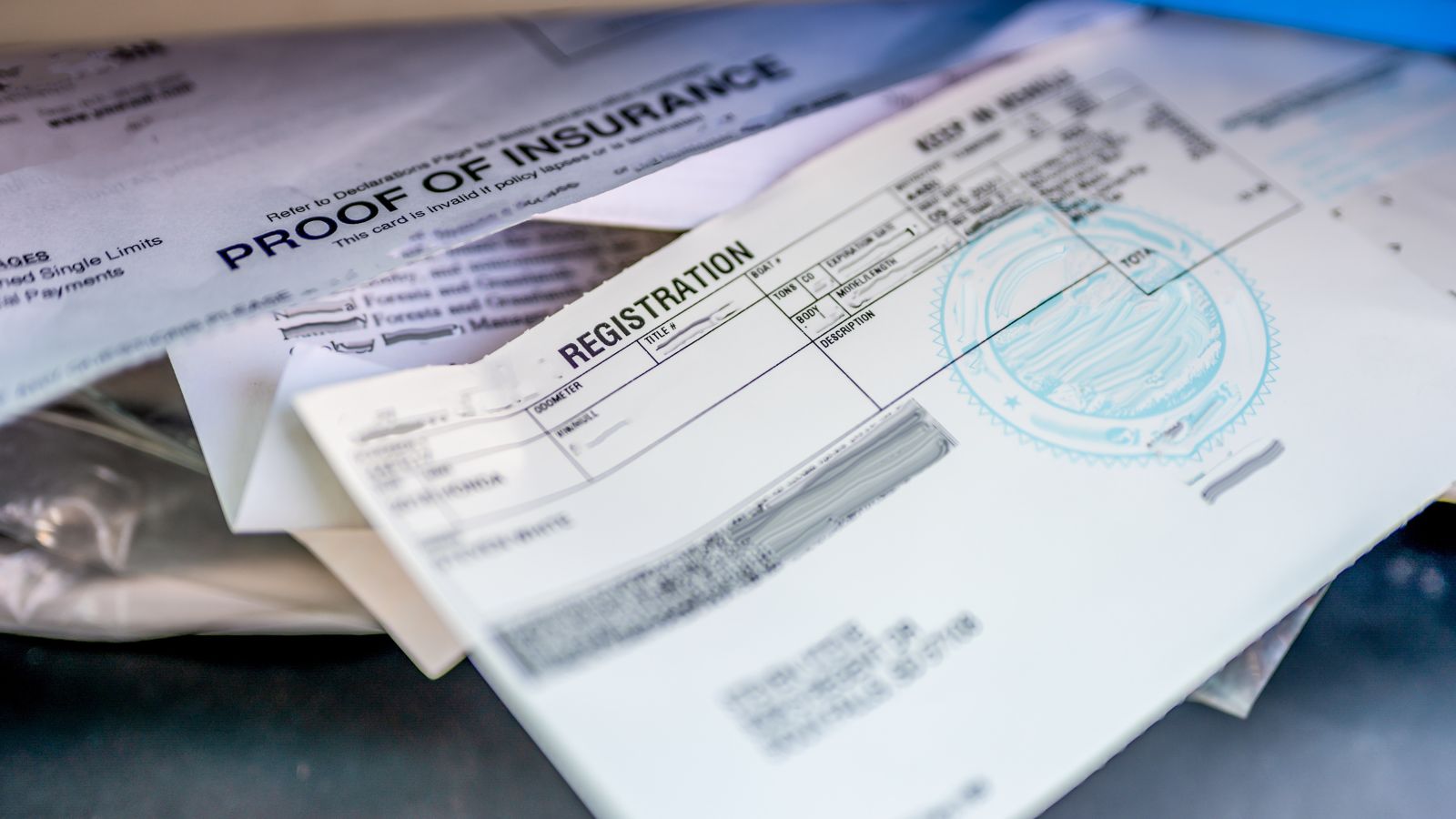
A bill of sale alone does not automatically guarantee smooth registration. Provinces specify what evidence they need to establish ownership and the vehicle’s previous registration. ICBC, for example, lists previous-jurisdiction registration, an original bill of sale and an acceptable inspection report among the documents normally needed when bringing a vehicle into B.C. Québec also requires specified identification and transaction documents when registering a vehicle from outside the province.
Problems become particularly frustrating when the person selling the vehicle is not the registered owner or when an earlier ownership transfer was never properly recorded. ICBC’s guidance on undocumented vehicles shows how continuity of ownership can become an issue, sometimes requiring additional bills of sale, declarations or other evidence. Imagine buying an older project car from someone who bought it from another person but never registered it. Locally, that already deserves caution. Across a provincial boundary, reconstructing the ownership trail can become much harder. Buyers should verify the seller’s name, registration and VIN before sending a deposit or travelling for pickup.
A Lien Can Follow the Vehicle Long After the Seller Disappears

An out-of-province purchase becomes especially risky when the buyer treats a vehicle-history report as a substitute for a proper lien search. Provincial governments maintain personal-property registration systems through which lenders and other secured parties can register interests against vehicles. Alberta specifically advises used-vehicle shoppers to search for liens before buying and warns that someone purchasing a vehicle with a lien may become responsible for the consequences.
The complication is that these systems are provincial. Alberta operates its Personal Property Registry, B.C. has its Personal Property Registry, and Ontario provides lien-search services through its Personal Property Security Registration system. Ontario’s Used Vehicle Information Package can also contain lien-related information for vehicles with Ontario history. A car that has spent years moving between provinces deserves broader due diligence than a quick local search. A low price is not much of a bargain if a lender later asserts an interest in the vehicle. Buyers should identify every province in which the car was registered and determine what lien searches are appropriate before completing payment.
Provincial History Reports Can Have Blind Spots

Official vehicle records are valuable, but their geographic limits are easy to misunderstand. Alberta states plainly that its Vehicle Information Report covers Alberta information and does not include information from other places where the vehicle may have been registered. Ontario describes its Used Vehicle Information Package as containing a vehicle description and its Ontario history. Those are useful resources, but neither is automatically a complete life story for a vehicle that has crossed provincial borders.
ICBC makes a similar distinction when comparing reports. Its own claims-history information focuses on B.C. claims, while broader commercial reports may contain information from a wider geographic area. That difference matters for a car that spent five winters in Ontario, moved to Alberta and was later advertised in B.C. Looking only at the newest provincial record could leave earlier events outside the buyer’s view. The practical lesson is to reconstruct the vehicle’s geographic history first, then select record searches accordingly. A clean report is meaningful only after understanding exactly which records that report was designed to search.
Rebuilt and Salvage Status Can Change the Registration Conversation

A low-priced car with a significant collision history may already carry a formal vehicle status such as salvage or rebuilt. Alberta explains that a vehicle declared salvage must undergo a salvage inspection before it can return to the road; after passing, its status becomes rebuilt, and that designation remains with the vehicle. Such branding is considerably more important than an ordinary note about cosmetic accident damage.
Moving the vehicle to another province can introduce additional requirements. B.C., for example, excludes vehicles carrying salvage, rebuilt or altered status from certain out-of-province inspection exemptions. Alberta’s Vehicle Information Report also identifies statuses such as active, rebuilt and salvage. This is why buyers should verify formal status rather than relying on language such as “professionally repaired” in an advertisement. A reconstructed vehicle may still be registrable and may even have been competently repaired, but its status can affect inspection procedures, registration and future resale. Before travelling for a bargain, the buyer needs the VIN and the official status—not simply the seller’s description.
Consumer Protection Depends Heavily on Where the Dealer Operates

Buying from a licensed dealership offers protections that a private sale may not, but those protections are administered provincially. Ontario’s OMVIC says protections under the Motor Vehicle Dealers Act apply when dealing with OMVIC-registered dealers. Its complaint guidance also states that OMVIC’s jurisdiction concerns motor-vehicle sales by registered dealers within Ontario. Alberta’s AMVIC, meanwhile, investigates complaints involving Alberta automotive businesses under legislation it administers.
For the buyer, this can mean dealing with a regulator hundreds or thousands of kilometres away if a dispute develops. A driver in Ottawa buying from an Alberta dealership, for example, should not assume an Ontario regulator will become the primary authority simply because the vehicle eventually wears Ontario plates. Provincial regulators can provide meaningful protections, but knowing which regulator licenses the seller is critical before signing. Buyers should verify the dealership’s registration, read its home province’s disclosure requirements and understand the complaint process in advance. The provincial boundary does not eliminate consumer rights, but it can change where and how those rights are pursued.
Signing From a Distance Can Be More Binding Than Buyers Expect
Distance shopping makes it tempting to leave a deposit quickly, particularly when a salesperson says another customer is interested. That becomes dangerous when a buyer assumes there will be an automatic cooling-off period after seeing the vehicle in person. Alberta’s AMVIC states that there is no general cooling-off period for a vehicle purchase and advises consumers to understand the seller’s cancellation policy before signing. Ontario’s OMVIC similarly says there is no general cooling-off right after signing a motor-vehicle contract, although specific legal cancellation rights can arise in certain circumstances.
The problem becomes more pronounced when the car is far away. A buyer may sign electronically on Tuesday, fly to another province on Saturday and only then discover excessive rust, an uncomfortable seating position or mechanical concerns. Walking away may no longer be as simple as forfeiting the travel costs. The contract and deposit terms matter. Conditions such as “subject to satisfactory independent inspection,” where accepted by the seller, should be documented before commitment rather than discussed informally afterward.
Getting the Car Home Legally Can Become Its Own Project
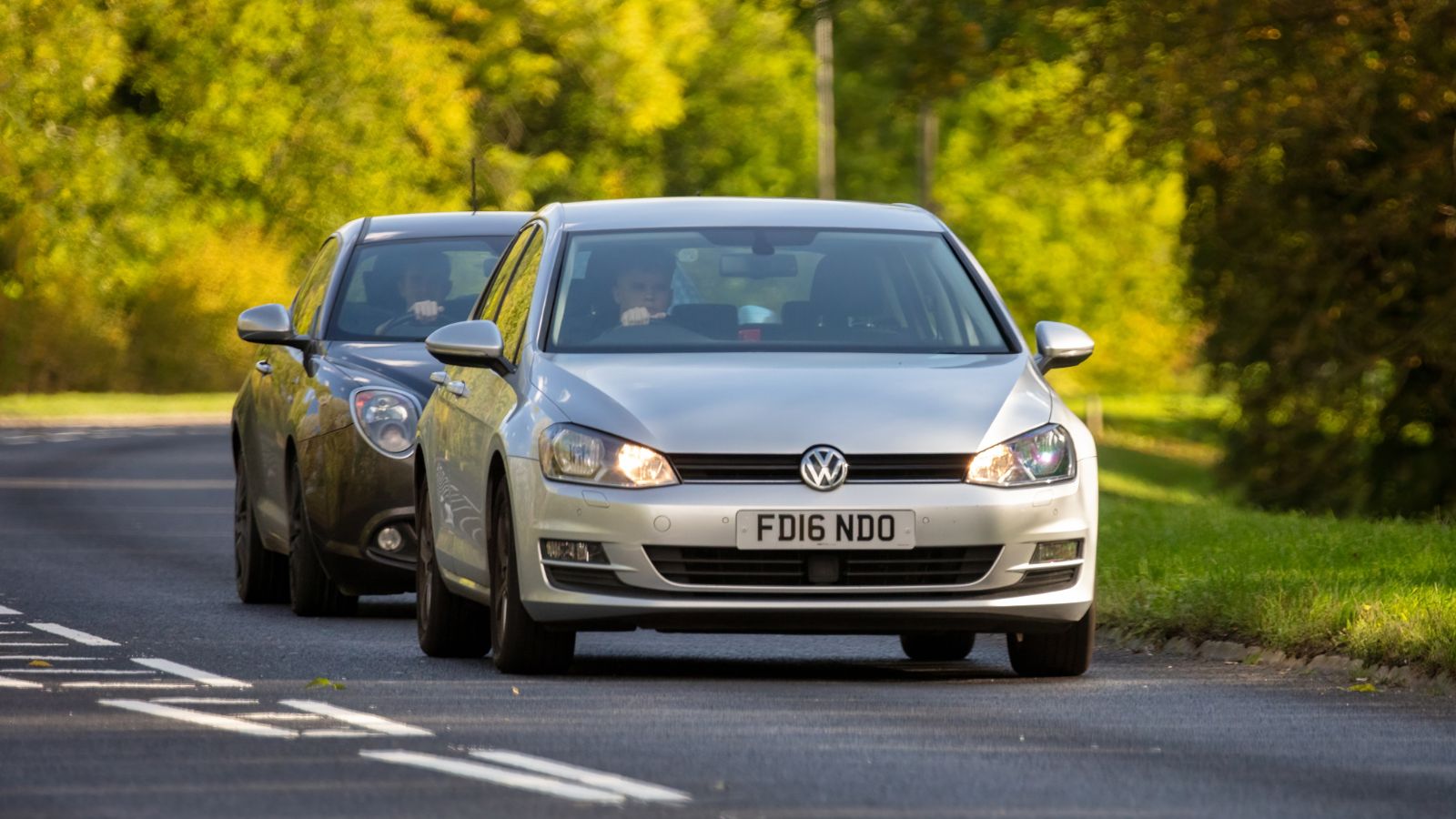
The journey home is often treated as the easy part: pay for the vehicle, attach some form of temporary plate and start driving. Provincial permit rules make that assumption risky. Alberta, for instance, issues in-transit permits for moving unregistered vehicles between points in Canada when the required conditions are met. Such permits can be valid for up to seven days in applicable out-of-province movements, and the starting point or destination must be in Alberta.
Other provinces have different systems. Ontario offers special permits for certain temporary vehicle movements and specifically notes procedural requirements for out-of-province residents. Saskatchewan also offers permit and temporary-insurance options in relevant situations. These rules affect more than paperwork. A cross-country drive may pass through several jurisdictions before the vehicle reaches its permanent home. Buyers should therefore establish what plate, registration or transit authority applies from the seller’s driveway onward. Otherwise, a carefully negotiated purchase can end with the vehicle waiting for a trailer because the buyer cannot legally drive it away as planned.
Insurance Has to Be Solved Before the Road Trip Begins
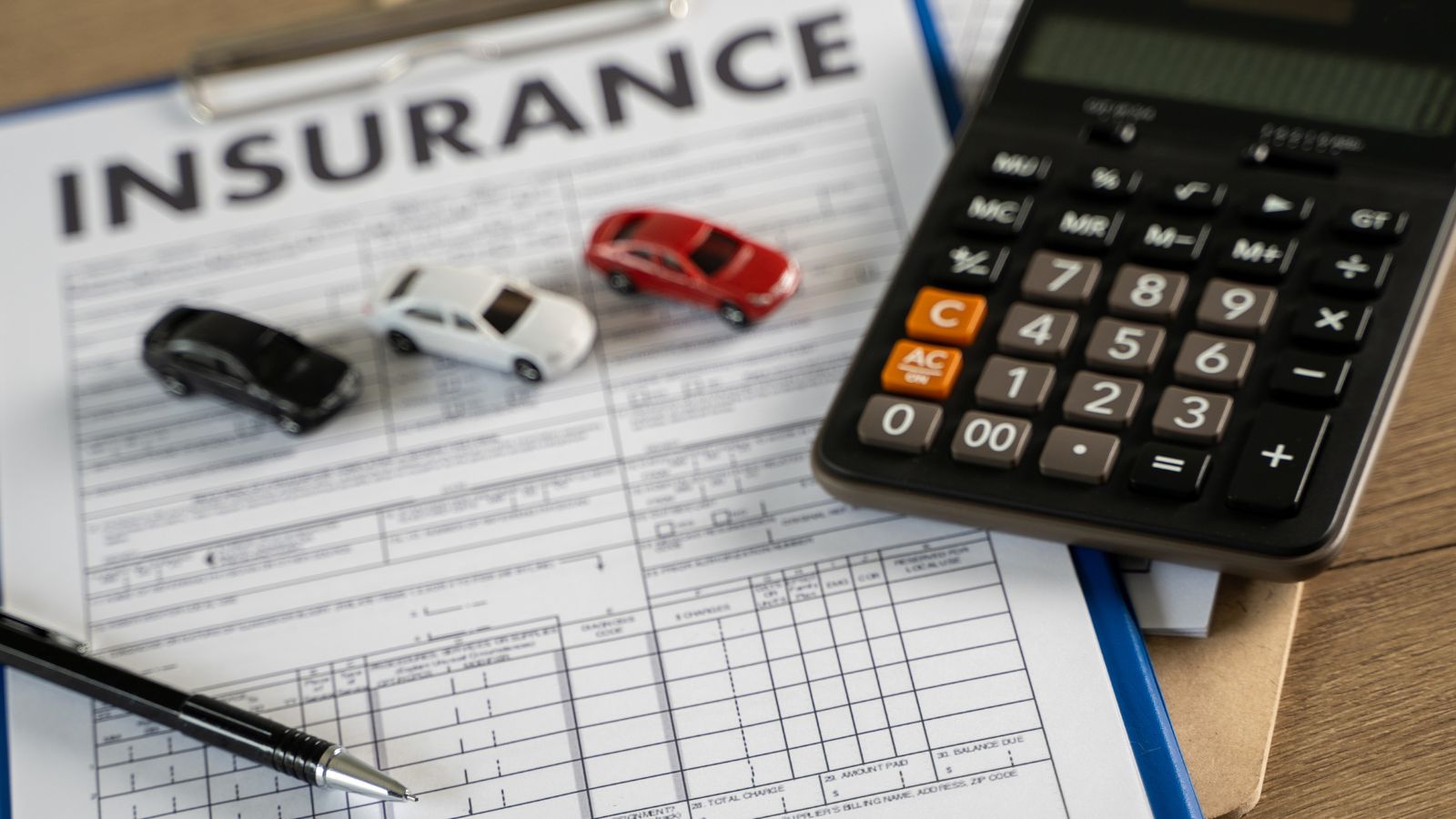
Registration and insurance are closely connected, but the sequence is not identical everywhere. Alberta requires proof of valid Alberta insurance for vehicle registration and states that mandatory insurance must be obtained before a buyer completes the registration process. Its in-transit permit rules also require proof of insurance when an unregistered vehicle is being moved under the applicable permit, except where specific exclusions such as trailers apply.
British Columbia uses a different system in which ICBC handles both vehicle registration and its mandatory basic insurance framework; temporary operating permits can provide the authority and basic coverage needed to move an uninsured, unlicensed vehicle in qualifying situations. The practical problem for an interprovincial buyer is timing. Insurance arrangements should not be left until someone is standing in a dealership parking lot with luggage in the trunk and hundreds of kilometres ahead. Before pickup, the buyer should speak with the appropriate insurer or broker, provide the VIN and purchase details, and confirm precisely when coverage begins and what documentation must accompany the vehicle during the trip.
Distance Makes Proper Inspection More Important, Not Less
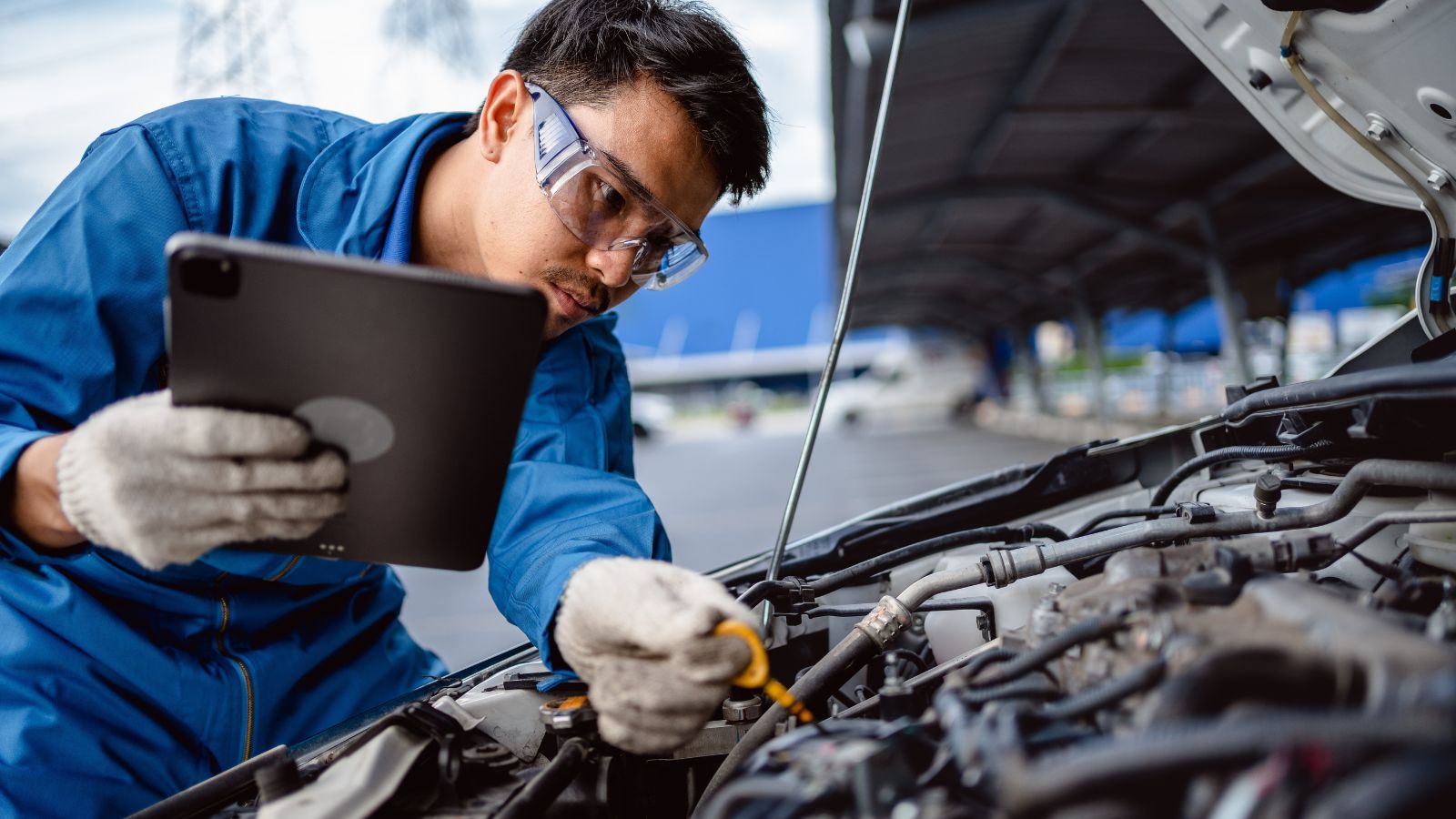
The greatest hidden problem may be psychological. After spending money on flights, fuel, a hotel or vehicle shipping, buyers can become reluctant to abandon a deal even when warning signs appear. Yet government and industry regulators consistently encourage used-vehicle shoppers to obtain independent mechanical checks. ICBC recommends a professional inspection and also advises shoppers to consider lien searches, vehicle-history information and stolen-vehicle checks. Alberta likewise recommends mechanical and structural evaluation before a used-vehicle purchase.
An out-of-province car arguably makes that preparation more valuable because returning the vehicle to the seller is far more complicated than driving across town. A sensible strategy is to arrange an independent inspection near the vehicle before travelling, have the mechanic confirm the VIN, and request photographs or documentation for anything significant. The few hundred dollars spent establishing the car’s condition can be insignificant beside the cost of transporting an unsuitable vehicle home, repairing it to satisfy another province’s inspection standards or trying to resolve a dispute from a thousand kilometres away.

Alanna Rosen is an experienced content writer that focuses on many EV and educational content. Her articles are regularly published on Get CyberTrucked and syndicated on large publications.