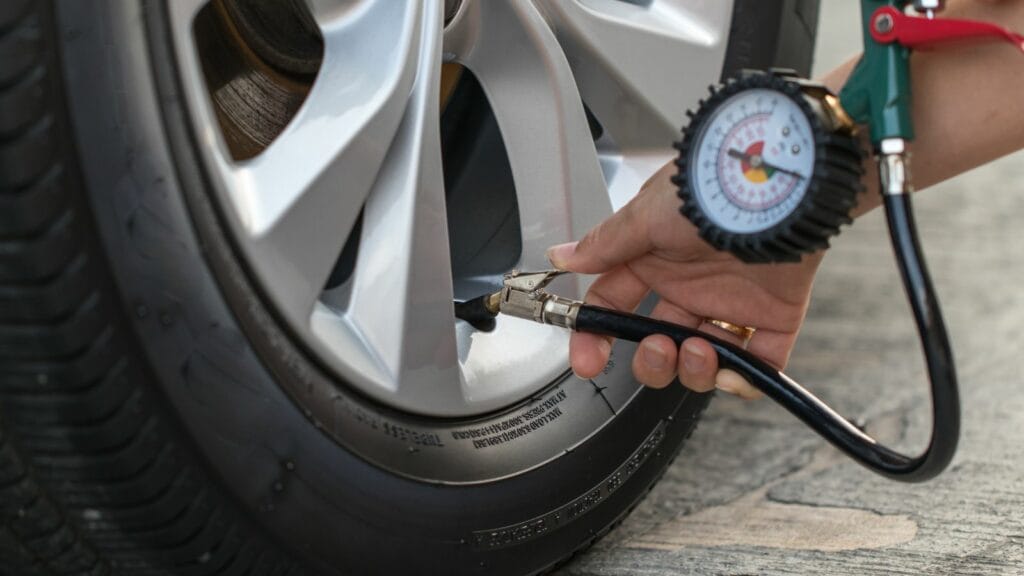
A vehicle that feels perfectly normal around town can become surprisingly unsettling once the speedometer reaches highway territory. Small vibrations become steering-wheel shakes, mild suspension wear becomes floating or wandering, and tires that seemed acceptable on dry pavement can suddenly struggle with rain, slush or freezing temperatures. Canadian roads add another layer, with potholes, freeze-thaw damage, winter tire changes and rapidly shifting weather all capable of exposing weaknesses.
Some warning signs point to routine maintenance, while others can signal problems that deserve immediate professional attention. These 19 issues help explain why a car, SUV or pickup can suddenly feel nervous, shaky or unpredictable on a Canadian highway—and why dismissing those sensations as simply an aging vehicle can be a mistake.
Low or Uneven Tire Pressure
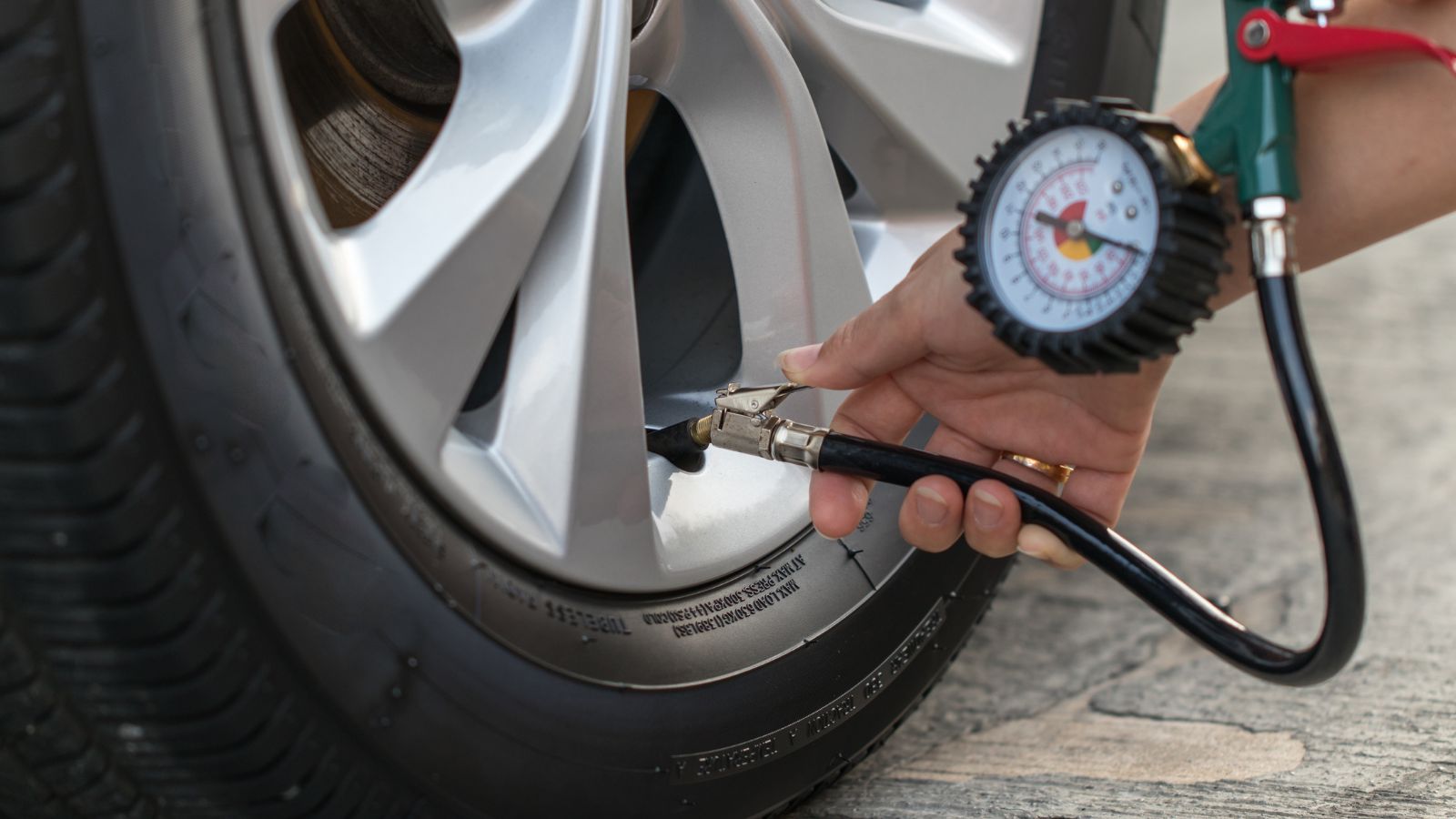
Tire pressure has a surprisingly large influence on how planted a vehicle feels. Transport Canada notes that tire pressure supports most of a vehicle’s weight, while significant underinflation increases sidewall flex and heat. On a highway, an underinflated tire can therefore feel softer and less precise during lane changes. If pressures differ noticeably from one side to the other, the steering response may also feel inconsistent even though the vehicle still appears normal when parked.
Canadian temperature swings make the problem particularly easy to overlook. Transport Canada says tire pressure drops by roughly 1 psi for every 5°C decrease in temperature. A vehicle that was correctly inflated during a warm autumn afternoon can therefore be noticeably lower after an overnight cold snap. Pressure should be measured when tires are cold and compared with the vehicle manufacturer’s specification on the tire-information label, rather than the maximum pressure moulded into the tire itself.
Tires With Too Little Tread
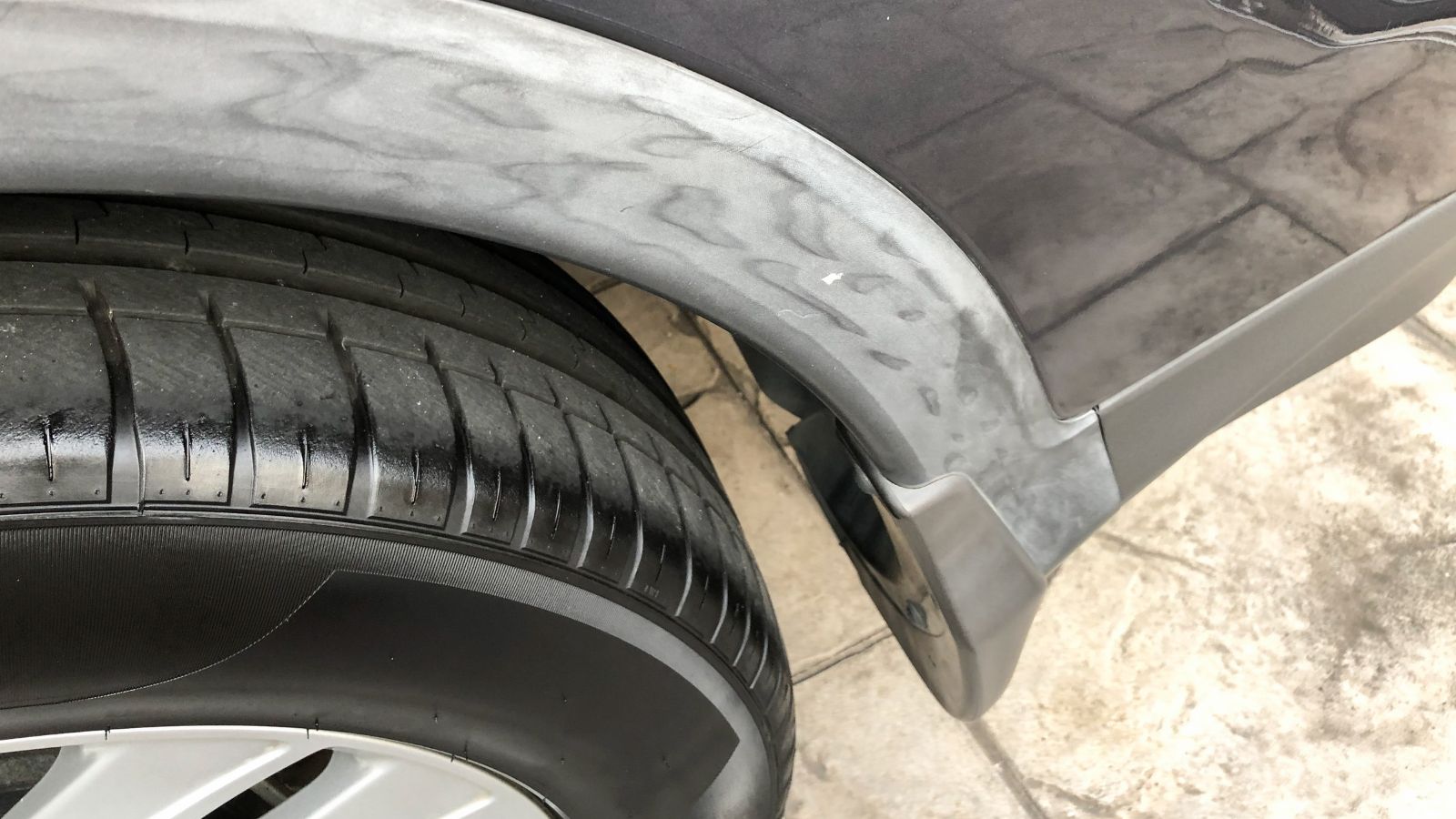
A tire does not have to be completely bald before highway confidence begins disappearing. As tread gets shallower, its ability to channel water, slush and snow away from the contact patch decreases. Transport Canada warns that winter-tire performance is compromised as tread approaches 4 millimetres in snowy conditions, while Ontario’s driving guidance emphasizes that adequate tread is particularly important for avoiding hydroplaning on rain-covered roads.
The difference can become obvious during a September downpour or a wet November highway trip. A vehicle may track normally on dry pavement, then feel strangely light through puddles or require small steering corrections in heavy rain. Worn tires also reduce the margin available during emergency braking or sudden evasive manoeuvres. Tread should therefore be inspected across the entire width of every tire, because alignment and suspension problems can leave one edge substantially more worn than the portion that is easiest to see.
Mismatched Tires on the Same Vehicle
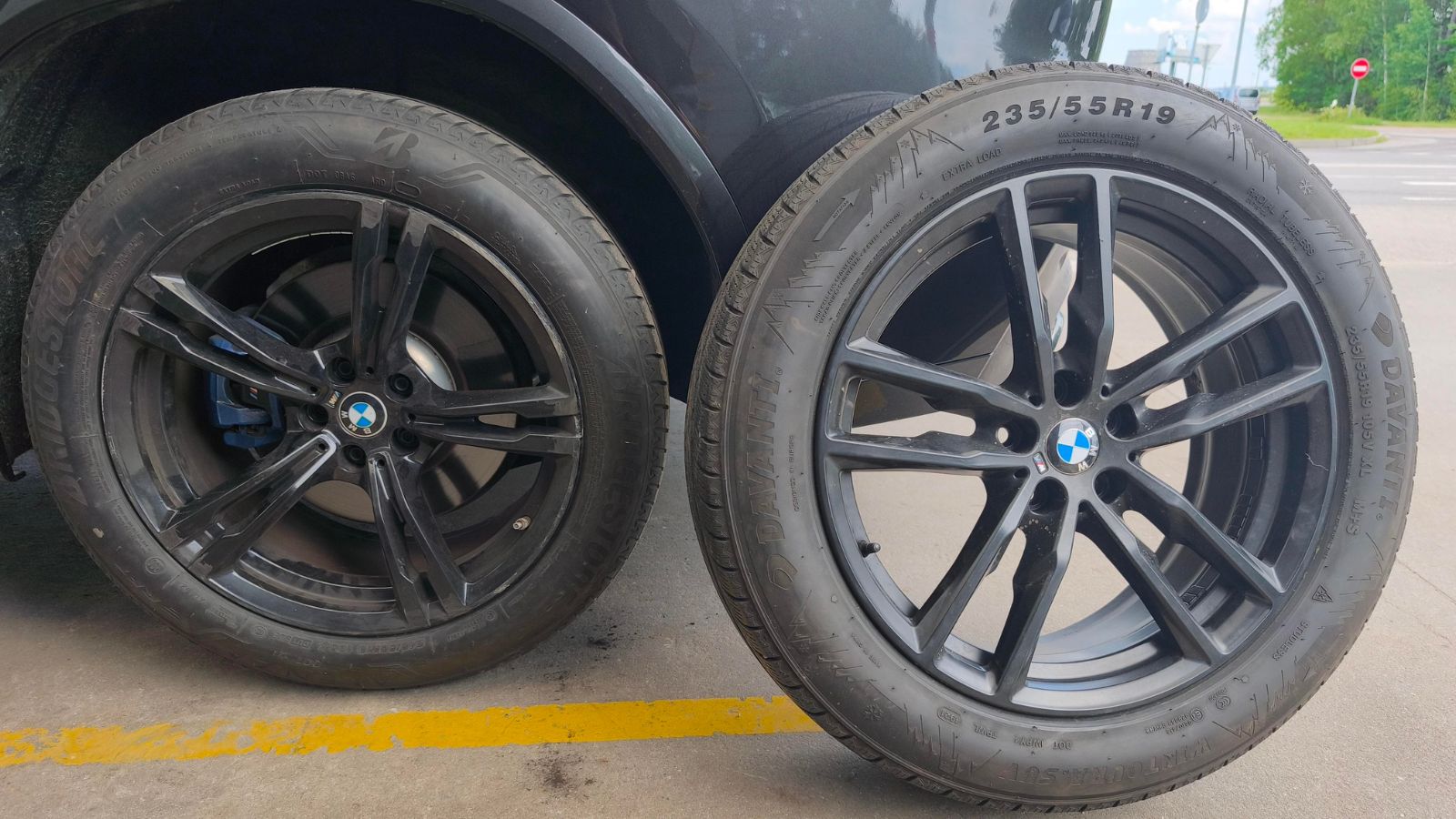
Four tires that look broadly similar can behave very differently once grip becomes limited. Transport Canada recommends installing tires of the same type, size, speed rating and load index on all four wheel positions, and specifically cautions against mixing different tread patterns, constructions and sizes. Matching winter tires on all four corners is especially important because differences in traction between the front and rear axles can alter the vehicle’s directional stability.
This issue often appears after a single damaged tire is replaced cheaply or when two winter tires are installed instead of a complete set. Around town, the difference may barely register. At highway speed on wet pavement, packed snow or during emergency braking, one axle can respond differently from the other. The result may feel like vague steering, unexpected understeer or an unsettled rear end. Even all-wheel-drive vehicles still depend on four consistent tire contact patches for predictable braking, cornering and stability-control operation.
Wheels or Tires That Are Out of Balance
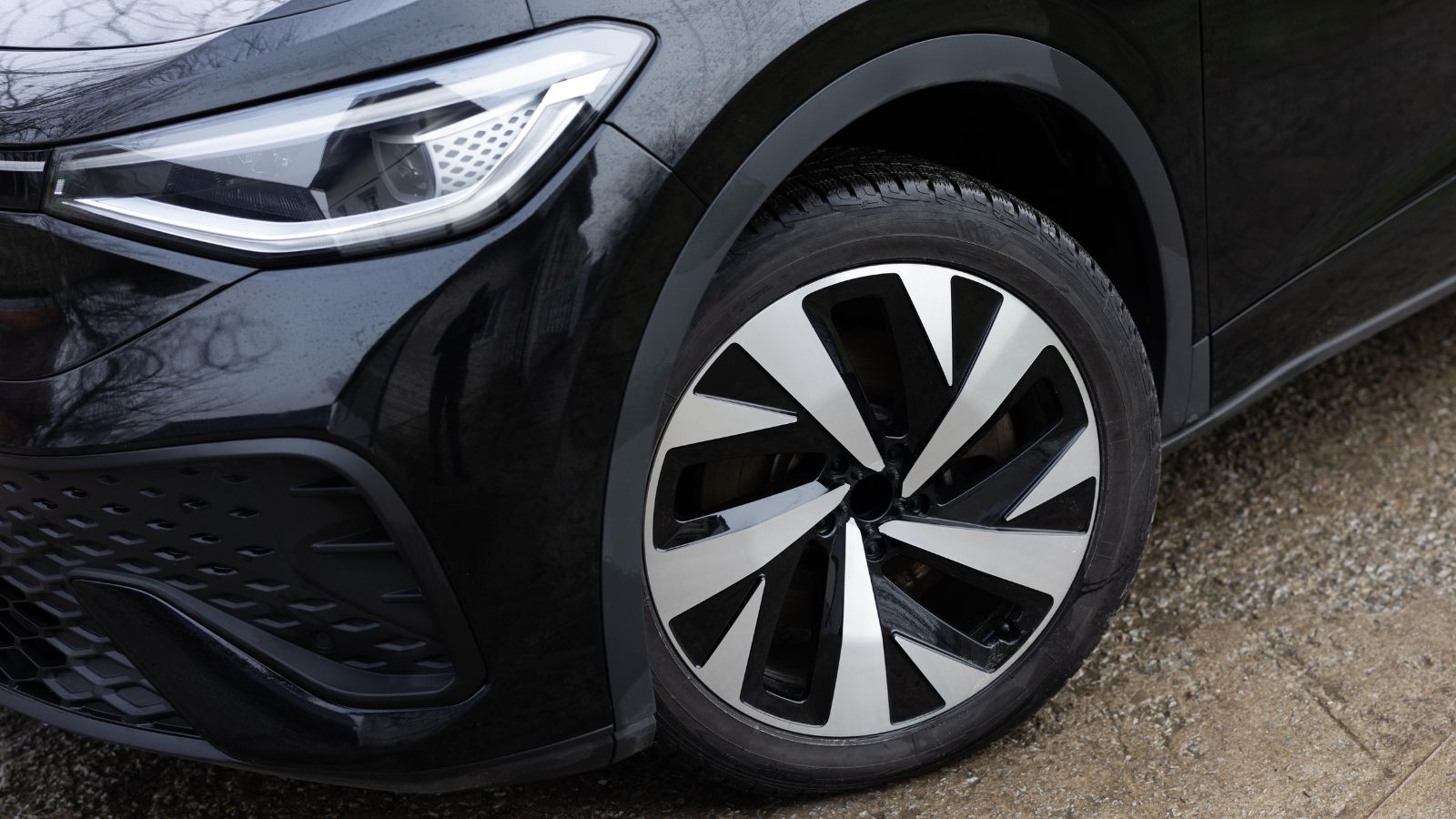
A classic highway-speed shake often comes from wheel imbalance. Michelin Canada explains that relatively small differences in weight around a tire-and-wheel assembly can create vibration as rotational speed increases. The steering wheel may remain calm at 50 km/h yet begin trembling somewhere around 80 to 120 km/h. Depending on which wheel is affected, vibration may be felt primarily through the steering wheel, seat or floor.
That sensation can make an otherwise sound vehicle feel significantly less secure. Imbalance may follow a seasonal tire installation, lost wheel weight, tire repair or uneven tread wear. It can also place unnecessary stress on steering and suspension components over time. Balancing is different from alignment: balancing corrects weight distribution around a rotating assembly, while alignment controls the angles at which wheels point and contact the pavement. A vehicle can therefore be properly aligned and still shake badly because one wheel is out of balance.
Wheel Alignment That Has Drifted Out of Specification
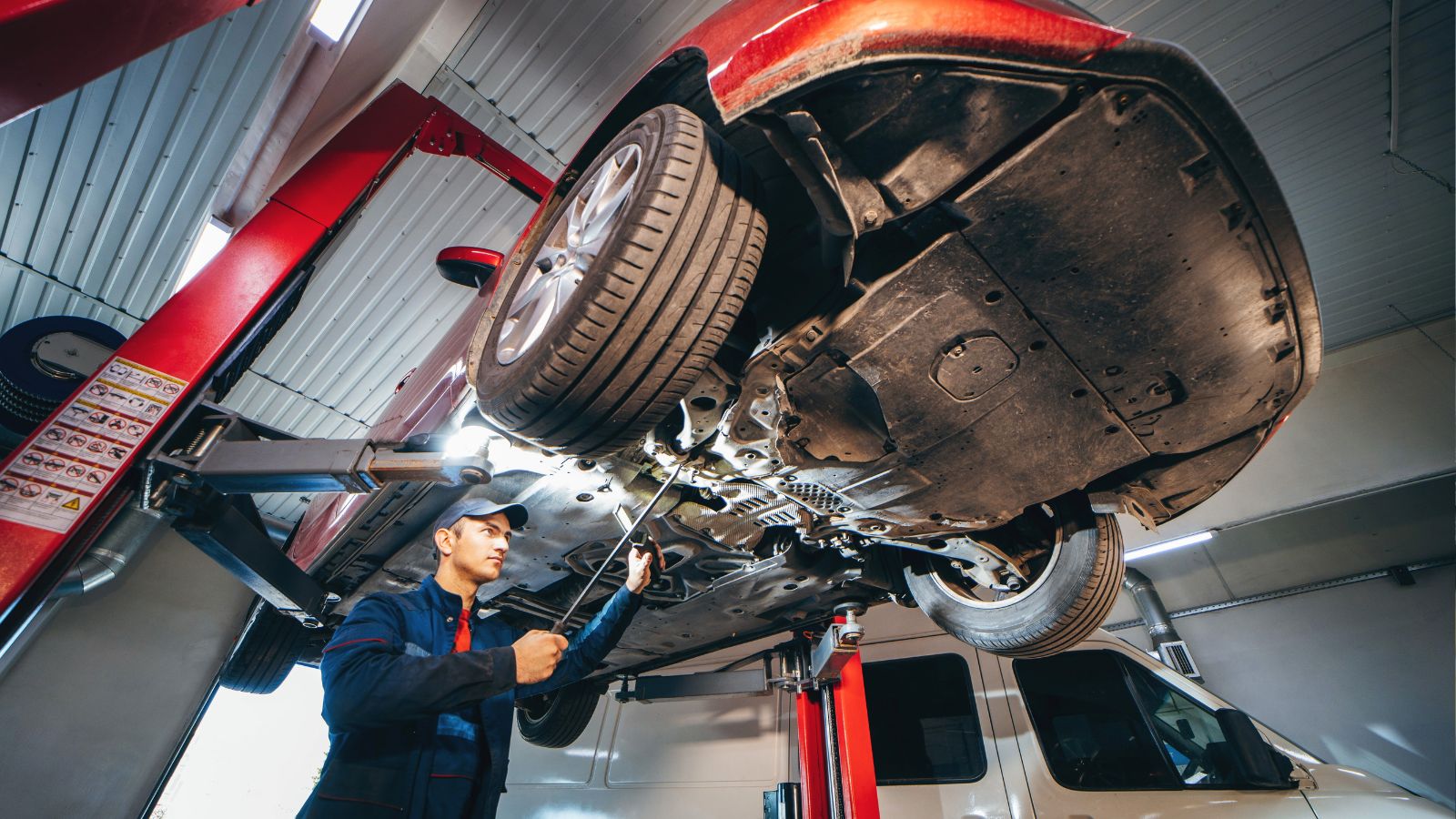
Canadian potholes can turn an alignment problem into an annual ritual. Michelin Canada lists pulling to one side, an off-centre steering wheel and irregular tread wear among common signs of incorrect alignment. At city speeds, a slight pull can seem like an annoyance. On an open highway, continually correcting the steering every few seconds can make the entire vehicle feel nervous and tiring to drive.
Alignment can change after striking a pothole, curb or substantial road debris, and worn suspension components can create similar symptoms. The distinction matters because simply adjusting alignment may not solve a vehicle that has mechanical looseness underneath. A properly aligned vehicle should generally track predictably on a reasonably flat road, allowing for road crown and wind. If the steering suddenly requires much more correction than before, or fresh tires quickly begin developing uneven wear, an alignment and suspension inspection can identify whether the problem is geometry, damaged components or both.
Pothole-Damaged Tires or Wheels
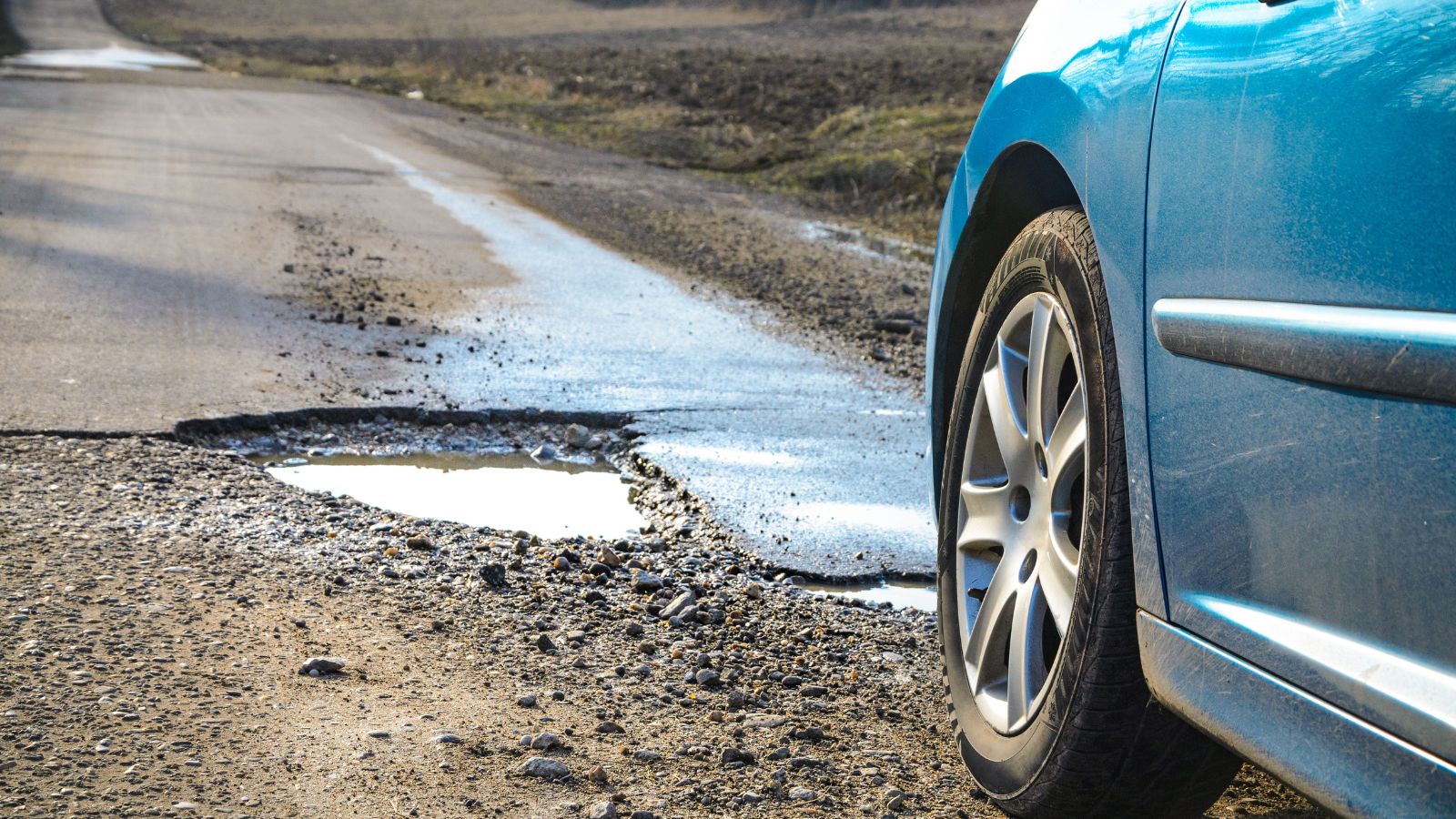
Canada’s freeze-thaw cycle is notoriously hard on pavement. CAA research notes that water entering road cracks can freeze, expand and contribute to pothole formation. Hitting one hard enough can damage more than ride comfort. CAA-Quebec identifies flat tires, bent rims and suspension misalignment among possible consequences, while Transport Canada advises replacing tires that develop deep cuts, cracks, blisters or bulges.
Some damage is immediately obvious; other problems reveal themselves only once speed rises. A slightly bent wheel can create a rhythmic vibration, while internal tire damage may produce a new wobble that was not present before the impact. Sidewall bulges deserve particular attention because they can indicate structural damage rather than a cosmetic flaw. After a severe pothole strike, especially one accompanied by a sharp impact or immediate change in steering feel, checking the tire, wheel and alignment can prevent a rough highway ride from becoming a larger safety problem.
Worn Shocks or Struts
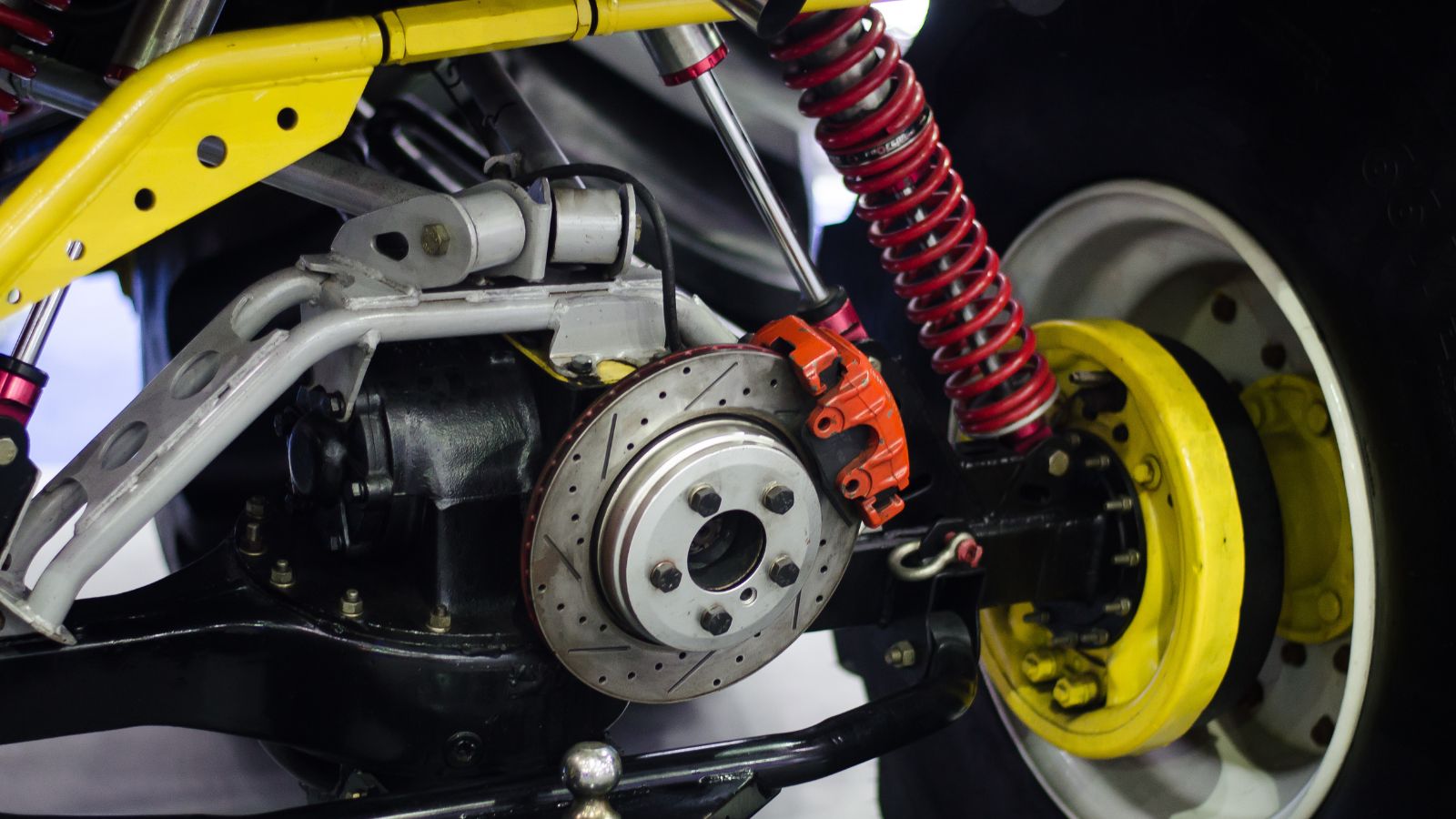
Shocks and struts do much more than make bumps comfortable. Their job includes controlling suspension movement and helping keep the tires in contact with the road. Monroe notes that worn units can contribute to excessive bouncing, body roll, steering corrections and poorer stability. Because deterioration is often gradual, drivers can become accustomed to the changing behaviour until a highway curve, crosswind or rough section of pavement makes the difference suddenly obvious.
The sensation is often described as floating. After a highway dip, the body may continue moving instead of settling promptly. A lane change may produce more roll than expected, while braking can make the nose dive excessively. Worn shocks can also contribute to cupped tire wear, creating an additional vibration problem. Canadian roads filled with frost heaves and potholes continually exercise suspension components, making deteriorating ride control especially noticeable at speed. Persistent bouncing or swaying deserves an inspection rather than simply being blamed on an older vehicle.
Worn Ball Joints or Suspension Bushings
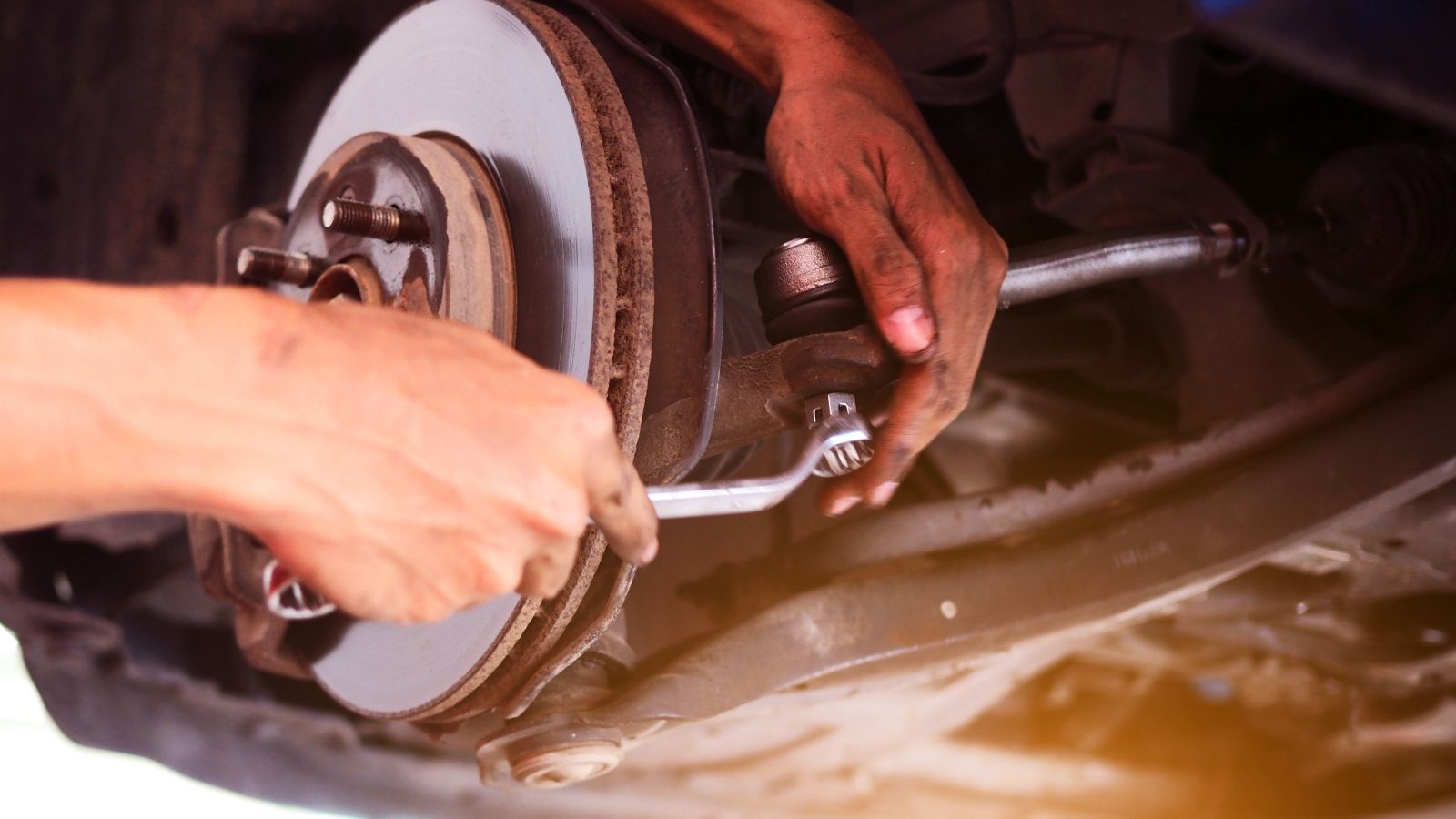
Suspension joints have to let wheels move while still keeping their position tightly controlled. Once bushings or ball joints develop excessive play, that precision begins disappearing. MOOG notes that worn ball joints can produce sloppy steering, vibration and drifting, while worn bushings can allow unwanted movement in control arms and other suspension connections. The deterioration can happen gradually enough that a driver simply starts making more steering corrections without realizing why.
Highway driving tends to expose the looseness. A vehicle may change direction slightly after hitting a pavement seam, wander on a straight stretch or react differently depending on whether it is accelerating or braking. Clunks over potholes can provide another clue. Road salt, moisture and debris can also be hard on exposed suspension components and protective boots. Because similar symptoms can be caused by alignment, tires or wheel bearings, identifying the exact worn component requires inspection. Persistent looseness should not be treated as an inevitable characteristic of an aging car.
Loose or Worn Tie Rods and Steering Components
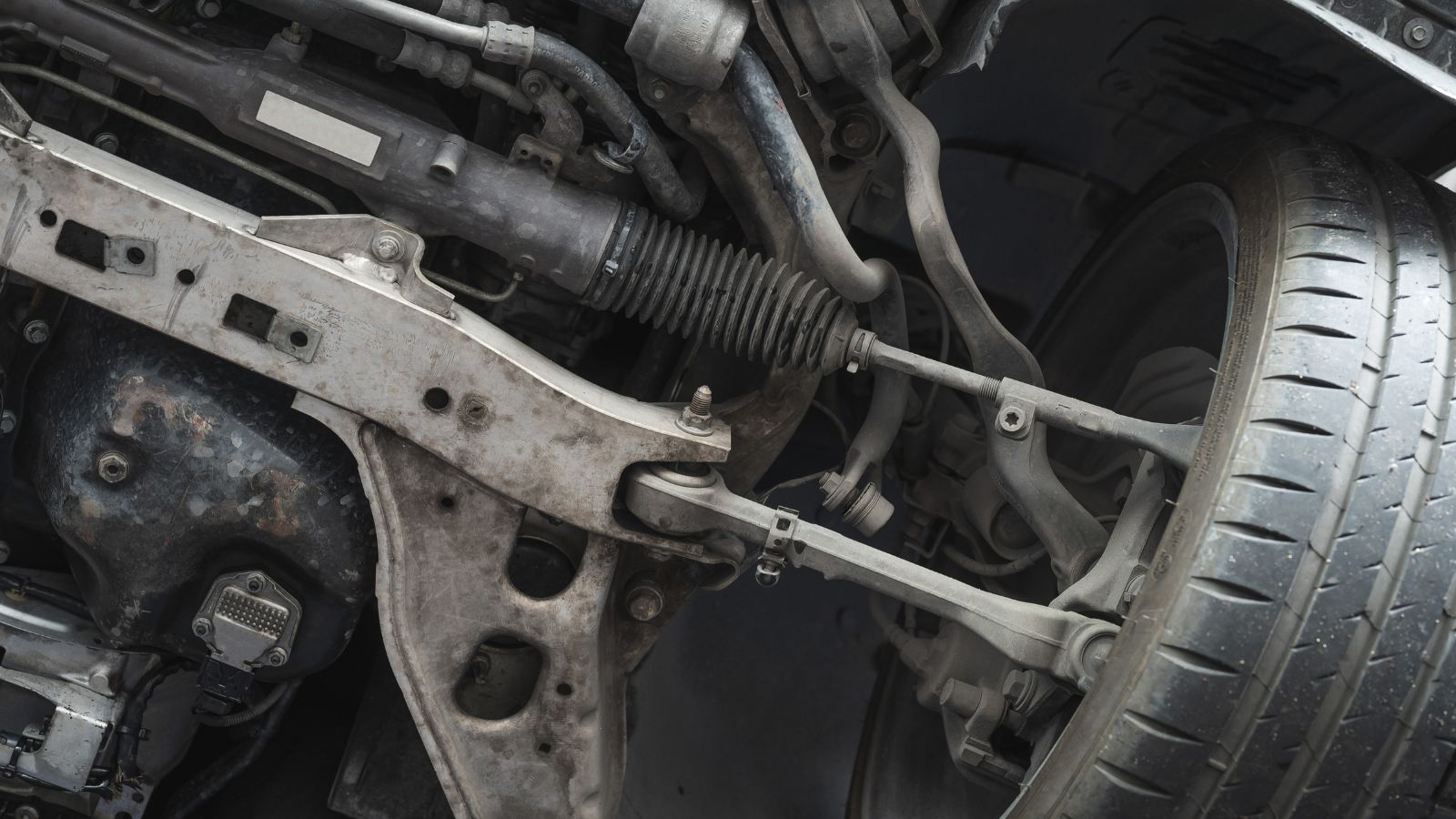
A driver should not have to guess when the front wheels are going to respond. Tie rods form an important link between steering input and wheel direction, and wear can introduce play into that connection. MOOG identifies steering-wheel looseness, vibration, poor tracking and worsening alignment as potential symptoms of damaged or worn tie rods. In severe cases, steering-control problems become much more than a comfort issue.
Highway speed magnifies small amounts of looseness because constant, precise corrections are required to remain centred in a lane. A worn steering component can make the vehicle feel as though it is wandering instead of responding immediately. Rough Canadian pavement can make the behaviour even more obvious as each bump loads the steering linkage differently. Clunking during low-speed turns may accompany the highway symptoms. Because tie-rod failure can compromise the driver’s ability to control wheel direction, unexplained steering play or rapidly worsening wandering deserves prompt professional diagnosis rather than waiting for the next scheduled maintenance visit.
A Wheel Bearing Beginning to Fail
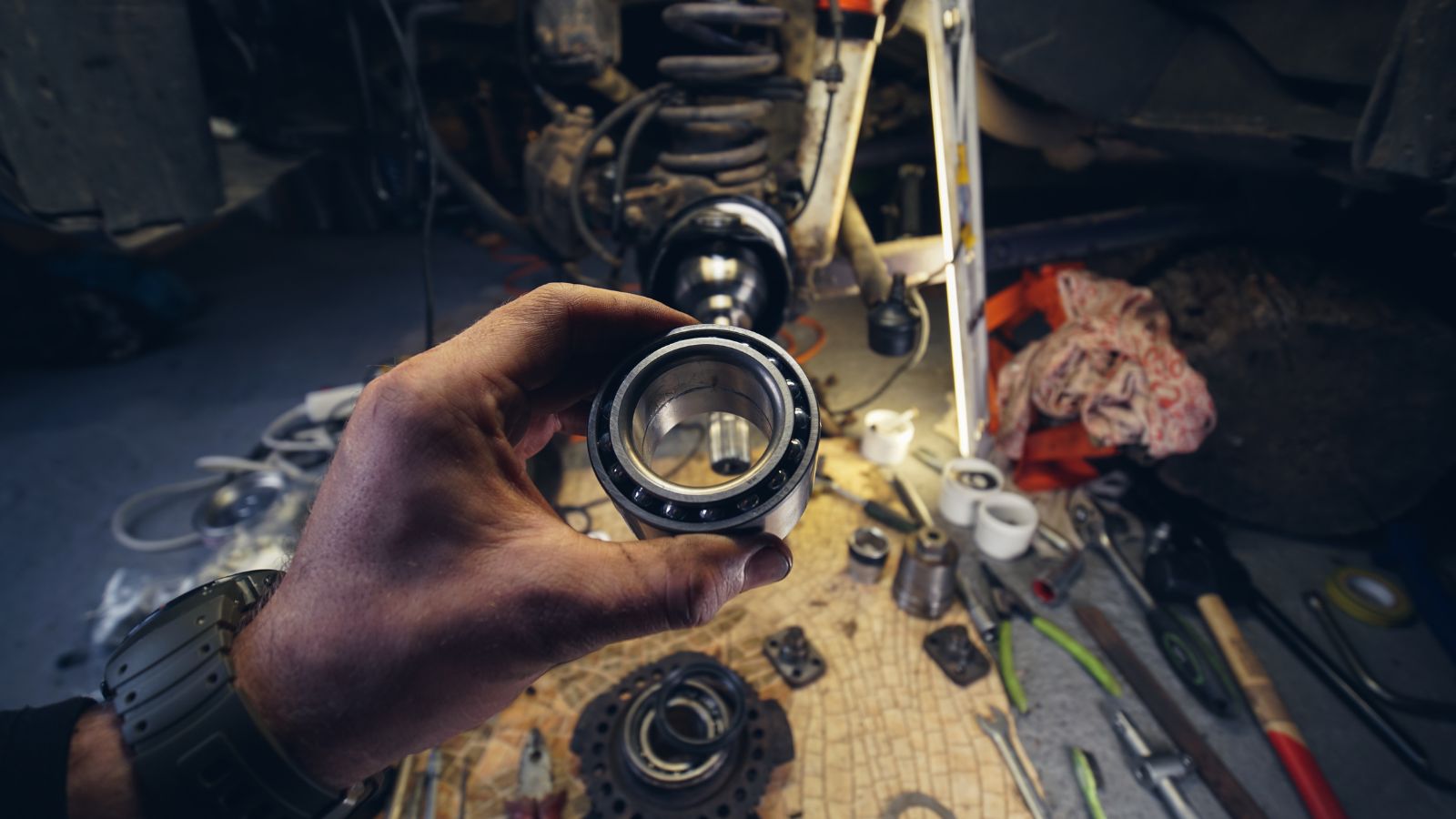
Wheel bearings allow the wheel and hub assembly to rotate while remaining securely located. Wear can announce itself with a humming, rumbling or growling noise that changes with road speed or steering input. Timken notes that bearing-related symptoms can include noise that intensifies during slight turns, while serious mechanical damage can create wheel vibration or wobble. Similar symptoms can come from tires or suspension problems, which makes diagnosis important.
On a highway, the sound can become particularly noticeable because bearing speed remains high for long periods. A driver may hear what seems like unusually loud tire noise, only to notice that it changes when the vehicle gently loads one side through a curve. Severe looseness can also affect brake operation and wheel stability. Because a failing bearing is part of the wheel-end assembly rather than simply a source of cabin noise, increasing rumbling, looseness or wobble should be inspected rather than masked by turning up the radio.
Brakes That Vibrate, Pull or Feel Different

Highway braking should feel consistent and predictable. Transport Canada advises that pulling, unusual pedal feel, squealing or grinding can indicate brakes needing attention, while CAA also identifies vibration during braking and reduced stopping performance as reasons to arrange an inspection. A car that cruises smoothly but suddenly shakes through the steering wheel or pedal whenever speed is scrubbed off can feel dramatically less secure.
Several brake problems can create similar sensations, including uneven rotor surfaces, sticking components or other mechanical faults, so vibration alone does not provide a complete diagnosis. Pulling to one side is another important warning because braking forces should remain reasonably balanced. The issue becomes especially stressful during an emergency stop from highway speed, when the driver needs the vehicle to remain straight and stable. Canadian winter moisture, road salt and periods of storage can add corrosion to the equation. A noticeable change in brake feel deserves investigation before another long highway trip.
Wheel Nuts That Are Not Properly Tightened
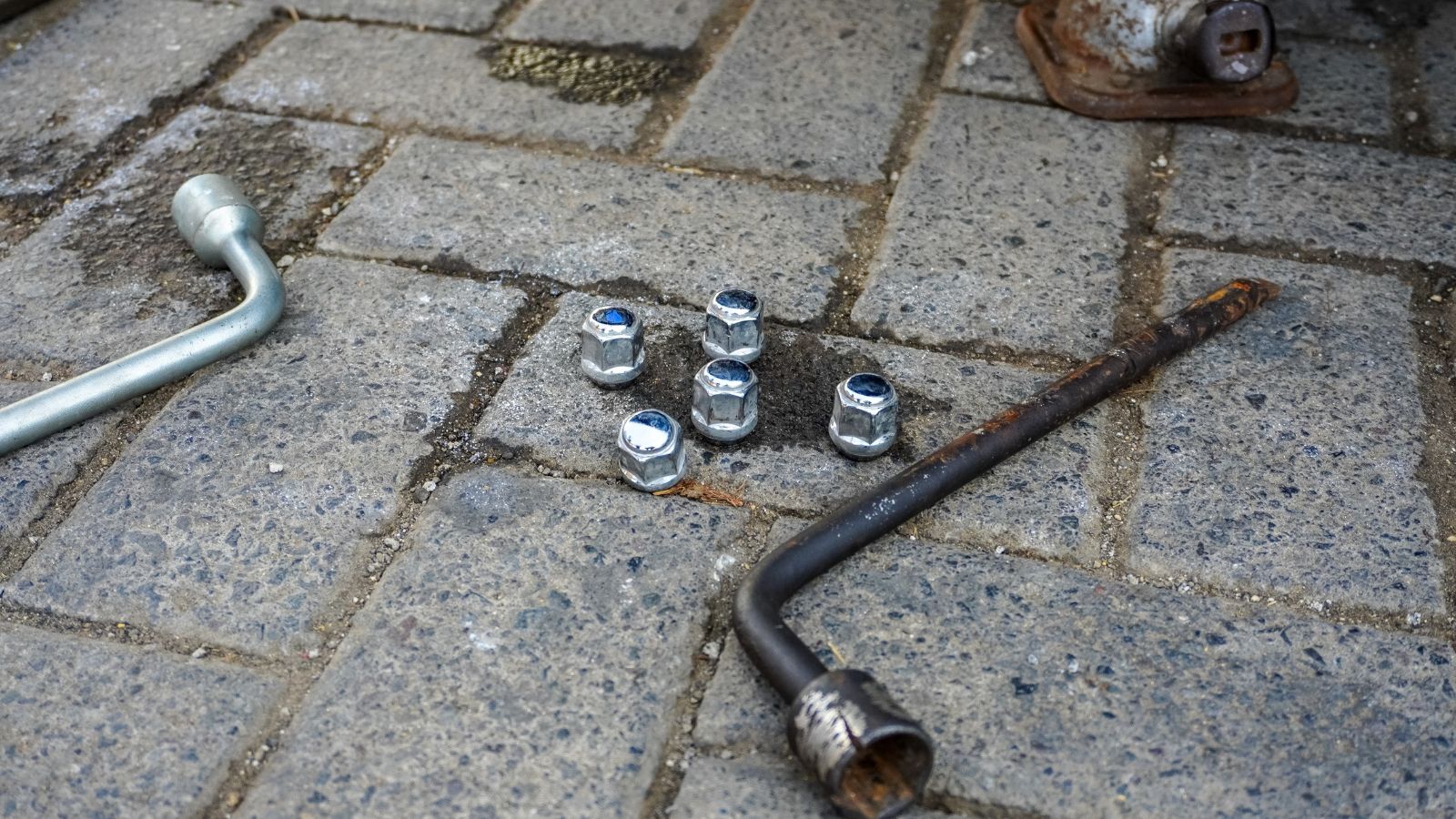
Seasonal tire changes are a routine part of Canadian vehicle ownership, but correct wheel installation remains critical. Transport Canada advises that wheel nuts should be tightened to the vehicle manufacturer’s specifications. Professional driver guidance from ICBC likewise emphasizes proper torque and the importance of checking recently installed wheels. A wheel that is not clamped correctly to the hub can become a serious safety issue rather than simply producing an annoying vibration.
Symptoms can include new shaking, unusual noises or a change in how the vehicle feels shortly after a tire swap. The timing is an important clue: if a vibration begins immediately after winter or summer wheels have been installed, wheel balance, mounting and fastener torque all deserve attention. Manufacturer procedures vary, so the correct torque specification and any recommended recheck interval should come from the vehicle, wheel or service instructions. Highway speeds are not the place to discover that a wheel installation was incorrect.
Driveline or Axle-Shaft Vibration
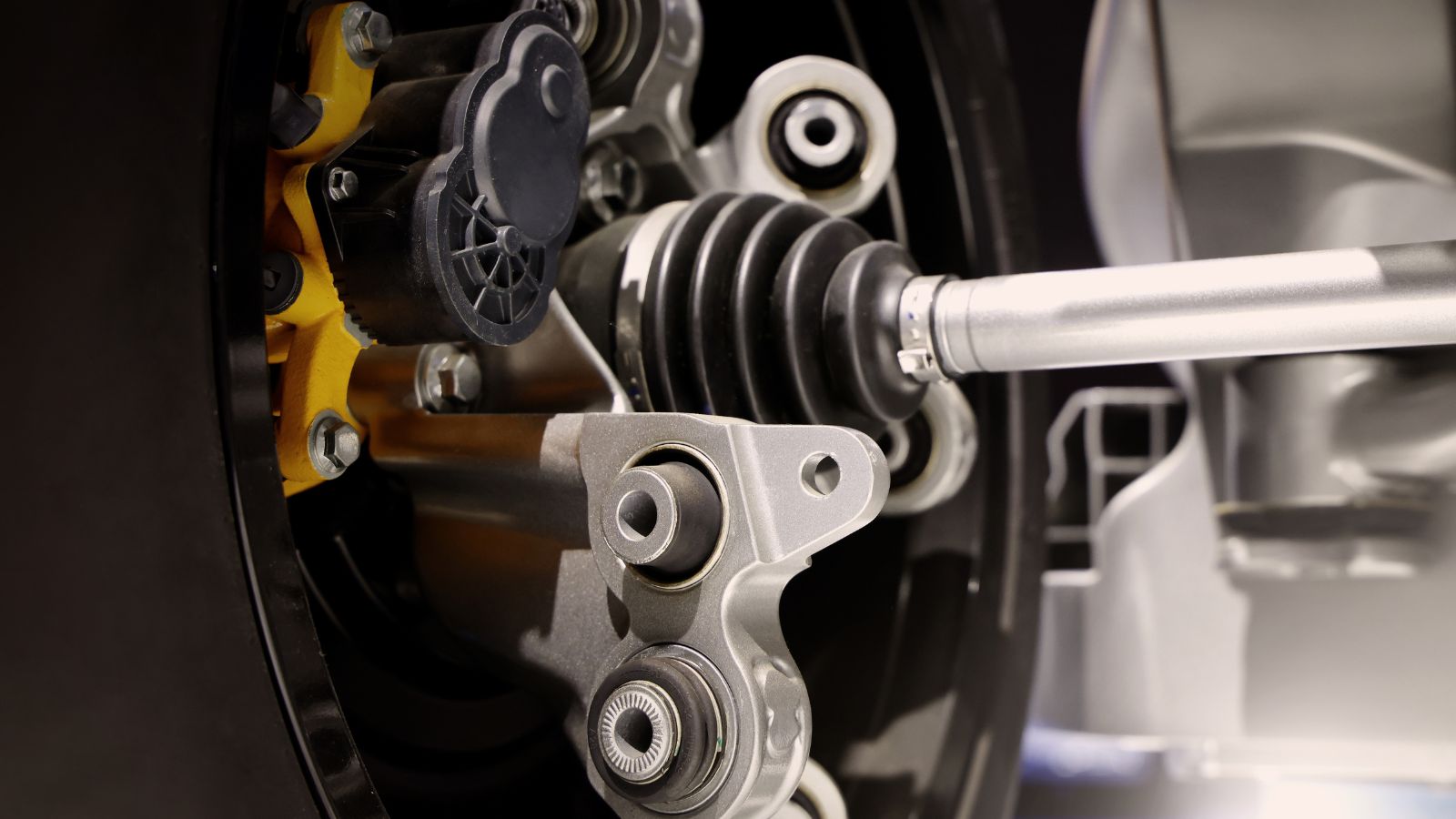
Not every highway vibration starts at the tires. Driveshafts, axle shafts, universal joints and related components rotate rapidly whenever the vehicle is moving. NAPA notes that a driveshaft that becomes bent or loses its balance can create vibration that appears or intensifies at particular speeds. Worn universal joints and other driveline components can also cause shaking or clunking that may initially be mistaken for wheel imbalance.
The location can sometimes provide clues. Tire imbalance is commonly felt through the steering wheel or seat, whereas driveline vibration may seem to come from beneath the centre of the vehicle and change with acceleration or load. Pickup trucks and rear- or all-wheel-drive vehicles can make these differences especially noticeable. Impacts, corrosion and component wear all deserve consideration. Because continued vibration can place additional load on joints, bearings and seals, a new speed-related tremor that remains after the wheels have been checked should prompt investigation of the driveline rather than repeated tire balancing.
Too Much Weight or Poorly Distributed Cargo

A vehicle’s handling assumptions are based on staying within its designed load limits. Transport Canada warns against overloading and notes that maximum recommended load information can be found on the vehicle’s tire-information label. Added passengers, luggage, tools or recreational equipment increase what the tires and suspension must support. Excessive loading can also increase tire stress, particularly during prolonged highway travel.
Distribution matters as well. Packing most of the heavy cargo at one end of a vehicle can alter ride height and change how readily the front and rear respond during steering or braking. A family SUV filled for a cross-country trip may therefore feel noticeably different from the same vehicle carrying one occupant and an empty cargo area. Sagging suspension, vague steering or unusually heavy body motion are signals worth noticing. Before a heavily loaded road trip, tire pressures, payload limits and cargo security should be checked against the manufacturer’s instructions rather than estimated by whether everything physically fits.
Heavy Cargo Carried High on the Roof

Roof boxes, kayaks, bicycles and camping equipment solve valuable storage problems, but putting weight high on a vehicle changes how it responds. Manufacturer guidance commonly warns that roof cargo raises the centre of gravity and can make a loaded vehicle handle differently. Transport Canada’s roll-stability information also notes that vehicles with higher centres of gravity are more susceptible to body roll during aggressive cornering or evasive manoeuvres.
The effect becomes more noticeable in crosswinds and quick lane changes. A crossover that normally feels planted may suddenly lean more or require additional steering correction with a heavily loaded roof box. Large objects also encounter substantial airflow at highway speed, making secure attachment essential. Every vehicle and roof-rack system has its own weight limits, so the relevant owner’s manual and rack specifications should take priority over generic rules. Keeping heavy items lower in the vehicle whenever practical helps avoid turning a routine highway drive into one that feels unexpectedly top-heavy and unsettled.
A Trailer That Starts to Sway
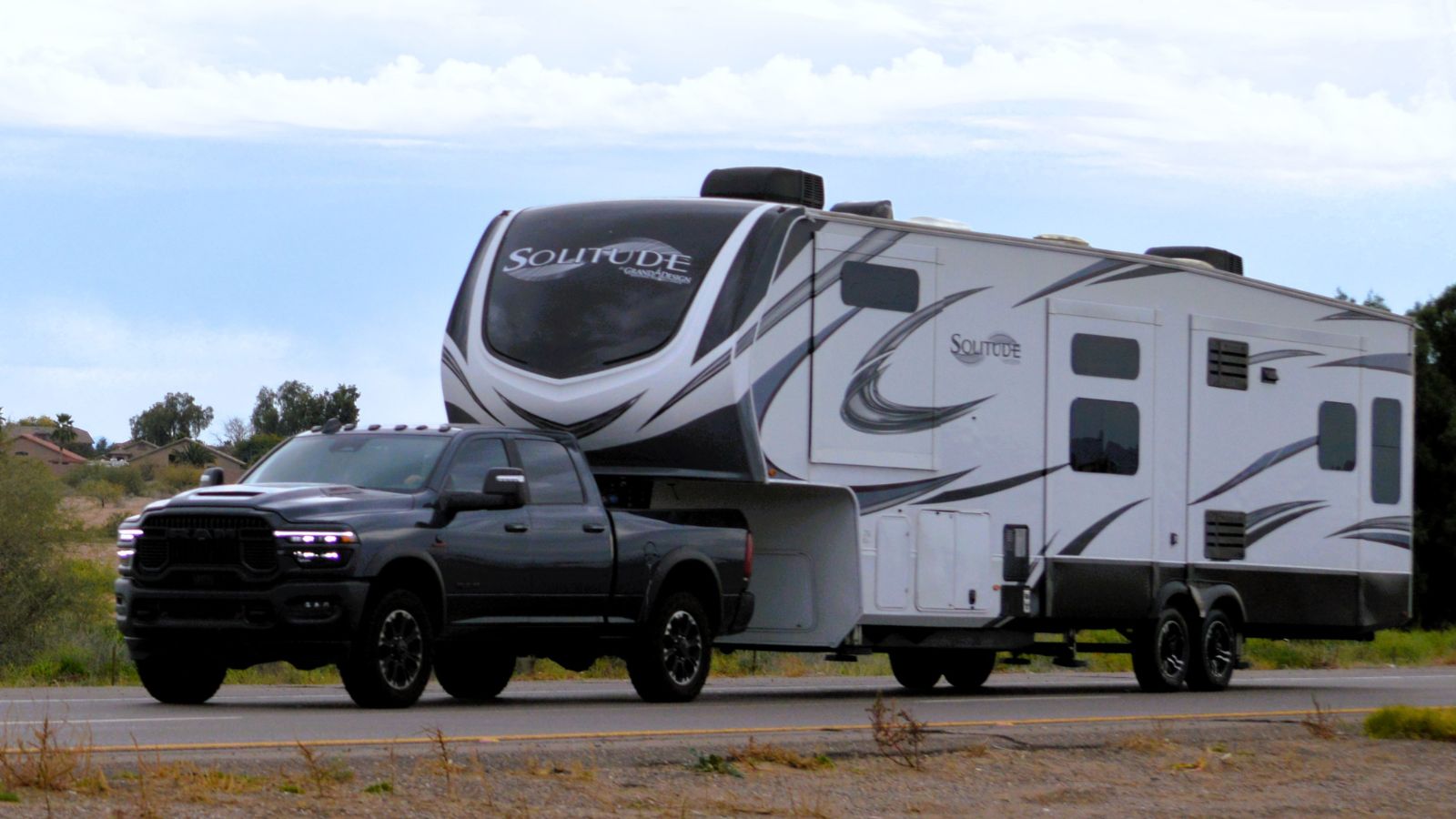
Towing changes almost everything about a vehicle’s highway behaviour. Ontario’s Ministry of Transportation warns that poor trailer load balance can cause sway or fishtailing and says roughly five to 10 per cent of a trailer’s total weight generally should be supported on the hitch, within the hitch’s rated limit. Manitoba’s trailer guidance similarly stresses even loading and securing cargo to reduce sway.
A trailer can feel stable for kilometres before a lane change, downhill section or passing transport truck starts an oscillation. That sudden side-to-side movement can be frightening because the trailer begins influencing the tow vehicle rather than simply following it. Loading too heavily toward the rear is a well-known contributor, while excessive overall weight can strain tires, bearings and axles. Hitch setup, tire pressure and trailer condition matter as well. Drivers should follow the tow-vehicle and trailer manufacturers’ limits because a stable combination depends on the entire setup, not simply engine power.
Crosswinds and the Air Wake From Big Trucks
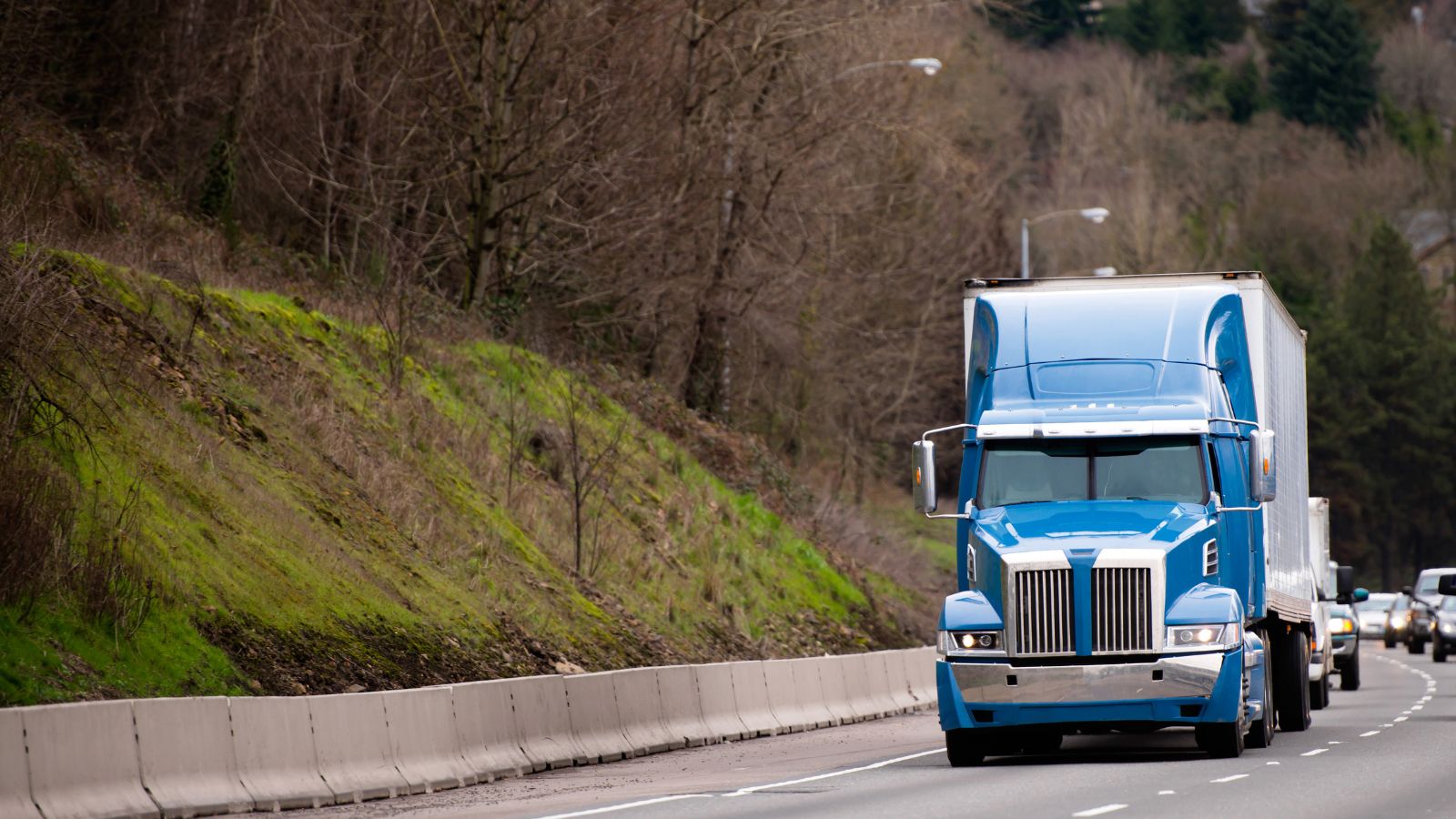
Sometimes the vehicle is mechanically healthy and the unsettling movement comes from the air around it. ICBC’s driving guide warns that crosswinds, headwinds, tailwinds and even turbulence from a passing tractor-trailer can make steering more difficult. Manitoba’s driver guidance similarly cautions motorists about wind turbulence created by large vehicles. The effect can be particularly noticeable in small cars, tall vans, SUVs and vehicles towing trailers.
A driver may first feel the vehicle pushed away from a transport truck and then pulled slightly toward it as air pressure changes while passing. Strong prairie winds or exposed bridges can produce similar steering corrections for much longer periods. Slowing appropriately and holding the steering wheel firmly can reduce the workload. However, extreme sensitivity to ordinary crosswinds can also reveal worn shocks, loose steering components or inappropriate tire pressure. Wind should therefore explain some highway movement—but it should not automatically excuse a vehicle that suddenly feels far less stable than it once did.
Standing Water and Hydroplaning

Heavy rain can make a perfectly maintained highway feel like a different surface. Ontario’s driver handbook explains that when enough water accumulates—or speed is too high—tires can ride on top of the water rather than maintaining normal pavement contact. That is hydroplaning, and steering control can become extremely difficult. Worn tread raises the concern because deeper grooves help move water away from the tire’s contact area.
The sensation can be startlingly light, as though the steering has suddenly disconnected from the road. Puddles can also conceal potholes capable of damaging tires or suspension. The appropriate response begins before hydroplaning happens: reduce speed in heavy rain, maintain adequate tread and avoid abrupt steering or braking inputs on slippery surfaces. If a vehicle starts hydroplaning at increasingly modest speeds, tire condition deserves particular scrutiny. Canadian spring downpours and deep wheel-track puddles can expose marginal tires long before their tread looks completely worn out.
Stability-Control or Traction Problems

Modern vehicles have electronic systems designed to intervene when grip begins disappearing. Transport Canada explains that electronic stability control can brake individual wheels and reduce engine power when the vehicle’s actual direction no longer matches the driver’s intended path. ESC has been required on Canadian-market light vehicles since the 2012 model year, making it an important background safety system for most newer cars, SUVs and pickups.
An ESC light flashing briefly on snow or ice can simply indicate that the system is actively helping manage a skid. Frequent activation on seemingly normal pavement is different: it may reflect slippery conditions, inappropriate speed, poor tires or another issue affecting available grip. A warning lamp that remains illuminated can indicate that the system has been switched off or requires attention, depending on the vehicle. Electronic assistance cannot compensate for worn, underinflated or overloaded tires, and Transport Canada specifically emphasizes those limitations. A suddenly unstable vehicle therefore still deserves a mechanical inspection rather than relying on electronics to correct it.
19 Used Cars Canadians Should Avoid in 2026 (Based on Owner Complaints)

Buying a used car in Canada can feel safe until repair bills start stacking up. Owner complaints tell a different story than glossy listings. Transmission failures, electrical problems, and weak winter reliability show up again and again in consumer reports. Many of these issues appear after warranties expire, when owners least expect them. Some vehicles look affordable upfront, but become expensive to keep on the road. Others struggle in cold weather, urban driving, or long highway commutes. Here are 19 used cars Canadians should avoid in 2026 (based on owner complaints).
19 Used Cars Canadians Should Avoid in 2026 (Based on Owner Complaints)

Alanna Rosen is an experienced content writer that focuses on many EV and educational content. Her articles are regularly published on Get CyberTrucked and syndicated on large publications.