
SUVs are often presented as the default answer for Canadian families: roomy, safe-looking, winter-ready and versatile enough for everything from school drop-offs to cottage weekends. Yet the badge on the tailgate says surprisingly little about whether a particular model actually works well for family life.
Some SUVs consume far more fuel than expected. Others have third rows that are difficult to use, cargo areas that virtually disappear when every seat is occupied, costly winter tires, awkward child-seat anchors or dimensions that become frustrating in urban parking garages. Safety equipment and rear-passenger protection can vary just as dramatically. These 21 warning signs show where an SUV can start working against a household rather than helping it—and why families need to look beyond seating capacity, horsepower and all-wheel drive before signing a long-term loan or lease.
Fuel Economy That Turns Every Errand Into an Expense

A family SUV may spend much more time making short school, grocery and work trips than crossing mountain passes or towing trailers. That makes fuel consumption one of the most important specifications on the window sticker. Natural Resources Canada notes that fuel consumption among vehicles can range from extremely low levels for efficient electrified models to more than 20 L/100 km for some large SUVs. Over years of ownership, that difference can become enormous.
The problem becomes especially noticeable when an SUV is bought for capabilities that rarely get used. A household may be paying to move a heavy body, an all-wheel-drive system and a large engine every morning even though most trips involve one or two occupants. NRCan estimates that driving 20,000 kilometres annually can produce fuel or energy costs ranging from under $500 to more than $4,000 depending on the vehicle. For a family already paying for groceries, housing, insurance and childcare, inefficient everyday transportation can quietly become a major budget item.
A Purchase Price That Eats Too Much of the Household Budget

An SUV can be perfectly capable and still be a poor family purchase if buying it leaves too little room for everything else. AutoTrader data for the first quarter of 2026 put the average listed price of a new SUV in Canada at about $57,159. Used SUVs were considerably cheaper, but the average used listing was still roughly $34,241. Those are significant amounts before interest, insurance, fuel, tires and maintenance enter the calculation.
That matters because families rarely experience vehicle costs in isolation. A monthly payment competes with mortgage or rent, daycare, food, utilities and savings. Stretching from a compact crossover into a larger three-row model because it looks more practical can add thousands of dollars without necessarily producing useful space every day. The more revealing question is not whether an SUV can technically be financed, but whether the household needs what it is paying for. An expensive unused third row or rarely needed towing capacity can become a surprisingly costly feature when financed over several years.
Insurance Costs That Look Nothing Like the Initial Quote

Two SUVs with similar prices can produce very different insurance bills. Insurance Bureau of Canada explains that insurers consider factors including the vehicle’s make, model, year, value, potential repair costs, claims experience and likelihood of theft. Safety equipment can matter as well. That means choosing a different SUV can alter ownership costs before anyone drives it off the dealer lot.
This makes insurance shopping particularly important for families comparing several otherwise similar vehicles. A model packed with expensive body electronics, frequently targeted by thieves or associated with costly claims may attract a higher premium than expected. IBC’s CLEAR system uses Canadian claims experience to help assess how frequently particular vehicles generate claims and how expensive those claims tend to be. Families sometimes spend weeks negotiating a purchase price while treating insurance as an afterthought. Getting quotes before signing can reveal whether the apparently affordable SUV remains affordable once another recurring household bill is added.
A Model That Thieves Target Again and Again
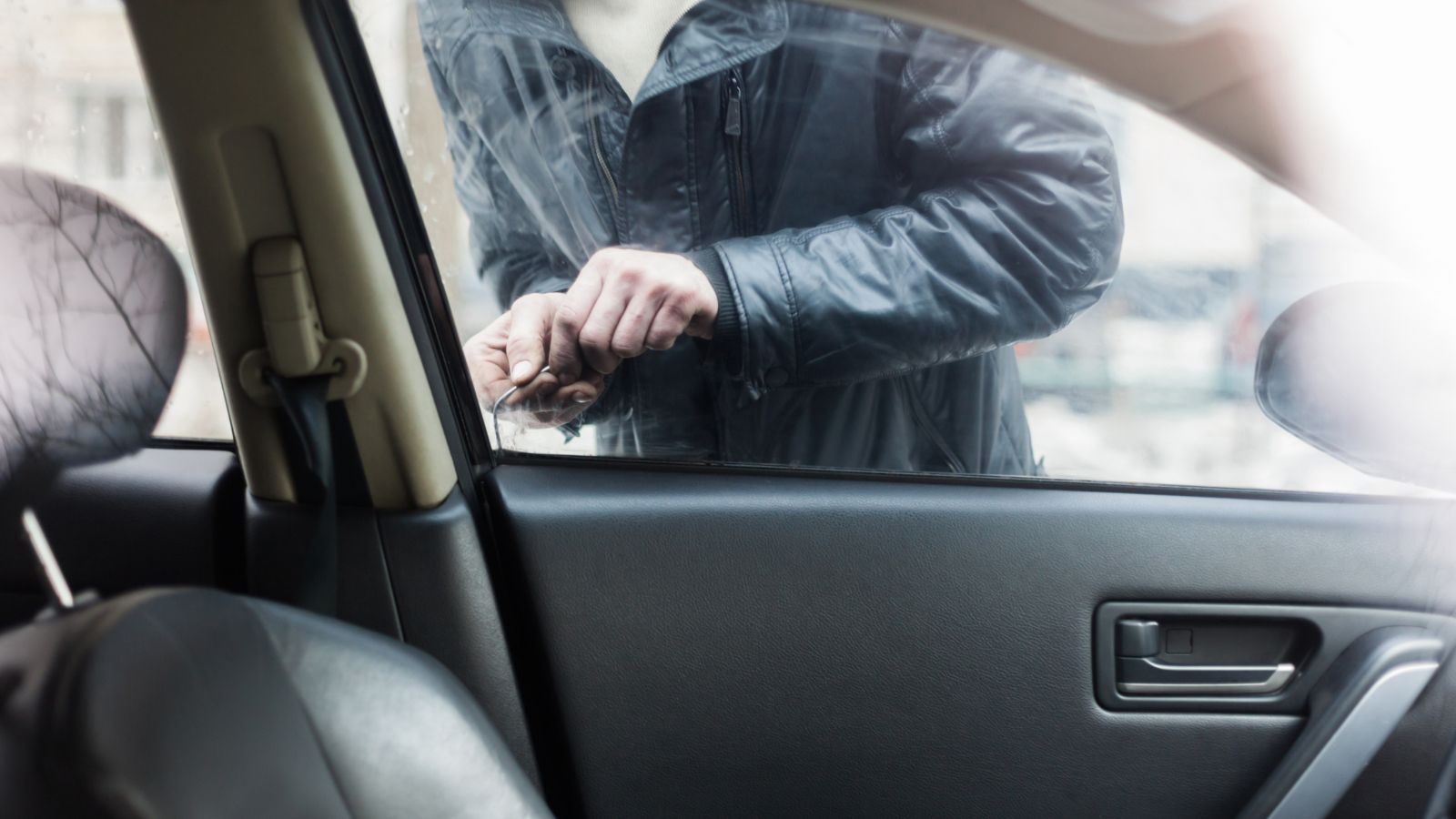
Theft risk can turn an otherwise practical SUV into an exhausting ownership experience. Équité Association’s most recent national ranking based on 2024 thefts placed the Toyota RAV4 at the top of Canada’s most-stolen-vehicle list, and several other SUVs appeared among the leading targets. The organization reported that Canadian auto-theft insurance claims still exceeded $1 billion despite improvement in the overall theft situation.
For families, the cost is not limited to the possibility of losing the vehicle. Higher theft exposure can influence insurance pricing, while an actual theft can mean deductibles, rental vehicles, paperwork and weeks of disruption. A household that depends on one SUV for commuting, daycare and children’s activities may feel that disruption more acutely than the statistics suggest. Theft patterns also change, so an SUV that was relatively unremarkable to thieves several years ago may become desirable later. Checking current theft data and insurance implications therefore deserves a place beside fuel economy, cargo volume and crash ratings during the shopping process.
An AWD Badge That Creates False Winter Confidence
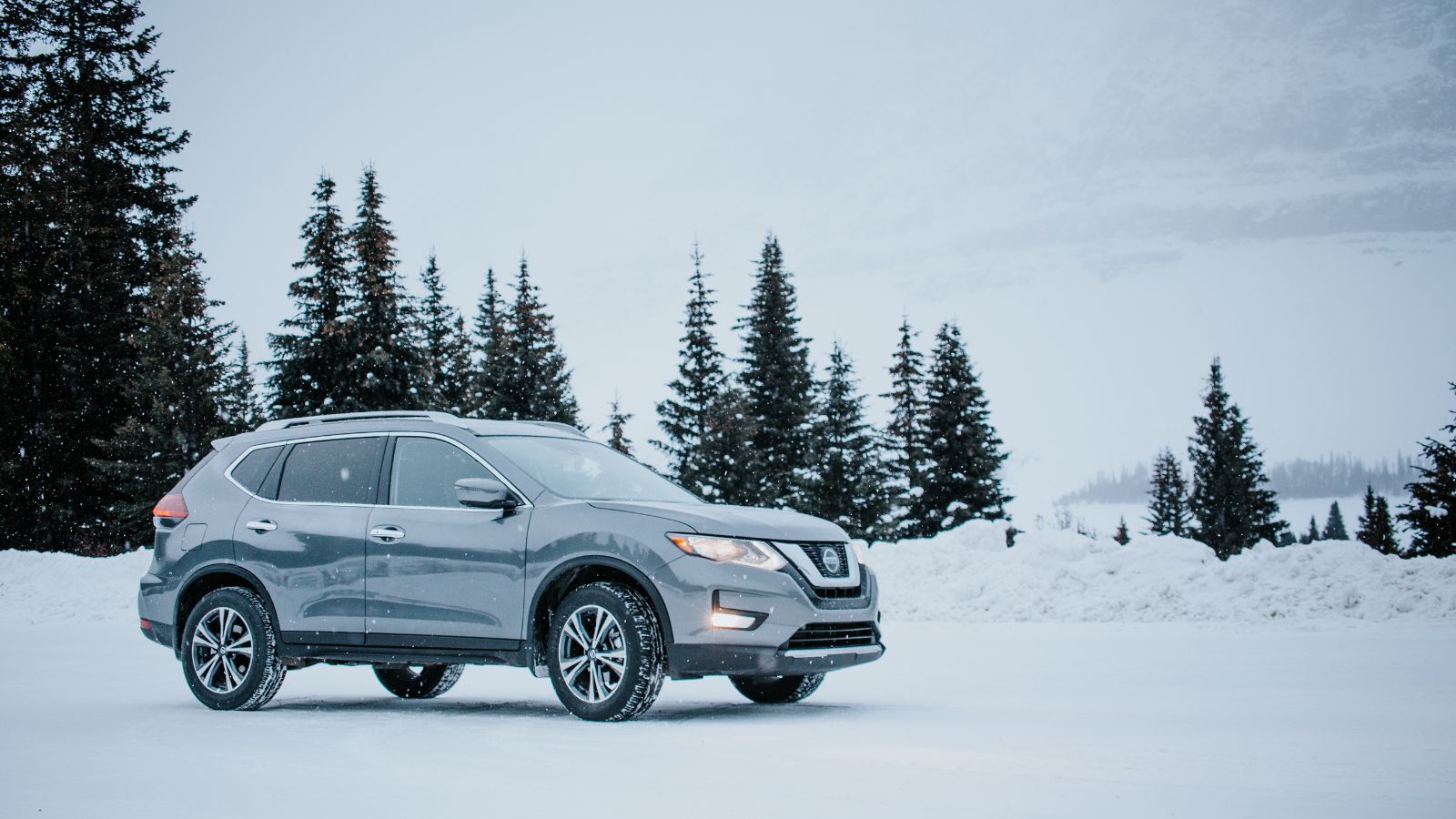
All-wheel drive can help an SUV get moving on slippery surfaces, but the tires remain the vehicle’s connection to the road when it needs to turn or stop. Transport Canada recommends winter tires on all four wheels in cold, snowy or icy conditions. It also notes that below approximately 7°C, all-season and summer tire compounds begin losing elasticity and therefore traction, while proper winter tires are designed to remain effective at lower temperatures.
That distinction matters because Canadians frequently pay a substantial premium for AWD and may assume the drivetrain solves the winter problem. It does not eliminate the need for appropriate tires. Transport Canada has demonstrated the difference by testing otherwise similar vehicles on winter and all-season tires and showing longer stopping distances with the all-season setup on icy surfaces. A family SUV becomes a poorer choice when its large wheel sizes make four winter tires prohibitively expensive—or when the AWD marketing encourages owners to postpone buying them. Winter capability needs to be judged as a complete system, not a badge.
A Third Row That Exists Mostly on the Specification Sheet
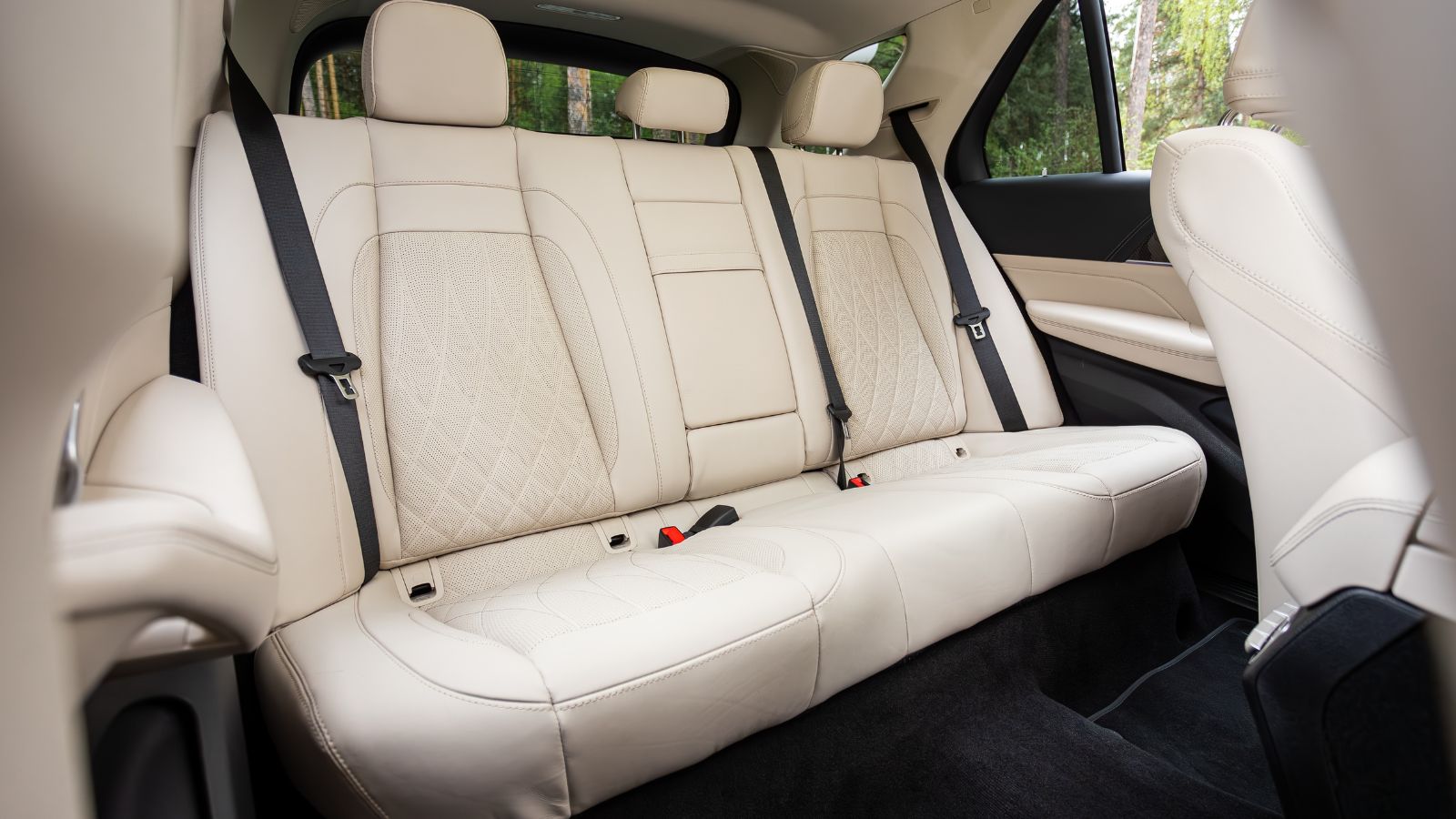
Seven seats sound ideal until somebody actually has to sit in seats six and seven. Third-row packaging varies substantially between SUVs, and the final row may be noticeably tighter than the rest of the cabin. The 2026 Ford Explorer, for example, lists roughly 807 millimetres of third-row legroom compared with around 939 to 952 millimetres in the second row depending on configuration.
That may work perfectly well for occasional child passengers, but a family expecting grandparents, teenagers or growing children to occupy the back regularly should test it physically rather than trusting the seating-capacity number. Access matters too. A generous-looking cabin can become awkward once a child seat is installed in the second row and somebody needs to climb past it. Real family practicality comes from usable seats, not theoretical ones. An SUV with a cramped third row may effectively operate as a five-seater most of the time, leaving the family carrying the purchase price, fuel consumption and exterior bulk of a larger vehicle without receiving its advertised usefulness.
Cargo Space That Vanishes When Every Seat Is Needed
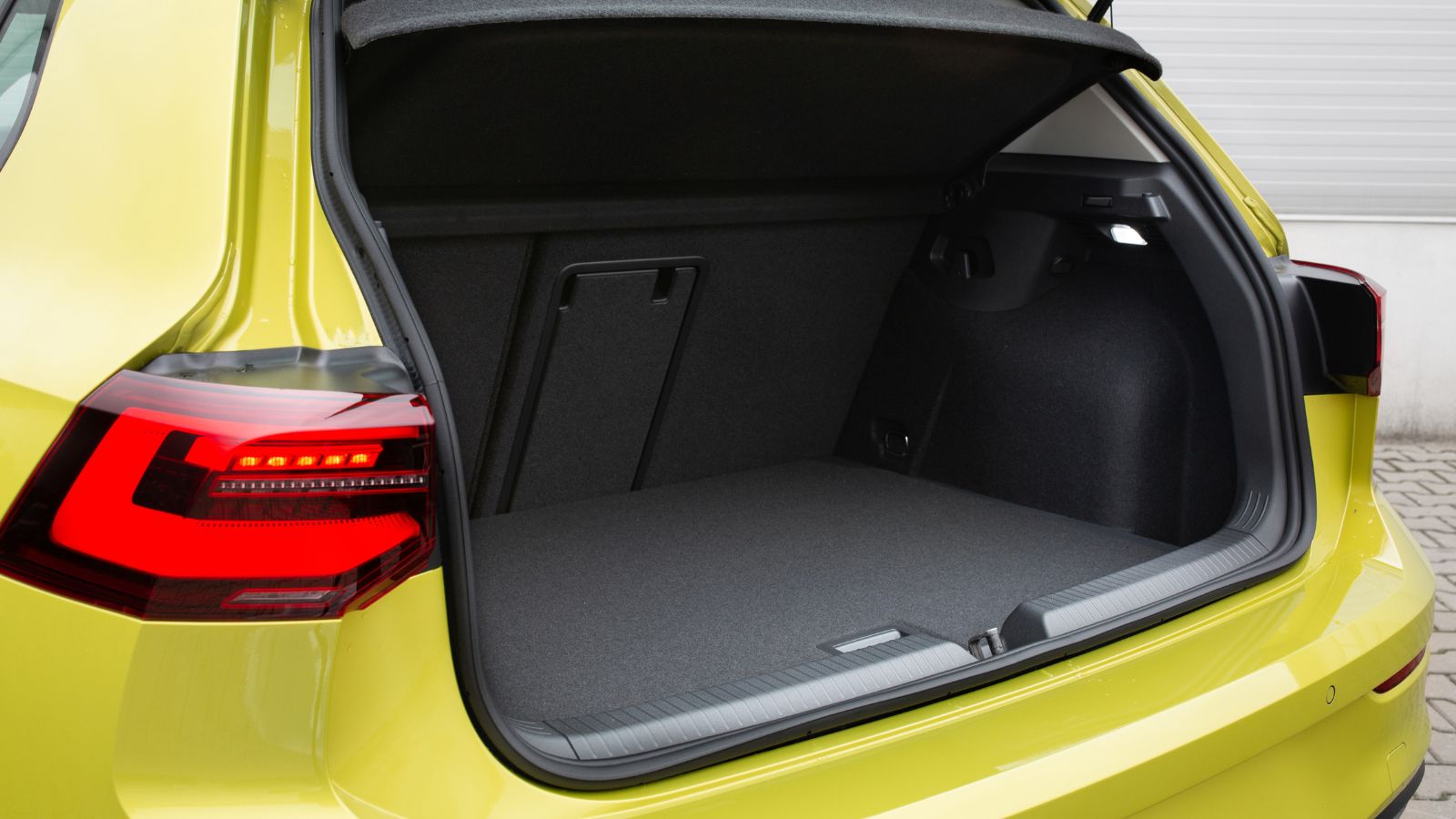
SUV cargo numbers can be misleading because manufacturers often emphasize the maximum volume available with several rows folded. Families typically encounter a different problem: they need the seats and the luggage space simultaneously. The 2026 Ford Explorer, for example, offers roughly 461 litres behind its third row while maximum cargo capacity exceeds 2,400 litres when the cabin is reconfigured.
The gap illustrates why a test involving actual family equipment is more useful than looking at the largest number in a brochure. A stroller, hockey bags, groceries and suitcases can quickly consume the area behind the third row. Folding that row solves the cargo problem only by removing the seats that helped justify buying a three-row SUV in the first place. Before purchasing, families should picture their most demanding routine rather than an empty showroom vehicle: six people heading to the airport, children travelling to a tournament, or a holiday trip with winter clothing. If the SUV cannot carry both the family and its belongings, the nominal seating capacity offers limited value.
Child-Seat Hardware That Is Awkward to Reach
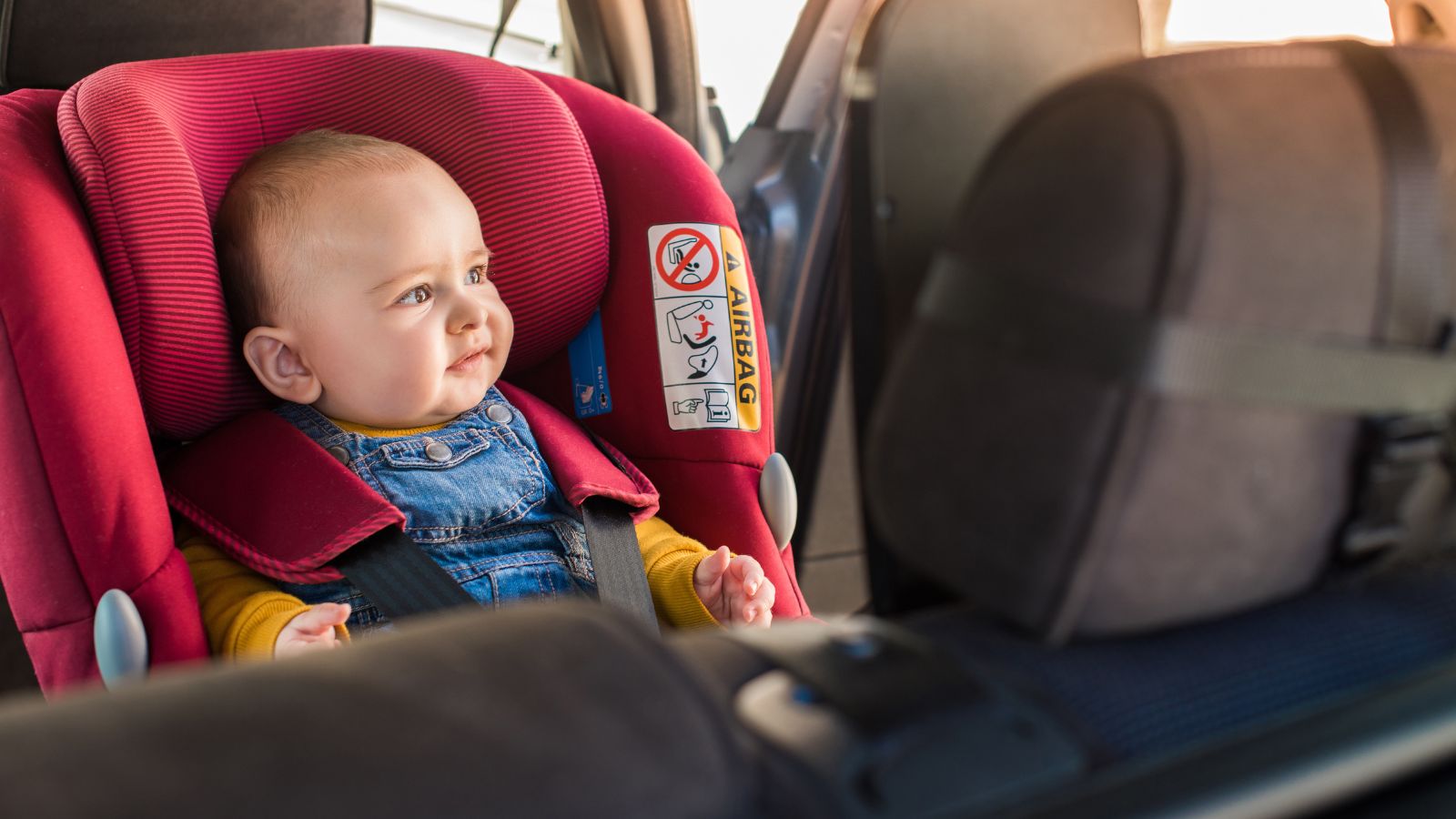
A family vehicle should make child-restraint installation straightforward, but not every SUV does. Transport Canada advises caregivers to consult both the vehicle manual and child-seat instructions because compatibility and installation details vary. It even recommends testing booster-seat fit in the intended vehicle where possible. That is important because seat contours, head restraints, belt geometry and anchor placement can turn a seemingly spacious back seat into a frustrating installation environment.
The Insurance Institute for Highway Safety separately evaluates how easy LATCH hardware is to use. Its criteria include whether lower anchors are buried deeply, whether sufficient room exists around them, and whether top-tether anchors are easy to locate without confusing them with other hardware. Current SUVs do not all receive identical ratings. That difference may seem minor during a ten-minute test drive, but parents may interact with those attachment points for years. An SUV that requires wrestling with buried anchors or awkward seat geometry every time a restraint is moved can become needlessly difficult family transportation.
Exterior Dimensions That Make Ordinary Parking Stressful
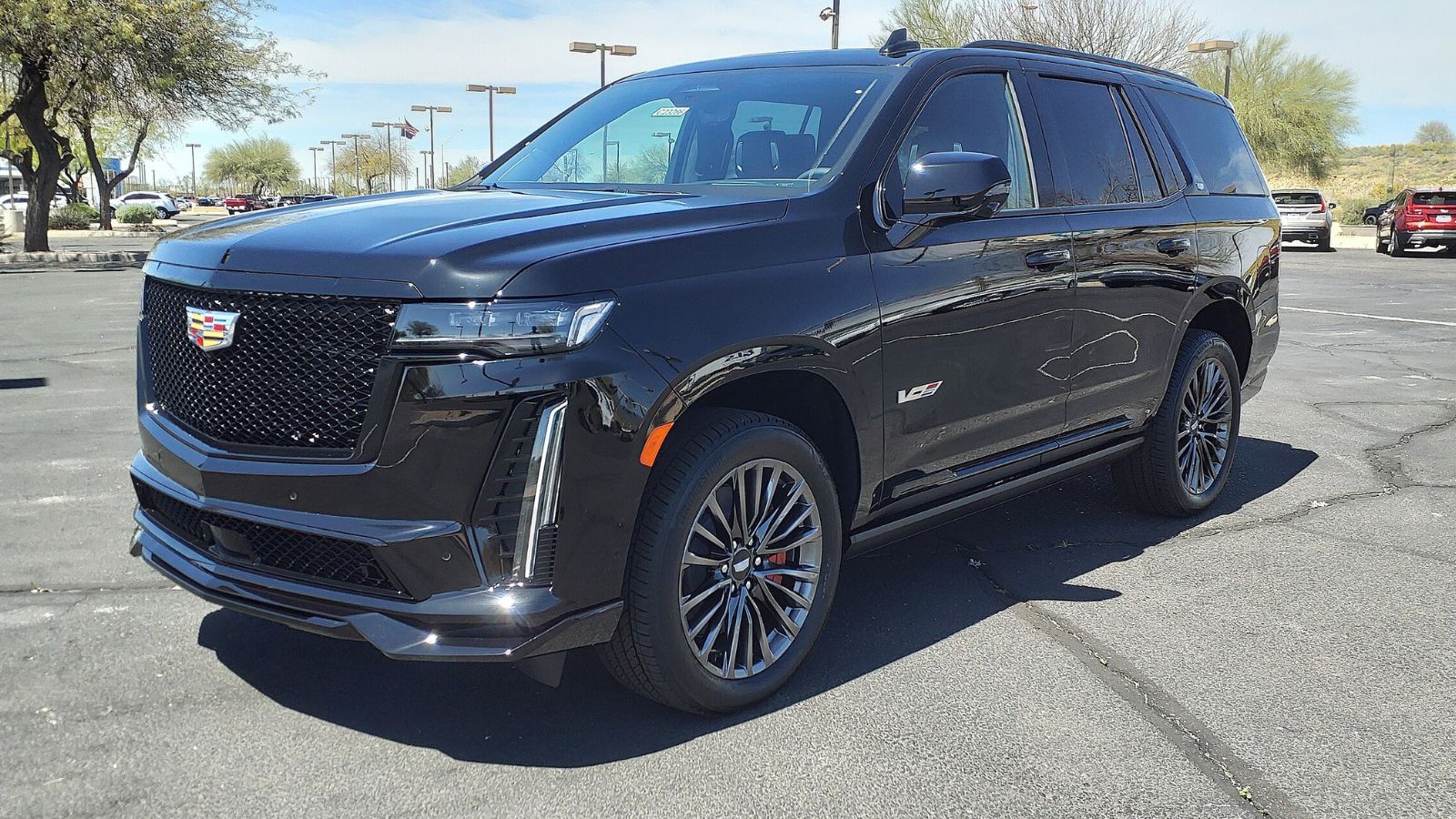
Large SUVs can feel spacious partly because their size has simply been moved outward. The 2026 Ford Explorer measures about 2,004 millimetres wide excluding mirrors and approximately 2,268 millimetres with mirrors. That footprint may be manageable on an open driveway but feels different in an underground garage with concrete columns, neighbouring vehicles and children trying to swing rear doors open.
Toronto’s zoning rules illustrate the dimensions involved. A standard required parking space generally has a minimum width of 2.6 metres, with different requirements applying in certain configurations. A large SUV therefore occupies a significant portion of the available width before passengers begin opening doors. The practical problem is rarely whether the vehicle technically fits. It is whether an adult can unbuckle a toddler, remove a carrier, load groceries and keep a child from striking the next vehicle. Urban families should test garage ramps, parking spaces and home driveways mentally—or physically—before assuming bigger automatically means more convenient.
Blind Zones That Hide What Families Most Need to See
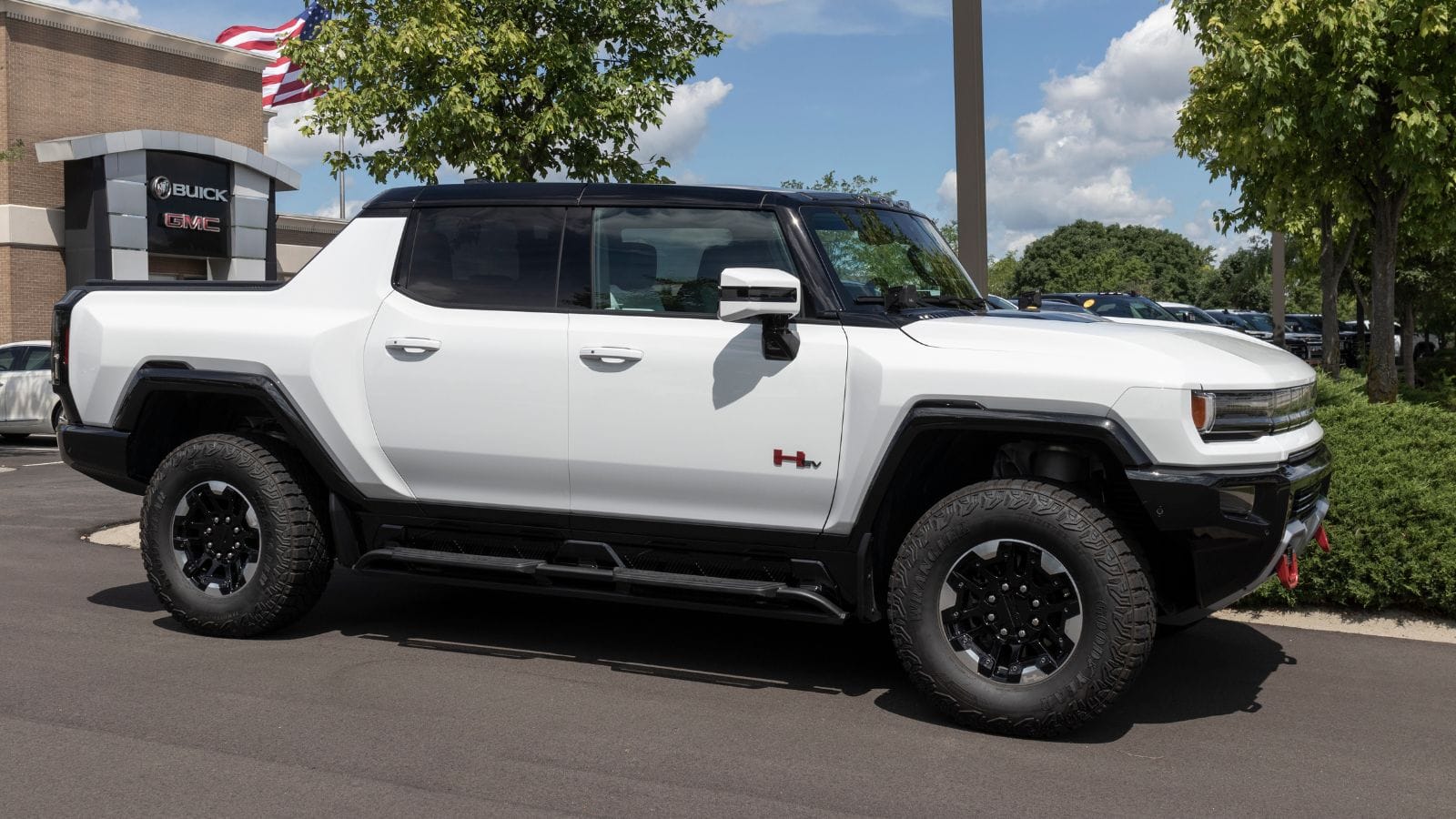
A tall driving position can feel reassuring, yet vehicle height and body shape can create significant areas around an SUV that the driver cannot see directly. Research summarized by the Insurance Institute for Highway Safety has found that larger SUVs typically have bigger blind zones than cars. One study of rear visibility found large SUVs performed worst among the vehicle categories tested, particularly when researchers assessed whether drivers could see child-sized targets.
Modern cameras help, but they are not a complete solution. Transport Canada warns that surround-view systems can contain blind areas or image distortions and can be affected by rain, darkness, glare or dirt. Those limitations become particularly relevant during Canadian winters, when road salt and slush can quickly cover camera lenses. For a family vehicle regularly manoeuvring around children, bicycles, toys and crowded school parking lots, good natural visibility remains valuable. An SUV whose driver cannot confidently judge what is immediately around the body deserves extra scrutiny no matter how many cameras appear on the options sheet.
A Payload Limit That Fills Up Before the Cabin Does
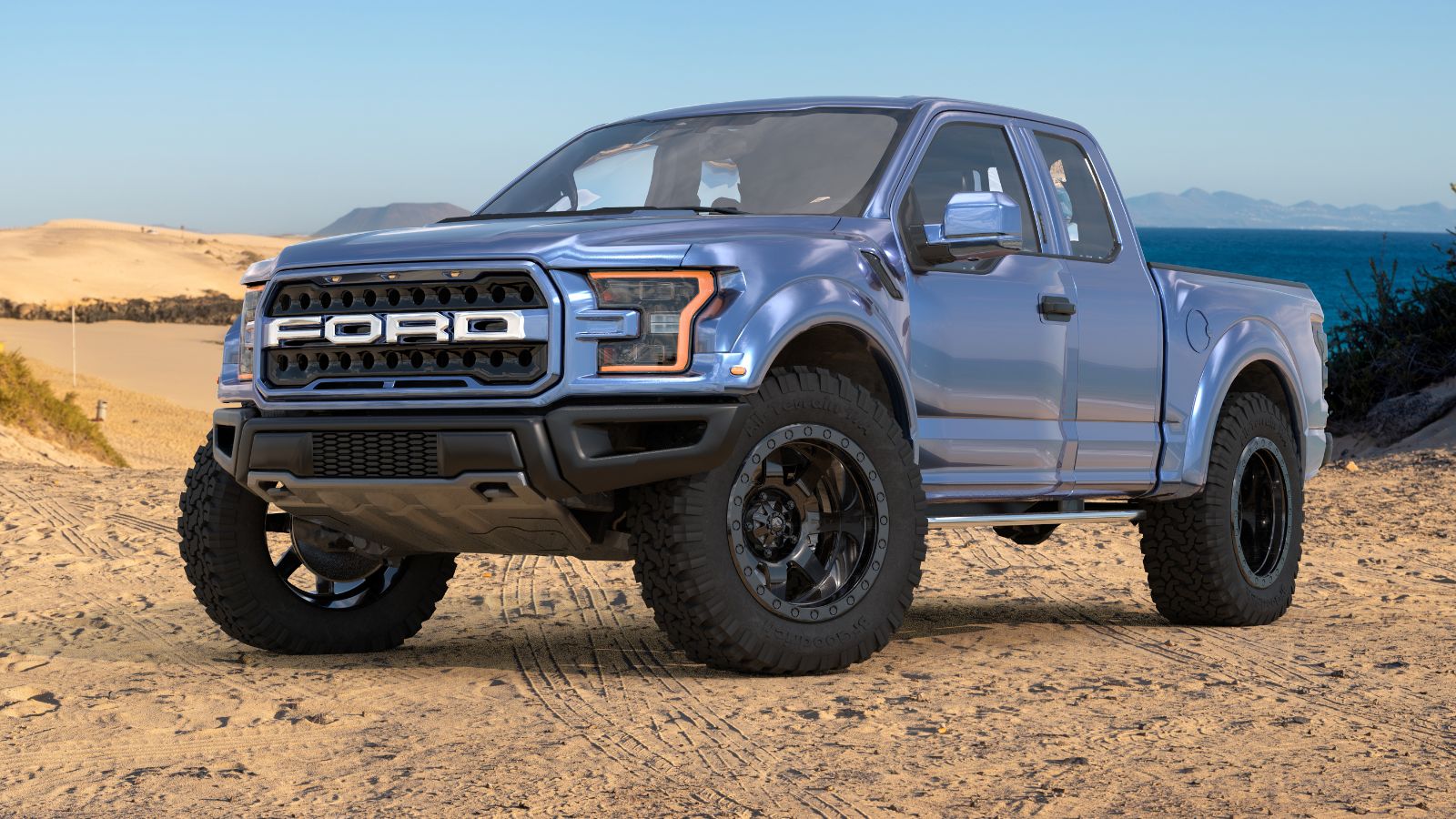
Seating capacity and carrying capacity are not the same thing. Ford defines payload as the maximum weight of passengers and cargo a vehicle is designed to carry. Accessories and trailer tongue weight can also matter depending on the situation. That makes the payload label important for families that routinely combine several occupants with luggage, camping equipment, sports gear or towing.
Even very large SUVs are not unlimited. Toyota’s Canadian specifications for the 2026 Sequoia list a payload around 640 kilograms on the configurations shown. That may sound substantial, but the vehicle can seat seven or eight occupants, and family gear adds weight rapidly. The problem is rarely one suitcase. It is several people, coolers, strollers, bicycles or hitch-mounted equipment accumulating at the same time. An SUV can therefore have enough physical room for everything while approaching a weight limit sooner than expected. Families intending to travel fully loaded should examine the door-jamb payload information rather than assuming a large body automatically means unlimited carrying ability.
A Towing Number That Ignores the Way Families Actually Travel
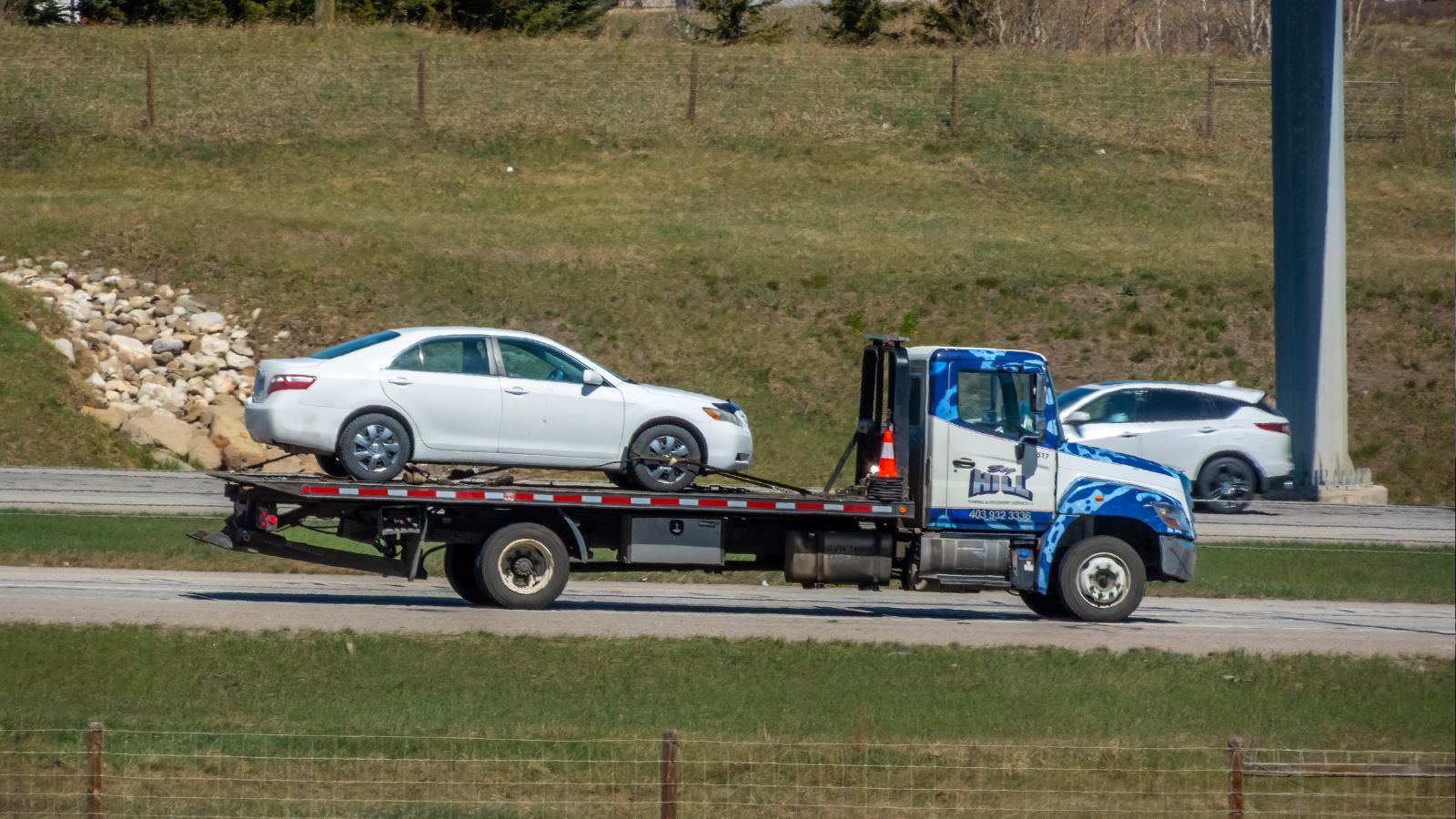
Maximum towing figures make excellent advertising because they compress a complicated calculation into one impressive number. The real towing situation is more nuanced. Ford’s Canadian towing guidance notes that maximum capability varies according to vehicle configuration, equipment, accessories, options, cargo and passenger count. Trailer tongue weight also contributes to the load carried by the tow vehicle and must be considered against its weight ratings.
That distinction matters for a family heading to a campground. The SUV may contain several occupants, luggage, a cooler and other equipment before the trailer is connected. A model advertised with a 5,000-pound towing maximum therefore should not automatically be treated as capable of pulling a 5,000-pound loaded trailer under every family scenario. Properly configured towing can be safe and useful, but buyers need to look beyond the headline capacity. If towing is central to family life, payload, hitch equipment, axle ratings and the actual loaded trailer deserve as much attention as horsepower. Otherwise, a seemingly capable SUV may have far less usable margin than expected.
Roof Cargo That Is Not as Unlimited as It Looks
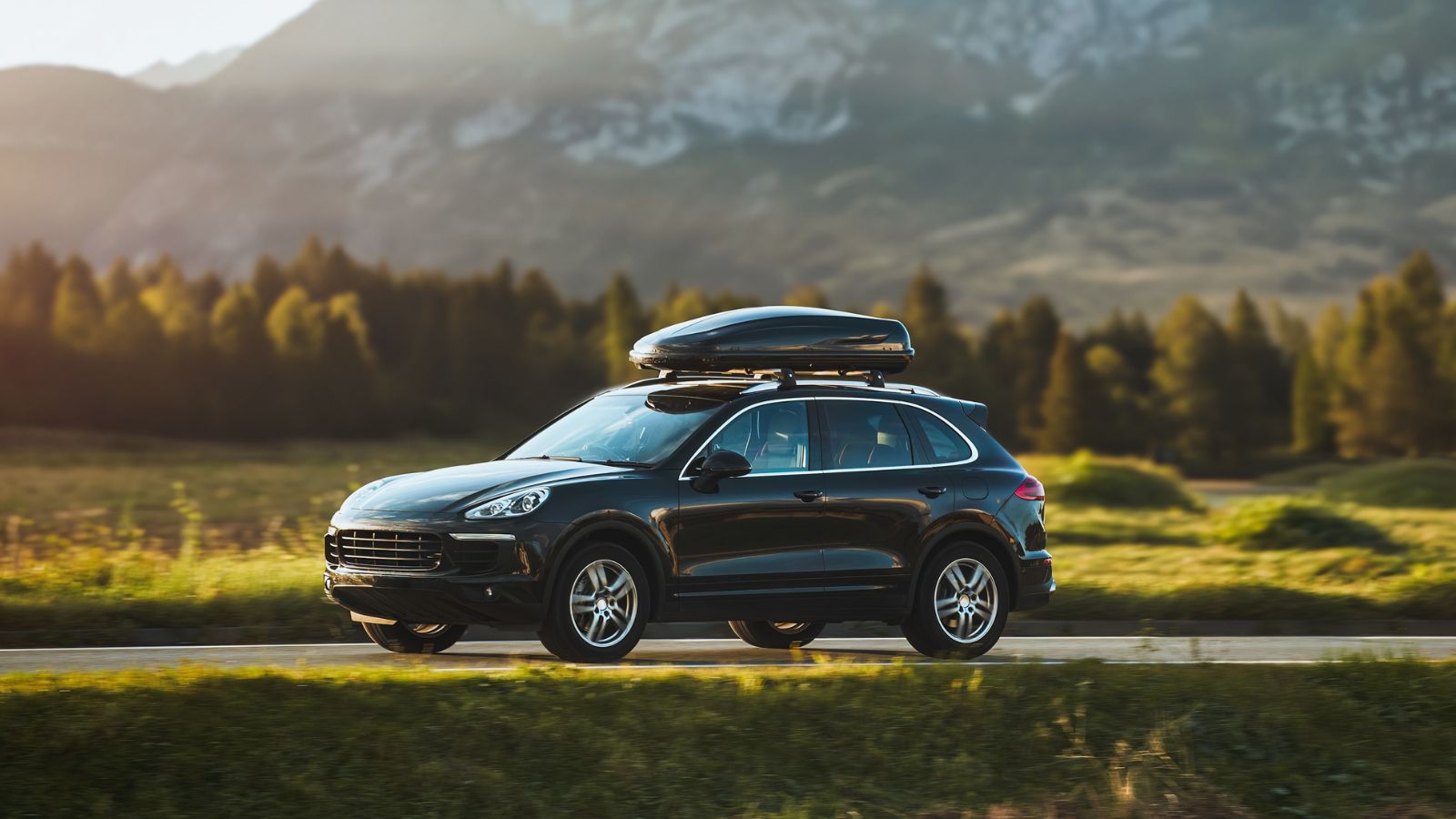
Roof rails can create the impression that an SUV is ready to carry virtually anything that will not fit inside. Manufacturers are considerably more cautious. Subaru Canada, for example, instructs Forester buyers considering a roof-top tent to consult the owner’s manual for the vehicle’s roof-load limit and specifically warns against exceeding it. Roof boxes also add their own weight before any luggage is placed inside.
This becomes important when a family buys a smaller SUV and plans to solve every cargo problem with the roof. A box can be extremely useful for skis, light luggage or bulky equipment, but the roof is not a second pickup bed. Crossbars, carriers and the vehicle itself all have limits, and loading heavy objects overhead makes them harder to lift and remove. Height also becomes more relevant in garages and drive-through structures. An SUV that needs a roof box every weekend simply to function for the household may not provide enough interior capacity in the first place.
Oversized Wheels That Make Tire Replacement Painful
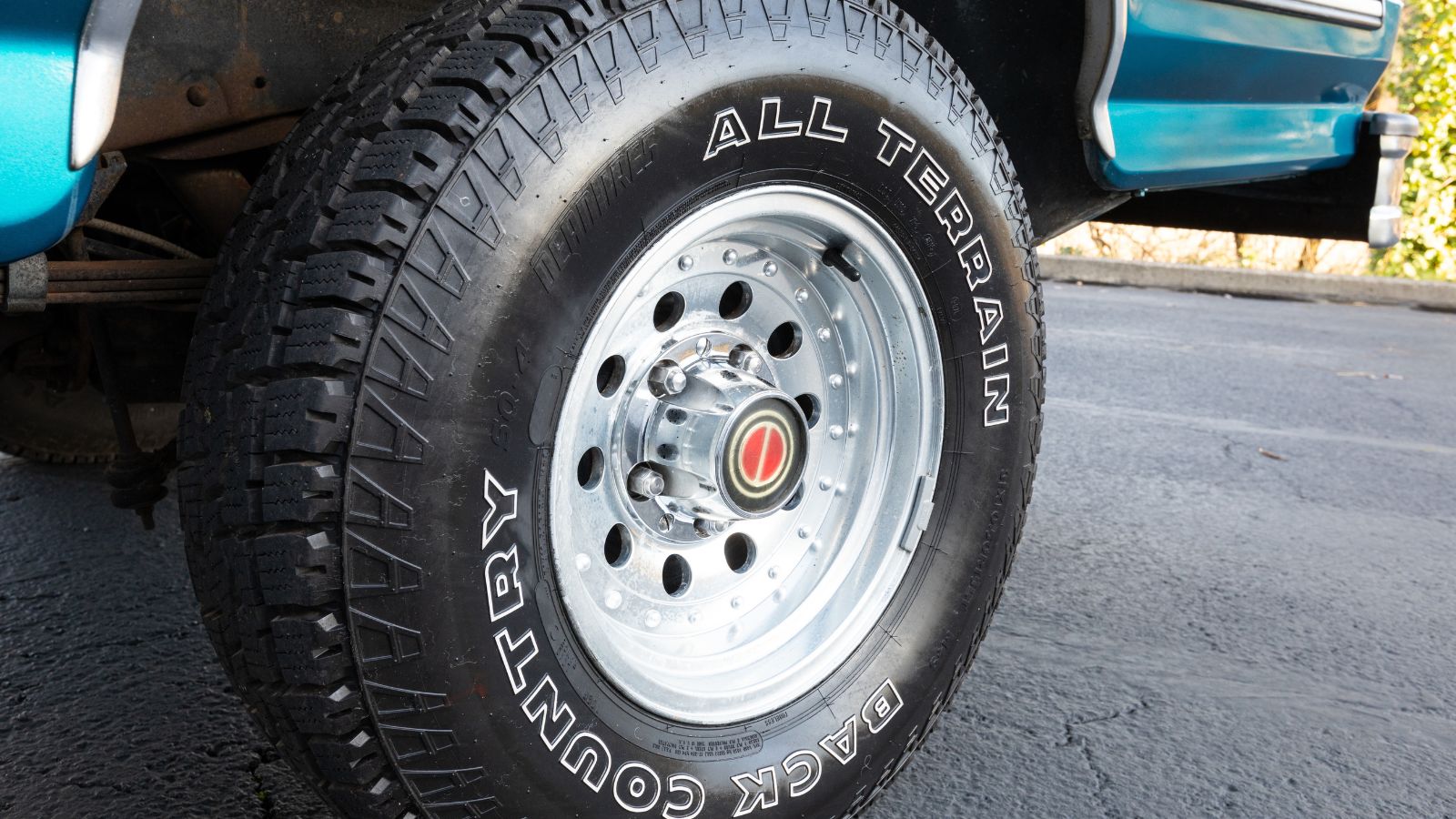
Large alloy wheels can transform the appearance of an SUV, which is why 19-, 20- and even larger wheels frequently appear on higher trims. Family budgets experience them differently. Michelin Canada notes that moving to a larger rim generally means using a shorter, wider low-profile tire and specifically advises buyers to budget for larger wheels and potentially higher-priced tires.
The Canadian winter makes this more important because many households effectively purchase two sets. Michelin recommends considering the original-equipment size on a separate winter-wheel setup rather than automatically copying an oversized summer configuration. Current retail listings also show how dramatically prices can vary with SUV tire size. The financial hit arrives four tires at a time, not one. An attractive wheel package can therefore become an expensive recurring commitment after several winters, punctures or worn tread sets. For a household trying to control long-term costs, a slightly smaller wheel with more sidewall may offer more value than a showroom-friendly design that provides little practical benefit on the daily school run.
A Low-Profile Setup That Hates Canadian Potholes
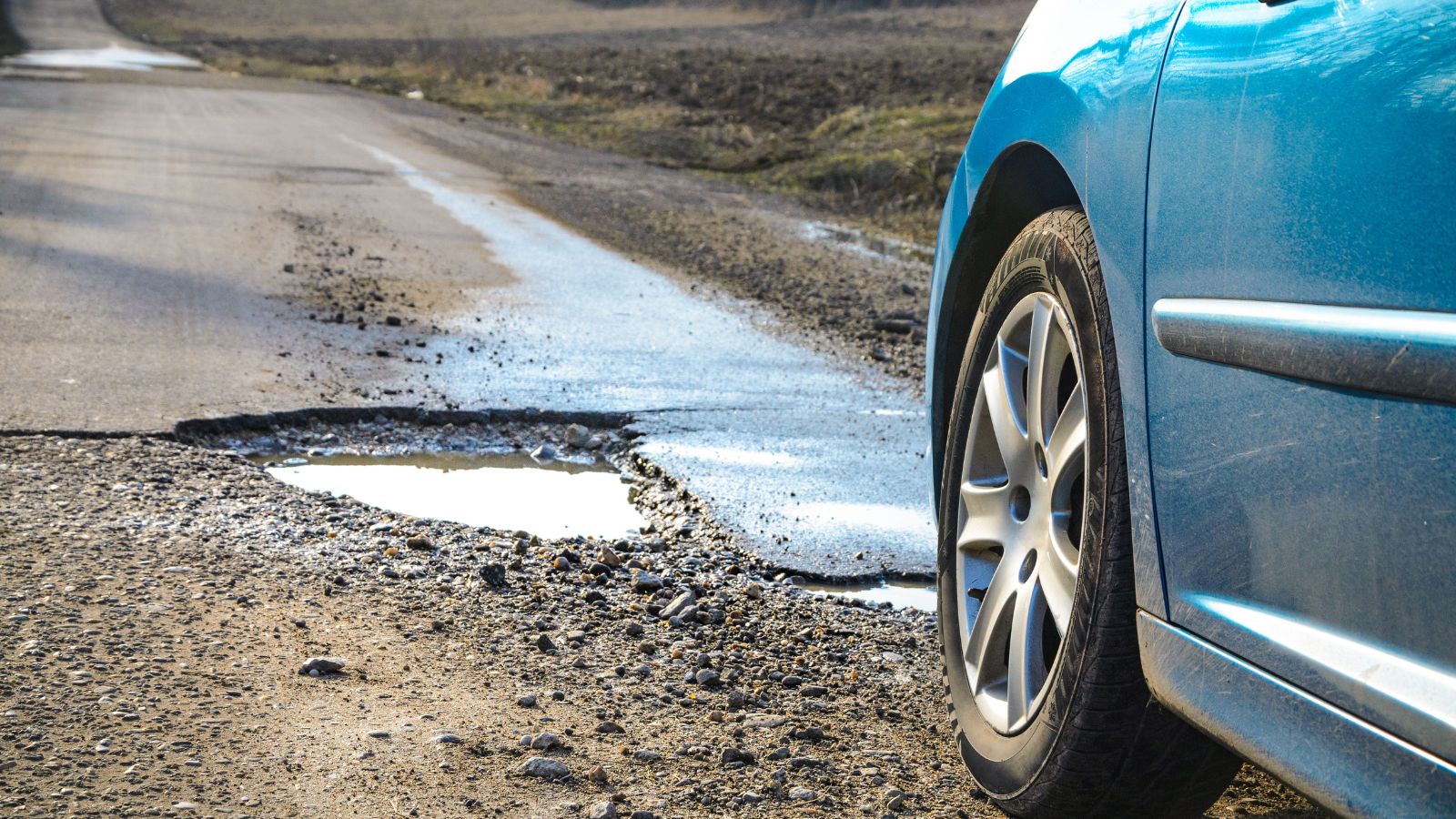
Canadian pavement can be punishing, particularly after repeated freeze-thaw cycles. CAA research explains that those cycles contribute to pothole formation as water enters pavement, freezes, expands and later leaves weakened areas behind. Its national study estimated that poor roads collectively cost Canadian drivers billions of dollars annually through additional fuel consumption, tire wear, repairs, maintenance and depreciation.
An SUV fitted with fashionable low-profile tires gives the wheel less sidewall between the road and the rim. That can be perfectly acceptable on smooth pavement, but it offers less cushioning when the vehicle meets a sharp road defect. The concern is especially relevant when those wheels are expensive to replace and the tires are uncommon sizes. Families rarely buy SUVs because they want to worry about every broken stretch of spring asphalt. A rugged-looking crossover with delicate wheel-and-tire hardware can therefore be mismatched with the roads it is expected to handle. Practicality sometimes means choosing the less dramatic wheel package.
No Real Spare Tire for a Family Road Trip
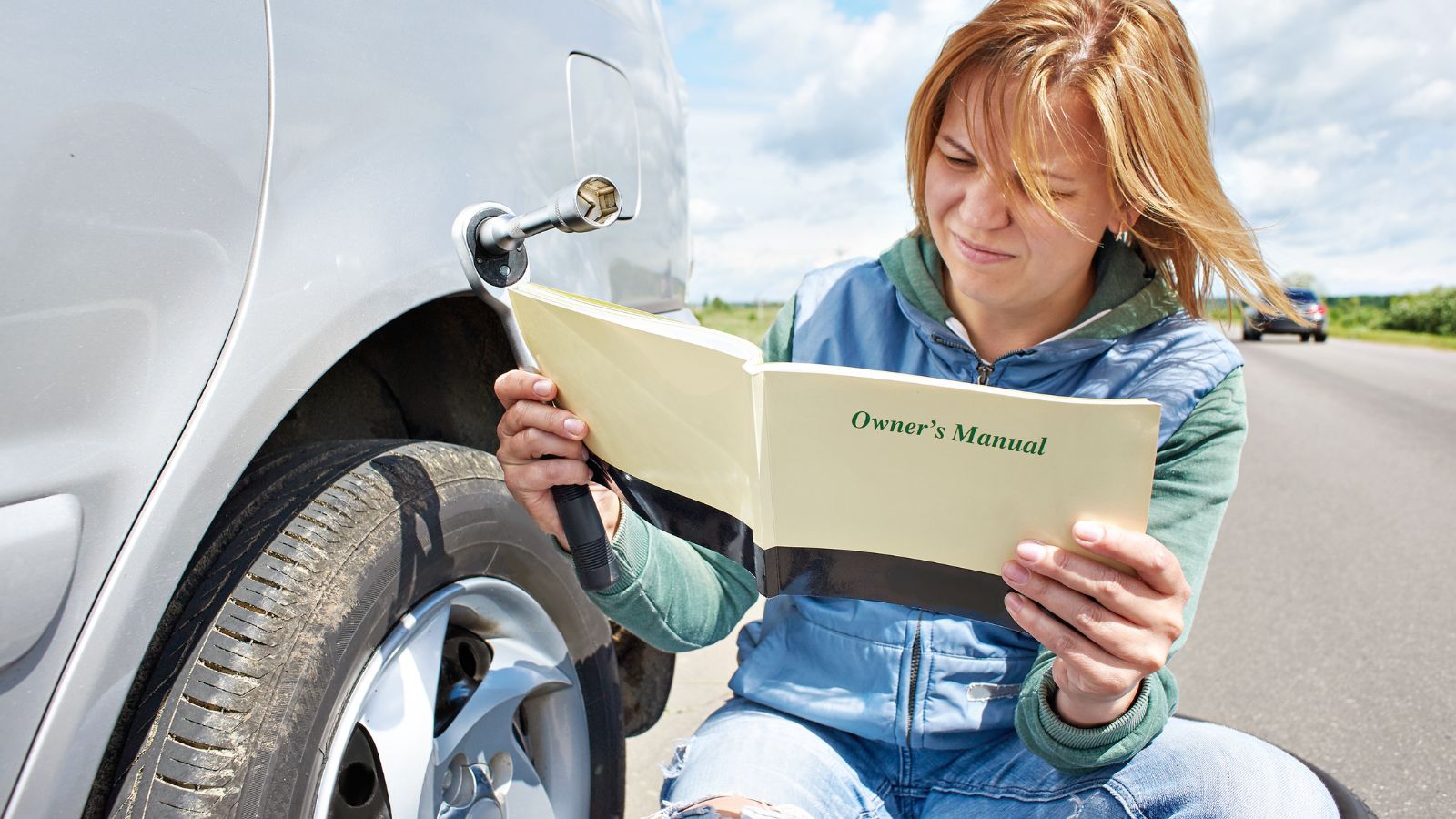
Opening the cargo floor after a puncture is a bad time to discover that the SUV has no spare. AutoTrader Canada noted in early 2026 that some vehicles have no spare wheel at all and instead carry an inflator kit. Michelin Canada similarly advises that many newer vehicles are sold without a traditional spare. Transport Canada’s records even include a Hyundai Tucson recall concerning labels that incorrectly referenced spare-tire pressure when the affected SUVs were not equipped with one.
An inflator can be useful for certain punctures, but it cannot turn every damaged tire into a driveable one. A torn sidewall or severely damaged tire may still leave the vehicle dependent on roadside assistance or a tow. That is inconvenient anywhere and considerably more stressful on a winter highway, remote cottage road or long family trip. Buyers should physically check what is under the cargo floor instead of assuming an SUV includes a spare because older family vehicles usually did. For some households, that single omission may justify choosing another trim or model.
Basic Controls Buried Inside a Touchscreen
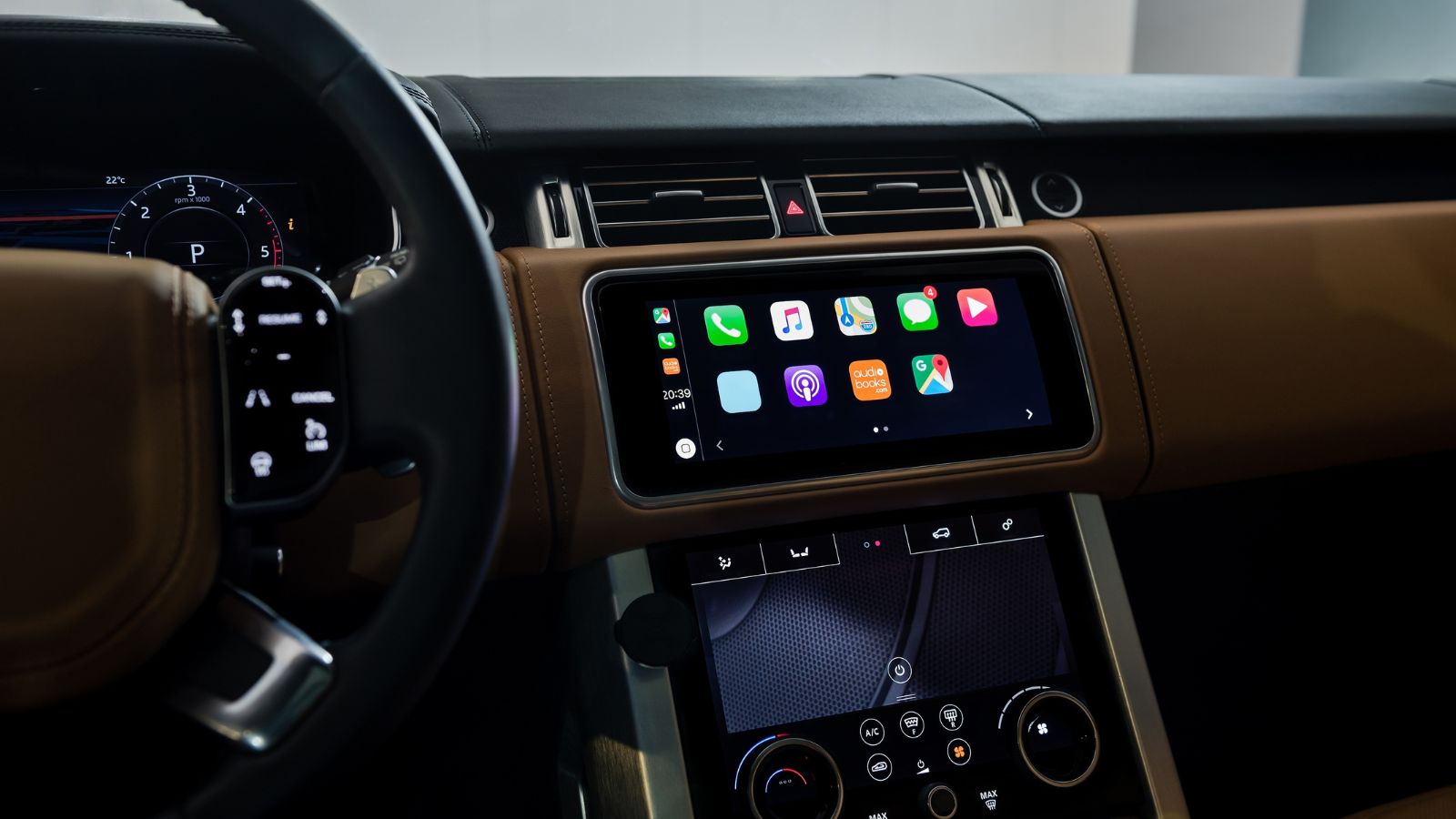
A large screen can make an SUV cabin look modern while making routine operations more complicated. Transport Canada publishes guidelines intended to limit distraction from visual displays, reflecting the safety concern created when drivers need to interact with screens instead of concentrating on traffic. The agency emphasizes that driver-assistance and information technologies are aids rather than replacements for attention and judgment.
Research commissioned by the AAA Foundation for Traffic Safety has also shown how demanding infotainment tasks can become. In its study of 30 vehicles, drivers using voice and touchscreen systems could remain visually and mentally distracted for substantial periods while completing tasks such as programming navigation or sending messages. The specific systems tested have evolved since then, but the underlying design lesson remains relevant. Families often adjust temperature, defrosting, audio and navigation while dealing with passengers at the same time. An SUV that places commonly used functions behind several screen menus can create unnecessary workload when simple physical controls could accomplish the same job with less attention.
Headlights That Look Modern but Perform Poorly
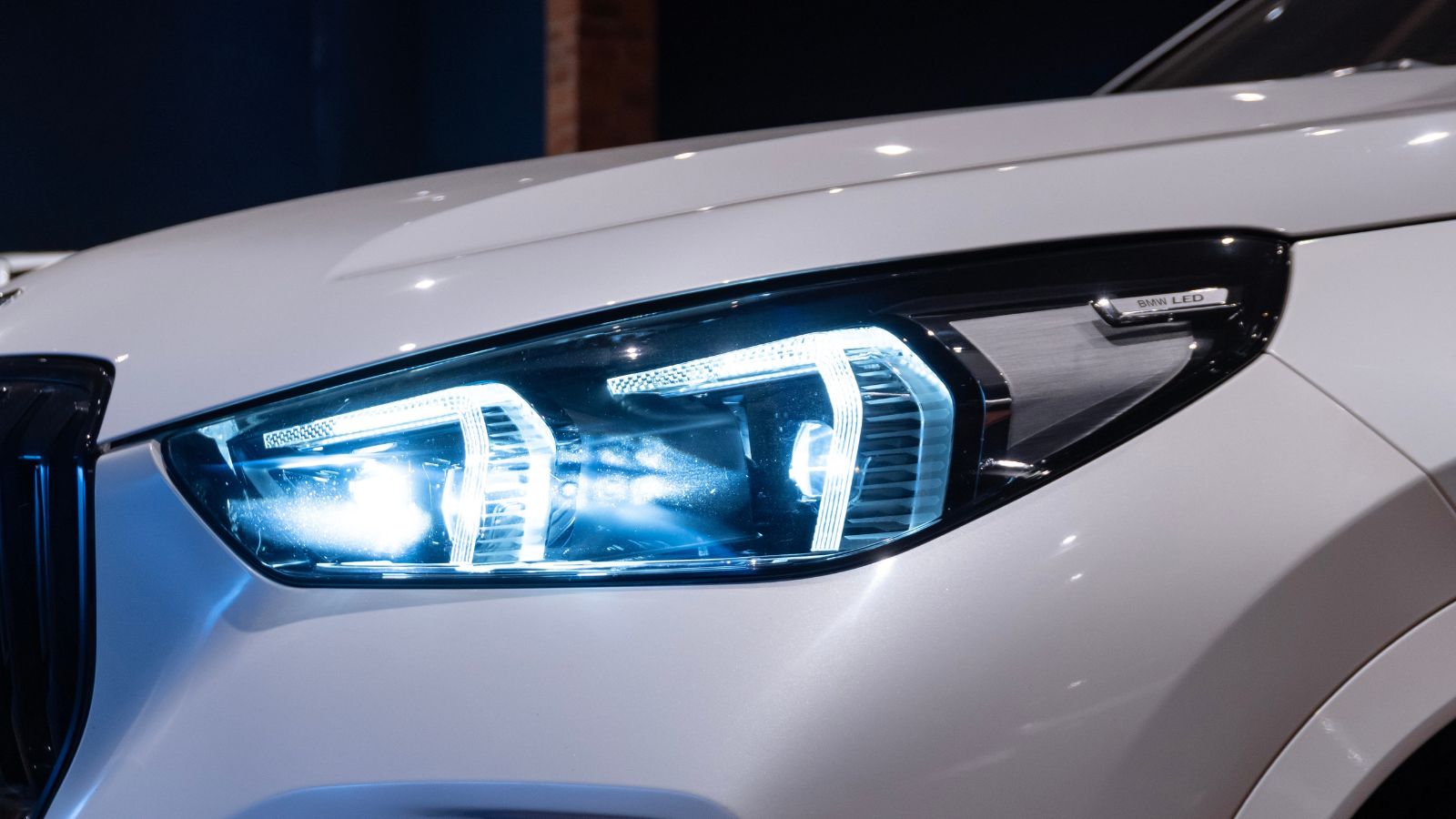
LED headlights are not automatically good headlights. Beam pattern, aiming, glare and illumination distance all matter, which is why the Insurance Institute for Highway Safety tests headlamp performance instead of judging the technology by appearance. Current SUV results show meaningful variation. The 2026 Toyota Corolla Cross, for example, receives an acceptable headlight rating rather than the Institute’s highest rating because visibility varies across straight roads and curves.
An even clearer example comes from the 2026 Subaru Solterra. IIHS lists different results depending on production timing, with vehicles built before June 2026 receiving a poor headlight rating in the evaluated configuration while later production earns a good rating after changes. That is precisely why families should check the actual model year, trim and build details instead of assuming every version performs identically. Canadian family driving often includes dark winter commutes, unlit rural roads and poor weather. A vehicle carrying children after sunset needs headlights that perform well in testing, not merely sharp-looking LED signatures in dealership photographs.
Electric Range That Shrinks Too Much in Winter
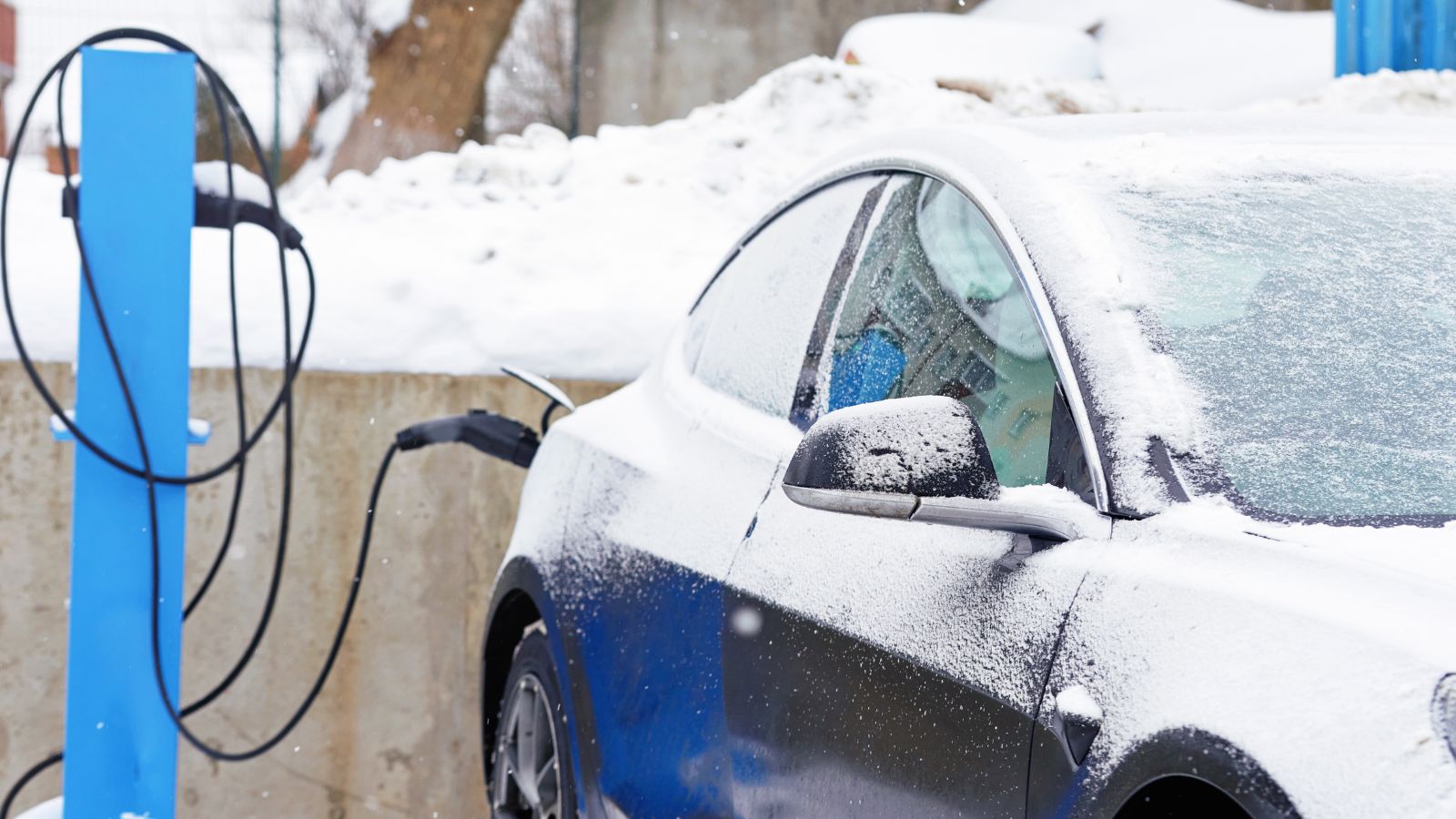
An electric SUV can be an excellent family vehicle, but winter performance has to match the household’s travel pattern. CAA’s Canadian winter EV test drove vehicles between Ottawa and Mont-Tremblant in temperatures ranging roughly from -7°C to -15°C. Across the tested vehicles, real-world range was 14% to 39% below the official figures used for comparison.
Several family-oriented electric SUVs were included. The Kia EV9 travelled about 20% less than its published range in the test, while the Chevrolet Equinox EV was roughly 34% below and the Volvo XC40 Recharge approximately 39% below. Those results do not mean EVs cannot handle Canadian winters; they show why model selection matters. A family with reliable home charging and a short commute may barely notice the reduction. Another household making frequent highway trips between smaller communities could experience it constantly. An electric SUV becomes a poor fit when its cold-weather range leaves insufficient margin for the family’s actual routine.
Technology That Makes Minor Repairs Much More Complicated
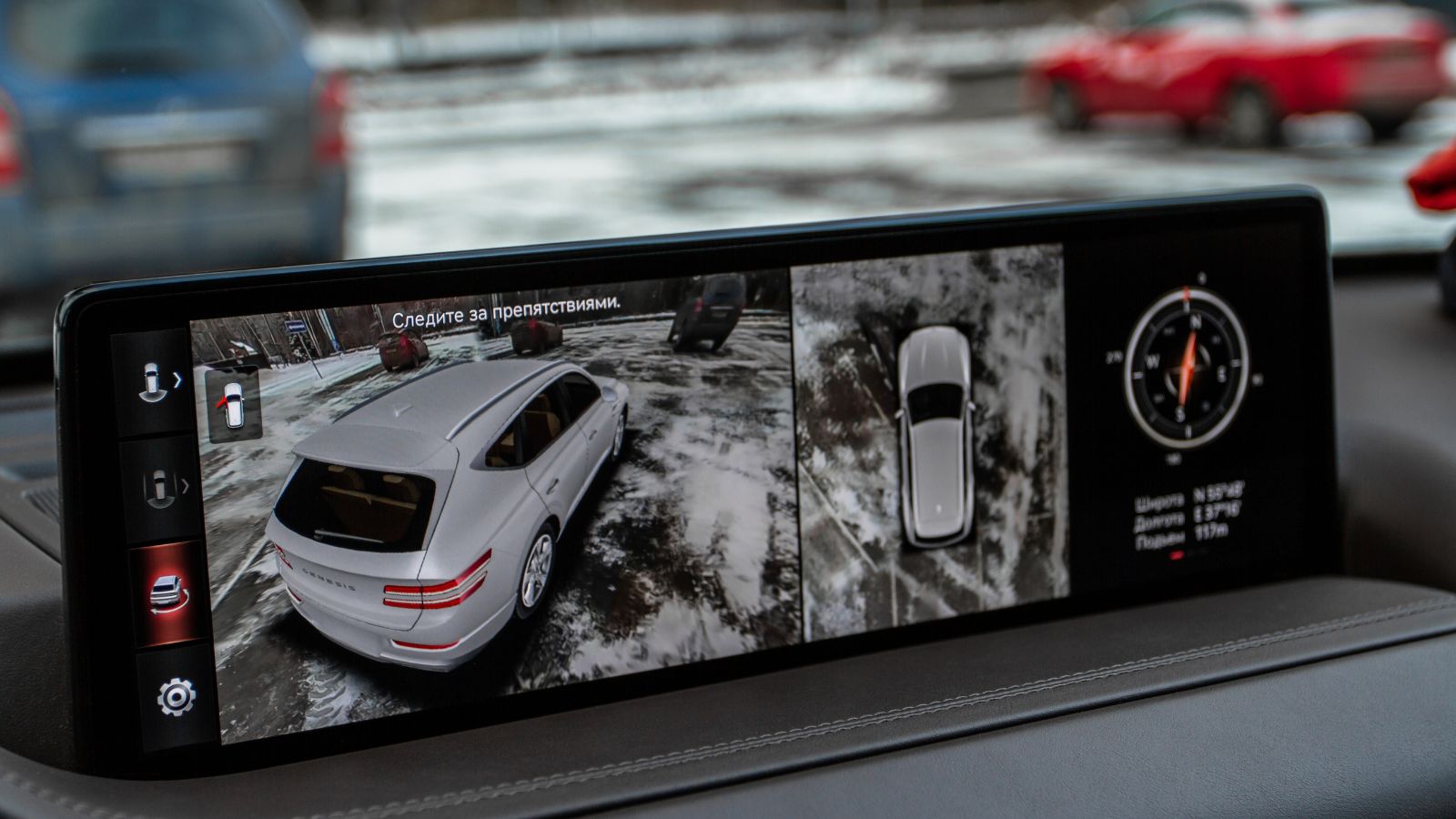
Modern safety technology can prevent crashes, but families should also understand the repair implications. Cameras, radar units and ultrasonic sensors may be installed in windshields, bumpers and mirrors. When those components are replaced or disturbed, the related systems can require calibration before they operate correctly again. A seemingly ordinary windshield or parking-lot repair can therefore involve more than replacing glass or repainting plastic.
Canadian insurance information site Rates.ca reported in August 2026 that windshield chip repairs commonly cost around $50 to $150, while complete replacement can range from roughly $300 to more than $1,000 depending on the vehicle and glass. Vehicles with advanced driver-assistance systems may require additional recalibration work. AAA research has likewise found that repairing cameras and sensors can represent a substantial share of repair costs after relatively minor collisions. Families should not avoid useful safety equipment, but an SUV loaded with costly integrated hardware deserves realistic budgeting for deductibles, glass damage and out-of-warranty repairs.
Rear-Seat Safety That Lags Behind Front-Seat Protection
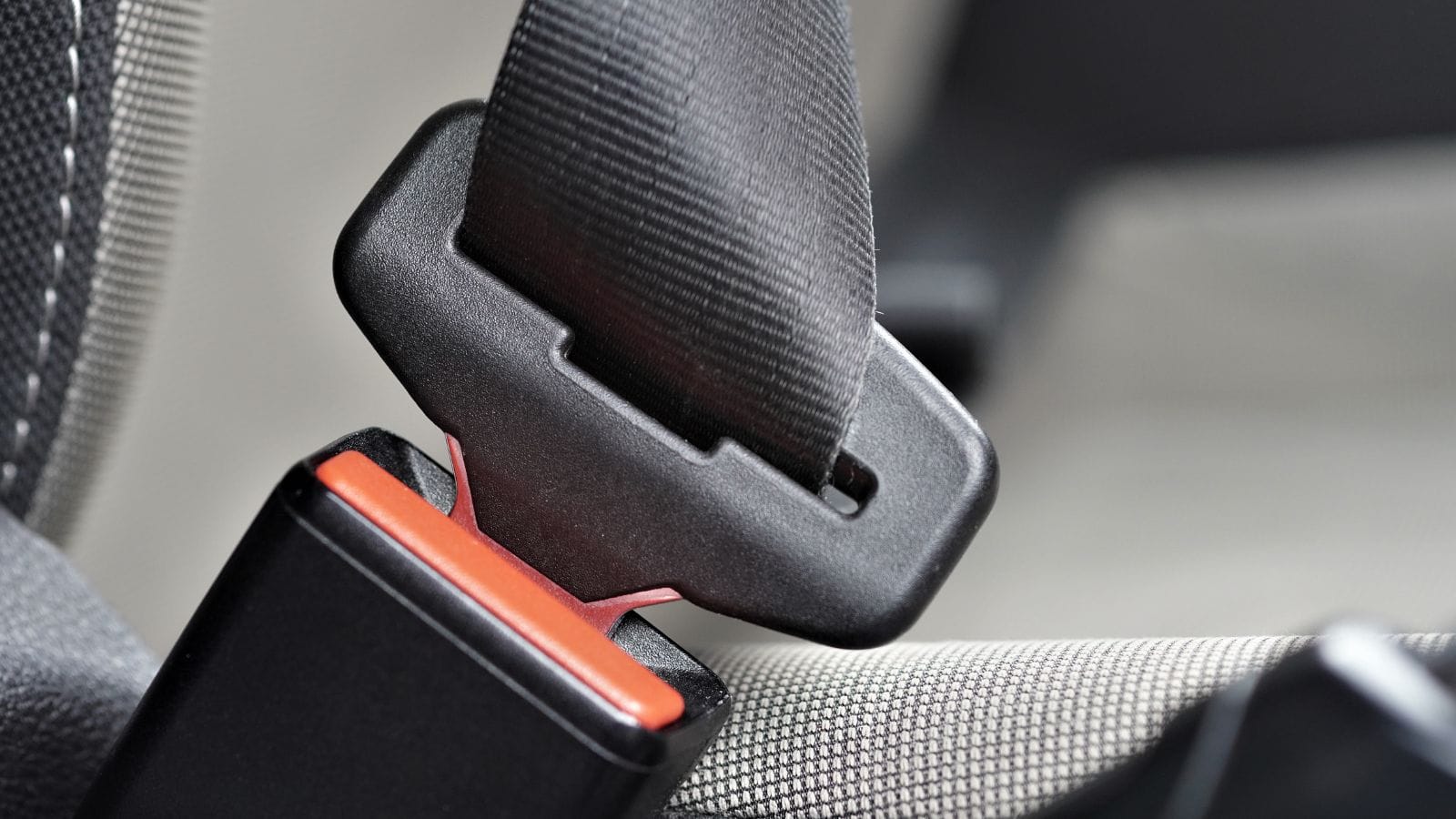
A family SUV should be judged by what happens to passengers in the back, not only by how well it protects the person holding the steering wheel. IIHS strengthened its moderate-overlap crash evaluation specifically because improvements in front-seat protection had not always been matched for rear occupants. The updated test places a second dummy representing a small adult or roughly 12-year-old child in the rear seat and evaluates restraint performance and injury measurements.
Current results show why checking matters. The 2026 Subaru Ascent earns a good rating in the updated moderate-overlap test after rear-seat-belt improvements, while other SUVs have received lower ratings depending on model and production period. IIHS has repeatedly documented significant differences in rear-passenger performance even when driver protection is strong. The Institute also stresses that the back seat remains the safest place for children under 13. For families, that makes strong rear protection particularly important. An SUV designed primarily around front-seat safety and luxury misses one of the central reasons many households buy an SUV at all.
19 Used Cars Canadians Should Avoid in 2026 (Based on Owner Complaints)

Buying a used car in Canada can feel safe until repair bills start stacking up. Owner complaints tell a different story than glossy listings. Transmission failures, electrical problems, and weak winter reliability show up again and again in consumer reports. Many of these issues appear after warranties expire, when owners least expect them. Some vehicles look affordable upfront, but become expensive to keep on the road. Others struggle in cold weather, urban driving, or long highway commutes. Here are 19 used cars Canadians should avoid in 2026 (based on owner complaints).
19 Used Cars Canadians Should Avoid in 2026 (Based on Owner Complaints)

Alanna Rosen is an experienced content writer that focuses on many EV and educational content. Her articles are regularly published on Get CyberTrucked and syndicated on large publications.