
Buying a used pickup can be a smart way to avoid the steep price of a new truck, but pickups can also hide unusually expensive problems. A truck may have spent its previous life commuting gently to work—or towing heavy trailers, hauling construction materials, travelling salted winter roads, or bouncing along worksites. Two examples with similar mileage can therefore have remarkably different mechanical histories.
A shiny body and clean interior reveal only part of that history. Frame condition, maintenance records, driveline behaviour and even tire wear can tell a much more important story. These 18 used-truck red flags can help identify vehicles that deserve much closer scrutiny before money changes hands.
The Seller Will Not Allow an Independent Inspection

Few warning signs are as straightforward as a seller resisting an independent pre-purchase inspection. A used truck contains numerous expensive systems that are difficult to evaluate in a driveway, including the transmission, four-wheel-drive hardware, steering components, wheel bearings and cooling system. A mechanic with a lift can inspect areas that photographs and a short test drive simply cannot reveal. That becomes especially important on pickups because damage underneath the vehicle may say more about its previous life than the condition of the seats or paint.
A refusal does not automatically prove that something is wrong, but it shifts substantial risk onto the buyer. Even dealer-certified vehicles can benefit from an independent examination because a vehicle-history report generally records reported events rather than every developing mechanical fault. A seller who cannot allow the truck to leave the property may have legitimate insurance concerns, but alternatives can include a mobile inspection or an inspection at an agreed facility. Complete resistance to reasonable inspection should make a buyer reconsider the deal.
There Is Almost No Maintenance Paperwork

An older truck without a thick folder of receipts is not necessarily neglected, but a complete absence of maintenance evidence deserves attention. Oil changes are only the beginning. Pickups may require servicing of transmission fluid, differential oil, transfer-case fluid, coolant, brakes and other components according to the manufacturer’s schedule and the way the vehicle was used. A truck that spent years towing or hauling could have experienced much harder service than its odometer suggests.
Maintenance records also help turn the seller’s story into something verifiable. Invoices can show where the vehicle was serviced, when major repairs occurred and whether mileage increased logically over time. They may reveal that an expensive component was recently replaced—or that an important service interval appears to have been missed entirely. Buyers should not assume that missing paperwork automatically means missing maintenance, since owners sometimes lose records or perform work themselves. Still, vague answers such as “everything was always done” carry far less weight than dated receipts and service-history entries.
The Frame Has Heavy Rust, Perforation or Suspicious Welding
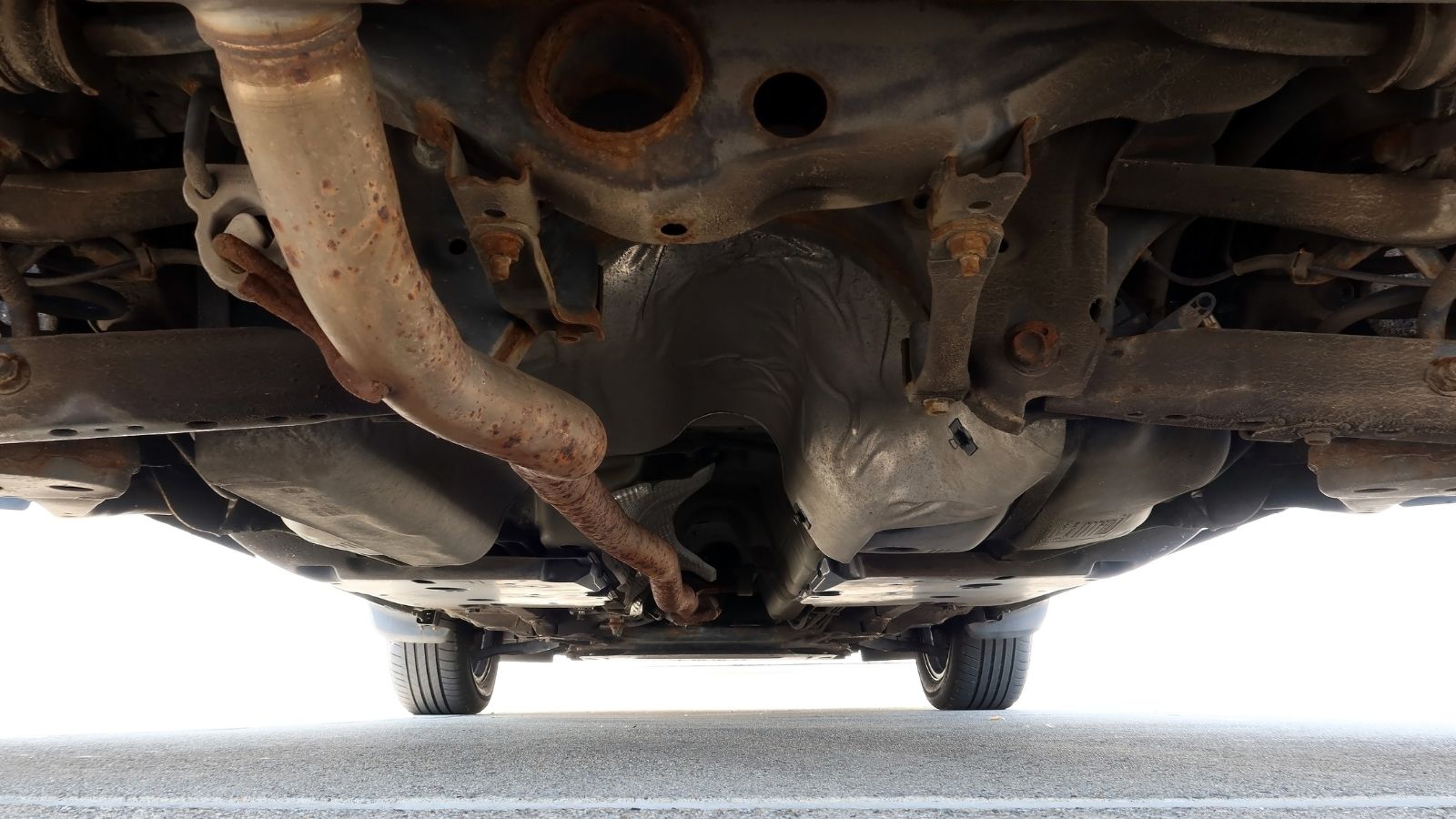
Surface rust is common underneath trucks that have experienced Canadian winters, but structural corrosion is a different matter. Buyers should inspect the frame rails, crossmembers, suspension mounting points, body mounts and areas around the trailer hitch. Thick scaling, holes, cracks or heavily deteriorated mounting locations deserve professional evaluation. Provincial inspection standards such as Ontario’s specifically address cracked or corrosion-perforated structural components because severe deterioration can affect vehicle safety and handling.
Welding deserves attention as well. A repaired frame is not automatically unsafe, since competent structural work can sometimes be performed correctly, but unexplained welds raise obvious questions about why they were necessary. Fresh black undercoating can also make inspection difficult when surrounding components look much older. A mechanic should determine whether repairs match appropriate procedures and whether corrosion extends beyond what is immediately visible. Trucks combine high vehicle mass with potentially substantial payload and trailer loads, so structural integrity is one area where a bargain price should never outweigh uncertainty.
Body Panels Suggest a Bigger Collision Than the Seller Admits

A pickup can be repaired after an accident and remain perfectly serviceable, but undisclosed or poorly repaired collision damage is a serious warning sign. Uneven panel gaps, mismatched paint, overspray on weather seals, different-looking headlights, unusual welds or doors that require extra effort to close can justify a closer look. Underneath, distorted metal, repaired frame sections or obvious deformation may indicate that the impact was considerably more significant than a seller’s description of a “small parking-lot accident.”
Vehicle-history information can reveal reported collisions, structural damage, insurance claims and airbag deployment, but databases are not complete records of everything that has ever happened to a vehicle. Repairs paid privately, for example, may leave fewer traces in common reports. That is why physical inspection still matters. Documentation from the collision-repair facility can provide useful context about what was damaged and how it was corrected. A truck with documented, professionally repaired cosmetic damage is a very different proposition from one showing structural repair clues that nobody can explain.
There Are Signs the Truck Has Been Flooded

Water damage can create problems long after a truck has been cleaned and returned to the road. Buyers should pay attention to musty odours, damp carpet, unexplained rust beneath seats, sediment in unusual places and staining inside lamps or interior panels. Excessive air freshener or a surprisingly new carpet in an otherwise worn vehicle can also justify investigation. None of these clues alone proves flooding, but several appearing together deserve serious attention.
Modern pickups contain electronic modules, wiring connections, sensors and switches throughout the cab and body. Water intrusion can therefore create corrosion or intermittent electrical faults that may not appear during a fifteen-minute test drive. Mechanical components can suffer as well. Consumer authorities recommend checking vehicle-history information for documented flood or salvage events while still having the vehicle examined independently, because databases do not capture every incident. A truck that experienced serious flooding may look excellent after detailing, yet troubleshooting electrical problems months later can become an expensive exercise in tracing failures hidden behind carpeting, trim and wiring harnesses.
The Mileage Does Not Match the Truck’s History or Condition

Digital odometers may look more trustworthy than old mechanical counters, but electronic displays do not make mileage fraud impossible. Buyers should compare the displayed kilometres with service invoices, inspection records, previous history-report entries and maintenance stickers. Mileage should generally progress logically through those records. A truck showing fewer kilometres today than it had during an earlier service visit demands an explanation before anything else about the purchase is considered.
Physical wear can provide additional clues, although it should never be treated as proof by itself. Heavily worn pedals, a polished steering wheel, sagging driver’s seat or badly worn controls may seem strange on a supposedly low-kilometre truck. Conversely, worn components can also reflect a particular owner’s habits rather than extraordinary mileage. Vehicle-history reports and provincial documents can help establish a timeline. Odometer discrepancies matter because mileage affects not only price but expectations about maintenance, component wear and remaining service life. When several independent records disagree with the dashboard, accepting the lowest number at face value can turn an attractive deal into an expensive mistake.
There Is a Lien, Salvage Branding or an Unclear Ownership History

Mechanical condition is only one part of buying a used truck. Its legal and registration history can create equally serious problems. A lien indicates that a creditor may still have a financial interest in the vehicle. Salvage or rebuilt branding indicates a significant previous event and should trigger careful investigation into the damage, repairs and applicable inspection requirements. Buyers should also make sure the VIN on the dashboard and vehicle itself matches the registration and supporting documents.
Requirements vary by province, making local paperwork particularly important. Ontario’s Used Vehicle Information Package, for example, can contain ownership, lien and historical odometer information, while commercial dealers in several provinces face specific disclosure obligations. A rebuilt truck is not automatically a poor purchase, and a previous accident does not necessarily make a vehicle unsafe. The problem is uncertainty. A seller who cannot clearly explain branding, registration history, outstanding financing or previous ownership is effectively asking the buyer to accept risks that should be resolved before the sale rather than afterward.
The Truck Shows Signs of Extremely Hard Towing or Hauling
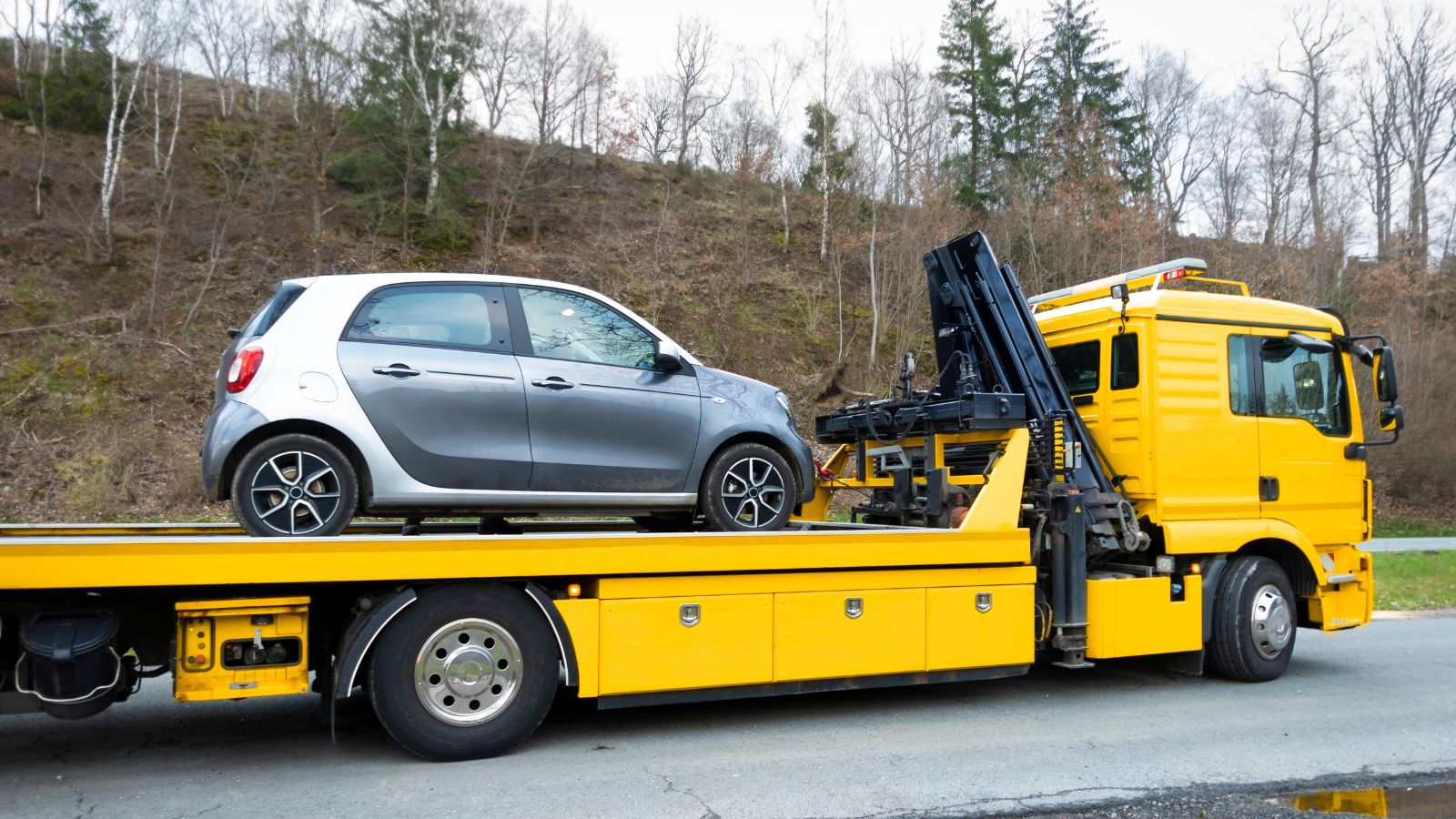
A receiver hitch does not make a truck abused. Pickups are designed to work, and plenty of well-maintained trucks tow trailers for years without trouble. What deserves attention is the combination of heavy-use clues: a badly worn hitch receiver, distorted mounting areas, sagging rear suspension, a battered bed, unusually worn brakes or evidence that heavy equipment was repeatedly carried. Those signs should prompt questions about what the truck hauled, how frequently it towed and whether maintenance reflected that workload.
Heavy service can accelerate wear in components that ordinary commuters rarely stress to the same degree. Brakes work harder when repeatedly stopping large loads, while suspension, drivetrain and cooling components may experience greater demands. Towing within the manufacturer’s ratings is not inherently harmful, particularly when maintenance has been performed properly. The red flag is a truck that appears to have worked extremely hard while its seller has no records and claims it was “barely used.” In that situation, evidence visible on the vehicle may provide a more credible account of its past than the advertisement does.
The Engine Sounds Very Different on a Cold Start

A seller who has already warmed the engine before every viewing removes one useful opportunity to evaluate the truck. Starting an engine completely cold can reveal noises, smoke, rough running or warning lights that become less noticeable after operating temperature rises. Buyers can touch the hood or carefully check whether the engine appears warm before starting it. Asking in advance for the vehicle to remain cold before the appointment makes the test more meaningful.
A brief sound during startup does not automatically indicate major engine damage, and different engines have very different operating characteristics. Diesels in particular can sound much different from gasoline engines. Persistent knocking, unusual rattling, heavy exhaust smoke or unstable running, however, deserves professional diagnosis rather than an explanation that “they all do that.” During the broader test drive, visible smoke, burning smells and abnormal vibration also warrant attention. Modern engines can be costly to repair, especially when turbochargers, high-pressure fuel systems or diesel emissions hardware are involved. Identifying an abnormal symptom before purchase is considerably easier than arguing about it afterward.
The Coolant Looks Contaminated or the Truck Shows Overheating Clues

The cooling system deserves more attention than many used-truck shoppers give it. Buyers can inspect the coolant reservoir when the engine is safely cold and look for obvious contamination, unexplained low fluid or evidence of leakage around hoses and cooling-system components. On some diesel pickups, oil or fuel contamination in the coolant can point toward expensive problems involving components such as coolers, gaskets or related engine systems.
Other clues can appear outside the reservoir. Dried coolant residue, a persistent sweet smell, an overheating warning, repeated cooling-system repairs or a temperature gauge that behaves abnormally during the drive all deserve investigation. None should be diagnosed from appearance alone because several faults can produce similar symptoms. The important point is that overheating can become much more expensive than replacing a hose. Buyers should also be cautious if the seller warns that coolant “just needs topping up regularly.” A sealed automotive cooling system should not be consuming substantial coolant as part of ordinary operation, so recurring loss deserves an explanation and proper pressure testing before purchase.
There Are Fresh Fluid Leaks Underneath
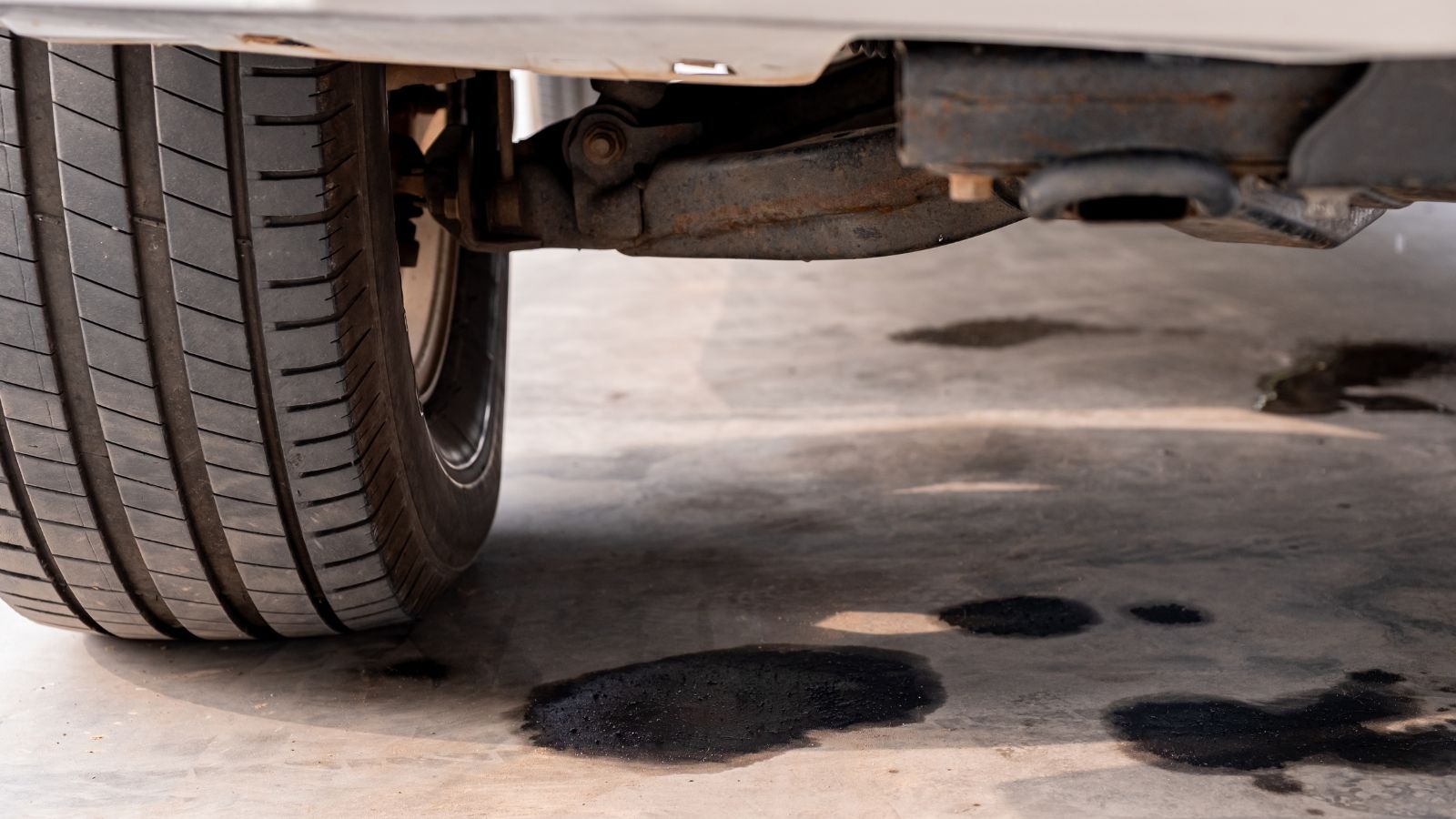
A dry truck is not guaranteed to be healthy, but visible fluid leaks are useful warnings because they point directly toward systems needing attention. Inspection should include the engine, transmission, transfer case, differentials, steering system where applicable and cooling system. A few damp surfaces on an older vehicle are different from active drops, wet housings or a puddle forming beneath the truck after a test drive.
Colour and location can help a technician identify the source, but driveway diagnosis has limits. Engine oil can travel across shields before dripping somewhere far from the original leak. Transmission fluid, gear oil and coolant each raise different repair questions. A pickup’s height makes a casual look underneath tempting, yet safely putting the truck on a lift provides a much better view of seals, housings and driveline components. Buyers should be particularly cautious when the underside appears freshly pressure-washed while the rest of the vehicle has not been similarly detailed. Cleaning proves nothing by itself, but it can remove the residue that would otherwise make an ongoing leak easier to spot.
The Transmission Hesitates, Slips or Shifts Harshly
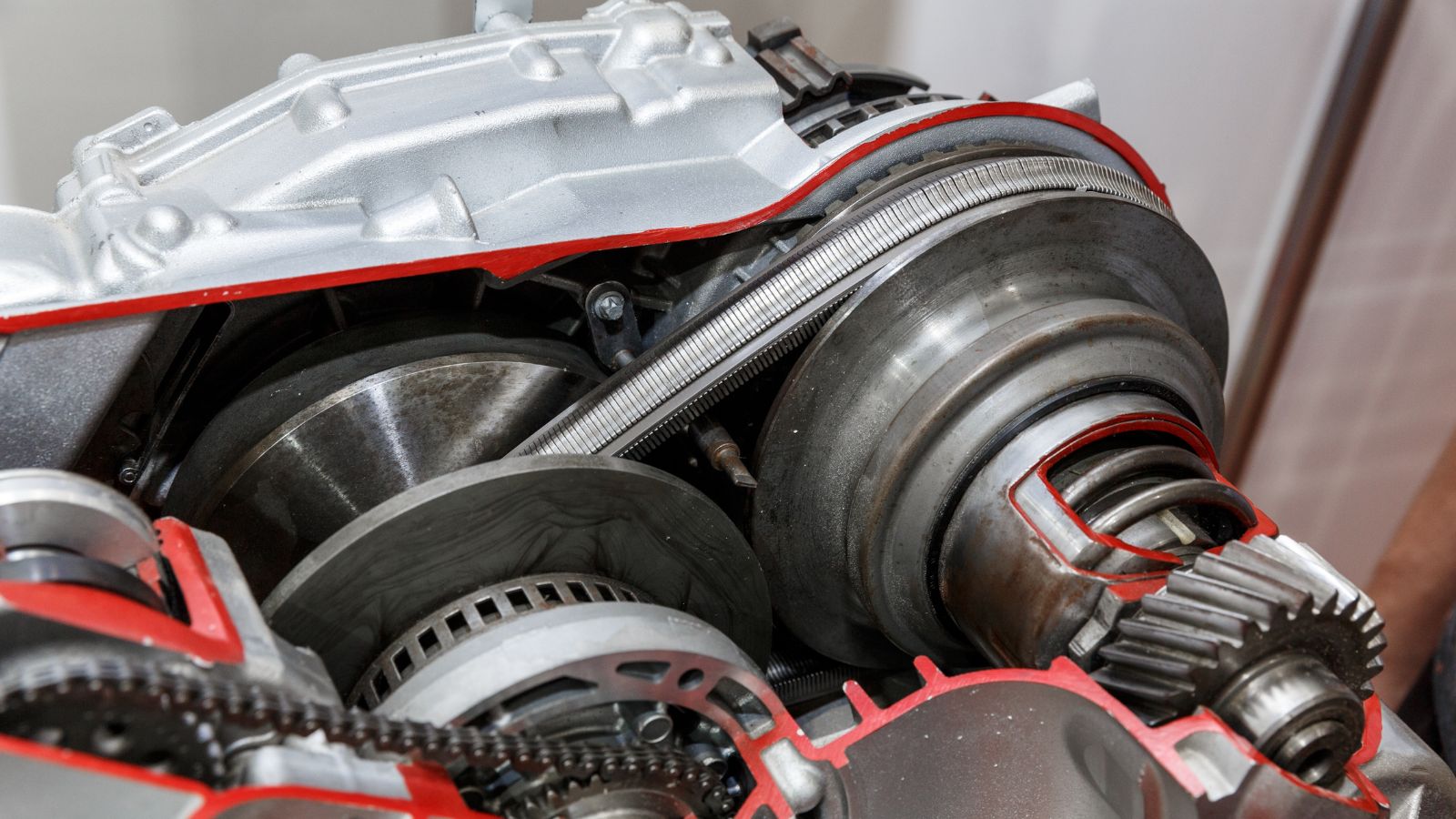
Transmission problems can transform a reasonably priced used truck into a very costly purchase. During the test drive, the transmission should be evaluated from a cold start through normal operating temperature and across different driving conditions. Buyers should notice whether engagement into drive or reverse is delayed, whether engine speed rises without corresponding acceleration, or whether shifts are accompanied by unusual banging, shuddering or hesitation.
Not every firm shift signals failure. Modern pickup transmissions can behave differently depending on temperature, software programming, driving mode and adaptive shift strategies. The concern is repeatable abnormal behaviour, particularly when combined with warning messages, leaks or a questionable service history. Trucks used for towing can place substantial thermal and mechanical demands on automatic transmissions, making evidence of regular maintenance valuable. A quick drive around a dealership block may not reveal a problem that becomes apparent after twenty minutes or at highway speed. Any questionable behaviour should be demonstrated to an independent technician rather than being dismissed because the truck still moves under its own power.
The Four-Wheel-Drive System Does Not Operate Smoothly

A 4×4 badge has little value if the four-wheel-drive hardware does not actually work. During an appropriate test, buyers should verify that the system engages and disengages according to the owner’s manual. Where the truck includes selectable high and low ranges, both deserve evaluation in suitable conditions. Warning messages, failure to engage, repeated clicking, grinding or abnormal driveline noises should not be ignored.
Four-wheel-drive pickups add components that two-wheel-drive versions do not have, including a transfer case and additional front driveline hardware. Depending on the design, there may also be electronically controlled actuators or locking mechanisms. Failures can therefore range from comparatively modest electrical problems to costly mechanical repairs. Testing must be done correctly because certain 4WD modes should not be used on dry, high-traction pavement. A knowledgeable technician can confirm correct operation without damaging the system. Sellers sometimes explain away an inoperative low range by saying it was “never used anyway,” but a feature that does not function is still a defect—and potentially a clue to neglected driveline maintenance.
The Steering Feels Loose or the Suspension Clunks
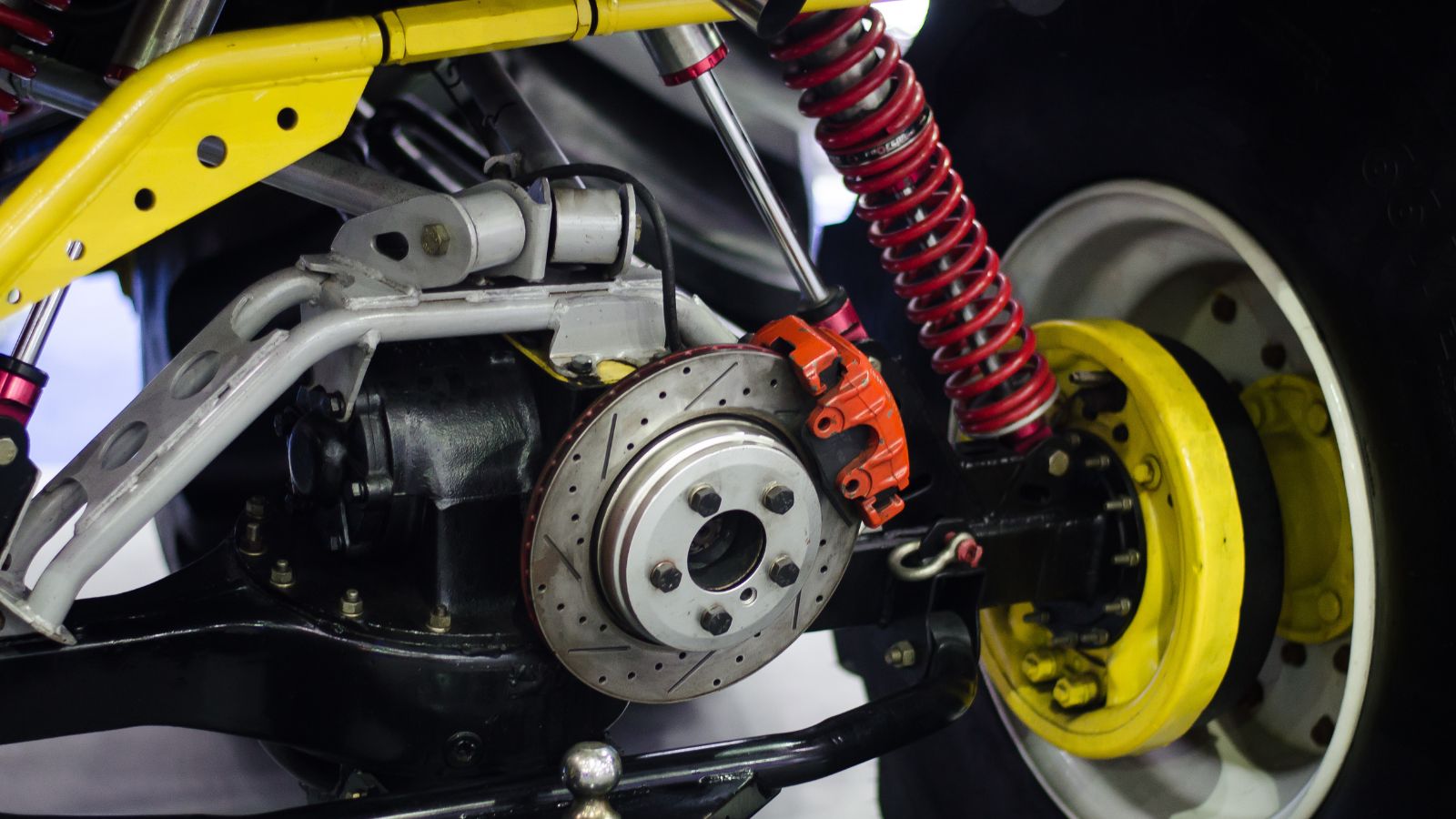
Pickups can develop steering and suspension wear that a buyer may initially dismiss as normal truck behaviour. Excessive steering play, wandering, clunks over bumps, repeated vibration or a truck that refuses to track straight deserve investigation. Components such as ball joints, control arms, wheel bearings, tie rods, springs, shocks and their attachment points can all affect how securely a vehicle responds to steering inputs and road conditions.
Canadian inspection standards treat excessive suspension play, damaged components and corrosion around important mounting locations seriously. Tire wear may provide another clue. Cupping, scalloping and unusual edge wear can be associated with alignment or suspension problems, although tires alone cannot identify the failed component. Heavy towing, rough roads, potholes and off-road use can add stress over time. A lifted truck also deserves particularly careful examination because suspension changes may alter alignment and component geometry. Rather than assuming vague steering is simply part of driving an older pickup, buyers should have the front end inspected on a lift before deciding what the truck is worth.
The Brakes Pull, Pulse, Leak or Have a Questionable Pedal

A used truck’s braking system should feel predictable and controlled. A vehicle that pulls strongly during braking, has a pedal that sinks under steady pressure, shows brake-system warning lights or has visible hydraulic leaks needs attention before purchase. Pulsation may indicate rotor issues, while grinding or severe scraping can suggest worn or damaged components. Diagnosing the exact cause requires inspection rather than guesswork.
Brake condition matters especially on pickups because these vehicles may be expected to carry payload or tow trailers. Ontario inspection standards, for example, address hydraulic leaks, heavily corroded brake tubing, component wear and excessive pedal travel, and require that braking occur without problematic pulling. A truck may still stop during a short test drive while having components close to their wear limits. Service records showing recent brake work can therefore be useful, but invoices should identify what was actually replaced. “New brakes” could describe anything from inexpensive pads on one axle to a much more extensive overhaul. Buyers should verify rather than assume.
The Tires Are Mismatched or Wearing Unevenly
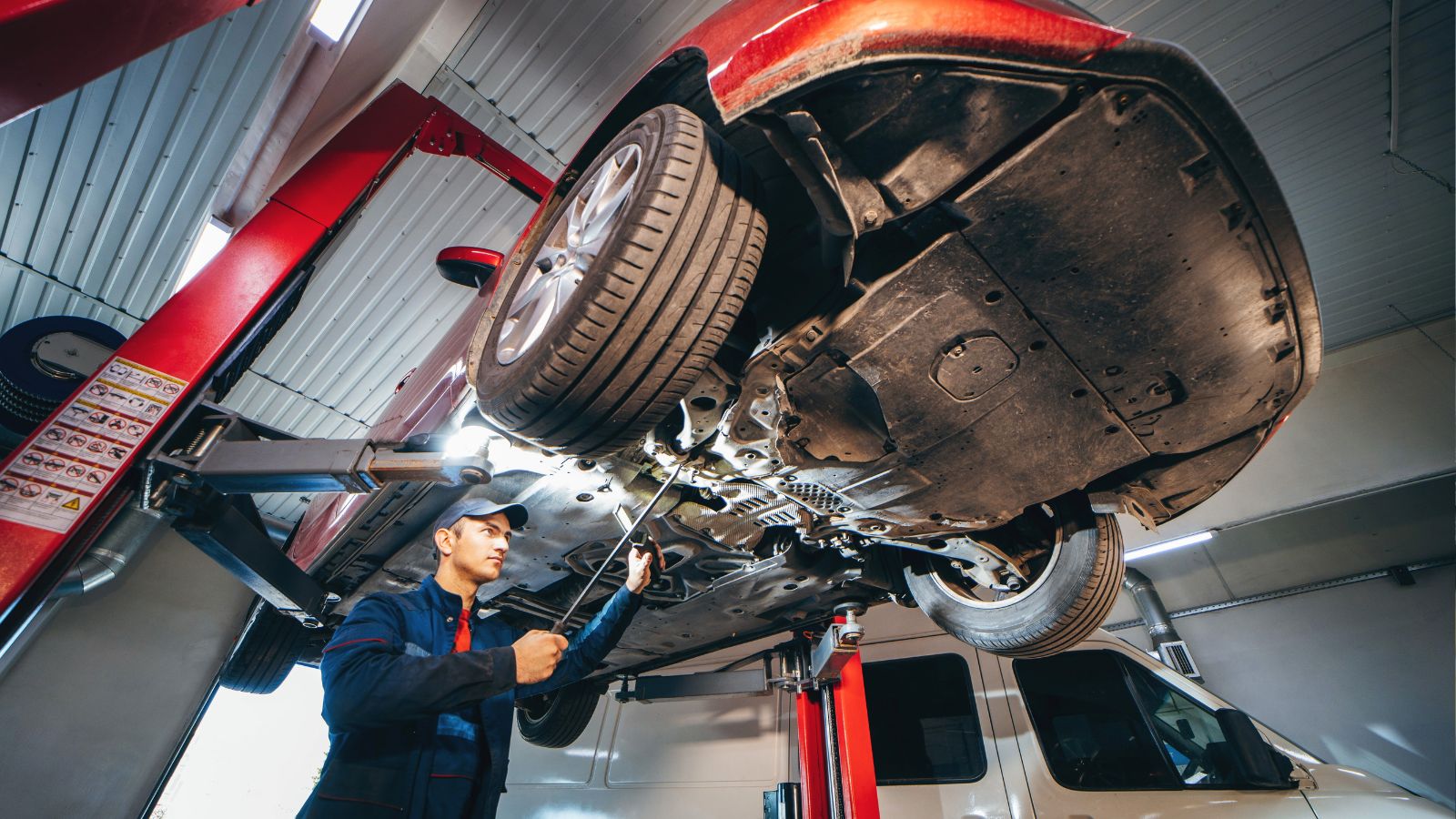
Tires can act like a visible maintenance record. Uneven edge wear can point toward alignment problems, while cupping or scalloping may suggest balance or suspension concerns. Cracks, bulges, deep cuts and extremely worn tread require attention in their own right. Transport Canada advises replacing tires with serious damage and notes that uneven tread wear can result from alignment or balance problems.
A pickup should also have tires appropriate for its size, load requirements and intended operation. A collection of different tire models, dramatically different tread depths or obviously unsuitable sizes raises questions about how the truck has been maintained. This becomes more important on four-wheel-drive vehicles, where manufacturers may specify limitations on tire-size and circumference differences. New tires do not automatically solve the underlying issue either. If one side of a truck repeatedly destroys tires because of worn suspension components or poor alignment, fitting a fresh set merely hides the symptom temporarily. The wear pattern deserves explanation before the old tires disappear.
Major Modifications Have No Documentation

Modified trucks are common, and modification itself should not be treated as proof of abuse. Quality suspension kits, wheels, towing equipment and other upgrades can be installed professionally and maintained properly. The red flag appears when substantial changes have no receipts, alignment records, parts information or explanation. Buyers then have little way to determine what was installed, whether the components suit the vehicle or whether later repairs returned some systems to stock while leaving others altered.
Diesel emissions modifications deserve particular caution. Removing or defeating factory emissions equipment can create regulatory problems depending on the jurisdiction; Ontario law, for example, prohibits tampering that removes, bypasses or renders an emissions-control system inoperative. Suspension alterations also deserve inspection for correct hardware, tire clearance, alignment and wear. A dramatic lift and oversized tires may look impressive in photographs while concealing accelerated wear or poor setup. Buyers do not need to reject every customized truck, but undocumented modifications add uncertainty—and uncertainty should be reflected in both the inspection process and the price.
Open Safety Recalls Have Been Ignored
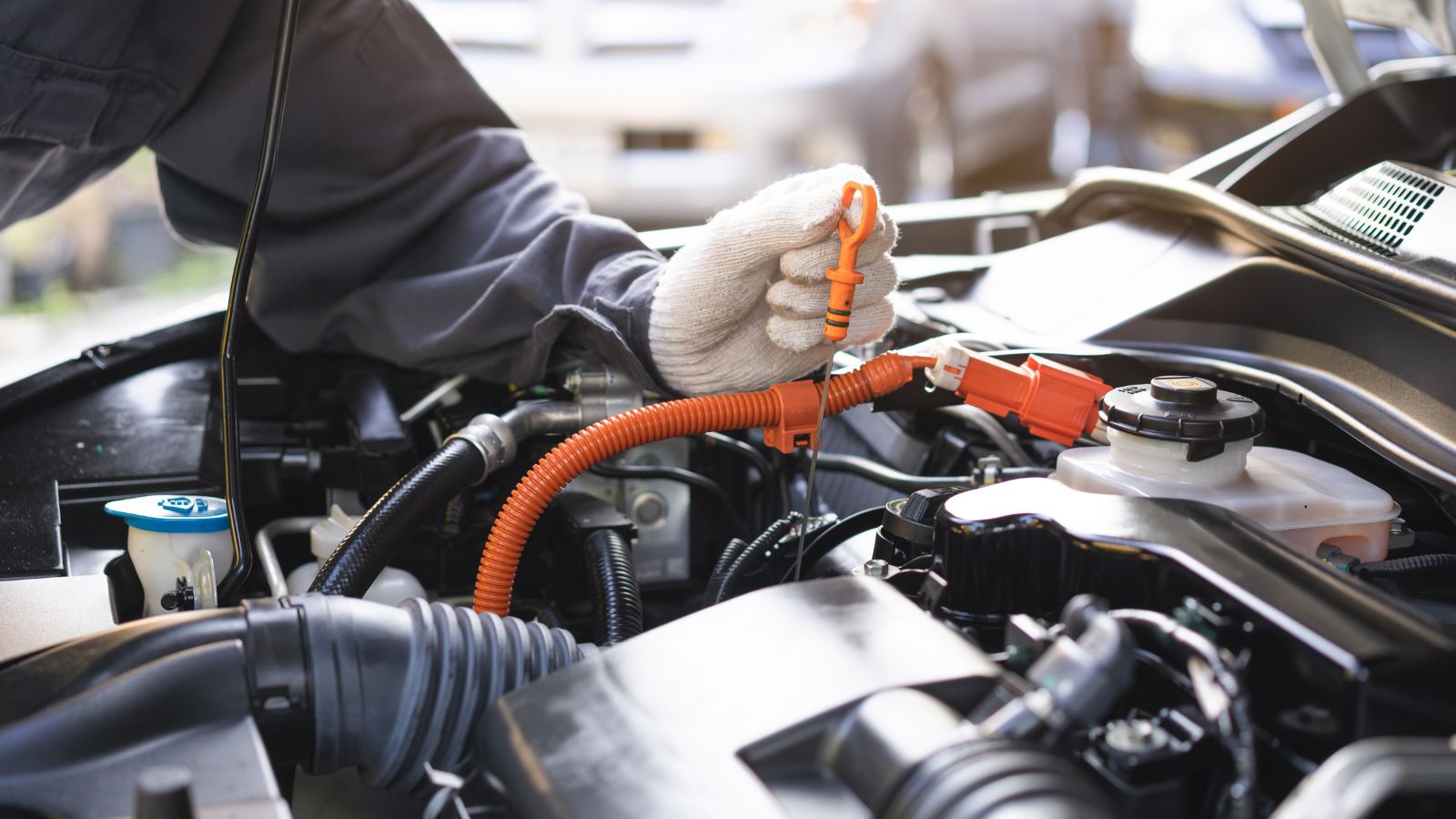
A used truck’s VIN should be checked for outstanding safety recalls before purchase. Transport Canada maintains recall information and recommends checking applicable recalls when buying a used vehicle. Manufacturers may also provide VIN-specific lookup tools, while an authorized dealer can often confirm whether recall work for a particular vehicle has been completed.
An open recall does not automatically make a used truck a bad purchase. Recall repairs are generally performed by manufacturers without charging the owner, although parts availability and repair timing can vary. What matters is understanding the issue and ensuring that outstanding work is addressed. A seller who has ignored numerous safety notices—or refuses to provide the VIN needed to investigate them—creates a different concern about how attentively the truck has been maintained overall. After purchase, owners should also register used vehicles with the manufacturer where appropriate so future recall notices reach them. A few minutes spent checking the VIN can reveal information that photographs, detailing and even an ordinary test drive cannot.
19 Used Cars Canadians Should Avoid in 2026 (Based on Owner Complaints)

Buying a used car in Canada can feel safe until repair bills start stacking up. Owner complaints tell a different story than glossy listings. Transmission failures, electrical problems, and weak winter reliability show up again and again in consumer reports. Many of these issues appear after warranties expire, when owners least expect them. Some vehicles look affordable upfront, but become expensive to keep on the road. Others struggle in cold weather, urban driving, or long highway commutes. Here are 19 used cars Canadians should avoid in 2026 (based on owner complaints).
19 Used Cars Canadians Should Avoid in 2026 (Based on Owner Complaints)

Alanna Rosen is an experienced content writer that focuses on many EV and educational content. Her articles are regularly published on Get CyberTrucked and syndicated on large publications.