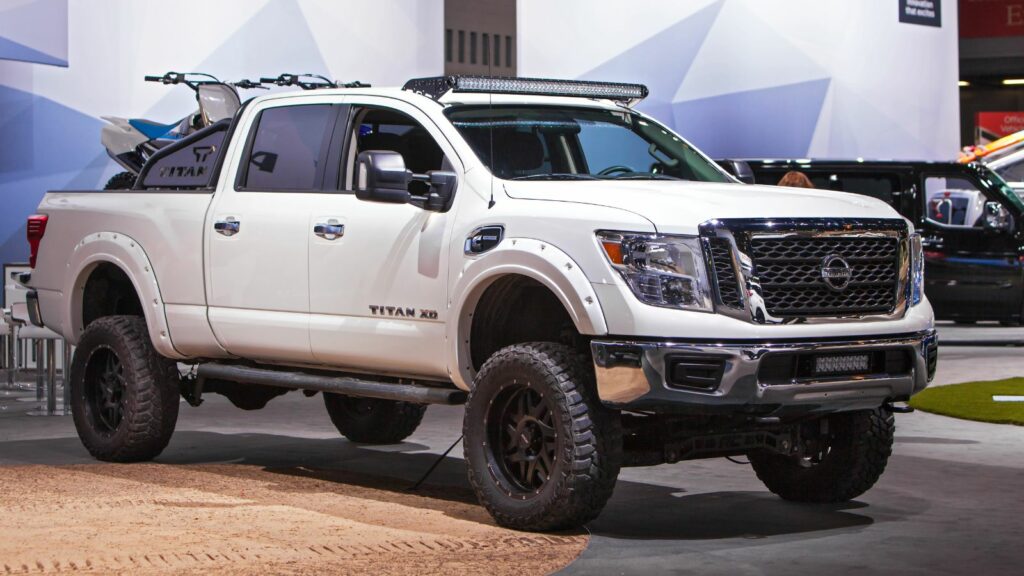
Pickup trucks are supposed to be dependable. They work hard, live outside, tow heavy loads, and rack up big kilometres. When engineering misses the mark, the disappointment cuts deeper than it does with cars. These trucks promised toughness but delivered frustration instead, thanks to design flaws, cost cutting, or poorly thought-out powertrains. Some failed quickly, others aged badly, but all earned reputations they never shook.
Ford F-150 5.4 Triton
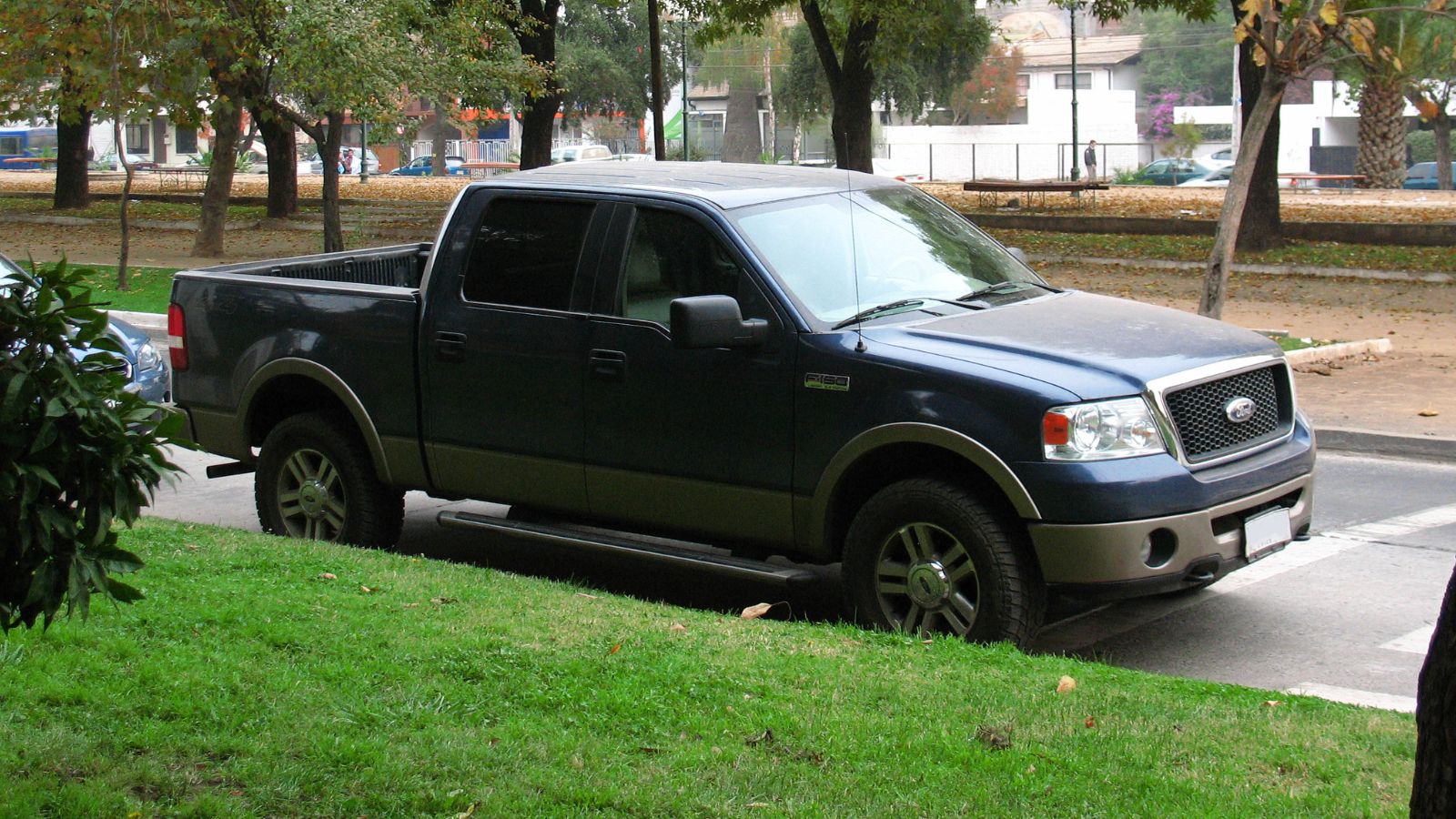
On paper, the 5.4 Triton V8 looked solid. In reality, it became infamous for timing chain failures, cam phaser issues, and spark plugs that snapped off in the cylinder head. Repairs were expensive and frequent. For a truck expected to last forever, it felt like a betrayal of trust.
Ram 1500 EcoDiesel
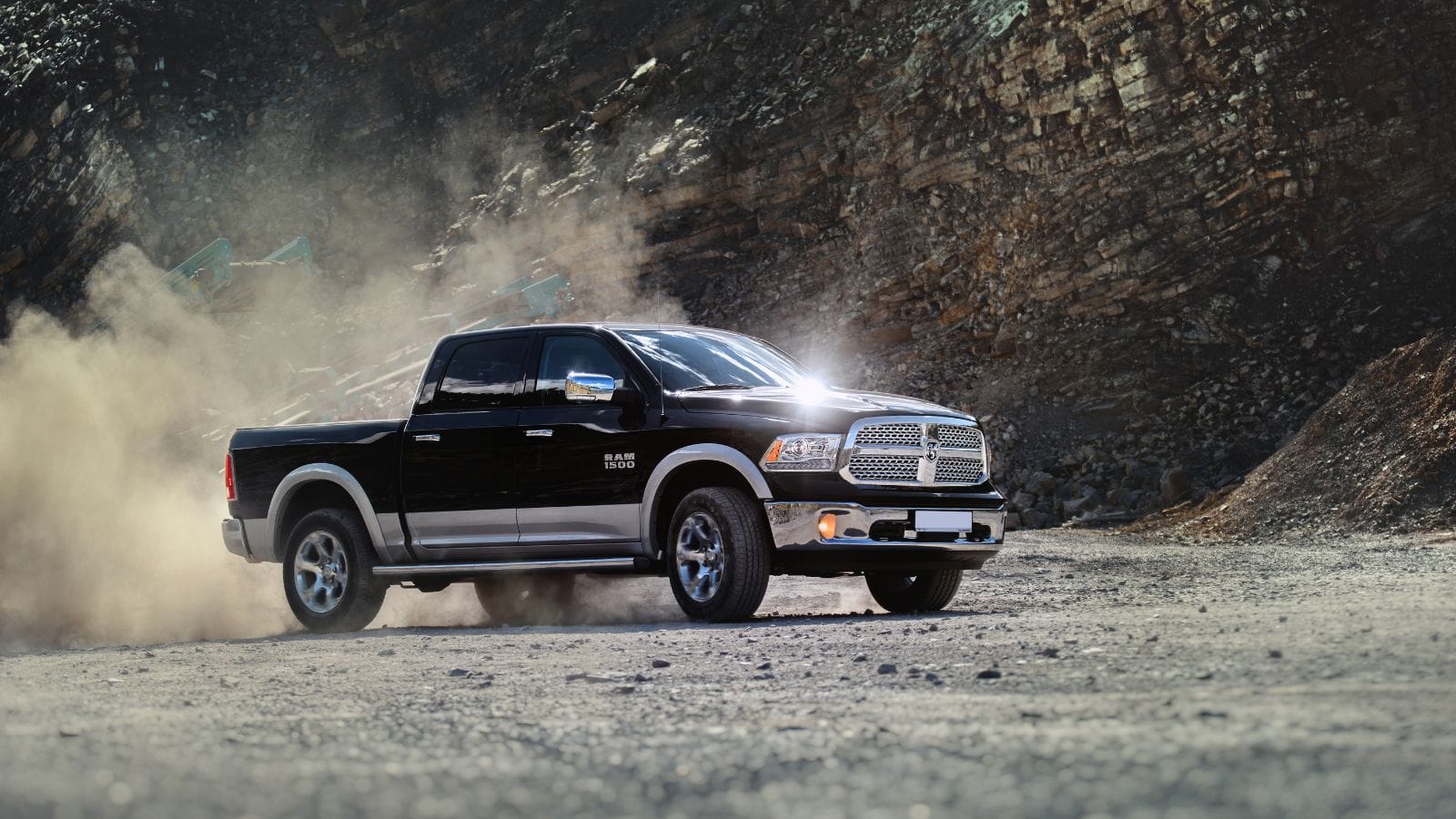
The EcoDiesel promised torque and fuel efficiency. Instead, owners faced emissions system failures, recalls, lawsuits, and long downtime. While some trucks ran well, enough failed catastrophically that confidence collapsed. It became a cautionary tale of rushing diesel technology into a half-ton platform.
Chevrolet Colorado
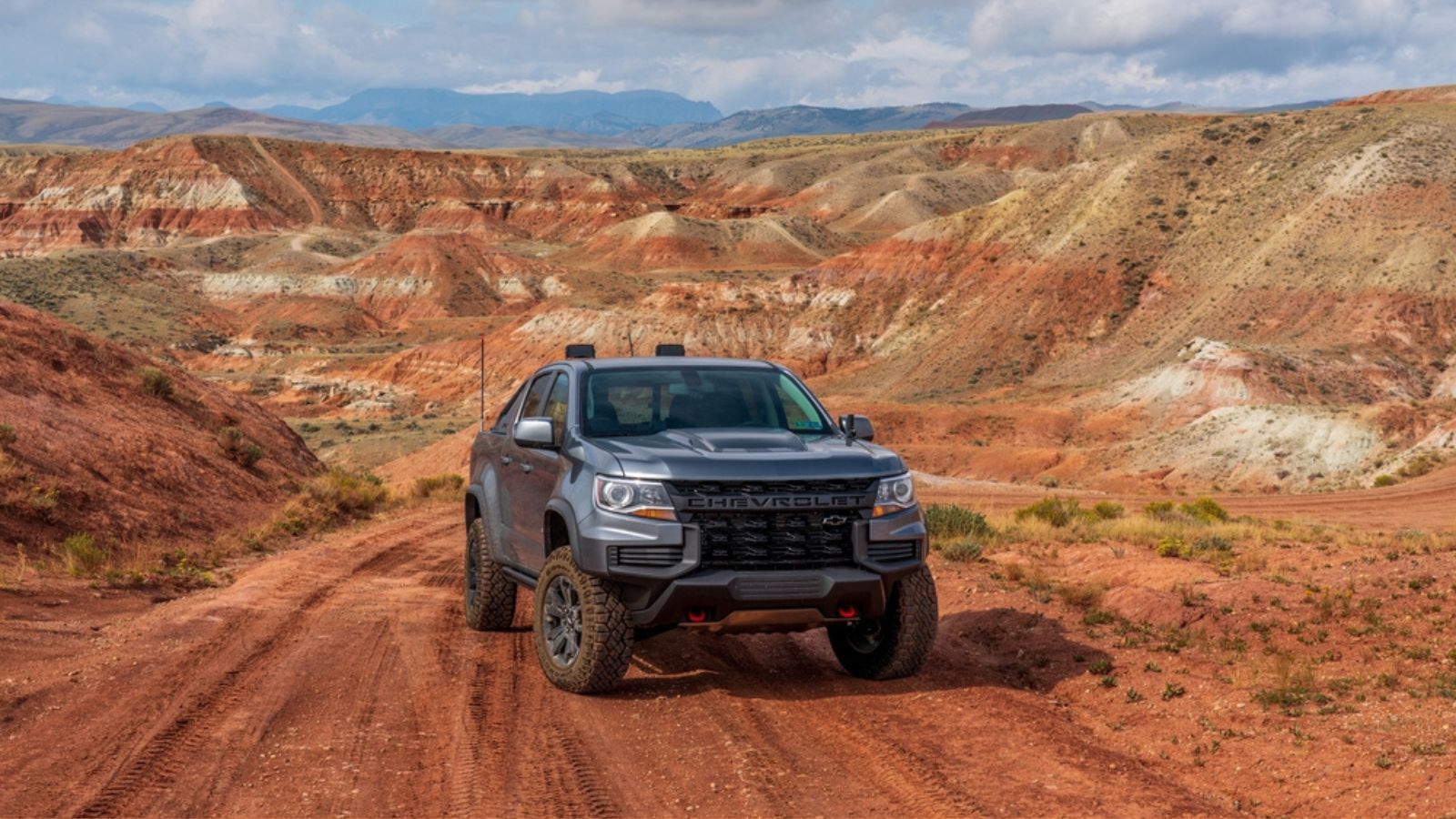
Early Colorados suffered from electrical gremlins, transmission issues, and underwhelming build quality. They felt unfinished, especially compared to rivals. Many owners expected a smaller Silverado and got something far less durable.
Nissan Titan
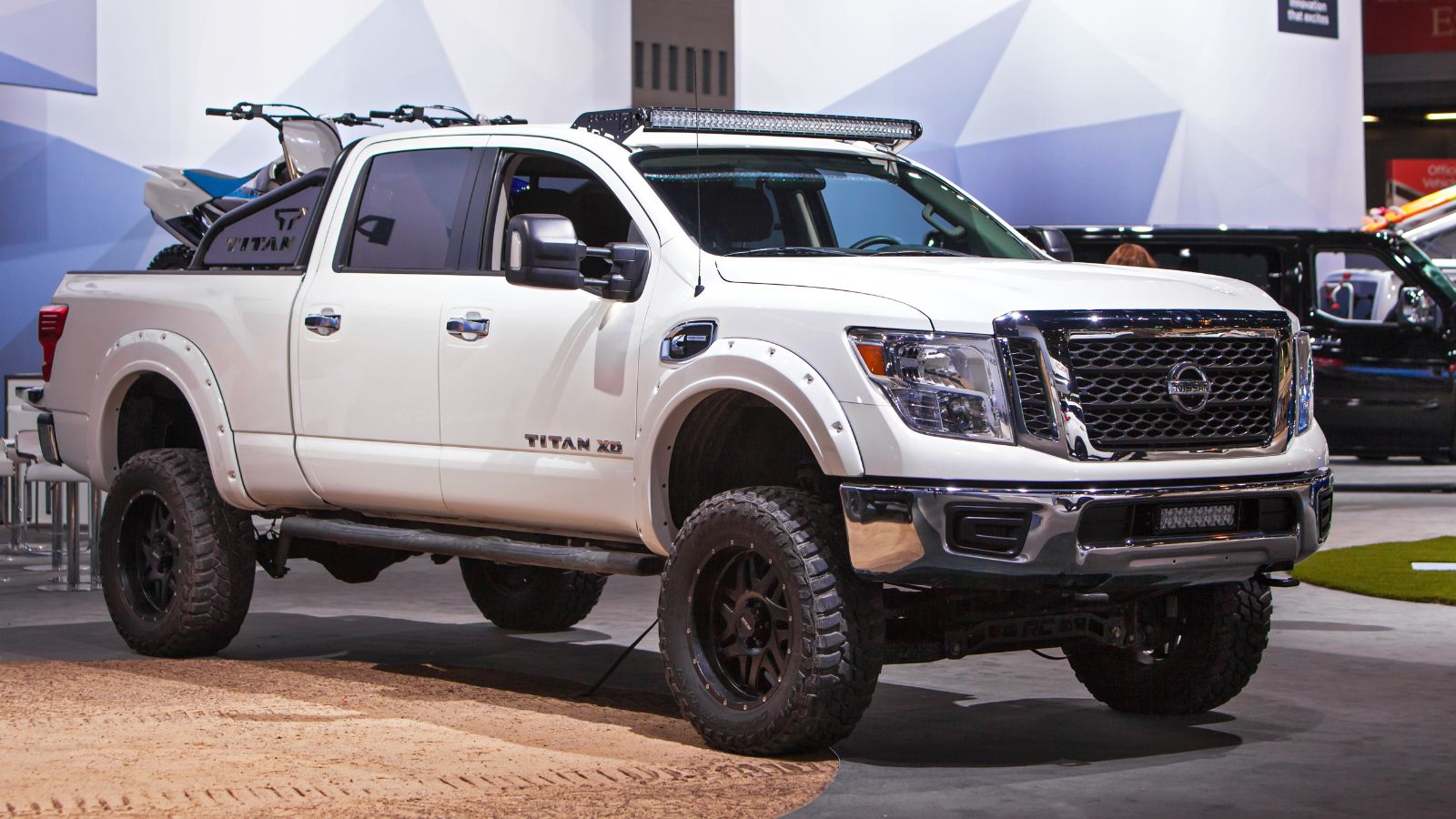
The Titan entered the market with big promises but lacked refinement and long-term durability. Poor fuel economy, limited engine options, and reliability concerns kept it from ever seriously challenging the segment leaders. Engineering ambition simply did not match execution.
Isuzu i-Series
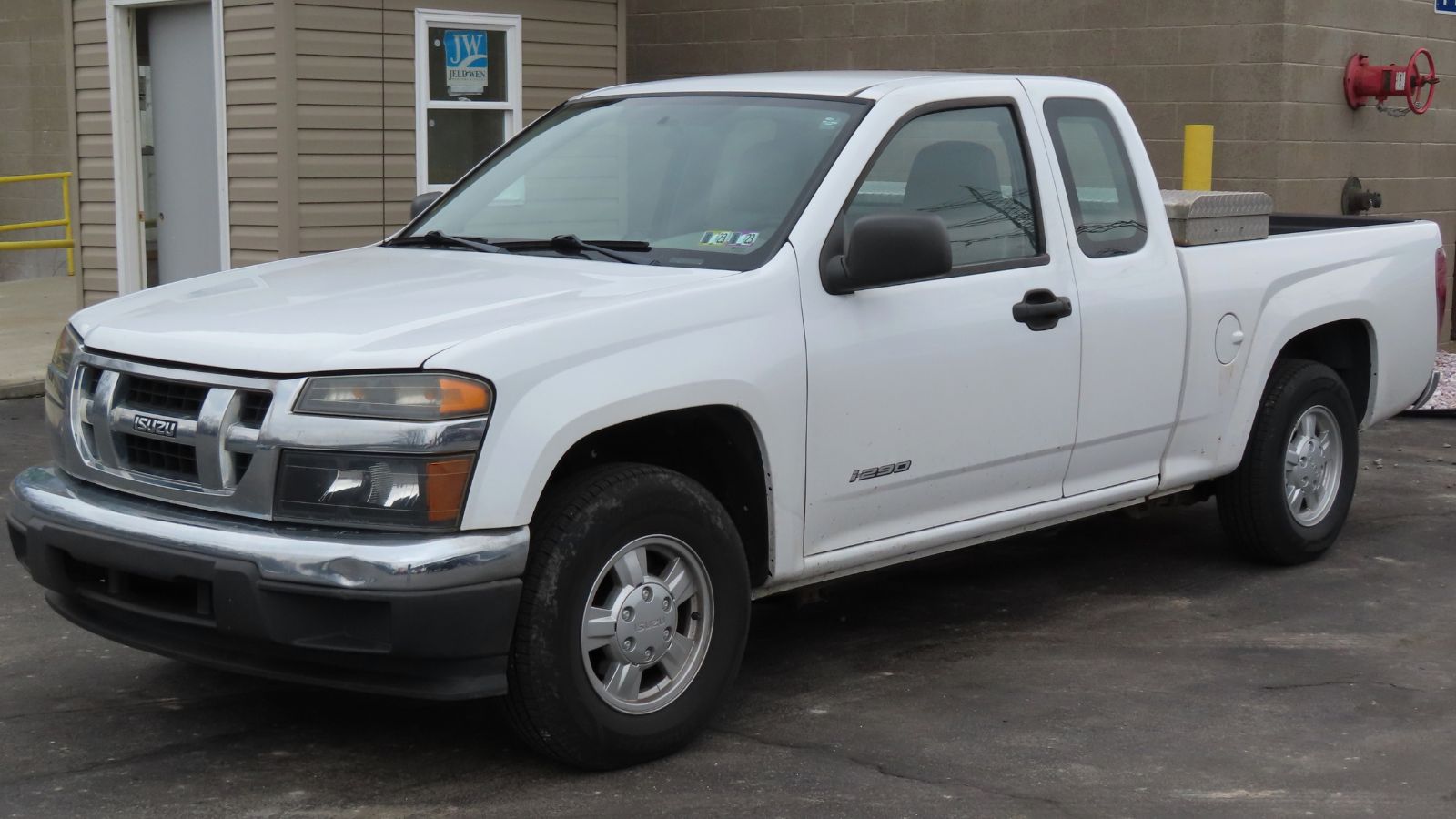
Badge engineering doomed the i-Series. Built on outdated architecture and backed by shrinking dealer support, it offered nothing compelling and plenty of headaches. Once parts availability became an issue, owners were left stranded both figuratively and literally.
Chevrolet Silverado
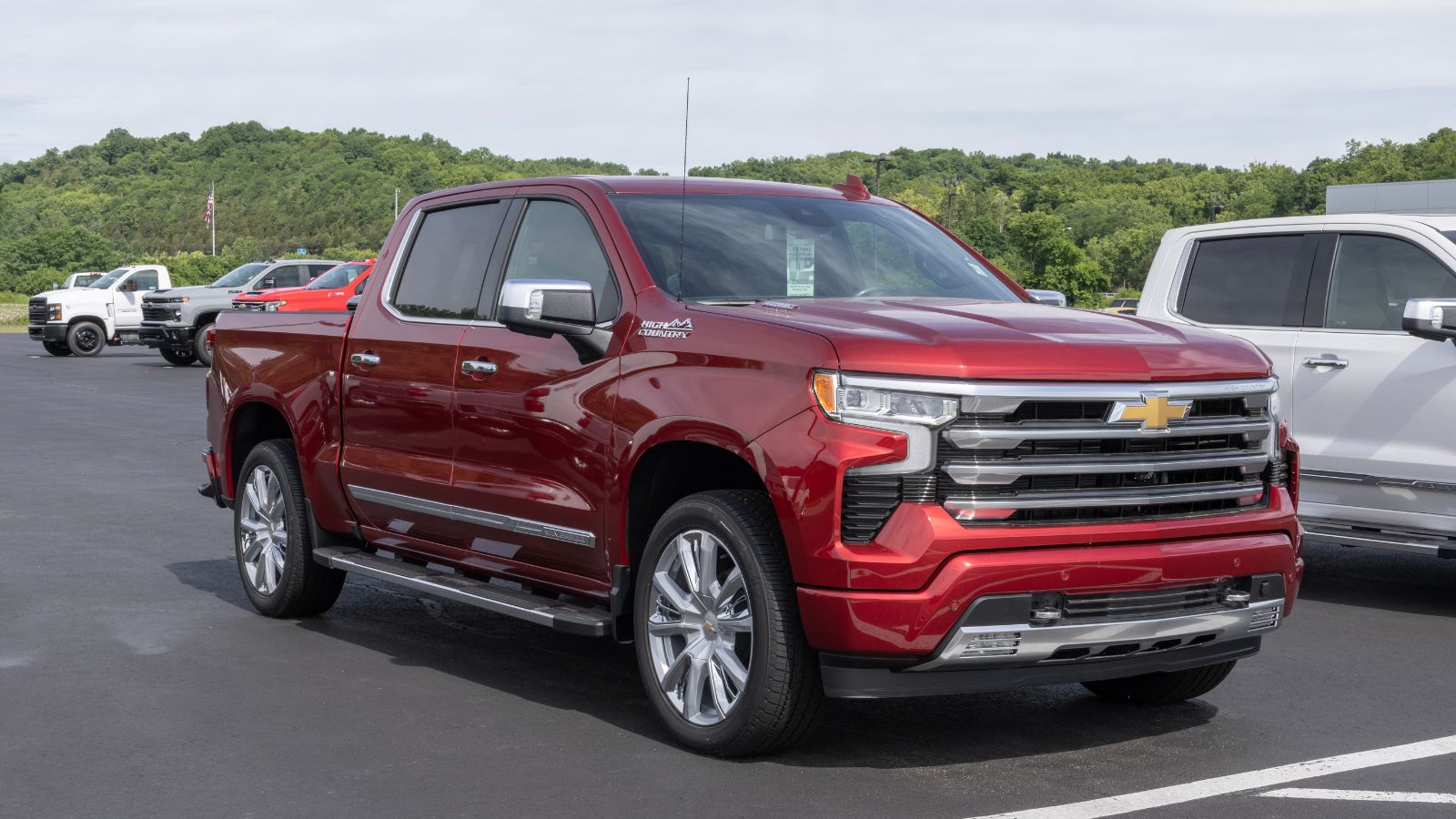
Cylinder deactivation sounded clever. In practice, AFM led to oil consumption, lifter failures, and engine damage. Many trucks required expensive engine rebuilds far earlier than expected. The system saved fuel on paper but cost owners dearly.
Ford Ranger
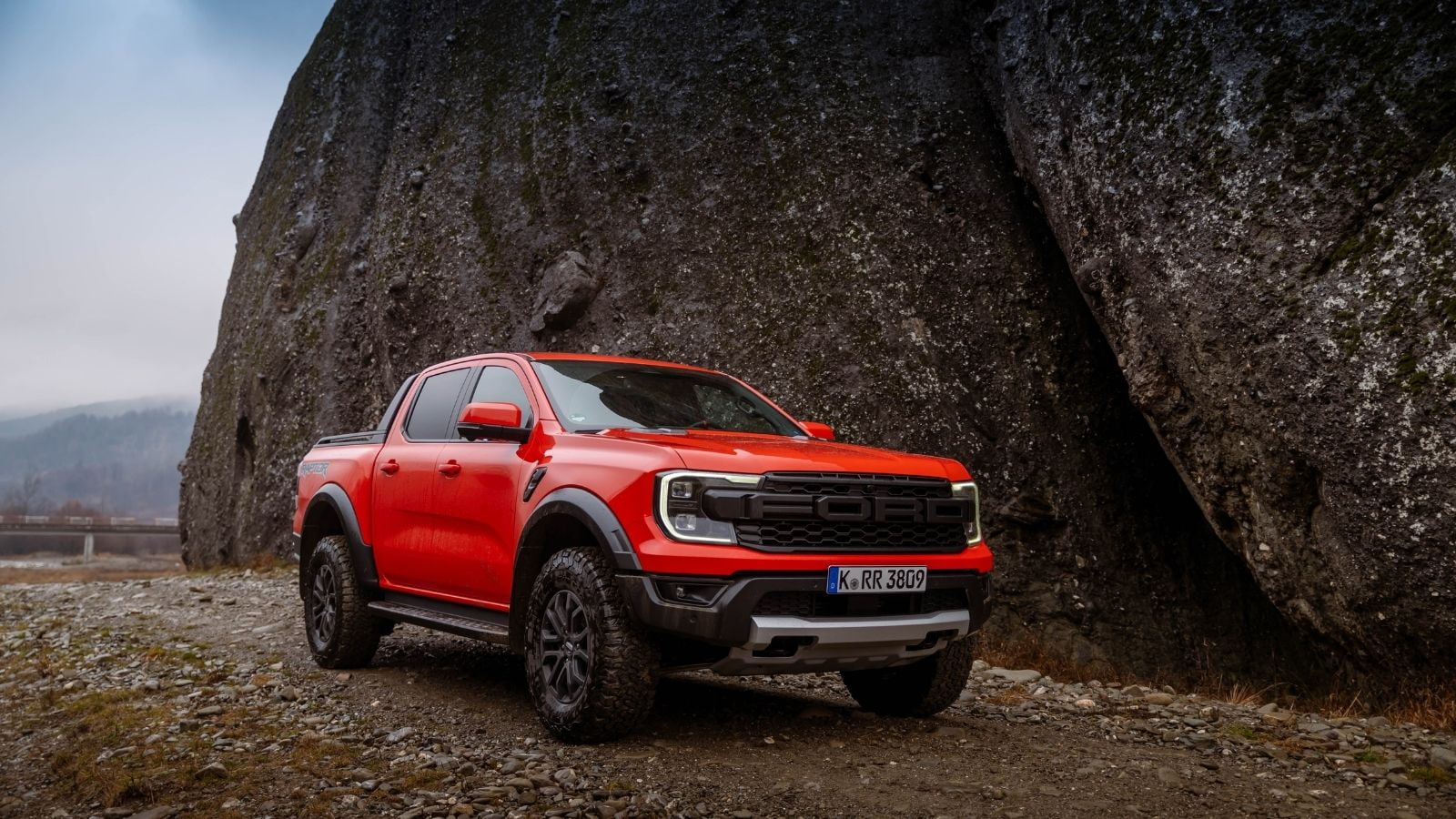
When paired with problematic dual-clutch transmissions in some markets, the Ranger suffered jerky shifting, premature failures, and poor drivability. It tarnished an otherwise strong nameplate and frustrated owners who expected rugged simplicity.
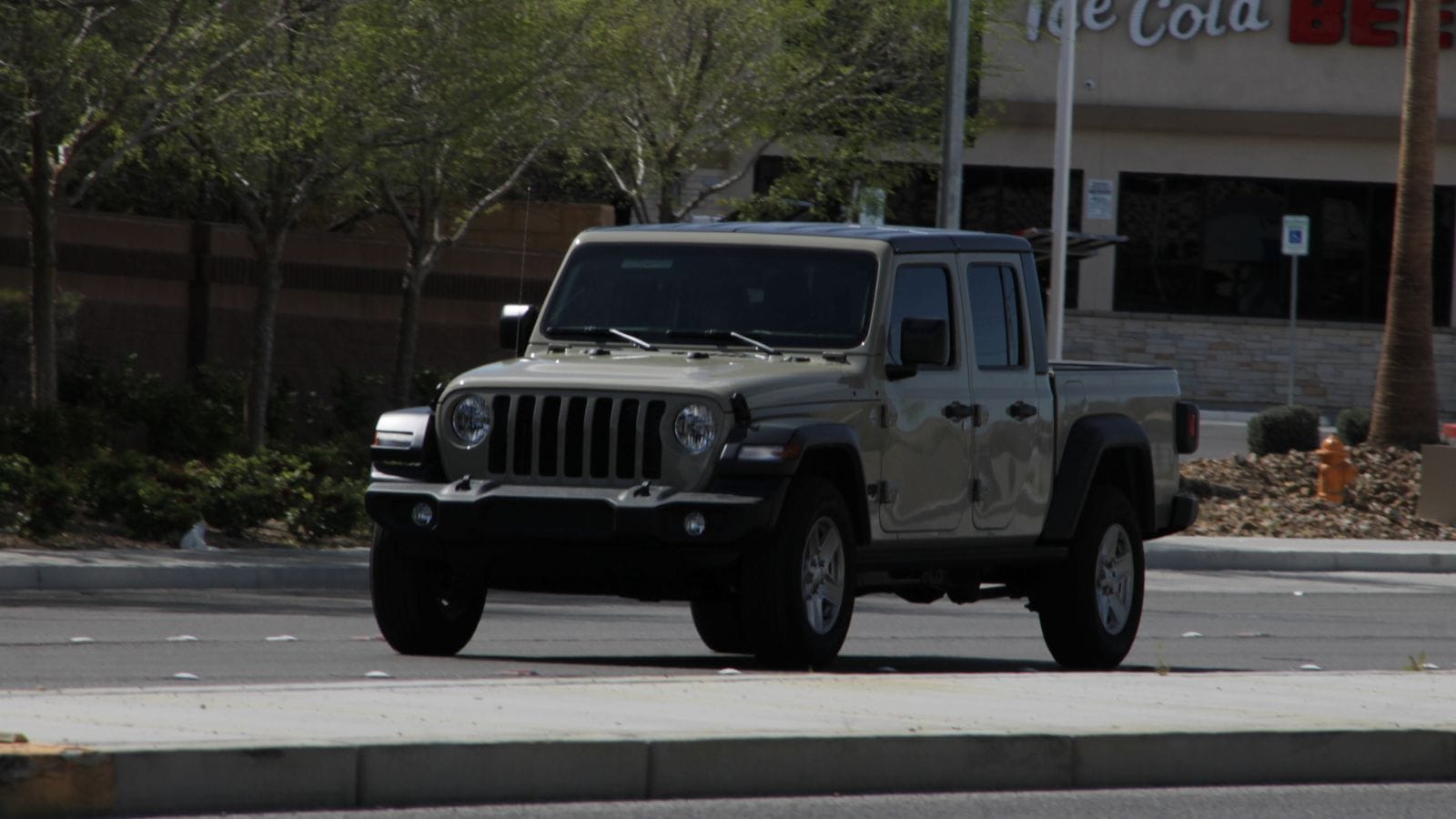
Jeep Gladiator
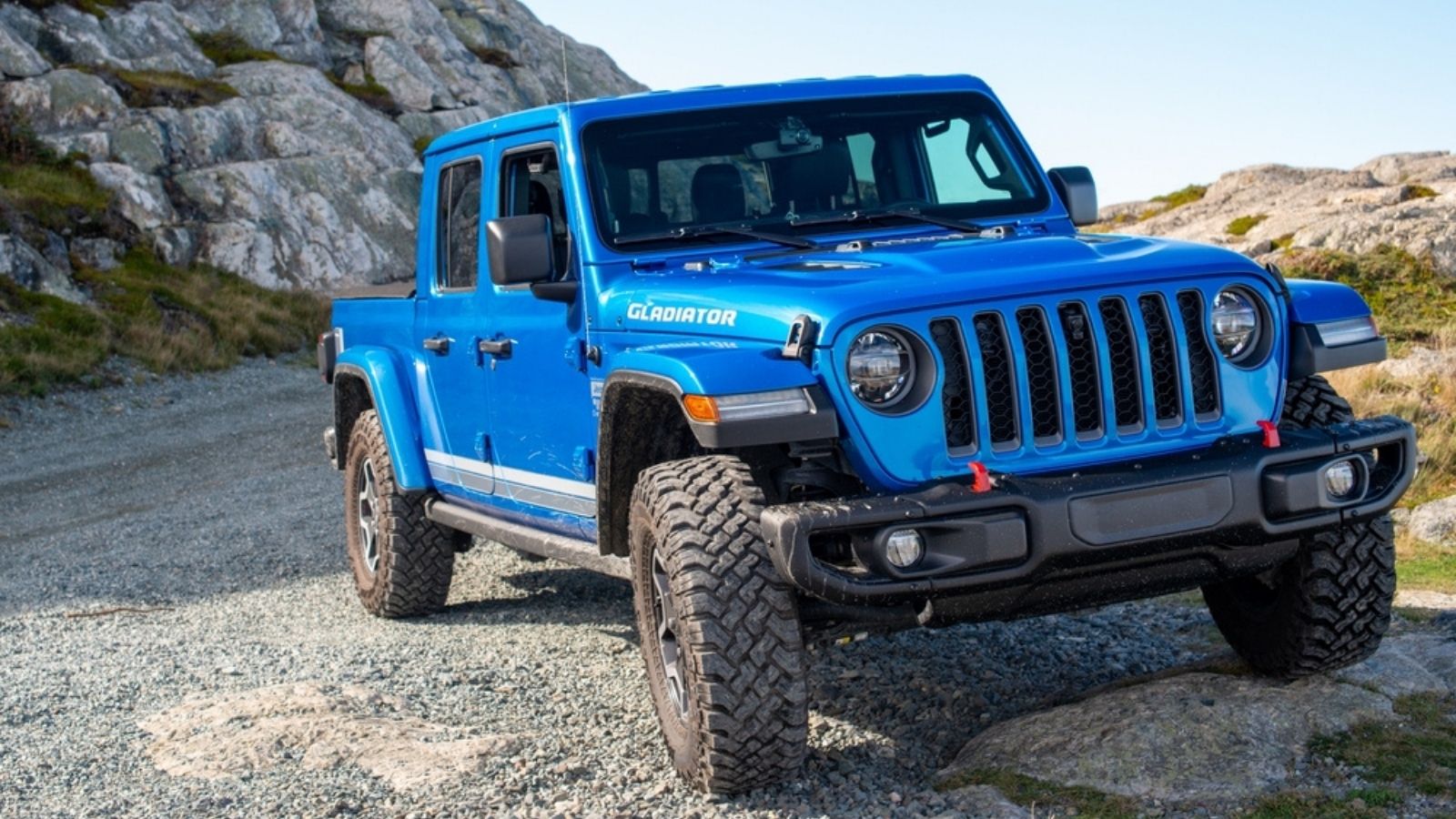
While capable off-road, early Gladiators struggled with quality control issues, steering recalls, and drivetrain complaints. Buyers expecting bulletproof Jeep toughness instead dealt with frequent dealer visits and software fixes.
Toyota T100
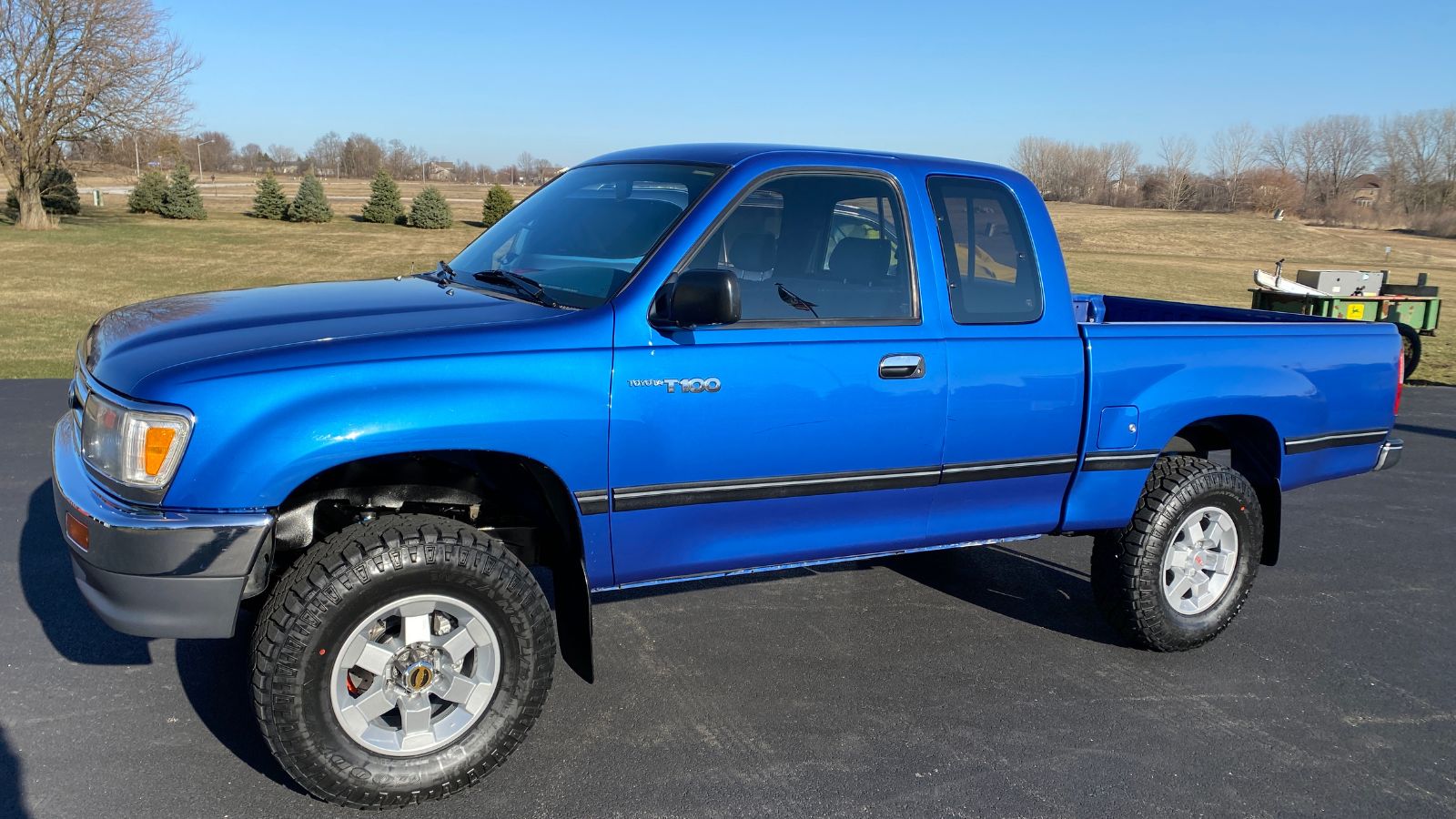
The T100 failed not because it was terrible, but because it was poorly positioned. Undersized for North America yet too big to be compact, it suffered frame rust and lacked competitive power. Engineering compromises left it stuck in no-man’s land.
Hummer H3

Based on a compromised platform, the H3 looked tough but struggled mechanically. Underpowered engines, drivetrain issues, and poor reliability undermined the brand’s rugged image. It became a lesson in style over substance.
When Trucks Miss the Point
These trucks failed not because people expected perfection, but because they violated the core promise of a pickup. Reliability, durability, and trust matter more here than innovation or flash. When engineering shortcuts or unproven tech enter the mix, owners pay the price.
25 Facts About Car Loans That Most Drivers Don’t Realize

Car loans are one of the most common ways people fund car purchases. Like any other kind of loan, car loans can have certain features that can be regarded as an advantage or a disadvantage to the borrower. Understanding all essential facts about car loans and how they work to ensure that you get the best deal for your financial situation is essential. Here are 25 shocking facts about car loans that most drivers don’t realize:
25 Facts About Car Loans That Most Drivers Don’t Realize
