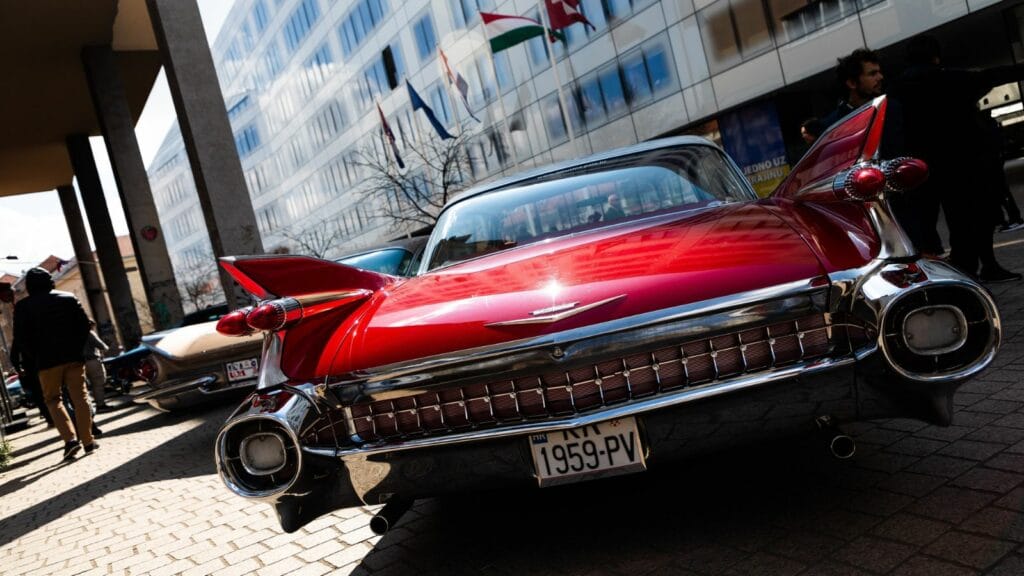
The 1960s were a strange and creative time in automotive design. Safety rules were loose, customer expectations were different, and manufacturers experimented freely. Cars were full of ideas that made sense at the time but feel completely alien today. To modern drivers raised on airbags and touchscreens, these features look confusing, unnecessary, or outright dangerous.
Swivel Seats That Pointed You Into Traffic
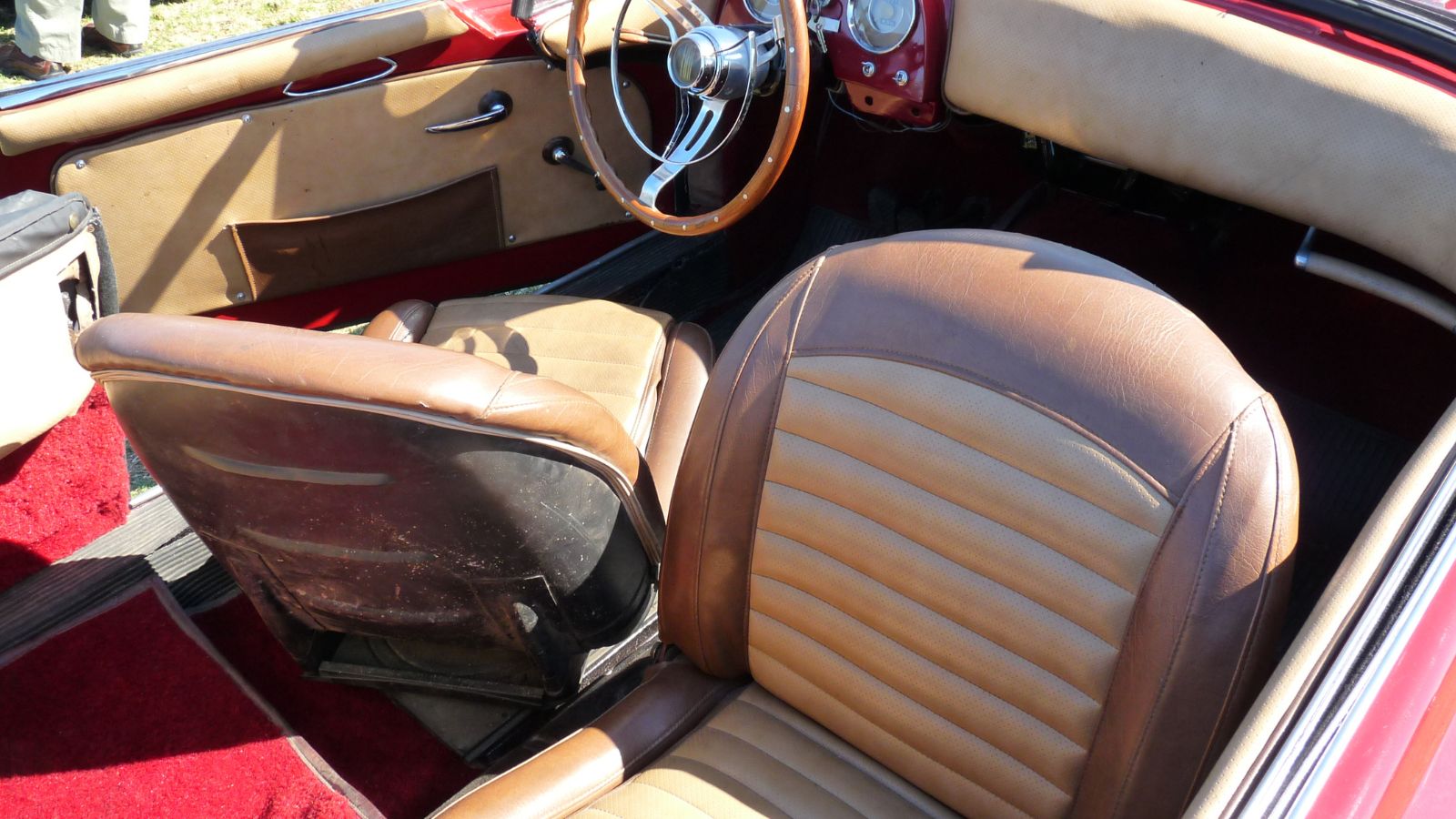
Several manufacturers believed rotating front seats were the future of comfort. Models like the Chrysler Imperial offered seats that swung outward to help drivers exit gracefully. The idea ignored one obvious problem. You were stepping directly into traffic. At the time, convenience outweighed concern, and nobody questioned whether this was actually safe.
Dashboard Mounted Ignition Keys

In the 1960s, ignition keys often lived on the dashboard rather than the steering column. Cars such as the Chevrolet Impala treated the key like a household switch. Steering locks were rare, and theft prevention was not a priority. Modern drivers would find it unnerving to park a car with no steering lock and a visible ignition.
Push Button Automatic Transmissions
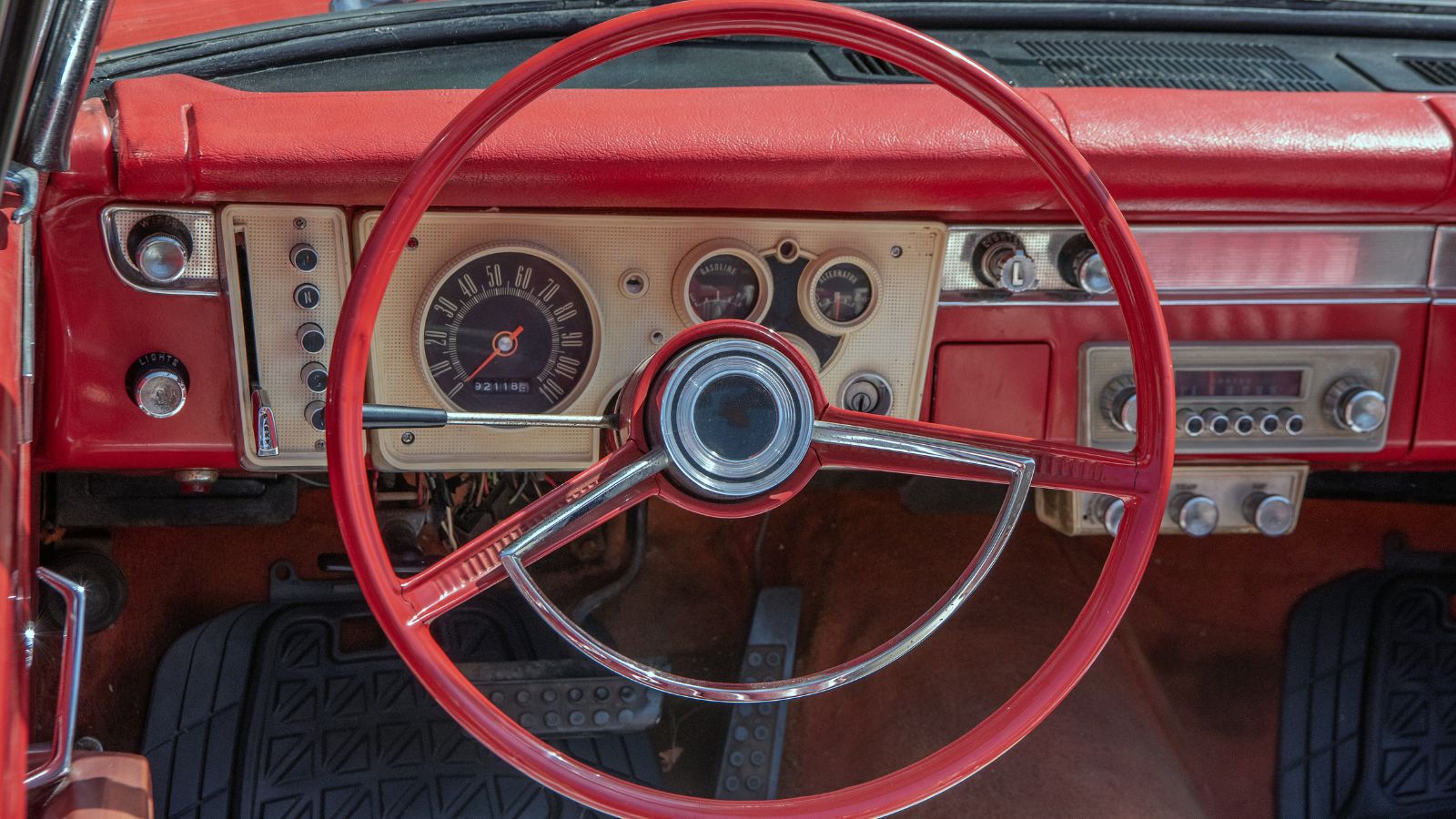
Instead of a gear lever, many cars used a row of buttons to select gears. Chrysler was famous for this setup. Drivers pushed labeled buttons to choose Drive or Reverse, which felt futuristic at the time. Today, the lack of physical feedback and the ease of pressing the wrong button would terrify anyone used to modern shift logic.
Vacuum Powered Windshield Wipers
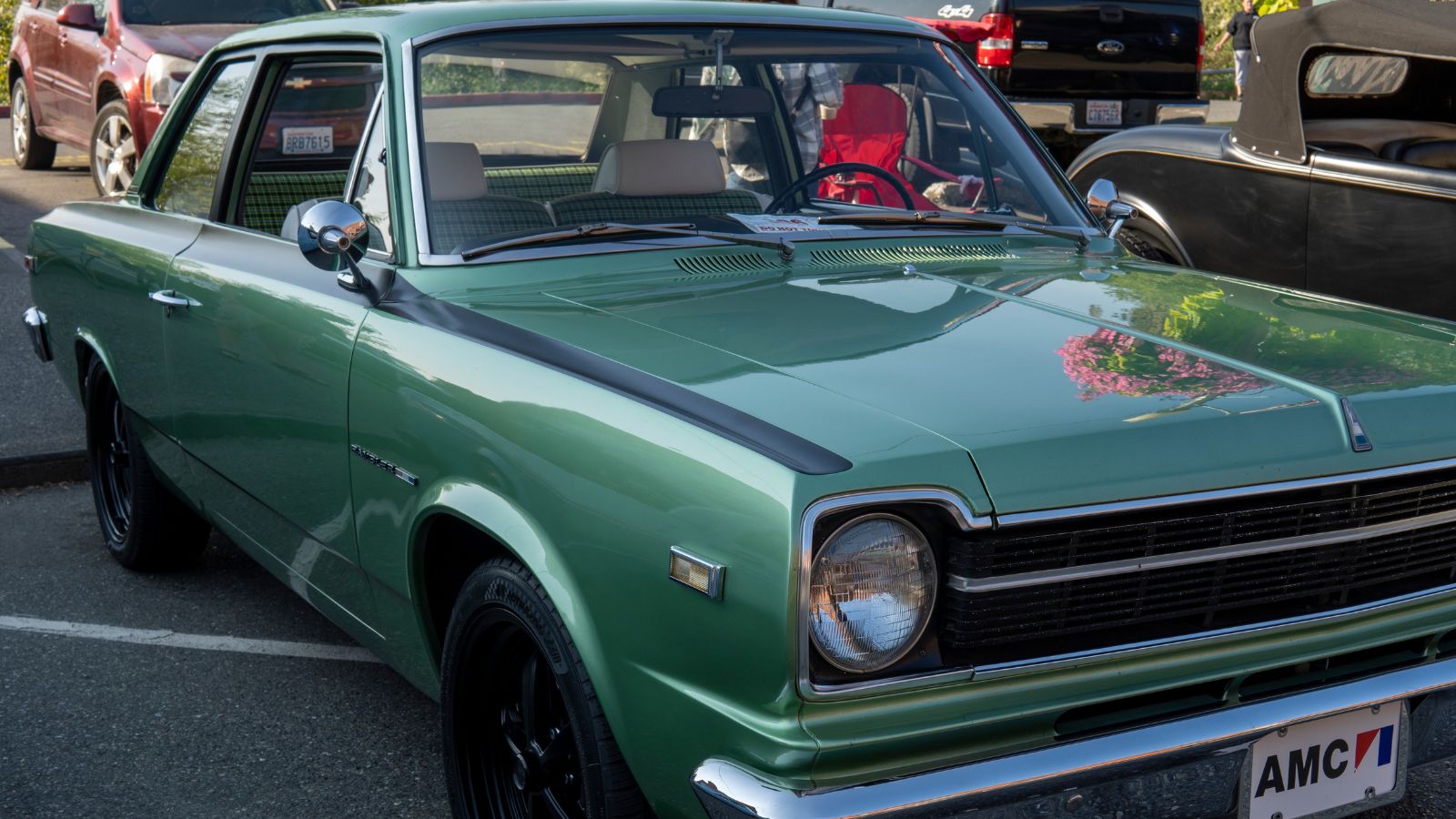
Some 1960s cars used engine vacuum to power windshield wipers. Under acceleration, vacuum dropped and the wipers slowed or stopped entirely. Flooring it in heavy rain meant briefly losing visibility. Owners simply adapted their driving style. Modern drivers would consider this completely unacceptable.
Hard Plastic Dashboards With Zero Padding
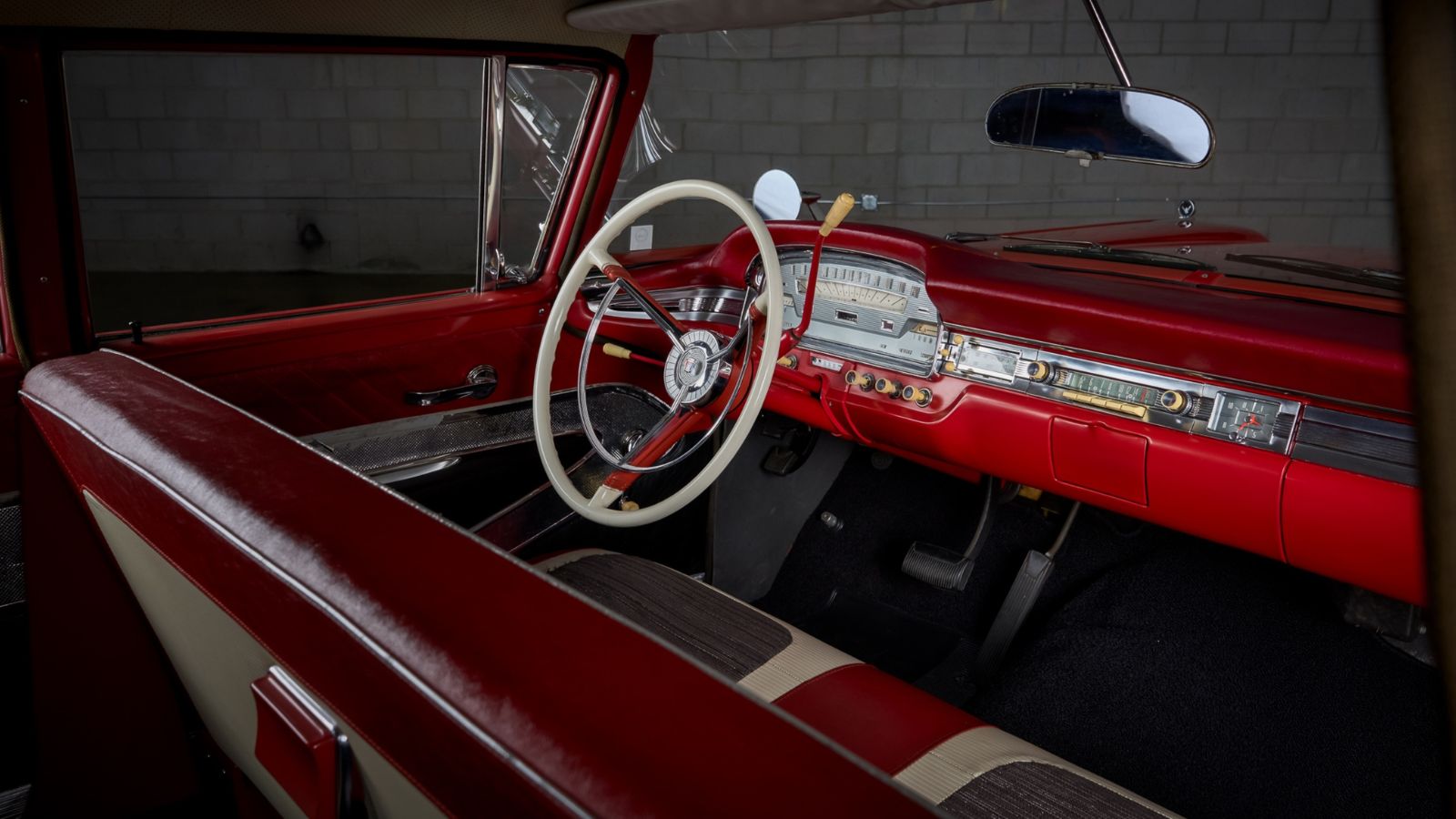
Crash safety was not yet a design priority. Interiors featured rigid dashboards, metal trim, and sharp edges. Cars like the Ford Galaxie placed style ahead of impact protection. Seatbelts were optional, and airbags were science fiction. Modern interiors are designed around absorbing impact, not reflecting chrome.
High Beam Floor Switches
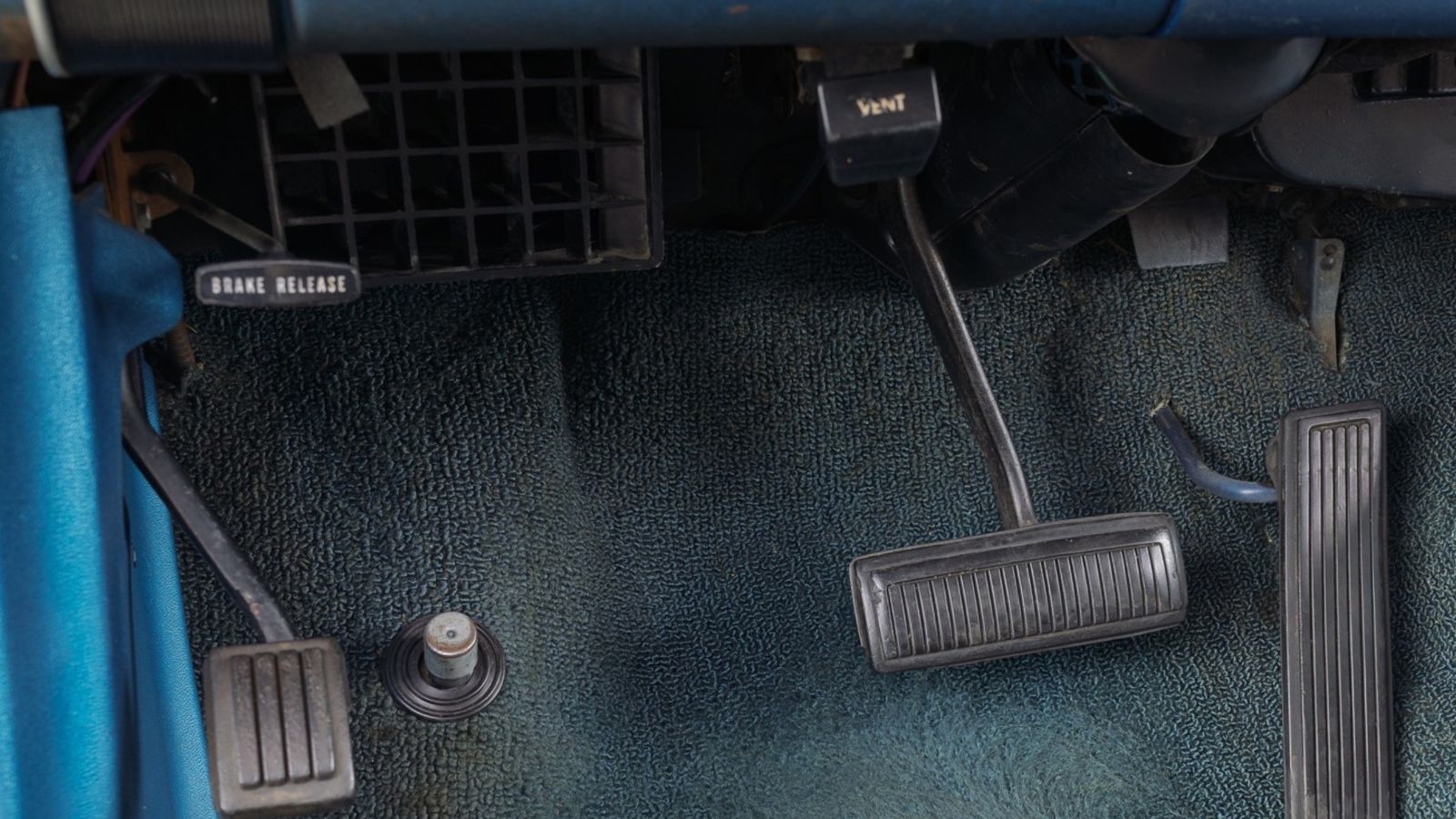
Instead of a stalk on the steering wheel, high beams were activated by a small button on the floor near the pedals. Drivers tapped it with their foot to switch beams. It made sense when steering wheels were crowded with controls. Today, the idea of moving your foot off the pedals at night would feel dangerously distracting.
Tailfins That Served No Purpose
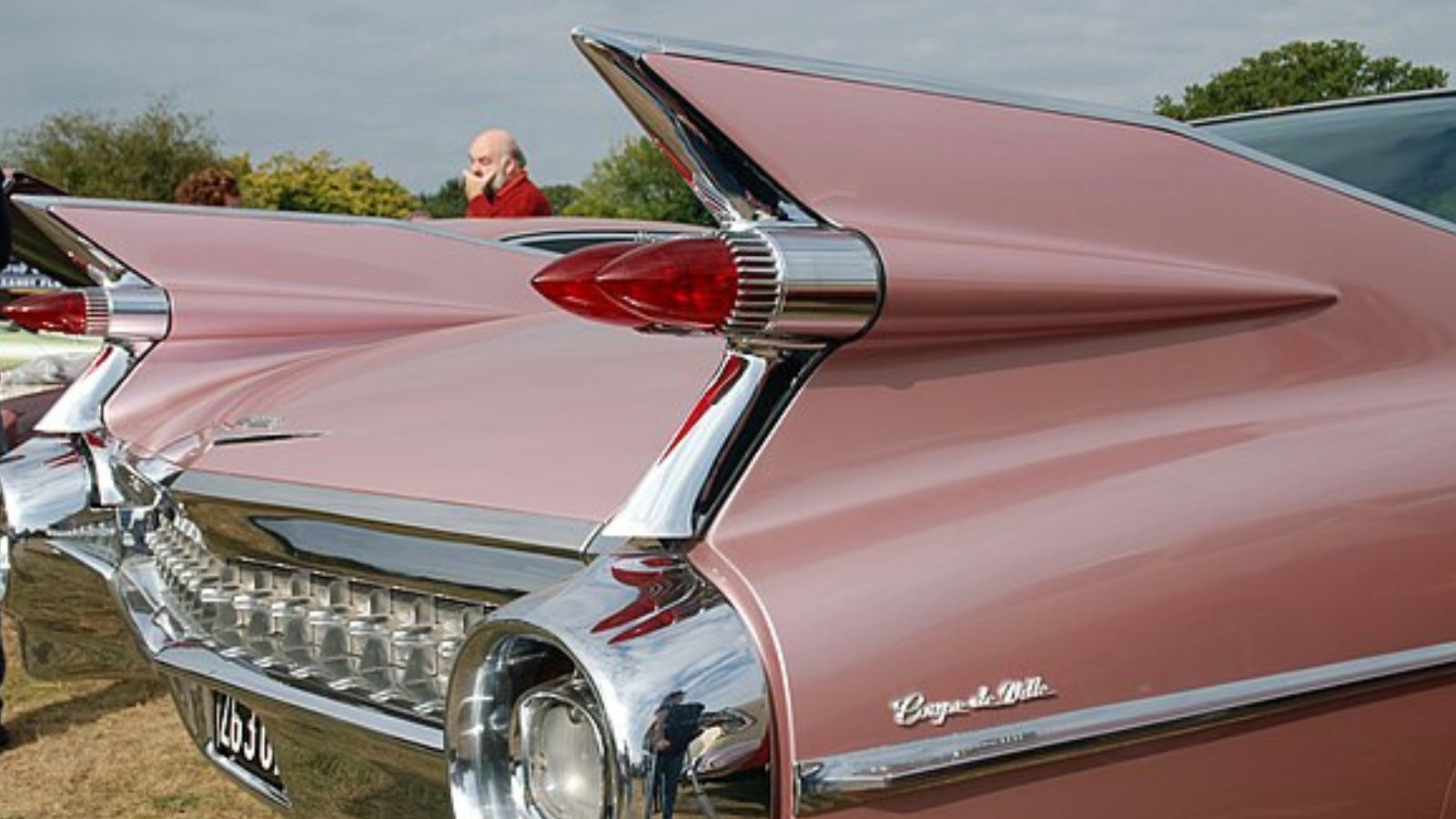
By the early 60s, tailfins were already fading, but some cars still wore dramatic ones. Vehicles like the Cadillac DeVille used fins purely for style. They added weight, cost, and complexity while doing nothing for performance or aerodynamics. Modern design focuses on efficiency, making fins feel completely absurd.
No Headrests at All
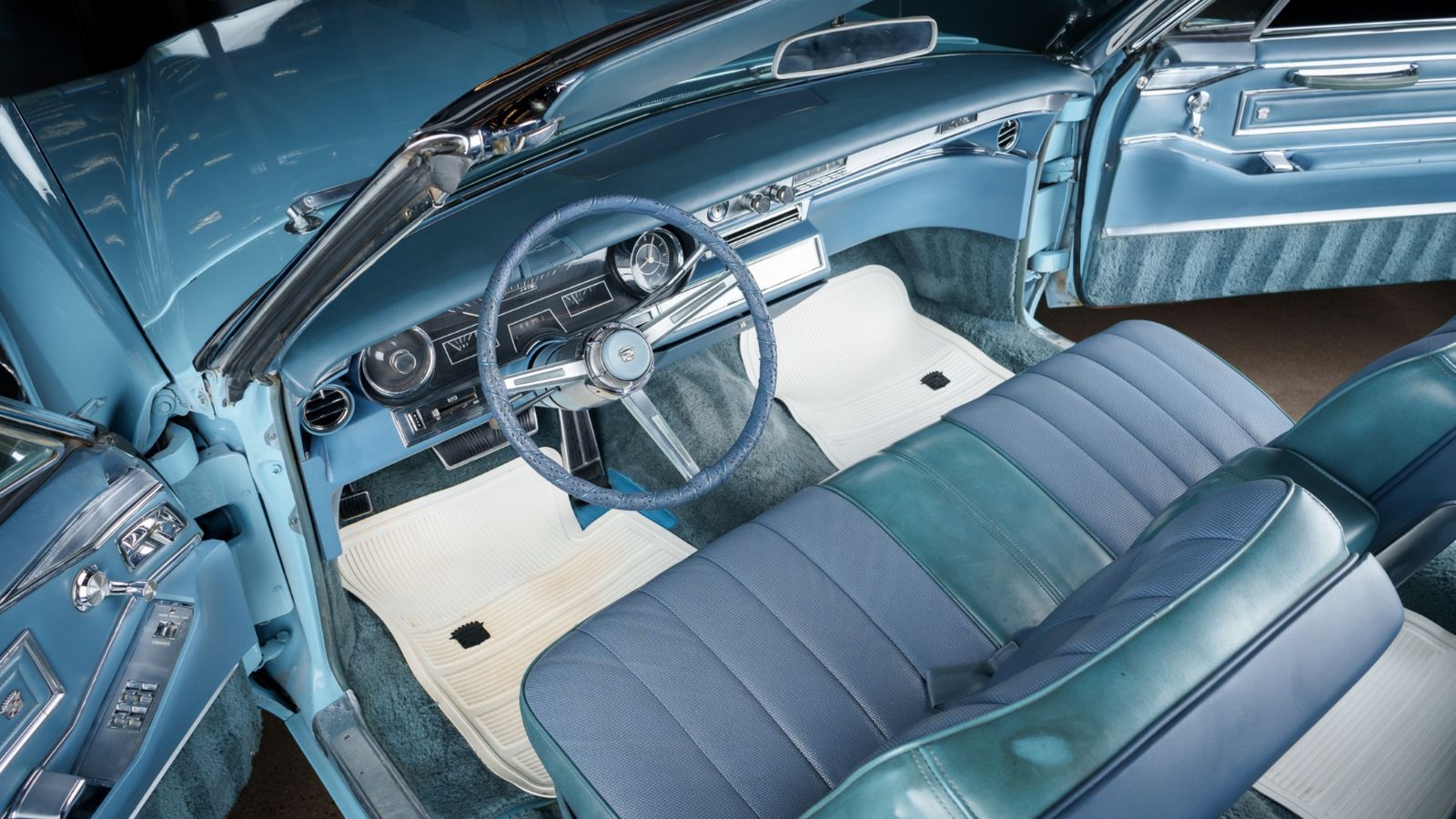
Headrests were rare or nonexistent in most 1960s cars. Whiplash protection was not widely understood, and seats ended below shoulder height. Long drives were normal, but crash safety lagged behind. Today, headrests are mandatory and carefully engineered, making their absence feel shocking.
AM Radio as a Luxury Feature
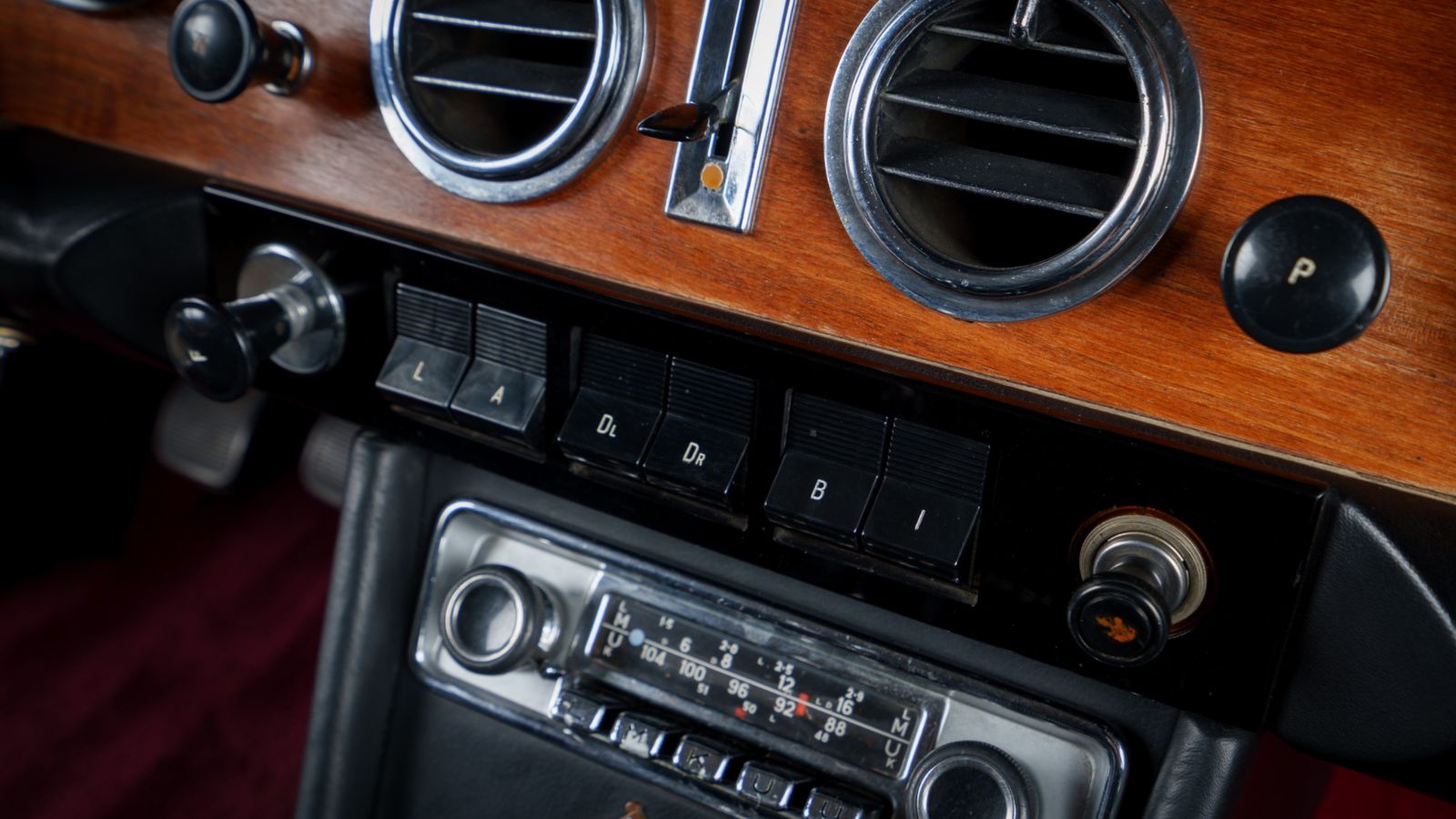
An AM radio was often an expensive option rather than standard equipment. Some base models offered no entertainment at all. Silence was normal. Drivers talked, smoked, or simply listened to the engine. Modern drivers surrounded by screens and audio systems would struggle to imagine paying extra just to hear the news.
No Exterior Mirrors on the Passenger Side

Many cars came with only a driver side mirror, and sometimes none at all. Passenger side mirrors were optional or considered unnecessary. Drivers relied on turning their heads and intuition. Modern traffic density makes this almost unimaginable, but in the 60s it was completely normal.
These features were not mistakes. They reflected a different relationship between drivers, machines, and risk. Cars were simpler, expectations were lower, and responsibility rested more heavily on the person behind the wheel. To modern drivers, these 1960s ideas feel bizarre, but they helped shape the safety and design standards we take for granted today.
25 Facts About Car Loans That Most Drivers Don’t Realize

Car loans are one of the most common ways people fund car purchases. Like any other kind of loan, car loans can have certain features that can be regarded as an advantage or a disadvantage to the borrower. Understanding all essential facts about car loans and how they work to ensure that you get the best deal for your financial situation is essential. Here are 25 shocking facts about car loans that most drivers don’t realize:
25 Facts About Car Loans That Most Drivers Don’t Realize
