A car can look clean, run well and still receive an appraisal that feels surprisingly low. The reason is that resale value is not determined by age alone. Modern valuation systems weigh mileage, condition, history, equipment, local demand and constantly changing market data, while dealers also consider what it will cost to prepare a vehicle for resale.
That creates plenty of room for a gap between what an owner believes a vehicle is worth and what buyers are actually prepared to pay. Some deductions are obvious, while others are buried in a vehicle-history report or driven by market forces completely outside the owner’s control. These 20 reasons explain why a seemingly valuable car can produce a much smaller trade-in or resale number than expected.
The Mileage Is High for Its Age
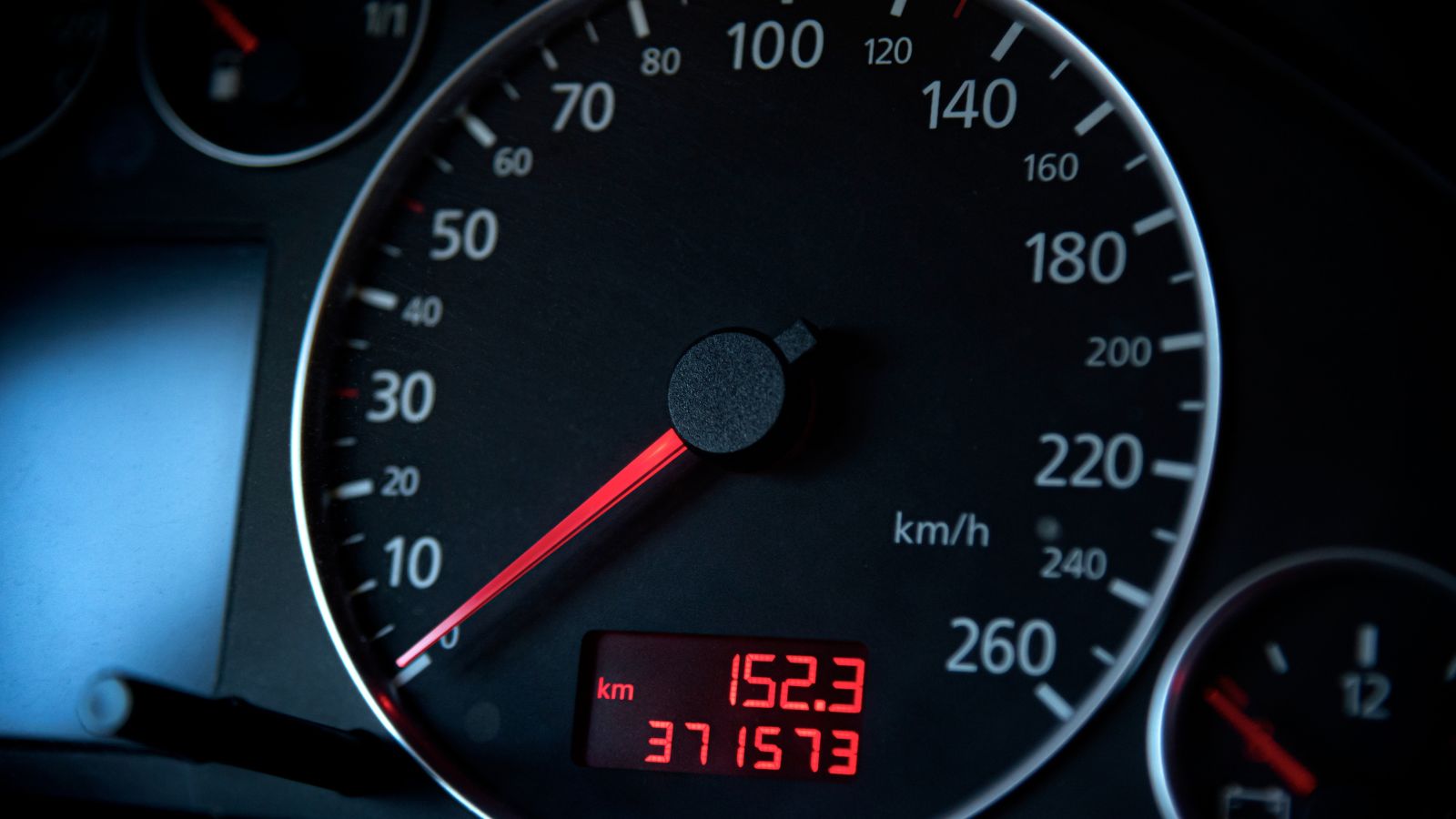
There is no single odometer reading that suddenly makes every vehicle undesirable. What matters is how a car’s mileage compares with other examples of the same age. A five-year-old vehicle with unusually high mileage may be appraised differently from an eight-year-old vehicle showing the same number because buyers and valuation systems expect different usage patterns. Kelley Blue Book says it analyzes millions of transaction records to establish typical mileage and adjusts vehicle values upward or downward when actual mileage differs from the norm.
That means an owner who considers 90,000 miles perfectly reasonable may still be surprised if comparable vehicles on the market have considerably less. Higher mileage can also suggest that major maintenance items are approaching, even when the vehicle currently drives without problems. Buyers know that tires, brakes, suspension components and scheduled services eventually become part of the ownership bill. An extra 20,000 or 30,000 miles can therefore influence more than the odometer reading itself; it can change the amount of risk and future expense a buyer believes is attached to the car.
An Accident Never Completely Disappears From the Value
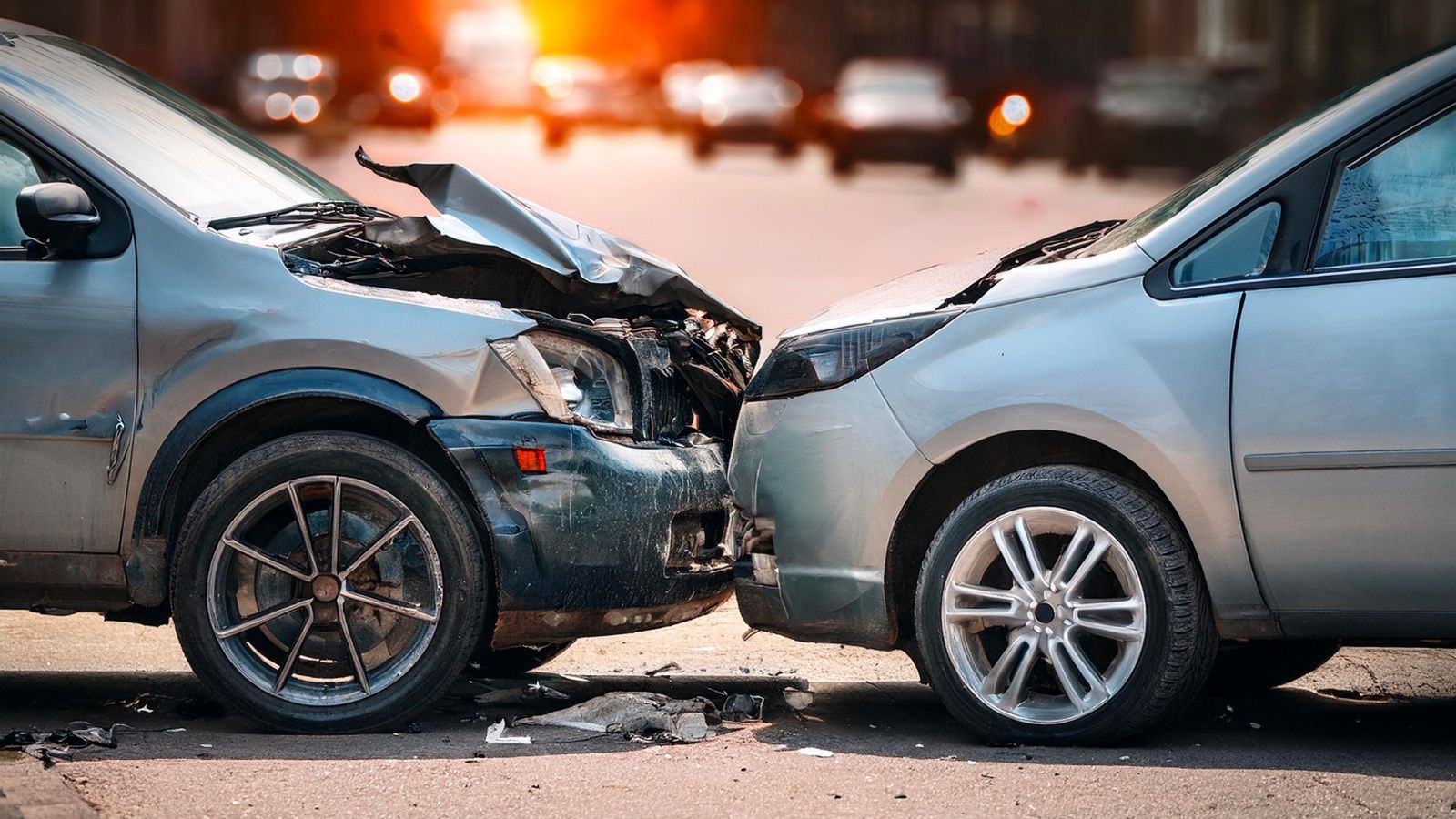
Professional bodywork can make accident damage virtually invisible, but the vehicle’s history may continue affecting its price long after the paint dries. Buyers generally distinguish between a car with a clean accident history and one that has required collision repairs because they cannot always determine what happened underneath the finished bodywork. Questions about frame alignment, replacement panels, airbags and long-term durability can remain even when the repair appears excellent.
CARFAX describes this difference as diminished value. Its data indicates that reported accident damage reduces the retail value of a used vehicle by roughly $500 on average, while severe accident damage can produce an average reduction of around $2,100. The exact amount varies considerably according to vehicle age, damage severity, repair quality and market demand. That is why two apparently identical cars parked next to each other can carry noticeably different valuations. The repaired vehicle may drive perfectly, but buyers are often unwilling to pay the same amount when a comparable accident-free example is available.
Missing Maintenance Records Create Uncertainty

Regular maintenance helps a car mechanically, but documentation can help financially. A stack of service invoices shows that oil changes, filters, fluids and other scheduled work were actually completed rather than merely promised by the seller. Without that paper trail, buyers and dealers have to make assumptions. They may reasonably wonder whether an oil-change interval was stretched too far or whether an important service was skipped altogether.
Vehicle-history companies explicitly incorporate maintenance information into valuation. CARFAX, for example, includes service history when producing its VIN-specific value estimates. Its own vehicle-history examples illustrate how two otherwise comparable vehicles can receive different valuations when one has documented oil changes and the other does not. Service records do not guarantee a high selling price, and the absence of records does not automatically mean a vehicle was neglected. Still, documentation reduces uncertainty. For a dealer deciding how much risk to take on a trade-in, uncertainty often translates into a more conservative offer because the business may need to inspect, service or repair the vehicle before putting it back on the market.
Small Dents and Scratches Add Up Quickly
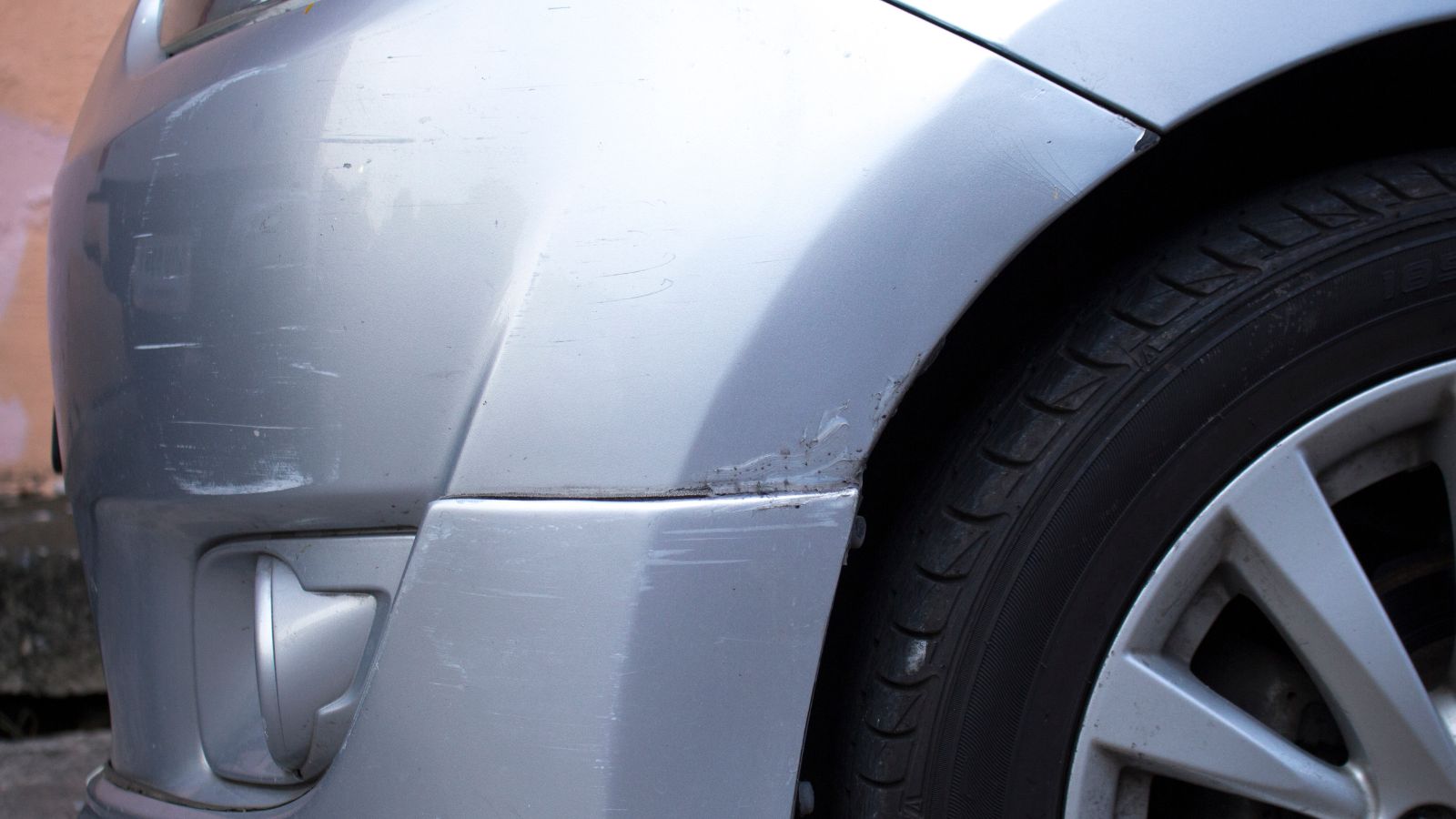
Owners spend years looking at the same door ding, bumper scrape or chipped hood, and eventually those defects can become almost invisible to them. An appraiser sees something different: reconditioning work. Used-car valuation systems consider exterior condition because the next buyer is likely to compare the vehicle with polished alternatives sitting nearby. Several small flaws that seem harmless individually can collectively move a car into a lower condition category.
Kelley Blue Book specifically considers dents, exterior condition and other vehicle-specific defects when calculating cash offers. The economics are straightforward. A dealer may need paint correction, dent removal, bumper repair, wheel refinishing or other cosmetic work before retailing the vehicle. Those costs have to come from somewhere, and they frequently come out of the amount offered to the seller. Rust can be even more damaging because it may suggest deterioration extending beyond what is visible. A ten-year-old car does not need to look new to retain value, but the difference between normal wear and a vehicle needing substantial cosmetic preparation can easily become hundreds or thousands of dollars at appraisal time.
Worn Tires and Brakes Become the Next Owner’s Expense

A vehicle can run beautifully while still carrying a large amount of deferred wear. Tires are one of the easiest examples. Four tires approaching the end of their usable life can represent a significant immediate expense, particularly on pickups, luxury vehicles and performance cars that use larger or more specialized sizes. Brakes, wheel bearings and suspension components create similar concerns when they are approaching replacement.
Used-car appraisers account for these costs because a dealer generally cannot ignore obvious safety-related wear and simply place the car on the retail lot. Edmunds’ vehicle-condition system specifically distinguishes vehicles partly by tire condition and required reconditioning. A “rough” vehicle, for example, can include tires that need replacement and mechanical or cosmetic problems requiring significant repairs. This is why replacing every worn component immediately before trading a vehicle is not always financially worthwhile—the seller may not recover every dollar spent. Nevertheless, arriving with bald tires, noisy brakes or obvious deferred maintenance gives the buyer a concrete reason to lower the offer by the expected cost and inconvenience of putting those items right.
Modifications May Be Worth More to the Owner Than the Buyer

Thousands of dollars spent customizing a car rarely guarantees thousands of dollars in additional resale value. Oversized wheels, suspension changes, performance exhaust systems, wraps and aftermarket audio equipment may make a vehicle far more appealing to the person who selected them. The next buyer may have very different tastes. That can shrink the number of people willing to pay a premium for the car.
Kelley Blue Book notes that aftermarket equipment does not always have a consistent, reportable value in the used market. It also warns that visible modifications such as custom paint, wraps, altered suspension or exhaust systems can reduce trade-in value because they narrow the potential buyer pool or create warranty concerns. Some carefully selected upgrades can increase desirability, especially within enthusiast communities, but modification cost and resale value are two different things. A $3,000 wheel package does not automatically turn a $20,000 vehicle into a $23,000 vehicle. In some cases, an unmodified equivalent with factory wheels and suspension may actually be easier for a mainstream dealer to sell.
The Interior Is More Worn Than It Feels
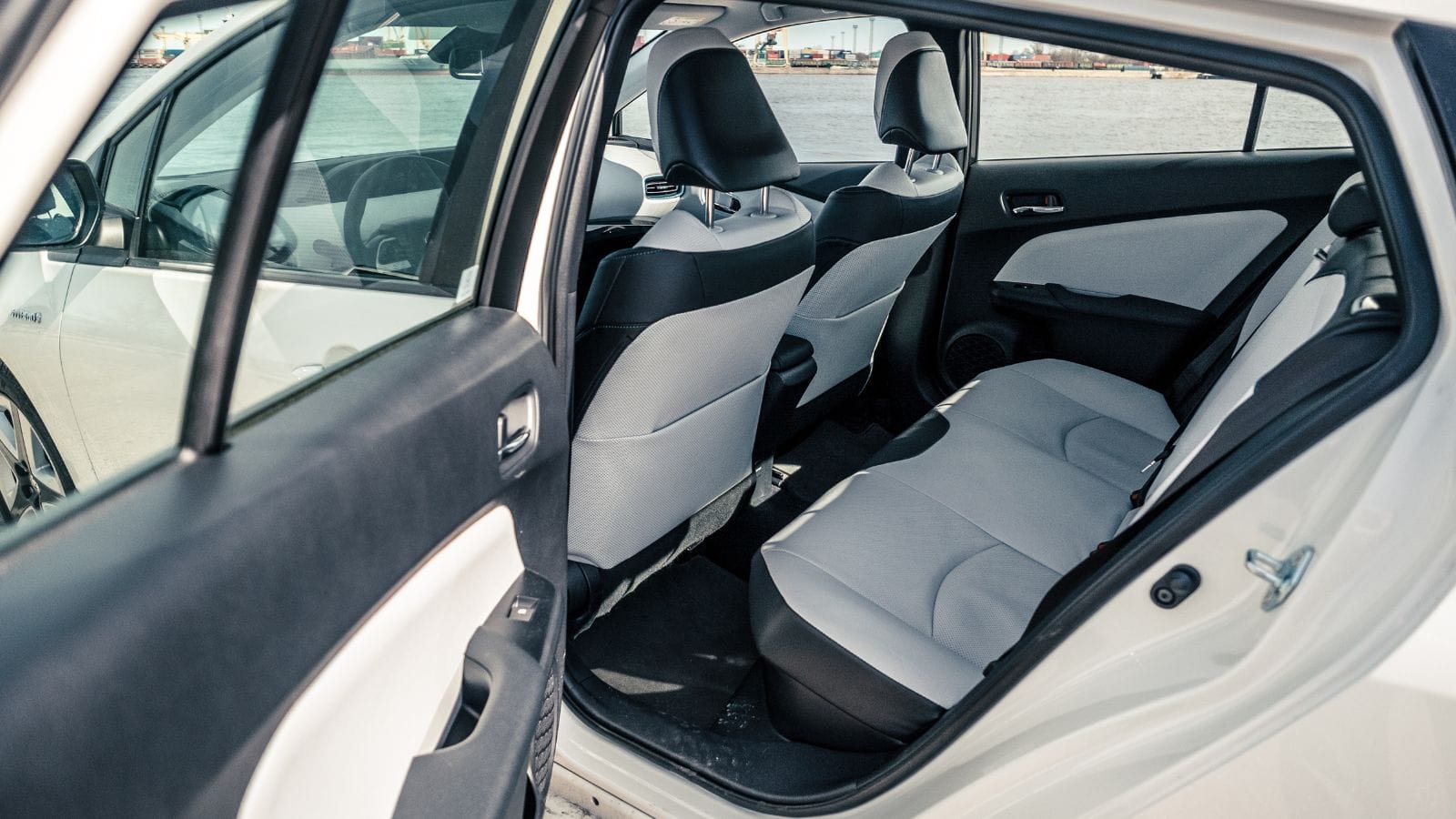
Owners experience interiors gradually. A driver’s seat does not become creased overnight, carpets do not stain all at once, and steering-wheel leather normally wears slowly. Because those changes happen over years, they can feel like ordinary background wear. A prospective buyer experiences everything during a single inspection. Faded upholstery, scratches, damaged trim, lingering smells and stained headliners can quickly change the impression of an otherwise attractive car.
Edmunds separates used vehicles into condition categories that specifically consider interior wear and the amount of reconditioning required. Its descriptions range from exceptional interiors with essentially no visible wear to vehicles requiring significant interior repairs. Only a relatively small share of used vehicles qualify for the highest condition category, while the largest groups fall into clean or average condition. That is an important reality check for owners who automatically select “excellent” when using an online valuation calculator. A thorough cleaning can certainly improve presentation, but detailing cannot erase cracked leather, torn upholstery or permanent trim damage. Those defects become part of the dealer’s reconditioning calculation and therefore part of the final offer.
Mechanical Problems Can Change an Offer After the Test Drive

A valuation entered online is often only the beginning. Dealers may verify the vehicle’s condition in person, and mechanical problems discovered during that inspection can reduce the final number. A check-engine light, noisy bearing, slipping transmission, weak air conditioning system or suspension clunk creates a potential repair bill that did not exist in the initial estimate.
Kelley Blue Book’s Instant Cash Offer process specifically considers mechanical condition, and participating dealers may visually inspect and test-drive the car before confirming the offer. If the actual condition differs from what was entered online, the amount can be adjusted. That explains the frustrating experience of arriving with an attractive internet estimate and leaving with a lower proposal. The change is not necessarily arbitrary; the buyer may have discovered a fault requiring diagnosis and repair before the vehicle can be resold. Even intermittent issues can matter because dealers assume responsibility for the car after acquiring it. A warning light that the owner has ignored for six months suddenly becomes an immediate financial concern for whoever is about to buy the vehicle.
Flood or Water Damage Can Haunt a Vehicle for Years

Water damage is particularly damaging to resale confidence because its consequences may not appear immediately. A vehicle can be cleaned, dried and made presentable while corrosion continues developing inside connectors, wiring, modules and mechanical components. Moisture can also create mold, staining and persistent interior odors that are difficult to eliminate completely.
The Federal Trade Commission warns used-car shoppers that flood damage can gradually damage electrical and mechanical systems and lead to rust and corrosion. Vehicle-history databases may also record flood events or flood-related title brands. Once that history exists, buyers often approach the vehicle much more cautiously because modern cars contain extensive electronics in relatively low areas of the cabin and chassis. A flooded vehicle might perform normally on the day it is sold yet carry greater uncertainty about future electrical problems. That uncertainty directly affects demand. Even when water damage was professionally repaired, the car competes against vehicles with no flood history, making it much harder for a seller to justify the same price as a clean-history example.
A Salvage or Rebuilt Title Can Cause a Major Discount
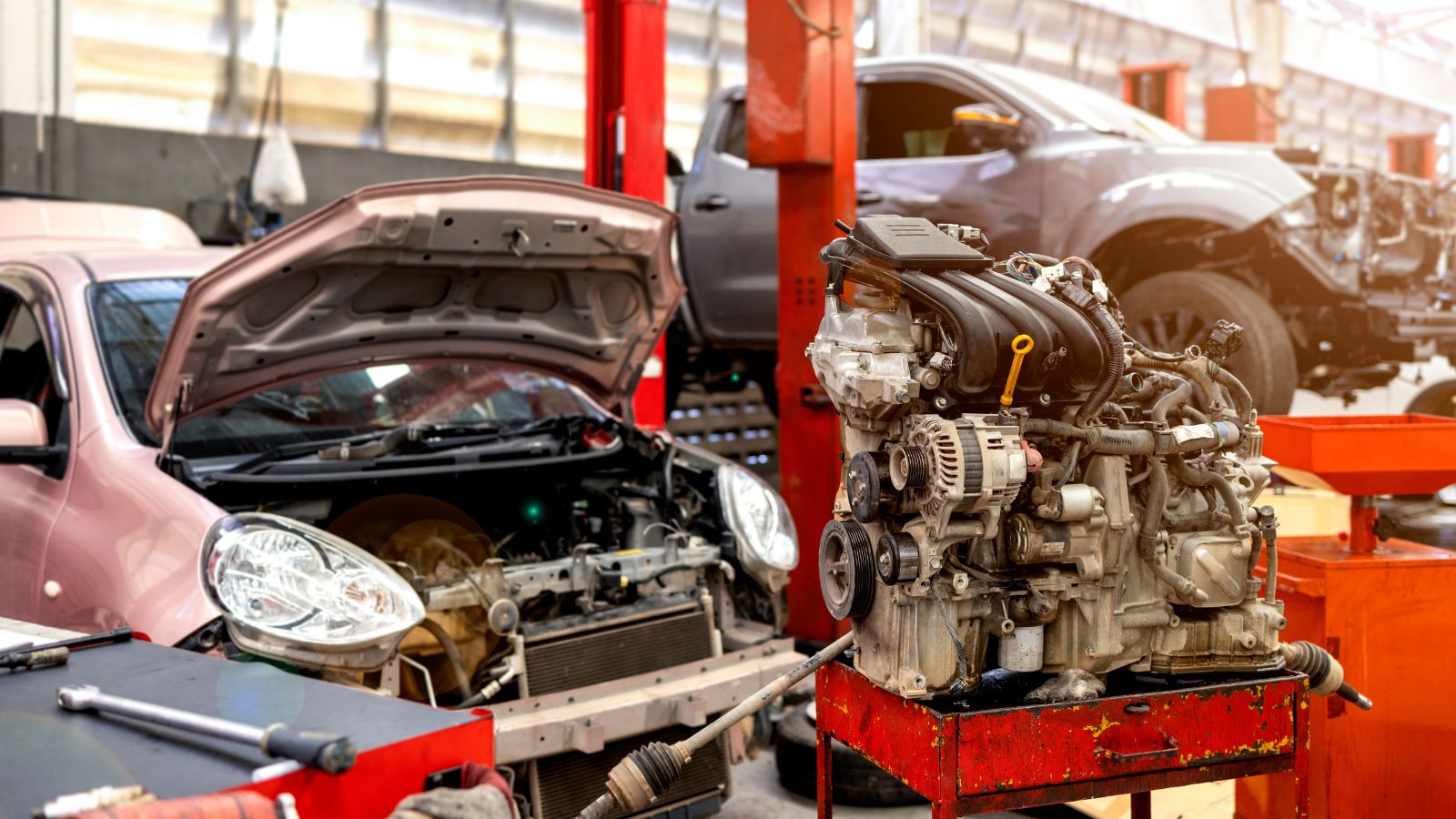
Few pieces of paperwork affect resale value as dramatically as a branded title. Salvage status generally indicates that a vehicle was declared a total loss after serious damage, while a rebuilt title usually means the vehicle was subsequently repaired and approved for road use under the applicable jurisdiction’s rules. The vehicle may look excellent afterward, but the title permanently changes how buyers, lenders and insurers view it.
Kelley Blue Book says a salvage, reconstructed or otherwise clouded title has a permanent negative effect on vehicle value. It cites an industry rule of thumb of deducting roughly 20% to 40% from Blue Book value, while stressing that individual salvage vehicles should be appraised case by case. CARFAX similarly notes that rebuilt-title cars tend to be worth less because demand is lower and financing or insurance can be more difficult. This is one reason a bargain-priced rebuilt vehicle can remain a bargain when its owner eventually tries to resell it. The initial discount does not disappear simply because several trouble-free years have passed.
An Unresolved Recall Can Complicate the Sale

A safety recall does not automatically make a car worthless. Manufacturers generally repair recall defects without charging the owner, and millions of vehicles are recalled over time. However, leaving an available repair unresolved can introduce a problem that a dealer or private buyer would rather not inherit. It can also raise questions about whether the vehicle has been kept current on other manufacturer campaigns.
Recall status is significant enough that CARFAX includes open recalls among the factors used in its history-based vehicle valuation. Kelley Blue Book also lists unresolved recalls among circumstances that can affect eligibility for some instant offers. NHTSA advises owners to check recalls by VIN and notes that a safety recall itself does not simply expire. The practical lesson is simple: when a free manufacturer remedy is available, completing it before selling can remove one unnecessary objection. A buyer comparing two identical vehicles may naturally prefer the one whose safety campaigns are already complete rather than one requiring another dealership appointment immediately after purchase.
Too Many Previous Owners Can Reduce Buyer Confidence

A vehicle with four previous owners is not automatically worse than a one-owner vehicle. Each owner may have maintained it perfectly. The challenge is uncertainty. Every ownership transfer adds another period in which service records could disappear, maintenance habits could change or damage could go undocumented. Buyers often pay extra for simplicity, which is why “one-owner” remains such a common phrase in used-car advertising.
CARFAX incorporates the number of owners into its history-based valuation system and says that, all else being equal, one-owner vehicles tend to be worth more than comparable cars that have passed through multiple owners. Its published vehicle-history examples demonstrate meaningful value differences between otherwise similar one-owner and multi-owner vehicles. A long ownership history can also raise understandable questions: Was the car repeatedly sold because circumstances changed, or because owners encountered a problem they did not want to repair? There may be an innocent explanation, but an appraiser cannot assume the most favourable interpretation. More unknowns typically mean more caution, and more caution can mean a lower bid.
Rental or Fleet History Can Follow the Car

Former rental cars can be perfectly good used vehicles. Large rental companies usually maintain fleets according to schedules because broken vehicles do not generate revenue. The resale challenge comes from how those cars were used. A rental may have had dozens or hundreds of drivers during a relatively short period, and each driver may have treated it differently.
CARFAX says vehicles used only for personal transportation generally have higher resale value than fleet vehicles and that its valuation system adjusts fleet vehicles downward. Rental cars can also accumulate mileage quickly, and fleets frequently purchase modestly equipped versions rather than expensive trims. That combination can produce a late-model vehicle that looks attractive based on age but carries a history the used market prices differently. Commercial, taxi and police use can raise similar concerns depending on the vehicle. The history itself does not prove abuse, but it changes the risk profile. Buyers often pay more for a privately owned car with a straightforward history than for an otherwise similar vehicle that spent its first years circulating through a fleet.
The Trim Level and Options Are Not as Valuable as Expected

Two vehicles with the same badge and model year can differ substantially in resale value because they are not actually the same vehicle. Engine choice, drivetrain, trim level and factory equipment all influence what shoppers are willing to pay. A base front-wheel-drive model and a well-equipped all-wheel-drive version may look nearly identical in a quick online search while occupying very different parts of the market.
Kelley Blue Book specifically requires users to identify a vehicle’s style or trim and factory equipment when calculating value because those details affect the result. Its dealer valuation materials also note that options and packages have measurable values that depreciate over time. The important word is depreciate. A $4,000 luxury package purchased new does not necessarily remain worth $4,000 several years later. Some features retain stronger demand than others, and certain equipment that once felt premium can become common on newer cars. Owners can therefore overestimate value by mentally adding the original price of every option rather than looking at what today’s used-car market actually pays for that configuration.
The Vehicle Is in the Wrong Market
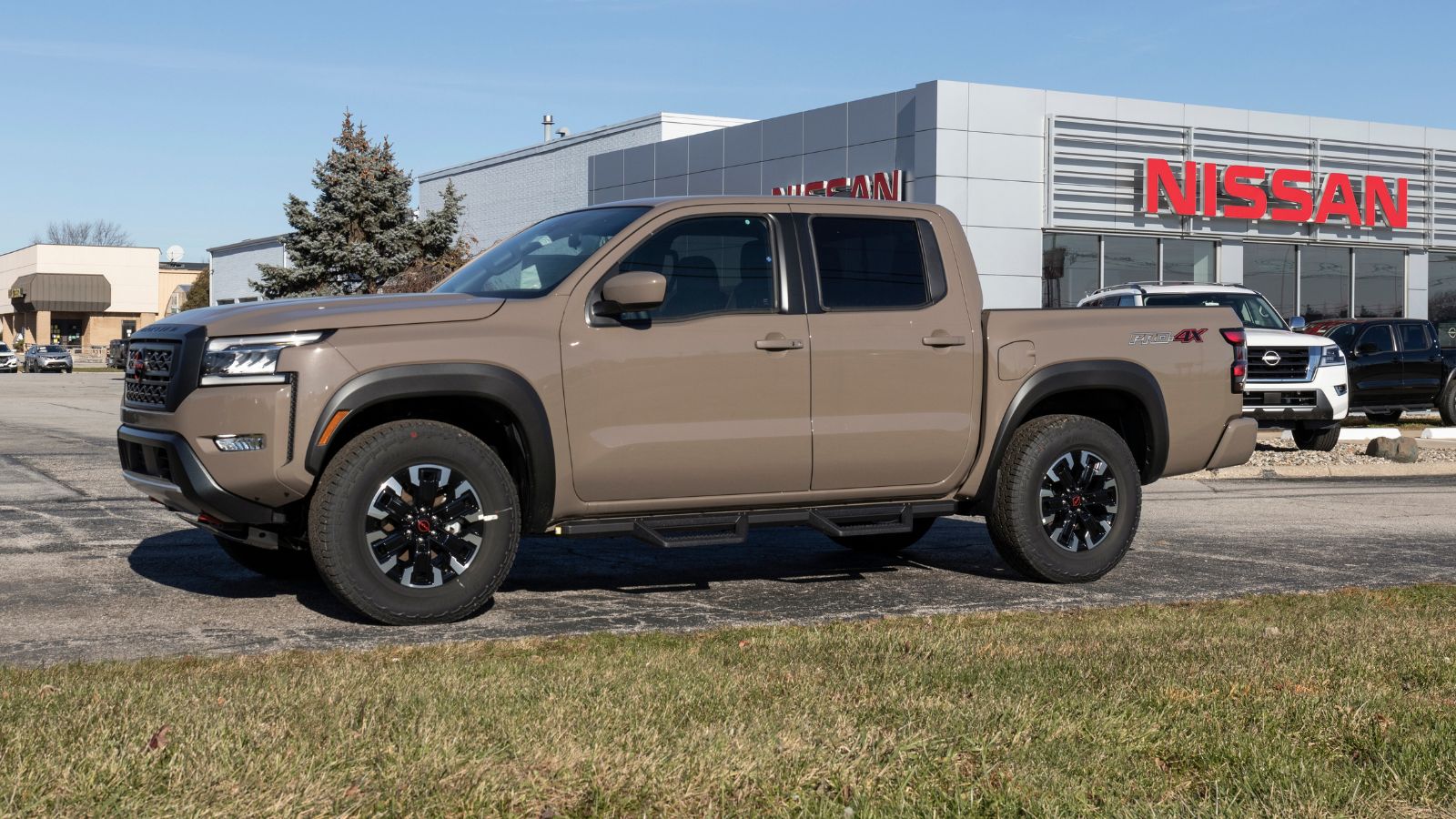
Car values are surprisingly local. A pickup that is highly desirable in one region may attract less interest somewhere dominated by dense urban driving and limited parking. Convertibles, all-wheel-drive vehicles, sports cars and efficient compact models can likewise experience different demand depending on geography, climate and local consumer preferences.
Kelley Blue Book does not use one universal U.S. price for every location. It says its used-car values are analyzed across well over 100 geographic regions so that local pricing and economic conditions can be reflected. The company even gives the example of large trucks potentially being valued more highly in rural areas than in cities where parking is tight. That means a national classified-ad search can give owners a misleading impression of what their specific vehicle is worth locally. A rare configuration may command a strong price somewhere, but if nearby buyers are not looking for it, a dealer has to consider transportation costs or the possibility that it will sit unsold. Local demand ultimately matters because value depends on finding an actual buyer.
The Time of Year Can Move the Number
Used-car pricing changes throughout the year even when the vehicle itself does not change. Demand can strengthen during tax-refund season, weaken for particular body styles at other times, or move unexpectedly because of weather, fuel prices and inventory patterns. Professional valuation systems account for these seasonal movements rather than assuming that a vehicle should carry the same price every month.
The 2026 U.S. wholesale market provided a useful example. Cox Automotive reported a pronounced spring bounce in wholesale values, followed by normalization during the summer. By July, the Manheim Used Vehicle Value Index had fallen 1.4% from June and was roughly 2.5% below its March peak, even though it remained higher than a year earlier. Those changes occurred at the market level, not because millions of individual cars suddenly became worse vehicles. For an owner, that means an appraisal received several months ago may no longer represent today’s market. The car may be identical, but the amount dealers are currently willing to pay for inventory can change around it.
Used-Car Supply Can Shift Faster Than Expected

A used vehicle is competing with every similar vehicle available at the same time. When dealers have difficulty finding inventory, they may pay aggressively for trade-ins. When supply grows and sales slow, the same dealership can become much more selective. Owners sometimes interpret that change as a dealer undervaluing their particular car when the larger issue is that the market no longer needs another one as badly.
Cox Automotive reported 2.14 million used vehicles in U.S. retail inventory in June 2026, representing approximately 47 days of supply. Inventory increased while the pace of sales slowed, demonstrating how quickly the balance between available vehicles and buyers can move. These shifts affect both wholesale and retail pricing. A model that was scarce six months ago may become ordinary once lease returns, rental-fleet sales or increased trade-ins replenish the market. Conversely, limited supply can support surprisingly strong values for certain older vehicles. The important point is that personal expectations usually change slowly, while inventory data can change every week.
Age Has Been Depreciating the Car Even If Nothing Went Wrong
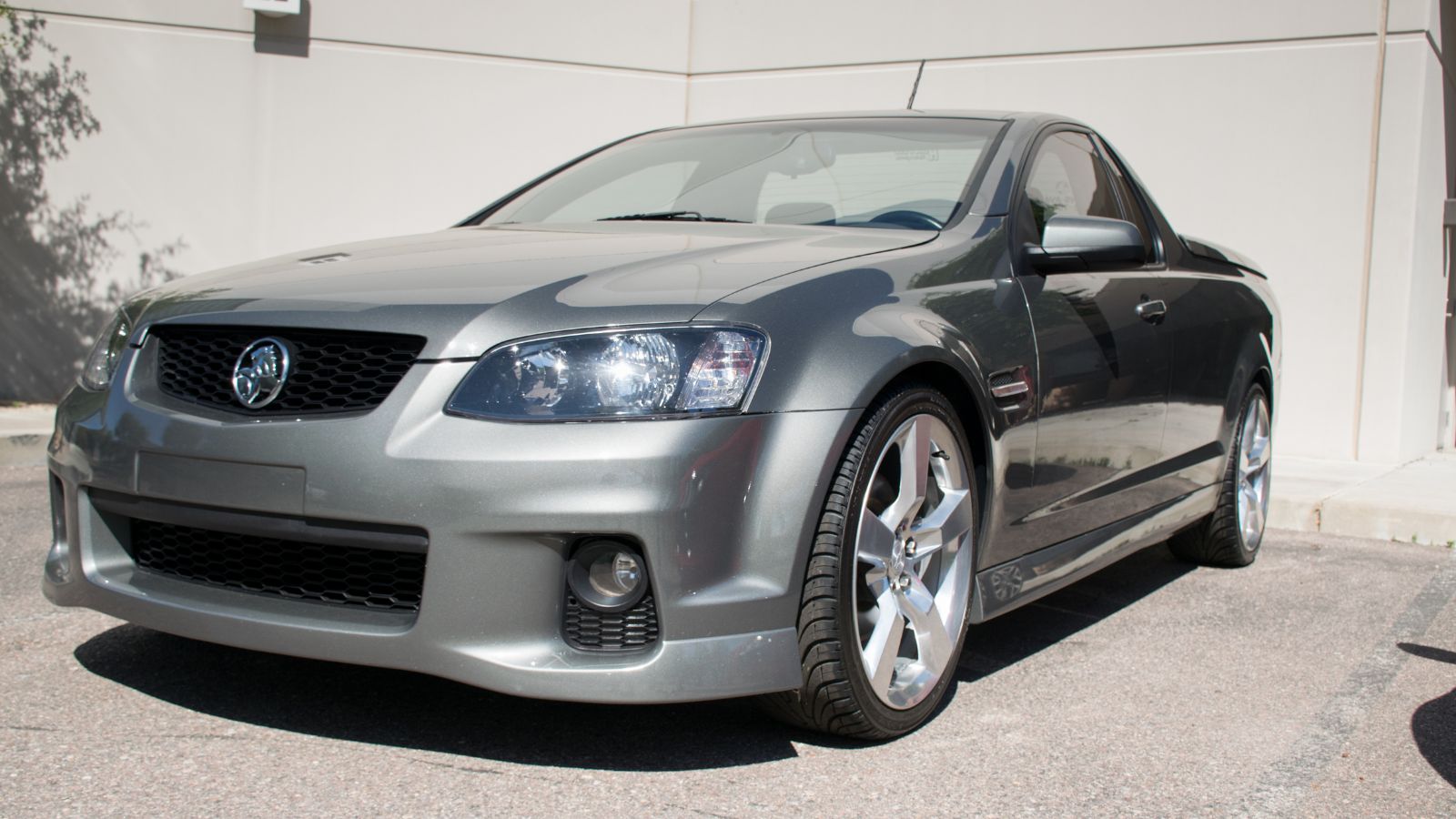
A vehicle does not need an accident, breakdown or cosmetic problem to lose value. Time does much of the work on its own. Each newer model year brings additional inventory and often introduces updated safety systems, technology, styling or powertrains. As a result, an older vehicle usually needs to become cheaper to remain attractive relative to newer alternatives.
The size of that decline varies dramatically by model, but depreciation during the early years can be substantial. Kelley Blue Book notes that many vehicles lose around 20% or more of their original value during the first year and can lose a large share of their original purchase price within five years. Recent market data can alter those normal patterns, which is why simple rules should be treated as estimates rather than guarantees. Edmunds reported that three-year-old vehicles in the first quarter of 2026 retained an average of about 66% of their original MSRP. Owners tend to remember what they paid; the used market is concerned only with what comparable vehicles are worth today.
Discounts on New Cars Can Pull Used Values Down

Used vehicles do not compete only against other used vehicles. A one- or two-year-old car also competes with the brand-new version sitting across the dealership. If the manufacturer offers a major rebate, promotional financing or other incentives on new inventory, the price gap between new and used can suddenly become too small. The used car then needs to become cheaper to remain attractive.
This effect can be especially noticeable around model-year changeovers or when a redesigned version arrives. Dealers may discount outgoing new inventory to create space, while buyers may place more value on updated styling or technology. Edmunds has documented situations where lightly used vehicles faced significant price pressure because new-car incentives and financing deals changed the economics of the comparison. Its analysis of current-model-year used vehicles has also shown how aggressive new-vehicle pricing can cascade into used values. None of this means every redesign destroys the previous model’s value. It means owners cannot calculate resale price solely from the vehicle’s original MSRP when the price of a brand-new replacement has changed.
The Asking Prices Online Are Not the Same as Selling Prices

One of the easiest ways to overestimate a car is to search online classifieds, find the most expensive examples and assume those advertisements represent current market value. An asking price is simply what a seller hopes to receive. It does not show the final negotiated amount, how long the vehicle has been listed or whether the seller will eventually reduce the price.
Valuation companies rely heavily on actual transactions for precisely that reason. Kelley Blue Book distinguishes between typical listing prices, fair purchase prices, private-party values and trade-in values rather than treating them as interchangeable. An owner may see a dealer advertising the same model for $24,000 and reasonably wonder why the trade-in offer is only $19,000. Yet the $24,000 car may have been reconditioned, inspected and advertised, and the dealer still needs room for operating expenses and potential profit. Comparing a raw trade-in directly with the highest retail asking price therefore creates an unrealistic expectation before negotiations even begin.
Trade-In Value Is Not Retail Value

The final reason is also one of the most misunderstood: a vehicle can have several legitimate values at the same time. A dealer trade-in value, a private-party selling price and a dealer retail price describe different transactions. An owner expecting the retail number during a trade-in negotiation is almost guaranteed to feel that the car has been undervalued.
Kelley Blue Book explains that trade-in value is generally lower than private-party value because the dealer assumes costs associated with inspection, reconditioning and doing business. Retail pricing can also include advertising expenses, sales commissions and the dealer’s margin. Edmunds similarly publishes separate trade-in, private-party and dealer-retail estimates. Consider a car that could eventually appear on a lot for $20,000. A dealer cannot normally pay $20,000 for it, spend money preparing and marketing it, negotiate with the eventual buyer and still operate profitably. The gap is not necessarily evidence that the vehicle is being “stolen” on trade. It reflects the difference between selling an unreconditioned vehicle wholesale and selling a retail-ready product to the public.
19 Used Cars Canadians Should Avoid in 2026 (Based on Owner Complaints)

Buying a used car in Canada can feel safe until repair bills start stacking up. Owner complaints tell a different story than glossy listings. Transmission failures, electrical problems, and weak winter reliability show up again and again in consumer reports. Many of these issues appear after warranties expire, when owners least expect them. Some vehicles look affordable upfront, but become expensive to keep on the road. Others struggle in cold weather, urban driving, or long highway commutes. Here are 19 used cars Canadians should avoid in 2026 (based on owner complaints).
19 Used Cars Canadians Should Avoid in 2026 (Based on Owner Complaints)

Alanna Rosen is an experienced content writer that focuses on many EV and educational content. Her articles are regularly published on Get CyberTrucked and syndicated on large publications.