Canada is the ultimate durability test for a vehicle. Long winters, frozen starts, endless stop-and-go commutes, gravel backroads, heavy towing and road salt that eats metal faster than rust inhibitors can protect it. Most SUVs tolerate this punishment for a while before expensive repairs start piling up. But a select group doesn’t just survive here, it thrives. These 10 SUVs have earned reputations for running decade after decade, racking up huge mileage and refusing to die. They aren’t always the fastest or flashiest, but they are the closest thing to indestructible you can drive.
Toyota Land Cruiser
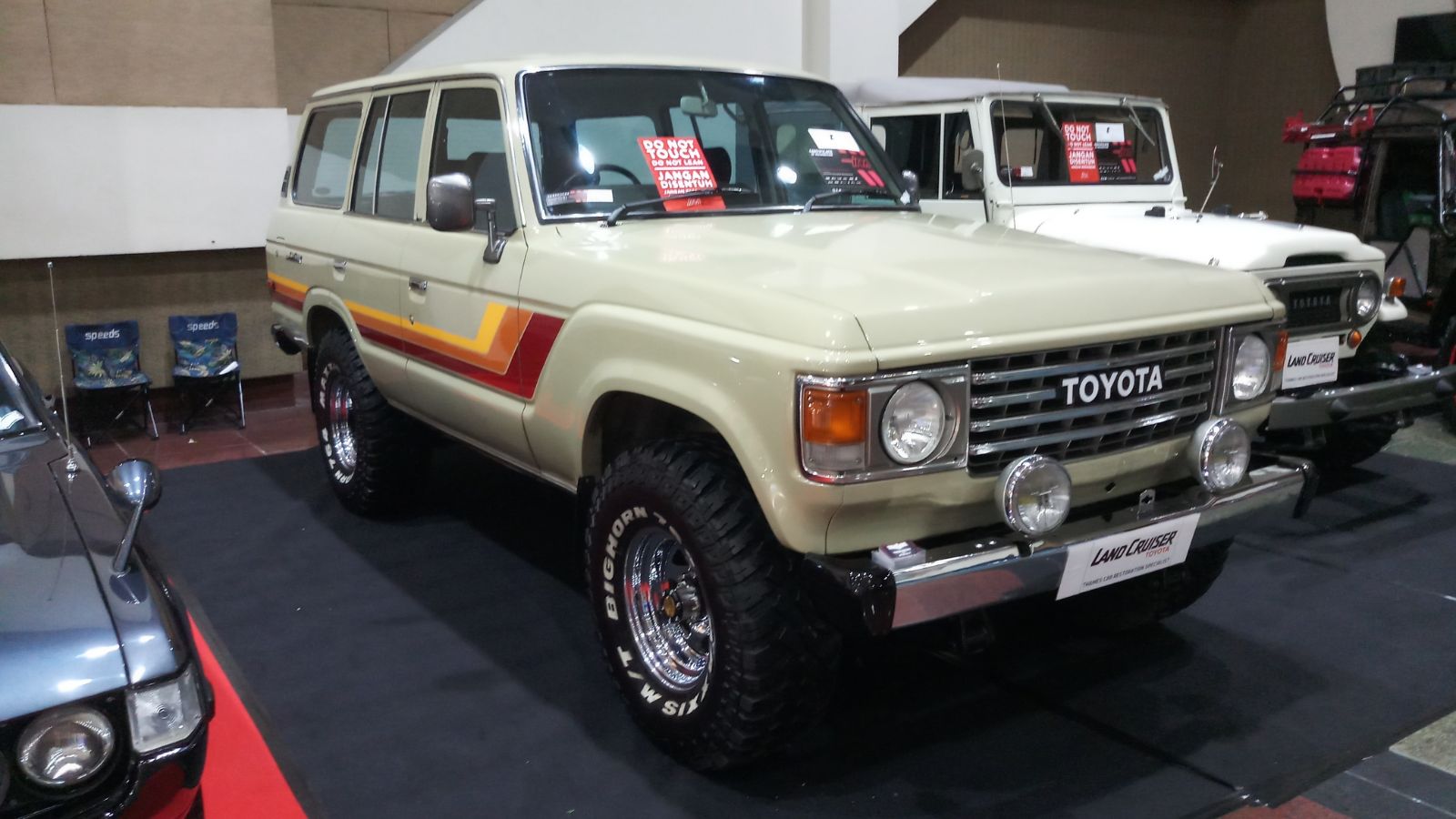
If every car vanished tomorrow except the Land Cruiser, Canadians would still get everywhere they need to go. It isn’t just tough, it’s engineered for abuse. From the 80 Series models of the 90s to the later 100 Series V8s, these trucks can cross continents, tow serious loads and handle winter starts at minus thirty without complaint. Even when the bodies rust out, the drivetrains keep on living. Many owners rebuild the frames before they ever replace the engine.
Lexus LX470 and LX570

Think of the LX as a Land Cruiser with a luxury wardrobe. Under the leather and wood trim is the same powertrain used around the world in military, mining and rescue fleets. The 4.7 and 5.7 V8s run so reliably that it’s not unusual for LX models to cross 500,000 kilometers with only routine care. The suspension, electronics and driveline age far more gracefully than most luxury rivals, which is why used values stay shockingly high.
Toyota 4Runner
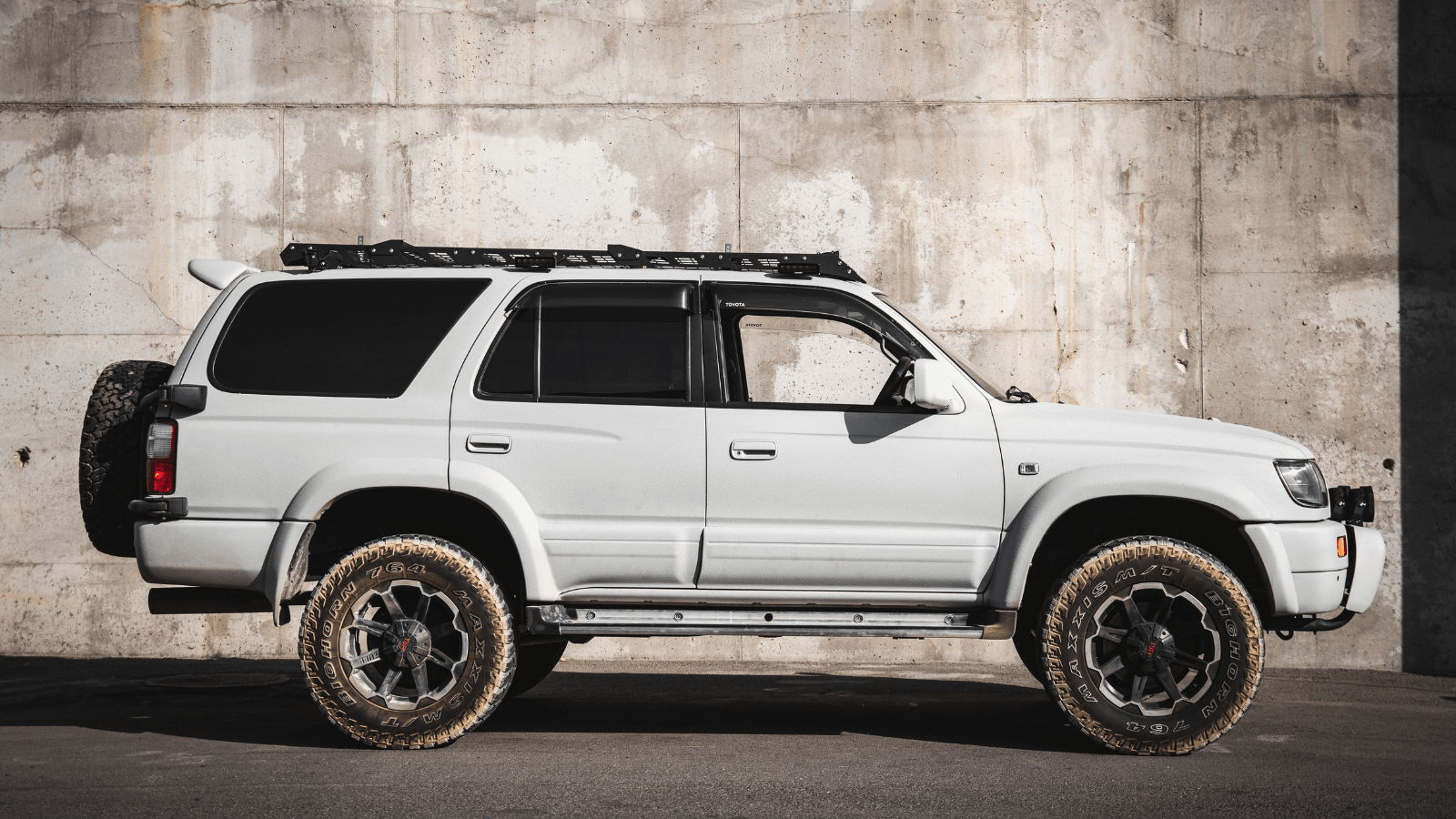
The 4Runner doesn’t win comparison tests on horsepower or fuel efficiency. It wins on something more important—longevity. Body-on-frame construction, the 4.0 V6, and simple, durable components make it a long-term companion instead of a short-term purchase. The 4Runner spends its life hauling families, camping gear and trailers, and then does it all again for the next owner. People don’t sell them because they’re worn out. They sell them because they finally want something different.
Honda Pilot (First and Second Generation)
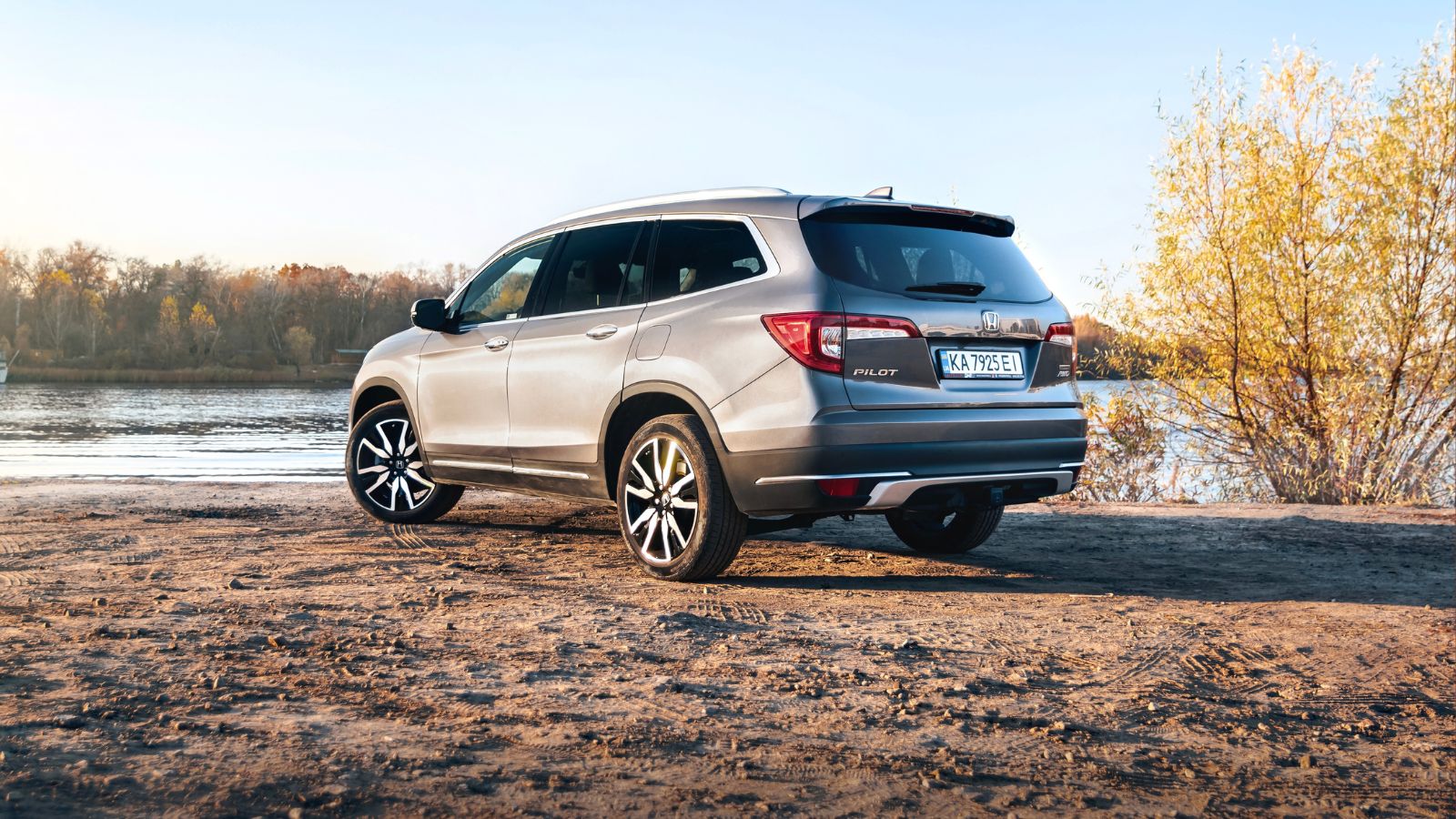
Early Pilots weren’t glamorous, but they were brilliantly engineered. The V6 engines last forever, the transmissions became bulletproof after early revisions and the suspension can take years of potholes without begging for mercy. Families bought them to survive parenting years. Then they realized they didn’t need to replace them when the kids moved out because the truck simply kept going like it had another lifetime left in it.
Toyota Sequoia
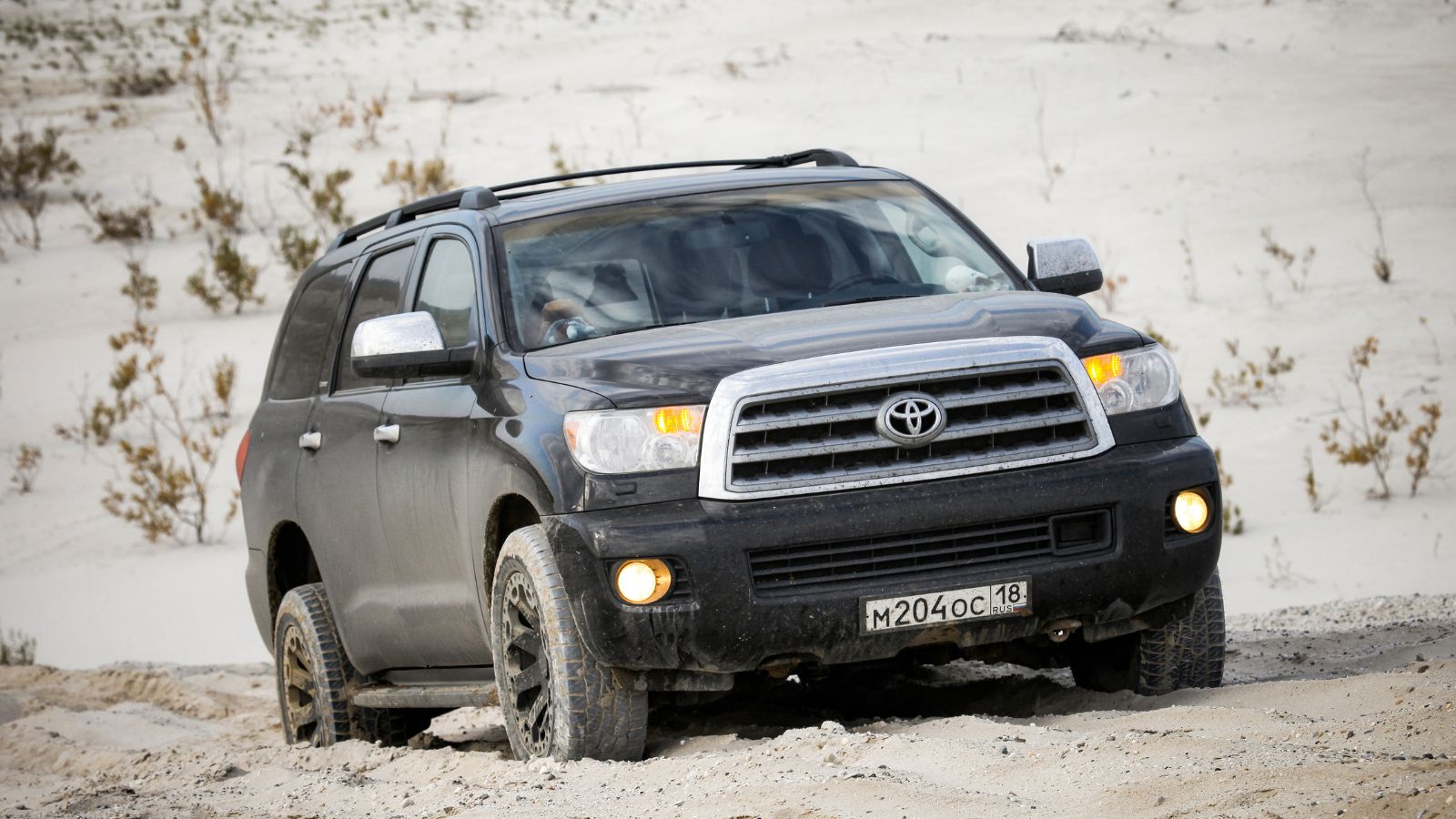
The Sequoia is the unsung hero of long-term SUV ownership. Powered by the same V8 used in the Tundra, it’s built to tow, haul and absorb highway mileage without wearing out. It’s common to see Sequoias from the early 2000s still on their original powertrains today. They don’t constantly trigger check-engine lights, they don’t eat transmissions and they don’t need exotic repairs. They just live forever.
Jeep Wrangler (With the 4.0 Inline-Six)
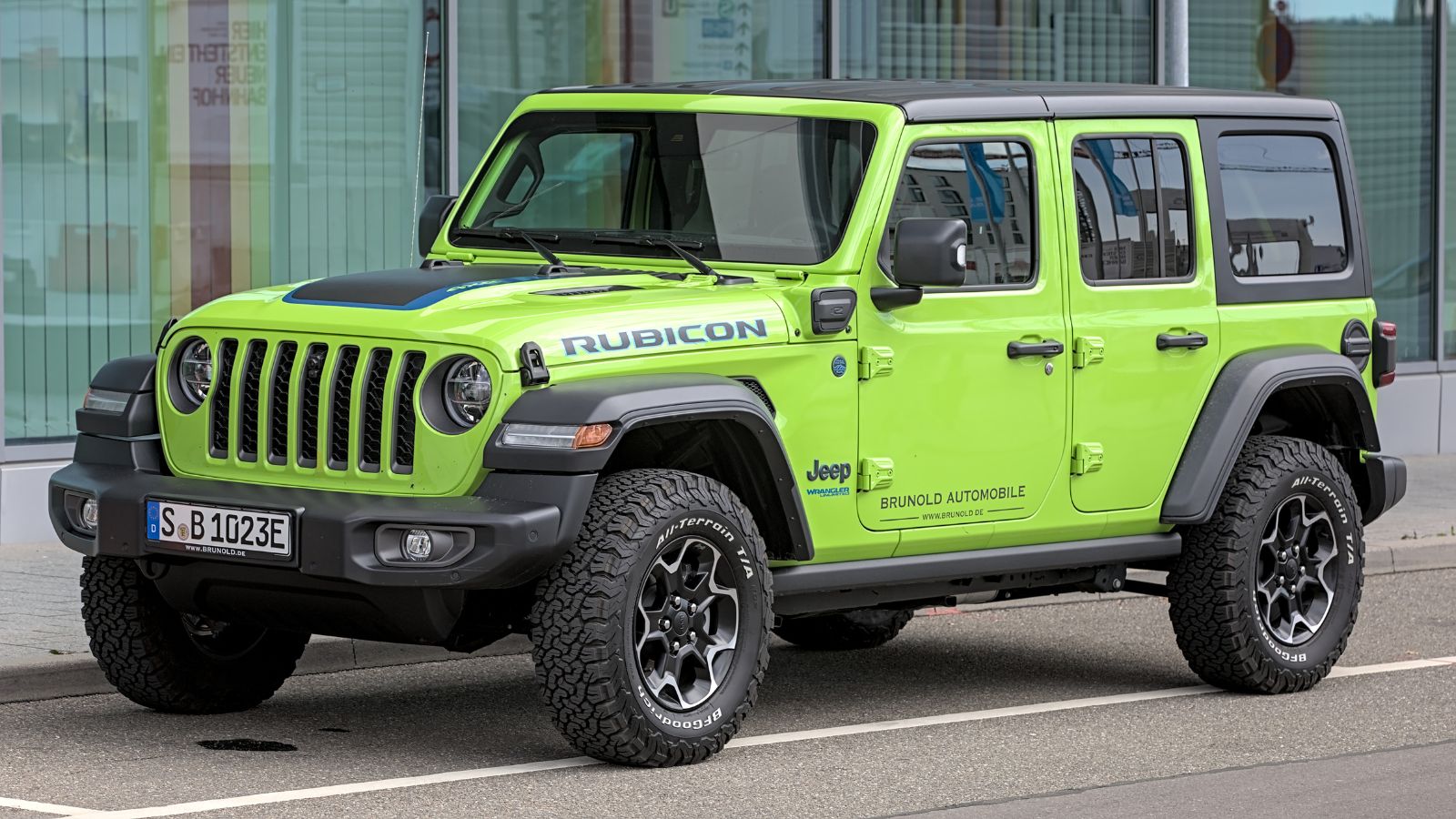
Not every Wrangler deserves praise, but the 4.0 inline-six version does. That engine is easily one of the toughest powerplants ever built. It tolerates off-road abuse, winter slush, river crossings and unreasonably hard driving without giving up. Even heavily modified Jeeps often keep the stock 4.0 because it’s harder to kill than anything you could swap in. When a Wrangler from this era ends up in the scrapyard, it’s almost never the engine that sent it there.
GMC Yukon and Chevy Tahoe (5.3 V8 Models)
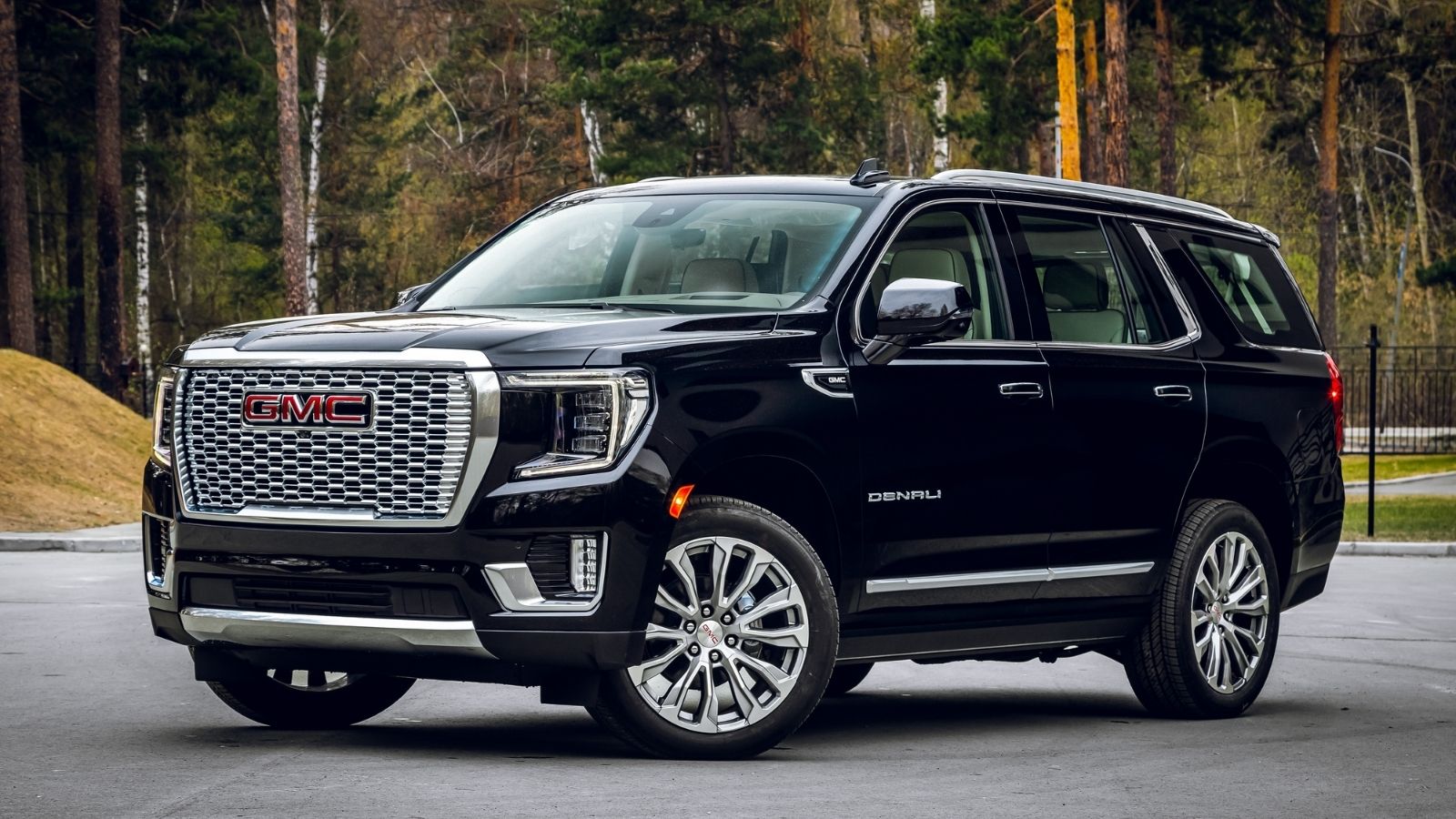
There’s a reason these trucks became staples of police fleets, construction companies, ranches and northern remote communities. The 5.3 V8 is a workhorse, and the rest of the vehicle was built around real-world durability. They tow boats, haul hockey teams, cross provinces and rack up absurd mileage. Even when the body starts to rust, the drivetrain keeps pushing. They are the definition of “buy it once, use it forever.”
Toyota Highlander (V6 Models)
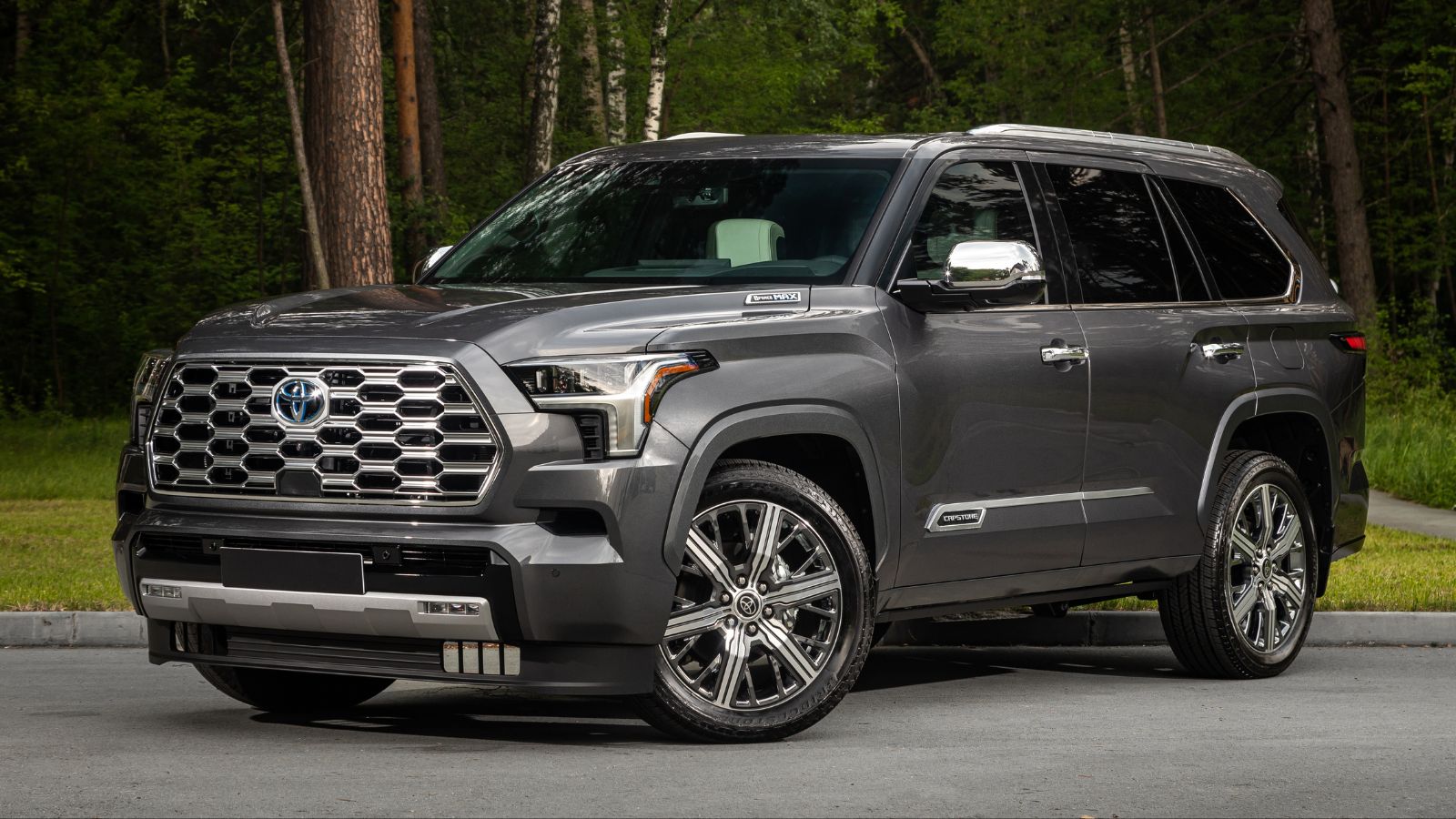
The Highlander doesn’t scream rugged, but it stays on the road longer than almost anything else in its class. The 3.5 V6 is nearly unbreakable and the drivetrain handles everything Canadian life throws at it, school runs, cottage trips, long commutes, hard winters and steep hills. It’s the SUV people buy because they never want to hear the phrase “major repair bill.”
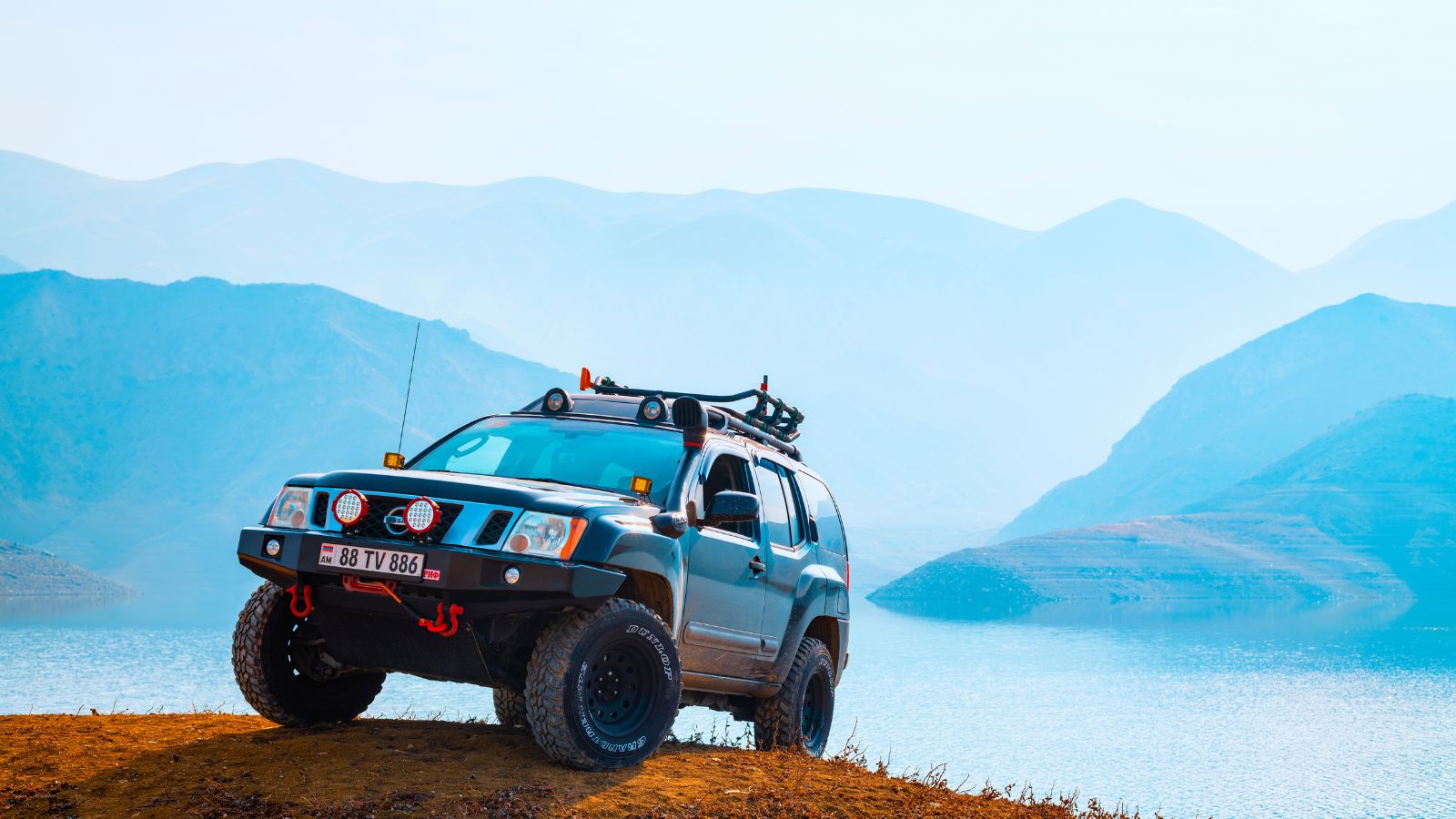
Nissan Xterra (4.0 V6)
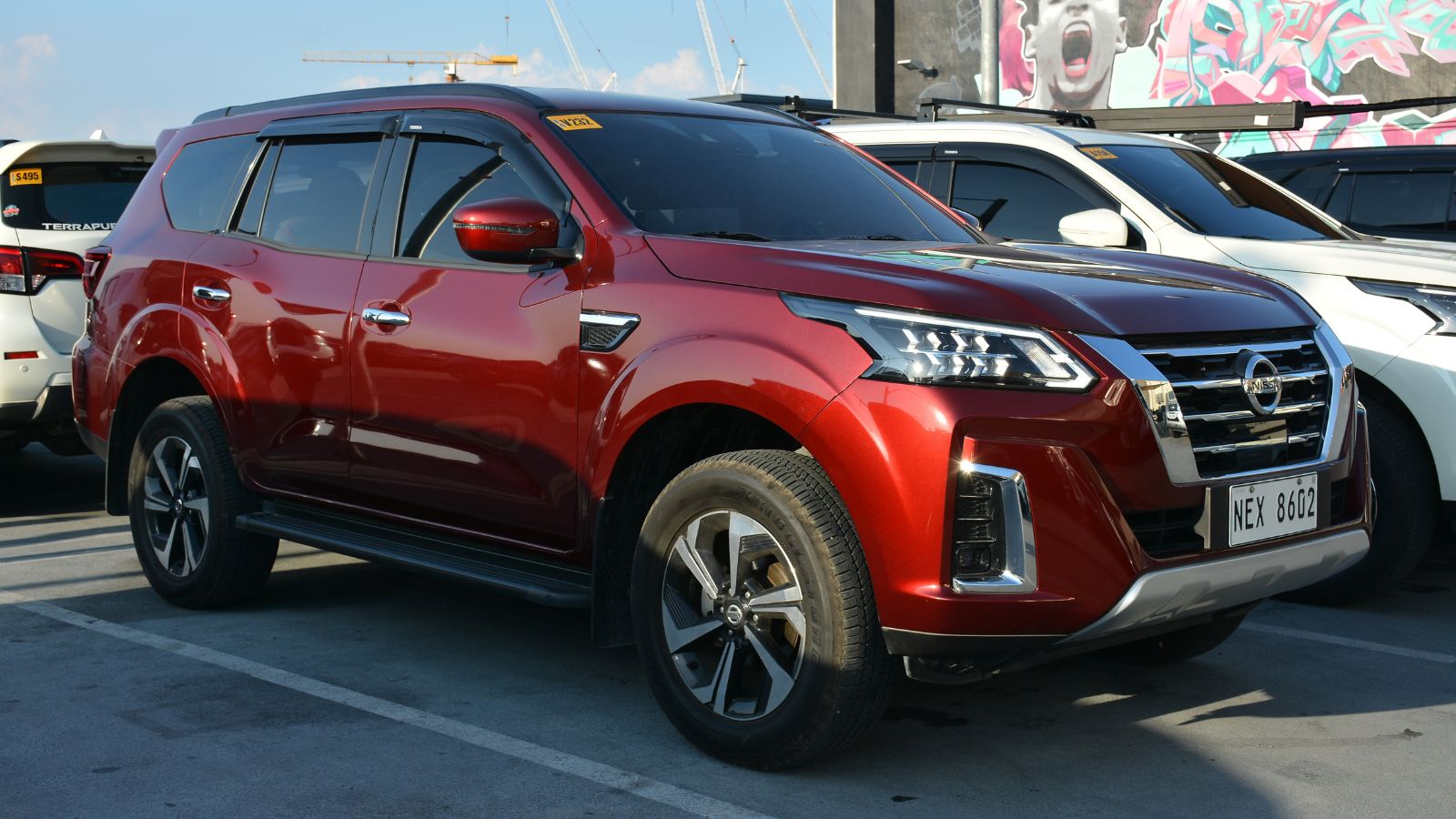
Before Nissan’s reputation became inconsistent, the Xterra quietly built a fanbase based on one thing, stubborn durability. The 4.0 V6 can take real off-road punishment, and the chassis is stout enough to handle it long term. The reason Xterras cost more used than you’d expect is simple. Owners don’t want to give them up. They’re one of the last SUVs that feel old school in the best way.
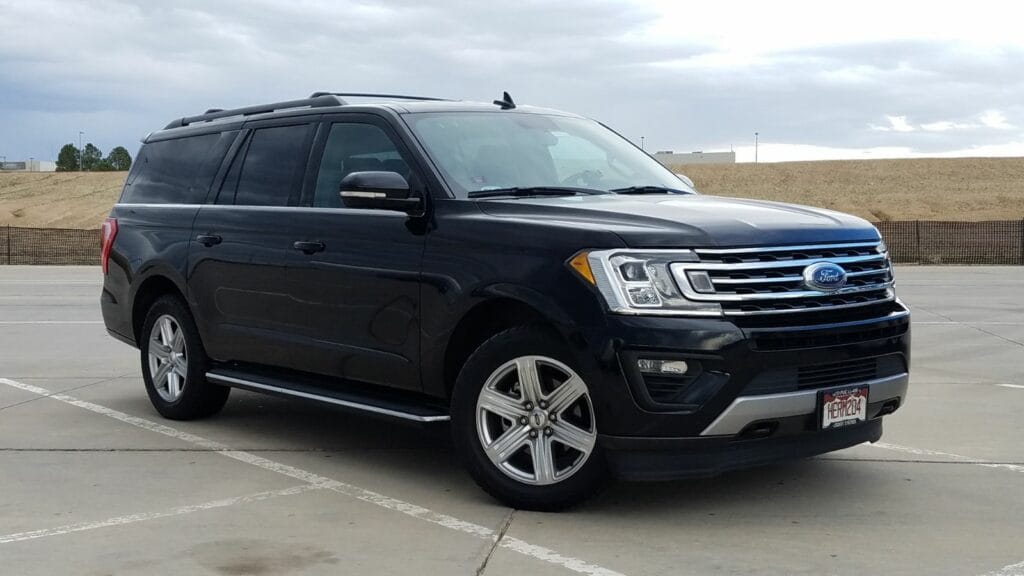
Ford Expedition (5.4 and Later 3.5 EcoBoost)
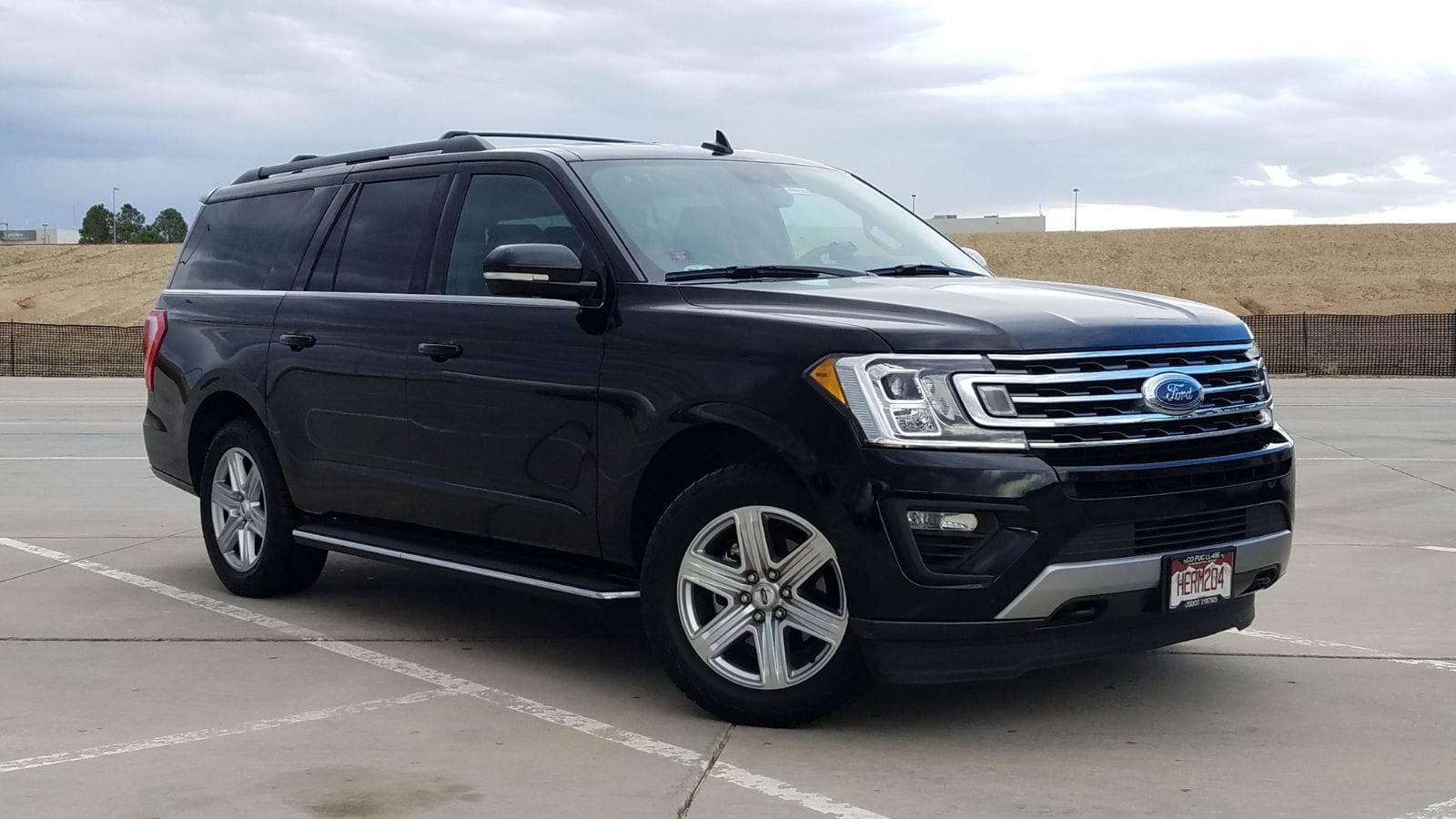
The Expedition didn’t get the hype that the Yukon and Tahoe did, but its long-term record speaks for itself. The 5.4 V8 versions last forever if maintained, and the newer 3.5 EcoBoost models surprised skeptics with serious durability under towing and family duty. Big SUVs tend to show their age early when they’re poorly designed. The Expedition ages slowly because the drivetrain is strong enough to handle real workloads.
What Makes These SUVs Truly Bulletproof
None of these SUVs became legends by accident. They were engineered during an era when longevity mattered more than weight savings or dramatic marketing claims. They use strong components, conservative tuning and drivetrains developed for environments tougher than paved suburbs. These trucks aren’t obsessed with being trendy. They’re obsessed with being dependable.
And that’s why Canadians trust them. They start on the coldest morning of the year, tow when needed, swallow road trips, forgive neglect and keep rolling long after everything else in the driveway has retired.
25 Facts About Car Loans That Most Drivers Don’t Realize

Car loans are one of the most common ways people fund car purchases. Like any other kind of loan, car loans can have certain features that can be regarded as an advantage or a disadvantage to the borrower. Understanding all essential facts about car loans and how they work to ensure that you get the best deal for your financial situation is essential. Here are 25 shocking facts about car loans that most drivers don’t realize:
25 Facts About Car Loans That Most Drivers Don’t Realize
