
The Canadian auto market has gone through several years of turbulence. Supply shortages, rising vehicle prices, global shipping disruptions, and currency fluctuations have all influenced what Canadians pay for cars and trucks. In uncertain times like these, vehicles built closer to home may offer practical advantages. Canadian assembled models are not only an important part of the national economy, they can also represent a smart buying decision for consumers right now.
Shorter Supply Chains Mean More Stability

Vehicles assembled in Canada benefit from shorter and more predictable supply chains. Imported vehicles often travel thousands of kilometres by ship before reaching North American ports and then must move through rail and trucking networks before arriving at dealerships.
Canadian built vehicles, on the other hand, often move directly from local assembly plants into the North American distribution system. Fewer international shipping stages reduce the risk of delays caused by geopolitical tensions or disruptions in global trade routes.
Pricing Can Be Less Volatile
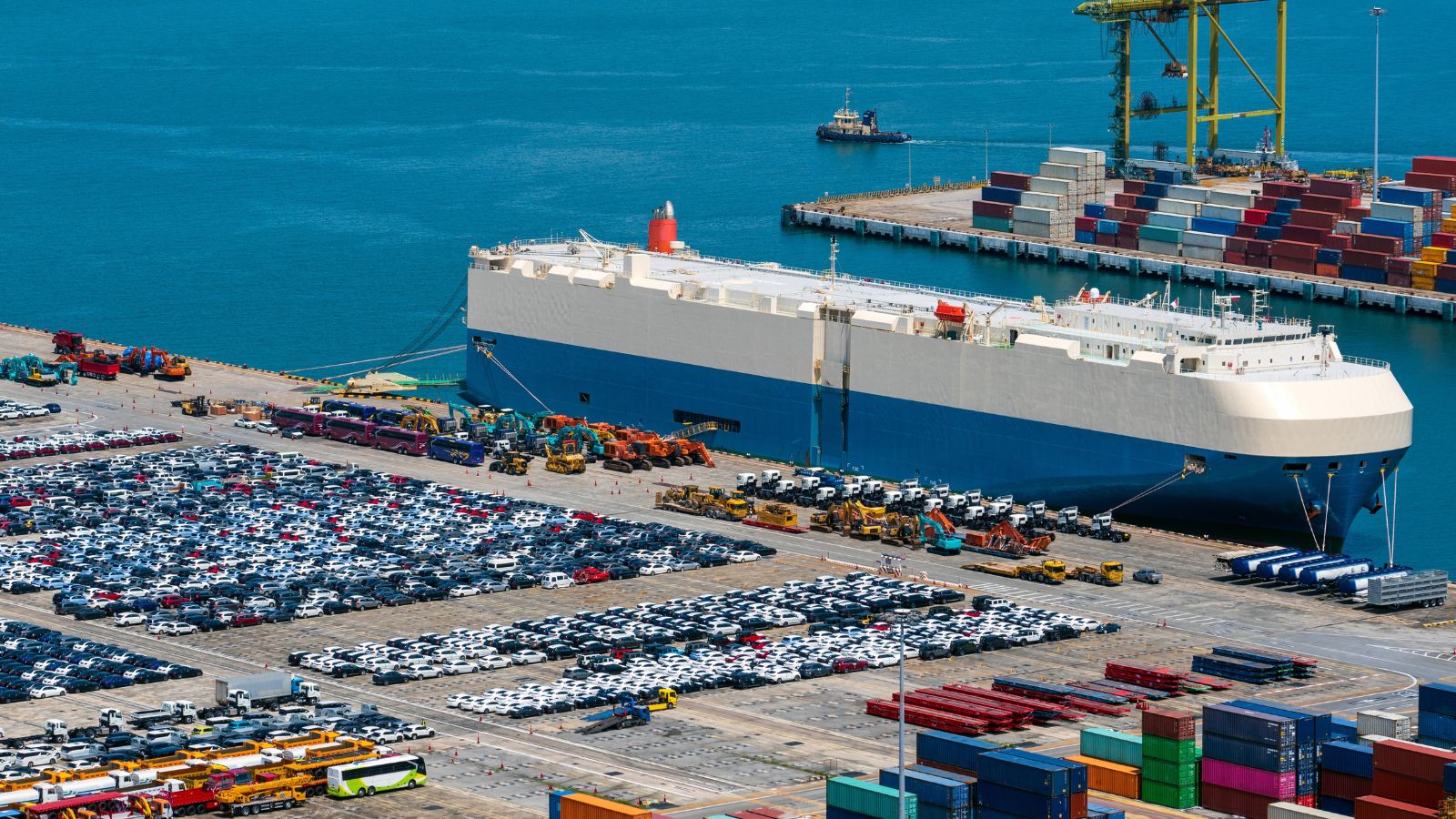
Imported vehicles are more exposed to exchange rate changes and international shipping costs. When the Canadian dollar weakens against other currencies, the price of imported vehicles can rise quickly.
Vehicles built domestically may experience smaller price swings because much of the manufacturing cost occurs within the North American economy. That can make pricing more stable for Canadian buyers.
Canada Builds Some Very Popular Models

Many drivers do not realize how many vehicles are assembled in Canada. Ontario in particular is home to several major manufacturing plants that produce vehicles for the North American market.
Models such as the Toyota RAV4, Honda CR V, Lexus NX, Chrysler Pacifica, and Dodge Charger have all been assembled in Canadian plants at various times. These vehicles cover a wide range of categories including SUVs, sedans, and family transportation.
Inventory May Be Easier to Find

Supply chain disruptions over the past few years left many dealerships with limited inventory. Imported models were especially vulnerable because shipping delays slowed deliveries.
Vehicles produced within Canada or nearby U.S. plants may reach dealerships more consistently. Buyers who need a vehicle sooner rather than later may find better availability among North American assembled models.
Support for the Domestic Economy
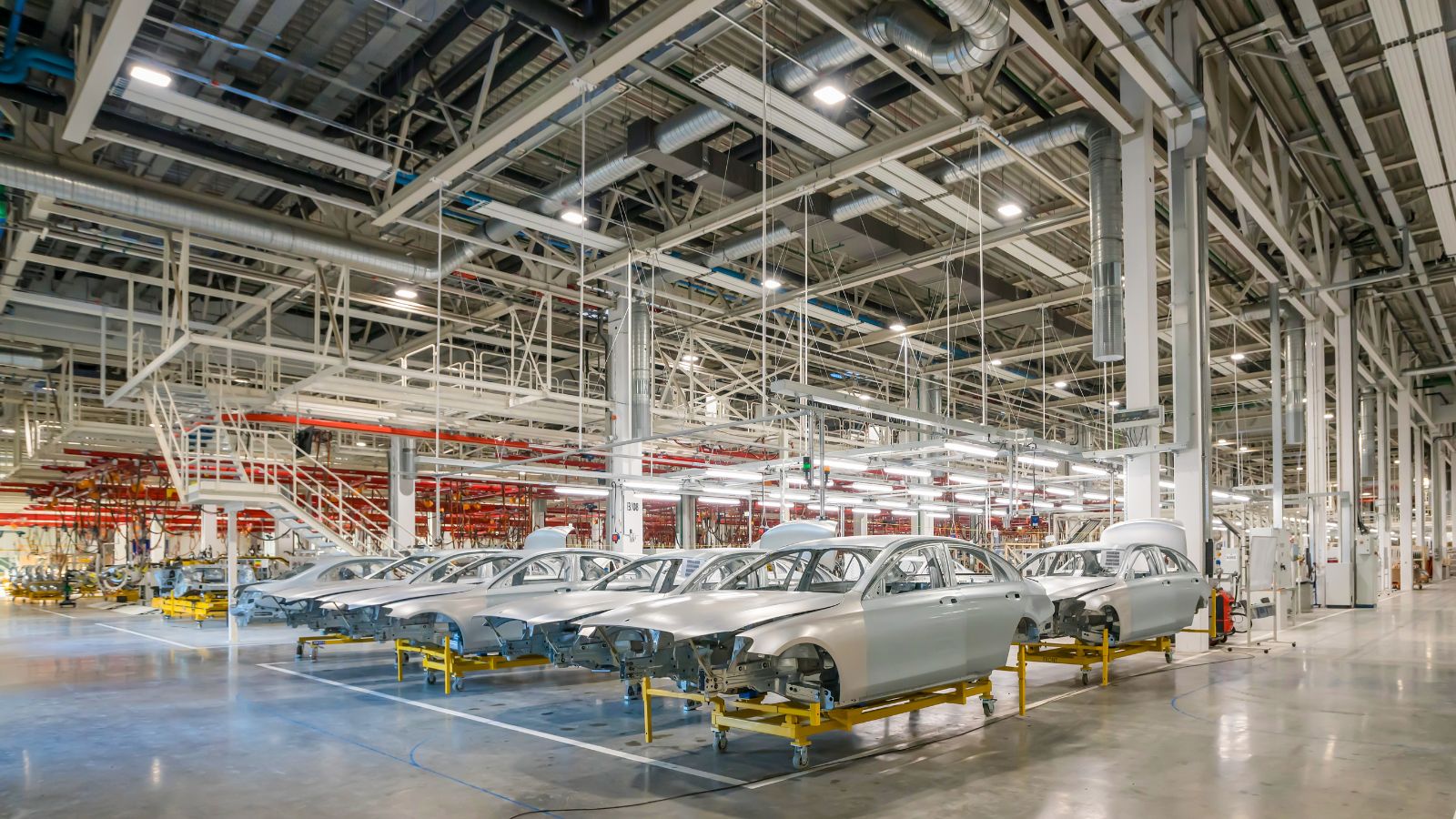
Buying a Canadian assembled vehicle supports thousands of jobs across the country. Automotive manufacturing plants employ large workforces and support extensive supplier networks that produce parts and materials.
For many buyers, purchasing a vehicle built domestically is not only a financial decision but also a way to support Canadian industry.
Tariffs and Trade Risks

Global trade tensions can influence vehicle pricing. Tariffs or trade restrictions affecting imported vehicles could raise prices for certain models in the future.
Vehicles produced within North America may be less exposed to these risks, making them more stable choices if trade disputes escalate.
Service and Parts Availability
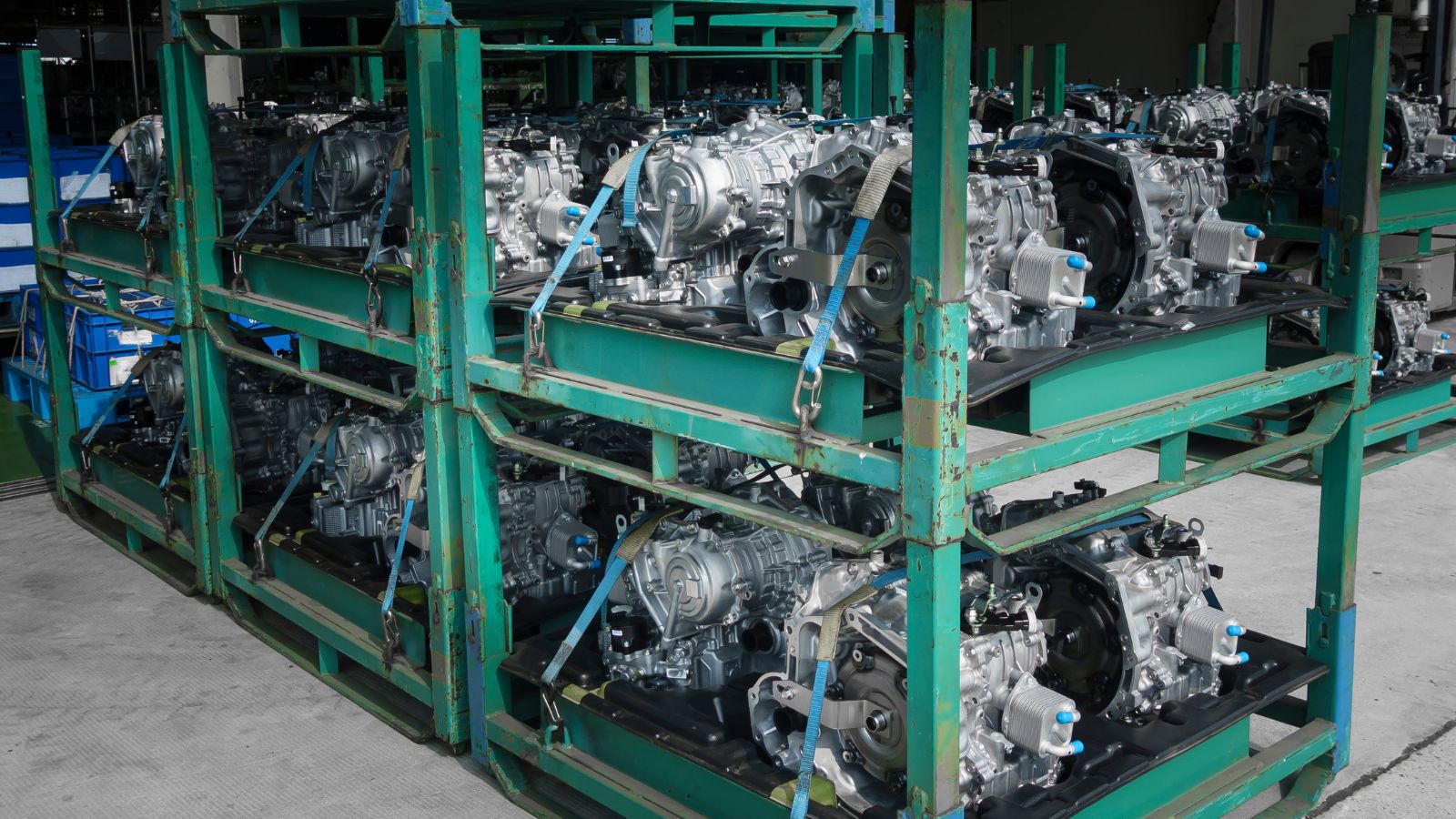
Vehicles assembled in North America often benefit from strong parts supply networks. Replacement components may be easier to source because suppliers and distribution centers are closer to the market.
That can translate into quicker repairs and potentially lower maintenance costs over the life of the vehicle.
Canadian Conditions in Mind
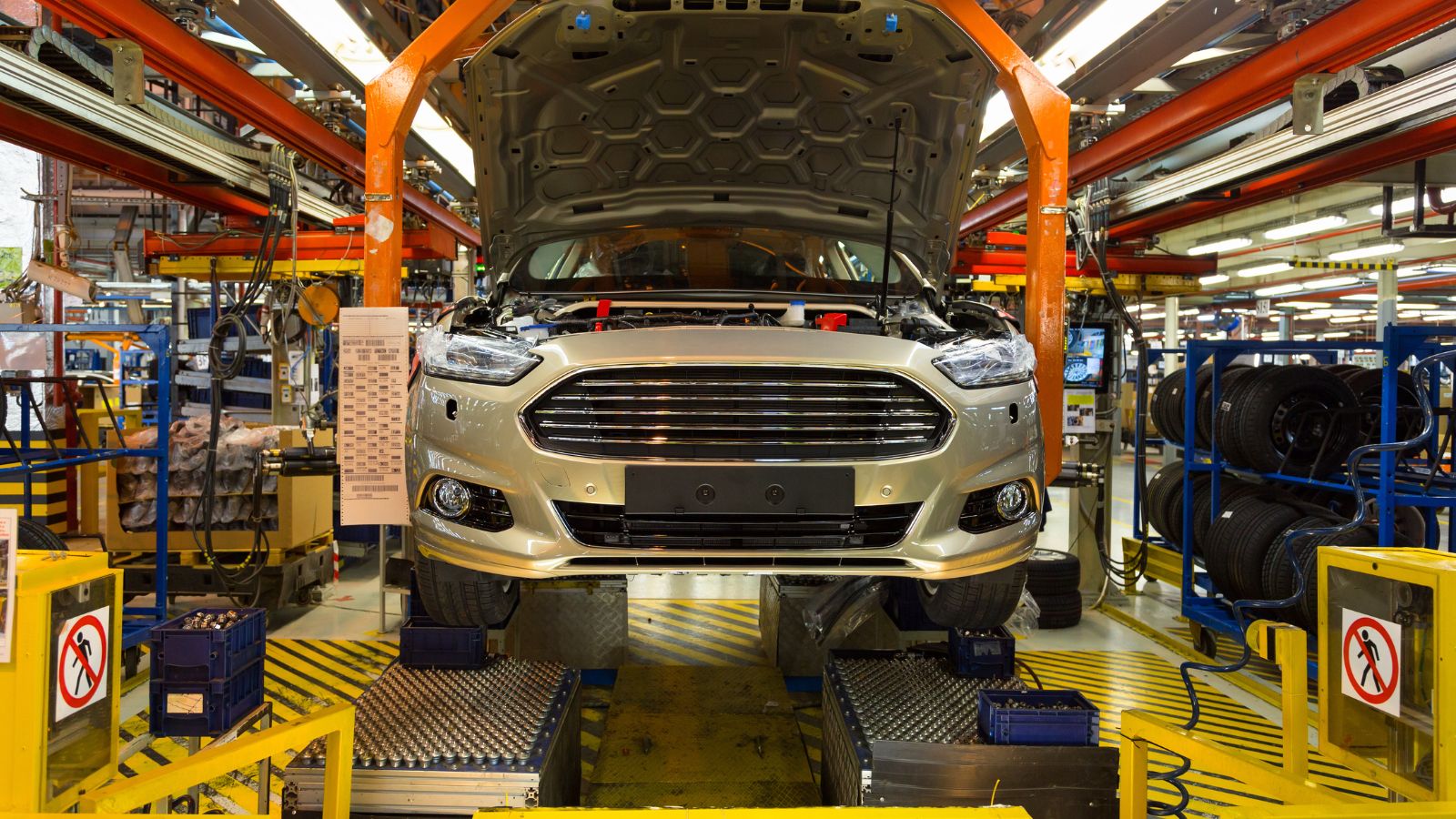
Many vehicles built in Canada are engineered with North American conditions in mind. That includes cold weather durability, corrosion resistance, and suspension tuning suitable for long highway distances.
While vehicles from around the world perform well in Canada, domestically assembled models are often tested extensively in local conditions.
Strong Resale Values

Vehicles produced by major manufacturers in Canadian plants often maintain strong resale value. Popular SUVs and crossovers built locally remain in high demand in the used market.
Resale value matters because it influences the overall cost of ownership when owners eventually trade or sell their vehicles.
The Practical Advantage
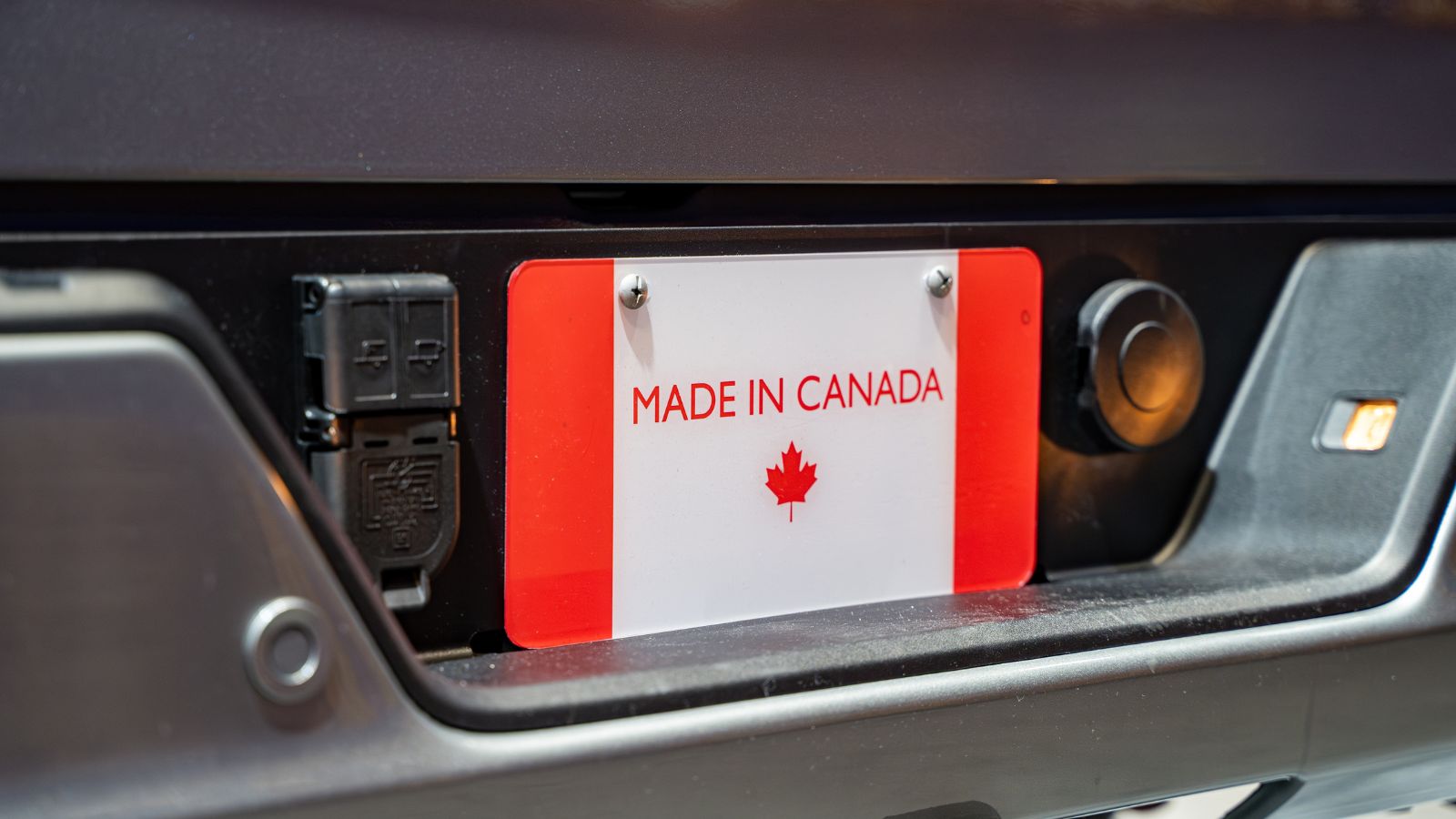
For Canadian buyers navigating an uncertain automotive market, practicality often matters more than brand origin. A vehicle assembled closer to home may offer advantages in pricing stability, availability, and long term ownership.
Canadian built vehicles will not always be the perfect choice for every buyer, but in a period of global uncertainty they may represent one of the more dependable options on the market today.
25 Facts About Car Loans That Most Drivers Don’t Realize

Car loans are one of the most common ways people fund car purchases. Like any other kind of loan, car loans can have certain features that can be regarded as an advantage or a disadvantage to the borrower. Understanding all essential facts about car loans and how they work to ensure that you get the best deal for your financial situation is essential. Here are 25 shocking facts about car loans that most drivers don’t realize:
25 Facts About Car Loans That Most Drivers Don’t Realize
