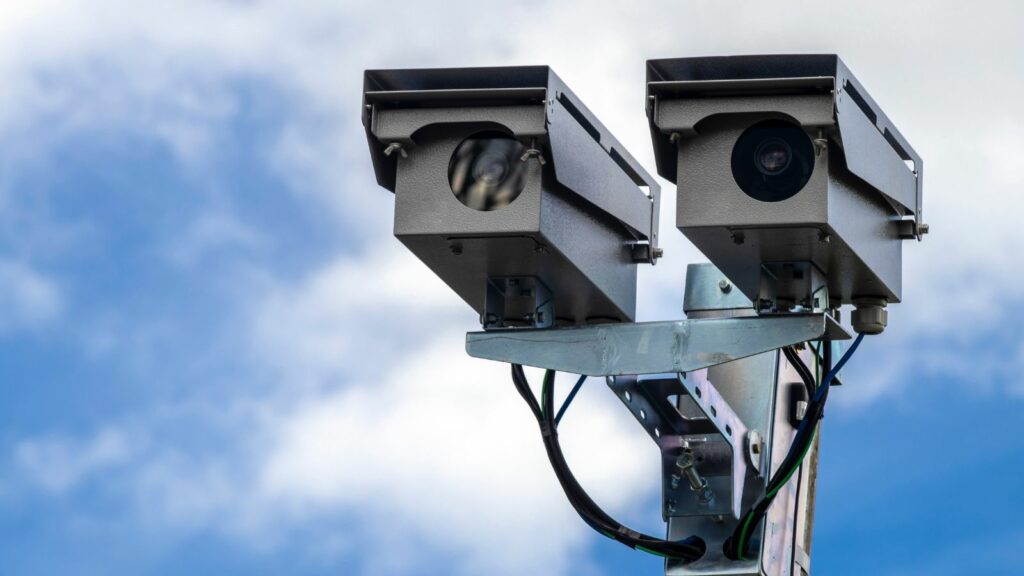
Canadian driving laws are already famous for their specificity. Winter tire mandates, distracted driving crackdowns, idle reduction bylaws, and photo radar expansions all started as “that’ll never happen” ideas. As vehicles get smarter and cities get more crowded, lawmakers are increasingly tempted to regulate behavior that used to be left to common sense.
If that trend continues, here are some weird but not entirely impossible driving laws Canadians may one day hear debated at city hall or provincial legislatures.
Mandatory Snow Clearing Time Limits
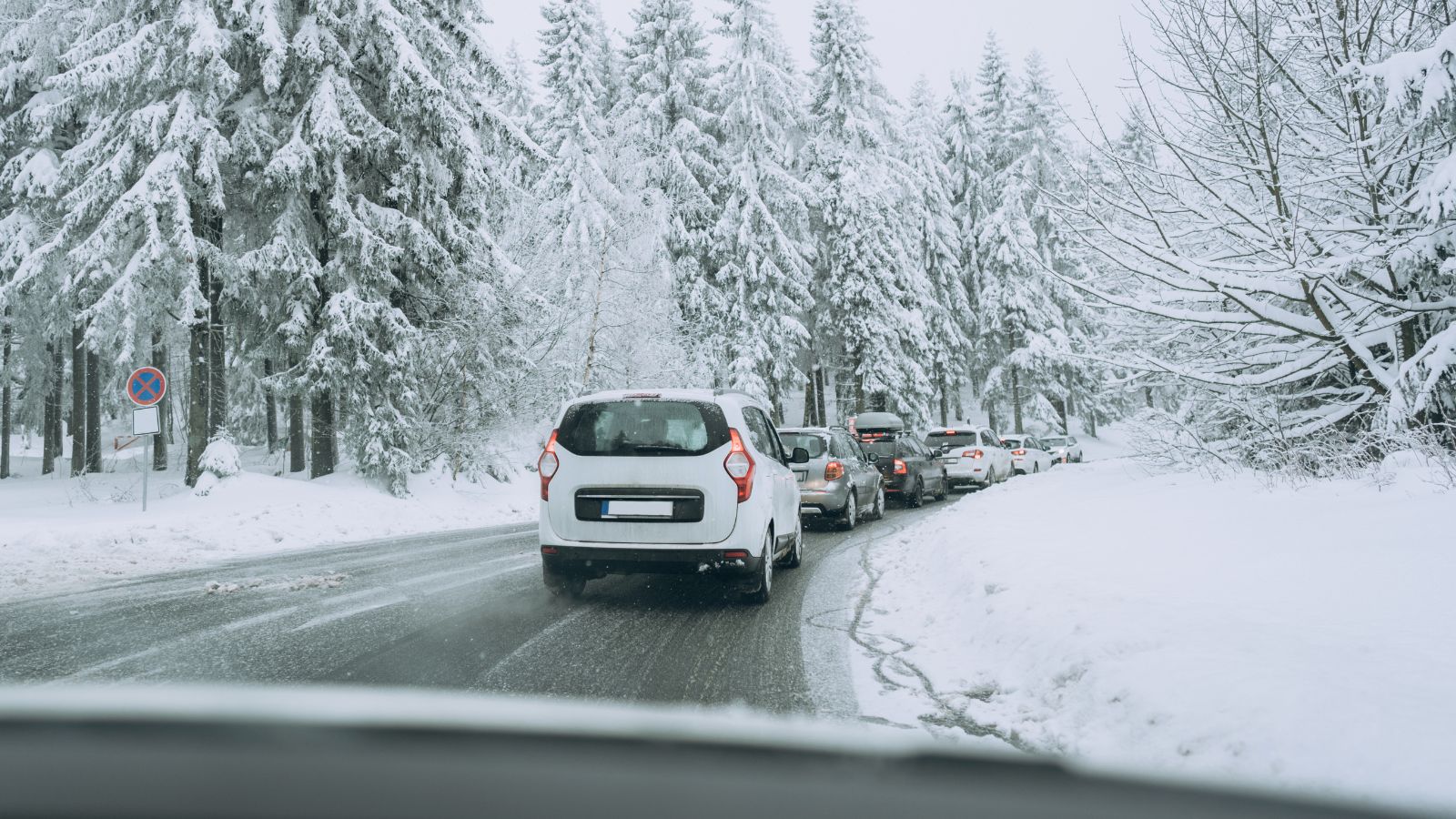
Drivers could be required to fully clear snow and ice from their vehicle within a set time frame before driving. Not just windows and roof, but wheel arches, headlights, and even license plates. Enforcement would focus on snow blowing off cars at highway speed, with fines increasing the longer the vehicle was left uncleared.
Noise Curfews for Exhaust Systems
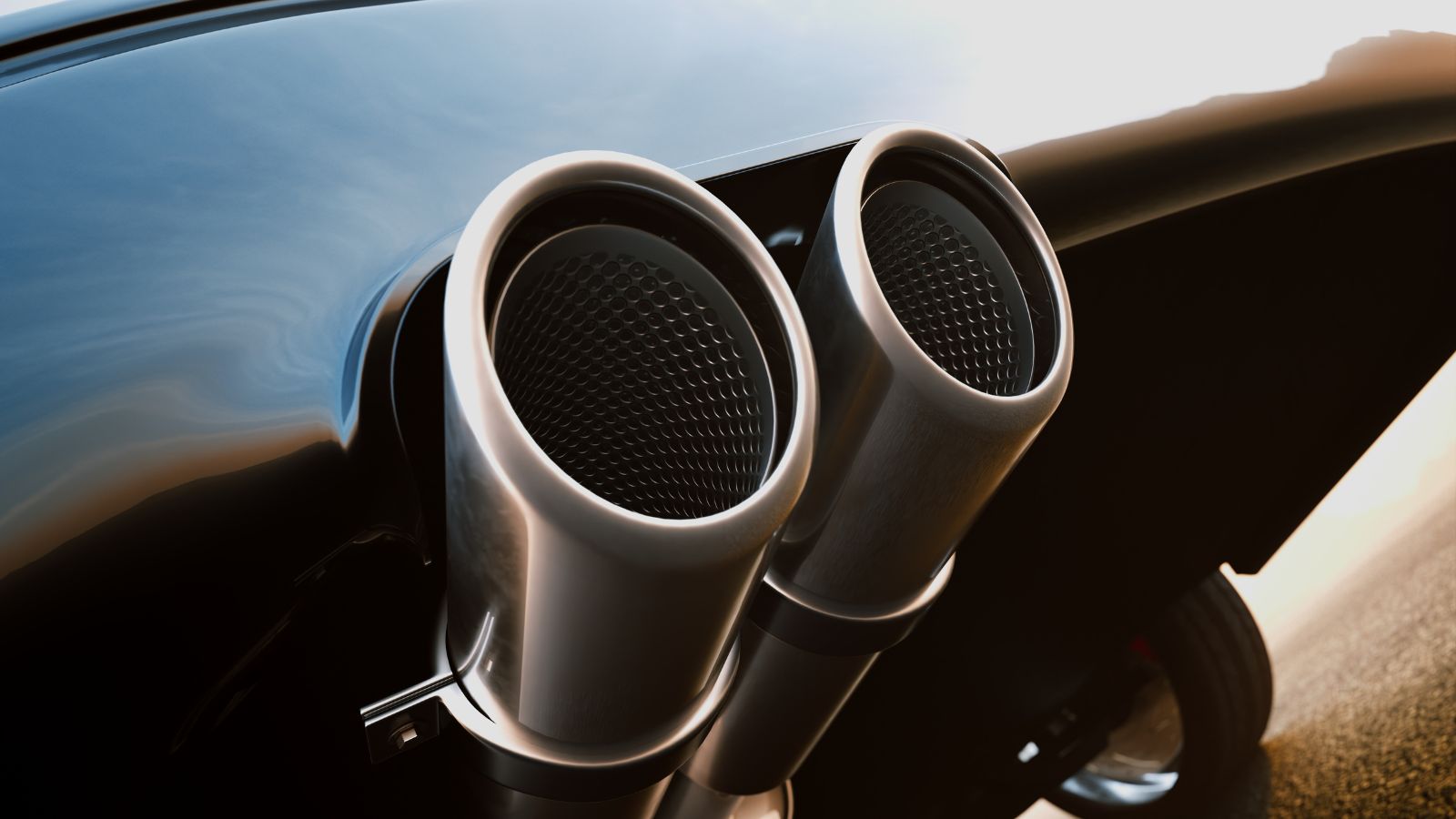
Modified exhausts might face time-based restrictions rather than outright bans. Loud exhausts could be legal during daytime hours but illegal after a set evening cutoff. Cameras equipped with microphones would identify noise levels and issue tickets automatically, even if speed limits are obeyed.
Lane Discipline Fines for Highway Camping

Staying in the left lane too long without actively passing could become a ticketable offense nationwide. Unlike current enforcement, this version would rely on traffic cameras tracking vehicle behavior over distance, not just momentary position. Chronic lane campers could face escalating fines.
Mandatory Cold Weather Range Disclosure for EVs
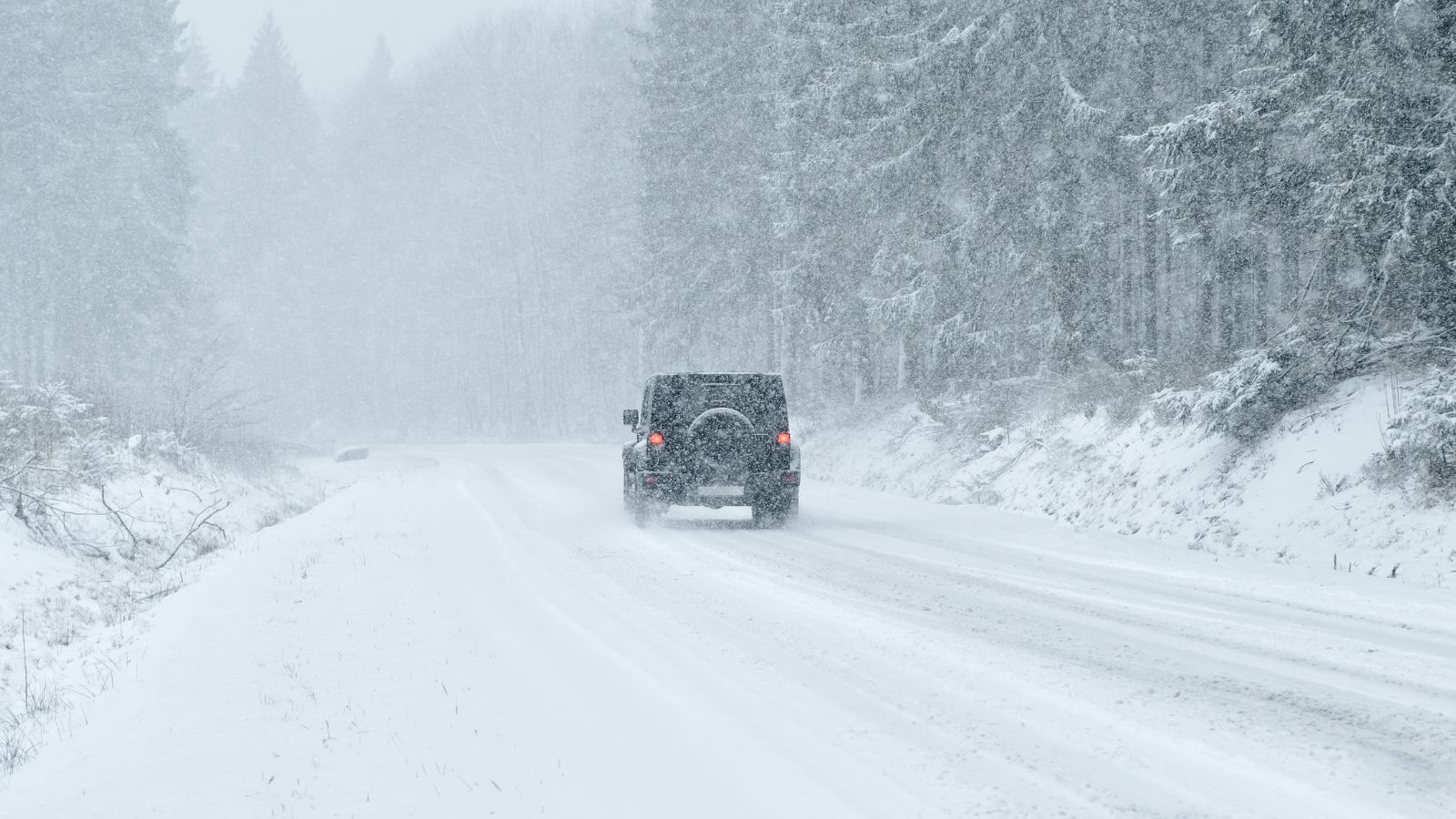
Electric vehicles could be required to display real time winter adjusted range on the dash at all times when temperatures drop below freezing. This would aim to prevent drivers from being stranded and could even be tied to roadside assistance eligibility during extreme cold alerts.
Headlight Usage Based on Weather Not Time
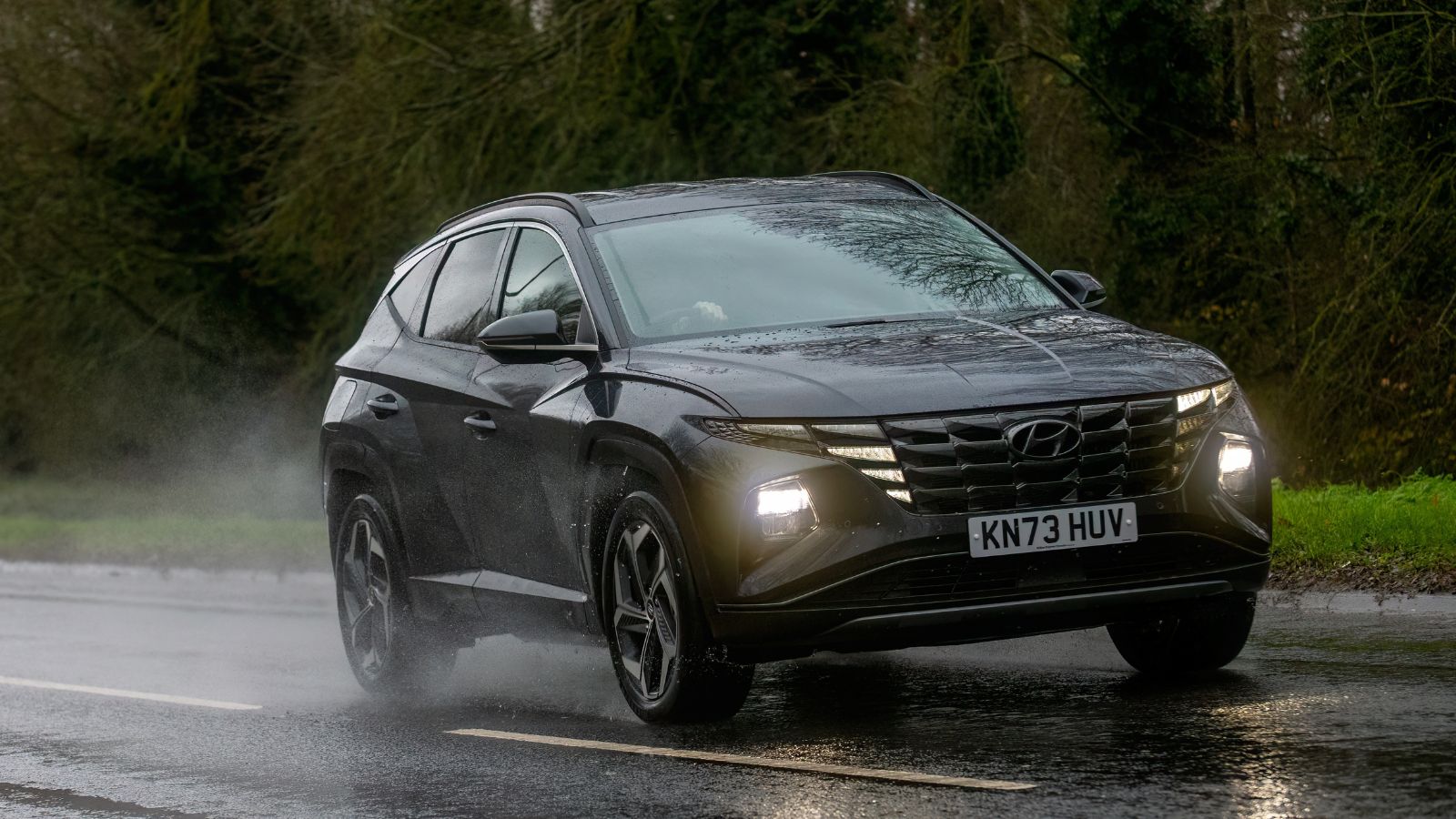
Instead of automatic headlights turning on at dusk, vehicles could be required to run headlights whenever precipitation is detected. Rain, snow, sleet, or fog would legally require lights on, regardless of daylight, with fines issued for noncompliance.
Drive-Thru Idling Limits

Sitting in a drive-thru with the engine running could become illegal beyond a short time limit. Drivers would be expected to shut off engines if lines exceed a certain length. Businesses might be required to post signage warning customers of potential fines.
Speed-Based Insurance Penalties at the Roadside
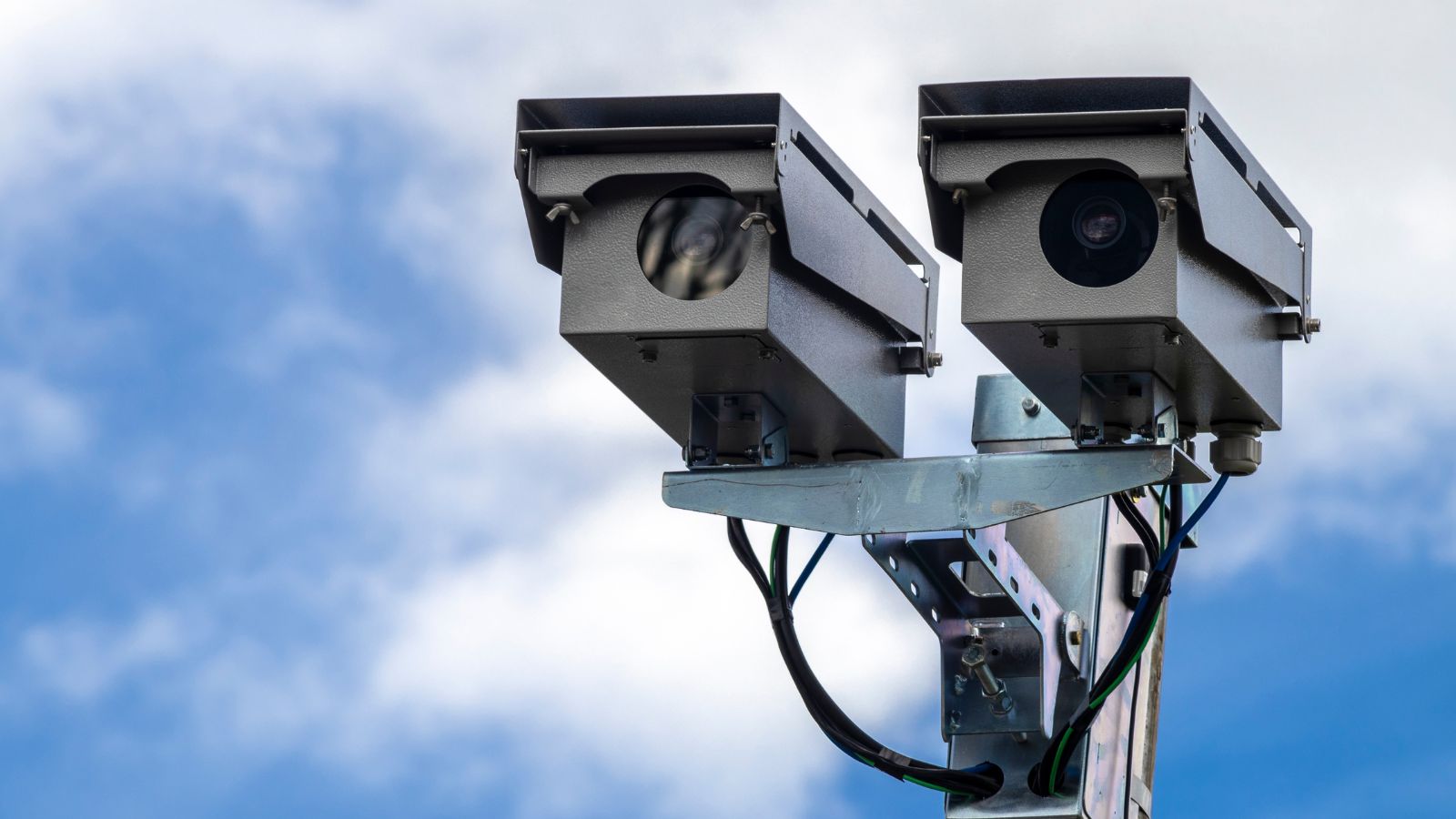
Rather than waiting for annual renewals, roadside speed cameras could instantly trigger insurance penalty notices for repeat offenders. Enough violations within a short period could temporarily raise premiums, even without a police stop.
Minimum Following Distance Laws With Sensors

Vehicles equipped with radar and cameras could be legally required to maintain a minimum following distance on highways. Tailgating would trigger warnings first, followed by fines if the behavior continues. The law would target aggressive driving without needing officer judgment.
Mandatory Seasonal Driving Modes
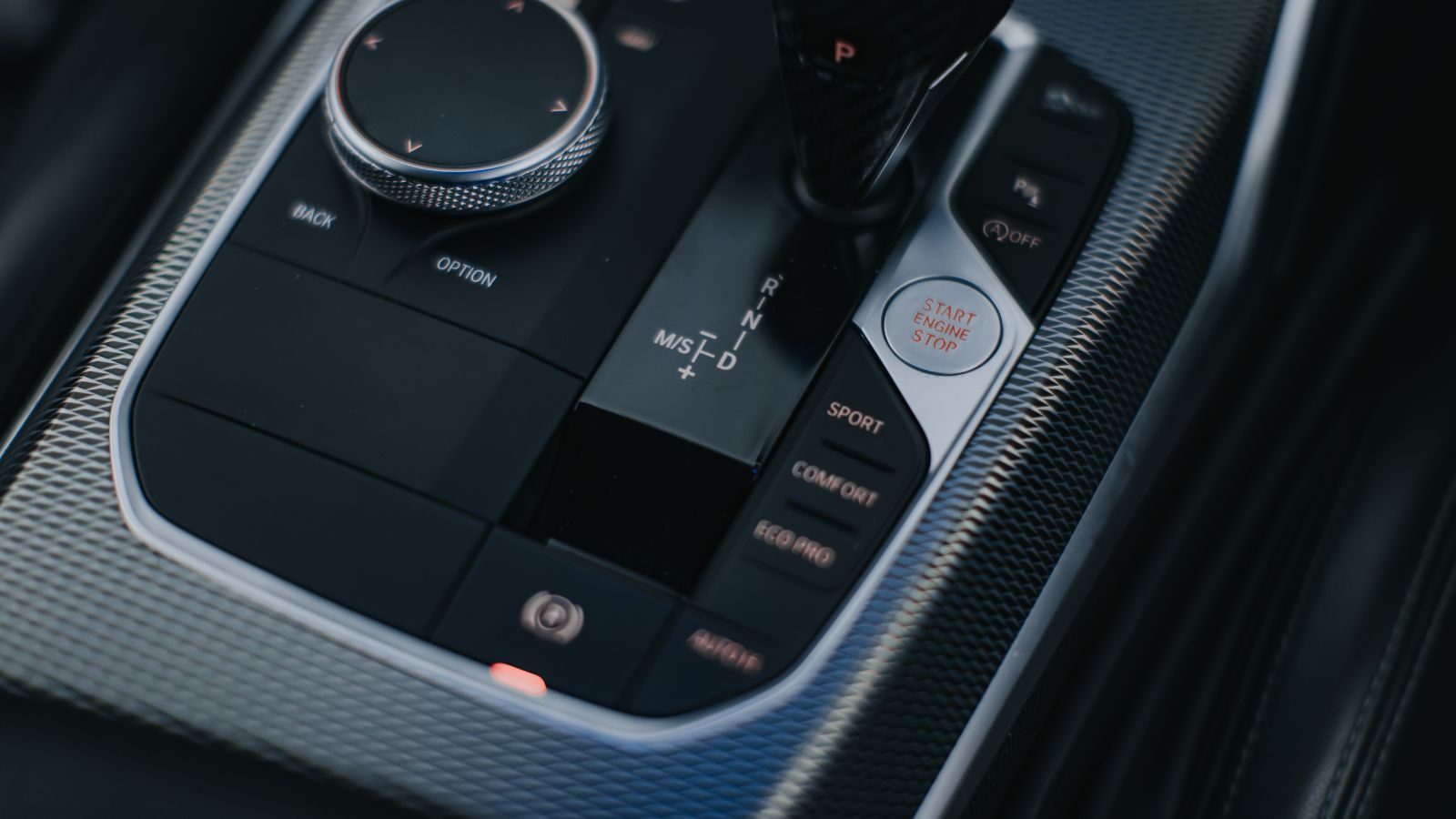
Cars equipped with selectable drive modes could be legally required to use winter mode during certain months. Selecting sport mode on icy roads could be considered reckless driving if conditions do not support it. Data logs could be used after collisions to determine compliance.
Distracted Walking Laws at Crosswalks

Drivers are not the only ones under scrutiny. Pedestrians using phones while crossing could face fines if they step into traffic without looking. The idea would be to reduce vehicle pedestrian incidents by regulating both sides of the interaction.
Possible Options

None of these laws exist yet, but each builds on regulations already being discussed in pieces across Canada. As vehicles become more connected and enforcement more automated, the line between safety improvement and overregulation will get thinner. What sounds strange today often becomes standard tomorrow, especially when safety, emissions, or congestion are involved.
25 Facts About Car Loans That Most Drivers Don’t Realize

Car loans are one of the most common ways people fund car purchases. Like any other kind of loan, car loans can have certain features that can be regarded as an advantage or a disadvantage to the borrower. Understanding all essential facts about car loans and how they work to ensure that you get the best deal for your financial situation is essential. Here are 25 shocking facts about car loans that most drivers don’t realize:
25 Facts About Car Loans That Most Drivers Don’t Realize
