Most people picture V8 engines as big, thundering blocks of metal built for muscle cars and trucks. Yet throughout automotive history a few manufacturers went in the opposite direction. They engineered tiny V8s, engines so compact and unusual that they almost feel like engineering dares. These eight small displacement V8s earned legendary status not for brute strength but for their clever design, packaging advantages and the strange automotive niches they were built to serve.
Ford Two Point Nine V8 Indy Engine

Ford shocked racing fans in the sixties by creating a two point nine litre V8 designed specifically for Indianapolis competition. It was built compactly to save weight and rev harder than huge displacement rivals. The small size reduced rotating mass which allowed blistering acceleration and razor sharp throttle response. It proved that tiny V8s, when engineered carefully, could challenge far bigger engines on the track.
Cosworth DFV Three Point Zero V8
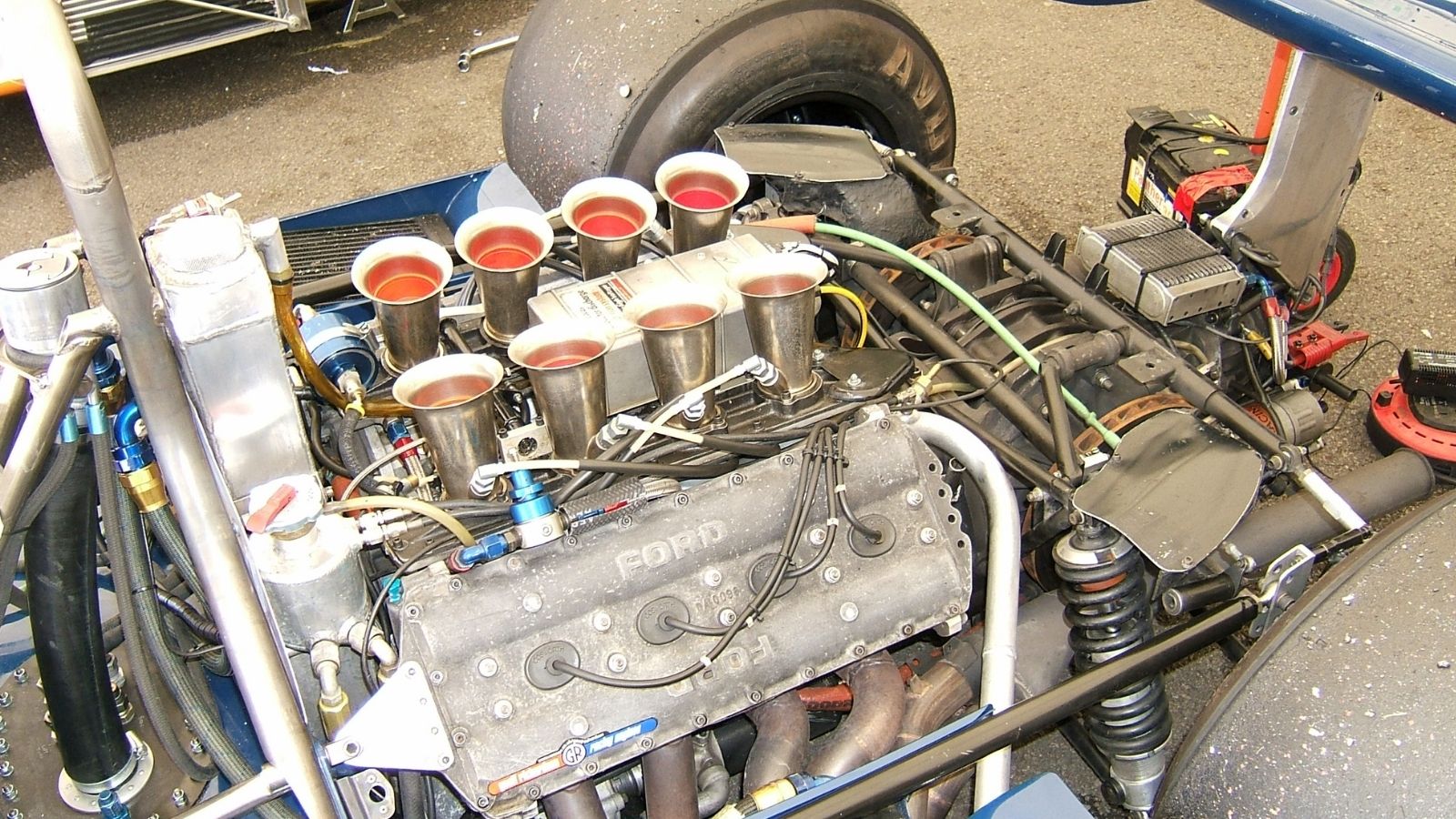
Cosworth’s DFV became one of the most successful racing engines ever created. At just three litres it powered Formula One throughout the late sixties, seventies and early eighties. The purpose behind its small displacement was simple. A light, compact V8 improves balance and handling in a race car. The DFV’s size also allowed teams to design slim rear chassis sections that cut drag. Small in displacement, huge in motorsport influence.
Toyota Four U GT V8 Two Point Zero
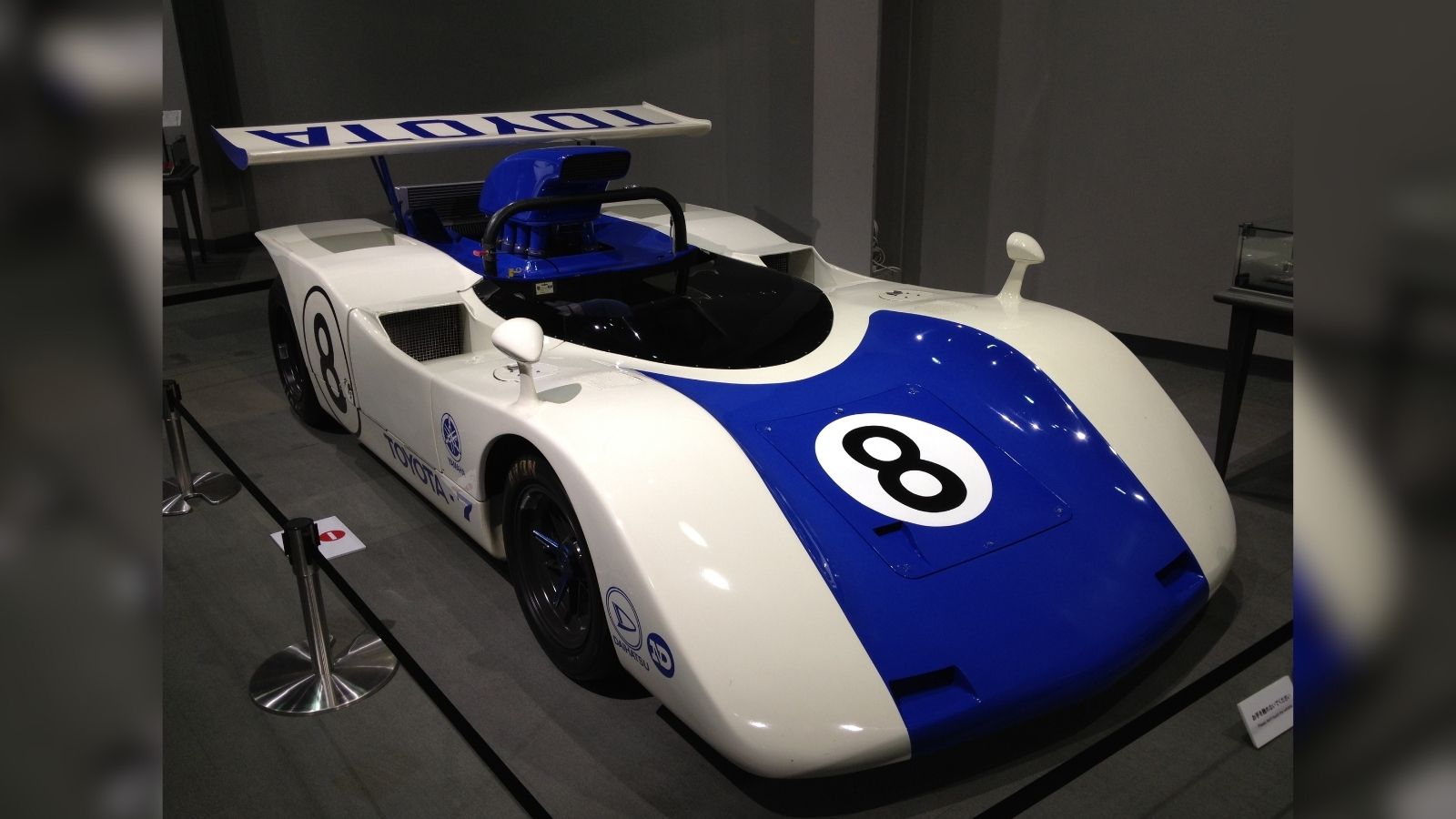
Toyota built an incredibly small two litre V8 for Japan’s sixties era racing scene. Known for its beautifully tight engineering, the engine served as a test bed for lightweight, high revving technology that eventually fed into Toyota’s broader performance development. It existed because Japanese racing rules demanded smaller engines, and Toyota wanted the smoothness of a V8 without breaking the displacement limit.
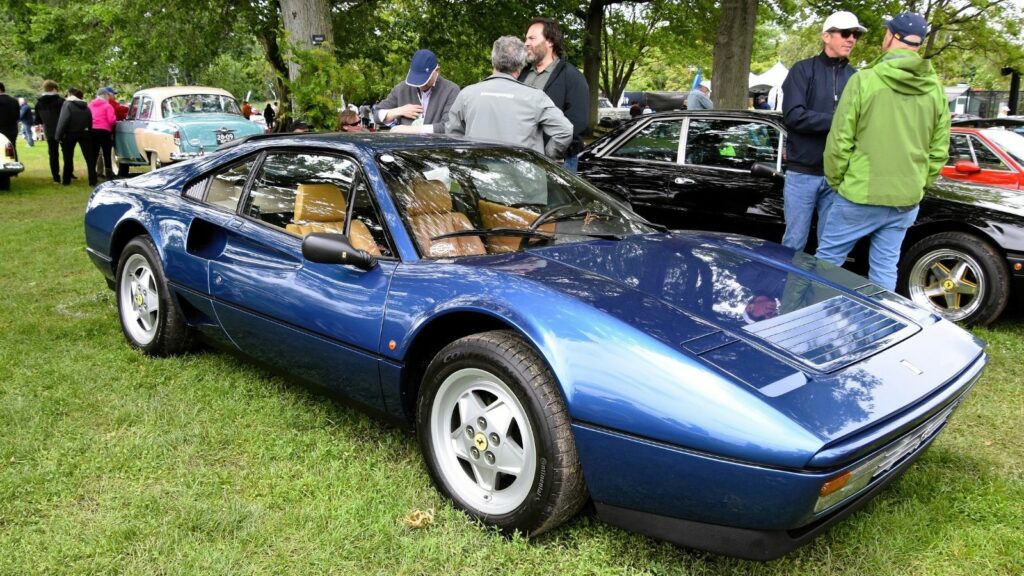
Ferrari Two Point Zero V8 from the 208 Series

In the late seventies and early eighties Ferrari produced the 208 GT4 and 208 GTB, both using a tiny two litre V8. The reason was surprising. Italy imposed heavy taxes on cars above two litres which forced Ferrari to shrink its engines dramatically. The result was the smallest production V8 Ferrari ever made. It traded torque for revs and became a strange but cherished chapter of Ferrari history.
Daimler Two Point Five Five Litre V8
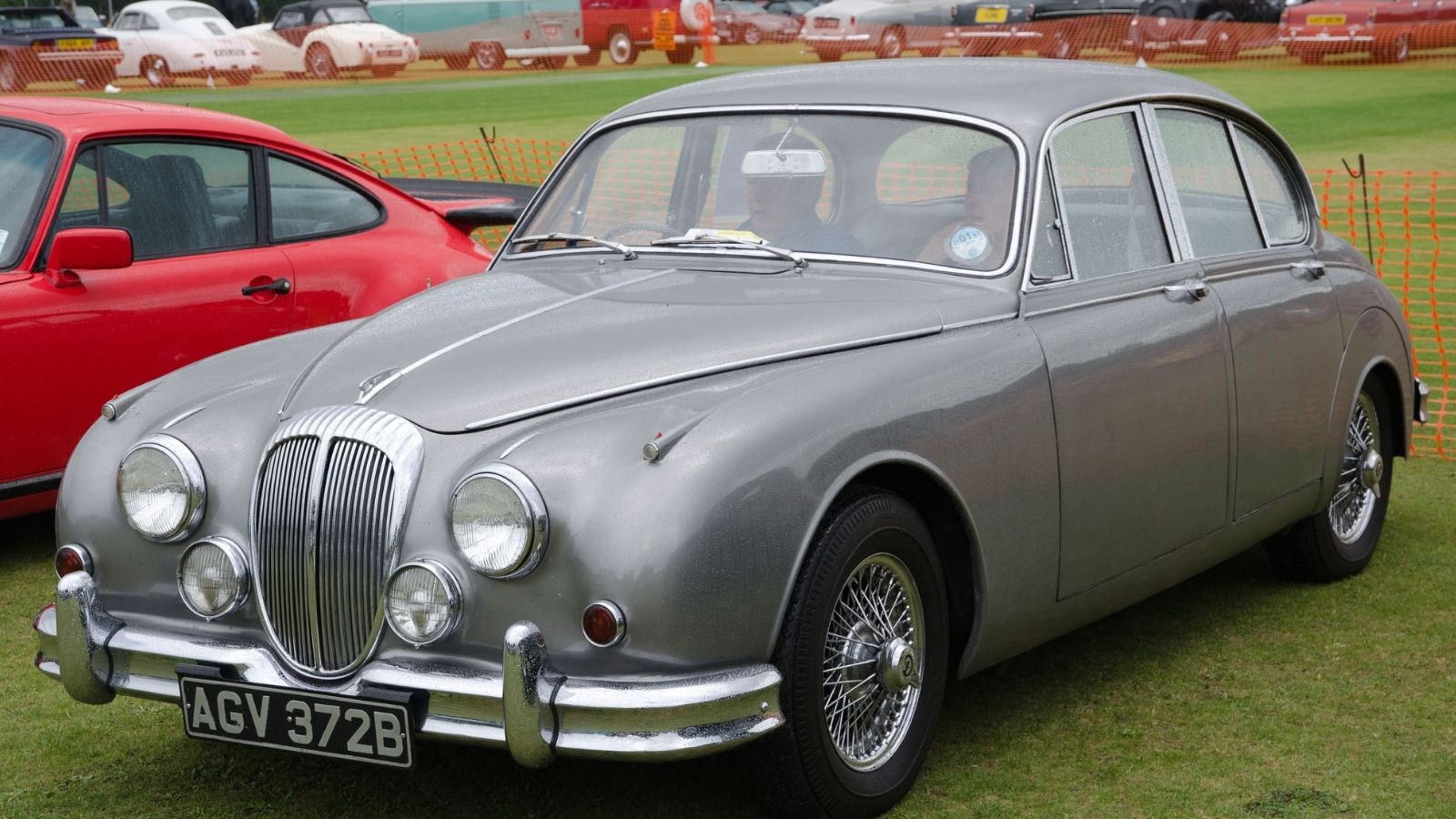
Daimler created one of the smallest production V8s of the fifties and sixties at just over two and a half litres. It powered the Daimler SP250 sports car. Engineers wanted a lightweight, compact engine with smoothness that a four cylinder could not match. The result was a jewel like V8 that produced refined power without adding unnecessary bulk. Its small size helped maintain the sports car’s lively handling.
Rover Three Point Five V8 (Originally Buick)
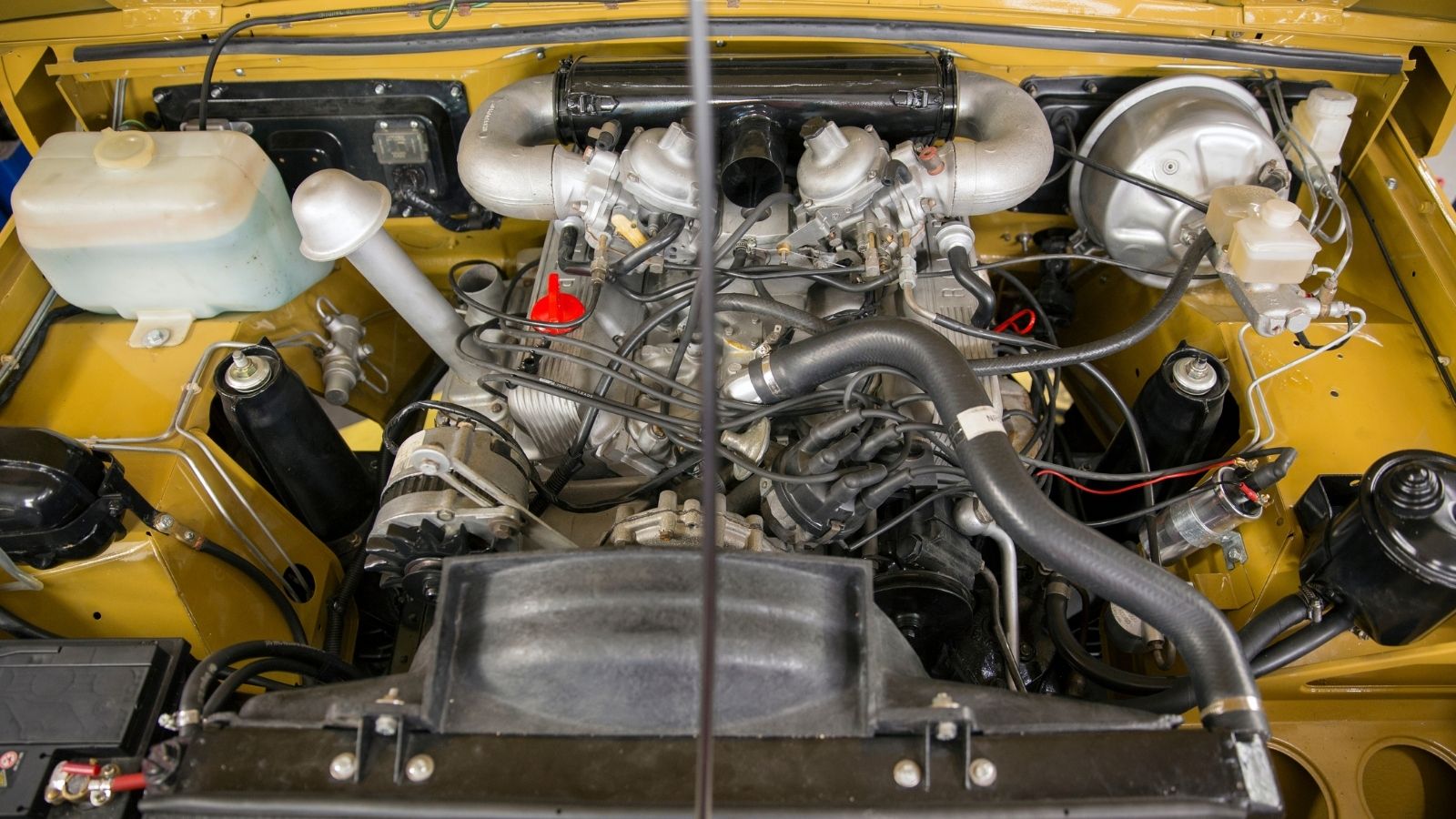
Though larger than the others, the Rover three point five still ranks among history’s smallest mass produced V8 engines. Originally built by Buick in the early sixties, the engine was lightweight thanks to its aluminum block. Rover adopted it and used it for decades across British sedans and off roaders. The compact size let manufacturers package V8 smoothness into vehicles never intended for heavy engines.
McLaren M838T Three Point Eight V8 (Small for a Supercar)
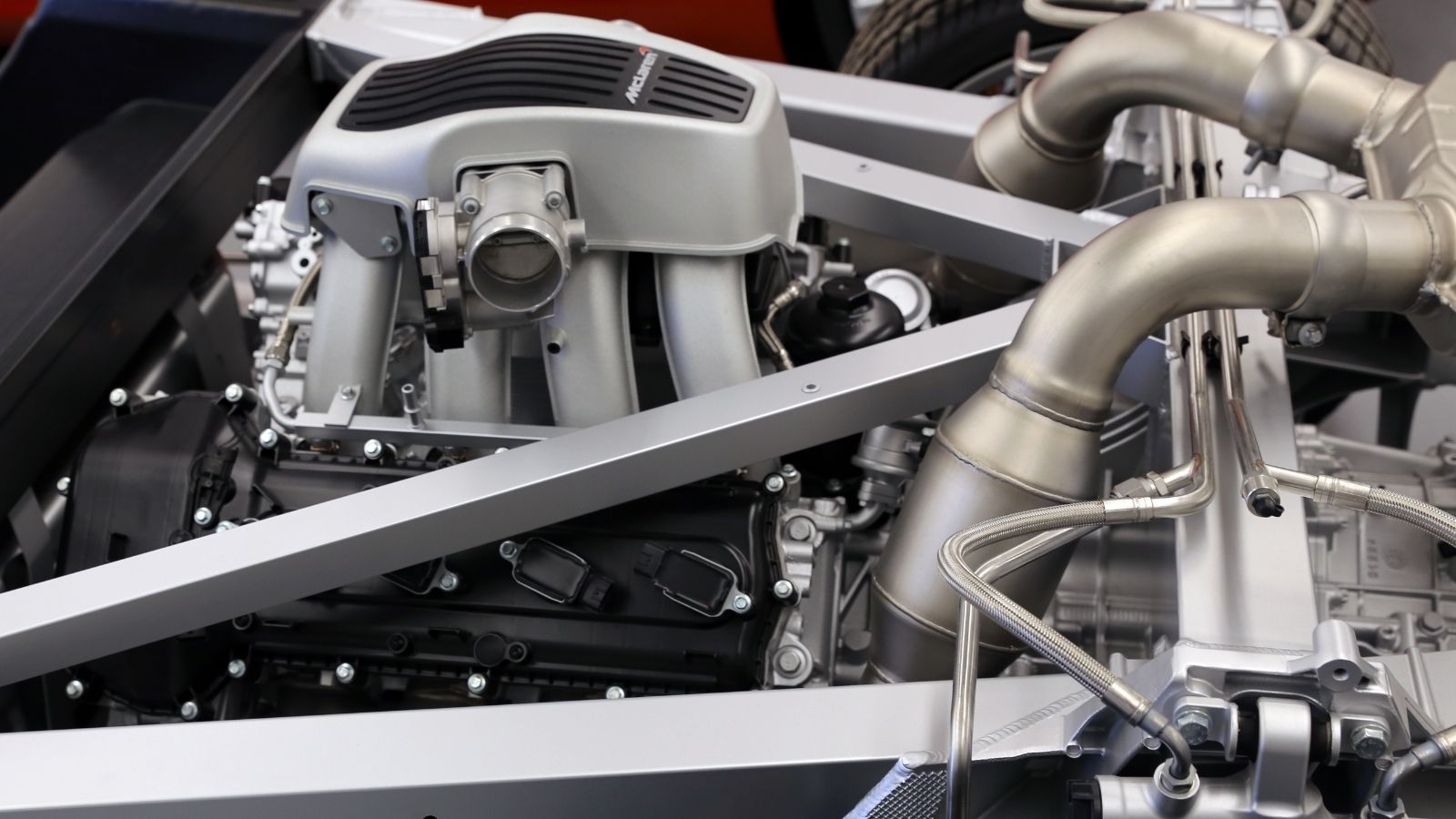
In the world of supercars a three point eight litre V8 is considered unusually small. McLaren built this compact twin turbo engine to reduce mass while delivering monumental power. Smaller displacement reduces friction losses and improves throttle response. With turbocharging the engine produced supercar numbers without the weight penalty of a traditional big block. It showed how modern engineering can make a small V8 behave like a monster.
25 Facts About Car Loans That Most Drivers Don’t Realize

Car loans are one of the most common ways people fund car purchases. Like any other kind of loan, car loans can have certain features that can be regarded as an advantage or a disadvantage to the borrower. Understanding all essential facts about car loans and how they work to ensure that you get the best deal for your financial situation is essential. Here are 25 shocking facts about car loans that most drivers don’t realize:
25 Facts About Car Loans That Most Drivers Don’t Realize
