Most drivers don’t destroy their cars with one dramatic blow. They ruin them slowly over months and years with tiny habits repeated every single day. Modern vehicles are so smooth and quiet that they hide the consequences until it’s too late. By the time the warning lights appear or something breaks, the damage has already been building beneath the surface. These ten driving mistakes are among the most common reasons cars wear out earlier than they should and why expensive repairs sneak up on people who swear they took good care of their vehicle.
Flooring the Gas When the Engine Is Cold
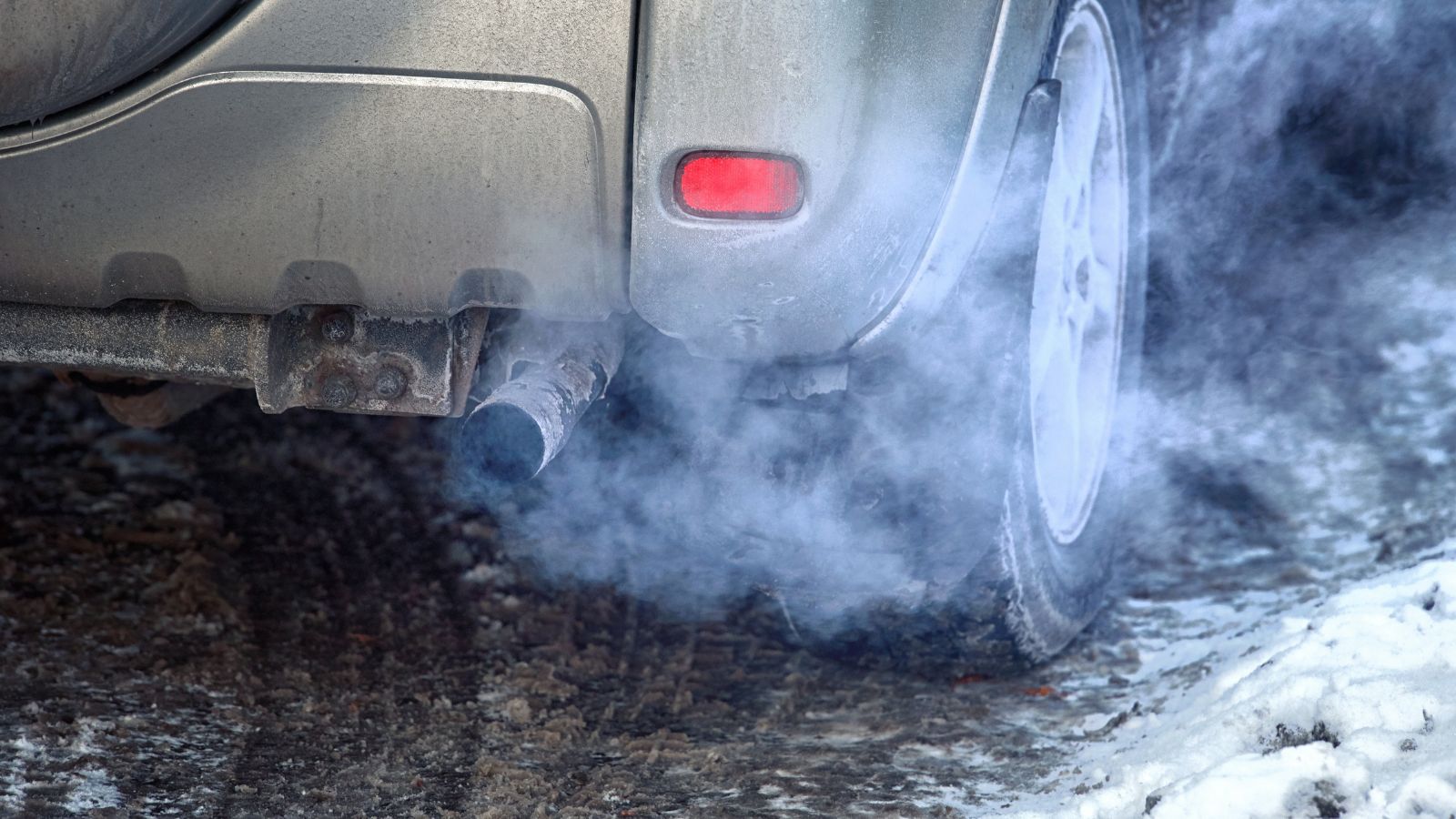
The fastest way to shorten engine life is hard acceleration right after a cold start. Oil is thick, not yet circulated and engine parts are running unprotected until everything warms up. Drivers don’t hear grinding or feel resistance because modern insulation masks the abuse. Take it easy for the first few minutes, especially on winter mornings. Gentle driving until the temperature stabilizes adds years of life to the engine without costing a single dollar.
Riding the Brakes on Long Hills
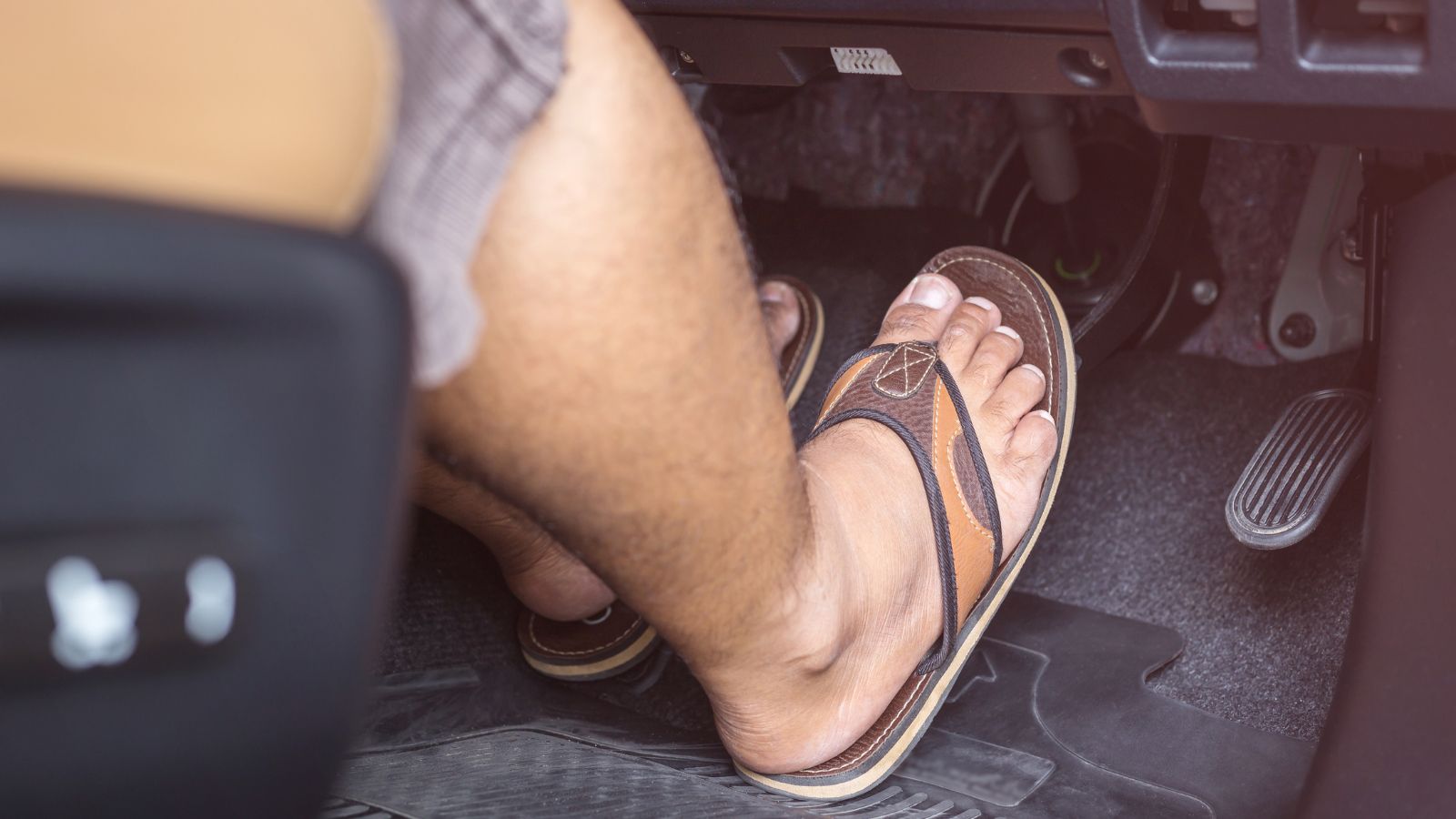
Light pressure over long downhill stretches feels controlled, but it quietly cooks brake pads and rotors. Once brakes overheat, they lose bite and fade. That’s why big trucks use engine braking, and the same logic applies to regular cars. Downshift or ease off and let the engine slow the vehicle, then use short firm brake inputs when needed. This keeps temperatures under control and preserves braking power when you need it most.
Resting Your Hand on the Gear Shifter

Many manual drivers rest one hand on the shifter out of habit or style. The problem is that this puts pressure on the shift forks and selector parts inside the transmission. Over time, it results in sloppy gear engagement and expensive internal wear. Keeping both hands on the wheel is not just good for control, it protects the gearbox from constant unnecessary force.
Launching Hard from Every Stop
That satisfying surge from a stoplight might feel harmless, but repeated hard launches stress the transmission, differential, engine mounts and even the driveshaft. The car is designed to handle spirited driving sometimes, not every single day on every single start. Smooth acceleration preserves drivetrain components, improves fuel economy and extends tire life — without eliminating fun when the right moment comes along.
Ignoring Strange Noises
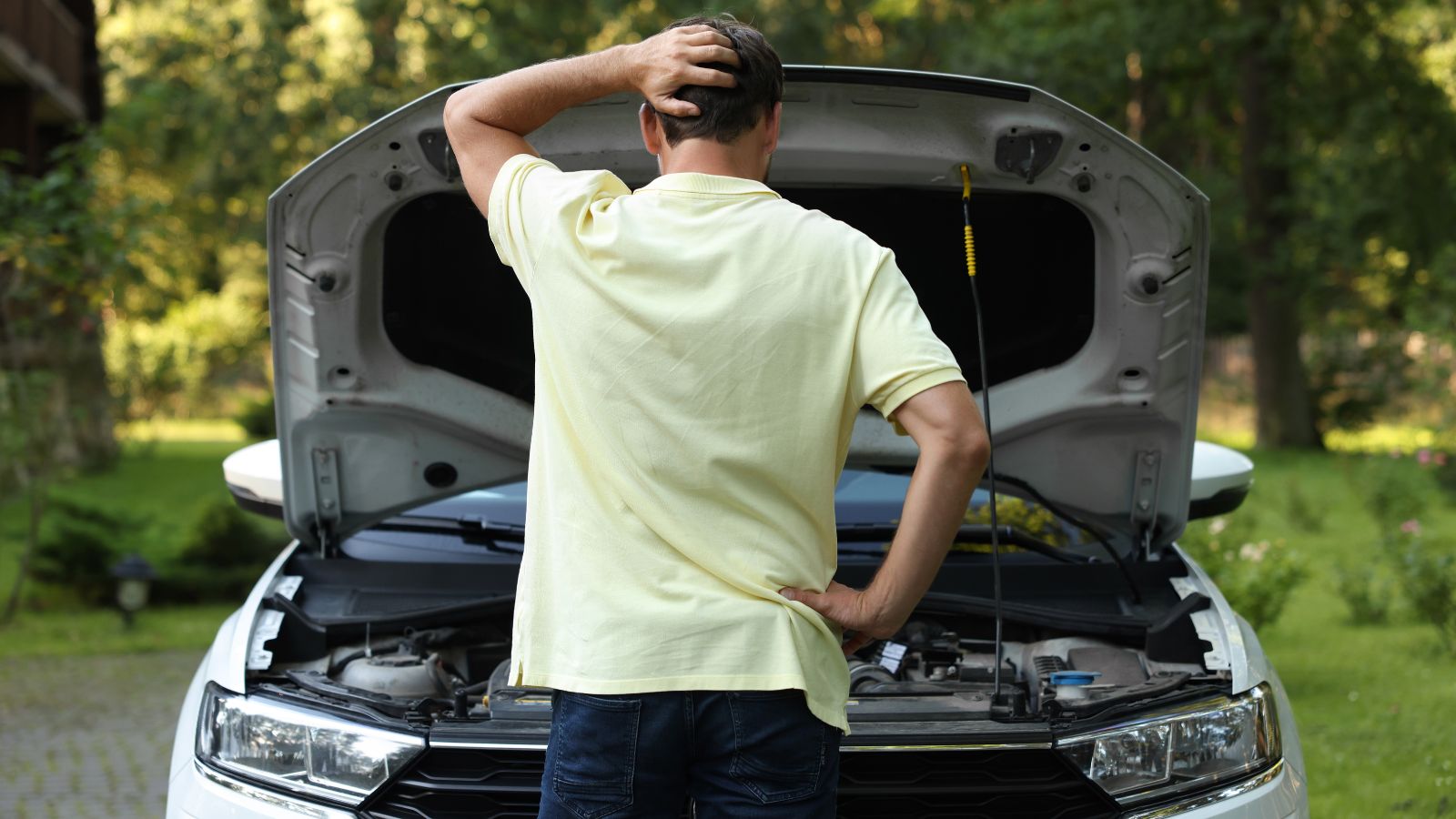
A car rarely goes from healthy to broken overnight. It whispers before it screams. A belt squeal, a faint shake under braking or a tiny clicking sound on turns are early warnings. Ignoring them lets small issues grow into big failures. A ten second squeak today can become a four figure repair later. Cars communicate long before they quit. Drivers who listen spend far less on repairs.
Running the Tank Close to Empty Repeatedly
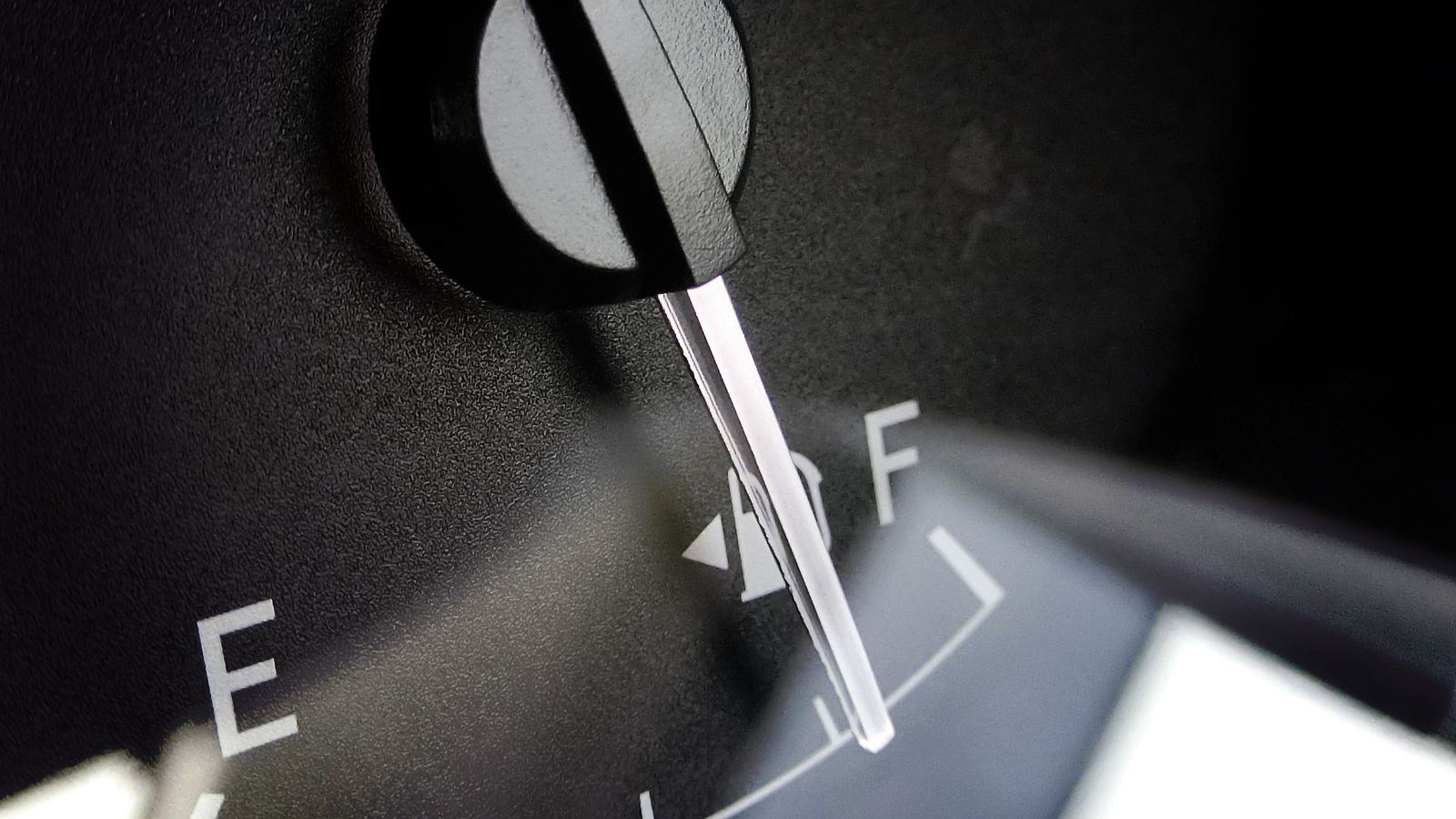
Driving on fumes isn’t just a fuel gamble — it damages the pump. Fuel pumps rely on gasoline for cooling. When the tank is nearly empty, the pump heats up and wears faster. People who fill up only when the light comes on are unknowingly shortening pump life. Keeping even one quarter tank acts as built in protection and stops the pump from frying itself long before the rest of the car is done.
Turning the Steering Wheel While the Car Is Not Moving

Cranking the wheel while stationary puts max stress on the power steering system, suspension joints and tire sidewalls. Even rolling forward a few inches before turning dramatically reduces strain. Drivers often learn this only after paying for early steering rack or tie rod replacements. Smooth movements while rolling keep everything from wearing out early.
Shifting Into Drive Before Fully Stopping
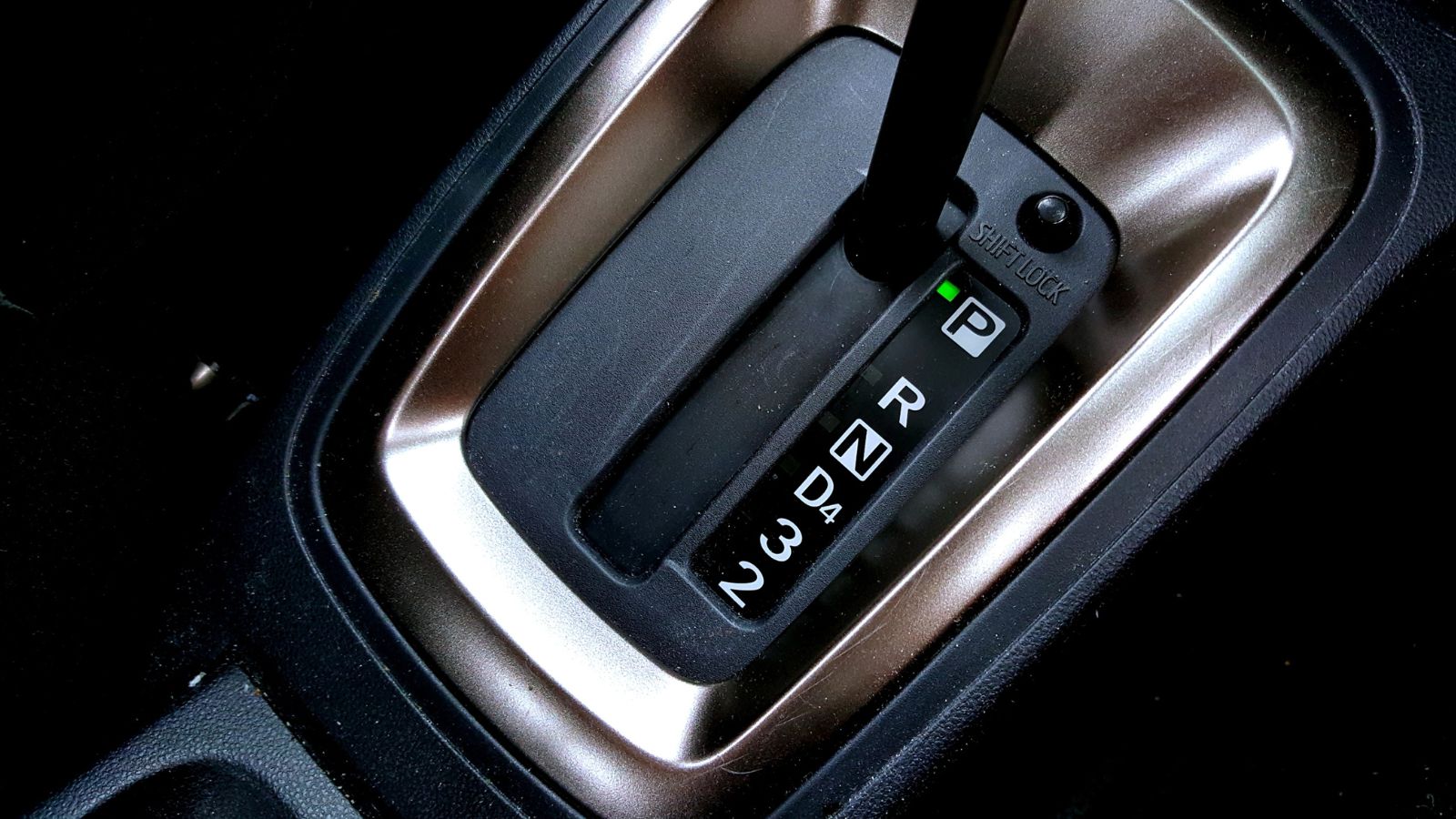
Dropping from reverse into drive while still rolling is a fast way to destroy the transmission. The internal components are forced to act like brakes and take the load that should be handled by actual braking. It feels like a time saver in parking lots, but it trades seconds now for thousands of dollars later. Stop first, then shift. The gearbox will thank you.
Ignoring Tire Alignment and Balance
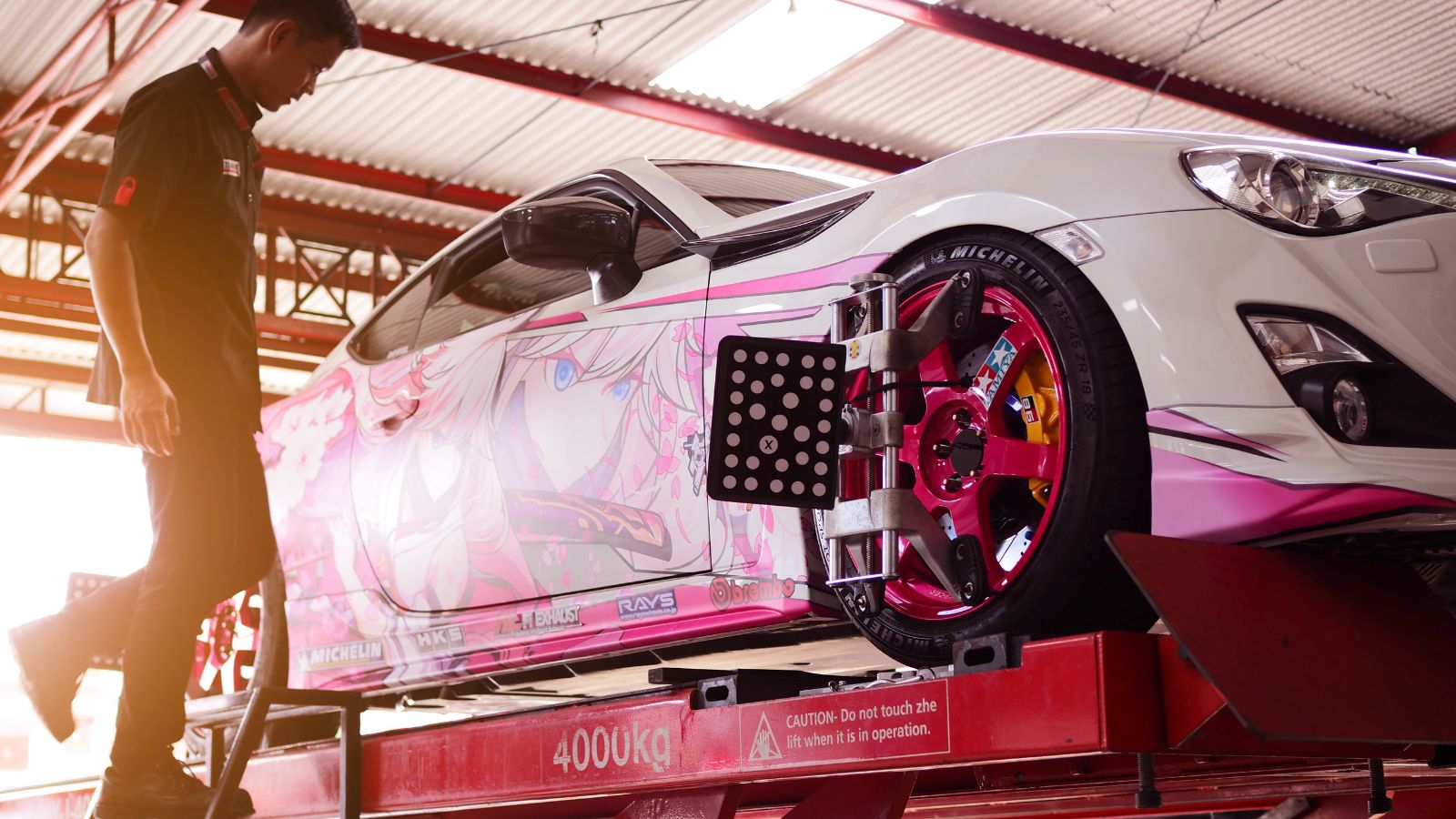
Tires don’t just wear out from mileage. Misalignment wears the rubber unevenly and increases rolling resistance, which then burns fuel and exhausts suspension parts from constant correction. Many drivers don’t check alignment until their tires look rough, which is too late. A quick annual adjustment saves fuel, extends tire life and restores a tight, confident steering feel that most people don’t realize they’ve lost.
Leaving Your Foot on the Brake Pedal at Stoplights
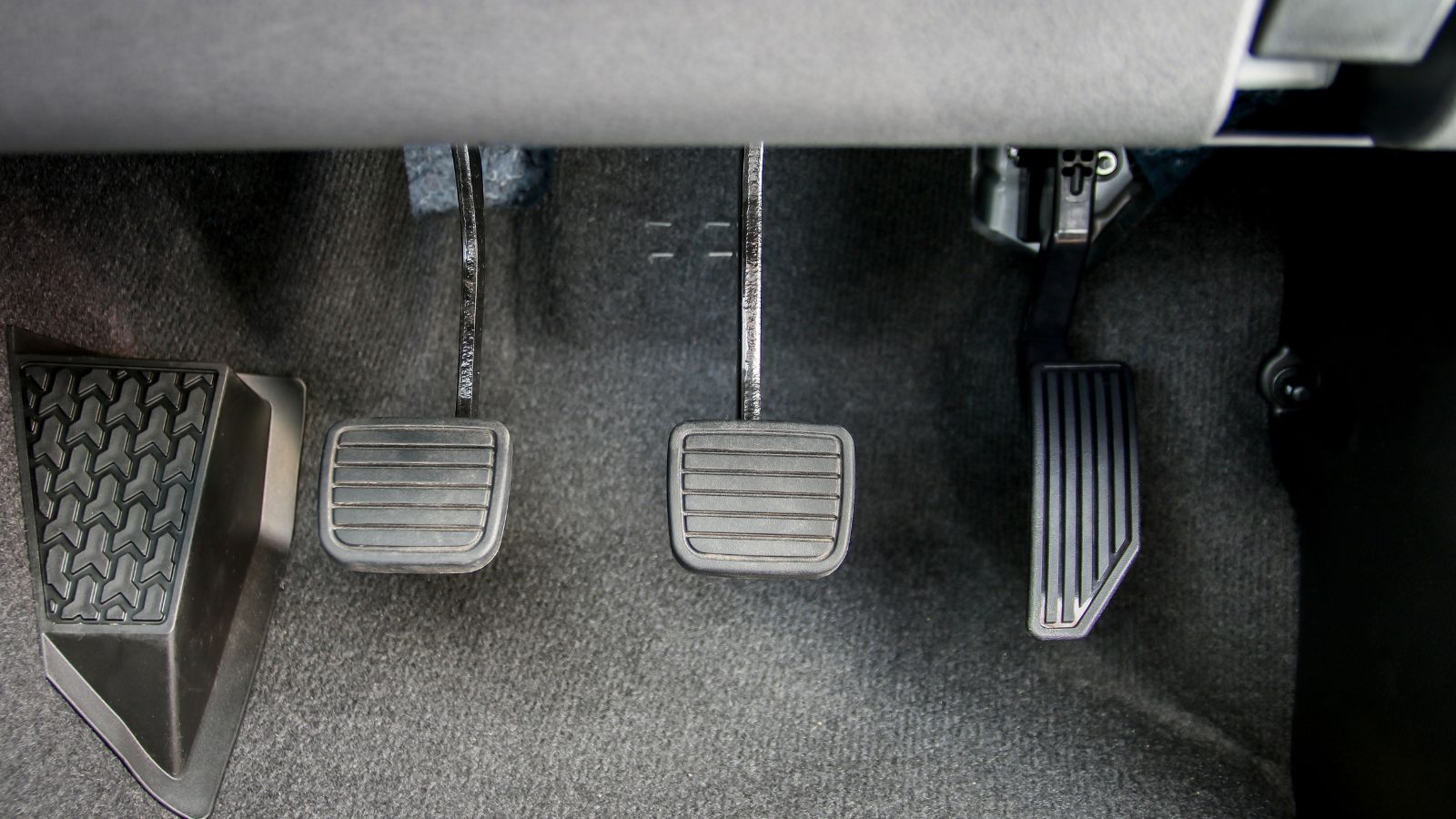
Keeping your foot clamped on the brake pedal through long red lights continually heats the system. Do it after heavy braking and the pads can glaze and warp the rotors. Using the handbrake in long waits or shifting into neutral keeps everything cooler and avoids premature brake wear. It improves comfort too, since drivers don’t have to keep their leg tensed the entire time.
The Real Secret to Long Vehicle Life

Cars don’t die from one bad day. They die from thousands of small insults over time. Treat the car with mechanical sympathy, warm it up gently, avoid unnecessary strain, listen to early signs and it will repay you with reliability far beyond what manufacturers predict. The best drivers aren’t the fastest ones. They’re the ones whose cars still feel strong after 200 thousand kilometers.
25 Facts About Car Loans That Most Drivers Don’t Realize

Car loans are one of the most common ways people fund car purchases. Like any other kind of loan, car loans can have certain features that can be regarded as an advantage or a disadvantage to the borrower. Understanding all essential facts about car loans and how they work to ensure that you get the best deal for your financial situation is essential. Here are 25 shocking facts about car loans that most drivers don’t realize:
25 Facts About Car Loans That Most Drivers Don’t Realize
