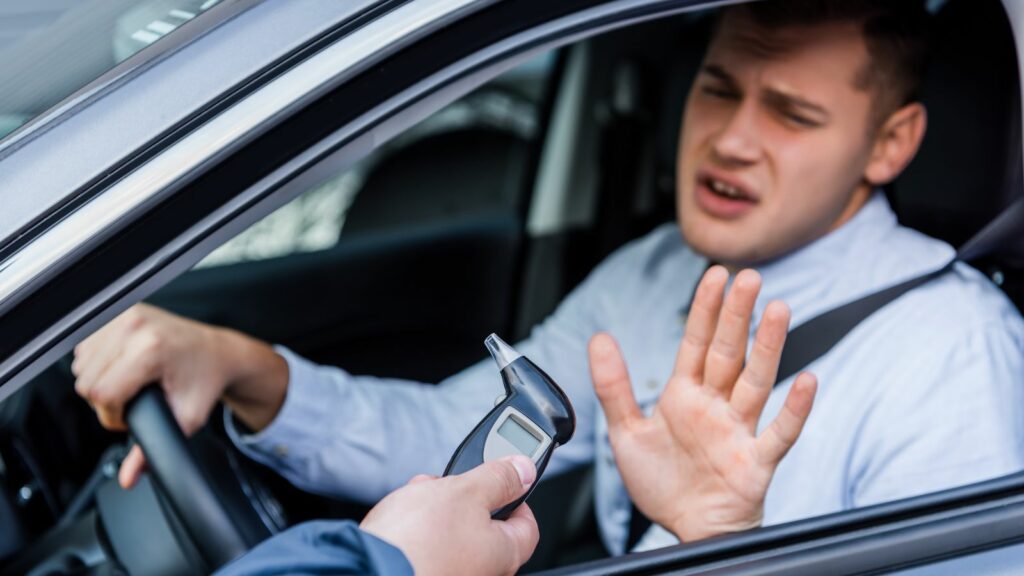
Florida recently made headlines by introducing jail time for drivers who refuse a Breathalyzer test, but for Canadians, that’s nothing new. While the U.S. is tightening the rules, Canada has long treated refusal as a serious criminal offense, on the same level as impaired driving itself.
Under Canada’s Criminal Code, refusing or failing to provide a breath sample carries the same penalties as being over the legal limit. That means immediate fines, license suspensions, and even mandatory jail time. A second offense brings at least 30 days behind bars, while a third or subsequent conviction can mean a minimum of 120 days.
In other words, saying “no” to a breath test in Canada can send you straight to jail.
What the Law Says
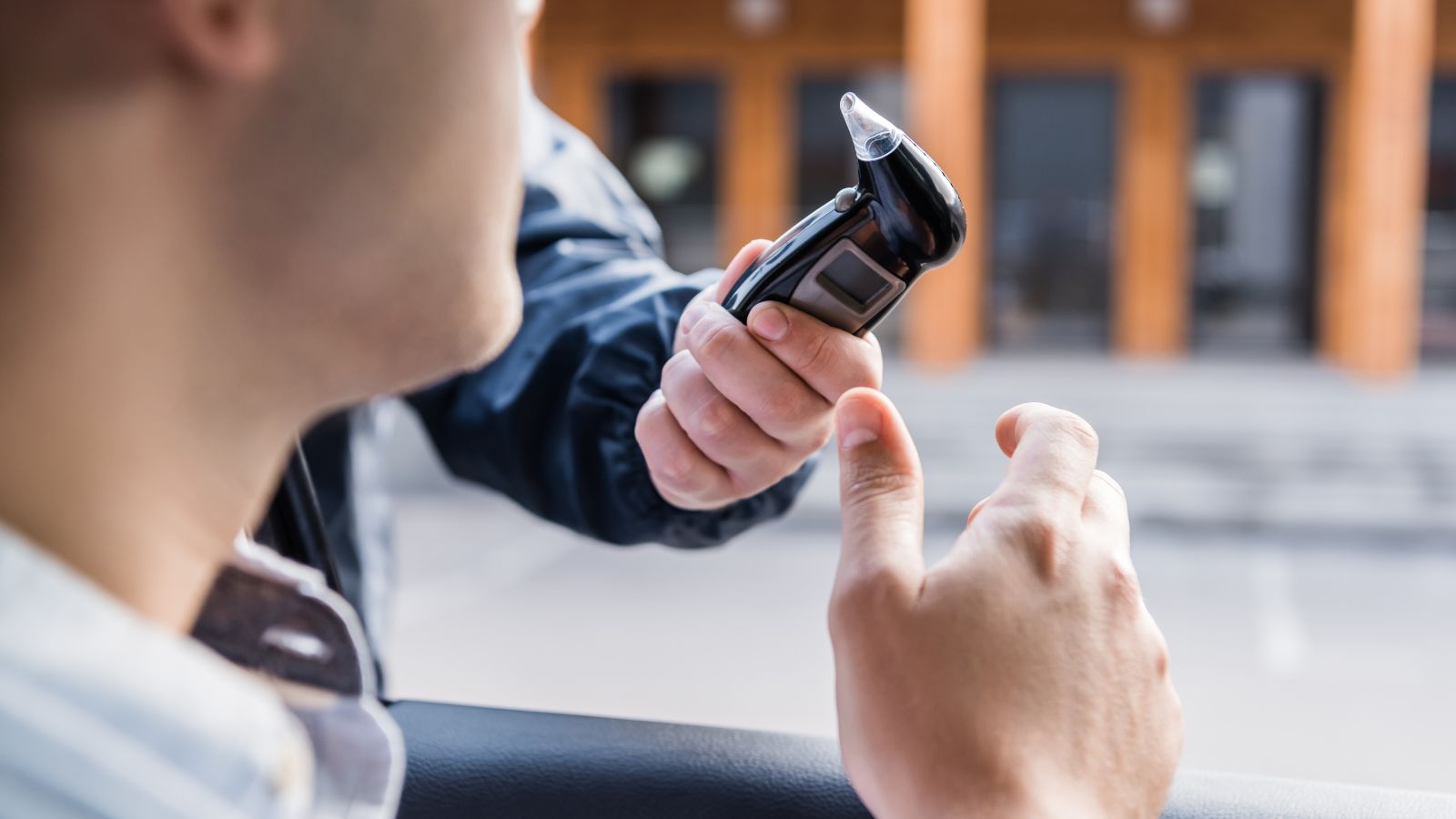
Canadian law leaves little room for hesitation. If a police officer lawfully demands a breath sample, you are legally required to comply. Refusing that test without a valid medical excuse is considered the same as admitting guilt to impaired driving. The courts treat it as a direct violation of the Criminal Code, not a traffic infraction.
Drivers who refuse will face the same consequences as those who blow over the limit. That includes a minimum fine of $2,000 for a first offense, an automatic one-year license suspension, and mandatory participation in an ignition interlock or education program once driving privileges are reinstated.
Repeat offenders see much harsher penalties, often including longer suspensions, probation, or jail time.
Why Canada Enforces It So Strictly

Canada’s tough stance on refusal stems from decades of road safety campaigns and public pressure to reduce impaired driving. In the 1980s and 1990s, groups like MADD Canada pushed for stronger laws, arguing that too many impaired drivers were escaping charges by refusing the Breathalyzer.
The logic was simple: refusing the test undermined enforcement. Without a blood alcohol reading, prosecutors had fewer tools to prove intoxication in court. By criminalizing refusal, the law closed that loophole.
Today, refusal is treated as a full offense because authorities see it as an attempt to obstruct justice. The approach is meant to deter hesitation and ensure consistent enforcement.
How Provinces Handle It
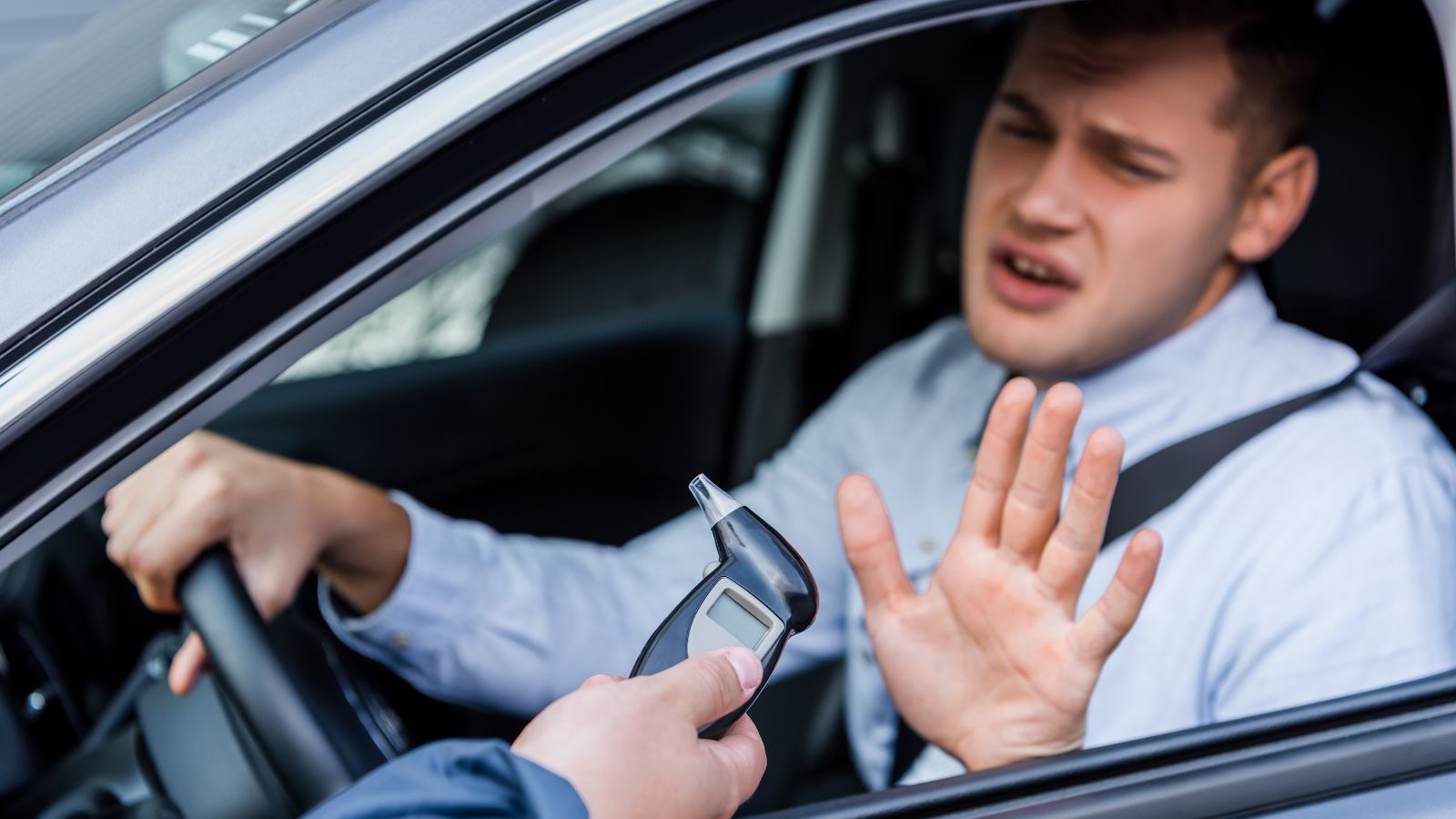
Although the Criminal Code applies nationally, enforcement can vary slightly by province. Ontario, Alberta, and British Columbia all impose additional administrative penalties alongside federal charges.
In Ontario, for example, refusing a breath test can lead to an immediate roadside suspension and a vehicle impoundment even before court proceedings begin. Drivers also face additional insurance penalties, often sending premiums skyrocketing for years.
In British Columbia, police can issue roadside prohibitions under provincial law even if criminal charges are not pursued. This layered approach ensures that every refusal brings immediate consequences.
The Impact on Drivers
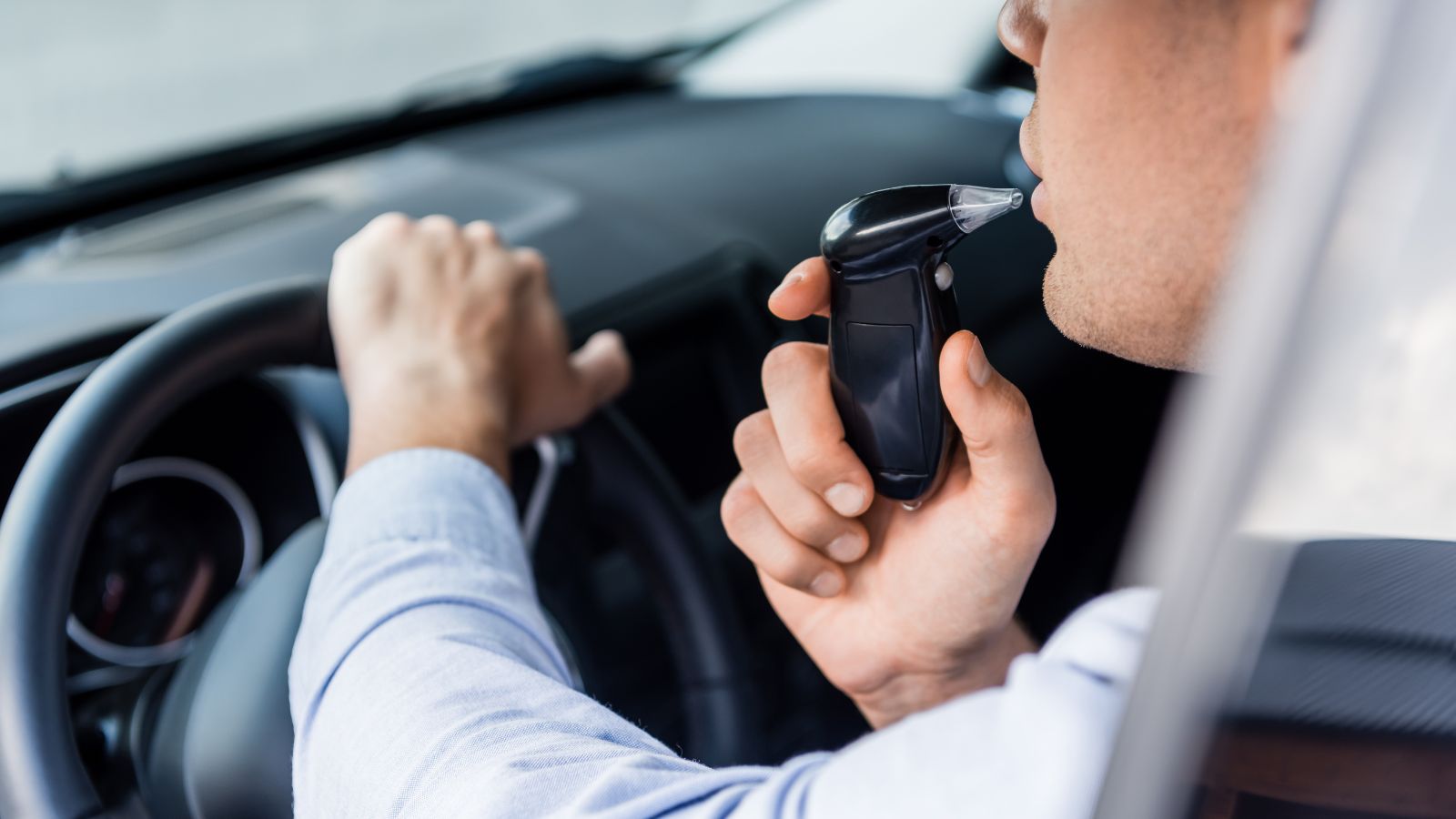
For Canadians, the rule means there’s no advantage in saying no. Refusing a test doesn’t buy time, reduce evidence, or help in court. It simply adds another criminal charge to the list.
Drivers who refuse will often face two major hurdles: losing their license immediately and dealing with the long-term effects of a criminal record. That record can affect employment, travel, and insurance rates for years.
It also sends a message to employers, insurers, and border agents that the person refused cooperation in a criminal investigation. For many, that stigma can be more damaging than the fine or short jail sentence.
How Canada Compares to the U.S.
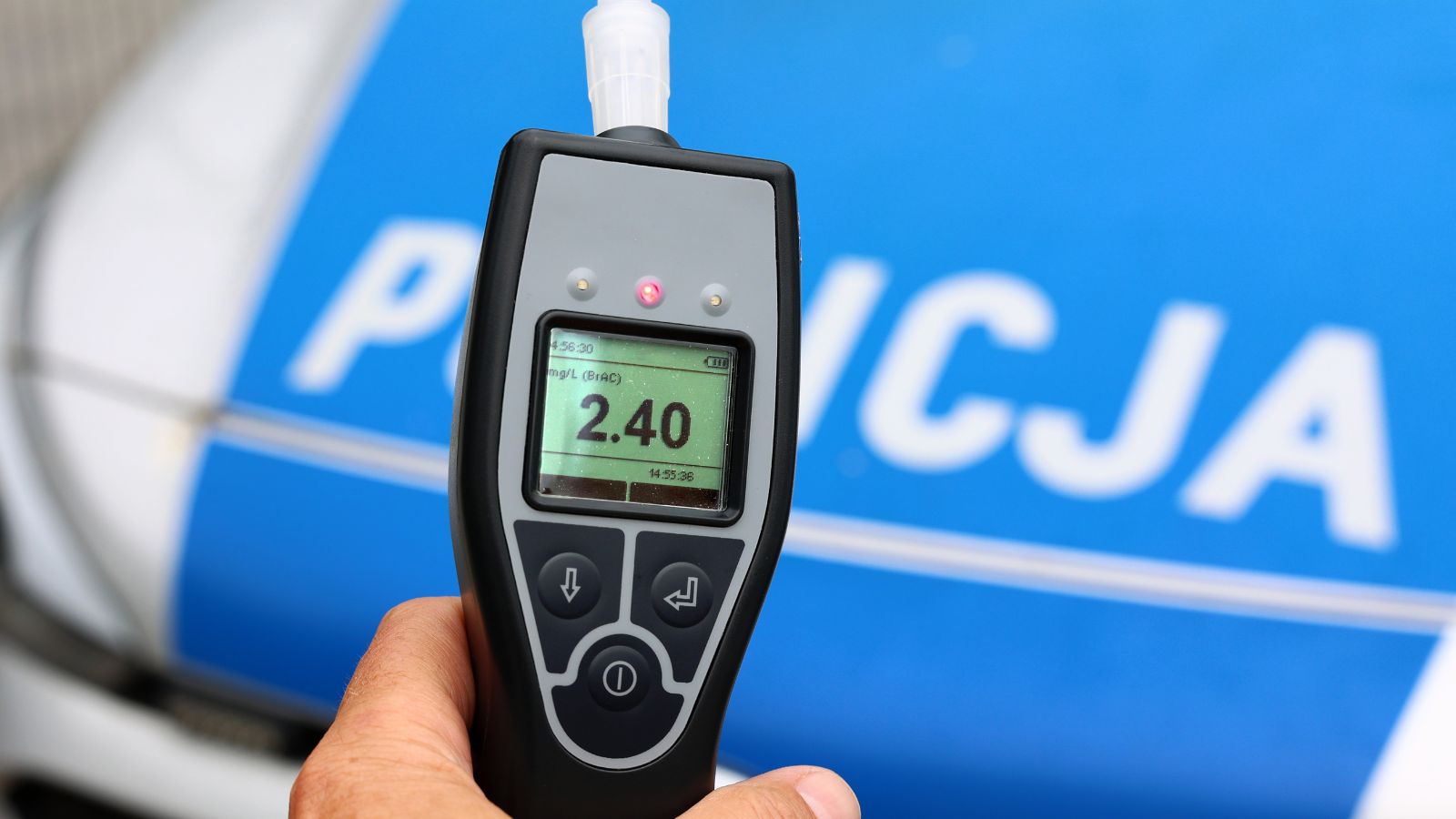
While some American states are only now making refusal a criminal offense, Canada has enforced it for decades. The system is strict but clear. Every driver knows that cooperation is mandatory and that refusal will result in conviction.
In the United States, laws vary by state. In some, refusal brings administrative penalties like license suspensions, but no criminal record. Others, such as Florida and Alaska, have begun to adopt Canada’s tougher model.
Canada’s consistency across provinces has made it one of the strictest countries in the world when it comes to impaired driving enforcement.
Supporters and Critics
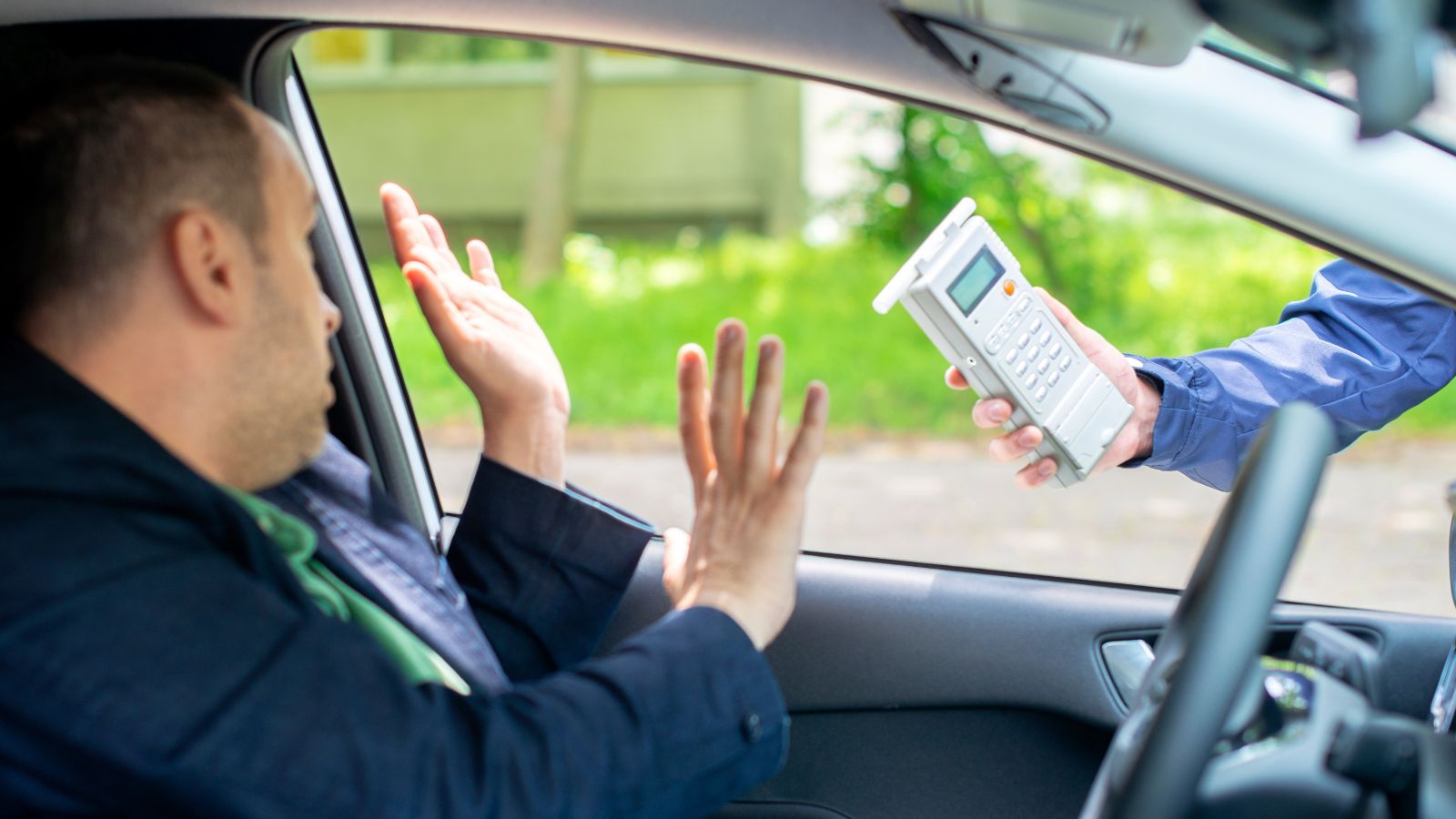
Supporters of the Canadian approach argue that it saves lives. By removing any incentive to refuse, the law ensures officers can gather evidence quickly and deter impaired driving more effectively. Police agencies say it streamlines enforcement and helps eliminate excuses.
Critics, however, worry about overreach. They argue that some drivers refuse not out of guilt but out of fear, confusion, or misunderstanding of their rights. Legal experts have occasionally raised concerns that the zero-tolerance approach may penalize nervous or inexperienced drivers unfairly.
Still, public opinion remains largely in favor of the law, and Canada’s impaired driving rates have continued to decline over time.
The Crime
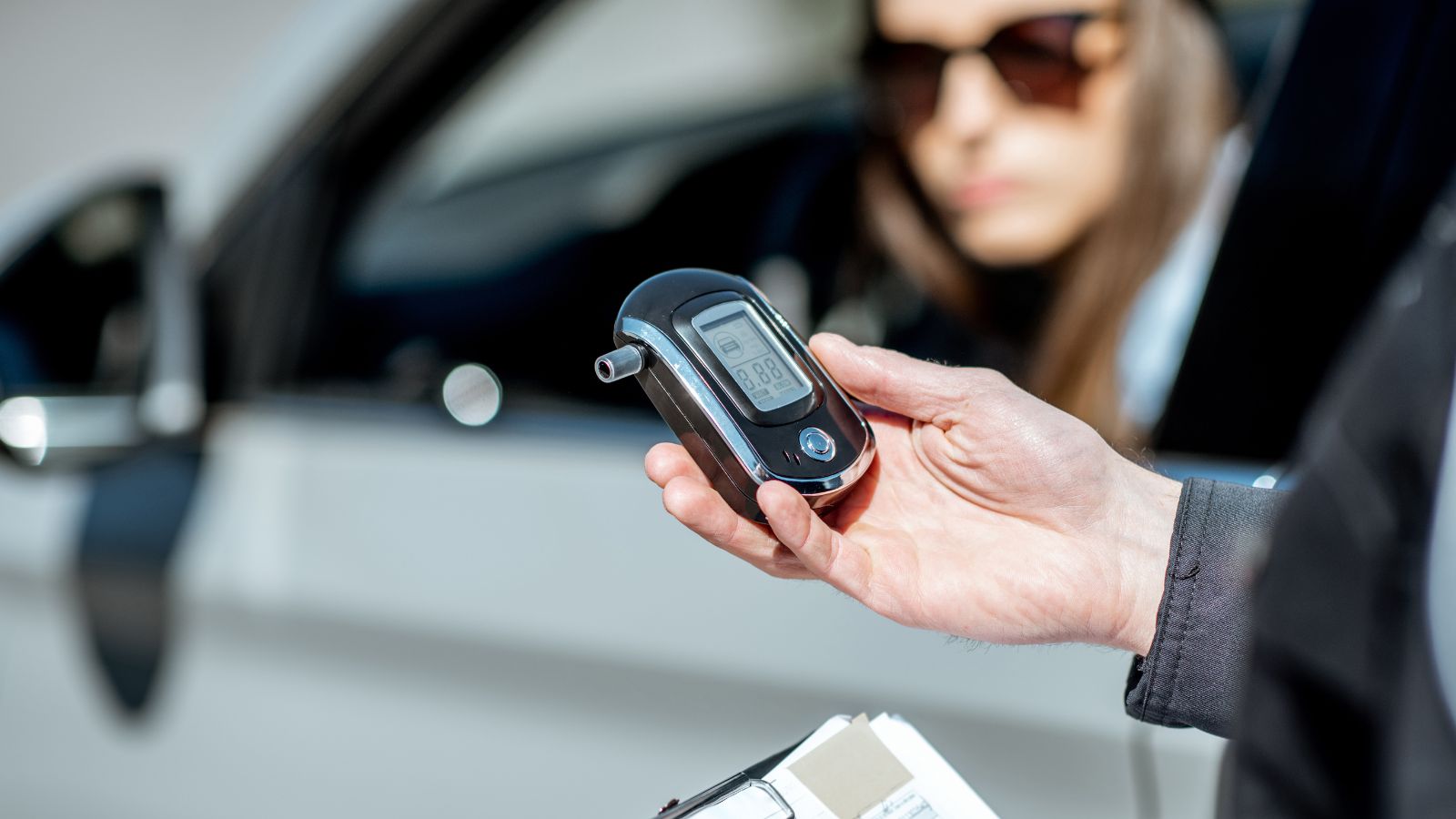
In Canada, refusing a Breathalyzer is not a legal loophole, its a crime. The country has enforced this stance for years to ensure accountability on the roads. While Florida’s move to criminalize refusal is making headlines, Canada’s policy shows how strict laws and consistent enforcement can create lasting cultural change.
For Canadian drivers, the message is simple. If an officer asks for a breath test, the right answer is always yes.
25 Facts About Car Loans That Most Drivers Don’t Realize

Car loans are one of the most common ways people fund car purchases. Like any other kind of loan, car loans can have certain features that can be regarded as an advantage or a disadvantage to the borrower. Understanding all essential facts about car loans and how they work to ensure that you get the best deal for your financial situation is essential. Here are 25 shocking facts about car loans that most drivers don’t realize:
25 Facts About Car Loans That Most Drivers Don’t Realize
