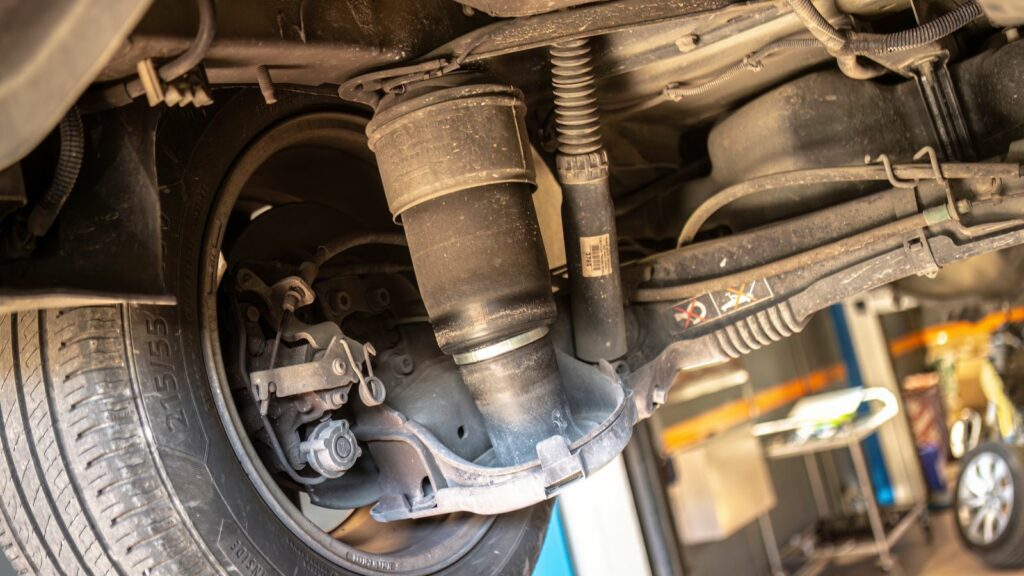
A luxury feature can feel almost magical while a vehicle is new, then become one of its most intimidating liabilities after the factory coverage ends. Air suspension replaces simple steel springs with pressurized air springs, electronic controls, sensors, valves, reservoirs, and a compressor. The result can be a remarkably smooth ride, automatic load levelling, and adjustable ground clearance.
The trade-off is that a small leak or faulty sensor may trigger a chain of diagnosis, calibration, labour, and replacement costs. These 12 realities explain why air suspension deserves careful attention when buying, owning, or keeping a vehicle beyond warranty.
The Feature Is Air Suspension
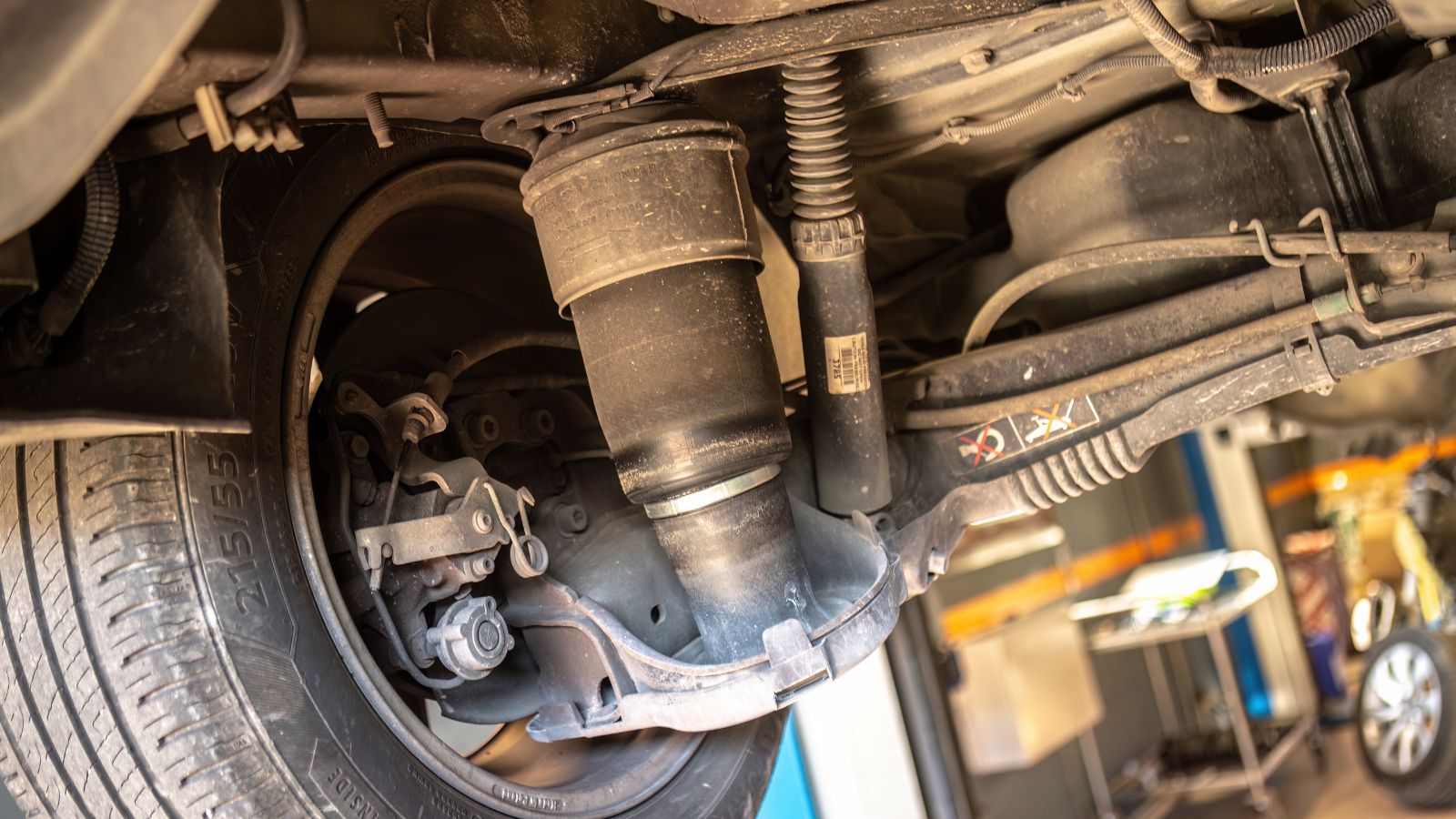
Air suspension is the feature hiding behind many showroom phrases such as “adaptive ride,” “self-levelling suspension,” or brand names like AIRMATIC. Instead of relying only on fixed steel coils, the system uses pressurized air chambers to support the vehicle. A compressor supplies air, valves route it, sensors measure body height, and a control module decides when each corner should rise, lower, or stiffen.
That complexity buys genuine capability. Audi, for example, has described systems with a total ride-height adjustment range of 76 millimetres, while Mercedes-Benz markets AIRMATIC as automatically responding to speed, load, and driving conditions. A family SUV can stay level with luggage in the back, then lower itself at speed or rise for a rough entrance road. The problem appears later: what looked like one optional feature is really an interconnected pneumatic and electronic network. Once warranty protection disappears, the owner—not the manufacturer—usually faces the bill for finding which part of that network stopped cooperating.
The Comfort Is More Than Marketing
The appeal is not marketing fiction. A well-tuned air suspension can soften sharp impacts, control body motion, and preserve ride height when passengers or cargo add weight. That is why the technology appears so often on premium sedans, luxury SUVs, and high-end electric vehicles, where manufacturers are trying to combine comfort, handling, and heavy vehicle mass without forcing one fixed suspension setting to do everything.
Older Mercedes-Benz technical material illustrates how quickly these systems can react. Its AIRMATIC and adaptive damping combination was described as adjusting damping force at each wheel within 50 milliseconds. Modern Audi systems likewise advertise a wide spread between a smooth comfort setting and sportier handling while automatically balancing vehicle load. Those benefits are easy to appreciate on a broken city street or a long highway trip. They also explain why owners hesitate to abandon the system when repairs arrive. Restoring the original ride may require expensive model-specific parts, while cheaper alternatives can sacrifice the comfort, levelling, and height adjustment that made the vehicle attractive.
One Small Leak Can Create a Second Failure
An air leak rarely remains an isolated inconvenience. When a spring, fitting, or line slowly loses pressure, the system may repeatedly run the compressor to restore normal ride height. That extra workload can turn one aging component into a second failure, especially when the warning signs are ignored because the vehicle still rises after startup. The driver sees a temporary recovery; the compressor experiences longer and hotter operating cycles.
Manufacturer troubleshooting documents describe this chain directly. A Stellantis service publication notes that a blown 40-amp compressor fuse can indicate a restriction or an air leak requiring additional compressor operation. The same material lists “compressor on too long” and compressor over-temperature faults as clues to pneumatic problems such as leaking air springs or lines. In practical terms, a vehicle that sags overnight but pumps itself level each morning is not fixing itself. It may be consuming the remaining life of an expensive compressor. Addressing the leak early can therefore be much cheaper than waiting until both the pressure loss and the air supply unit need repair.
Air Springs Can Cost Thousands
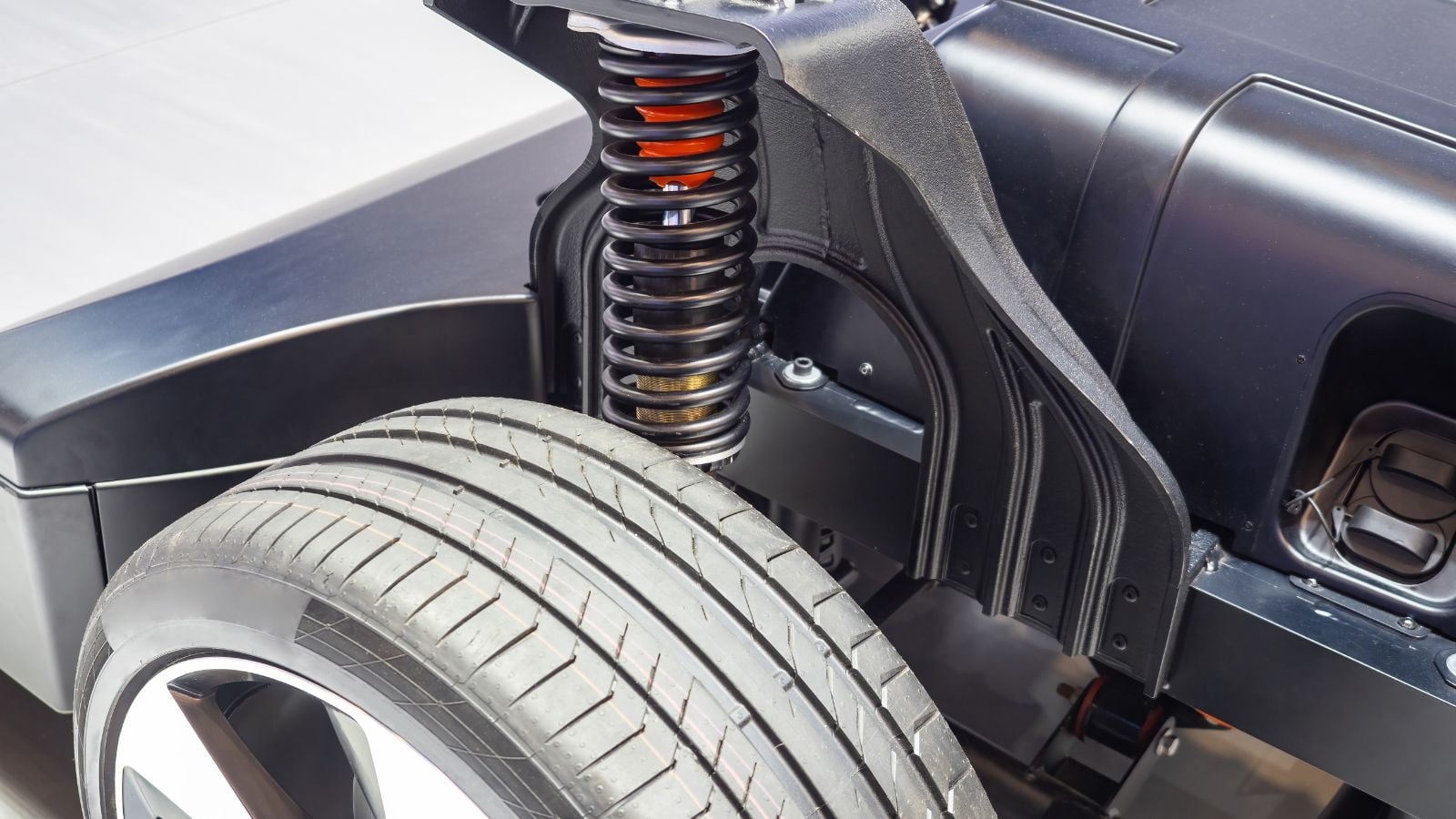
The air spring itself can be far more expensive than an ordinary coil spring. It may be integrated with an electronically controlled damper, upper mount, seals, and model-specific hardware, so replacement is not always a simple matter of swapping one rubber bellows. Access can also vary dramatically between vehicles, affecting labour even when the underlying failure—a leak or damaged spring—is similar.
Current U.S. estimates show how wide the exposure can be. RepairPal places the general average for active-suspension air-spring replacement at roughly $1,593 to $1,716 before taxes, fees, location differences, or related work. A BMW 750i estimate is much steeper, at about $3,609 to $3,939. Other SUVs may fall below those numbers, but even a single-corner repair can rival several years of routine maintenance on a basic car. The uncomfortable lesson is that used-car depreciation lowers the purchase price without shrinking the price of sophisticated replacement parts. A luxury sedan worth a fraction of its original sticker can still require suspension components priced for a luxury sedan.
The Compressor Can Deliver the Biggest Shock
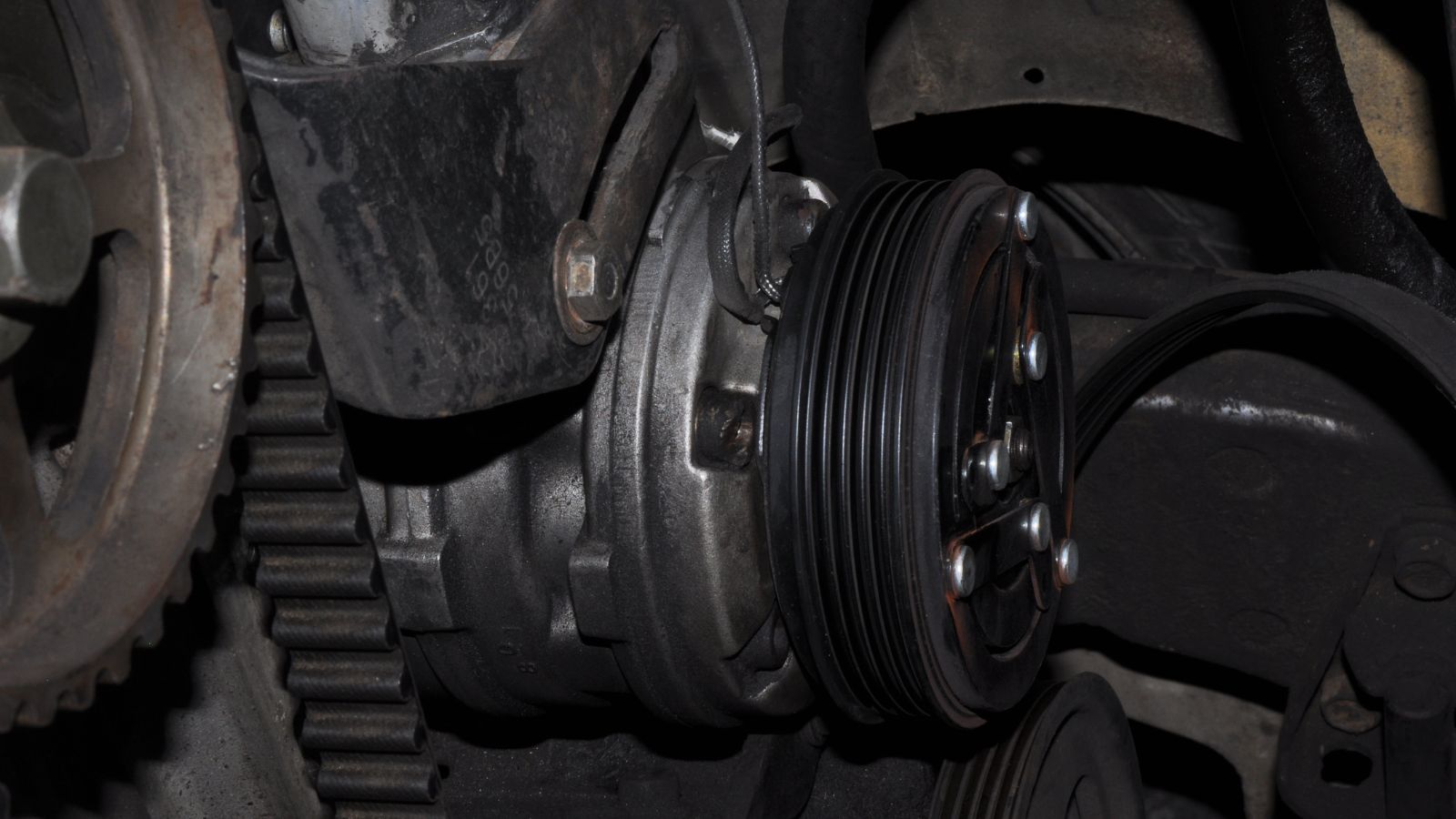
The compressor is the system’s heart, and replacing it can produce the kind of invoice owners remember for years. It contains an electric motor and pump, and some designs also incorporate or work closely with dryers, relays, reservoirs, and control hardware. Before condemning it, a technician should determine whether a leak, blocked intake, damaged line, electrical fault, or failing valve caused the compressor to struggle.
Even after careful diagnosis, the part can be costly. RepairPal’s broad estimate for an active-suspension compressor replacement is about $1,382 to $1,457 in the United States. Model-specific figures can be substantially higher: its BMW X5 estimate is approximately $2,128 to $2,247, while the estimate for a 2020 X5 exceeds $2,100. Taxes, local labour rates, and related repairs are extra. This is why replacing a compressor without locating the original pressure loss is risky. A new unit installed into a leaking system may inherit the same punishing duty cycle that damaged the old one, creating a repeat repair rather than a lasting solution.
Many Different Faults Can Look Identical
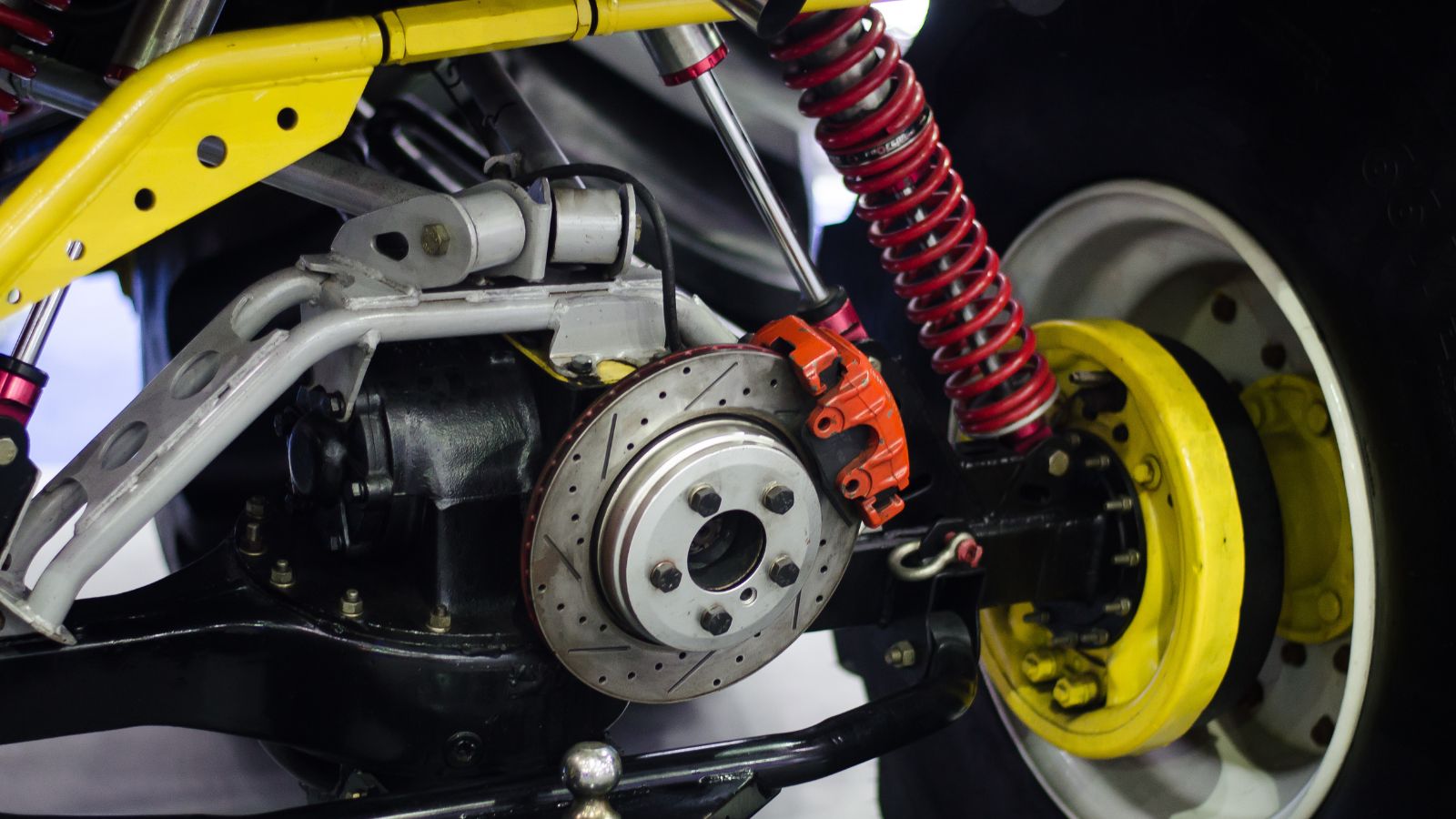
Air suspension does not fail in only one recognizable way. A vehicle may sit low because of a leaking spring, but similar symptoms can come from a loose air line, damaged pipe, faulty solenoid valve, bad height sensor, disconnected linkage, weak compressor, control-module fault, low voltage, or reservoir problem. The warning on the dashboard often identifies the system, not the exact component that needs replacement.
A Volkswagen Group technical bulletin for advanced air-suspension diagnosis lists air spring struts, solenoid valve blocks, accumulators, compressors, reservoirs, and air pipes among the items that may need leak testing. A separate Stellantis bulletin instructs technicians to inspect module connections, compressor vent hoses, air lines, and ride-height sensors. That breadth matters after warranty because every diagnostic branch can add shop time. It also makes guesswork expensive. Replacing the visibly low air spring may not solve a kinked line or faulty sensor, while replacing the compressor may miss the leak that overworked it. Accurate fault isolation is therefore part of the repair—not an optional extra before the “real” work begins.
Diagnosis Requires More Than a Visual Inspection
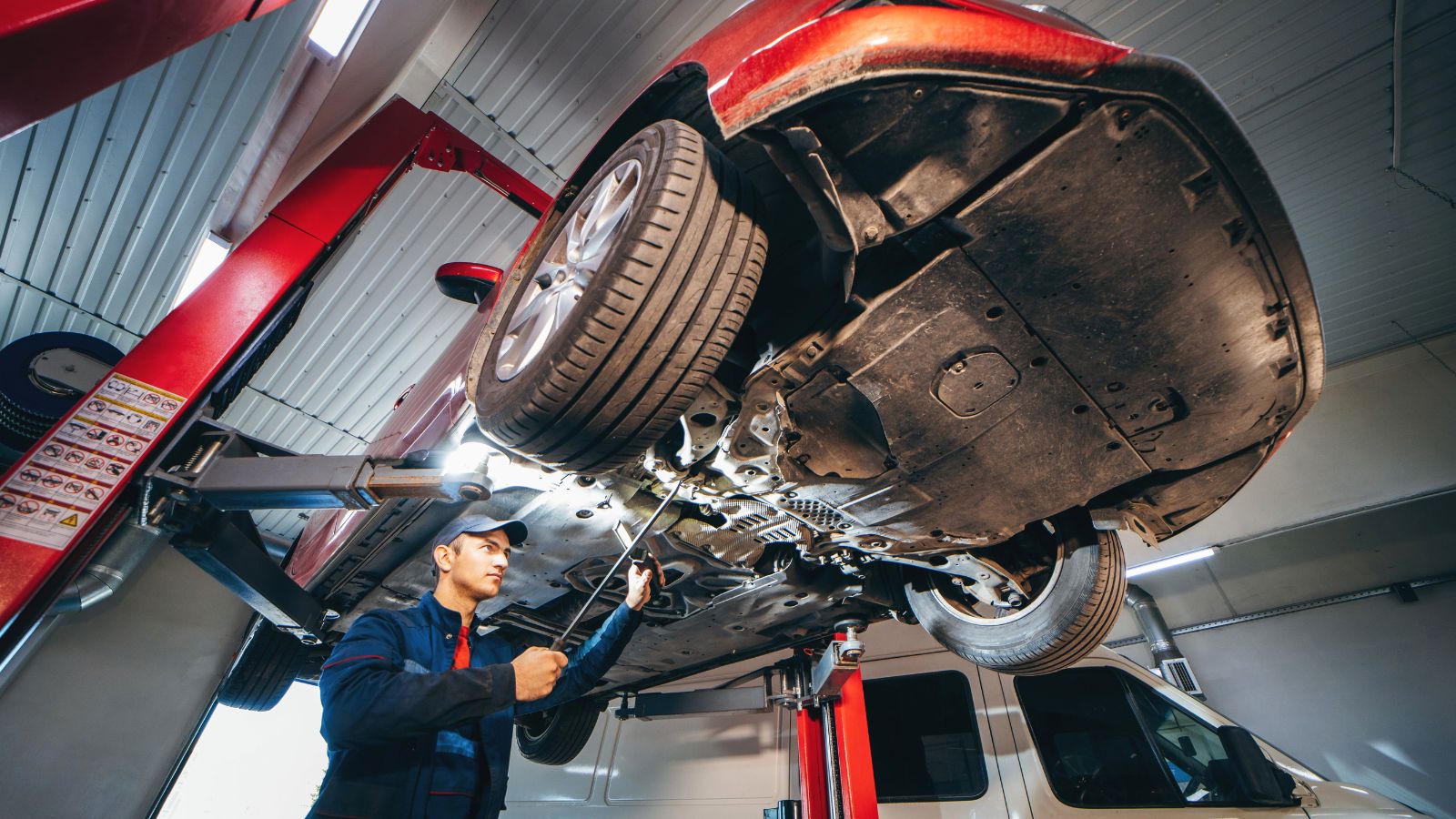
Diagnosis often requires more than lifting the vehicle and looking for cracked rubber. Technicians may need a manufacturer-capable scan tool to read suspension pressure, command individual valves, operate the compressor, deflate the system safely, clear trouble codes, and perform ride-height routines. Leaks can be too small to hear, so service procedures may also call for special testers or leak-detection solution at fittings, spring bodies, valve blocks, and reservoirs.
One Stellantis procedure tells technicians to record air-spring pressure values, partially deflate each spring through the control module, and later set the vehicle to normal ride height with a scan-tool routine. Volkswagen Group instructions specify an air-suspension leak tester and detailed checks across the entire pneumatic circuit. These steps explain why an apparently straightforward repair can carry substantial diagnostic labour. An independent shop with the right experience and equipment may save money, but a general mechanic without system access can be forced into parts swapping. The cheapest estimate is not necessarily the cheapest outcome when it omits calibration, pneumatic testing, or the ability to command the suspension electronically.
Overnight Sagging Is an Important Clue
One of the most useful warning signs appears while the vehicle is doing nothing. A corner that settles after several hours, a rear axle that sits unusually low in the morning, or a body that appears tilted on level ground can point to pressure loss. The compressor may hide the symptom once the vehicle starts, so inspecting it after an overnight park can reveal more than a brief daytime test drive.
Consumer Reports advises used-car shoppers to walk around a vehicle and check whether it sits level. Maserati’s diagnostic guidance goes further, describing a controlled parked-vehicle test lasting up to 24 hours, with height measurements taken at intervals. That makes a simple pre-purchase habit surprisingly valuable: view the vehicle cold, before the seller has started it and allowed the system to refill. Listen for prolonged compressor operation, watch how quickly the body rises, and confirm every available height mode. A seller may honestly believe the suspension is fine because the dashboard warning disappears. The overnight stance can tell a different story—and expose a repair that could materially change whether the asking price still makes sense.
Winter Can Reveal Hidden Weaknesses

Cold weather does not automatically doom an air suspension, but it can expose weaknesses that warmer conditions conceal. Rubber seals can contract, moisture may freeze, and sensor or linkage problems can prevent the control module from receiving believable ride-height information. The result may be a warning message, limited suspension movement, or a vehicle that refuses to reach its commanded height until temperatures rise.
A Stellantis technical case describes a ride-height fault occurring below freezing when water intrusion into a sensor body forms ice and prevents the sensor arm from moving smoothly. That is a specific failure mode rather than proof that every system will struggle in winter, but it shows why seasonal testing matters. A used SUV inspected only on a warm afternoon may behave differently during the first cold snap. Owners in colder regions should pay attention to intermittent winter warnings, slow levelling, and a compressor that runs longer than usual. Treating those symptoms as harmless “cold-weather quirks” can delay diagnosis until a sensor, fuse, compressor, or leaking pneumatic component turns an occasional warning into a permanent and expensive failure.
Replacing the Part May Be Only Half the Job
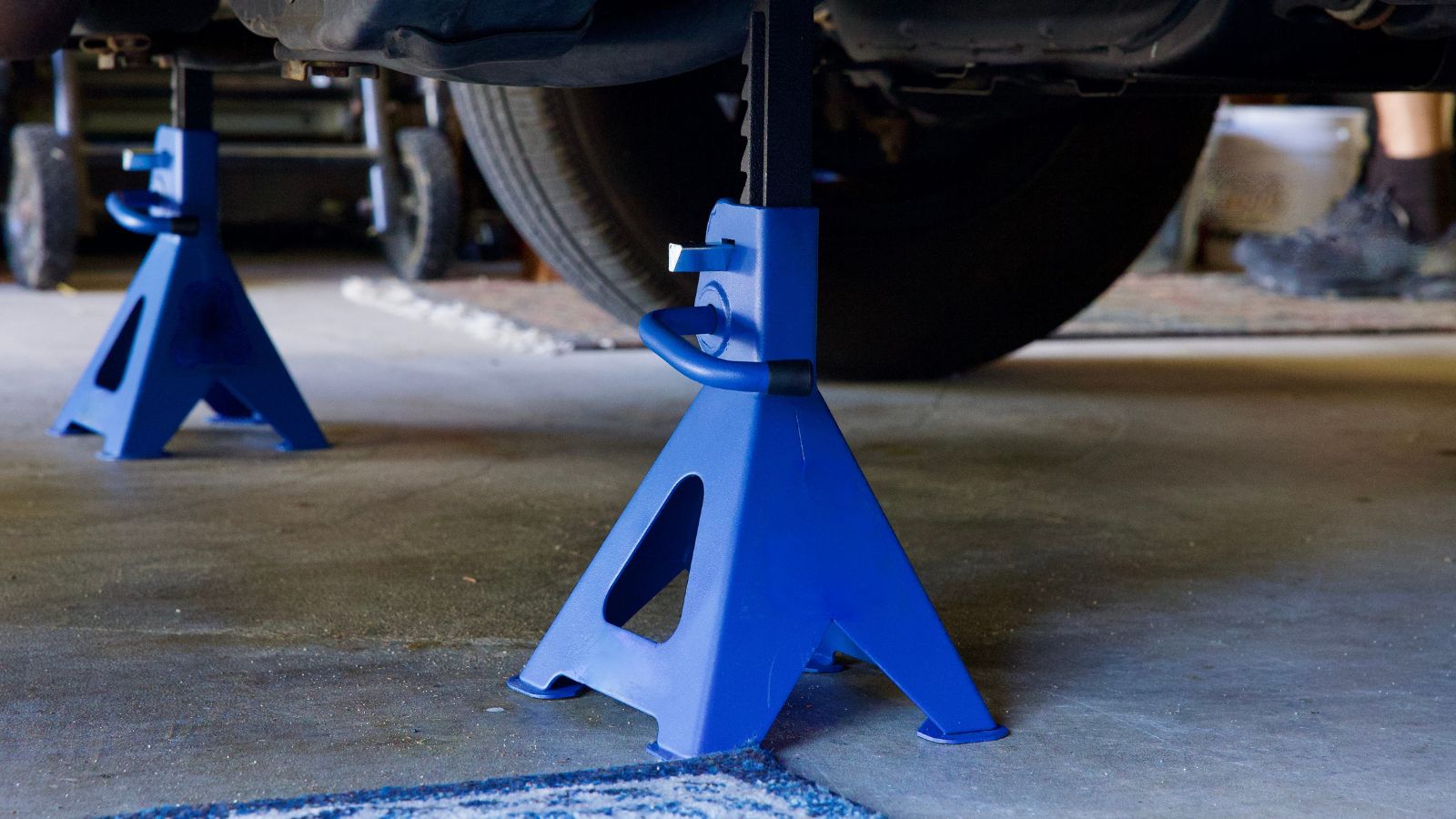
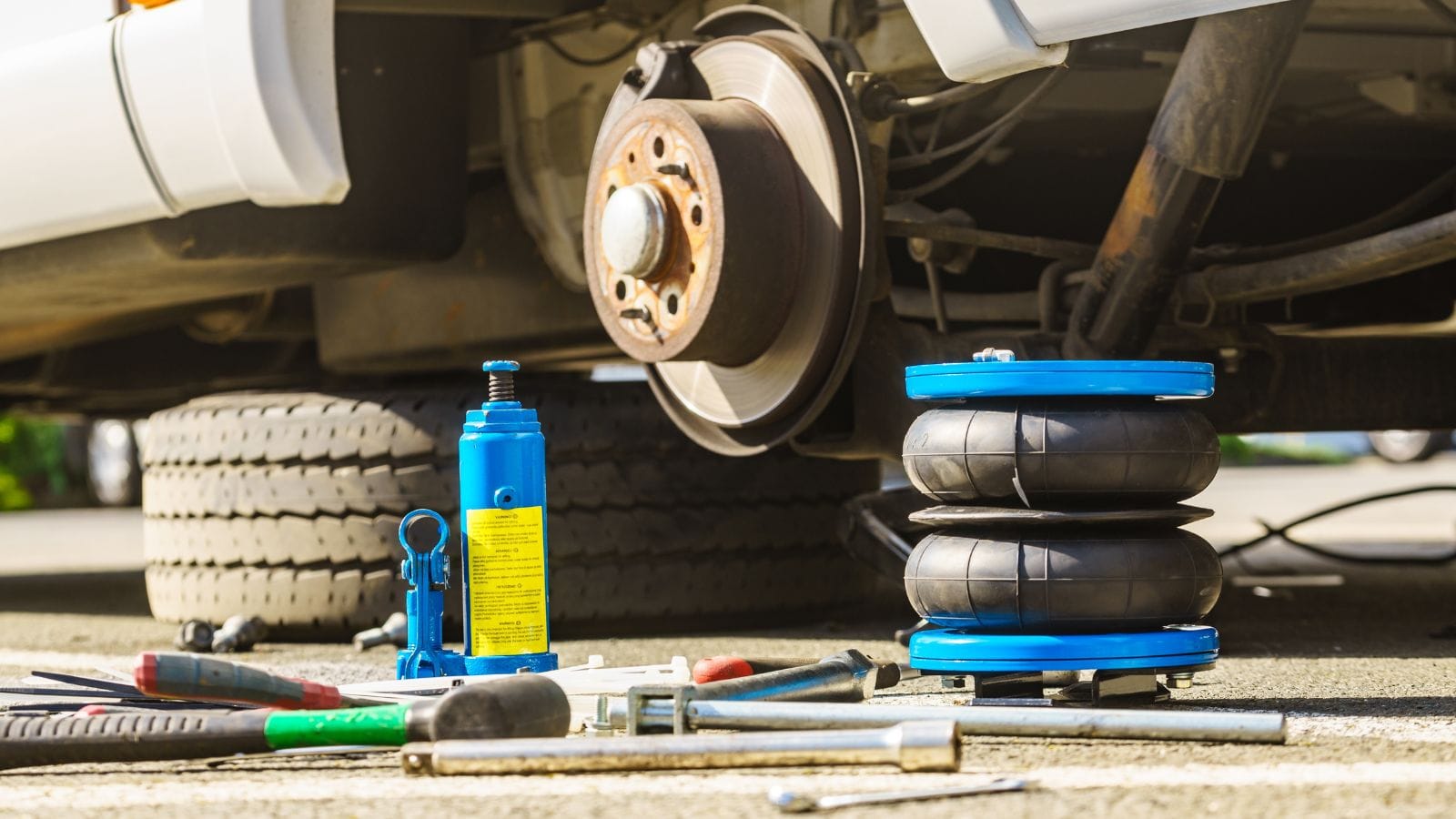
Installing the replacement part may be only the middle of the job. Air systems often have to be depressurized before service, protected from contamination while lines are open, recharged afterward, checked for leaks, and calibrated on a flat surface. Some vehicles also require a jack or service mode before lifting so the suspension does not react incorrectly while the wheels hang free.
The labour allowances in manufacturer documents show how these steps accumulate. One Stellantis bulletin assigns 1.5 hours to inspecting and repairing air-suspension lines, hoses, and electrical connections, and its procedure includes pressure readings, deflation, reconnection, ride-height setting, and code clearing. A Volkswagen Group bulletin lists 50 time units for initial diagnosis and additional time for individual line repair. Those figures apply to specific service operations, not every vehicle, but they illustrate why the final invoice can exceed the price of the failed component. Improper handling can also create new damage: contamination, incorrectly seated lines, or lowering a vehicle with unpressurized springs can turn a controlled repair into a larger one.
Aftermarket Parts Can Reduce the Damage
Owners are not always limited to new dealer parts. The independent aftermarket now offers new air springs, compressors, valve blocks, remanufactured assemblies, and, for some older models, conversion kits that replace air springs with conventional coils. Continental has expanded original-equipment air-suspension parts into the independent repair market, while companies such as Dorman sell model-specific air-to-coil conversion kits for selected vehicles.
Each route involves a trade-off. A reputable new or remanufactured component may preserve factory operation at a lower price, but quality, warranty, and completeness vary. A coil conversion can eliminate compressors and future air leaks, yet it may also remove automatic levelling, selectable ride heights, or the original ride character. Some vehicles may display warning messages unless the kit addresses the electronics, and towing or load-carrying behaviour may change. Before choosing the cheapest path, owners should compare the full installed cost, parts warranty, compatibility, expected ride, and local inspection or insurance requirements. A lower repair bill is valuable only when the vehicle remains safe, predictable, and suitable for its intended use.
Inspection Matters Before the Warranty Ends

The safest time to investigate air suspension is before the factory warranty ends—or before buying the vehicle at all. Service records should show whether air springs, compressors, sensors, or lines have already been replaced. A proper inspection should include a cold start, overnight level check when possible, scan for stored suspension codes, operation of every height setting, and examination for leaks or unusually long compressor cycles.
Warranty wording also deserves close attention. In the United States, the Federal Trade Commission requires dealers to disclose on the Buyers Guide whether a used vehicle carries a warranty or is sold “as is,” and it recommends an independent mechanical inspection. AAA similarly advises budgeting for repairs and obtaining a qualified pre-purchase inspection when expertise is limited. Extended service contracts can help, but only when air-suspension components, diagnostics, labour, and related damage are actually covered. The central lesson is not that air suspension should always be avoided. It is that its comfort has a measurable financial tail. A documented, healthy system can be worth owning; an unexplained sag or warning light should be priced like the repair risk it represents.
22 Things Canadians Do to Their Cars in Spring That Mechanics Hate

Spring brings relief to many Canadian drivers after months of snow, freezing temperatures, and icy roads that put serious strain on vehicles. As temperatures rise across the country, drivers begin washing cars, switching tires, and preparing vehicles for warmer weather and upcoming road trips. However, mechanics across Canada notice the same mistakes every spring when drivers attempt to recover from winter damage. Road salt, potholes, and harsh winter driving conditions often leave vehicles with hidden problems that drivers ignore. Some spring habits even create new mechanical issues that could have been avoided with proper maintenance. Here are 22 things Canadians do to their cars in spring that mechanics hate.

Alanna Rosen is an experienced content writer that focuses on many EV and educational content. Her articles are regularly published on Get CyberTrucked and syndicated on large publications.