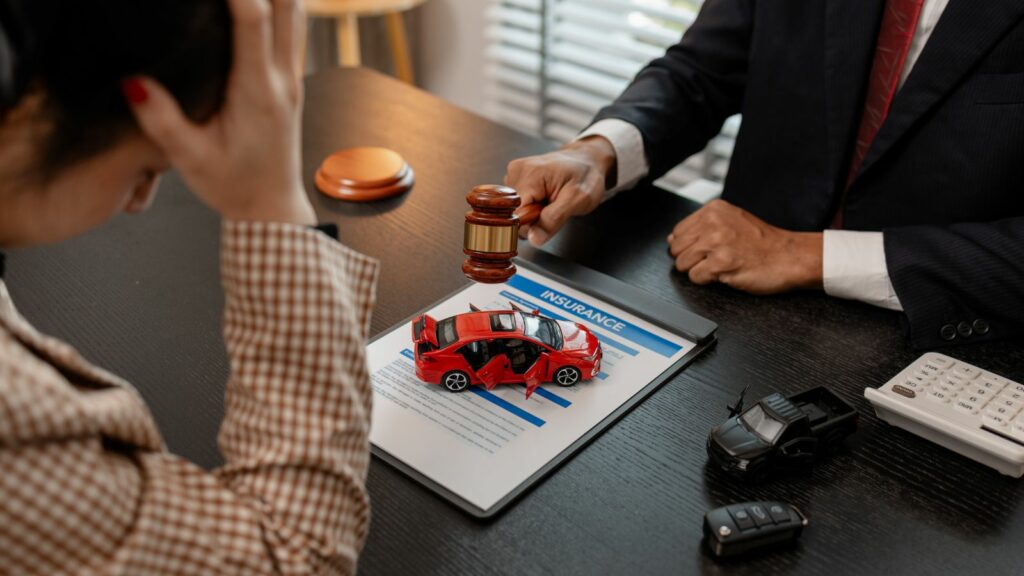
Car insurance often feels straightforward until a damaged vehicle is sitting in a body shop, an adjuster is calculating a settlement, and the fine print suddenly matters. Across Canada, mandatory protection varies by province, while many of the conveniences and financial safeguards drivers assume are included can actually depend on optional coverage, endorsements, deductibles, eligibility rules, and how the vehicle was being used.
These 12 car insurance gaps and conditions can turn an already stressful collision into an expensive lesson. Some affect only particular provinces, while others appear in different forms across the country. The common thread is simple: the coverage that matters after a crash is not always the coverage a driver assumed was there before it.
Being Not at Fault Does Not Automatically Guarantee Every Repair Is Covered

A driver can be completely convinced another motorist caused the crash and still discover that the insurance outcome depends on the coverage actually purchased. Ontario provides a particularly striking example. Direct Compensation–Property Damage, or DCPD, traditionally allows an insured driver to claim through their own insurer for certain losses when another insured motorist is responsible. Since January 2024, however, Ontario policyholders have been allowed to elect in writing not to recover under DCPD.
That decision can look attractive when the goal is lowering premiums, but its importance becomes much clearer after a collision. Ontario’s regulator warns that opting out means giving up DCPD recovery for damage to the automobile, its contents and loss of use in situations where the coverage otherwise would have applied. Deductibles can also exist under DCPD policies. A driver therefore cannot safely assume that the words “not at fault” translate automatically into a repair cheque with no out-of-pocket cost. Coverage, province, fault percentage and policy choices all matter.
A Total-Loss Settlement May Be Based on Today’s Value, Not What the Vehicle Cost
The shock of a written-off vehicle is often followed by a second unpleasant surprise: the insurer may not value the car according to its original sticker price, the amount recently paid for it or the balance remaining on a finance contract. In British Columbia, for example, ICBC says a normal total-loss settlement under Collision, Comprehensive or Specified Perils coverage is based on the vehicle’s actual cash value immediately before the loss. That essentially means its current market value.
Consider a relatively new SUV purchased when prices were unusually high. A few years later, used-car values may have softened even though a substantial amount remains on the loan. Insurance valuation and financing are separate calculations, so the settlement can feel painfully disconnected from the household’s actual debt. Receipts, photographs and independent appraisals can help establish a vehicle’s pre-loss value in a dispute, but they do not automatically transform ordinary actual-cash-value coverage into replacement-cost protection. That usually requires additional coverage purchased before the crash.
The Rental Car Can Run Out Before the Repair Is Finished
Drivers sometimes assume that if an insured vehicle is undriveable, insurance will simply provide another one until the damaged car comes home. Loss-of-use coverage is more complicated. Ontario’s OPCF 20 transportation-replacement endorsement, for example, reimburses reasonable costs for a substitute automobile, taxi or public transportation when an insured loss creates the need. The endorsement can specify both a maximum daily amount and a maximum amount for the entire occurrence.
That distinction matters when parts are backordered or a collision centre has a lengthy queue. A policy could theoretically remain active while the available rental allowance is exhausted. British Columbia presents a similar lesson: ICBC states that purchased Loss of Use coverage has maximum total limits and may also have daily limits, while replacement vehicles are generally limited to a size similar to the insured vehicle. A family waiting several weeks for a repair can therefore discover that “rental coverage” was never an unlimited promise. The dollar limit matters almost as much as having the endorsement itself.
“Replacement Cost” Protection Has an Expiry Date
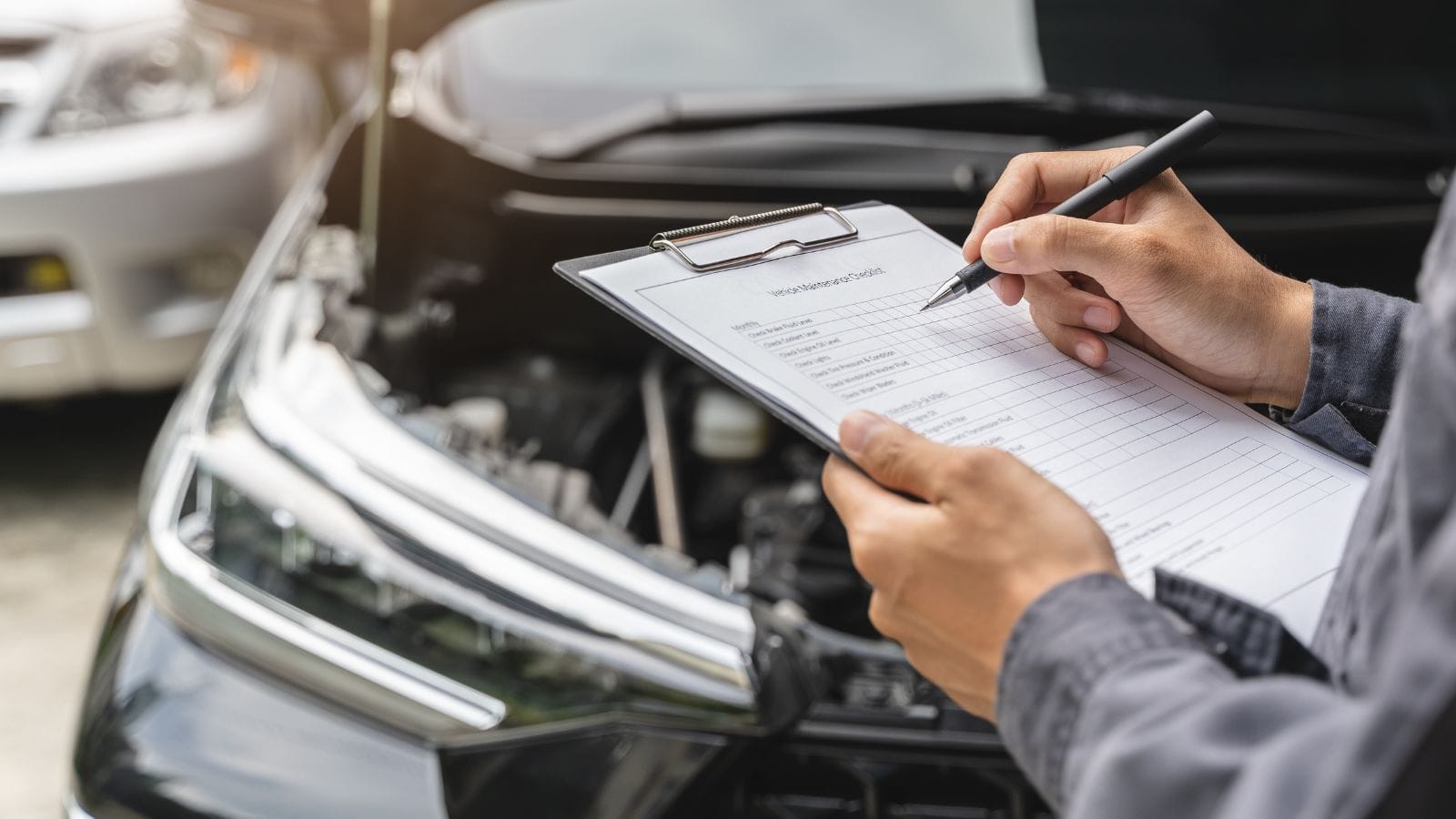
The owner of a nearly new vehicle may expect insurance to put another nearly new vehicle in the driveway after a write-off. Ordinary insurance does not necessarily work that way. Replacement-cost and limited-waiver-of-depreciation endorsements exist precisely because standard settlement rules can account for depreciation. Insurance Bureau of Canada describes limited waiver-of-depreciation coverage as protection that can preserve new-vehicle value for a specific period, often around the first couple of years, depending on the policy.
Provincial programs illustrate how eligibility can narrow quickly. ICBC says its New Vehicle Replacement Plus coverage is available for eligible vehicles no more than two model years old, while Replacement Cost Coverage can apply to eligible vehicles no more than three model years old. Its Limited Depreciation product also has eligibility conditions and requires specified physical-damage coverage. Ontario offers OPCF 43, which removes an insurer’s right to deduct depreciation in an eligible total-loss claim. The catch is that these protections need to exist before the crash. Discovering that an endorsement expired at renewal can turn a replacement expectation into an actual-cash-value settlement.
Ontario Drivers Can No Longer Assume Every Accident Benefit Is Automatically Included
Ontario introduced one of the most consequential changes to auto insurance on July 1, 2026. Medical, rehabilitation and attendant-care benefits remain mandatory, but other statutory accident benefits became optional. Depending on policy choices, benefits such as income replacement, non-earner benefits, caregiver assistance, housekeeping, funeral benefits, dependant care and indexation may no longer automatically be part of the coverage a policyholder carries.
The change gives motorists more flexibility to tailor premiums, but it also increases the importance of knowing what was selected at renewal. Consider a household where one income supports most monthly expenses. Before a serious injury, deleting income-replacement coverage may appear to be an abstract insurance choice; after several months away from work, the missing benefit becomes tangible. Ontario still requires standard medical, rehabilitation and attendant-care protection, with options to buy higher limits. The broader lesson extends beyond Ontario: accident-benefit systems vary significantly across Canada, and a familiar-looking insurance certificate does not mean every province—or every policyholder—has identical post-crash financial protection.
The Occasional Driver May Not Be as “Occasional” as the Insurer Thinks

A child returns from university and begins driving the family vehicle every day. A partner moves into the household and regularly borrows the car. Someone becomes the vehicle’s real primary driver even though another household member remains listed that way on the insurance application. Those changes can seem harmless until a serious claim forces the insurer to examine exactly who was driving the vehicle and whether the policy information accurately reflected the risk.
Ontario’s regulator explicitly tells consumers to provide accurate information about other drivers and update their insurance representative when circumstances change. FSRA warns that non-disclosure or misrepresentation can result in higher rates and, in serious cases, could render a policy void and leave the customer without expected protection. British Columbia has its own system for listed drivers and offers Unlisted Driver Protection for certain situations. The rules differ by province and insurer, but the lesson is consistent: casually lending a vehicle and effectively adding another regular driver are not necessarily the same insurance event. After a crash, that distinction can suddenly become expensive.
Using a Personal Car to Make Money Can Change Which Policy Applies
The rise of app-based work has blurred the once-clear line between a personal vehicle and a commercial one. A car that carries a family to the grocery store in the morning might carry a paying passenger or restaurant order that evening. Insurance coverage can change depending on what the vehicle was doing at the moment of the crash, which platform was being used and whether that platform has an approved commercial insurance program.
Ontario’s FSRA maintains lists of approved ridesharing, carsharing and delivery insurance products. For approved rideshare programs, the commercial program generally covers the applicable period while the app is active, while the owner’s personal policy applies when the app is off. Delivery programs have their own approved arrangements. Alberta similarly requires transportation network companies to carry qualifying insurance and imposes specific requirements on drivers and vehicles. The dangerous assumption is that an ordinary personal policy simply stretches over every money-making activity. Drivers using vehicles for rideshare, deliveries or other business activity need to know exactly when personal coverage ends and platform or commercial protection begins.
Insurance on the Family Car Does Not Automatically Mean Full Insurance on a Rental
Rental counters often produce a familiar dilemma: pay for the rental company’s collision damage waiver or trust existing insurance. The answer is not as simple as showing proof that a personal vehicle is insured. Ontario, for example, offers OPCF 27, an endorsement that can provide physical-damage protection for certain automobiles the insured does not own, including qualifying rental or borrowed vehicles. Without that or another applicable source of protection, the driver can face exposure for damage to the rental.
Credit-card benefits can fill part of the gap, but they come with their own conditions. FSRA warns that card-based collision protection may apply only to qualifying rentals and approved rental companies, and cardholders need to check limitations directly with the issuer. Ontario’s OPCF 27 also has geographic limitations, applying to non-owned vehicles driven in Canada and the United States. A traveller who assumes “my credit card covers rentals” or “my car policy follows me everywhere” may only learn otherwise after the rental company presents a damage bill. Verification before accepting the keys is far cheaper than discovering an exclusion afterward.
Expensive Modifications May Be Worth More to the Owner Than to the Policy
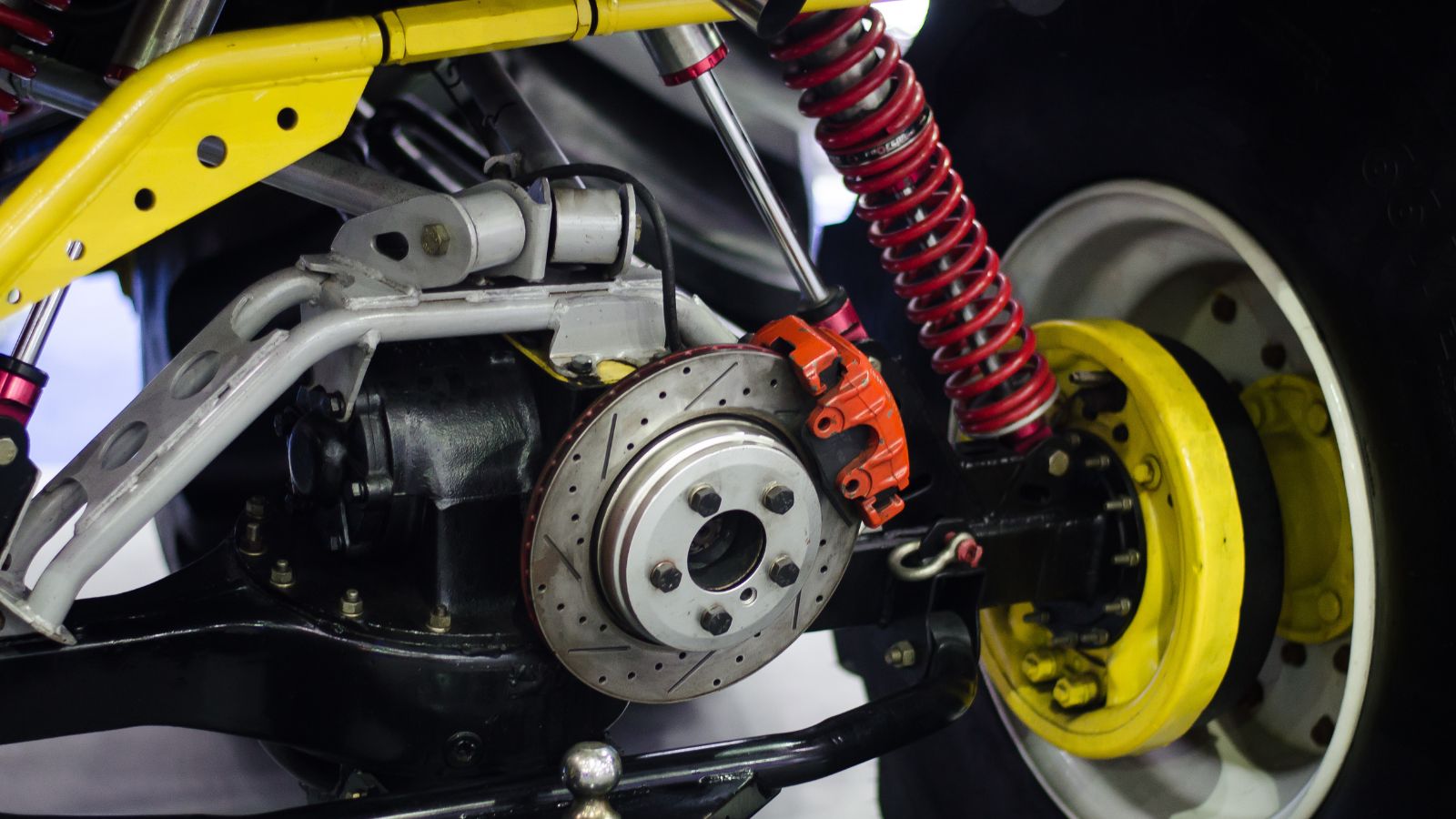
Custom wheels, suspension work, upgraded electronics and other modifications can push thousands of dollars into a vehicle without automatically producing an equivalent increase in an insurance settlement. Policies are written around declared risks, covered equipment and specific valuation rules. Ontario even has a dedicated OPCF 38 endorsement establishing an agreed limit for automobile electronic accessories and equipment, highlighting that non-standard equipment can require special treatment.
British Columbia provides an even clearer illustration for vehicles insured on a declared-value basis. ICBC says declared value should reflect current market value and include the depreciated value of permanently attached equipment. It recommends reviewing declared value regularly because the number can change with inflation, market conditions and modifications. Imagine spending $8,000 building a custom audio, wheel and suspension package and never mentioning it to the insurer. After a total loss, receipts may help demonstrate what existed, but coverage is still governed by the policy that was purchased. Modifications should therefore trigger an insurance conversation long before they ever become evidence in a claim file.
An Underinsured Driver Can Leave a Much Bigger Gap Than Expected
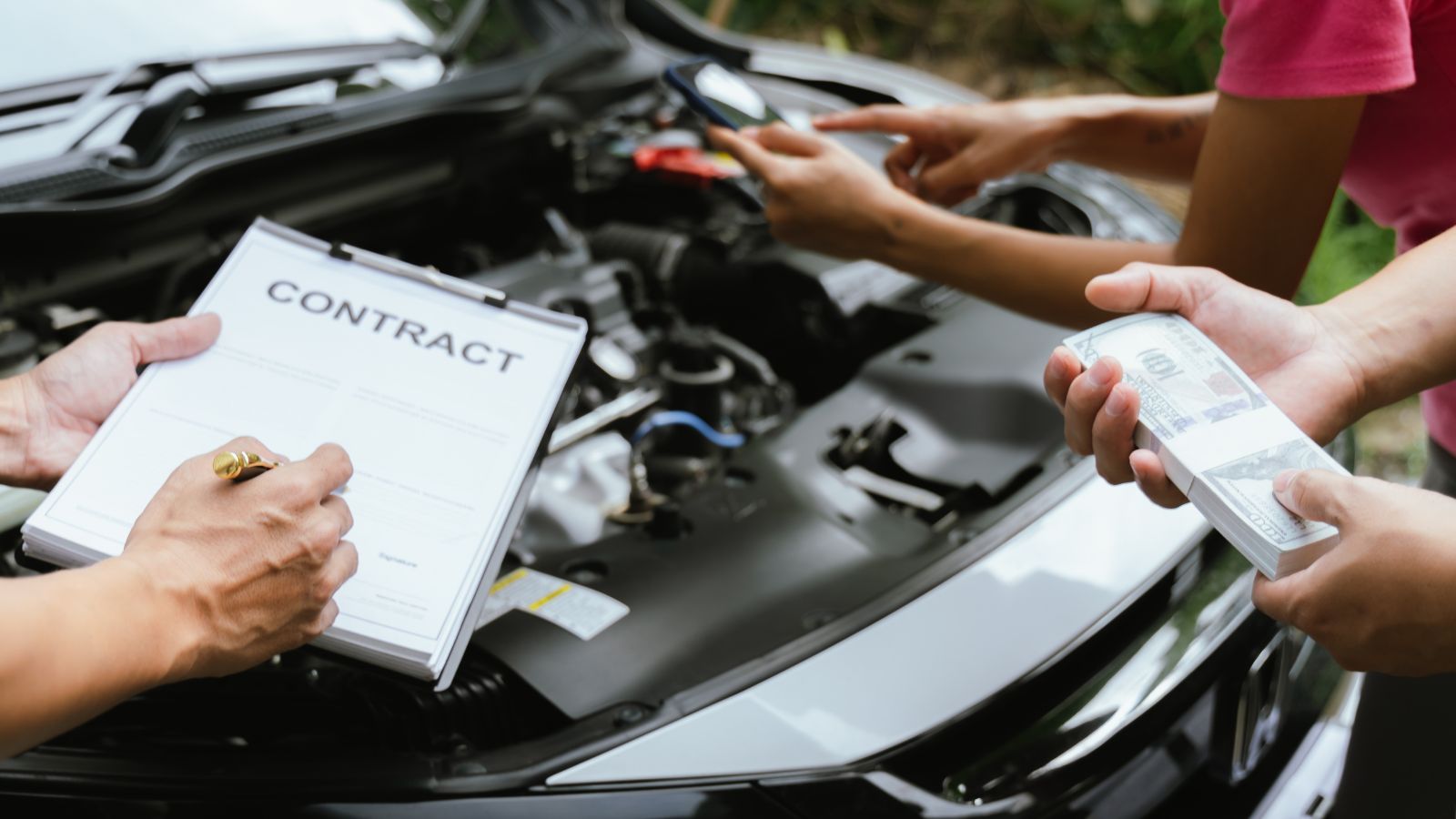
Mandatory liability insurance does not mean every driver on the road carries enough liability protection to cover every severe loss. Serious injuries can produce costs that exceed another motorist’s limits, and hit-and-run situations introduce another problem entirely: the responsible driver may never be identified. Basic uninsured-automobile protection exists in Ontario, but additional family-protection coverage can extend protection when an at-fault motorist is uninsured, underinsured or unidentified.
Ontario’s OPCF 44R is designed to protect eligible insured people and family members up to the policy’s third-party liability limits in qualifying situations involving an inadequately insured or unidentified at-fault motorist. British Columbia uses a different system and includes Basic Underinsured Motorist Protection for certain qualifying claims. These differences demonstrate why “the other driver has insurance” is not the end of the financial question. A catastrophic collision can expose the difference between the damages actually suffered and the insurance available from the responsible party. Optional protection that seemed obscure on the declaration page can suddenly become one of the most important lines in the entire policy.
A Police Officer Does Not Make the Final Insurance Fault Decision
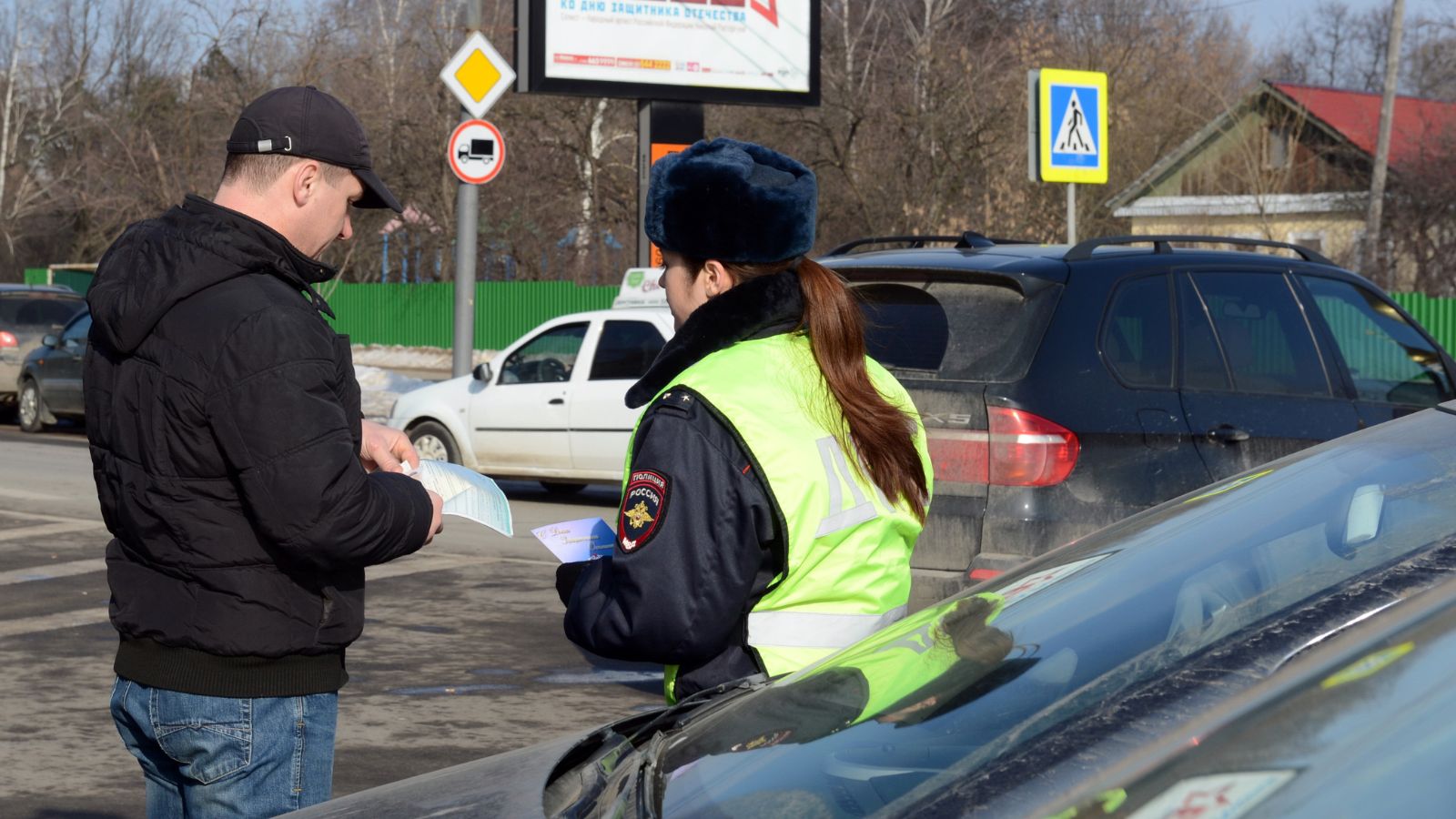
At the roadside, drivers naturally attach enormous importance to tickets. If the other motorist receives a charge while one driver leaves without one, it can feel as though the insurance question has already been settled. In Ontario, that assumption can be wrong. Insurance companies determine fault using the province’s Fault Determination Rules, which prescribe how responsibility is assigned in common collision scenarios.
FSRA specifically states that receiving a charge does not necessarily mean a person will ultimately be considered at fault for insurance purposes, while avoiding a charge does not automatically guarantee a zero-fault insurance finding. Ontario’s regulation contains detailed scenarios covering rear-end collisions, lane changes, parking lots, backing, U-turns and other circumstances. That can create an emotionally frustrating result for someone who believes the police report tells the whole story. An insurer’s fault determination can influence the property-damage settlement and potentially future premiums. Policyholders who dispute the decision can ask which rule was applied and use the insurer’s complaint process rather than assuming the roadside outcome is final.
Waiting Too Long to Report the Crash Can Become a Coverage Problem
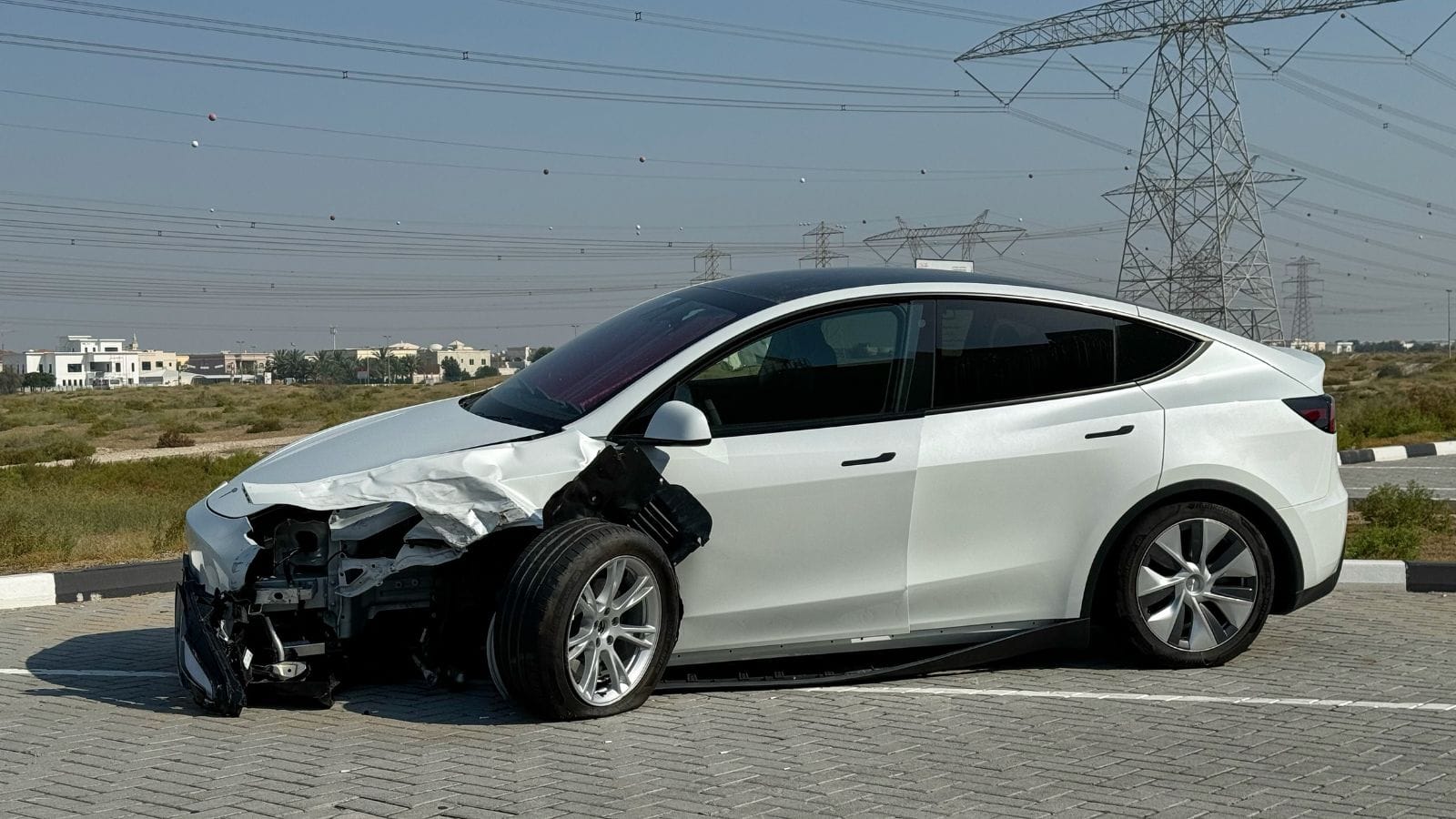
After a minor collision, postponing the insurance call can feel reasonable. Perhaps the damage looks cosmetic, the other driver promises to pay privately, or everyone hopes a repair estimate will keep the matter simple. In Ontario, however, the Insurance Act requires written notice to the insurer within seven days for an incident that must be reported to police or when the insured intends to make a claim, subject to exceptions when the insured is unable to comply and reports as soon as possible afterward.
FSRA similarly tells motorists to report an accident to their broker, agent or insurer within seven days, or as quickly as possible afterward, and warns that failing to report within a reasonable time can result in a claim not being honoured. Claimants also have responsibilities involving documentation and accident-benefit forms. The safest lesson is not that every fender-bender automatically produces the same process across Canada—provincial rules differ—but that delaying notification based on a handshake agreement can create avoidable trouble. Insurance deadlines start running while the damaged vehicle is still sitting in the driveway.
19 Used Cars Canadians Should Avoid in 2026 (Based on Owner Complaints)

Buying a used car in Canada can feel safe until repair bills start stacking up. Owner complaints tell a different story than glossy listings. Transmission failures, electrical problems, and weak winter reliability show up again and again in consumer reports. Many of these issues appear after warranties expire, when owners least expect them. Some vehicles look affordable upfront, but become expensive to keep on the road. Others struggle in cold weather, urban driving, or long highway commutes. Here are 19 used cars Canadians should avoid in 2026 (based on owner complaints).
19 Used Cars Canadians Should Avoid in 2026 (Based on Owner Complaints)

Alanna Rosen is an experienced content writer that focuses on many EV and educational content. Her articles are regularly published on Get CyberTrucked and syndicated on large publications.