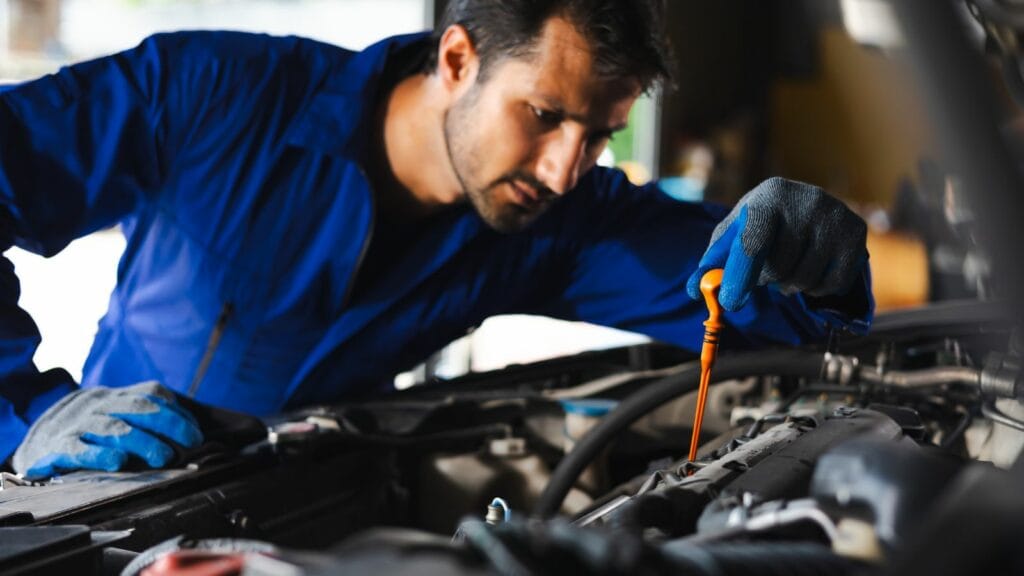
Old gasoline is more than just useless fuel. It becomes stale, loses volatility and can even damage engines or fuel systems if reused. Many Canadians discover forgotten jerry cans in sheds, garages or cabins and wonder how to dispose of them without breaking laws or harming the environment. Getting rid of old fuel safely is simple once you follow the right steps.
Understand Why Old Gas Must Be Handled Carefully
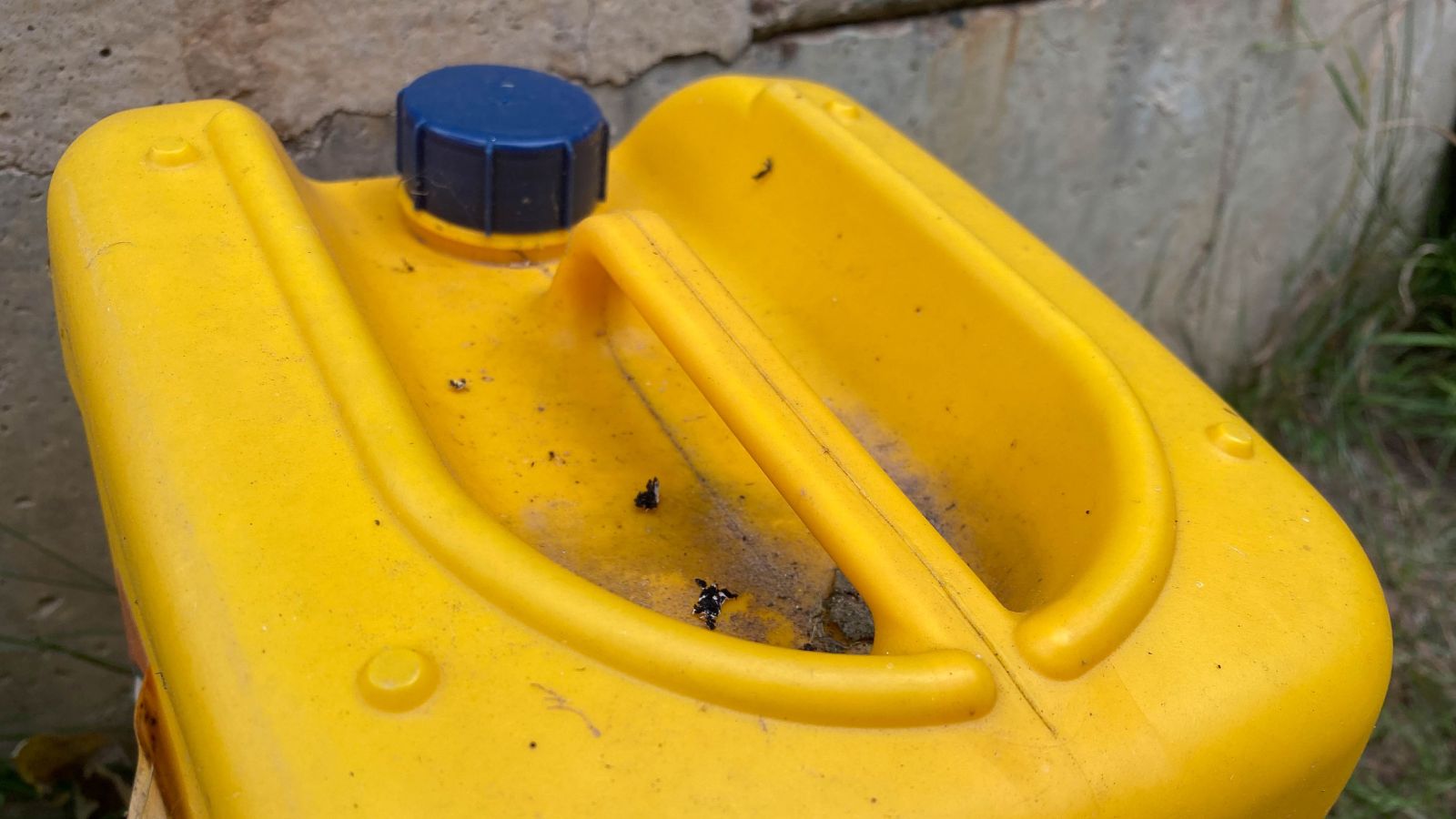
Gasoline breaks down over time, especially through Canadian temperature swings. As it oxidises it becomes varnish like and flammable vapours concentrate in sealed containers. Pouring it down drains or onto the ground is illegal and dangerous. Before doing anything else you must treat old fuel as hazardous material that needs controlled handling.
Check Whether the Gasoline Can Still Be Used
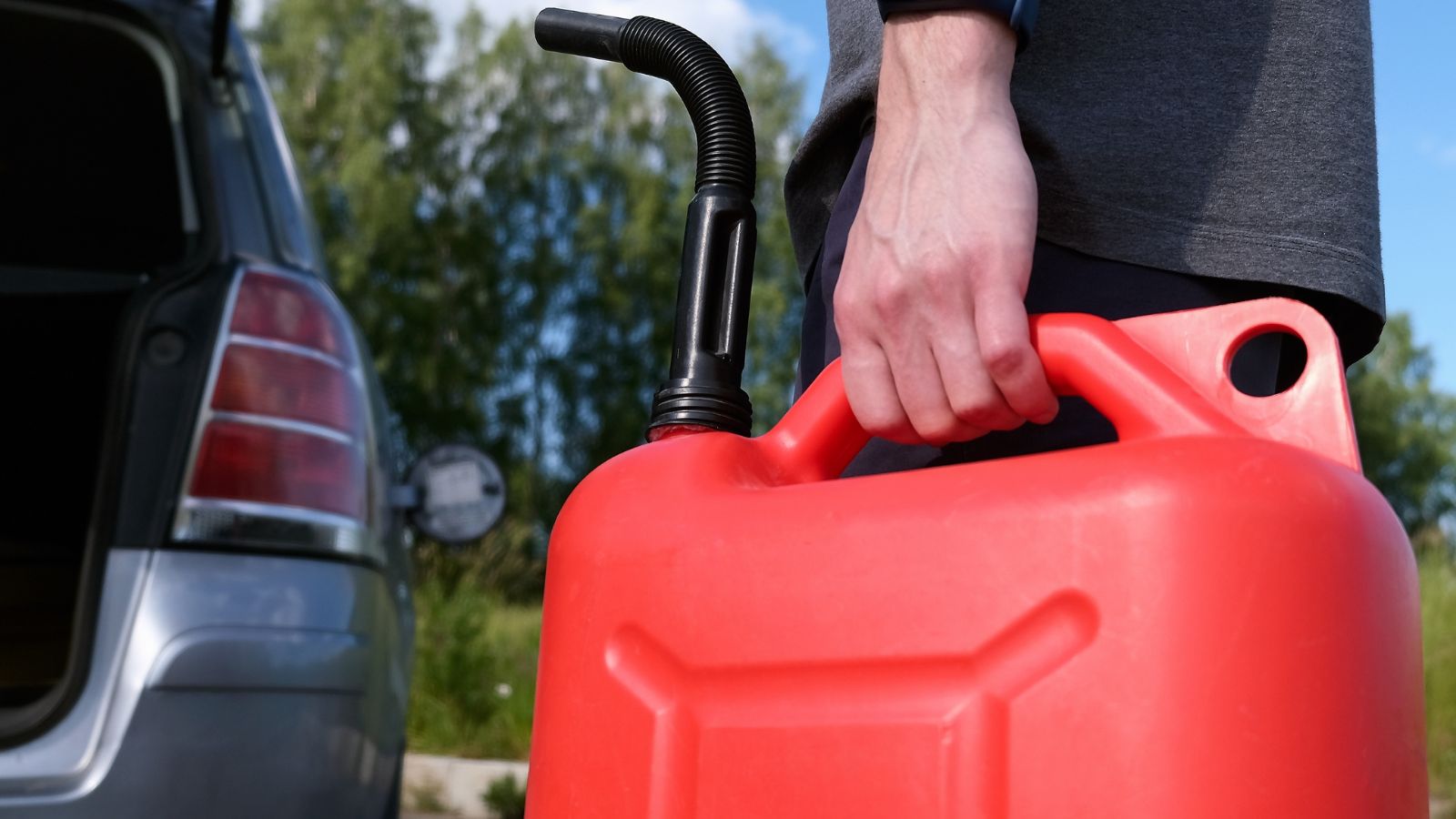
If the fuel is only a few months old it may still be salvageable for small engines like lawnmowers or snowblowers. Fresh fuel mixed in small ratios can revive slightly aged gasoline. Anything darker, sour smelling or older than a season should not be used. Testing a small amount on a separate machine prevents damage to valuable engines.
Transfer the Fuel Into a Safe Container

If the existing container is rusty, cracked or swollen, transfer the fuel into an approved metal or plastic jerry can. Do this outside in open air. Stable containers prevent vapour leaks and protect you during transport. Many Canadians skip this step and end up with spills or fumes in their vehicle when taking fuel to disposal sites.
Contact Your Local Waste Facility
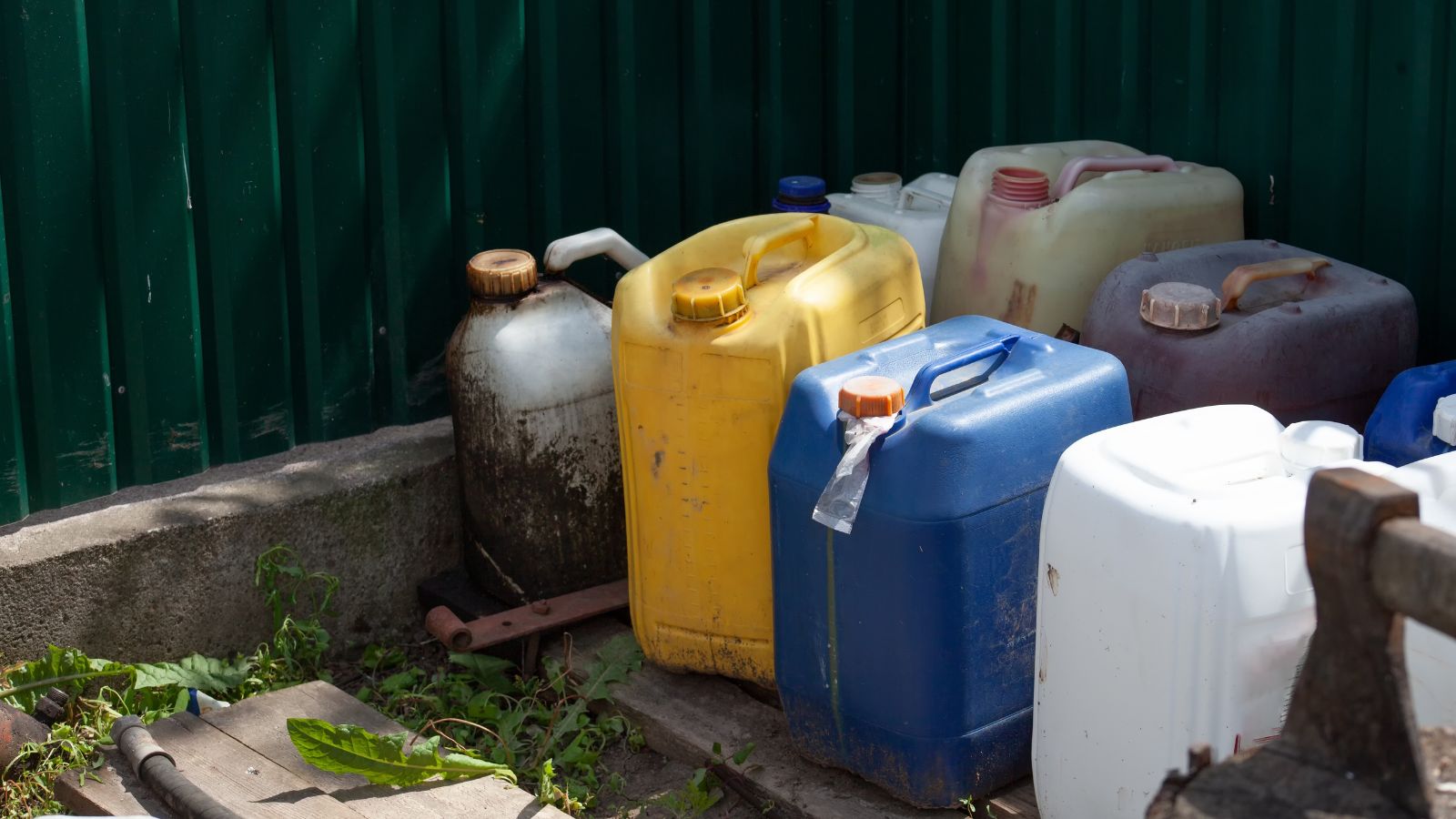
Across Canada hazardous waste depots accept old gasoline for safe disposal. Municipal websites list dates and locations for drop off programs. These facilities neutralise or recycle fuel using high temperature systems that meet environmental regulations. Never arrive unannounced with unlabelled containers, as staff need to classify the material properly.
Use a Community Hazardous Waste Day
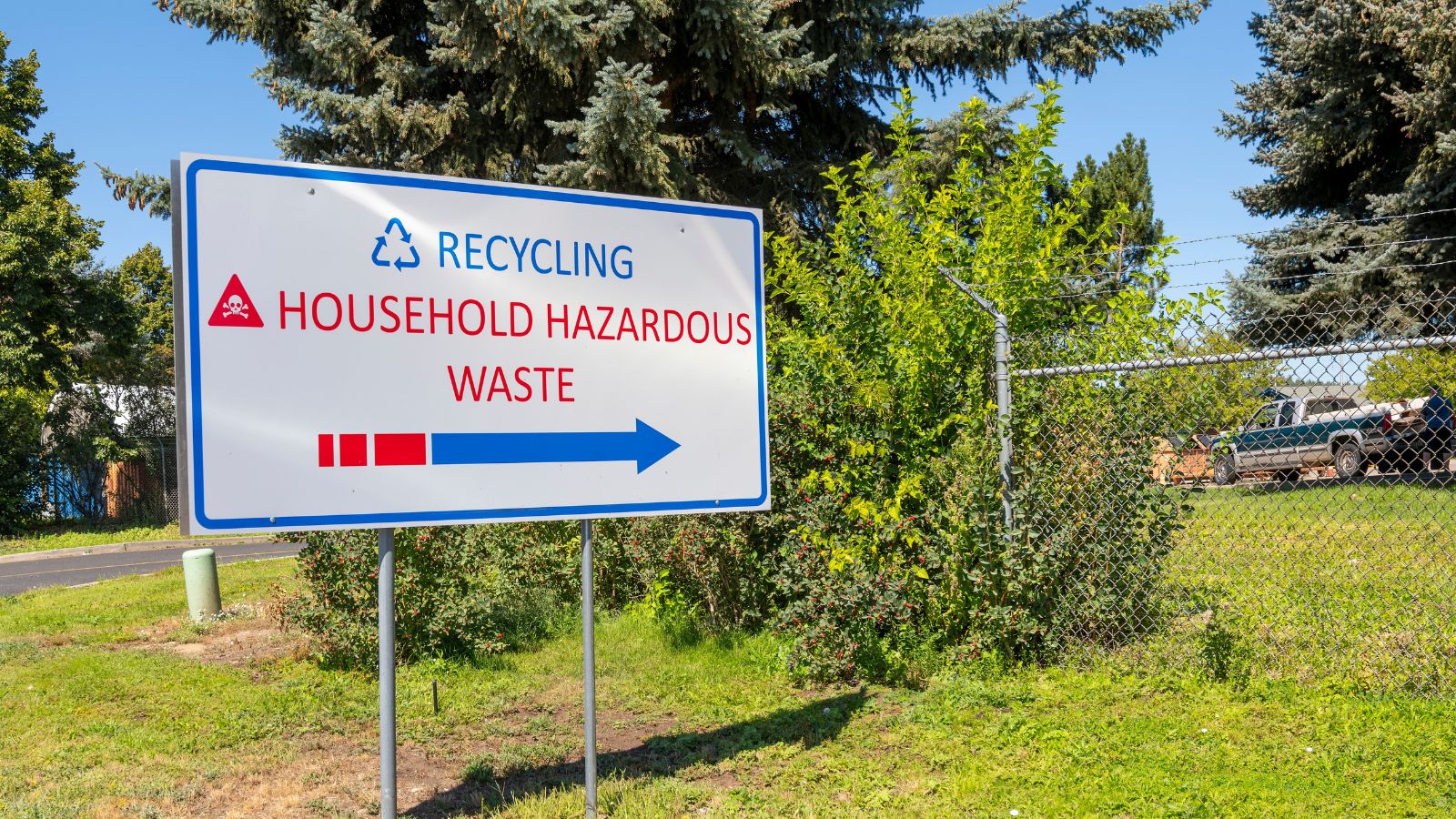
Most cities and towns hold annual or seasonal hazardous waste events where residents can drop off old oil, fuel, chemicals and paints for free. These events are ideal for cottage owners who accumulate leftover gasoline from generators or boats. Show up early and ensure the containers are clearly marked to avoid delays.
Ask Your Local Mechanic or Small Engine Shop
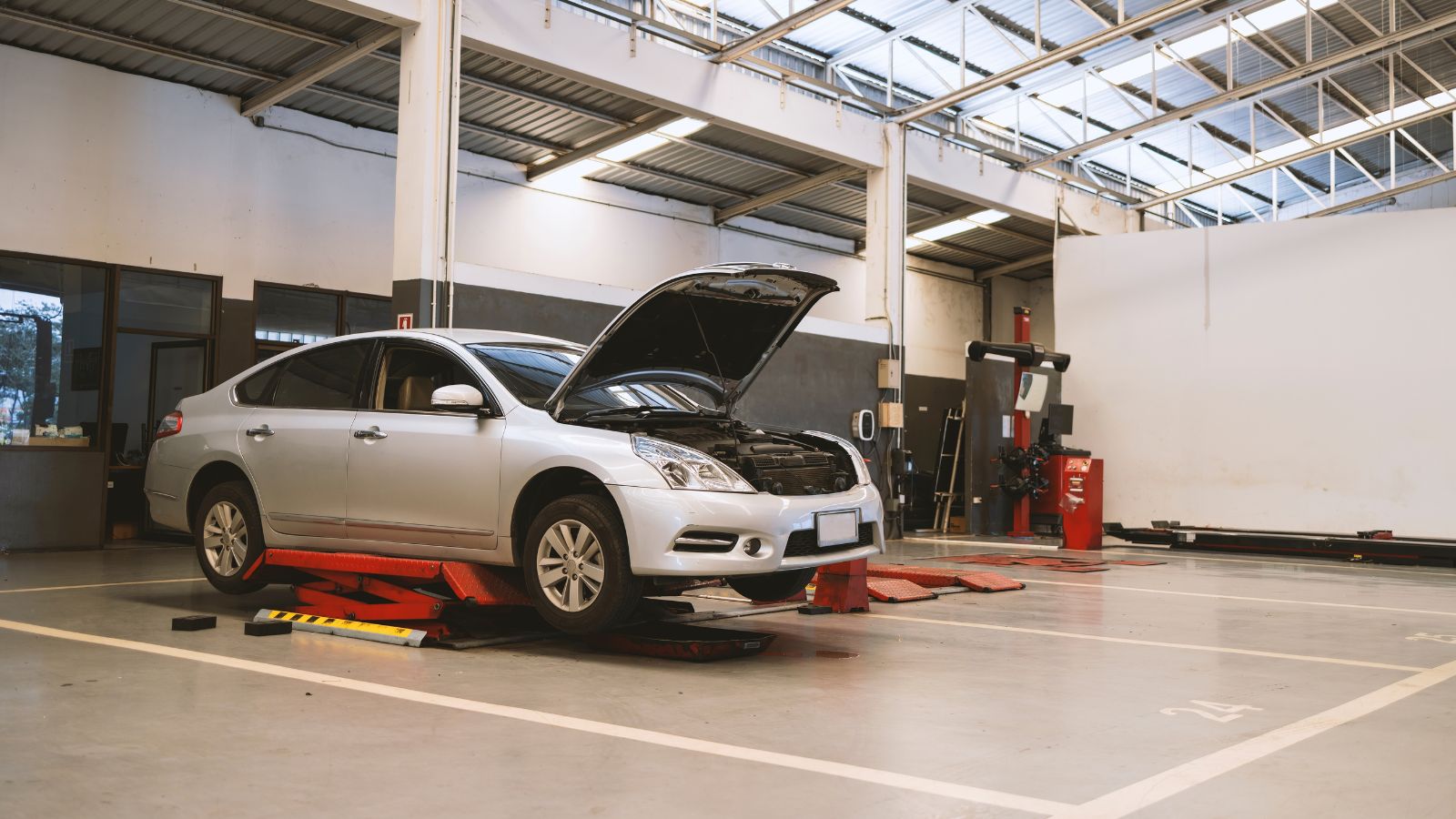
Some small engine repair shops accept old gasoline because they have disposal contracts in place. They may charge a small fee, but the convenience saves time and eliminates the risk of storing flammable liquids. Mechanics also offer advice on whether slightly aged fuel can be filtered and reused safely.
Never Pour Gasoline Into Soil or Storm Drains
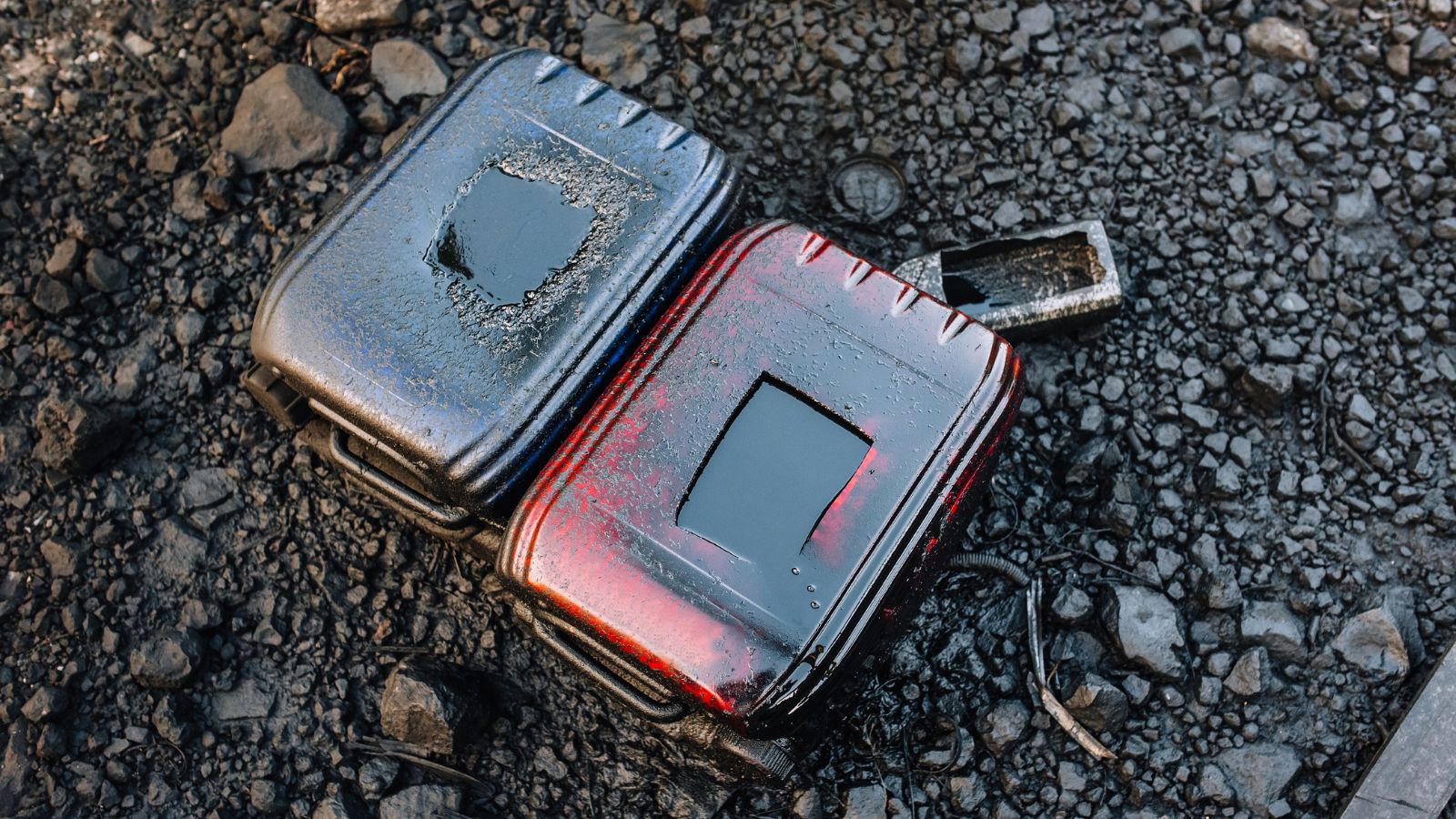
Old gasoline contaminates waterways, kills vegetation and releases harmful vapours when dumped. Pouring it into dirt, driveways or sewers is illegal across Canada and fines are serious. Even a small amount can cause long lasting environmental damage. Responsible disposal protects both your neighbourhood and the wider environment.
Keep Old Fuel Away From Heat and Sparks
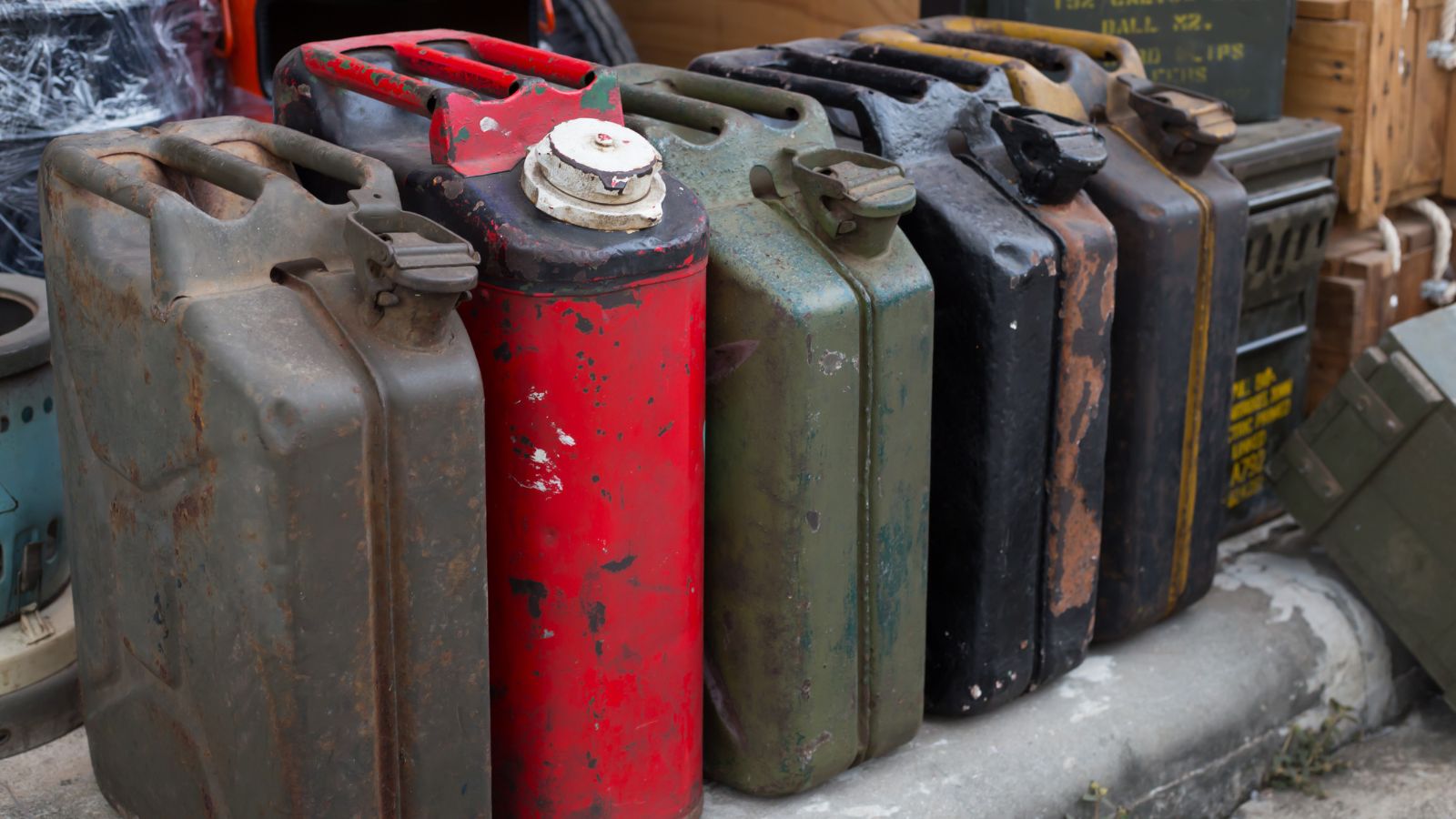
While waiting for disposal day store the gasoline in a shaded, well ventilated area away from ignition sources. Do not keep old gas inside the home, near furnaces or in enclosed garages. Even cold Canadian winters do not eliminate vapour risk. Treat the container like a temporary hazard until it is removed.
Label Every Container Clearly

Most people forget when the fuel was purchased or how long it has been sitting. Write the date and the word “Old” or “Stale Fuel” on the container before transporting it. This helps disposal staff handle it properly and prevents accidental use by someone who assumes it is fresh gasoline.
Replace Old Gas With Properly Stored Fresh Fuel
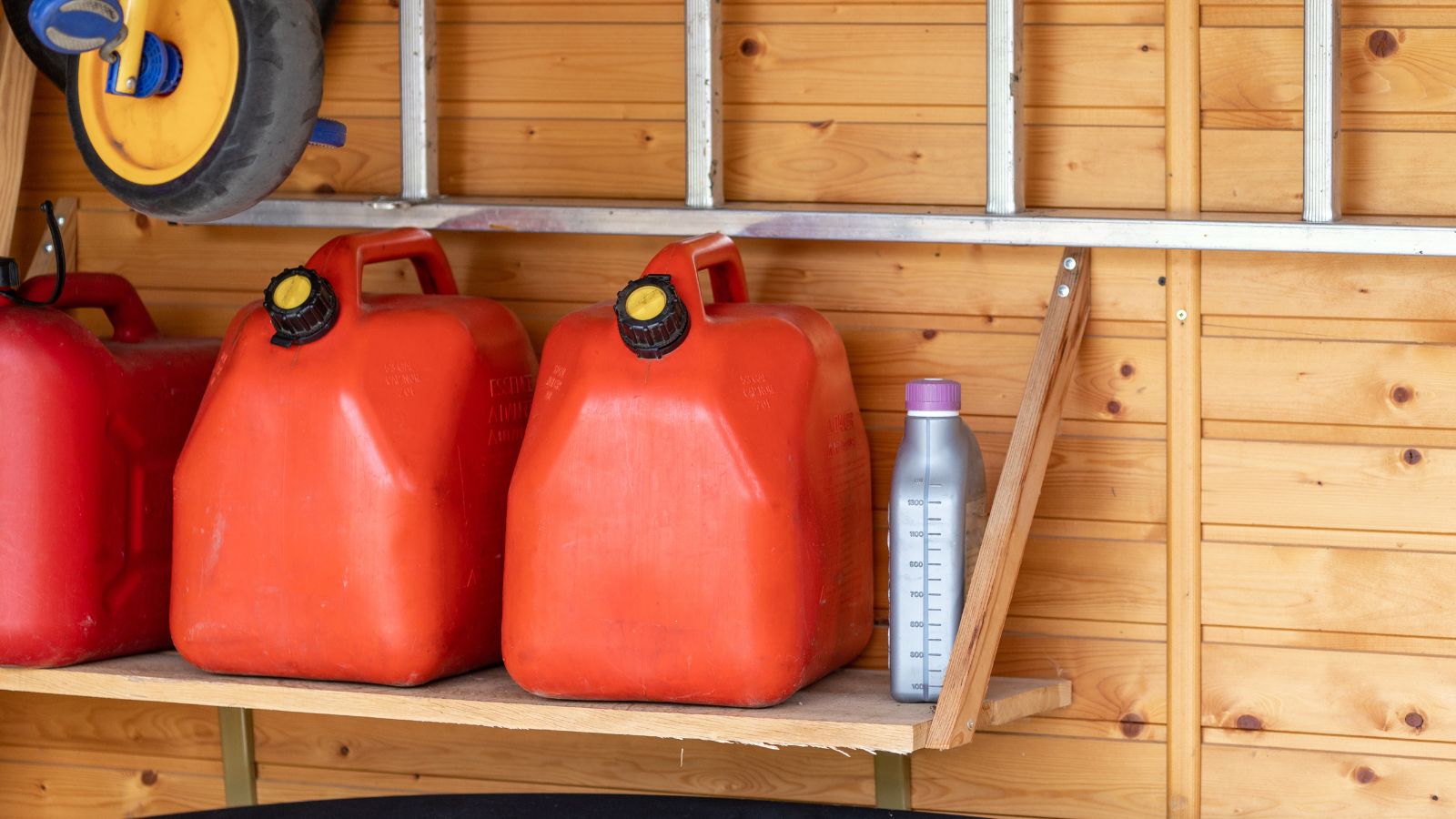
Once the old fuel is gone start fresh with new gasoline stored in approved containers. Keep cans tightly sealed, away from sunlight and use stabiliser for long term storage. Proper care prevents gasoline from going bad in the first place which saves money and eliminates disposal headaches next season.
25 Facts About Car Loans That Most Drivers Don’t Realize

Car loans are one of the most common ways people fund car purchases. Like any other kind of loan, car loans can have certain features that can be regarded as an advantage or a disadvantage to the borrower. Understanding all essential facts about car loans and how they work to ensure that you get the best deal for your financial situation is essential. Here are 25 shocking facts about car loans that most drivers don’t realize:
25 Facts About Car Loans That Most Drivers Don’t Realize
