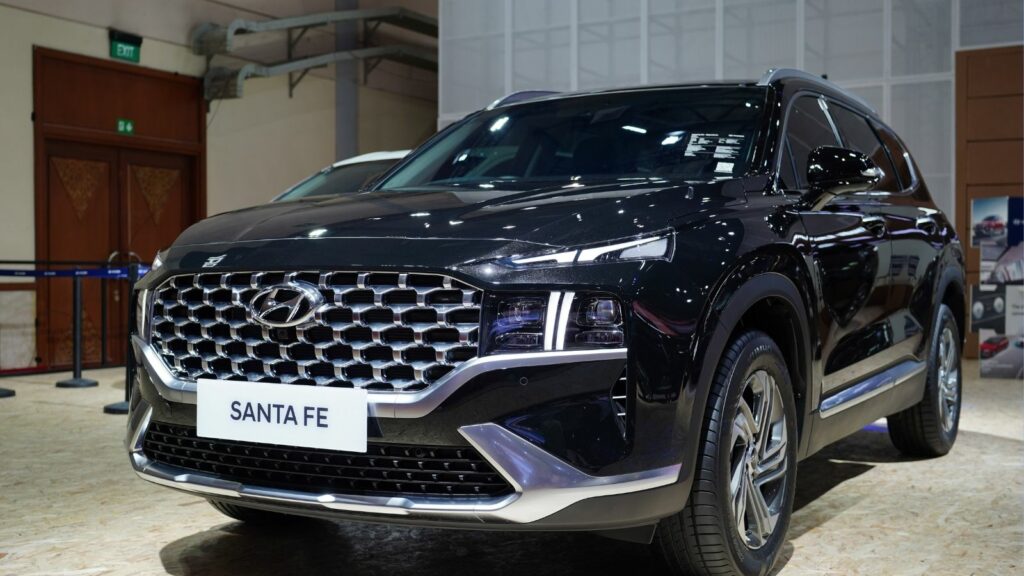
Tariffs rarely make cars better. They raise prices, disrupt supply chains and quietly kill trims or entire models. For Canadian buyers, the impact is amplified by cross border manufacturing and a market that relies on imports. The following ten cars felt the tariff squeeze through higher MSRPs, reduced availability or abrupt strategy changes that left shoppers paying more for the same metal.
Ford Mustang
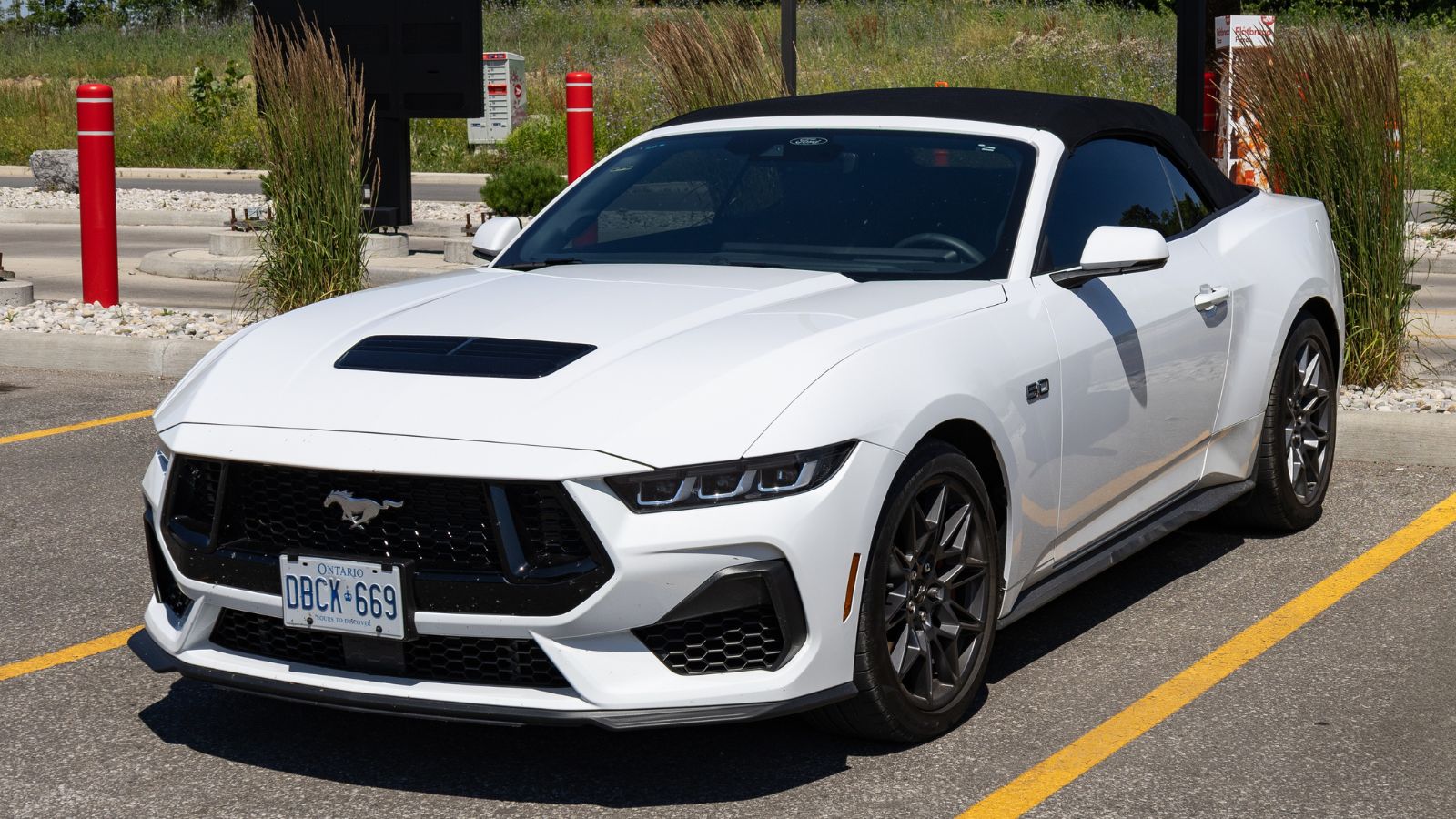
The Mustang is built in the United States, but its parts network is global. Tariffs on steel and aluminum pushed costs up, and those increases filtered straight to sticker prices. Performance trims were hit hardest, making what used to be an attainable icon noticeably more expensive north of the border.
BMW X5

BMW builds the X5 in South Carolina, yet tariffs on components and retaliatory measures overseas complicated pricing. Canadian buyers saw higher costs and fewer incentives. The irony was hard to miss, a locally built export becoming pricier at home due to trade friction.
Toyota RAV4
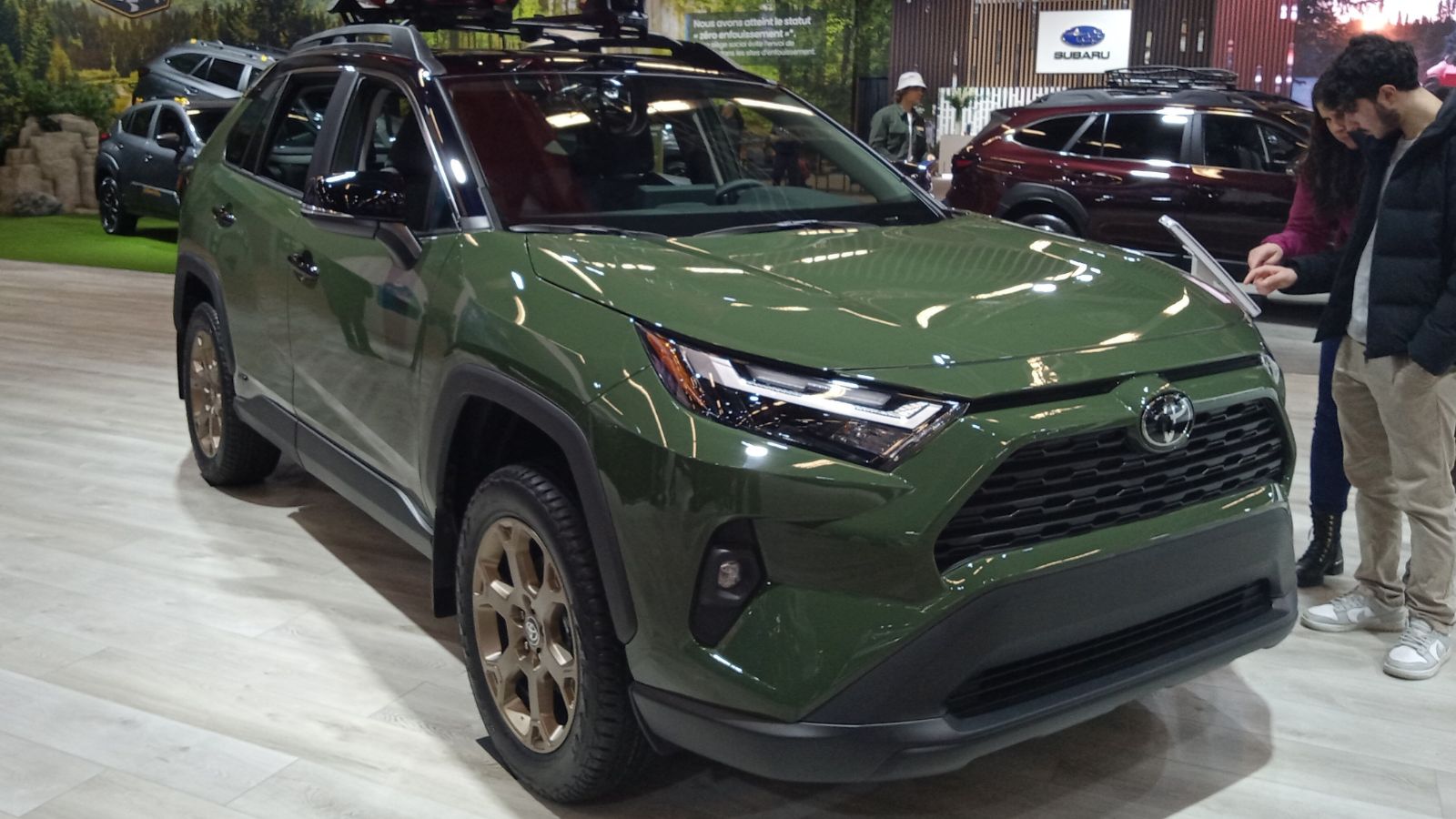
The RAV4’s popularity made it a prime target for price creep. Tariffs on materials raised production costs, and strong demand gave Toyota room to pass them along. Canadians paid more even as availability tightened on certain trims during supply disruptions.
Chevrolet Silverado
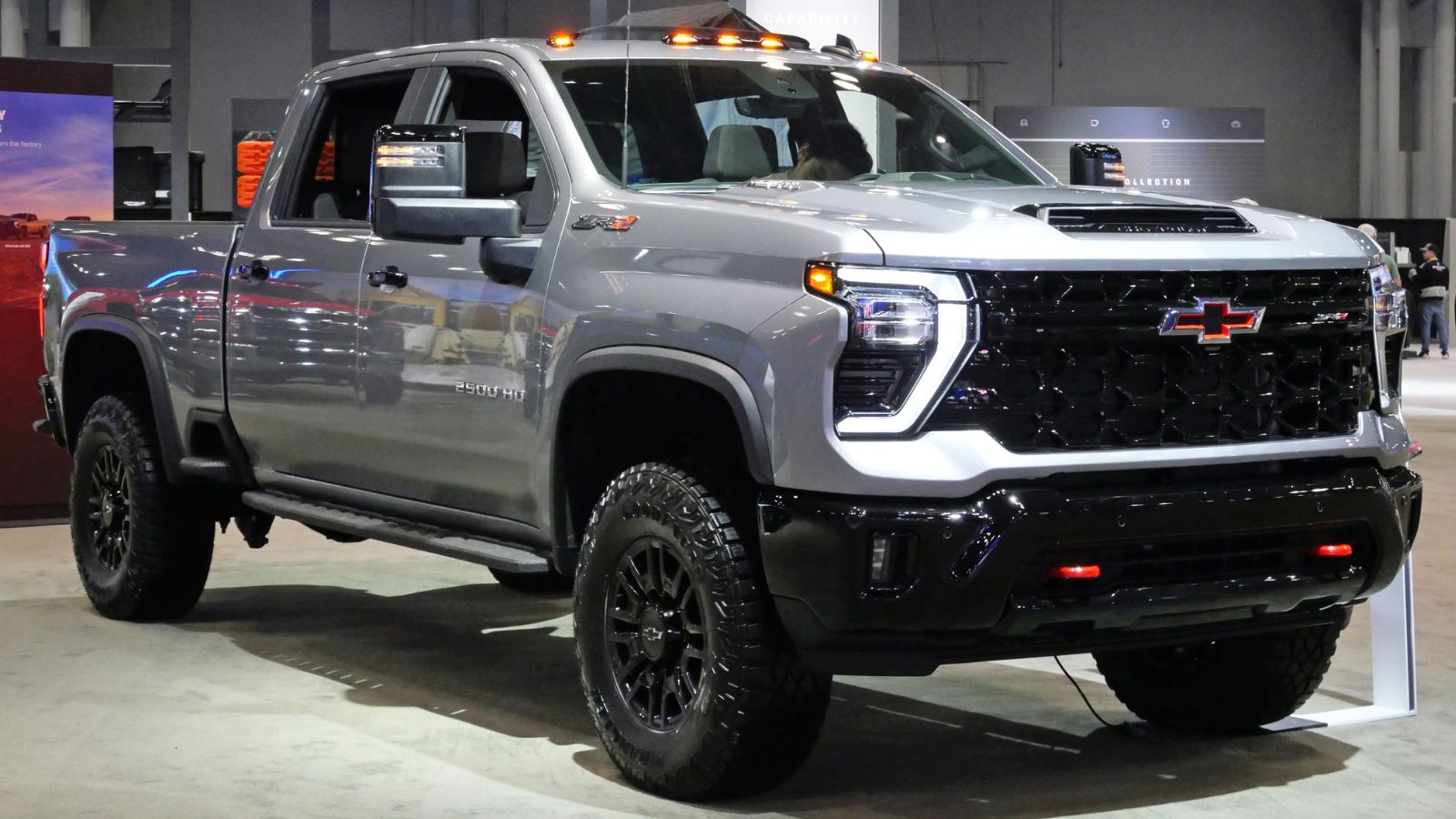
Pickups rely heavily on steel and aluminum, and tariffs hit both. The Silverado absorbed repeated MSRP bumps that quickly added thousands. Fleet discounts softened the blow for some buyers, but private customers felt the increase immediately.
Ram 1500
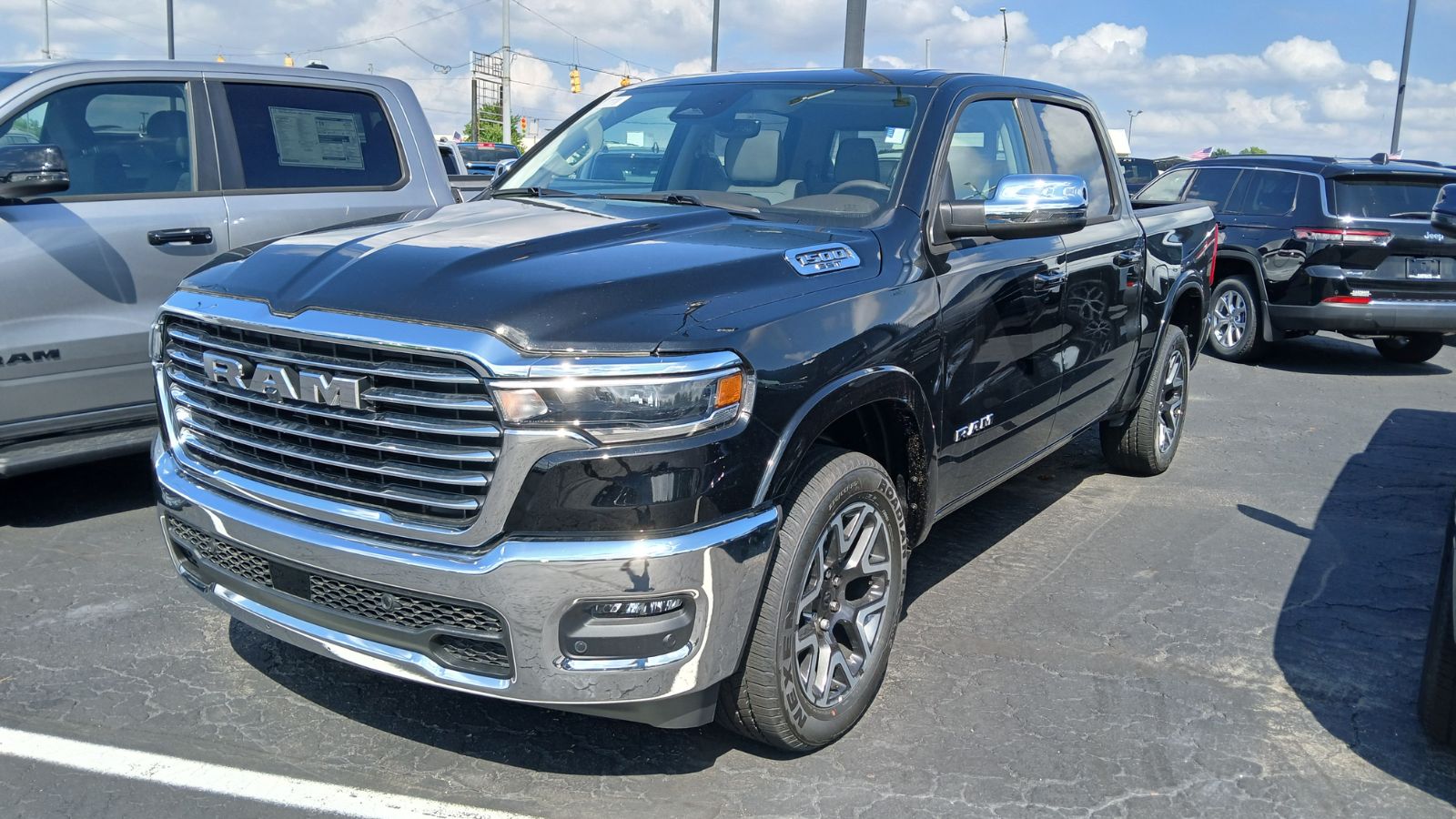
Like its rivals, the Ram 1500 became more expensive almost overnight. Tariffs inflated material costs and narrowed margin flexibility. Buyers noticed fewer deals and higher transaction prices, especially on well equipped trims.
Volkswagen Jetta
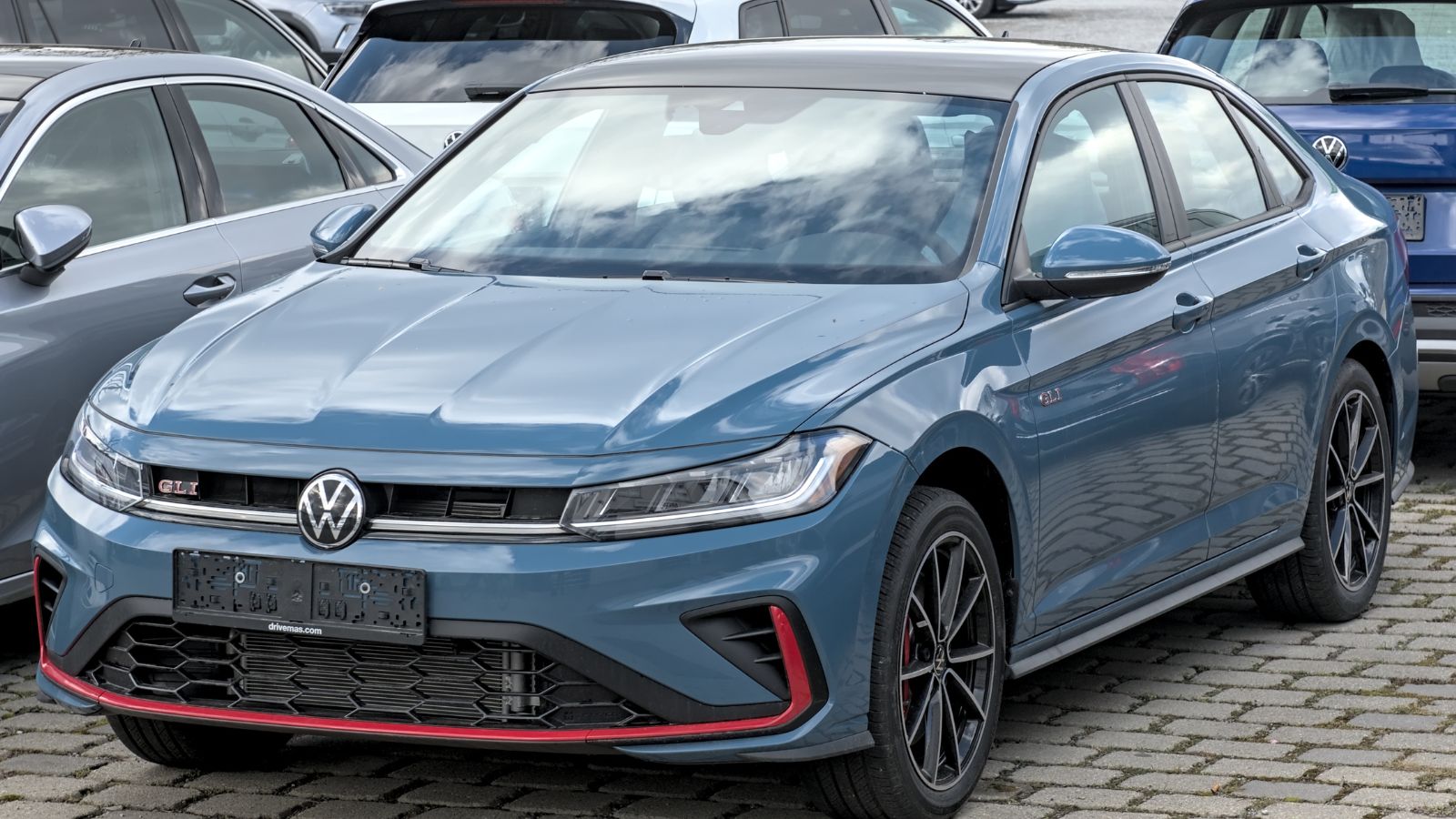
The Jetta’s global sourcing made it vulnerable. Tariffs complicated logistics and pushed up costs on an already price sensitive car. As prices rose, value shoppers looked elsewhere, hurting sales momentum in Canada.
Hyundai Santa Fe

Hyundai built its reputation on value, which made tariff driven increases especially painful. The Santa Fe remained competitive, but buyers noticed shrinking price gaps versus Japanese rivals. Some trims quietly disappeared as costs climbed.
Subaru Outback
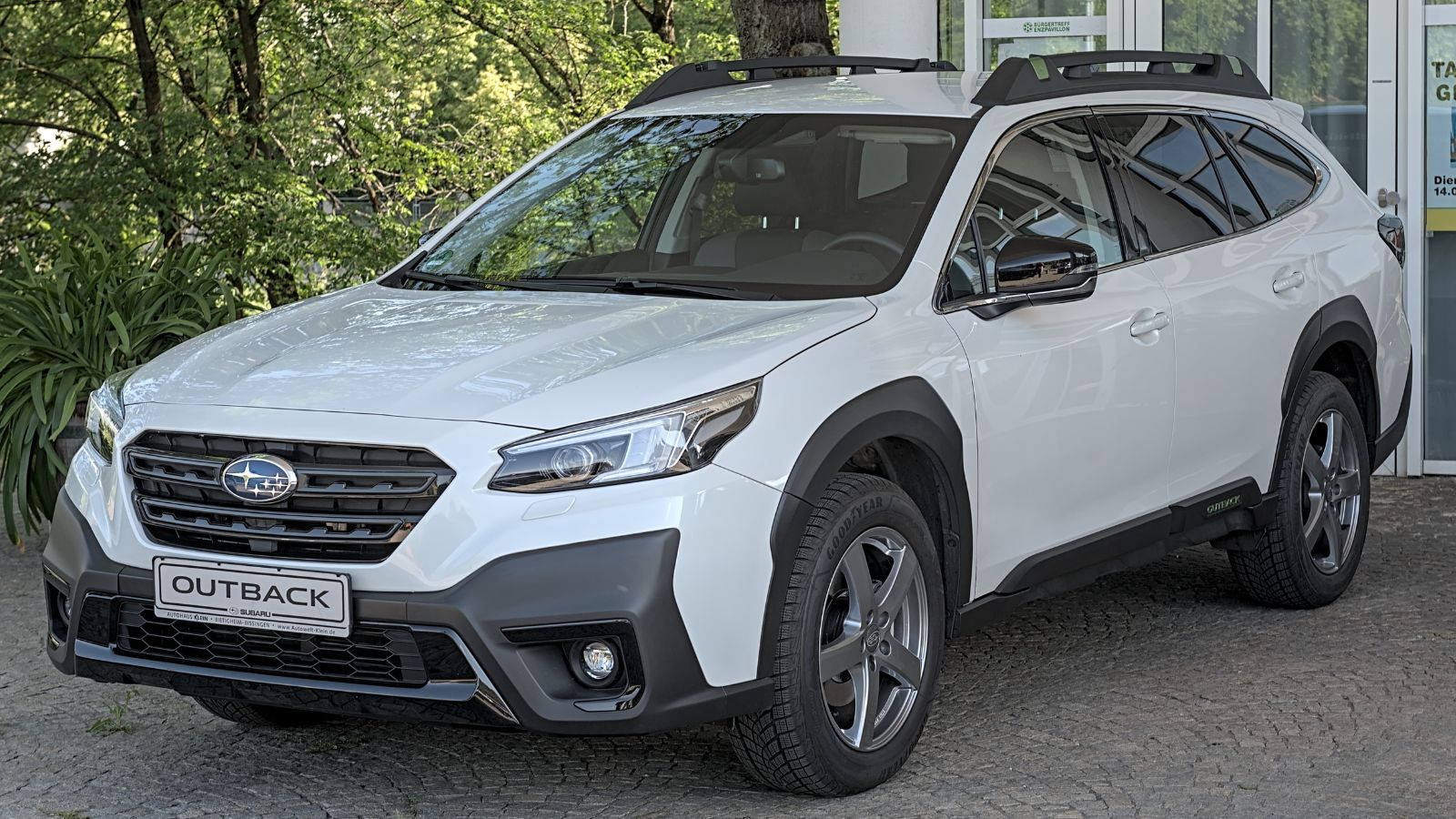
Imported from Japan, the Outback faced tariff related cost pressure and currency swings at the same time. Subaru adjusted pricing gradually, but over a few model years the increases added up. Canadians paid more for a car they already considered essential winter transport.
Mazda CX-5
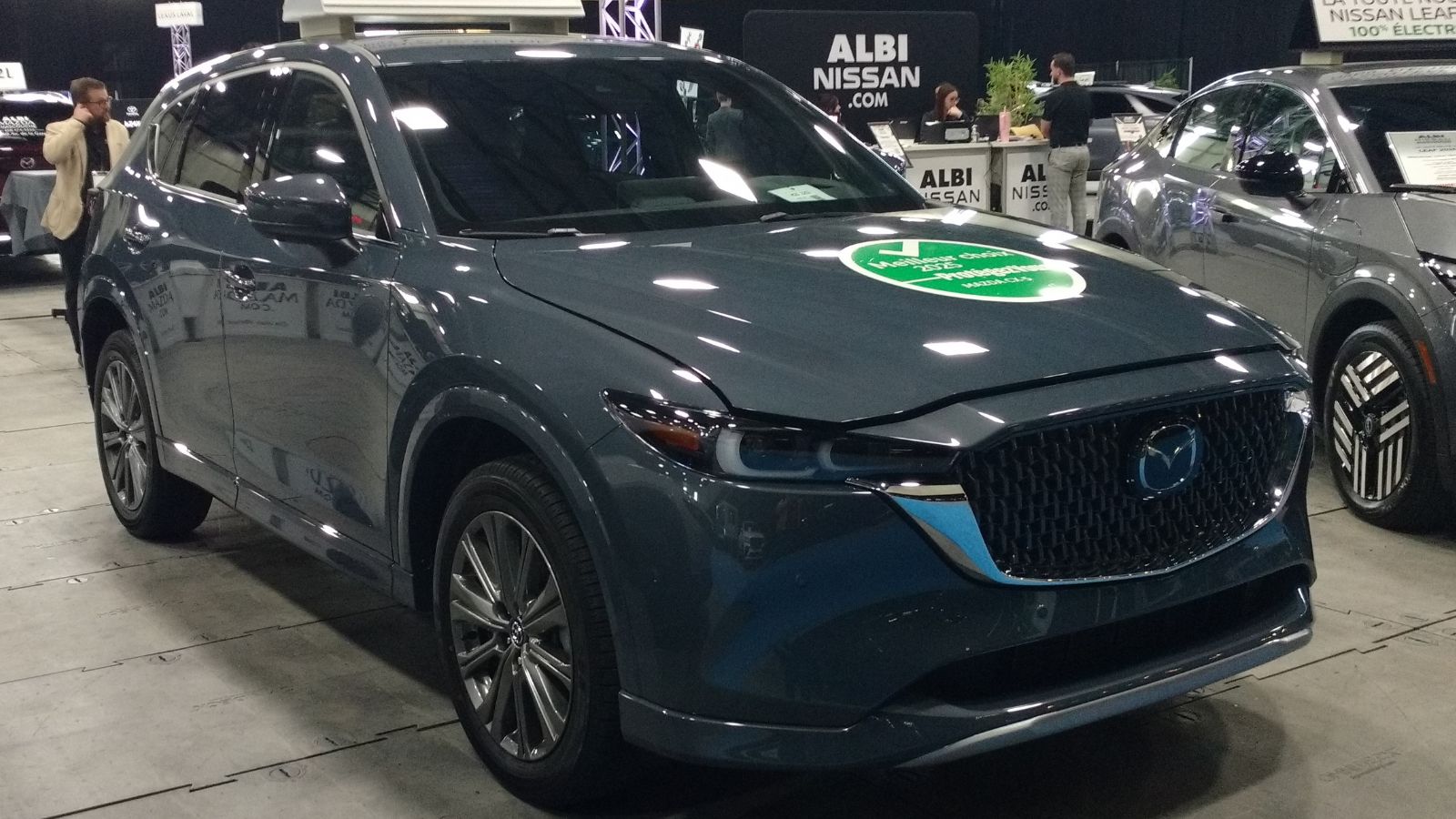
Mazda’s tight margins left little room to absorb tariff impacts. The CX-5 stayed desirable, but price increases nudged it closer to premium territory. That shift changed buyer expectations and intensified competition.
Tesla Model 3
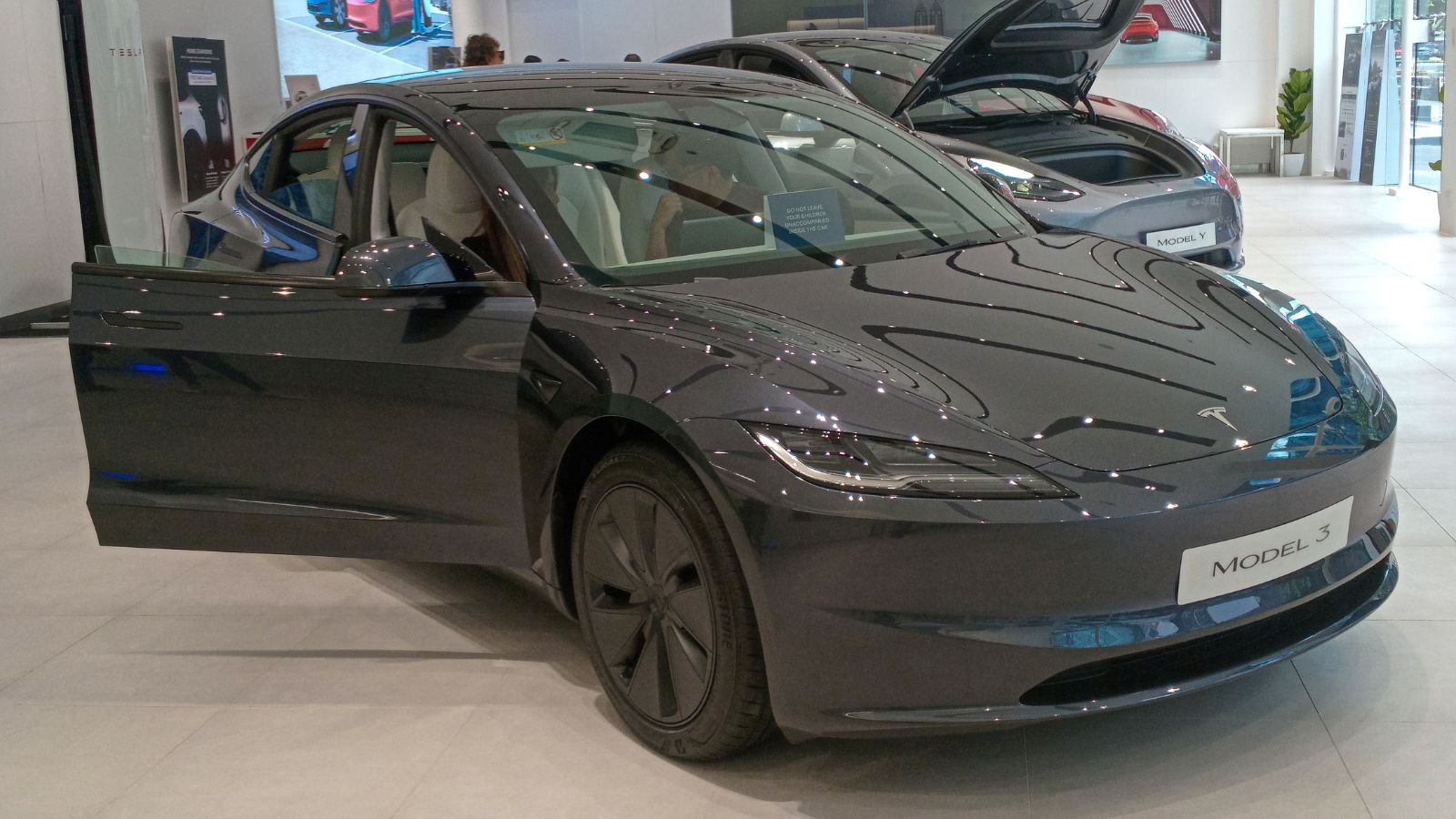
Even EVs were not immune. Tariffs on materials and components affected production costs, and price volatility followed. Canadian pricing fluctuated noticeably, creating uncertainty for buyers trying to time purchases around incentives and rebates.
25 Facts About Car Loans That Most Drivers Don’t Realize

Car loans are one of the most common ways people fund car purchases. Like any other kind of loan, car loans can have certain features that can be regarded as an advantage or a disadvantage to the borrower. Understanding all essential facts about car loans and how they work to ensure that you get the best deal for your financial situation is essential. Here are 25 shocking facts about car loans that most drivers don’t realize:
25 Facts About Car Loans That Most Drivers Don’t Realize
