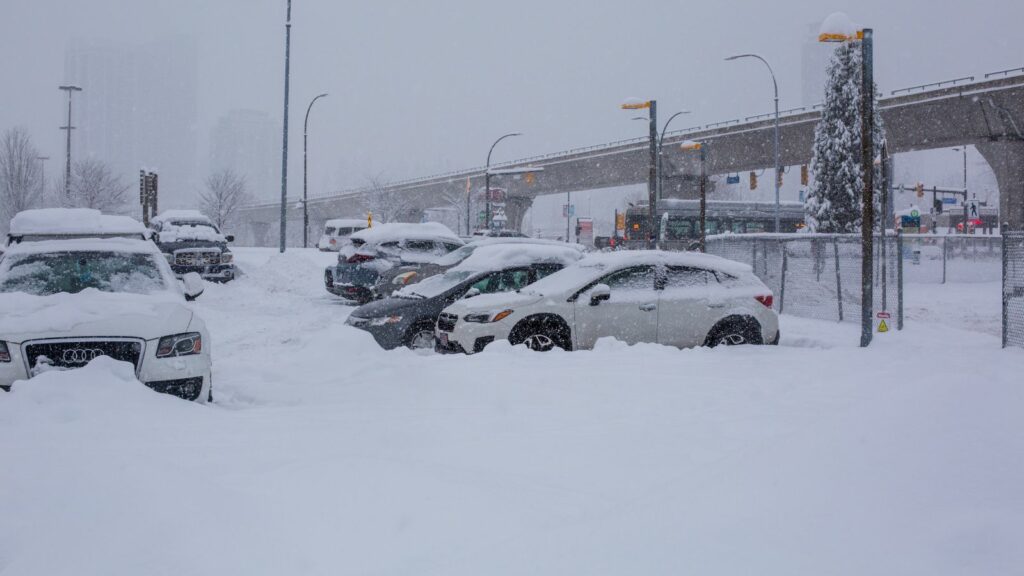
Winter roads can make harmless-looking snow feel deceptive. A soft drift may be easy to cross, but a plow ridge, frozen rut, compacted snowbank, or ice-covered pothole can act more like a solid obstacle. When a vehicle is driven over one too quickly, the underside can bottom out before the driver realizes how little clearance remains.
That single mistake can damage more than plastic trim. Exhaust parts, splash shields, suspension pieces, drivetrain components, and even the structure beneath a vehicle may be exposed to the hit. These 12 points explain why winter road surfaces can become so punishing, which vehicles face the greatest risk, what warning signs matter after an impact, and how slower, more deliberate driving can prevent an expensive repair.
Hard-Packed Snow Is Not Soft Snow
Fresh snow looks forgiving, which is why a driver may assume a ridge between the tire tracks will collapse underneath the car. That assumption becomes risky after traffic, plowing, wind, and repeated freeze-thaw cycles compact the snow. A ridge that looks fluffy from the windshield can be dense enough to lift the body, scrape low components, or stop a low-clearance car.
The danger is especially easy to underestimate in parking lots, side streets, and driveway entrances where plows leave windrows that later freeze. Kelley Blue Book advises avoiding deep snow because it can damage a vehicle’s undercarriage and exhaust system. A U.S. Forest Service driving guide also warns motorists not to straddle high spots that can strike low parts underneath. The practical lesson is simple: if the snow is deep enough to touch the underside, it should be treated as an obstacle, not merely another patch of winter traction.
Low Ground Clearance Leaves Little Room for Error
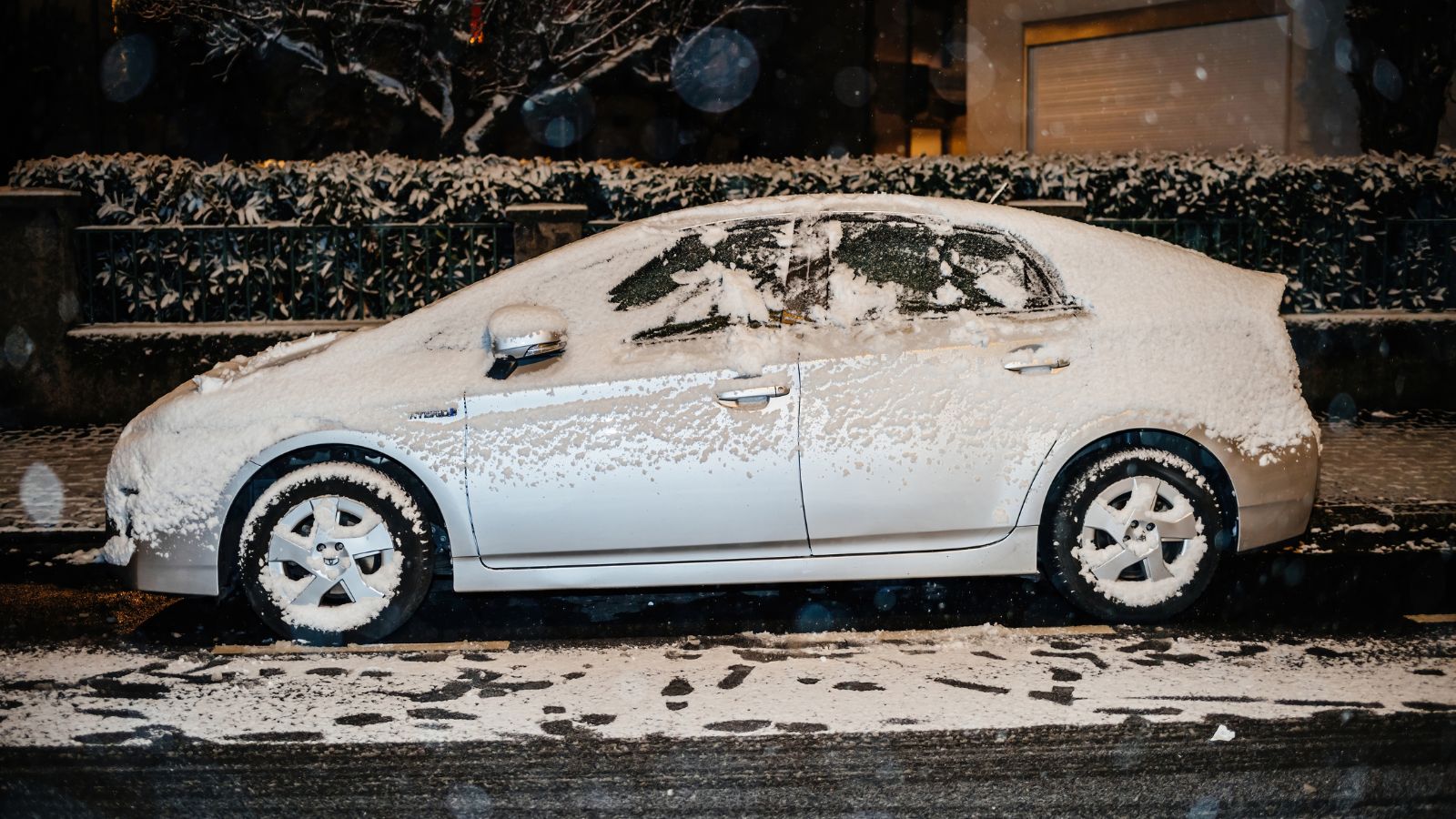
Ground clearance determines how much room exists between the road and the lowest parts of a vehicle, so winter ridges do not pose the same threat to every model. AAA notes that lower-riding vehicles are more susceptible to pothole damage because there is less clearance beneath the car. Performance cars, lowered vehicles, and many sedans have less margin when packed snow rises between the wheel tracks.
That does not make taller crossovers or pickups immune. A high ridge, frozen chunk, or pothole edge can still cause a vehicle to bottom out. The risk also depends on where components sit, not just the clearance number. Exhaust piping, shields, suspension pieces, and drivetrain parts may hang lower than expected. A driver who routinely clears an obstacle in one vehicle can misjudge it in another. Winter driving rewards familiarity with the vehicle, especially after switching from an SUV to a lower passenger car.
Speed Makes the Same Obstacle Hit Much Harder
Speed turns a manageable winter bump into a harsh strike. Transport Canada tells drivers to match speed to road and weather conditions, while AAA warns that hitting a pothole at higher speed increases the chance of damaging tires, wheels, and suspension. The same principle matters when a frozen ridge or compacted mound rises into the path of the undercarriage: less speed gives the suspension more time to respond.
Braking is not always the answer. AAA advises slowing safely before a pothole and avoiding abrupt braking over it, because loaded suspension can make the impact worse. On snow or ice, sudden braking raises the risk of losing control. An approach is to scan ahead, ease off early, and cross when the obstacle appears within the vehicle’s clearance. The difference between crawling over a frozen ridge and striking it at low speed can be the difference between a scrape and a repair.
Snow Can Hide What the Undercarriage Is About to Hit
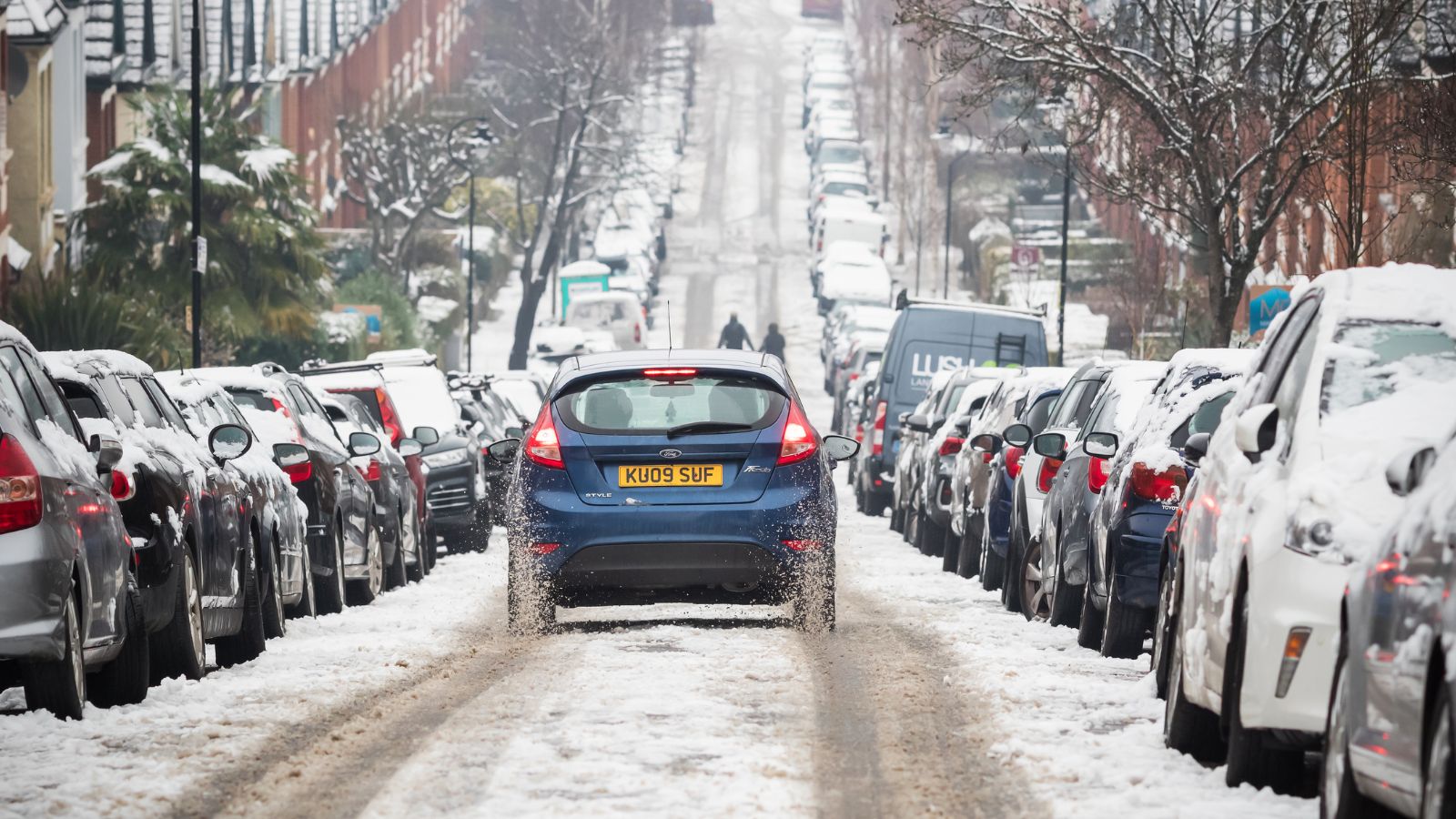
Winter can hide road hazards beneath a surface that looks harmless. Fresh snow may soften the outline of potholes, curbs, ice chunks, and debris. Transport Canada notes that poor winter visibility makes driving difficult, while Ontario warns that puddles can conceal potholes capable of damaging a vehicle or its suspension. Snow cover can create a problem by masking depth and shape.
Following the tire tracks of the vehicle ahead is not a guarantee of clearance. A taller truck may pass over a ridge or hidden obstacle a sedan cannot. Leaving more space creates a sight line and more time to slow without swerving. Ontario warns that blowing snow and ridges created by working snowplows can reduce sight lines. The safest assumption is that a smooth white surface may not be smooth underneath. When depth or firmness cannot be judged, slowing down protects both vehicle control and the components underneath it.
Deep Snow Can High-Center a Vehicle
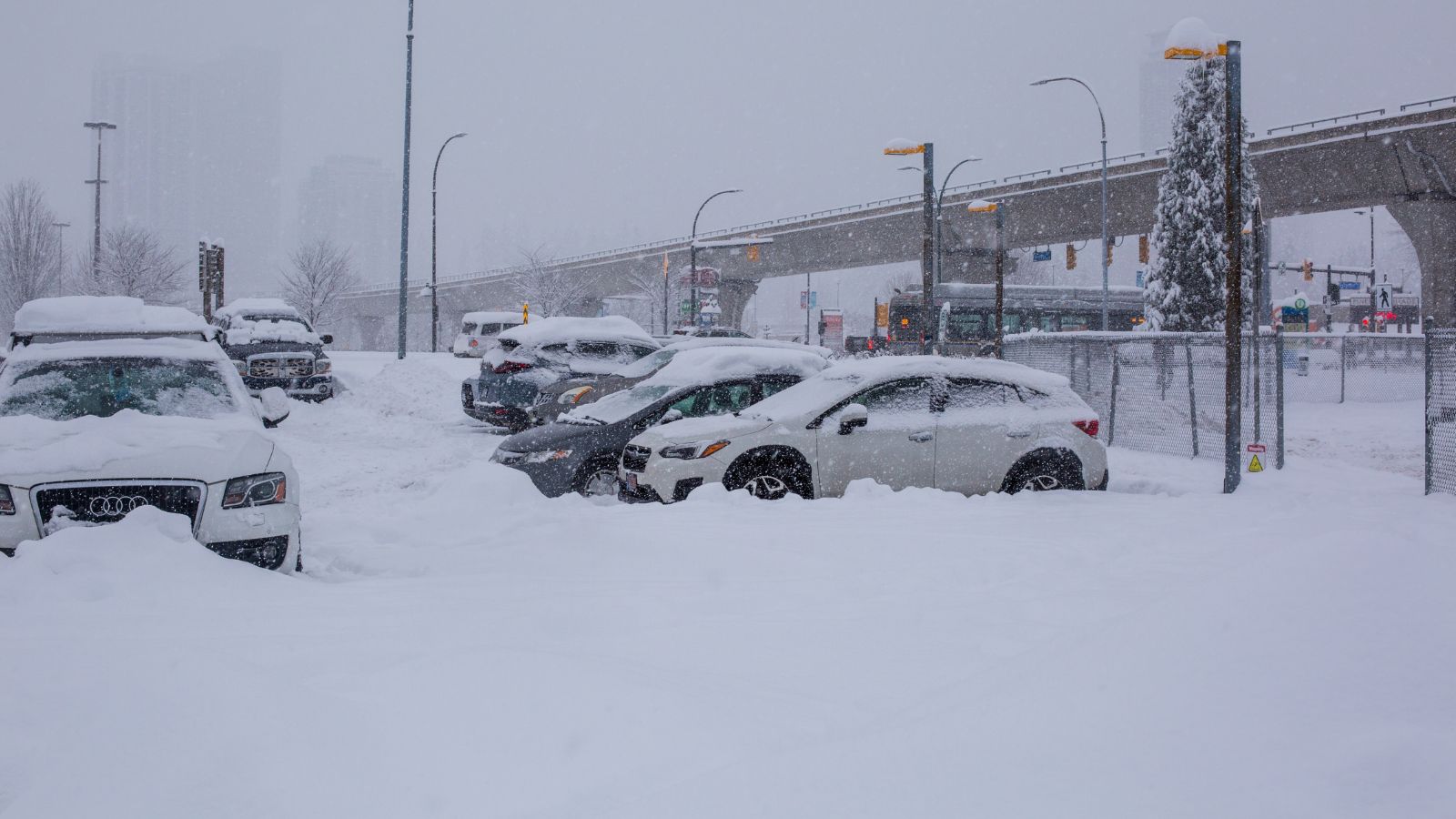
Deep snow creates another problem that slippery-road advice does not capture: high-centering. This happens when packed snow beneath the middle of the vehicle supports its weight while the tires lose contact to move effectively. A National Highway Traffic Safety Administration report records a case in which a vehicle became high-centered on a hump of snow and ice that was too tall for its undercarriage to clear.
Once that happens, adding throttle can make matters worse. AAA advises drivers stuck in snow not to floor the accelerator because spinning can dig the tires deeper and place wear on driveline components. The smarter response is to stop, clear snow from the escape path and beneath the vehicle safely, and regain traction in a controlled way. High-centering is more than an inconvenience; the same hard ridge supporting the vehicle can press against shields, exhaust pieces, or other low components while recovery attempts continue.
Plastic Shields Can Take the First Hit
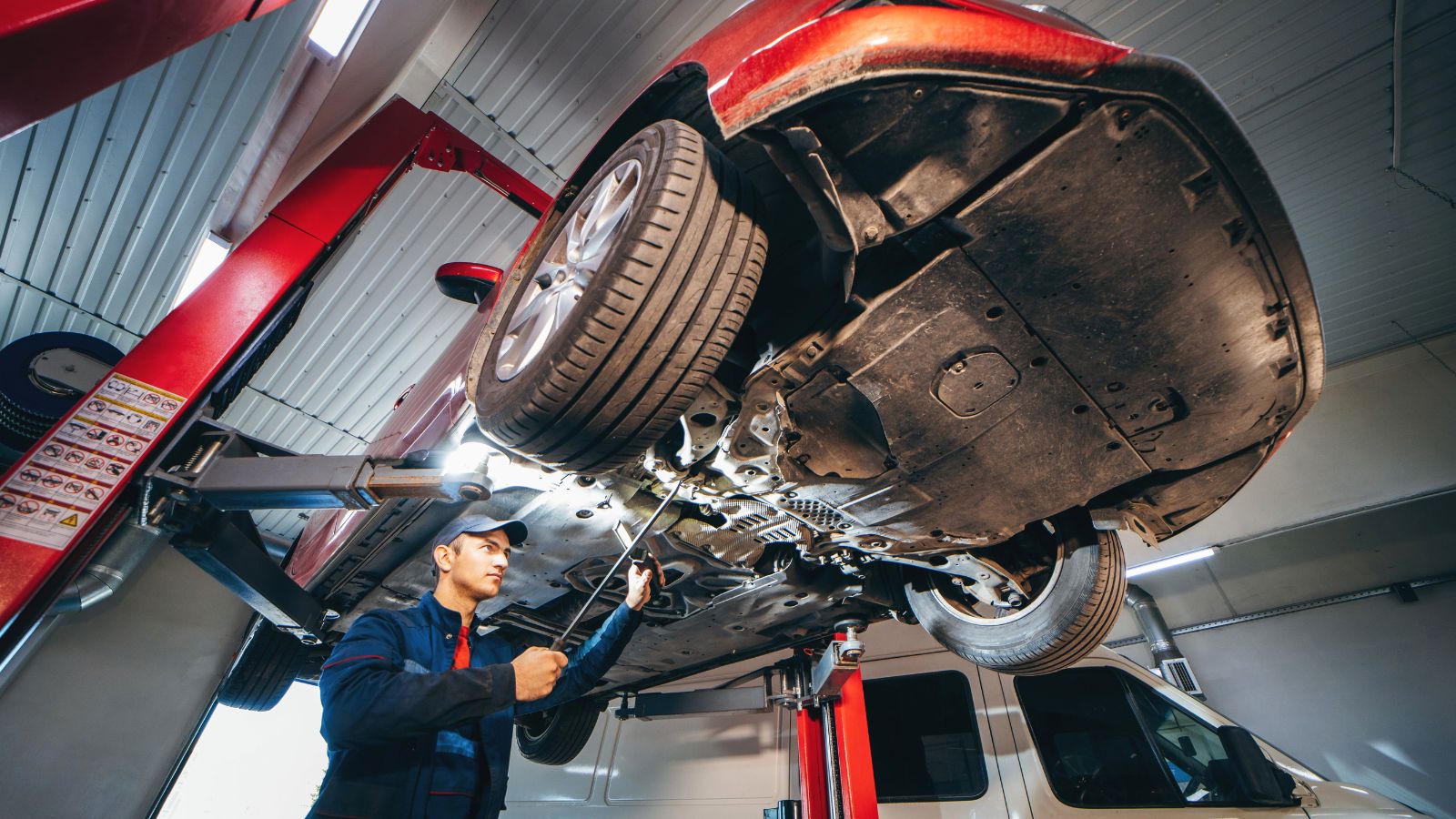
The first thing to touch a frozen ridge may not be steel. Many vehicles use plastic under-engine pans, splash shields, and aerodynamic panels. AAA explains that an under-engine pan protects components from water spray, road debris, snow, salt, and dirt, and may help shield fuel or brake lines on some vehicles. That makes a cracked or torn panel more important than its lightweight appearance suggests.
A winter impact can loosen fasteners or break the panel, leaving it hanging low enough to scrape or flap afterward. Drivers sometimes dismiss that sound because the vehicle still runs, but a damaged shield can expose parts it was designed to protect. It can also become vulnerable to the next mound of packed snow. After a hard scrape, a safe visual check can reveal a dangling panel. Any piece hanging near the road should be inspected and secured rather than ignored before the next drive.
The Exhaust System Is Particularly Exposed
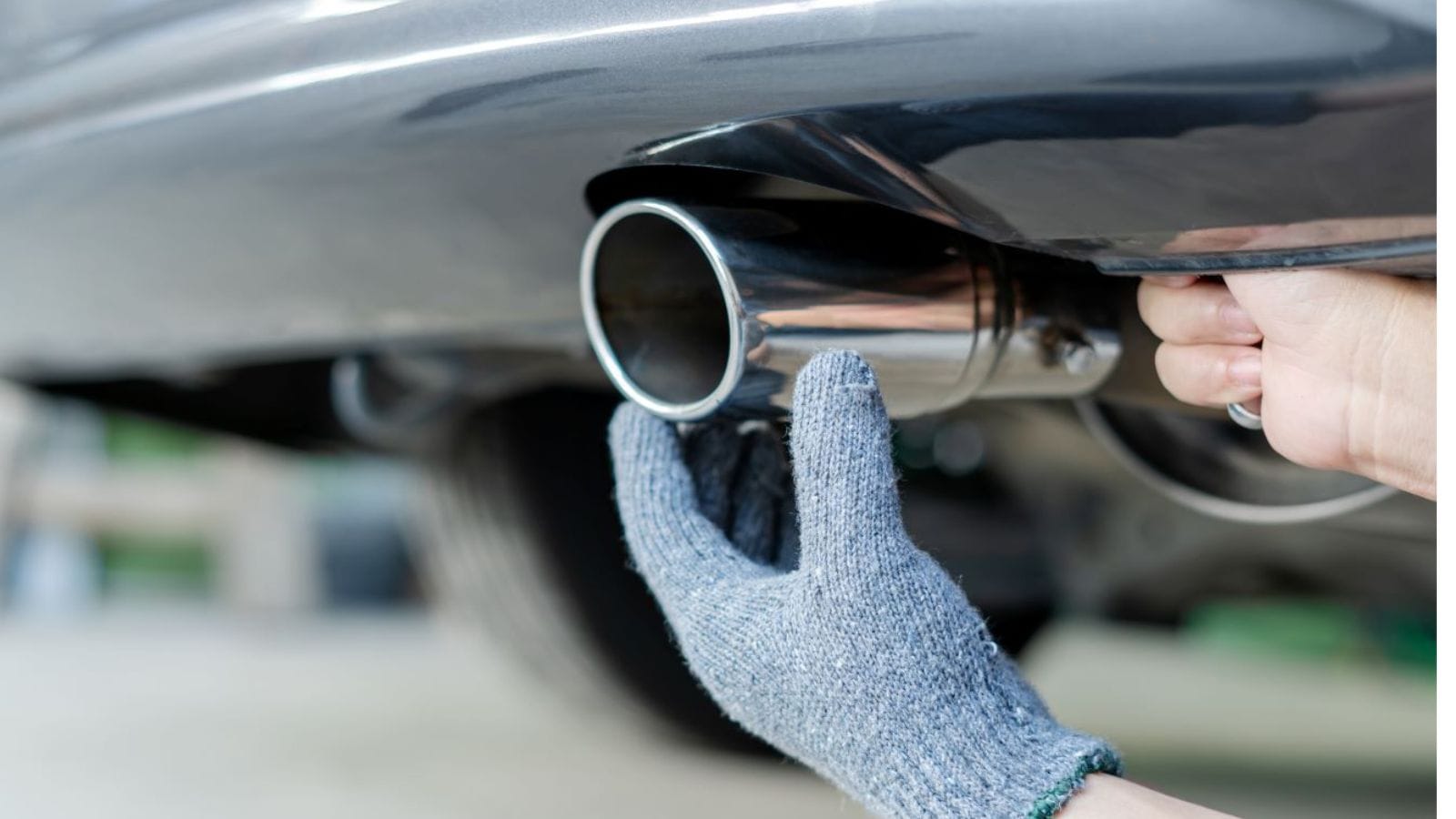
The exhaust system is exposed to a hard winter strike. Pipes, mufflers, hangers, heat shields, and catalytic converters extend beneath the vehicle, and Cars.com notes that bottoming out in a pothole, running over a curb, or striking debris can damage exhaust components. Kelley Blue Book cautions that deep snow can harm both the undercarriage and exhaust system.
Damage may announce itself with a new rattle, scraping noise, or louder exhaust note, but not every problem is obvious after the impact. A bent hanger can let a pipe sit lower, making the next frozen ridge easier to hit. Corrosion can compound the problem because salt attacks exhaust parts, especially where coatings or surfaces are damaged. A driver who hears metal rattling after pushing through packed snow should not assume the noise is simply ice. An inspection can distinguish trapped snow from a loosened shield, dented pipe, or broken mounting point.
A Strike Can Reach the Oil Pan or Drivetrain
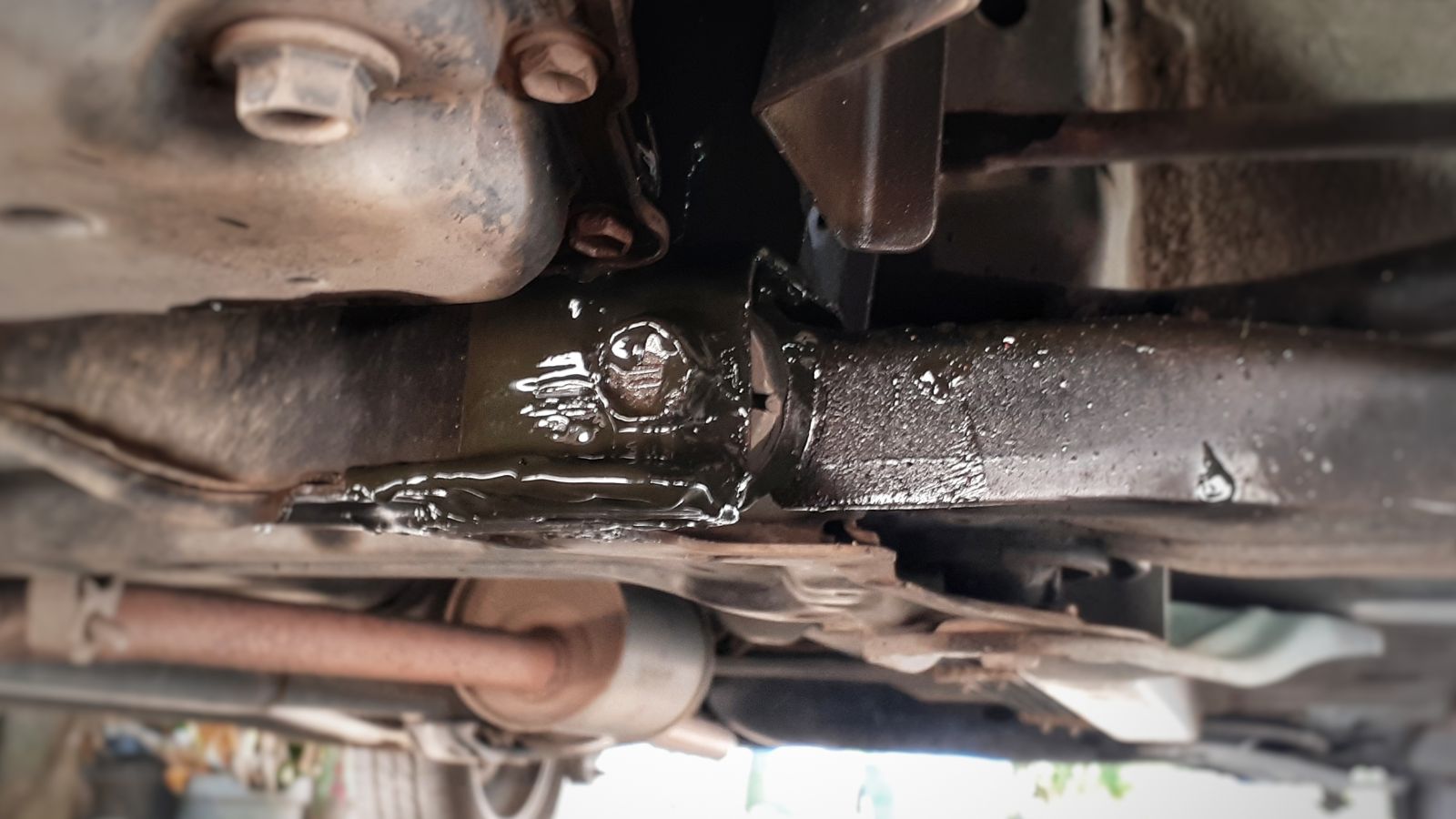
An undercarriage strike can reach beyond the exhaust. The oil pan sits at the bottom of the engine, and Cars.com notes that pans can be damaged when a vehicle strikes a rock or other hard object. AAA reports that pothole impacts can affect drivetrain components, including the engine and transmission, depending on the vehicle and location of the hit.
That is why an impact deserves attention than a glance at the bumper. A leak appearing underneath afterward may indicate damage, particularly if an oil or drivetrain housing was struck. Vulnerable parts vary by model, and factory shields cover some areas better than others. Owners should not assume that four-wheel drive or all-wheel drive provides physical protection underneath; those systems improve traction, not ground clearance. If a hard impact is followed by a warning light, leak, or abnormal operation, stopping safely and arranging a prompt professional inspection is the prudent choice.
Road Salt Can Make Impact Damage Worse Over Time
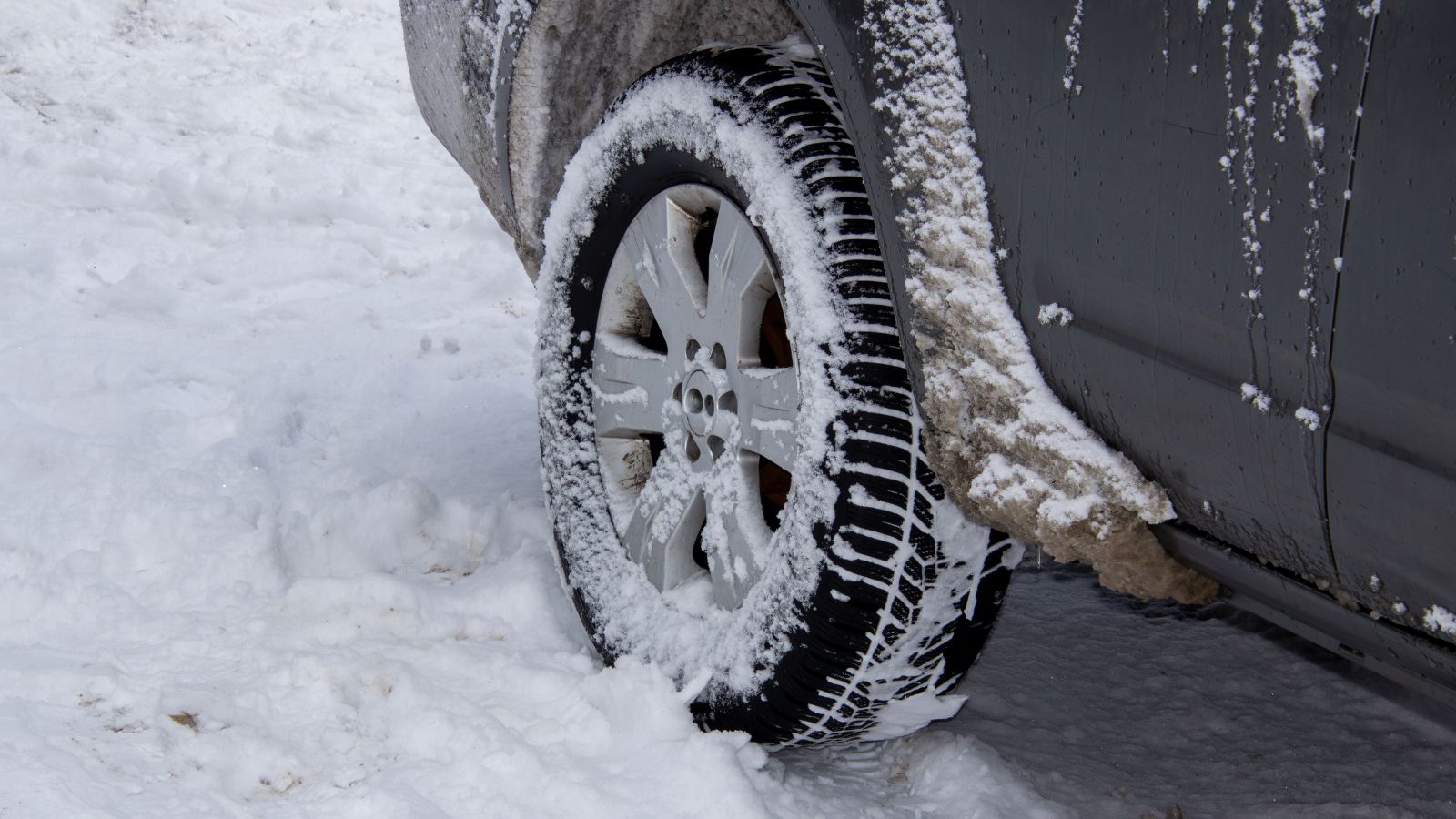
A hard scrape can create a repair problem, while winter grime adds a slower threat. AAA says road salt accelerates rust on undercarriages and can contribute to corrosion in structural parts, brake lines, and suspension. Transport Canada recall records provide an example: certain Mitsubishi vehicles were recalled because road salt could corrode a front cross-member enough to threaten control-arm attachment.
That does not mean a salty drive will rust through a car. Corrosion develops over time, and vehicles use materials and coatings. The concern after an impact is that a scrape may remove protection or leave an area exposed to salty slush. AAA recommends washing the undercarriage to remove salt deposits, after driving on treated roads. Where winter roads are salted, the combination of damage, moisture, and contamination deserves attention. Repairing shields or coatings and keeping the underside clean can help prevent a strike from becoming a longer-term corrosion problem.
Freeze-Thaw Cycles Create Another Undercarriage Threat
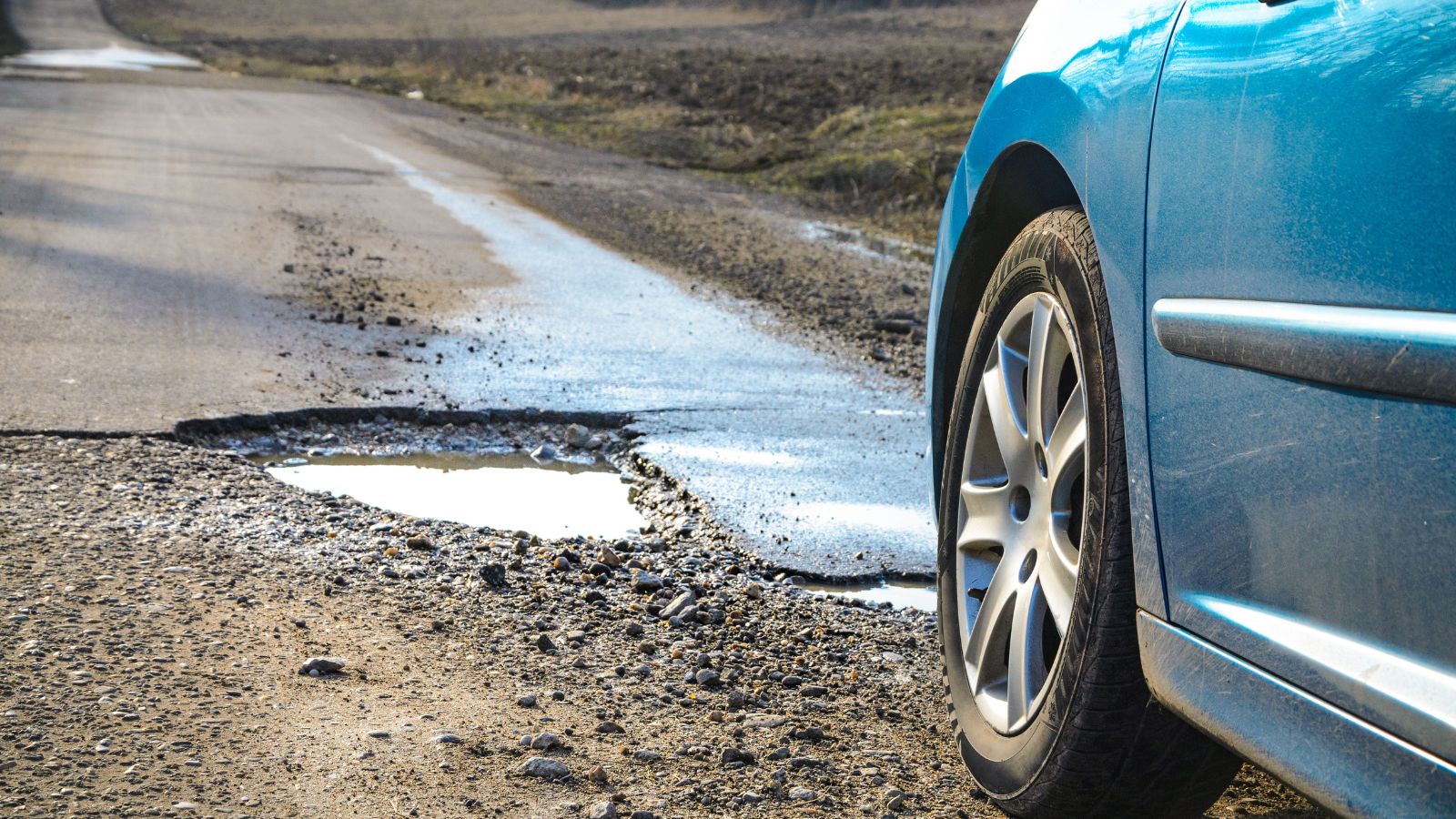
Winter does not place snow and ice on top of the pavement; it can damage the pavement. AAA explains that moisture entering cracks can freeze and expand, then contribute to pavement breakup as temperatures fluctuate and traffic passes over weakened areas. The result is potholes, which can appear during winter and multiply as freeze-thaw cycles continue.
That matters to the undercarriage because a pothole can make a vehicle bottom out even when the driver never touches a snowbank. AAA says potholes can damage tires, wheels, suspension, alignment, and exhaust components. Consumer Reports adds that strikes can damage subframes or body structures, with speed and pothole depth influencing severity. Snow or slush can make these holes harder to judge when visibility falls. A driver focused only on avoiding obvious ice ridges may therefore miss the other winter hazard below them: broken pavement capable of delivering a similarly sharp impact from underneath.
New Noises After a Hit Should Not Be Ignored
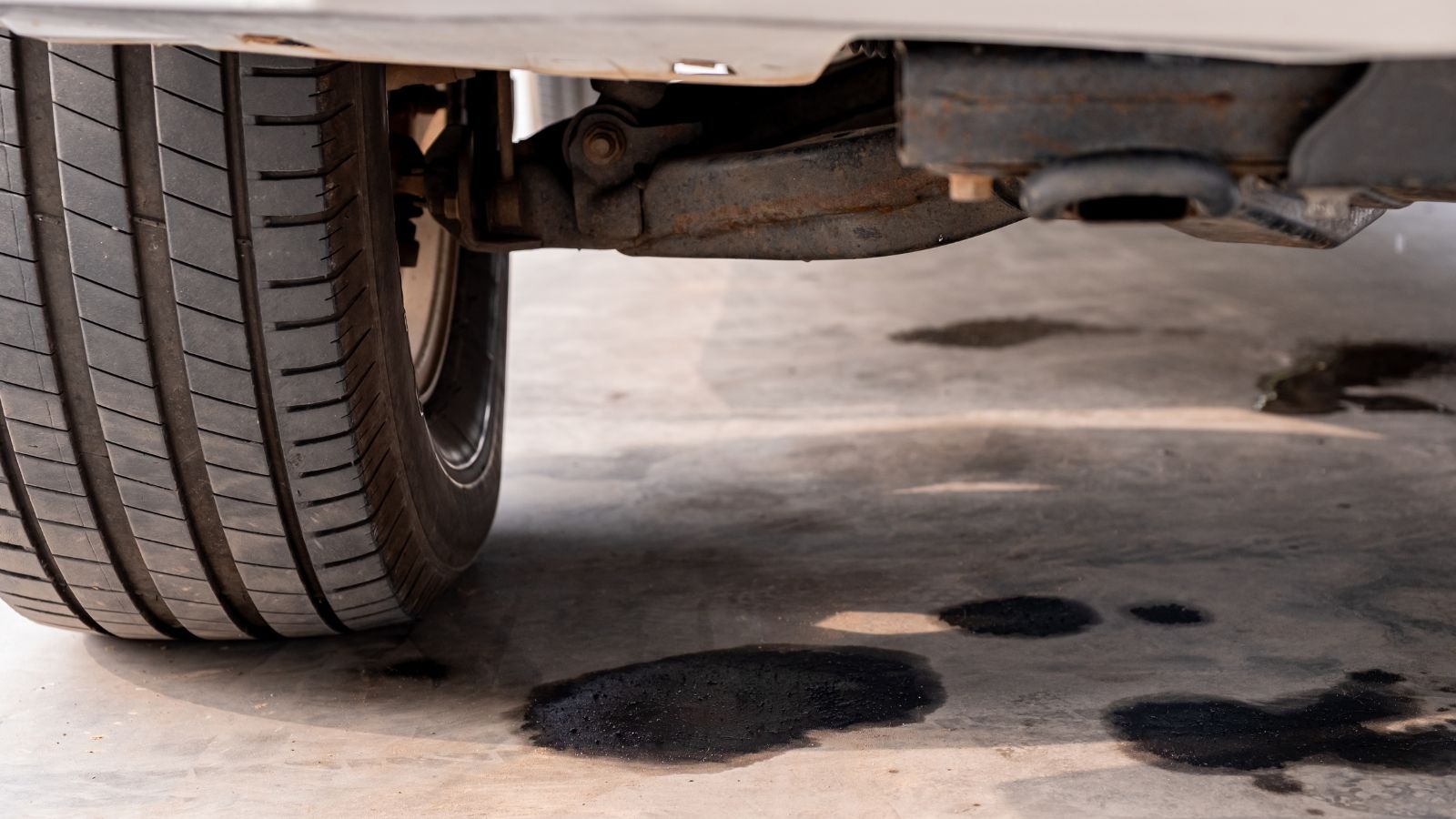
The mistake after a winter impact may be assuming that silence means nothing happened. AAA recommends watching for new noises, vibrations, or steering changes after a pothole strike. A vehicle that begins pulling left or right may need its alignment checked, while vibration can point to wheel, tire, or suspension trouble. Consumer Reports recommends inspection after pothole impacts because damage may not be obvious.
Undercarriage clues deserve attention. A metallic rattle can come from a loosened heat shield or exhaust hanger; scraping may mean a panel has shifted lower; and a fluid spot can signal a damaged component. Not every scrape requires repair, but symptoms that begin immediately afterward create a timeline for diagnosis. If steering feels abnormal, a warning light appears, or fluid is leaking, continuing to drive may make a problem worse. A prompt inspection is cheaper and safer than waiting for an impact to become a breakdown.
Prevention Comes Down to Clearance, Space, and Patience
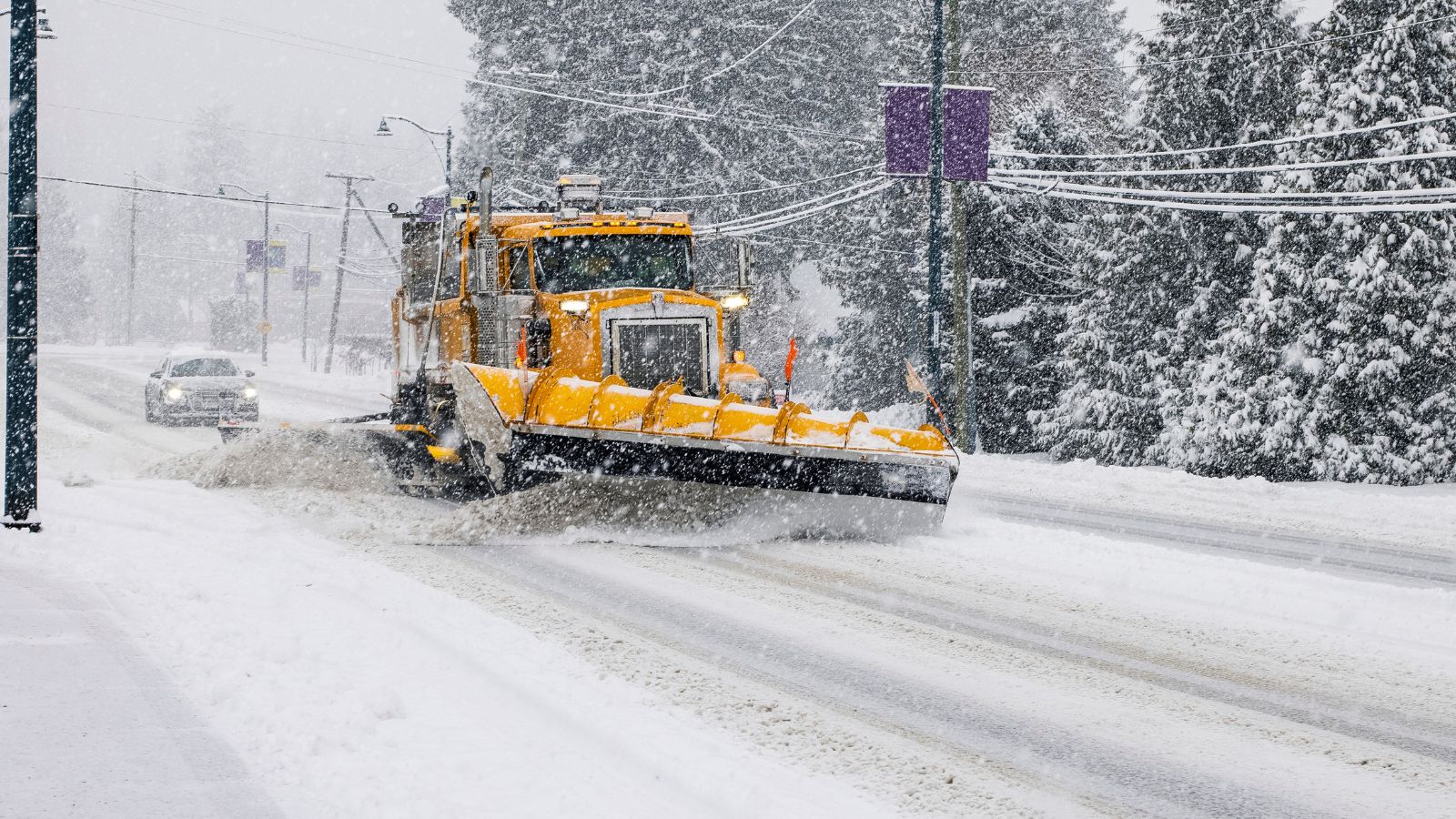
Avoiding undercarriage damage starts before the frozen ridge reaches the bumper. Transport Canada recommends checking weather and road information, including provincial or territorial 511 services, and allowing travel time in winter. More time reduces the temptation to carry dry-road speed through rutted streets, unplowed entrances, or snow left behind by maintenance equipment.
On the road, space and patience matter. Ontario advises staying back from snowplows because blowing snow and the ridge they create can reduce visibility and make passing dangerous. Drivers should scan ahead, slow before obstacles, and avoid forcing a low vehicle through snow deep enough to touch underneath. After driving on salted roads, AAA recommends washing the undercarriage to remove deposits. Taken together, these habits address both kinds of winter damage: the sudden impact from hard snow, ice, or potholes, and the slower corrosion that follows salt exposure. The cheapest undercarriage repair is the strike that never happens.
19 Used Cars Canadians Should Avoid in 2026 (Based on Owner Complaints)

Buying a used car in Canada can feel safe until repair bills start stacking up. Owner complaints tell a different story than glossy listings. Transmission failures, electrical problems, and weak winter reliability show up again and again in consumer reports. Many of these issues appear after warranties expire, when owners least expect them. Some vehicles look affordable upfront, but become expensive to keep on the road. Others struggle in cold weather, urban driving, or long highway commutes. Here are 19 used cars Canadians should avoid in 2026 (based on owner complaints).
19 Used Cars Canadians Should Avoid in 2026 (Based on Owner Complaints)

Alanna Rosen is an experienced content writer that focuses on many EV and educational content. Her articles are regularly published on Get CyberTrucked and syndicated on large publications.