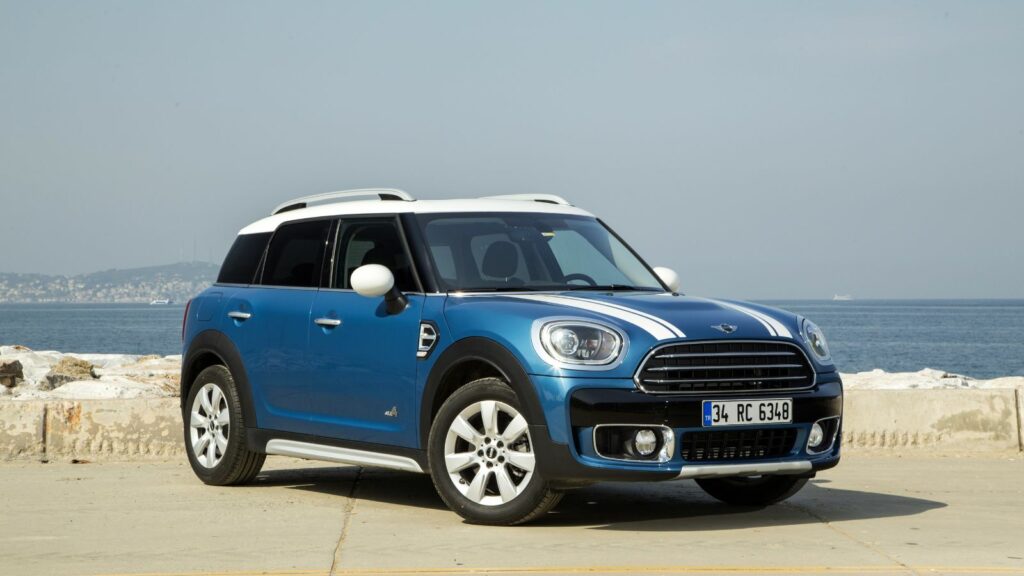
Walk into a Canadian dealership and say the words “I’d like to trade in my car,” and salespeople usually light up. Used inventory is the lifeblood of the business, and good trade-ins sell faster and make more profit than new cars. But then there are the vehicles that instantly turn excitement into dread. These aren’t rare exotics or wrecks they’re everyday models Canadians bought in huge numbers. The problem is that dealers know exactly how hard they are to resell. They sit on lots forever, scare off buyers and cost more in repairs than they’ll ever bring in profit. If you show up with one of these, don’t expect a warm welcome.
Dodge Journey
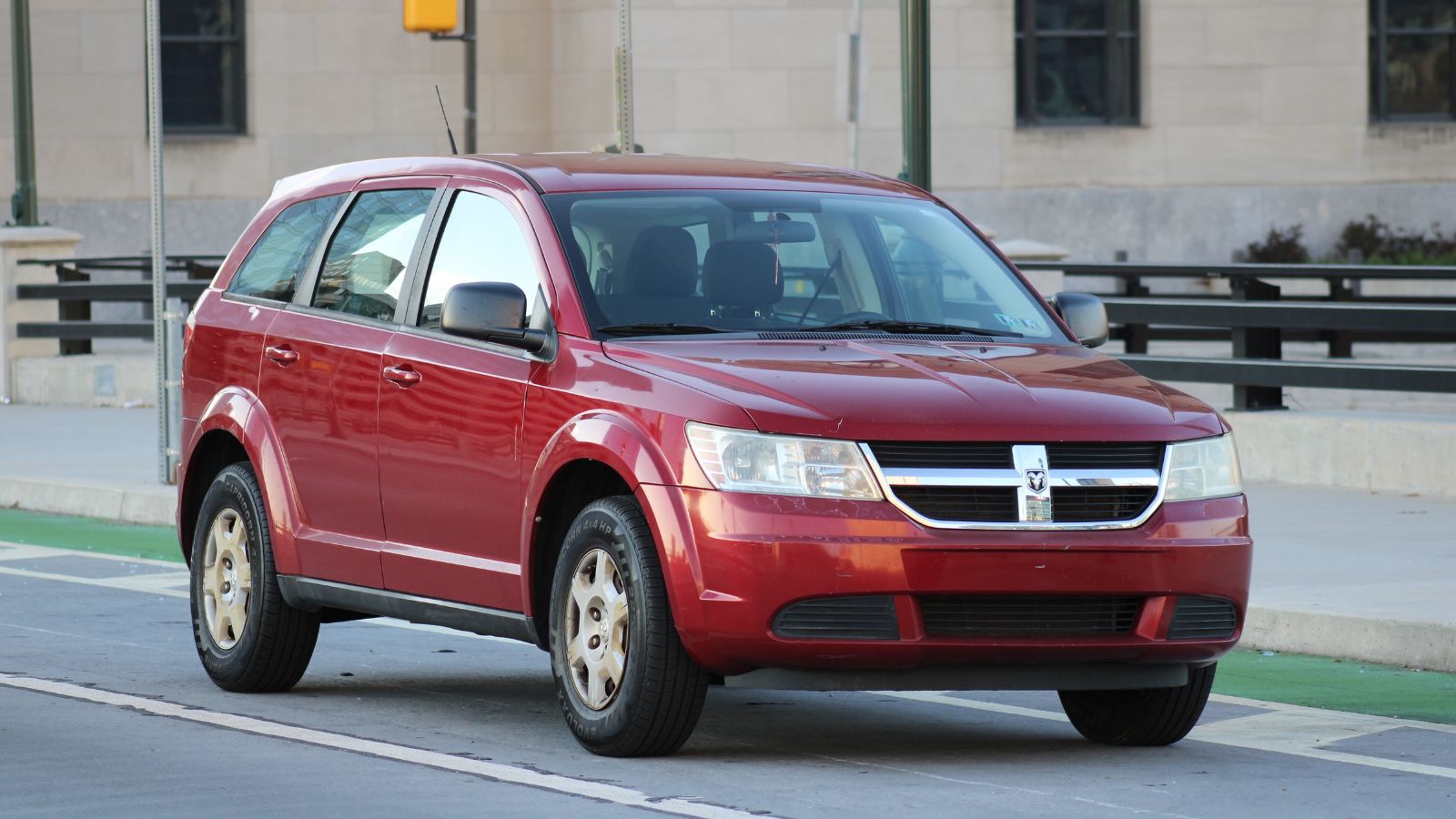
The Dodge Journey dominated Canadian driveways because it was affordable, roomy and loaded with features. But now it’s the car dealers groan at the moment they see it. The ownership stories surrounding worn suspension components, weak transmissions and glitchy electronics are impossible to escape. Even well maintained Journeys make shoppers hesitant, and the ones that show up rough are nearly unsellable. Dealers would rather avoid them than spend months slashing prices waiting for the right buyer.
Fiat 500
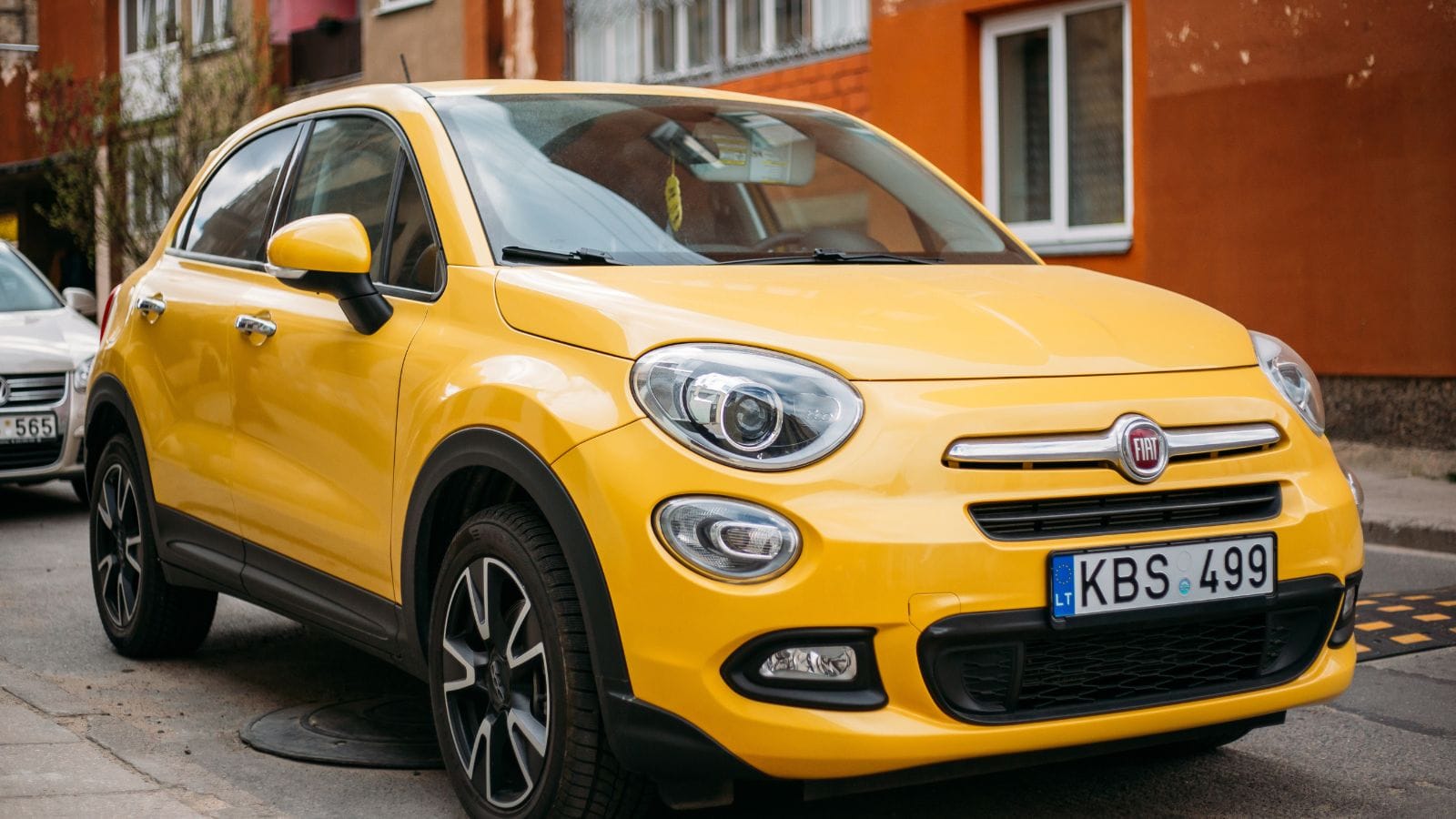
The Fiat 500 has personality, style and charm. It’s fun to look at and fun to drive. What it isn’t is profitable on the used market. The repair costs and inconsistent reliability history make customers cautious, and the small buyer pool shrinks even further once those concerns appear during research. Dealers know most 500s need reconditioning before hitting the lot, and the repairs eat any chance of profit. Cute or not, they’re a financial risk that most dealerships don’t want.
Chevrolet Spark
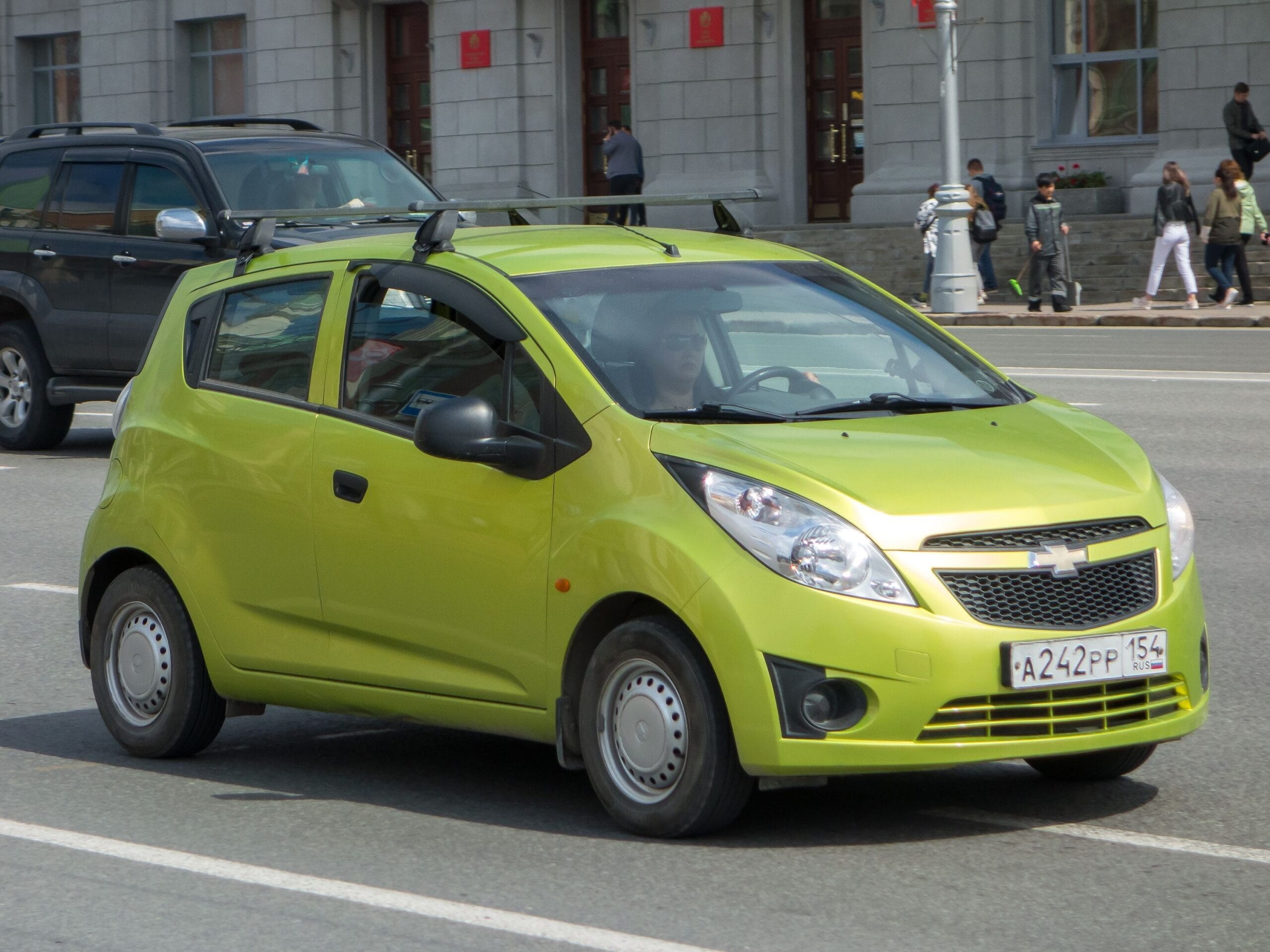
The Spark is one of the cheapest new cars sold in Canada, which is exactly what ruins its resale value. Everyone expects them to be extremely cheap even when lightly used, which leaves dealers with tiny markups that barely cover safety inspections and detailing. They’re not impossible to sell, but they require heavy discounting to move. Most stores don’t want inventory that ties up space but barely earns anything back.
Nissan Versa Note
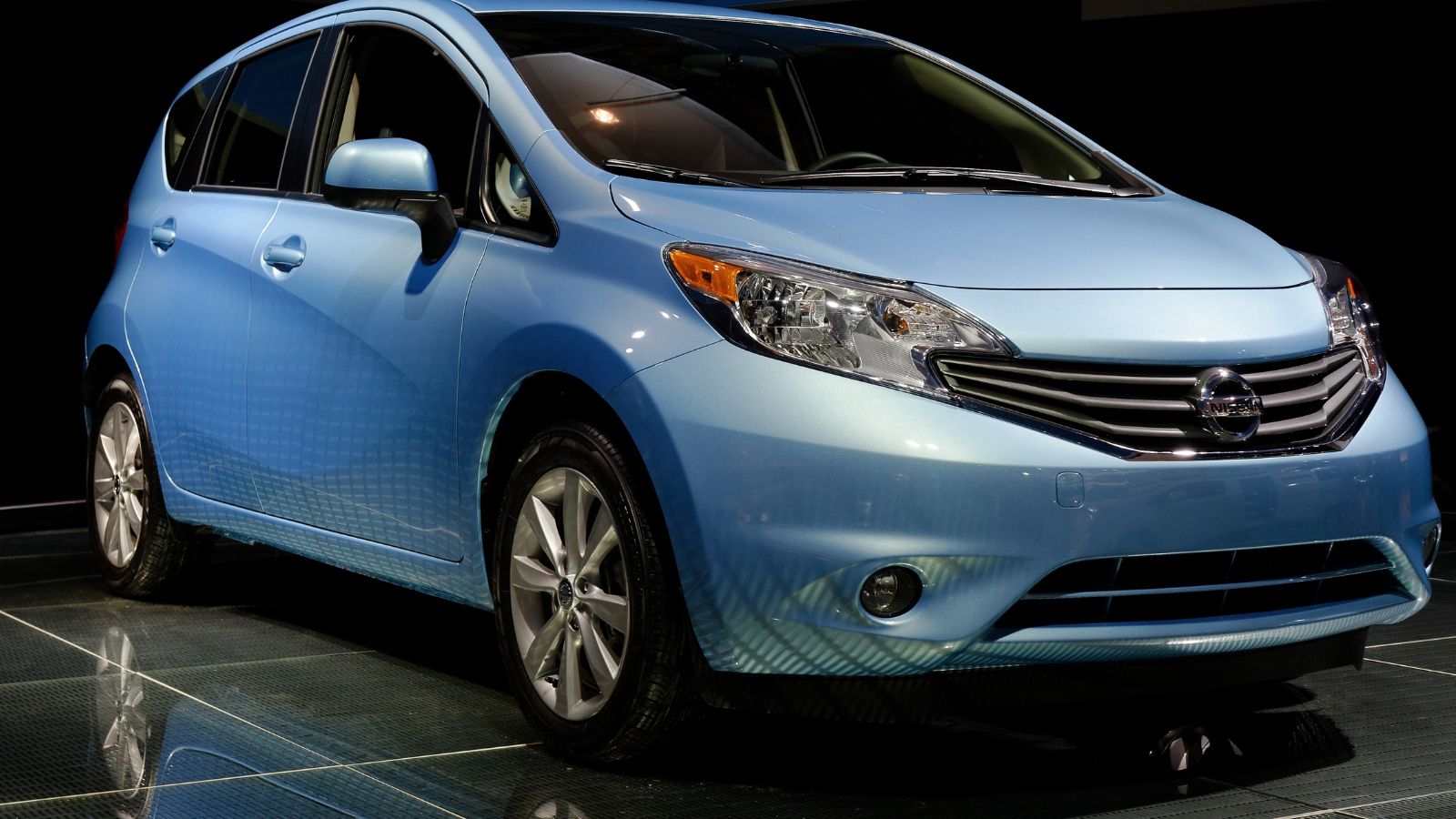
The Versa Note ticks every affordability box, yet that doesn’t help on trade-in day. Buyers in this segment want low mileage and newer build years, not worn commuter trade-ins. Many Versa Notes come from city drivers who rack up mileage on stop and go routes, which takes a toll on brakes, suspension and CVTs. That means reconditioning costs money even before it hits the lot. Dealers hate sitting on a car that needs work but still won’t attract attention until the price drops dramatically.
Chrysler 200
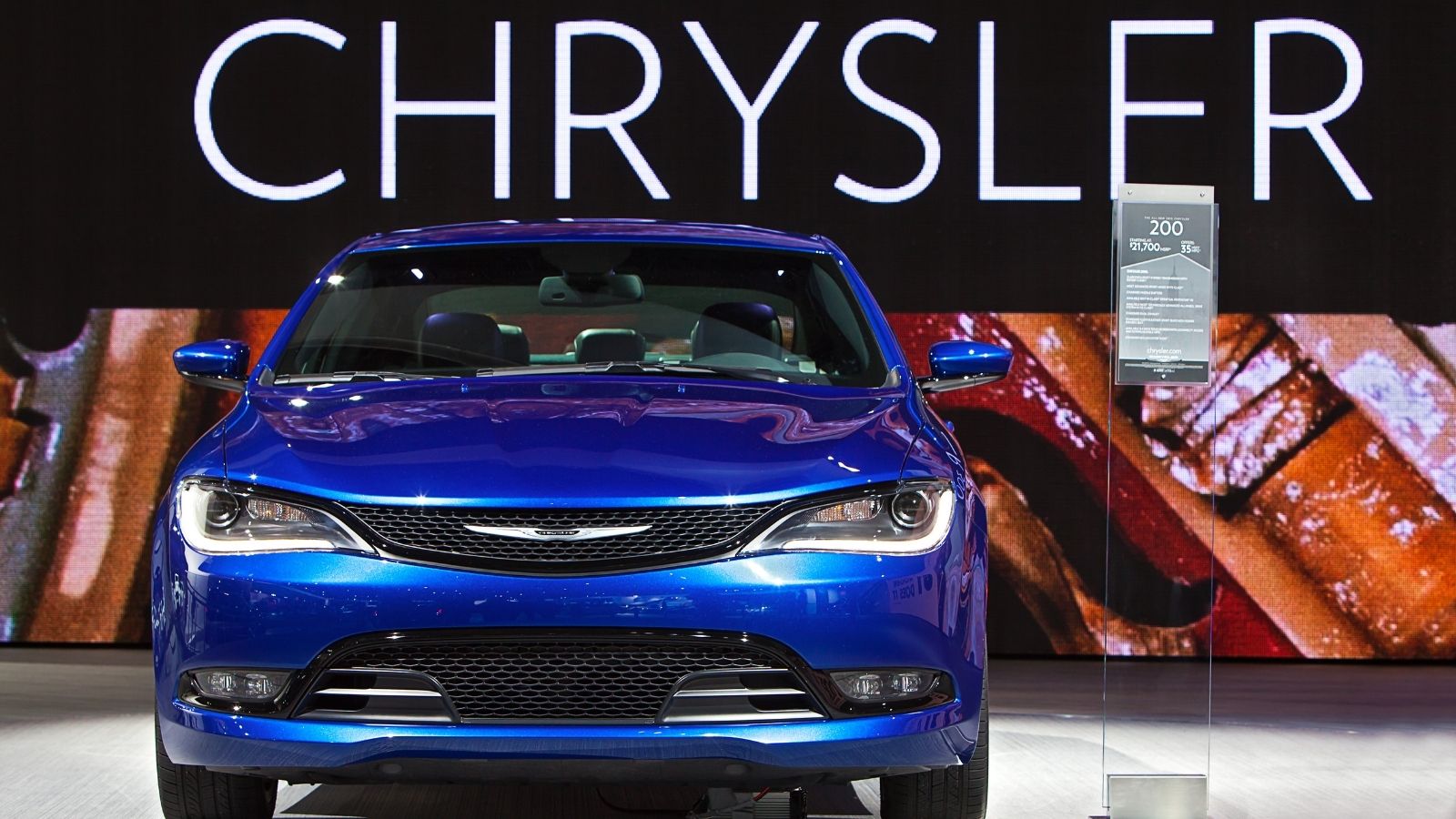
Few models fell from grace faster than the Chrysler 200. It launched with huge marketing hype, then quickly earned a terrible reputation for transmission issues and poor long-term durability. The damage was so severe that most Canadian shoppers won’t go near a used 200, even if the example they’re looking at is perfectly clean. Dealers know that the only way to move one is by pricing it far below other midsize sedans, and most would rather avoid that scenario entirely.
Mitsubishi Mirage
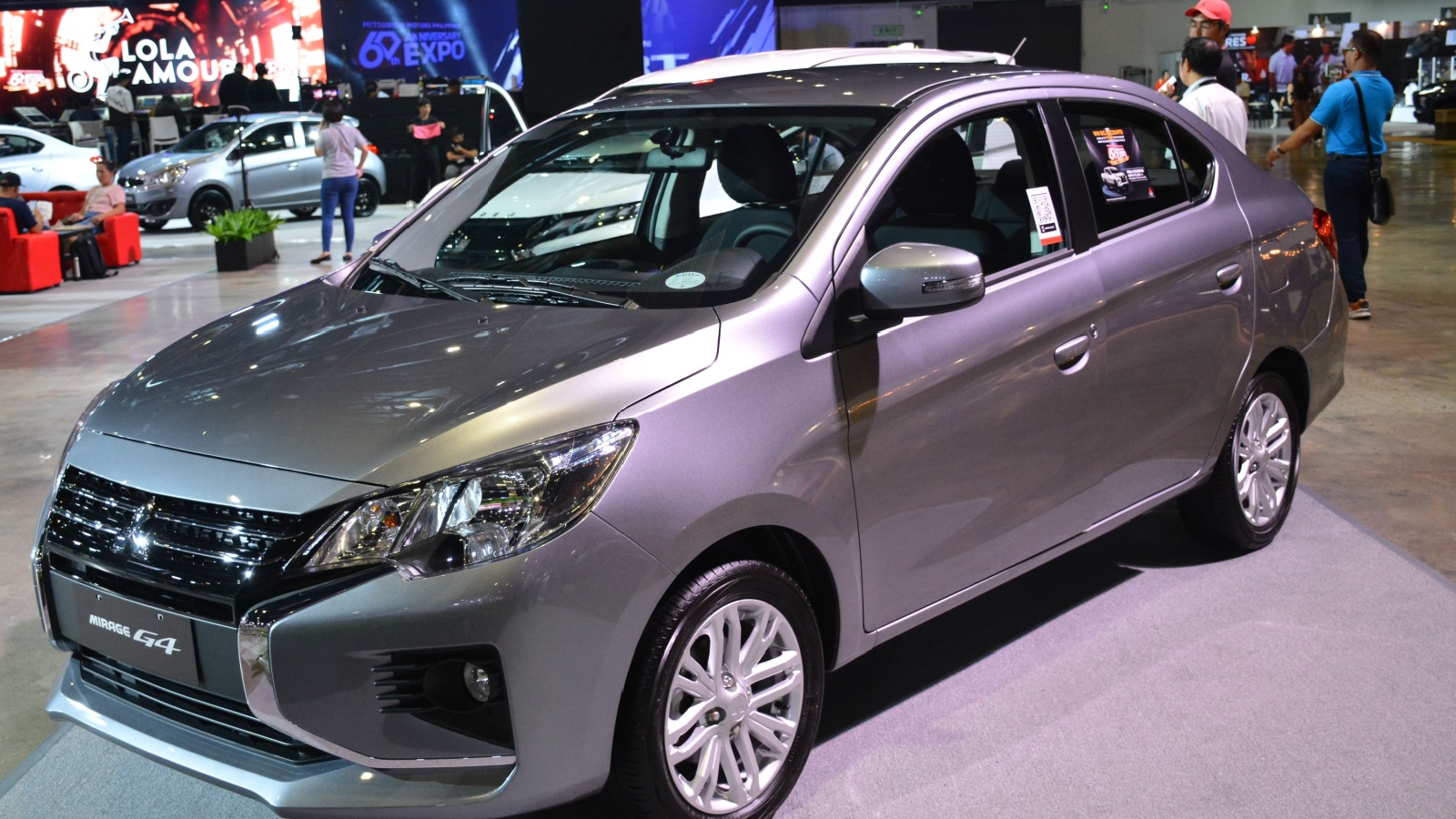
The Mirage attracts thrifty new buyers with its low sticker price and small engine. But when it’s time to trade in, that low starting price becomes the enemy. Used buyers expect bargain pricing even if the car is in great shape, and many shoppers simply want something more substantial when buying used. This leaves dealers with tiny margins, a limited audience and long wait times before someone finally commits. In business terms, it’s just not worth the effort.
Smart Fortwo
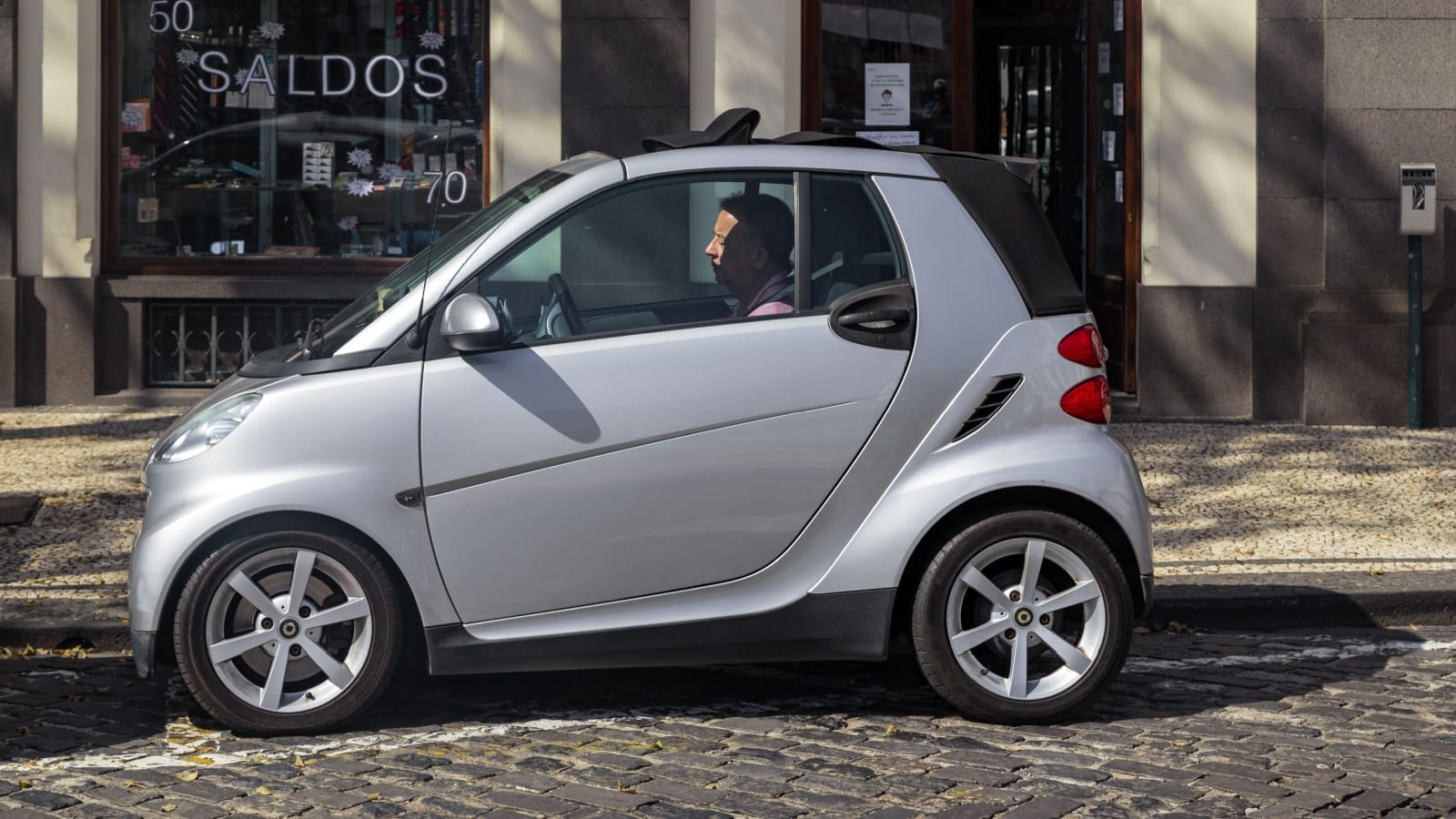
The Smart Fortwo always had a niche audience which is exactly why dealers stay far away from used ones. When customers walk the lot, they want everyday practical cars or crossovers, not quirky two seat city cars. A Smart can move eventually, but the dealership may have to wait months for the right buyer to walk through the door. Lots don’t make money on patience. They make money on turnover, and Smarts turn slowly.
Dodge Avenger
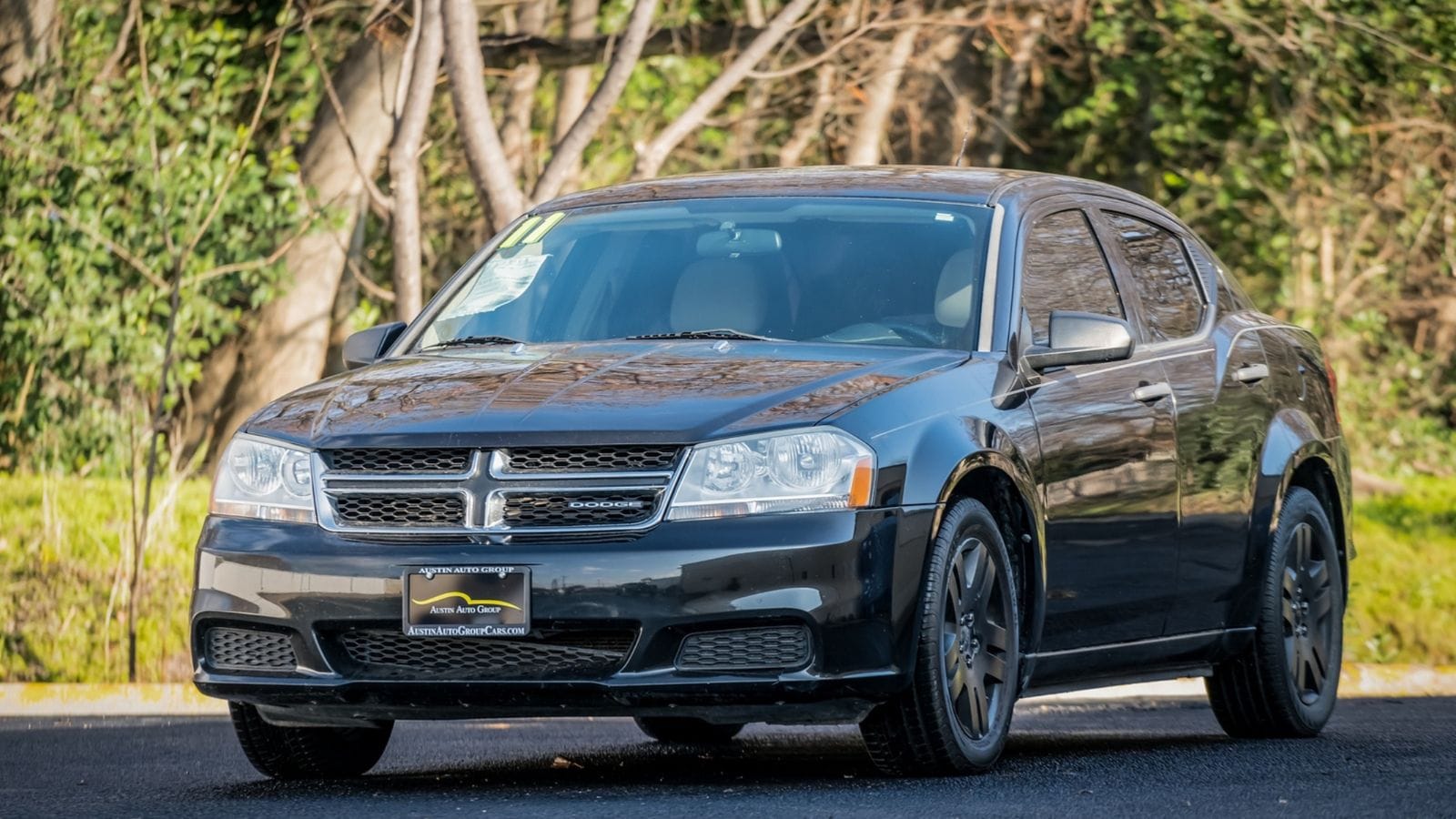
The Avenger has the same second hand reputation problem as the Chrysler 200 because many people see them as outdated, cheap and likely to need repairs soon. Most Avengers arriving on trade already have high mileage and worn interiors, and that is death for resale value. Younger buyers skip them immediately, and older buyers don’t want them either. Dealers would rather refuse the trade than babysit a car with extremely low demand.
Mini Cooper (High Mileage)
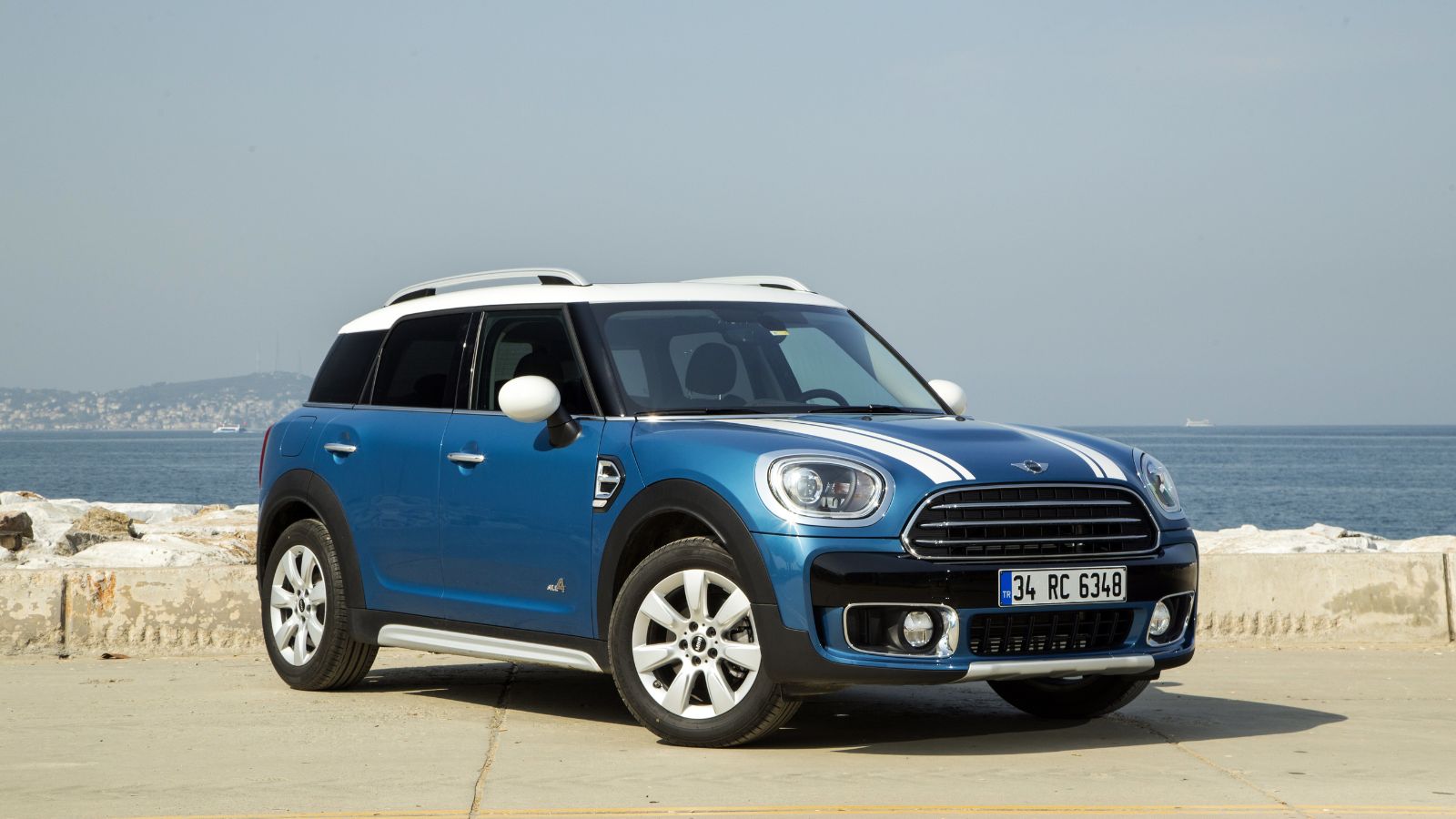
A low mileage Mini is fun inventory. A high mileage Mini sends service managers running. The quirks, the maintenance and the cost of repairs scare off most used buyers. Timing chain issues, oil leaks and sensor failures are expensive to fix and common enough that shoppers already know the bad reputation. Dealers don’t want the gamble or the backlash. Unless it’s traded in at rock bottom price, they usually say no thanks.
Ford Fiesta (Automatic)
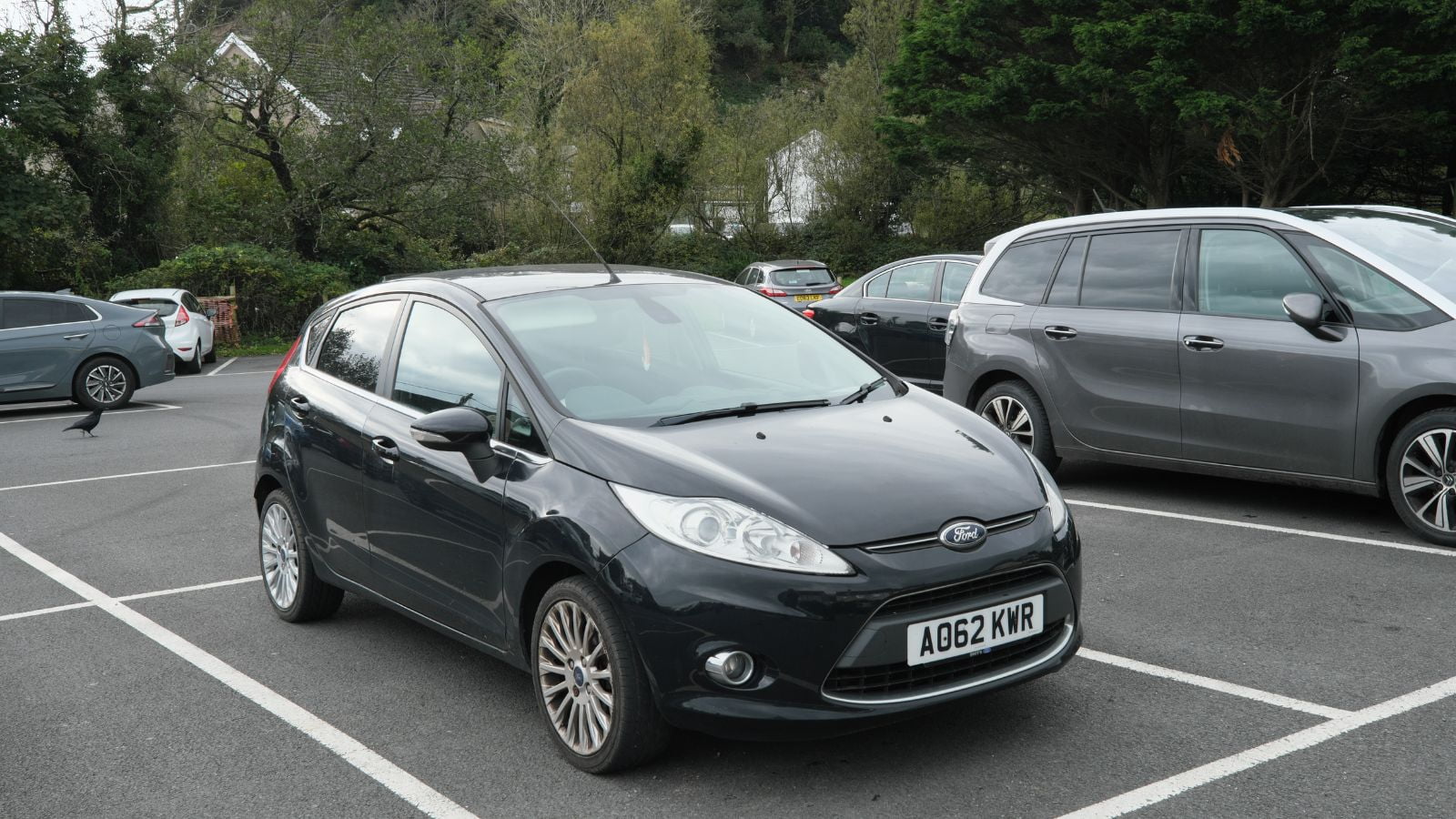
The Fiesta manual is a solid car. The Fiesta automatic is a dealership liability. The widely criticized dual clutch transmission became one of the most complained-about components in Canadian subcompacts. Shoppers know it. Dealers know it. Even when the transmission feels perfectly fine on a test drive, the stigma destroys resale confidence. Many stores refuse Fiesta automatics outright because the potential comeback from an unhappy customer just isn’t worth it.
Why These Trade-Ins Scare Dealerships
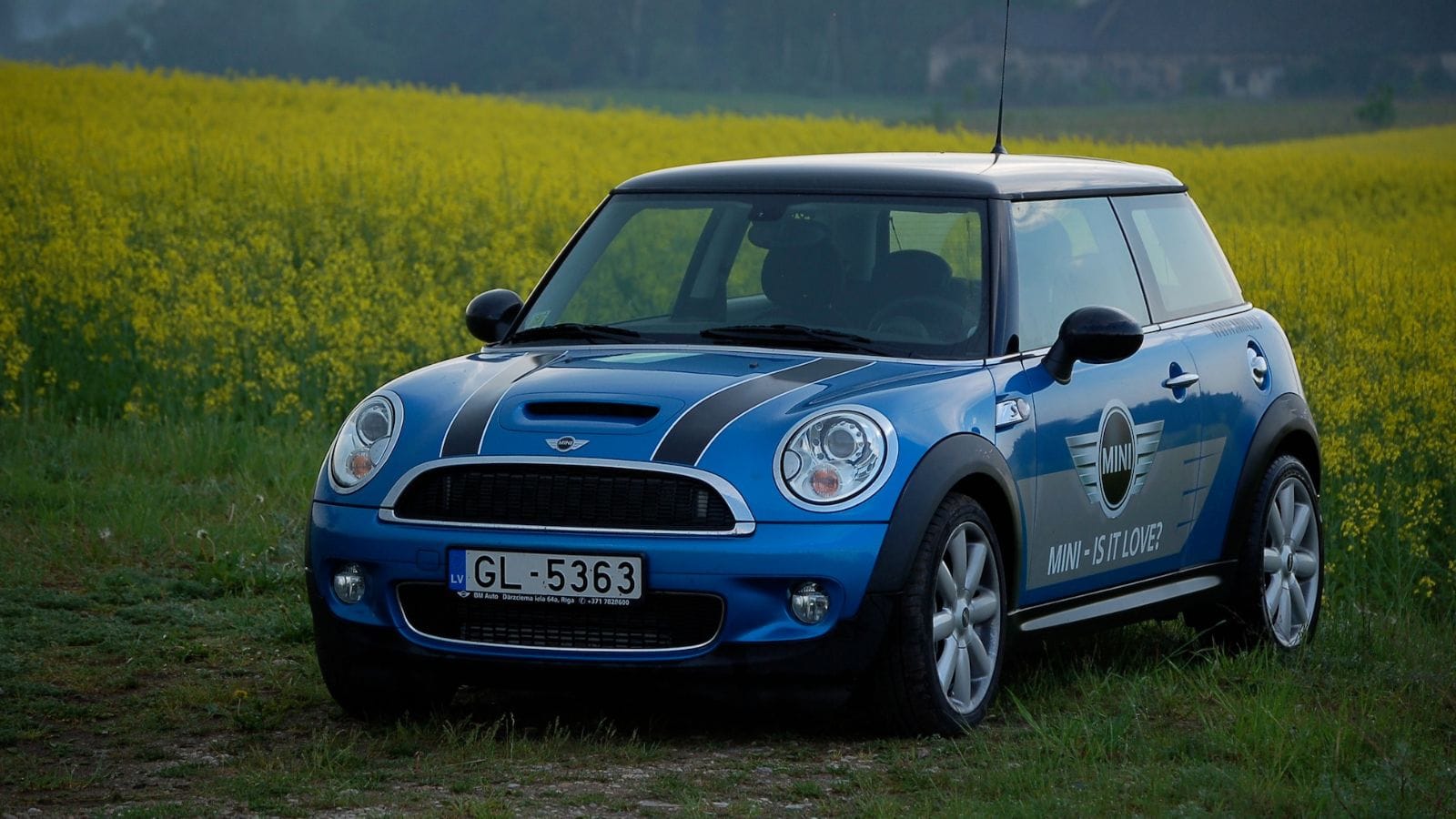
It’s not personal it’s math. A car that sits for months costs storage, insurance, detailing refreshes and advertising without earning money. A car that needs expensive repairs before going on the lot risks turning a small margin into a loss. A car with a reputation problem brings complaints and buybacks. Dealerships want inventory that sells fast and stays sold. These models do the opposite.
25 Facts About Car Loans That Most Drivers Don’t Realize

Car loans are one of the most common ways people fund car purchases. Like any other kind of loan, car loans can have certain features that can be regarded as an advantage or a disadvantage to the borrower. Understanding all essential facts about car loans and how they work to ensure that you get the best deal for your financial situation is essential. Here are 25 shocking facts about car loans that most drivers don’t realize:
25 Facts About Car Loans That Most Drivers Don’t Realize
