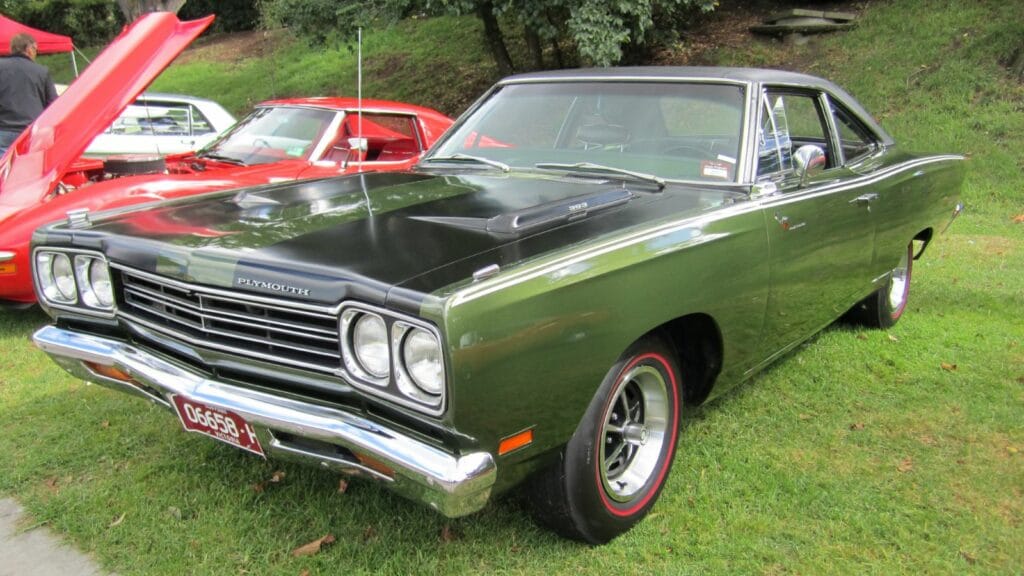
The 1960s didn’t just give birth to the muscle car era—it ignited a revolution. Detroit automakers were locked in a horsepower war, each trying to outdo the other with bigger engines, wilder designs, and record-shattering performance. What began as factory experiments soon turned into a full-blown cultural movement. These were the cars that didn’t just play by the rules—they rewrote them.
1964 Pontiac GTO
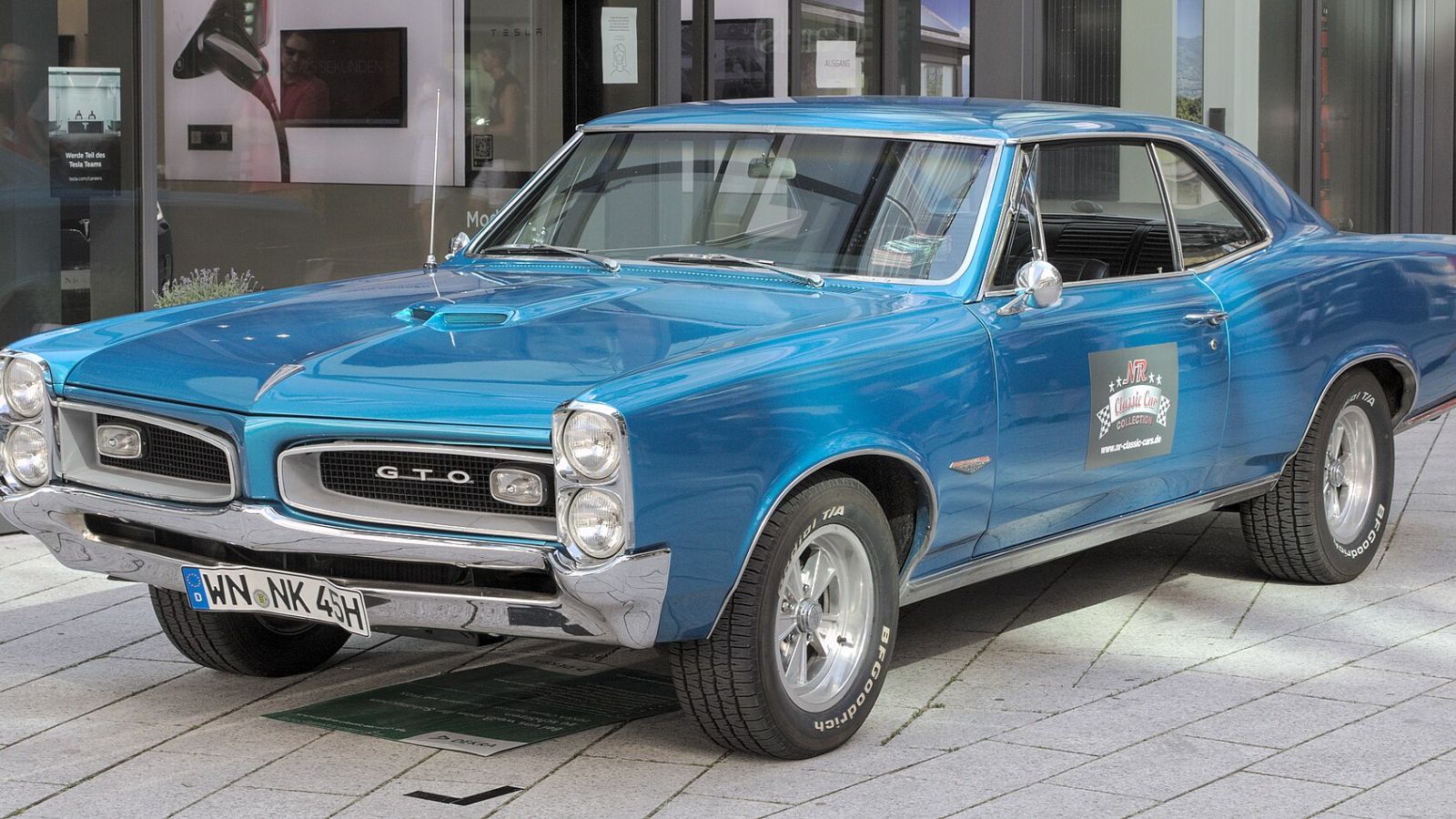
It all started here. The Pontiac GTO is widely regarded as the car that kicked off the muscle car era. By dropping a 389 cubic inch V8 into a midsize Tempest, Pontiac created a new formula for speed and style. Its 348 horsepower rating and aggressive looks set the tone for the decade. The GTO proved that muscle wasn’t reserved for big luxury cruisers—it could come in a sleek, affordable package that any young driver could dream of owning.
1966 Shelby GT350
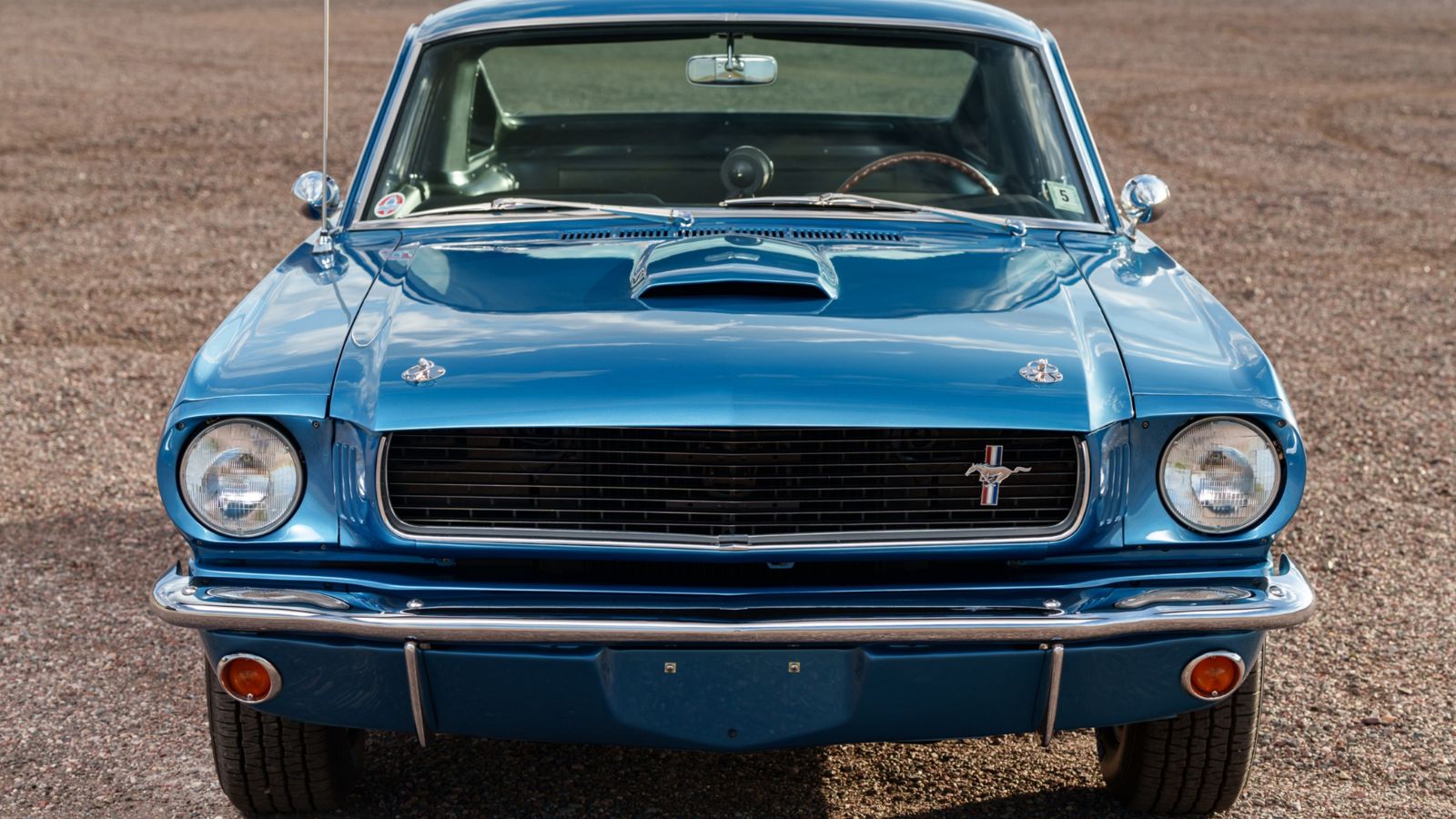
Carroll Shelby’s transformation of the Ford Mustang into the GT350 was pure genius. By stiffening the suspension, adding disc brakes, and tuning the 289 V8 for 306 horsepower, Shelby turned Ford’s pony car into a legitimate track weapon. It wasn’t about straight-line speed alone—it could actually handle corners. The GT350 showed America that muscle could be agile, creating a blueprint that performance tuners still follow today.
1968 Dodge Charger R/T
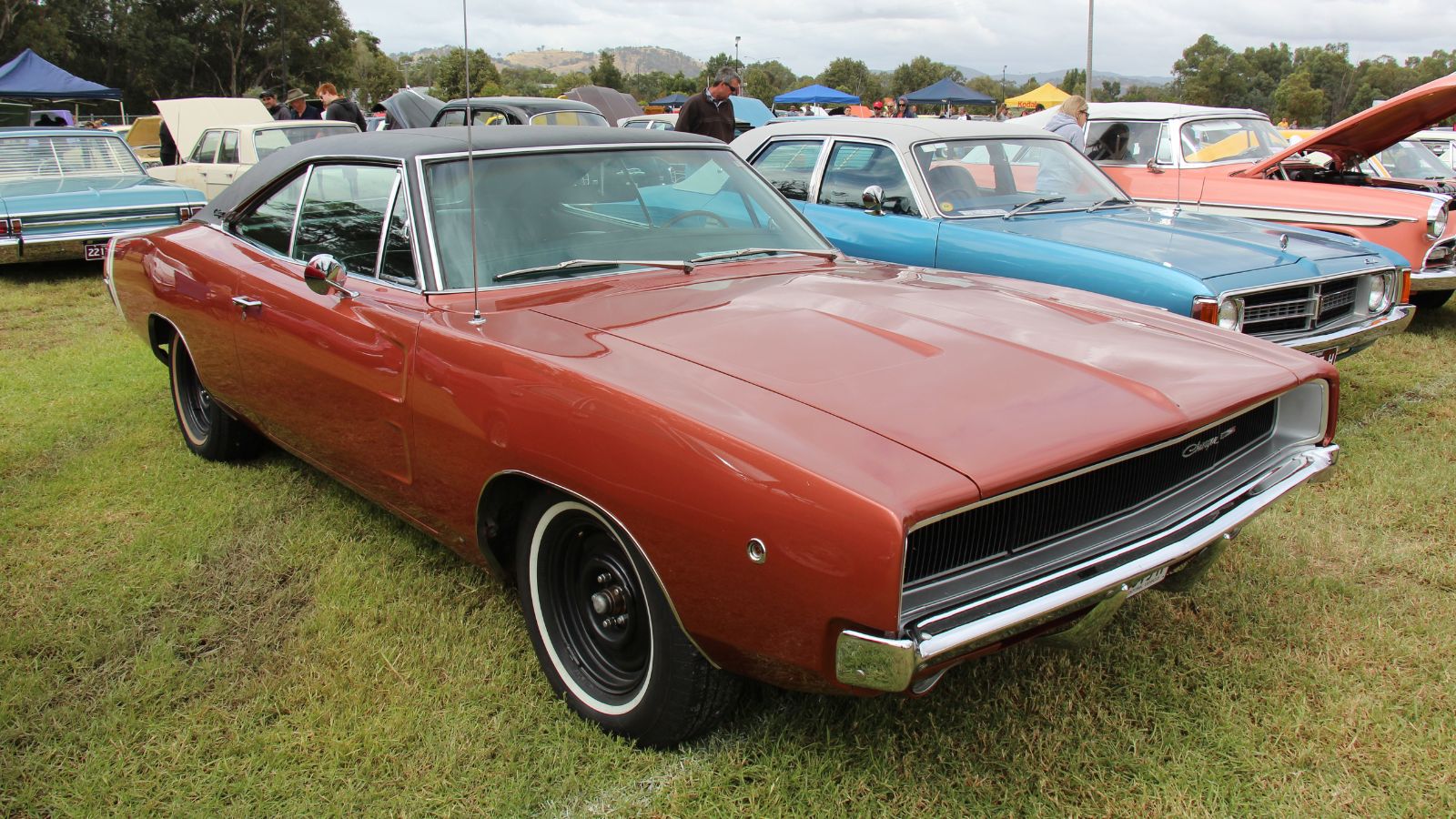
The 1968 Charger R/T redefined American cool. Its fastback design, recessed grille, and hidden headlights made it one of the most menacing cars ever to hit the street. Under the hood, the 440 Magnum or optional 426 Hemi turned it into a beast capable of tearing up drag strips and Hollywood chase scenes. The Charger proved that muscle cars could be both elegant and ferocious, and its starring role in Bullitt cemented its legend forever.
1967 Chevrolet Camaro SS
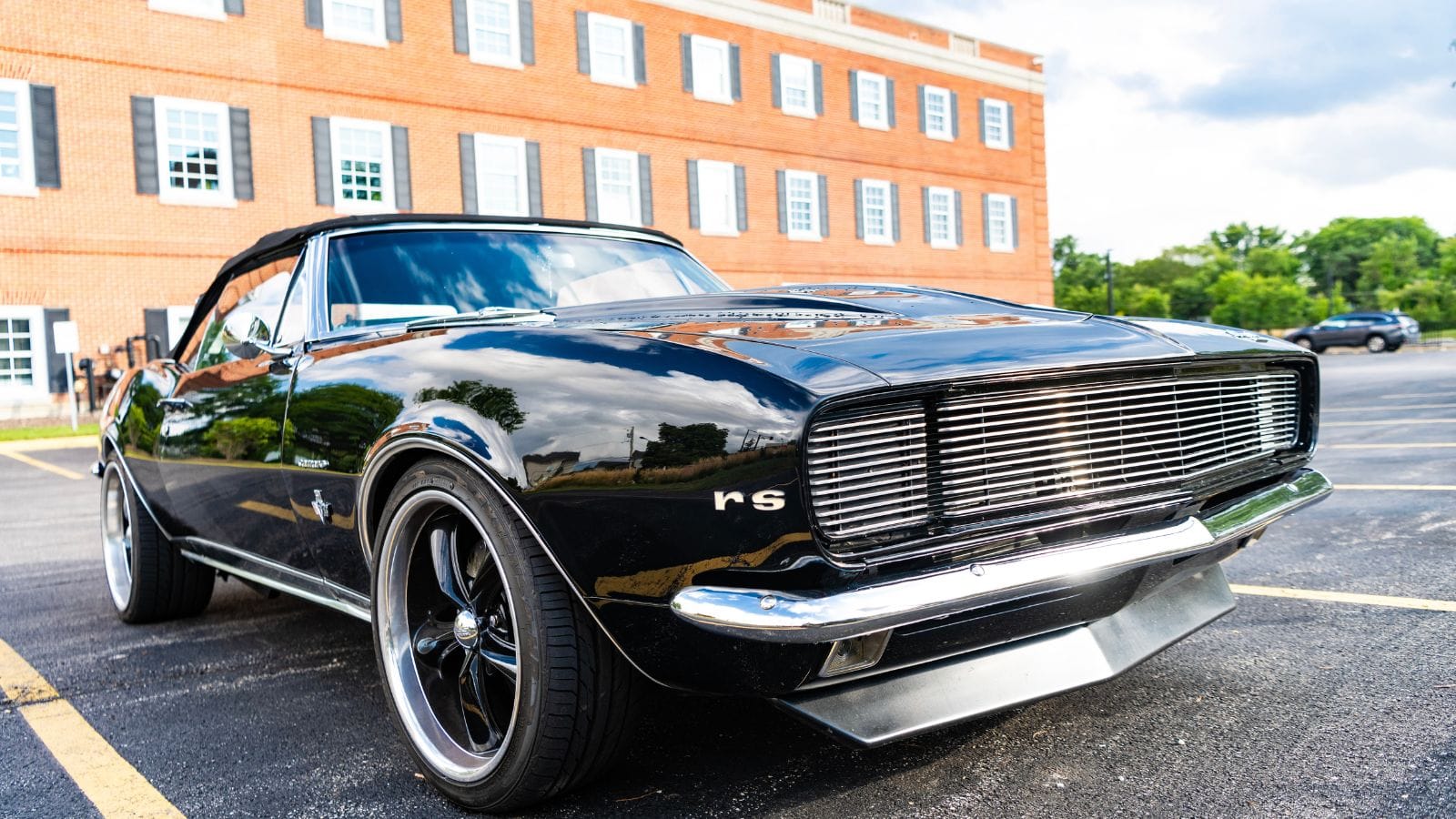
When Chevrolet finally answered the Mustang, it didn’t hold back. The 1967 Camaro SS combined sharp styling with big-block power, offering up to 375 horsepower from the 396 V8. Chevy’s new F-body platform was lighter and more balanced than expected, giving drivers real control to match the power. It sparked a rivalry with Ford that still defines the muscle car world today. The Camaro didn’t just join the fight—it changed it.
1969 Plymouth Road Runner
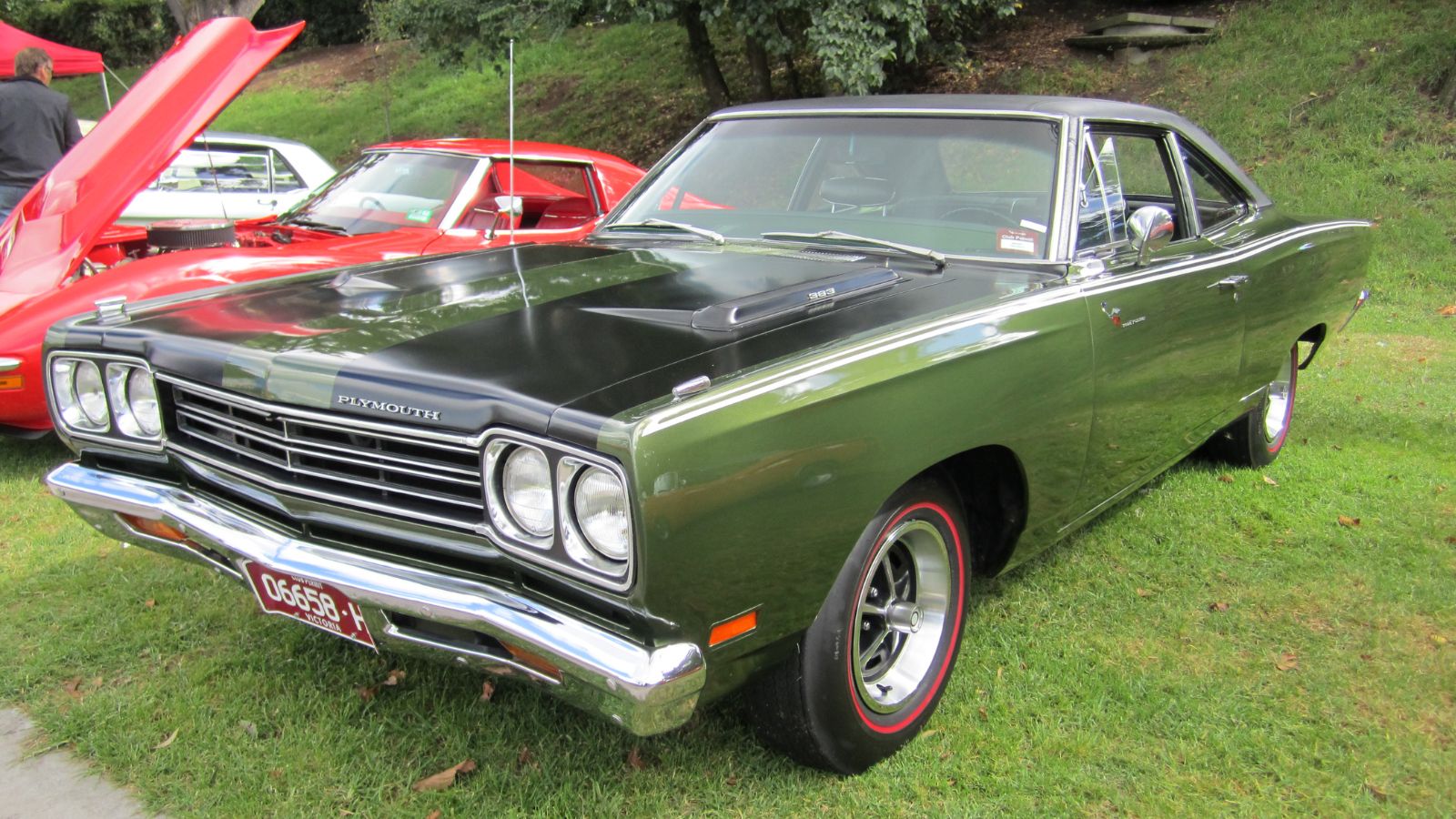
The Road Runner stripped the muscle car back to its essence: power, simplicity, and fun. Plymouth ditched the luxury trim and focused on pure performance, offering the 383 or optional 426 Hemi engines at a price the average buyer could afford. It even came with a cartoon-inspired “beep-beep” horn. The Road Runner’s success proved that muscle didn’t have to be fancy—it just had to be fast. It brought brute strength back to the people.
1969 Ford Mustang Boss 429
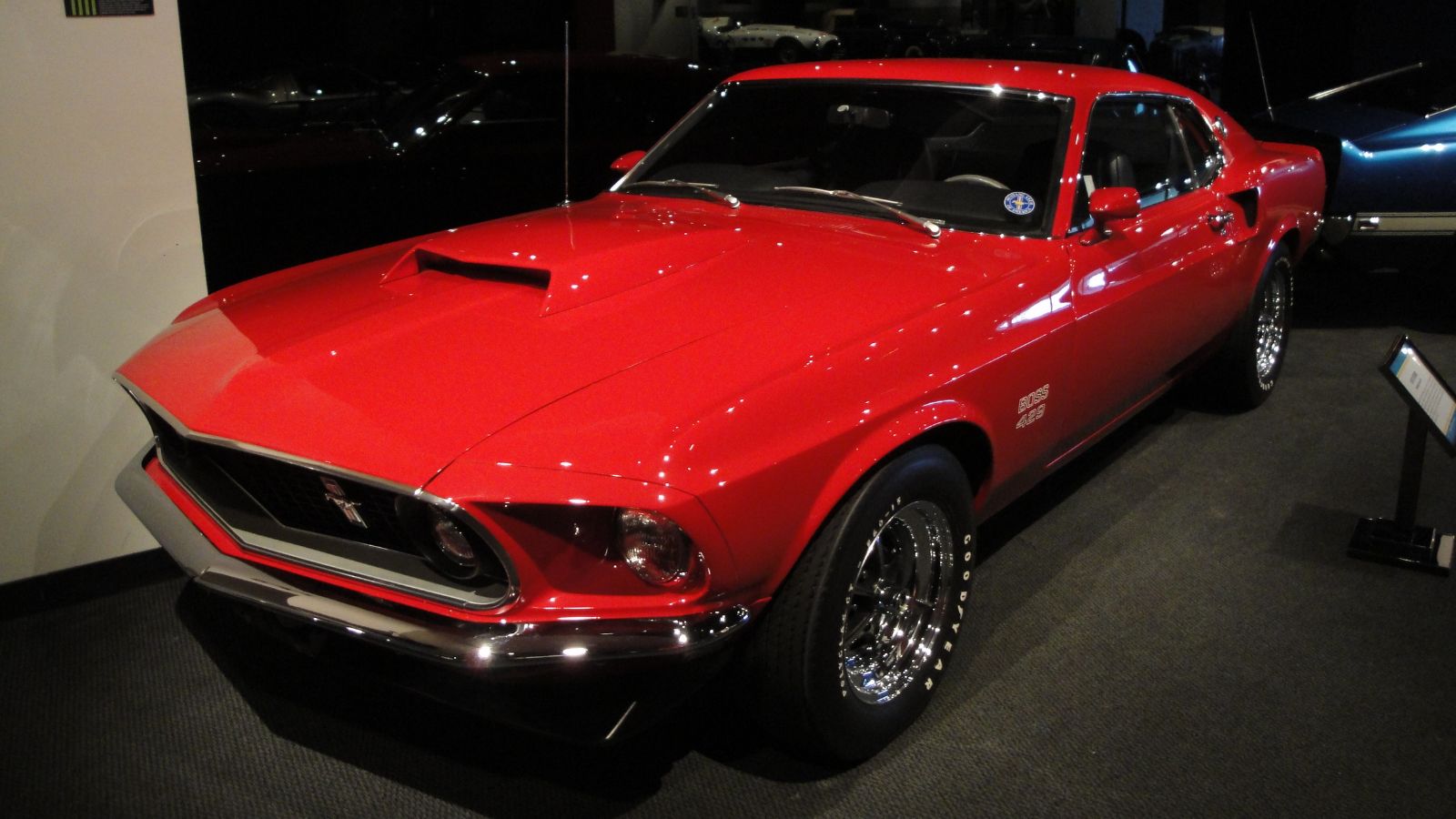
When NASCAR rules required Ford to build a street version of its new 429 engine, the result was one of the most intimidating Mustangs ever made. The Boss 429 was hand-built, with a massive engine stuffed into a body that barely contained it. Rated at 375 horsepower but capable of far more, it was pure mechanical excess. Only a few were made, but the Boss 429 remains a symbol of how far Ford would go to stay ahead in the horsepower wars.
1968 AMC AMX
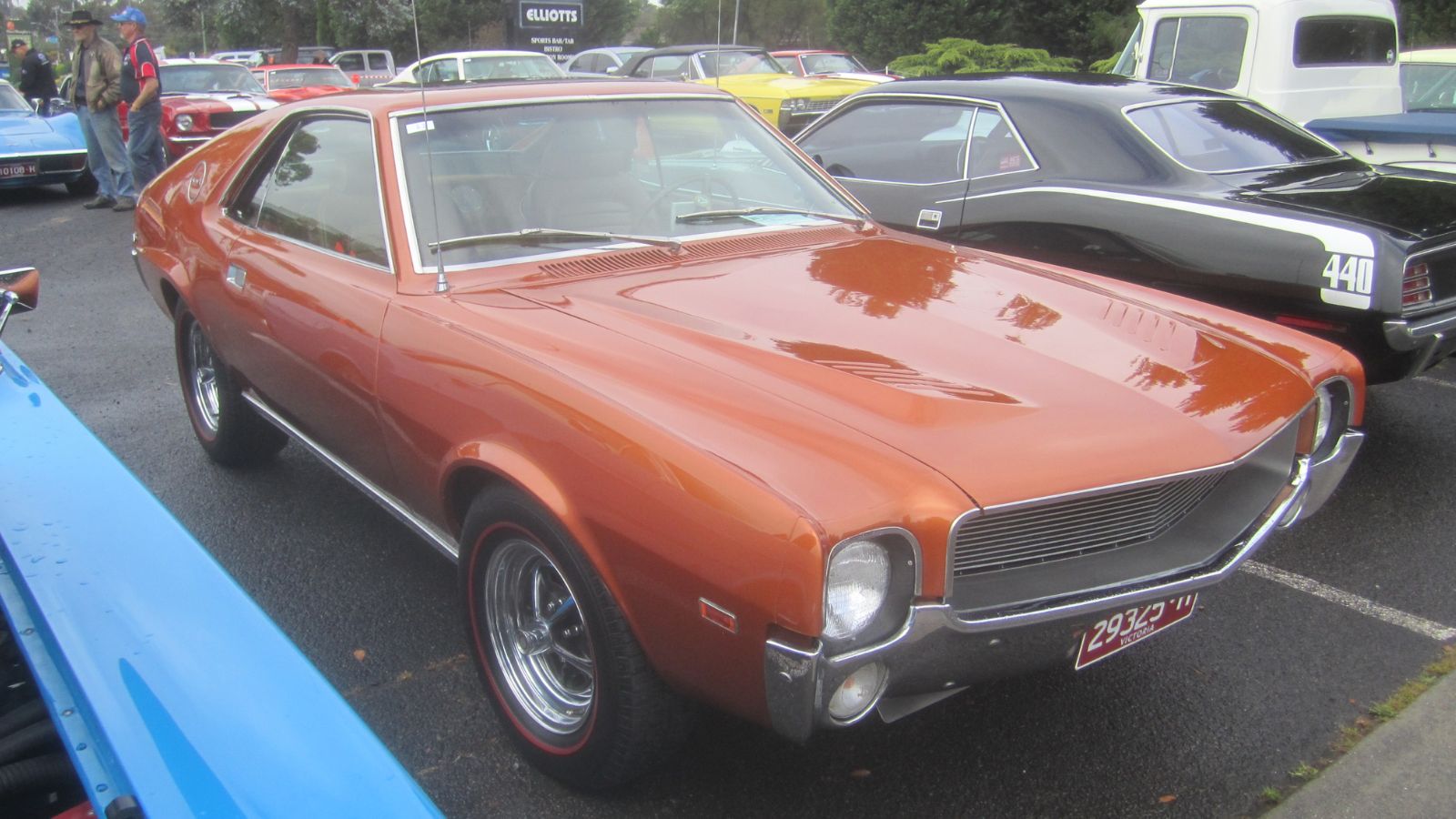
AMC was the underdog, but the AMX proved it could punch above its weight. With a short wheelbase, two-seat layout, and up to 315 horsepower from a 390 V8, it handled better than many of its larger competitors. It broke conventions by blending sports car proportions with muscle car power. The AMX showed that a smaller American automaker could innovate and produce something genuinely exciting, not just follow the pack.
1966 Chevrolet Chevelle SS396
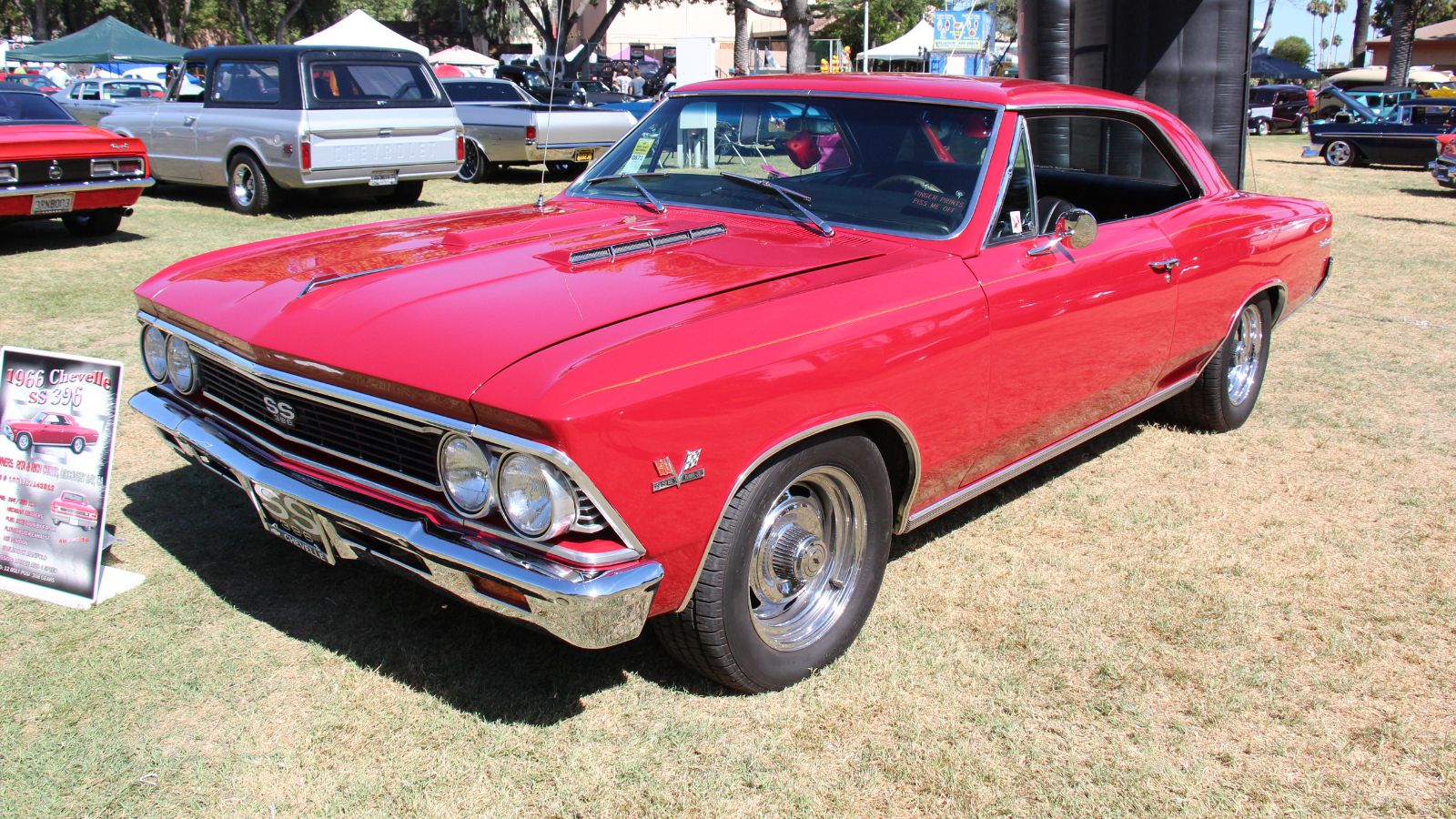
The Chevelle SS396 hit the perfect balance between family car and street machine. Its clean, muscular lines and roaring 396 engine gave it instant presence. Chevrolet’s big-block made up to 375 horsepower, and its smooth torque delivery made it an everyday powerhouse. The SS396 helped mainstream the muscle car movement by proving that brute power could coexist with daily drivability. It was the working man’s performance car.
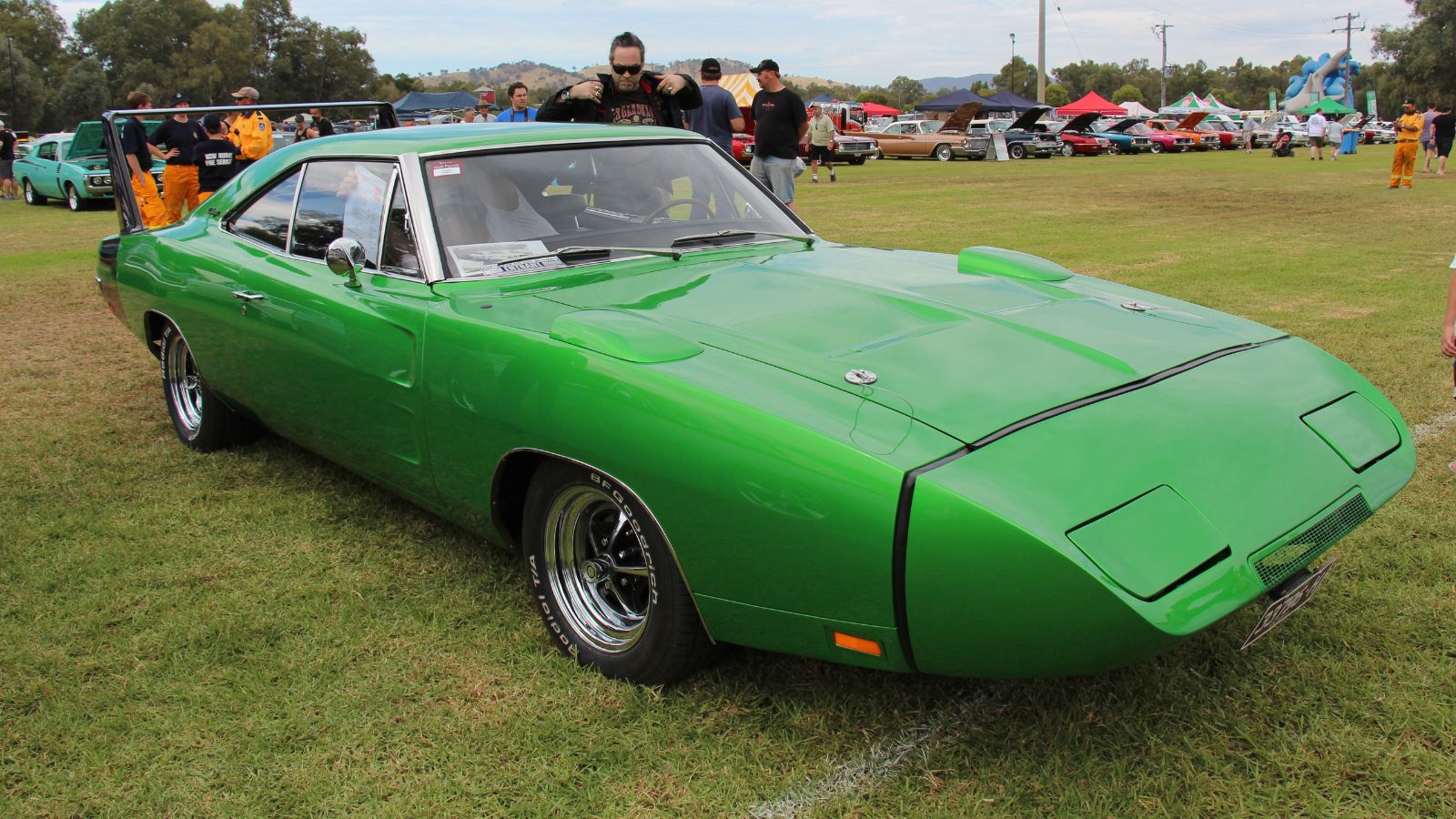
1969 Dodge Daytona
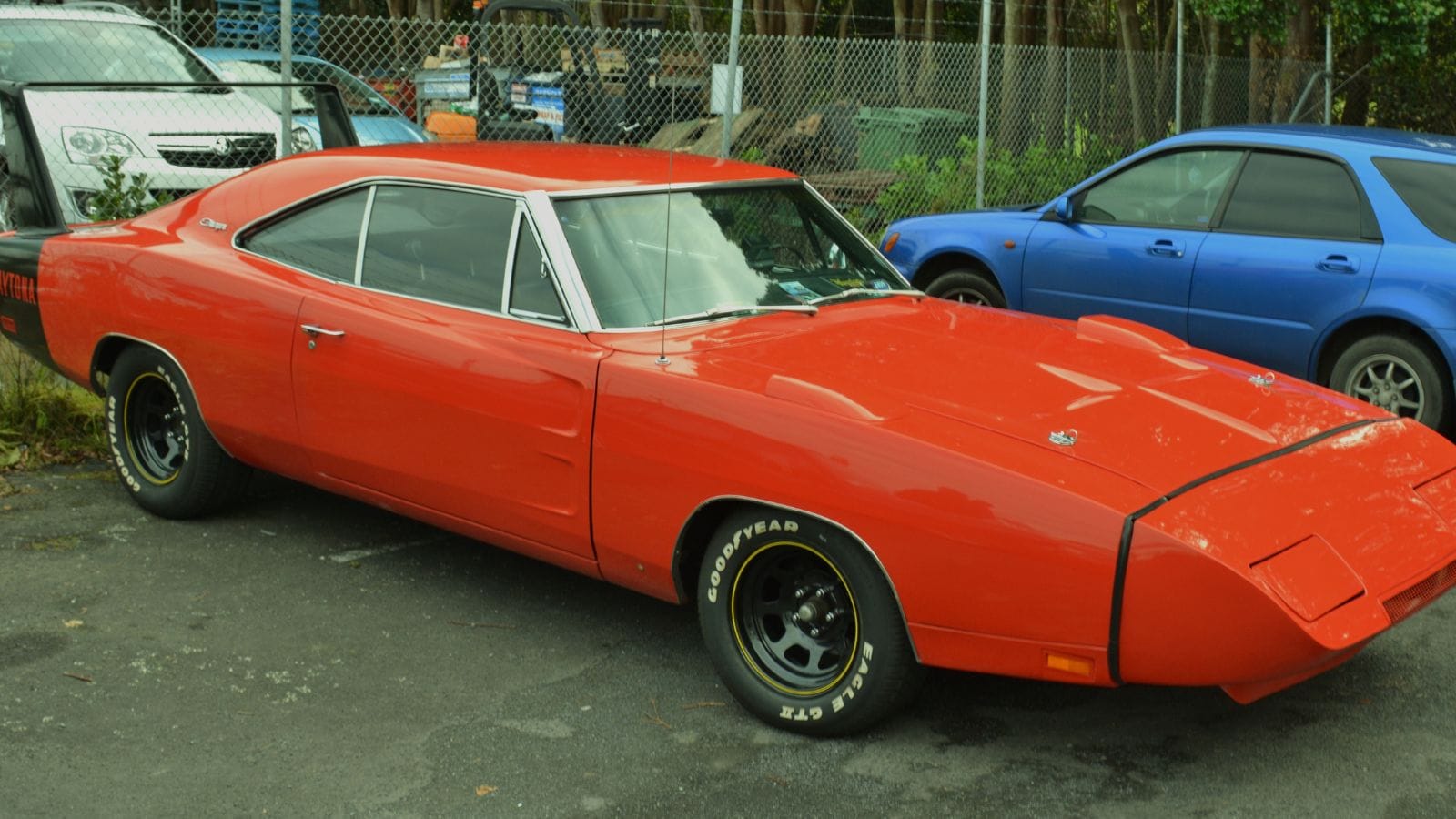
The Daytona didn’t just push boundaries—it broke the rulebook in half. Built specifically for NASCAR dominance, it featured a wind-tunnel-tested nose cone and a massive rear wing that looked like science fiction at the time. Powered by the 440 Magnum or optional 426 Hemi, the Daytona became the first NASCAR car to break 200 mph. It wasn’t just fast—it was revolutionary, blending aerodynamics and power in ways the industry had never seen before.
1969 Pontiac Firebird Trans Am
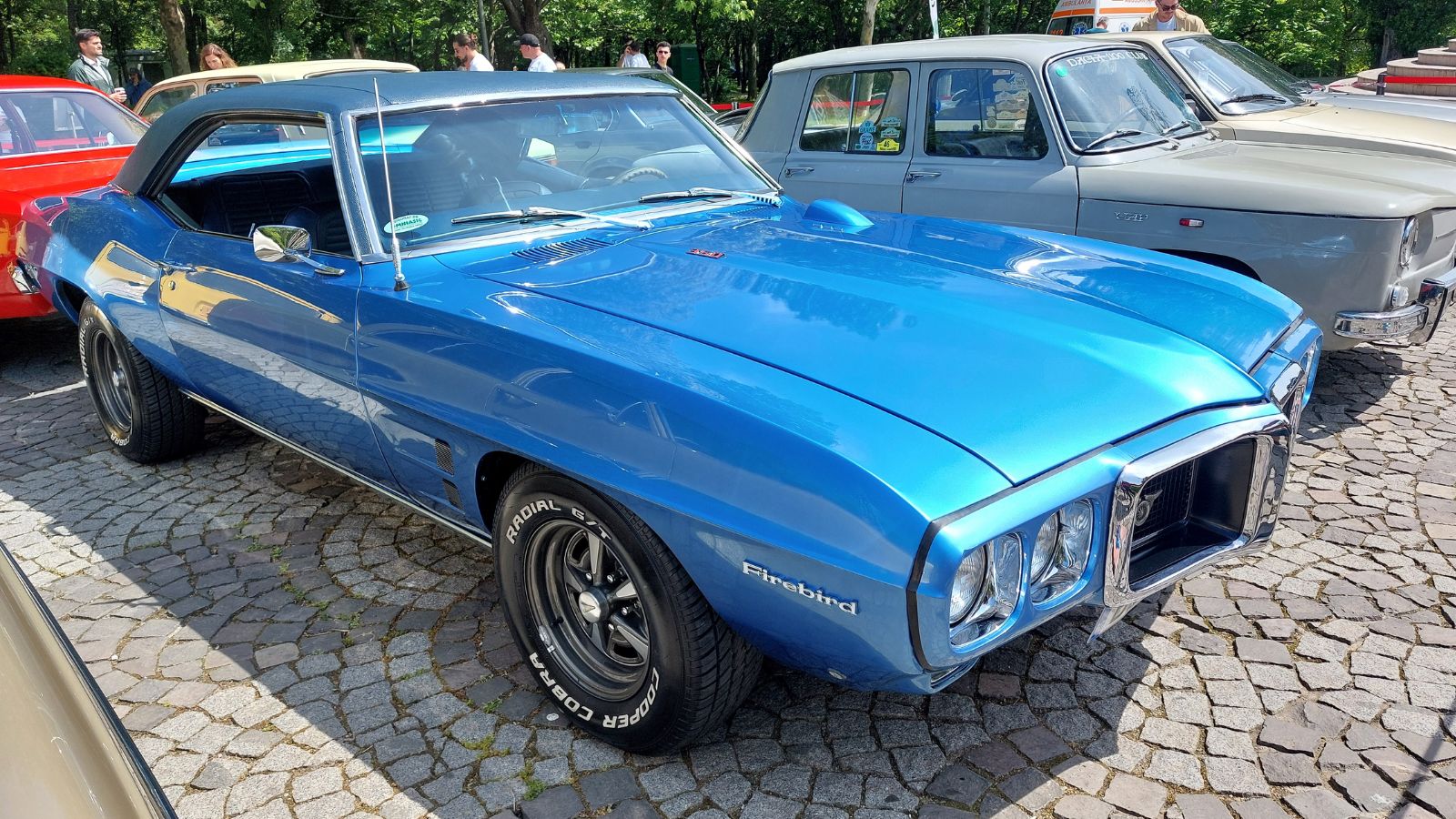
The first-generation Firebird Trans Am was Pontiac’s answer to high-performance road racing. With a 400 cubic inch Ram Air engine, front and rear spoilers, and upgraded suspension, it was more than a show car—it was a serious performer. Only 697 were built, making it a rare and sought-after piece of muscle car history. The Trans Am showed how Pontiac could combine finesse and fury into one cohesive package.
1967 Oldsmobile 442
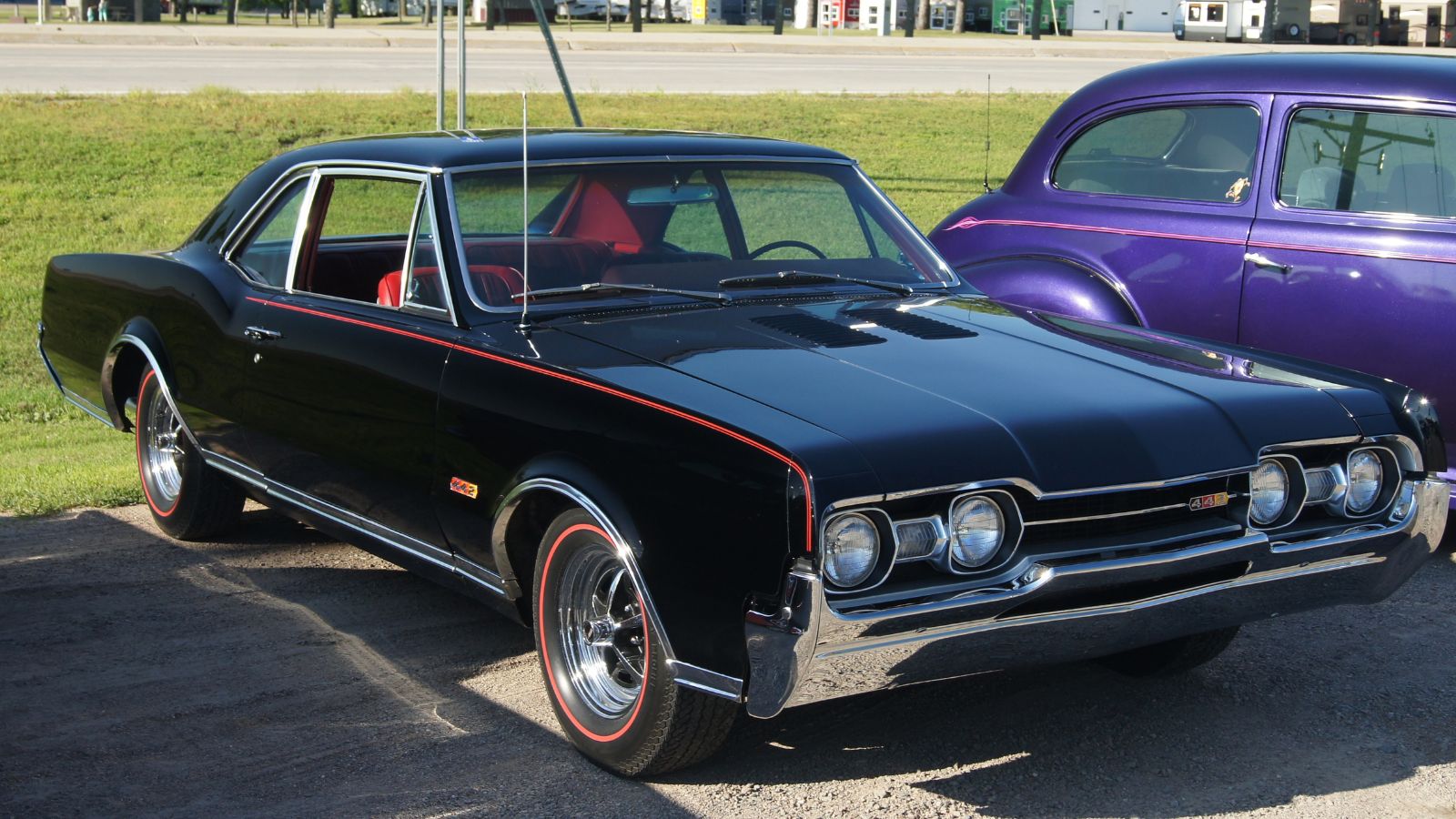
Oldsmobile’s 442 brought refinement to the muscle world. It combined a 400 cubic inch V8 with balanced handling, upgraded suspension, and subtle styling. The “four-barrel, four-speed, dual exhaust” formula defined its name and identity. The 442 was about controlled aggression, delivering performance without flash. It appealed to enthusiasts who wanted speed without the street-racer image, proving that sophistication and muscle could coexist.
1969 Mercury Cougar Eliminator
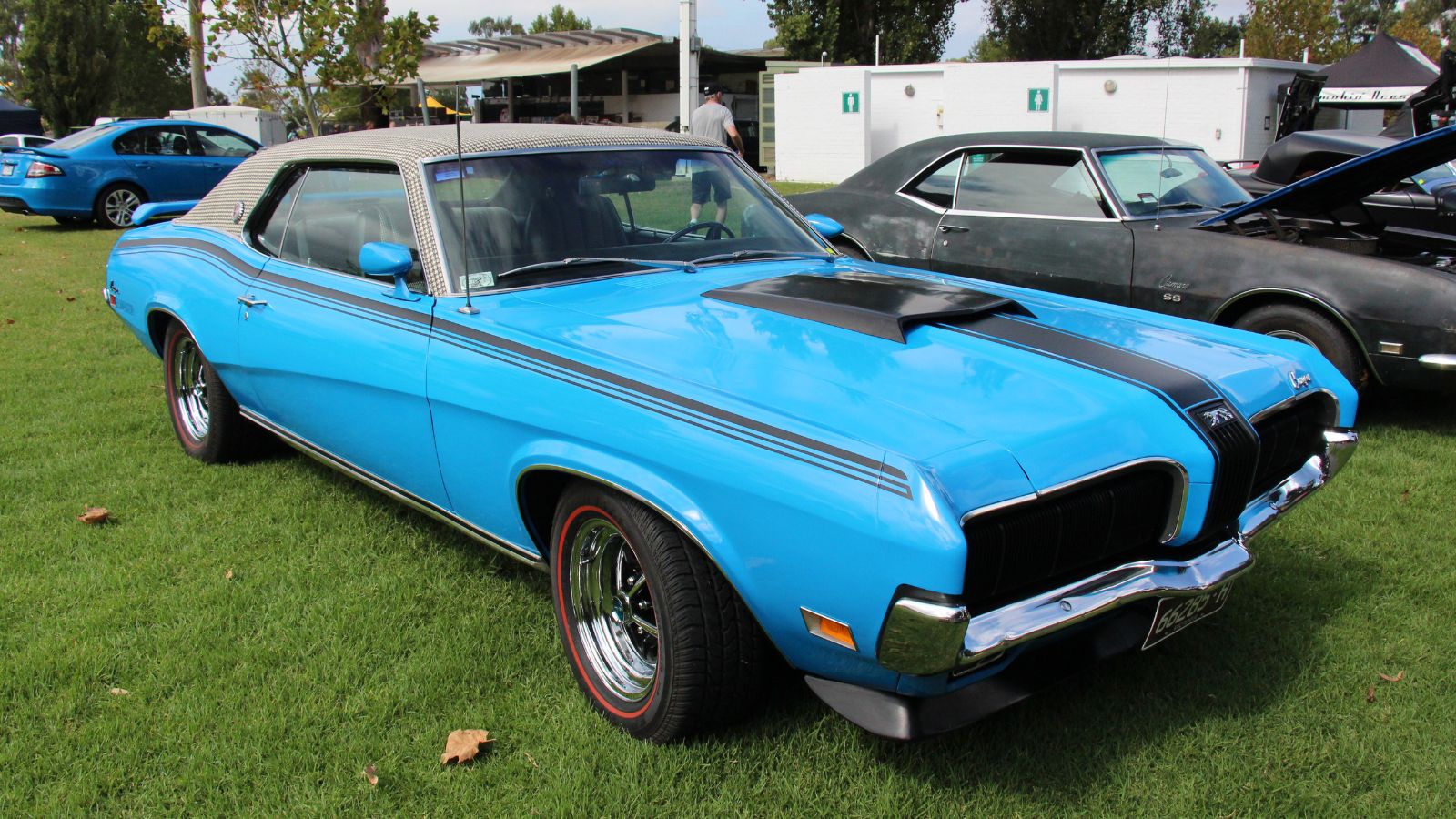
Mercury’s Cougar Eliminator offered Mustang performance wrapped in a more upscale shell. With available 428 Cobra Jet power, a sport suspension, and bold graphics, it was both stylish and fierce. The Cougar proved that luxury brands could build legitimate muscle cars too. Its combination of power and polish made it one of the most underrated performers of the decade, appealing to drivers who wanted a bit more maturity without giving up thrills.
The Decade That Redefined Speed
The 1960s didn’t just produce fast cars—it created legends. Each of these machines pushed design, technology, and imagination beyond what anyone thought possible. They were loud, unapologetic, and born from a time when innovation mattered more than regulations. These muscle cars didn’t just dominate the streets—they defined an era of freedom, creativity, and rebellion that still fuels car culture today.
25 Facts About Car Loans That Most Drivers Don’t Realize

Car loans are one of the most common ways people fund car purchases. Like any other kind of loan, car loans can have certain features that can be regarded as an advantage or a disadvantage to the borrower. Understanding all essential facts about car loans and how they work to ensure that you get the best deal for your financial situation is essential. Here are 25 shocking facts about car loans that most drivers don’t realize:
25 Facts About Car Loans That Most Drivers Don’t Realize
