
Electric vehicles arrived with the promise of effortless travel, instant torque, quiet drives and freedom from gas pumps forever. For many Canadians, that sounded like a dream worth switching for. But once the excitement fades and owners start living with their EVs day after day, two limitations call the shots more than anything else. Range and charging speed do not just inconvenience drivers, they shape when, where and how an EV can be used. Until those two limitations disappear, adoption will grow — but slowly and unevenly.
Range Anxiety Isn’t Irrational — It’s Practical
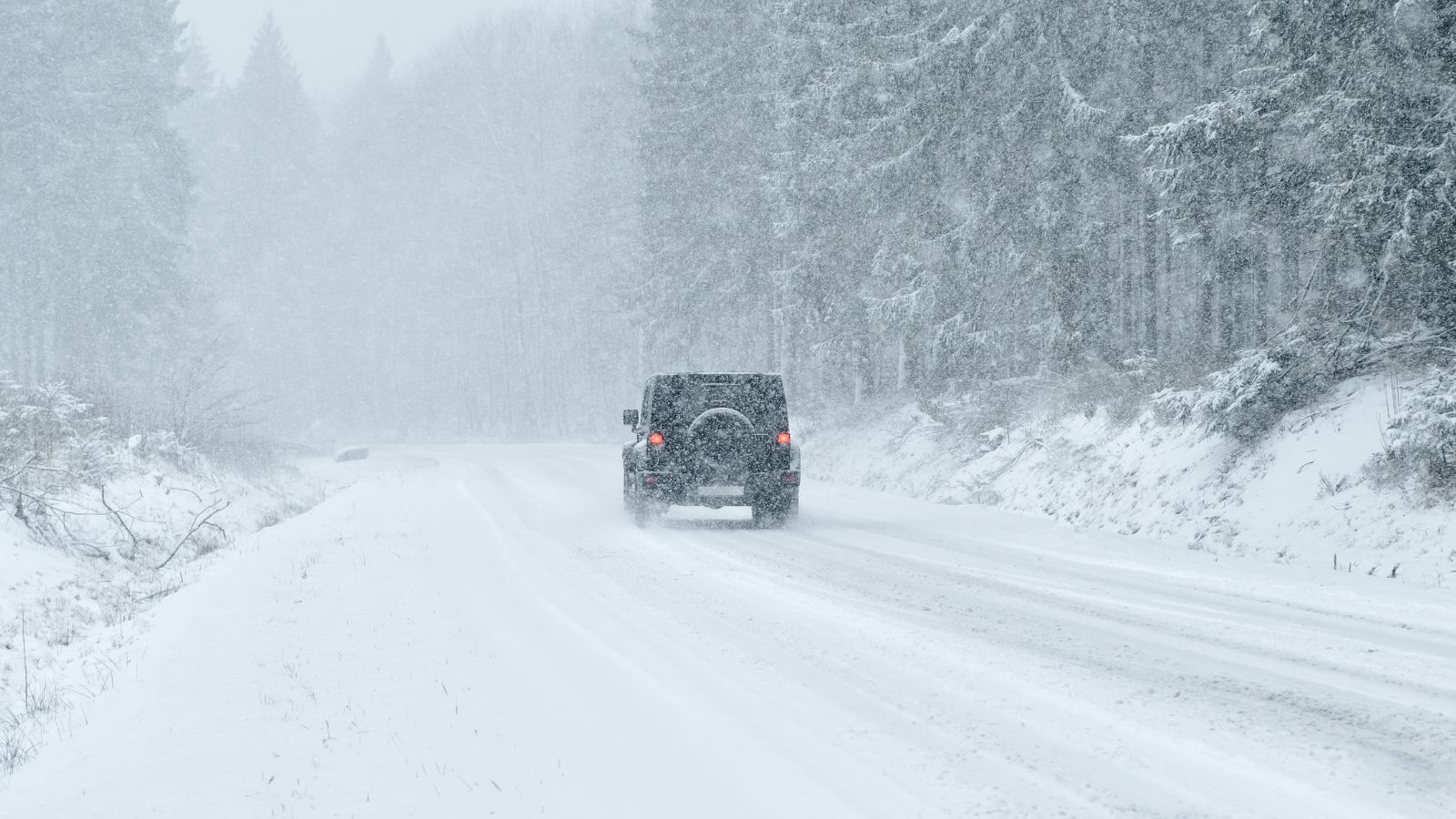
A quoted driving range on a brochure may look impressive. But that number assumes warm weather, slow speeds, minimal climate control and ideal conditions. Real Canadian driving is the opposite. Cold temperatures, snow packed roads, steep highways, headwinds and heated cabins all reduce range dramatically. Even driving at typical highway speeds drains the battery much faster than advertised values. Road trips in gas vehicles are planned around fun stops. Road trips in EVs are planned around survival between chargers. People are not afraid of modern tech — they are afraid of getting stuck in the middle of nowhere.
Charging Times Don’t Match Real Life Touring

Fast charging headlines sound incredible — 20 minutes to 80 percent charge, sometimes even less. But that scenario depends on a perfect battery temperature, extremely high powered chargers and reaching the station when no one else is using it. Real life charging often takes 40 minutes or longer, and that assumes a working charger is available immediately. Travel weekends, cottage season and long summer highways generate lineups at chargers just like holiday lineups at restaurants. A family getaway feels a lot less relaxing when every stop is a race to recharge before the next driver arrives behind you.
Winter Turns Every EV Into a Short Range EV
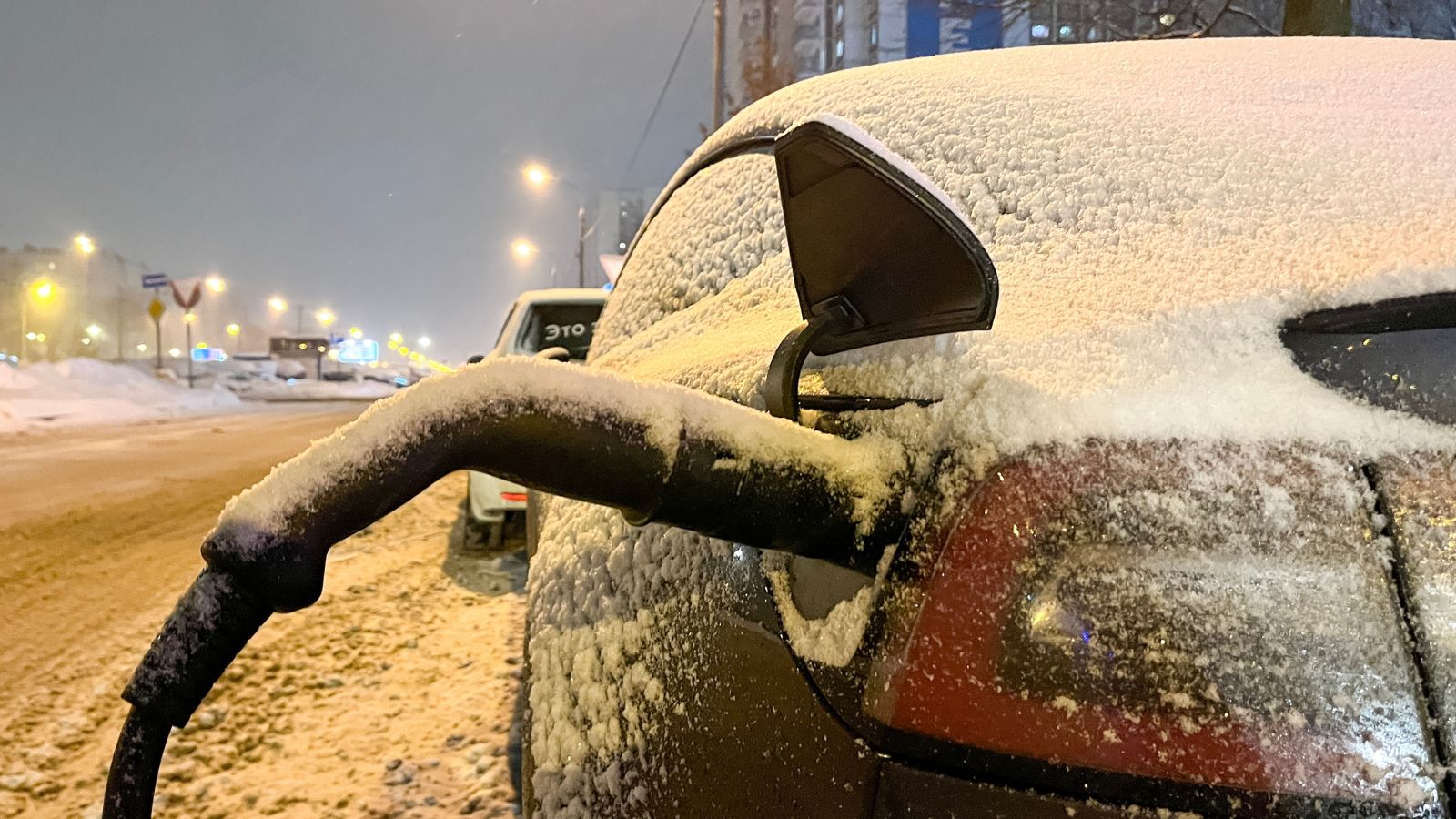
Canada may be the most punishing environment on the planet for EV technology. Heating a cabin, defrosting windows and maintaining battery temperature consume enormous amounts of energy. In deep winter, an EV can lose a third of its range before the trip even begins. Drivers do not complain because they dislike electric motors. They complain because winter exposes a weakness that gas engines don’t suffer from. Range isn’t a luxury in Canada — it is a necessity when every destination is far away and freezing.
Rural Drivers Are Not Being Considered
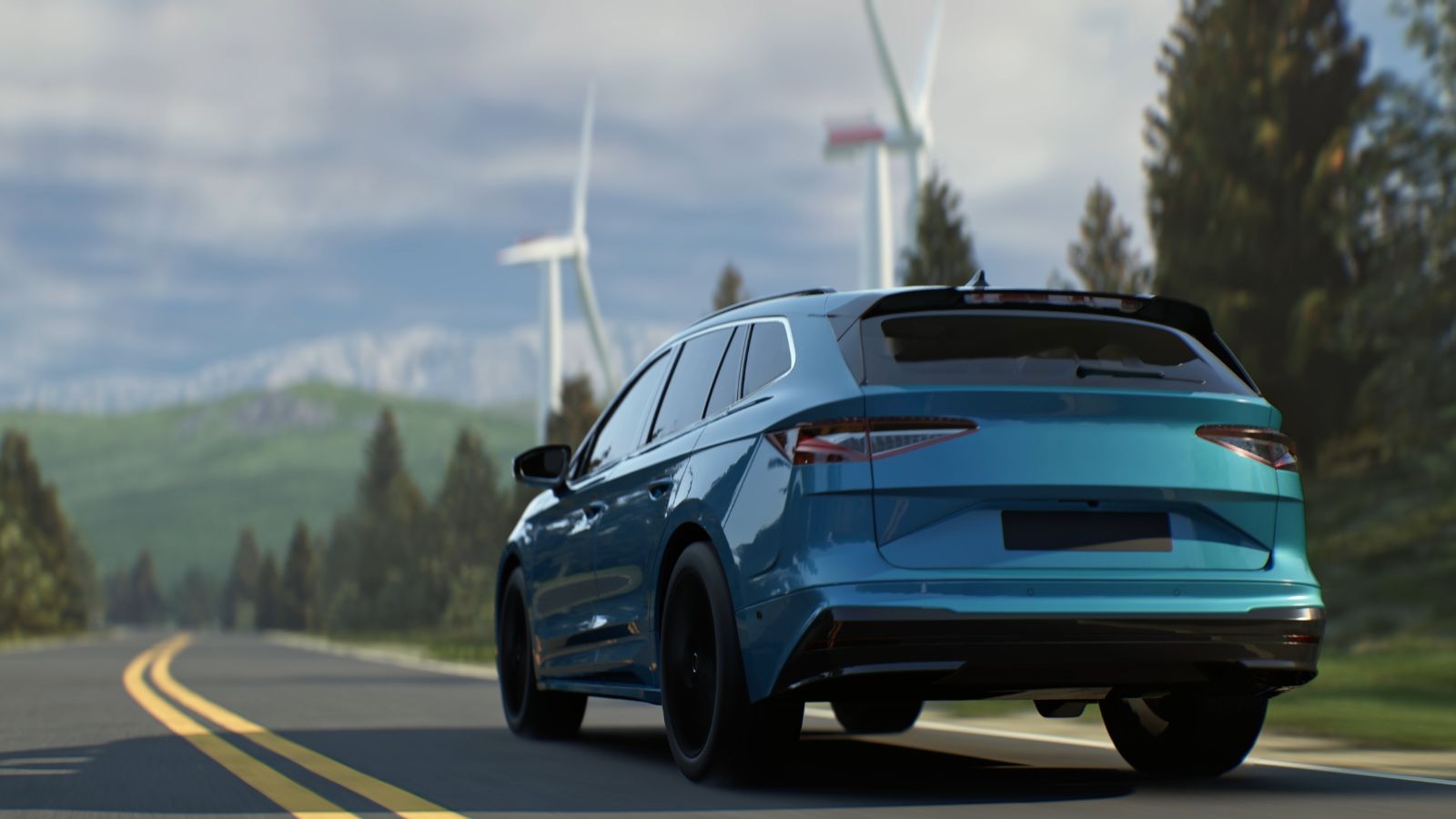
City drivers are the easiest EV converts because most charging infrastructure is built where population density is high. But Canada is a rural country whether politicians like it or not. Drivers tow campers, haul work trailers and travel large distances for everyday life. When towing, EV range can collapse to a fraction of the advertised number. Stopping every couple of hours for long charging sessions makes towing nearly impossible. It is not stubbornness holding rural drivers back — it is practicality.
Slow Charging at Home Isn’t Realistic for Everyone

Home charging is often described as the ultimate EV convenience. But that assumes a garage, a driveway and home electrical upgrades. Millions of Canadians live in apartments, townhouses or rentals where charging is shared, restricted or nonexistent. Relying on public chargers for daily use turns EV ownership into a scheduling exercise. There is nothing futuristic about having to plan errands around when and where a charger will be free.
Charging Networks Are Too Inconsistent to Replace Gas Stations
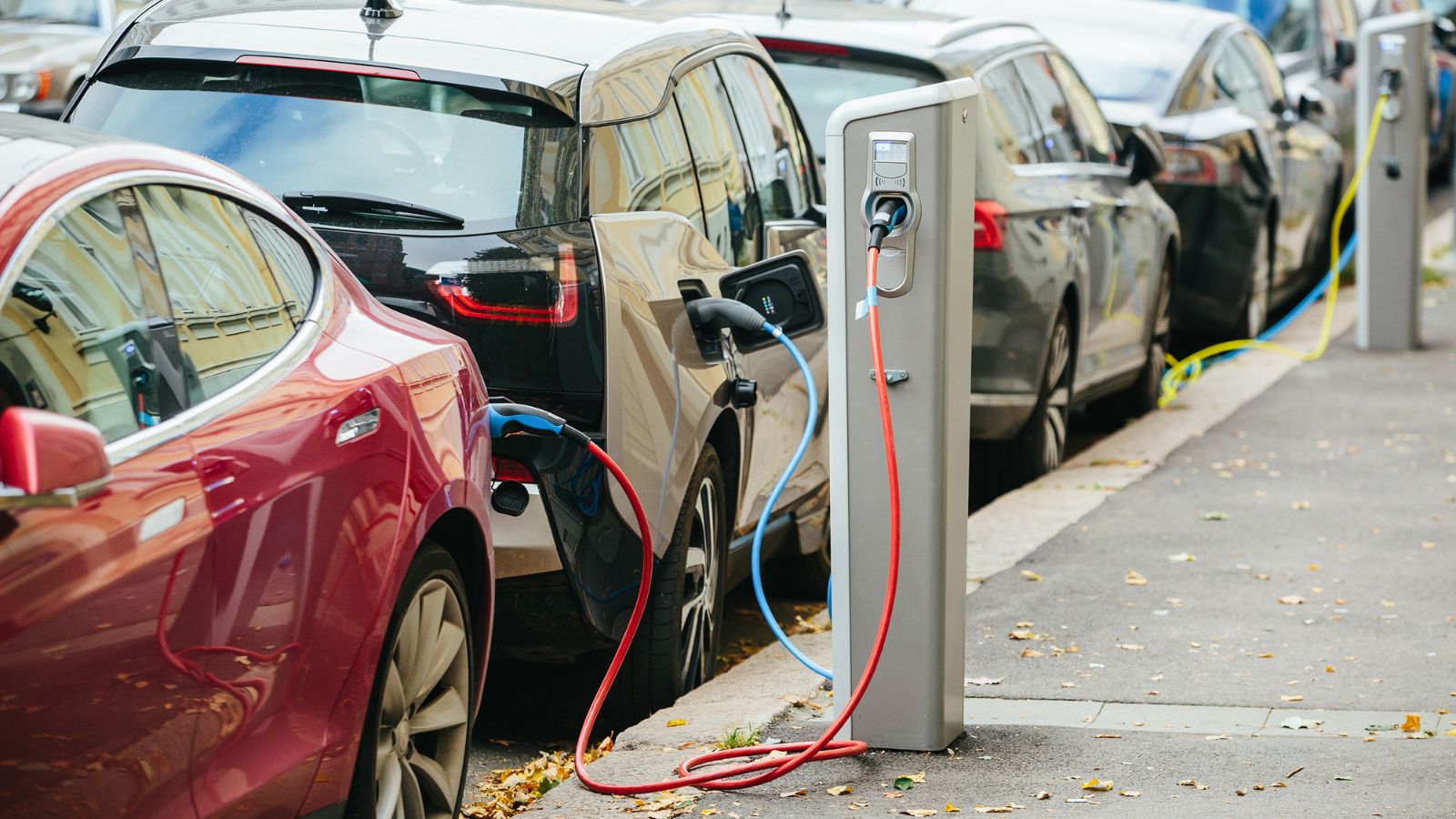
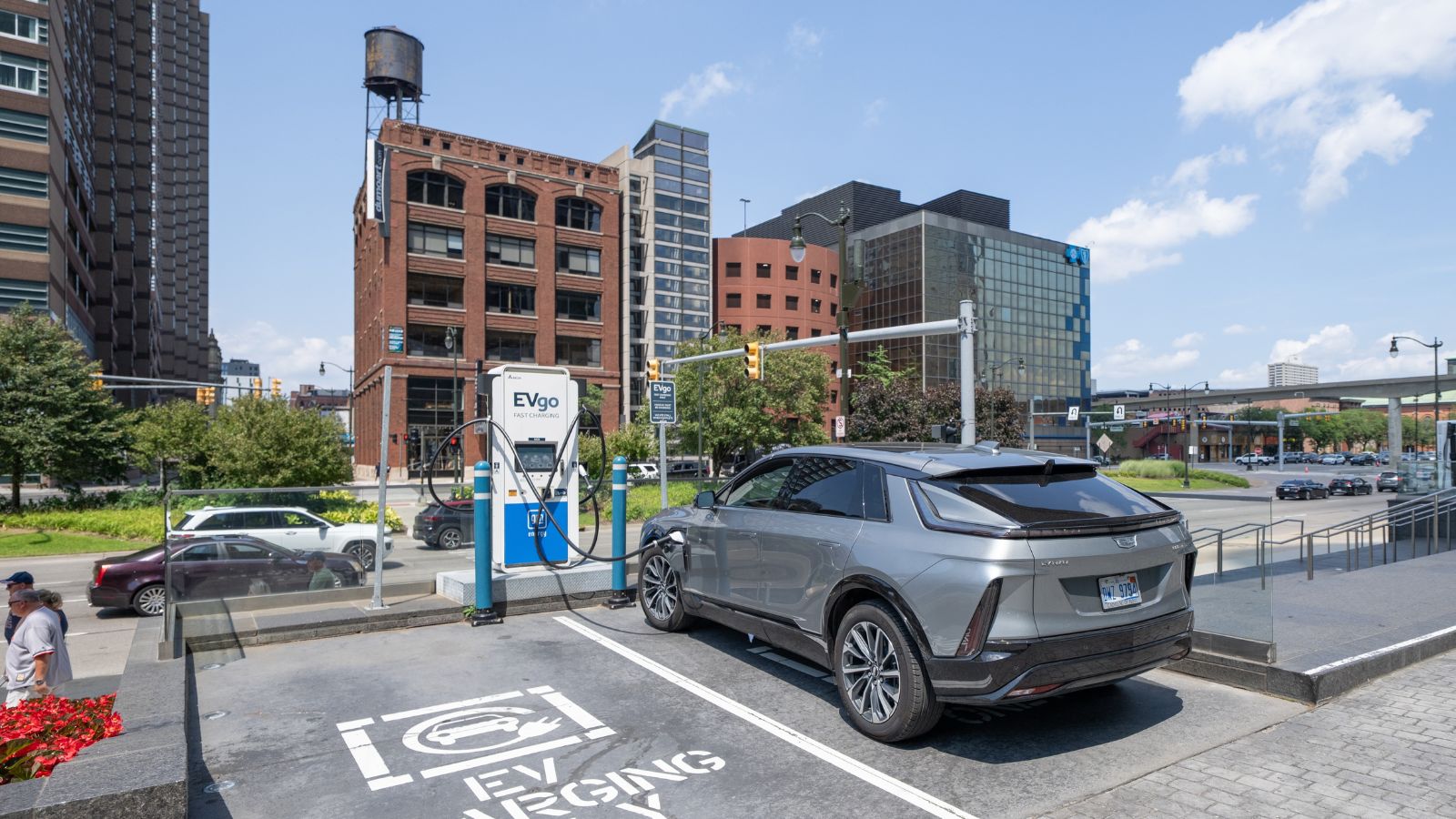
Gas stations function the same way everywhere in the country. Charging stations do not. Some sites work flawlessly. Others are slow, broken or incompatible with certain EV models. Different networks require different apps and payment systems. Even on a perfect day, charging can feel like using public Wi-Fi on a road trip — sometimes it’s great, sometimes it’s a gamble. Until charging becomes as predictable as fuel, adoption will always stall outside metro regions.
Charging Costs Are Becoming Less Predictable
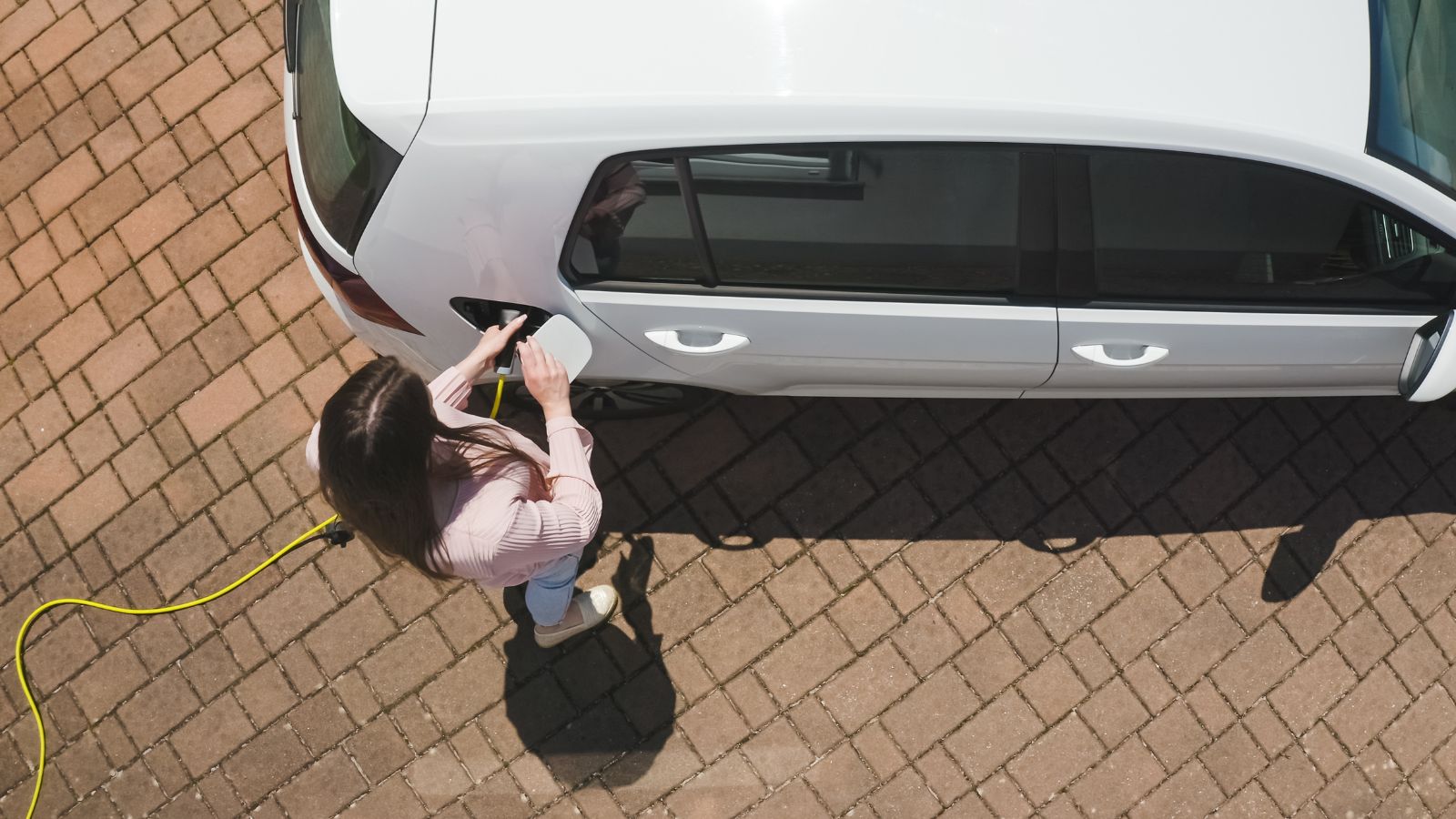
Early EV buyers celebrated low charging costs and huge savings. But as more vehicles hit the grid, fast charging prices are rising quickly. Some locations now cost almost as much as gasoline for long highway trips. Time based billing, idle fees and peak hour pricing make costs difficult to budget. Electricity remains cheaper overall, but the expectation of ultra cheap road trips is fading. For families trying to reduce expenses, uncertainty is not a selling point.
Versatility Matters More Than Technology
The average Canadian consumer doesn’t weigh horsepower, torque curves or battery chemistry when choosing a family vehicle. They ask one question: Will this vehicle work for my life without extra effort? EVs absolutely shine for city drivers with short commutes and home charging. But many Canadians need a vehicle that can road trip, tow, heat aggressively in winter, carry gear and fuel up quickly when schedules are tight. Until EVs can match that versatility, millions of drivers will wait on the sidelines.
What Needs to Change
Longer real world range, faster charging in all conditions and a nationwide charging network that works as reliably as fuel stations will push EVs from niche to normal. The technology is improving quickly, but drivers live in the present, not the future. Canadians are not resisting progress — they are waiting for an electric vehicle that fits every part of Canadian life, not just the easy parts.
25 Facts About Car Loans That Most Drivers Don’t Realize

Car loans are one of the most common ways people fund car purchases. Like any other kind of loan, car loans can have certain features that can be regarded as an advantage or a disadvantage to the borrower. Understanding all essential facts about car loans and how they work to ensure that you get the best deal for your financial situation is essential. Here are 25 shocking facts about car loans that most drivers don’t realize:
25 Facts About Car Loans That Most Drivers Don’t Realize
