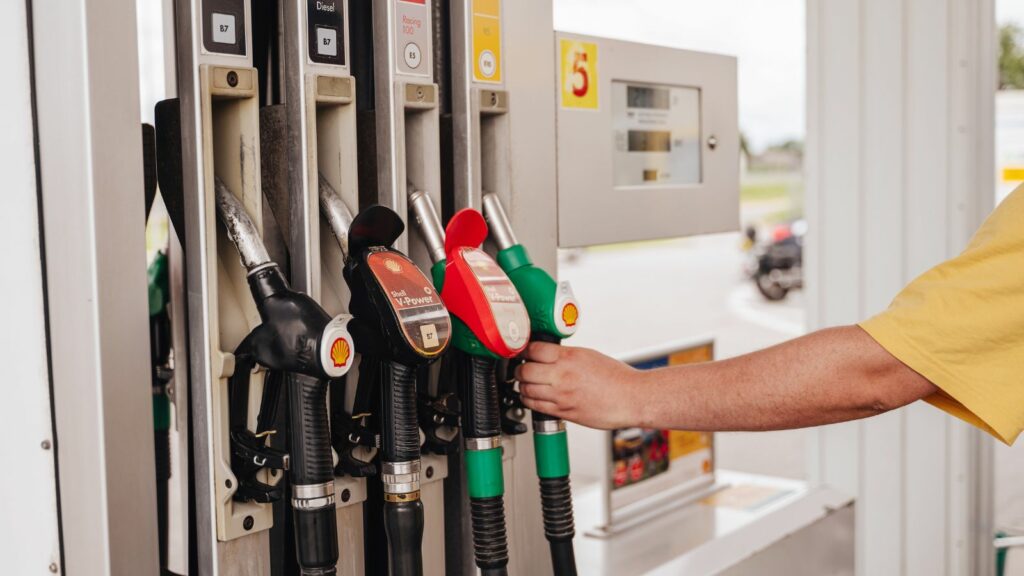
The gasoline car is not vanishing from Canadian roads tomorrow, but the market around it is changing fast enough to make some shoppers feel a clock is ticking. Electrification targets, shifting automaker lineups, shrinking manual-transmission choices, expanding charging networks, and new emissions rules are steadily reshaping what appears in showrooms. At the same time, Canada has recently softened its earlier zero-emission sales mandate, a reminder that the transition is neither simple nor perfectly predictable.
That uncertainty is exactly why some drivers are buying conventional vehicles now. For them, the decision can involve range, towing, housing, repair access, resale value, driving feel, or simply a desire to keep familiar technology through another ownership cycle. These 12 reasons explain why gasoline cars still hold strong appeal even as the industry moves toward a more electrified future.
The “Last Chance” Effect Is Already Influencing Buyers
The phrase “before they disappear” sounds dramatic, but the psychology behind it is understandable. Canada’s policy direction has changed more than once: the federal government had previously regulated a path toward 100% zero-emission light-duty vehicle sales by 2035, then in 2026 shifted toward stronger greenhouse-gas standards and a goal of 75% EV sales by 2035 and 90% by 2040. That is not a ban on owning gasoline cars, yet it still tells shoppers that the new-vehicle mix will look very different over the next decade.
For some buyers, that is enough to create a last-chance effect. A naturally aspirated engine, a conventional automatic, or simply a familiar gasoline crossover can feel more desirable when its long-term availability seems less certain. The decision is often emotional as much as practical: rather than waiting to see which models survive electrification, some drivers prefer to buy a known quantity now and keep it for many years.
Refuelling Convenience Remains Difficult to Match
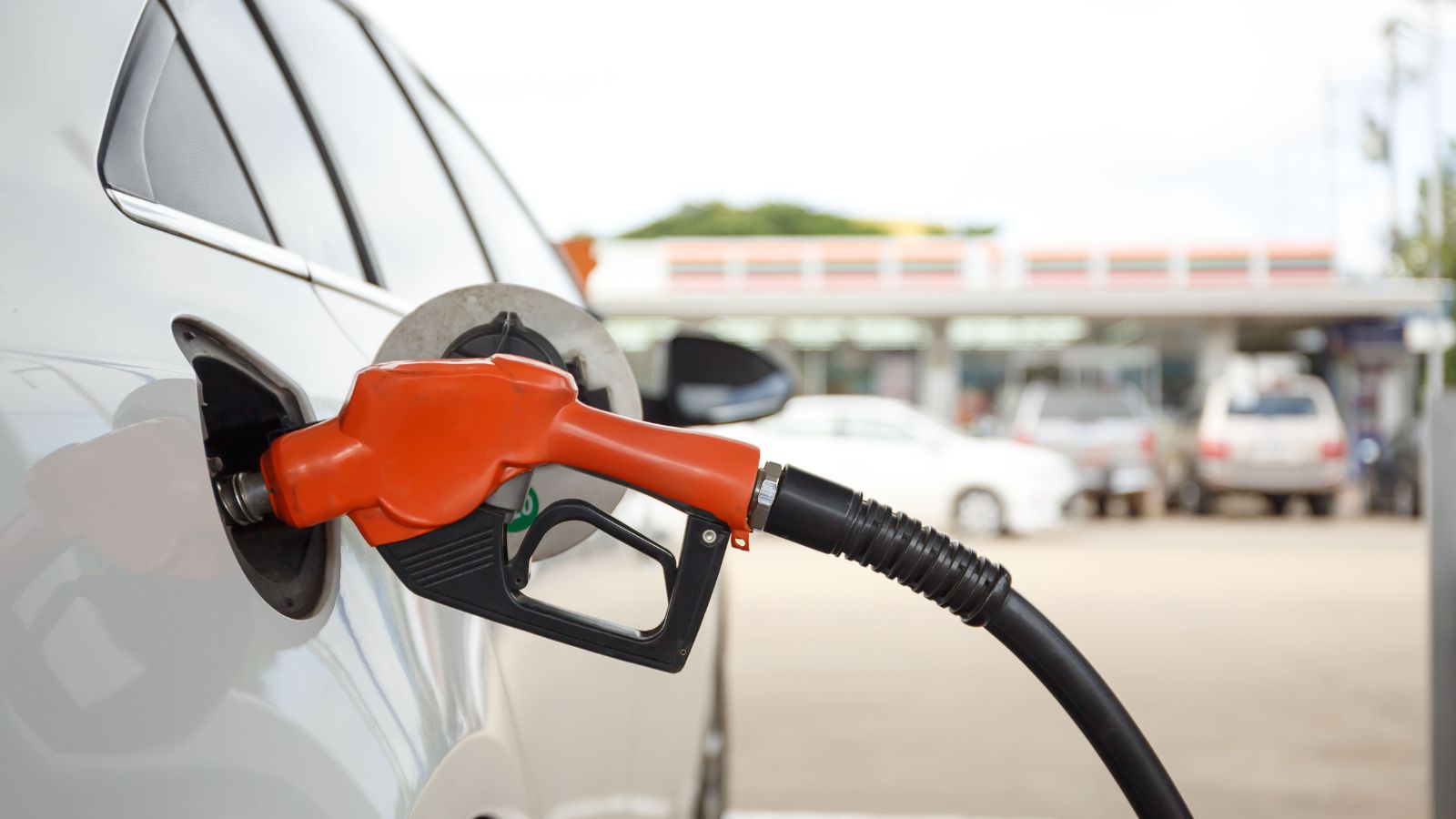
Gasoline’s biggest advantage is not necessarily efficiency; it is the mature routine surrounding it. A driver can leave home without thinking about state of charge, stop at a fuel station almost anywhere along a populated route, and continue quickly. Canada’s public charging network is expanding rapidly, but Natural Resources Canada has estimated that hundreds of thousands of public charging ports will eventually be needed as EV adoption grows. That scale of planned build-out is itself evidence that charging convenience is still a work in progress.
For commuters who charge at home, an EV can be more convenient than visiting a gas station at all. The equation changes for frequent road-trippers, drivers with unpredictable schedules, or households that regularly travel through areas with sparse fast charging. Those buyers may view gasoline as the lower-planning option. The preference is less about rejecting new technology than valuing a network that already matches decades of driving habits.
Upfront Price Still Controls Many Household Decisions

Upfront affordability still shapes powertrain choices, even when an EV may cost less to fuel over time. Canada’s federal government introduced a new Electric Vehicle Affordability Program in 2026 offering up to $5,000 on eligible light-duty EVs, with price and trade-origin conditions. The existence of a renewed incentive program underscores a basic market reality: for many households, the purchase price and monthly payment can matter more than projected savings several years into ownership.
That makes a discounted gasoline model difficult to dismiss. A buyer comparing two similar vehicles may choose the one that requires less cash today, especially if annual mileage is modest or home charging would require electrical work. Incentives can narrow the gap, but eligibility varies by vehicle and provincial support is uneven. Some shoppers therefore prefer a familiar gas model with a known transaction price instead of calculating rebates, charger installation, electricity rates, and future resale value before signing a finance contract.
Canadian Winters Reward a Bigger Energy Buffer

Canadian winter does not make electric vehicles unusable, but it changes the range calculation in a way some drivers would rather avoid. Natural Resources Canada says EVs can lose roughly 25% to 30% of their range in extreme cold, while also noting that typical daily driving distances are far below the range of many modern EVs. Preconditioning, heat pumps, garage parking, and charging at home can reduce the practical impact for many owners.
The concern becomes more personal on long winter trips. A vehicle that easily covers a route in mild weather may need a larger charging buffer when temperatures plunge, the cabin heater is working hard, roads are snowy, and detours are possible. Gasoline vehicles also become less efficient in cold weather, so this is not a one-sided comparison. Still, some rural commuters and highway travellers prefer the psychological margin of a full fuel tank and a dense refuelling network when a forecast calls for deep cold.
Towing and Heavy Loads Change the Calculation
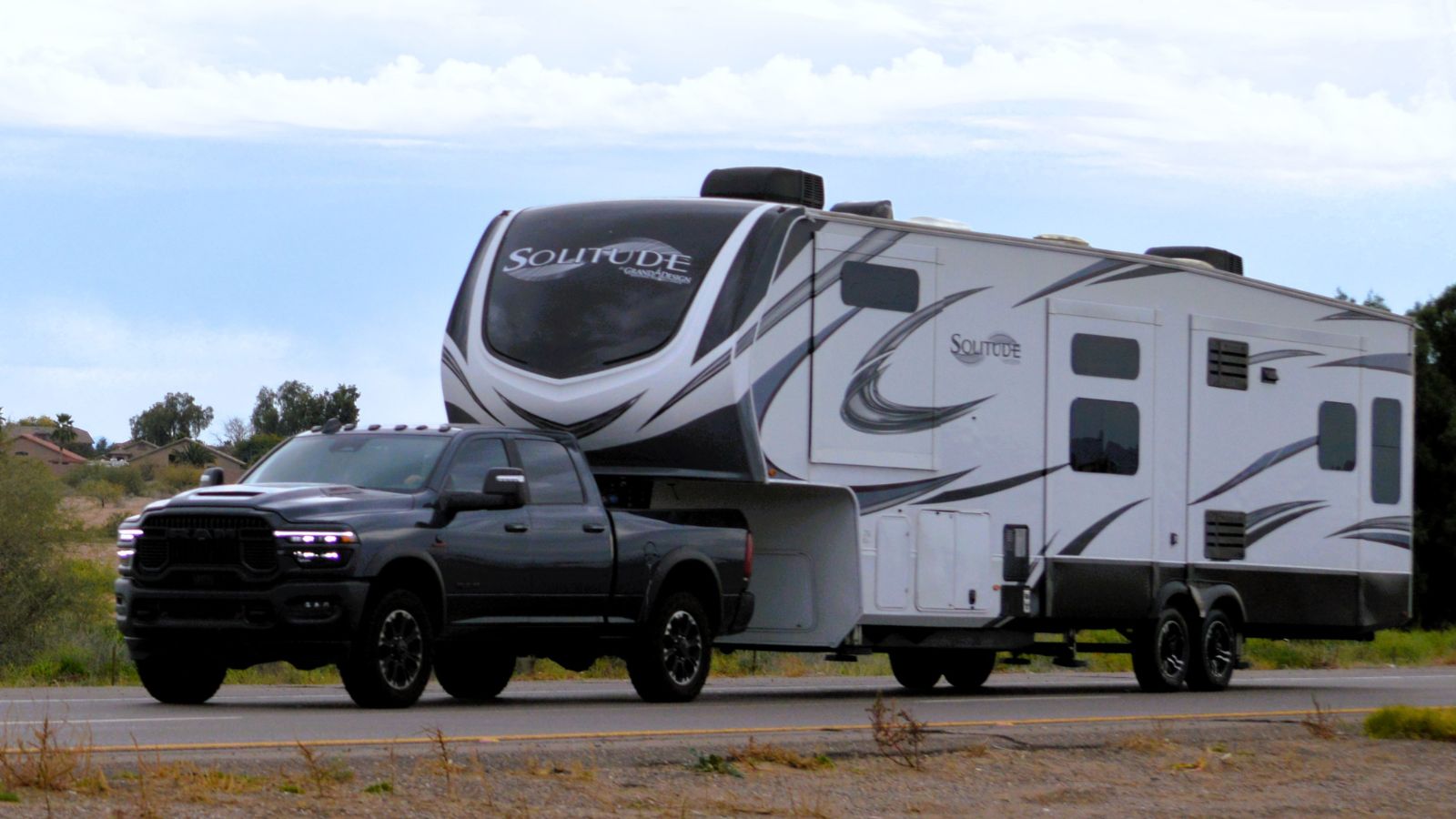
Truck buyers often judge a vehicle by its hardest day, not its average day. Electric pickups can deliver enormous torque and impressive towing ratings, but heavy loads increase energy use. In AAA testing, a Ford F-150 Lightning carrying about 1,400 pounds of payload—close to its maximum—saw measured range fall from 278 miles to 210 miles, a 24.5% reduction. Aerodynamic drag from a trailer can add another challenge, just as towing sharply worsens fuel economy in a gasoline truck.
For a contractor hauling locally, an electric pickup may still work extremely well, especially with depot or home charging. A different calculation applies to campers, horse trailers, boats, and work crews covering long distances. They may care less about everyday efficiency than about how easily energy can be replenished during a demanding trip. For those drivers, a gasoline truck can still feel like the more flexible tool, particularly when routes extend beyond major charging corridors.
The Existing Repair Network Feels Familiar
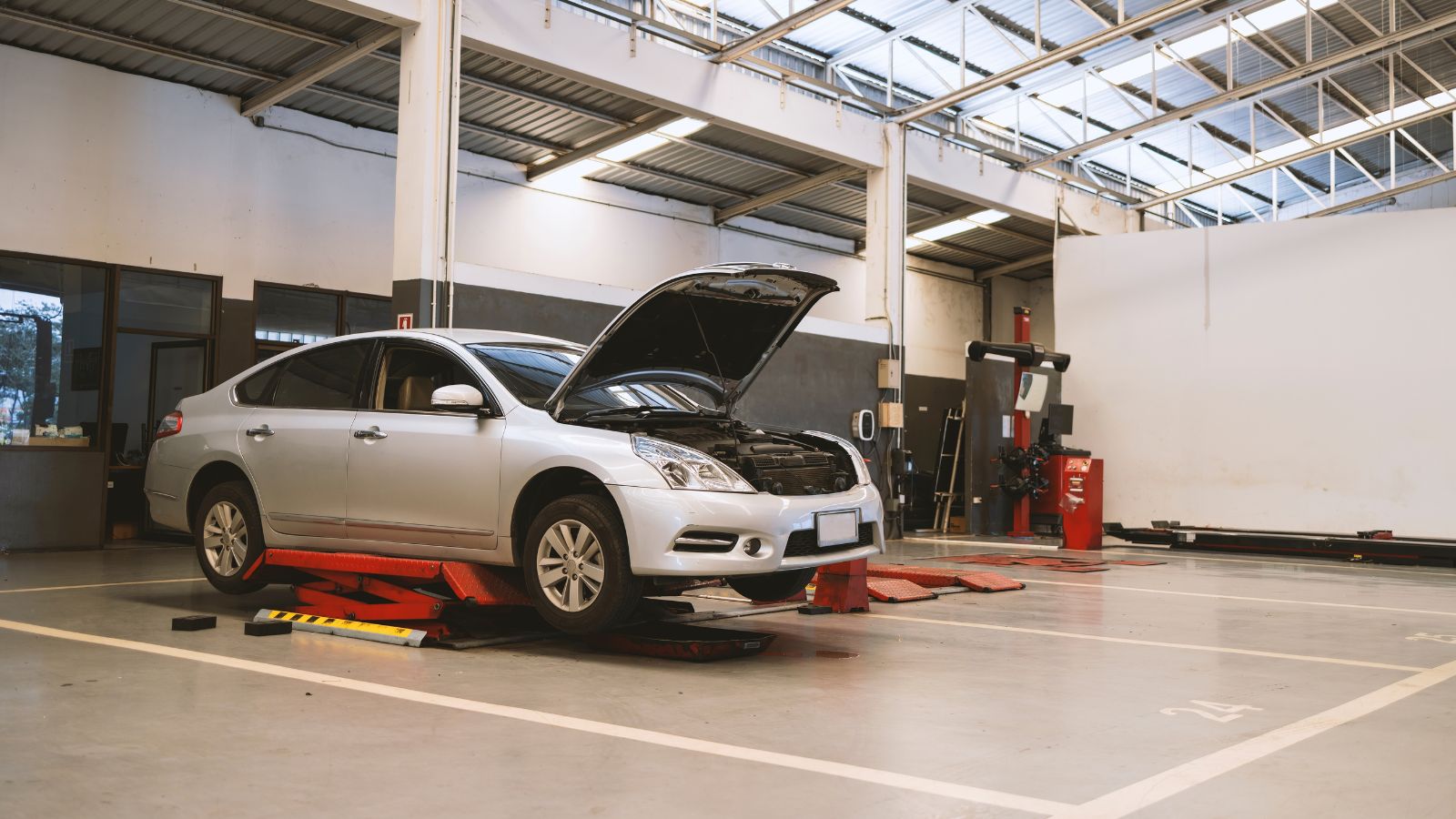
Gasoline vehicles benefit from an enormous repair ecosystem built over generations. Innovation, Science and Economic Development Canada counted more than 25,000 employer automotive repair and maintenance establishments in 2025, plus tens of thousands of non-employer or indeterminate businesses. That does not mean every shop can fix every modern gasoline car, but it illustrates the depth of the conventional service network across the country.
EV service capacity is growing, yet specialized high-voltage knowledge remains an active training priority. Natural Resources Canada maintains a national list of EV technician programs, while federal workforce funding is supporting projects designed to train technicians in electric-vehicle repair and maintenance. Some buyers interpret that transition as a reason to stay with technology their local mechanic already knows. The argument is not that EVs need more routine maintenance—they generally do not—but that when something complex does go wrong, familiarity, nearby expertise, and repair options can matter as much as service frequency.
Apartment and Condo Living Can Complicate Charging
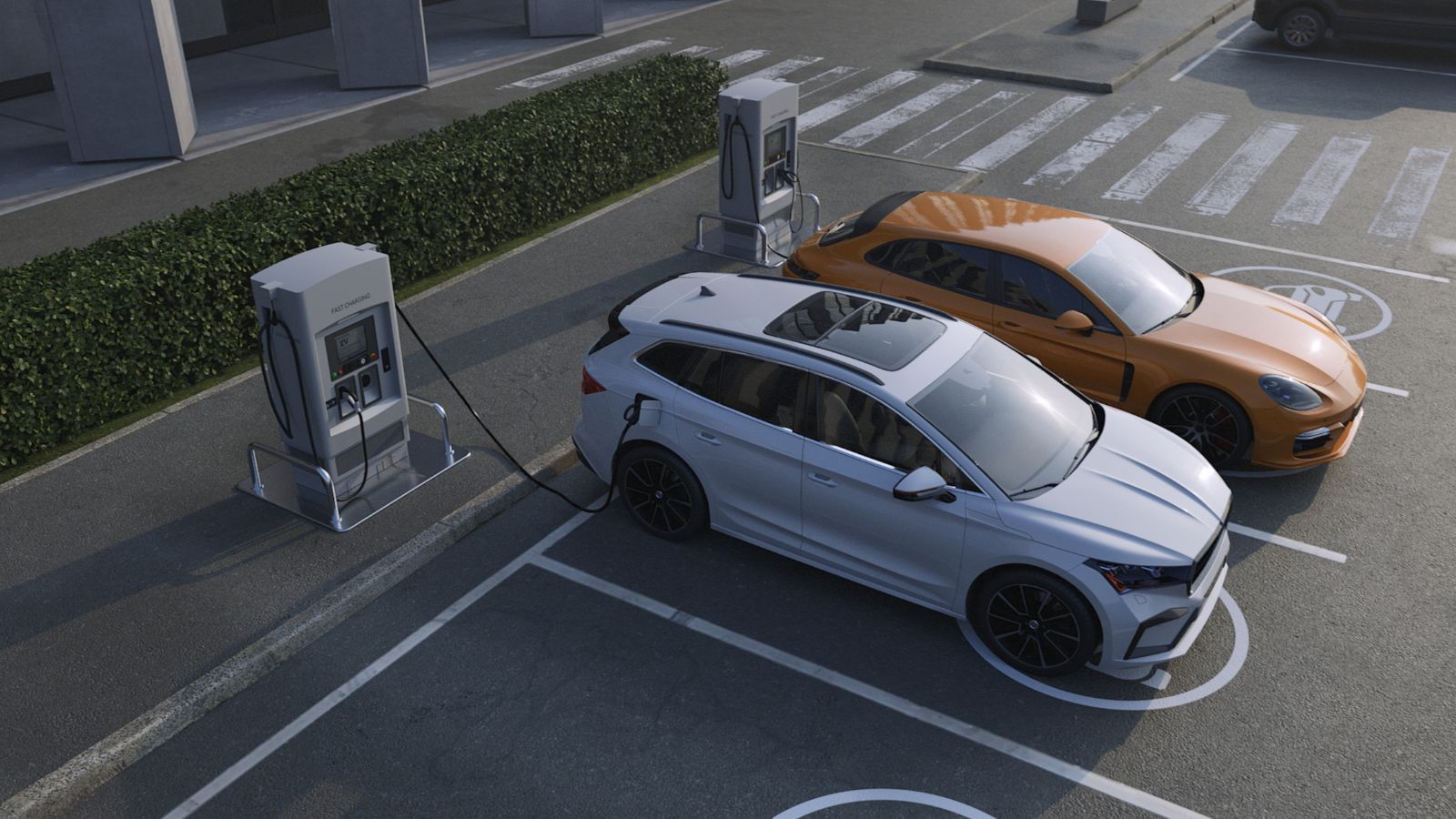
Home charging is one of the strongest arguments for owning an EV, but it is also one of the biggest dividing lines between households. Natural Resources Canada has estimated that at least one-third of Canadians live in multi-unit residential buildings or homes without a private driveway or garage. Installing charging in a condominium or apartment can involve landlords, strata or condo boards, electrical-capacity studies, parking assignments, permits, and decisions about who pays for upgrades.
That makes gasoline appealing to some urban drivers for reasons that have little to do with the vehicle itself. An EV owner with a dedicated Level 2 charger may wake up every morning with a full battery; a renter without reliable charging may have to plan regular public-charging stops instead. Federal programs are funding multi-unit charging, and building retrofits are improving access, but the experience remains uneven. Until plugging in at home is routine for more renters and condo residents, some will continue choosing gas simply because refuelling requires no negotiation with a building.
Resale-Value Volatility Makes Some Buyers Hesitate

Rapid changes in EV pricing and technology have made resale value a genuine consideration for cautious buyers. Canadian Black Book reported in its 2025 depreciation study that battery-electric vehicles experienced the sharpest depreciation among powertrain categories, with four-year-old EVs down 14% year over year. Its 2026 outlook also warned that a growing wave of off-lease EVs, changing incentives, and lower-priced new entrants could keep pressure on retained values.
For a shopper who keeps a vehicle for 12 years, short-term depreciation may matter less. For someone who trades every three or four years, it can dominate the ownership calculation. Gas vehicles are not immune to depreciation, and some models lose value quickly, but their used-market behaviour is more familiar to many buyers. That familiarity can feel reassuring when EV battery chemistry, range, charging speed, incentives, and new-model pricing are evolving rapidly. Some drivers would rather buy a conventional car whose resale risks seem easier to estimate than place a bet on how today’s EV will be valued later.
Enthusiasts See Certain Driving Experiences Fading Away
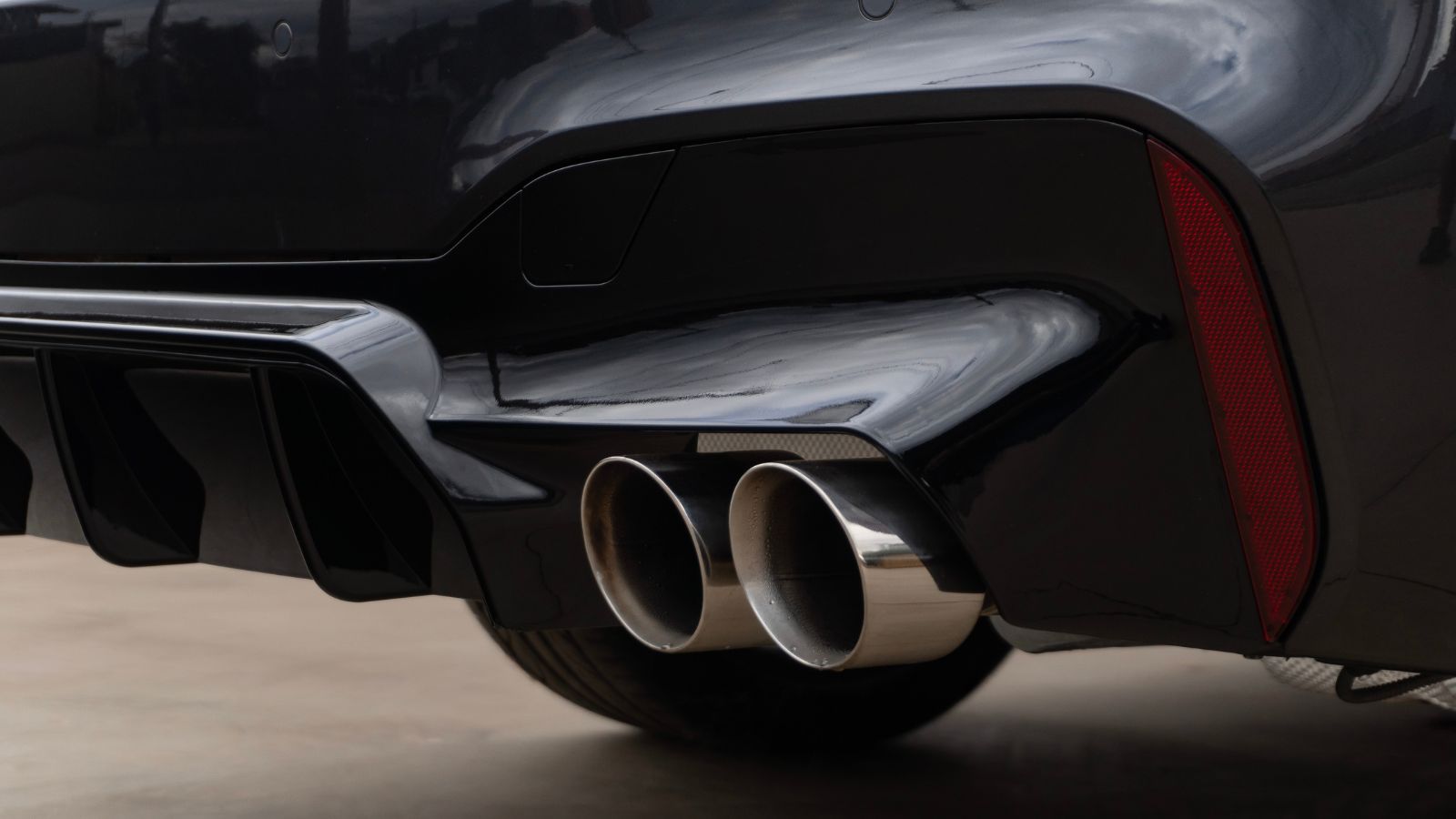
For enthusiasts, the rush toward gasoline is sometimes about experience rather than economics. Manual transmissions and large naturally aspirated engines have already become niche products. Volkswagen confirmed that its North American manual-transmission lineup ends after the 2026 model year, while Honda has paused production of the manual Civic Si and manual Integra A-Spec after 2026. At the same time, Ford’s 2026 Mustang still offers a 5.0-litre V8 with a six-speed manual, showing how rare combinations can become more meaningful as choices shrink.
A buyer seeking a quiet commuter appliance may not care about any of this. Someone who values clutch engagement, engine response, exhaust sound, and the mechanical rhythm of changing gears may see the market differently. Those drivers are not necessarily betting against electrification; many admire EV performance. They simply recognize that certain sensations are tied to hardware manufacturers are producing less often. Buying one now can feel like preserving a form of driving that may become harder to find new.
Rural and Remote Drivers Face a Different Reality
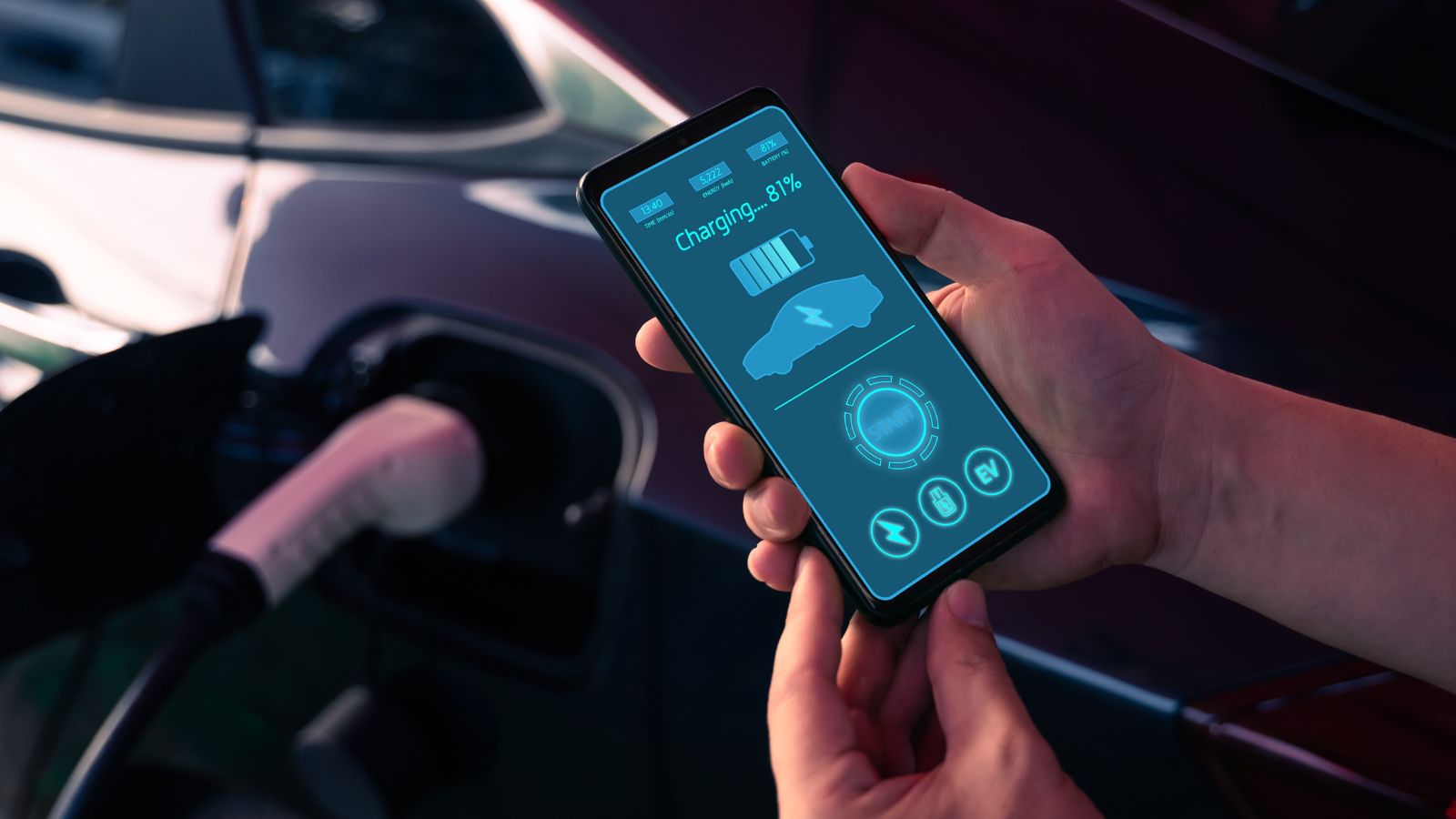
Canada’s geography makes the transition look very different outside major metropolitan areas. Natural Resources Canada has found that most public charging is concentrated in urban regions and larger provinces, while rural and remote coverage remains an equity and connectivity challenge. A federal audit likewise concluded that many rural, remote, Indigenous, and lower-income areas still lacked adequate access to public charging, even as infrastructure programs expanded.
That gap matters more to someone driving 300 kilometres between small communities than to someone commuting across Toronto, Montreal, or Vancouver. Fast chargers along remote corridors are especially important because a single unavailable site can disrupt a trip far more than it would in a dense urban network with alternatives nearby. The network is improving, and new federal funding continues to add chargers. Yet drivers who routinely travel far from population centres may decide that gasoline is still the safer logistical choice today, not because charging will never arrive, but because their routes need dependable coverage now rather than projected coverage later.
Collision Repair Costs Can Change the Ownership Math

Routine EV maintenance can be relatively simple, but collision repair is a separate question. Mitchell’s Canadian claims data has repeatedly shown higher average repair severity for battery-electric vehicles than for internal-combustion vehicles. In the third quarter of 2025, Mitchell reported average Canadian repairable-claim severity of about $6,954 for BEVs versus $5,564 for ICE vehicles. The company attributes part of the difference to complex electronics, sensor systems, diagnostics, calibrations, and a more limited aftermarket parts supply.
That does not mean every EV costs more to insure or that an electric car is more likely to be written off. Mitchell has also noted that newer gasoline vehicles can approach EVs in repair complexity. Still, buyers who have experienced a lengthy body-shop repair may pay close attention to parts availability and calibration needs. For them, the possibility of higher collision costs or longer repair cycles becomes another reason to favour a conventional model whose repair ecosystem feels more mature.
One Last Gas Car Could Stay on the Road for Years

A new gasoline vehicle bought today can remain useful long after new-car policies change. The distinction between sales targets and existing vehicles is important: governments can push manufacturers toward a higher share of electric sales without forcing owners to scrap functioning gasoline cars. Canada’s 2026 auto strategy now describes EV sales goals rather than an immediate prohibition on driving or owning combustion vehicles, so “disappear” is better understood as a shrinking share of new choices, not an overnight removal from the road.
Long ownership cycles reinforce that point. Automotive aftermarket groups have noted that the average vehicle age in North America is around 12 years, reflecting how long households keep cars as prices rise. A driver buying a well-suited gasoline model in 2026 could plausibly still be using it deep into the 2030s. For some shoppers, that makes the decision feel less like resisting the future and more like locking in a familiar tool for one more ownership cycle while the market settles.
19 Used Cars Canadians Should Avoid in 2026 (Based on Owner Complaints)

Buying a used car in Canada can feel safe until repair bills start stacking up. Owner complaints tell a different story than glossy listings. Transmission failures, electrical problems, and weak winter reliability show up again and again in consumer reports. Many of these issues appear after warranties expire, when owners least expect them. Some vehicles look affordable upfront, but become expensive to keep on the road. Others struggle in cold weather, urban driving, or long highway commutes. Here are 19 used cars Canadians should avoid in 2026 (based on owner complaints).
19 Used Cars Canadians Should Avoid in 2026 (Based on Owner Complaints)

Alanna Rosen is an experienced content writer that focuses on many EV and educational content. Her articles are regularly published on Get CyberTrucked and syndicated on large publications.