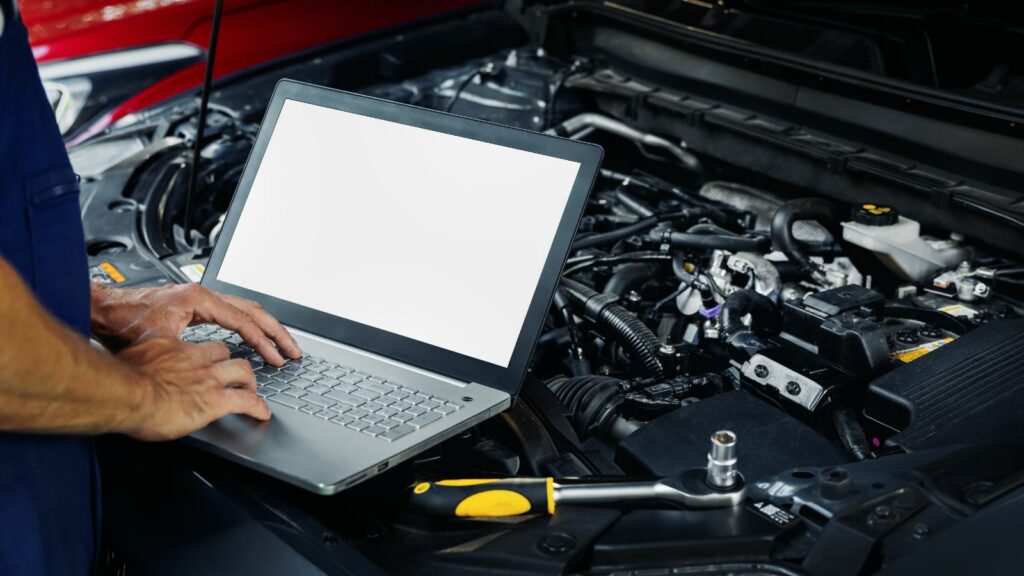
A modern car can gain new features overnight, fix bugs without a dealership visit, and receive safety improvements while parked in a driveway. That sounds like progress—until ownership begins to feel like maintaining a giant smartphone on wheels. For some drivers, repeated downloads, changing menus, app dependence, subscription prompts, and the possibility that a new patch will introduce a fresh problem are wearing away the convenience that software was supposed to create. The frustration is not simply resistance to technology. It reflects a deeper expectation that an expensive, safety-critical machine should remain predictable after purchase. These 12 issues explain why software-heavy vehicles can leave some owners feeling that the car they bought is never quite finished.
Infotainment Has Become a Reliability Problem
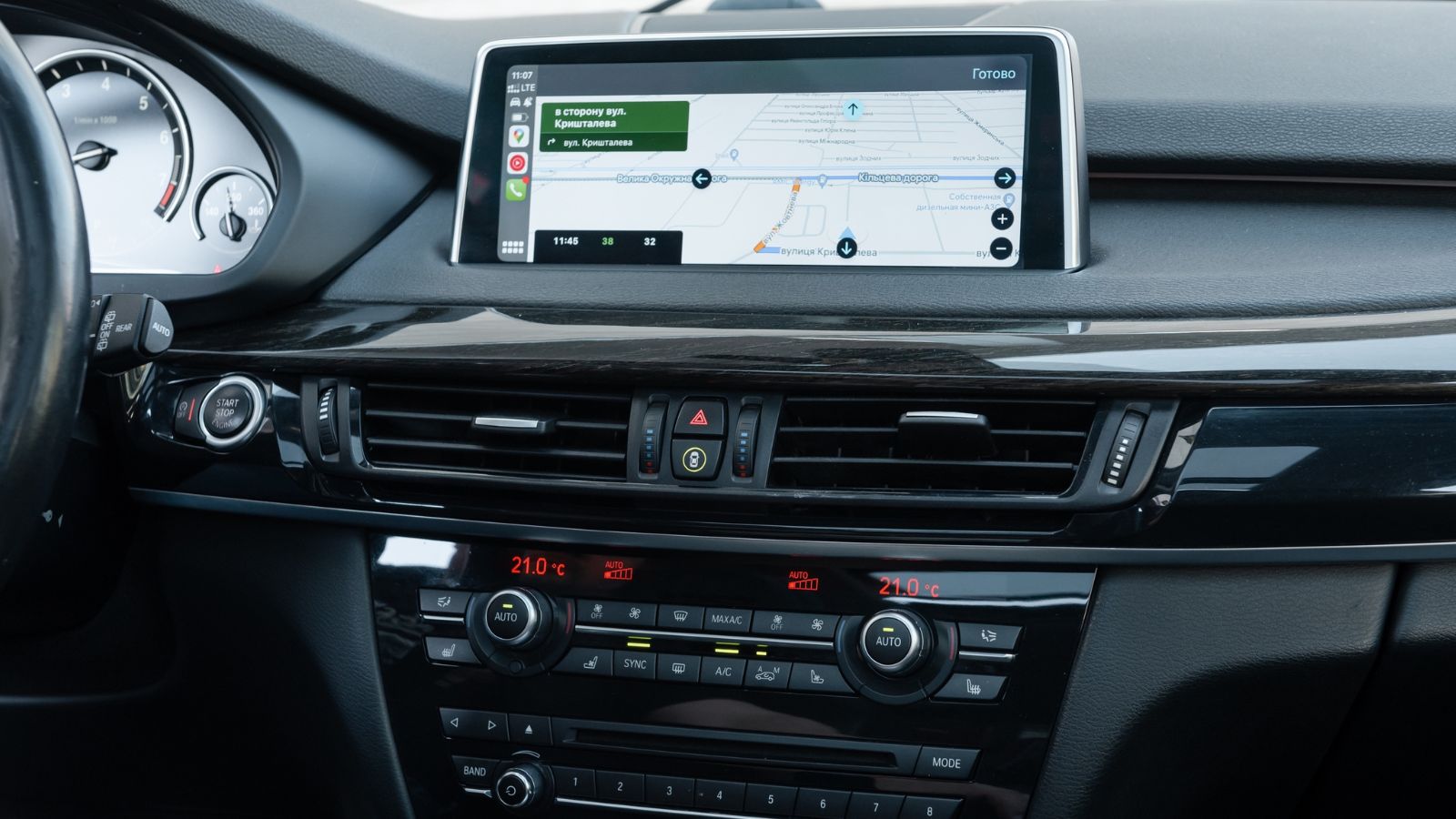
Infotainment has become one of the clearest examples of how added technology can create new ownership headaches. J.D. Power’s 2026 U.S. Initial Quality Study found that overall new-vehicle quality improved to 175 problems per 100 vehicles, yet infotainment was the only category that worsened. Connectivity problems were a reason. That matters because the screen is no longer just for music or navigation; in many vehicles it controls settings, cameras, climate functions, phone integration, and other tasks.
A mechanical switch can usually do one job repeatedly without demanding attention. A software-driven interface can freeze, fail to connect, forget a preference, or behave differently after an update. Those problems may not leave a vehicle stranded, but they can make an expensive purchase feel less dependable. When drivers encounter daily digital irritation every morning, the promise of a smarter cabin can begin to feel like another layer of maintenance rather than genuine convenience.
A Bad Update Can Create a New Problem Overnight
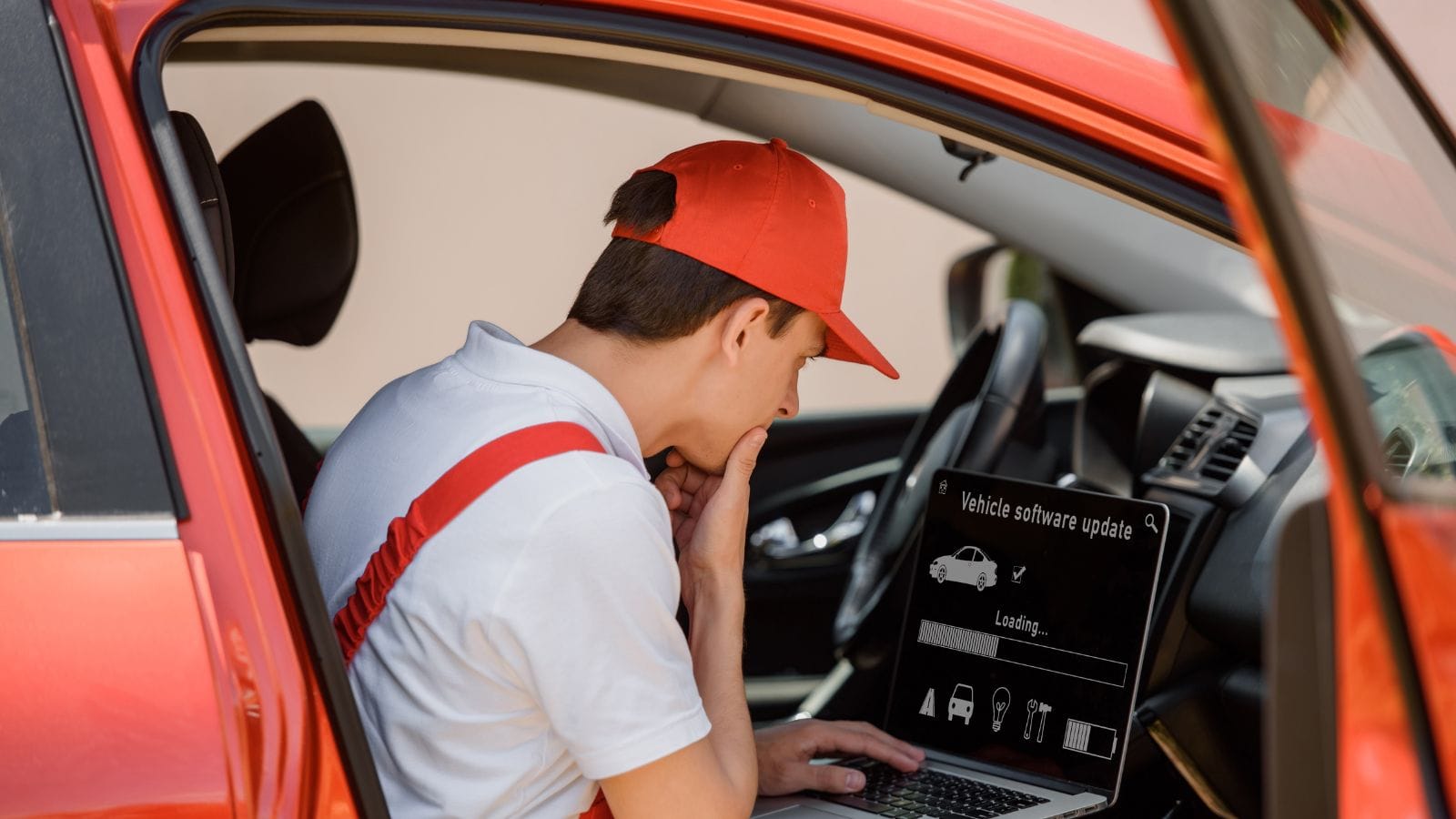
One reason drivers become wary of updates is simple: installing a fix can occasionally create a new fault. Rivian provided an example in November 2023, when an incorrect software build was pushed to R1T and R1S vehicles. The company halted the rollout, and Rivian said roughly 3% of its vehicles were affected. For owners, the infotainment display stopped working even though driving systems remained operational. Rivian then issued a remote remedy, while acknowledging some cases could require physical service.
Episodes like that change the psychology of the update button. A driver may understand that software improves over time, yet still wonder what will be different after the next installation. Unlike a phone glitch, a vehicle software problem occurs inside a machine used for commuting, family transportation, and highway travel. Even when safety-critical systems are isolated, a black screen or missing interface can turn an update into an unsettling ownership experience.
Updates Can Temporarily Put the Car Out of Service
Over-the-air updating eliminates some dealership visits, but it does not make the process invisible. Tesla’s support guidance shows the trade-off. During installation, the vehicle cannot be driven, it must remain parked, and charging pauses until installation is complete. Tesla also says updates can take several hours and recommends a stable Wi-Fi connection for reliable downloads. Owners can schedule installations, which helps, but responsibility for finding a convenient window still lands at home.
For a household with a second vehicle, that may be trivial. For someone who depends on one car for an early shift, school pickup, deliveries, or an unexpected trip, an update becomes an item to plan around. The irritation is rarely about installation. It is the cumulative feeling that a product once expected to be immediately available now has maintenance windows resembling a laptop or corporate computer. Convenience exists, but it comes with a new kind of downtime.
Basic Controls Keep Moving Into Menus
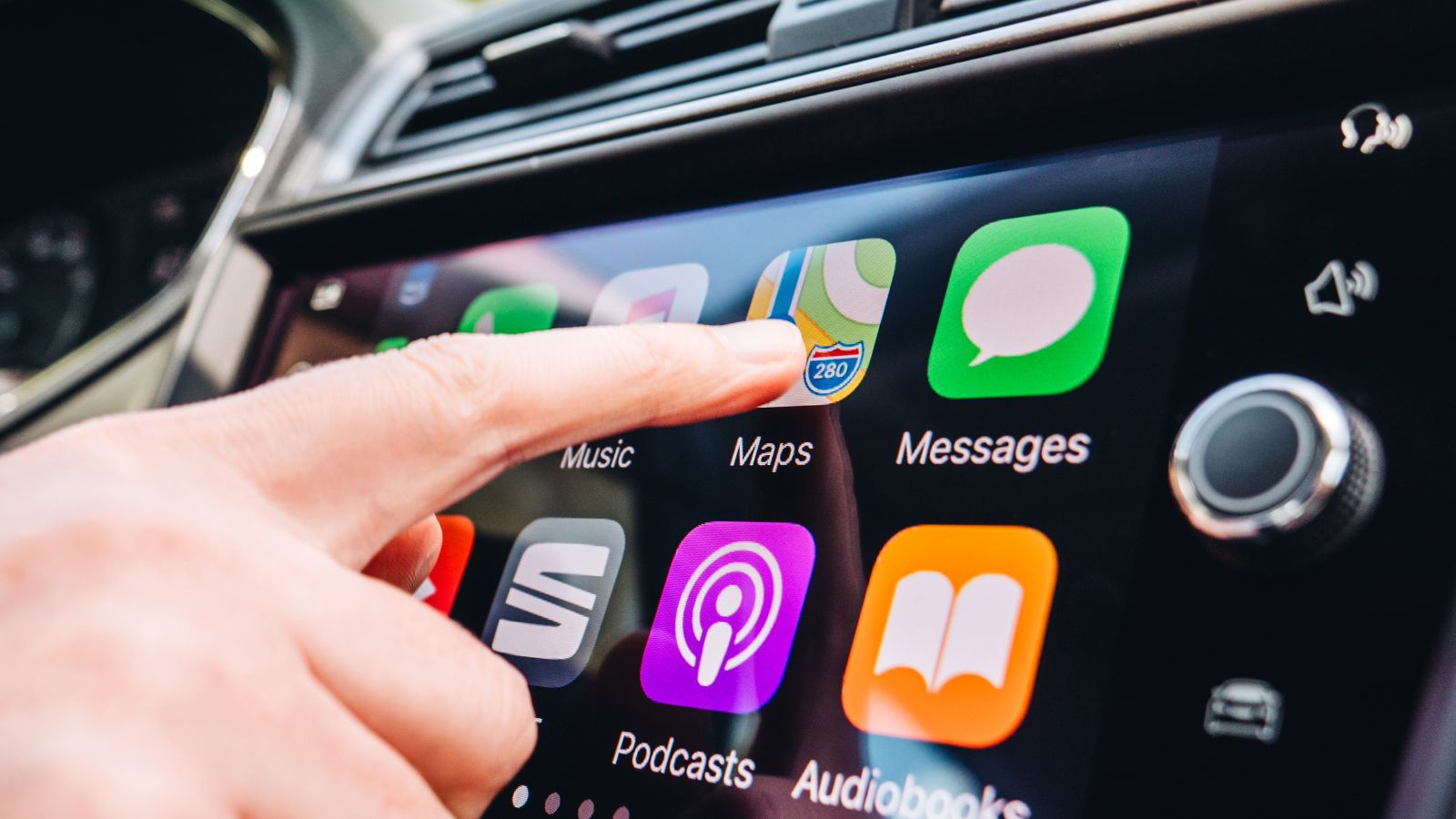
Software frustration is noticeable when basic controls migrate into touchscreens. J.D. Power’s 2025 multimedia study found that five of the 10 most frequently cited multimedia problems involved them, while touchscreen and display problems increased year over year. The firm said drivers want technology that is easy to use and minimizes distraction. Earlier quality findings likewise highlighted complaints about functions being buried in on-screen menus rather than handled by controls.
That design choice matters because cars are used while moving through a changing environment. A button or knob can often be located by feel; a changing screen demands visual confirmation. An update can rearrange icons, alter menu paths, or introduce prompts, forcing owners to relearn a task that was previously automatic. The frustration is not nostalgia for old dashboards. It is the annoyance of discovering that a function may depend on software layout, responsiveness, and decisions arriving in the latest release.
Safety Recalls Now Arrive as Software Fixes
Software updates are no longer limited to entertainment or bug fixes; they can be part of safety recalls. In 2025, Ford recalled more than one million vehicles because a software issue could cause the rearview-camera image to delay, freeze, or fail to appear. The recall covered Ford and Lincoln models from the 2021 through 2025 model years, and the company planned a remedy through dealerships or an over-the-air update.
There is a clear benefit: a safety defect may be corrected without owners making a service appointment. Yet the same capability can make the car feel less mechanically settled. A driver who once associated recalls with replacement parts can now receive a notice explaining that an essential function depends on revised code. When cameras, driver-assistance features, or other safety-related systems are software-controlled, updates feel less optional. Ignoring the notification can mean postponing a remedy rather than merely missing a new feature.
One Download May Not End the Safety Question

A downloaded remedy can become the beginning of review rather than the end of the story. In April 2024, the National Highway Traffic Safety Administration opened a recall query into Tesla’s 2023 Autopilot recall, covering more than two million vehicles. The agency said it was evaluating whether the software-based remedy was adequate after post-remedy crashes and testing raised concerns. NHTSA noted part of the remedy required owner opt-in and could be readily reversed.
That does not mean every software recall is ineffective, nor did the investigation itself establish that Tesla’s remedy had failed. It does illustrate why some owners are uncomfortable treating a download as equivalent to a final repair. Software can be adjusted, but effectiveness must be observed in the real world. The distinction matters: a message saying “update installed” may provide technical closure while regulators, engineers, and owners continue evaluating whether the underlying risk has actually been resolved.
Cloud Dependence Adds Another Point of Failure
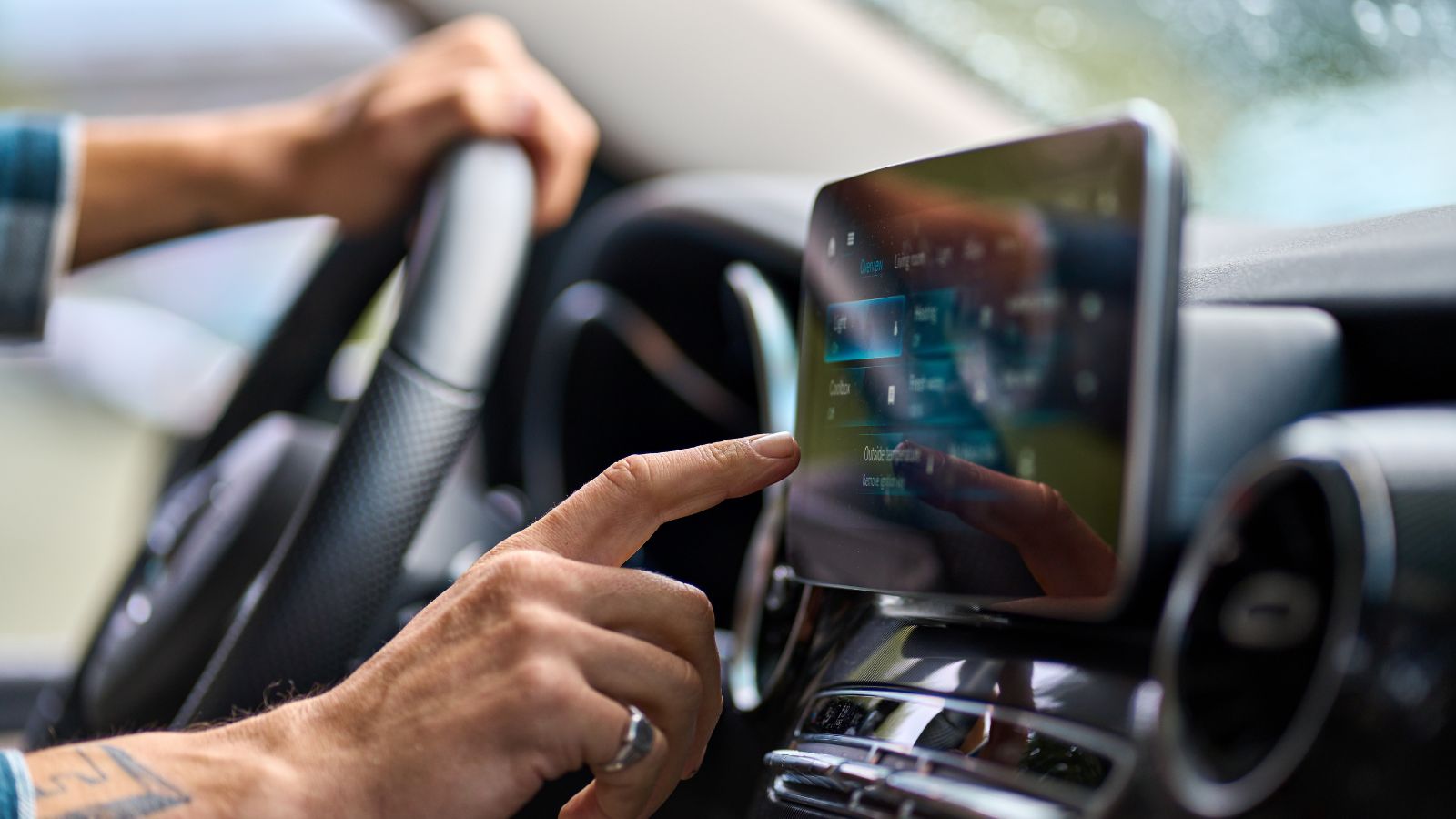
Connected vehicles can depend on more than software stored inside the car. They may also rely on apps, servers, cellular networks, and authentication. In November 2021, a Tesla app server outage prevented owners from connecting to their vehicles through the app. Reuters reported that about 500 users logged errors with Downdetector at the reported peak, while Tesla chief executive Elon Musk said service was returning and apologized.
Vehicles may provide backup ways to enter or operate them, so an app outage does not automatically make every affected car unusable. The episode nevertheless captured a broader anxiety about connected ownership. A feature can be physically present and the vehicle sound, yet access to a remote command may disappear because a server elsewhere is unavailable. Drivers accustomed to keys and local controls can resent discovering that ownership increasingly depends on distant external cloud infrastructure they cannot see, repair, inspect, or control themselves.
Subscriptions Can Make Ownership Feel Conditional
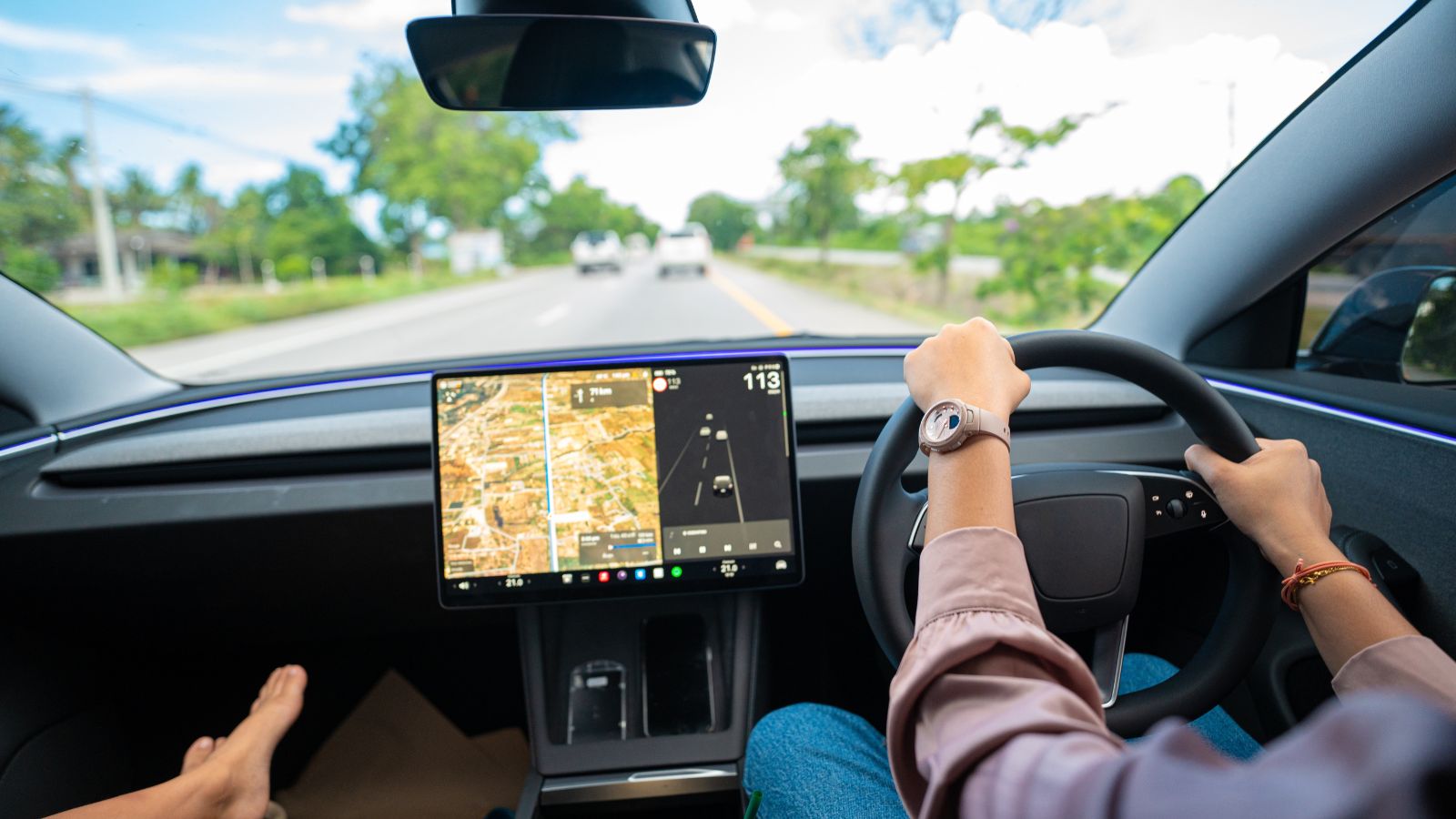
Software can separate installed hardware from the right to use it. BMW illustrated that tension when it offered heated-seat activation by subscription in several markets, at about $18 per month. Eligible vehicles already had the hardware, but software controlled access. In 2023, BMW abandoned the heated-seat subscription approach after weak acceptance and criticism, while continuing paid software and service features.
The objection goes beyond the price of warm seats. Traditional car buying taught owners that once a feature was installed in the vehicle, it belonged to the car. Software can turn that assumption into a licensing question. A used-car buyer may have to determine which functions transfer, which require an account, and which need payments. For drivers already tired of streaming subscriptions and app fees, another monthly recurring charge inside a costly vehicle can feel less like useful innovation and more like paying rent on equipment already inside the car.
Network Shutdowns Can Age a Car Overnight

Software maintenance cannot keep a connected car independent of outside systems. The shutdown of U.S. 3G cellular networks in 2022 showed that. Consumer Reports reported that millions of vehicles faced losing automatic crash notification and other connected functions as carriers retired 3G service. Some models could keep them through software or hardware upgrades, while others permanently lost services including emergency calling or remote functions.
That obsolescence is unsettling because the car may still be healthy. Mechanical parts can remain useful for years, but a telematics module depends on a communications standard outside automakers’ control. Owners who expected long service may discover that a digital feature has a shorter lifecycle. Software updates can sometimes bridge the gap, but not always. The result is a new ownership question: not just whether the vehicle will last, but whether the wider digital ecosystem around it will still remain usable.
Cybersecurity Means Patching Never Really Ends
There is a reason automakers cannot simply stop updating connected cars: cybersecurity. NHTSA’s cybersecurity guidance says vehicles increasingly depend on electronics, sensors, computer systems, and wireless connectivity, creating security considerations. The agency researches cybersecurity of firmware-update mechanisms, including over-the-air delivery, and recommends practices to help manufacturers identify vulnerabilities, respond to incidents, and recover safely.
That makes update fatigue a trade-off rather than a simple problem. Drivers may want a car that behaves the same way for years, but software exposed to evolving threats cannot always remain frozen. A vulnerability discovered after purchase may need a patch as urgently as a physical defect needs repair. The burden is also psychological: owners are asked to trust that frequent changes are protecting a machine they would prefer not to think of as a computer. Security improves through maintenance, but maintenance can make the product feel permanently unfinished, even when that maintenance is necessary.
Connected Cars Bring Privacy Into the Cabin
Constant connectivity can make drivers question what the car is reporting about them. In January 2026, the Federal Trade Commission finalized an order settling allegations that General Motors and OnStar collected and sold precise geolocation and driving-behaviour data from millions of vehicles without adequate notice and affirmative consent. The order restricted certain disclosures and required transparency, consent, access, deletion, and opt-out options for connected-vehicle data.
The case highlights software-defined cars beyond horsepower or screen design. A connected vehicle can generate information about location, routes, acceleration, braking, and behaviour. Those capabilities can support services, but make privacy settings part of vehicle ownership. When an update brings new terms, functions, or permission requests, drivers may see more than convenience. They see another decision about data collection. For people who bought a car rather than a digital platform, that can deepen resentment toward an always-connected model that keeps generating new questions after purchase.
Some Drivers Feel Like Permanent Beta Testers

Update fatigue can come from the sense that the vehicle never reaches a finished state. Tesla tells owners that its cars receive software updates, large and small, and minor releases may produce no noticeable change in the driving experience. If an update remains stuck, Tesla advises service. Rivian’s 2023 incident showed the other side: remote software can solve problems, but a flawed release can also create them.
For enthusiasts, continuous improvement is appealing. New functions can arrive without replacing the car, and defects may be fixed in a driveway. Others value a different promise: consistency. They want yesterday’s controls to be in the same place tomorrow and do not want to wonder whether a notification is essential, optional, or risky. That divide explains frustration. The technology is capable; the unresolved question is how much ongoing change owners should have to absorb during many future years of routine, long-term daily ownership.
19 Used Cars Canadians Should Avoid in 2026 (Based on Owner Complaints)

Buying a used car in Canada can feel safe until repair bills start stacking up. Owner complaints tell a different story than glossy listings. Transmission failures, electrical problems, and weak winter reliability show up again and again in consumer reports. Many of these issues appear after warranties expire, when owners least expect them. Some vehicles look affordable upfront, but become expensive to keep on the road. Others struggle in cold weather, urban driving, or long highway commutes. Here are 19 used cars Canadians should avoid in 2026 (based on owner complaints).
19 Used Cars Canadians Should Avoid in 2026 (Based on Owner Complaints)

Alanna Rosen is an experienced content writer that focuses on many EV and educational content. Her articles are regularly published on Get CyberTrucked and syndicated on large publications.