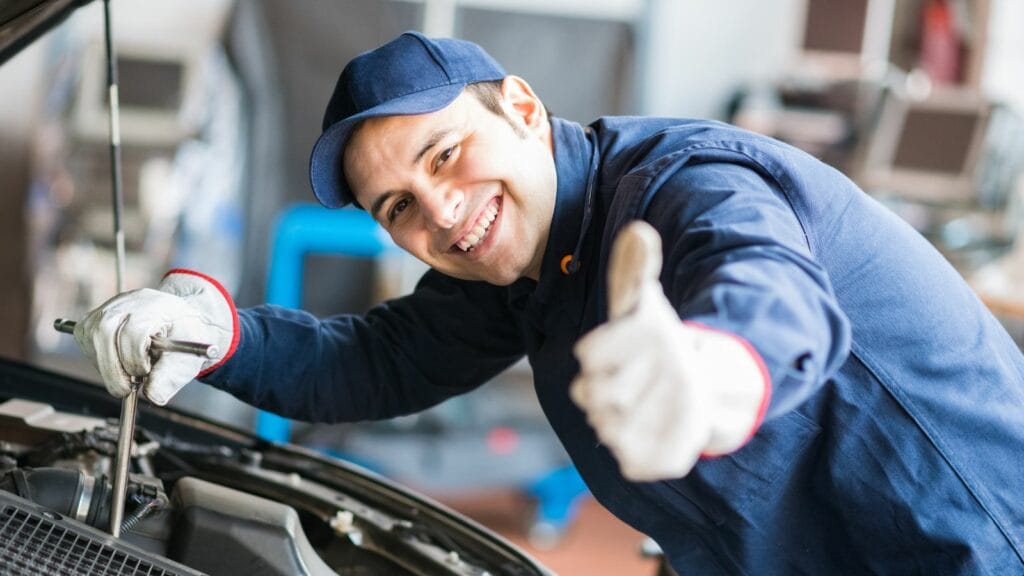
Most drivers treat car ownership like damage control. Something breaks, they fix it, hope for the best and repeat the cycle. But mechanics see a completely different pattern. The cars that live the longest and cost the least to maintain aren’t owned by lucky people. They’re owned by people who follow smart, simple habits that prevent stress before it starts. You don’t have to be a gearhead or love getting dirty under a hood. These 10 tips make everyday ownership smoother, cheaper and far less frustrating, no matter what you drive.
Stop Ignoring the Weird Noises

A car rarely goes from healthy to broken overnight. It whispers before it screams. A squealing belt, a faint grinding when turning or a rhythmic thump over bumps are early warnings. Fixing a noise early usually means replacing one small part. Waiting turns that single part into a chain reaction of damage. Every mechanic has seen someone ignore a harmless click until it became a catastrophic repair bill. If your car suddenly sounds “different,” pay attention before it becomes expensive.
Buy Good Wiper Blades Not Cheap Ones
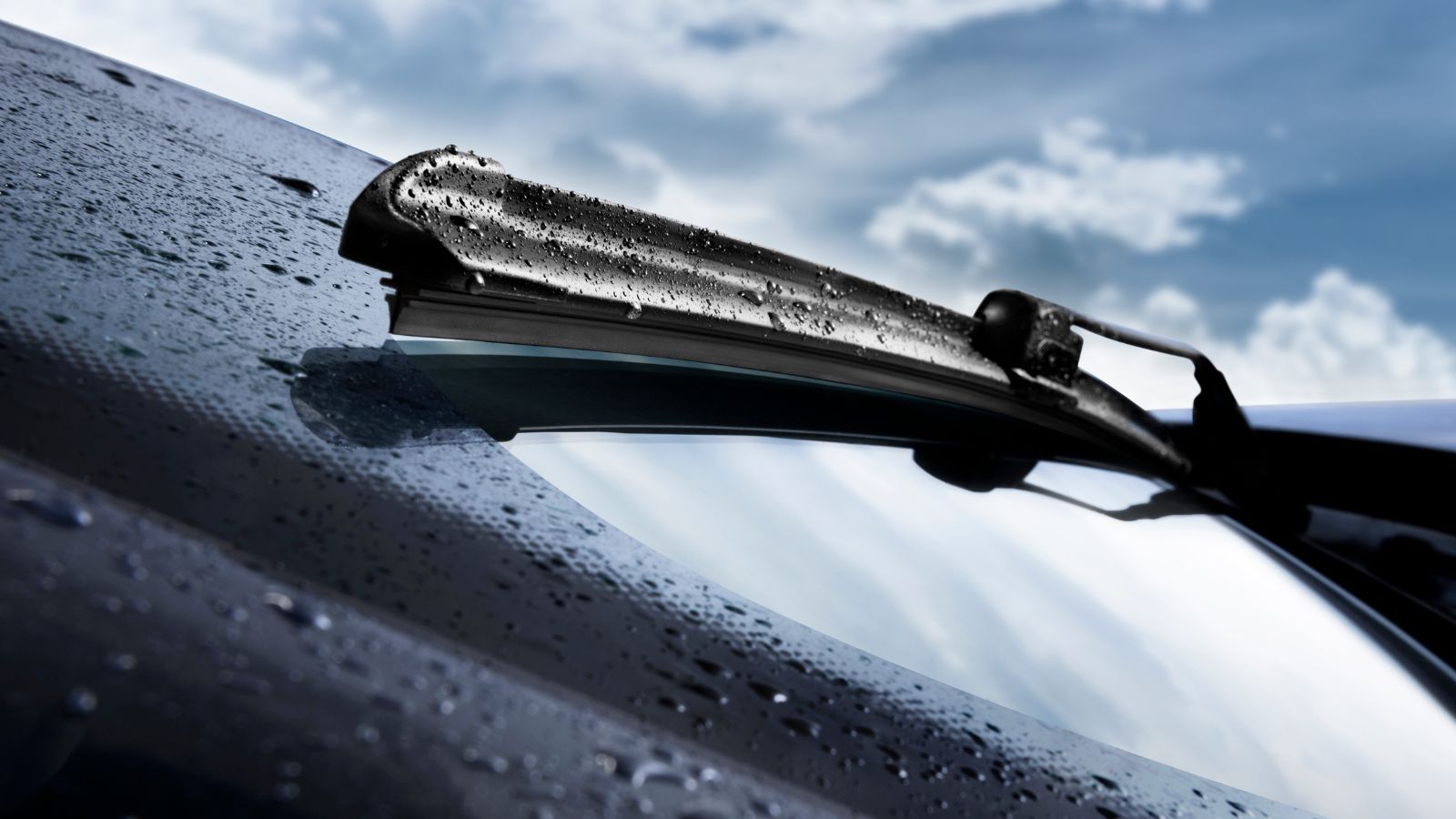
Good wipers don’t feel like a luxury until you get caught in freezing rain at night on the highway. Cheap blades smear, streak and chatter, making every kilometer stressful. Winter grime and road spray destroy visibility instantly if your wipers can’t keep up. Upgrading to quality blades once a year is one of the cheapest safety improvements you can make. Clear visibility isn’t comfort. It’s survival.
Keep the Tires at the Right Pressure
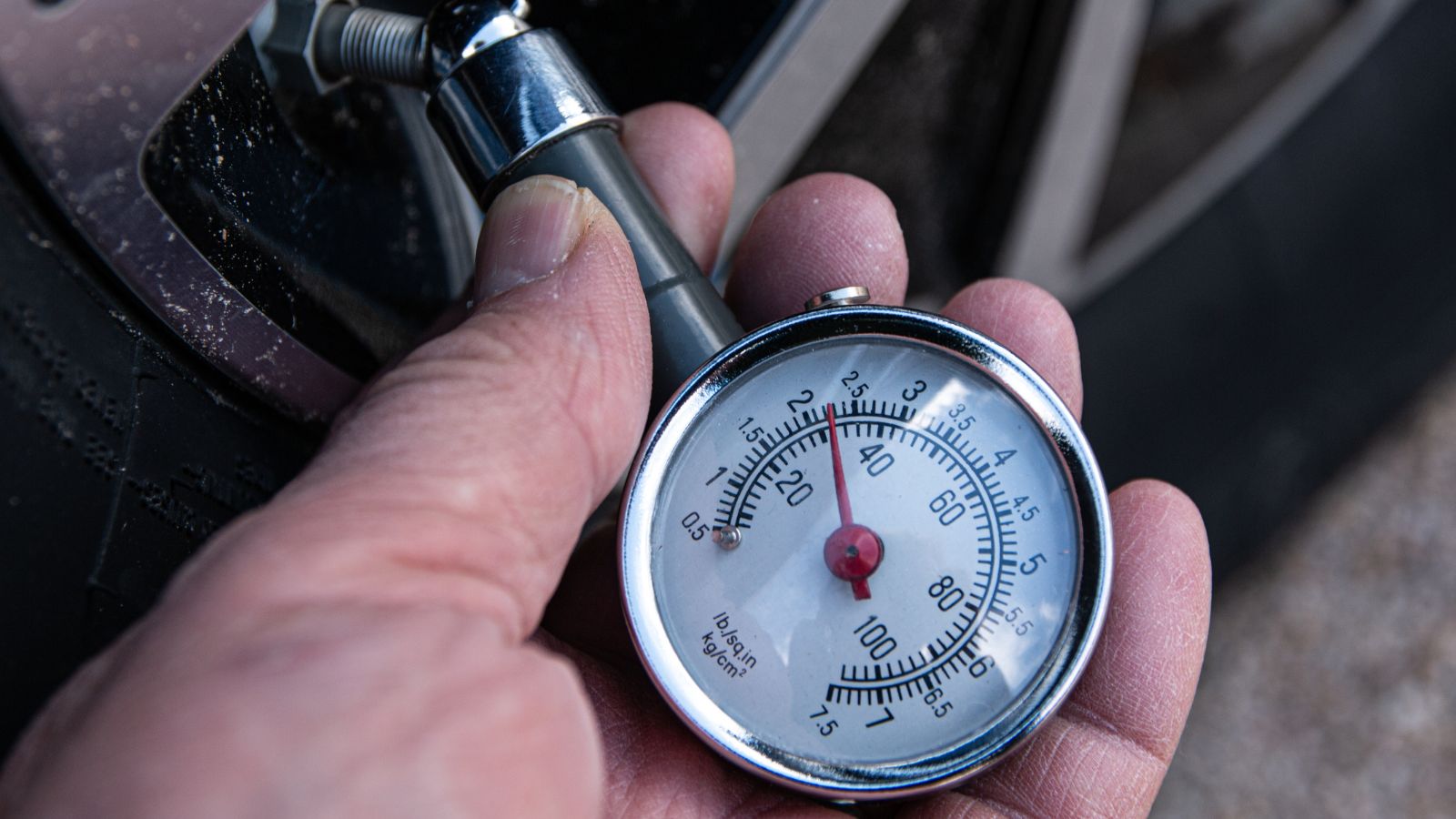
Most drivers wait for a tire to look low before checking pressure. By that point, it’s already underinflated enough to hurt fuel economy and increase tire wear. Low pressure also makes emergency braking and cornering worse, especially on wet highways. Five minutes a month with a pressure gauge can save hundreds of dollars in premature tire wear, improve gas mileage and give you better control when it matters most.
Use the Parking Brake Every Time
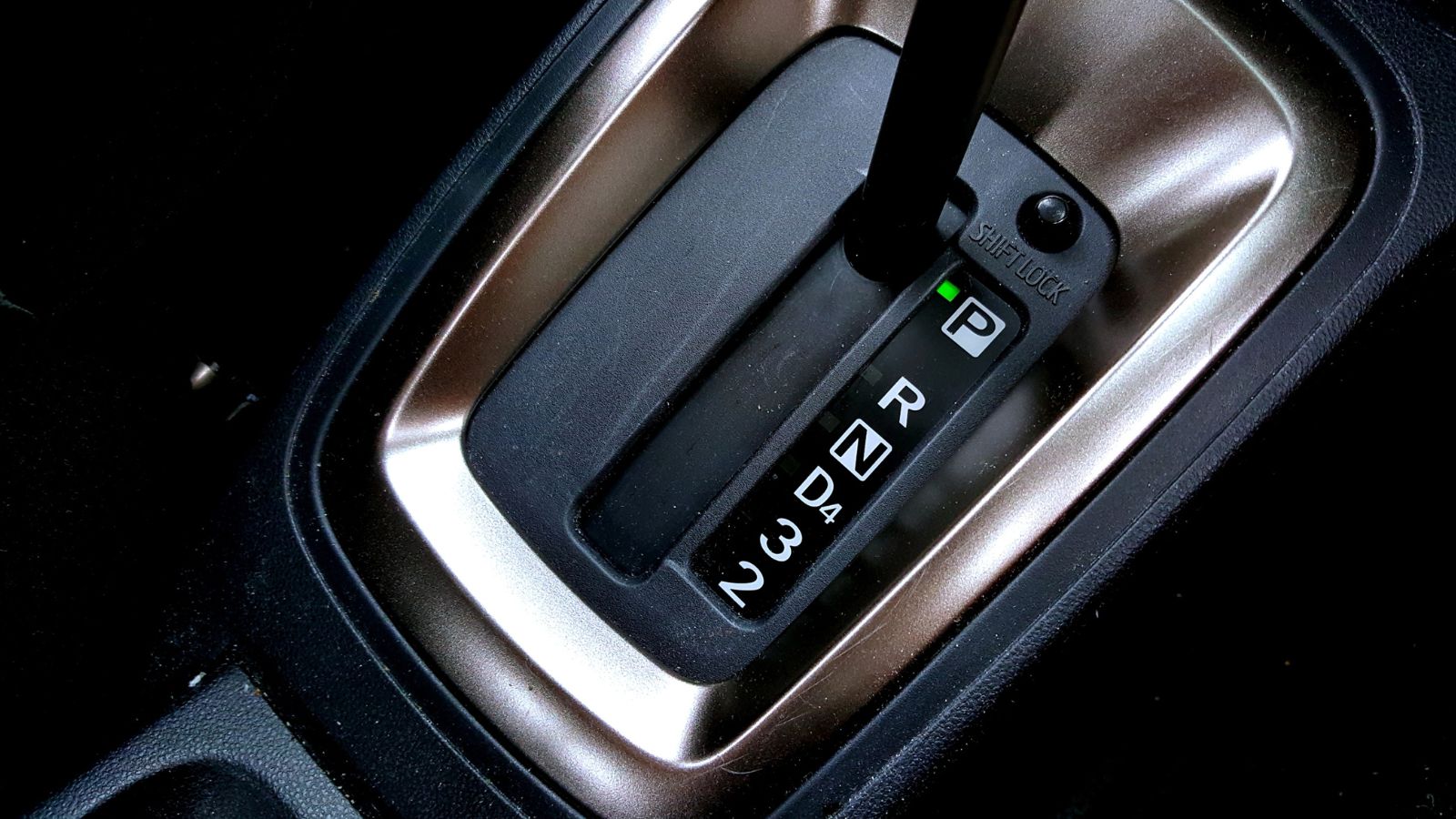
Even in an automatic, the parking brake has a purpose. Without it, the full weight of your car sits on a tiny locking pin inside the transmission when parked on a slope. Over years, that pressure leads to expensive failures. Using the parking brake relieves the strain and protects the transmission, especially in hilly areas. Mechanics know the truth: transmissions don’t die from driving. They die from parking.
Don’t Cheap Out on Oil Filters
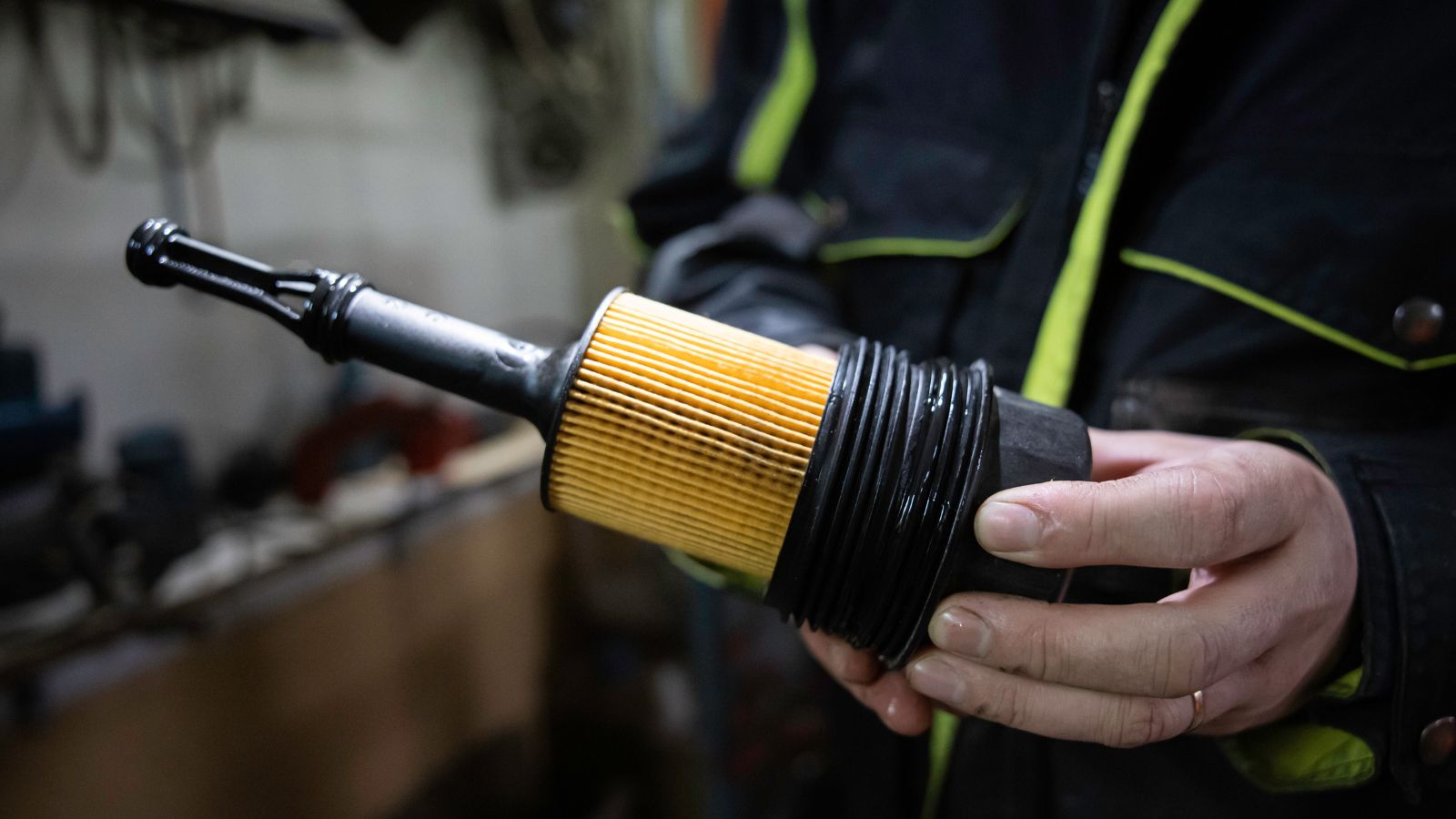
People obsess over oil brands and completely ignore the filter. A poor-quality filter lets debris circulate and can clog early, starving the engine of oil. In winter starts, when thick oil needs to flow fast, a bad filter is brutal on internal parts. Spending a few extra dollars on a premium filter protects more than any fancy label on a bottle ever will. It’s invisible insurance every time you start the engine.
Replace Brake Fluid More Often Than You Think
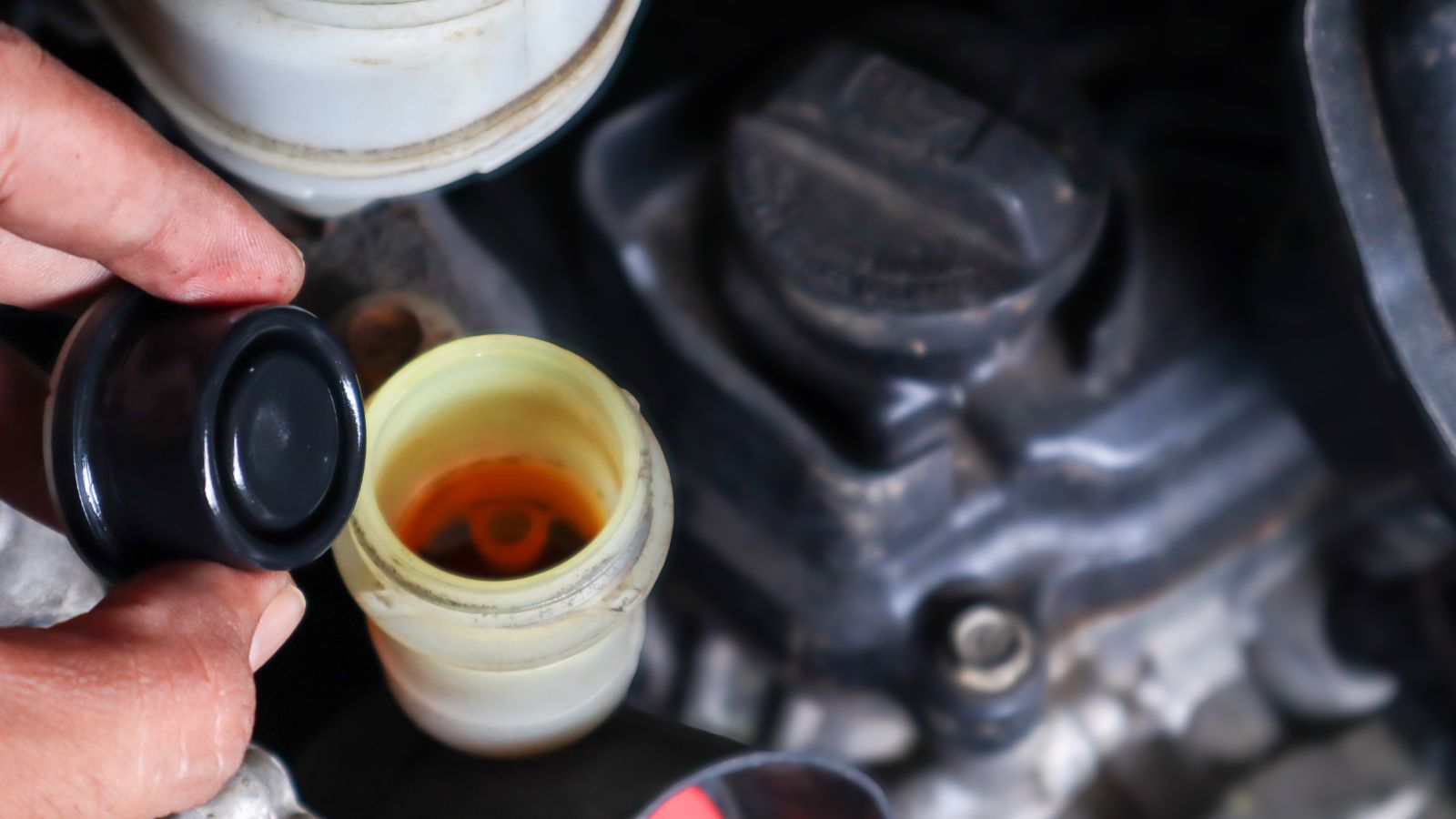
Brake fluid quietly absorbs moisture over time, especially in cold and humid climates. That moisture makes braking feel softer and can corrode parts inside the system. Many drivers go five or six years without touching it, assuming brakes only need pads and rotors. Mechanics know brake fluid should be replaced every two or three years to maintain strong stopping power. It costs very little and can make your vehicle safer than any performance upgrade.
Stop Relying on Warning Lights to Tell You Everything
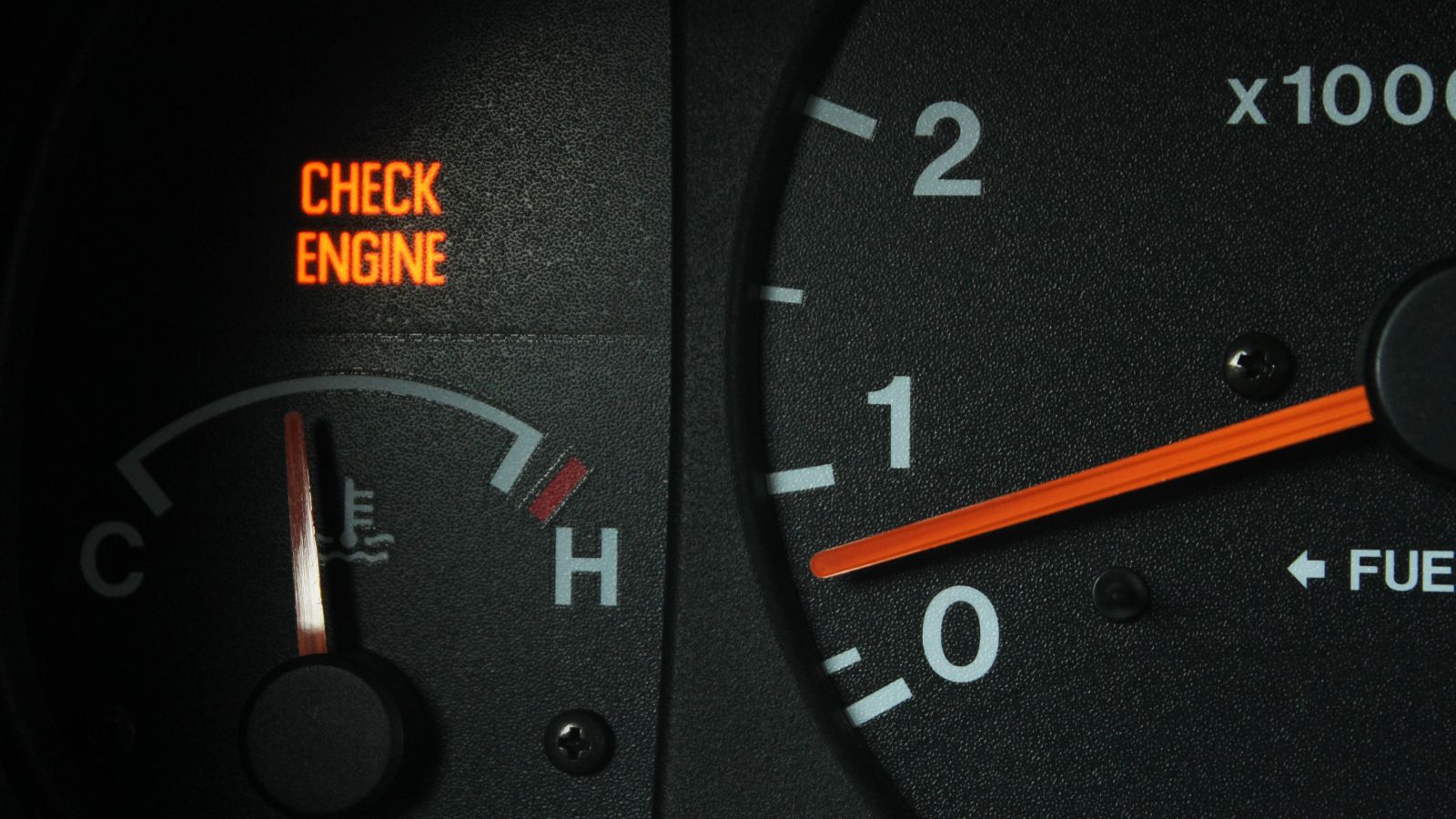
Dashboards aren’t lie detectors. They warn you late, sometimes too late. The low oil light usually means it’s dangerously low, not slightly low. The tire pressure light might not activate until pressures are far below ideal. Brake wear indicators only catch the very end of pad life. Using your senses matters. If the steering feels different, the engine hesitates, the brakes feel softer or the car vibrates, something is changing, whether there’s a warning light or not.
Wash the Undercarriage in Winter
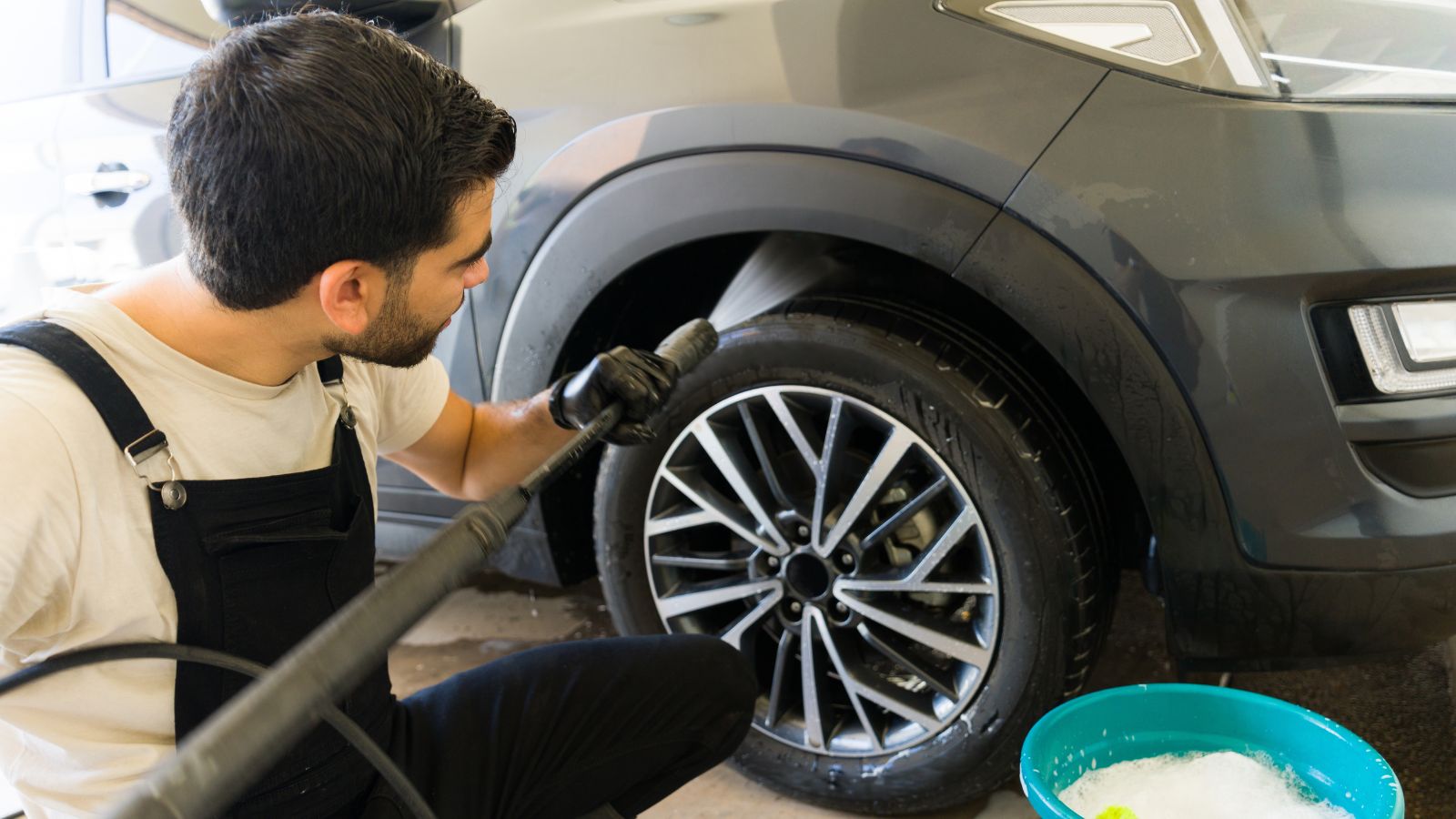
Salt isn’t cosmetic, it’s corrosive. Rust begins underneath the vehicle where drivers never look. Once rust starts on brake lines, fuel lines, subframes and suspension mounts, repairs get expensive fast. A simple undercarriage wash every couple of weeks in winter slows rust dramatically. People who do this keep their vehicles far longer than those who skip it. Winter washing saves more money than detailing ever will.
Pay Attention to How the Car Drives When It’s Healthy
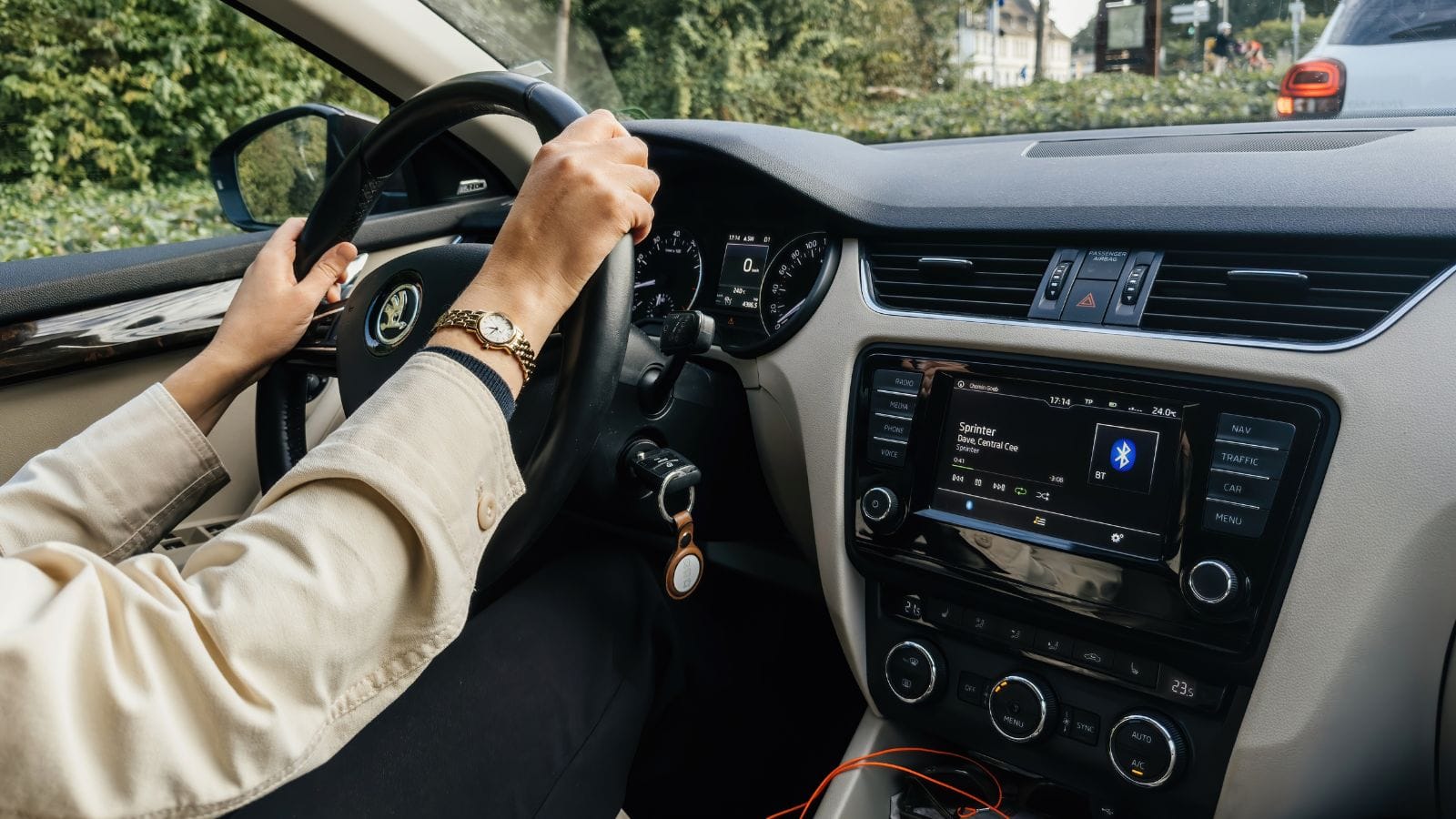
Most drivers notice problems only when they become obvious. Mechanics learn the opposite, they memorize how a healthy vehicle feels. Small changes reveal problems early. A slight pull in the steering, a new vibration at highway speed, tiny hesitation under acceleration or extra steering effort in parking lots all point to wear that hasn’t become severe yet. Catching changes before failure is the secret to inexpensive ownership.
Build a Relationship with One Good Shop

People jump from shop to shop chasing the lowest quote. It feels like saving money, but long term it does the opposite. One trusted shop that knows your vehicle’s history prevents problems before they grow and never guesses blindly. A loyal customer gets better advice, more honest timelines and priority service. A good mechanic becomes a partner, not just a bill.
The Real Secret to Stress Free Car Ownership
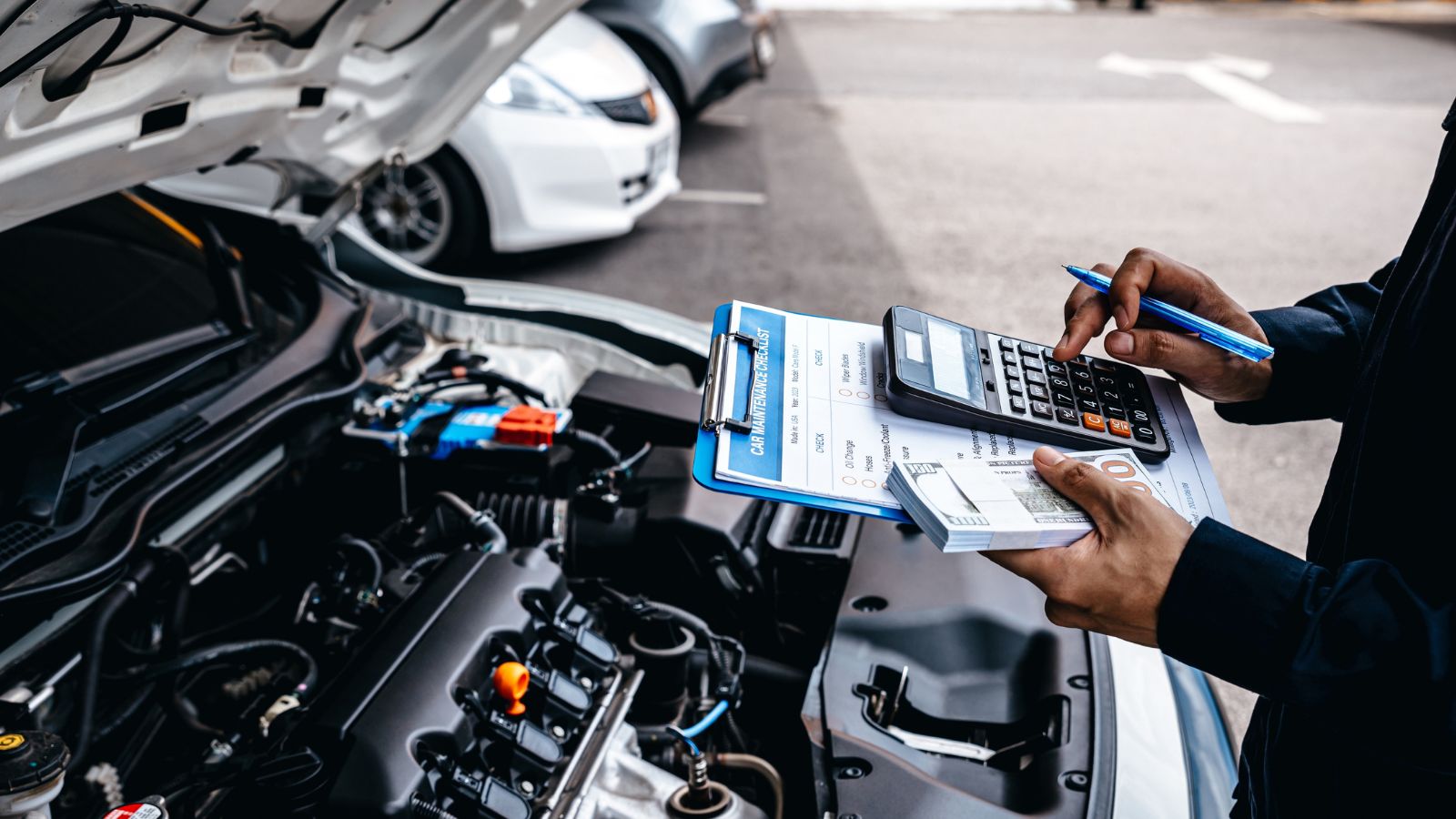
Cars don’t punish people randomly. They punish neglect. When you turn small habits into routine, washing in winter, checking pressure once a month, listening to changes and fixing problems early, ownership stops being unpredictable. You don’t get stranded, you don’t panic at every noise and you don’t live in fear of the next bill. You simply enjoy your car the way it was meant to be enjoyed.
25 Facts About Car Loans That Most Drivers Don’t Realize

Car loans are one of the most common ways people fund car purchases. Like any other kind of loan, car loans can have certain features that can be regarded as an advantage or a disadvantage to the borrower. Understanding all essential facts about car loans and how they work to ensure that you get the best deal for your financial situation is essential. Here are 25 shocking facts about car loans that most drivers don’t realize:
25 Facts About Car Loans That Most Drivers Don’t Realize
