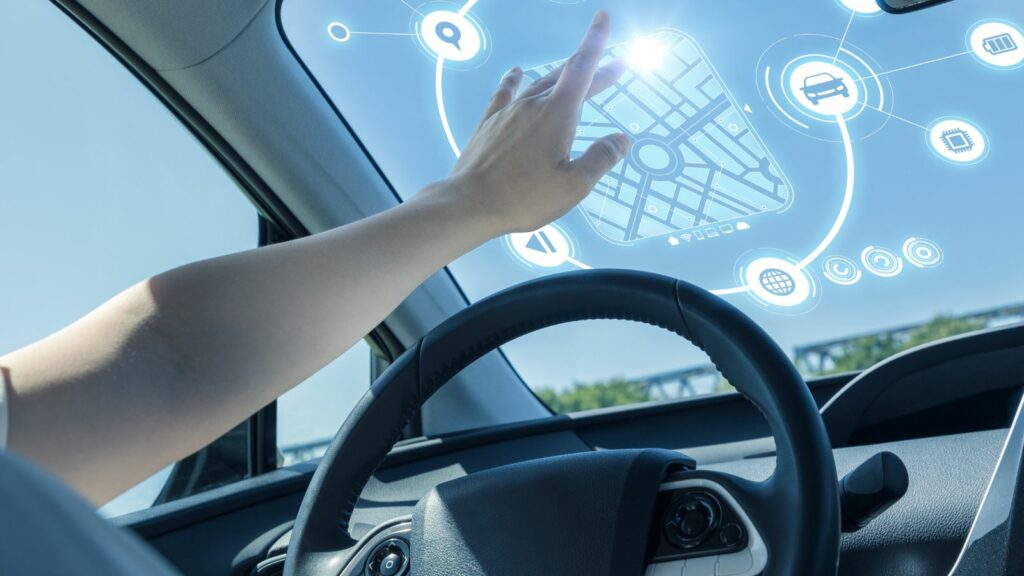
Head up displays should have become a game changer by now. The idea is simple, project key information directly into the driver’s line of sight so eyes stay on the road instead of darting down at screens. Yet most modern vehicles still treat HUDs like optional gimmicks rather than essential safety tools. Instead of giving drivers cleaner, smarter and more helpful data, automakers rely heavily on digital dials and center screens that pull attention away from the windshield. So why are HUDs still stuck in the shallow end of innovation?
HUD Technology Remains More Expensive Than Screens
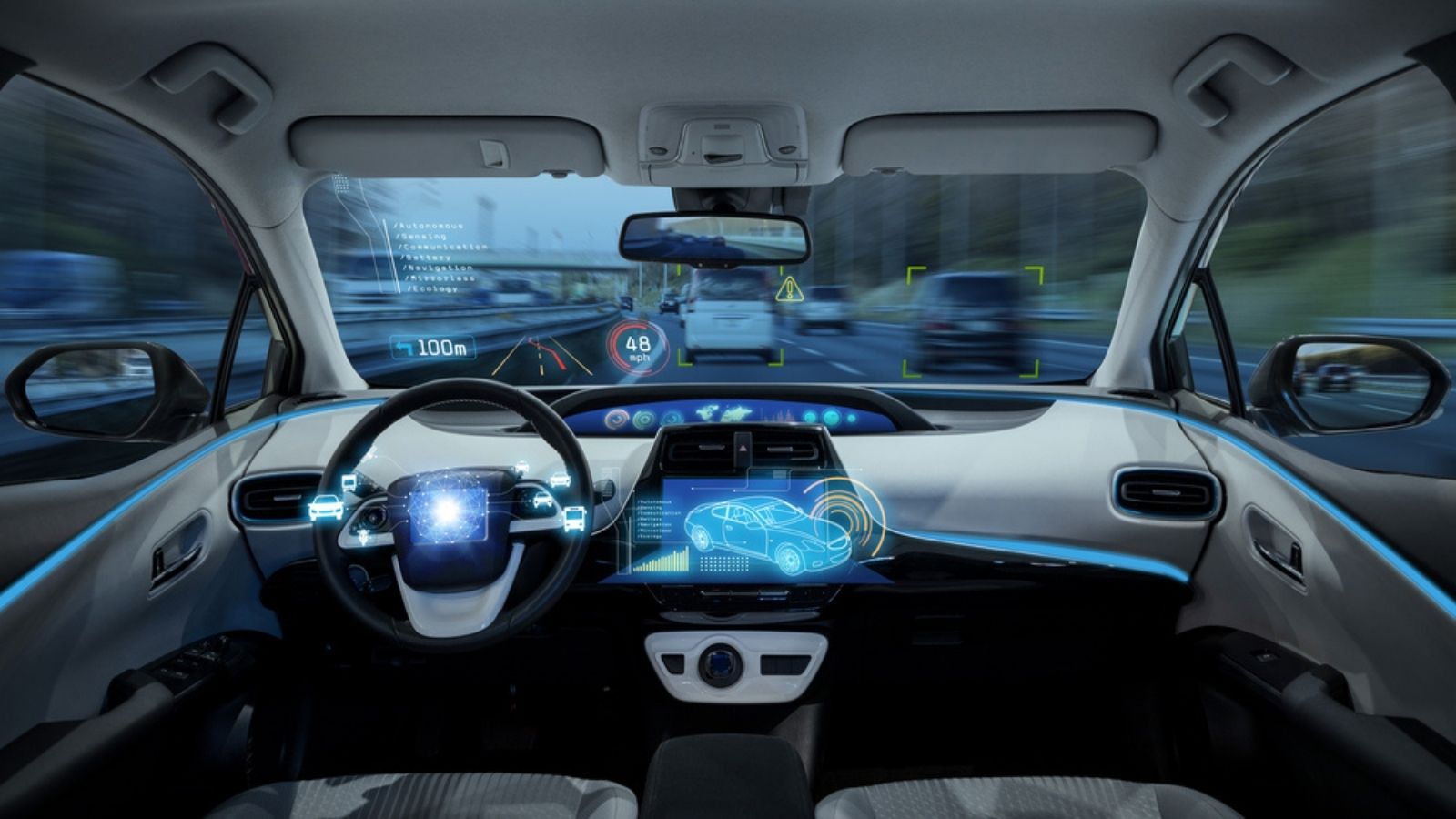
Even though the concept has been around for decades, HUD systems are still costlier to manufacture than ordinary displays. Most brands reserve them for premium trim levels or luxury models, which limits adoption. Automakers already know screens sell well because they look modern and can show everything from maps to heated seat menus. HUDs require additional optics, brighter projection units and better software calibration. For manufacturers trying to control production costs, screens remain the cheaper shortcut.
Carmakers Still Design Dashboards Around Touchscreens
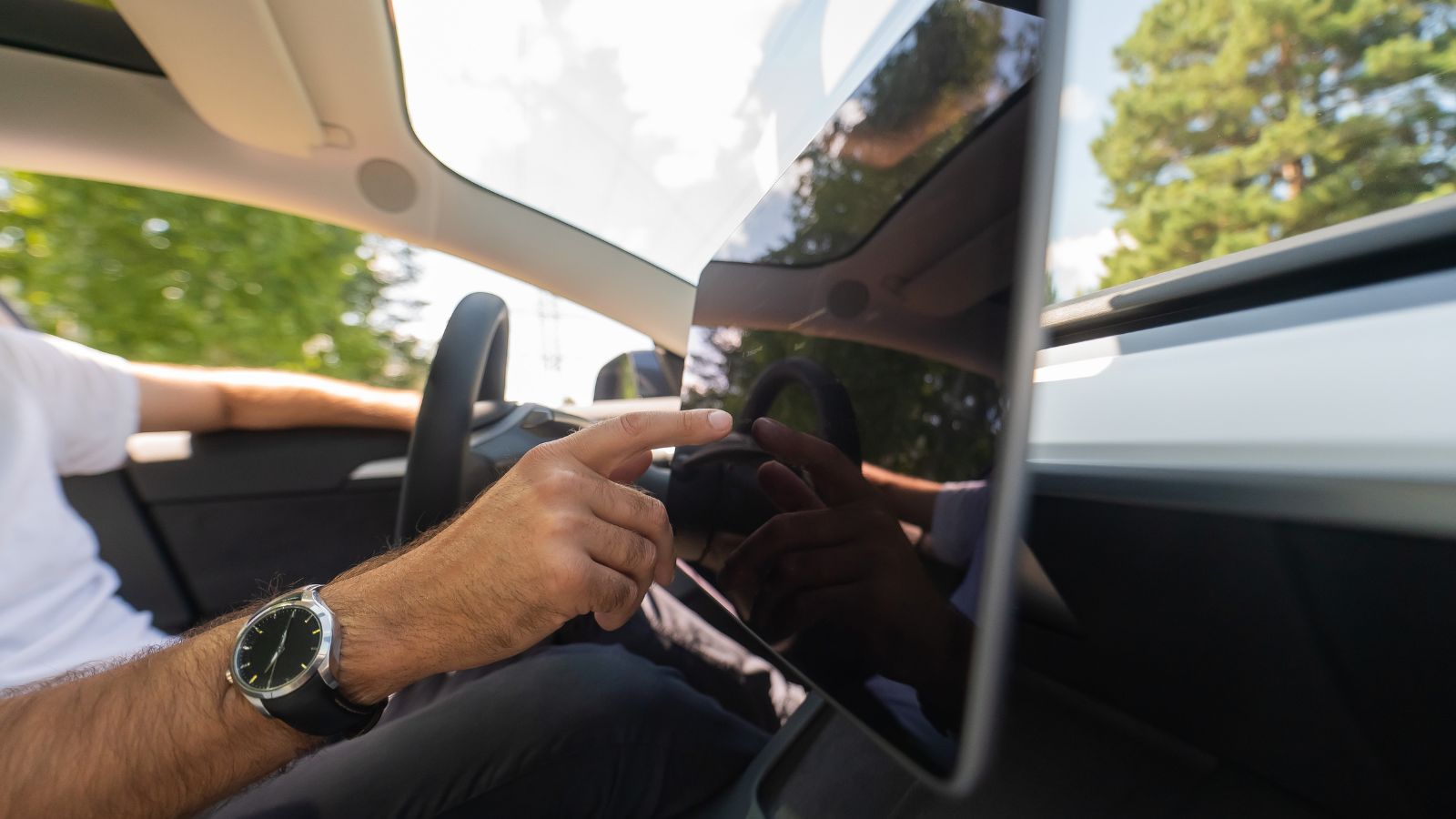
The industry has spent the last decade obsessed with big tablet style displays. They photograph well, impress in showrooms and offer endless menu layers that designers love. This design direction pushed HUDs into the background. Instead of using HUDs for speed, navigation arrows and hazard warnings, manufacturers cram those features into touchscreen clusters. The result is sensory overload where drivers constantly look away from the road. HUDs could simplify things, but the current trend leans the opposite way.
Regulations Have Not Pushed HUD Adoption
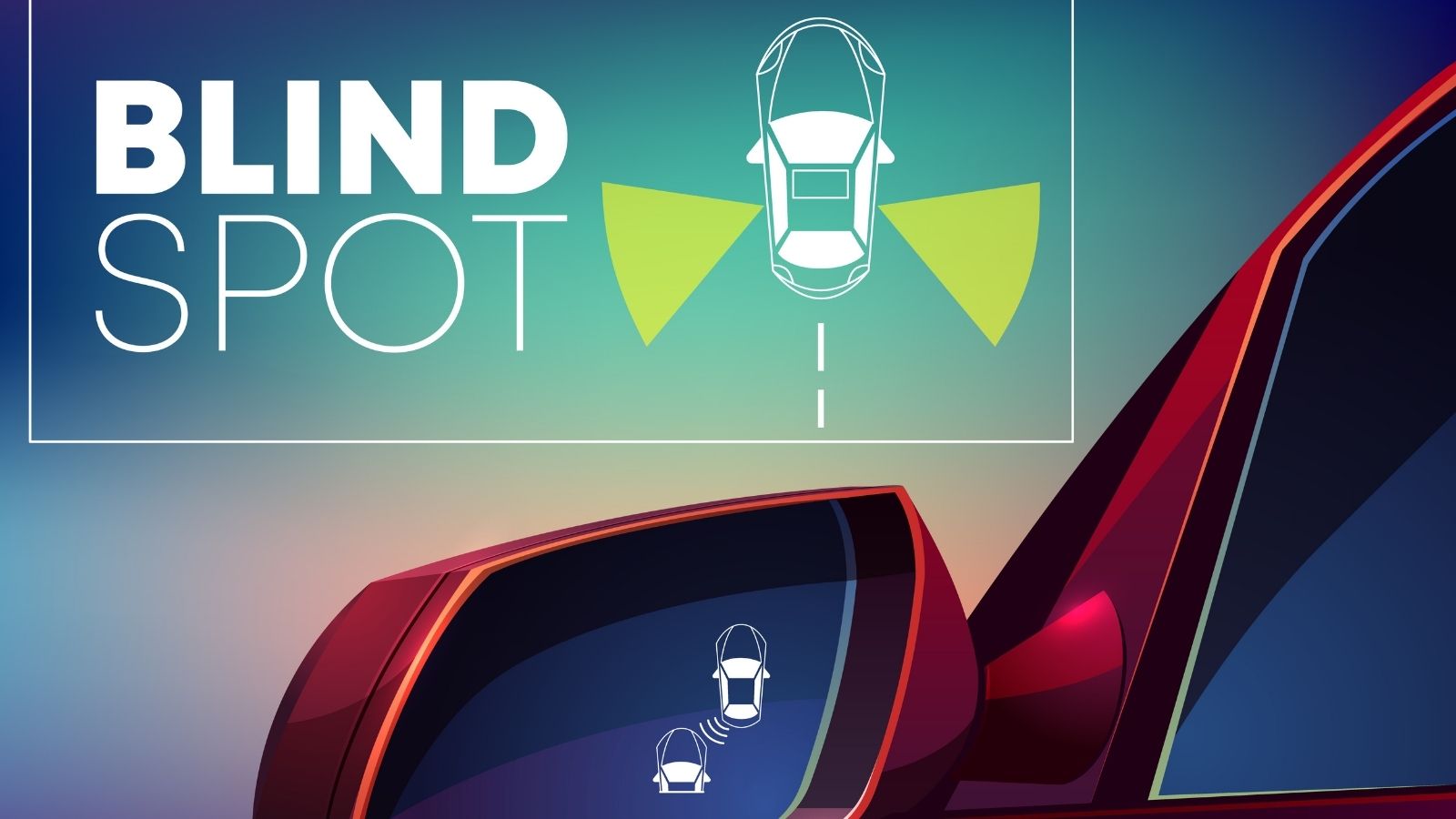
Safety rules often drive innovation. Backup cameras became mandatory once governments required them. Blind spot indicators and emergency braking followed the same pattern. HUDs, however, sit in a gray zone. They are helpful, but not required. Without regulatory pressure, most brands treat HUDs as luxury extras rather than essential safety improvements. If authorities ever step in and classify HUDs as a collision reducing feature, adoption would explode overnight.
Many Drivers Still Do Not Understand HUD Benefits

Despite the obvious advantages, many drivers still think HUDs are distracting or unnecessary. Some test drive a car with a HUD and turn it off because they are not used to information floating above the dash. Automakers see that hesitation and avoid making HUDs a standard feature. The irony is that once drivers adjust, HUDs become one of the safest and least intrusive ways to display information. But in a market driven by first impressions, uncertainty slows progress.
Current HUDs Are Too Basic to Impress
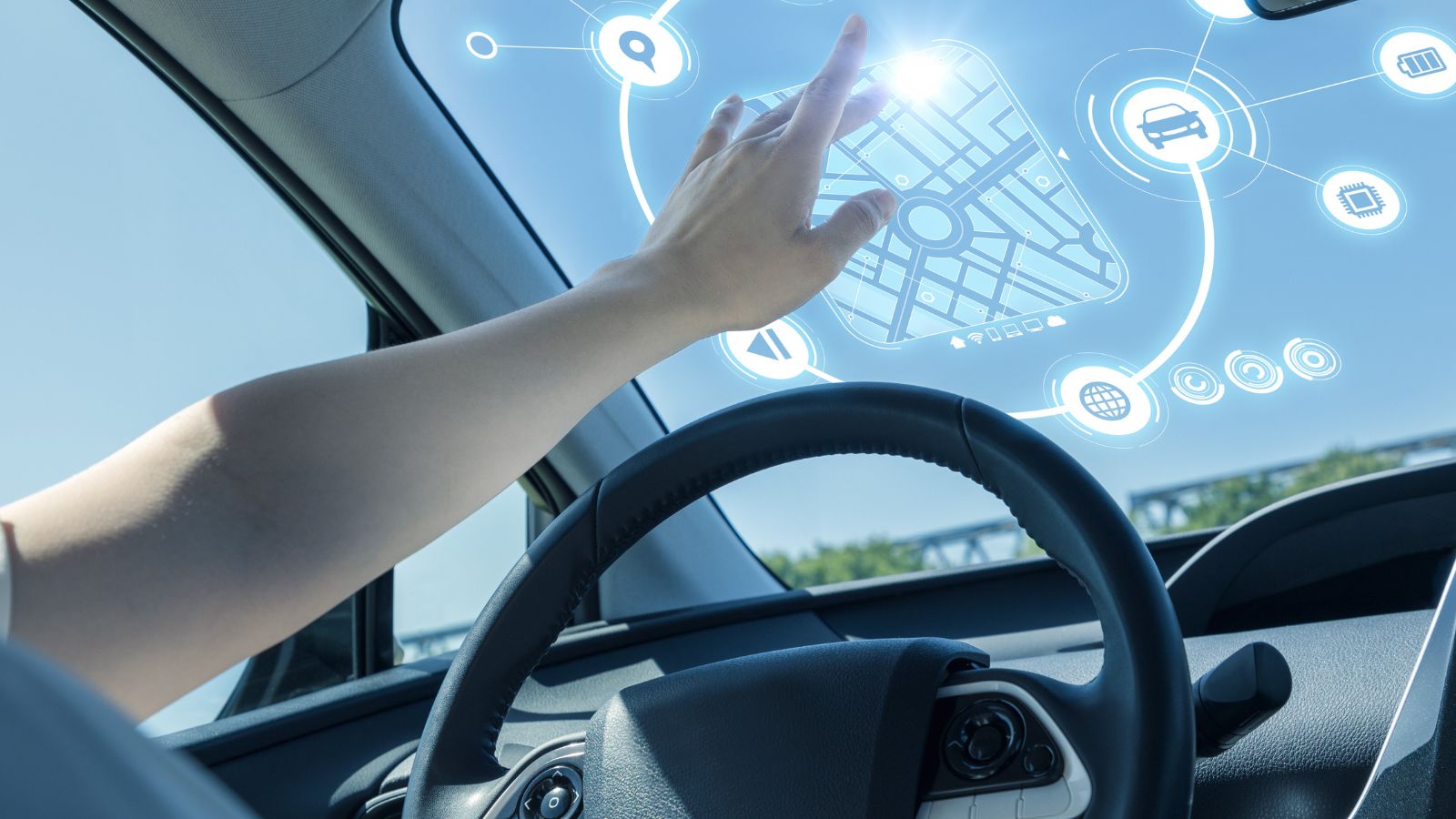
Most HUDs today show only simple text, low resolution symbols or minimal navigation cues. They do not feel futuristic or intuitive enough to replace screens. Advanced augmented reality systems exist, but they appear mostly in premium German vehicles with premium German price tags. Until HUDs can overlay lane guidance, highlight hazards or project realistic navigation prompts, mass market buyers will continue to see them as toys instead of tools.
Carmakers Fear Adding Too Much Information
A HUD should simplify the driving experience, but if manufacturers load it with too many features, it becomes cluttered and dangerous. Striking the right balance is tricky. Some brands worry that expanding HUD capabilities will encourage drivers to treat the windshield like a smartphone display. Instead of enhancing safety, too much data could distract, which is the opposite of the goal. This cautious approach slows the evolution of more advanced HUD systems.
Integration With Modern Interfaces Still Needs Work
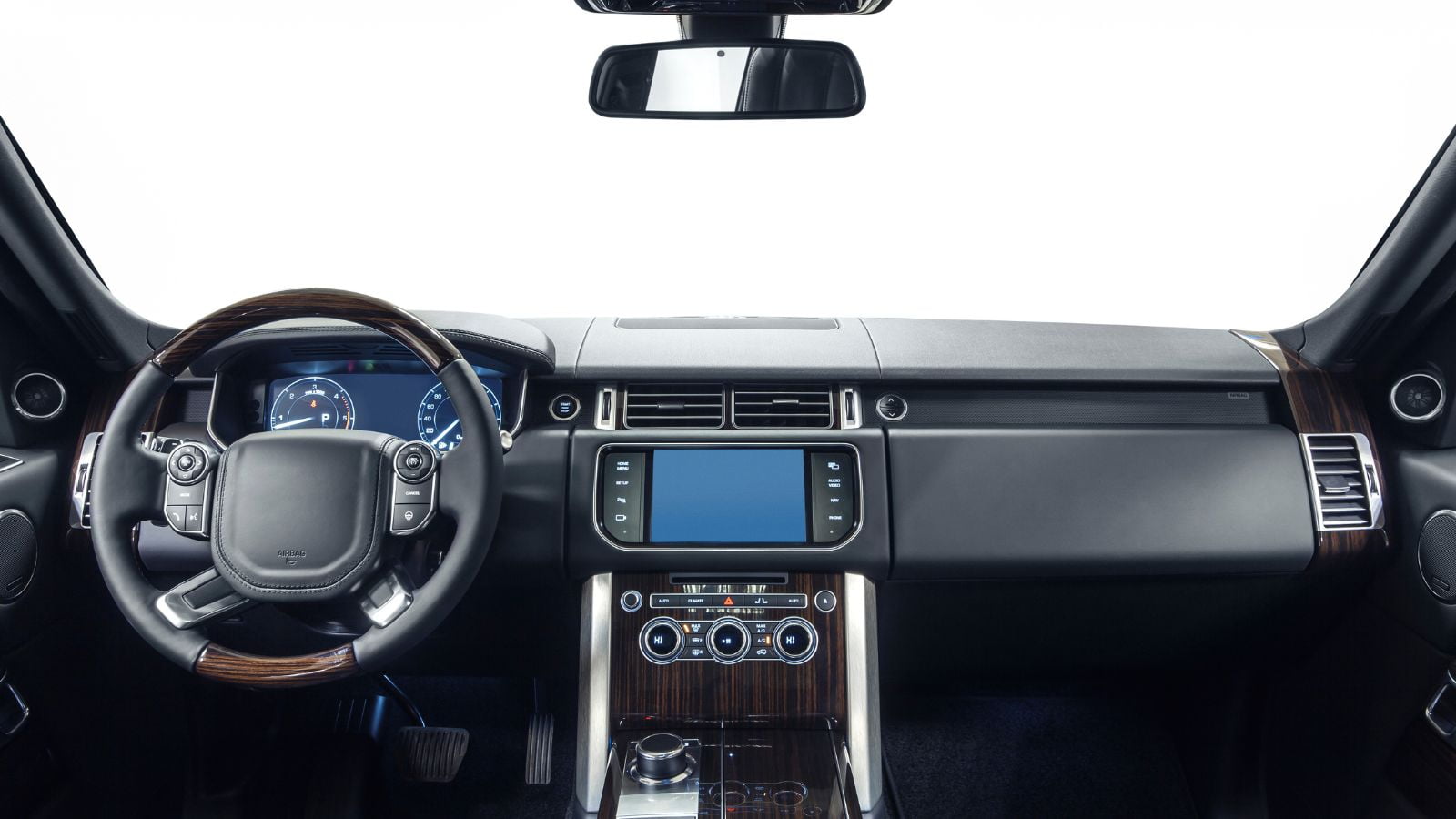
Touchscreens, digital instrument clusters and HUDs often operate separately, each with their own menus and quirks. Drivers want smooth integration where navigation appears seamlessly, warnings display automatically and settings transition fluidly. Many current HUDs feel like bolt on accessories rather than core components. Until automakers unify these systems, HUDs will remain an afterthought rather than the centerpiece of driver information.
The Missed Opportunity
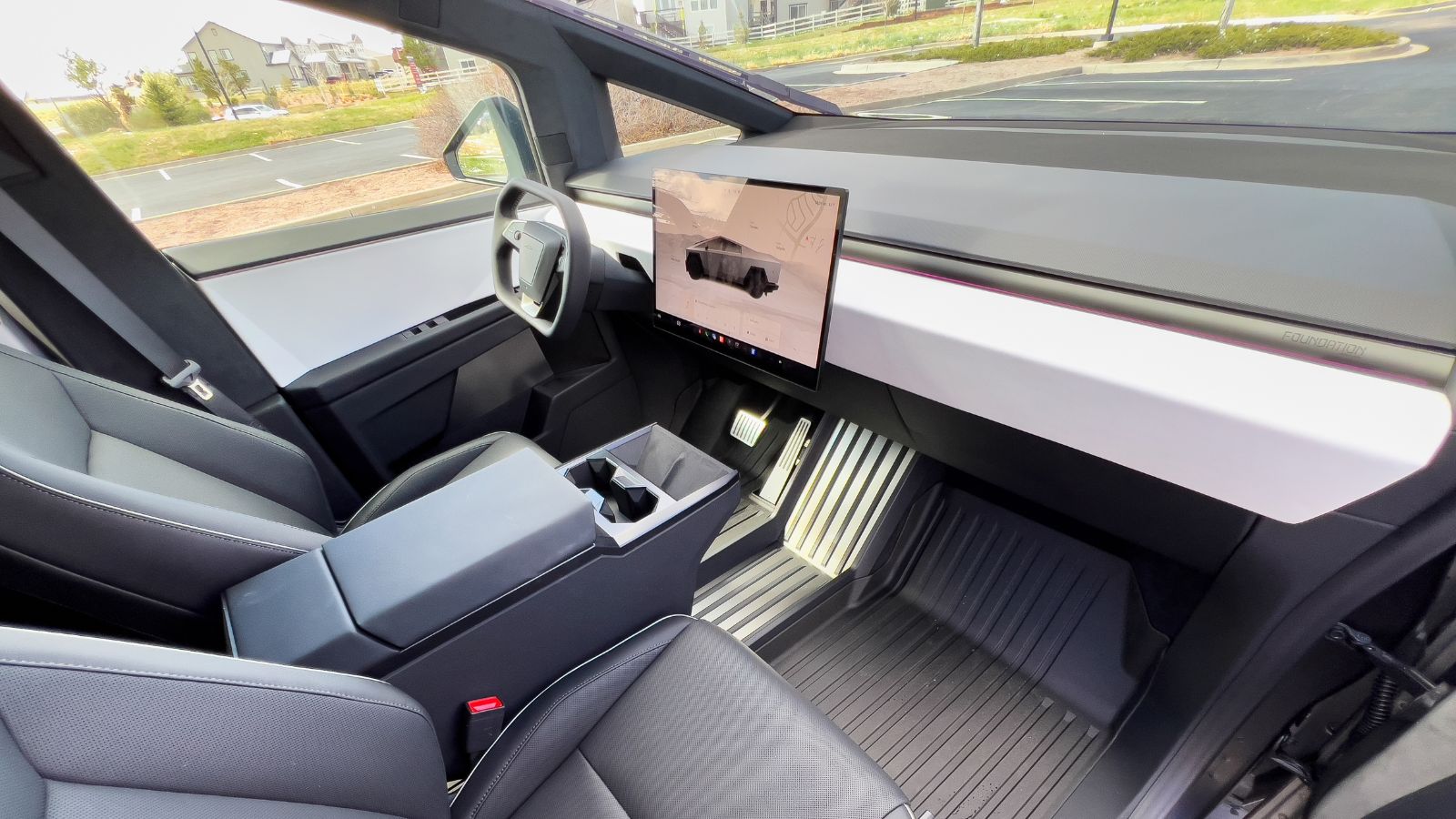
Head up displays should be the perfect answer to modern driving. Less distraction, fewer glances away from the road and smoother navigation. Yet automakers continue to prioritize features that look impressive during a dealership walk around rather than those that improve real world safety. As long as screens dominate dashboards and HUDs remain niche extras, drivers will keep juggling information instead of keeping their focus forward.
25 Facts About Car Loans That Most Drivers Don’t Realize

Car loans are one of the most common ways people fund car purchases. Like any other kind of loan, car loans can have certain features that can be regarded as an advantage or a disadvantage to the borrower. Understanding all essential facts about car loans and how they work to ensure that you get the best deal for your financial situation is essential. Here are 25 shocking facts about car loans that most drivers don’t realize:
25 Facts About Car Loans That Most Drivers Don’t Realize
