
Fuel prices rarely stay stable for long, especially during the summer months when travel demand rises. Add global tensions, refinery slowdowns, or supply disruptions and gasoline prices can climb quickly. Canadian drivers have experienced these sudden spikes before, often just as road trip season begins. While no one can control global oil markets, understanding how price surges affect driving costs can help motorists prepare and adjust.
Summer Demand Always Pushes Fuel Prices

Every summer fuel demand increases as people travel more for holidays, road trips, and recreation. Refineries also shift production toward summer fuel blends designed to reduce emissions. These blends are often more expensive to produce, which can contribute to seasonal price increases.
When higher demand combines with geopolitical tensions or supply disruptions, the result can be sharp jumps in pump prices.
Oil Prices Do Not Move in Isolation
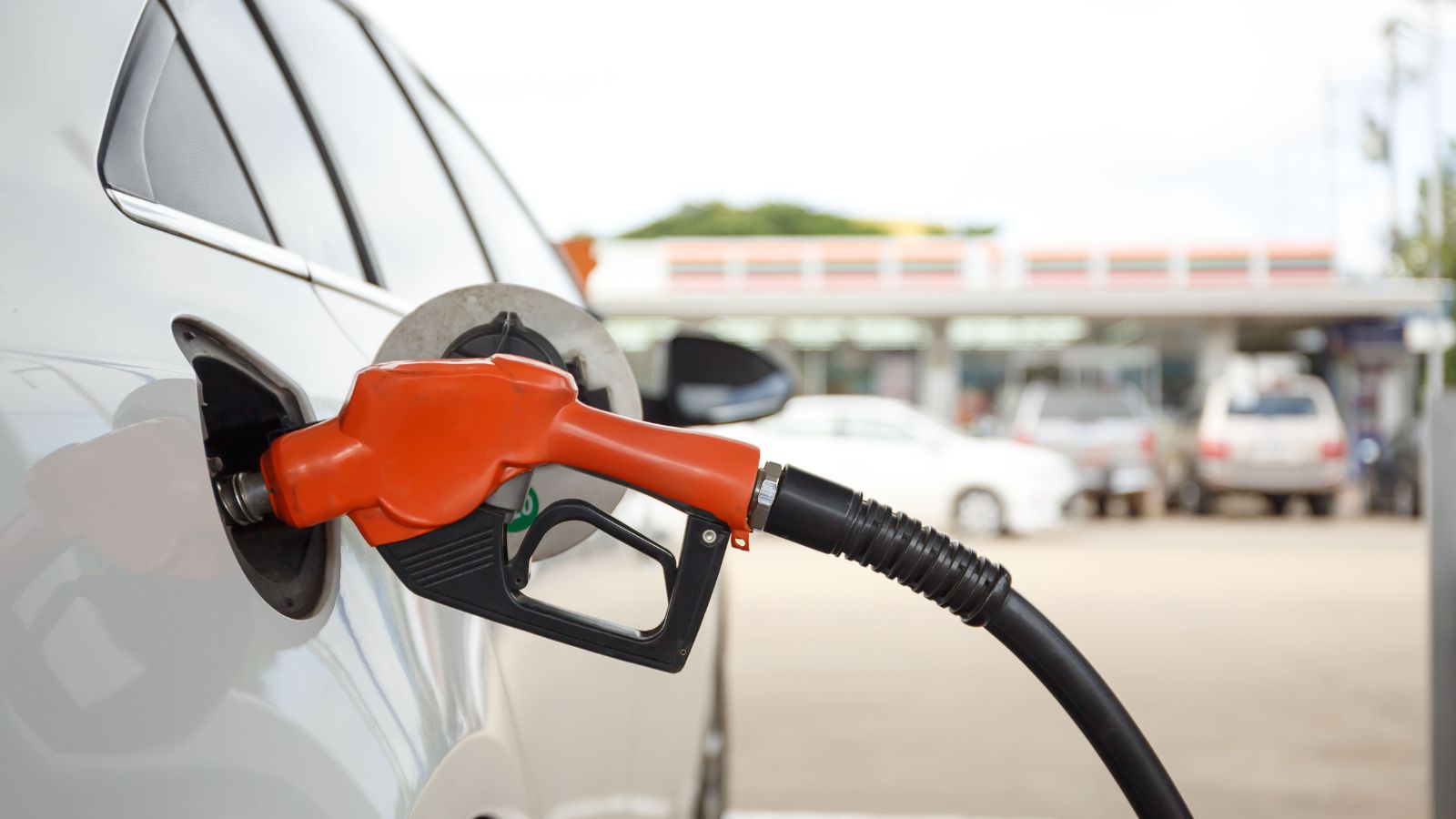
Crude oil prices influence gasoline costs, but they are not the only factor. Transportation costs, refining capacity, and regional taxes all affect what drivers pay at the pump.
Even if oil prices rise moderately, shortages at refineries or disruptions in shipping can push gasoline prices higher than expected.
Fuel Costs Affect More Than Just the Pump
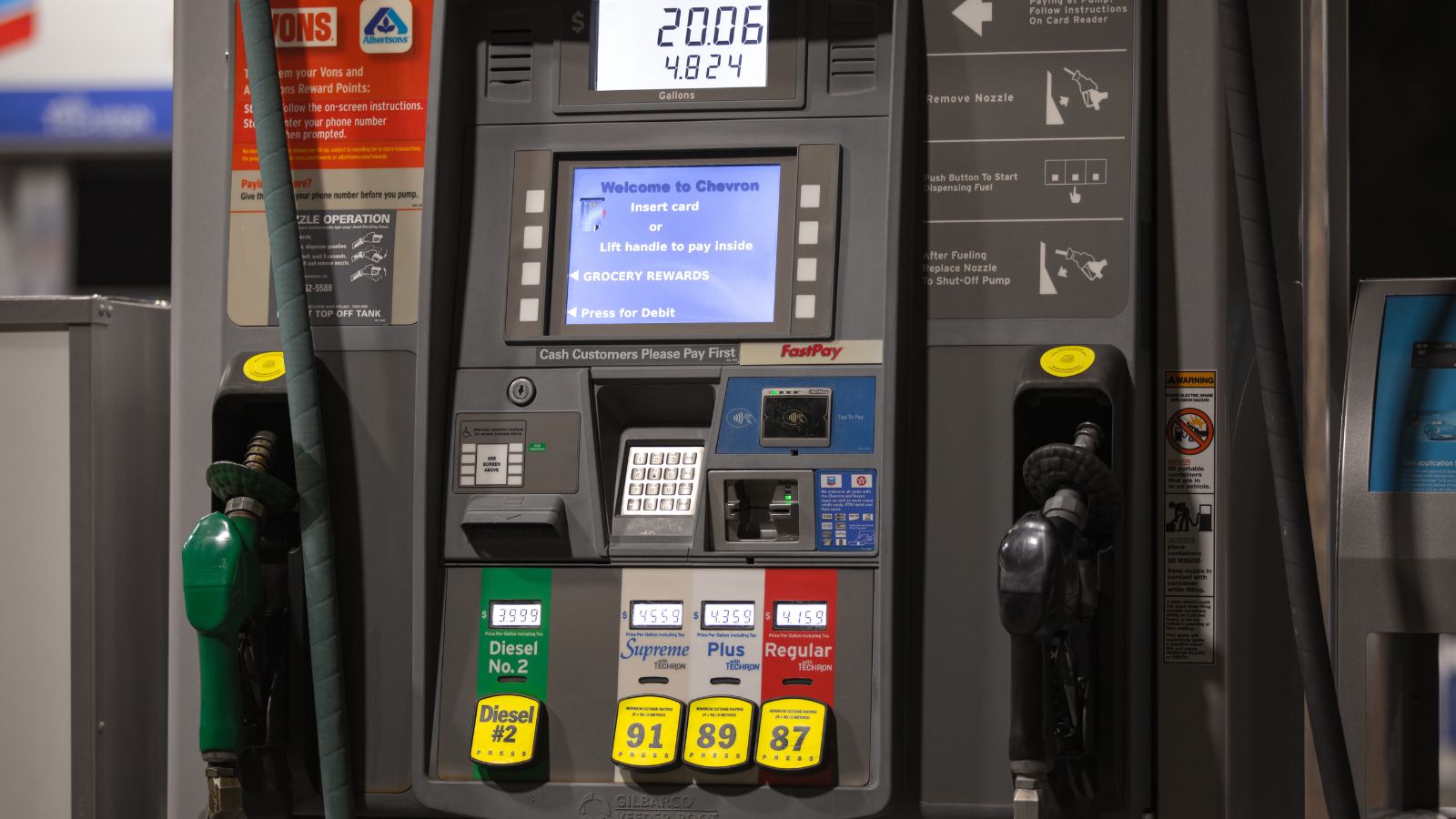
When gasoline prices climb, the financial impact spreads beyond personal vehicles. Transportation companies face higher fuel expenses for moving goods across the country.
These increased costs can influence the price of everyday items such as groceries and household products, meaning drivers may feel the effects of rising oil prices in multiple areas of their budget.
Driving Habits Matter More Than Ever

When fuel prices rise, small changes in driving behavior can make a noticeable difference. Smooth acceleration, maintaining steady highway speeds, and avoiding unnecessary idling can reduce fuel consumption.
Drivers who regularly practice efficient driving habits often see better fuel economy without making major lifestyle changes.
Vehicle Maintenance Plays a Role
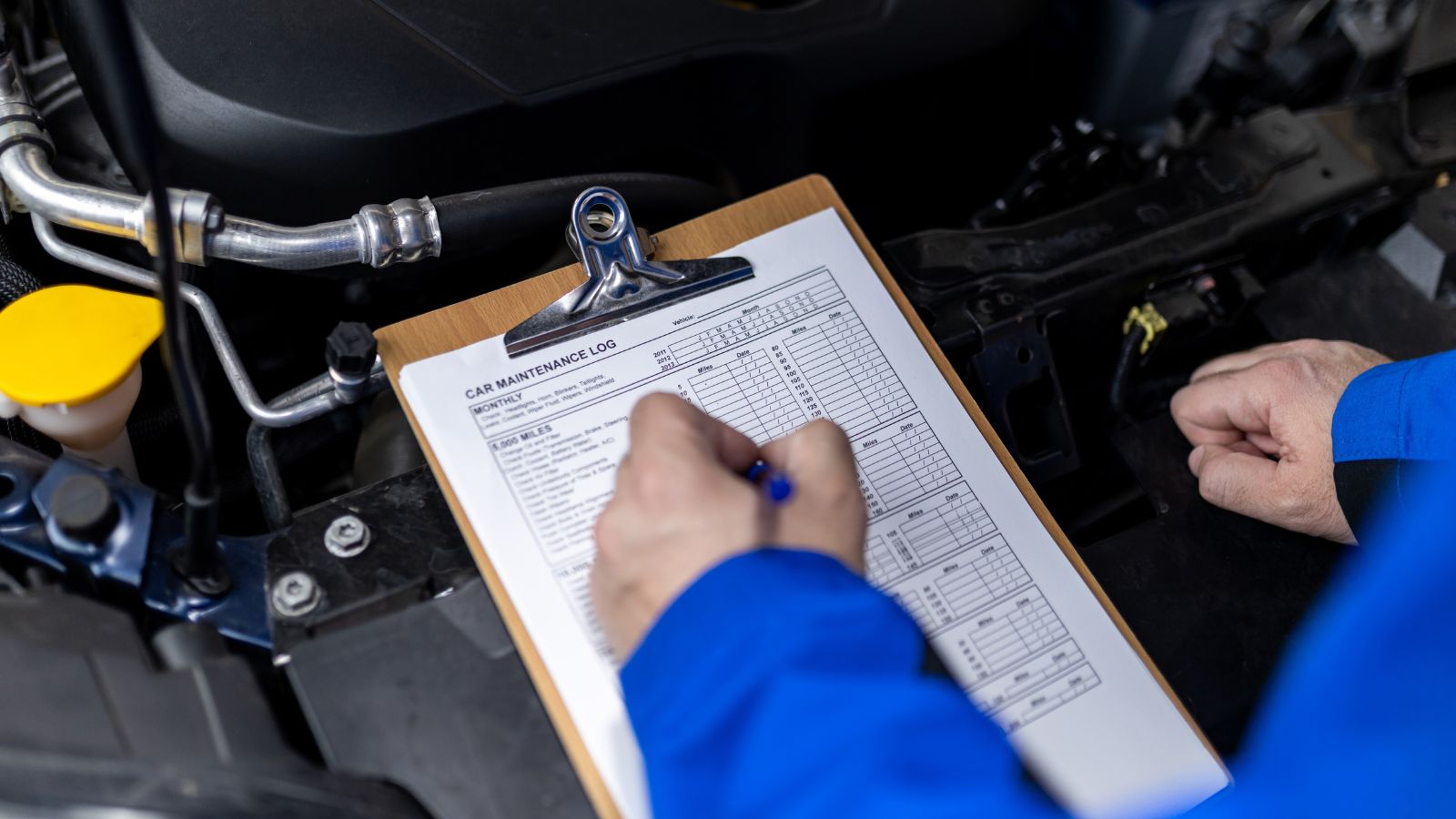
A well maintained vehicle operates more efficiently. Proper tire pressure, clean air filters, and regular engine servicing can all improve fuel efficiency.
Even small improvements in efficiency can add up over time when fuel prices are elevated.
Vehicle Choice Influences Fuel Costs
Drivers who own large SUVs or pickup trucks typically feel fuel price spikes more than those driving smaller cars. Vehicles with larger engines naturally consume more fuel.
For buyers considering a new vehicle, fuel efficiency may become a more important factor if oil prices remain volatile.
Hybrids and EVs Become More Attractive

Periods of high gasoline prices often increase interest in hybrid and electric vehicles. These vehicles can significantly reduce or eliminate fuel expenses for daily commuting.
However, the upfront cost of alternative powertrains still requires careful consideration for many buyers.
Road Trip Planning Becomes Important

During periods of high fuel prices, planning travel routes and refueling stops can help control expenses. Some drivers use fuel price comparison apps to locate lower priced stations along their routes.
Strategic planning can reduce the overall cost of longer journeys.
Government Policies Can Influence Prices
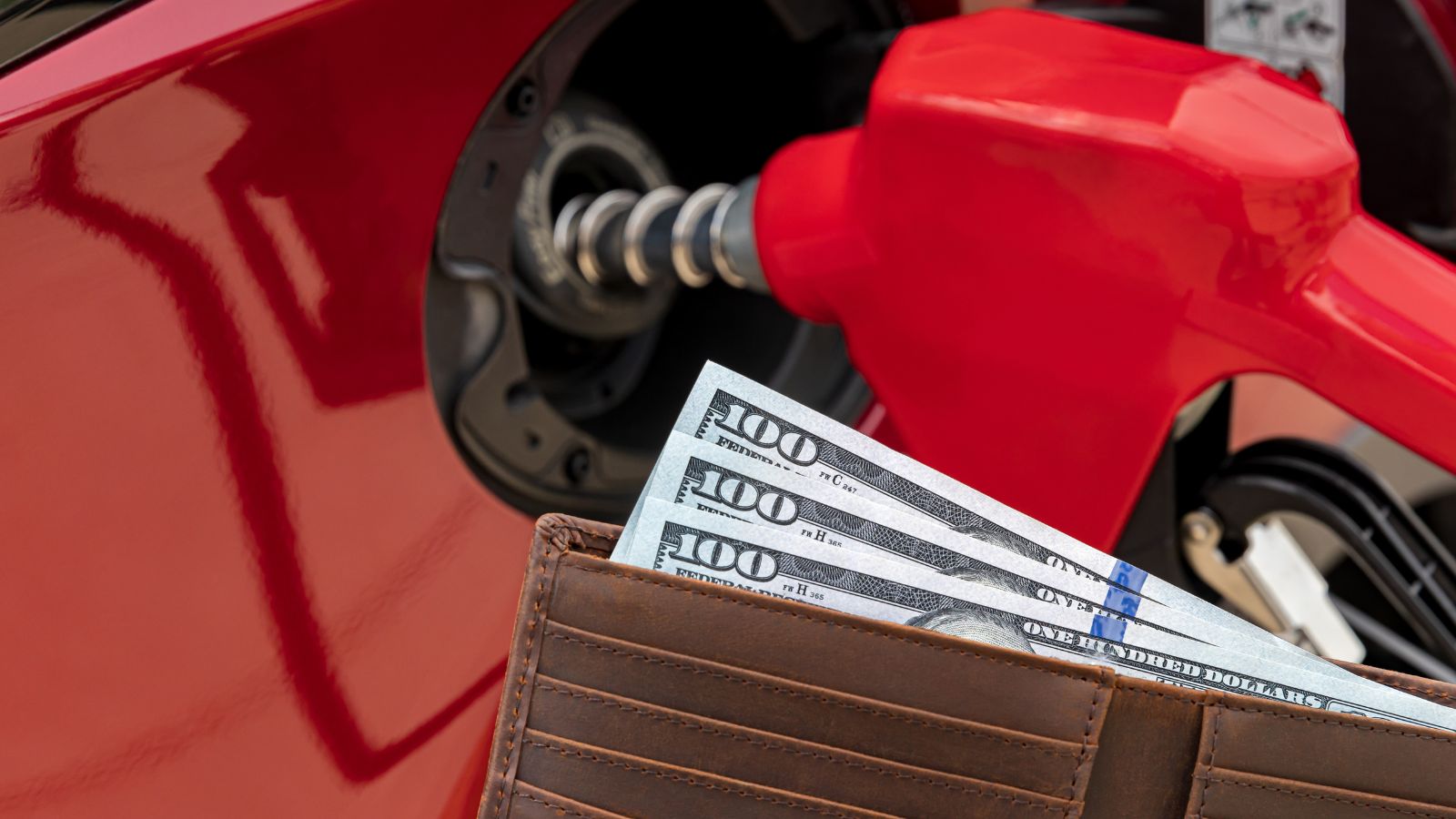
Fuel taxes and environmental policies also influence pump prices. While global oil markets set the base cost, local policies can add or reduce the total price drivers see.
These factors vary by province, meaning drivers in different parts of Canada may experience different fuel price levels.
Price Spikes Are Often Temporary

Oil markets are known for volatility. Prices may surge quickly due to global events but can also fall when supply increases or tensions ease.
For drivers, the key is understanding that fuel price spikes are often cyclical. Preparing for them through efficient driving habits and smart vehicle choices can help soften the financial impact.
When oil prices surge, the effects ripple across the entire economy. While drivers cannot control global markets, they can control how they respond. Staying informed, maintaining vehicles properly, and adjusting driving habits can make a noticeable difference when fuel costs climb.
25 Facts About Car Loans That Most Drivers Don’t Realize

Car loans are one of the most common ways people fund car purchases. Like any other kind of loan, car loans can have certain features that can be regarded as an advantage or a disadvantage to the borrower. Understanding all essential facts about car loans and how they work to ensure that you get the best deal for your financial situation is essential. Here are 25 shocking facts about car loans that most drivers don’t realize:
25 Facts About Car Loans That Most Drivers Don’t Realize
