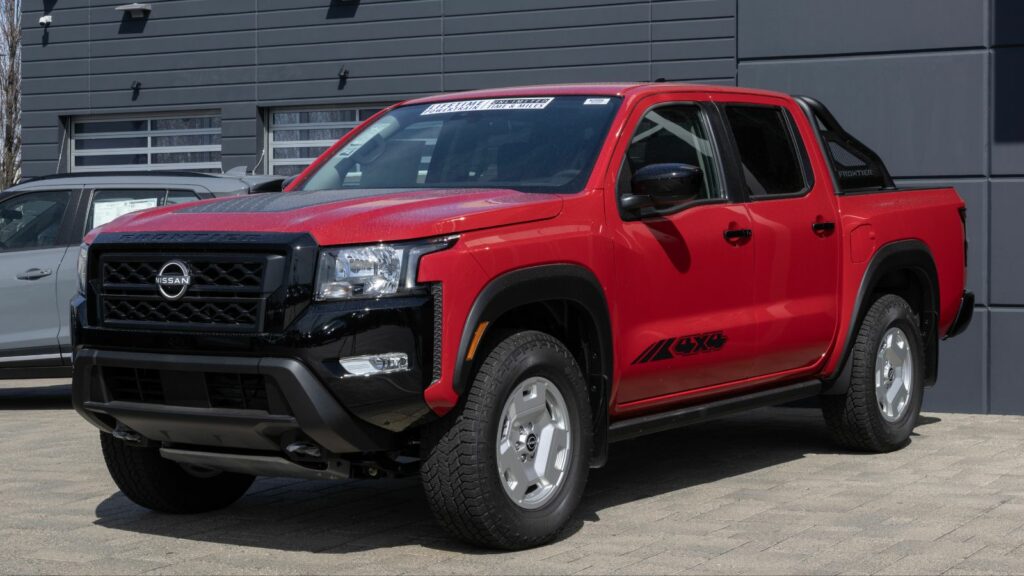
Pickup trucks are a defining part of the Canadian automotive landscape. From construction sites and farms to suburban driveways, trucks are everywhere. Their versatility, towing capability, and winter confidence make them a natural choice for many drivers. But when fuel prices surge, pickup owners often feel the impact more than drivers of smaller vehicles. As oil markets remain volatile, the question becomes increasingly relevant. Are Canadian truck owners more exposed to fuel price shocks?
Pickups Are Built for Capability
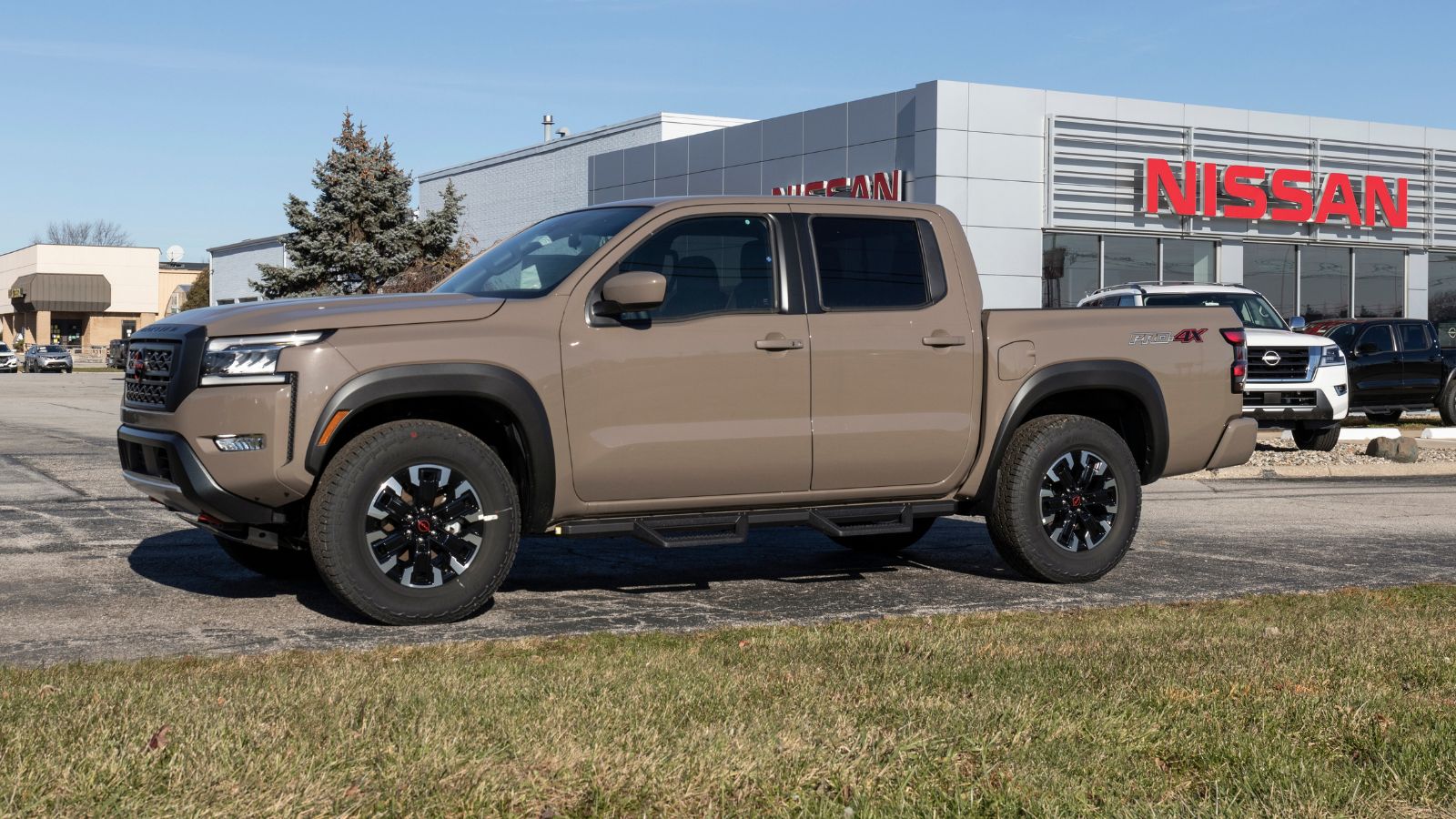
The strength of a pickup truck lies in its capability. Large engines, heavy duty frames, and towing capacity allow trucks to haul equipment, trailers, and building materials. These capabilities come with a trade off. Bigger engines and heavier vehicles generally consume more fuel than compact cars or crossovers.
When gasoline or diesel prices climb quickly, trucks naturally require more fuel to travel the same distance, which increases operating costs.
Larger Engines Mean Higher Consumption
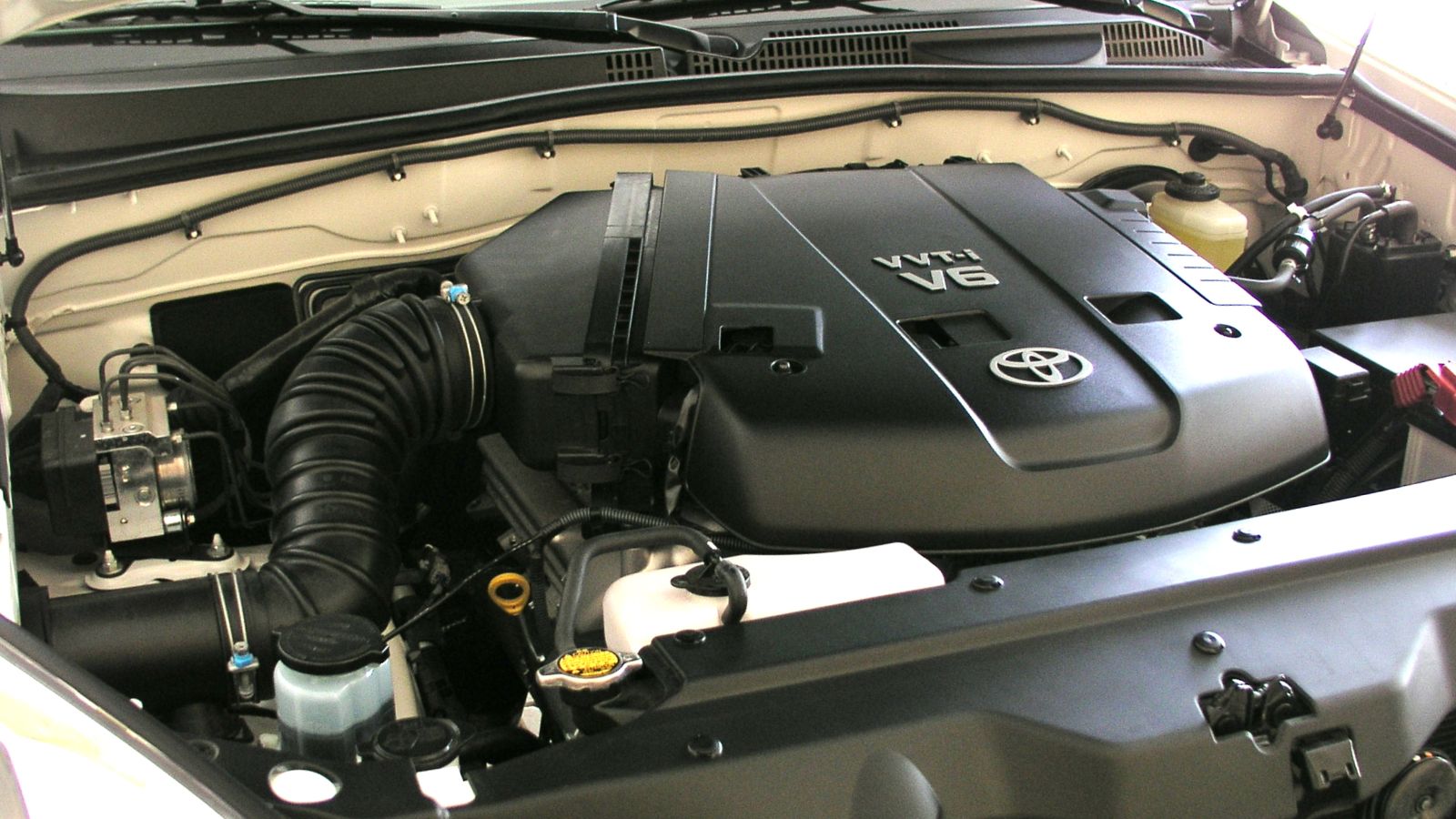
Many popular Canadian trucks are powered by V6 or V8 engines designed to deliver strong torque for towing and hauling. Engines such as 5.3 litre or 6.2 litre V8s found in many full size pickups provide excellent performance, but they also burn more fuel than smaller engines.
Even modern turbocharged engines designed to improve efficiency still consume significantly more fuel than smaller passenger cars.
Long Driving Distances Add Up

Canada’s geography plays a role as well. Many Canadians travel long distances for work, recreation, or daily commuting. Rural and northern regions in particular often require extended driving between towns.
When a truck covering these distances experiences rising fuel costs, the monthly expense can increase noticeably.
Diesel Trucks Face Their Own Risks
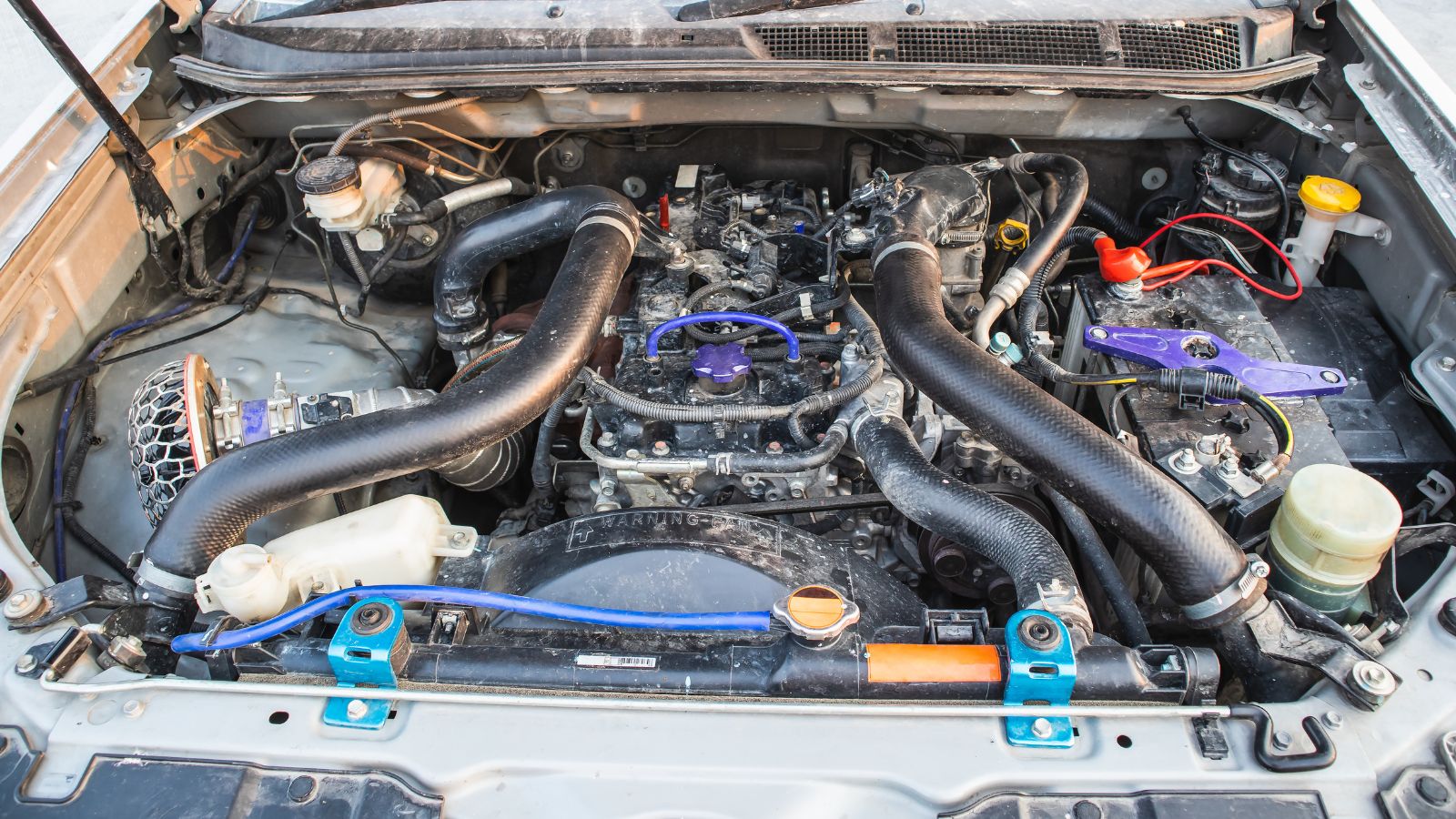
Some pickup owners choose diesel engines for their towing power and fuel efficiency. While diesel trucks can offer better mileage under heavy loads, diesel fuel prices can also rise sharply during global energy disruptions.
Because diesel is heavily used in transportation and industry, price increases can occur quickly when supply tightens.
Fuel Price Volatility Hits Work Trucks Hard

Many Canadian pickup owners rely on their trucks for work. Contractors, farmers, and small business owners depend on their vehicles daily.
When fuel prices spike, the increased cost affects business operations directly. Some companies may pass these costs on to customers, while others absorb the expense.
New Truck Technology Is Improving Efficiency

Modern pickup trucks have become significantly more efficient than earlier generations. Automakers now use turbocharged engines, cylinder deactivation systems, and improved transmissions to reduce fuel consumption.
Hybrid pickup trucks have also entered the market, offering improved fuel economy while maintaining towing capability.
Smaller Trucks Are Gaining Interest
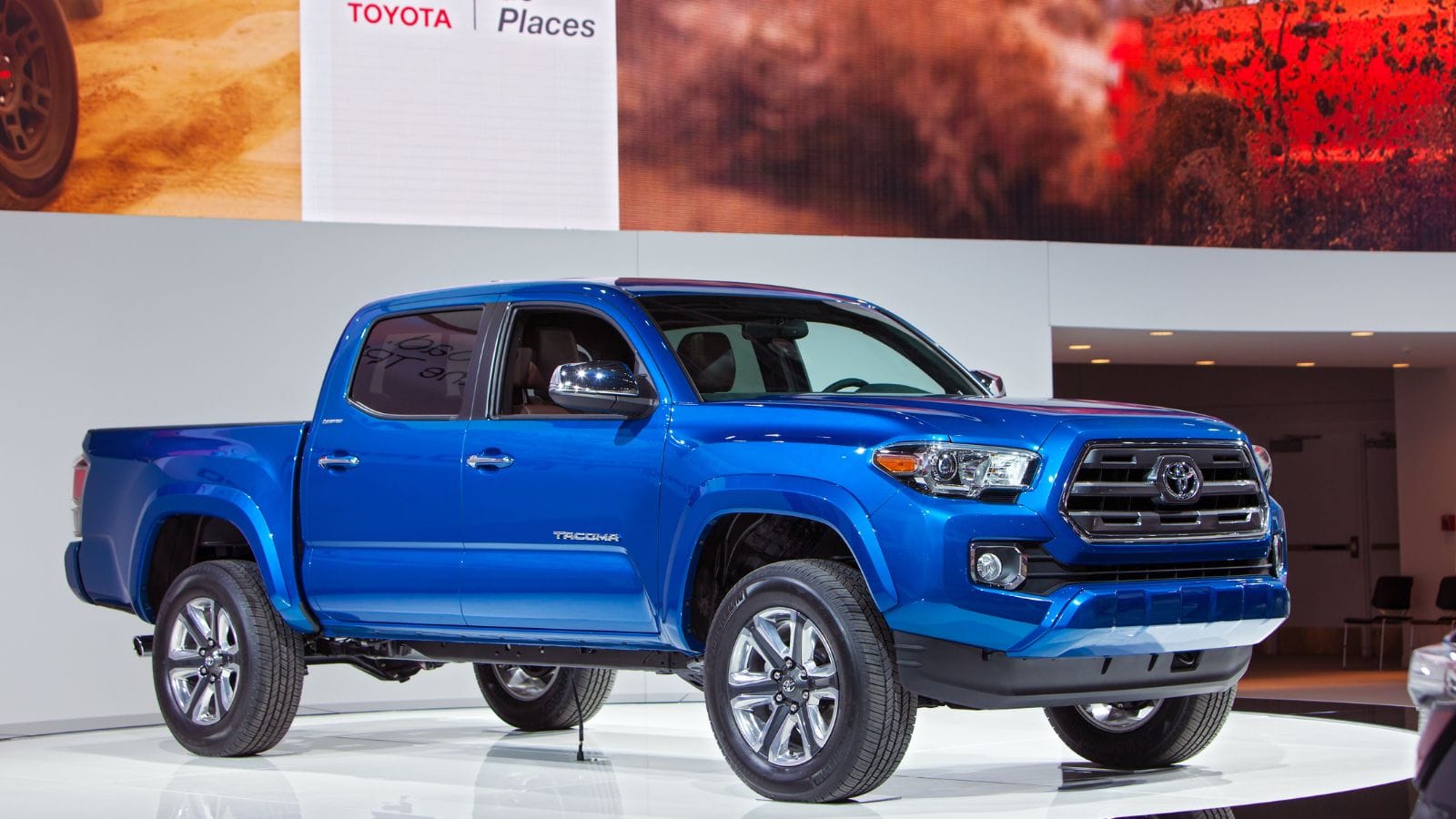
Some drivers are moving toward midsize pickups such as the Toyota Tacoma, Ford Ranger, or Chevrolet Colorado. These trucks still offer useful capability while consuming less fuel than full size models.
For drivers concerned about fuel price volatility, midsize trucks can offer a compromise between utility and efficiency.
Electric Trucks Could Change the Equation

Electric pickup trucks are beginning to appear on the market. Vehicles such as the Ford F150 Lightning and other upcoming models eliminate gasoline entirely.
However, high purchase prices and charging infrastructure limitations mean widespread adoption may take time.
Fuel Efficiency Is Becoming a Bigger Factor

Historically, many truck buyers prioritized power and capability over fuel economy. As fuel prices fluctuate more frequently, efficiency is becoming a more important part of the buying decision.
Drivers who use their trucks mainly for commuting may begin to reconsider whether a full size pickup is necessary.
The Reality for Truck Owners
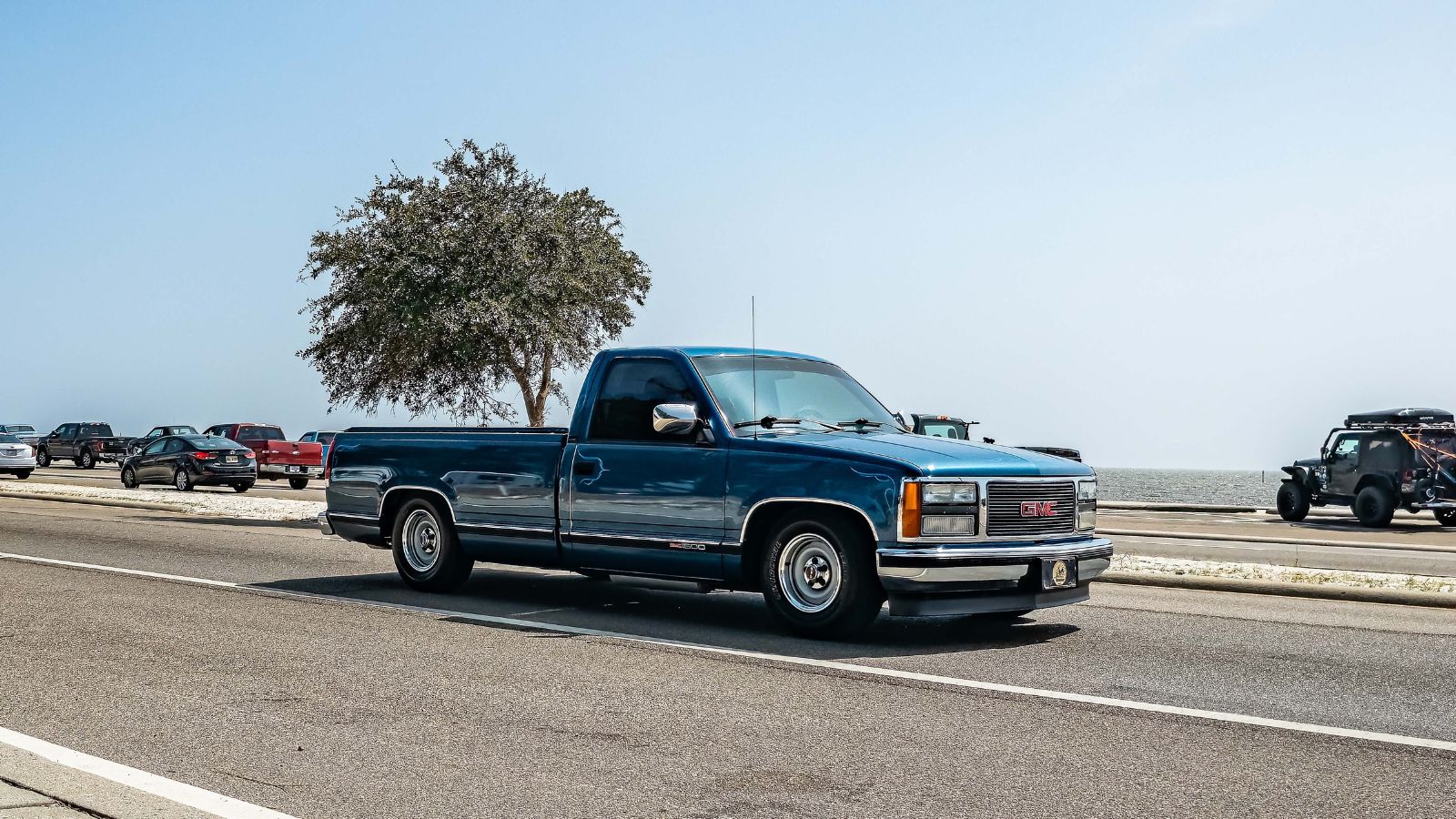
Pickup trucks remain one of the most practical and versatile vehicles available in Canada. They perform tasks that smaller vehicles simply cannot handle. However, their larger engines and heavier construction make them more sensitive to rising fuel costs.
For Canadian pickup owners, fuel price shocks are not new. But as global energy markets remain unpredictable, managing fuel consumption may become an increasingly important part of owning one of Canada’s most popular vehicle types.
25 Facts About Car Loans That Most Drivers Don’t Realize

Car loans are one of the most common ways people fund car purchases. Like any other kind of loan, car loans can have certain features that can be regarded as an advantage or a disadvantage to the borrower. Understanding all essential facts about car loans and how they work to ensure that you get the best deal for your financial situation is essential. Here are 25 shocking facts about car loans that most drivers don’t realize:
25 Facts About Car Loans That Most Drivers Don’t Realize
