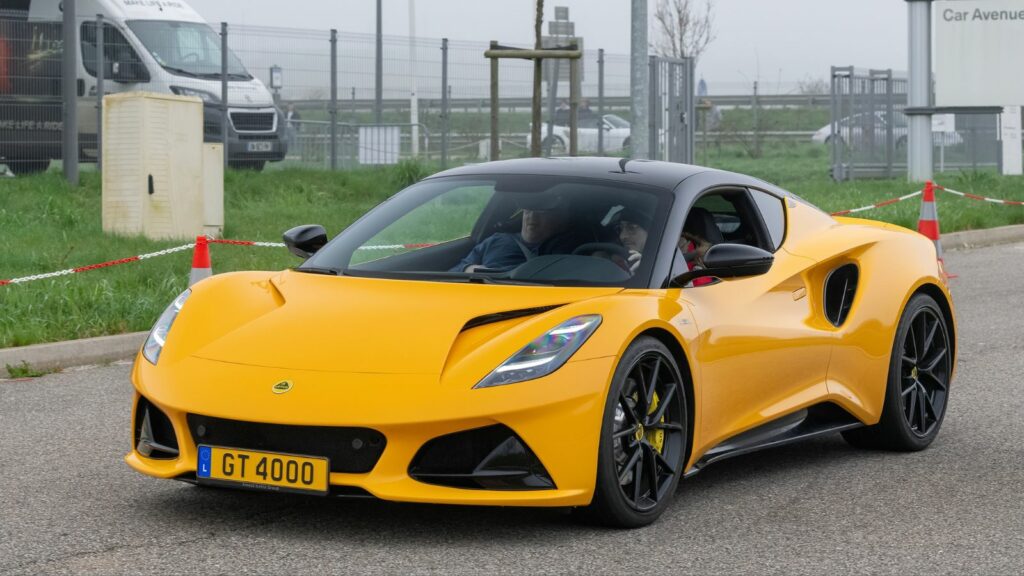
Lotus has always done things differently. While rivals chased horsepower wars and luxury gimmicks, the tiny British manufacturer focused on one thing above all else: lightweight handling perfection. Colin Chapman’s famous philosophy of “simplify, then add lightness” shaped some of the greatest driver’s cars ever built. From tiny featherweight roadsters to turbocharged monsters that terrified supercars, Lotus repeatedly proved that precision and balance mattered more than brute force.
Lotus Elise Series 1
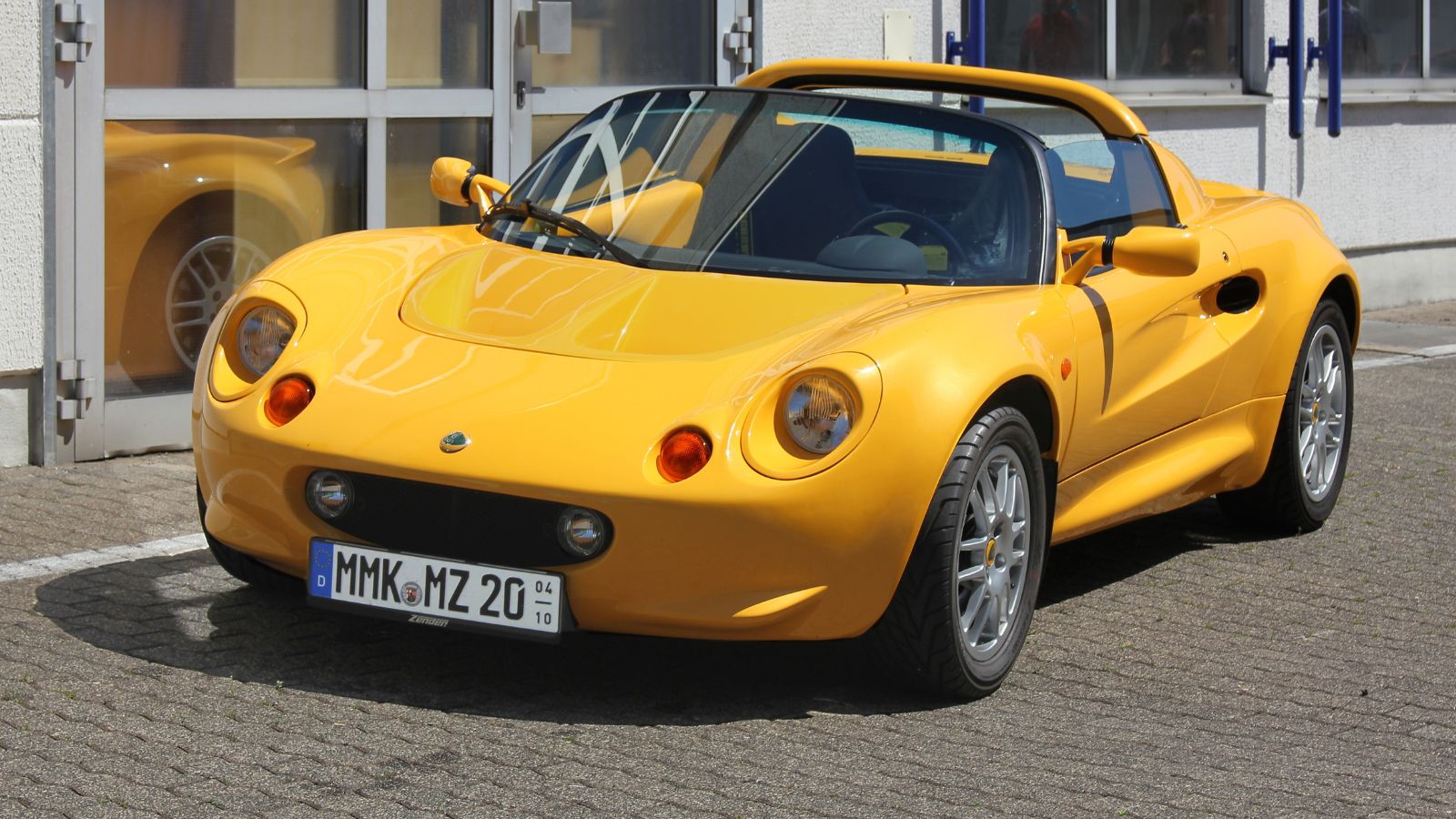
The original Lotus Elise completely reset expectations for affordable sports cars when it launched in 1996. At a time when many sports cars were becoming heavier and softer, the Elise arrived weighing barely over 700 kilograms. The bonded aluminum chassis was revolutionary for the era, while the tiny Rover sourced engine delivered enough power to make the car feel alive without overwhelming the chassis.
The magic came from the steering and chassis balance. The Elise communicated every inch of road surface directly into your fingertips. It was playful, delicate, and incredibly alive at sane road speeds. Even modern sports cars often struggle to replicate the purity of the original Elise experience. It remains one of the greatest handling cars ever made regardless of price.
Lotus Esprit V8

The Lotus Esprit may have started life in the 1970s, but the later V8 models transformed it into a proper supercar. Styled by Giorgetto Giugiaro with unmistakable wedge shaped aggression, the Esprit always looked exotic. By the mid 1990s Lotus finally gave it the engine it deserved with a twin turbocharged 3.5 liter V8 producing up to 350 horsepower.
The Esprit V8 was properly fast for its day and could genuinely trouble Ferraris and Porsches on the right road. More importantly, it still retained Lotus handling DNA. The steering was beautifully sharp, the chassis remained composed, and the lightweight construction gave it an agility many rivals lacked. It also became one of Britain’s most iconic supercars thanks to its appearances in James Bond films.
Lotus Exige S
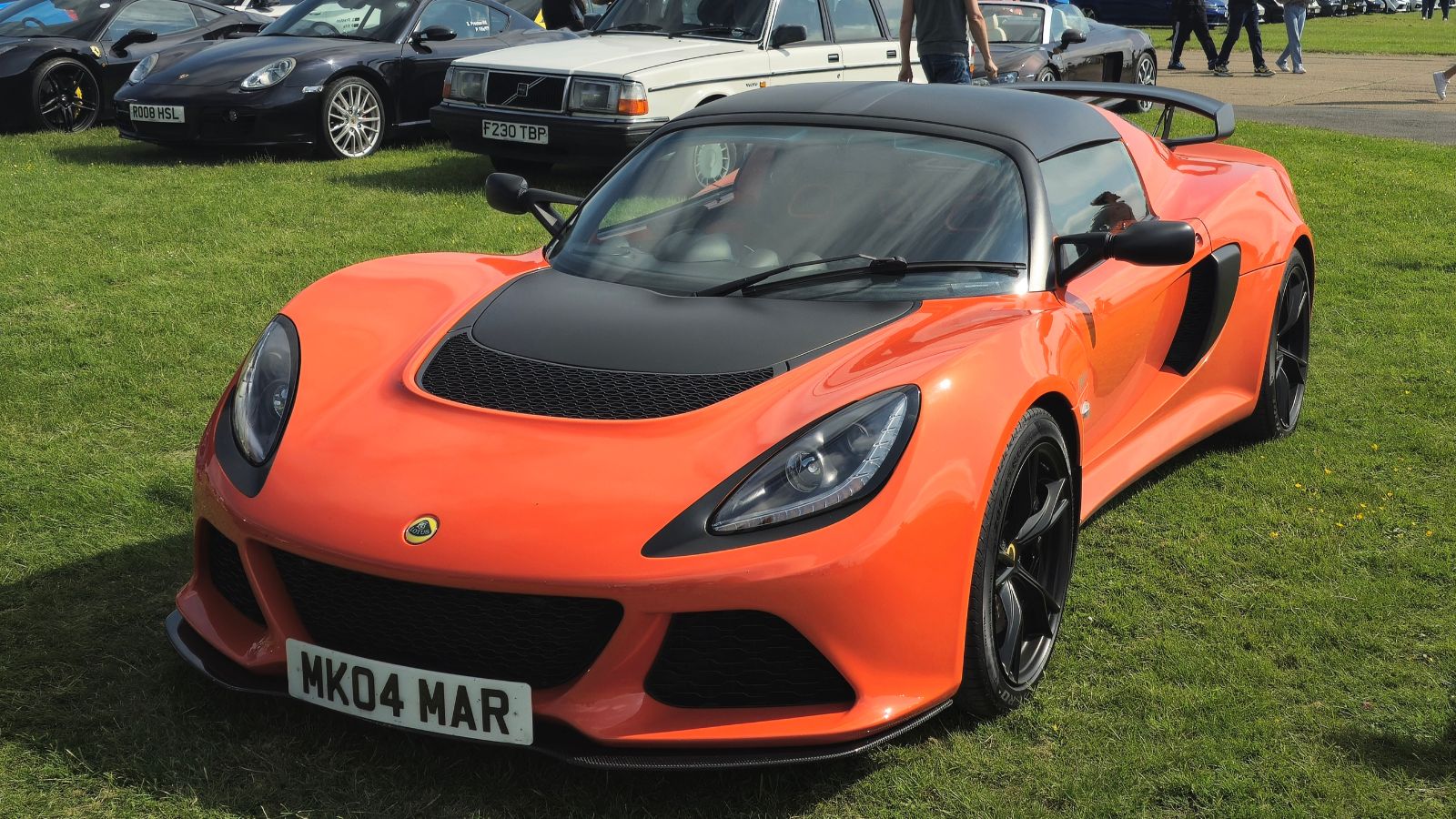
If the Elise was a lightweight roadster masterpiece, the Exige was its aggressive track focused sibling. Lotus essentially took the Elise formula and added more grip, more aero, and more power. The supercharged Toyota sourced engines gave the Exige serious performance while retaining the tiny dimensions and directness enthusiasts loved.
The Exige S became legendary among track day drivers because it delivered incredible lap times without needing massive horsepower. The car rewarded skill and precision rather than relying on electronics to save the driver. Even today, few modern sports cars feel as connected and mechanical as an Exige attacking a twisting road or circuit. It was raw, uncompromising, and wonderfully addictive.
Lotus Europa Twin Cam
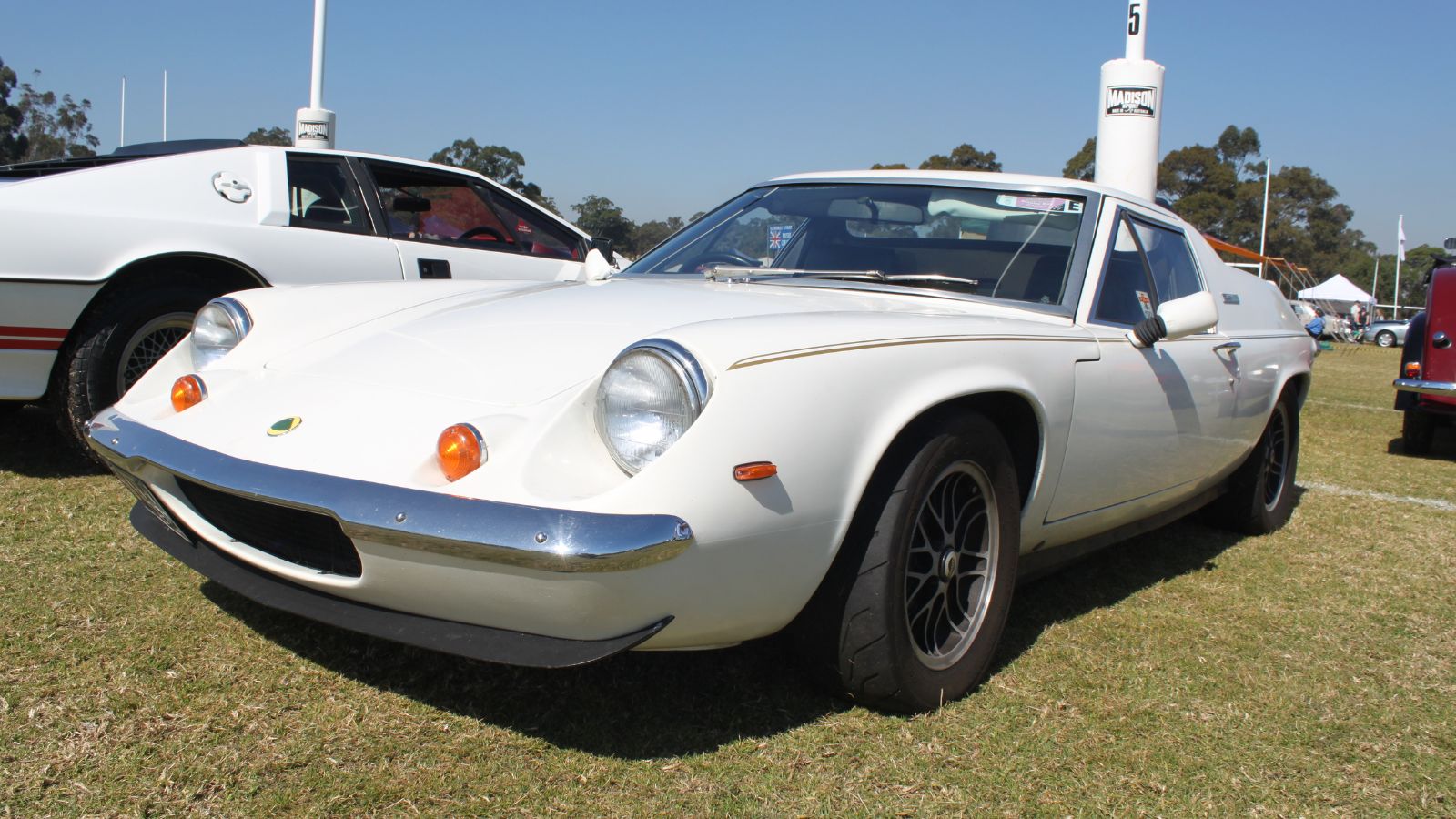
The Lotus Europa often gets overshadowed by later models, but it played a huge role in Lotus history. Introduced in the 1960s, the Europa brought mid engine handling to ordinary enthusiasts long before it became common. At the time, putting the engine behind the driver was exotic race car technology.
The Europa Twin Cam added more performance to the lightweight platform and transformed the car into one of the sharpest handling machines of its era. It looked strange even by 1960s standards, but behind the wheel the odd styling suddenly made perfect sense. The low weight and incredible balance gave the car a nimbleness that embarrassed much more powerful rivals.
Lotus Carlton
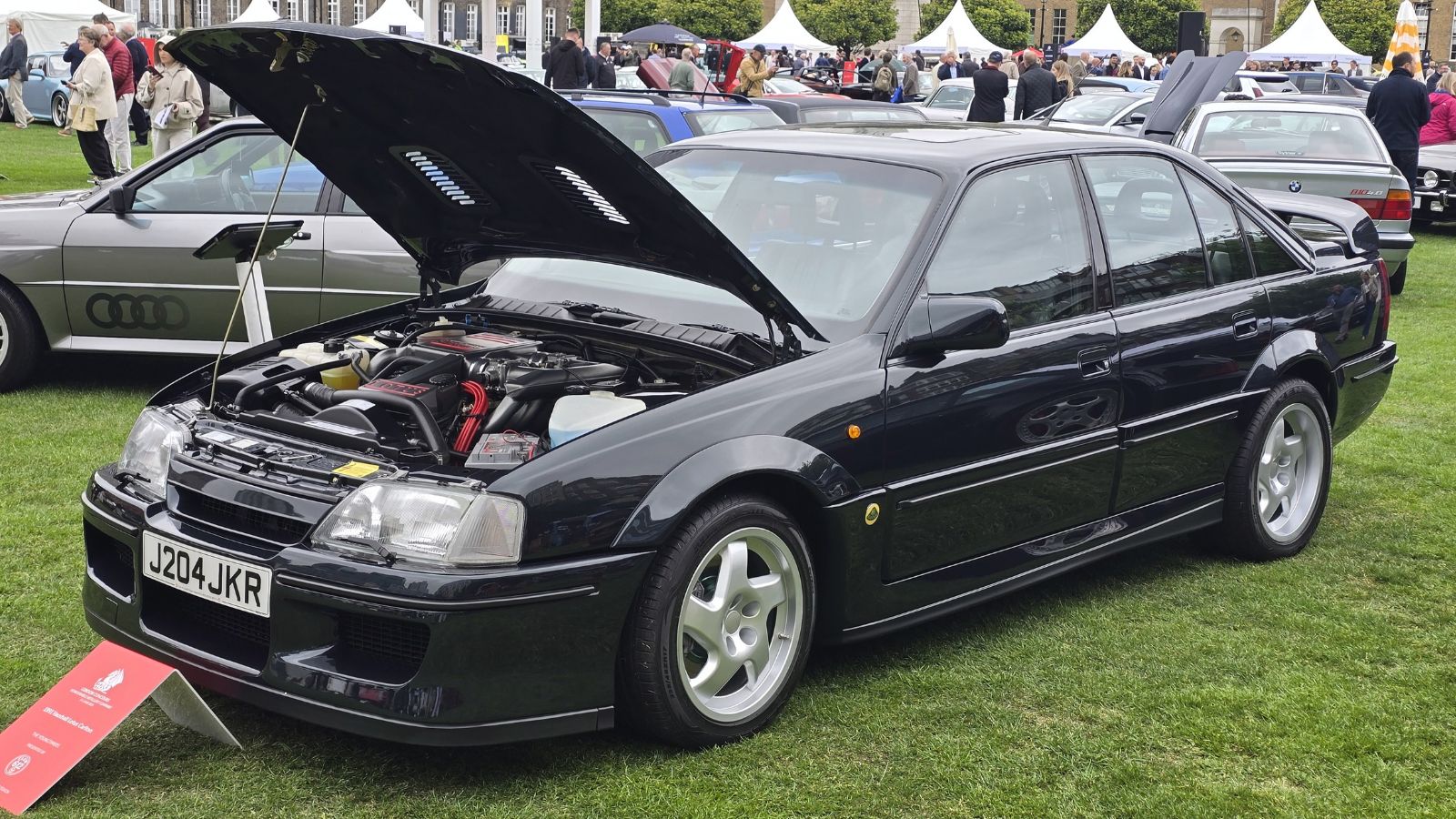
The Lotus Carlton remains one of the maddest sedans ever built. In the early 1990s, Lotus took the humble Opel Omega and transformed it into a 176 mph autobahn missile. The result shocked governments, terrified police forces, and embarrassed contemporary supercars.
Its twin turbocharged straight six produced around 377 horsepower, enormous output for the era, while the chassis upgrades turned the big sedan into a surprisingly capable performance machine. The Lotus Carlton was controversial because it was simply too fast for many people’s comfort. Britain even debated banning it entirely. Today it is remembered as one of the greatest sleeper performance cars ever produced.
Lotus Evora GT
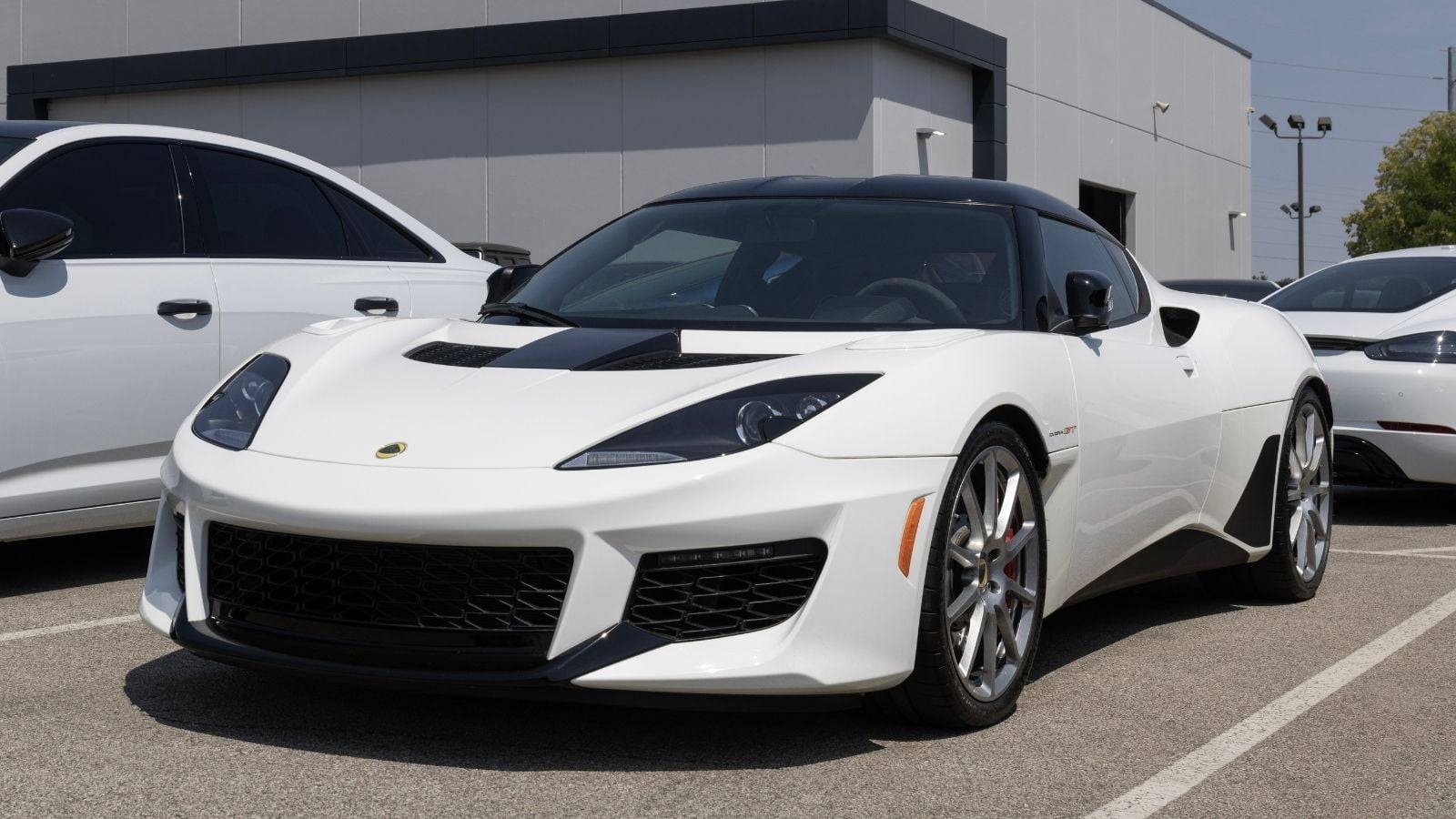
The Evora proved Lotus could build a more mature sports car without losing its soul. Earlier Lotus models were often noisy, cramped, and demanding, but the Evora introduced genuine long distance comfort while maintaining brilliant handling characteristics.
Powered by Toyota sourced V6 engines, especially in later supercharged GT form, the Evora offered serious performance combined with excellent reliability. What impressed most was how beautifully balanced it felt. The steering remained exceptional, the chassis flowed naturally through corners, and the car felt genuinely usable every day. Many enthusiasts consider it one of the most underrated sports cars of the modern era.
Lotus Seven
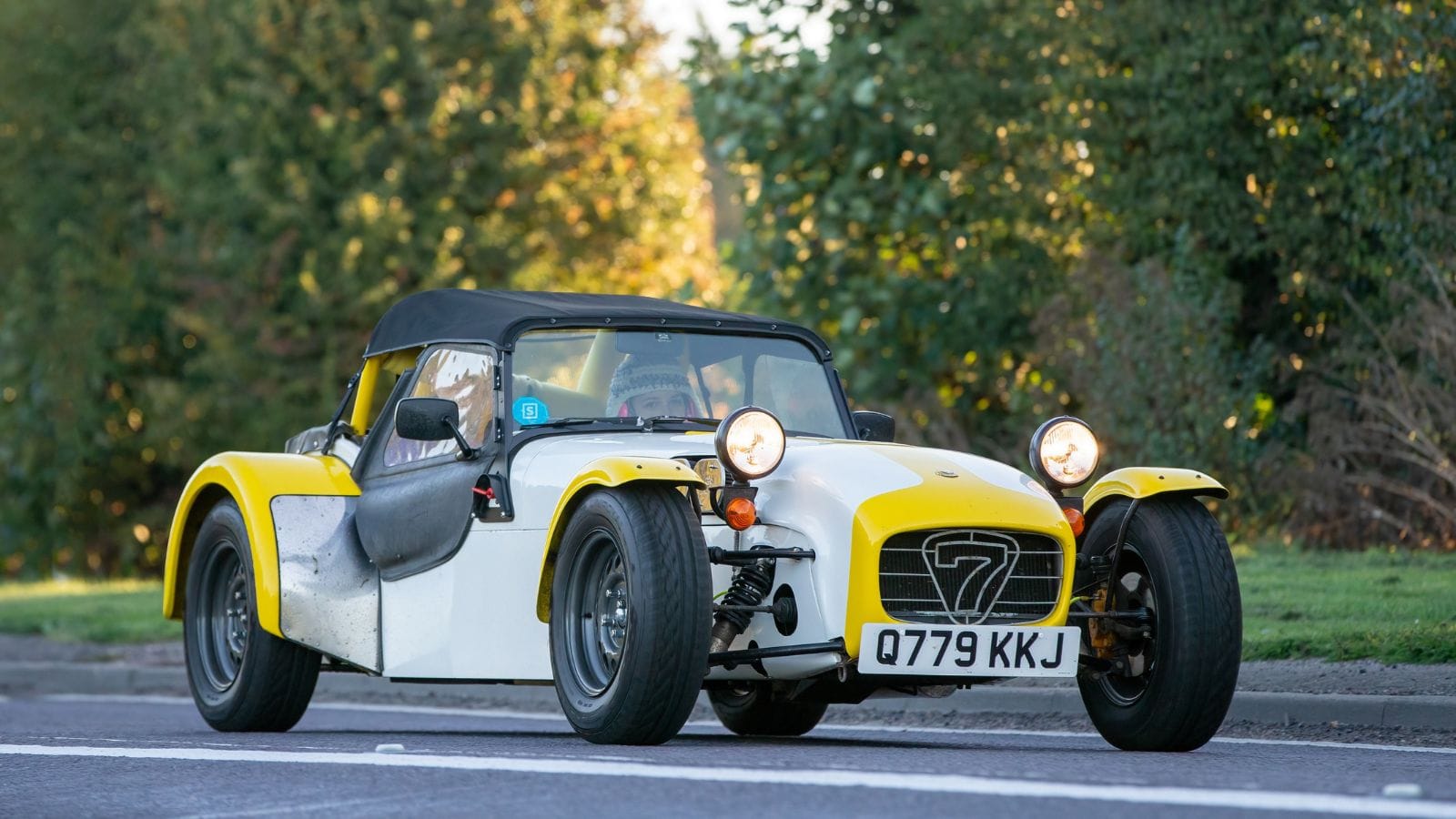
The Lotus Seven was simplicity taken to extremes. Introduced in 1957, the tiny open wheel sports car stripped driving down to its absolute essentials. There were no luxuries, very little bodywork, and barely any weight. What remained was pure driving entertainment.
The Seven became famous for its extraordinary agility and remains influential decades later thanks to Caterham continuing the design. The formula still works because it perfectly demonstrates Chapman’s lightweight philosophy. Tiny engines suddenly felt exciting when installed in a car weighing little more than a motorcycle. The Seven remains one of the purest driver’s cars ever created.
Lotus Emira
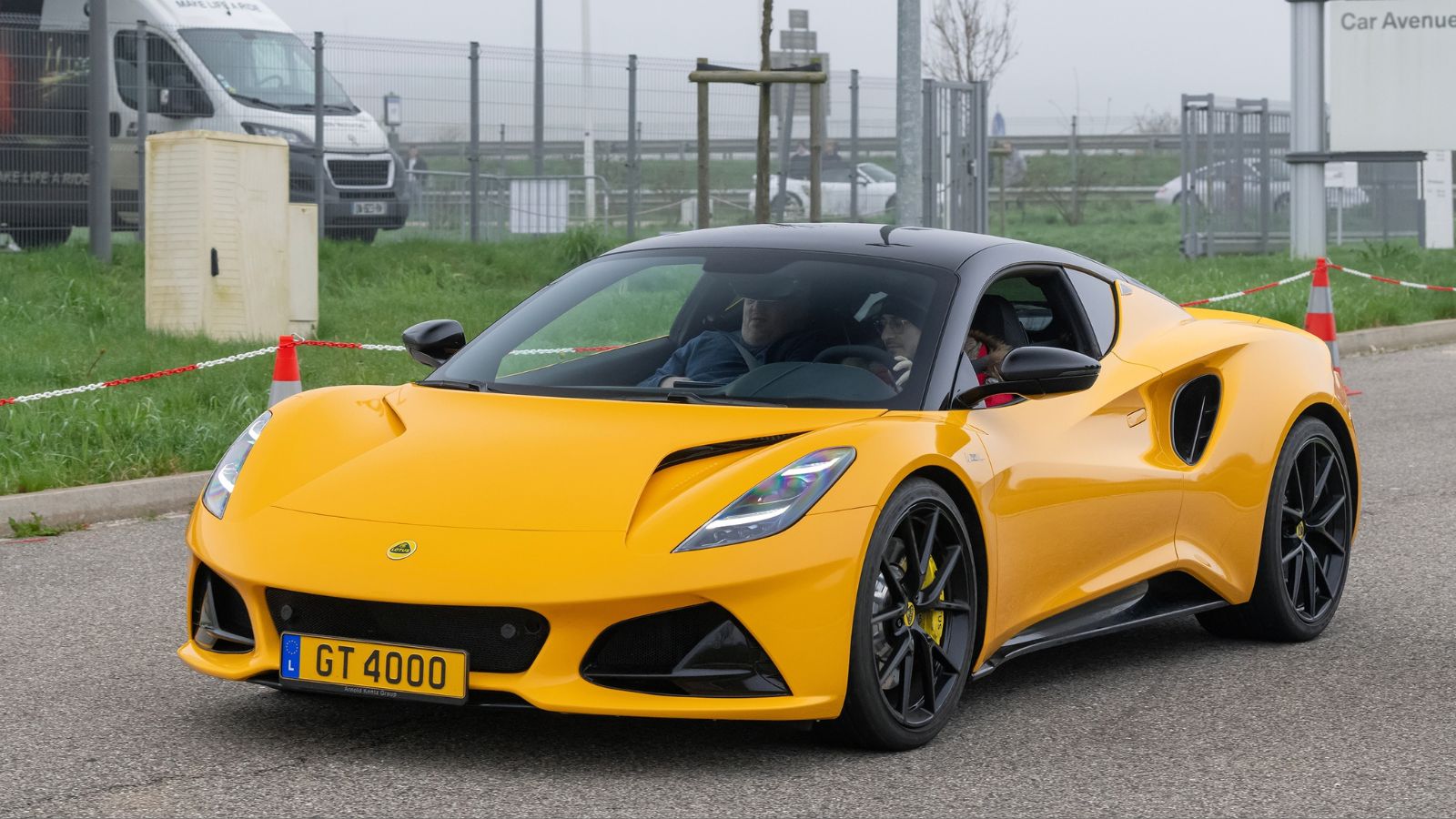
The Emira represents the end of an era for Lotus. It is the company’s final petrol powered sports car before the transition toward electrification, and thankfully Lotus made sure to finish strong. The Emira combines gorgeous styling with proper sports car proportions and far higher build quality than many older Lotus models.
Available with either a supercharged V6 or turbocharged AMG four cylinder engine, the Emira finally gave Lotus a cabin and refinement level capable of competing with Porsche while retaining sharp handling. Most importantly, it still feels like a Lotus from behind the wheel. The steering remains beautifully alive, the chassis feels playful yet composed, and the car delivers the kind of emotional connection many modern sports cars have lost.
25 Facts About Car Loans That Most Drivers Don’t Realize

Car loans are one of the most common ways people fund car purchases. Like any other kind of loan, car loans can have certain features that can be regarded as an advantage or a disadvantage to the borrower. Understanding all essential facts about car loans and how they work to ensure that you get the best deal for your financial situation is essential. Here are 25 shocking facts about car loans that most drivers don’t realize:
25 Facts About Car Loans That Most Drivers Don’t Realize
