
The promise of run-flat tires sounds almost perfect: a puncture happens, the car stays controllable, and the trip continues long enough to reach safety. For years, that idea appealed to automakers and drivers who disliked roadside tire changes, especially on busy highways or in bad weather.
The reality has become more complicated. As more vehicles leave the factory without a spare tire, drivers are discovering that run-flats solve one problem while creating others around comfort, repair costs, replacement availability, and real-world road damage. These 12 reasons explain why some drivers are deciding that the convenience is no longer worth the trade-offs.
The Ride Can Feel Too Firm

Run-flat tires are built differently from conventional tires. Most self-supporting designs use reinforced sidewalls that can carry the vehicle’s weight even after air pressure drops. That extra strength is the feature that keeps the car moving after a puncture, but it can also make the tire less forgiving over broken pavement, expansion joints, and patched city streets.
For drivers used to a softer touring tire, the change can feel obvious within a few days. A luxury sedan that felt composed on the test drive may begin to feel busy during a daily commute over rough roads. Newer run-flat designs have improved, and some test well for comfort, but many owners still associate the category with a stiffer, more abrupt ride than they expected.
Replacement Costs Can Add Up Quickly
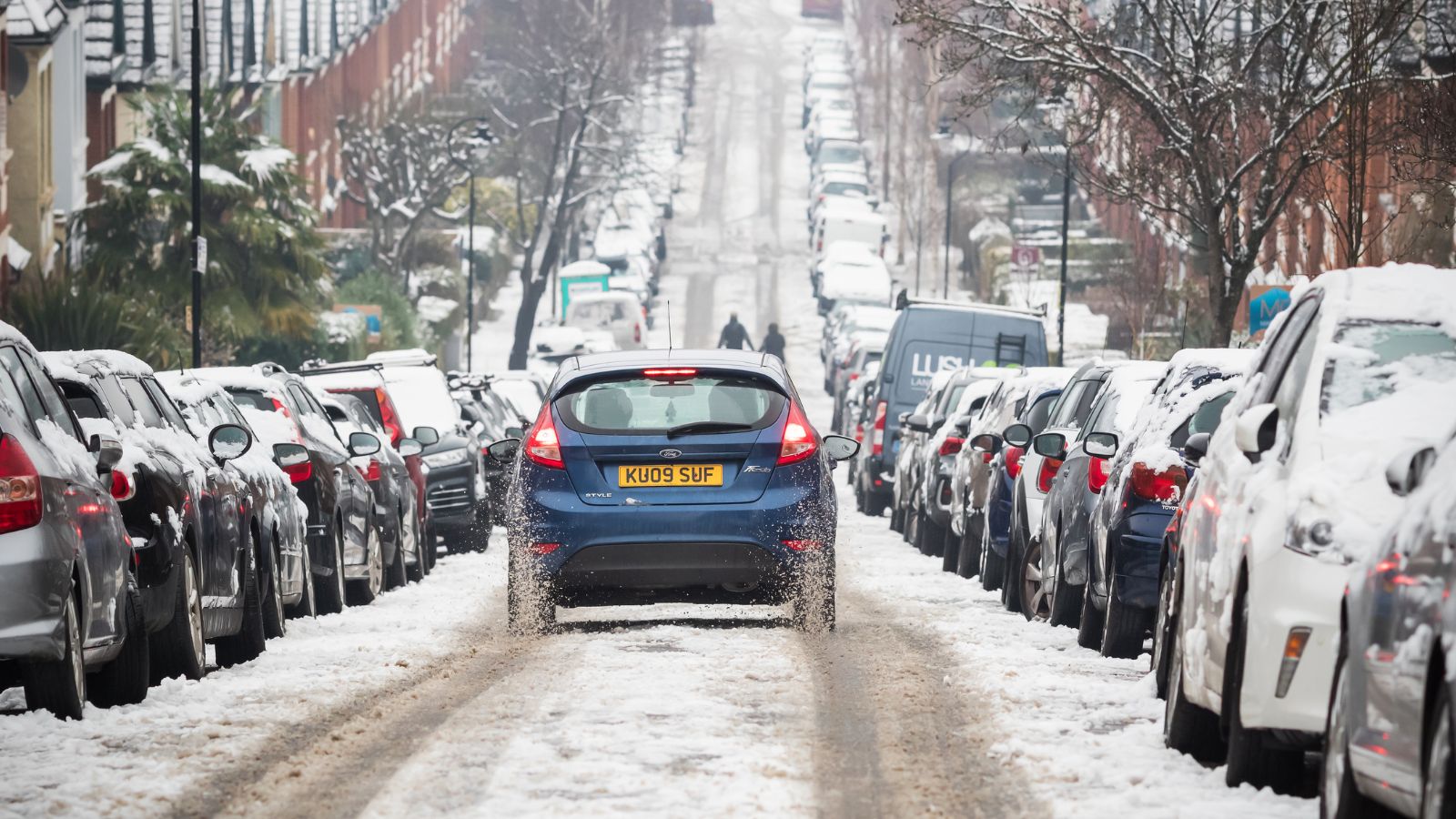
The first surprise often arrives at the tire counter. Run-flats typically cost more than comparable conventional tires because of their specialized construction, lower production volume, and vehicle-specific fitments. In some common sizes, the price gap can be modest; in others, it can feel steep enough to change the entire ownership experience.
The expense becomes more frustrating when a driver has to replace a tire earlier than expected. A small puncture that might have been repairable on a conventional tire can turn into a full replacement if the run-flat was driven with little or no pressure. When a family car needs two tires at once to keep tread depth balanced, the “convenience” feature can suddenly feel like a premium subscription.
The Emergency Range Is Not Unlimited
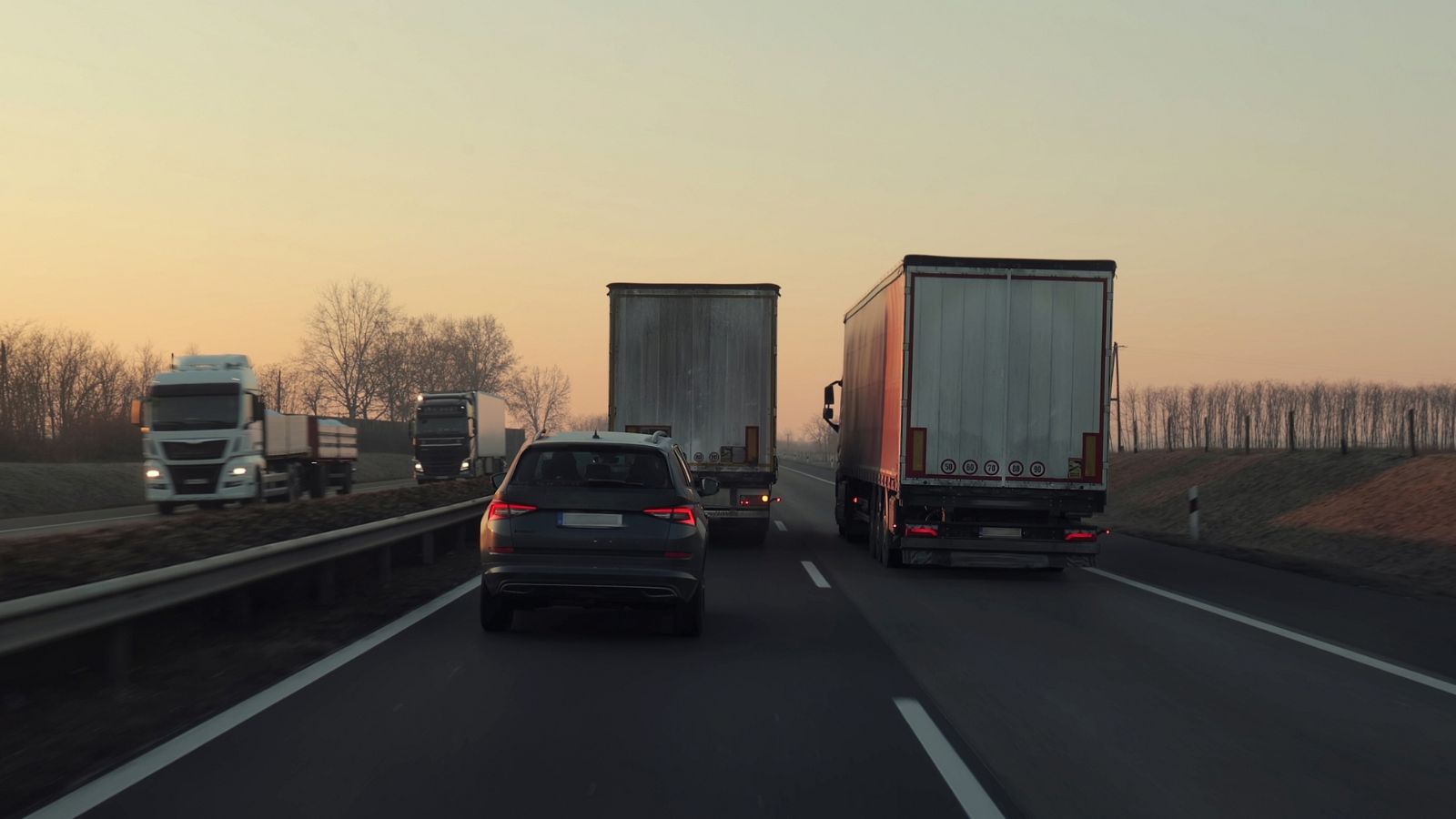
Run-flats are often marketed around a simple idea: keep driving after a flat. The fine print matters. Many major tire makers describe typical limits of about 50 miles at up to 50 mph, or roughly 80 kilometres at 80 km/h, after pressure loss. That is enough to exit a highway or reach a nearby shop in many cases, but it is not a blank cheque for finishing a long trip.
Real-world conditions can shorten that comfort zone. Vehicle load, outside temperature, driving speed, tire position, and the exact tire design all affect how far the tire can safely continue. A driver who gets a warning late at night, far from an open tire shop, may still end up calling for roadside assistance despite having paid extra for run-flat capability.
Many Punctures Still Lead to Replacement

Run-flat tires can keep a vehicle moving after air loss, but that does not mean the tire survives the event. Once driven underinflated or at zero pressure, the tire may suffer internal structural damage that is difficult or impossible to confirm from the outside. That uncertainty is one reason many retailers and manufacturers recommend replacement instead of repair after a low-pressure run.
This catches many drivers off guard. A nail in the tread of a regular tire may be patched if the puncture is small, properly located, and repaired from the inside. With run-flats, the same nail can become a replacement bill if the tire has been driven after the warning light appeared. The result is a safety feature that sometimes feels less repair-friendly than the tire it replaced.
Exact Replacements Are Not Always Easy to Find

Run-flats are common on some luxury and performance vehicles, but they are still less common than standard tires across the broader market. That can mean fewer brands, fewer tread patterns, and fewer local shops carrying the exact size and speed rating. The issue becomes more noticeable with staggered wheels, large rims, or models that use original-equipment-specific tires.
For a commuter near several tire retailers, waiting a day may be only inconvenient. On a road trip, it can become a genuine disruption. A driver may limp to a shop within the distance limit, only to learn that the proper replacement must be ordered. At that point, the tire performed as designed, but the ownership experience still feels stranded by inventory.
Losing the Spare Tire Can Backfire

Automakers like run-flats partly because they can eliminate the spare tire, jack, and related hardware. That can reduce weight, free up cargo room, and simplify vehicle packaging. For drivers who never experience tire trouble, the missing spare may go unnoticed for years. The problem appears when the damage is too severe for a run-flat strategy to solve neatly.
A sidewall tear, wheel damage, or major pothole hit can leave a vehicle needing more than a slow drive to the nearest shop. Drivers who assumed a premium vehicle would include every emergency backup sometimes discover the trunk has no spare, no jack, and no easy second option. In that moment, run-flats can feel less like added protection and more like the only remaining plan.
TPMS Becomes Essential, Not Optional

A conventional flat is usually obvious. A run-flat may not look dramatically different right away because its reinforced structure keeps supporting the vehicle. That makes the tire pressure monitoring system critical. Without a working warning system, a driver could continue at normal speeds while the tire is underinflated and quietly accumulating damage.
This adds another maintenance dependency. Sensors can fail, warning lights can be ignored, and some systems alert only after pressure has dropped significantly. Even with modern monitoring, drivers still need monthly pressure checks and attention to dashboard warnings. For owners who simply want tires to be boring and low-maintenance, that extra layer of vigilance can reduce the appeal.
Potholes Make the Trade-Off Feel Worse
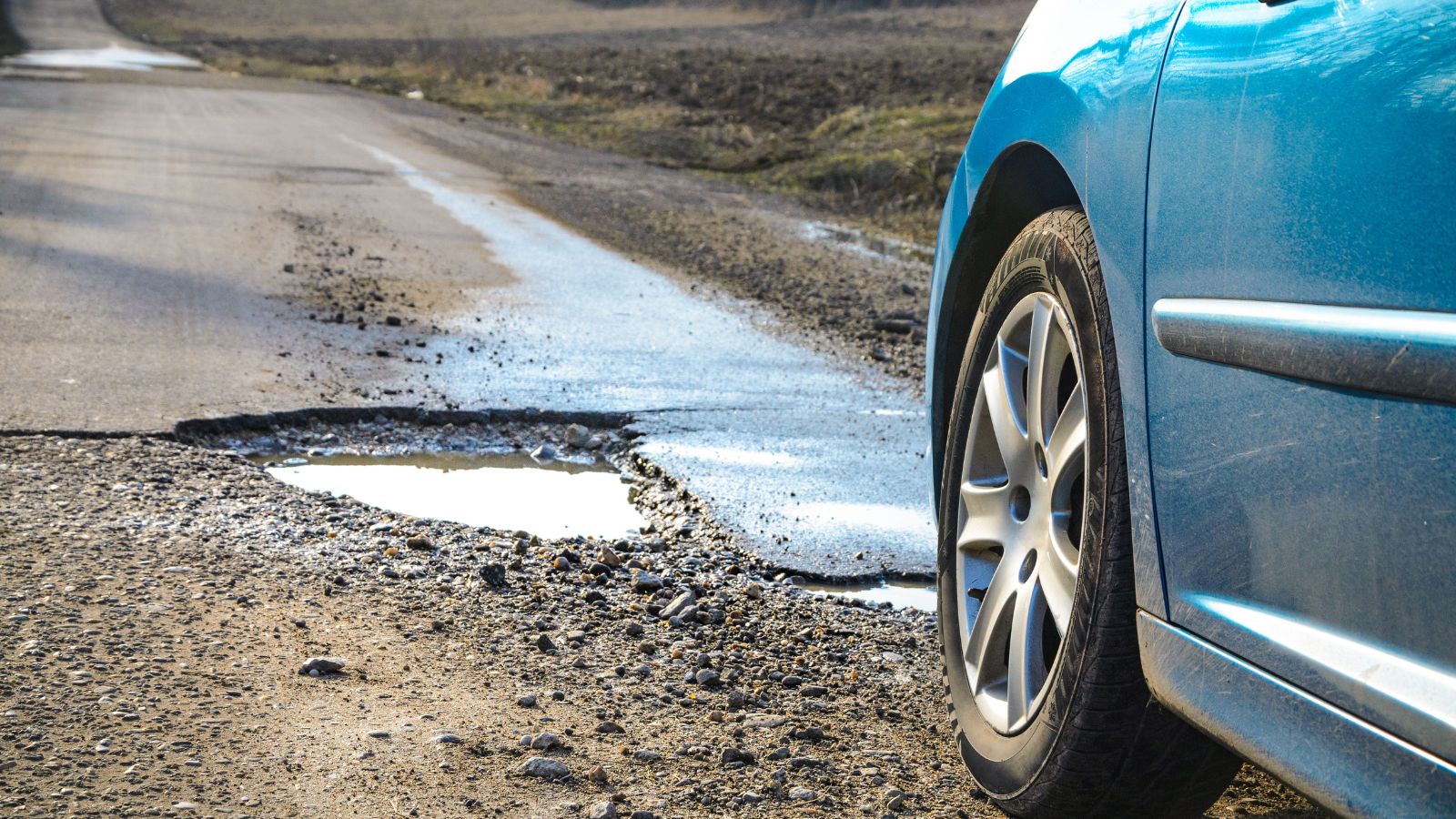
Run-flat tires are not immune to potholes. A hard impact can damage a tire, bend a wheel, or create a sidewall bulge that requires urgent inspection. Because many run-flat-equipped vehicles also use low-profile tires on larger wheels, there may be less sidewall cushion between the rim and a sharp road edge.
The frustration is emotional as much as financial. A driver hits a pothole, the cabin takes a hard thump, and the next stop becomes a tire shop instead of home. Even when the run-flat allows continued mobility, the tire may still be considered unsafe afterward. In regions with freeze-thaw pavement, construction zones, or poorly maintained urban roads, that pattern can make conventional tires feel more practical.
Wear and Satisfaction Have Been Persistent Complaints

Owner satisfaction data has repeatedly pointed to ride and wear as weak spots for run-flat tires. In one major original-equipment tire study, run-flat owners were less satisfied overall than owners of non-run-flat tires in several vehicle segments. The biggest gaps were tied to tire ride and tire wear, which are exactly the qualities drivers notice every day.
That matters because tire dissatisfaction builds slowly. A driver may appreciate the safety idea during the first week, then grow annoyed by road noise, firmness, or early tread wear by the second year. When replacement time arrives sooner than expected, the decision becomes personal. Some owners decide the next set will prioritize comfort, longevity, and repairability over extended mobility.
Handling Benefits Come With Limits

Run-flat tires can help a vehicle stay more controllable after sudden pressure loss, which is a meaningful safety advantage. They can reduce the need to stop on a narrow shoulder and may help the driver reach a safer location. Under normal inflation, however, their construction can also change steering feel, ride compliance, and the way the suspension absorbs impacts.
The post-puncture driving rules are also stricter than some people realize. Aggressive braking, hard cornering, heavy loads, and high speeds should be avoided after pressure loss. That means a run-flat does not turn a damaged tire into a normal tire; it creates a temporary escape window. Drivers who value smoothness or maximum tire choice may decide that limitation is not enough to justify the daily compromise.
Switching to Regular Tires Requires Planning
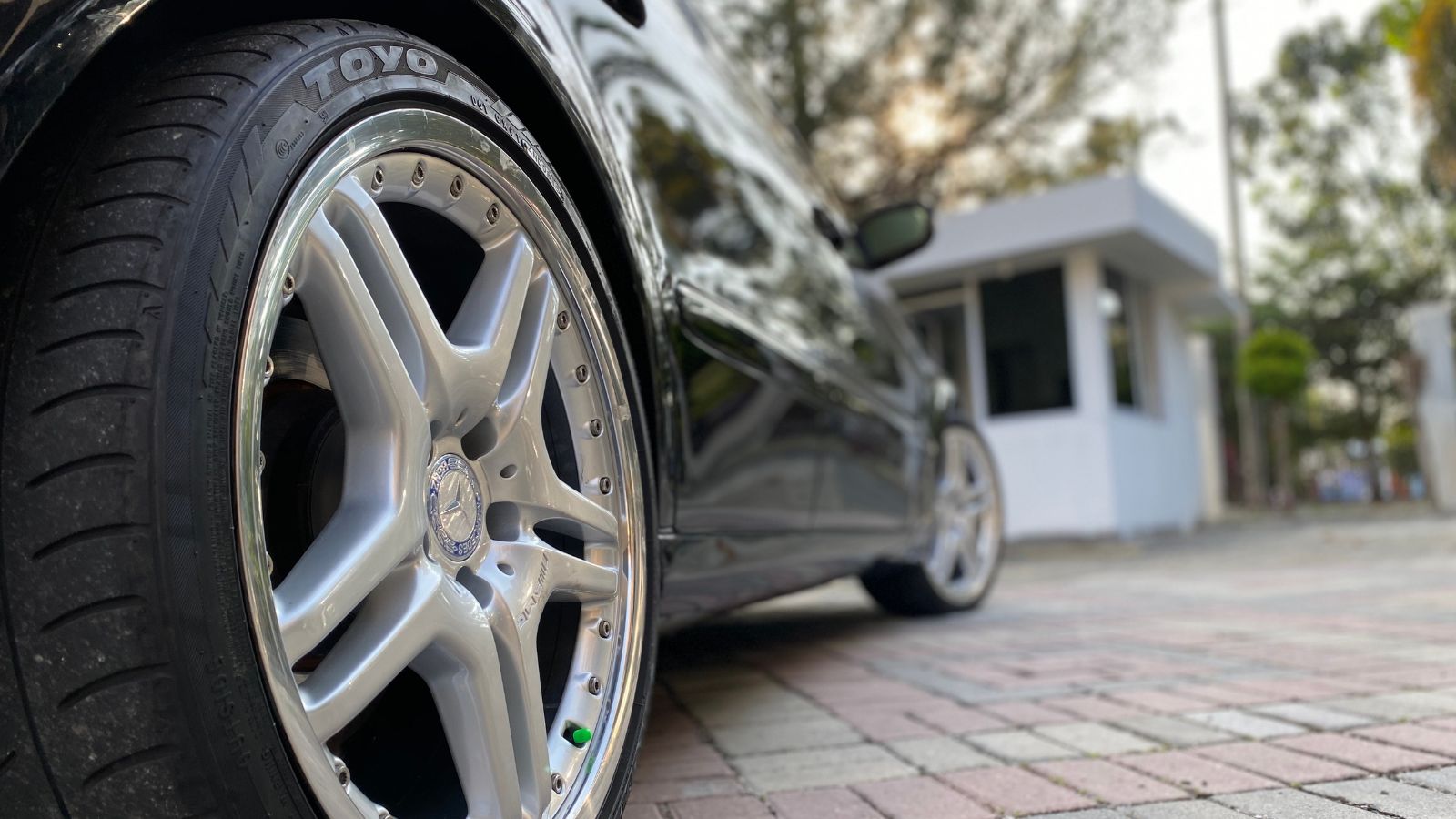
Some drivers can replace a full set of run-flats with conventional tires, provided the new tires meet the vehicle manufacturer’s requirements for size, load rating, speed rating, and inflation pressure. The switch is not as simple as buying the cheapest set that fits the wheel. The vehicle may not have a spare, jack, or mobility kit because the original run-flats were the emergency plan.
Mixing run-flats and standard tires is also widely discouraged except as a temporary emergency measure. Different sidewall stiffness and tread behaviour can affect stability, steering response, and wear patterns. For owners who want out of run-flats, the smarter move is usually a complete plan: four compatible tires, a roadside-assistance strategy, and some form of flat-tire backup.
Peace of Mind Depends on the Driver’s Routine

Run-flat tires still make sense for some people. Drivers who regularly travel on busy highways, commute at night, or dislike stopping in unsafe areas may value the ability to keep moving after a puncture. Parents, business travellers, and drivers in bad weather can reasonably see run-flats as a safety and convenience feature rather than a luxury add-on.
Other drivers do the math differently. If most trips are close to home, tire shops are nearby, roads are rough, and replacement costs are high, conventional tires may feel more sensible. The shift away from run-flats is rarely about rejecting safety. It is usually about choosing the kind of reliability that feels best in everyday life: smoother ride, easier repair options, broader availability, and a backup plan the owner understands.
22 Things Canadians Do to Their Cars in Spring That Mechanics Hate

Spring brings relief to many Canadian drivers after months of snow, freezing temperatures, and icy roads that put serious strain on vehicles. As temperatures rise across the country, drivers begin washing cars, switching tires, and preparing vehicles for warmer weather and upcoming road trips. However, mechanics across Canada notice the same mistakes every spring when drivers attempt to recover from winter damage. Road salt, potholes, and harsh winter driving conditions often leave vehicles with hidden problems that drivers ignore. Some spring habits even create new mechanical issues that could have been avoided with proper maintenance. Here are 22 things Canadians do to their cars in spring that mechanics hate.

Alanna Rosen is an experienced content writer that focuses on many EV and educational content. Her articles are regularly published on Get CyberTrucked and syndicated on large publications.