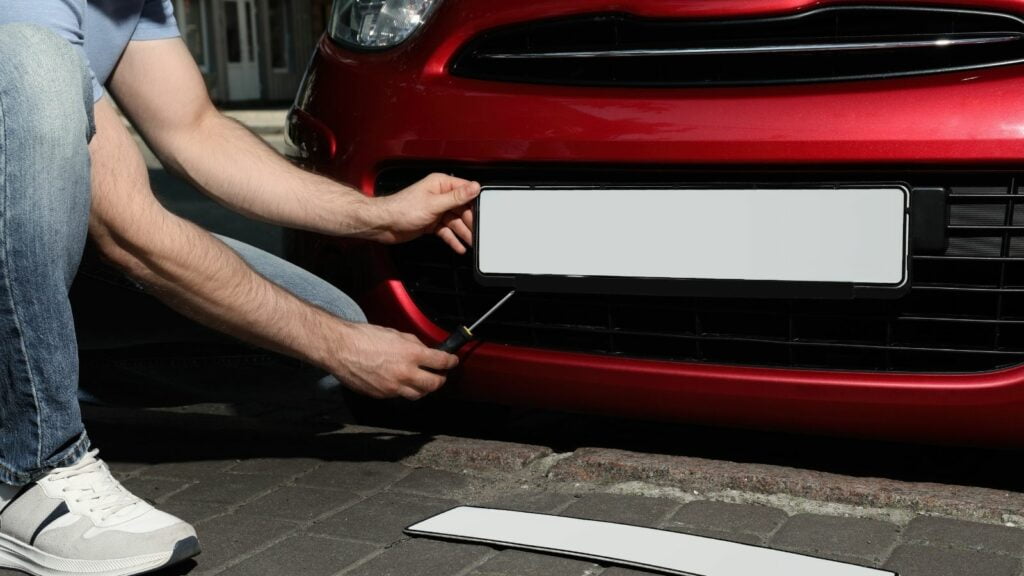
A recall notice can look like ordinary paperwork, but it may point to a defect that only shows itself at the worst possible moment. The real mistake is treating a vehicle recall as something that can wait until the next oil change, the next registration renewal, or the next time the car is already at the shop.
Twelve recall habits and blind spots show how that delay can put drivers, passengers, pedestrians, and future owners at risk. Some involve missed letters, some involve used-car purchases, and others involve assuming that a vehicle feels fine because no warning light has appeared.
Waiting for a Paper Notice to Arrive
The riskiest recall mistake is waiting for a letter before taking action. Recall notices can be delayed, mailed to an old address, or missed entirely by someone who bought the vehicle used. A driver may assume no news means no problem, while the vehicle identification number already shows an open repair waiting at an authorized dealer.
This matters because recalls are tied to safety defects or failures to meet safety standards. A quiet commute does not prove the issue is harmless. A defective airbag, fuel system, steering part, or braking component may work normally for months before failing under stress. A quick VIN check can catch what the mailbox misses, especially after a move, private sale, or long gap between dealership visits.
Assuming a Recall Is Just Routine Maintenance

Many drivers mentally file recalls beside oil changes, tire rotations, and cabin-filter replacements. That framing can make a recall feel optional, especially when the vehicle starts every morning and appears to drive normally. The problem is that a recall is not a reminder to maintain the vehicle. It is a formal warning that a defect may create a safety risk.
That distinction changes the urgency. Routine maintenance prevents wear from becoming a bigger problem; recall work corrects a known defect that regulators or manufacturers have already identified. A family minivan with a seatbelt recall, a pickup with a fire-risk recall, or a sedan with an airbag defect is not simply “due for service.” It may be operating with a known weakness that can affect occupants or others on the road.
Skipping the VIN Check Before Buying Used

A used vehicle can look clean, pass a test drive, and still carry an unfixed recall. The mistake is relying only on the seller’s word, a fresh safety inspection, or a tidy service folder. Recall status follows the vehicle, not the owner, and a private seller may not know that an open repair exists.
This is especially important in busy used-car markets, where vehicles change hands quickly. A buyer may notice new tires, a detailed interior, and a smooth engine while missing an unrepaired brake, airbag, fuel pump, or electrical defect. Checking the VIN before money changes hands can shift the conversation. The buyer can ask the seller to complete the repair first, confirm dealer availability, or walk away if the risk is urgent.
Ignoring “Do Not Drive” and “Park Outside” Instructions

Some recall notices include temporary instructions that sound dramatic: do not drive, park outside, or keep the vehicle away from structures. The mistake is treating those warnings as legal language rather than practical safety guidance. In certain recalls, the concern is not limited to a crash. Fire-risk defects, for example, may involve a vehicle that can ignite while parked.
These warnings can disrupt everyday life, which is why drivers sometimes minimize them. A commuter still needs to get to work; a parent still needs school transportation. But interim instructions exist because the final repair may not be immediately available or because the risk is severe enough to require caution before service. In those cases, calling the dealer about towing, loaner options, or immediate scheduling is safer than assuming one more trip will be fine.
Thinking No Warning Light Means No Danger
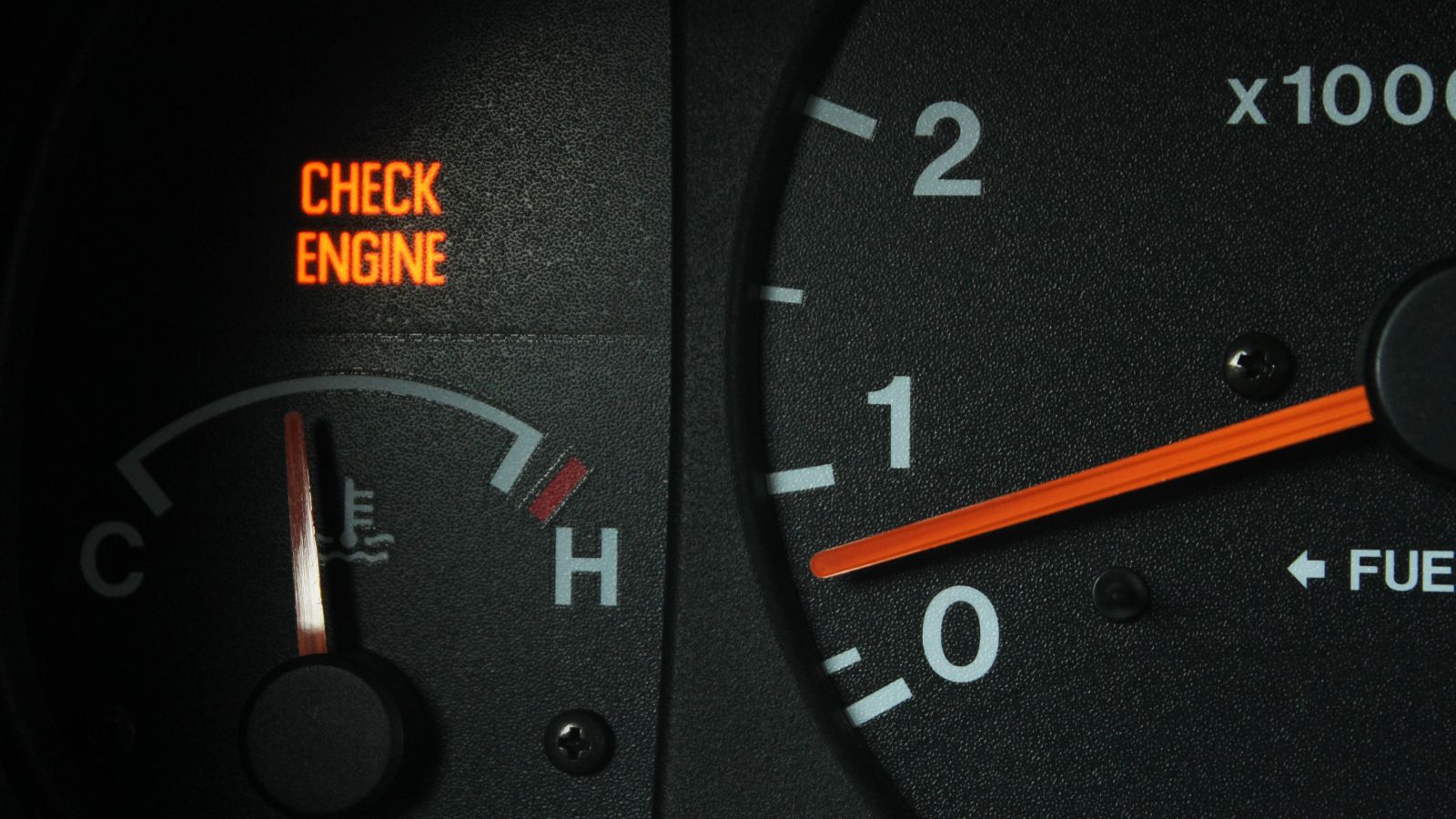
A dashboard light can be helpful, but many recall-related defects do not announce themselves with a bright symbol. The mistake is assuming that a silent instrument panel means every critical system is healthy. Airbags, seatbelt pretensioners, electrical modules, rearview cameras, fuel pumps, and steering components can all have recall-related issues that may not produce obvious daily symptoms.
That false sense of normalcy is easy to understand. A driver who has put thousands of kilometres on a vehicle without incident may feel the risk is theoretical. Yet recall systems are built around known patterns, field reports, investigations, and manufacturer data, not just the symptoms one owner happens to notice. A vehicle can feel perfectly ordinary until the moment a defect is asked to perform under crash, heat, load, or emergency conditions.
Delaying Because the Repair Is Free Anyway
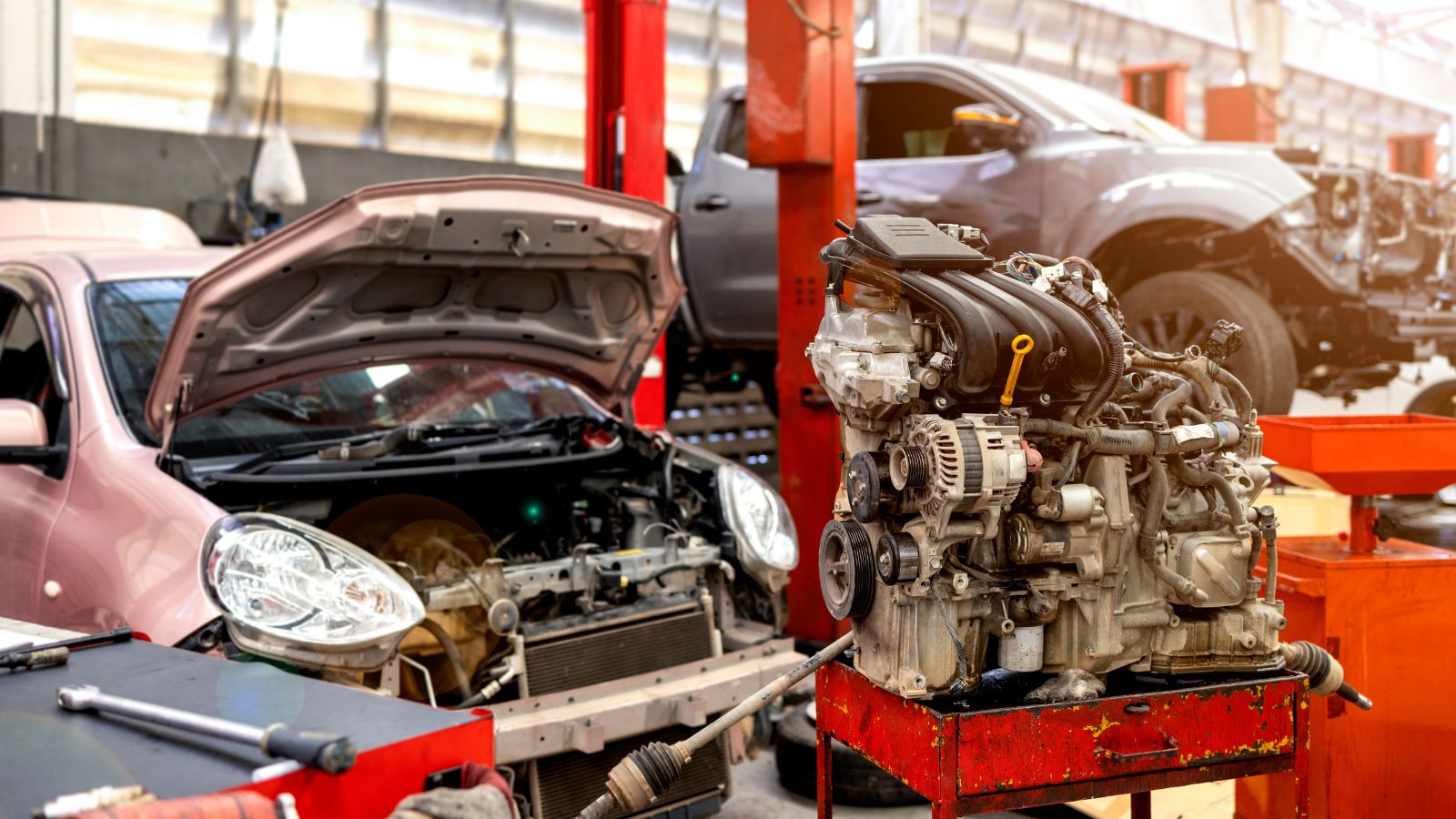
The fact that recall repairs are usually performed at no cost can create an odd kind of procrastination. Since the repair is not tied to an expiring coupon or an immediate bill, it becomes easy to postpone. Some drivers tell themselves they will book it later, especially if the dealership is far away or appointment slots are inconvenient.
Free does not mean low priority. In many cases, the manufacturer covers parts and labour because the issue is tied to safety or regulatory compliance. Delaying can leave the vehicle exposed to the same defect the recall was meant to correct. It may also complicate resale, trade-in discussions, insurance questions, or family use. The repair may cost nothing out of pocket, but ignoring it can carry a much larger safety cost.
Assuming Older Vehicles Are Too Old to Matter

Older vehicles are often the ones most likely to slip through the recall system. Owners may no longer visit franchise dealers, mail records may be outdated, and the vehicle may have passed through several households. The mistake is assuming a ten- or fifteen-year-old car is beyond the recall process or that any important issue would have been fixed long ago.
In reality, some of the most serious recall risks have involved older vehicles. Age can make certain defects more dangerous, particularly when heat, humidity, corrosion, or material degradation are involved. A teenager’s first car, a winter beater, or a worksite pickup may not feel like a high-priority recall candidate, but those vehicles still carry passengers and share roads with everyone else.
Forgetting to Update Contact Information

A recall notice is only useful if it reaches the right person. After a move, a lease transfer, or a private sale, the manufacturer may still have stale owner information. The mistake is assuming provincial, state, insurance, or dealership records automatically keep every recall contact system current.
This is a quiet risk because nothing looks wrong from the driver’s seat. The car runs, registration renews, and service reminders may still arrive from unrelated sources. Meanwhile, the manufacturer may not know who currently owns the vehicle. Registering a used vehicle with the manufacturer and updating mailing information after a move gives recall notices a better chance of landing where they should. It also helps future owners if the vehicle is sold again.
Confusing Service Bulletins With Safety Recalls

Technical service bulletins and manufacturer communications can be useful, but they are not the same thing as a safety recall. The mistake is hearing about a “known issue” and assuming it carries the same obligations, urgency, or free repair rules as a recall. A bulletin may guide technicians on diagnosis or repair, while a recall addresses a safety-related defect or noncompliance.
The confusion can work both ways. Some drivers ignore true recalls because they think every manufacturer notice is just a minor service bulletin. Others expect a non-recall bulletin to be repaired at no charge long after warranty coverage ends. The practical approach is to separate the categories: check the VIN for open safety recalls, then ask the dealer about any bulletins or campaigns that may explain recurring symptoms.
Assuming Software Recalls Fix Themselves
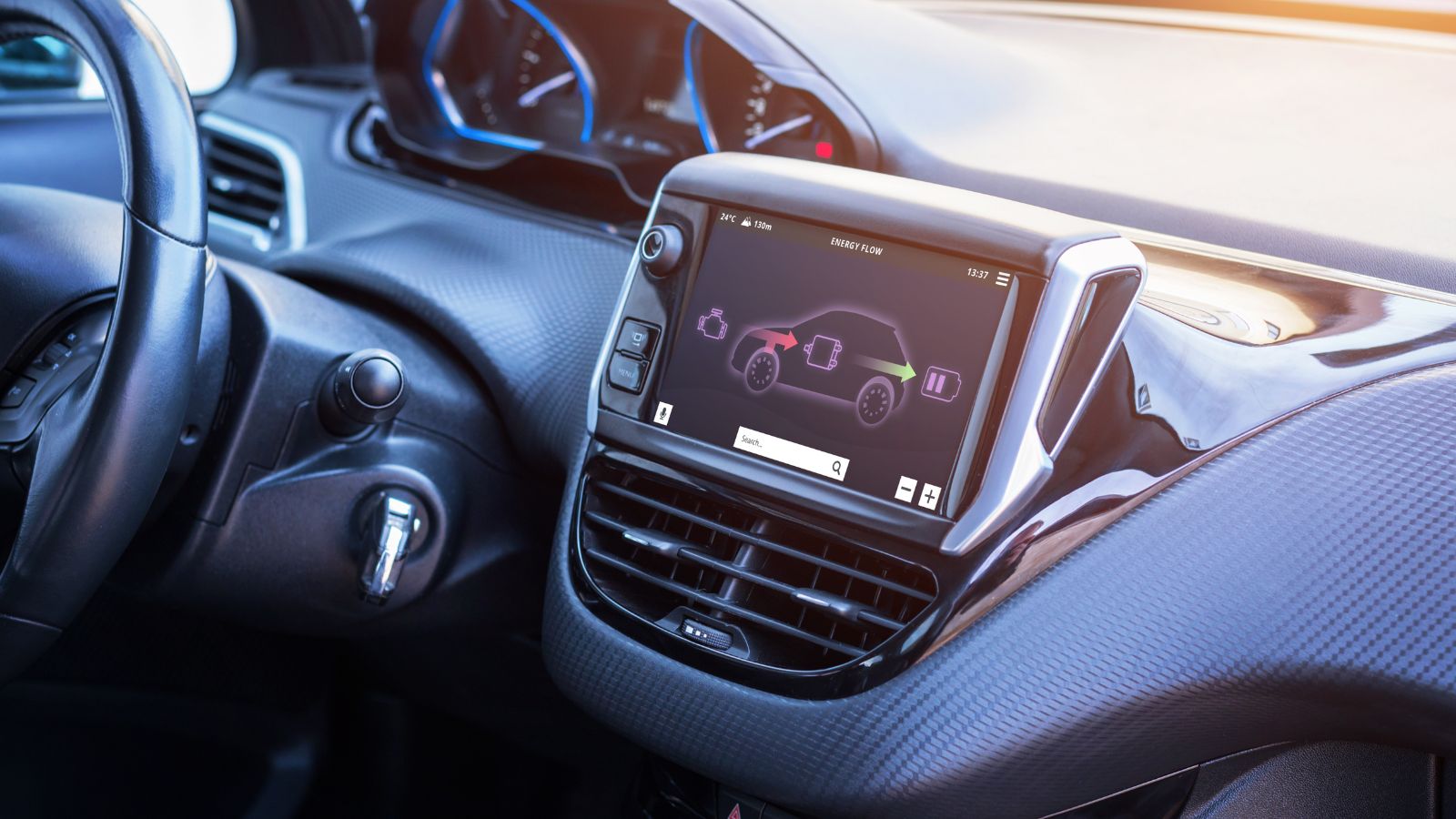
Modern vehicles can receive software updates, and some recall remedies can be delivered remotely. The mistake is assuming every software-related recall has already been installed or that the vehicle automatically accepted the update. A car may need Wi-Fi access, owner consent, sufficient battery charge, or a dealership visit, depending on the manufacturer and the repair.
Software-related recalls also do not mean the problem is minor. A rearview camera delay, display failure, driver-assistance malfunction, or electronic control issue can affect crash risk even when no physical part has broken. Drivers should confirm the recall status after an update, not just assume a screen message settled it. When the VIN still shows an open recall, the repair has not been fully recorded as completed.
Giving Up When Parts Are Not Immediately Available
Some recall repairs are announced before parts are ready at every dealer. That creates frustration, especially when an owner calls, hears “not yet,” and stops checking. The mistake is interpreting a parts delay as proof that the defect is not urgent. In reality, large recalls can involve millions of vehicles, supplier bottlenecks, staged repair schedules, and prioritization for higher-risk models.
A delayed remedy still deserves active follow-up. Owners can ask whether interim instructions apply, whether the dealer can place the vehicle on a waiting list, and whether towing or alternate transportation is available for urgent cases. Keeping a record of calls can also help if service timing becomes an issue. The dangerous part is silence: a recall left in limbo because the first appointment was inconvenient or unavailable.
Forgetting That Recalls Extend Beyond the Car Itself
Drivers often think only of the vehicle when they hear the word recall, but safety notices can also involve tires, child restraints, and equipment. The mistake is checking the car’s VIN while ignoring the products attached to it. A recalled tire, child seat, trailer hitch, bike rack, or accessory can create a risk even when the vehicle itself has no open recall.
This matters for families and frequent road-trippers. A child seat may move from one vehicle to another; winter tires may be stored for months; an accessory may have been purchased long after the car left the dealership. Registering tires and child restraints, saving model information, and checking recall databases before seasonal use can close a safety gap that many owners never think about until something fails.
22 Things Canadians Do to Their Cars in Spring That Mechanics Hate

Spring brings relief to many Canadian drivers after months of snow, freezing temperatures, and icy roads that put serious strain on vehicles. As temperatures rise across the country, drivers begin washing cars, switching tires, and preparing vehicles for warmer weather and upcoming road trips. However, mechanics across Canada notice the same mistakes every spring when drivers attempt to recover from winter damage. Road salt, potholes, and harsh winter driving conditions often leave vehicles with hidden problems that drivers ignore. Some spring habits even create new mechanical issues that could have been avoided with proper maintenance. Here are 22 things Canadians do to their cars in spring that mechanics hate.

Alanna Rosen is an experienced content writer that focuses on many EV and educational content. Her articles are regularly published on Get CyberTrucked and syndicated on large publications.