A used vehicle can shine under showroom lights while carrying a past that is far less polished. A vehicle history report helps turn scattered records into a timeline: damage claims, title brands, registration changes, odometer readings, liens, recalls, theft records, and service events. None of it replaces a test drive or an independent inspection, but it can reveal warning signs before money changes hands.
These 12 vehicle history report details deserve careful attention because each one can affect safety, insurance, resale value, financing, or the true cost of ownership. The strongest reports do not simply say whether a car is “clean.” They show patterns, gaps, and contradictions that help separate a well-kept used vehicle from one with expensive questions hiding in plain sight.
Accident and Damage Entries
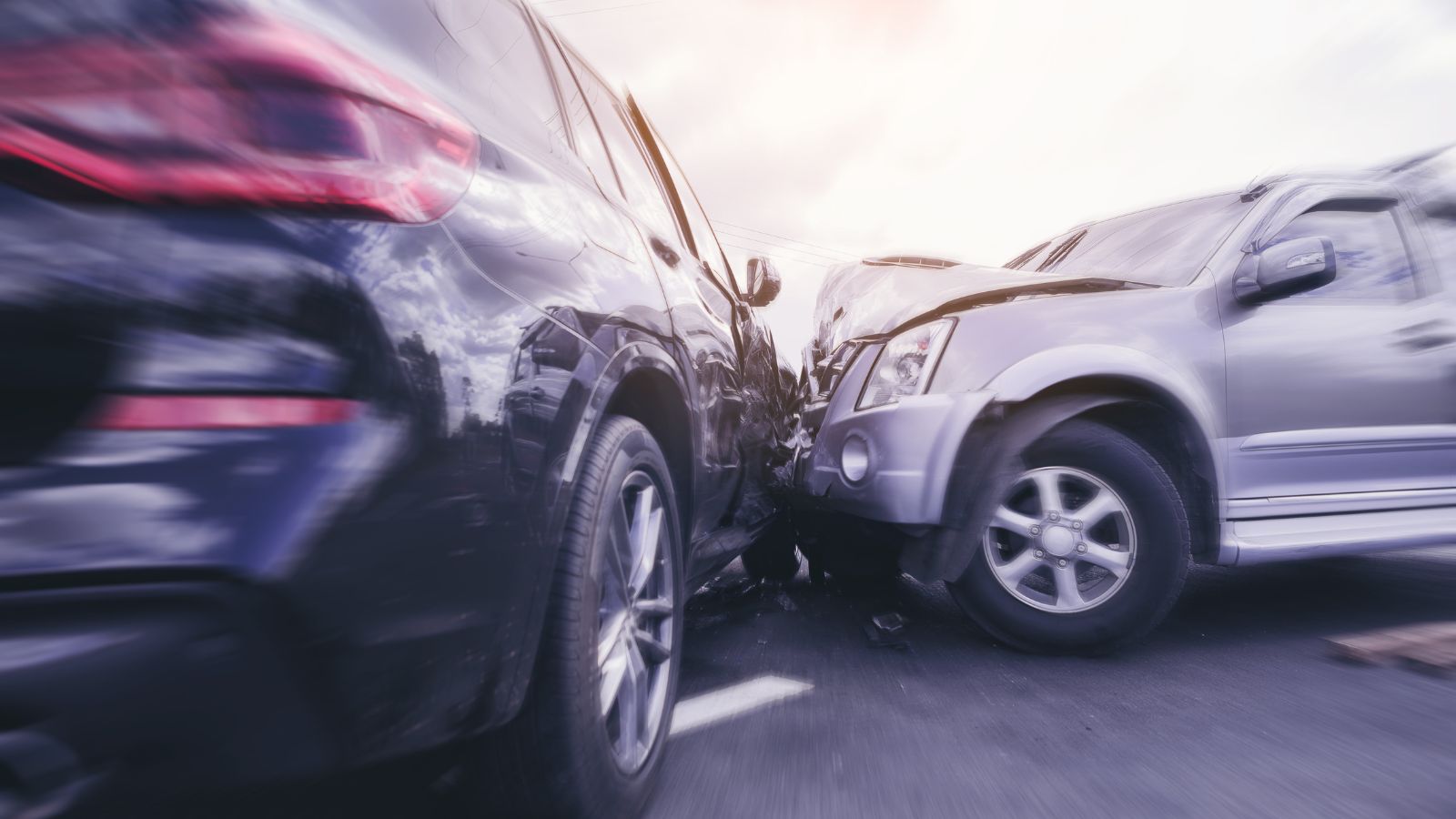
Accident history is one of the first areas buyers tend to scan, but the real value is in the detail behind the entry. A small parking-lot scrape is very different from a front-end collision with airbag deployment, structural repair, or a large insurance estimate. Vehicle history reports may show damage location, repair cost, frame or structural indicators, weather damage, and whether the event was reported by an insurer, repair facility, auction, or government source.
The concern is not simply that a vehicle has been damaged. Many repaired vehicles continue to be safe and reliable. The bigger issue is whether the story is complete. A seller describing “minor cosmetic work” while the report shows a major claim creates a credibility problem. A buyer comparing the report with panel gaps, paint texture, windshield dates, and inspection findings may spot problems that photos never reveal.
Salvage, Rebuilt, Flood, Fire, or Non-Repairable Brands
Title brands are among the most serious warnings in a history report because they describe a vehicle’s legal or structural status, not just an isolated repair. Salvage and rebuilt titles often mean the vehicle was previously declared a total loss and later repaired. Flood, fire, junk, dismantled, or non-repairable branding can create even larger concerns, especially when registration, insurance, or resale becomes difficult.
A rebuilt vehicle may look normal after repair, but the brand follows the vehicle’s record and can affect financing, warranty coverage, market value, and buyer confidence later. In Canada, non-repairable branding is especially serious because flood, fire, or collision damage can make a vehicle permanently ineligible for road use in certain circumstances. A tempting discount can disappear quickly if the vehicle is hard to insure, impossible to register, or worth far less at resale.
Outstanding Liens or Money Owing

A lien means another party, often a lender, may have a legal claim against the vehicle because debt remains attached to it. This detail can be easy to overlook when the seller is friendly, the price seems fair, and the ownership papers look ordinary. Yet lien problems can follow the vehicle after the sale, creating a financial mess for a buyer who thought the transaction was finished.
In practical terms, the safest approach is to treat a lien entry as unfinished business. The seller should provide proof that the debt has been discharged, and payment should not be handled casually. In private sales, buyers should verify lien information through provincial or territorial personal property searches or a reputable report with a lien check. A clear report at the negotiation stage is not enough if the sale closes days or weeks later and financing status changes.
Odometer Readings That Do Not Line Up
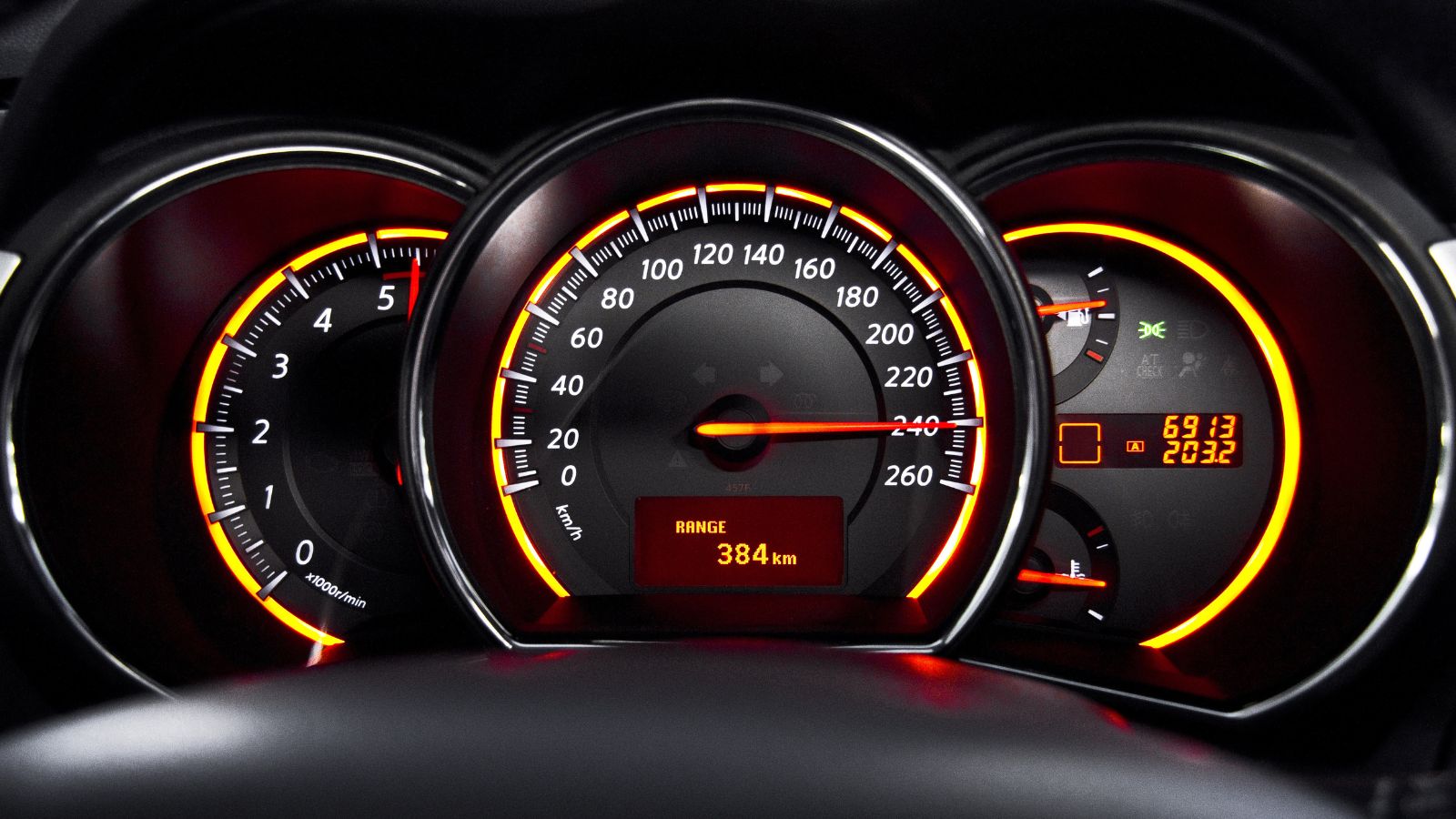
Mileage shapes almost every used-car decision: price, maintenance expectations, remaining warranty, and the likelihood of major repairs. A history report with multiple odometer readings can expose a suspicious pattern, such as a reading that moves backward, barely changes over several years, or jumps sharply between service visits. Even a small mismatch deserves an explanation before the vehicle is treated as a bargain.
Odometer fraud remains a meaningful risk because digital displays can still be manipulated. U.S. safety officials estimate hundreds of thousands of odometer fraud cases each year, and Canadian regulators warn that historical readings from reports and used-vehicle packages should be reviewed carefully. A vehicle showing 92,000 kilometres on the dash but 138,000 kilometres in a previous record is not a rounding error. It is a reason to pause, inspect wear points, and demand documentation.
Open Safety Recalls
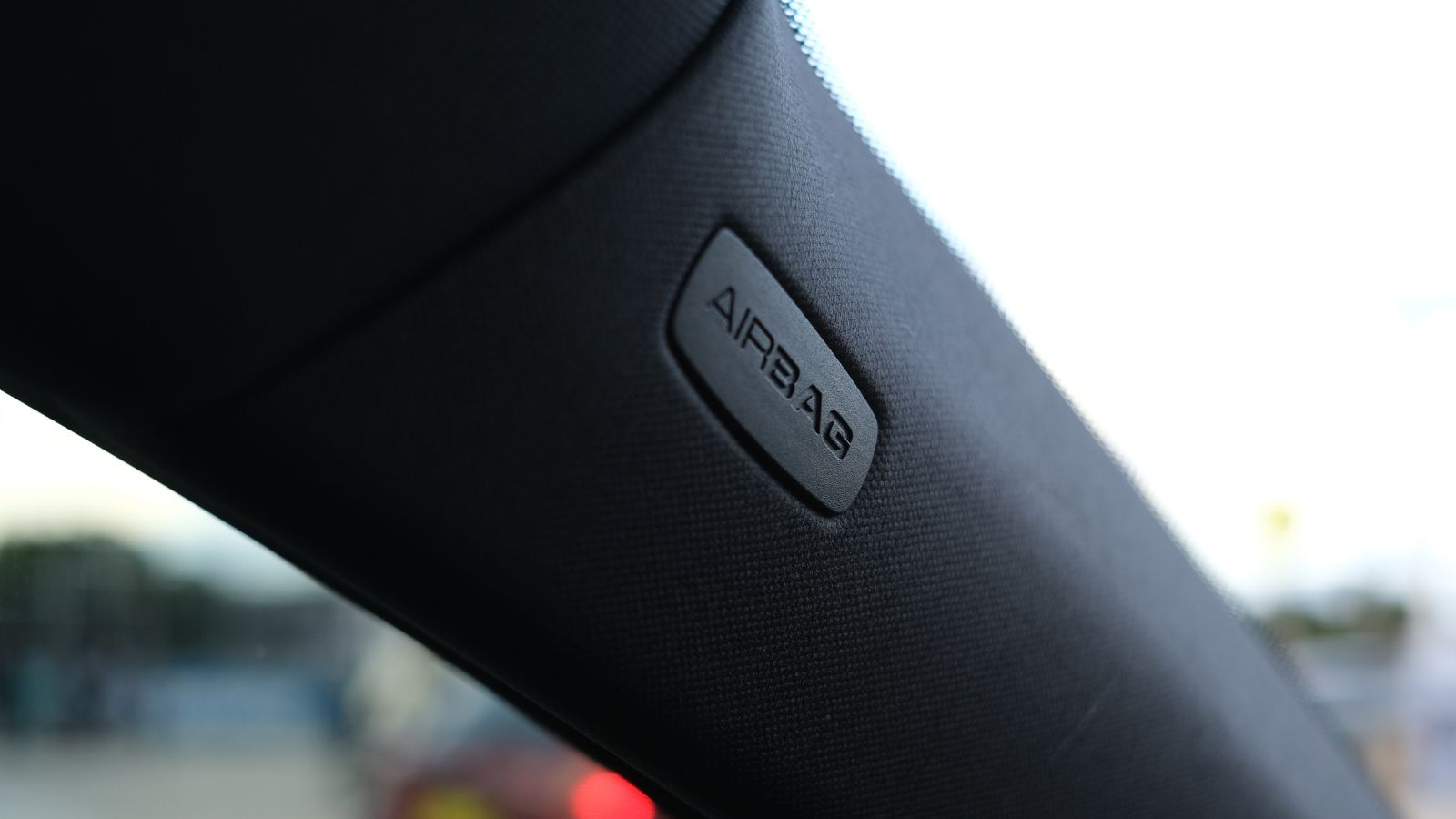
An open recall means a safety-related repair has not yet been completed for that specific vehicle. This can involve anything from airbags and seatbelts to fuel systems, steering components, brakes, or fire-risk issues. Vehicle history reports may include recall information, but buyers should also run the VIN through the manufacturer or official recall lookup tools because databases can update after a report is printed.
The key question is not whether the model has ever been recalled, but whether that exact VIN still needs work. A seller may honestly be unaware of an open recall, especially on an older vehicle or one that changed owners several times. Still, the buyer inherits the inconvenience and potential risk. A pending recall should trigger a service appointment, written confirmation from a dealer, or a price discussion if the repair timing is uncertain.
Registration and Ownership Timeline
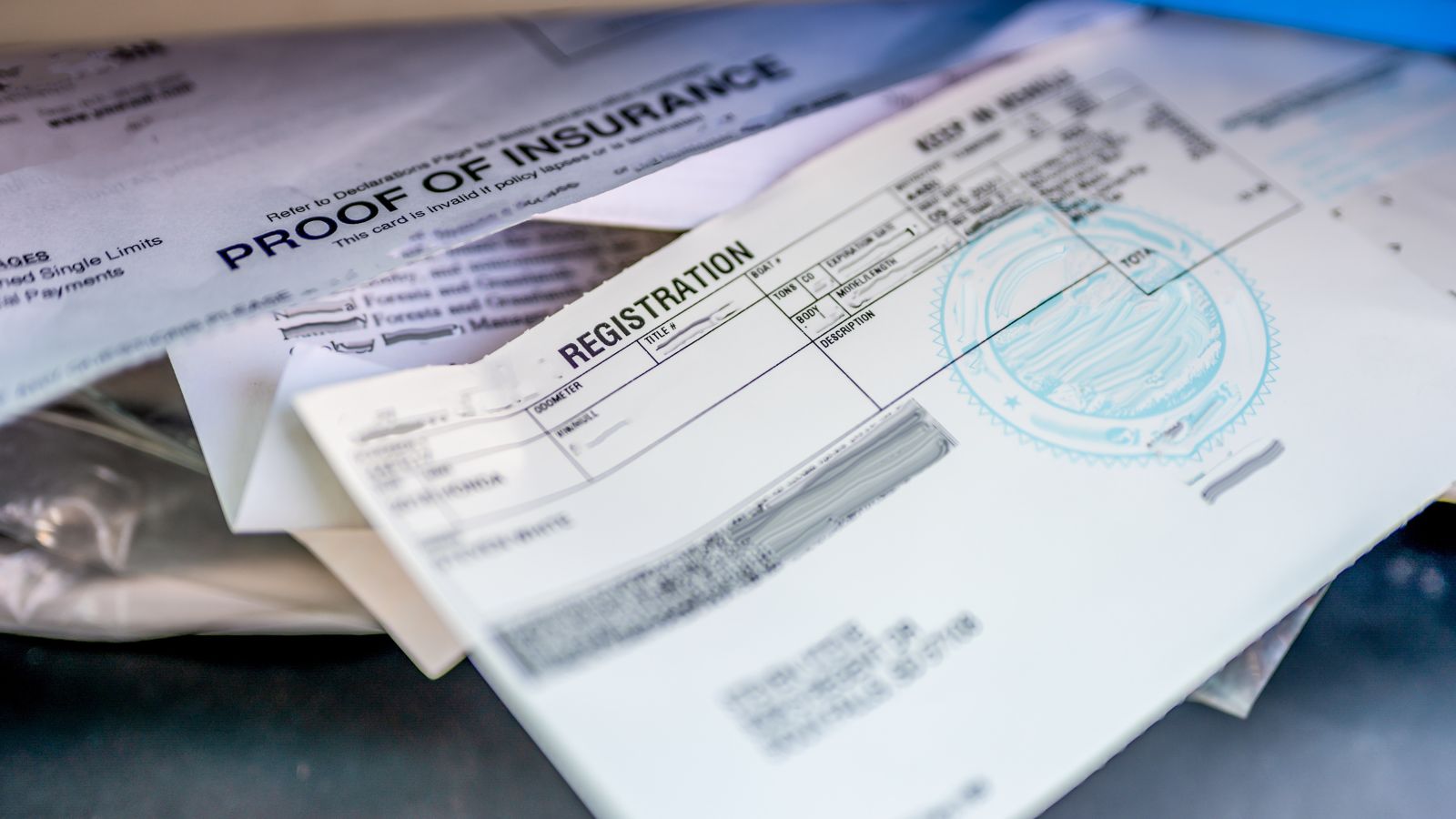
A history report’s registration timeline can reveal whether a vehicle had one steady owner or moved frequently between provinces, states, auctions, dealers, and private hands. Frequent ownership changes are not automatically bad, but they raise questions. A car sold three times in one year may have been flipped, returned after inspection, difficult to finance, or simply unwanted after repeated repairs.
Ownership patterns also help confirm whether the seller’s story makes sense. A “one-owner local vehicle” should not have a record showing several registrations in different regions. Similarly, gaps in the timeline deserve attention because not every event is reported perfectly. The best use of this section is as a consistency check. Buyers should compare the report against registration documents, service invoices, inspection dates, and the seller’s explanation before assuming the timeline is harmless.
Theft, Recovery, and VIN Fraud Warnings
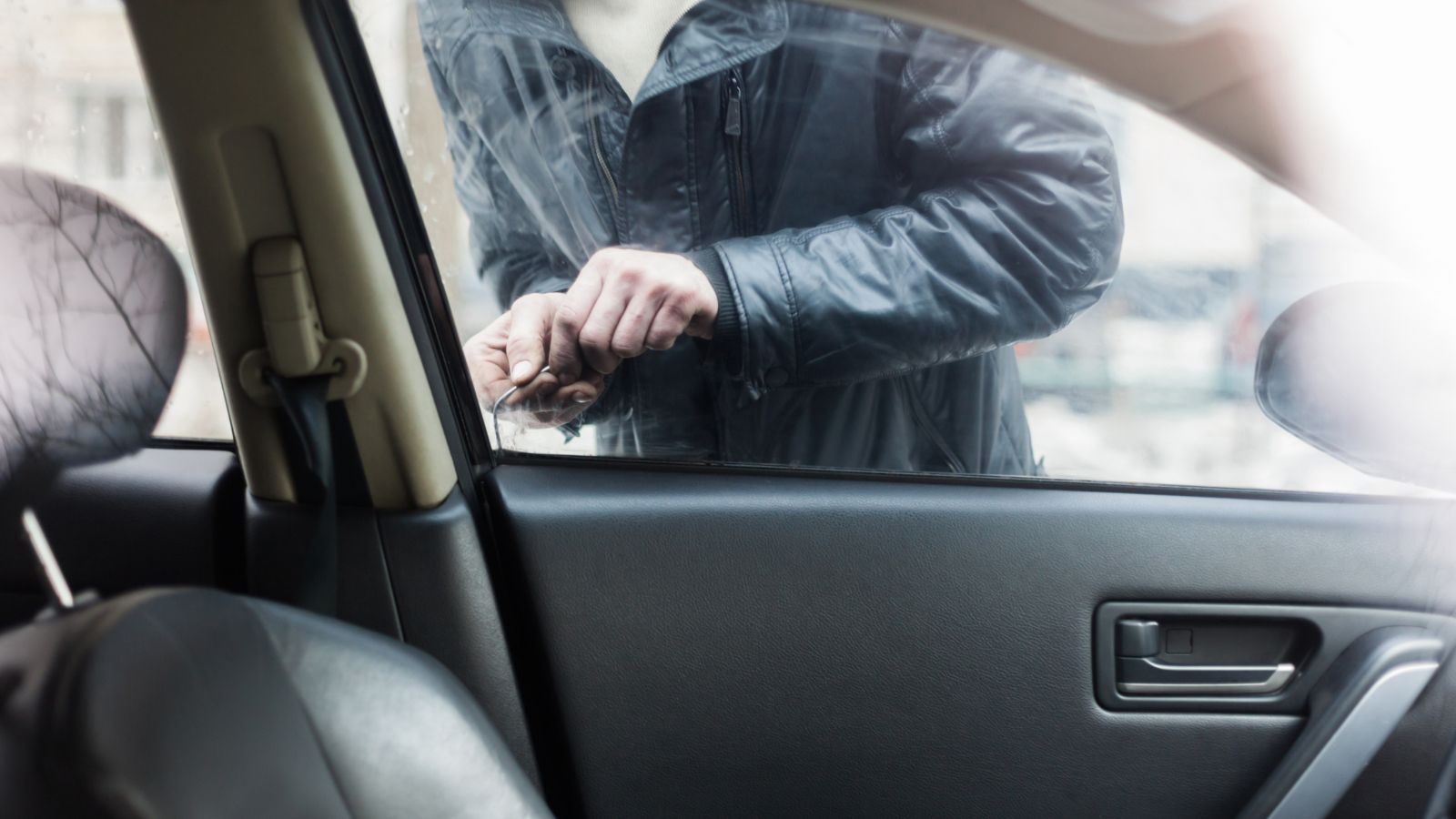
Theft records can turn an ordinary purchase into a serious legal problem. A vehicle that is actively reported stolen can be seized, even if the buyer paid in good faith. History reports and public VIN tools can help identify theft records, but buyers should also physically compare the VIN on the dashboard, door jamb, registration, and report. Any mismatch deserves immediate caution.
VIN fraud is especially troubling because a stolen vehicle can be disguised with a cloned or altered identity. Warning signs include loose VIN plate rivets, scratched numbers, paint or glue around the plate, registration details that do not match the vehicle, or a licence plate connected to a different model. A price far below market value may feel like luck, but it can also be the first clue that the vehicle’s identity is not clean.
Flood and Weather Damage
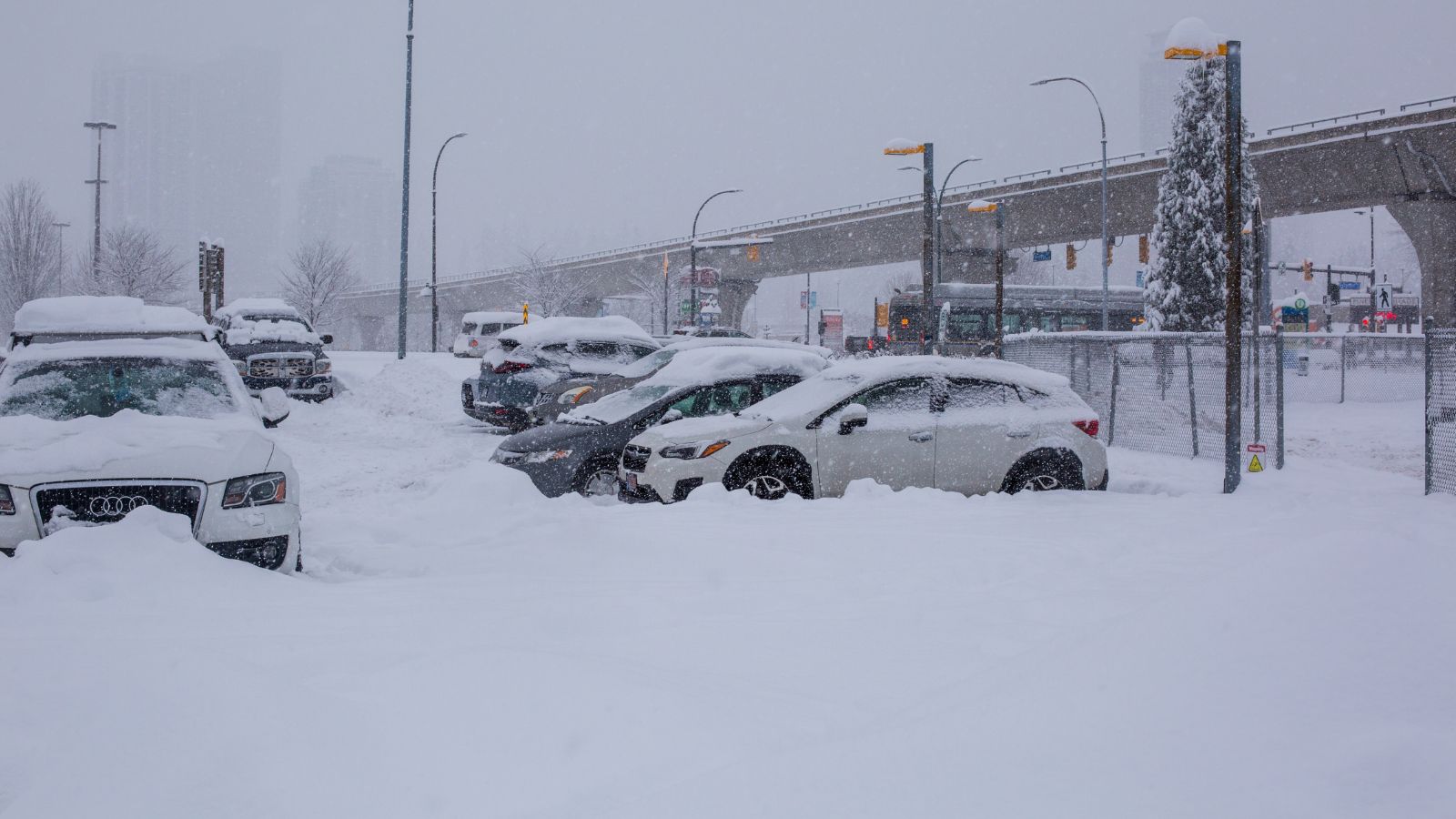
Flood damage deserves special attention because water can leave a vehicle looking presentable while causing long-term electrical, mechanical, corrosion, and mould problems. A history report may show flood, hail, storm, or weather-related damage, but a clean report does not guarantee the vehicle stayed dry. Some repairs are paid privately, some damage is discovered late, and some titles may be incomplete or misleading.
Flood entries should be treated as more than cosmetic warnings. Water can affect wiring harnesses, airbag modules, sensors, connectors, carpets, seat tracks, brakes, and control units. A vehicle that smells heavily deodorized, has silt under trim panels, shows corrosion in odd places, or has mismatched interior parts may need a deeper inspection. Even when a report lists no flood brand, weather history should be weighed against where the vehicle was registered and repaired.
Service and Maintenance Records
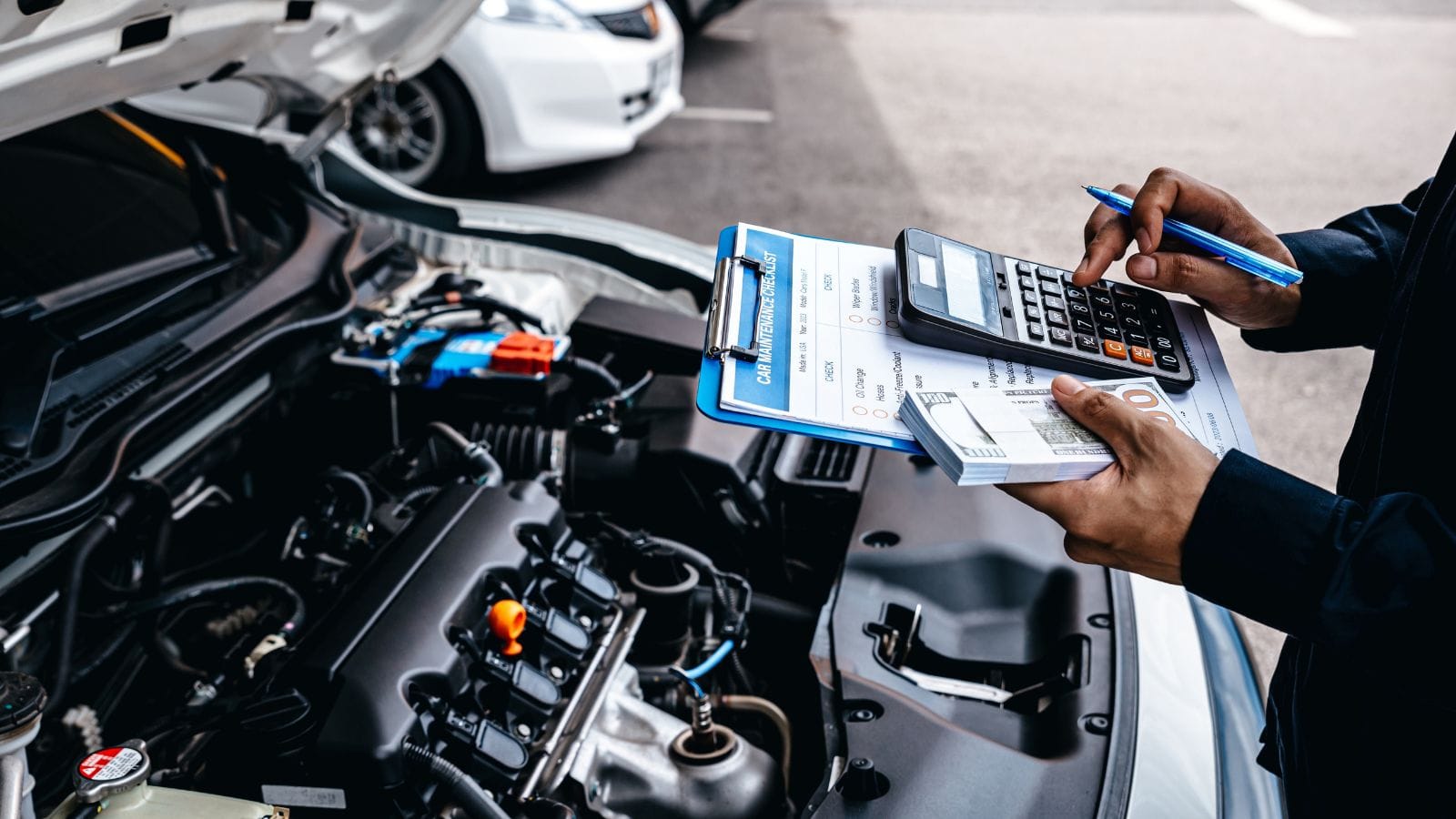
Service records can show whether a vehicle received regular oil changes, brake work, tire rotations, inspections, and other routine maintenance. This section helps separate a car that was merely low-mileage from one that was actually cared for. A ten-year-old vehicle with very few service entries is not automatically neglected, but the absence of records means buyers must ask for receipts, dealer printouts, or proof from the previous owner.
The most useful pattern is consistency. Regular maintenance around the same mileage intervals suggests responsible ownership, while long gaps before a sale can raise questions. A report showing repeated visits for the same warning light, transmission issue, or cooling-system complaint can be more revealing than a single accident record. Buyers should pay close attention to what was recommended but not completed, because deferred maintenance often becomes the next owner’s first big bill.
Rental, Taxi, Police, or Fleet Use

A vehicle’s previous use can matter as much as the number of previous owners. Rental, taxi, police, ride-hail, delivery, or fleet vehicles may accumulate mileage differently from privately owned cars. They may idle for long periods, make frequent short trips, carry many drivers, or operate under heavy stop-and-go conditions. A history report may flag some of these uses, giving buyers a chance to adjust expectations.
Fleet history is not always a deal-breaker. Some corporate vehicles receive strict scheduled maintenance and detailed records. The concern is whether the price reflects the life the vehicle actually lived. A former rental SUV with clean seats and fresh tires may still have endured hard acceleration, curb impacts, and rushed servicing. A buyer should compare the report with tire wear, brake condition, interior wear, and service documentation before paying private-owner money for commercial-use history.
Import Records and Out-of-Country History

Import records matter because vehicles crossing borders can carry different paperwork, recall requirements, inspection obligations, and title histories. In Canada, a vehicle imported from the United States or Mexico must meet import rules, be clear of recalls, and pass the Registrar of Imported Vehicles inspection before it is officially imported. A report showing detailed U.S. history can therefore be more than background information; it can help explain the vehicle’s paperwork and compliance path.
Cross-border history can also complicate value. A vehicle may have been exposed to different climates, auction channels, insurance rules, or title branding systems before arriving locally. Buyers should look for gaps between the last foreign record and the first domestic registration. A clean local record means less if the vehicle had an earlier collision, flood event, odometer issue, or branded title elsewhere.
Report Gaps and Missing Information

One of the most important details is what the report does not show. Vehicle history reports depend on available data from insurers, repair shops, auctions, governments, police, manufacturers, and other reporting sources. If a repair was paid in cash, handled in a driveway, completed by a shop that does not report, or never documented properly, it may not appear. A “no accidents reported” line should never be read as “no accidents ever happened.”
This is where judgment matters. If the report looks clean but the vehicle shows uneven paint, mismatched tires, overspray, worn pedals, fresh undercoating, or a seller who refuses inspection, the missing information becomes part of the story. The strongest buying decision combines the report with an independent inspection, service receipts, seller identification, registration checks, recall lookup, and a careful test drive. A clean report is useful evidence, not a guarantee.
22 Things Canadians Do to Their Cars in Spring That Mechanics Hate

Spring brings relief to many Canadian drivers after months of snow, freezing temperatures, and icy roads that put serious strain on vehicles. As temperatures rise across the country, drivers begin washing cars, switching tires, and preparing vehicles for warmer weather and upcoming road trips. However, mechanics across Canada notice the same mistakes every spring when drivers attempt to recover from winter damage. Road salt, potholes, and harsh winter driving conditions often leave vehicles with hidden problems that drivers ignore. Some spring habits even create new mechanical issues that could have been avoided with proper maintenance. Here are 22 things Canadians do to their cars in spring that mechanics hate.

Alanna Rosen is an experienced content writer that focuses on many EV and educational content. Her articles are regularly published on Get CyberTrucked and syndicated on large publications.