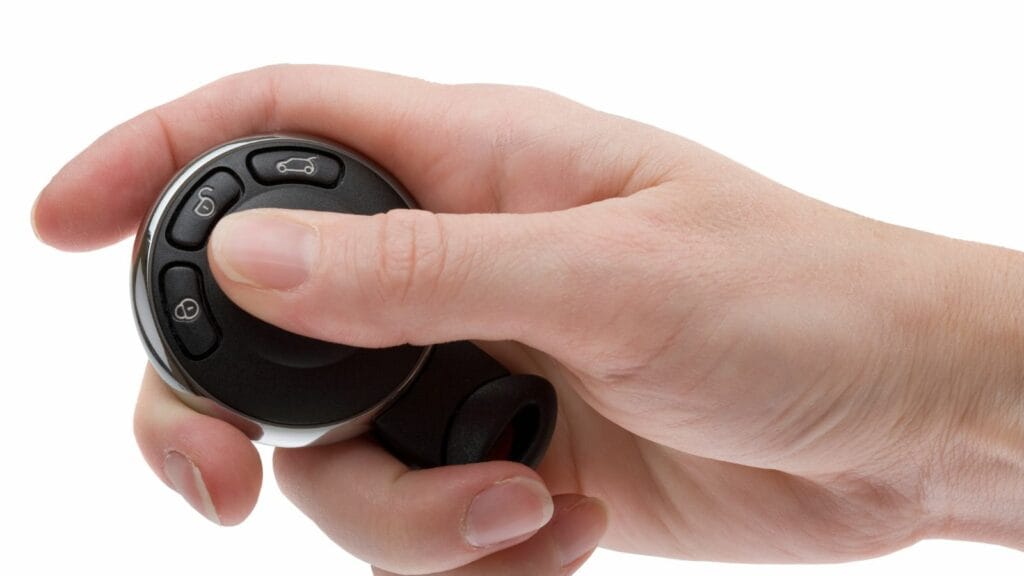
A remote starter once felt like the perfect cold-weather upgrade: press a button, let the cabin warm, and step into a more comfortable vehicle. But as vehicles have become more electronic, connected, regulated, and expensive to repair, some drivers are rethinking that convenience.
Twelve reasons explain why aftermarket remote starters are being removed from otherwise healthy vehicles. The concerns range from battery drain and wiring faults to anti-theft complications, idling rules, insurance questions, and factory systems that now handle the same job with fewer add-on parts. For many owners, the issue is not whether remote start is useful. It is whether an older aftermarket setup still fits the vehicle, the warranty situation, and the way modern drivers actually use their cars.
Electrical Problems Become Hard to Trace
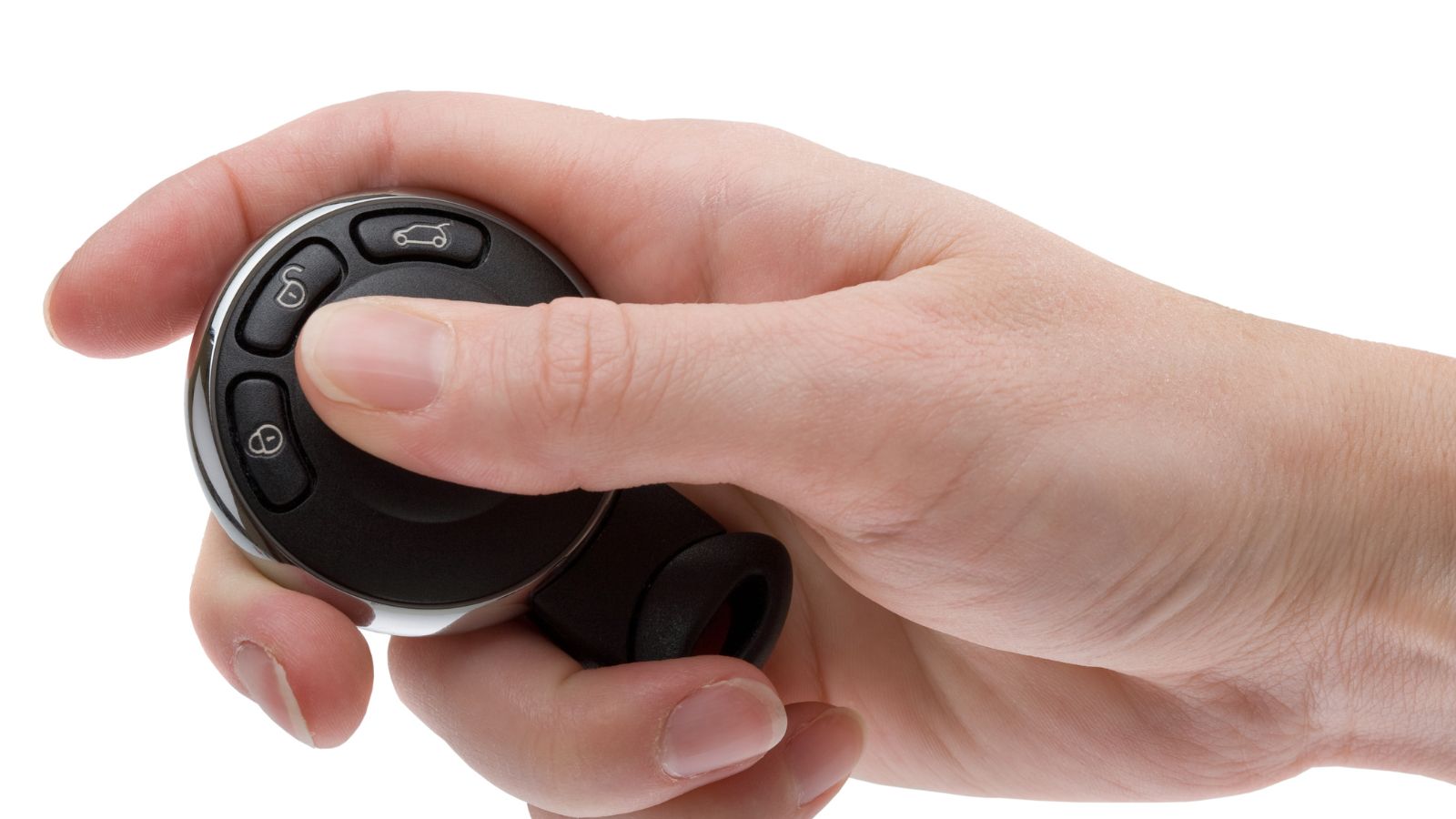
Aftermarket remote starters work by tying into ignition, starter, accessory, brake, hood, door-lock, and security circuits. On older vehicles, that often meant a handful of hardwired connections. On newer vehicles, one extra module can interact with body-control computers, immobilizers, data-bus wiring, and factory alarms. When something starts acting strangely, the remote starter becomes one more suspect.
A common example is the driver who removes the system after repeated no-start complaints, flickering parking lights, random horn chirps, or a dash warning that disappears whenever the remote-start module is disconnected. Even if the starter was not the original cause, technicians may need extra diagnostic time to separate factory faults from aftermarket wiring. That time costs money, especially when a previous installer used quick taps, hidden splices, or unlabeled modules under the dash.
Battery Drain Feels Worse in Cold Weather
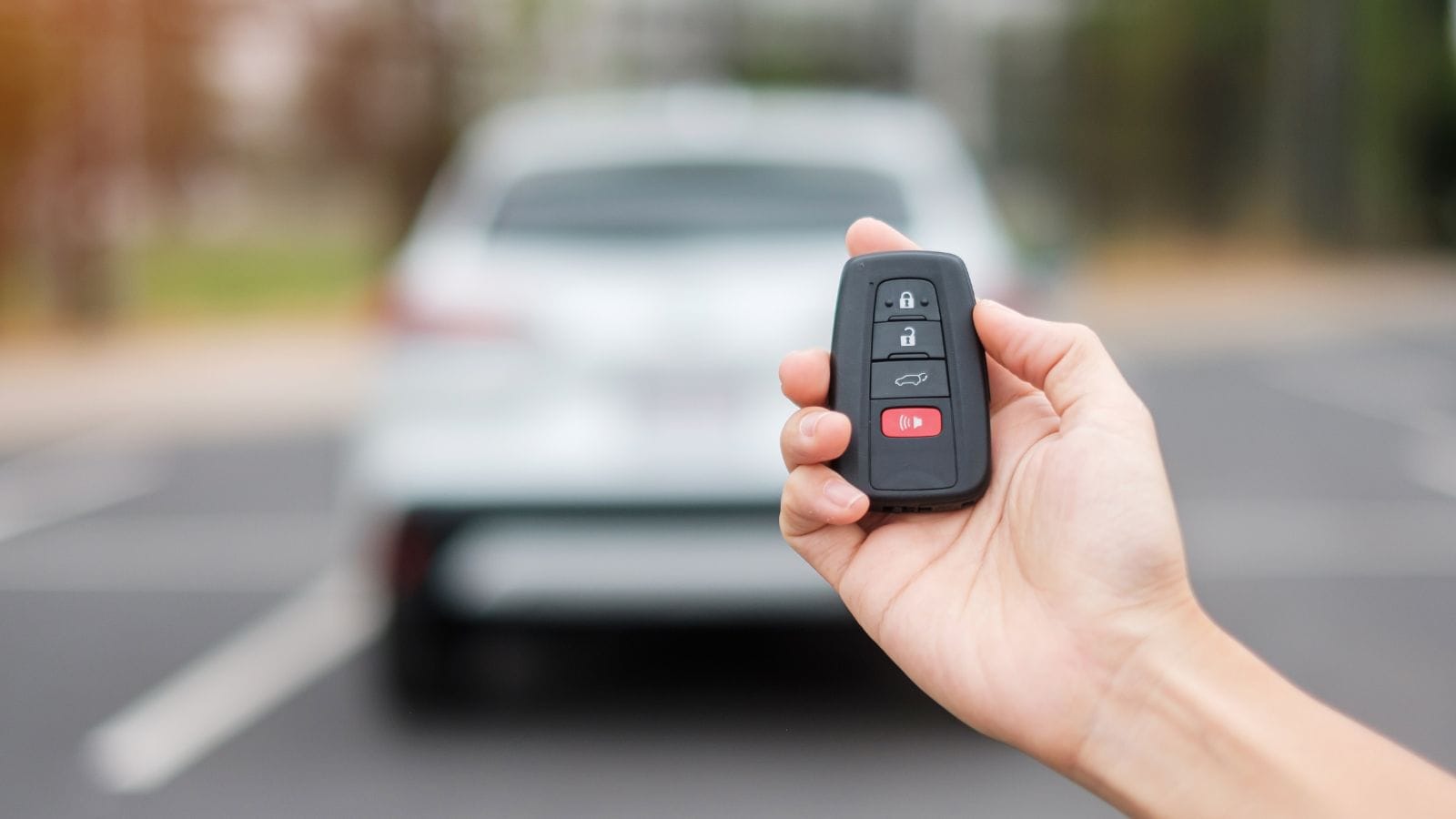
A remote starter needs some power even when the vehicle is parked. Usually, that draw is small. The problem begins when the module, antenna, alarm interface, bypass module, or connected accessory does not sleep properly. Add a weak battery, freezing temperatures, and short winter trips, and the vehicle may greet its owner with slow cranking or a clicking starter.
Modern vehicles already have normal key-off electrical loads from clocks, computers, alarms, and telematics. Technical training sources often describe normal parasitic draw in newer vehicles as a small but measurable current, while abnormal draw can continue after shutdown and discharge the battery. Drivers who park at airports, cottages, work camps, or condo garages for several days may decide the comfort benefit is not worth the chance of a dead battery. Removing the aftermarket unit becomes a practical way to simplify the electrical system.
Immobilizer Bypass Modules Create Unease
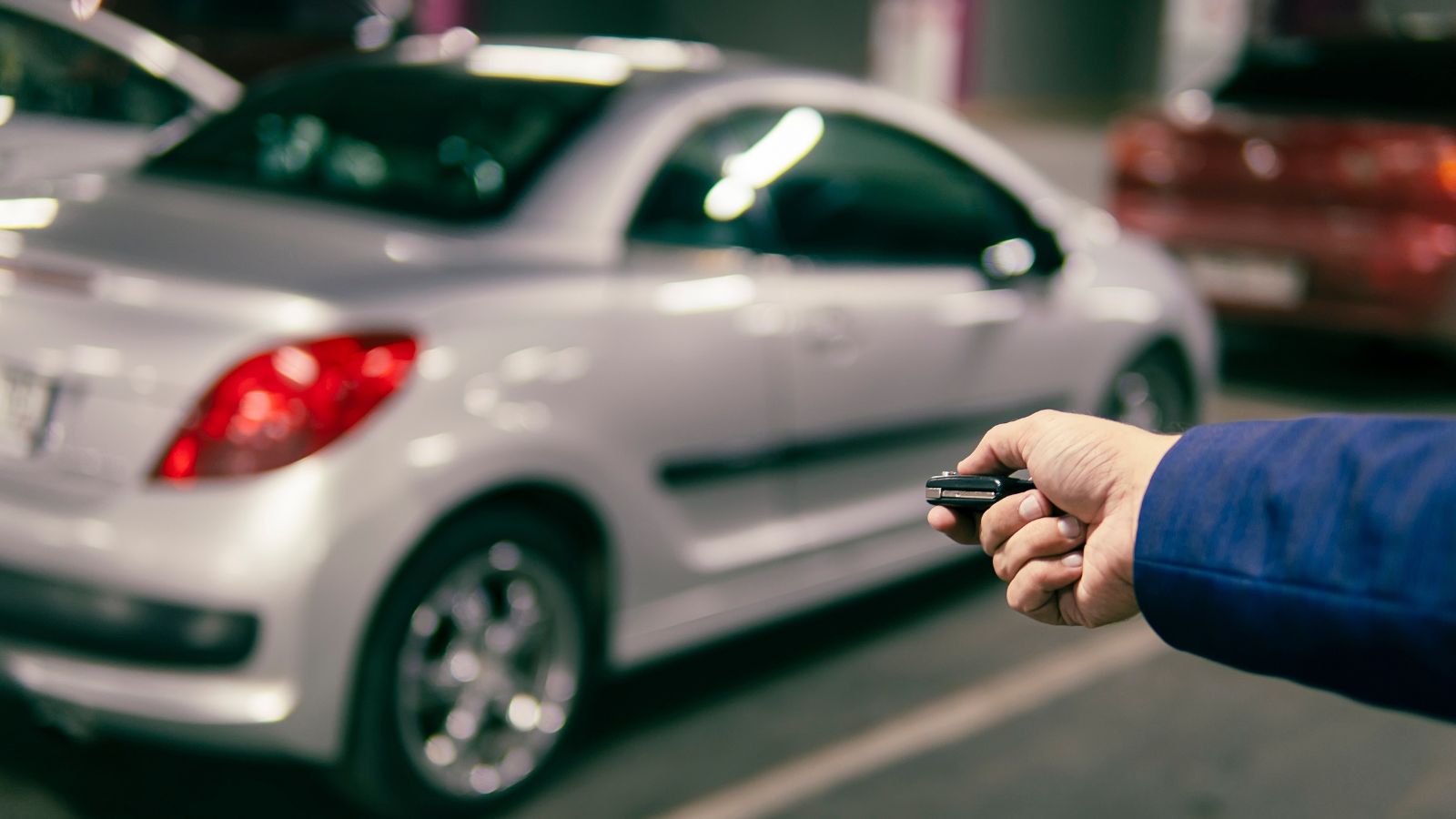
Most late-model vehicles use immobilizers that require the correct electronic key signal before the engine will run. Aftermarket remote starters often need an interface or bypass module so the car can start without the physical key being turned. Proper systems are designed to work only during the remote-start sequence, but the word “bypass” still makes many owners nervous.
That unease grows when a used vehicle changes hands and nobody knows which module is installed, whether it was programmed correctly, or whether a spare key chip was ever hidden inside the vehicle by an older-style installer. A buyer may see an unfamiliar box tucked behind the lower dash and wonder what it does. In high-theft areas, some owners prefer fewer add-on security interfaces and a return to factory-only ignition behavior, especially if the system is old, undocumented, or no longer supported by the installer.
Warranty Conversations Get Complicated
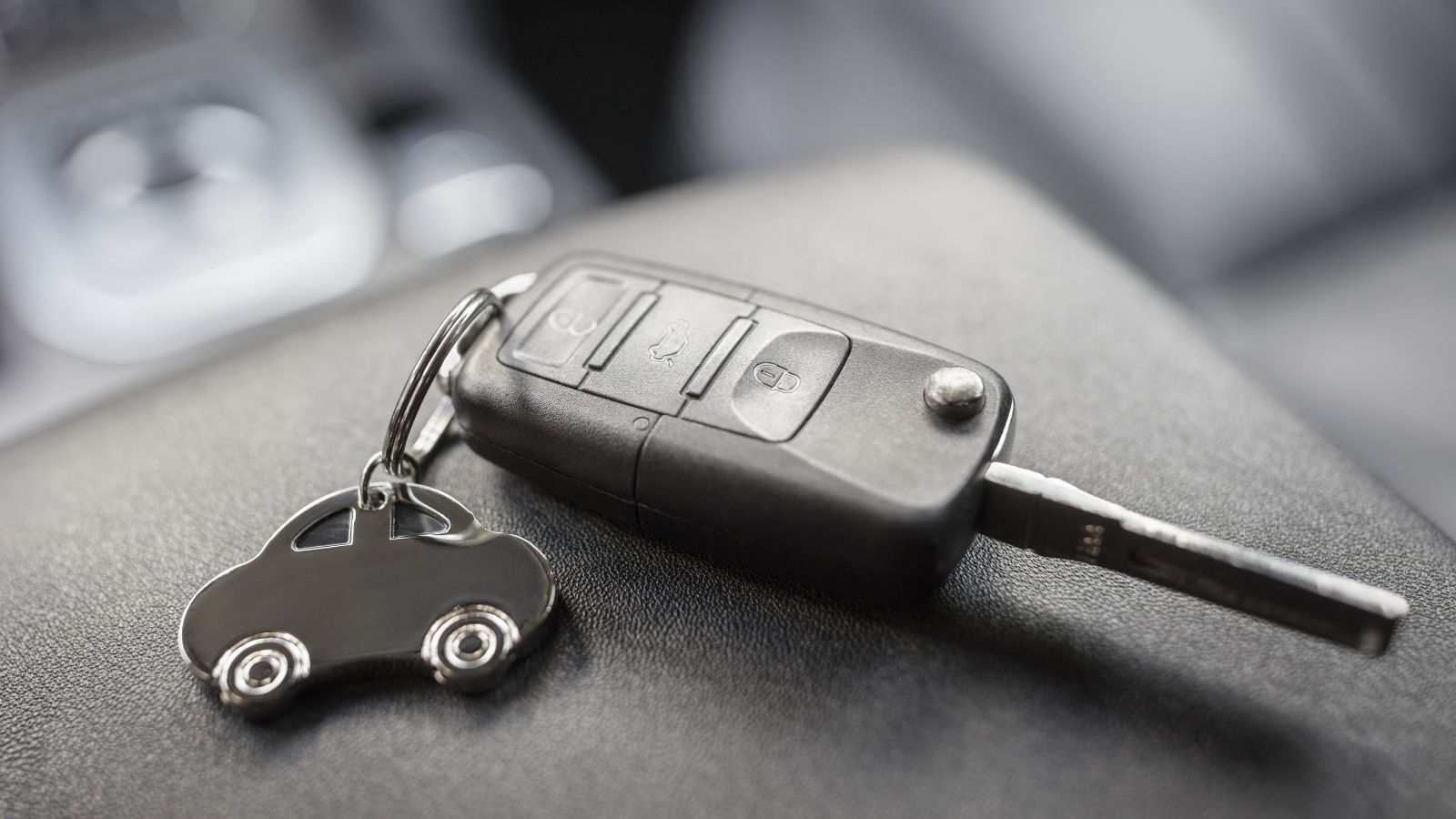
Aftermarket parts do not automatically void a vehicle warranty. The issue is more specific: warranty coverage can become contested if a dealer or manufacturer believes an aftermarket part or installation caused the failure. That distinction matters because a remote starter is tied into systems that are central to starting, charging, immobilizer recognition, and body electronics.
A driver with a newer vehicle may remove an aftermarket unit before repeated dealer visits simply to avoid arguments. For example, a failed body-control module, battery drain complaint, or immobilizer code may trigger questions about the remote starter even when the root cause is elsewhere. The owner may legally have protections, but proving cause and effect can take time. Many people would rather remove the accessory than risk a diagnostic stalemate between a dealership, an installer, and a warranty administrator.
Manual-Transmission Setups Feel Too Risky
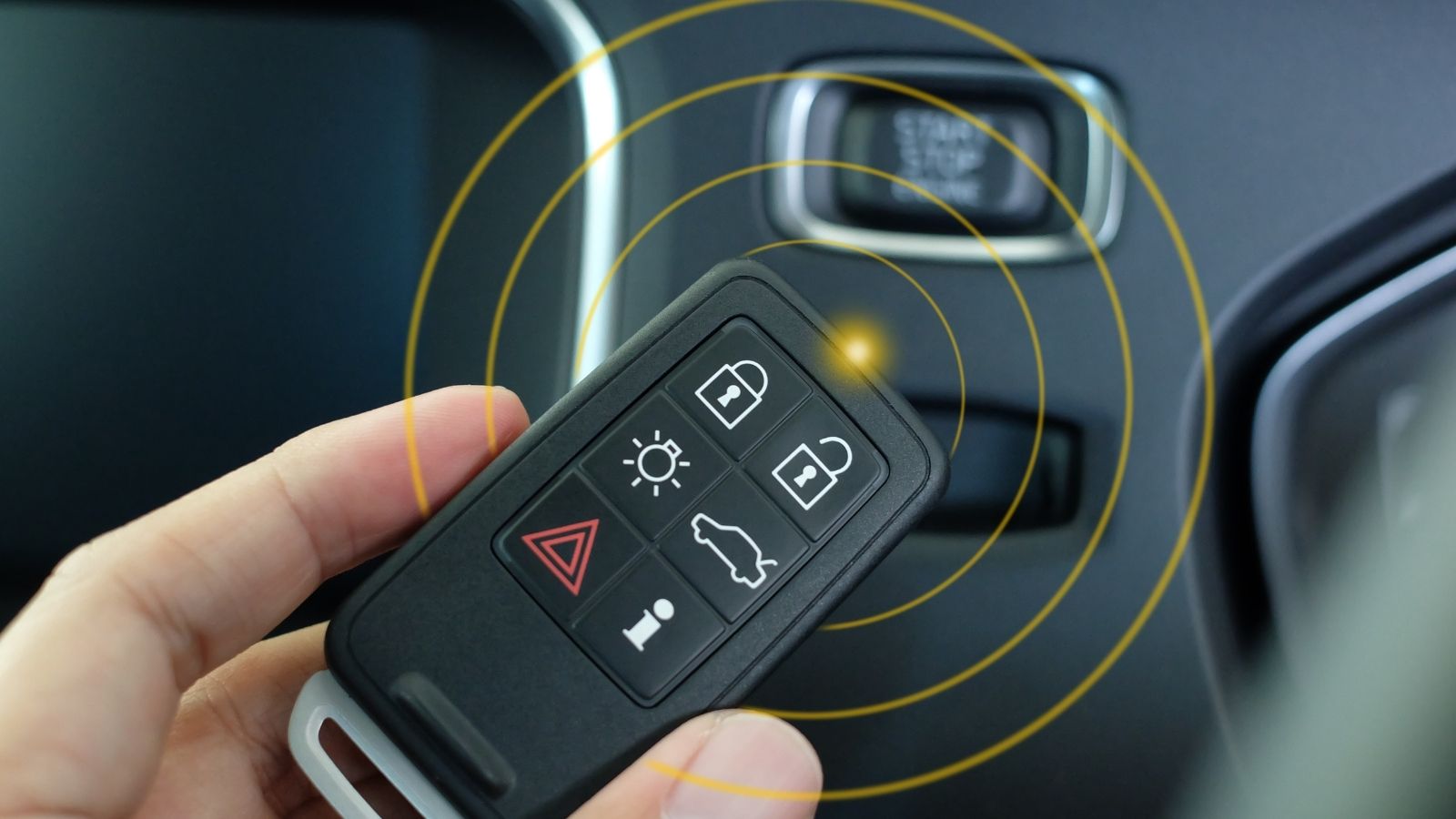
Remote start on a manual-transmission vehicle requires stricter safety logic than on an automatic. The vehicle must not be able to start while left in gear. Some systems use reservation-mode routines, parking-brake inputs, clutch-bypass controls, door monitoring, and shutdown sequences to reduce that risk. If any part is miswired, bypassed, or misunderstood, the consequences can be serious.
This is why many owners remove remote starters after buying a used manual vehicle. They may not trust the previous installation, or they may not know whether the system was designed specifically for a manual transmission. A winter commuter might enjoy a warm cabin, but not enough to gamble on the vehicle lurching forward in a driveway. Even manufacturer installation manuals warn against using automatic-transmission remote-starter modules in manual vehicles, which reinforces why cautious drivers remove questionable setups.
Enclosed Spaces Raise Carbon Monoxide Concerns
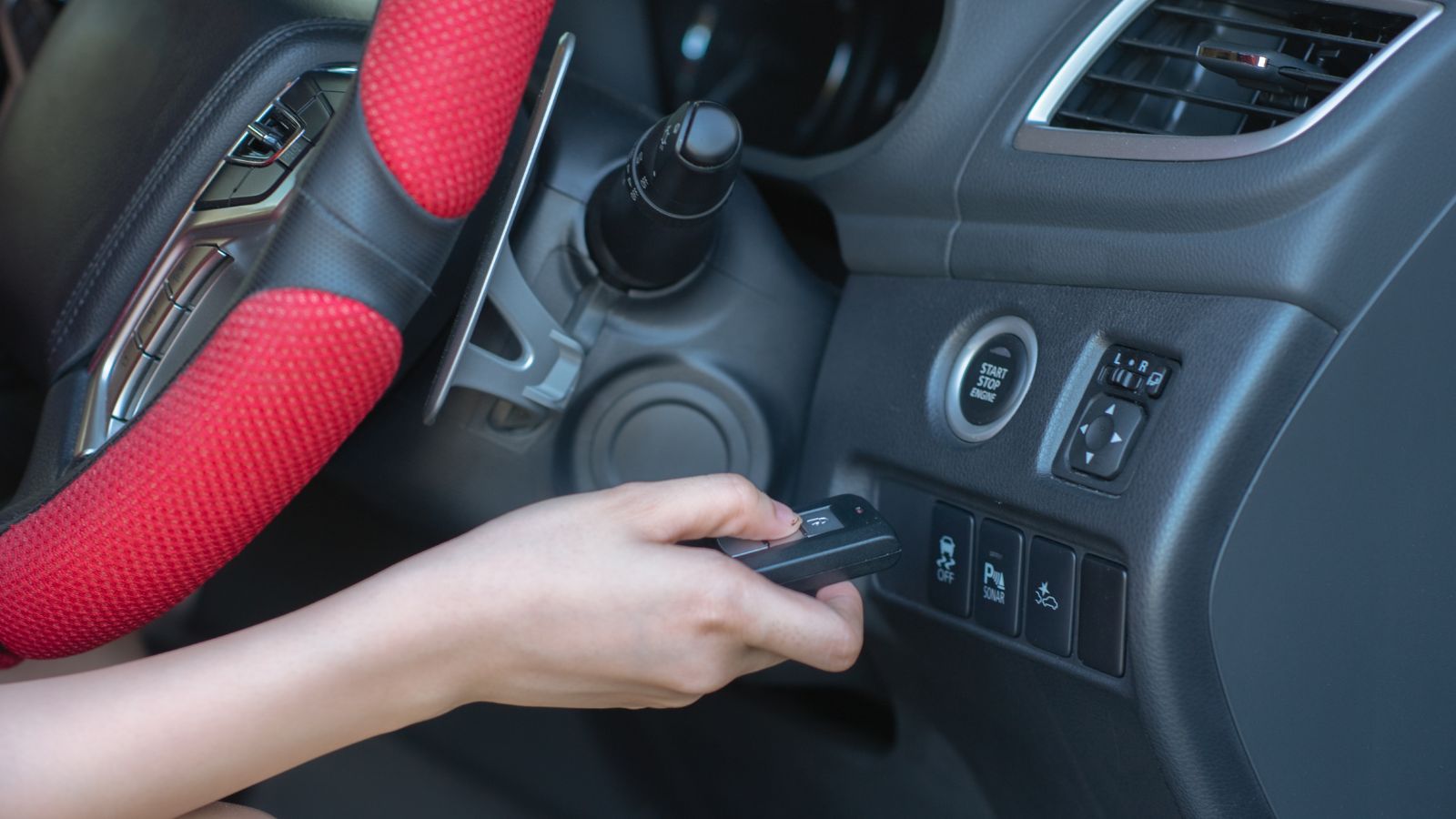
Remote start can be dangerous when used in a garage, carport, workshop, or any enclosed space. A running engine produces exhaust gases, and carbon monoxide is especially concerning because it is colourless, odourless, and potentially fatal. Safety manuals for remote starters commonly warn never to start a vehicle remotely in an enclosed building.
Some drivers remove aftermarket systems after a near-miss, such as accidentally pressing the fob from inside the house while the car is in an attached garage. Others worry about children playing with remotes, pets stepping on keys, or a fob button being pressed in a purse. Factory systems often include time limits and layered alerts, but older aftermarket units can be less familiar to other household members. For families with attached garages, removal may feel like the simplest safety upgrade.
Local Idling Rules Reduce the Benefit
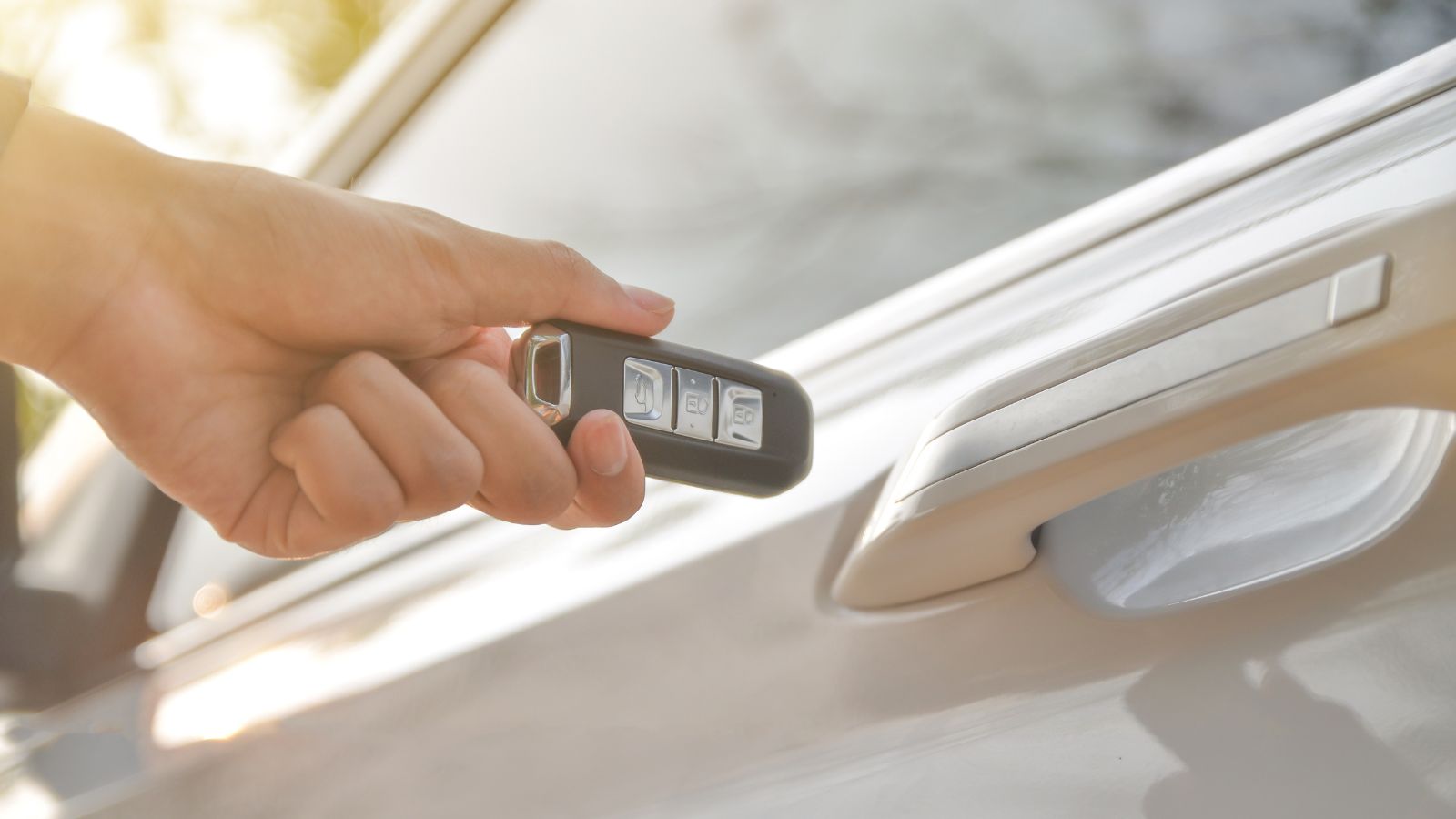
Remote starters are most appealing when they allow a vehicle to idle before departure. The trouble is that many communities restrict unnecessary idling, often with short time limits and weather-based exceptions. In some municipalities, a remote starter can make it easier to break a bylaw without realizing it, especially when the vehicle is left running unattended.
This matters more in dense neighbourhoods, condos, school zones, and workplace parking lots. A driver may start the vehicle from a kitchen window, get delayed by a phone call, and return to a car that has been idling far longer than intended. Neighbours may complain about exhaust, noise, or fumes drifting near windows. For people who rarely need more than defrosting time, an ice scraper, windshield cover, block heater, or heated seat may solve the problem without keeping the engine running.
Long Warm-Ups Waste More Fuel Than Many Expect
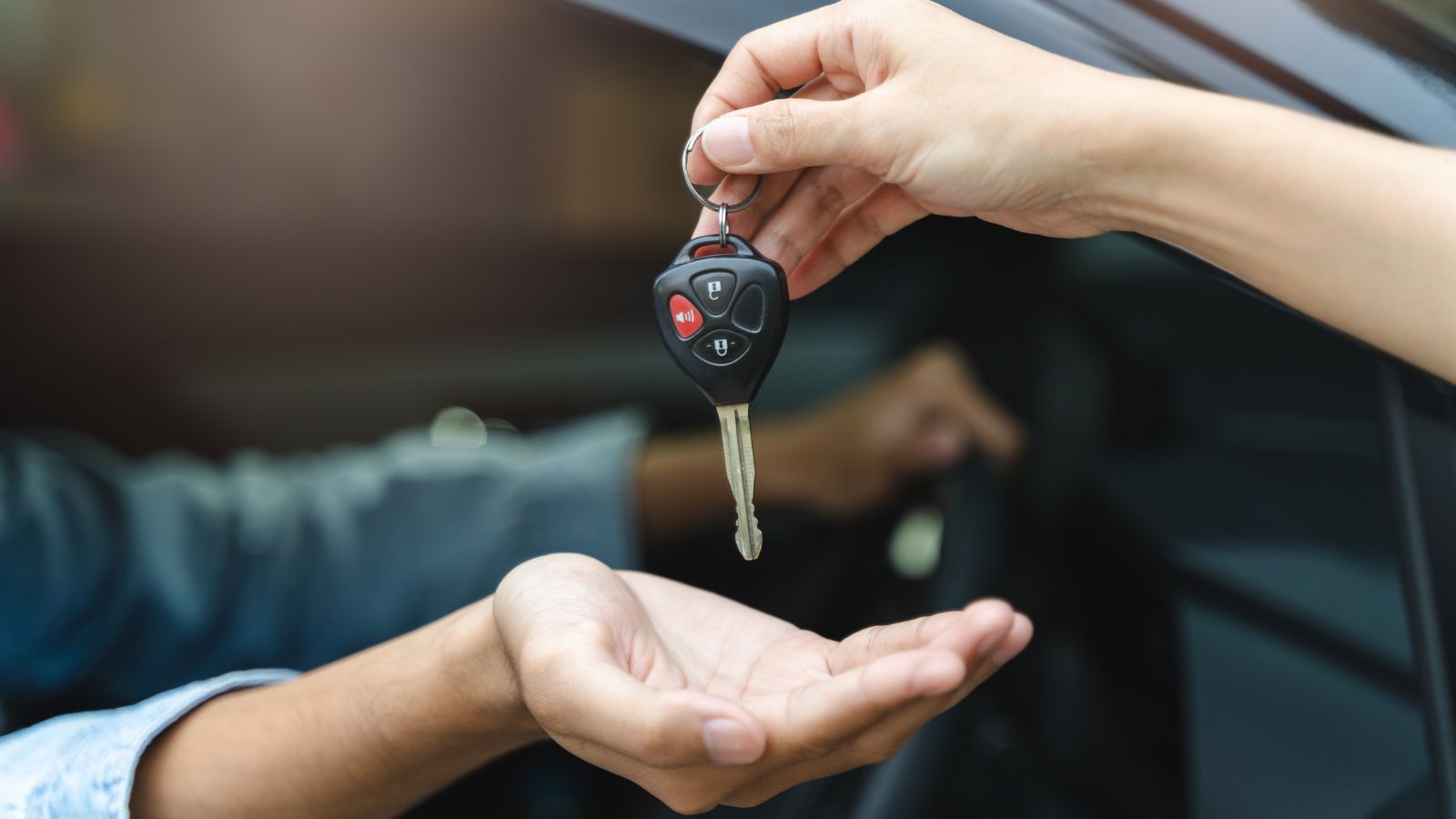
One reason remote starters lose favour is that modern engines generally do not need long warm-up periods before driving gently. Natural Resources Canada materials have long advised that modern engines need only a short warm-up, assuming windows are clear and the vehicle is safe to drive. Argonne National Laboratory testing also found that, under the conditions tested, idling beyond a short interval used more fuel and produced more carbon dioxide than restarting.
That does not mean every vehicle, climate, or driver situation is identical. Extreme cold, diesel engines, thick frost, and visibility concerns can justify more preparation time. Still, many remote-start habits go well beyond what the engine needs. Drivers who calculate fuel burned across an entire winter may decide the comfort feels expensive. Removing an aftermarket starter can be part of a broader effort to cut wasted fuel, reduce emissions, and avoid unnecessary engine hours.
Factory Connected Systems Have Caught Up
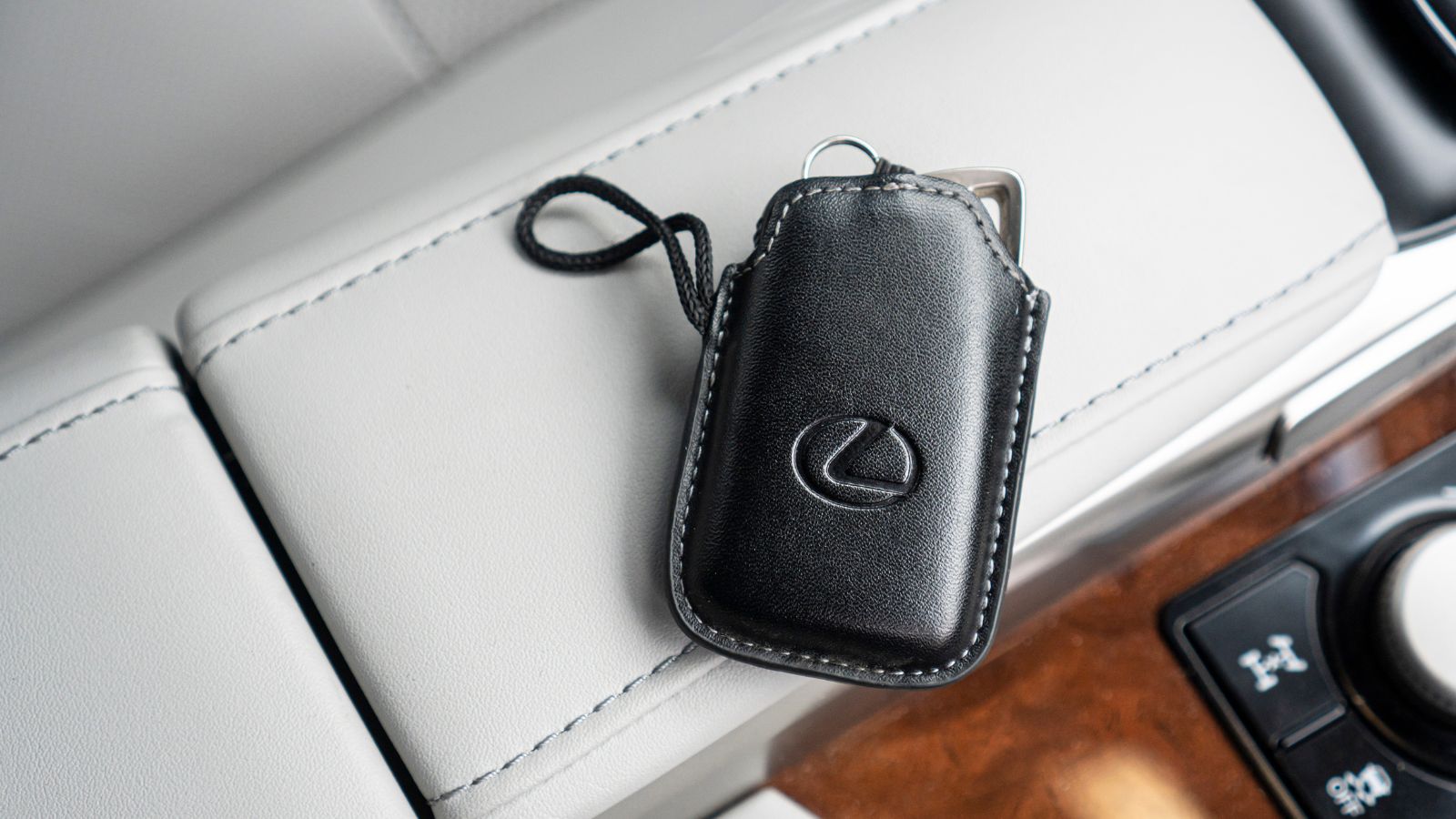
Aftermarket remote starters once filled a clear gap because many vehicles did not offer factory remote start. That gap is smaller now. Many newer models include key-fob remote start, app-based start, climate presets, heated-seat activation, defrost control, vehicle-status checks, and diagnostic features through factory connected systems. Some automakers also integrate remote start with security and warranty support more cleanly than a third-party add-on.
The trade-off is that factory connected services may require trials, subscriptions, cellular coverage, or model-specific eligibility. Even so, some owners prefer paying for a supported factory feature instead of maintaining an old aftermarket module. A driver upgrading from a 2014 sedan to a newer crossover may remove the old system because the vehicle already has remote climate control through the manufacturer’s app. In that case, the aftermarket unit becomes redundant clutter rather than a valuable convenience.
Theft Anxiety Has Changed the Conversation
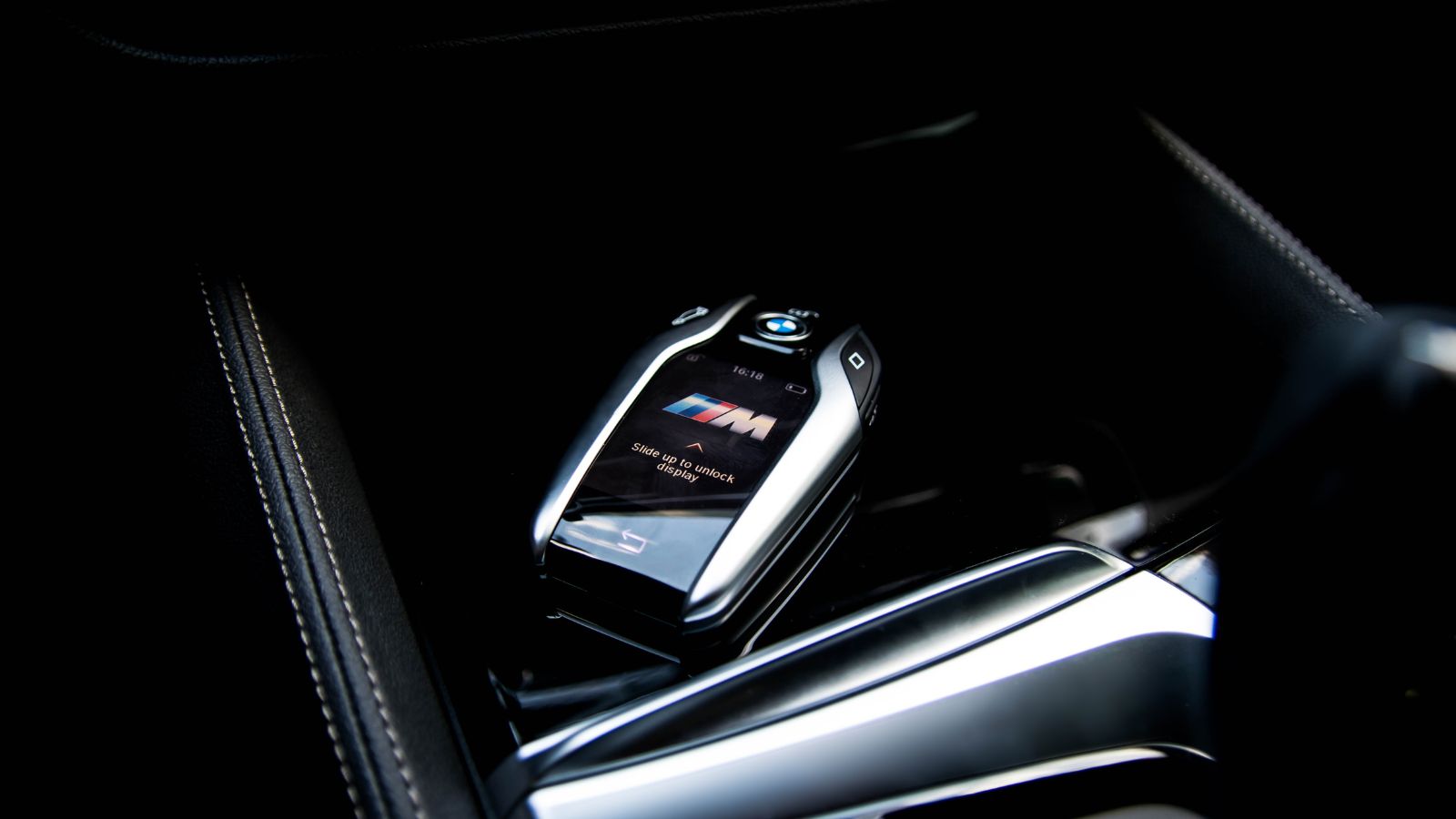
Vehicle theft has pushed many drivers to think harder about anything connected to keys, immobilizers, remote entry, or unattended idling. Canadian government and insurance sources have described relay attacks, key-fob programming tools, jammers, and stolen unattended idling vehicles as part of the broader theft problem. That does not mean every aftermarket remote starter makes a car easy to steal, especially when installed properly.
The concern is perception and uncertainty. If the owner does not know how the starter interfaces with the immobilizer, whether a hidden key chip exists, or whether the system shuts down when the brake is pressed, confidence drops. Some drivers remove remote starters after a theft attempt in the neighbourhood or after an insurer recommends stronger anti-theft measures. The decision becomes less about blaming the remote starter and more about eliminating unknowns from a vehicle that already feels vulnerable.
Insurance and Resale Questions Add Friction
Vehicle modifications can affect insurance conversations, especially when they change value, theft risk, repair cost, or factory configuration. A remote starter is usually not as dramatic as an engine tune or suspension lift, but it is still an aftermarket electrical accessory. Some insurers expect owners to disclose modifications, and coverage for aftermarket parts may depend on policy wording.
Resale is another reason some systems come out. A clean, factory-looking used car is easier to explain than one with extra remotes, mystery wiring, or a dangling antenna near the windshield. Dealership appraisers may not reward an older remote starter, and some buyers may treat it as a risk rather than a perk. Owners preparing a trade-in sometimes remove the unit, restore wiring neatly, and keep the sales conversation focused on maintenance records, condition, mileage, and factory equipment.
Old Remotes, Lost Programming, and Service Mode Become Annoying
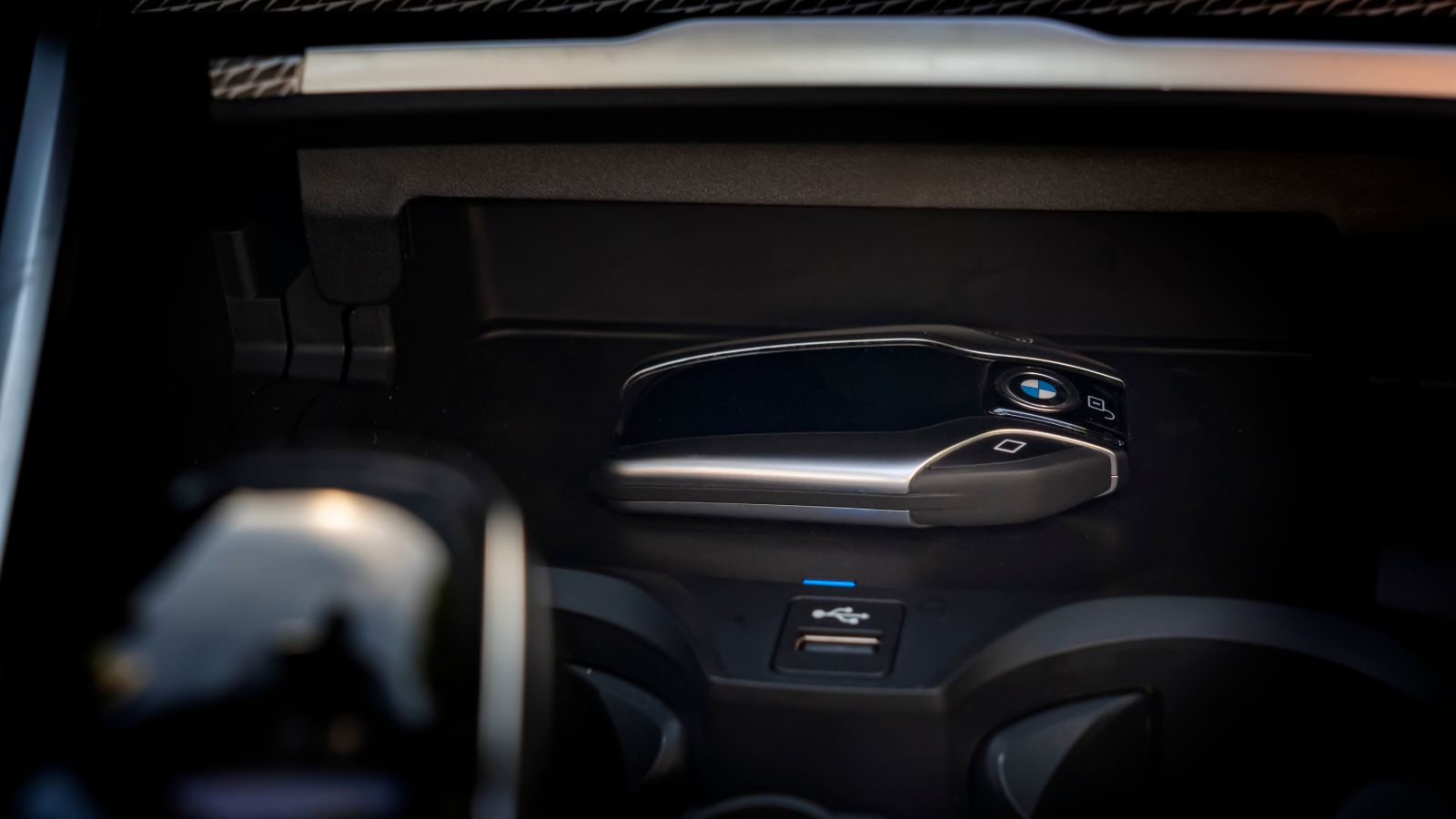
Aging remote starters can become frustrating for small reasons. The remote batteries die, the fob case cracks, programming is lost after a battery replacement, the antenna range shrinks, or the system enters valet mode without the owner understanding why. Some systems also require service mode before mechanical work so the vehicle does not start unexpectedly while a technician is working near moving parts.
These are manageable issues when the original installer is nearby and the system brand is still supported. They become irritating when the installer has closed, the manual is missing, or the vehicle was bought used with only one remote. A driver who rarely uses the feature may finally ask a shop to remove it after the third winter of confusion. Convenience has to stay convenient; once the accessory creates more questions than comfort, removal starts to make sense.
Removal Can Be the Cleanest Repair

Removing an aftermarket remote starter is not always as simple as unplugging a box. A proper removal may require tracing harnesses, restoring factory starter wires, removing bypass modules, reconnecting cut circuits, insulating old connections, and testing the hood switch, brake input, locks, ignition, and anti-theft system. Done poorly, removal can create the same problems owners were trying to escape.
Still, a careful removal can bring peace of mind. It can reduce diagnostic uncertainty, clean up old wiring, improve resale presentation, and eliminate a feature that no longer matches the owner’s habits. The best outcome is not necessarily a vehicle with fewer features. It is a vehicle whose electrical system is understood, documented, and dependable. For some drivers, especially those with older or unknown installations, removing the remote starter is less a step backward than a return to clarity.
22 Things Canadians Do to Their Cars in Spring That Mechanics Hate

Spring brings relief to many Canadian drivers after months of snow, freezing temperatures, and icy roads that put serious strain on vehicles. As temperatures rise across the country, drivers begin washing cars, switching tires, and preparing vehicles for warmer weather and upcoming road trips. However, mechanics across Canada notice the same mistakes every spring when drivers attempt to recover from winter damage. Road salt, potholes, and harsh winter driving conditions often leave vehicles with hidden problems that drivers ignore. Some spring habits even create new mechanical issues that could have been avoided with proper maintenance. Here are 22 things Canadians do to their cars in spring that mechanics hate.

Alanna Rosen is an experienced content writer that focuses on many EV and educational content. Her articles are regularly published on Get CyberTrucked and syndicated on large publications.