
A dealership deal can look irresistible at first glance: a low online price, a friendly salesperson, and a payment that seems easier than expected. The problem is that vehicle purchases often involve layers of financing, fees, trade-in math, warranties, and paperwork that can turn a bargain into an expensive commitment.
These 20 warning signs highlight the moments when a dealership offer deserves closer attention. Some involve pricing tricks, while others point to hidden vehicle history, rushed contracts, or financing terms that sound simpler than they really are. The strongest deals usually become clearer with written numbers, full disclosures, and time to compare options.
The Advertised Price Is Far Below Comparable Vehicles

A price that sits thousands below similar vehicles should raise questions before excitement takes over. Dealers sometimes advertise aggressively to pull shoppers into the showroom, but a legitimate discount should still make sense against mileage, trim, condition, demand, and local market pricing. A three-year-old SUV priced well below every comparable listing may have accident history, rental use, unresolved repairs, or a title issue that is not obvious at first glance.
That does not mean every low price is dishonest. A vehicle may be aged inventory, a discontinued trim, or a model with heavy manufacturer incentives. Still, the burden is on the dealership to explain the discount clearly. A realistic deal should come with a vehicle history report, itemized pricing, inspection records, and a consistent explanation from the salesperson and finance office.
The Online Price Changes Once the Conversation Starts

A deal becomes suspicious when the advertised number disappears after a phone call, test drive, or credit application. Some shoppers are told that the online price only applies with dealer financing, a specific trade-in, loyalty eligibility, or rebates that most buyers cannot actually claim. By that point, the shopper may already feel invested after visiting the lot or arranging insurance quotes.
A trustworthy dealership should be able to state the selling price, required fees, taxes, licensing charges, and conditions in writing before a buyer sits in the finance office. In provinces with all-in pricing rules, such as Ontario and Alberta, most mandatory dealer charges are expected to be included in the advertised price, except taxes and licensing. When the price keeps shifting, the “deal” may be a moving target.
Mandatory Fees Appear Only at the End

Extra fees can make a low price meaningless. Documentation charges, administration fees, inspection fees, reconditioning fees, market adjustment charges, and electronic filing fees may be presented as unavoidable after the buyer has emotionally committed. A fee is especially concerning when the salesperson describes it as mandatory but it was not visible in the ad or included in the earlier quote.
The key issue is not whether every fee is illegal. Rules vary by jurisdiction, and taxes or licensing costs are often legitimate. The warning sign is late disclosure. A shopper comparing vehicles needs the out-the-door cost, not a teaser price. If a dealership cannot explain each charge in plain language and show where it appeared before signing, the deal deserves a pause.
The Dealer Refuses to Provide an Out-the-Door Quote

An out-the-door quote shows the actual amount required to buy the vehicle, including the selling price, taxes, fees, add-ons, rebates, and registration-related charges. When a dealer refuses to provide that number by email or printed worksheet, it becomes harder to compare offers fairly. Vague responses such as “come in and we’ll work it out” often benefit the seller more than the buyer.
Written quotes also reduce confusion between the sales desk and finance office. A buyer may agree to one figure on the showroom floor, only to see a different figure in the contract. A clear quote protects both sides by documenting the deal before credit checks, trade-in negotiations, or add-on presentations begin. If the dealership avoids written numbers, the deal may depend on pressure rather than transparency.
The Monthly Payment Sounds Perfect but the Total Cost Is Hidden

A low monthly payment can hide a very expensive deal. Stretching a loan over a longer term lowers the payment but can increase total interest and leave the buyer owing more than the vehicle is worth for longer. A $40 or $60 difference per month may feel manageable, but over seven or eight years it can represent thousands in extra cost.
Dealerships often know that shoppers focus on the payment because it connects directly to household budgets. The better question is what the vehicle costs in total, including interest, add-ons, fees, and negative equity from a trade-in. A payment-first conversation should be treated carefully unless the dealer also provides the selling price, annual percentage rate, term length, amount financed, and total repayment amount.
Financing Is Described as Approved Before It Is Final

A buyer may be told financing is approved, allowed to drive away, and then contacted days later with worse loan terms. This practice is often associated with spot delivery or so-called yo-yo financing. The dealership may say the lender changed its mind, the rate increased, a larger down payment is needed, or the buyer must return to sign a different contract.
This is a serious warning sign because the emotional pressure has already shifted. The buyer may have sold a previous vehicle, shown the new car to family, or started using it for commuting. Before taking delivery, the financing should be final, not conditional on later approval. Any contract clause allowing the dealer to rewrite financing after delivery should be read carefully before the keys change hands.
Add-Ons Are Presented as Required for Approval

Products such as extended warranties, tire-and-rim coverage, paint protection, anti-theft etching, service contracts, rustproofing, and GAP coverage may be useful in some circumstances. They become a problem when a buyer is told they are required to qualify for financing or receive the advertised price. That claim should be questioned immediately unless the requirement is clearly documented by the lender or manufacturer.
Many add-ons are sold in the finance office, where the buyer may feel the hard part is already over. A common example is a shopper agreeing to a fair selling price, then seeing several thousand dollars in protection products added to the amount financed. Optional products should be clearly identified, priced separately, and accepted voluntarily. If “optional” suddenly means “mandatory,” the deal is no longer clean.
The Trade-In Offer Looks Generous but the Loan Balance Is Rolled Over

A dealership may promise to “pay off” a trade-in, creating the impression that old debt disappears. In reality, if the trade-in is worth less than the remaining loan balance, the negative equity may be added to the new loan. That can make the new vehicle seem affordable while quietly increasing the amount financed beyond the vehicle’s actual value.
This matters most when a shopper changes vehicles frequently or stretches payments over long terms. A buyer who owes $28,000 on a vehicle worth $23,000 still has a $5,000 problem. If that amount is rolled into the next loan, the new deal starts underwater. A trustworthy quote should show the trade-in value, loan payoff, negative equity, down payment, and new amount financed as separate numbers.
The Vehicle Identification Number Is Hard to Get
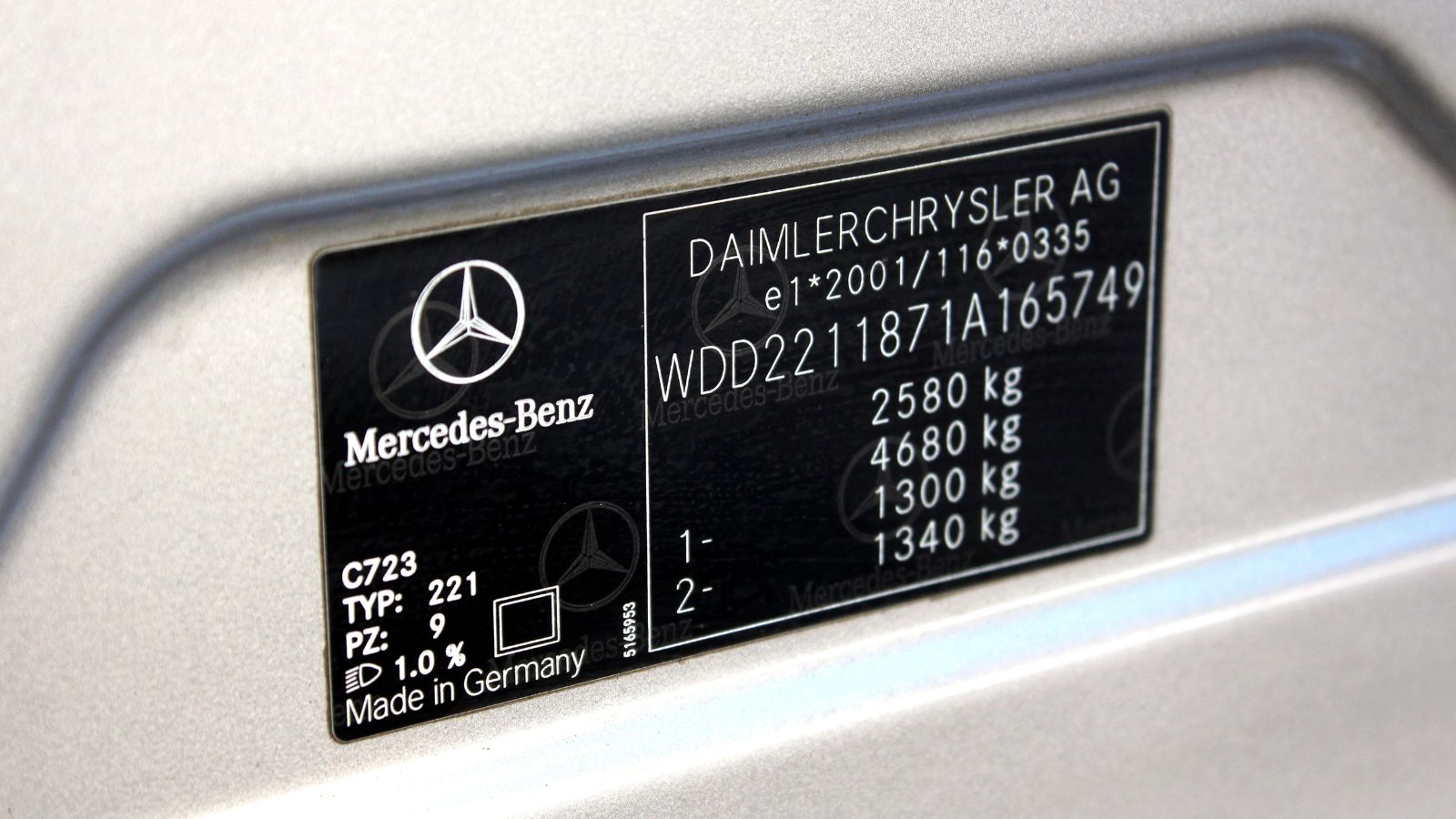
The VIN is one of the simplest tools for checking a vehicle’s background. It can help confirm recalls, history reports, title branding, lien searches, service records, and whether the vehicle shown online matches the one on the lot. A dealership that avoids sharing the VIN, provides a partial number, or changes the VIN between documents creates unnecessary uncertainty.
There are legitimate moments when a vehicle has just arrived and photos or paperwork are still being updated. Even then, a dealer should be able to provide the VIN before a buyer pays a deposit or submits a credit application. Without it, the buyer cannot independently verify the vehicle. A deal that depends on limited information is not a bargain; it is a blind purchase.
The History Report Is Missing or Treated as Unimportant

A vehicle history report is not perfect, but refusing to provide one can be a warning sign. Reports may reveal accident claims, registration history, mileage readings, prior commercial use, recalls, title branding, or liens, depending on the data available. When a dealer says a report is unnecessary because the vehicle “looks clean,” that should not replace documentation.
A clean report also should not end the investigation. Some repairs, private damage claims, or maintenance gaps may never appear in a database. The safest approach is to compare the report with inspection records, service receipts, paint condition, panel gaps, tire wear, and the test drive. A dealer that welcomes those questions is usually easier to trust than one that dismisses them as overcautious.
Accident, Flood, or Title Issues Are Minimized

A rebuilt title, flood history, major collision repair, or structural damage can affect safety, insurance, financing, warranty coverage, and resale value. Some vehicles are repaired properly, inspected, and priced honestly. The problem begins when serious history is framed as “just cosmetic” without repair invoices, photos, inspection documents, or a price that reflects the risk.
Flood damage deserves particular caution because water can affect wiring, sensors, airbag systems, carpets, seat tracks, and electronic modules long after the vehicle looks dry. A musty smell, fresh interior shampooing, mismatched trim, corrosion under seats, or moisture in lights can matter more than shiny paint. If the dealership cannot fully document the damage and repairs, the discount may not be large enough.
The Dealer Blocks an Independent Inspection

An independent pre-purchase inspection can uncover leaks, accident repairs, worn suspension parts, brake issues, rust, diagnostic trouble codes, and maintenance neglect. A dealership that refuses any outside inspection should be treated carefully, especially on used vehicles sold with limited or no warranty. “Our technicians already inspected it” is helpful, but it is not the same as a neutral second opinion.
There may be reasonable rules around insurance, appointment timing, or where the inspection happens. The red flag is a blanket refusal or a sudden rush to close before an inspection can be arranged. A real bargain should survive professional scrutiny. If a mechanic’s opinion threatens the deal, the dealership may know the price is hiding future repair costs.
Warranty Promises Stay Verbal

Verbal promises are easy to make and hard to enforce. A salesperson may say the dealer will “take care of anything,” fix a noise later, include winter tires, or honour a warranty beyond what appears on paper. If those promises are not written into the purchase agreement, warranty document, or due-bill, they may vanish once the vehicle leaves the lot.
This is especially important for used vehicles. Buyers should know whether the car is sold as-is, covered by a dealer warranty, still under manufacturer warranty, or protected by a paid service contract. The details matter: covered parts, labour percentage, deductible, duration, exclusions, and repair location. A strong deal does not rely on memory or goodwill; it puts promises in writing.
The As-Is Label Conflicts With the Sales Pitch

An as-is sale can sound harmless when the vehicle drives well and the salesperson seems confident. The risk is that “as-is” often means the dealer is not promising to fix problems after purchase, except where consumer laws provide specific protections. If the sales pitch suggests protection but the paperwork says no warranty, the paperwork usually deserves more attention.
A buyer may hear, “It passed our inspection,” while the contract says the vehicle is being sold without dealer warranty. That combination is not automatically improper, but it should prompt careful review. Inspection results, safety certification, emissions compliance, and warranty coverage are different things. A deal that feels secure in conversation but risky in writing should be slowed down before signing.
The Salesperson Creates a Same-Day Deadline

Pressure is one of the oldest warning signs in vehicle sales. A shopper may hear that another buyer is on the way, the manager will not approve the price tomorrow, the rebate expires tonight, or the vehicle cannot be held without a deposit. Sometimes inventory really is limited, but pressure tactics are also used to stop comparison shopping.
A good deal should still make sense after a night of review. Buyers often make better decisions after checking insurance rates, loan options, vehicle history, recalls, and comparable listings. A dealership that discourages those steps may be protecting its margin rather than the buyer’s opportunity. Urgency is not proof of value. It is often a sign that the numbers need more scrutiny.
Rebates and Discounts Depend on Narrow Qualifications

A large advertised discount may include rebates that only some shoppers qualify for, such as loyalty, conquest, military, graduate, mobility, trade-in, cash, or finance-specific incentives. The deal can look impressive online, then shrink once the buyer learns that several discounts cannot be combined or do not apply to their situation. This is especially frustrating when eligibility details appear only in fine print.
A clear offer should separate dealer discount from manufacturer incentives and explain each condition. It should also state whether the price changes if the buyer pays cash, uses outside financing, leases, or chooses a different term. When a headline discount depends on unlikely qualifications, the advertised deal may be more of a marketing hook than a realistic purchase price.
The Loan Term Is Stretched to Hide a High Price

Long-term financing can make an expensive vehicle seem affordable. A dealer may focus on keeping the payment within budget while extending the term to 84 or 96 months. That structure can leave the buyer paying interest long after the vehicle has lost significant value, especially if the car is driven heavily or traded early.
The warning sign is not the long term alone; it is the lack of conversation about total cost and equity risk. A buyer should see how much interest will be paid, how the payment changes at shorter terms, and whether the vehicle is likely to be worth less than the loan balance for several years. A deal is not truly affordable if it only works by pushing the cost far into the future.
Reconditioning or Certification Charges Appear After Negotiation

Used vehicles often need cleaning, detailing, inspection, tires, brakes, fluids, or repairs before sale. Dealers may build those costs into the asking price, which is normal. The suspicious moment comes when a buyer negotiates a price and then sees a separate reconditioning, inspection, or certification charge added near signing. That can turn a negotiated discount into a smaller one.
Certified pre-owned programs can add value when they are backed by the manufacturer and include clear warranty terms. But “certified” can also be used loosely by independent sellers or dealer groups. Buyers should ask who certifies the vehicle, what inspection checklist was used, what warranty is included, and whether the certification fee is optional or already reflected in the advertised price.
Taxes, Licensing, and Dealer Charges Are Blended Together

A confusing price breakdown can hide expensive additions. Taxes and licensing charges are often legitimate, but they should not be mixed with dealer-created fees in a way that makes everything sound government-required. A buyer might see one large line labelled “fees” and assume it cannot be negotiated, when part of it may be documentation, accessories, administration, or dealer services.
A clean worksheet separates the selling price, trade-in allowance, lien payoff, taxable add-ons, non-taxable government charges, registration costs, and optional products. This matters because buyers may accept charges more readily when they appear official. If the dealer cannot identify which fees are required by law and which are dealership charges, the deal needs clearer paperwork before it deserves a signature.
Recall Status Is Ignored or Brushed Aside

Open recalls can involve airbags, brakes, steering, fuel systems, seatbelts, electrical components, software, or other safety-related systems. Many recall repairs are completed free by the manufacturer, but an unresolved recall still matters because it may affect safety, timing, and convenience. A dealer saying “they all have recalls” is not a sufficient answer.
Before buying, the VIN should be checked through official recall tools or the manufacturer’s database. The buyer should know whether a repair is available, whether parts are on backorder, and whether the vehicle is safe to drive until the fix is completed. A great price can lose its appeal if the vehicle needs a critical safety repair immediately after delivery.
The Dealership’s Licence or Reputation Is Difficult to Verify

A dealership that is hard to identify, changes names frequently, operates from a temporary-looking location, or avoids regulator questions deserves caution. Licensed dealers are usually subject to rules around advertising, disclosure, trust handling, sales contracts, and complaint processes. Private sellers and curbsiders may not offer the same protections, even when they present themselves like small dealers.
Reputation should be checked with more than star ratings. Patterns in reviews, regulator records, complaint histories, business registration details, and how the dealer responds to problems can reveal more than a polished website. A single bad review may not prove much, but repeated complaints about deposits, hidden fees, title delays, or warranty disputes should not be ignored.
The Final Contract Does Not Match the Negotiated Deal

The most important warning sign appears at the end: the paperwork does not match what was agreed. The selling price may be higher, the interest rate different, the term longer, the down payment missing, the trade-in undervalued, or add-ons included without clear consent. By this stage, buyers may be tired and eager to finish, which makes careful review even more important.
Every number should match the written quote before signing. The buyer should also confirm the VIN, mileage, trim, warranty terms, deposit treatment, delivery conditions, financing status, and any promised repairs or accessories. A dealership that becomes impatient during contract review is revealing something useful. A real deal can withstand slow reading. A bad one often depends on speed.
22 Things Canadians Do to Their Cars in Spring That Mechanics Hate

Spring brings relief to many Canadian drivers after months of snow, freezing temperatures, and icy roads that put serious strain on vehicles. As temperatures rise across the country, drivers begin washing cars, switching tires, and preparing vehicles for warmer weather and upcoming road trips. However, mechanics across Canada notice the same mistakes every spring when drivers attempt to recover from winter damage. Road salt, potholes, and harsh winter driving conditions often leave vehicles with hidden problems that drivers ignore. Some spring habits even create new mechanical issues that could have been avoided with proper maintenance. Here are 22 things Canadians do to their cars in spring that mechanics hate.

Alanna Rosen is an experienced content writer that focuses on many EV and educational content. Her articles are regularly published on Get CyberTrucked and syndicated on large publications.