
A familiar car can develop its own background rhythm: tires on pavement, a steady engine note, the soft click of controls. The trouble starts when a new sound cuts through that routine and gets dismissed as “probably nothing.” Many mechanical problems announce themselves by sound before they become breakdowns, repair bills, or safety risks. These 18 car noises deserve attention because they can point to worn brakes, tire trouble, steering issues, cooling leaks, drivetrain wear, or engine damage. Some are urgent enough to stop driving; others call for prompt inspection before a small symptom turns into a much larger repair.
Grinding When Braking

A grinding sound during braking is one of the clearest warnings that the brake system needs immediate attention. It often means the brake pad friction material has worn away and metal is contacting the rotor. At that point, stopping performance can suffer and the rotor can be damaged every time the pedal is pressed. A driver who hears it only at low speed in a parking lot may be tempted to ignore it, but the damage is still happening.
This noise can also be caused by a stuck caliper, debris trapped in the brake assembly, or a badly worn rotor. The important detail is timing: if the sound appears when slowing down, the brakes should be inspected before regular driving continues. A simple pad replacement can become a rotor, caliper, and hardware job if the grinding is treated like background noise.
High-Pitched Squeal From the Brakes
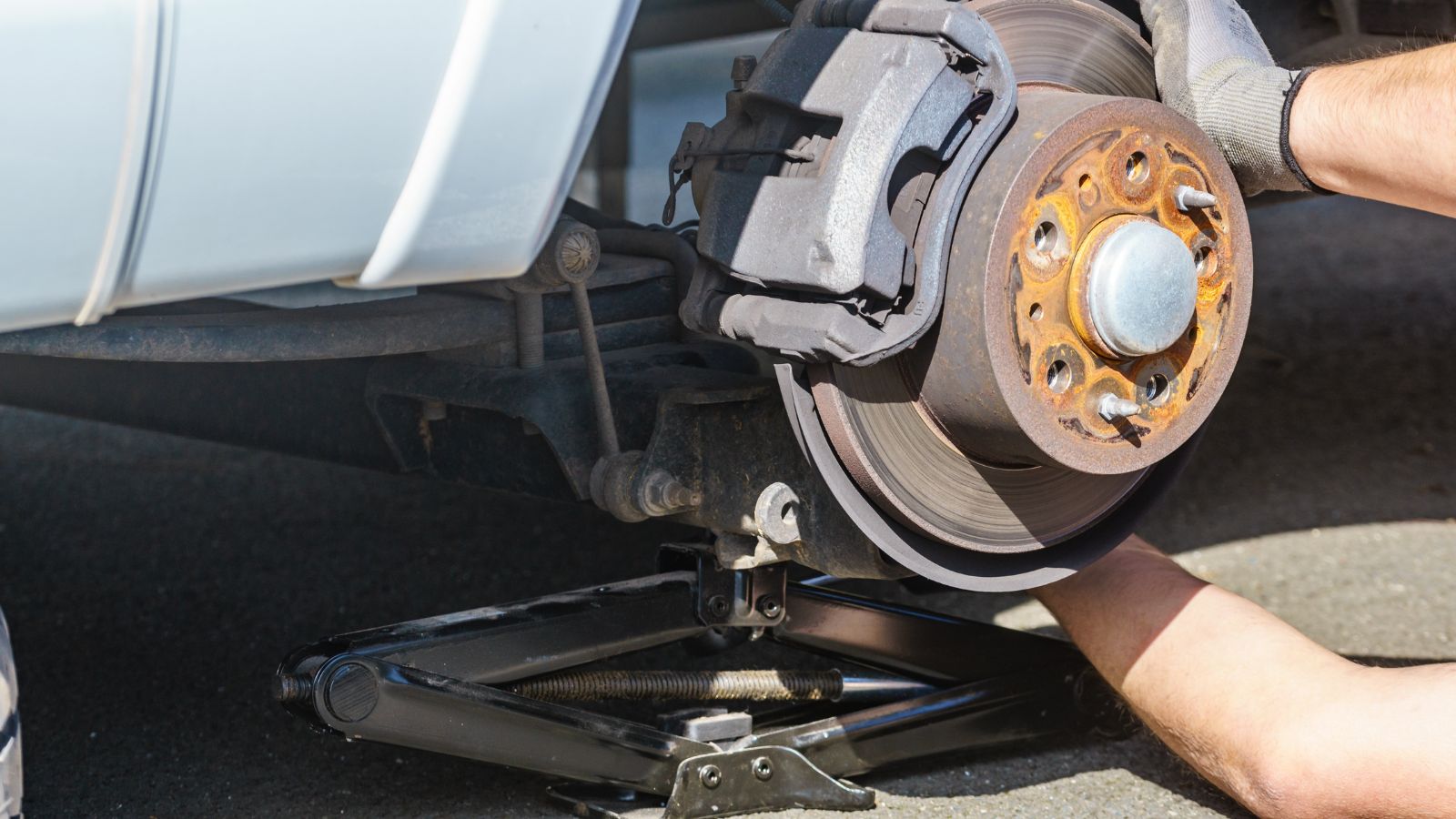
A sharp squeal from the wheels can be annoying, but it may also be intentional. Many brake pads include wear indicators designed to make a high-pitched sound when pad material gets low. That squeal is a built-in reminder to schedule service before the brakes reach the grinding stage. It may come and go at first, especially during light braking or low-speed stops.
Not every squeal means disaster. Dust, road salt, moisture, pad material, or brake vibration can create noise even when parts still have life left. Still, a persistent squeal deserves inspection because brakes are too important to diagnose by optimism. For many drivers, this is the sound that arrives weeks before the expensive sound. Handling it early can preserve rotors and keep the repair closer to routine maintenance.
Rhythmic Clicking on Tight Turns

Clicking, snapping, or ratcheting during a tight turn often points to a worn constant velocity joint. CV joints help transfer power to the drive wheels while the wheels move up, down, and side to side. They work hard on front-wheel-drive vehicles and are also common on many all-wheel-drive systems. When the protective boot tears, grease escapes and dirt can enter, accelerating wear.
The classic example appears in a parking lot: the steering wheel is turned nearly to full lock, the car creeps forward, and a steady click-click-click follows the wheel speed. The car may still drive normally in a straight line, which is why the sound gets ignored. If the joint deteriorates further, it can damage related axle components or leave the vehicle unable to move properly.
Humming or Growling That Rises With Speed

A low hum or growl that gets louder with road speed can come from a wheel bearing, hub assembly, differential, transmission, or tire problem. Wheel bearings are designed to let the wheel and tire rotate with minimal friction. When they wear, the sound may begin as a faint drone and grow into a rumble that is hard to miss at highway speed.
One clue is how the sound changes while gently steering left or right. A bearing noise may become louder when weight shifts onto the affected side. The danger is not just the noise itself; worn bearings can affect steering feel, tire wear, and wheel stability. A driver may first notice it on a quiet rural road, then realize the radio has been turned up for weeks to hide the same growl.
Tire Thumping or Slapping
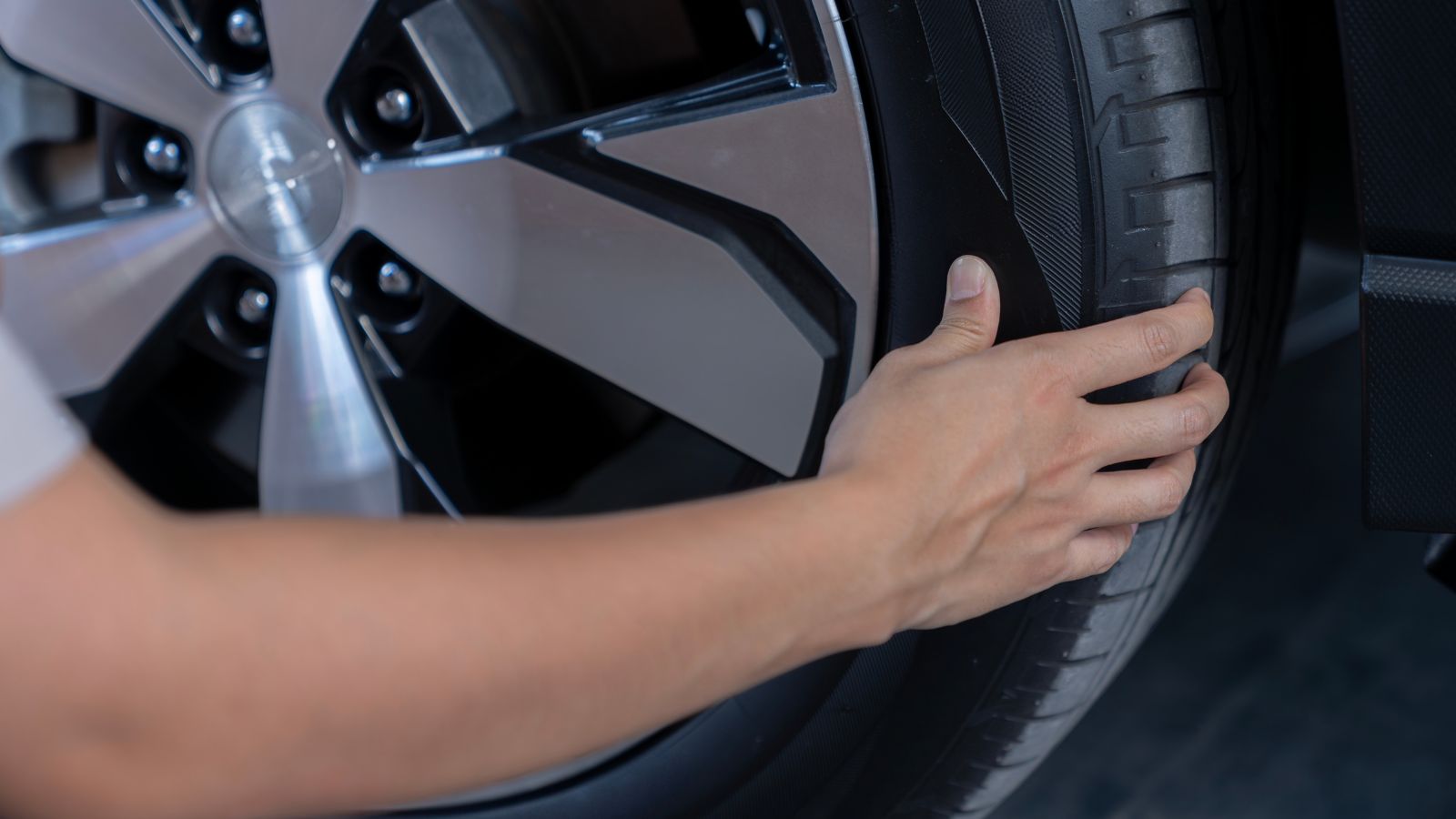
A tire that thumps, slaps, or pounds rhythmically should be treated as more than an irritation. The cause may be a flat spot, underinflation, belt separation, uneven wear, poor balance, or damage from a pothole or curb strike. Because tire problems can change quickly at speed, a repeating thump deserves a safe pull-over and visual check when conditions allow.
Tires connect every steering, braking, and acceleration input to the road. That makes noise and vibration especially important clues. A tire with a bulge, exposed cord, or severe pressure loss should not be driven on as if it merely needs air later. Even when the tire looks normal, a thumping sound can indicate internal damage that is not obvious from the sidewalk side of the tread.
Engine Knock Under Acceleration
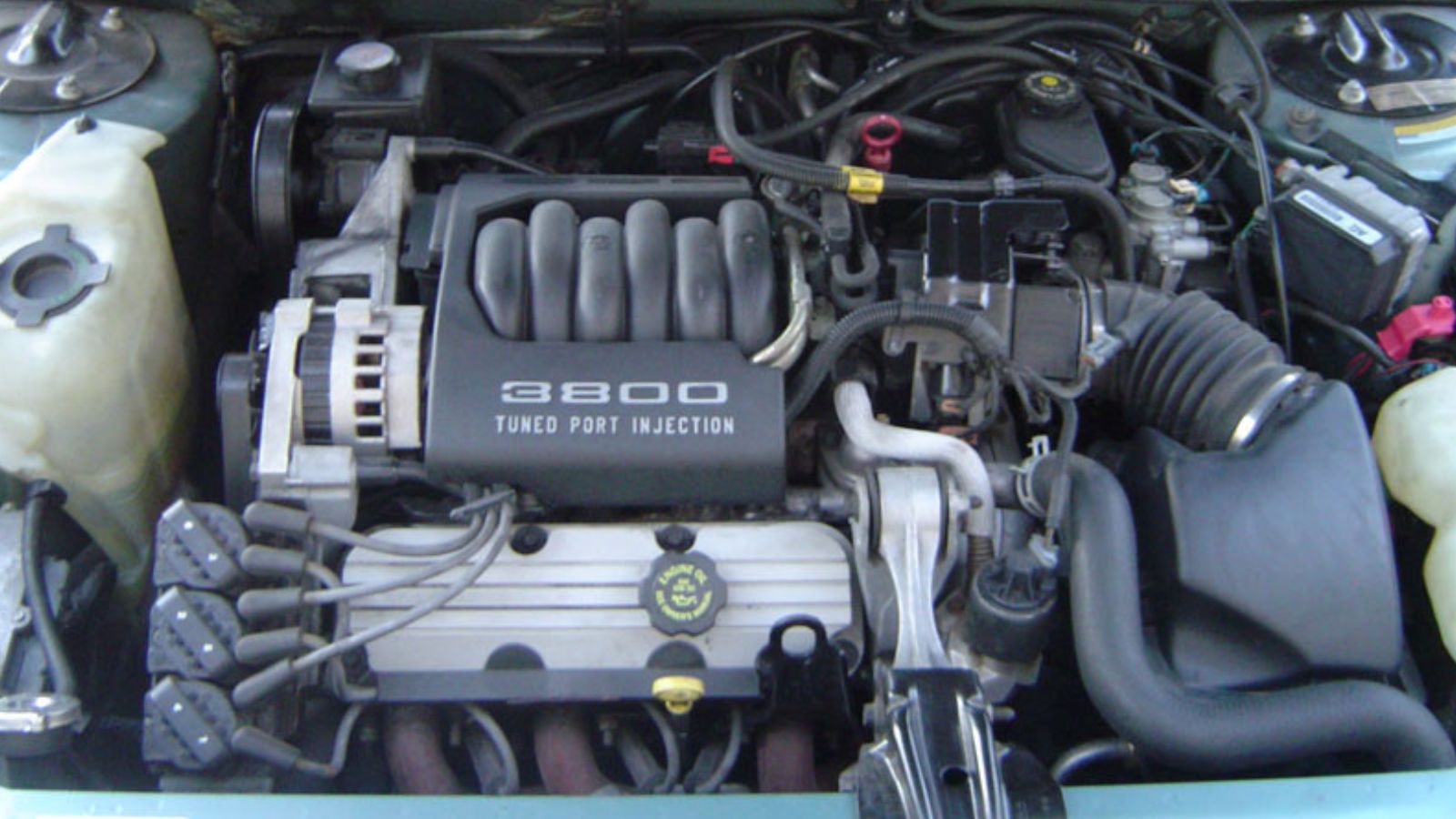
A metallic pinging or knocking sound during acceleration can point to abnormal combustion, often called knock or detonation. Instead of a smooth burn inside the cylinder, part of the air-fuel mixture ignites at the wrong moment. Modern engines can often adjust timing to reduce knock, but a persistent sound under load should not be dismissed, especially if it appears after using the wrong fuel or towing a heavy load.
The sound may resemble marbles rattling in a can when climbing a hill or accelerating onto a highway. Causes can include low-octane fuel, carbon buildup, overheating, poor timing, or a lean fuel mixture. Mild, brief pinging may disappear after refueling with the proper grade, but repeated knock can stress pistons, bearings, and other internal parts over time.
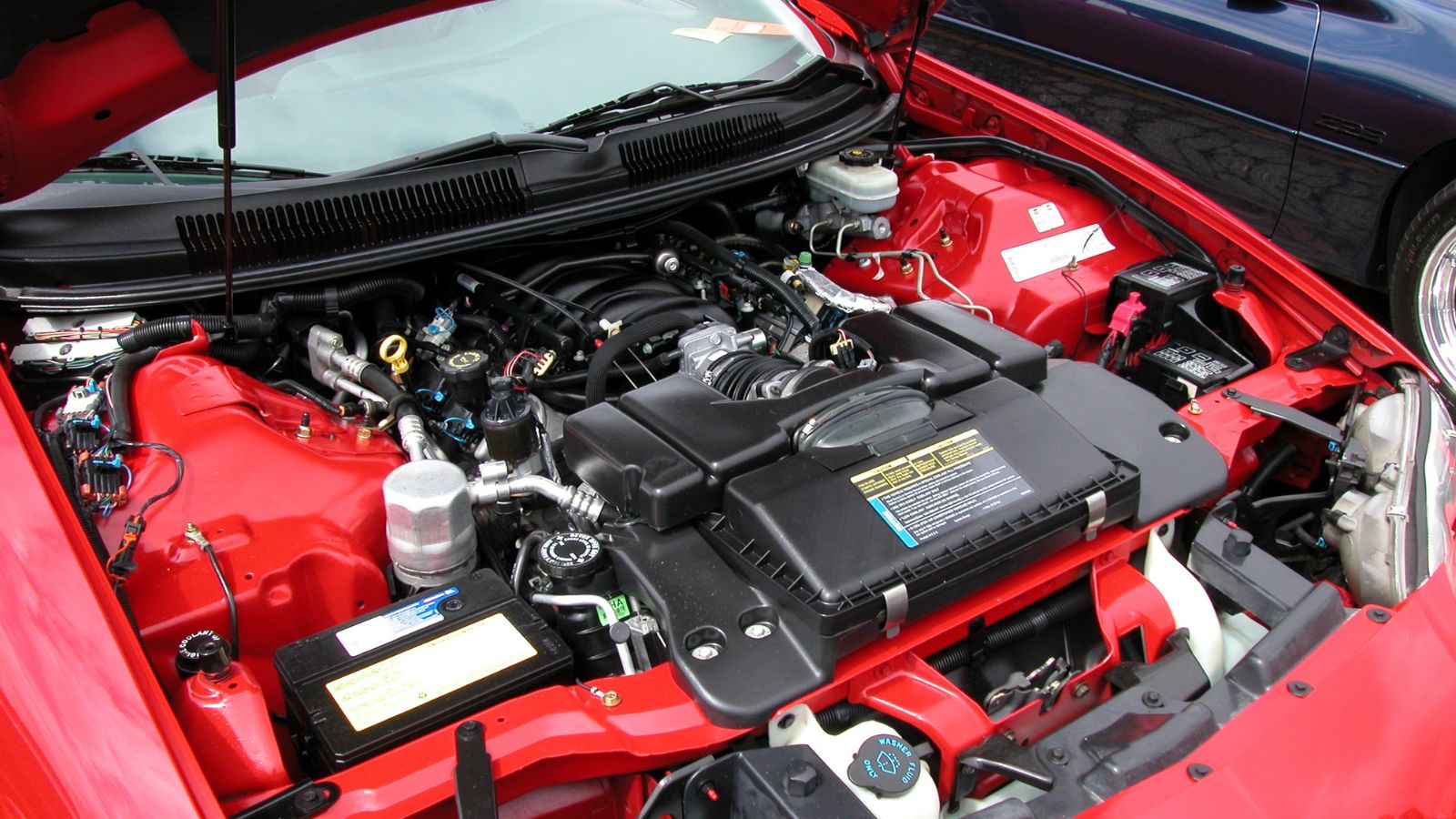
Deep Banging From Under the Hood
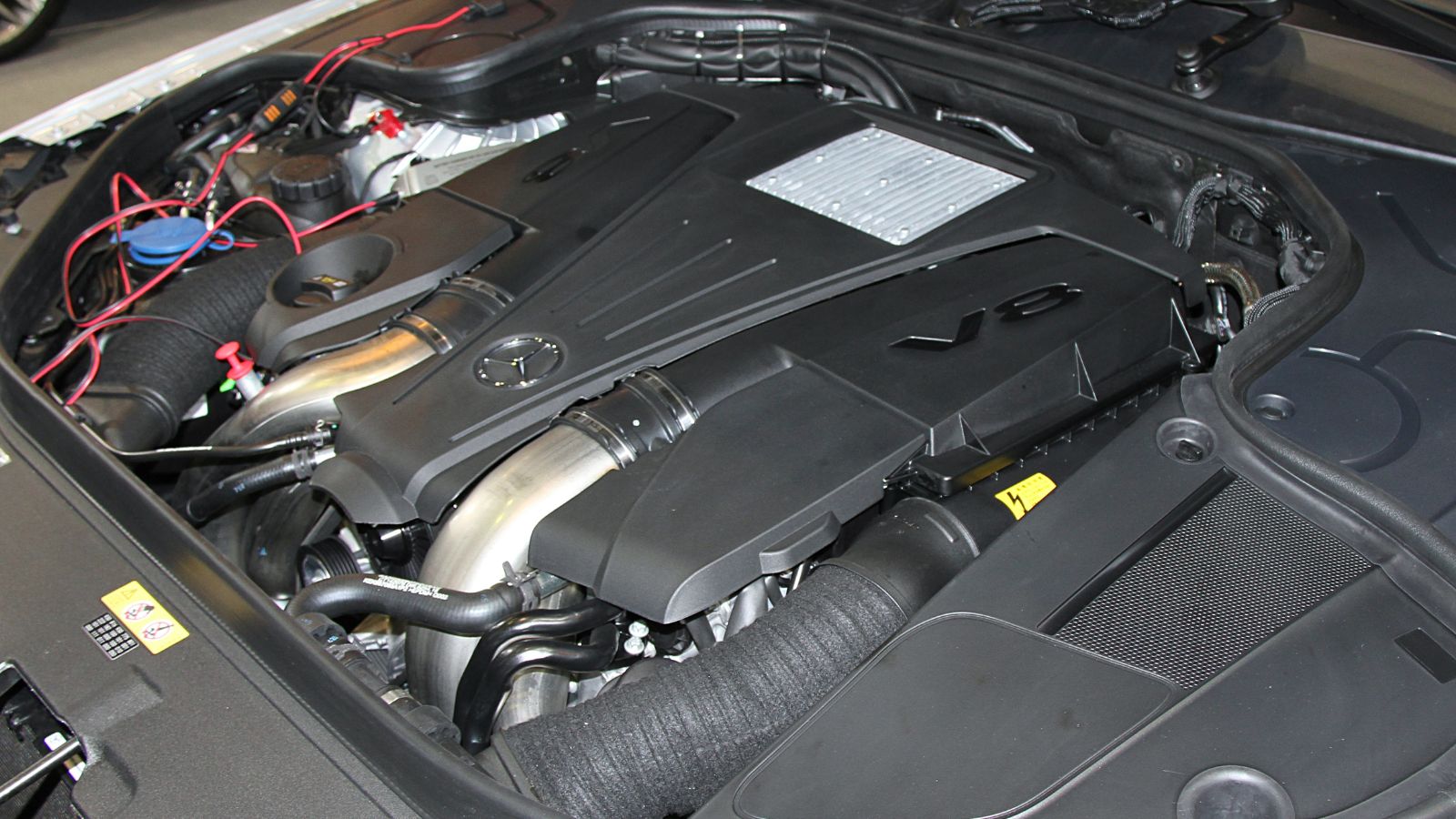
A deep bang, heavy knock, or rhythmic clunk from the engine is far more concerning than light ticking. It can indicate internal metal components contacting in ways they should not, such as worn bearings, rod knock, piston issues, or severe valve-train trouble. When the sound is loud, rhythmic, and tied to engine speed, continuing to drive can turn repairable damage into engine replacement.
This is the noise people often describe as “something loose inside the engine.” It may grow louder when revved, fade briefly when oil pressure changes, or appear after a low-oil event. A driver on the way home may hope to “just make it there,” but that gamble can be expensive. Shutting the vehicle off and arranging professional inspection is usually the safer financial and mechanical decision.
Sharp Ticking From the Engine
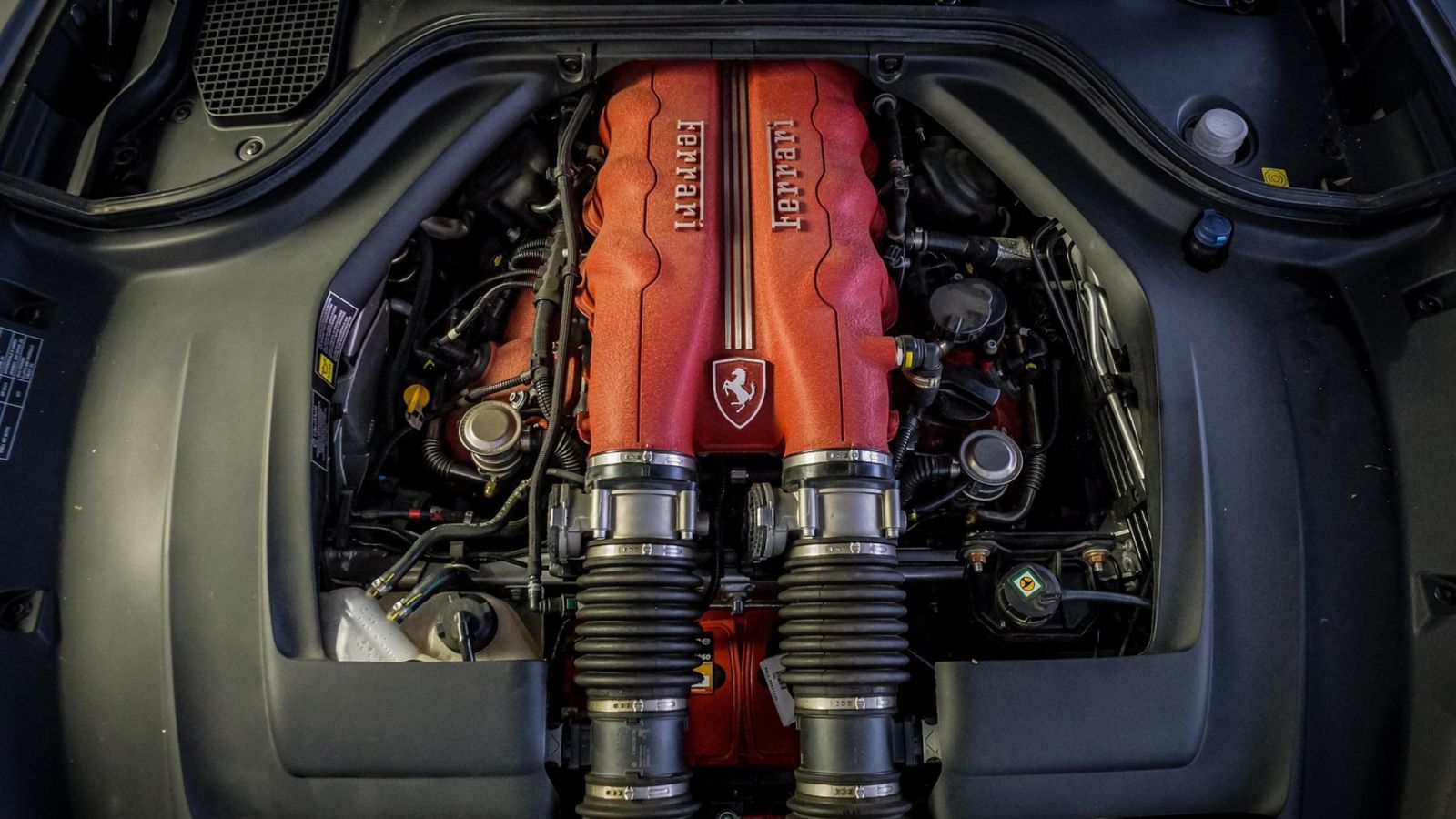
A ticking sound from the engine bay can have several causes, ranging from normal injector noise to low oil pressure or valve-train wear. The difference matters. A light, even injector tick may be normal on many engines, while a louder tick that arrives suddenly or increases with RPM can indicate that moving parts are not being properly lubricated.
A practical example is a car that ticks on a cold start, quiets down, then begins ticking again after a long drive. That pattern could involve oil level, oil condition, lifters, or valve adjustment. The first step is not to drown it out but to check the oil level safely and look for warning lights. If oil is low, pressure is suspect, or the sound is new, inspection should happen quickly.
Belt Squeal at Startup or While Turning
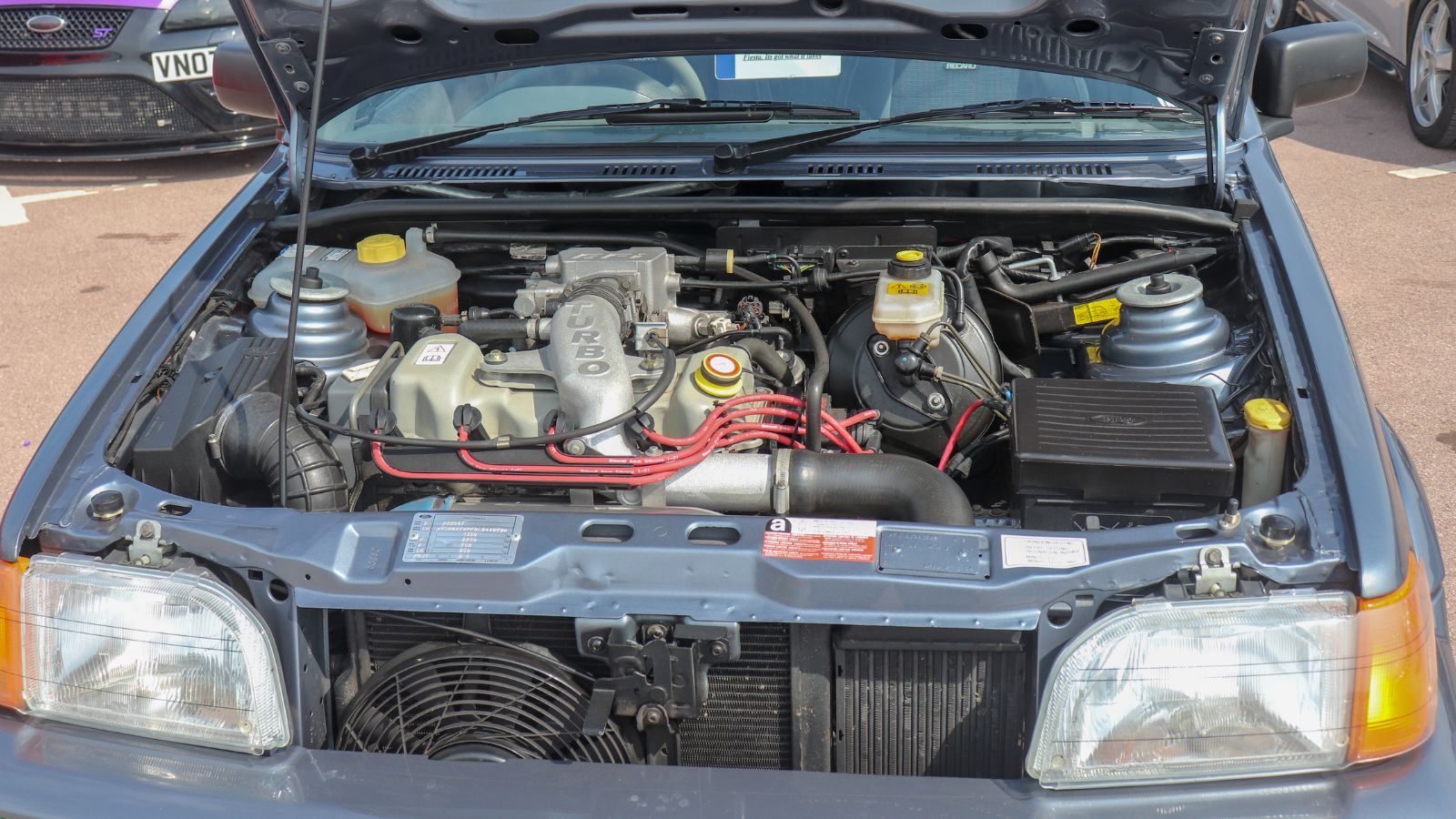
A high-pitched squeal from under the hood during startup, acceleration, air-conditioning use, or low-speed steering often involves the accessory belt, belt tensioner, or a driven component such as the alternator, water pump, power steering pump, or A/C compressor. A slipping belt may sound harmless for a few seconds, but it can signal weak tension, misalignment, contamination, or bearing wear.
Accessory belts do more than spin in the background. Depending on the vehicle, they may help power charging, cooling, steering assistance, and cabin comfort systems. If the belt or tensioner fails, the driver may suddenly lose charging ability, power steering assist, or engine cooling. The small morning squeal that vanishes after breakfast can be the first warning before a no-start or overheating problem.
Hissing Under the Hood
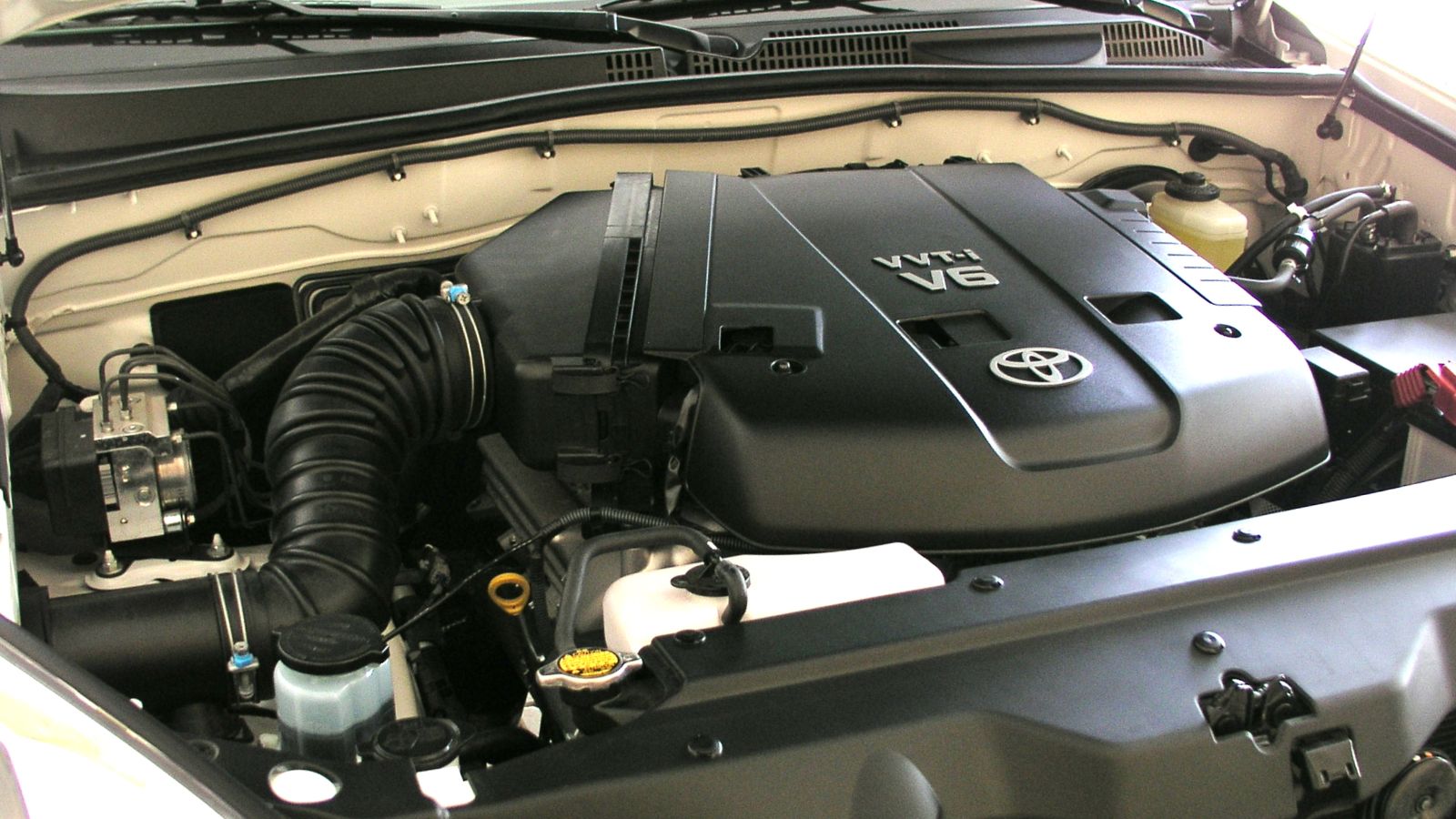
Hissing under the hood can come from a vacuum leak, cooling-system leak, air line issue, or fluid contacting a hot engine component. The setting helps narrow it down. Hissing at idle may indicate a vacuum leak that affects how the engine runs. Hissing after the engine is shut off may suggest pressure escaping from the cooling system or another hot component.
This sound deserves caution because hot coolant and steam can burn skin quickly. A driver should not open a hot radiator cap or reach into the engine bay while parts are pressurized. If the temperature gauge is rising, warning lights appear, or steam is visible, the safest response is to stop driving and let the vehicle cool. A simple hose or cap issue can escalate into overheating damage.
Roaring or Ticking From the Exhaust
A sudden roar from beneath the vehicle often points to an exhaust leak, broken pipe, loose muffler, or damaged catalytic-converter area. A ticking sound near the engine during startup can also come from an exhaust manifold leak. The noise may grow louder under acceleration because exhaust pressure rises as the engine works harder.
Exhaust problems are not only about sound. Exhaust gases can contain carbon monoxide, a colorless and odorless gas that becomes dangerous at high concentrations, especially in enclosed spaces. A vehicle with a strong exhaust smell in the cabin, a roaring pipe, or a leak near the front of the system should be inspected promptly. Turning up the radio may hide the sound, but it cannot make the fumes safer.
Clunking Over Small Bumps
A clunk over small bumps often points to worn or loose suspension parts. Possible causes include sway-bar links, control-arm bushings, strut mounts, shocks, ball joints, or loose hardware. The sound may be most noticeable on neighborhood streets, driveway entrances, or rough pavement where one wheel moves more than the other.
Suspension noise matters because those parts help keep tires planted and steering predictable. A vehicle can still feel mostly normal on smooth roads while a worn component knocks over bumps. Over time, loose parts can affect alignment, tire wear, and control. A human example is the commuter who hears one clunk every morning leaving the driveway, then later notices the car wandering slightly on the highway.
Popping or Creaking While Steering

Popping, creaking, or squeaking while turning the steering wheel can come from ball joints, strut mounts, tie-rod ends, steering components, or power-steering issues. The sound may appear at low speed when parking, where the steering system is under heavy load. It may also be paired with stiffness, vibration, or a feeling that the wheel does not return smoothly.
Steering noises are worth taking seriously because they involve the system that points the car where it needs to go. A worn ball joint or tie-rod end may start as a small pop, then create looseness in the steering. A power-steering problem may announce itself as groaning or squealing before steering effort increases. Any sound paired with wandering, pulling, or play in the wheel needs prompt attention.
Whining During Acceleration or Gear Changes
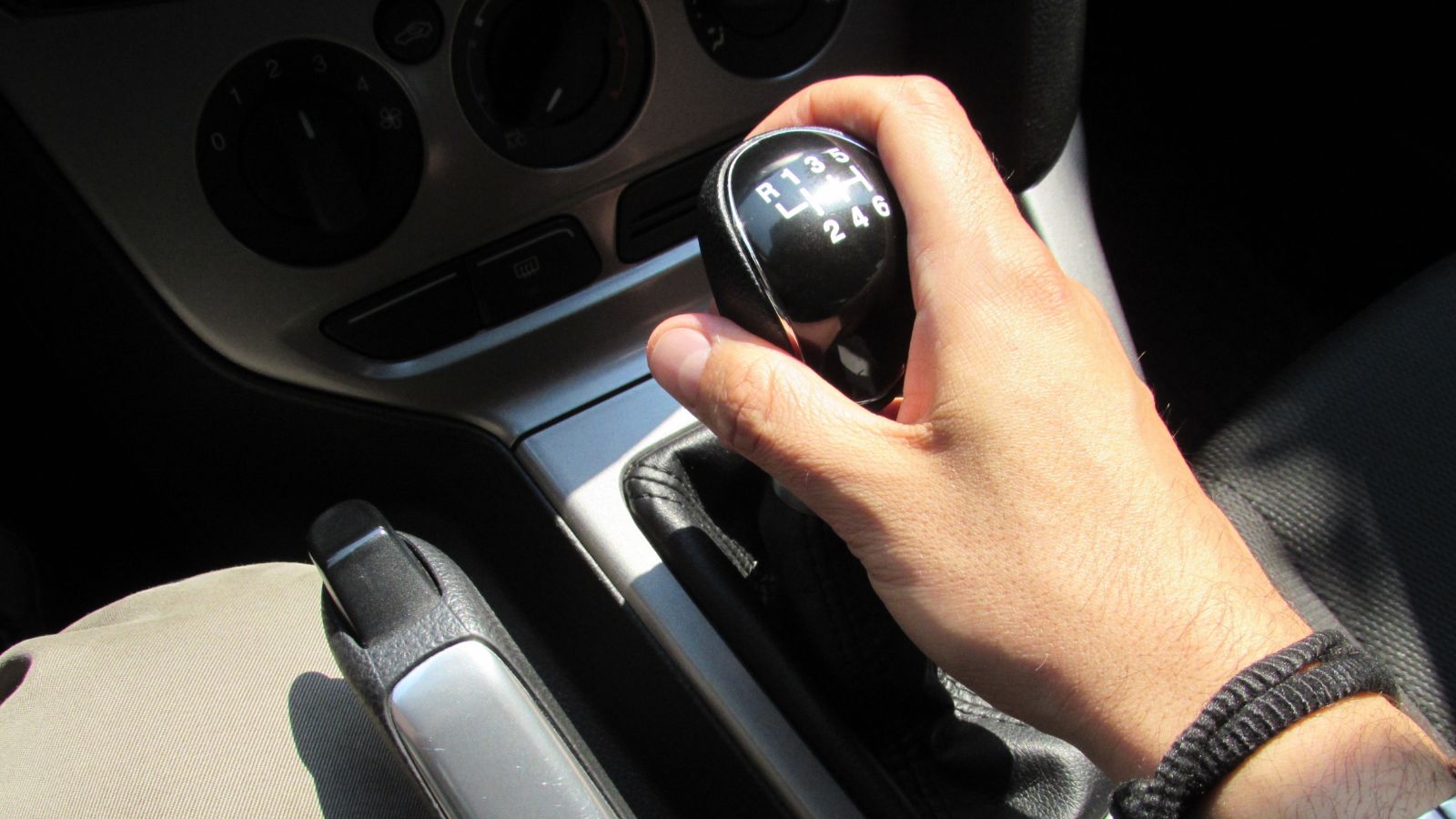
A whining or howling sound that changes with acceleration, gear selection, or vehicle speed can come from the transmission, differential, power-steering pump, alternator, or other rotating components. Low or dirty transmission fluid can create noise because moving parts are not being lubricated properly. A differential low on oil can also develop a pitch that rises as speed increases.
The sound can be subtle at first, like a distant electric motor. It may be louder in reverse, during gear changes, or while climbing a hill. Because several systems can whine, context matters: when it happens, whether it follows engine RPM or road speed, and whether steering changes the sound. A technician can use those clues to avoid replacing the wrong part.
Grinding When Starting the Car
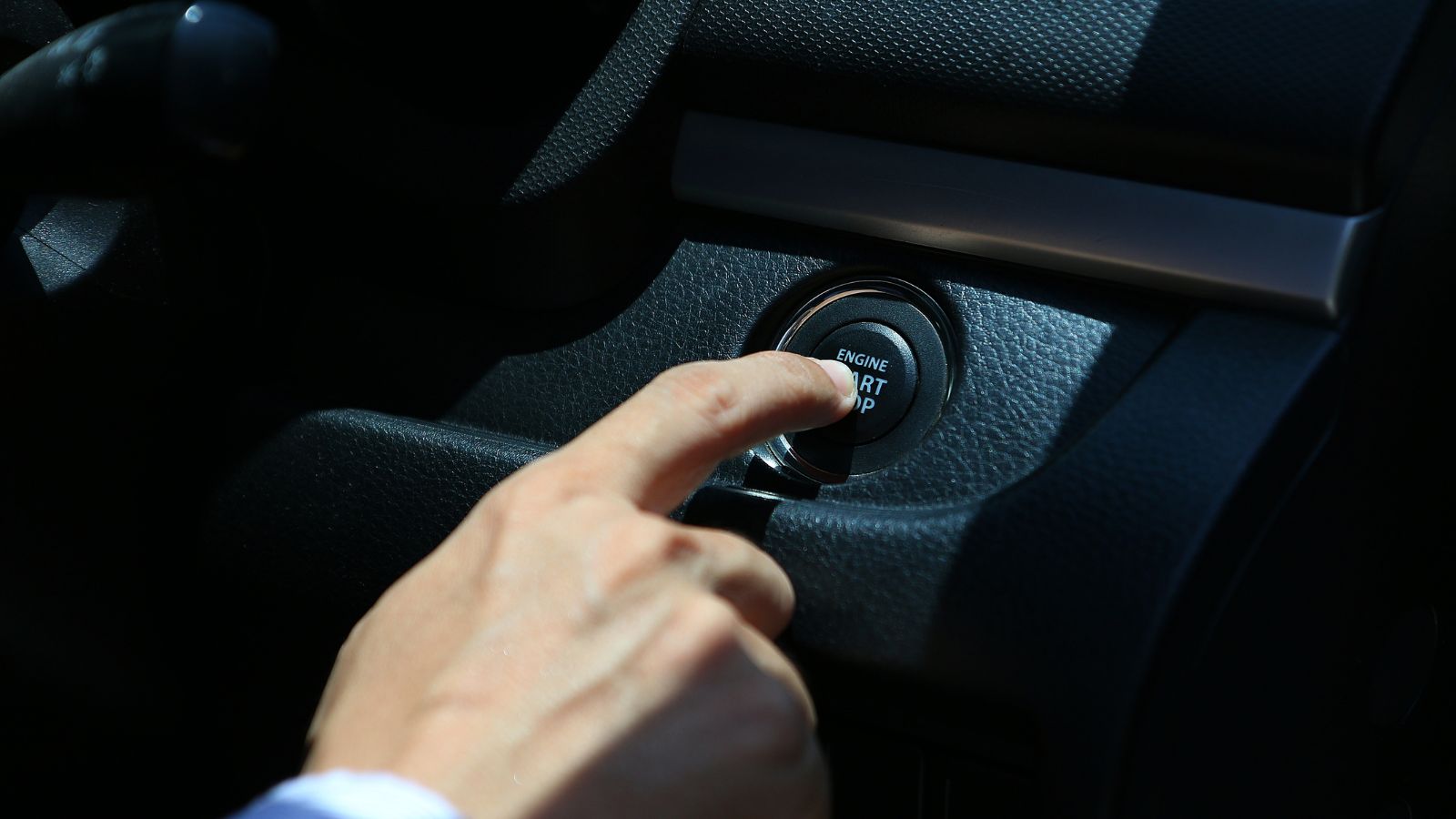
A loud grinding sound during startup should not be normal. The starter motor is supposed to engage the flywheel briefly, crank the engine, and disengage once the engine runs. If the starter gear and flywheel do not mesh properly, or if the starter fails to disengage, the result can be a harsh grinding sound that may damage teeth on the flywheel.
This sound is different from a weak-battery click. It is harsher, more metallic, and often appears right when the key is turned or the start button is pressed. Repeated attempts can make the repair larger because the flywheel is harder to access than the starter on many vehicles. If the engine starts but the grinding continues, shutting it off and arranging inspection is the safer choice.
Rattling From Under the Car
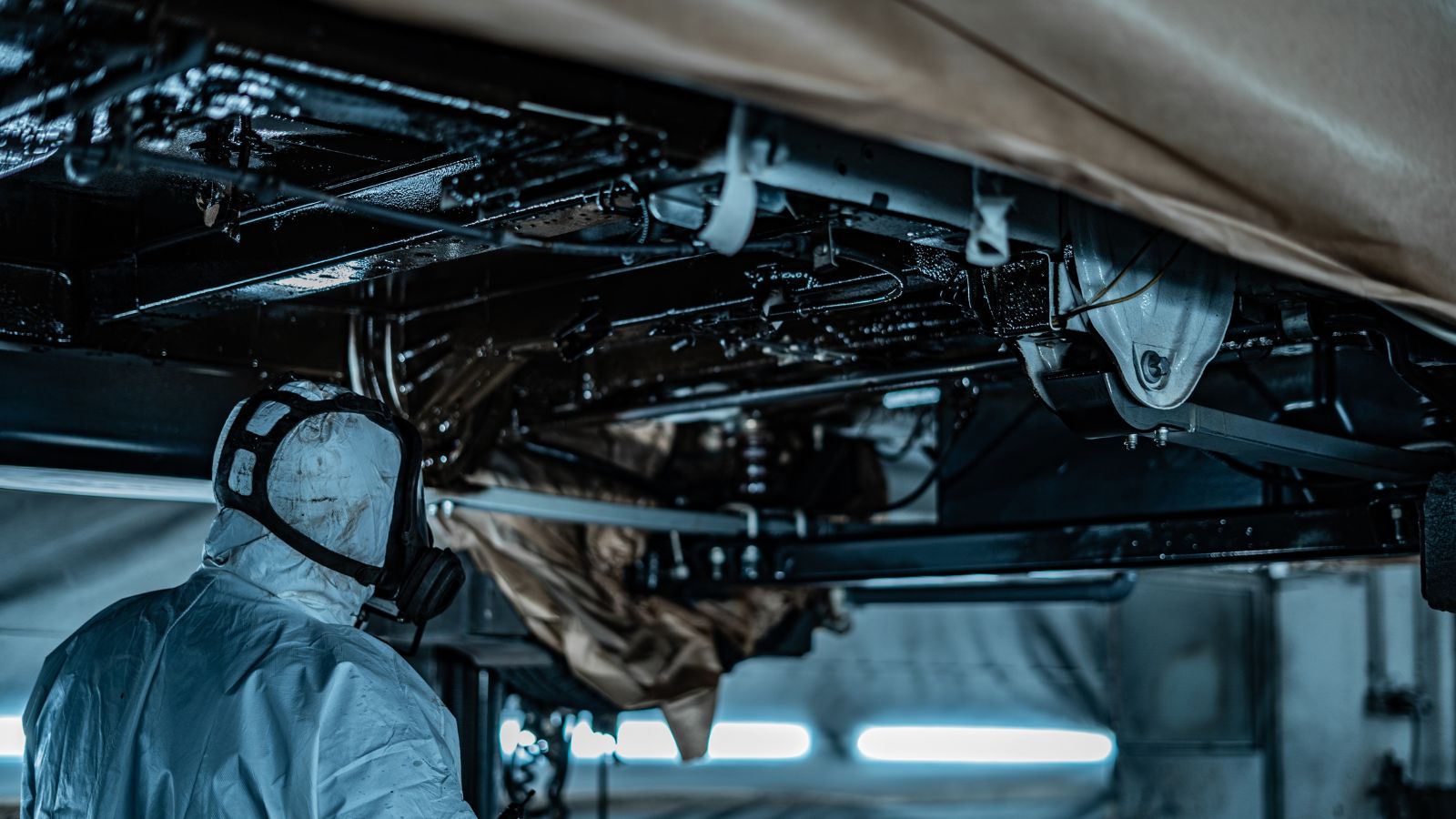
A rattle from underneath can be as minor as a loose heat shield or as serious as a damaged exhaust component, broken catalytic converter, loose bracket, or failing mount. It often appears at specific engine speeds when vibration lines up just right. That makes it easy to rationalize because the noise may vanish at idle or highway speed.
The problem is that underbody parts live near heat, moving driveline components, and the road. A loose shield can get worse; a broken exhaust hanger can let pipes shift; a damaged catalytic converter can affect emissions and drivability. A quick inspection can often separate a simple fastener from a costly exhaust repair. Ignoring the sound until something drags on the pavement is the expensive version.
Scraping From Windshield Wipers

Scraping wipers may not sound like a mechanical emergency, but they can become a safety problem quickly. Worn blades can drag across the windshield instead of clearing water, and a damaged blade edge can reduce visibility in rain, snow, or road spray. In some cases, a worn blade can scratch the glass, turning a cheap maintenance item into a larger repair.
The sound is easy to recognize: a dry scrape, chatter, or squeak across the windshield. It often appears after sun exposure, winter ice, or months of use. The fix may be as simple as cleaning the glass and replacing the blades, but it should not be delayed. Visibility is part of vehicle safety, and the radio cannot compensate for a windshield that will not clear during a storm.
Popping or Backfiring From the Engine or Exhaust
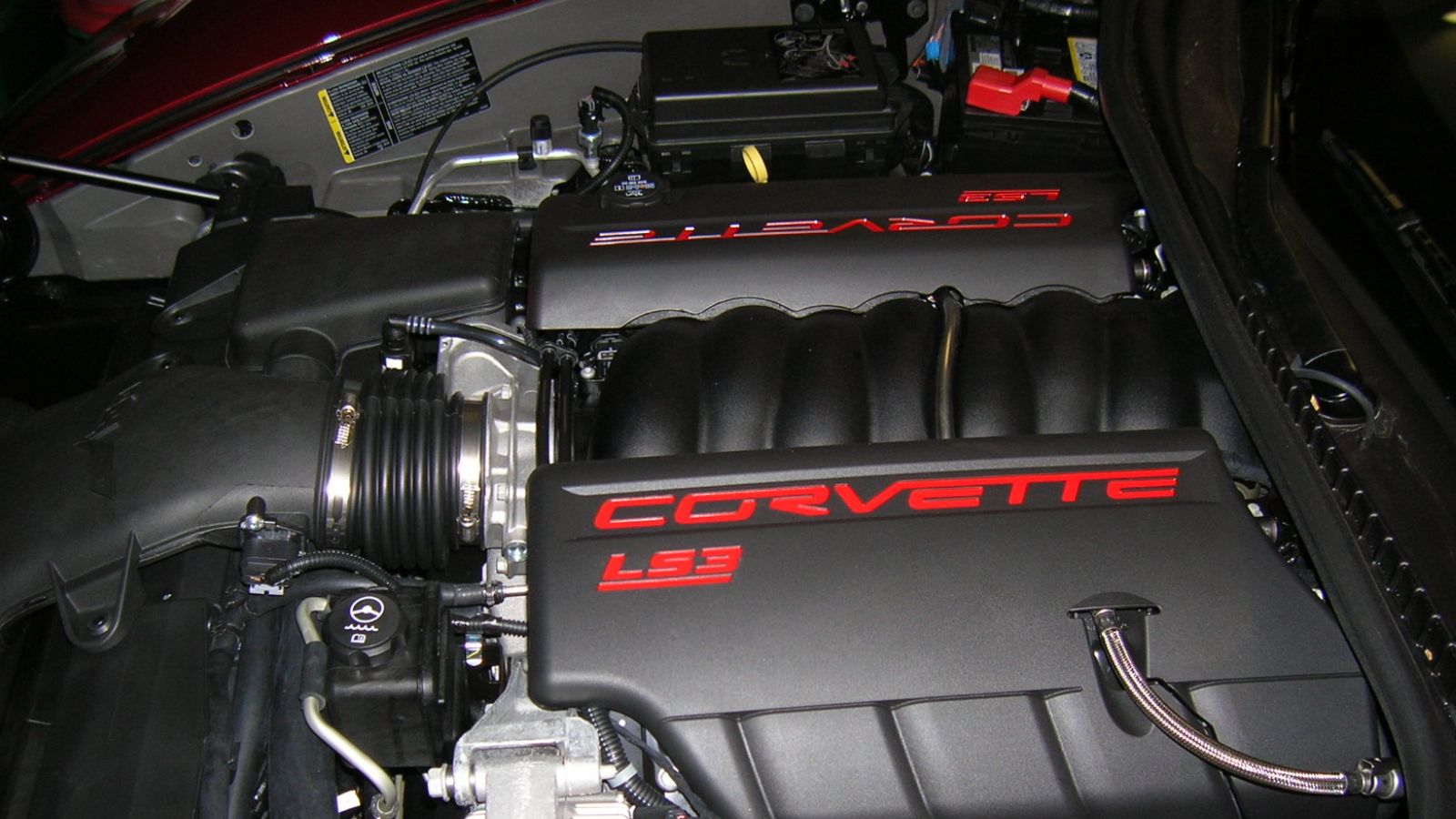
Popping, banging, or backfiring from the engine or exhaust can indicate a misfire, ignition problem, fuel-mixture issue, exhaust leak, or unburned fuel igniting outside the normal combustion process. The sound may occur during acceleration, deceleration, or startup. Older vehicles may backfire for different reasons than modern fuel-injected cars, but the basic message is the same: combustion is not happening cleanly.
If popping is paired with shaking, loss of power, fuel smell, or a flashing check-engine light, the situation becomes more urgent. Severe misfires can send unburned fuel into the exhaust system, where it can overheat and damage the catalytic converter. A single pop may be a clue; repeated popping is a warning. The safest move is to reduce load, avoid hard acceleration, and have the vehicle diagnosed.
22 Things Canadians Do to Their Cars in Spring That Mechanics Hate

Spring brings relief to many Canadian drivers after months of snow, freezing temperatures, and icy roads that put serious strain on vehicles. As temperatures rise across the country, drivers begin washing cars, switching tires, and preparing vehicles for warmer weather and upcoming road trips. However, mechanics across Canada notice the same mistakes every spring when drivers attempt to recover from winter damage. Road salt, potholes, and harsh winter driving conditions often leave vehicles with hidden problems that drivers ignore. Some spring habits even create new mechanical issues that could have been avoided with proper maintenance. Here are 22 things Canadians do to their cars in spring that mechanics hate.

Alanna Rosen is an experienced content writer that focuses on many EV and educational content. Her articles are regularly published on Get CyberTrucked and syndicated on large publications.