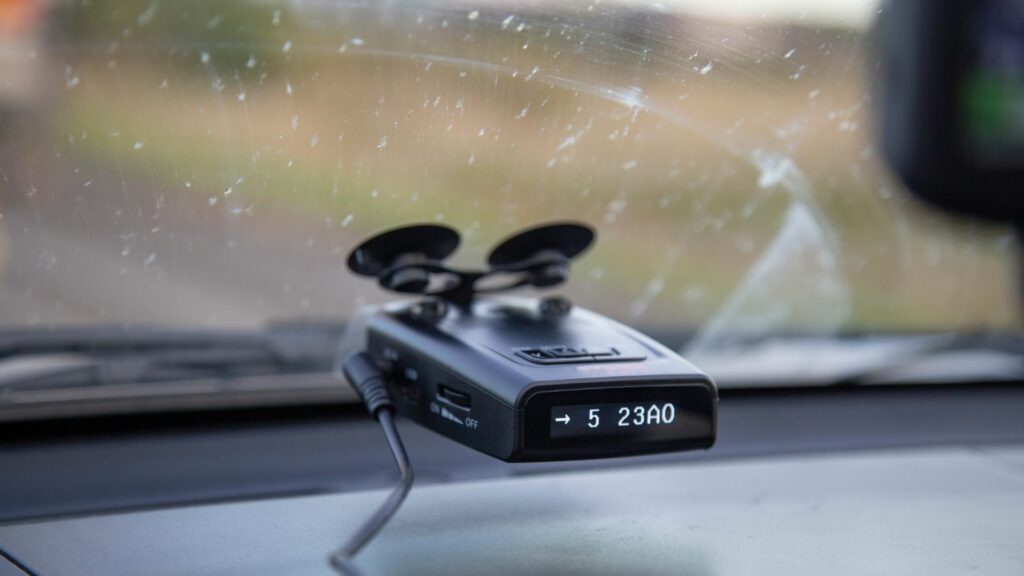
A light bump used to mean a scuffed bumper, a dented panel, and a fairly predictable repair bill. Modern vehicles have changed that equation. Cameras, radar units, specialty glass, electronic safety systems, and advanced body materials can turn a small collision into a complicated shop visit.
These 15 features are designed to improve safety, convenience, comfort, and efficiency, but they can also add labour, diagnostics, calibration, and parts costs after damage that may look minor from the outside. The difference often hides behind the bumper cover, inside the windshield, or in a mirror housing that seems ordinary until the estimate arrives.
Front Radar Sensors
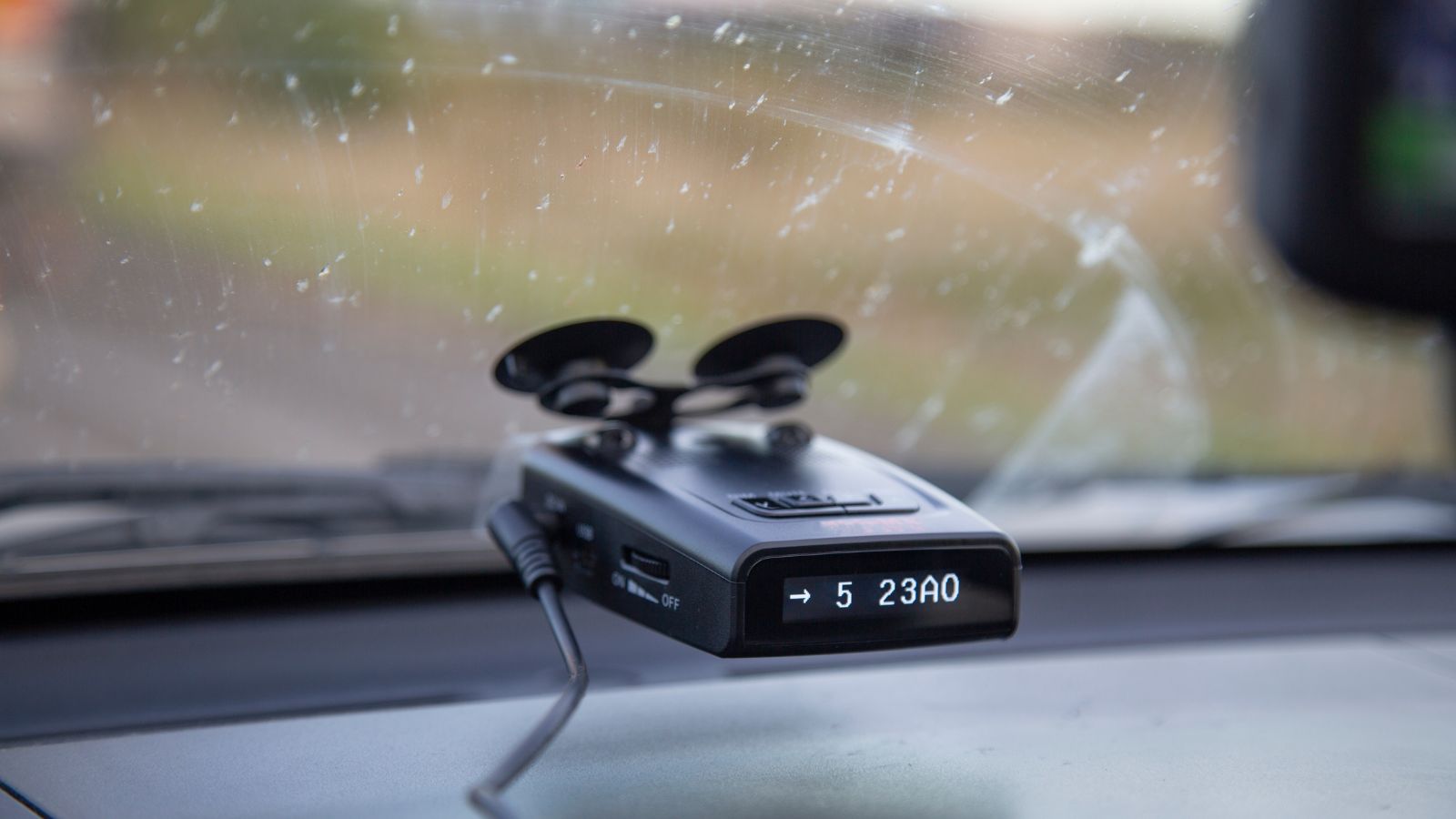
Front radar sensors are often tied to adaptive cruise control, forward collision warning, and automatic emergency braking. They are commonly mounted low in the grille or behind the front bumper, which puts them close to the first point of contact in many parking-lot taps and slow-speed front-end crashes. A cracked emblem, shifted bracket, or slightly distorted bumper cover can be enough to require inspection and calibration.
The expensive part is not always the sensor alone. Shops may need to remove trim, replace mounting hardware, perform pre-repair and post-repair scans, and confirm that the system can “see” the road correctly. A driver may see only a small scrape, while the repairer sees a safety system that depends on millimetre-level positioning. That gap between visible damage and hidden technology is where the bill can climb quickly.
Windshield-Mounted Cameras
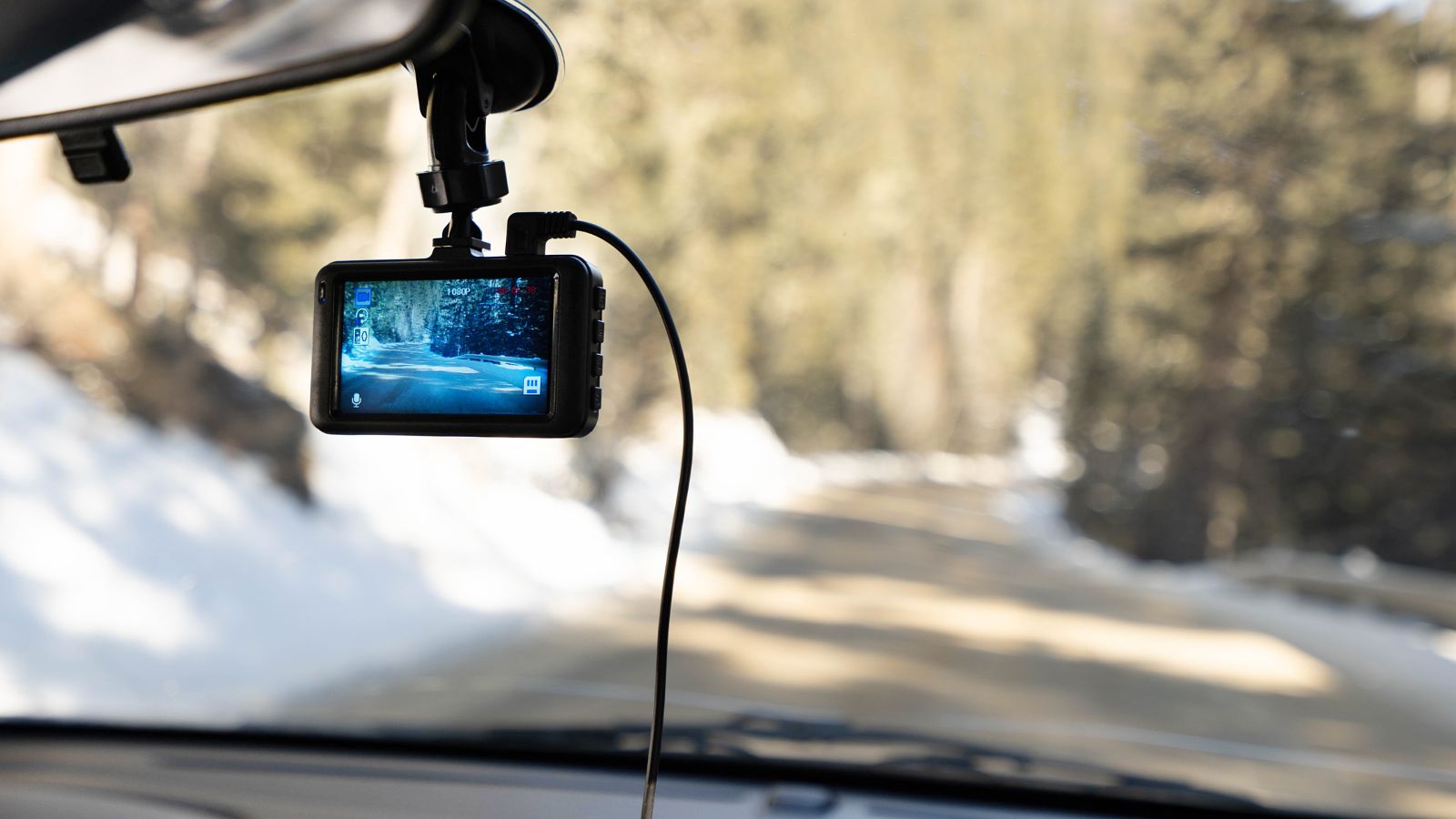
Many lane-keeping, traffic-sign recognition, pedestrian detection, and automatic emergency braking systems rely on a camera mounted near the rearview mirror. When the windshield is replaced after a crack or collision damage, that camera may need to be transferred, aimed, and calibrated. What once looked like a simple glass job can now involve electronic setup and documented testing.
The human frustration is easy to imagine: a stone chip spreads across the windshield after a small impact, and the owner expects a same-day replacement. Instead, the appointment may require extra time, a calibration bay, a road test, or manufacturer-specific targets. The glass itself also has to meet the optical requirements of the vehicle’s camera system, because distorted or incorrect glass can affect how the camera interprets lane markings and objects.
Side-Mirror Blind-Spot Modules
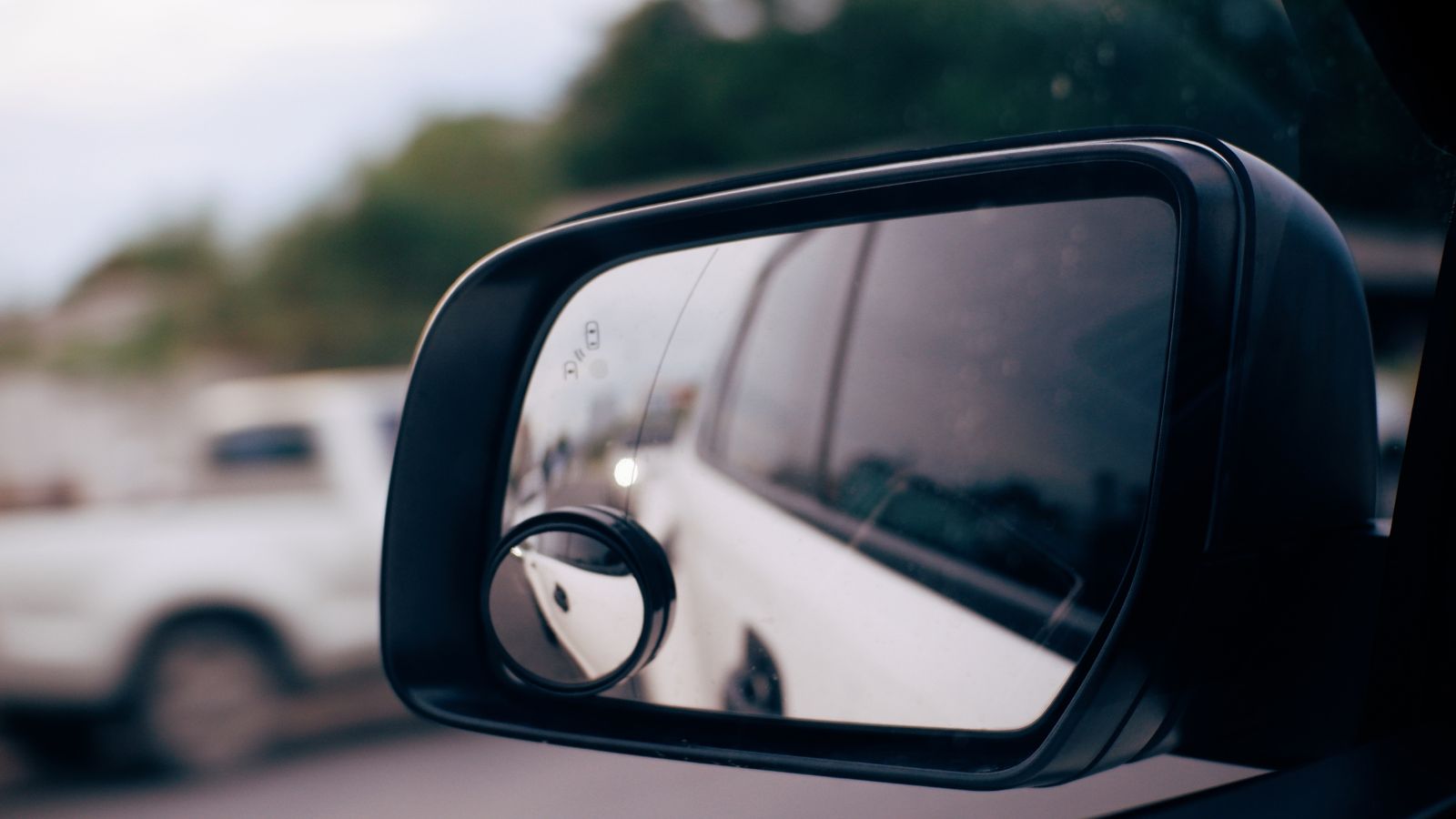
A side mirror is no longer just a mirror on many vehicles. It may contain blind-spot indicators, heating elements, turn signals, puddle lamps, power-folding motors, cameras for surround-view systems, and memory-position hardware. A clipped mirror in a tight driveway can therefore become a surprisingly expensive part replacement rather than a quick cosmetic fix.
The cost can feel disproportionate because the mirror is small. Yet the assembly may have to be replaced as a complete unit, painted to match, coded, or calibrated depending on the systems attached to it. One common example is a mirror with a camera that feeds a 360-degree view. If the camera angle is off after repair, the stitched image on the screen may look distorted, making proper setup more than a convenience issue.
Rear Parking Assist Sensors
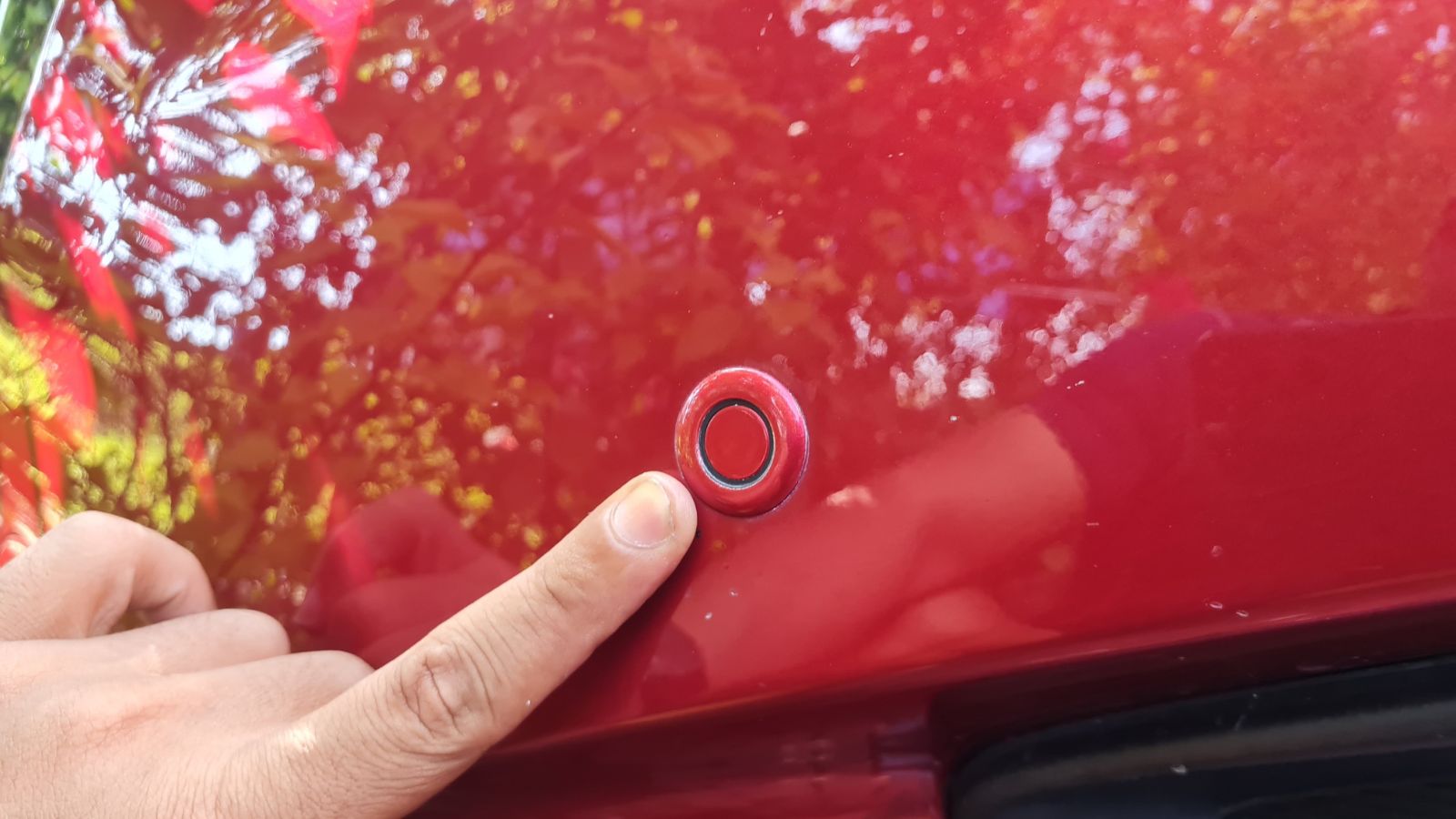
Ultrasonic parking sensors are usually embedded in the front or rear bumper cover. They help detect nearby objects at low speed, but their location makes them vulnerable in the exact kind of minor crash they are meant to help prevent. A rear-end nudge can damage the sensor face, bracket, wiring, or the bumper area around it.
The tricky part is that the bumper may still look repairable. However, sensors need to sit at the correct angle and depth, and some manufacturers restrict repairs or fillers around sensor zones. A repaint that is too thick, a bracket that is slightly bent, or a sensor installed a few degrees off can cause false warnings or missed objects. That means the repair may include replacement, refinishing limits, diagnostics, and system checks.
360-Degree Camera Packages
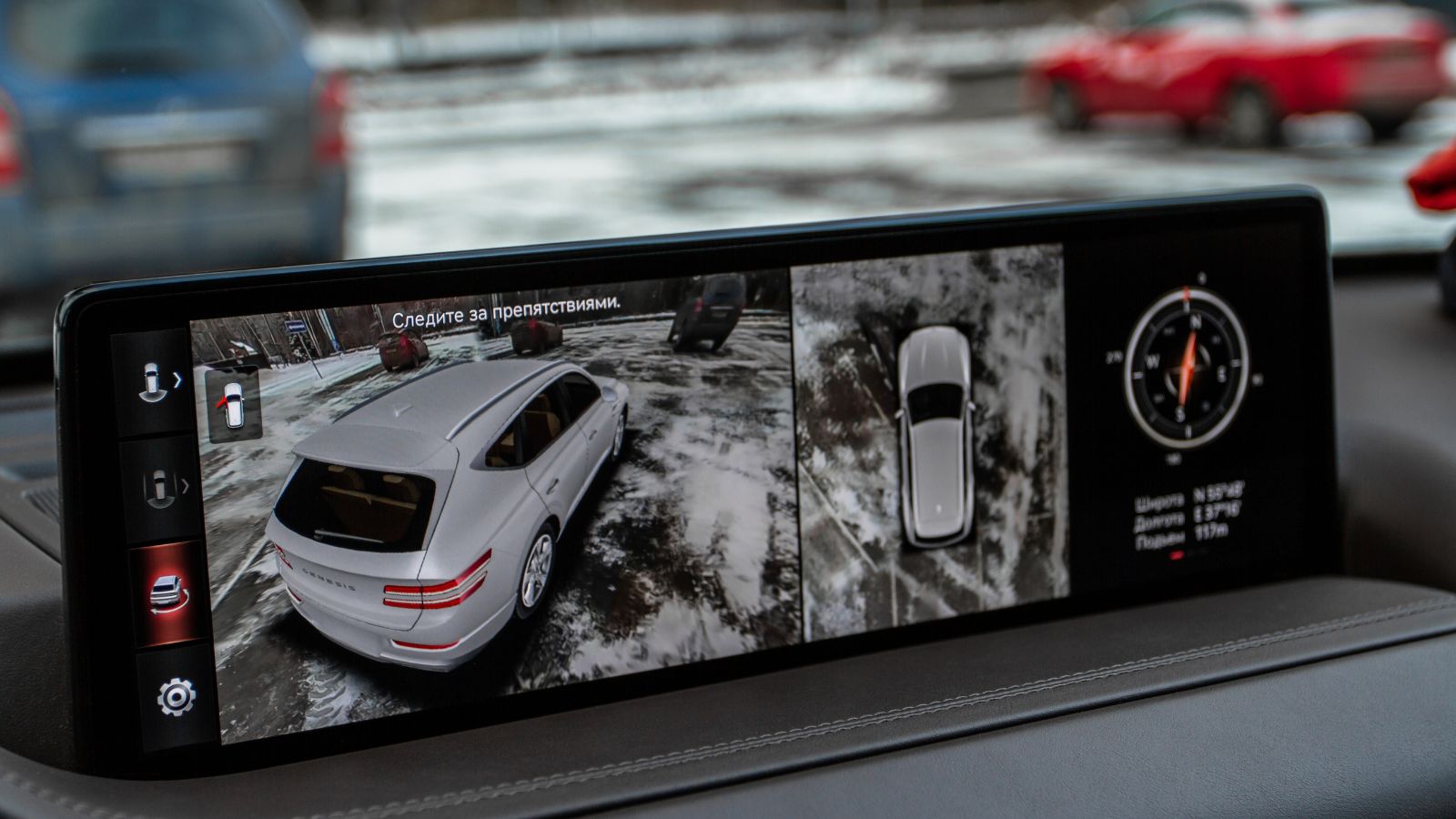
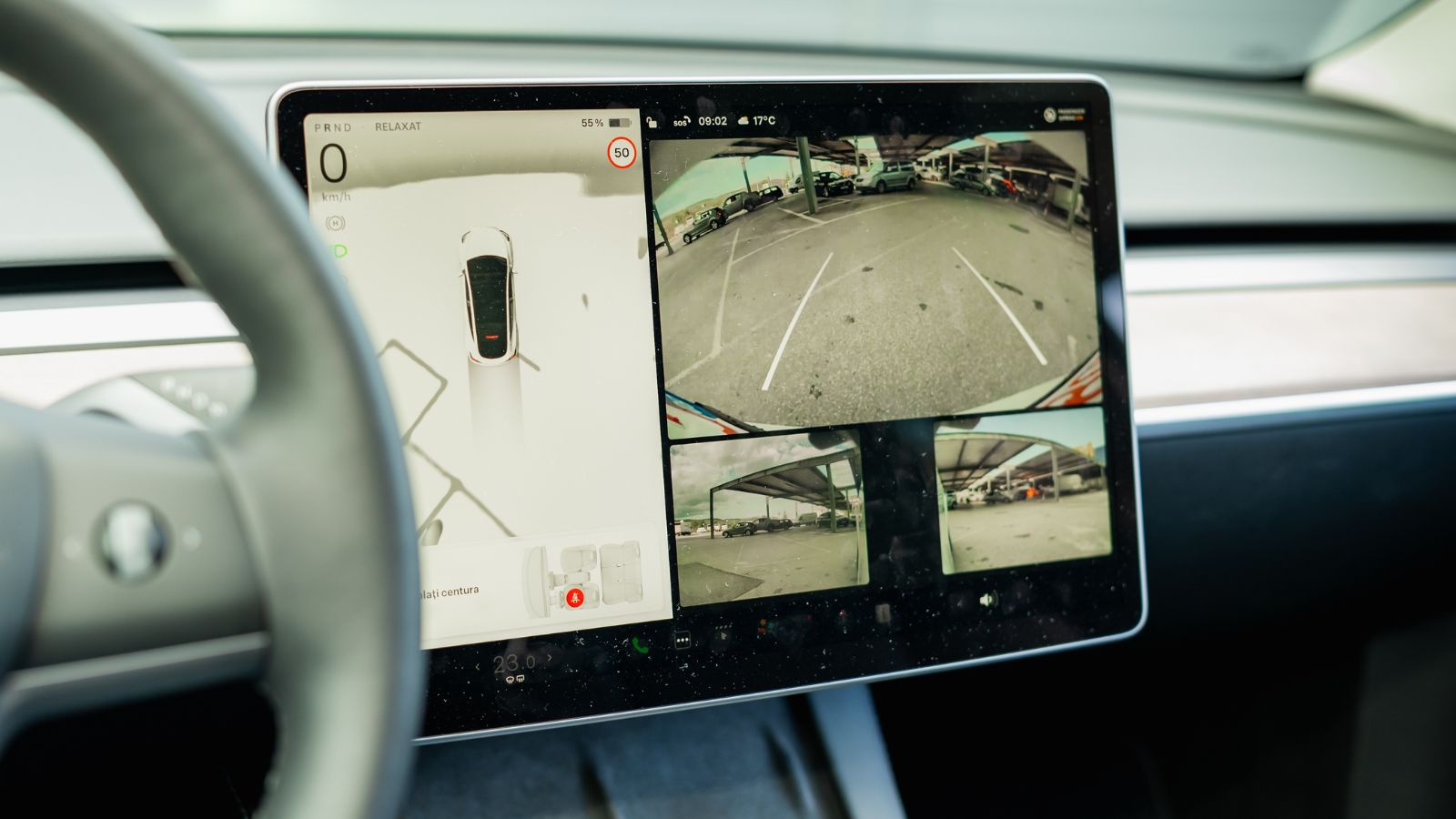
Surround-view camera systems create a bird’s-eye image by combining feeds from cameras mounted around the vehicle, often in the grille, mirrors, and rear liftgate. The feature is helpful in tight parking spaces, but it also spreads fragile electronics across the most damage-prone exterior areas. A scrape on one corner can affect how the entire image is stitched together.
Repairers may have to replace a camera, remove a mirror, repair a bumper, or adjust a liftgate, then recalibrate the system so the view lines up correctly. A driver might notice the problem only after backing into a parking space and seeing warped lane markings on the screen. That kind of visual mismatch is more than annoying; it can make the feature less reliable when judging distance near pedestrians, curbs, or garage walls.
Adaptive LED or HID Headlights
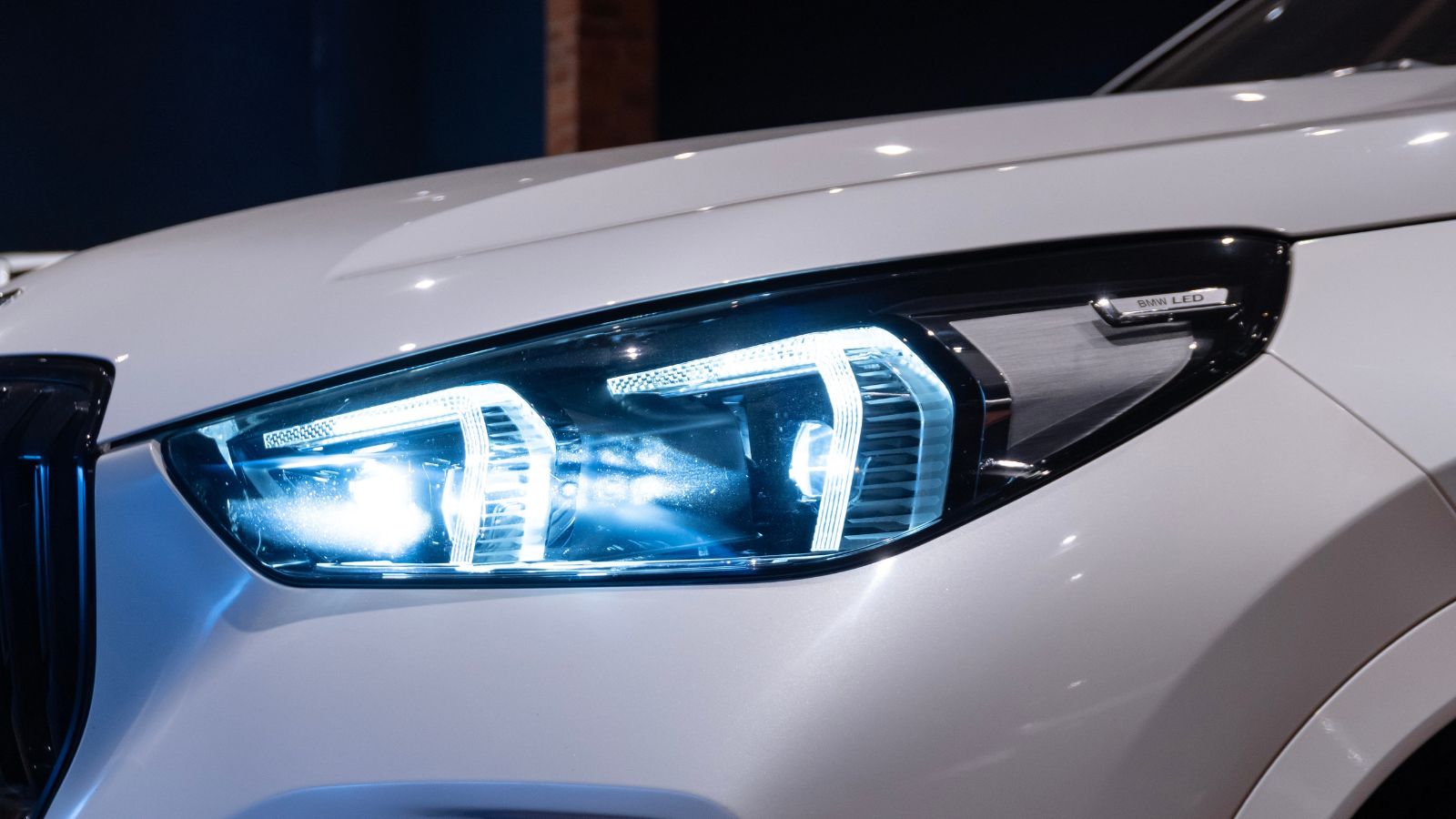
Modern headlights can include LED projectors, HID lamps, curve-adaptive movement, auto-leveling, high-beam assist, and dedicated control modules. Their safety benefits are real, especially at night, but the assemblies can be expensive and physically exposed. Low hoods and sculpted bumpers often leave headlights close to the impact zone in a minor front-end crash.
Unlike older sealed-beam or simple halogen units, many modern lamp assemblies are designed as model-specific modules. If the lens, housing, internal electronics, or mounting tabs are damaged, the whole unit may need replacement. A single cracked headlight can therefore add hundreds or thousands of dollars before paint or bodywork is counted. If the system swivels or self-levels, aiming and calibration can add another layer of labour.
Sensor-Friendly Bumper Covers
A bumper cover may look like painted plastic, but on many vehicles it is also a window for radar, ultrasonic sensors, and blind-spot systems. That makes the repair more sensitive than it appears. Filler, paint thickness, repair location, and even the number of refinishing layers can matter when sensors are positioned behind or within the bumper.
This is why a shop may refuse to patch an area that looks patchable. The concern is not only whether the bumper looks smooth, but whether signals can pass through it properly afterward. A repair that hides damage cosmetically may still interfere with a sensor’s view. For owners, that can be frustrating because the least expensive-looking repair may not meet the manufacturer’s requirements for the safety equipment behind the cover.
Rearview Cameras and Power Liftgates
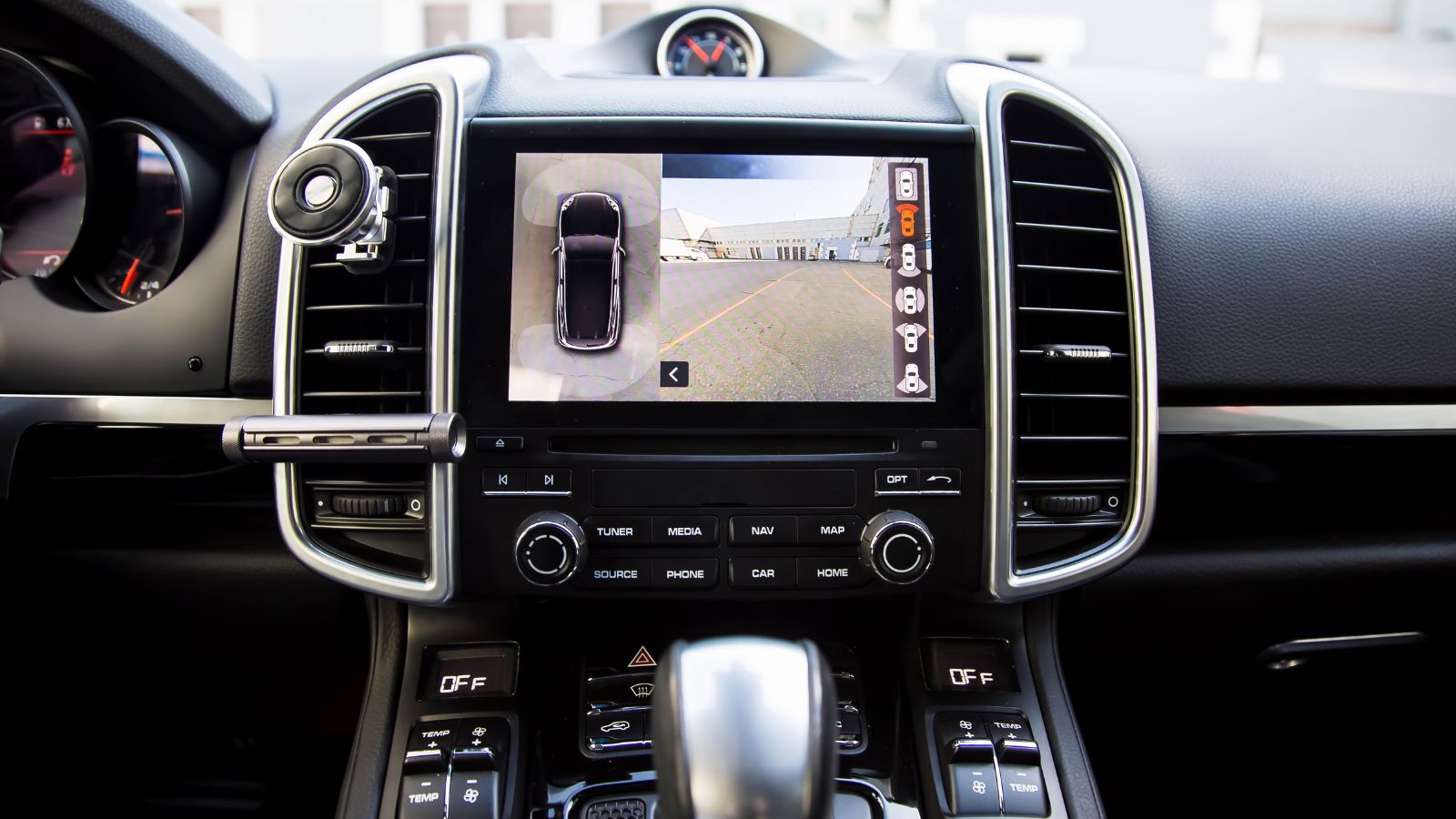
Rearview cameras are often mounted in a liftgate, deck lid, or tailgate, and they may share space with power-liftgate latches, wiring harnesses, release switches, and hands-free opening sensors. A minor rear hit can disturb more than the bumper. It can also affect the camera image, hatch alignment, latch operation, and warning systems tied to the rear of the vehicle.
The repair may involve removing interior trim, checking wiring, replacing a camera bracket, or confirming that the liftgate opens and closes correctly. A small dent near the badge can become a larger job if the camera angle changes or if water intrusion damages connectors. The owner may first notice the issue when guidelines on the display no longer match the real position of the vehicle.
Airbags and Seat-Belt Pretensioners
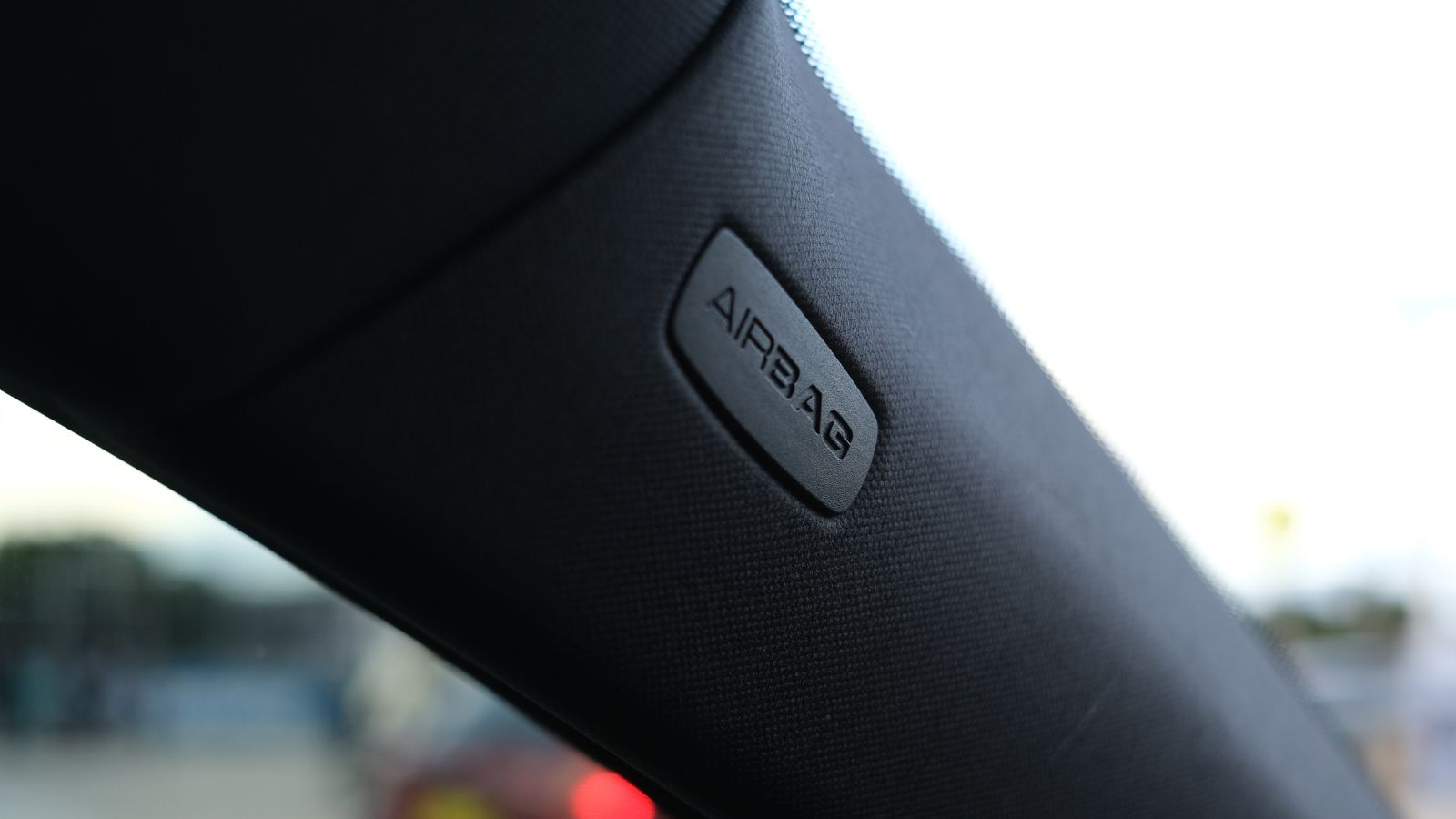
Airbags and seat-belt pretensioners are safety devices, not comfort features, but they can raise costs even when exterior damage looks modest. Pretensioners are designed to tighten the seat belt almost instantly in a crash, and airbags are built for one deployment. If either system activates, the repair moves beyond bodywork into supplemental restraint system restoration.
This can include replacing airbag modules, seat-belt assemblies, sensors, control units, trim pieces, and crash-damaged wiring. In some crashes, pretensioners may fire even when airbags do not deploy, which can surprise owners who expected only bumper or panel repair. Because these parts directly affect occupant protection, shortcuts are risky. A proper repair usually requires manufacturer procedures, diagnostic scans, and confirmation that warning lights are cleared for the right reason.
Aluminum Body Panels
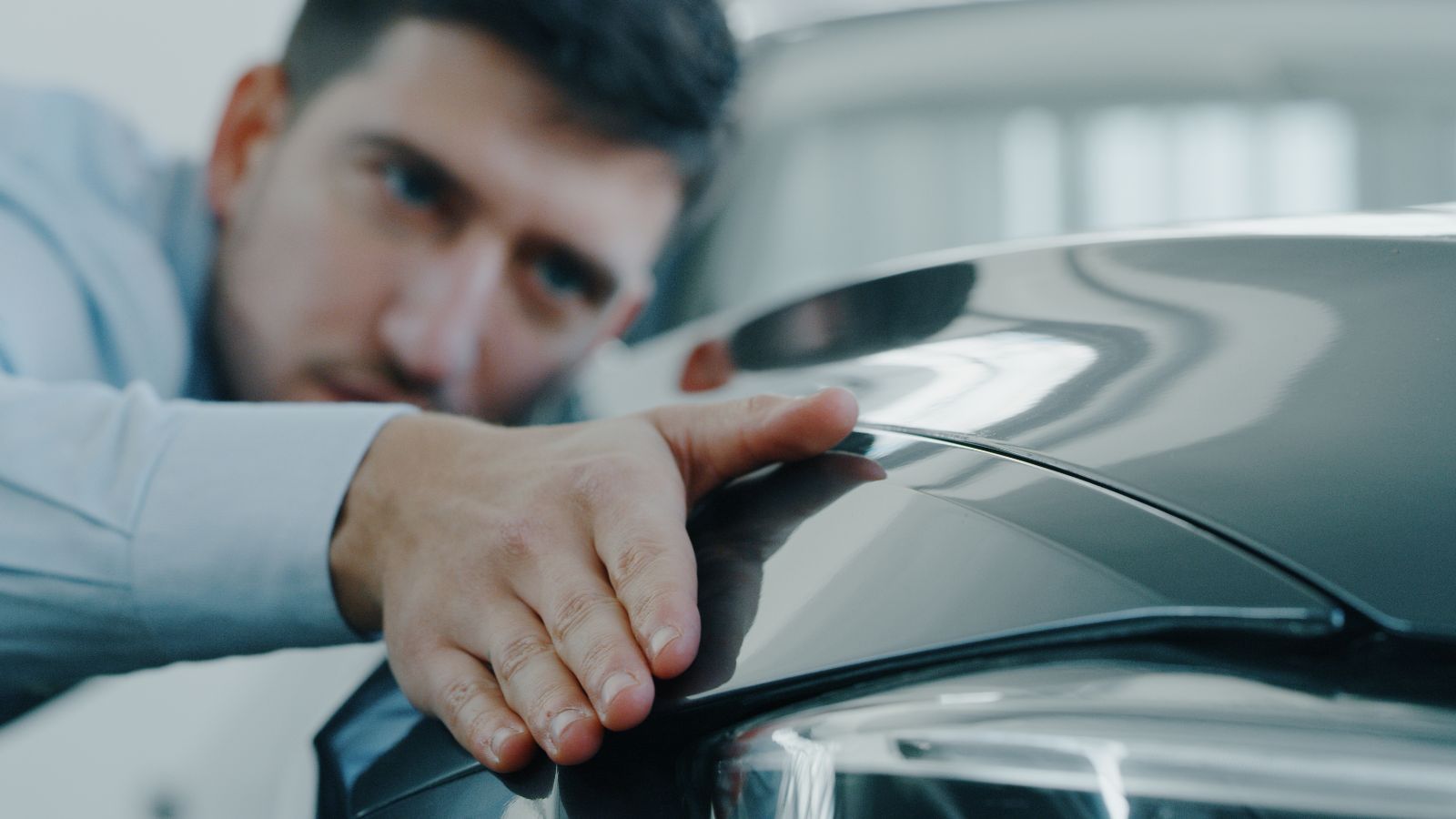
Aluminum hoods, doors, fenders, and liftgates help reduce vehicle weight, but they can complicate collision repair. Aluminum behaves differently from mild steel, and it often requires separate tools, surface preparation, corrosion protection, and repair procedures. A small crease may not be handled the same way a similar dent on an older steel panel would have been.
The added cost often comes from labour and equipment rather than the size of the dent. Shops may need aluminum-specific abrasives, dedicated work areas, and contamination controls to avoid problems during repair. On some vehicles, replacement may be preferred over reshaping if the panel is stretched or cracked. The result is that a light parking-lot ding on an aluminum hood can cost more than its plain appearance suggests.
High-Strength Steel Structures
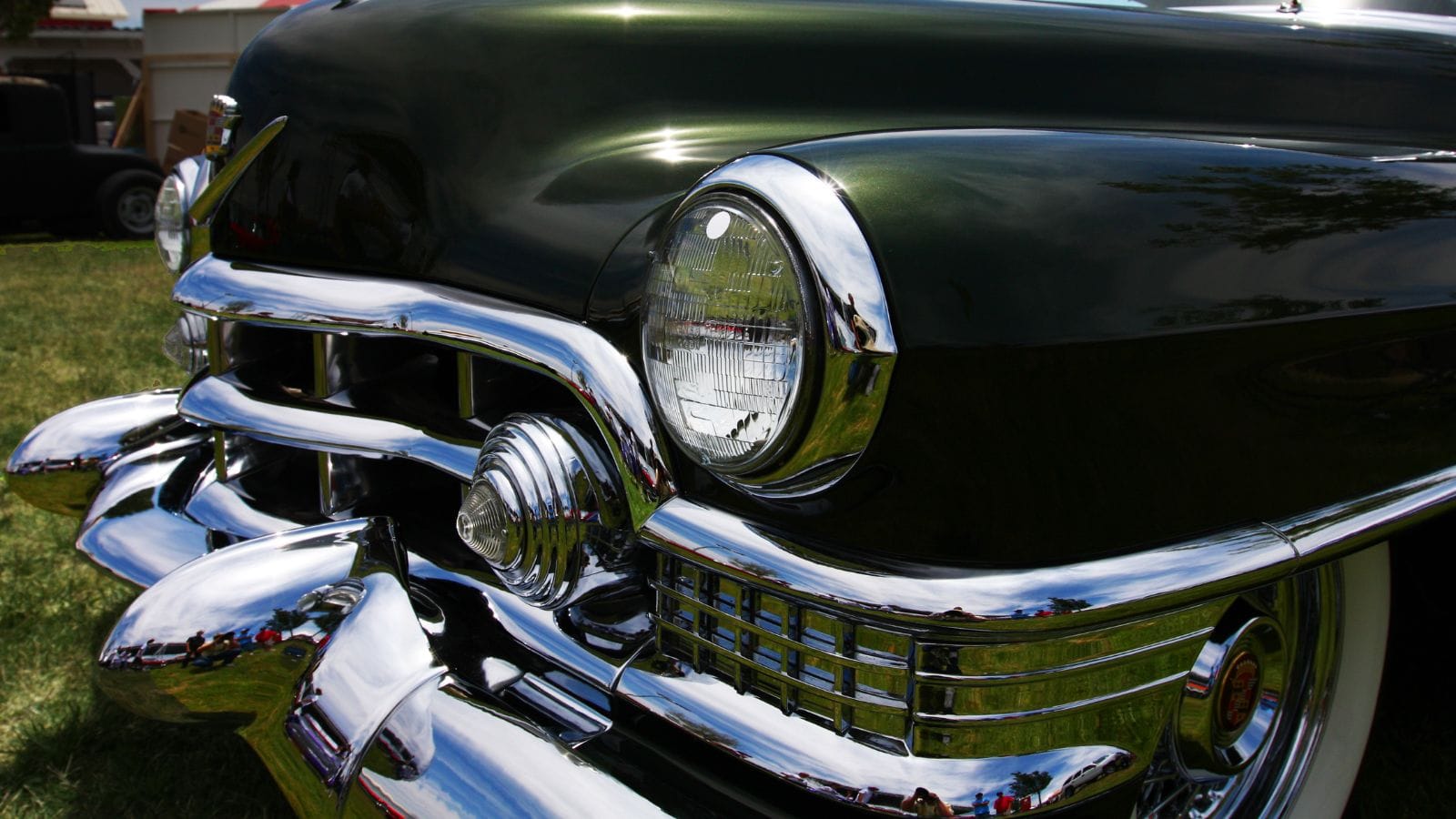
High-strength and ultra-high-strength steels are used to improve crash protection while controlling weight. They are often found in pillars, rocker panels, rails, bumper reinforcements, and other structural areas. The benefit is a stronger safety cage, but the downside is that these materials may have strict repair limits after a collision.
A small hit can become expensive if damage travels into a reinforcement or crush zone that cannot simply be heated, pulled, or patched. Repairers may need to consult vehicle-specific procedures before deciding whether a part can be repaired or must be replaced at factory seams. This adds planning time, measuring, welding requirements, and sometimes disassembly. The visible dent may be minor, while the structural question underneath is not.
EV and Hybrid High-Voltage Systems
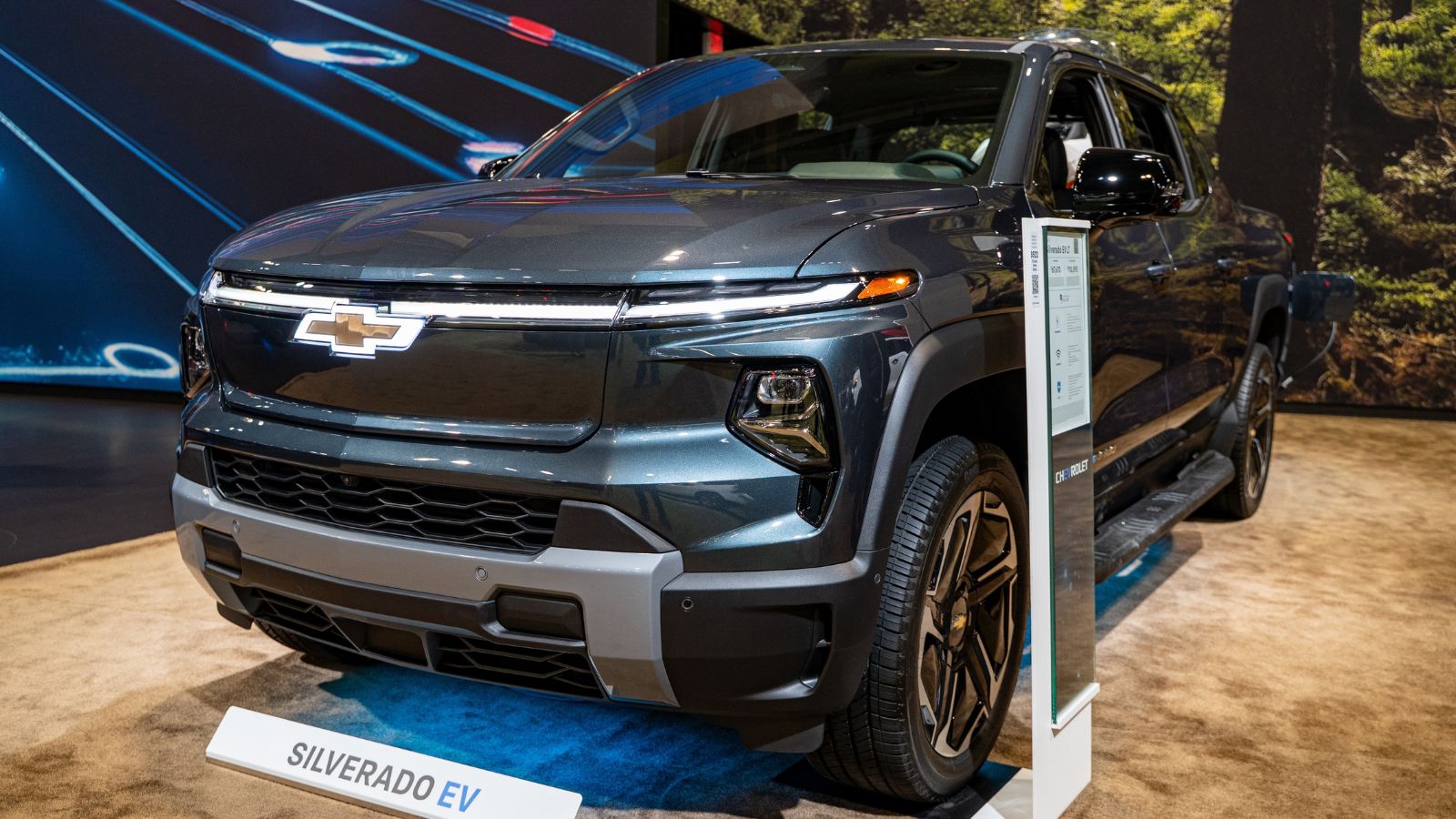
Electric and hybrid vehicles can carry high-voltage components, battery enclosures, cooling lines, specialized wiring, and extra underbody protection. A minor crash does not automatically mean battery damage, but it can trigger extra inspection steps. Shops may need to disable the high-voltage system, scan battery data, inspect cooling paths, and follow safety procedures before normal repair work begins.
The cost impact is partly about caution. A small underbody strike, front-end impact, or side hit can raise questions about battery isolation, cable damage, coolant leaks, or hidden stress to the pack enclosure. Even when the final repair is straightforward, the diagnostic process can be longer. For some owners, the estimate feels high because it includes safety checks that are invisible once the vehicle is back together.
Active Grille Shutters
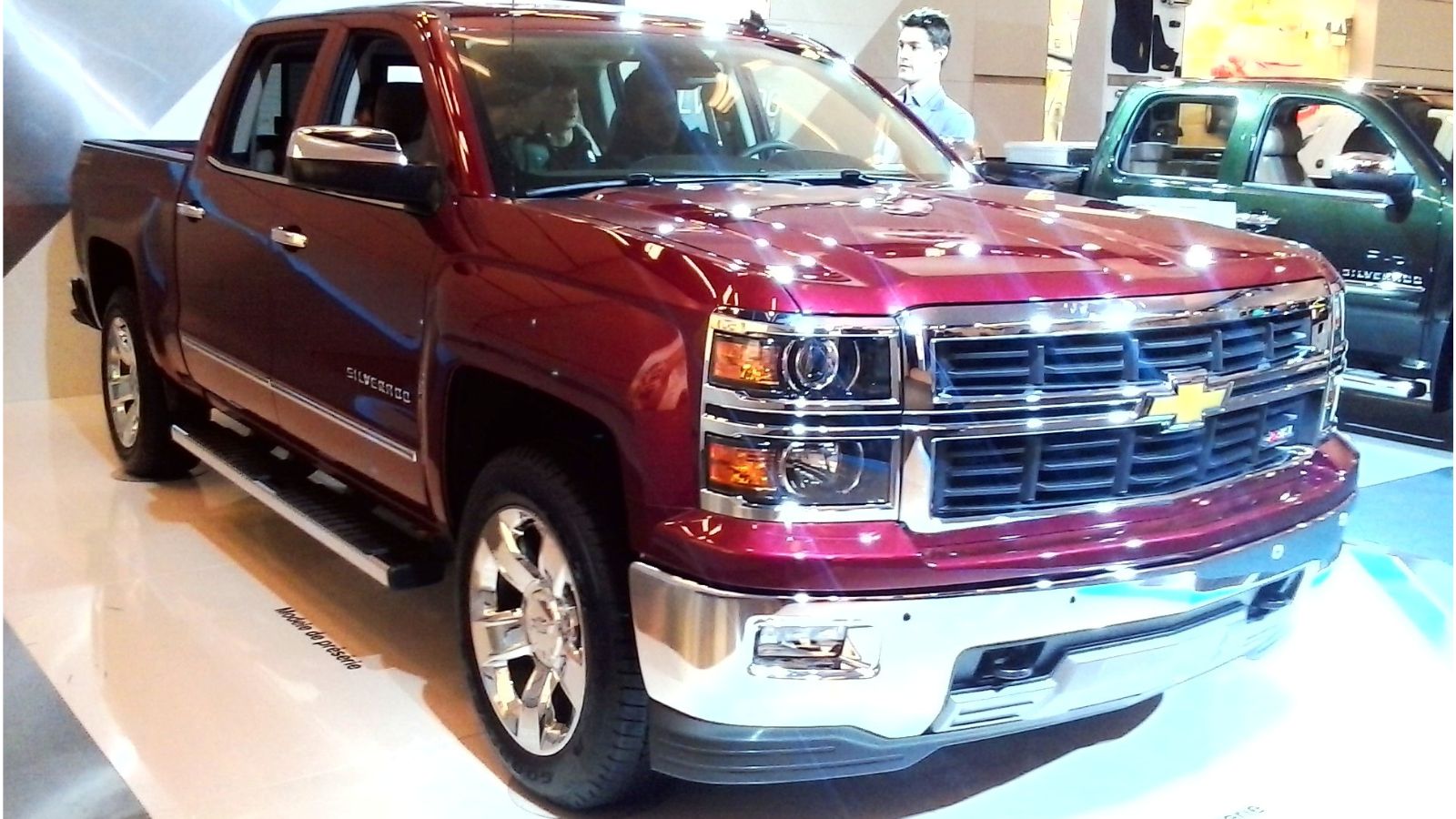
Active grille shutters sit ahead of the radiator or cooling stack and open or close to manage airflow. They can improve aerodynamics when cooling demand is low, but their location at the front of the vehicle makes them vulnerable in a low-speed collision. A bumper tap can crack the shutter frame, jam the blades, or damage the actuator.
Because the system may self-check at startup, a problem can appear as a warning code or reduced function after the visible bodywork is completed. If the shutters stick closed, cooling and air-conditioning performance can be affected. If they stick open, fuel economy and emissions performance may suffer. That means a proper front-end repair may include confirming shutter operation, not just replacing the bumper cover and repainting the grille area.
Head-Up Display Windshields

A head-up display projects speed, navigation, or safety alerts into the driver’s line of sight, but it often depends on special windshield glass. The windshield may need a specific reflective layer or optical shape so the display appears clear rather than doubled or distorted. After a minor crash or glass damage, replacing that windshield can cost more than replacing standard glass.
The added expense can be easy to overlook because the feature feels like software. In reality, the display, dashboard projector, and glass work together. If the wrong windshield is installed, the display may be blurry, misaligned, or difficult to read. When the same windshield also supports a forward-facing camera, the job can involve both HUD-compatible glass and ADAS calibration, raising cost and appointment time.
Adaptive Suspension and Ride-Height Sensors
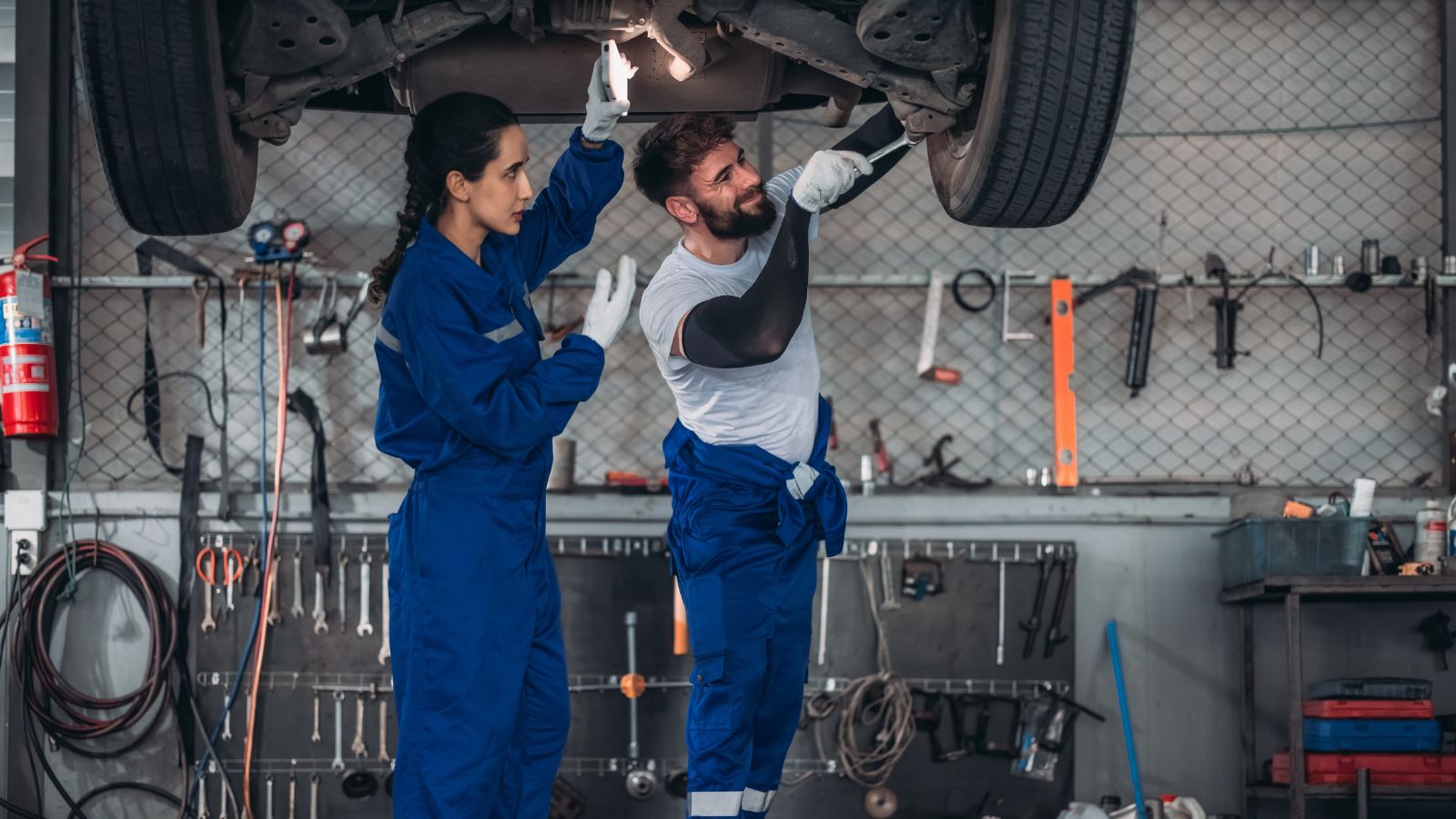
Adaptive suspension, self-leveling systems, and ride-height sensors are designed to improve comfort, handling, towing stability, or headlight aim. After a collision that affects a wheel, control arm, bumper corner, or suspension mounting point, these systems can add diagnostic and calibration steps. A vehicle may look straight yet still sit outside the tolerances expected by its sensors.
This matters because many driver-assistance and lighting systems rely on the vehicle’s position relative to the road. A small suspension change can alter camera, radar, or headlight angles. Repairers may need an alignment, sensor initialization, headlight aiming, or suspension calibration before the vehicle is fully restored. That turns a seemingly ordinary curb strike or corner impact into a job where electronics and geometry have to agree.
22 Things Canadians Do to Their Cars in Spring That Mechanics Hate
Spring brings relief to many Canadian drivers after months of snow, freezing temperatures, and icy roads that put serious strain on vehicles. As temperatures rise across the country, drivers begin washing cars, switching tires, and preparing vehicles for warmer weather and upcoming road trips. However, mechanics across Canada notice the same mistakes every spring when drivers attempt to recover from winter damage. Road salt, potholes, and harsh winter driving conditions often leave vehicles with hidden problems that drivers ignore. Some spring habits even create new mechanical issues that could have been avoided with proper maintenance. Here are 22 things Canadians do to their cars in spring that mechanics hate.

Alanna Rosen is an experienced content writer that focuses on many EV and educational content. Her articles are regularly published on Get CyberTrucked and syndicated on large publications.