Everyday life with a car is shaped by much more than horsepower, styling, or a low monthly payment. A vehicle can look perfect during a short test drive and still become tiring once it has to handle commuting, errands, weather, parking lots, passengers, repairs, and rushed mornings.
These 20 everyday ownership issues show why some cars feel easy to live with while others create small frustrations that never really disappear. The difference often comes down to visibility, comfort, controls, running costs, storage, reliability, and how well the vehicle fits normal routines.
Poor Outward Visibility
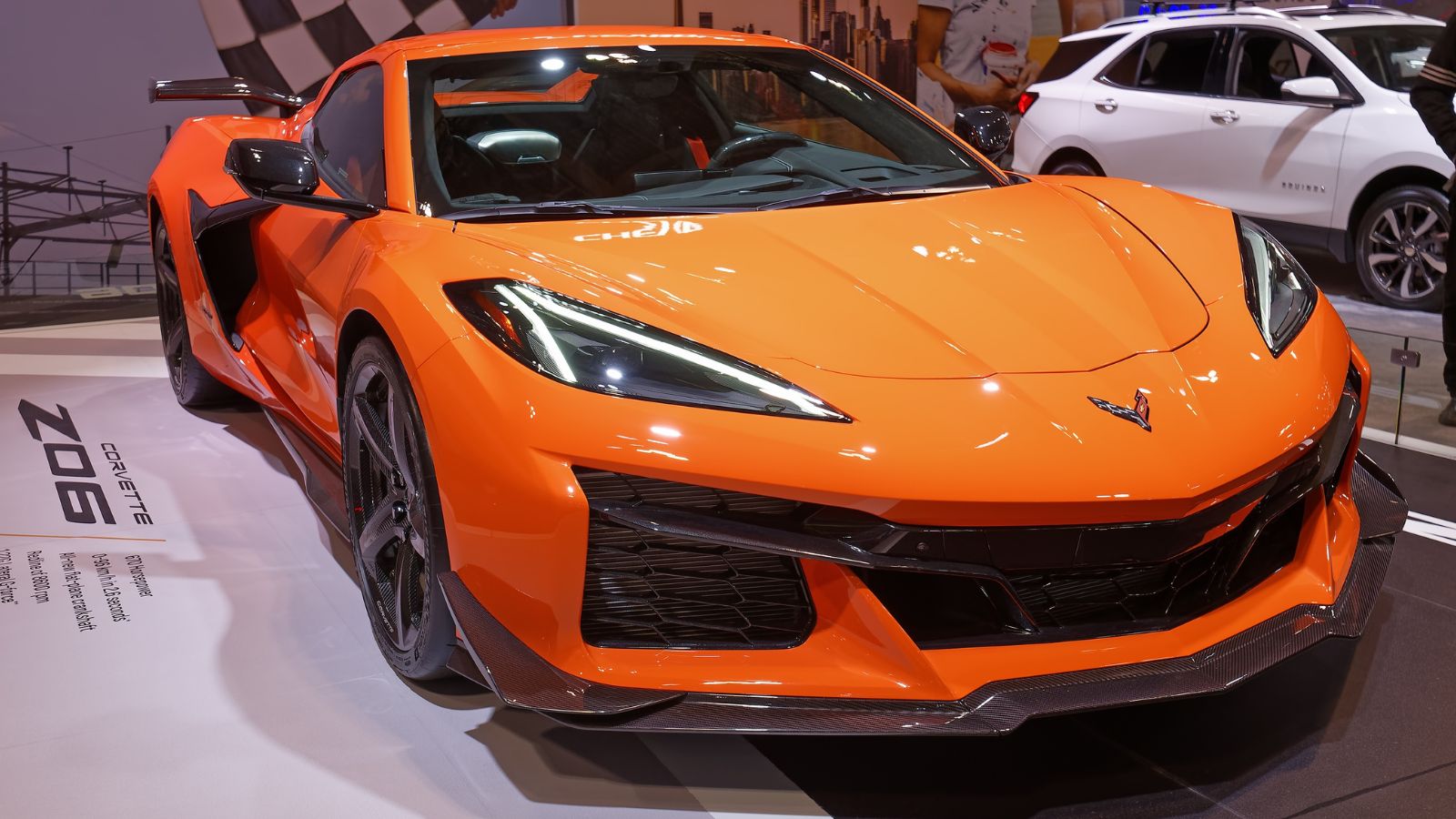
A car that is hard to see out of can make every short trip feel more stressful than it should. Thick roof pillars, high beltlines, small rear windows, and bulky head restraints may look modern, but they can leave drivers leaning forward at intersections or guessing while backing out of a driveway. Federal rear-visibility rules exist because reversing crashes can be especially dangerous for children, older adults, and people outside the vehicle.
This problem becomes obvious in crowded parking lots. A driver may technically have a backup camera, mirrors, and sensors, yet still struggle to judge where the corners are. Large blind zones can also affect turning, especially when pedestrians are crossing from the side. A car that hides too much of the road demands extra concentration every single day.
Overly Complicated Touchscreen Controls
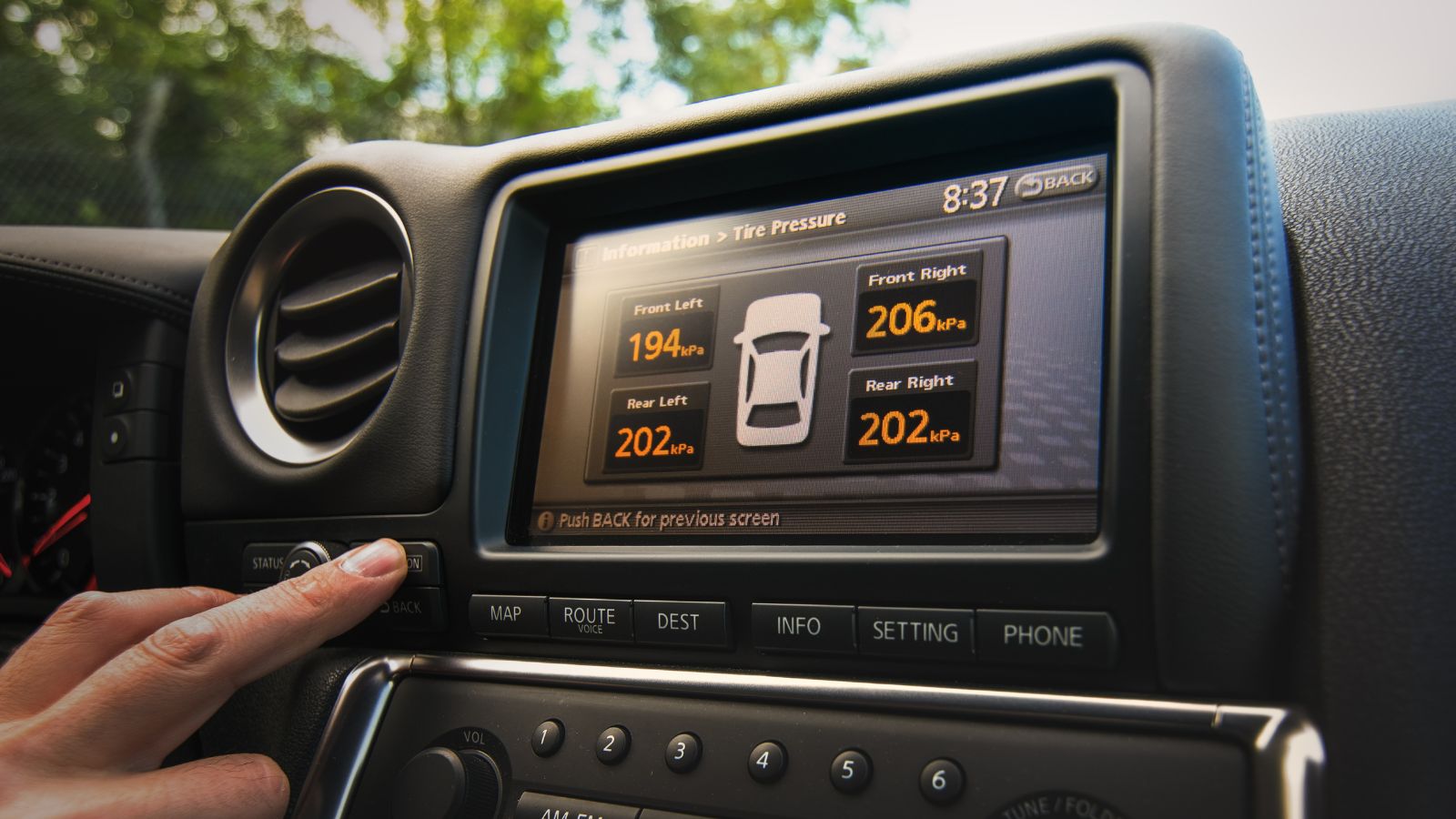
Touchscreens can make a dashboard look clean, but they can also turn basic tasks into a menu hunt. Adjusting temperature, changing fan speed, turning on seat heat, or switching radio sources should be quick. When those controls are buried behind icons, drivers often need to glance away from the road longer than they would with physical knobs or buttons.
This matters because visual-manual distraction has been a formal safety concern for years. Modern infotainment systems now handle navigation, phone pairing, climate settings, vehicle modes, cameras, and even glove box releases in some models. When a car makes simple adjustments feel like using a tablet at 60 mph, the cabin may look futuristic but feel irritating in normal traffic.
Uncomfortable Seats and Poor Driving Position
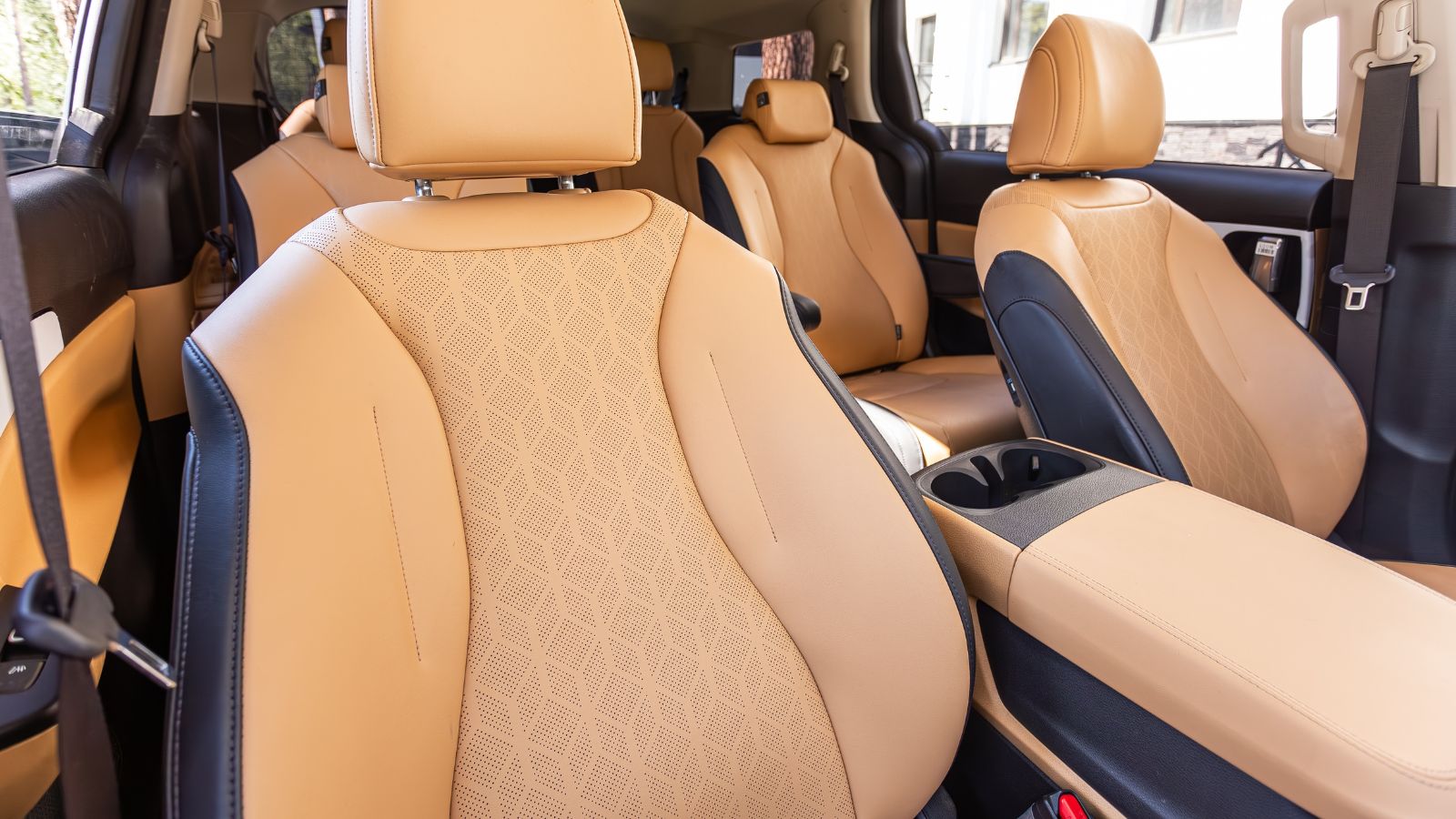
A seat can feel fine for ten minutes and become a problem after an hour. Flat cushions, limited lumbar support, narrow bolsters, awkward head restraints, or a steering wheel that does not telescope far enough can force drivers into a position that never feels natural. Over time, that discomfort becomes part of every commute.
Driving comfort is not just a luxury issue. Prolonged sitting, whole-body vibration, and poor posture are associated with back discomfort among professional drivers and frequent motorists. A good daily car should allow the driver to reach the pedals, steering wheel, mirrors, and controls without stretching or slouching. When that setup is wrong, even a reliable car can feel exhausting.
A Harsh Ride Over Normal Roads

Large wheels and low-profile tires can sharpen handling and improve the way a car looks, but they often reduce the amount of sidewall available to absorb potholes and broken pavement. That can make ordinary city streets feel busier, louder, and more brittle than expected. The damage risk can also rise when tires and wheels have less cushioning.
This is where a stylish trim can become a daily annoyance. A driver who loves the showroom look may later dread construction zones, frost heaves, speed bumps, or rough parking-lot entrances. Pothole damage can affect tires, wheels, alignment, and suspension components, so a harsh ride is not only uncomfortable. It can also become expensive.
Excessive Cabin Noise
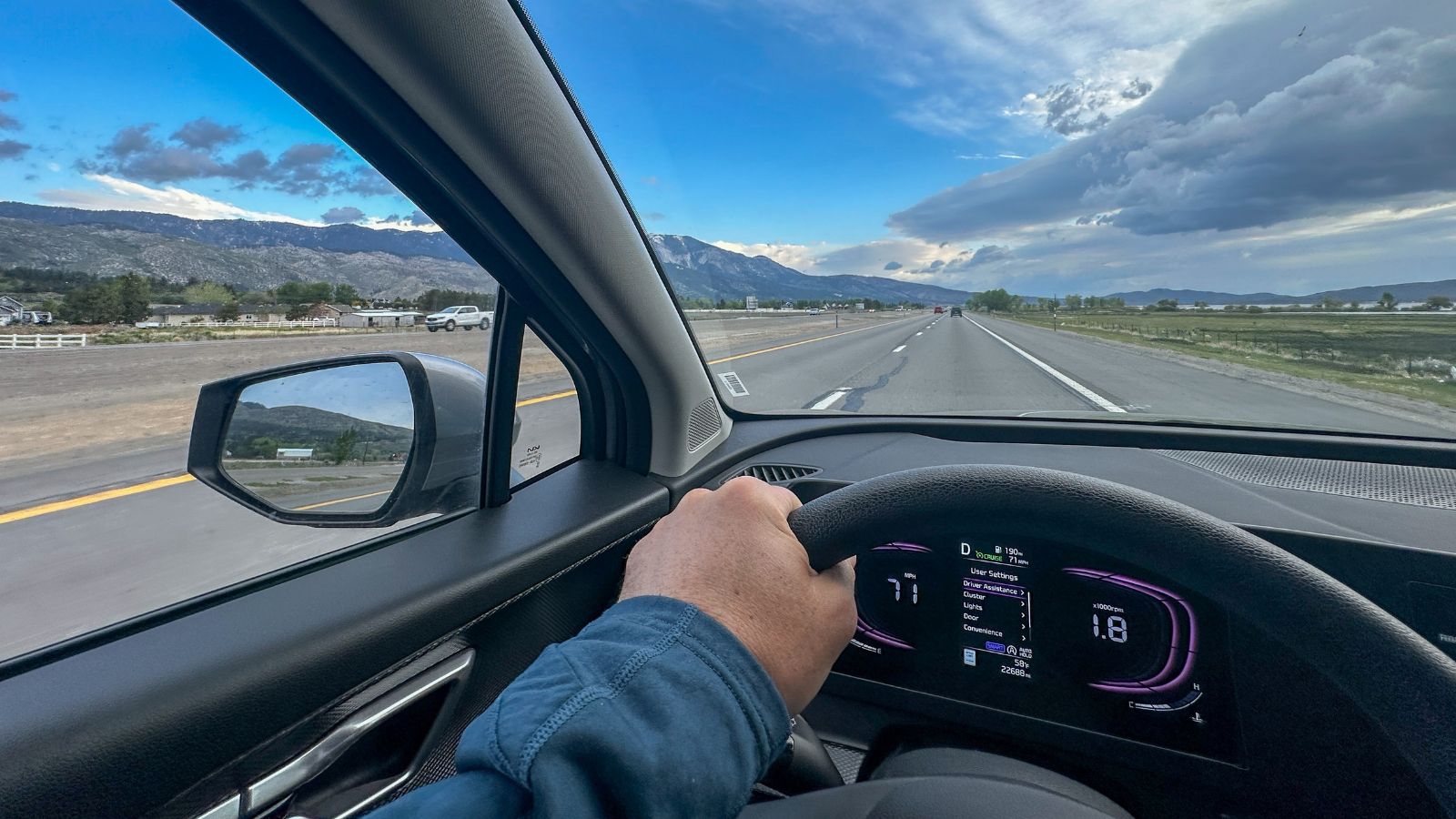
A noisy cabin wears people down gradually. Tire roar, wind noise, engine drone, rattles, and booming over coarse pavement may not seem serious during a quick test drive, but they can dominate longer trips. Conversations become harder, podcasts need more volume, and the car starts to feel cheaper than it looked on paper.
Noise also affects the perception of quality. Reviewers often measure interior sound at highway speeds because two vehicles can feel completely different at the same speed on the same road. A quiet car makes daily driving calmer, especially for commuters who already deal with traffic and long hours. A loud one turns routine mileage into background stress.
Disappointing Fuel Economy
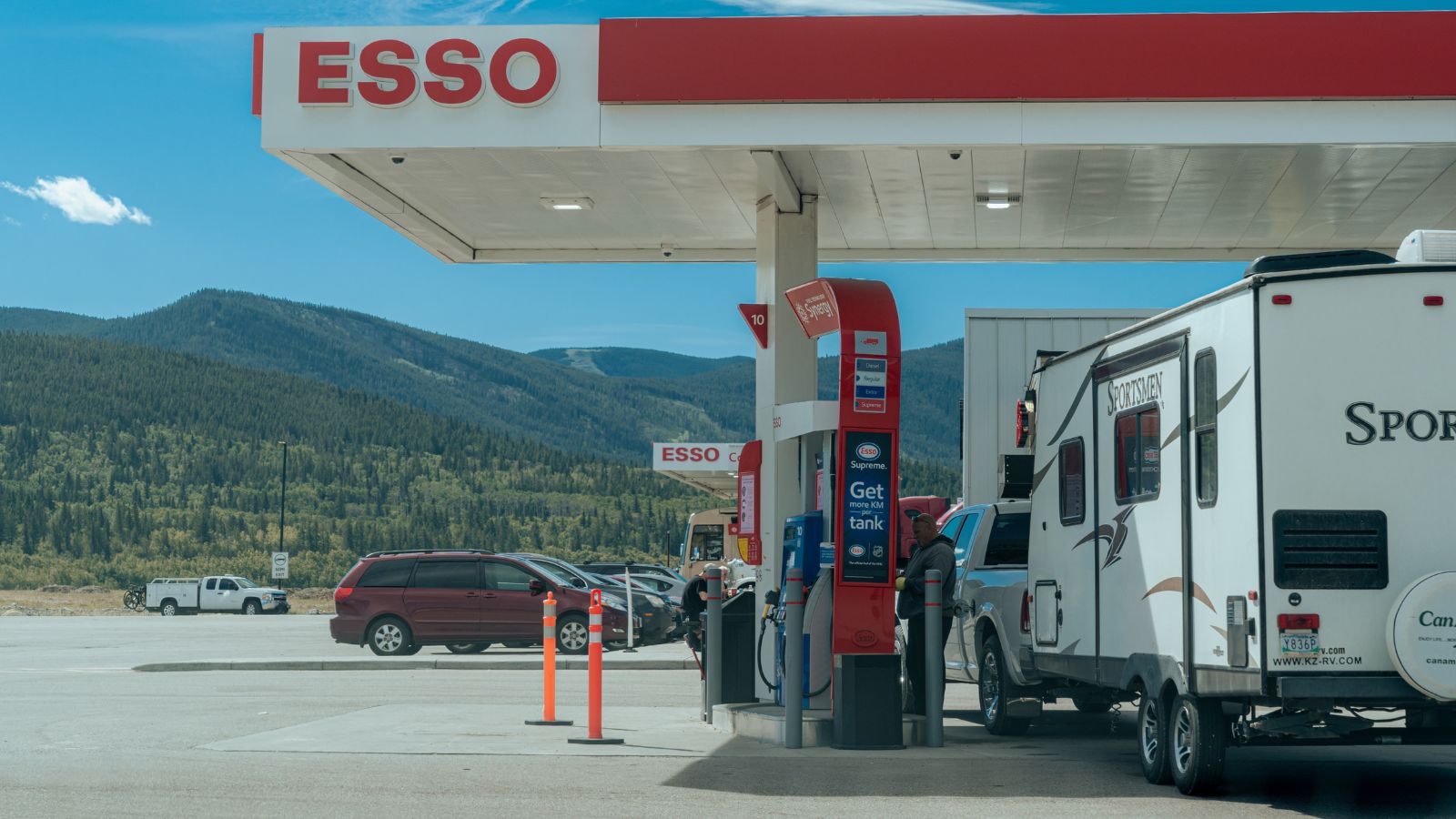
Fuel economy becomes personal when the tank seems to empty faster than expected. A car with poor real-world mileage can make every errand feel costly, especially if most driving happens in stop-and-go traffic. Aggressive acceleration, high speeds, roof cargo, underinflated tires, and cold weather can all make the gap between advertised and real-world fuel use feel larger.
The frustration is not only the price of fuel. It is also the frequency of stopping. A thirsty vehicle with a small tank can force extra station visits during busy weeks, road trips, or bad weather. Over time, poor efficiency becomes one of those ownership complaints that quietly changes how often the car gets used.
Difficult Parking and Maneuvering
A car can feel great on the highway and awkward everywhere else. Wide bodies, long overhangs, limited steering angle, and poor corner visibility make parking garages, school pickup lanes, drive-throughs, and tight streets more stressful. Even experienced drivers may find themselves taking extra attempts to fit into ordinary spaces.
Parking-assist technology can help, but it does not erase bad proportions. Sensors can beep constantly near curbs, cameras can distort distance, and automatic systems still require the driver to monitor the situation. The easiest cars to live with usually combine good visibility, predictable steering, a reasonable turning circle, and body dimensions that do not feel oversized for daily errands.
Awkward Cargo Space
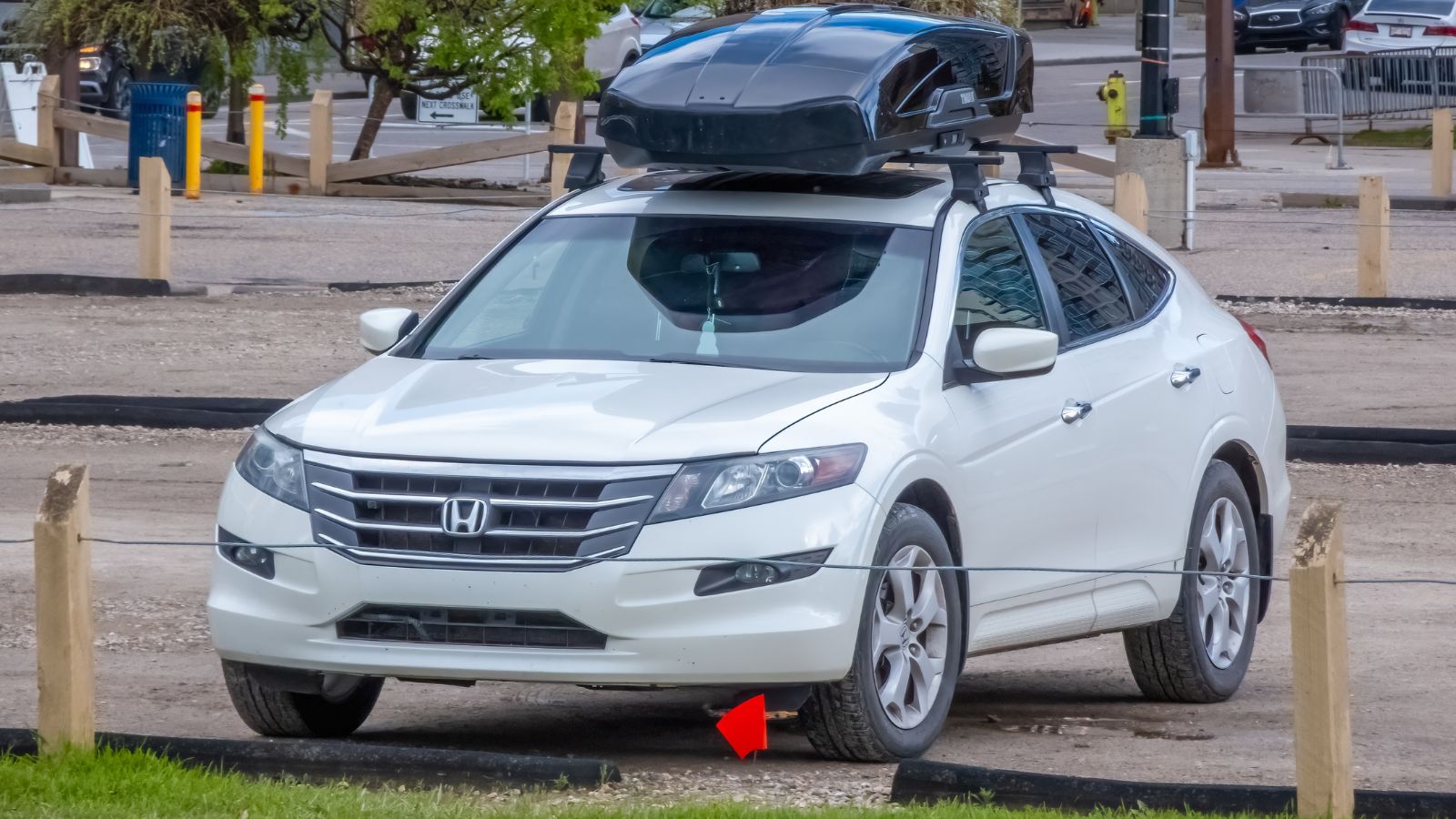
Cargo space is not just a number in cubic feet. A vehicle may claim a large cargo area yet still be hard to load because of a high liftover, sloped rear glass, wheel-well intrusions, narrow openings, or seats that do not fold flat. A stroller, cooler, suitcase, or box from a warehouse store quickly reveals the difference between measured volume and useful space.
Small storage frustrations also matter. Poorly placed cupholders, shallow door pockets, tiny center consoles, and phone trays that do not fit modern devices can irritate drivers every day. A practical car does not need the biggest trunk in its class, but it should make ordinary items easy to load, secure, and reach.
Cramped Rear Seats
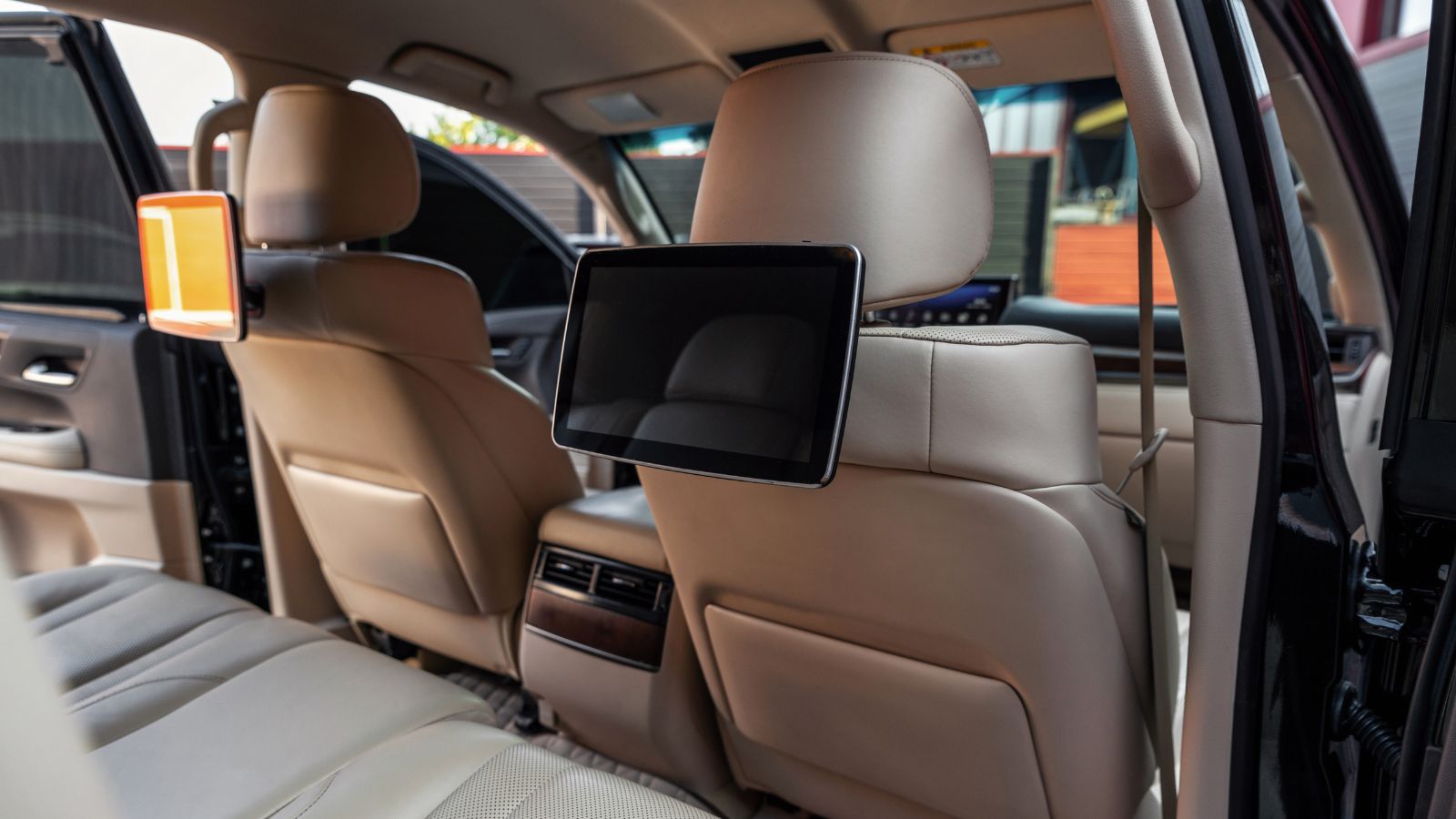
Rear-seat space becomes a daily issue when passengers, child seats, or ride-share duties are part of life. Tight door openings, low rooflines, short cushions, and limited foot room can make a car feel smaller than its exterior suggests. Rear-facing child seats can also push front seats forward, making both rows less comfortable.
Child-seat installation adds another layer. Lower anchors that are buried deep in the seat crease or tether points that are hard to reach can turn a simple errand into a wrestling match. A car that works for adults on a test drive may fail the real family test when a child seat, school bag, and grocery run all happen at once.
Weak or Poorly Aimed Headlights
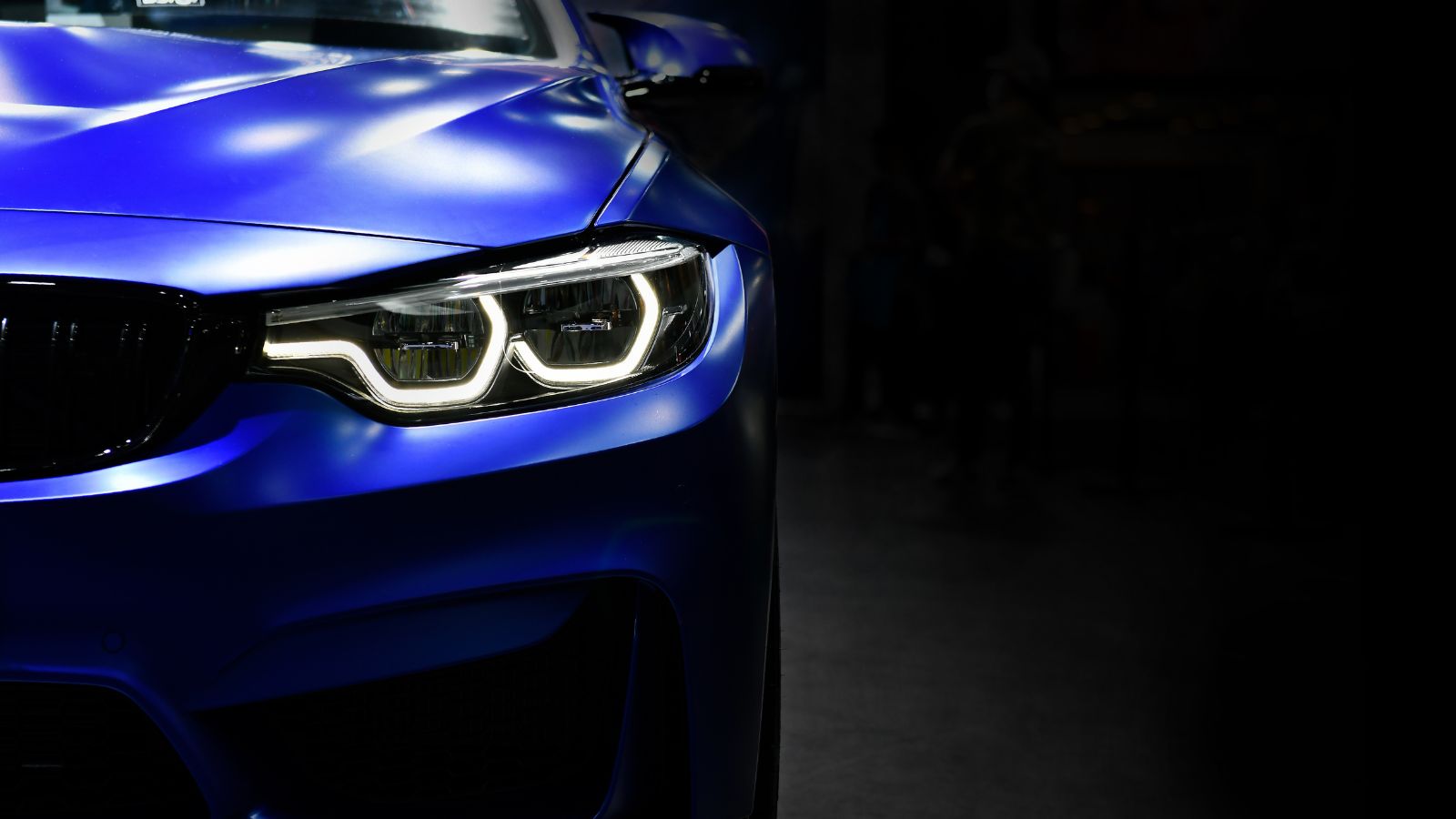
Bad headlights make night driving feel tiring and uncertain. Some systems do not illuminate far enough down the road, while others create uneven patches or glare that distracts oncoming drivers. Rural roads, rain, and poorly lit suburbs expose weak lighting quickly, especially at highway speeds.
Headlight quality has real safety relevance. Independent testing has linked better headlight visibility ratings with fewer nighttime crashes compared with poor-rated headlights. For daily use, the difference is simple: good headlights reduce guesswork. Poor ones make the driver slow down, squint, and feel less confident whenever the sun goes down.
Annoying Driver-Assistance Alerts

Driver-assistance features can be valuable, but poorly tuned alerts can make a car feel nervous. Lane warnings that buzz too often, forward-collision alerts that trigger late or too aggressively, and blind-spot warnings that cry wolf in traffic can wear down trust. Some drivers eventually silence systems they originally wanted.
The best safety technology feels calm, clear, and consistent. The worst feels like a passenger who overreacts to everything. Since these systems use cameras, radar, and software, their behavior can vary by weather, lane markings, road shape, and calibration. A car that constantly interrupts the driver may be safer in theory but harder to tolerate in practice.
Glitchy Infotainment and Software
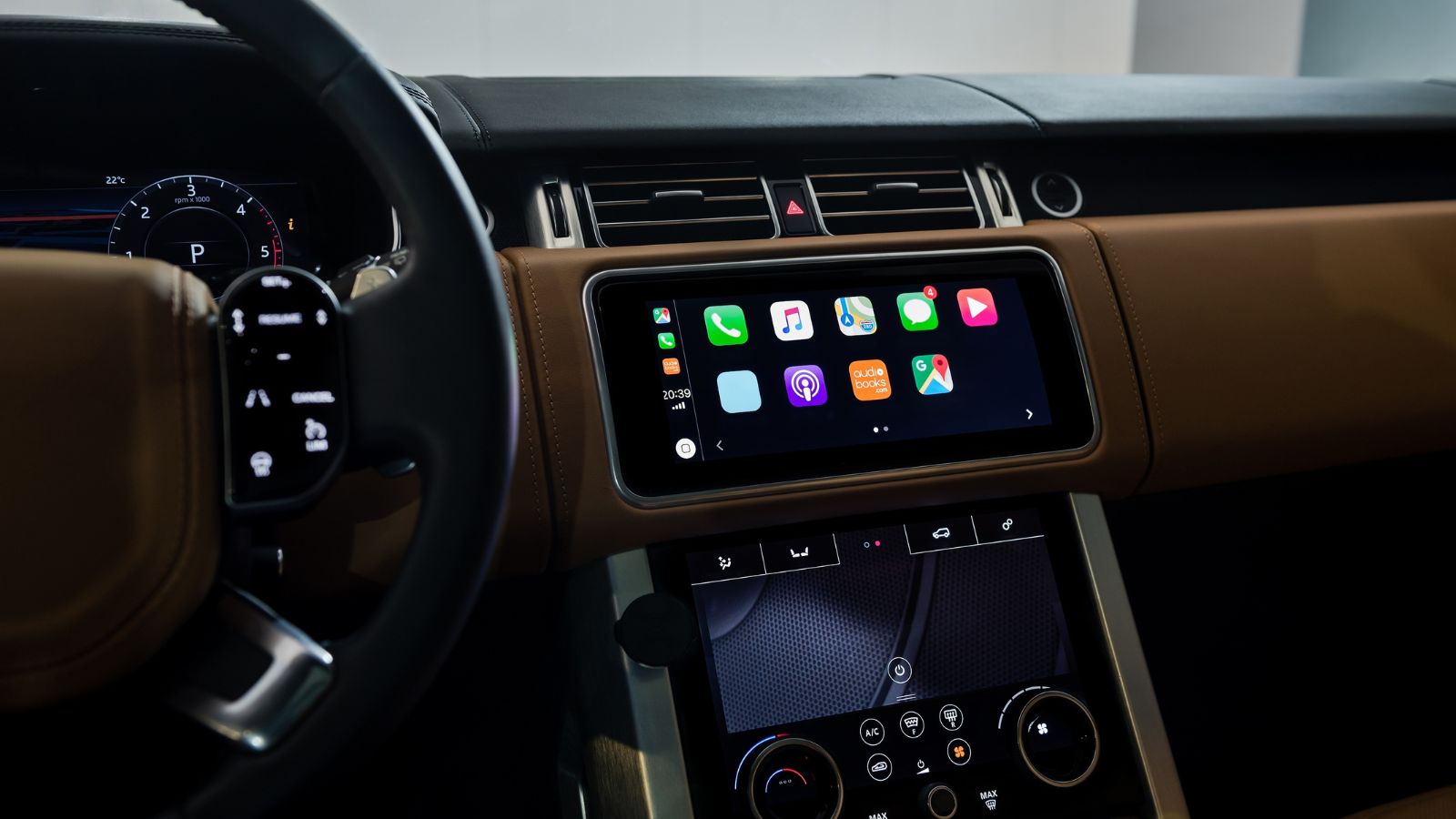
A car’s mechanical parts can be dependable while its software still causes daily irritation. Frozen screens, slow boot-up times, unreliable phone pairing, laggy backup cameras, and random warning messages can make a newer vehicle feel unfinished. Because so many controls now run through screens, a glitch can affect more than music.
Infotainment remains one of the most commonly reported problem areas in modern quality studies. That makes sense in everyday life: the screen is touched on nearly every drive. When it fails, delays, or forgets settings, the problem is impossible to ignore. A stable, simple system often matters more than the largest display.
Poor Climate Controls and Slow Defrosting
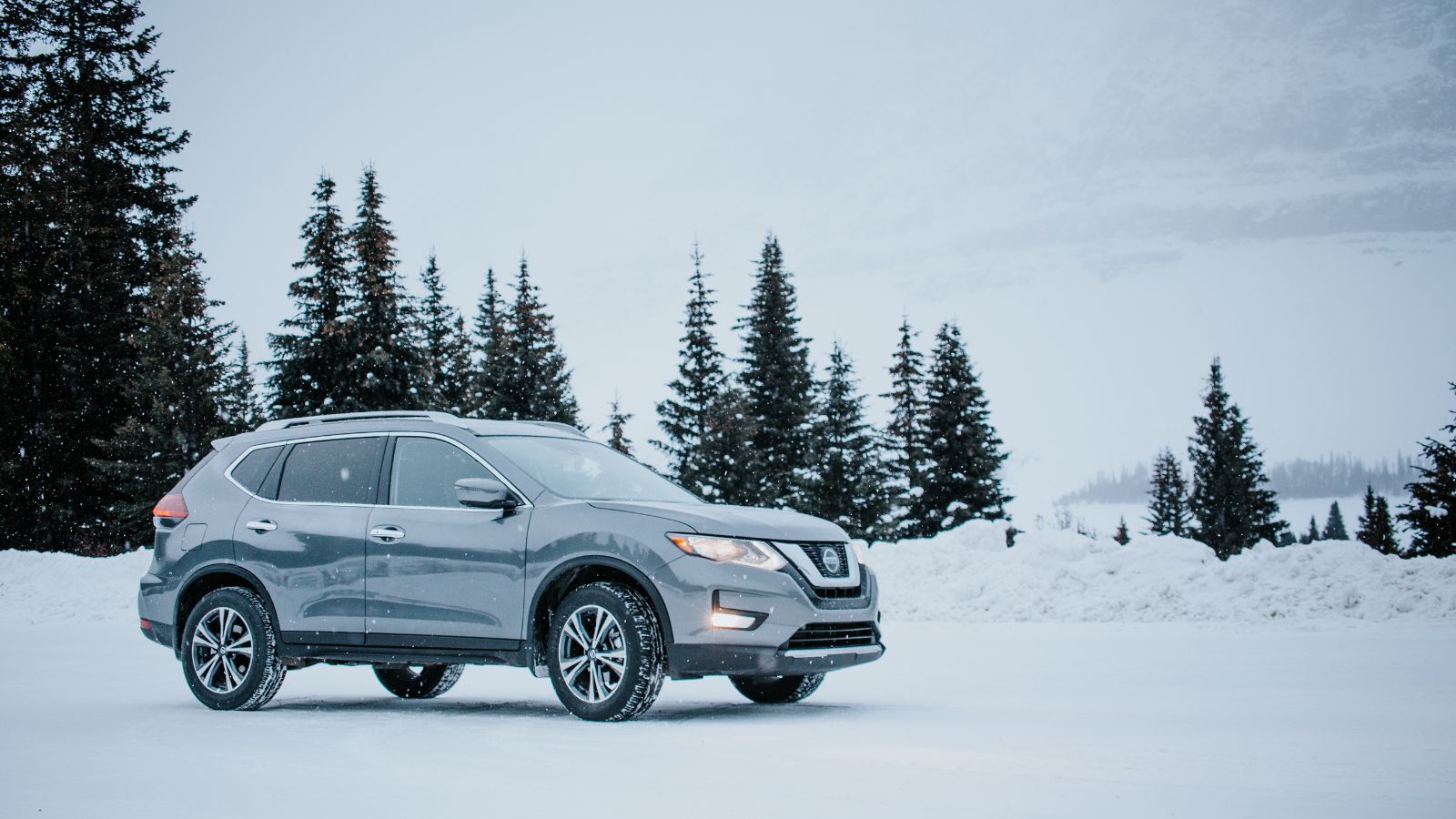
Climate control is one of the most used features in any vehicle. If the system is weak, slow, noisy, or hidden inside a touchscreen, it becomes irritating quickly. A driver should not have to tap through menus just to clear fog, warm the cabin, or cool the car after it has been parked in the sun.
Defrosting and defogging are also visibility issues, not just comfort features. Federal standards require vehicles to have windshield defrosting and defogging systems because clear glass is essential to safe driving. In daily life, a weak defroster can delay winter mornings, fog up during rain, and make passengers uncomfortable before the trip even begins.
Expensive Tires, Brakes, and Wear Items

Some cars are difficult to live with because every routine replacement costs more than expected. Large performance tires, unusual tire sizes, premium brake components, adaptive suspension parts, and specialized fluids can make ordinary maintenance feel like luxury ownership. The car may have been affordable to buy, but not affordable to keep fresh.
Wear items are unavoidable. Tires, brakes, wipers, batteries, filters, and fluids all need attention, and ownership-cost studies include maintenance, repairs, and tire replacement for that reason. A car that requires rare parts or expensive labor turns normal upkeep into a budgeting problem. Over several years, that can matter more than the original sale price.
Low Ground Clearance
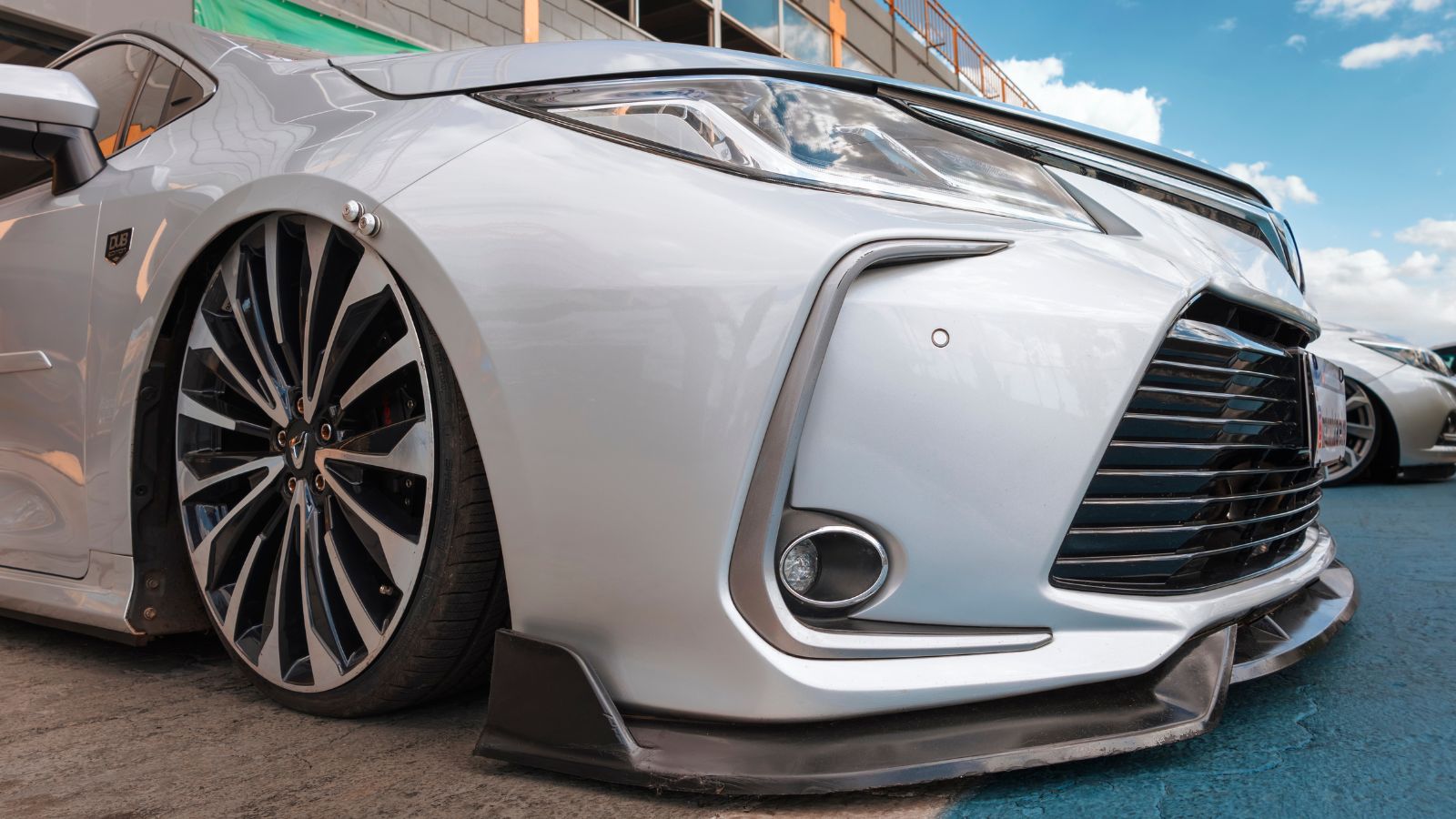
Low ground clearance can make a car look sporty and improve aerodynamics, but it can be annoying in normal life. Steep driveways, parking stops, snow ruts, gravel roads, and uneven construction zones can lead to scraping, cautious angles, or damaged underbody panels. Even careful drivers may eventually hear that awful plastic-on-concrete sound.
This problem is highly location dependent. In a smooth urban area, a low car may be easy to enjoy. In a place with snow, potholes, ferry ramps, rural lanes, or tall speed bumps, it can feel fragile. Ground clearance is rarely exciting on a spec sheet, but it shapes how confidently a vehicle handles ordinary obstacles.
Inconvenient Refueling or Charging
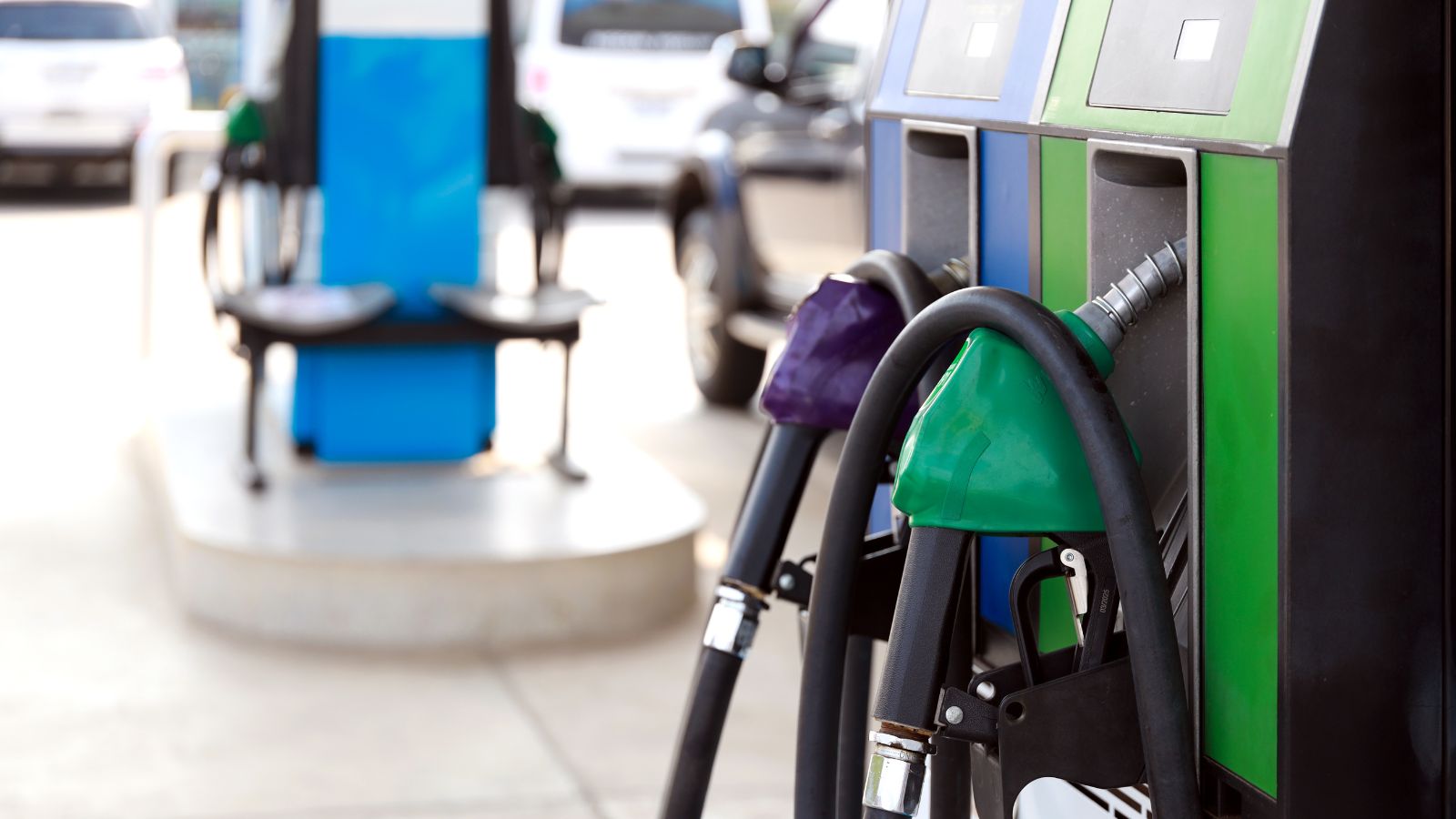
A car that needs frequent refueling or charging can disrupt routines. For gasoline vehicles, a small tank paired with mediocre fuel economy means more stops. For electric vehicles, the issue may be public charger availability, charging speed, payment systems, broken equipment, or whether charging exists near home, work, or regular routes.
Public charging has improved, but studies still show failed charging attempts and reliability concerns. That matters because convenience is part of livability. A vehicle can be excellent when fully charged or freshly fueled, yet frustrating if every longer trip requires planning around stations, apps, adapters, queues, or backup locations.
Poor Backup Camera and Sensor Performance
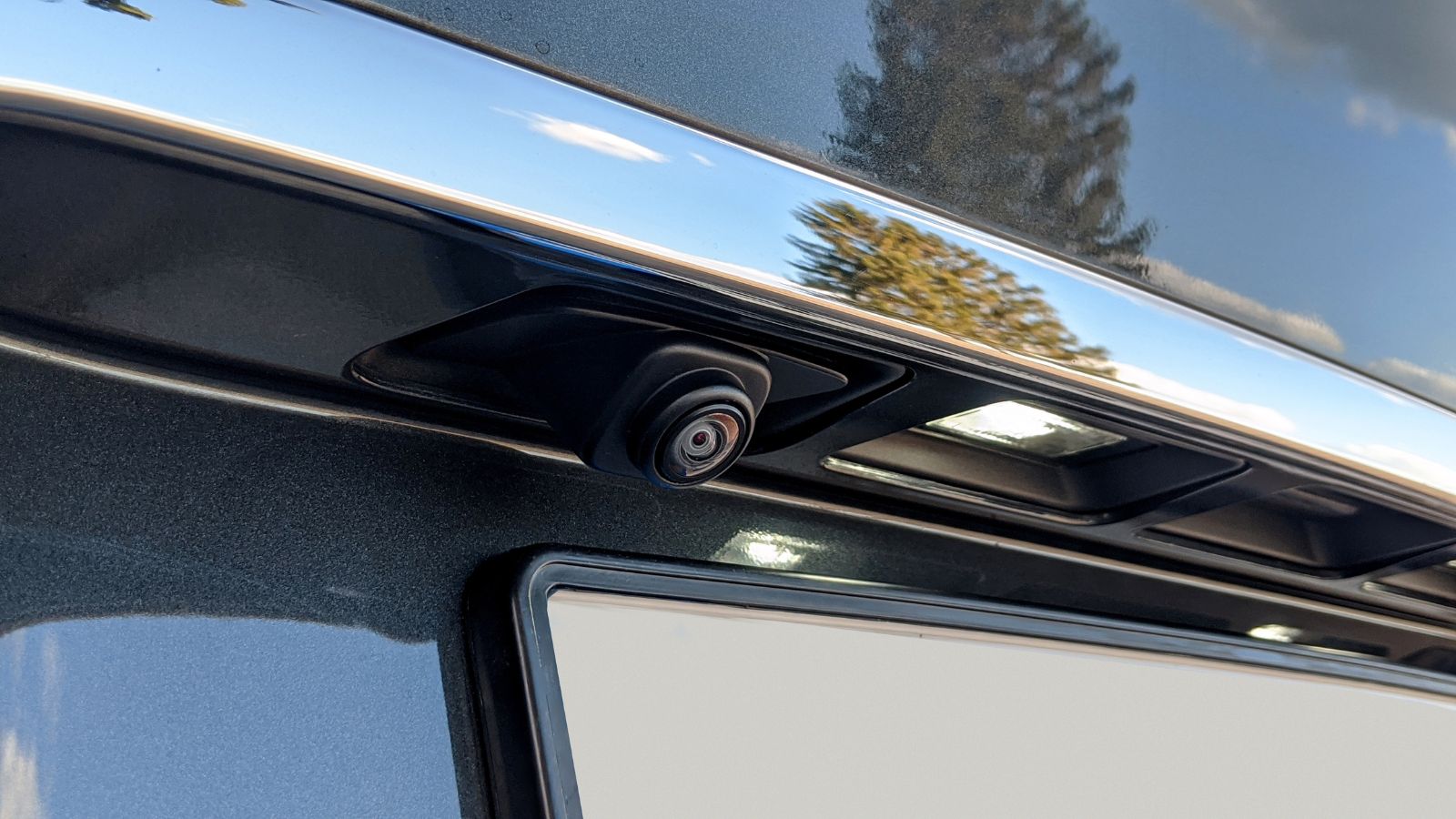
Backup cameras and parking sensors are helpful, but they are not magic. Dirty lenses, rain, snow, sun glare, low-resolution displays, delayed video feeds, and wide-angle distortion can make them less useful just when they are needed most. A system that works beautifully on a clear day may struggle in winter slush.
Rear visibility technology became standard because backing incidents can be serious, especially around people outside the vehicle. Still, camera placement and image quality matter. If the camera is exposed to grime or the sensor warnings are vague, the driver may end up relying on a system that is only partially helpful. That creates false confidence and daily frustration.
Jerky Transmission or Throttle Response
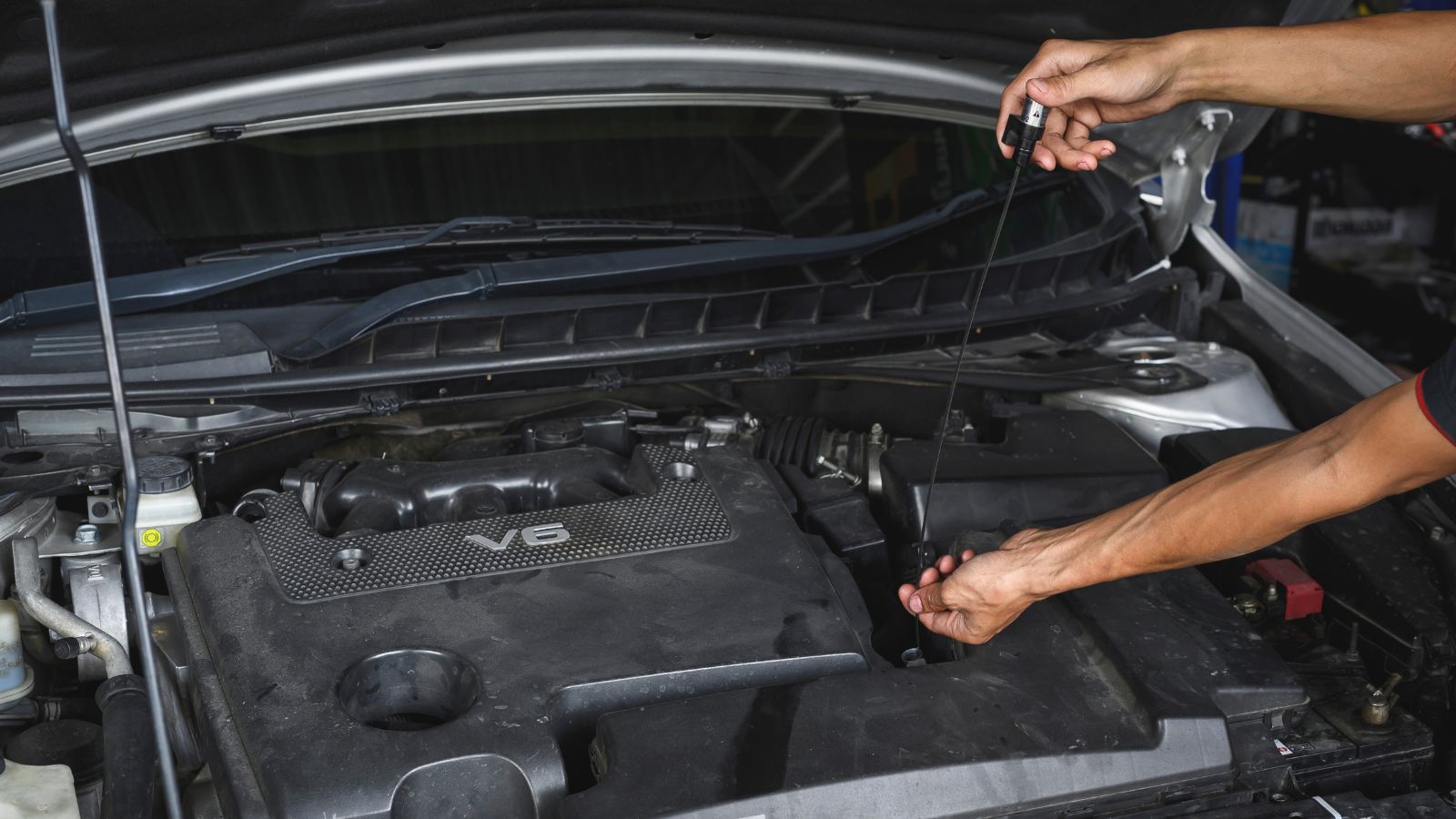
A car that lurches, hesitates, hunts for gears, or responds unevenly to the accelerator can be unpleasant in traffic. Smoothness matters most at low speeds, where drivers creep through parking lots, merge from side streets, or follow stop-and-go congestion. A powertrain that feels fine during hard acceleration may still feel clumsy during normal errands.
Modern transmissions are often tuned for fuel economy, emissions, and performance at the same time. That balancing act can create odd shift behavior, delayed responses, or unnatural engine sound in some vehicles. When the driver cannot predict how the car will react to small pedal movements, everyday driving becomes less relaxing.
Poor Phone Integration and Charging Layout
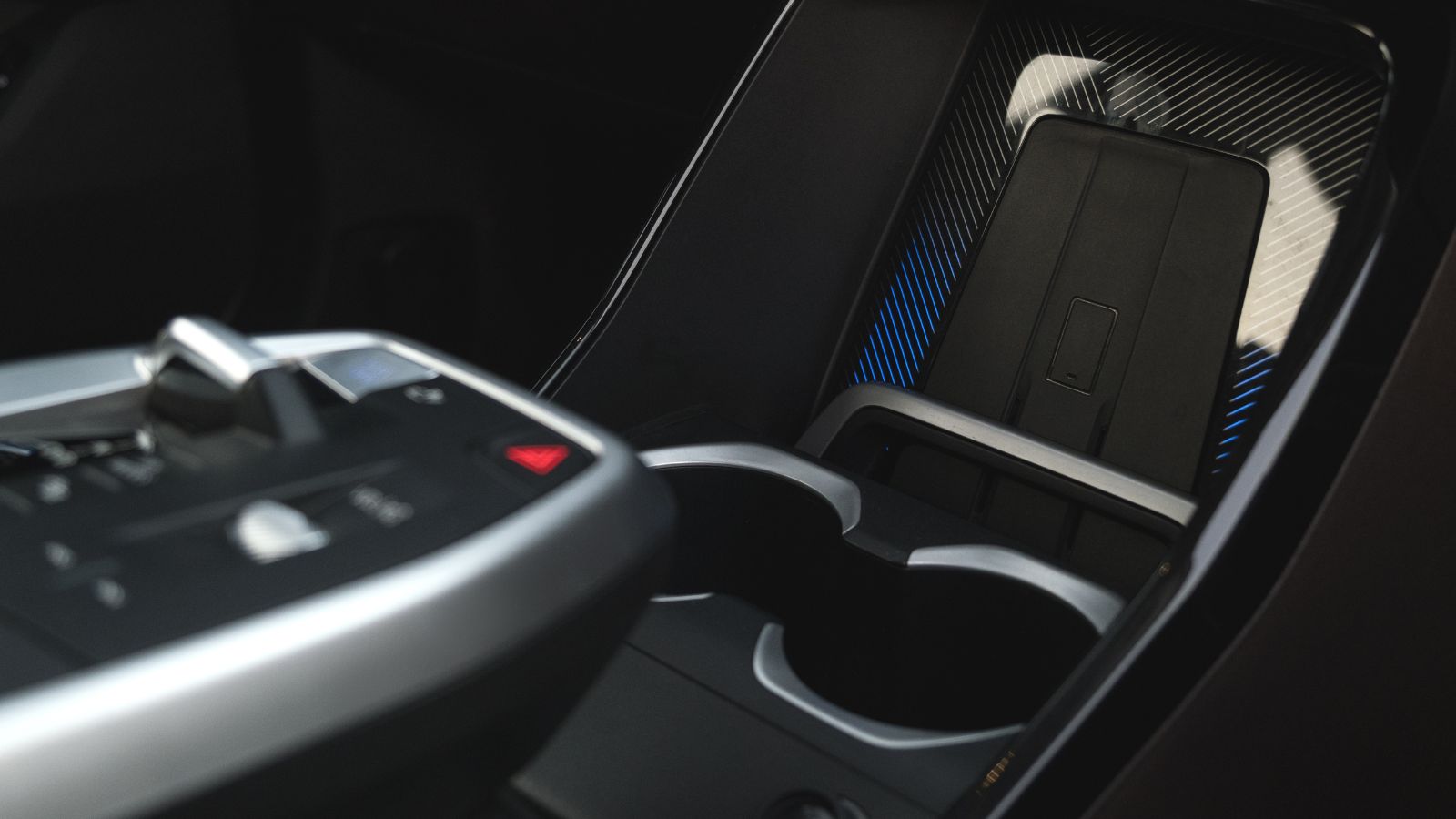
Modern drivers expect phones to connect quickly, charge reliably, and sit somewhere secure. When wireless charging overheats the phone, USB ports are scarce, Bluetooth drops calls, or the phone tray blocks cupholders, frustration builds fast. These are small details, but they happen on nearly every drive.
Connectivity complaints remain common because the car has become an extension of work, navigation, music, messaging, and family coordination. A good setup reduces distraction by making common tasks predictable. A bad one encourages cable clutter, loose phones, awkward reaching, and repeated troubleshooting before leaving the driveway.
High Insurance and Ownership Costs

A car can be easy to drive but hard to afford. Insurance, depreciation, financing, registration, fuel, tires, maintenance, repairs, and repair complexity all shape the real cost of ownership. Advanced sensors, expensive lighting, specialized body panels, and luxury-brand parts can raise costs after even minor damage.
This is why total cost matters more than the monthly payment alone. A vehicle with a low purchase price may still be expensive to insure or repair, while a pricier model may hold value better or need less upkeep. The most livable car is not always the cheapest one upfront. It is the one whose costs remain predictable after the excitement wears off.
22 Things Canadians Do to Their Cars in Spring That Mechanics Hate

Spring brings relief to many Canadian drivers after months of snow, freezing temperatures, and icy roads that put serious strain on vehicles. As temperatures rise across the country, drivers begin washing cars, switching tires, and preparing vehicles for warmer weather and upcoming road trips. However, mechanics across Canada notice the same mistakes every spring when drivers attempt to recover from winter damage. Road salt, potholes, and harsh winter driving conditions often leave vehicles with hidden problems that drivers ignore. Some spring habits even create new mechanical issues that could have been avoided with proper maintenance. Here are 22 things Canadians do to their cars in spring that mechanics hate.

Alanna Rosen is an experienced content writer that focuses on many EV and educational content. Her articles are regularly published on Get CyberTrucked and syndicated on large publications.