Running low on fuel can feel like a small gamble, especially when the next station seems close enough. But a nearly empty tank is not just an inconvenience waiting to happen. It can place extra stress on fuel system parts, increase the chance of stalling in dangerous places, and turn ordinary delays into roadside problems.
These 12 risks explain why driving with too little fuel in the tank can cost more than the price of a fill-up. From fuel pump wear and inaccurate range estimates to winter breakdowns and diesel-specific complications, the danger often starts before the engine actually stops.
Fuel Pump Wear Can Start Before the Tank Is Empty
In many modern vehicles, the electric fuel pump sits inside the fuel tank and depends on fuel passing through it for cooling and lubrication. When the tank is repeatedly run very low, the pump may draw in air instead of a steady flow of fuel. That can raise operating temperatures and increase wear on parts that are expensive to access and replace.
The cost risk is easy to underestimate because the car may keep running normally for a long time. A commuter who habitually waits for the warning light may not notice anything until starting becomes harder or the engine stumbles under load. Roadside organizations have warned that fuel pump replacement can cost hundreds of dollars, turning a delayed fuel stop into a repair bill far larger than the savings from postponing a fill-up.
Running Out Can Leave a Vehicle Stranded in a Dangerous Place
The most obvious risk of too little fuel is also one of the most serious: the vehicle can stop where stopping is unsafe. A stalled car on a highway shoulder, bridge, tunnel approach, or busy urban lane creates a hazard for the driver, passengers, passing traffic, and anyone who comes to help.
This risk is not theoretical. Roadside safety research has repeatedly shown that people outside disabled vehicles face serious danger from passing traffic, especially at night and on high-speed roads. A fuel-related breakdown may look minor compared with a mechanical failure, but the location matters more than the cause. Running out in a quiet parking lot is frustrating; running out beside fast-moving traffic can become a life-threatening emergency.
The “Miles to Empty” Display Is Not a Guarantee
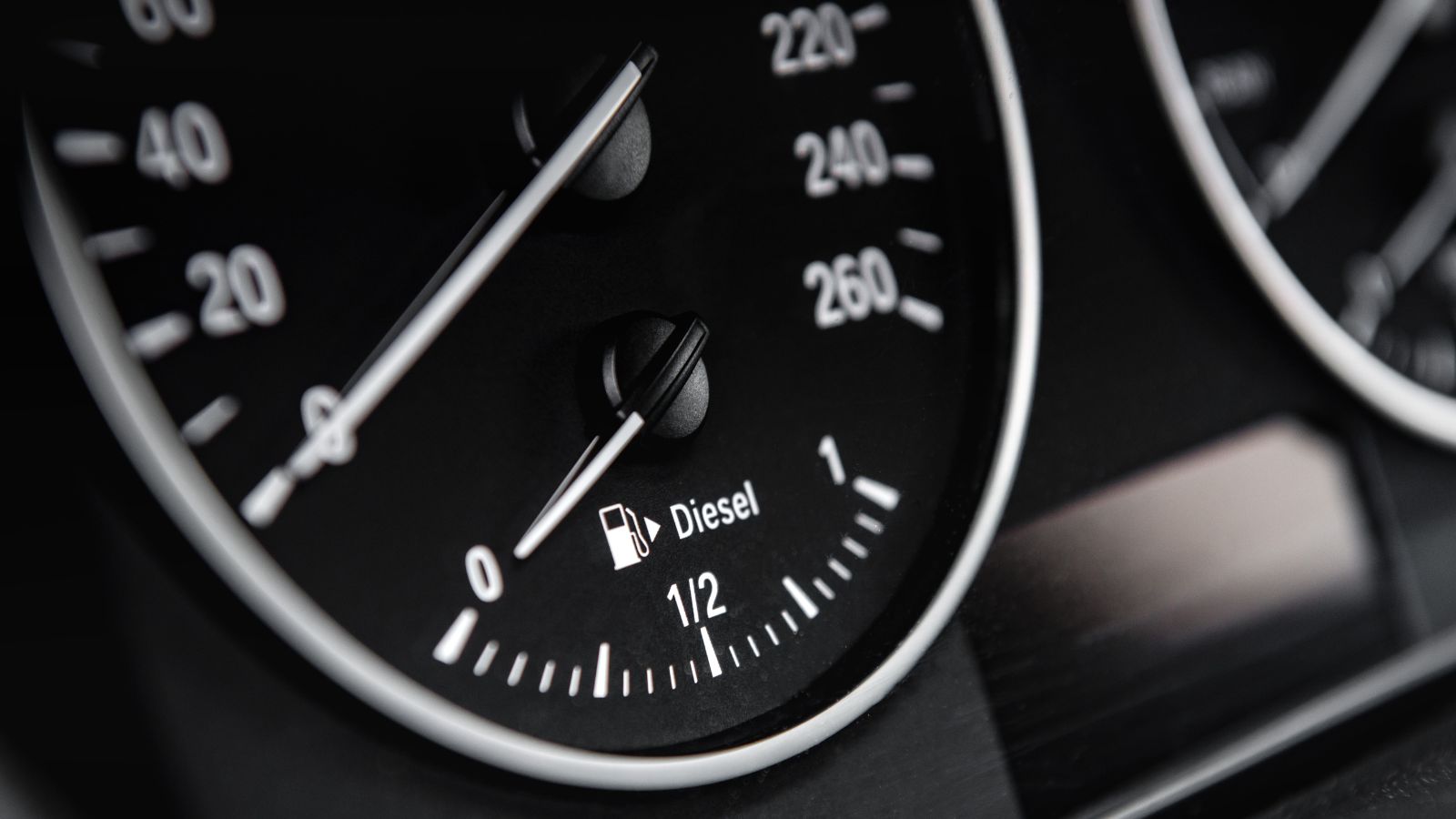
Digital range estimates can create a false sense of precision. A display that says 35 kilometres or 22 miles remain may feel reassuring, but the number is only an estimate based on recent fuel use, driving conditions, and vehicle calculations. A sudden change in speed, traffic, terrain, weather, or load can quickly make that estimate less useful.
This is why squeezing every last kilometre from the tank is risky. A driver who leaves a city gas station search too late may hit construction, a detour, or a long uphill stretch and watch the range fall faster than expected. Fuel economy varies in real-world driving, and in-dash systems are helpful guides rather than promises. The safer habit is treating a quarter tank as a planning point, not waiting for the final warning.
Sediment and Contamination Can Make Low Fuel More Risky
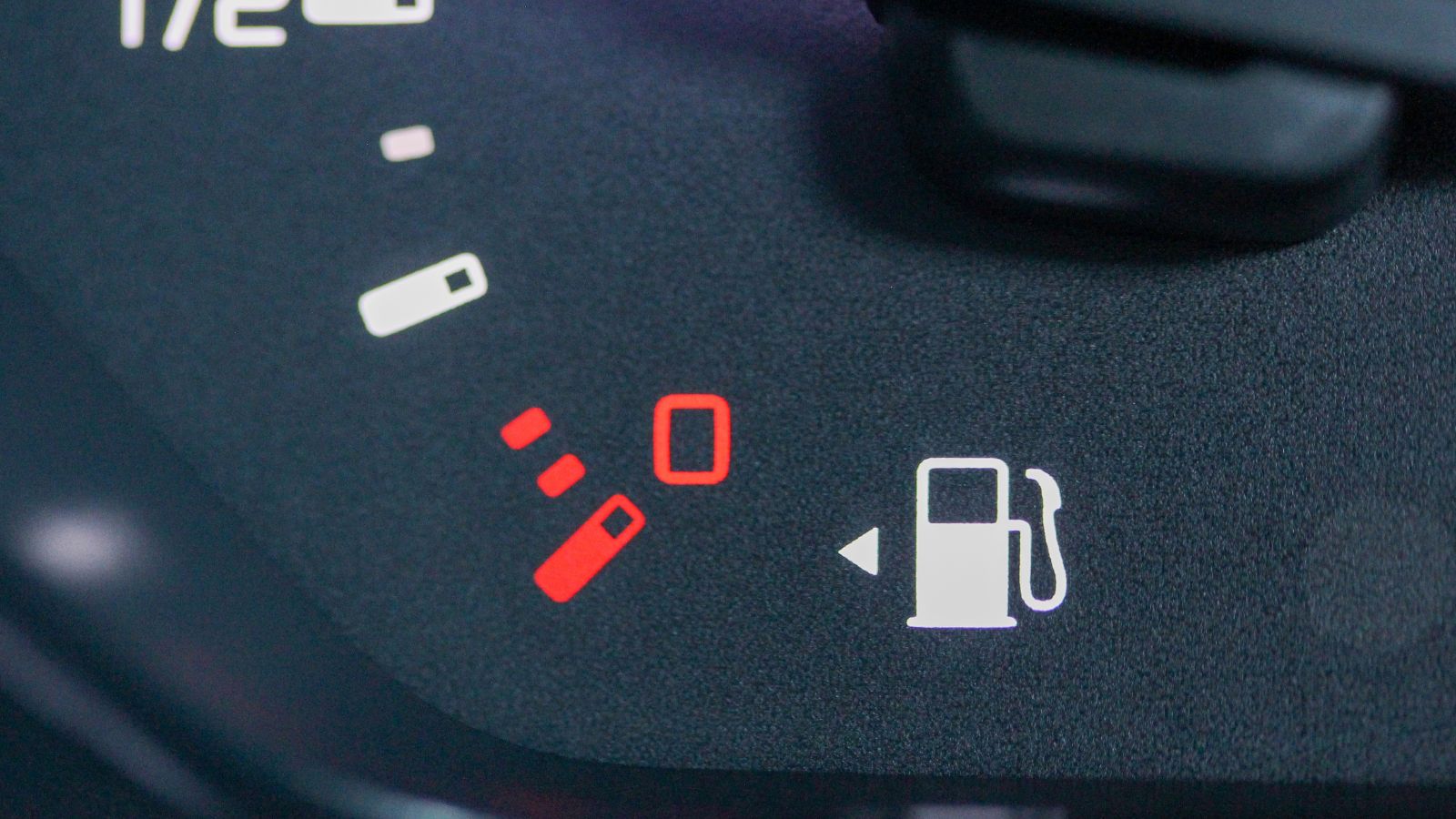
Fuel systems are designed with filters, strainers, and sealed components, so a single low-fuel drive does not automatically ruin a vehicle. Still, contamination can exist in tanks, especially in older vehicles, vehicles that sit unused, or vehicles exposed to poor-quality fuel. When fuel levels are very low, the pump has less margin before it pulls from the lowest part of the tank.
Sediment, water, or debris can clog filters or contribute to rough running, hesitation, or hard starts. The situation can be especially frustrating because the symptoms may appear intermittent at first. A car may run normally on level roads but stumble when accelerating, climbing a hill, or turning sharply. Low fuel does not create every contamination problem, but it can make an already marginal fuel system show its weaknesses sooner.
Engine Sputtering Can Create Secondary Damage
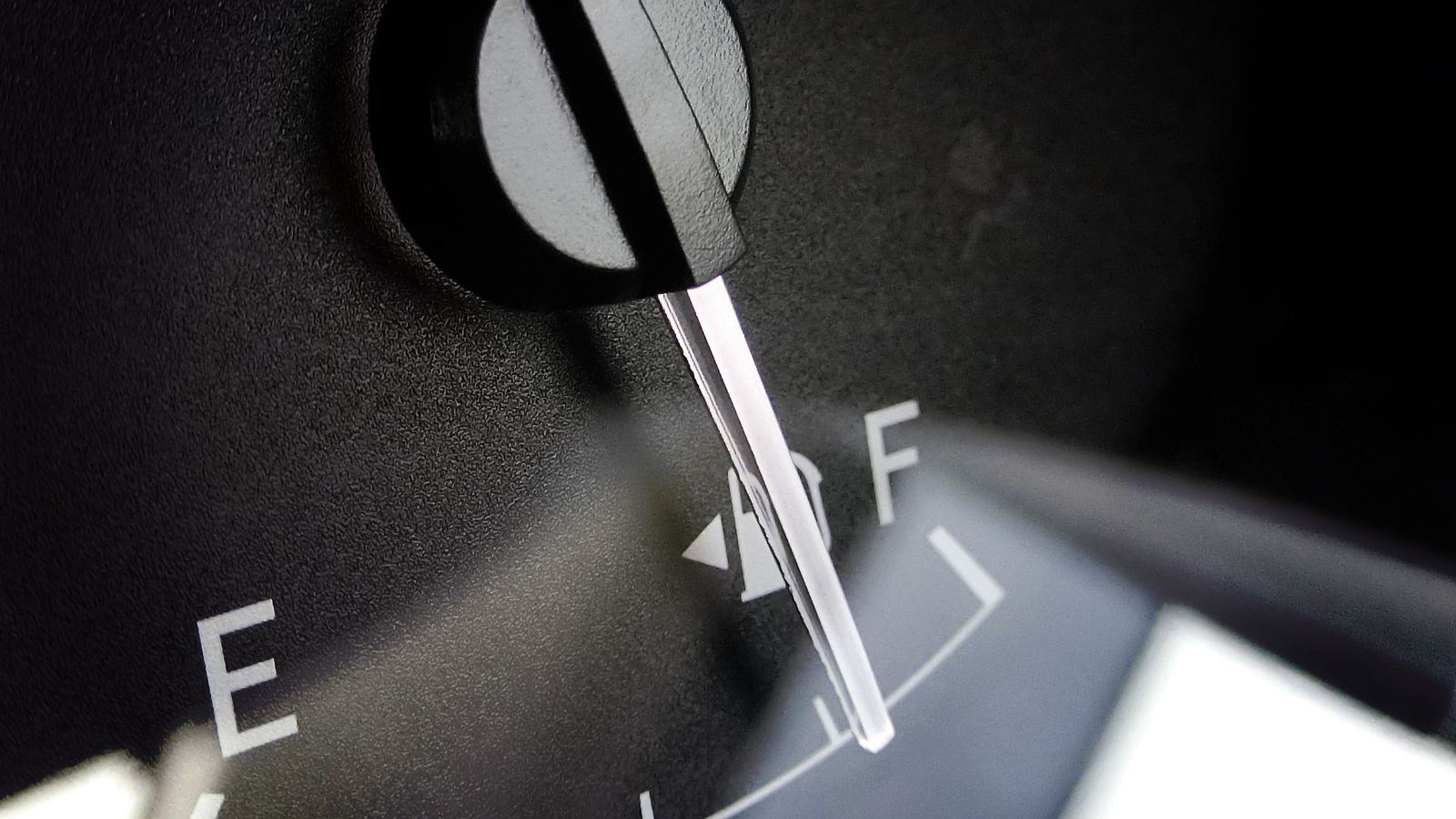
When fuel flow becomes inconsistent, the engine may sputter, hesitate, or misfire before it stalls. That rough running should not be dismissed as harmless. In gasoline vehicles, a misfire means the air-fuel mixture is not burning properly in one or more cylinders, which can send unburned fuel into the exhaust stream.
The catalytic converter is designed to handle exhaust gases, not repeated fuel overload. If too much unburned gasoline reaches it, the converter can overheat and suffer internal damage. A brief stumble caused by low fuel may not destroy anything by itself, but repeatedly driving until the engine coughs and cuts out adds avoidable stress. Once the warning signs appear, the safest move is to refuel promptly rather than trying to “make it just a little farther.”
Cold Weather Makes a Low Tank Less Forgiving
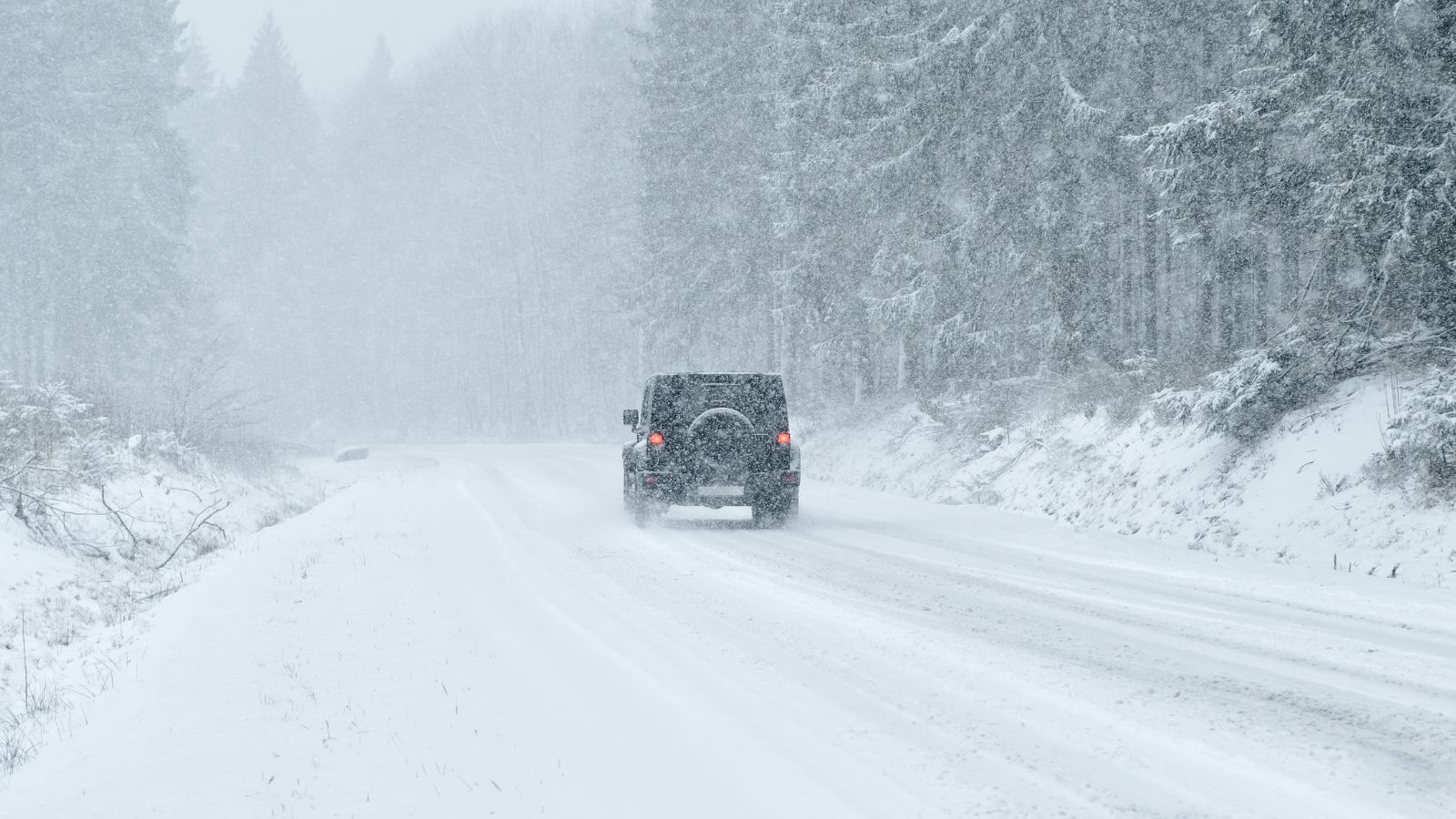
Cold weather reduces fuel economy and increases the chance that small planning errors become bigger problems. Engines take longer to reach efficient operating temperature, fluids thicken, defrosters and heaters draw extra power, and short trips can use noticeably more fuel than expected. In winter driving, a low tank can disappear faster than a driver’s normal routine suggests.
There is also a safety issue. A vehicle stuck in traffic, snow, or a closed road may need fuel to keep occupants warm while waiting for help. Emergency guidance often recommends keeping the tank close to full in winter because delays can last far longer than planned. A nearly empty tank during a cold-weather backup is more than inconvenient; it can remove one of the few available sources of heat and power.
Heavy Traffic and Detours Can Burn the Reserve Quickly
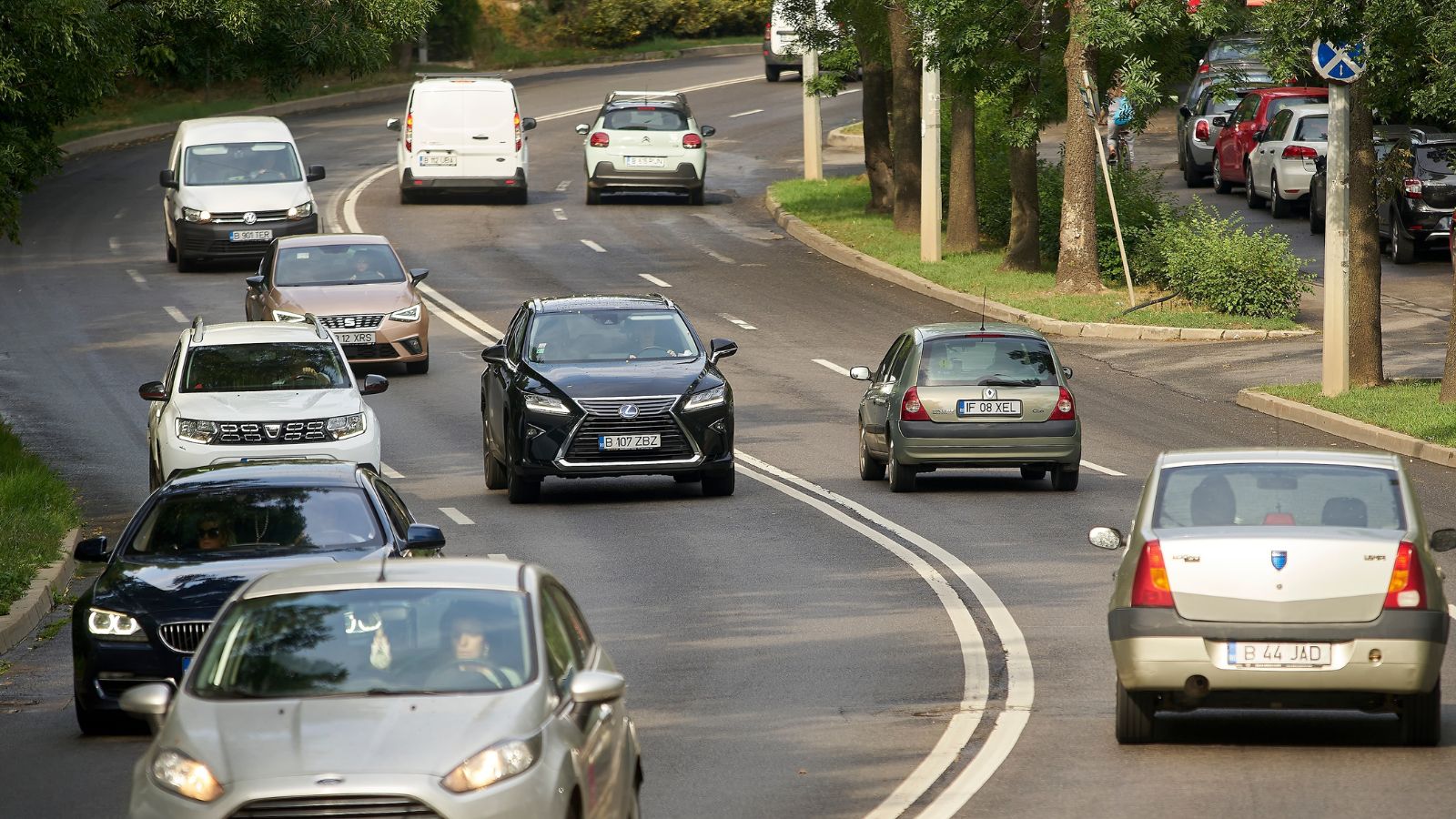
Low fuel becomes more dangerous when the route changes unexpectedly. Stop-and-go congestion, long idling periods, road closures, steep grades, and aggressive acceleration all increase fuel use. A reserve that seemed adequate during light traffic may shrink quickly when the vehicle spends twenty minutes crawling through construction or climbing a long hill.
This is where many drivers get caught. The station was “only ten minutes away,” but a crash blocks the exit, navigation reroutes traffic, or the nearest pump is closed. Fuel economy depends heavily on driving conditions, and a low tank removes flexibility. Keeping a larger buffer is not about paranoia; it is about having enough margin for the ordinary surprises that happen on real roads.
Low Fuel Can Trigger Stalling During Turns, Hills, or Hard Acceleration
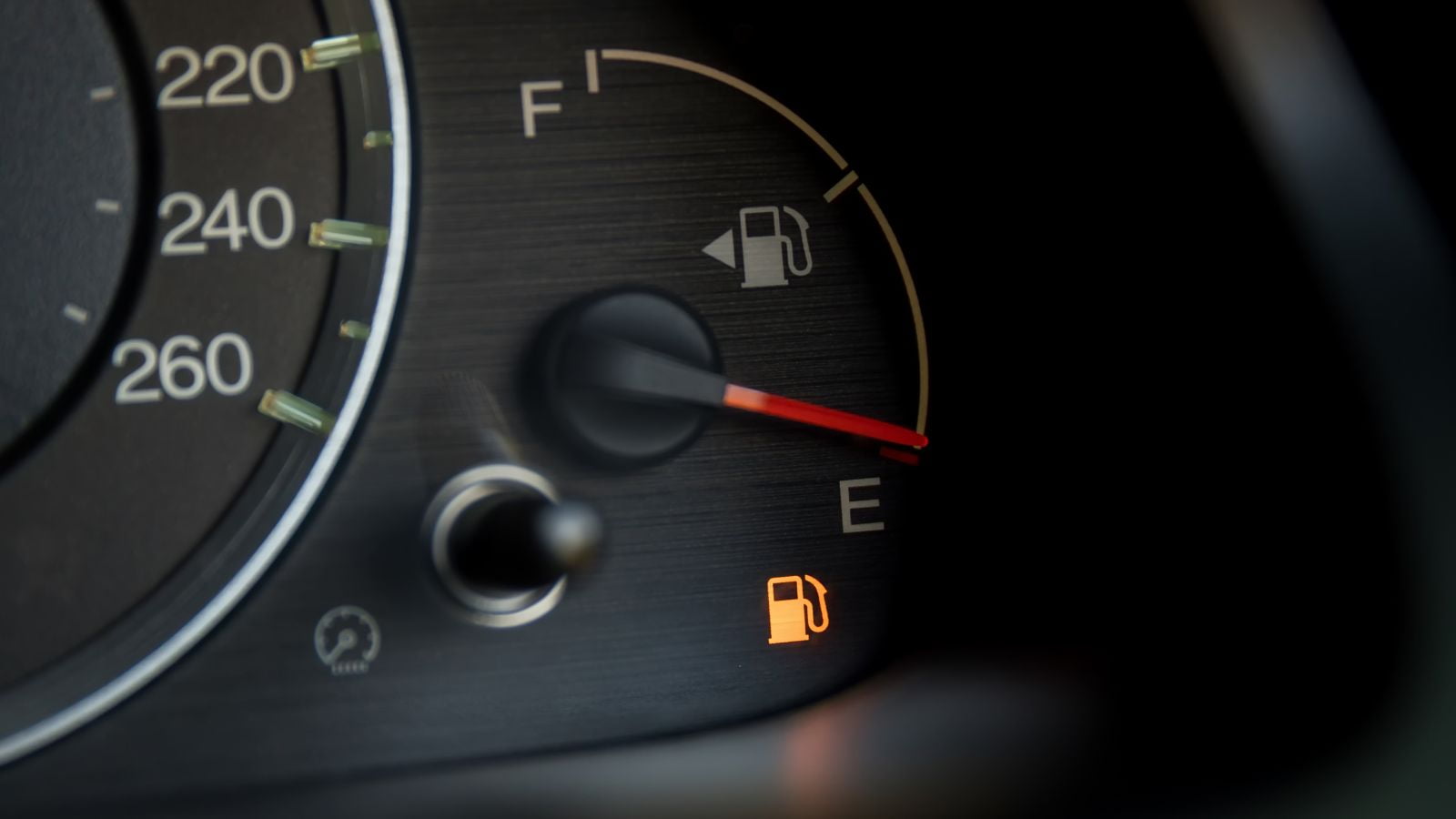
A tank does not have to be completely empty for fuel delivery to become inconsistent. On steep hills, sharp turns, ramps, or during hard acceleration, the remaining fuel can move away from the pickup area. If the fuel pump briefly draws air, the engine may hesitate, lose power, or stall at a moment when steady acceleration matters.
This can be especially unsettling while merging, crossing an intersection, or climbing a grade with traffic behind. Even a short loss of power can create a safety risk because surrounding drivers do not expect a vehicle to slow suddenly. Modern fuel tanks are designed to manage fuel movement, but they cannot fully overcome extremely low fuel levels in every driving condition. The lower the tank, the smaller the margin.
Diesel Vehicles Can Be Harder to Restart After Running Dry
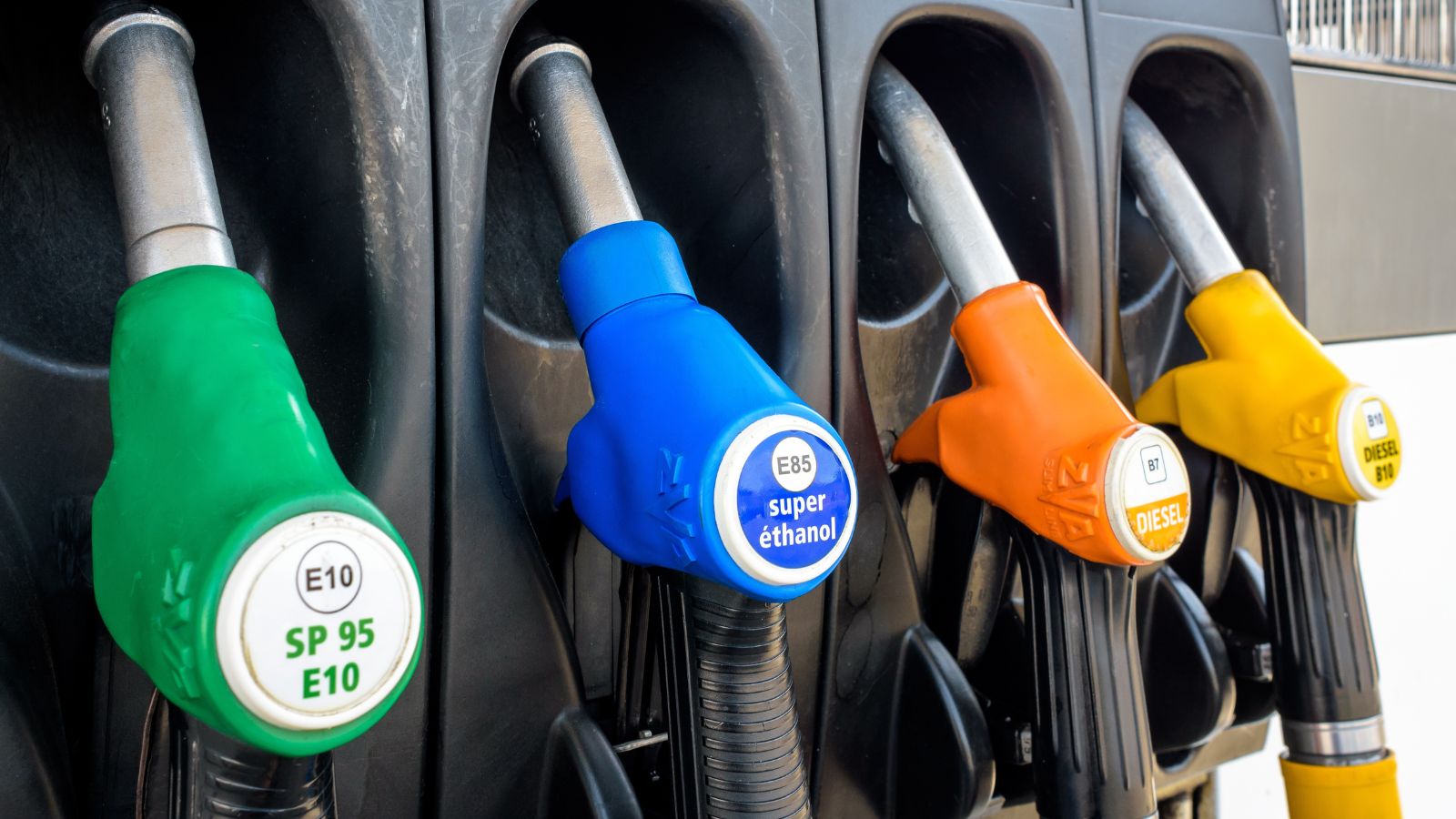
Running out of diesel can be more complicated than running out of gasoline. Diesel fuel systems often need to be primed or bled after air enters the lines. Some owner instructions call for adding several gallons of fuel and cycling the ignition before attempting a restart. On certain engines, repeated cranking can also stress the starter or battery.
For diesel drivers, the inconvenience can quickly escalate. A simple fuel stop may become a roadside procedure, a tow, or a shop visit if the vehicle will not restart cleanly. Air in a diesel fuel system disrupts the steady flow needed for proper injection. That is why diesel vehicles are often better treated with an even larger reserve than gasoline vehicles, especially on long rural drives or in cold weather.
A Low Tank Can Turn a Minor Delay Into a Roadside Service Call
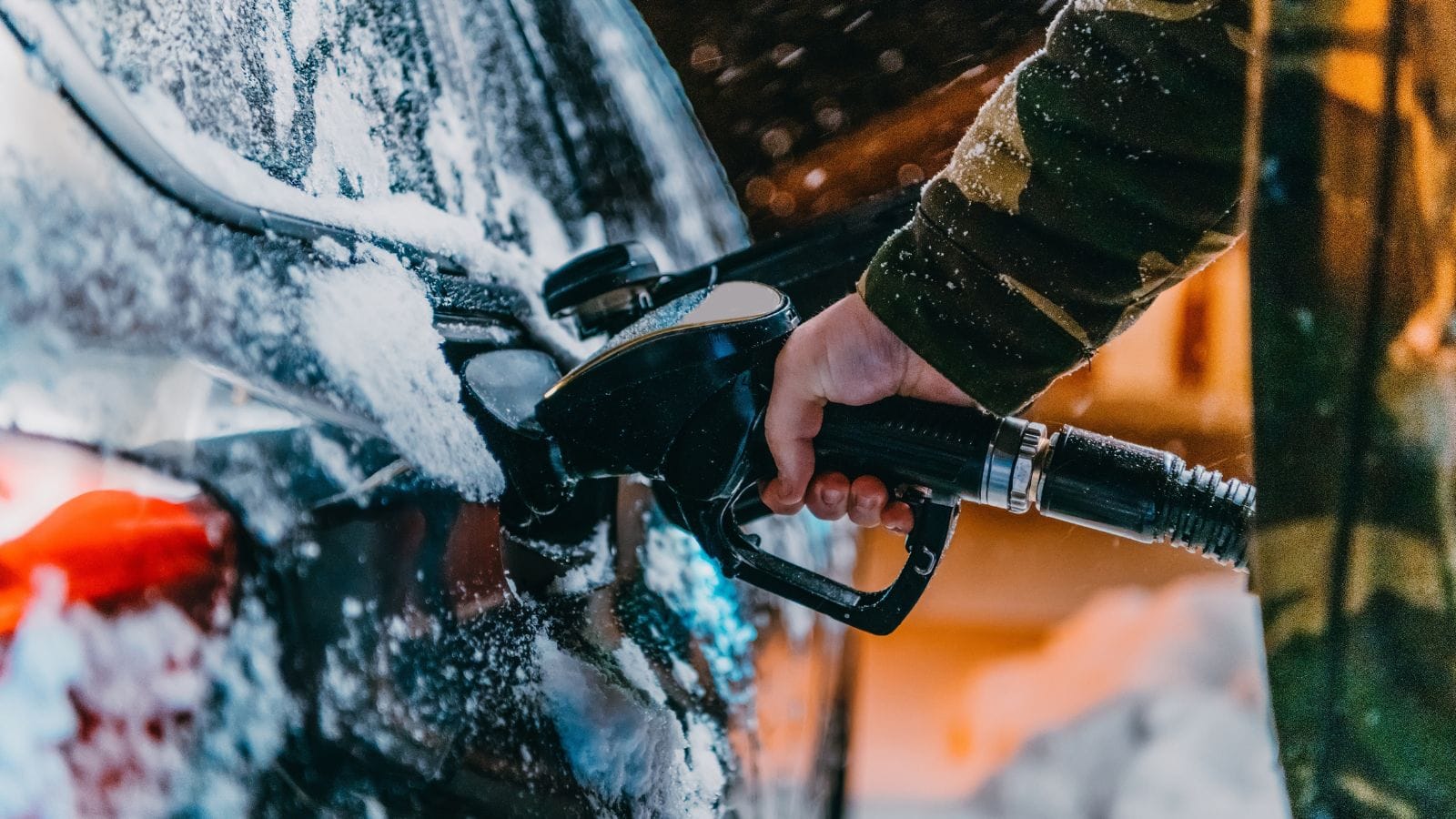
Many drivers think of low fuel as a personal inconvenience, but it can also create avoidable demand for roadside help. Roadside assistance organizations have reported large numbers of drivers continuing after the low-fuel warning and many calls from motorists stranded after running out. The pattern shows how common the gamble is.
The practical cost is not limited to fuel. A driver may lose work time, miss an appointment, pay for delivery fuel, wait for a tow, or face parking and traffic penalties if the vehicle stops in the wrong place. In some areas, fuel delivery may be unavailable or delayed. The smaller the fuel buffer, the more a normal delay can turn into a chain of costs that far exceeds the price of refilling earlier.
Remote Areas Make Fuel Planning More Important
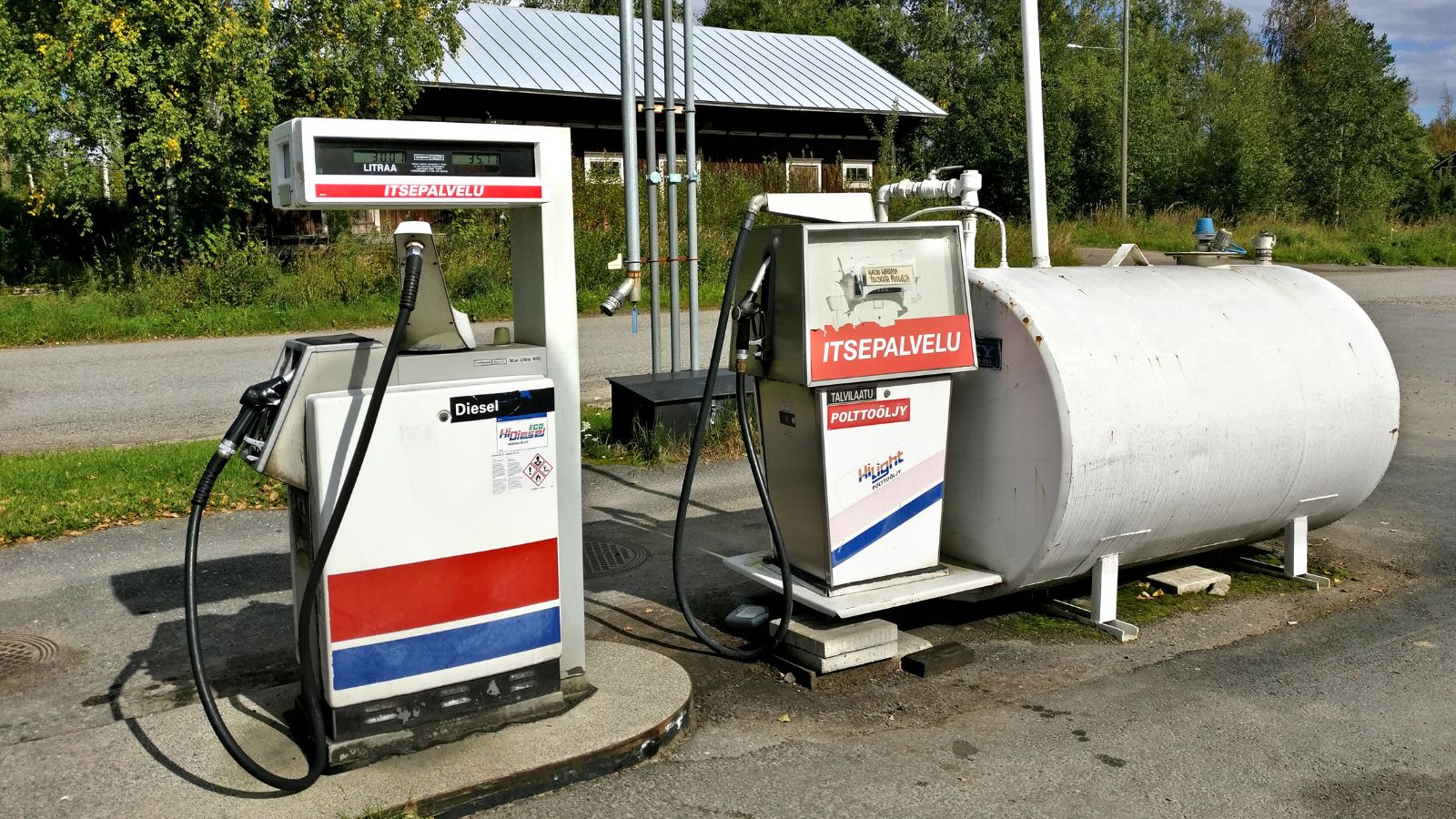
Low fuel is especially risky outside dense urban areas. Rural highways, mountain routes, northern roads, and late-night drives may have long distances between stations. A map may show fuel nearby, but hours, closures, payment system outages, or seasonal access can change the reality. The risk grows when cell service is weak or weather makes waiting outside unsafe.
The most reliable strategy is planning fuel stops before the warning light becomes part of the trip. Drivers covering unfamiliar routes should assume that the next station may not be open, may not have the right fuel, or may require a detour. Keeping a reserve is not wasted fuel; it is travel insurance already sitting in the tank.
The Quarter-Tank Habit Prevents Multiple Problems at Once
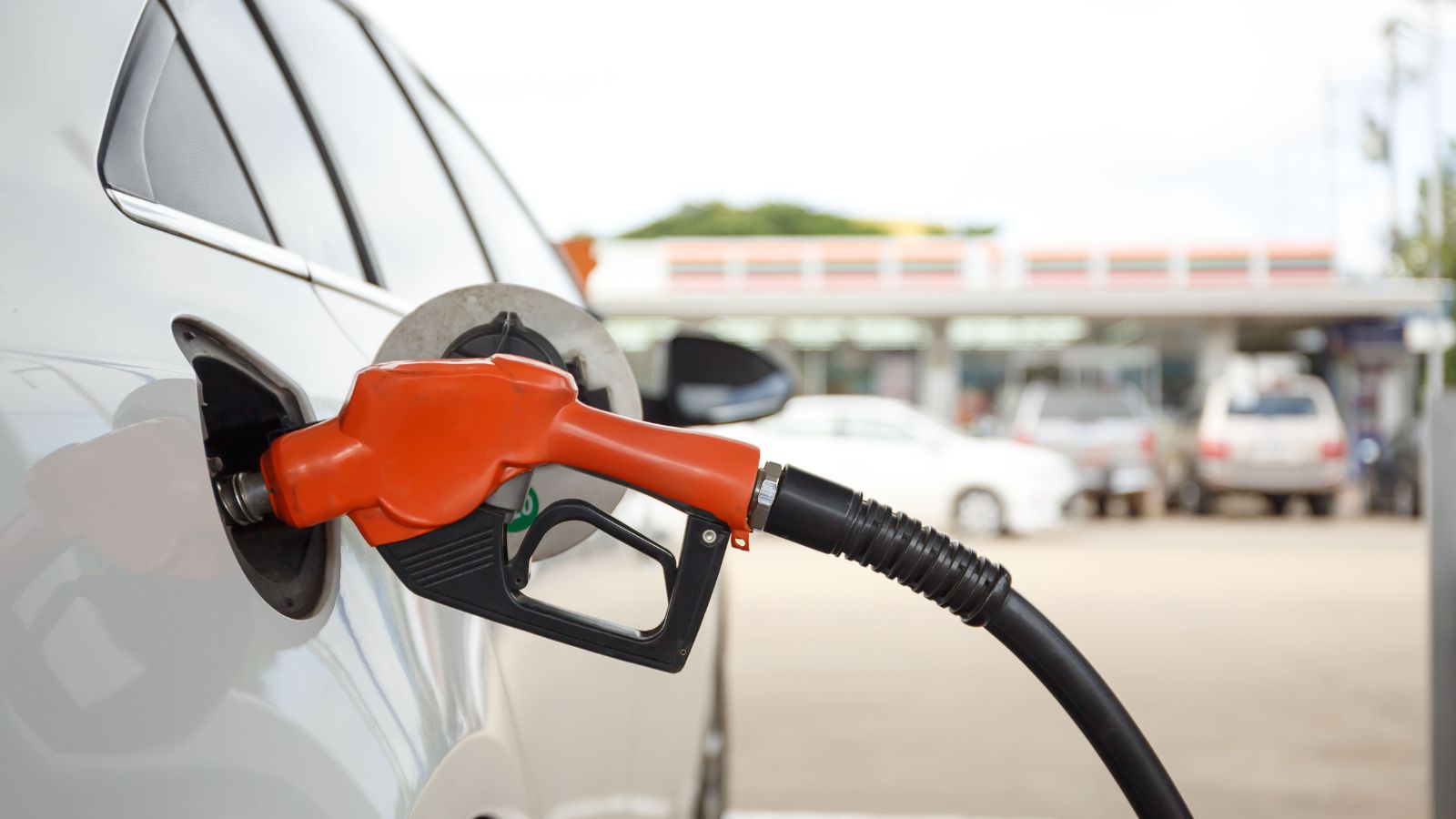
Treating one-quarter tank as the practical “empty” mark is a simple habit with several benefits. It protects the fuel pump from repeated low-fuel operation, reduces the chance of fuel starvation, leaves room for detours, and lowers the odds of being stranded in an unsafe place. In winter or remote travel, an even larger buffer is often wiser.
This habit also removes stress from ordinary driving. Instead of watching the range display fall and hoping the next station is open, drivers can refuel on schedule and avoid rushed decisions. The real lesson is not that every low-fuel moment causes damage. It is that repeated low-fuel driving reduces safety margins, increases mechanical stress, and makes small surprises more expensive than they need to be.
22 Things Canadians Do to Their Cars in Spring That Mechanics Hate
Spring brings relief to many Canadian drivers after months of snow, freezing temperatures, and icy roads that put serious strain on vehicles. As temperatures rise across the country, drivers begin washing cars, switching tires, and preparing vehicles for warmer weather and upcoming road trips. However, mechanics across Canada notice the same mistakes every spring when drivers attempt to recover from winter damage. Road salt, potholes, and harsh winter driving conditions often leave vehicles with hidden problems that drivers ignore. Some spring habits even create new mechanical issues that could have been avoided with proper maintenance. Here are 22 things Canadians do to their cars in spring that mechanics hate.

Alanna Rosen is an experienced content writer that focuses on many EV and educational content. Her articles are regularly published on Get CyberTrucked and syndicated on large publications.